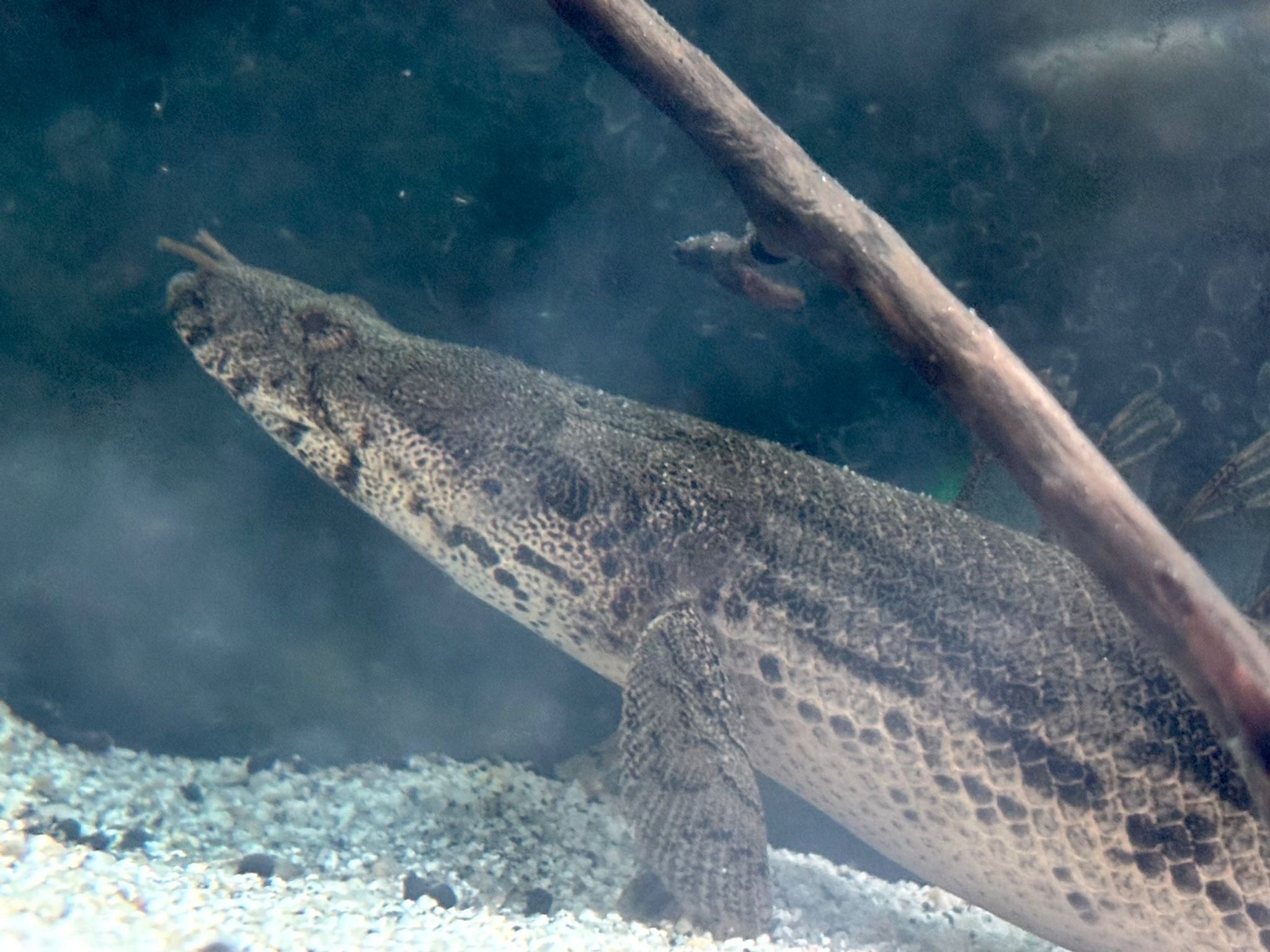
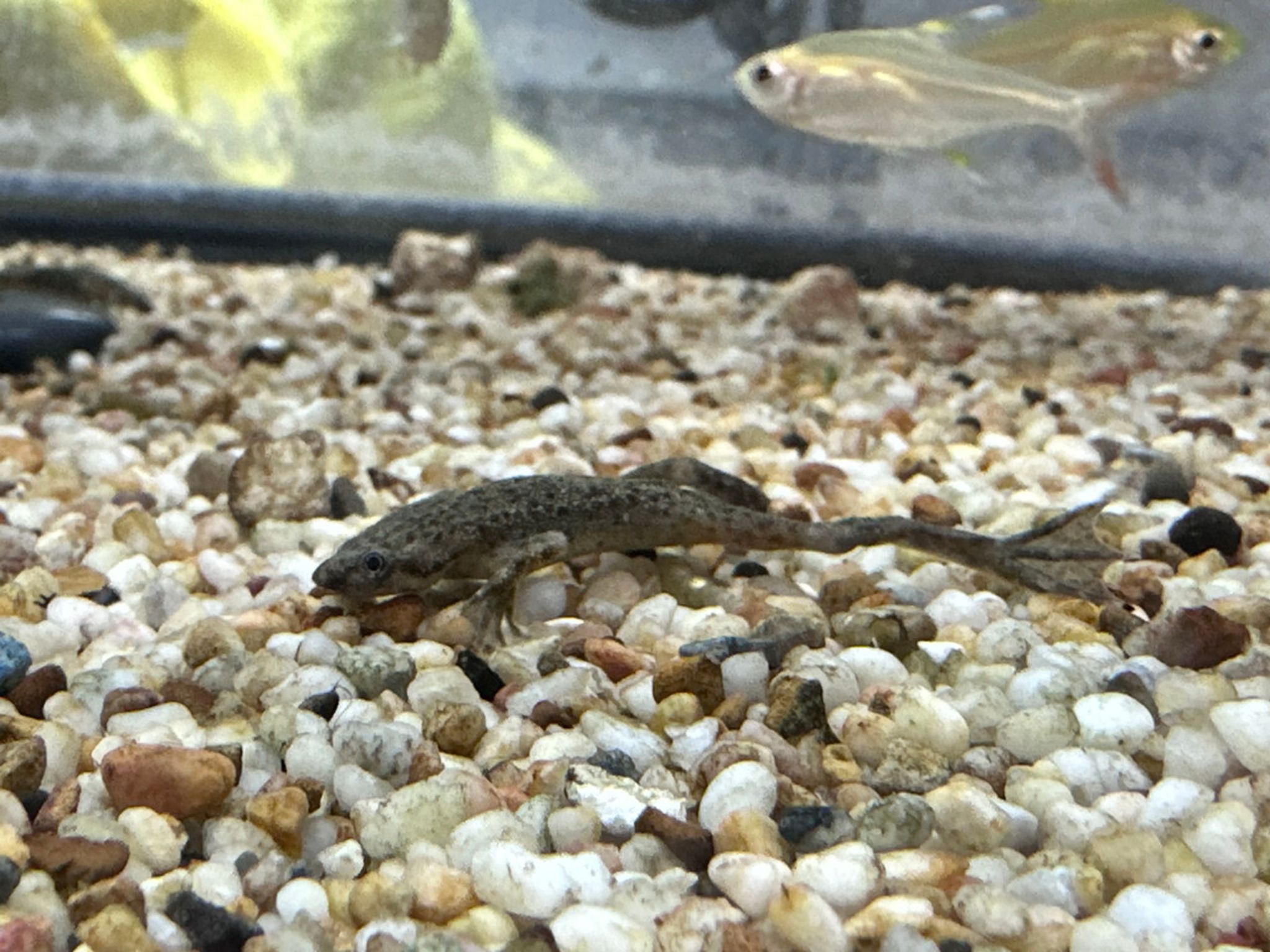
12-14in Bichir
Click to enlarge

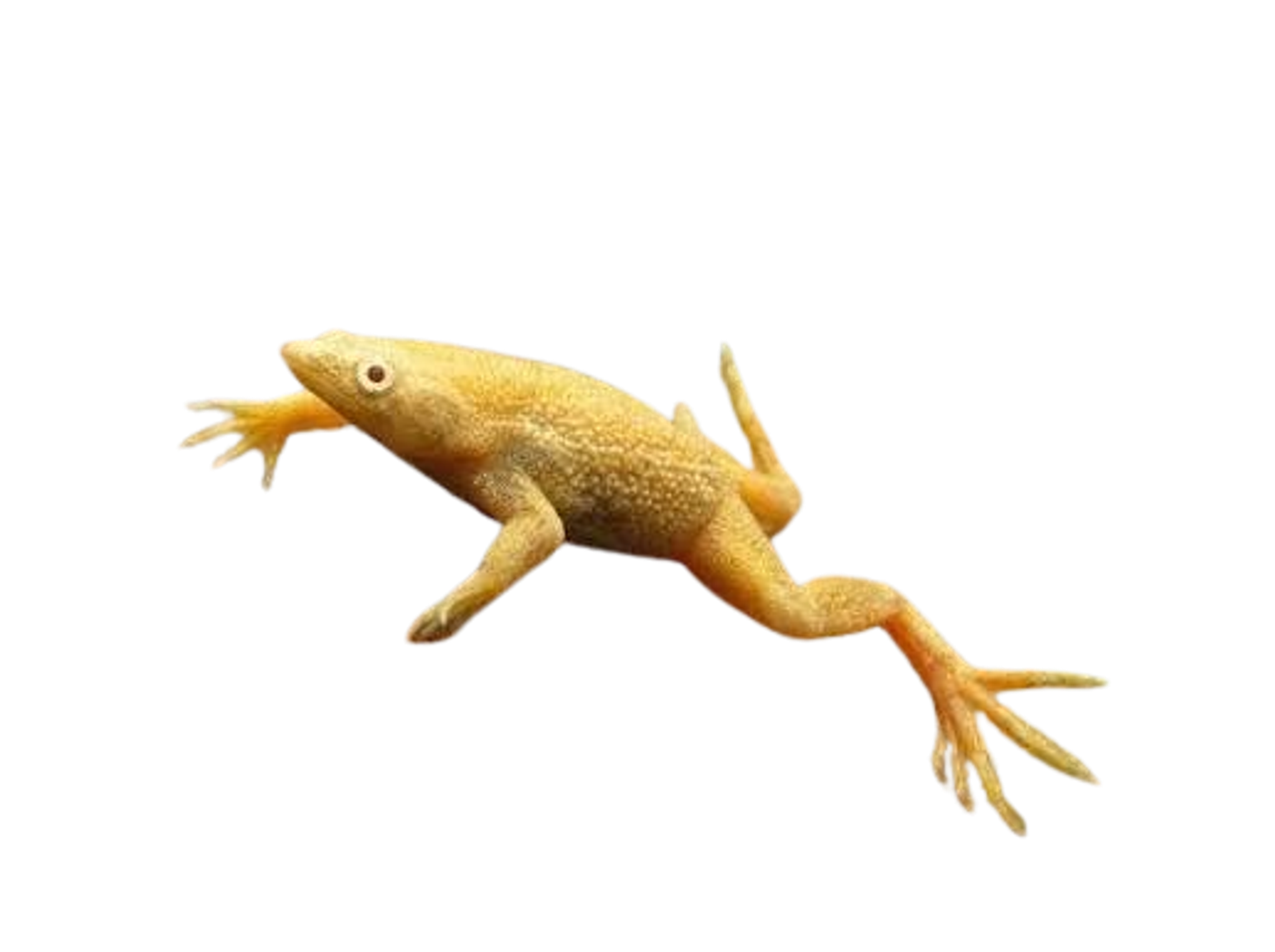
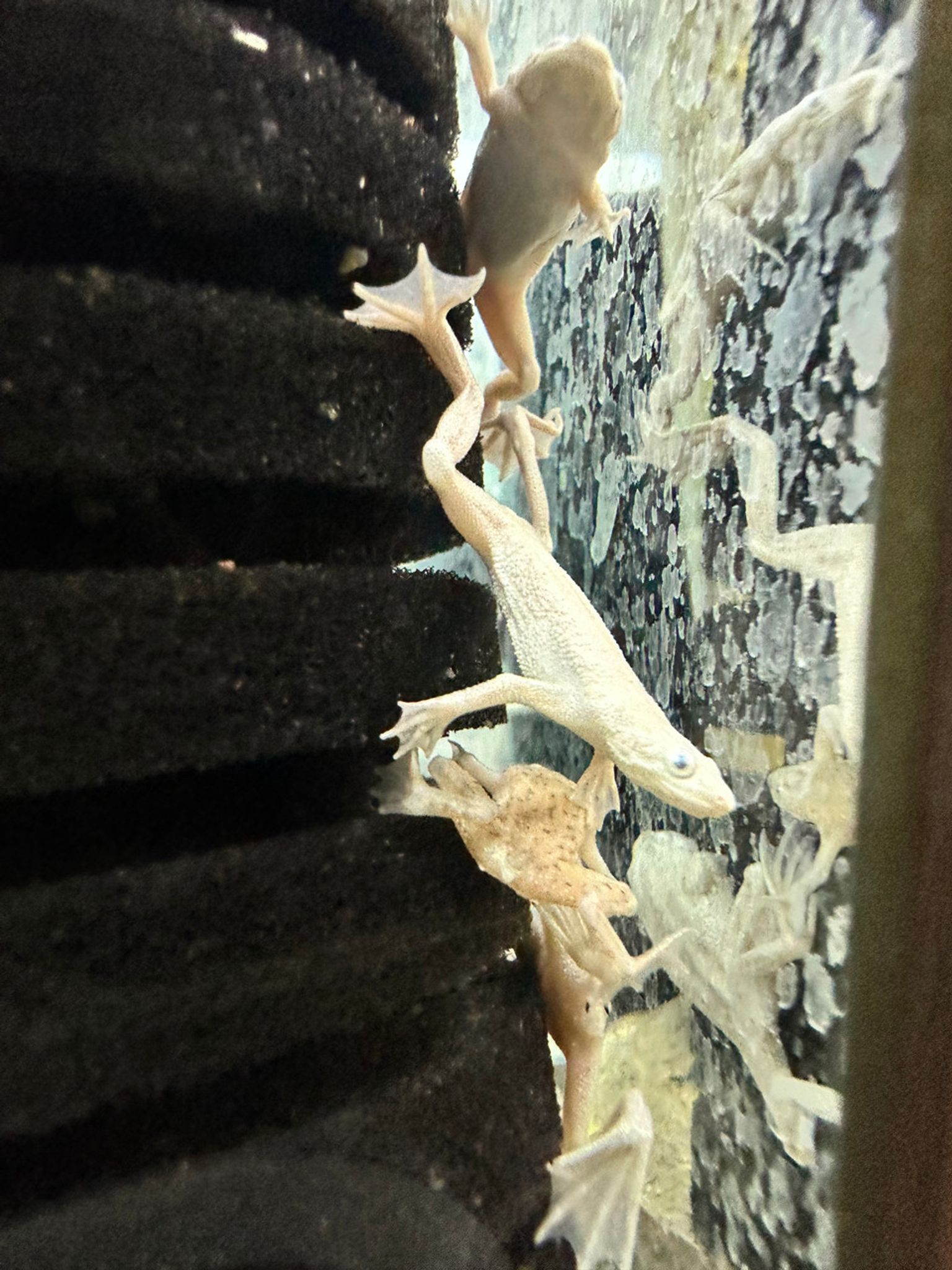
Unless stated otherwise, photos show the species, not the exact fish you'll receive.

12-14in Bichir

USD 150.00

Delivery Information

Delivery takes 3 to 7 working days. Delivery fees will be shown upon checkout.

Dead-on-arrival protection: report within 3 days of delivery with a photo or video for an exchange or return.

Product Variations

Quantity

Stock: 1

Product Details

Size

30cm - 35cm

Temperament

Aggressive

WYSIWYG

Representative Photo Only

Product Description

Armored relic of ancient rivers, surfacing for air between ambushes.

Shop healthy Bichir for sale: a hardy, air-breathing freshwater oddball with armoured scales, prehistoric looks and fascinating behaviour for the species tank.

  • Water conditions: Bichirs are freshwater fish that thrive in a mature, stable aquarium with excellent biological filtration. Aim for a temperature of 24–28°C (75–82°F), pH 6.5–7.5 and general hardness of around 5–15 dGH, although they are adaptable to moderately hard water if changes are gradual. Ammonia and nitrite must remain at zero, and nitrate should be kept low—ideally below 20 ppm—through regular partial water changes and sensible stocking. Provide gentle to moderate flow rather than a blasting current, and ensure the filter intake is covered so inquisitive specimens cannot trap themselves. Bichirs are air-breathing fish and must have free access to the water surface, so avoid tightly sealed covers and floating mats of plants that block the surface. At the same time, the lid must be secure because bichirs are accomplished jumpers. Keep temperature and chemistry stable, acclimatise new arrivals slowly, and avoid sudden large swings during maintenance.
  • Tank setup and care requirements: Choose the largest aquarium you can accommodate, with a minimum footprint of around 120 x 45 cm for smaller species such as Senegal bichirs; ornate and larger-growing bichirs need substantially more space, ideally 180 cm or more. Use soft sand or a smooth, rounded substrate to protect the delicate underside and sensitive barbels, and avoid sharp gravel, rough rocks or exposed jagged décor. Furnish the tank with caves, driftwood, PVC hides and robust plants that create dim, sheltered areas, because bichirs are crepuscular and nocturnal and appreciate cover. Lighting can be subdued, and a dark background helps them settle. Bichirs are escape specialists: fit a tight-fitting, ventilated lid and seal any gaps around pipework and cables, while still allowing air exchange at the surface. Carry out weekly water changes of 25–30%, siphon detritus from open areas, rinse filter media gently in tank water, and avoid overstocking. Handle bichirs as little as possible; if you must move one, use a smooth container rather than a net, and take care with medications because some treatments can be harsh on these armoured oddballs.
  • Suitable tank mates: Bichirs are predatory, so tank mates must be chosen carefully and be too large to fit into the bichir’s mouth. Good candidates include peaceful to semi-peaceful medium-to-large fish such as suitably sized rainbowfish, larger barbs, peaceful cichlids, and robust catfish that occupy different areas of the tank. Avoid small tetras, guppies, danios, shrimp, snails and other invertebrates, which may be eaten as the bichir grows. Also avoid aggressive or nippy species, puffers, and boisterous cichlids that may harass or damage the bichir’s fins and barbels. Provide plenty of hiding places and visual barriers so tank mates can escape one another’s attention. Keeping multiple bichirs is possible in a very large, well-structured aquarium, but only with similar-sized specimens and close observation, as small individuals can be bullied or swallowed. If in doubt, a species-specific setup with carefully selected dither fish is the safest route.
  • Feeding habits: Bichirs are carnivorous and thrive on a varied, meaty diet. Offer high-quality sinking pellets formulated for carnivorous fish alongside frozen or fresh foods such as bloodworm, mysis, prawn, mussel, squid, earthworm and pieces of lean white fish. Live foods can be useful for stimulating fussy new arrivals, but quarantine them first and avoid feeder goldfish, which carry disease risks and poor nutritional value. Never feed mammalian meat or fatty foods. Juveniles and growing sub-adults can be fed once or twice daily, while mature adults generally do well with feeding every two to three days. Bichirs are often most active at dusk and after lights-out, so target feeding near their hiding places or using tongs can help ensure they get their share. Remove any uneaten food promptly to protect water quality, and avoid overfeeding, which can lead to obesity and sluggish behaviour. A varied diet and sensible portions support steady growth, clear eyes and healthy fin development.
  • Acclimation, health and long-term care: Quarantine new bichirs for two to four weeks whenever possible and observe them for signs of stress, skin damage, laboured breathing or appetite loss. Drip acclimation is recommended to match temperature and water chemistry gradually before release. Keep the aquarium covered during acclimation, as a startled bichir can jump. Once settled, maintain a consistent routine: regular water changes, filter maintenance, stable temperature and careful feeding. Check the lid and any cable gaps regularly, because even a small opening can be exploited. Bichirs are long-lived, fascinating fish that reward patient, thoughtful care with decades of interest in the right setup, making them an excellent choice for the prepared freshwater specialist.

More from M&M Aquatics

M&M   Aquatics

M&M Aquatics

View Store →