The Rise of Rare Aquarium Fish: What Hobbyists Are Searching For
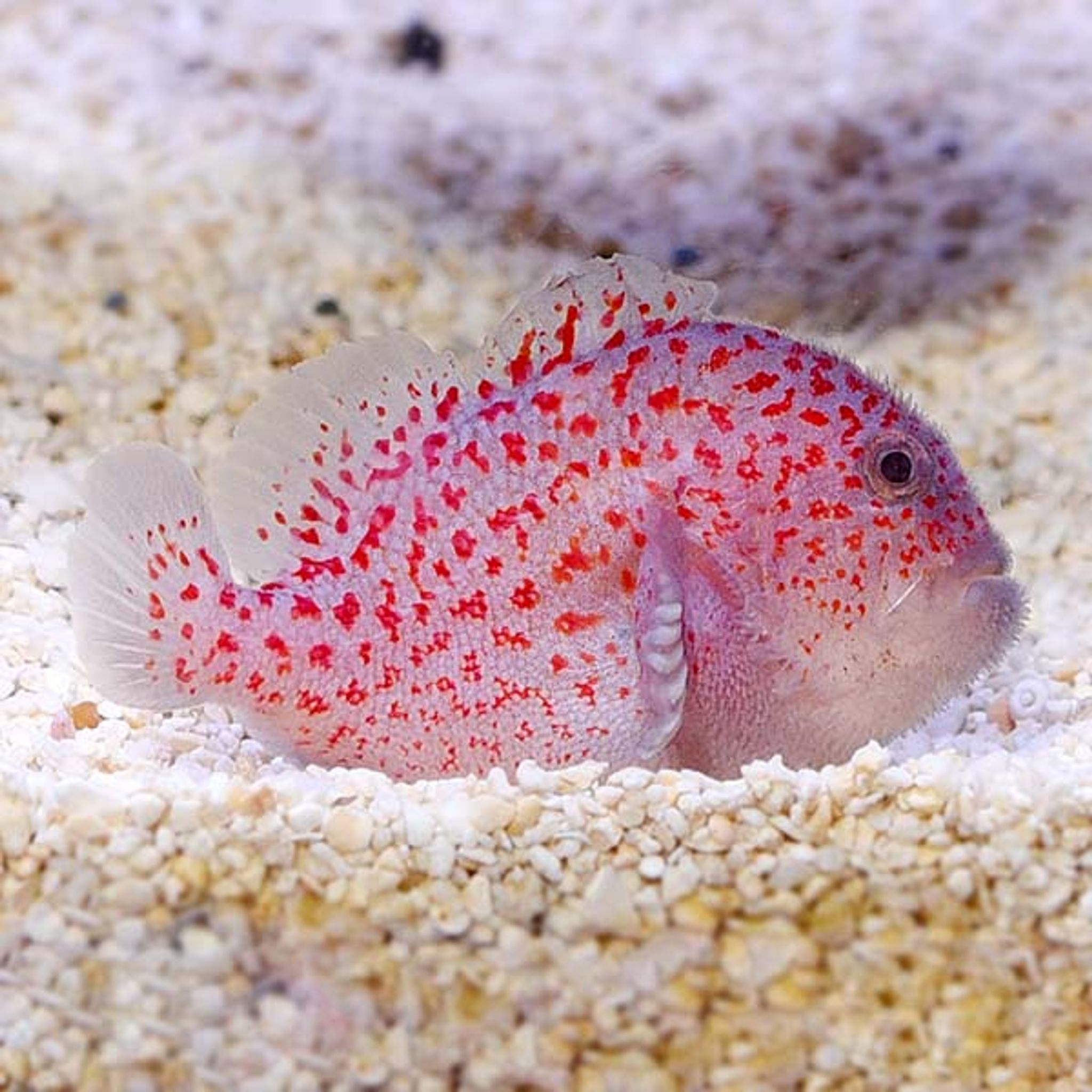
Hobbyists searching FishyHub for something rare look most often for wild bettas, named snakehead species, albino forms, axolotls and vampire crabs. In the US, the rare end of the marketplace is made up of limited-supply, collector-tier animals: black and jardini arowana, datnoids, and marine oddities such as rays, sharks, scorpionfish and frogfish. The giant halfmoon plakat betta is the clearest case where US demand clearly outpaces supply.
Key Findings
- FishyHub search data shows albino forms, axolotls, named channa species, vampire crabs and wild bettas all searched often across its markets.
- FishyHub data shows giant halfmoon plakat bettas have limited supply in the US with demand clearly outpacing supply, the clearest case of scarcity on the US marketplace.
- FishyHub data shows black and jardini arowana have limited supply in the US and sit in the collector / premium price tier.
- FishyHub data shows rays, scorpionfish and sharks have limited supply among US marine listings and sit in the collector / premium tier.
- FishyHub data shows anglers and frogfish, dartfish and seahorses also sit in the collector / premium tier in the US.
- FishyHub data shows plecos have very high supply in the US with a very wide price spread between varieties, from common bristlenose to rare named forms.
- FishyHub data shows scorpionfish appear regularly in FishyHub Feed videos, and the "Other Animals" category, which covers creatures such as axolotls and frogs, features very heavily in the Feed.
- FishyHub data shows jellyfish, scallops, sea slugs and sponges have limited supply among US marine invertebrate listings.
What Makes an Aquarium Fish "Rare"
A fish can be rare for several different reasons, and they shape price in different ways:
- Wild-caught from remote places, such as many plecos and wild bettas, where collection is seasonal and export is irregular.
- Hard to breed in captivity, as with many marine fish, so almost all stock is wild-collected.
- Protected or restricted, so only a few sources can legally supply them.
- New or selective lines, such as giant bettas or albino forms, where breeders release only a few fish while the line is stabilized.
What Rare-Fish Shoppers Search For
FishyHub's search data combines its Singapore and US markets. Terms linked to rare or unusual animals, grouped by search tier and listed alphabetically:
| Search tier | Terms |
|---|---|
| High | albino, axolotl, channa andrao, channa auranti, jellyfish, vampire crab, wild betta |
| Moderate | channa barca, feathertail, fei feng, giant betta, longfin koi, rosetail |
| Limited | altum, arapaima, blue alien male, galaxy rasbora, mudskipper, pink betta, platinum, a specific pleco L-number |
The pattern is that rare-fish shoppers search by name. They know exactly which species or line they want, which is typical of collectors and very different from the broad searches ("tetra", "guppy") of everyday buyers.
Rare Fish on FishyHub in the US
| Group | US supply | US price tier |
|---|---|---|
| Anglers & frogfish | Moderate | Collector / premium |
| Black arowana | Limited | Collector / premium |
| Datnoids | Limited | Collector / premium |
| Giant halfmoon plakat bettas | Limited | Upper mid-range |
| Jardini arowana | Limited | Collector / premium |
| Rays (marine) | Limited | Collector / premium |
| Scorpionfish | Limited | Collector / premium |
| Seahorses | Moderate | Collector / premium |
| Sharks (marine) | Limited | Collector / premium |
All of the groups above with a tracked trend are rising in new listings in the US.
Marine Rarities: A US Strength
The US has a large, long-established reef-keeping community, and FishyHub's US marine listings reach well into specialist territory. Scorpionfish, including lionfish relatives and true oddities, sit in the collector tier with a very wide price spread. Anglers and frogfish, rays and sharks are all collector-tier. Seahorses are collector-tier too; many sold today are captive-bred, which makes them hardier than wild fish, though they still need a calm, dedicated tank.
Invertebrates show the same specialist streak. Jellyfish, scallops, sea slugs and sponges all have limited supply, because they need specific food or flow and are hard to keep long-term. Jellyfish are also a high-tier search term, a sign that curiosity runs ahead of what most hobbyists can keep.
Wild Bettas and Giant Bettas
"Wild betta" is one of the high-tier search terms on FishyHub. Wild bettas are the species behind the domestic betta, plus many related species from Southeast Asian forest streams and peat swamps. They are rarely sold in US chain stores, so collectors look online.
Giant halfmoon plakats are a different kind of rare: a domestic line bred for size. FishyHub data shows limited supply, upper mid-range prices, moderate buyer interest and demand clearly outpacing supply. Giants take longer to raise and fewer breeders work with them, so supply lags interest.
Plecos and the L-Number Collectors
Plecos have very high supply in the US and sit in the upper mid-range tier, but their very wide price spread tells the real story. Common bristlenose plecos are inexpensive, while rare species identified by L-numbers, the hobby's catalog codes for undescribed or newly found plecos, reach collector prices. Shoppers searching for a specific L-number are the clearest example of name-led rare-fish searching.
Oddballs and the Feed
The "Other Animals" category, which covers creatures such as axolotls and frogs, features very heavily in FishyHub Feed videos, and scorpionfish appear regularly too. In the US, Other Animals have moderate supply and a very wide price spread. Axolotls are restricted in some states, including California, so buyers should check local rules.
Methodology
This page is based on FishyHub's US marketplace activity over the period from October 2024 to October 2026: active listings by category, listed price tiers and spreads, new listings compared with the year before, buyer interest where reportable, search terms, and the categories shown in FishyHub Feed videos. Findings are reported as tiers and directions, not figures.
Search terms combine FishyHub's Singapore and US markets, so they describe shoppers on the marketplace as a whole. The US market has no order history in this data. FishyHub does not report state-level figures; notes on state rules are general context.
Frequently Asked Questions
What rare aquarium fish are people searching for?
On FishyHub, rare-fish searches focus on wild bettas, named channa species, albino forms, giant bettas, axolotls, vampire crabs and jellyfish.
What are the rarest fish for sale in the US?
FishyHub does not rank rarity, but in the US black and jardini arowana, datnoids, marine rays, sharks and scorpionfish all combine limited supply with collector-tier prices.
Why are rare aquarium fish so expensive?
Most are wild-caught from remote areas, hard to breed, protected, or from new lines with few breeders. All of these limit supply.
Where can I find wild bettas in the US?
Wild bettas are rarely sold in chain stores. Specialist breeders and marketplaces such as FishyHub, where independent merchants list them, are the usual source.
How to Cite This Page
Source: FishyHub, "The Rise of Rare Aquarium Fish: What Hobbyists Are Searching For" (2026), https://fishyhub.com/us/blogs/blog-detail/the-rise-of-rare-aquarium-fish-what-hobbyists-are-searching-for


