
What Do Axolotl Eat? A Practical Feeding Guide
Axolotls are strictly carnivorous ambush feeders that thrive on a rotation of chopped earthworms, sinking pellets, and frozen or live bloodworms and brine shrimp. This guide covers exactly what to feed, how much, how often by life stage, and what to skip entirely so you can build a routine today.
What Axolotls Actually Are (and Why It Matters for Feeding)
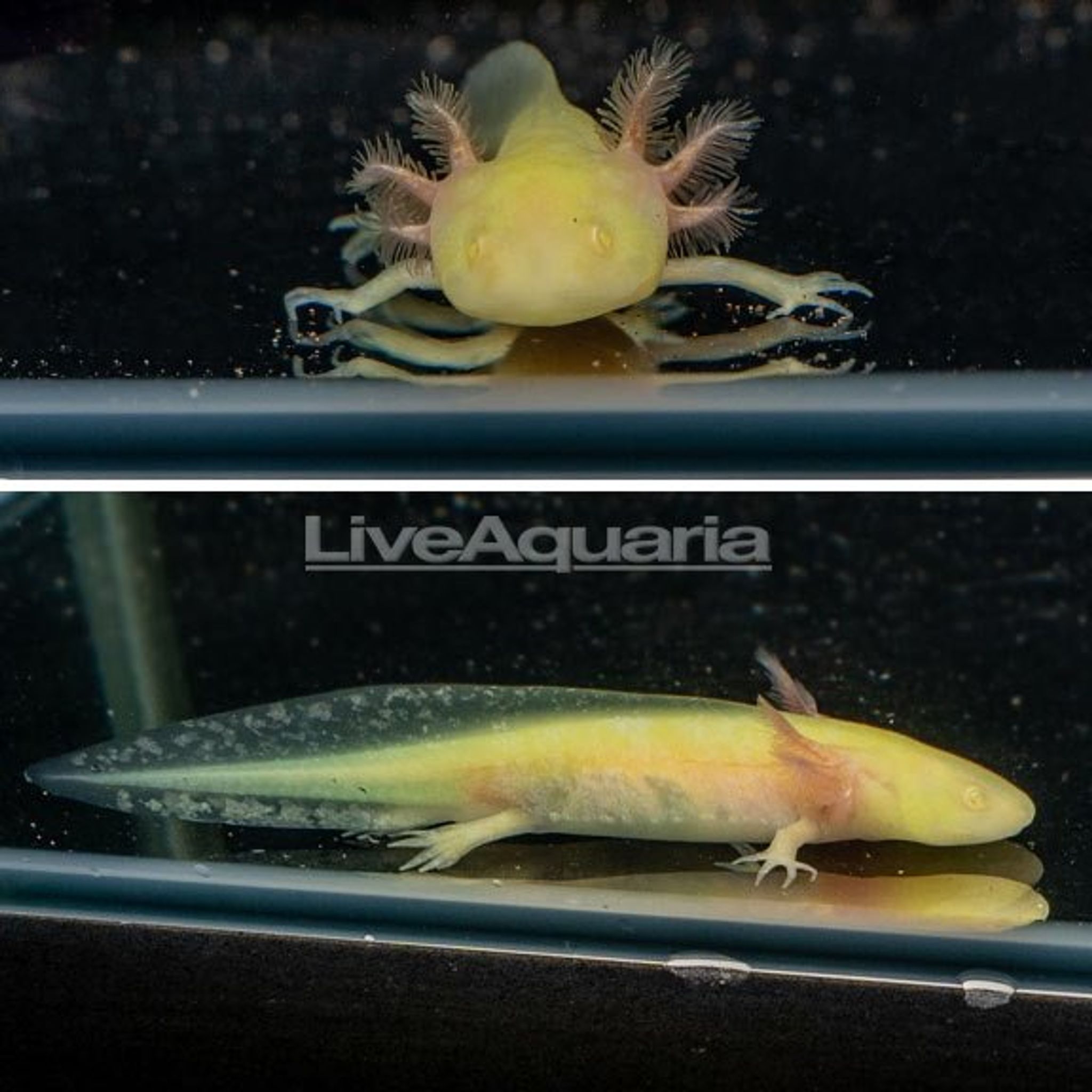
Axolotls are not fish. They're fully aquatic, neotenic salamanders — meaning they keep their larval, gilled form for life instead of metamorphosing onto land. That biology shapes everything about feeding:
- They have poor eyesight and hunt mostly by smell and by sensing water vibration.
- They're ambush/suction feeders: an axolotl doesn't chew or bite so much as it opens its mouth suddenly and sucks food (and a rush of water) straight down.
- They're obligate carnivores — there's no plant matter, flake food, or generic tropical fish food that meets their protein and fat needs.
Understanding the suction-feeding mechanic explains a lot of the practical rules below, from why food size matters to why bare fingers near the mouth are a bad idea.
Core Staple Foods
A solid axolotl diet rotates between a few reliable categories rather than relying on just one.
- Nightcrawlers/earthworms — widely considered the best all-around staple for nutrition and for keeping the jaw and feeding response strong. Chop them into head-sized pieces for anything smaller than a full adult.
- Frozen or live bloodworms — a good regular addition, though not ideal as the sole staple long-term.
- Brine shrimp — useful across life stages, essential for larvae.
- Daphnia — small, easy to eat, good for young or picky animals.
- Commercial sinking salmon or axolotl pellets — the convenient everyday base food; look for a pellet formulated specifically for axolotls or salmonids rather than a general fish pellet.
In practice, most keepers land on pellets as the everyday base, with earthworms as the nutritional backbone a few times a week, and bloodworms or brine shrimp mixed in as variety. You can browse sinking pellets and other prepared diets in FishyHub's food and supplements category.
A Note on Two Debated Foods
- Red wigglers: some keepers use them as a fine staple worm; others report axolotls frequently refuse them because of a bitter skin secretion. They're worth trying, but don't build a routine around them if your axolotl spits them out.
- Ghost or feeder shrimp: occasionally offered as enrichment, but pet-store shrimp can carry copper-based medication residue or parasites picked up from shared holding systems. Treat shrimp as an occasional, quarantined-source option at most — never a staple.
Feeding Larvae and Hatchlings
Newly hatched axolotls need food that's small enough to fit their tiny mouths and abundant enough to fuel rapid early growth.
- Start with baby brine shrimp and daphnia.
- As they grow and their gape widens, transition to finely chopped blackworms or nightcrawlers.
- Larvae and juveniles under about 4 inches should be fed once or even twice daily — their growth rate demands more frequent, smaller meals than adults need.
Weekly Feeding Chart by Life Stage
Use this as a quick reference and adjust based on body condition — a slightly plump axolotl with visible fat along the tail base needs less, not more.
| Life Stage | Approx. Size | Feeding Frequency | Primary Foods |
|---|---|---|---|
| Larvae / hatchling | Under 2 in | 1–2x daily | Baby brine shrimp, daphnia |
| Juvenile | 2–4 in | Daily to every other day | Chopped blackworms, nightcrawlers, daphnia |
| Sub-adult | 4–8 in, still growing | Every other day | Chopped earthworms, pellets, bloodworms |
| Full adult | 8 in+, 12+ months | 2–3x per week | Pellets, earthworms, bloodworms rotation |
Sources disagree somewhat on the adult end of this range — some say every other day, others say 2–3 times a week. A reasonable middle path: 3x/week for lean, active adults, and closer to daily-to-every-other-day only while an animal is still visibly growing.
Portion Size and How to Feed
Portion rule: offer only what your axolotl finishes in 5–15 minutes. It's much safer to underfeed slightly and add a bit more than to dump in a large portion and leave leftovers behind — uneaten food fouls the water quickly.
Cutting food to size: chop worms and other large items to roughly the width between your axolotl's eyes. Anything wider than that risks choking or internal impaction, since axolotls swallow food essentially whole via suction rather than chewing it down.
Feeding technique:
- Use feeding tongs or tweezers rather than your fingers.
- Wiggle the food gently near the snout — the movement triggers the strike/suction reflex.
- Thaw any frozen food completely in tank water before offering it; never drop in food that's still frozen, as it can shock the digestive system or simply be ignored.
- Remove uneaten food within 15–20 minutes to prevent ammonia spikes.
If you keep more than one axolotl in a tank, feed them at opposite ends or separate them briefly at mealtimes. Axolotls have poor eyesight and a strong suction strike, and a wiggling limb near another animal's food can easily get mistaken for a snack, leading to bitten toes or tail tips.
Water Temperature and Appetite
Feeding and water temperature are closely linked for axolotls. The feeding-relevant range is 60–64°F (16–18°C). Warmer water raises metabolism and stress and increases disease risk, and many axolotls simply refuse food above roughly 70°F (21°C). If your axolotl has gone off food, checking the thermometer before anything else is a reasonable first step. Reliable water testing and conditioning supplies are available in FishyHub's water treatment and additives category.
Foods to Avoid Entirely
| Food | Why to Avoid |
|---|---|
| Feeder goldfish/minnows | Contain thiaminase, an enzyme that destroys vitamin B1; also carry parasite risk and are too fatty for regular feeding |
| Pinkie mice | Far too fatty for regular use; occasional treat at most |
| Mealworms, superworms, crickets | Hard chitin exoskeletons are difficult to digest and can cause impaction |
| Tubifex worms | Higher risk of parasites and bacterial contamination |
| Fish flakes / generic tropical fish food | Wrong nutrient profile for a carnivorous salamander |
| Freeze-dried foods | Nutritionally depleted compared to fresh/frozen/live, and can expand in the gut, risking impaction |
The thiaminase and chitin issues aren't just trivia — they explain the mechanism behind the "don't feed" list rather than just the rule itself. Thiaminase breaks down thiamine (vitamin B1) before the axolotl can use it, and a sustained deficiency can cause neurological problems over time. Chitin, the hard material in insect exoskeletons, isn't broken down well by an axolotl's digestive system, so large or frequent amounts can build up and cause a blockage. FishyHub's freeze-dried food category is worth browsing for other species, but it's not the right choice for axolotls specifically.
Transitioning a New Axolotl to Your Feeding Routine
An axolotl coming from a breeder or store tank has already learned a feeding routine, and a sudden change in food type, feeding time, or feeding method can cause a few days of hesitance. To ease the transition:
- Ask what the animal was already eating, if possible, and offer something similar for the first few feedings.
- Introduce new foods one at a time rather than switching everything at once.
- Expect a short adjustment window — a few days of reduced interest is common and not necessarily a sign of illness.
- Keep water parameters and temperature stable during the first two weeks; a new environment is stressful enough without also fighting poor water quality.
Why Is My Axolotl Not Eating?
A refusal to eat is common and usually has a simple explanation. The most frequent causes are:
- Stress from a new tank, recent handling, or rehoming.
- Poor water quality — ammonia or nitrite present in the water.
- Water too warm, pushing past the comfortable feeding range.
- Recent shedding, which temporarily reduces appetite.
- Simply full — axolotls can go a while between meals without any problem.
- Illness or impaction, which is less common but needs prompt attention.
To troubleshoot: test your water parameters first, confirm the temperature sits at 60–64°F, try offering a different food or a live worm to trigger the strike response, and reduce handling or tankmate stress. If refusal lasts beyond 1–2 weeks and comes with weight loss or lethargy, it's time to consult a vet experienced with amphibians.
It's also worth noting that reduced appetite during cooler months is often a normal, mild slowdown — something like an informal seasonal torpor — rather than a health problem, even in a stable, temperature-controlled home tank.
Common Feeding Mistakes
- Overfeeding and not removing leftovers — the single biggest driver of ammonia spikes and cloudy water, and worse in bare-bottom tanks where waste sits in plain view versus substrate tanks where it can hide.
- Feeding hard-bodied insects or unthawed frozen food — both raise impaction risk.
- Keeping the tank too warm, then wondering why appetite drops.
- Cutting food pieces too large relative to head size, risking choking or impaction.
- Relying only on pellets with no live or frozen variety, which can lead to picky eaters or nutrient gaps over time.
- Mistaking a normal brief fast — after a big meal, during shedding, or in cooler winter conditions — for illness, and responding by force-feeding or over-handling the animal.
- Housing multiple axolotls together without separating at feeding time, leading to bitten limbs mistaken for food.
Frequently Asked Questions
How often should I feed my axolotl?
Larvae and juveniles do best fed once or twice daily, tapering to every other day as sub-adults, and settling at 2–3 times per week once they're full adults over 12 months old.
Can axolotls eat fish?
Only occasionally, and never feeder goldfish or minnows — the thiaminase enzyme they contain destroys vitamin B1, and their fat content makes them unsuitable as a regular food.
How long can an axolotl go without eating?
Healthy adults can safely fast for 1–2 weeks. If refusal goes beyond that, it's worth checking water quality and temperature, and considering illness as a cause.
What is the best staple food for axolotls?
A rotation of high-quality sinking pellets plus chopped earthworms or nightcrawlers covers nutritional needs best, with bloodworms and brine shrimp added for variety.
Can I feed my axolotl bloodworms every day?
Bloodworms work fine as a frequent supplement or treat, but they're not ideal as the sole staple — mixing them with pellets and earthworms gives a more complete diet.
Do baby axolotls eat differently than adults?
Yes. Larvae need baby brine shrimp and daphnia and require more frequent, smaller feedings to keep pace with their rapid early growth, shifting to chopped worms as they get larger.
Why did my axolotl spit out its food?
Usually the piece is too large, it isn't moving or appealing enough to trigger a strike, water conditions are off, or the axolotl simply isn't hungry at that moment.
Is it okay to hand-feed axolotls?
Use tongs rather than bare fingers. Axolotls strike by suction and have poor eyesight, so a bare finger near the mouth carries a real, if usually minor, risk of an accidental nip.
Getting the diet right is one of the simplest ways to keep an axolotl healthy long-term — a steady rotation of appropriately sized staples, a consistent schedule, and stable, cool water do most of the work. Browse sinking pellets, worms, and other prepared diets in FishyHub's food and supplements category to build out your feeding rotation.


