1–30 of 30
Showing 30 of 30 products

1786897822460.jpeg?signature=f129ab9ee0ca2405c6811ca48e960bab09c86b64cff485a66fe3a2ea1ec474fb)

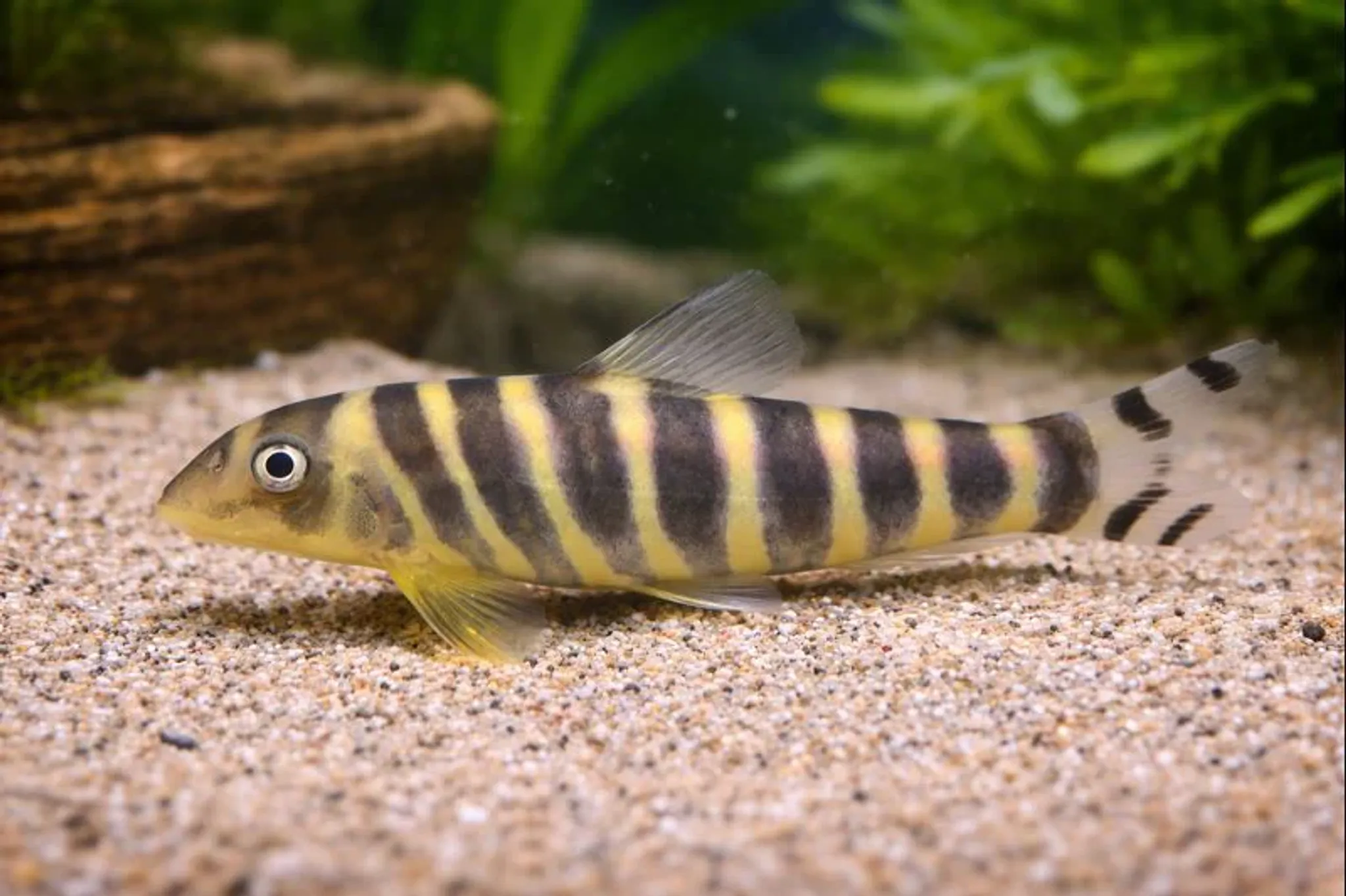
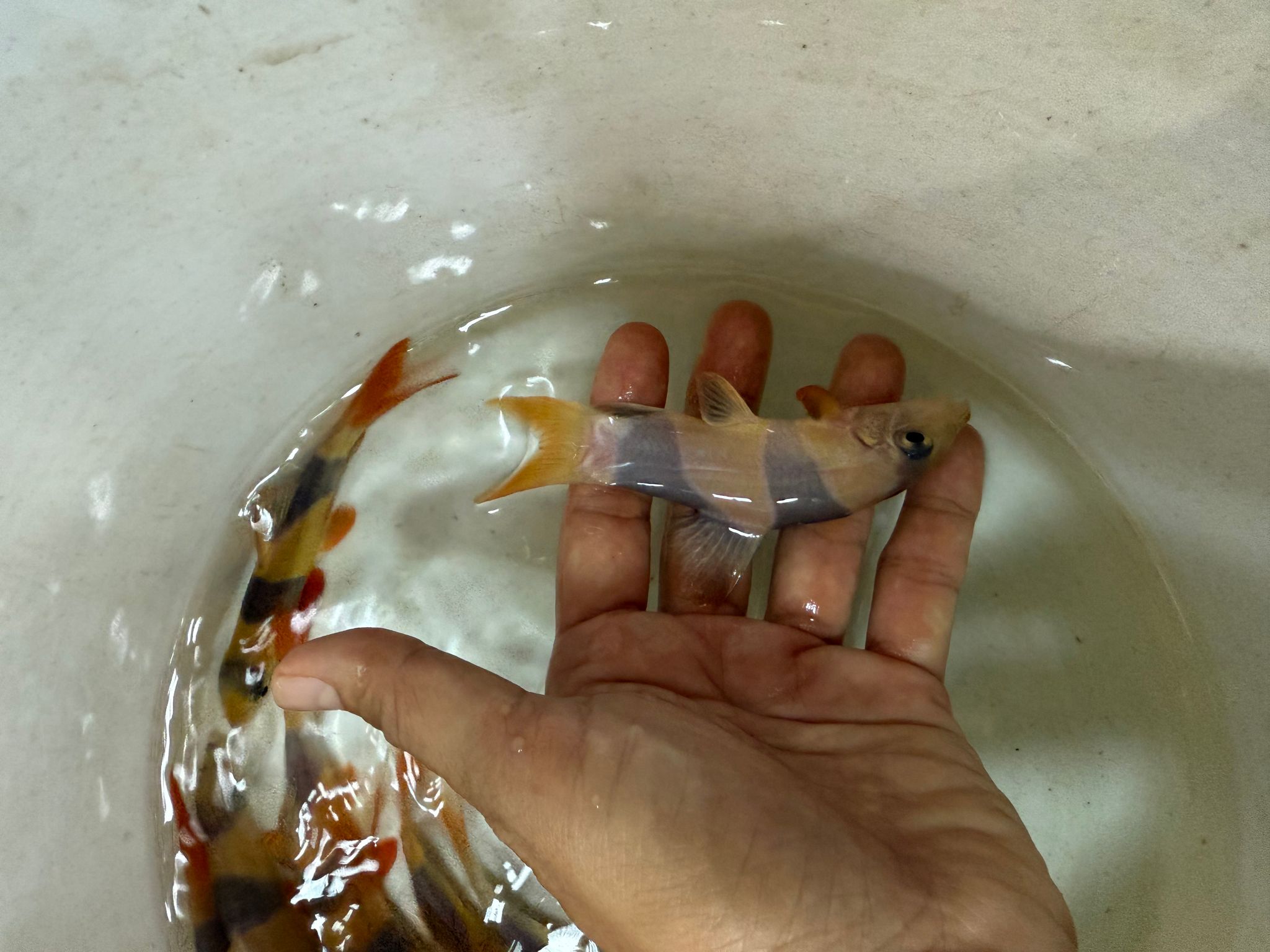
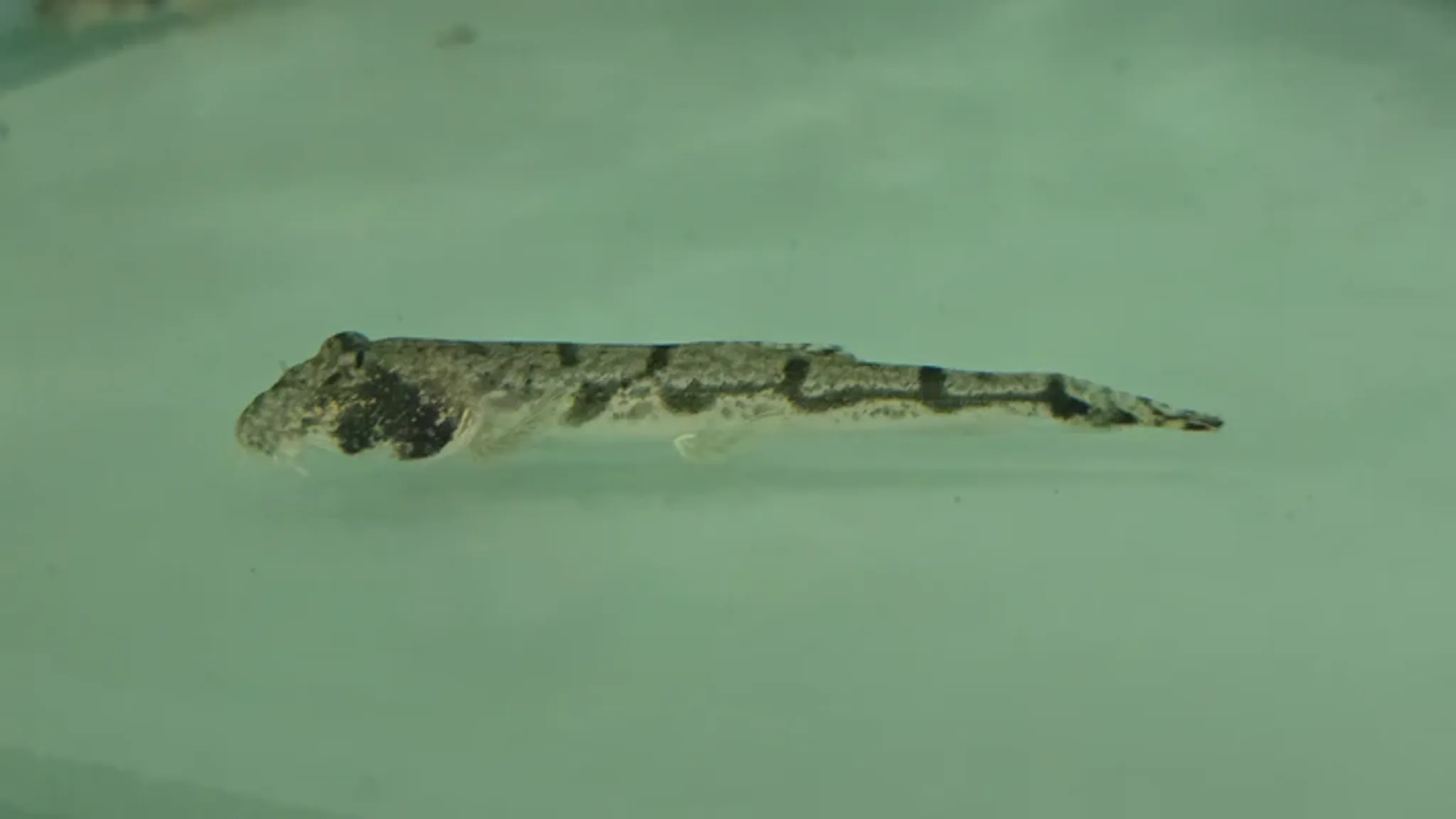
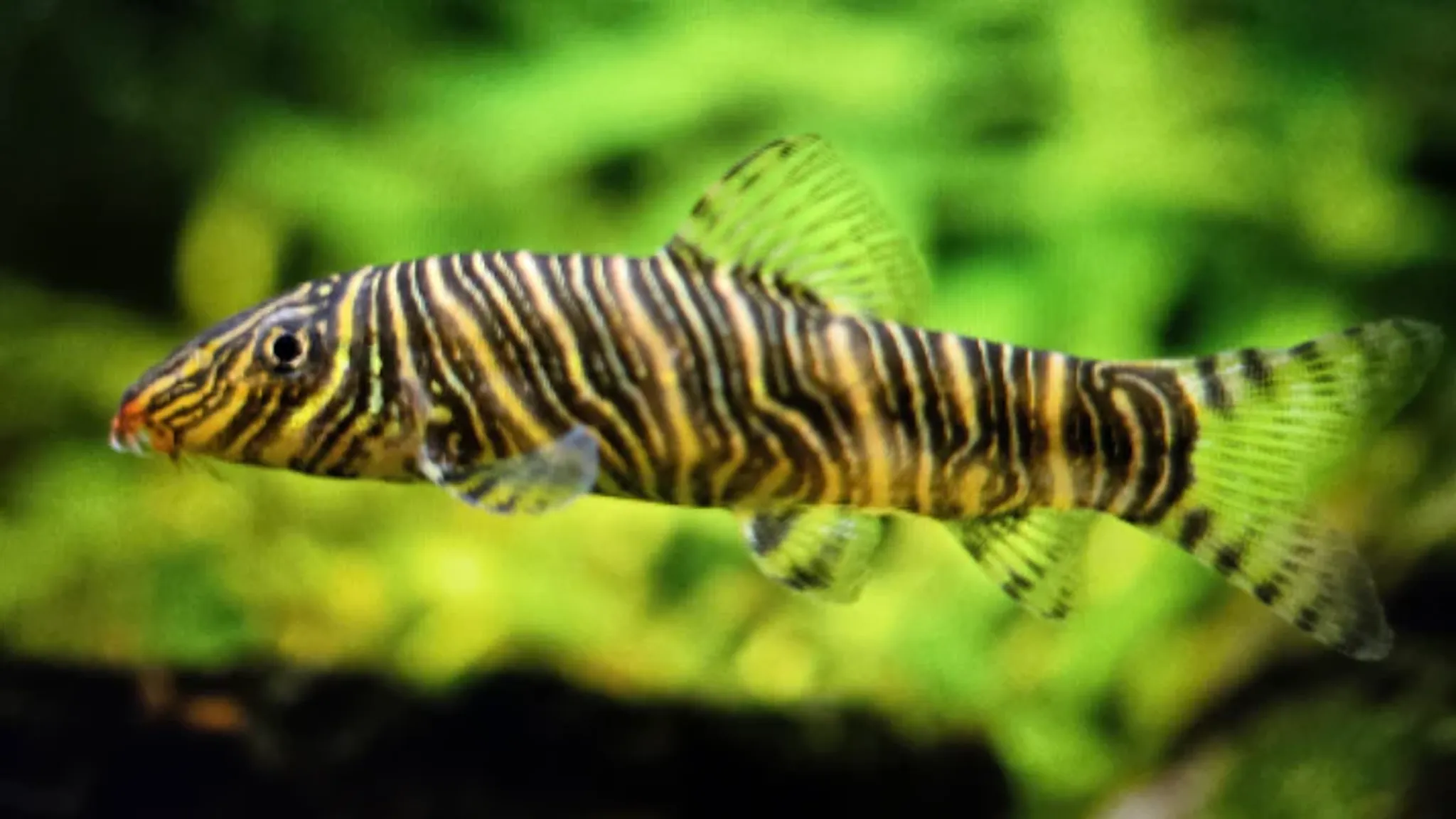
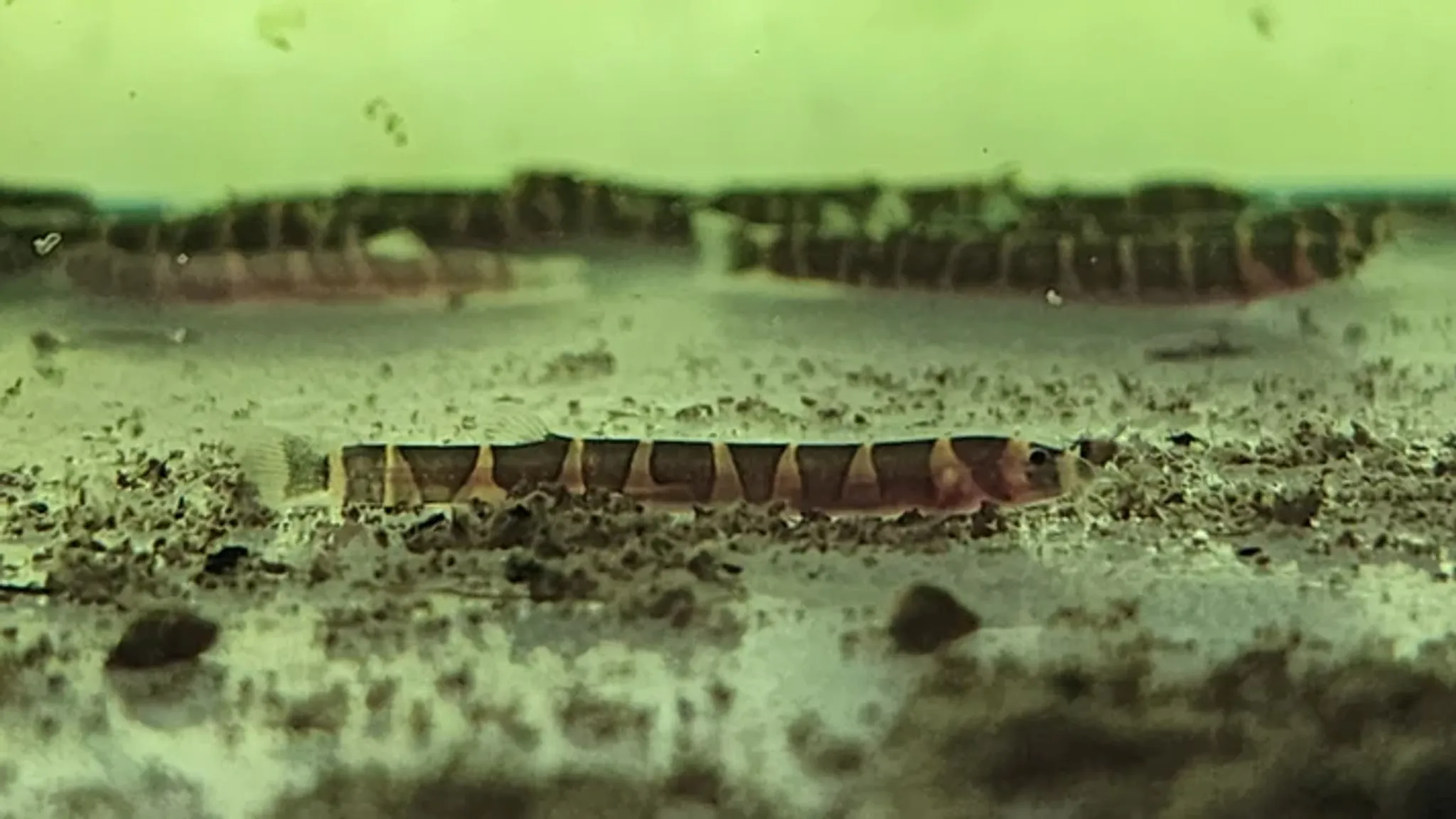
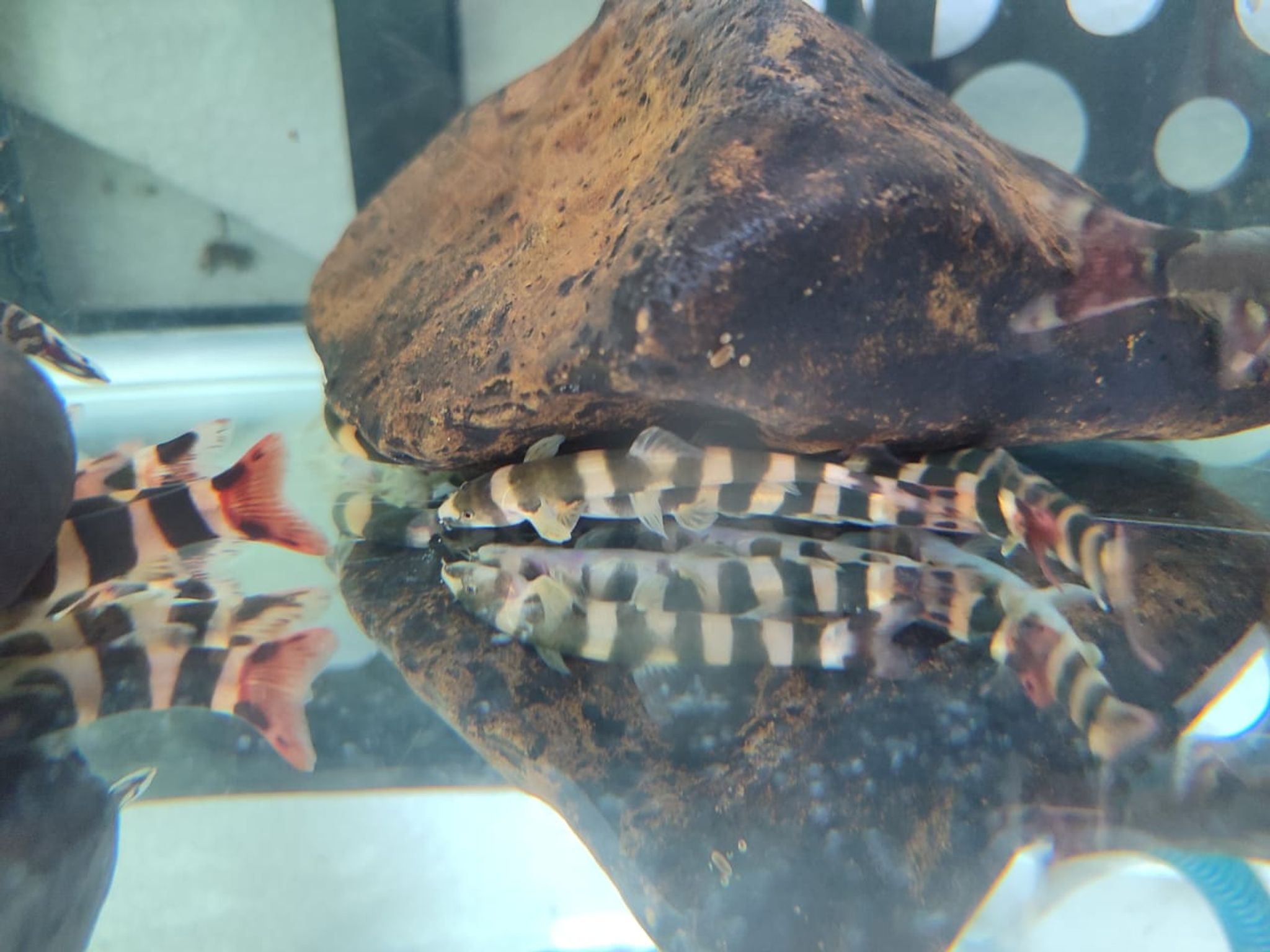
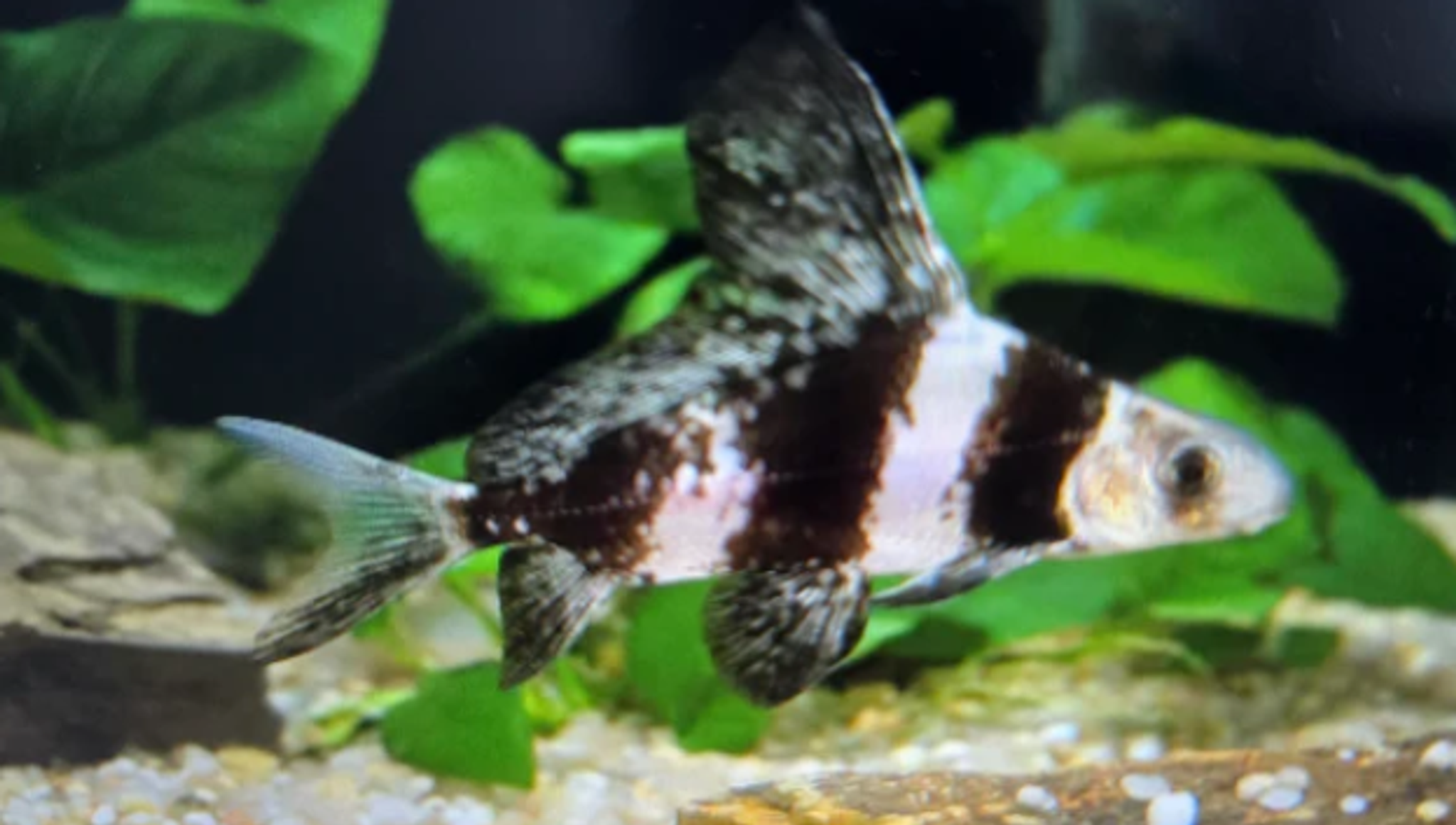
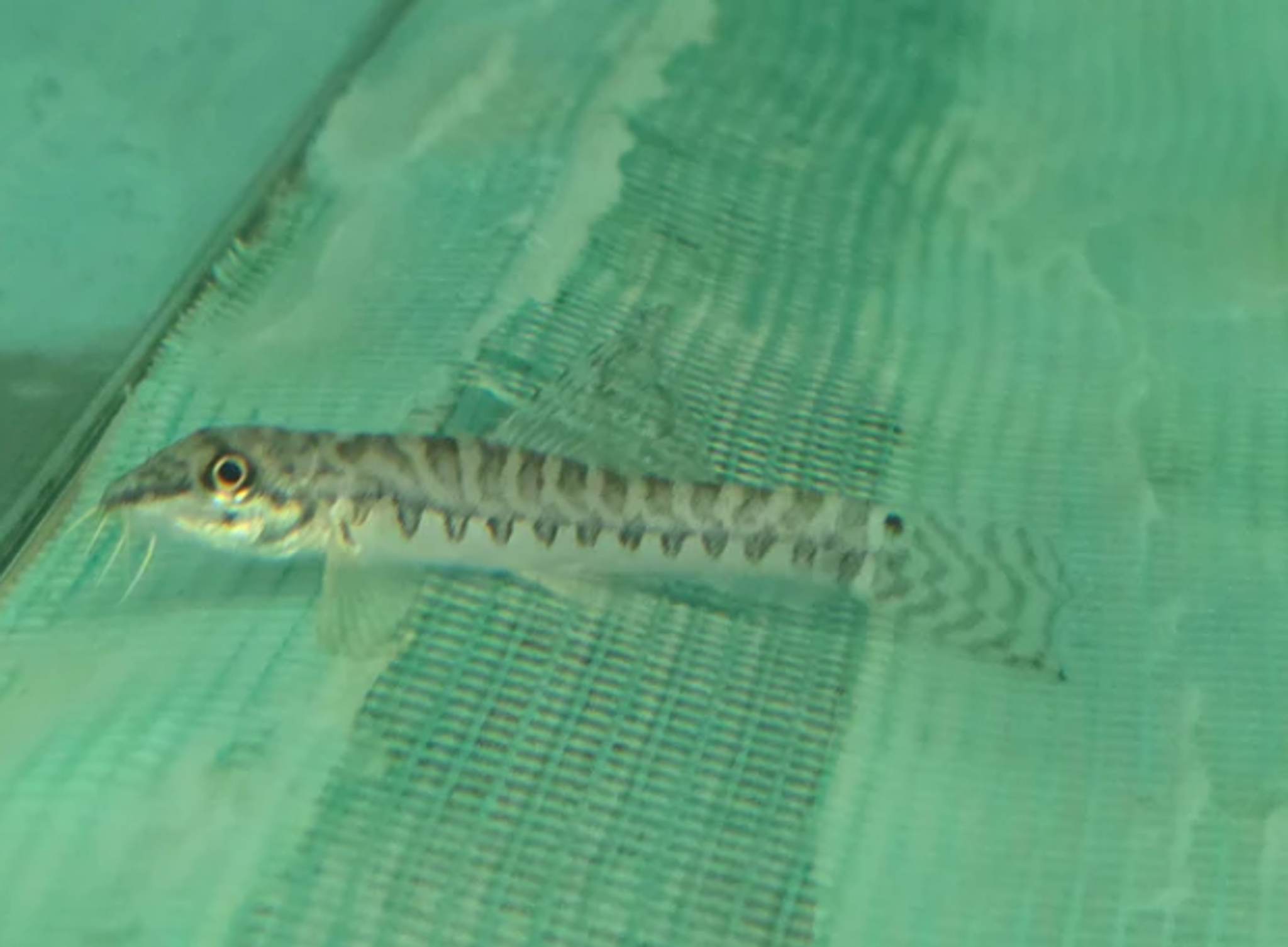
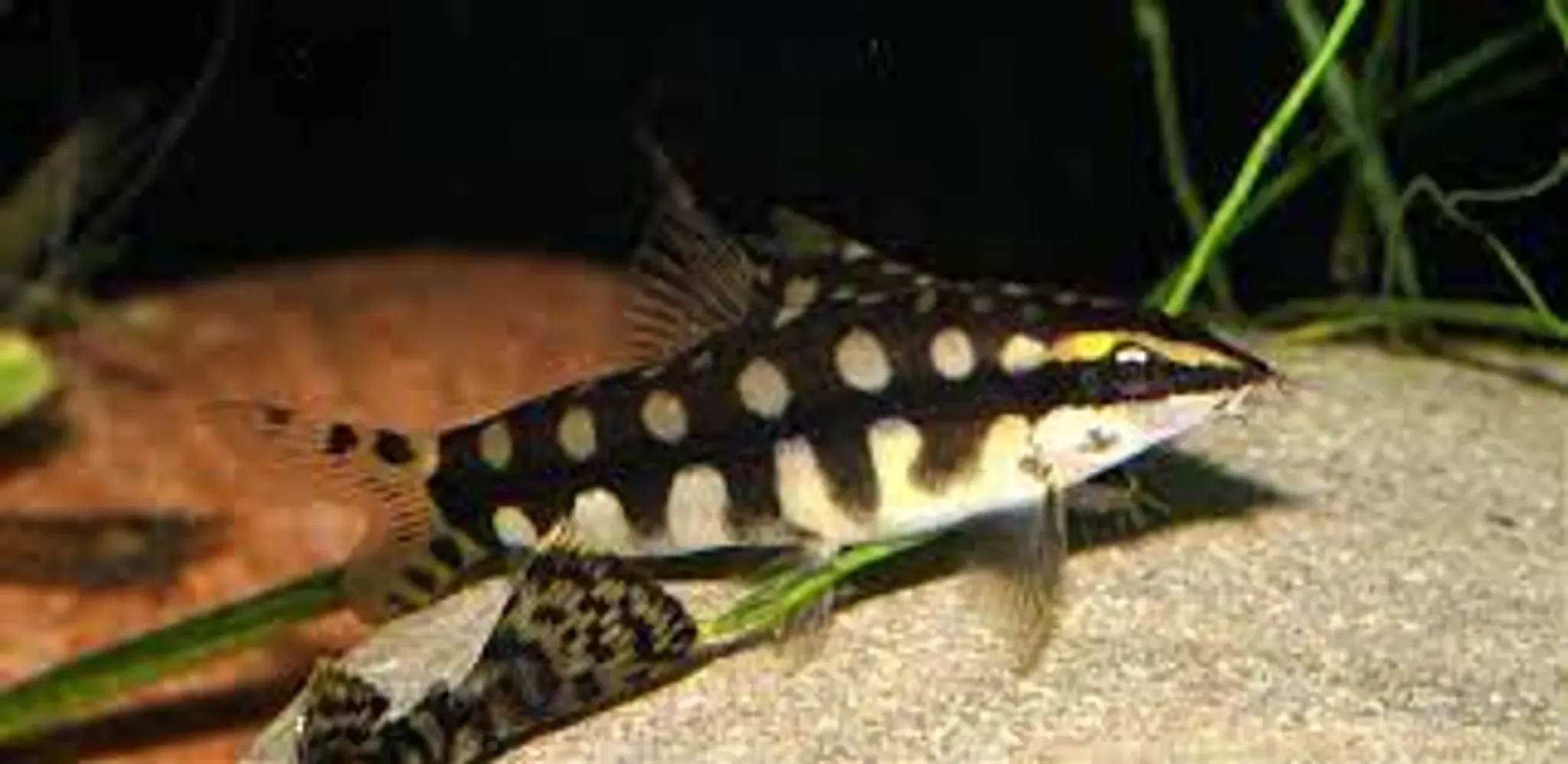
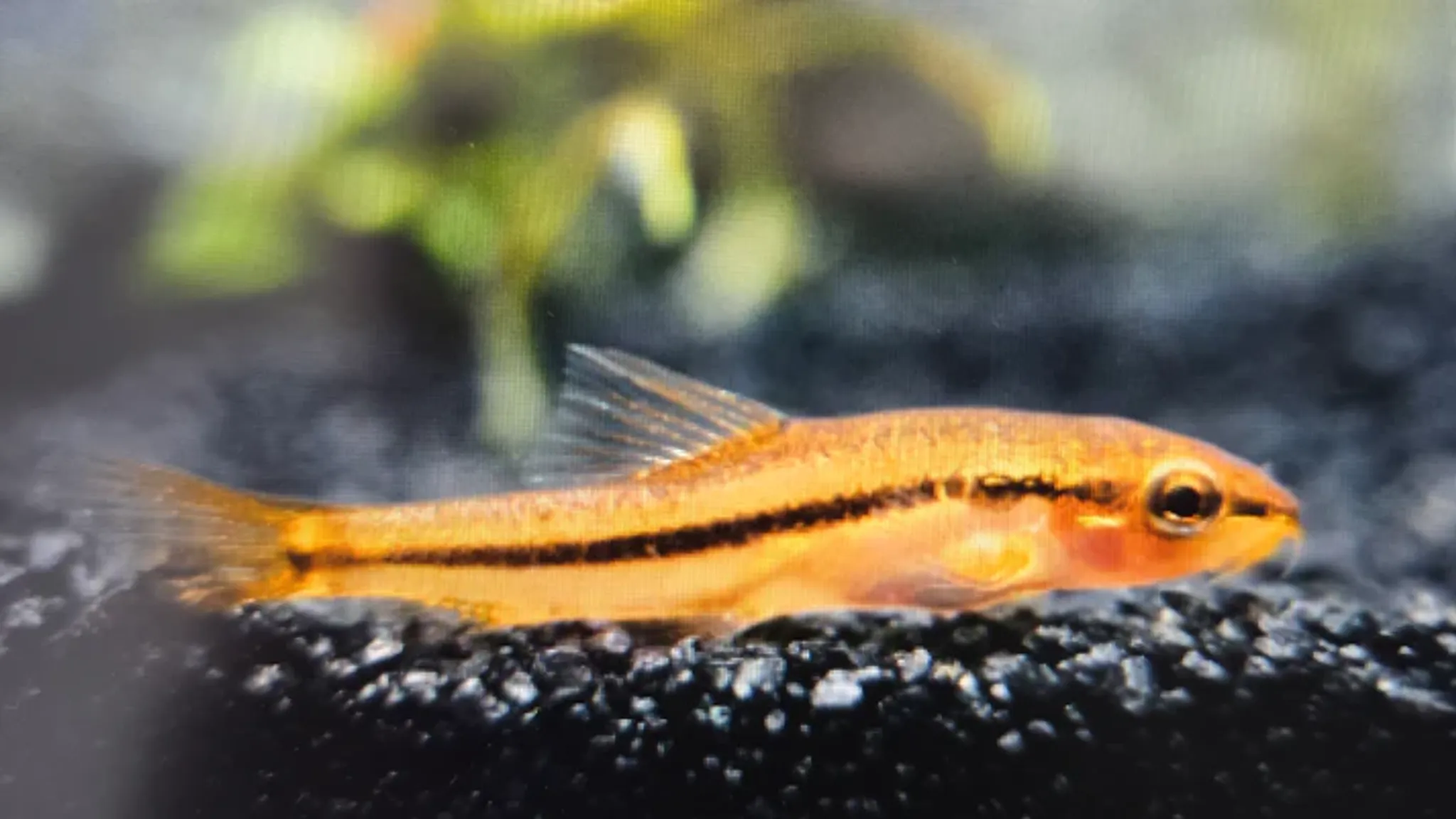
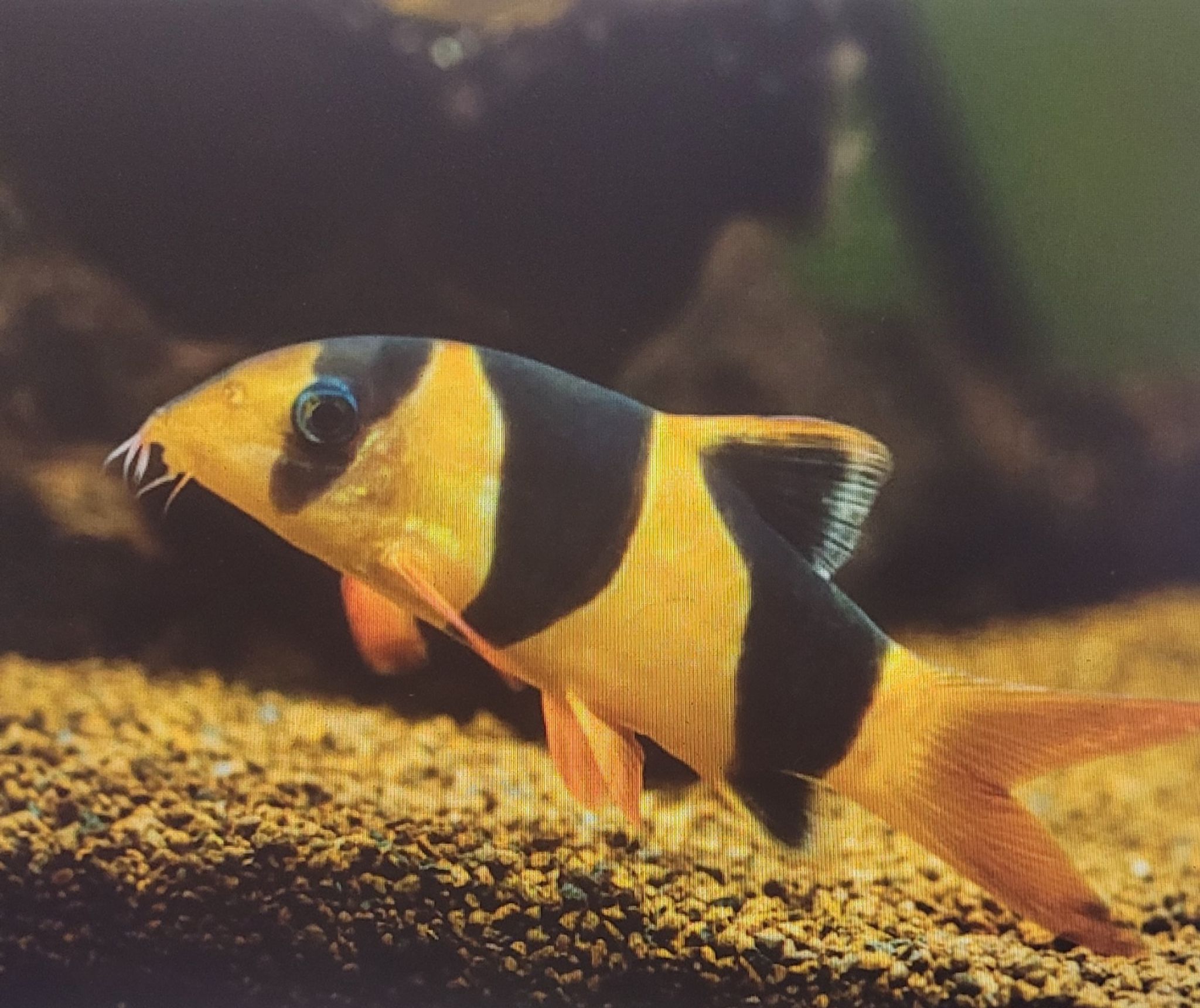
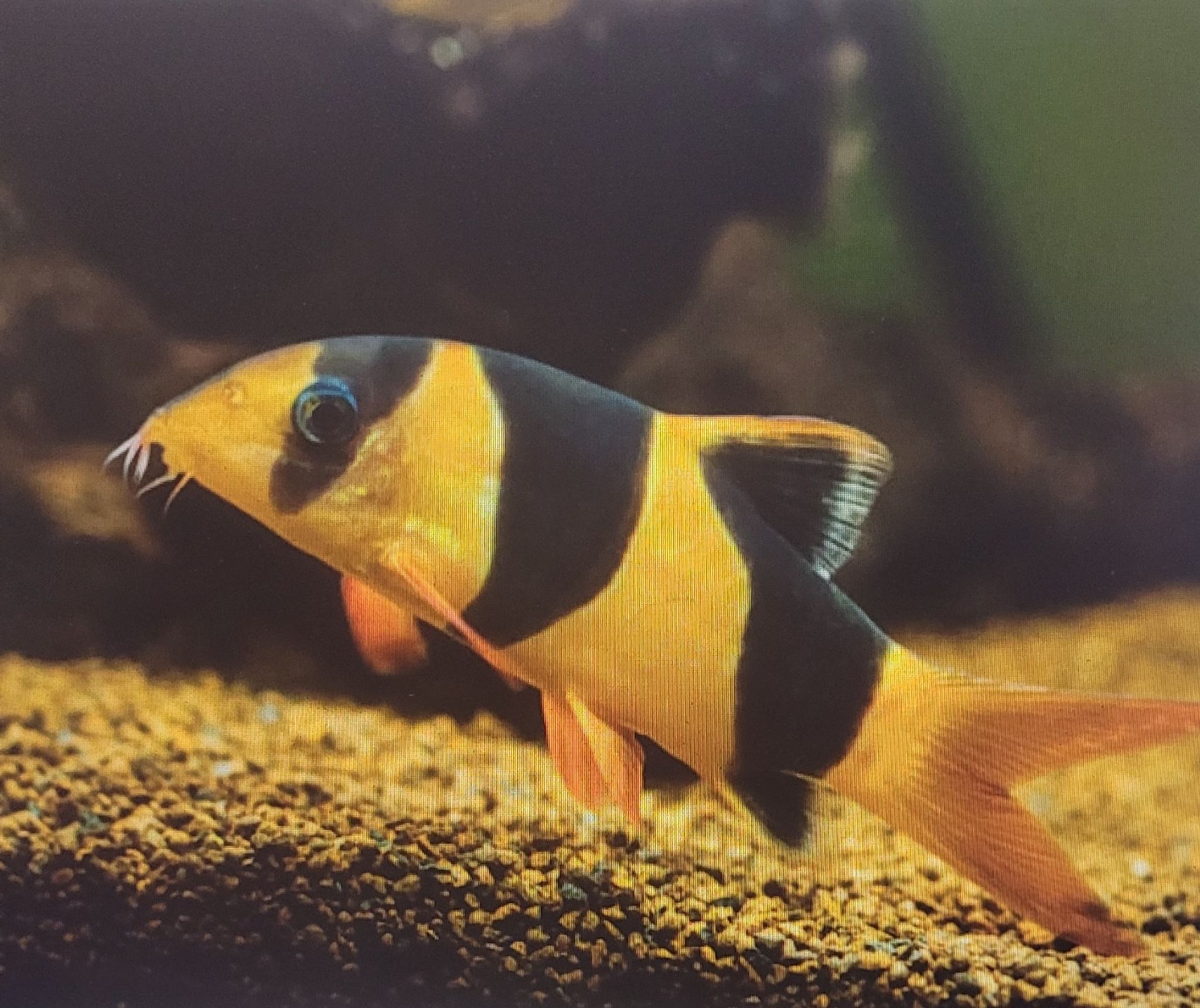
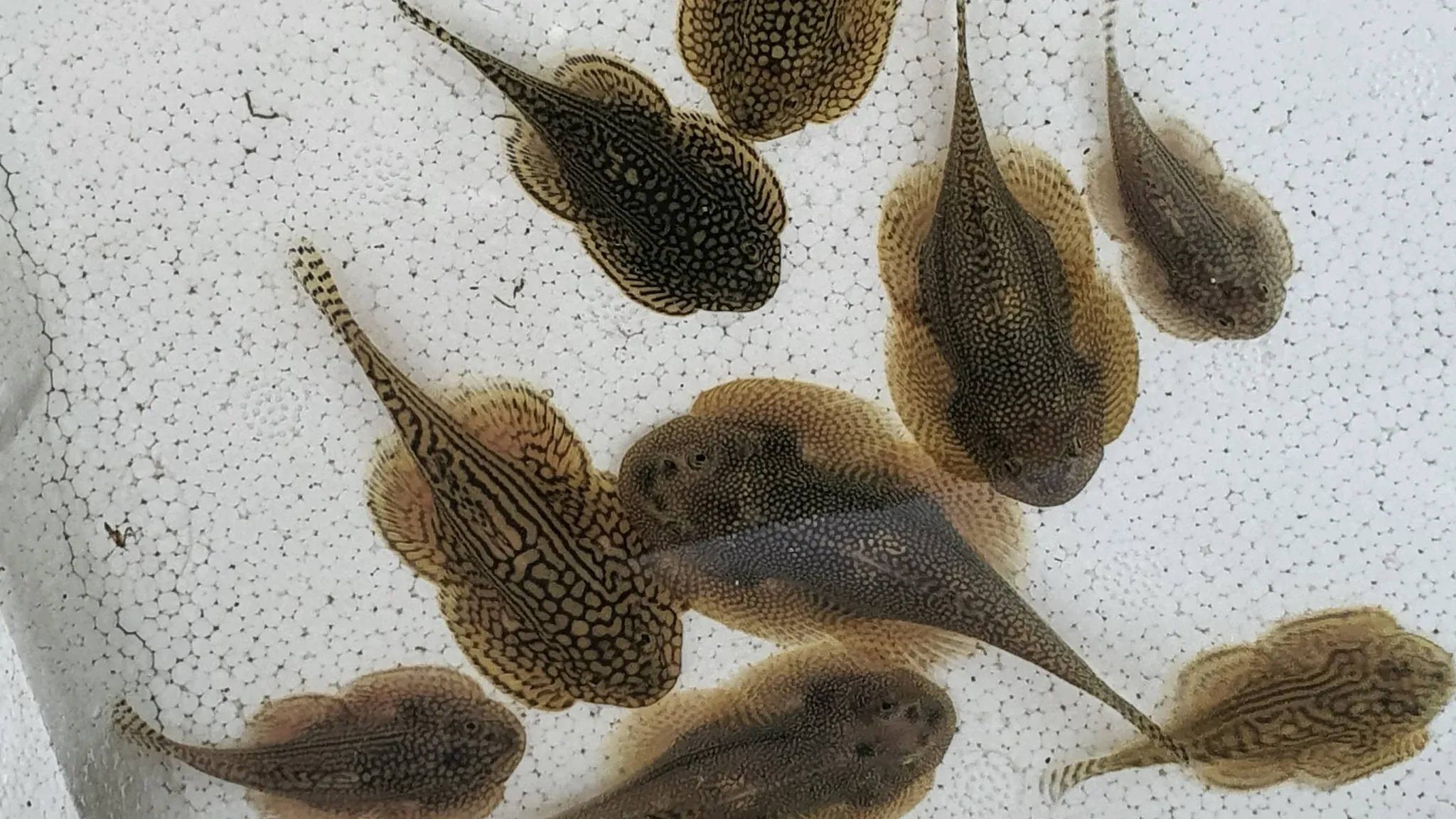

Explore loach fish for sale in Singapore from aquarium shops, breeders and freshwater fish sellers on FishyHub. Compare Kuhli Loaches, Clown Loaches, Yoyo Loaches and other bottom-dwelling species by size, behaviour and seller.
Loaches are a diverse group of freshwater bottom dwellers known for their unusual body shapes, active behaviour and strong personalities. Some remain small and peaceful, while others grow much larger and need substantial swimming space, so species identification is especially important.
Loaches are commonly kept in freshwater aquariums as bottom-oriented fish that explore substrate, caves and hardscape.
Different species vary enormously in adult size, social behaviour and care requirements, so avoid treating all loaches as interchangeable.
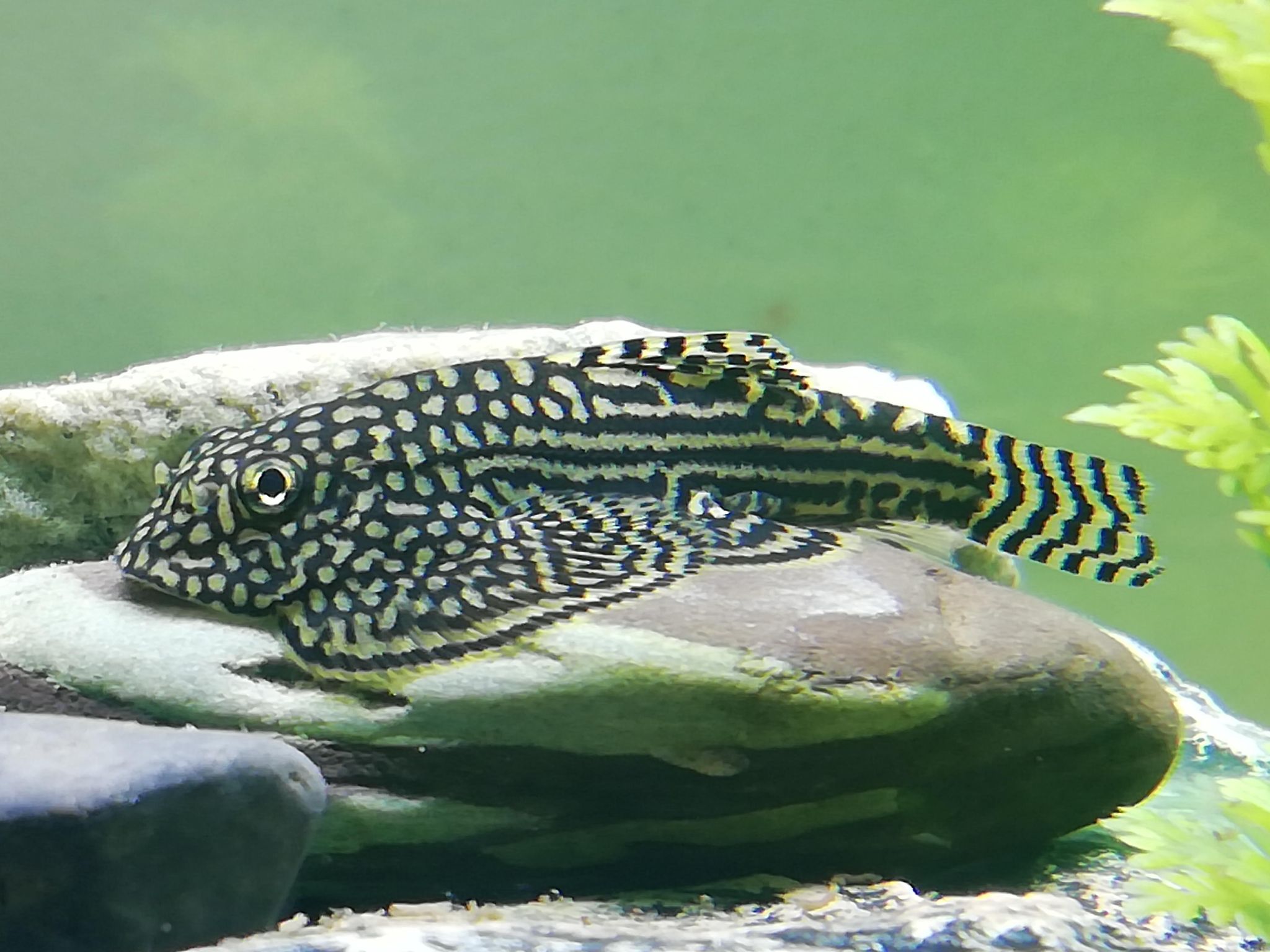
Depending on seller availability, common aquarium loaches may include Kuhli, Clown, Yoyo and other specialist species.
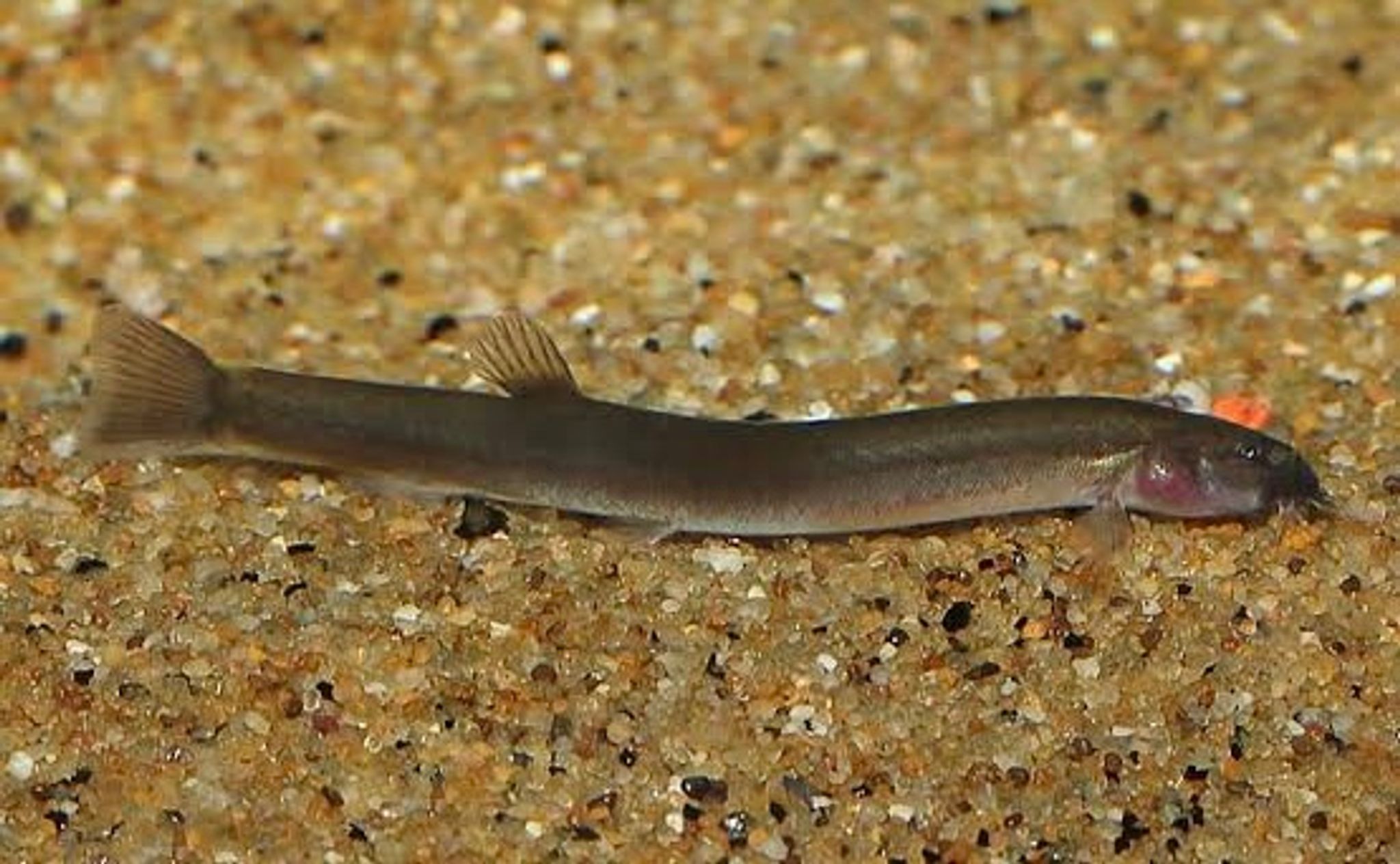
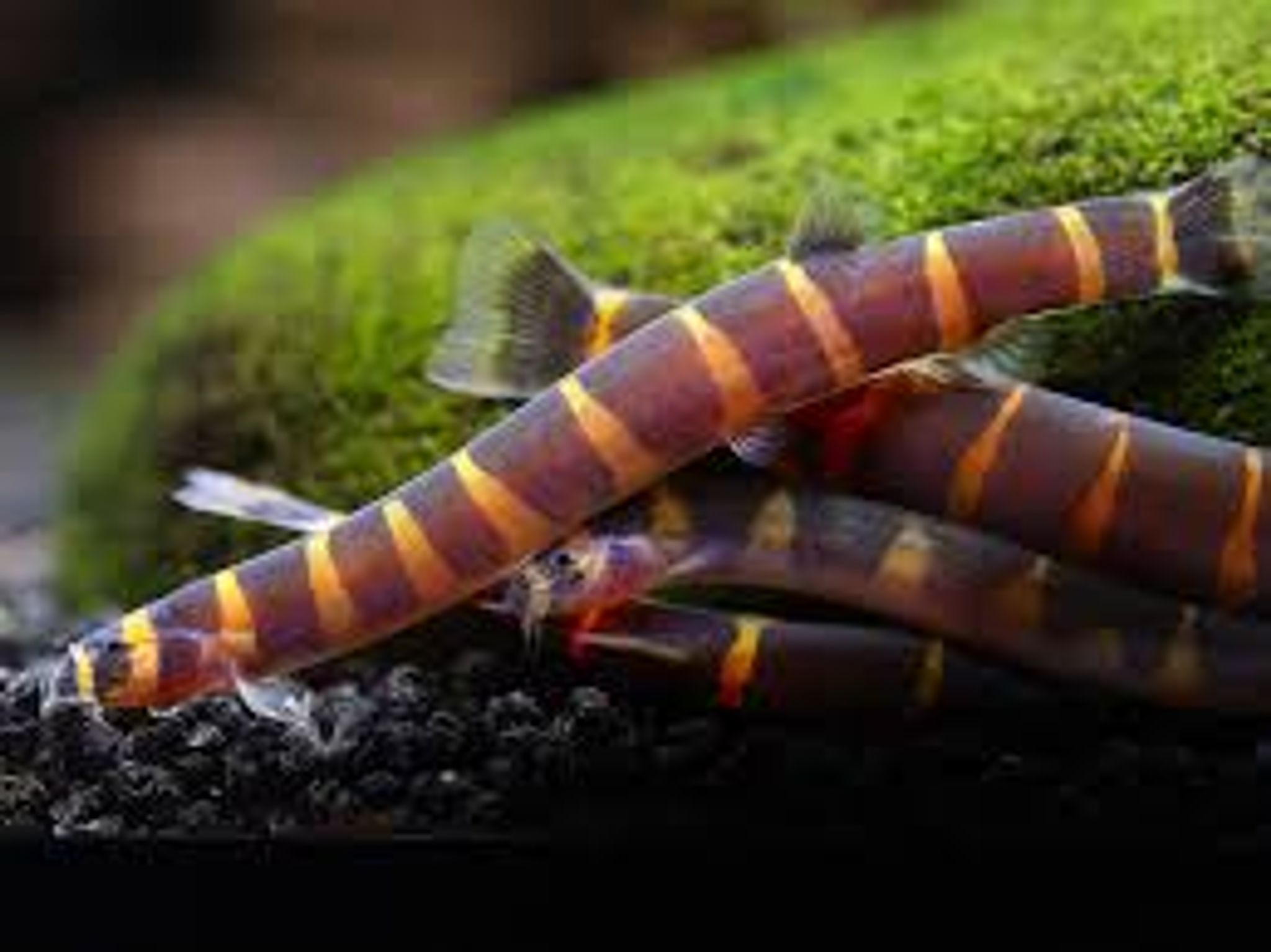
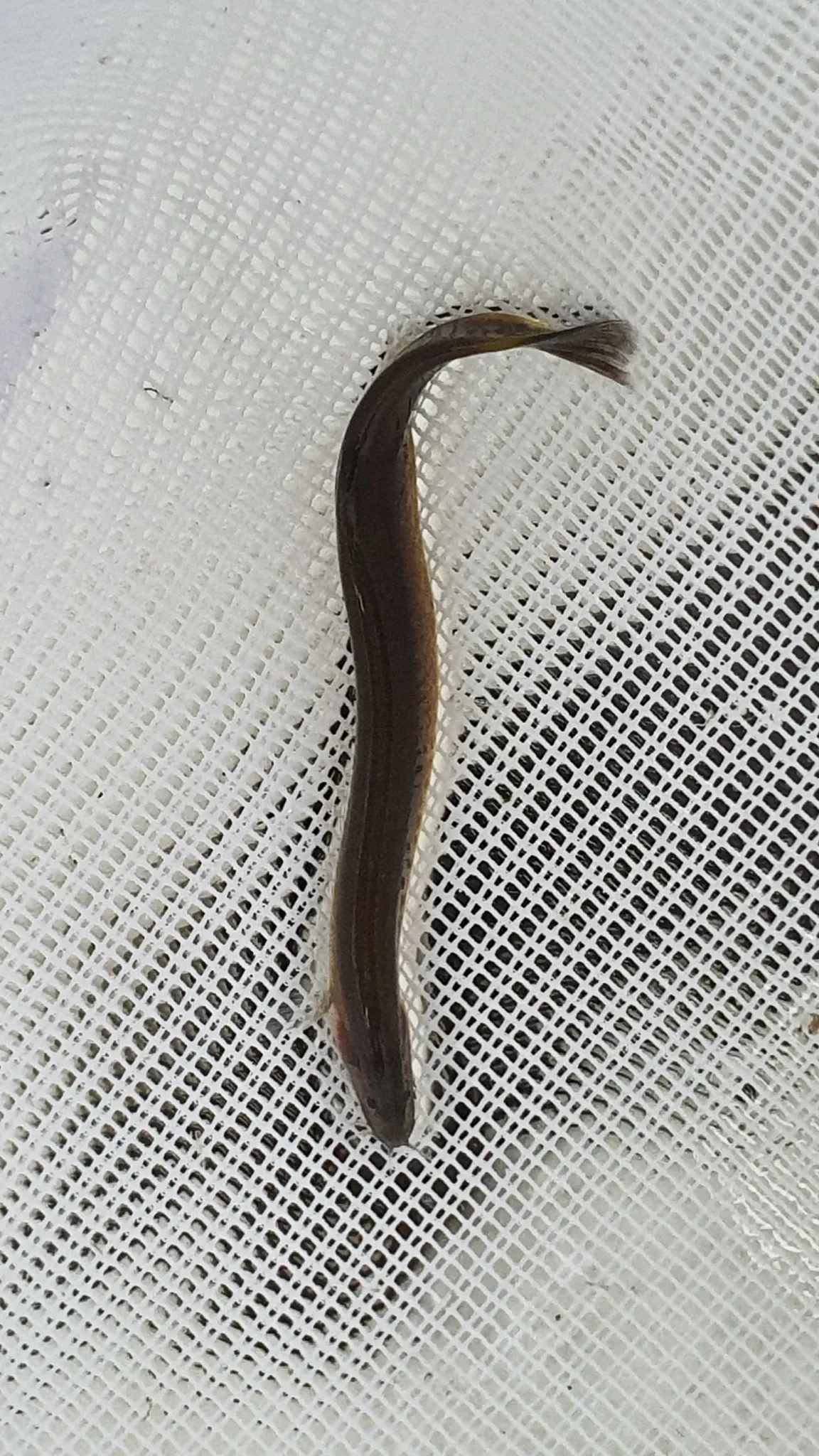
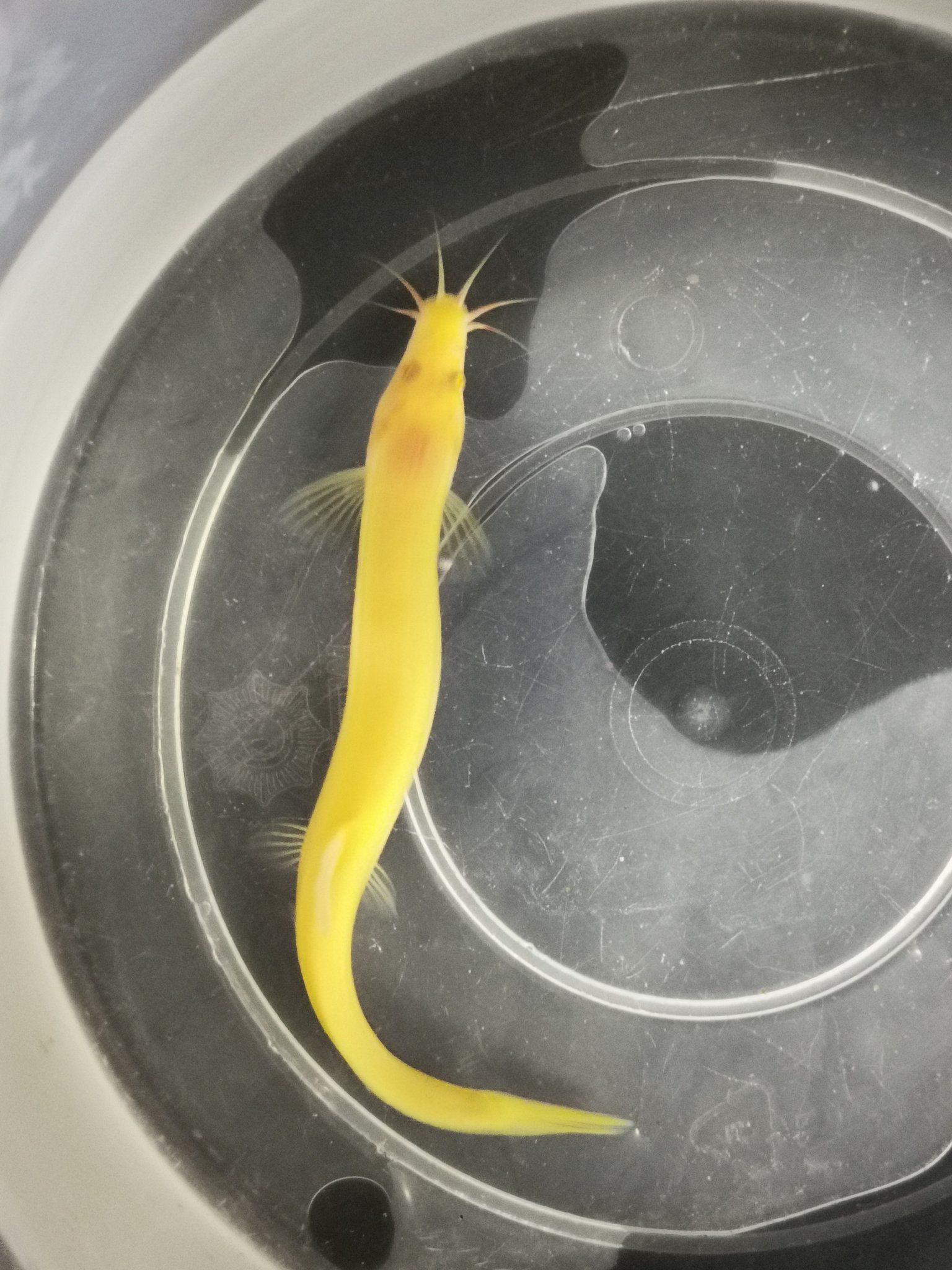
Kuhli Loaches are slender, eel-like bottom dwellers popular in peaceful community tanks. They are shy, social fish that appreciate cover, soft substrate and plenty of hiding places.
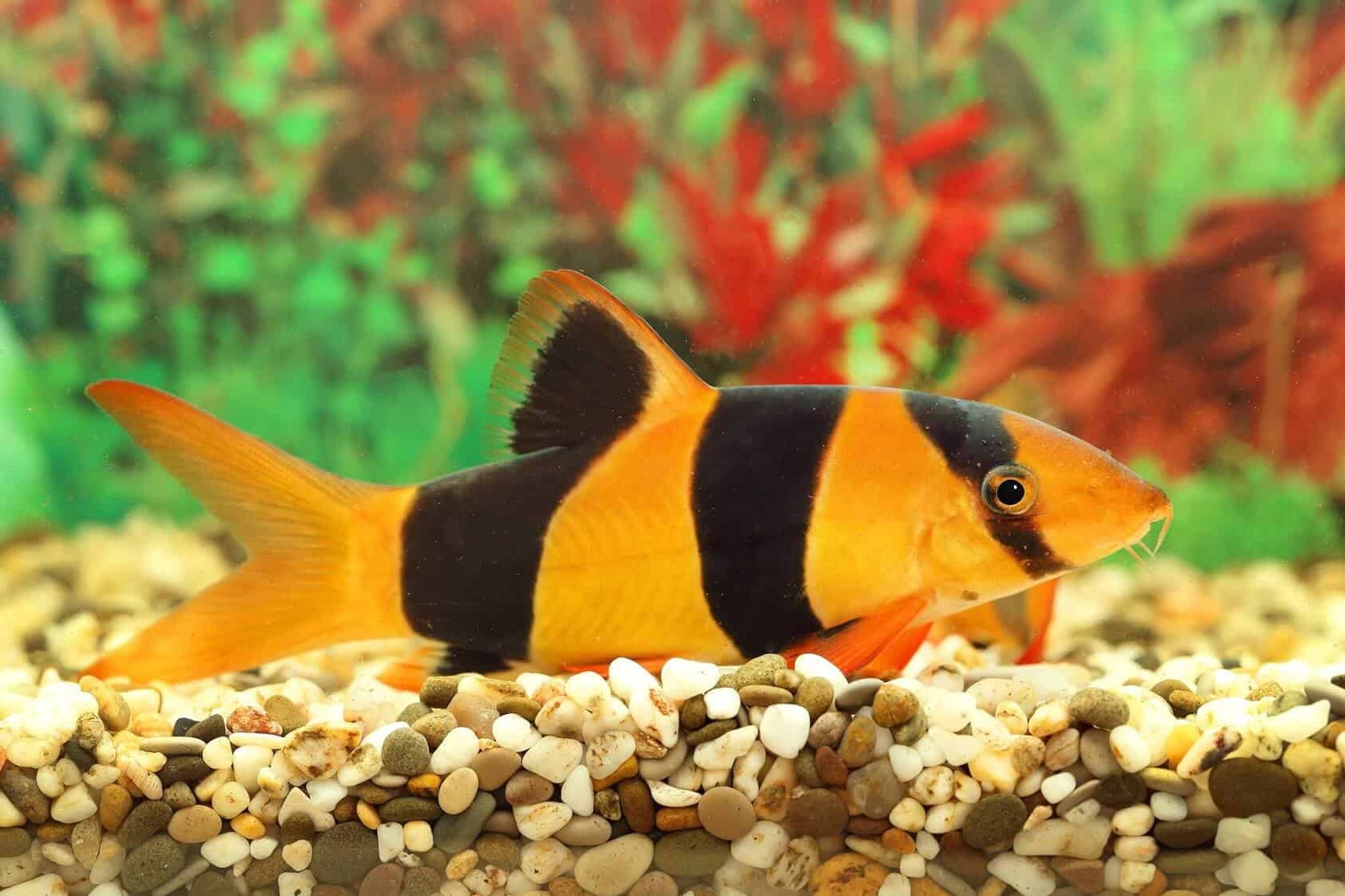
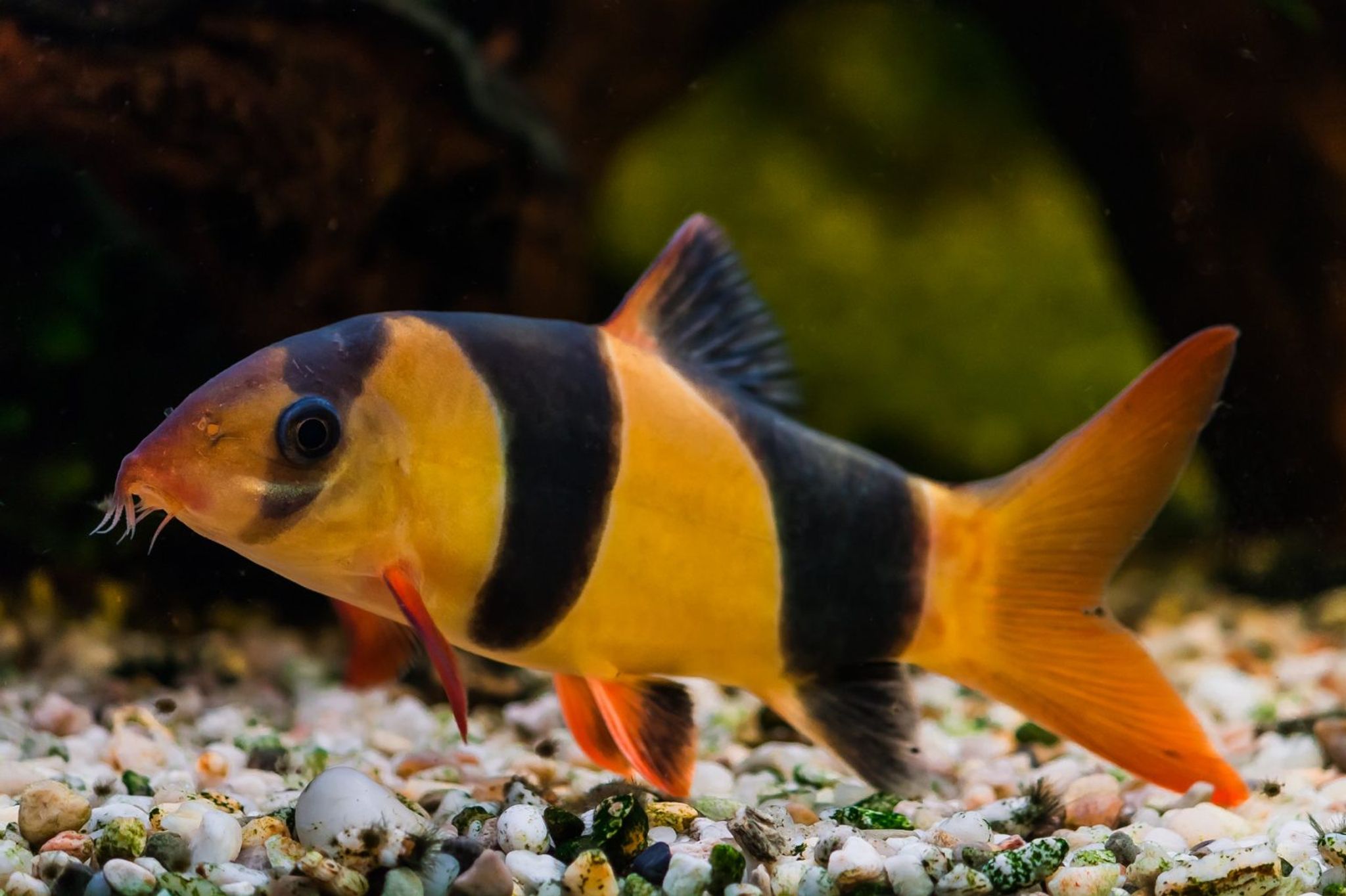
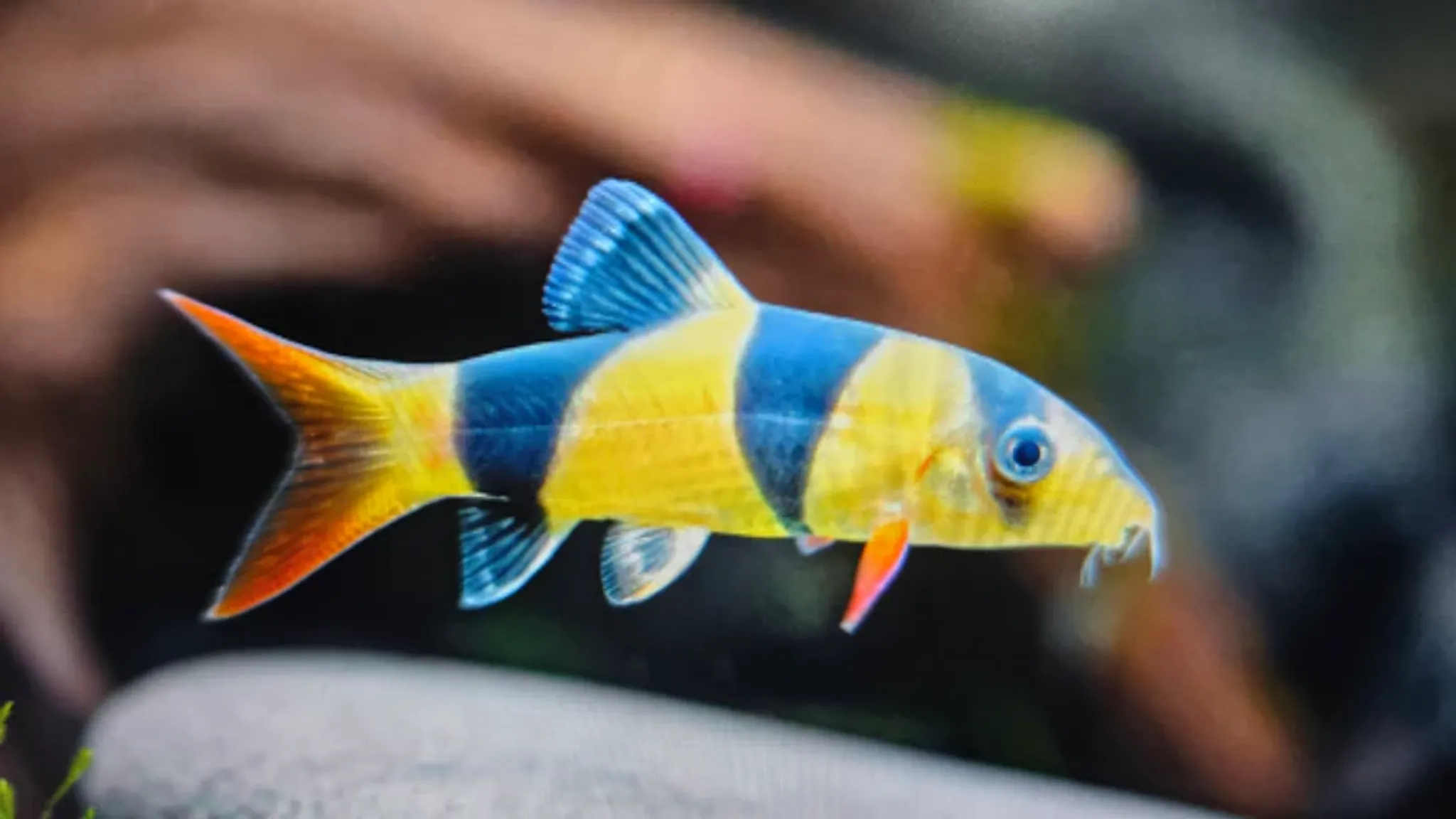
Clown Loaches are colourful, social fish with distinctive orange and black banding. They can become much larger than many beginners expect and are better suited to spacious long-term aquariums.
Yoyo Loaches are active bottom dwellers named for the dark markings along their flanks. They are social and lively, but can be more boisterous than Kuhli Loaches.
Other loaches may appear depending on specialist stock, including smaller stream-dwelling or less common species. Always check adult size, flow preference and temperament before purchase.
Adult size varies dramatically between loach species.
Kuhli Loaches remain relatively slender and compact, while Clown Loaches can become very large. Choose the aquarium based on mature size rather than the size of juveniles in shop listings.
Suitable tank size depends on the exact species, adult size, group size and tankmates.
Floor space and horizontal swimming room matter because loaches spend much of their time near the substrate and often move actively between shelters.
Many popular loach species are social and do best when kept with others of their own kind.
Keeping a suitable group can reduce stress and allow more natural behaviour, although the ideal group structure depends on species and tank size.
Kuhli Loaches are often more confident when kept with several of their own kind.
In well-covered aquariums, groups may become more visible and active rather than hiding constantly.
Clown Loaches are highly social and are generally better kept in groups.
Because they grow large, planning for a group means planning for a genuinely spacious long-term aquarium.
Many loaches can work well in community tanks with peaceful or moderately active fish.
Compatibility depends on the loach species, adult size and temperament, as well as whether other fish compete for the same bottom territory.
Many Tetras occupy the middle and upper water column, while loaches remain closer to the substrate.
This difference in swimming zone can make them compatible when water requirements and tank size suit both groups.
Peaceful Rasboras can often make suitable tankmates for smaller, community-friendly loaches.
Choose species with overlapping environmental requirements and avoid overcrowding the aquarium.
Corydoras and loaches both spend significant time near the bottom of the aquarium.
They can sometimes coexist, but enough floor space and feeding access should be provided so neither group is constantly competing for the same area.
Some loaches can coexist with Plecos in sufficiently large aquariums.
Both groups use caves and bottom territory, so adult size, shelter availability and feeding competition need to be considered.
Small shrimp and juveniles may be eaten by many loach species.
Even small loaches should not automatically be considered shrimp-safe, particularly in tanks where shrimp are breeding.
Some loach species are known to eat snails.
This can make them unsuitable for aquariums where ornamental snails are valued, so species-specific feeding behaviour should be checked before mixing them.
Some species may consume small snails, but buying a fish solely to solve a snail problem is not usually the best approach.
Loaches have their own social, space and care requirements, and excess feeding is often one of the main reasons snail populations increase.
Many loaches can live in planted tanks and appreciate shaded areas, roots and hardscape.
Some species dig or disturb substrate while searching for food, so delicate freshly planted layouts may need protection until established.
Many bottom-dwelling loaches benefit from smooth, fine substrate that allows them to forage without unnecessary abrasion.
Avoid sharp materials for species that spend significant time burrowing or resting directly on the bottom.
Caves, driftwood, rock structures and dense plants can provide shelter and resting areas.
Multiple hiding places are especially useful for social groups because several fish may want shelter at the same time.
Kuhli Loaches naturally spend a lot of time among cover and may hide during the day.
Groups kept in secure, well-planted aquariums often become more confident and may emerge more frequently, especially around feeding time.
Some loaches are particularly active during lower-light periods or after the main aquarium lights go off.
Activity patterns vary by species and can also change as fish become comfortable in the aquarium.
Loaches are generally omnivorous or opportunistic bottom feeders, but diet varies by species.
Sinking pellets, wafers and suitable frozen or other complementary foods can be used as part of a varied diet. Do not assume they can survive only on leftovers from other fish.
Kuhli Loaches need food that reaches the substrate.
Sinking foods offered after more assertive fish have been fed can help ensure the loaches receive enough nutrition.
Clown Loaches are active omnivorous feeders and need a varied diet suited to their size.
Larger individuals require appropriately sized foods and enough feeding access within the group.
Loaches generally benefit from stable, clean water and regular aquarium maintenance.
Exact temperature, hardness, flow and other requirements vary significantly between species, so care should be based on the specific loach being kept.
Effective biological and mechanical filtration is important, especially for larger loaches or groups.
Canister filters, HOB filters, internal filters and other systems can work when sized appropriately for the tank and species.
Flow preference varies between loach species.
Some species come from flowing waters and appreciate stronger circulation, while others are more comfortable in gentler setups. Match water movement to the exact species rather than assuming all loaches prefer the same conditions.
Some loaches can be surprisingly effective escape artists, particularly when newly introduced or startled.
A secure aquarium cover and protected openings around pipes and cables can reduce the risk of escape.
Behaviour varies widely between species.
Kuhli Loaches are generally peaceful, while other species may be more assertive or competitive, especially around food and shelter.
Some smaller species can be suitable for beginners who understand aquarium cycling and community stocking.
Clown Loaches require far more long-term planning because of their eventual size and social needs, so not every loach is a beginner fish.
When comparing loaches for sale, look for:
Very shy behaviour is not automatically a sign of illness in species such as Kuhli Loaches, so consider normal species behaviour when assessing condition.
Introduce newly purchased loaches carefully to avoid sudden changes in temperature and water chemistry.
Quarantine can also help reduce the risk of introducing disease into an established aquarium.
Loach prices in Singapore vary according to species, size, rarity, quantity and seller.
Common Kuhli Loaches may be relatively affordable, while larger, uncommon or specialist loaches can cost more.
FishyHub brings loach listings from aquarium shops, breeders and specialist freshwater fish sellers across Singapore together in one marketplace, making it easier to compare available bottom-dwelling fish from multiple sources.
When comparing loach listings, consider:
Livestock availability changes regularly, so specific loach species and sizes may not always remain in stock.
Yes. Most popular aquarium loaches spend much of their time near the substrate, caves and hardscape.
Yes. They are generally peaceful and can work well with similarly calm community fish when kept in a suitable group.
They become much larger than typical juvenile shop specimens, so they require substantial long-term aquarium space.
Some species do eat snails, but this behaviour varies and loaches should not be purchased solely as a pest-control tool.
Some can, provided there is enough bottom space, food and shelter for both groups.
Small shrimp and juveniles may be eaten, so loaches should not generally be considered reliably shrimp-safe.
Yes. Caves, plants, driftwood and other cover help them feel secure and encourage more natural behaviour.
Diet varies by species, but many loaches accept suitable sinking pellets, wafers and complementary foods that reach the bottom of the aquarium.
Explore loach fish for sale on FishyHub and compare Kuhli Loaches, Clown Loaches, Yoyo Loaches and other bottom-dwelling freshwater species from aquarium sellers and breeders across Singapore. Compare species, adult size, group needs and price to find suitable loaches for your freshwater aquarium.
