1–27 of 27
Showing 27 of 27 products
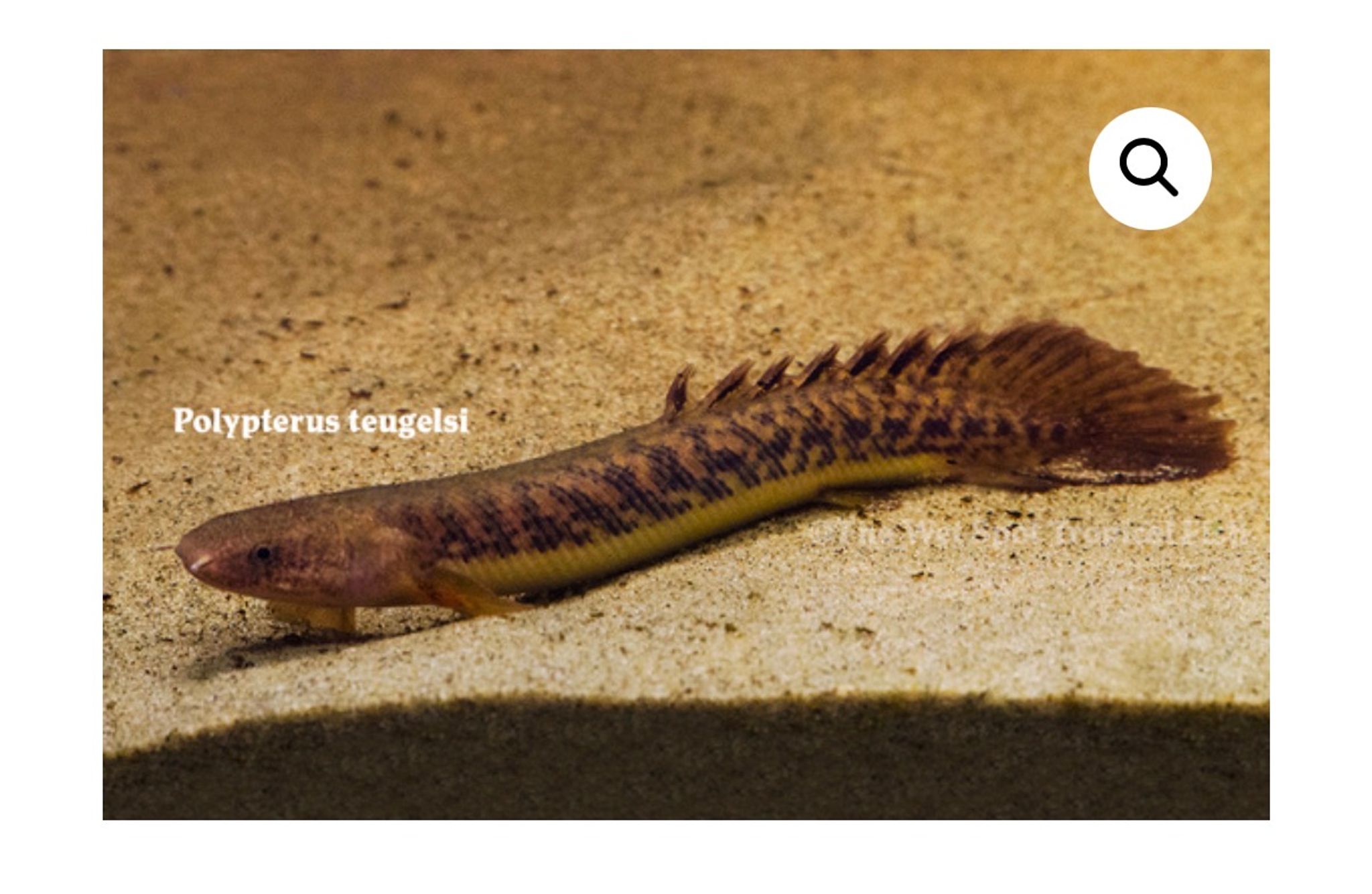
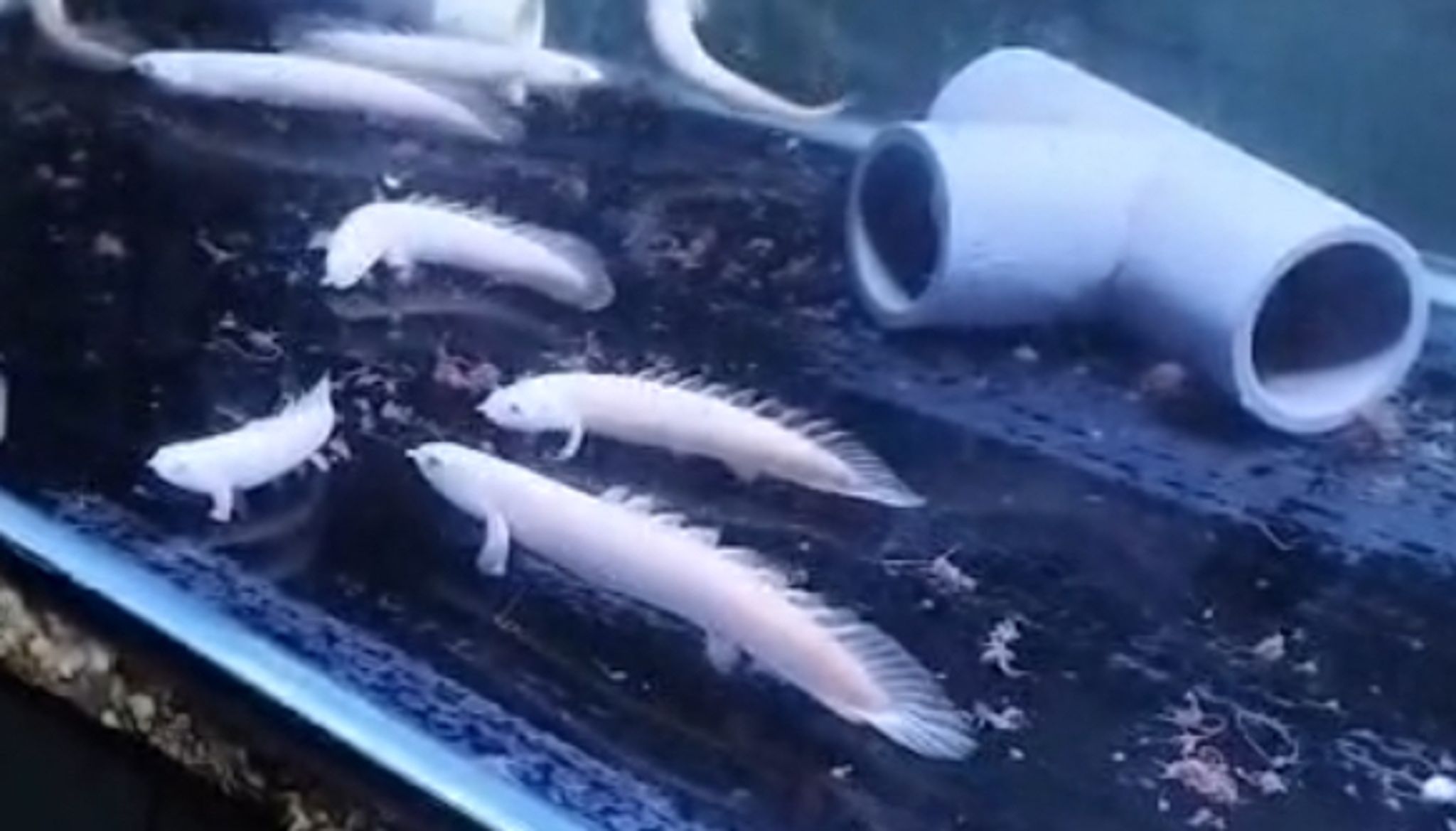
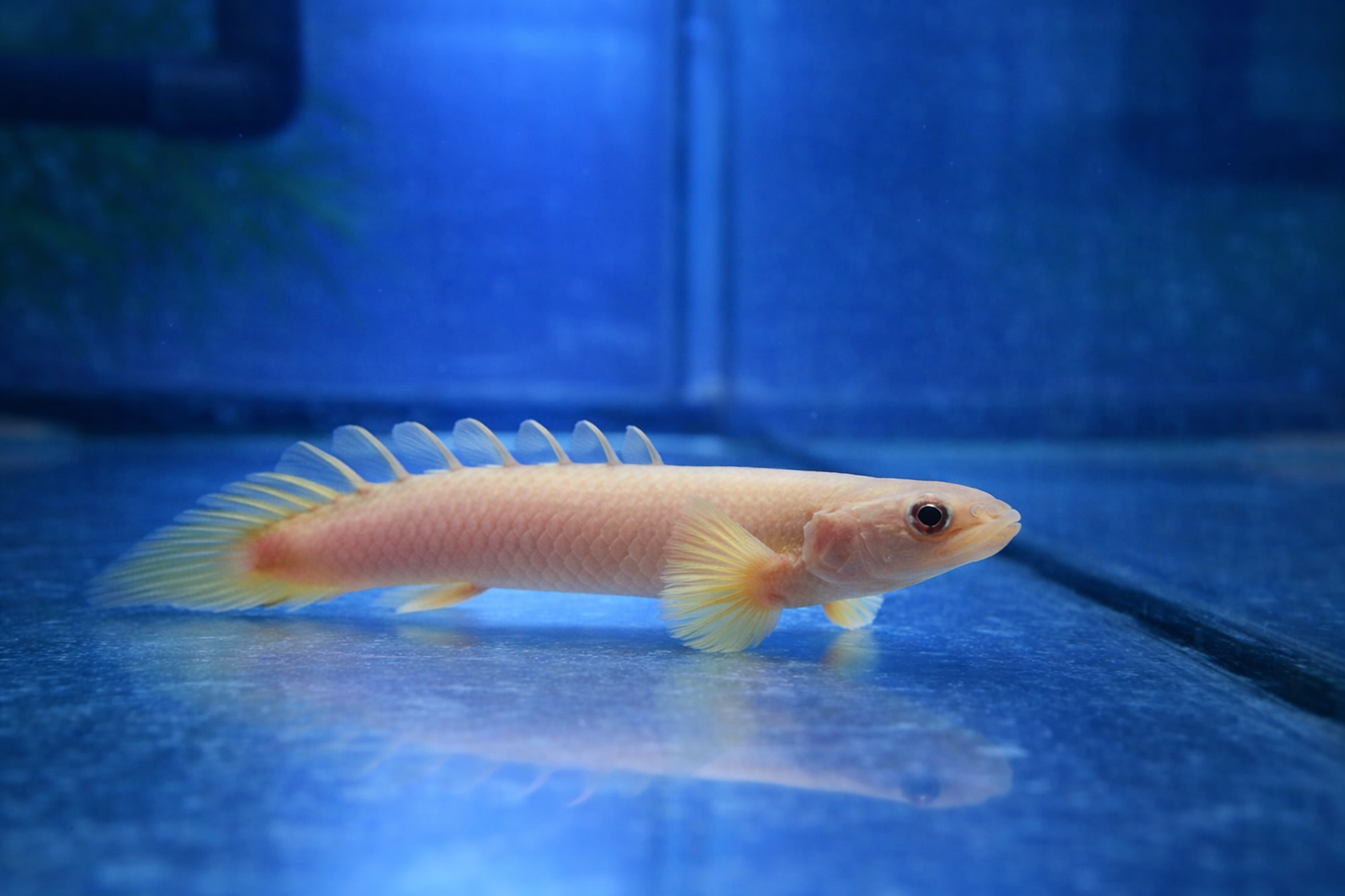
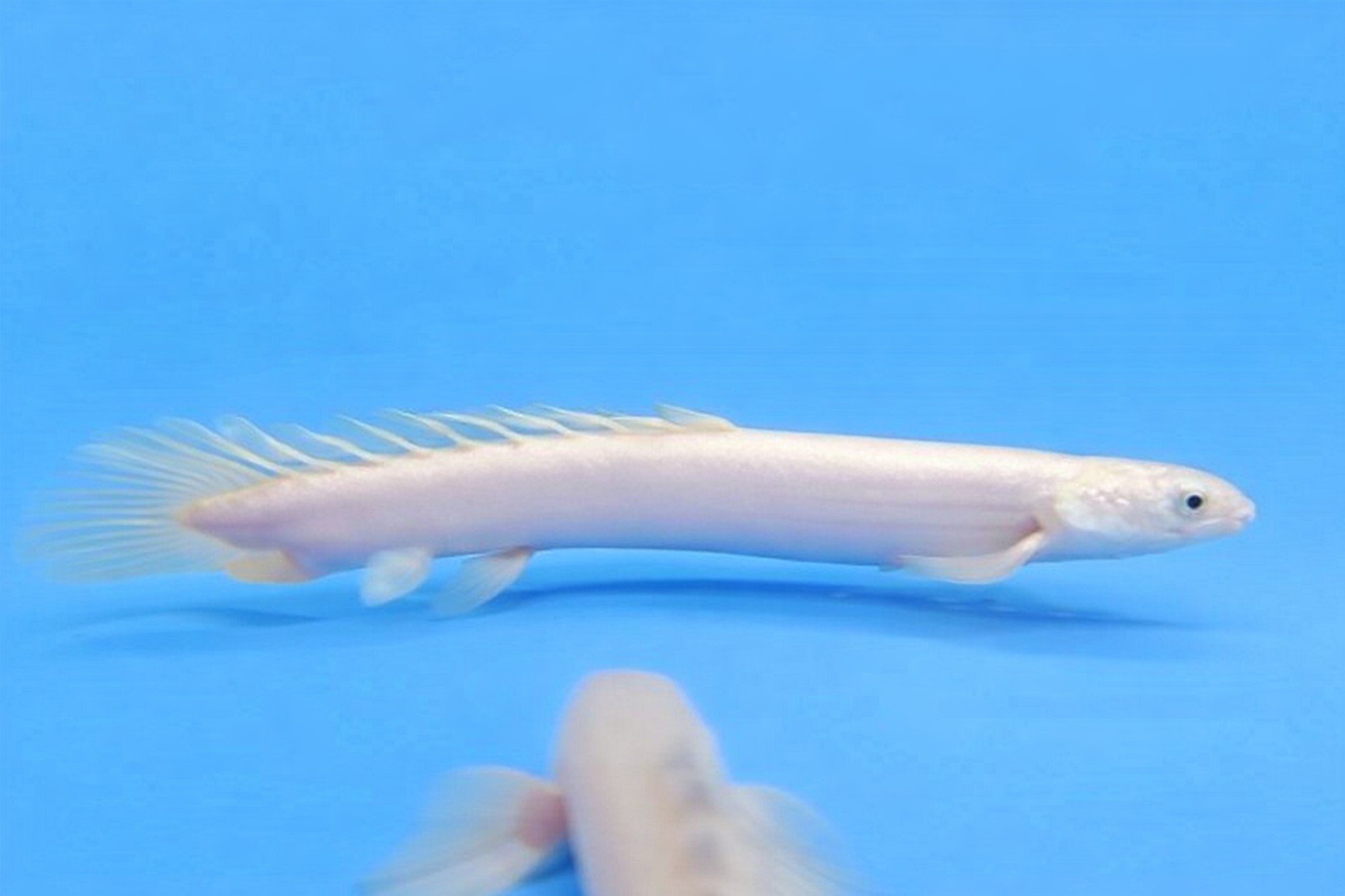

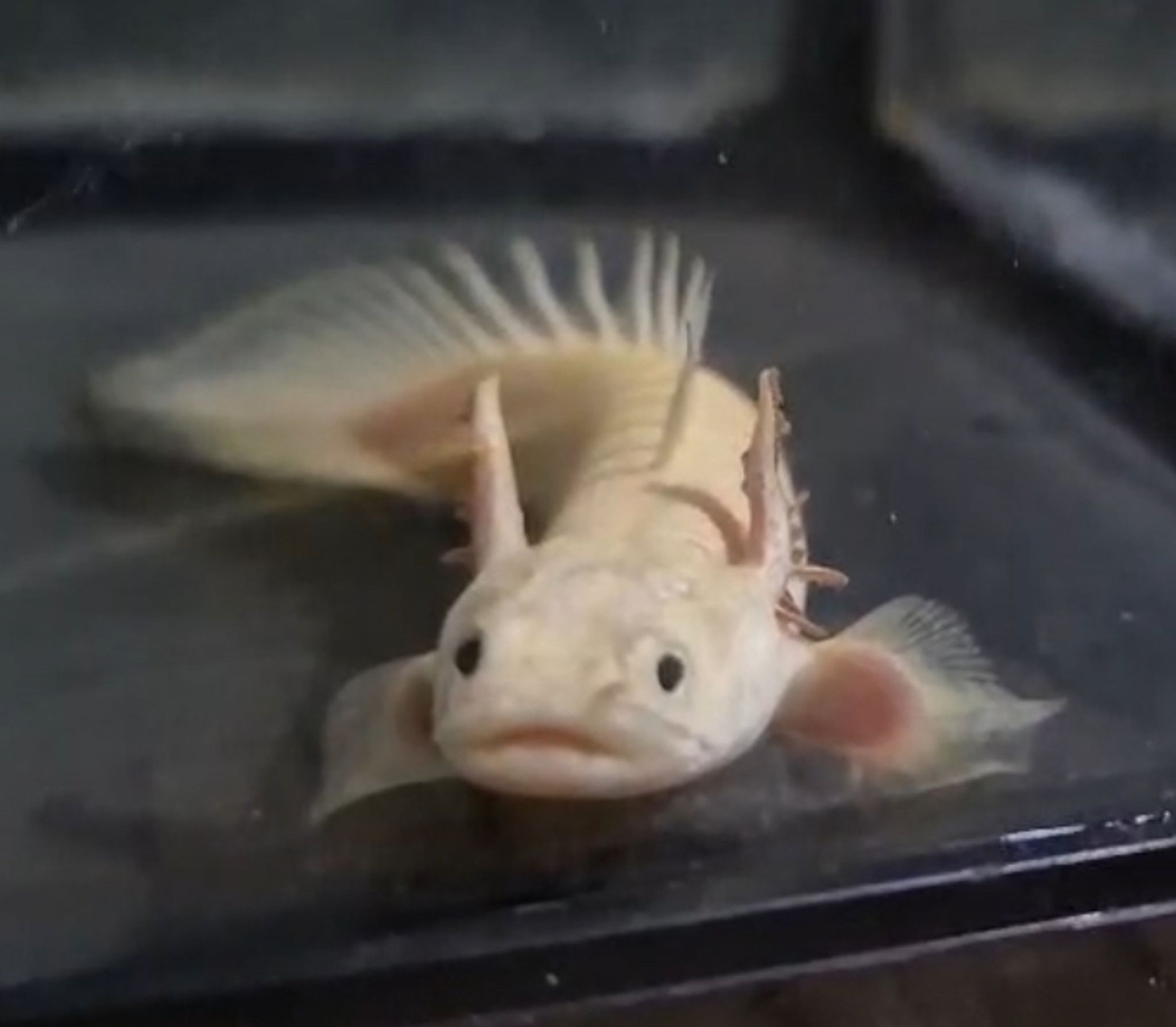
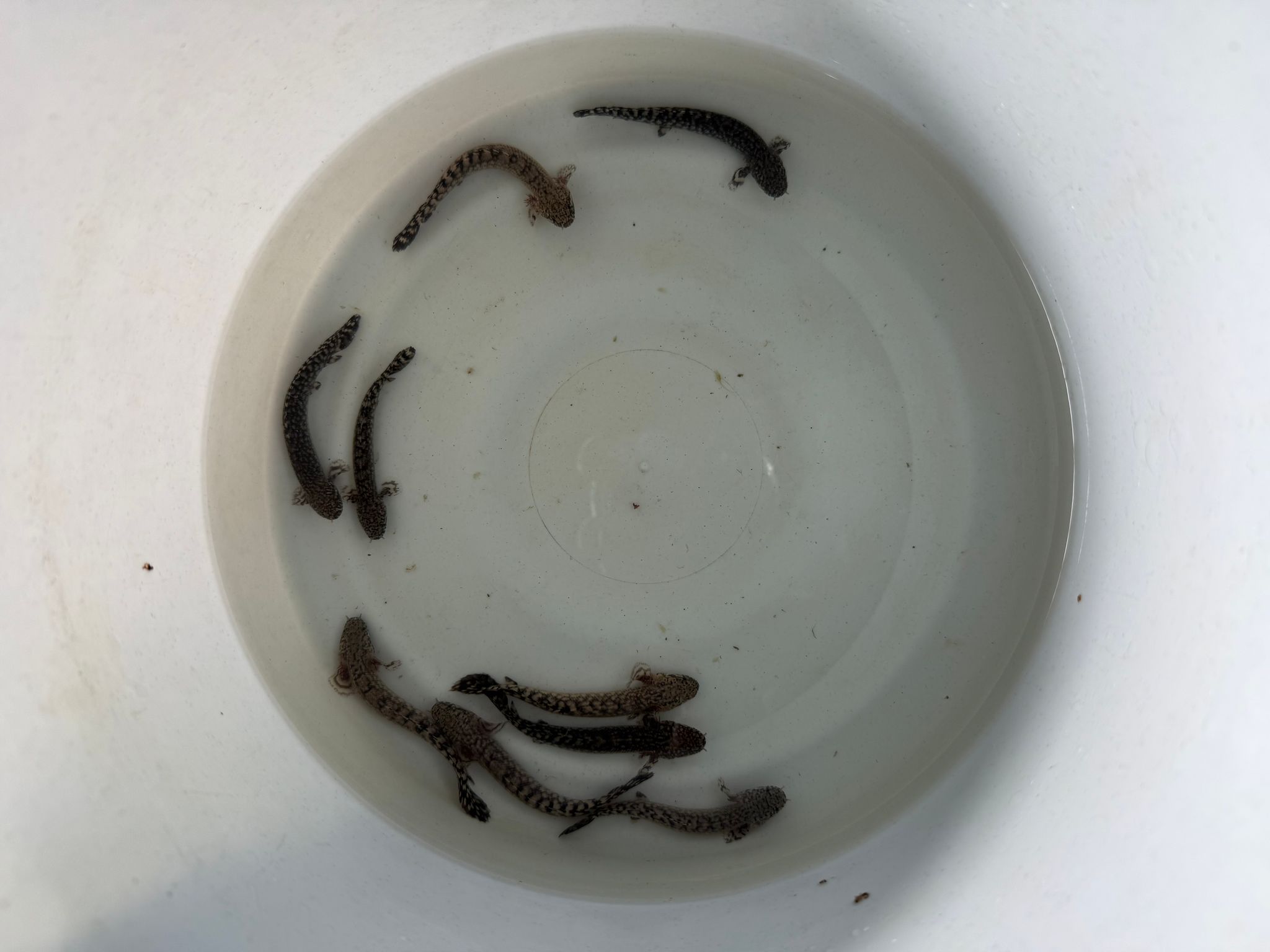
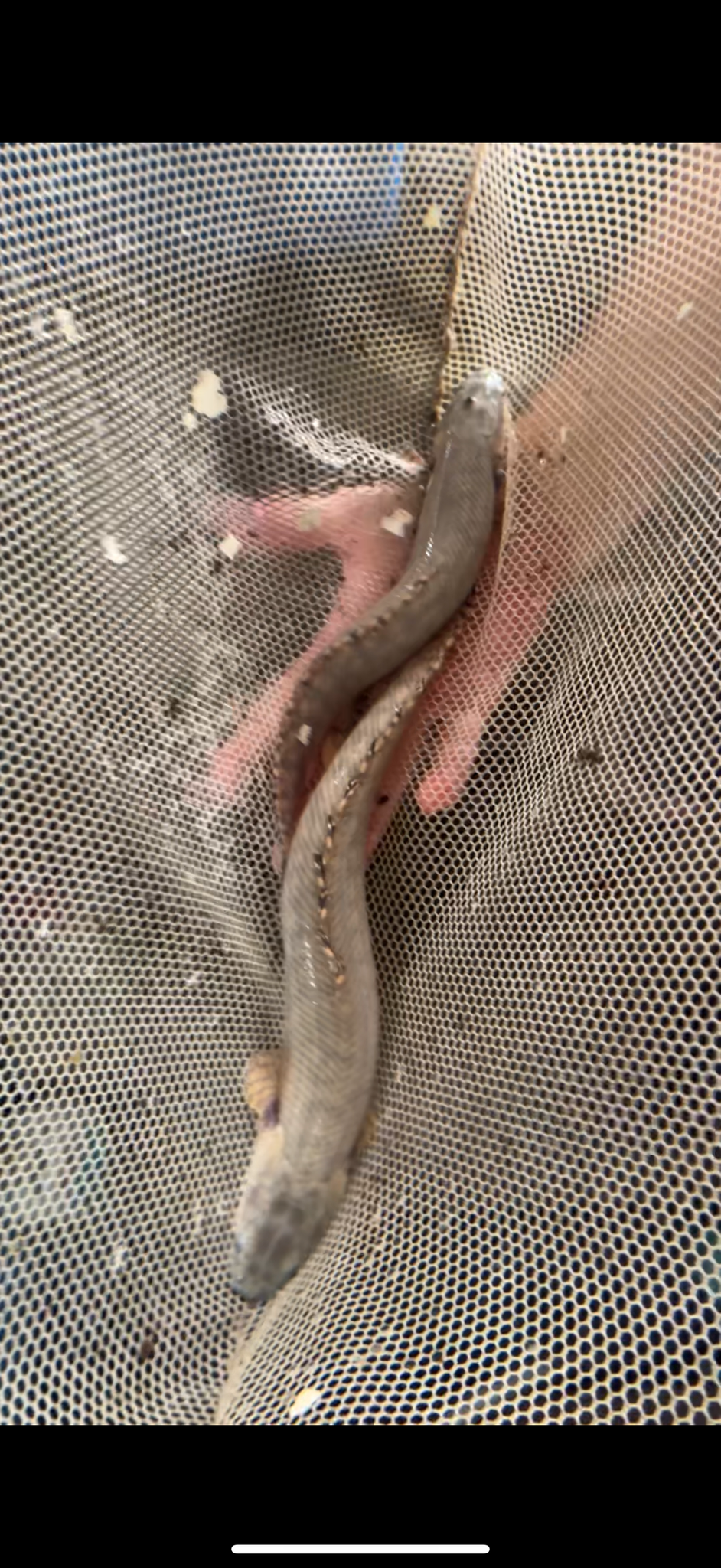
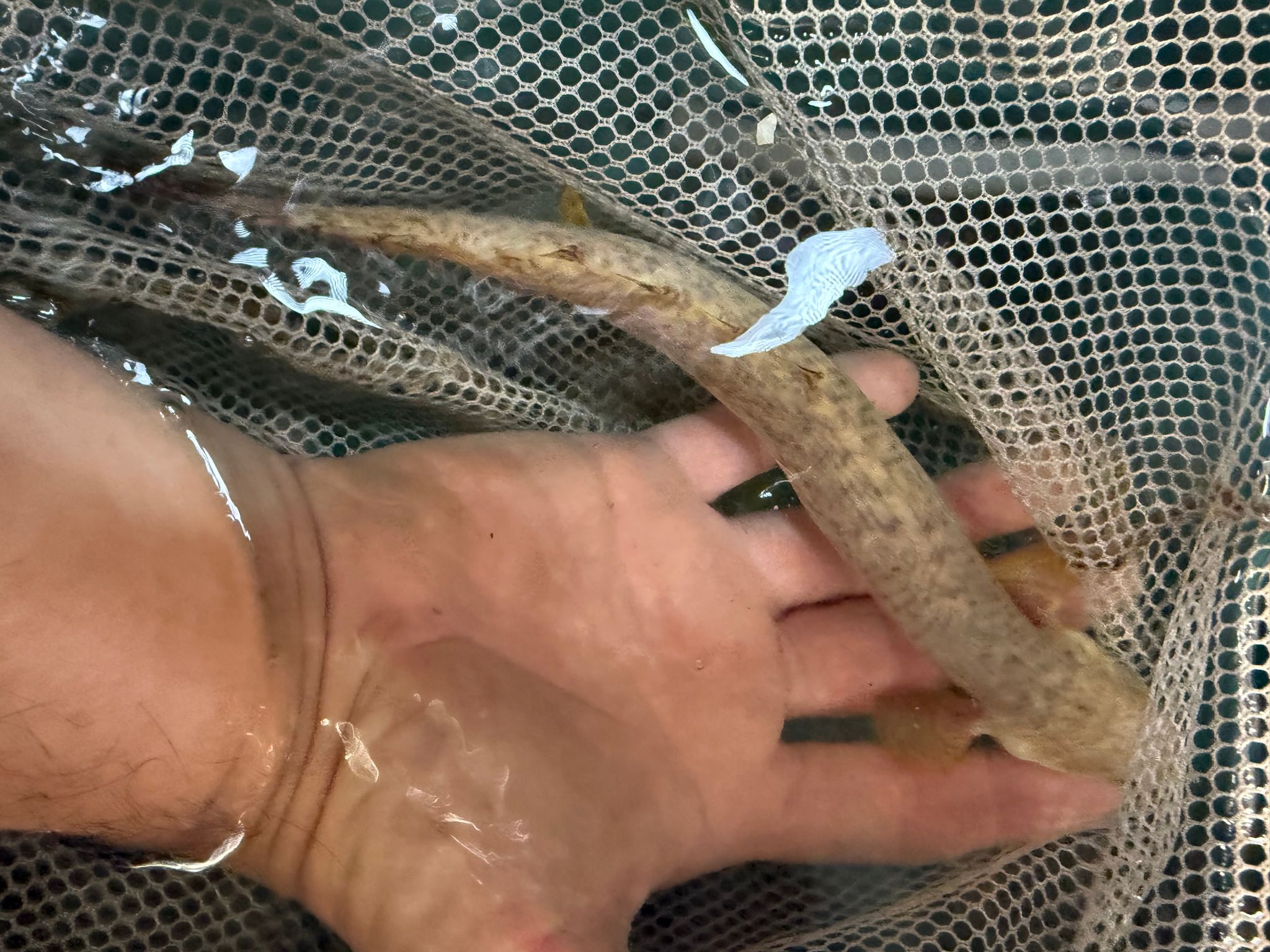
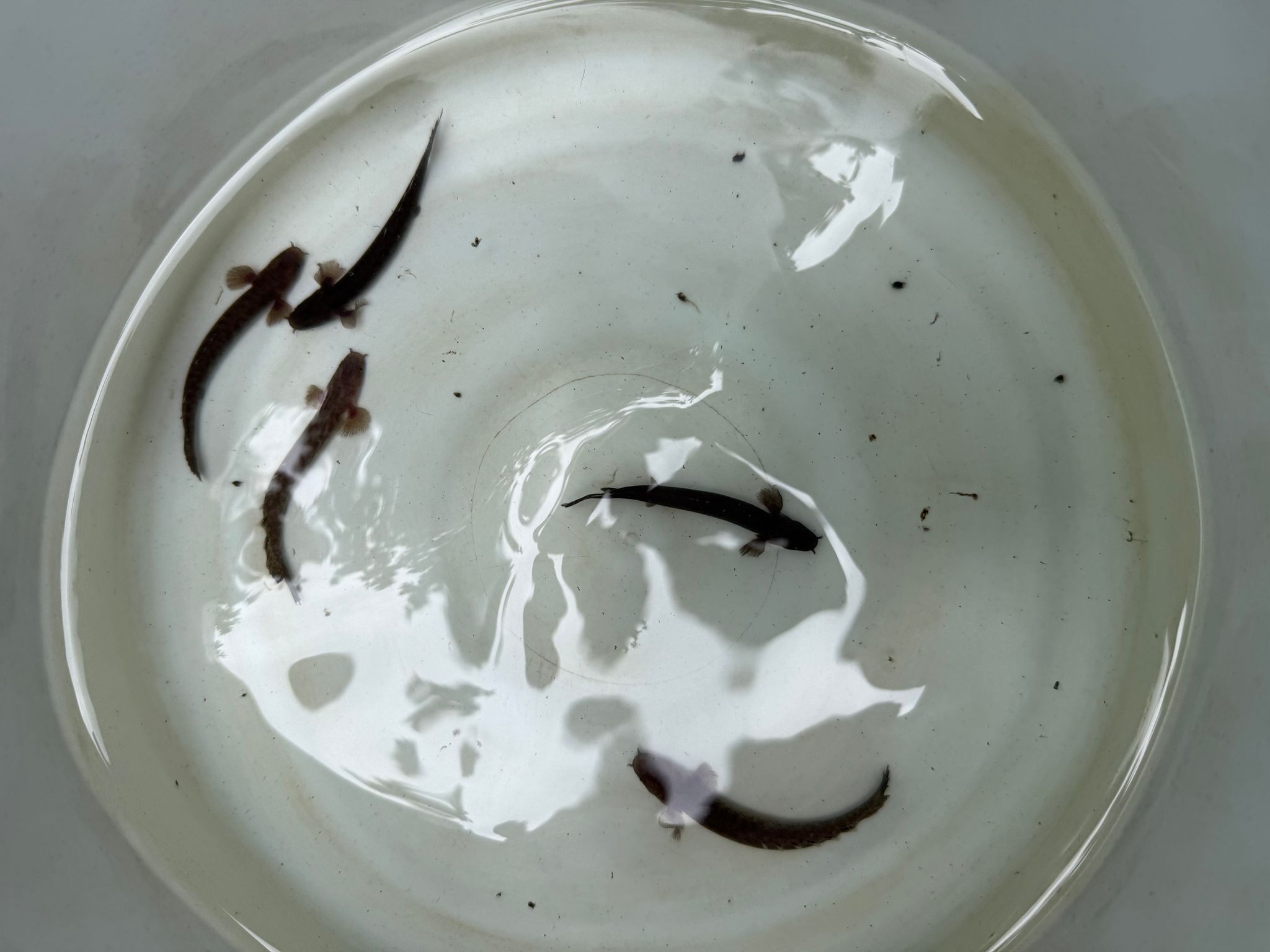
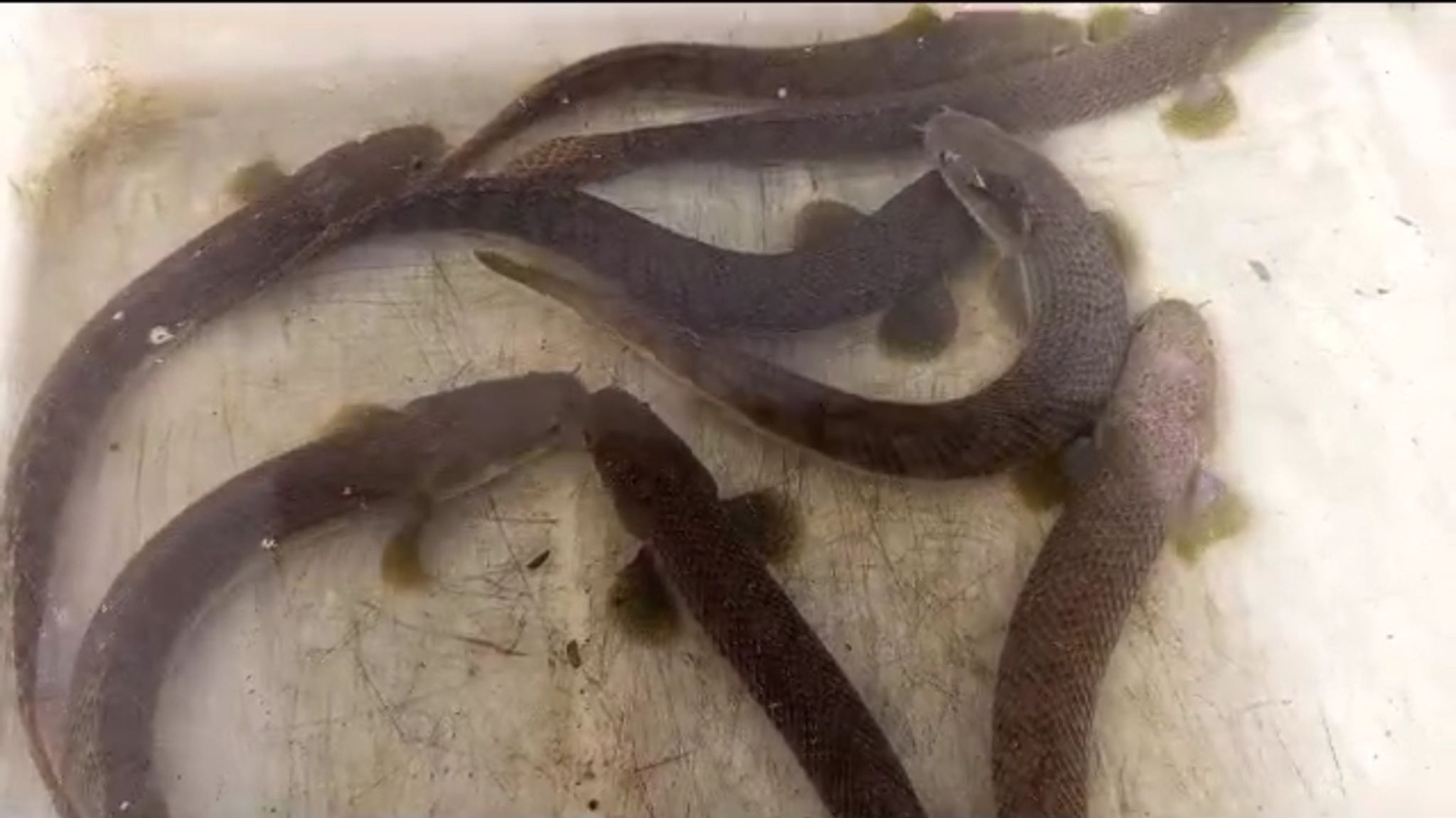
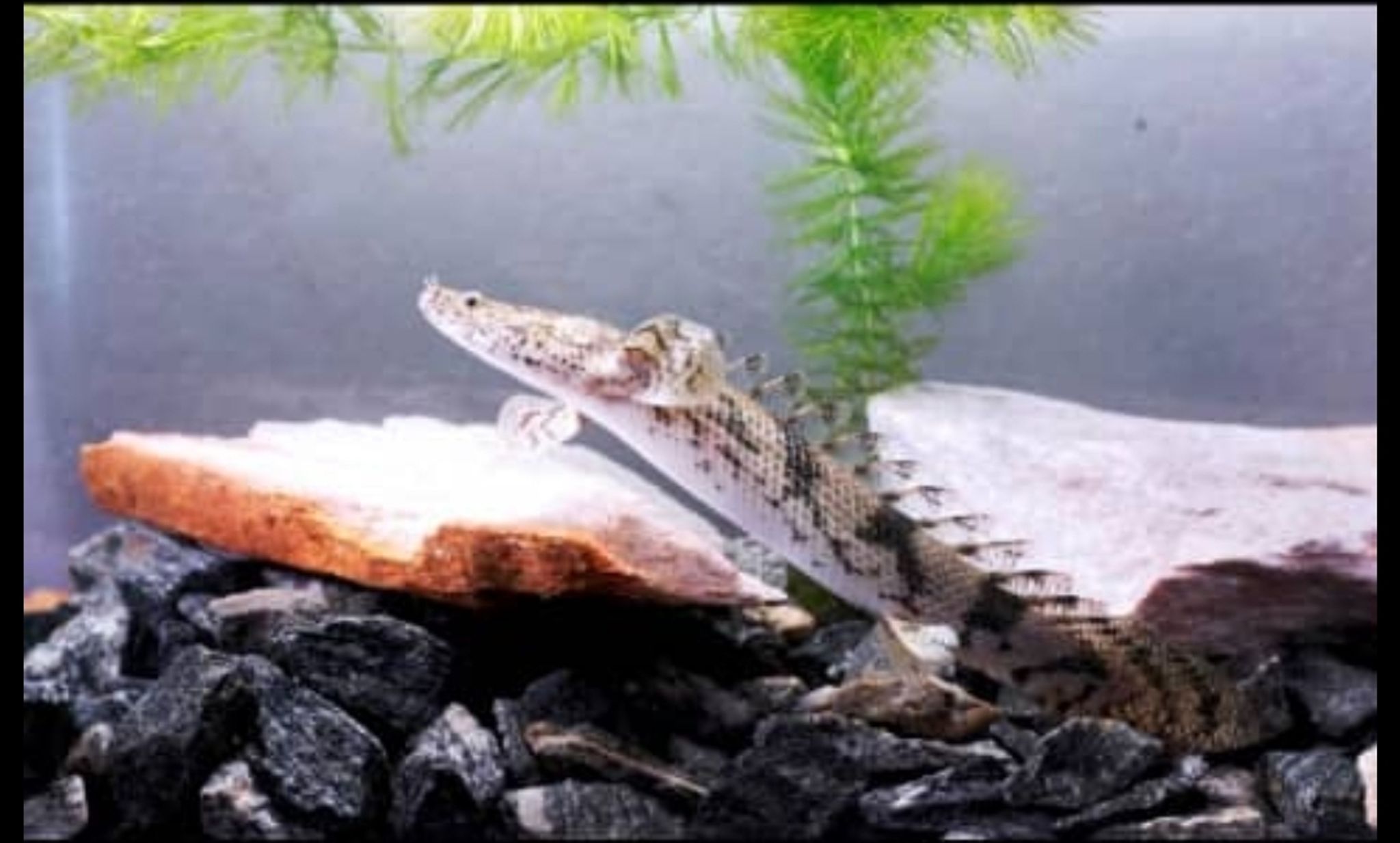
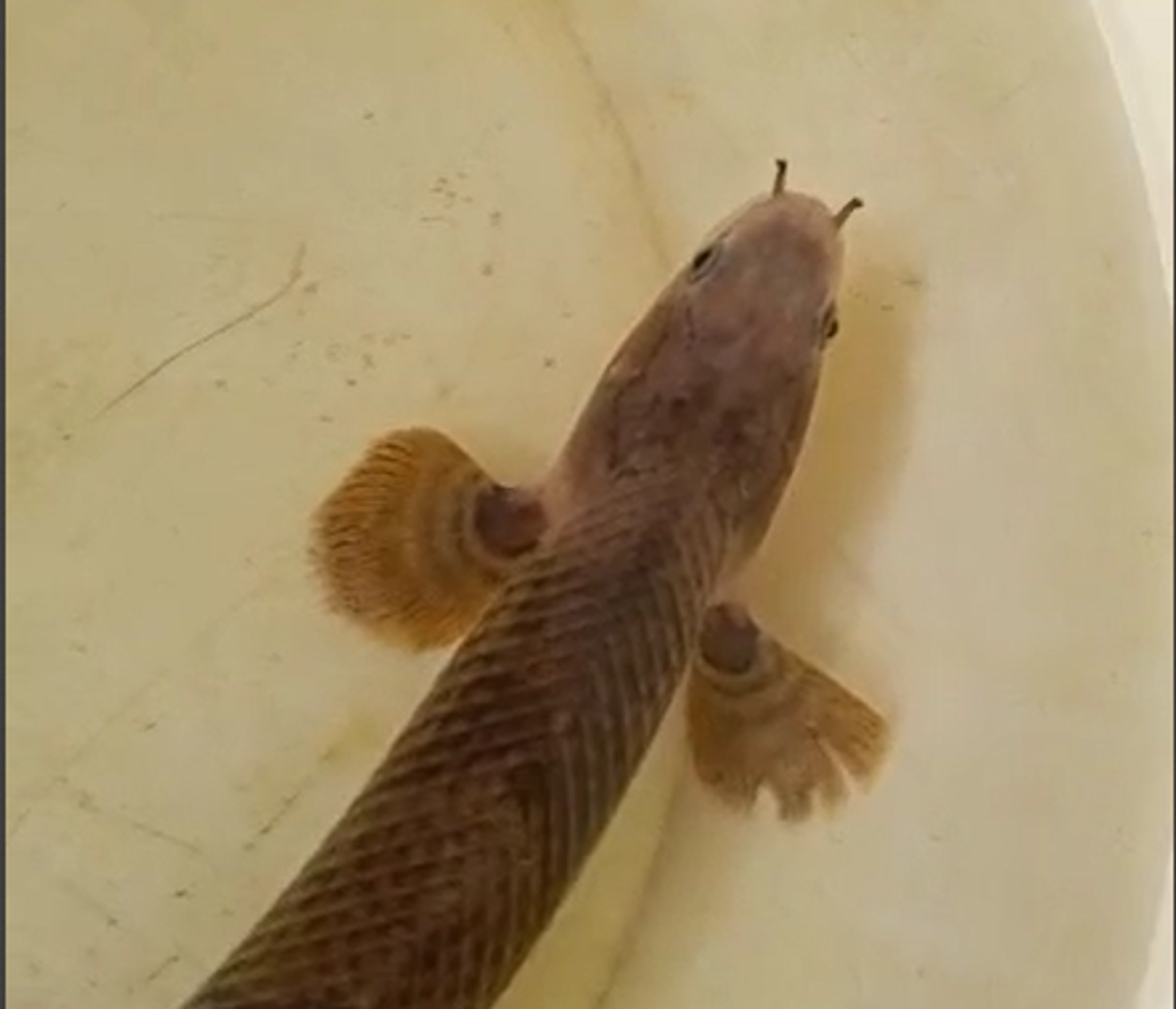
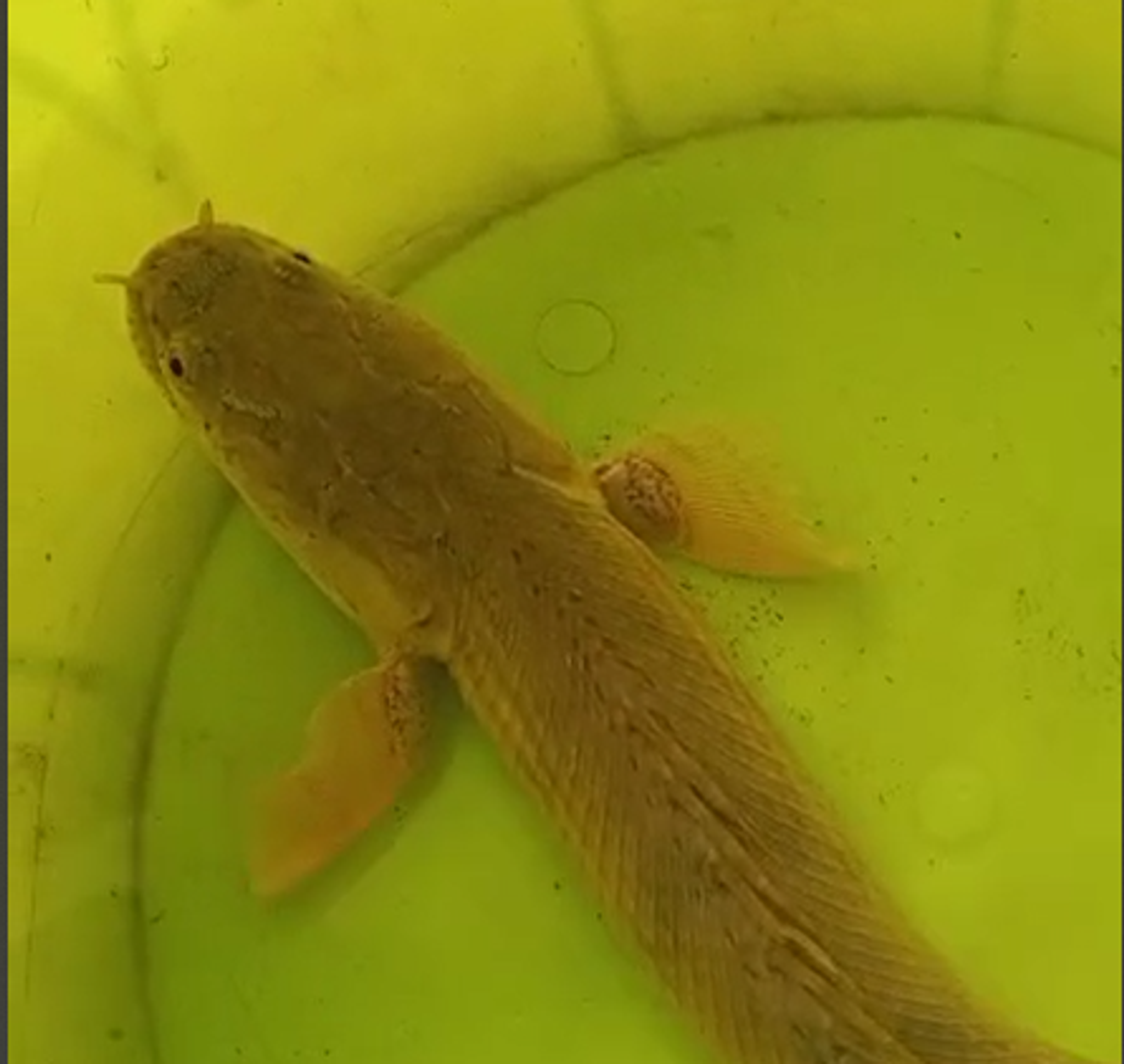
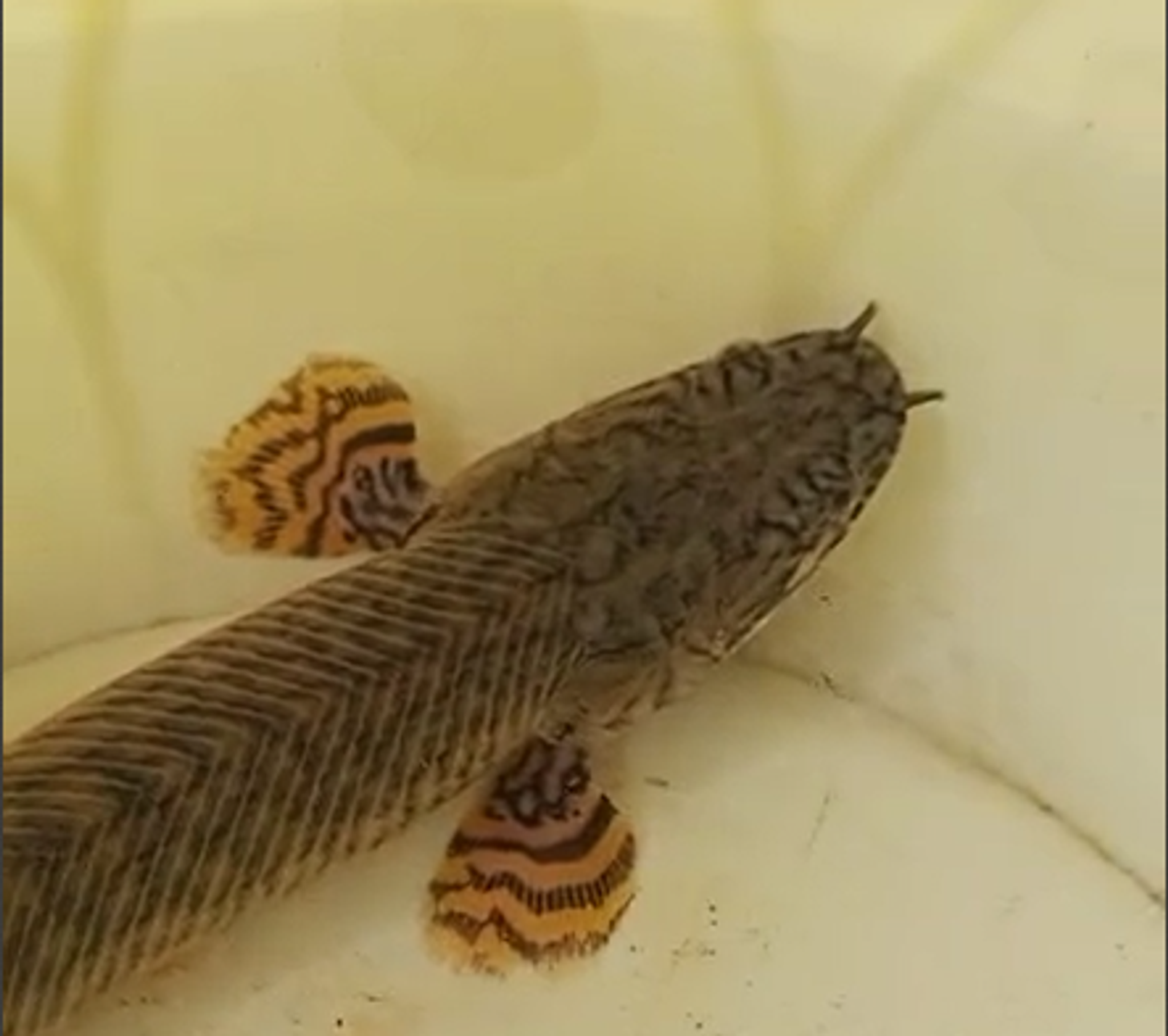
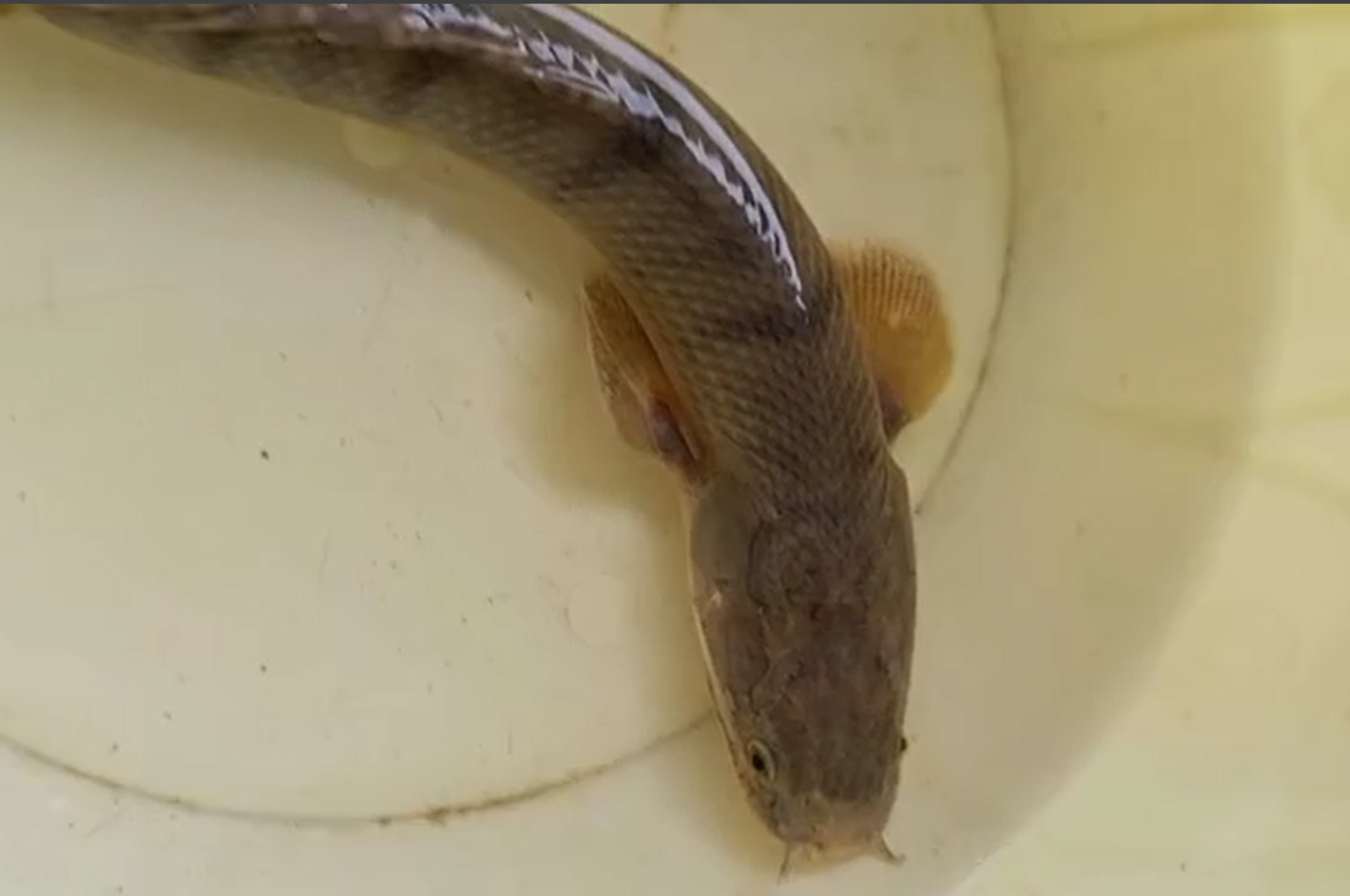
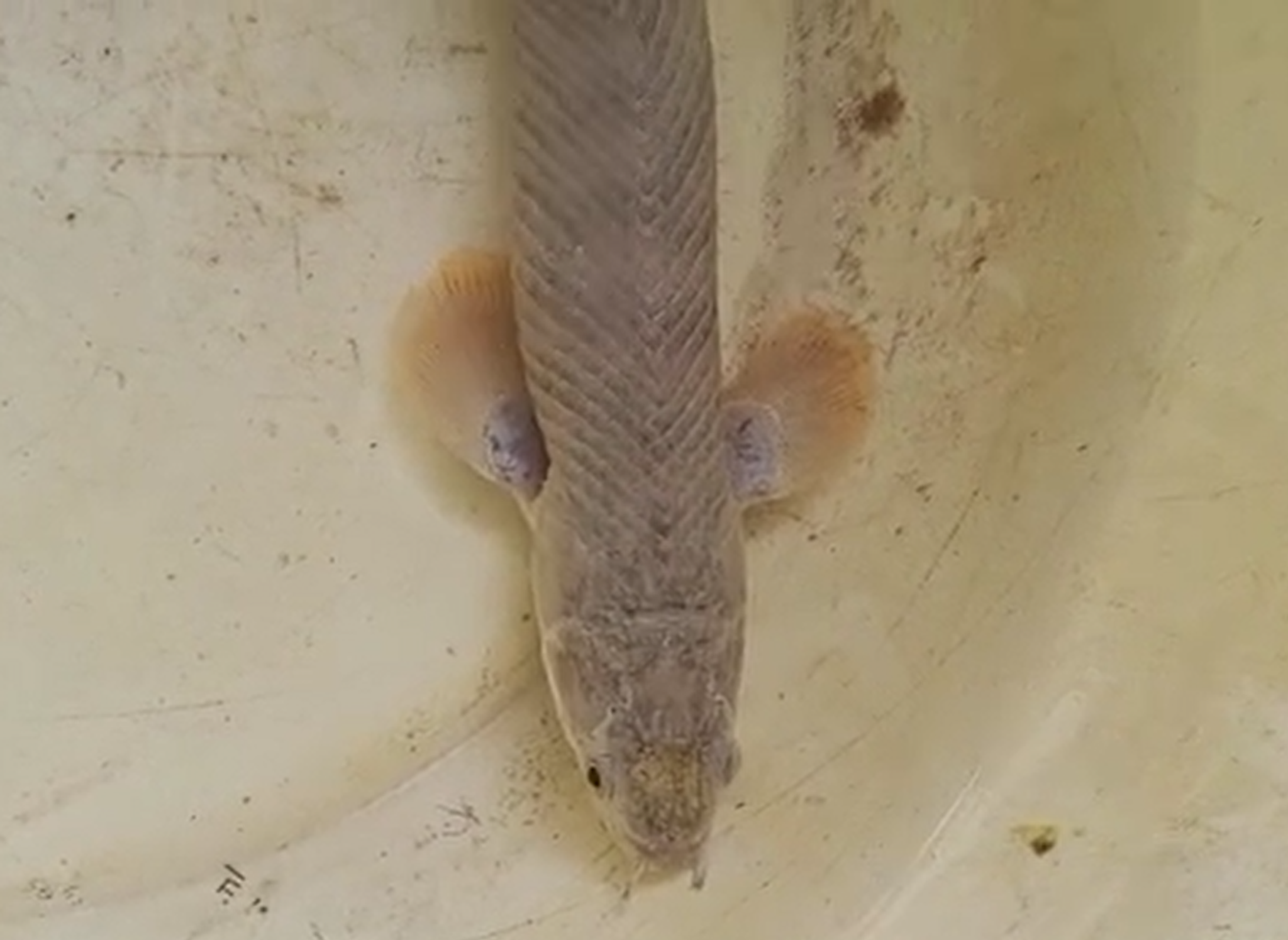
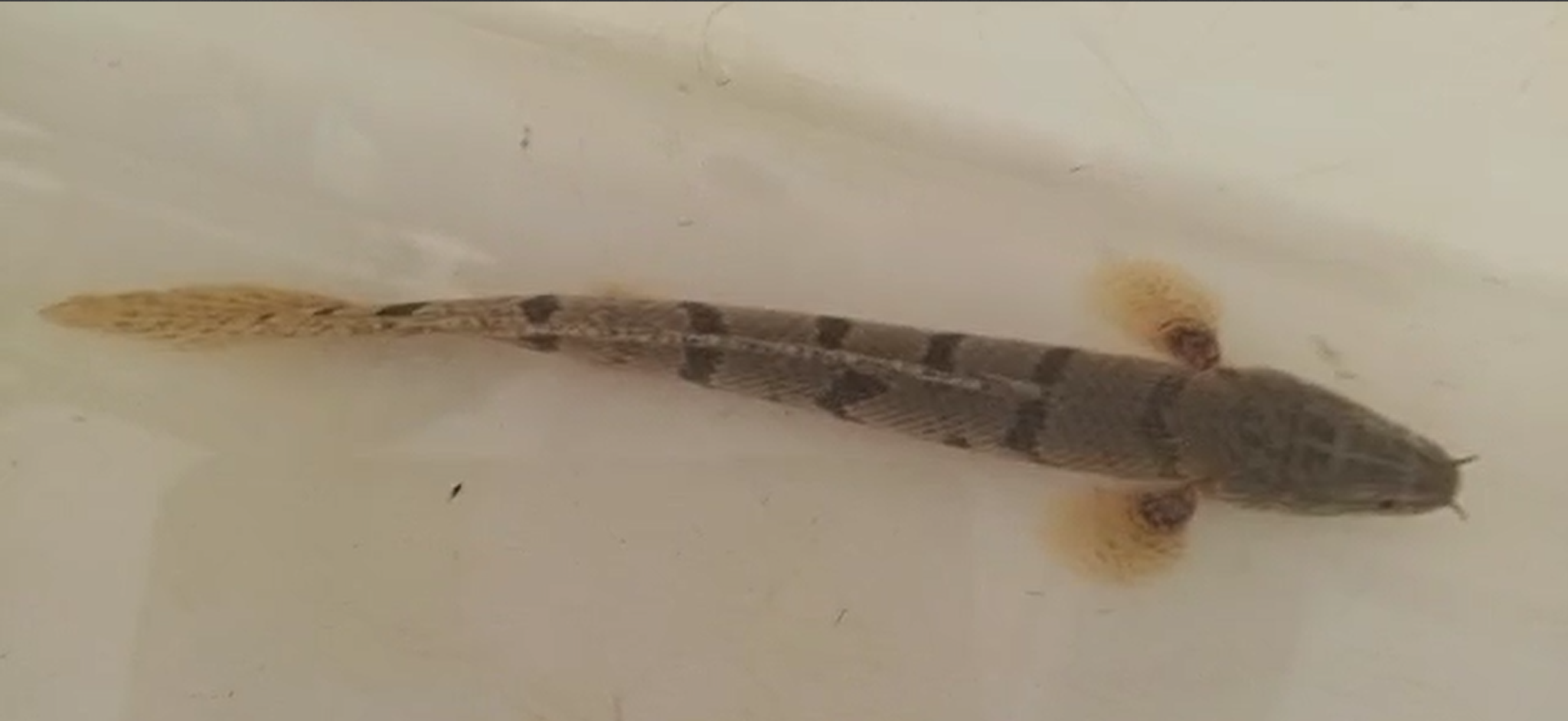
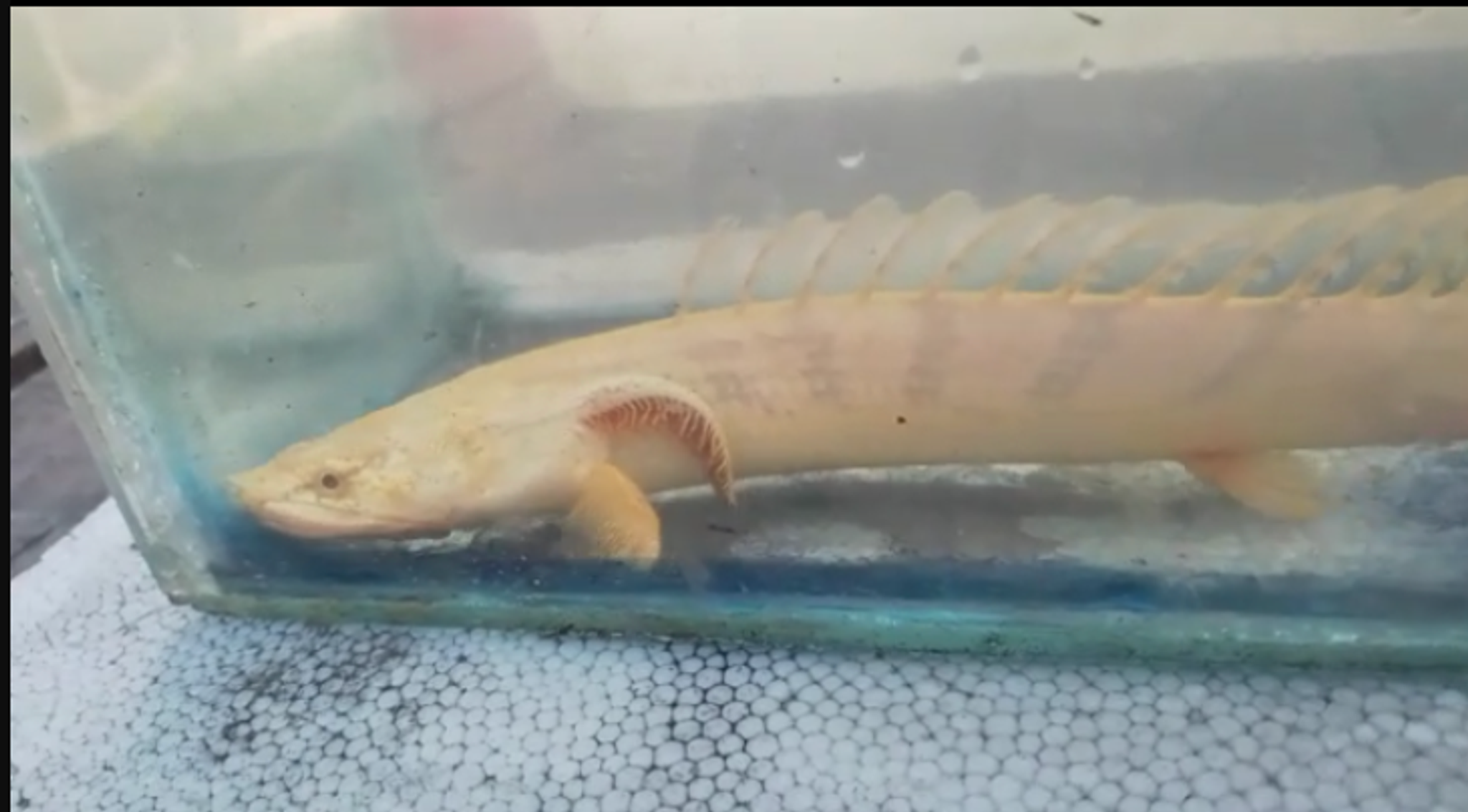
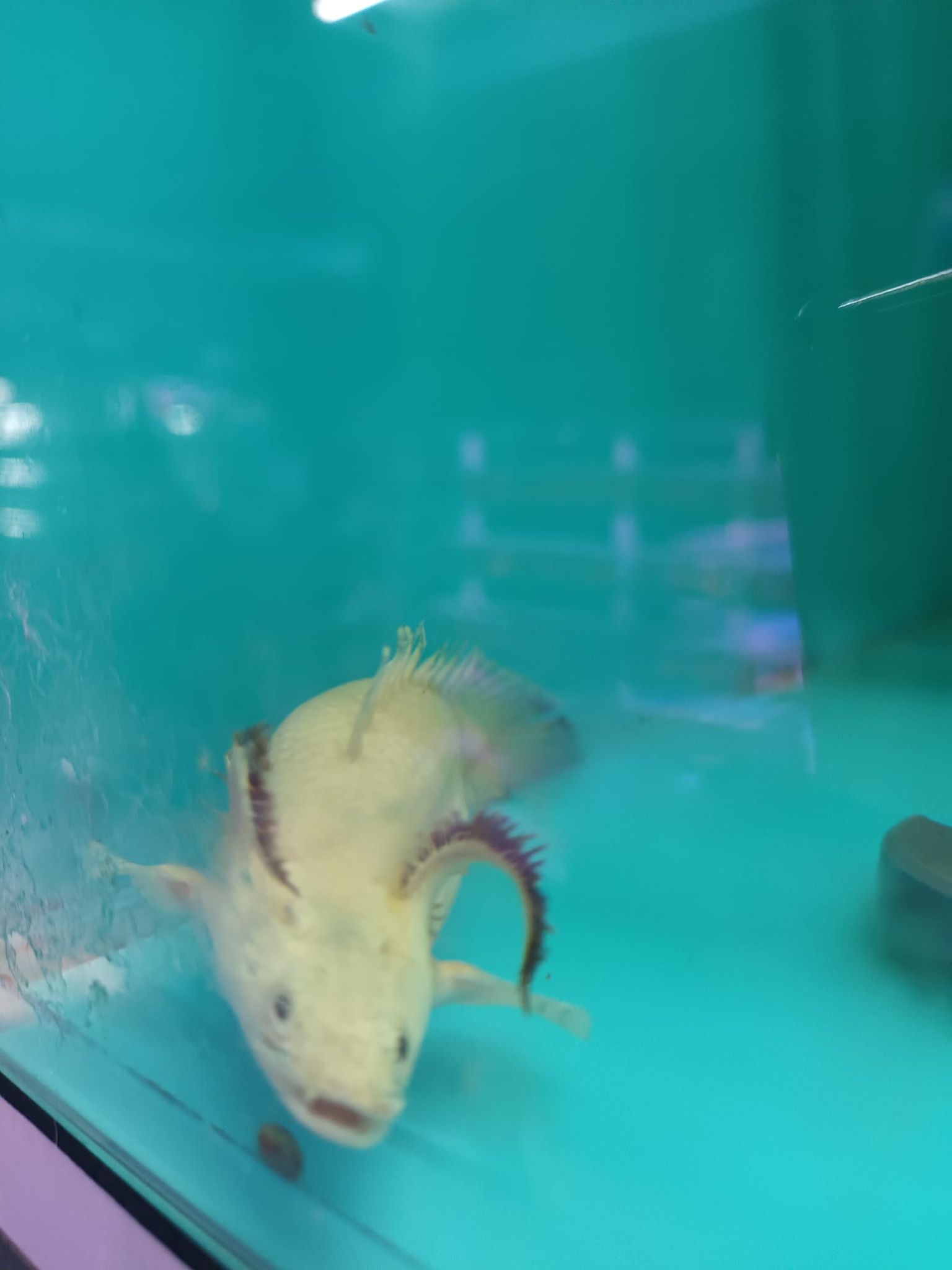
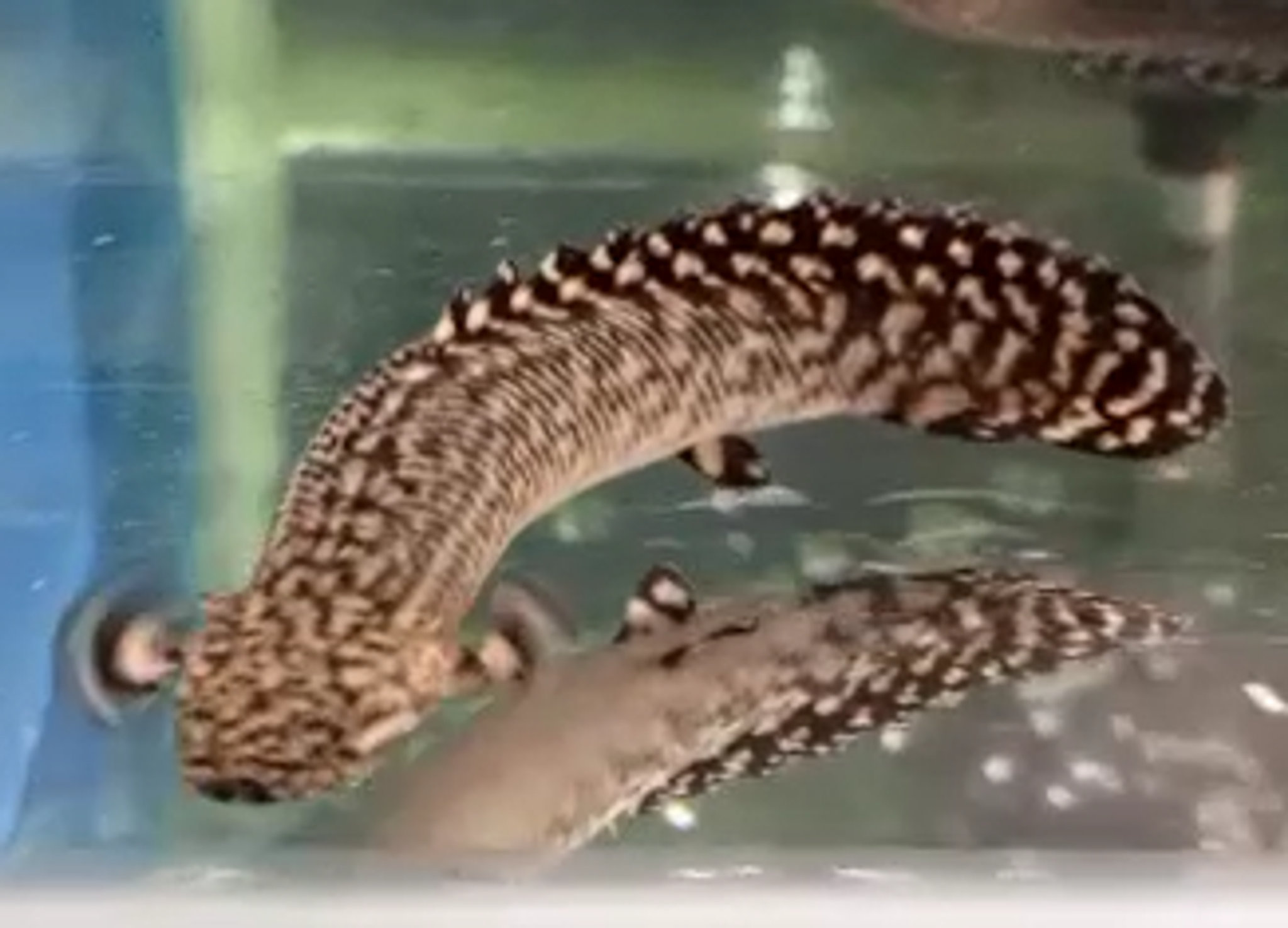
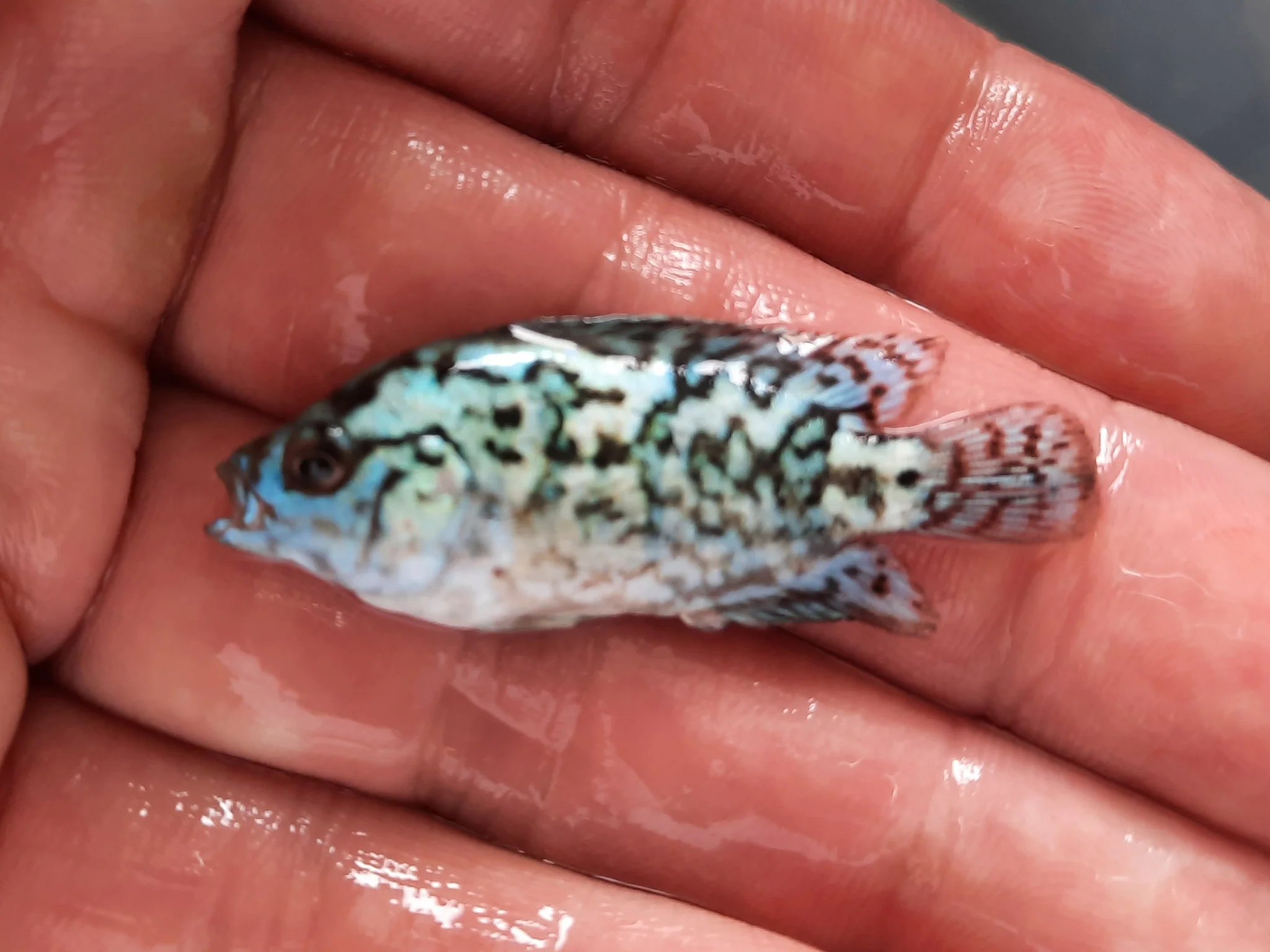
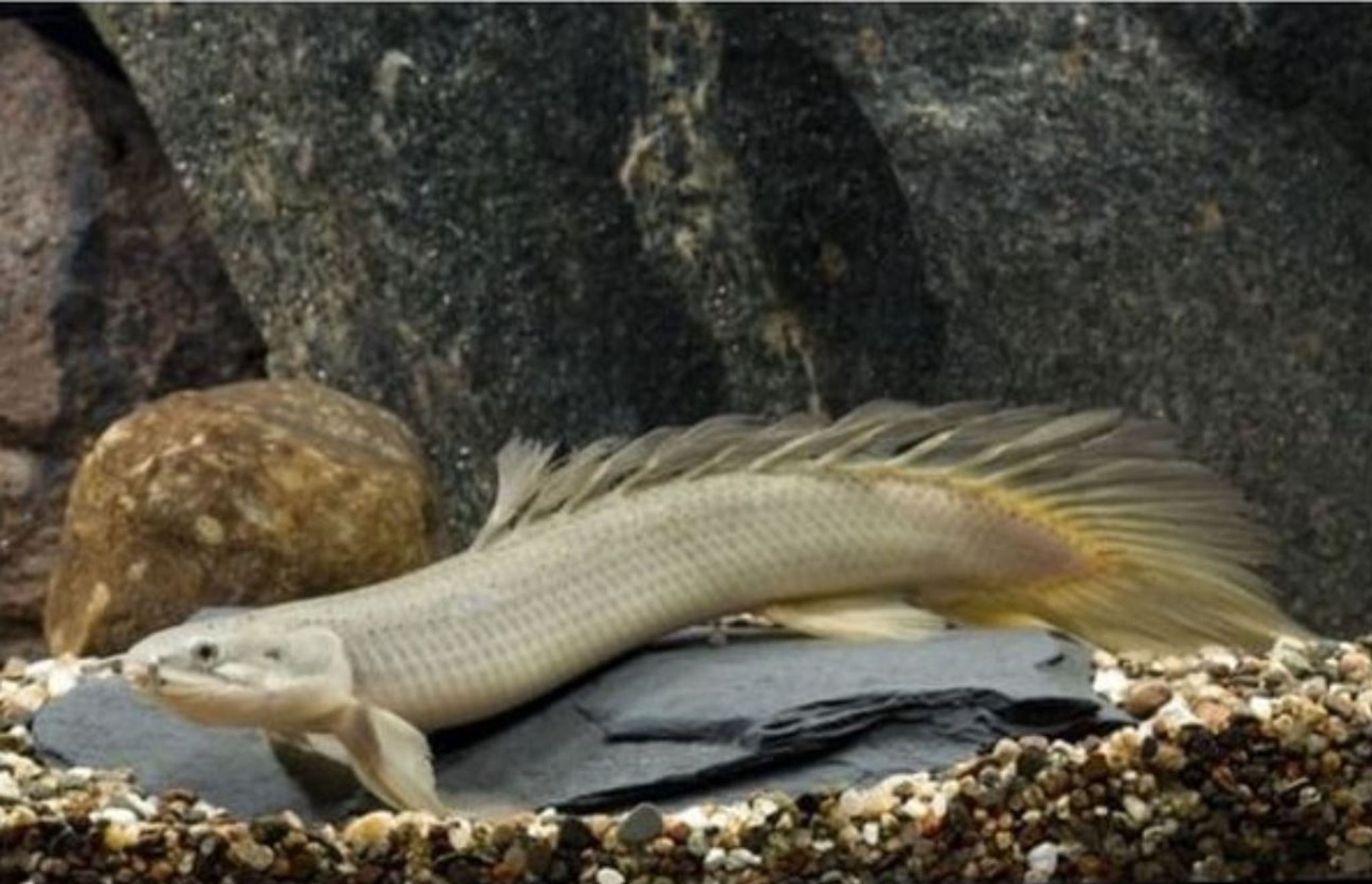
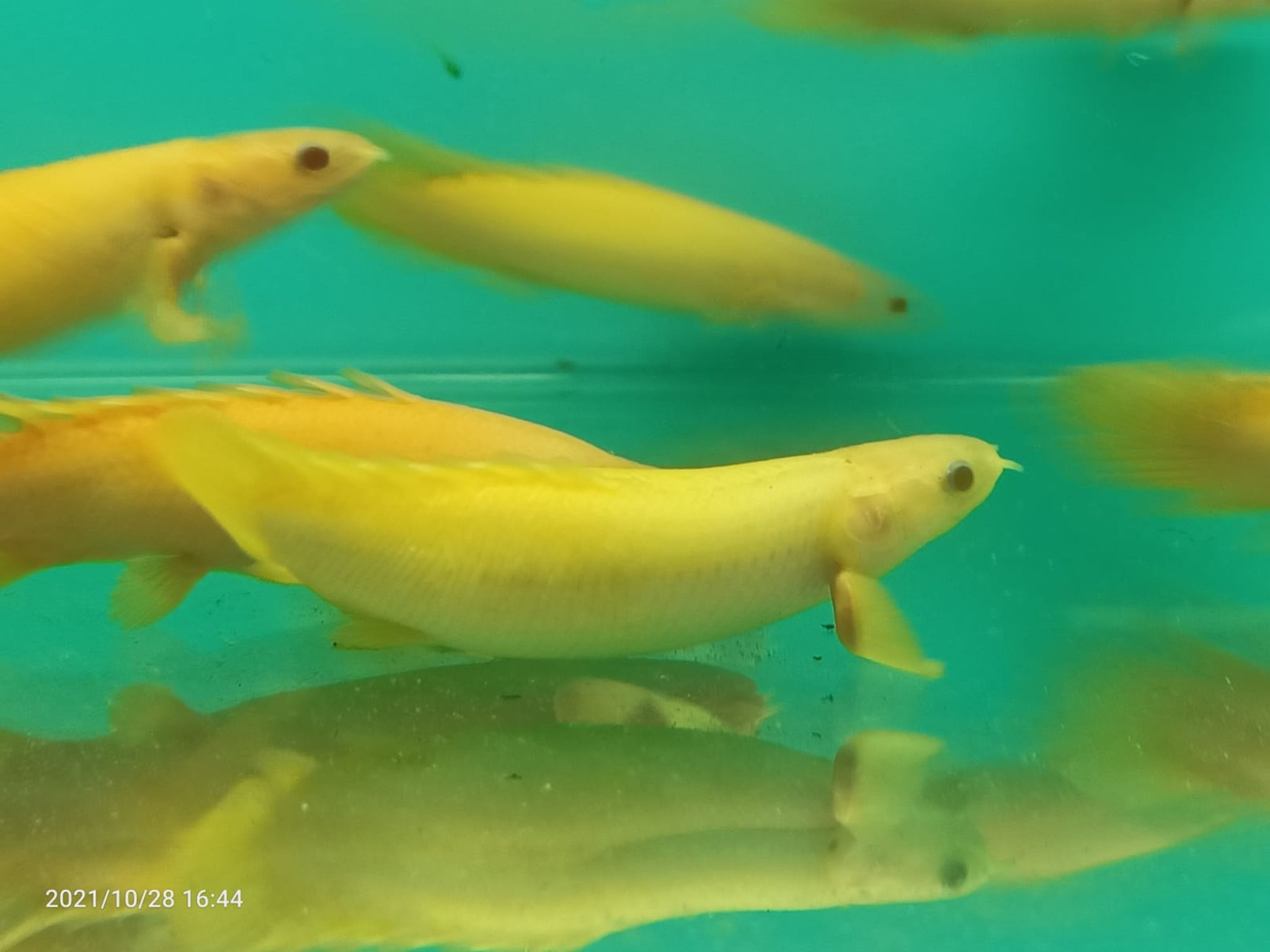
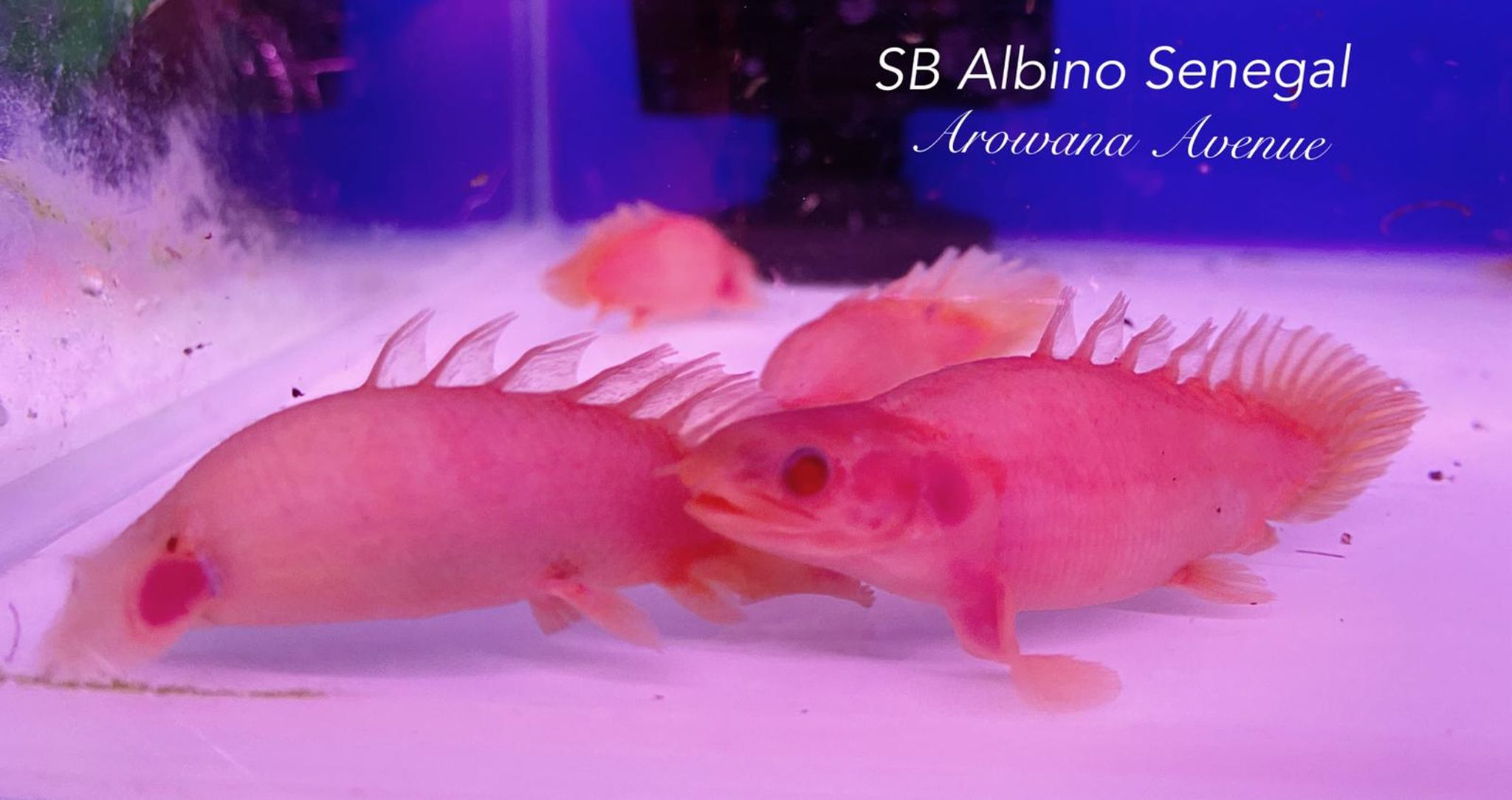
Explore Bichir fish for sale in Singapore from aquarium shops, breeders and specialist freshwater fish sellers on FishyHub. Compare Senegal Bichirs, Endlicheri Bichirs, Ornate Bichirs and other Polypterus species by size, appearance and seller.
Bichirs are prehistoric-looking freshwater fish known for their elongated bodies, armoured scales and distinctive dorsal finlets. They are predatory bottom-oriented fish that can become impressive display animals, but adult size and tankmate selection vary significantly between species.
Bichirs belong to the genus Polypterus and are native to freshwater habitats in Africa.
Several species are popular in the aquarium hobby, ranging from relatively manageable Senegal Bichirs to much larger and heavier-bodied species such as Endlicheri.
Different Bichir species vary in adult size, body shape, pattern and long-term housing requirements.
Senegal Bichirs are among the most commonly kept Polypterus species and are often chosen by aquarists new to Bichirs. They have a comparatively slimmer build and typically remain smaller than some of the giant species.
Endlicheri Bichirs are large, powerful fish with broad heads and bold patterning. Their eventual size and heavy body make substantial aquarium floor space particularly important.
Ornate Bichirs are popular for their striking dark-and-light pattern and robust appearance. They can become large and should be housed with their mature size in mind.
Delhezi Bichirs are known for their attractive banded pattern and distinctive Polypterus body shape. They are popular display fish in larger freshwater aquariums.
Other Bichir species and regional forms may appear depending on specialist seller availability. Always confirm the exact species because adult size can differ substantially.
Adult size varies considerably across Polypterus species.
Some commonly kept Bichirs remain relatively manageable, while larger species can become substantial predators. Plan the aquarium around mature size rather than the size of a juvenile at purchase.
Bichirs benefit from generous horizontal floor space because they spend much of their time near the bottom.
Tank size should be based on species, adult length, body mass, number of fish and tankmates. Larger Polypterus species require substantially more space than smaller forms.
Bichirs usually spend much of their time close to the substrate, resting under cover or slowly exploring the aquarium.
Despite their relatively calm appearance, they are predators and may consume fish or invertebrates that fit into their mouths.
A suitable Bichir aquarium may include:
Decor should be arranged securely and leave enough room for the fish to turn and move comfortably.
Smooth sand or fine gravel can work well for Bichirs because they spend significant time directly on the bottom.
Avoid sharp substrate or hardscape edges that could unnecessarily scrape the underside of the fish.
Driftwood, caves and large rock structures can provide useful cover and shaded resting areas.
Shelters should be large enough for the fish to enter and exit comfortably without becoming trapped.
Bichirs can be kept in planted aquariums if the layout provides enough open floor space.
Larger individuals may disturb loosely rooted plants simply through their movement, so hardy plants attached to wood or rock can sometimes be easier to maintain.
Bichirs have specialised respiratory adaptations that allow them to gulp atmospheric air at the water surface.
They still require good aquarium water quality and adequate filtration, so air-breathing ability should not be treated as a substitute for proper husbandry.
Bichirs can escape through surprisingly small openings.
A secure cover is therefore important, especially around filter pipes, cables and other gaps at the top of the aquarium.
Bichirs are carnivorous predators.
Depending on the fish, suitable sinking carnivore pellets and other appropriately sized protein-rich foods can form part of a varied diet.
Food should reach the lower areas of the aquarium where Bichirs naturally feed.
In mixed tanks, make sure fast midwater fish do not consume everything before the Bichir has an opportunity to feed.
Bichirs can become more active during lower-light periods and may spend quieter daylight hours resting near the bottom.
Individual behaviour varies, and well-settled fish may remain active during the day, particularly around feeding.
Suitable tankmates should generally be large enough not to be viewed as prey and robust enough to coexist with a predatory bottom-dwelling fish.
Exact compatibility depends on Bichir species, size, temperament and the shape of potential tankmates.
Bichirs and Arowana are sometimes kept together in very large predator aquariums.
Compatibility depends on size matching, tank dimensions, feeding competition and individual temperament. Smaller Bichirs should not be housed with fish capable of swallowing or seriously injuring them.
Oscars and suitably sized Bichirs may coexist in spacious aquariums when neither can prey on the other.
Both can produce substantial waste, so tank volume, filtration and feeding management become particularly important.
Some medium to large cichlids can coexist with Bichirs, but aggressive cichlids may harass or injure slower bottom-dwelling fish.
Compatibility should be assessed by species, temperament and relative size rather than assuming all cichlids are suitable.
Some Plecos can coexist with Bichirs in sufficiently large aquariums.
Both use bottom territory, so make sure there is adequate space and observe interactions around food and resting areas.
Large freshwater catfish may sometimes share predator aquariums with Bichirs.
Both groups can become large, so mature size, mouth size, feeding behaviour and bottom-space competition need careful consideration.
Small community fish are generally poor tankmates for Bichirs.
Fish small enough to fit in a Bichir's mouth may eventually be eaten, including during low-light periods when the Bichir is more active.
Shrimp can be viewed as prey by Bichirs and are generally not suitable tankmates.
Crayfish can create a different risk because their claws may injure a resting Bichir, so this combination should not be assumed safe either.
Multiple Bichirs can sometimes be kept together when the aquarium is large enough and the fish are appropriately size-matched.
Large size differences can create predation risk, while crowding can increase competition for food and resting areas.
Senegal Bichirs are generally slimmer and more manageable in size than Endlicheri Bichirs.
Endlicheri are heavier-bodied and require considerably more space, making species identification important when planning a long-term aquarium.
Senegal Bichirs tend to have a more understated appearance, while Ornate Bichirs are known for bold contrasting patterning.
Ornates also become substantial fish, so appearance should not be the only consideration when choosing between them.
Bichirs benefit from stable, clean freshwater and consistent aquarium maintenance.
Exact temperature and water chemistry requirements vary between species and source, so stable conditions are more useful than constantly chasing changing numbers.
Bichirs are carnivorous fish and larger individuals can produce substantial waste.
Strong biological and mechanical filtration is therefore important, with system capacity matched to tank size, stocking and feeding load.
Bichirs are predatory rather than constantly aggressive.
They may appear calm around suitably sized fish but can still consume smaller tankmates opportunistically.
Some species, particularly Senegal Bichirs, may be manageable for aquarists with experience keeping larger freshwater fish.
Their predatory diet, escape ability and adult size mean they generally require more planning than ordinary community fish.
Mature male and female Bichirs can sometimes be distinguished by differences in the anal fin.
Sexing juveniles can be difficult, so seller identification may be less reliable in very young fish.
Some Polypterus species have been bred successfully in captivity.
Breeding typically requires mature compatible fish and specialised management of eggs and young, making it a more advanced project than routine community fish breeding.
When comparing Bichirs for sale, look for:
Resting on the bottom is normal Bichir behaviour, so judge health using overall condition rather than activity level alone.
Introduce new Bichirs carefully to avoid sudden changes in temperature and water chemistry.
Quarantine can help reduce the risk of introducing disease into an established predator aquarium.
Bichir prices in Singapore vary according to species, size, pattern, rarity, source and seller.
Common smaller species may be relatively accessible, while large, uncommon or specialist Polypterus can cost substantially more.
FishyHub brings Bichir listings from aquarium shops, breeders and specialist freshwater fish sellers across Singapore together in one marketplace, making it easier to compare Polypterus species from multiple sources.
When comparing Bichir listings, consider:
Livestock availability changes regularly, especially for less common Polypterus species and larger specimens.
Yes. Bichirs are freshwater fish in the genus Polypterus and originate from Africa.
Yes. They spend much of their time near the substrate, although they also swim through the tank and regularly visit the surface to gulp air.
Yes. They are carnivorous predators and may eat fish or invertebrates small enough to swallow.
Suitably sized individuals can sometimes coexist in large aquariums, provided neither fish can prey on or seriously harass the other.
They are sometimes combined in large predator tanks, but size matching, aquarium dimensions and individual behaviour are critical.
They sometimes can when the fish are similarly sized and the aquarium provides enough floor space, food and shelter.
Yes. Bichirs can gulp atmospheric air at the surface using specialised respiratory organs.
Yes. They can escape through surprisingly small openings, so a secure cover is strongly recommended.
Bichirs are carnivorous and can be fed suitable sinking carnivore foods and other appropriately sized protein-rich foods as part of a varied diet.
Explore Bichir fish for sale on FishyHub and compare Senegal, Endlicheri, Ornate, Delhezi and other Polypterus species from aquarium sellers and breeders across Singapore. Compare species, adult size, pattern and price to find a suitable Bichir for your freshwater predator aquarium.
