1–40 of 42
Showing 40 of 42 products
1757616522803.jpeg?signature=b3ba99e0cd4cc27ba4bc07162b5b0a89e1ed14d37868210fb4bdb5a27960f8c8)
%201757524959128.jpeg?signature=6fba11ac40572bd6e031fab2c1551b7f3f59249e739eaeb8f1e1989a1c04180f)
1757169807204.jpeg?signature=56757f57594cfab8503e8d05bb89c5c72dd1e4366e30a7d9bff1e1eb3bafcb11)
1757168724262.jpeg?signature=73aacfcc165e745e0debead12c486b53817b7608f5c31dd2c86974259835519d)
1757167513185.jpeg?signature=d8254eb48705e565a3eeacdb163eb468aa440975fcde5b45a5550991862528a0)
1757163817244.jpeg?signature=a6d8d735fc9dc58154195165b67e7465f515fcd680b635d0b82cbbef74cc01a8)
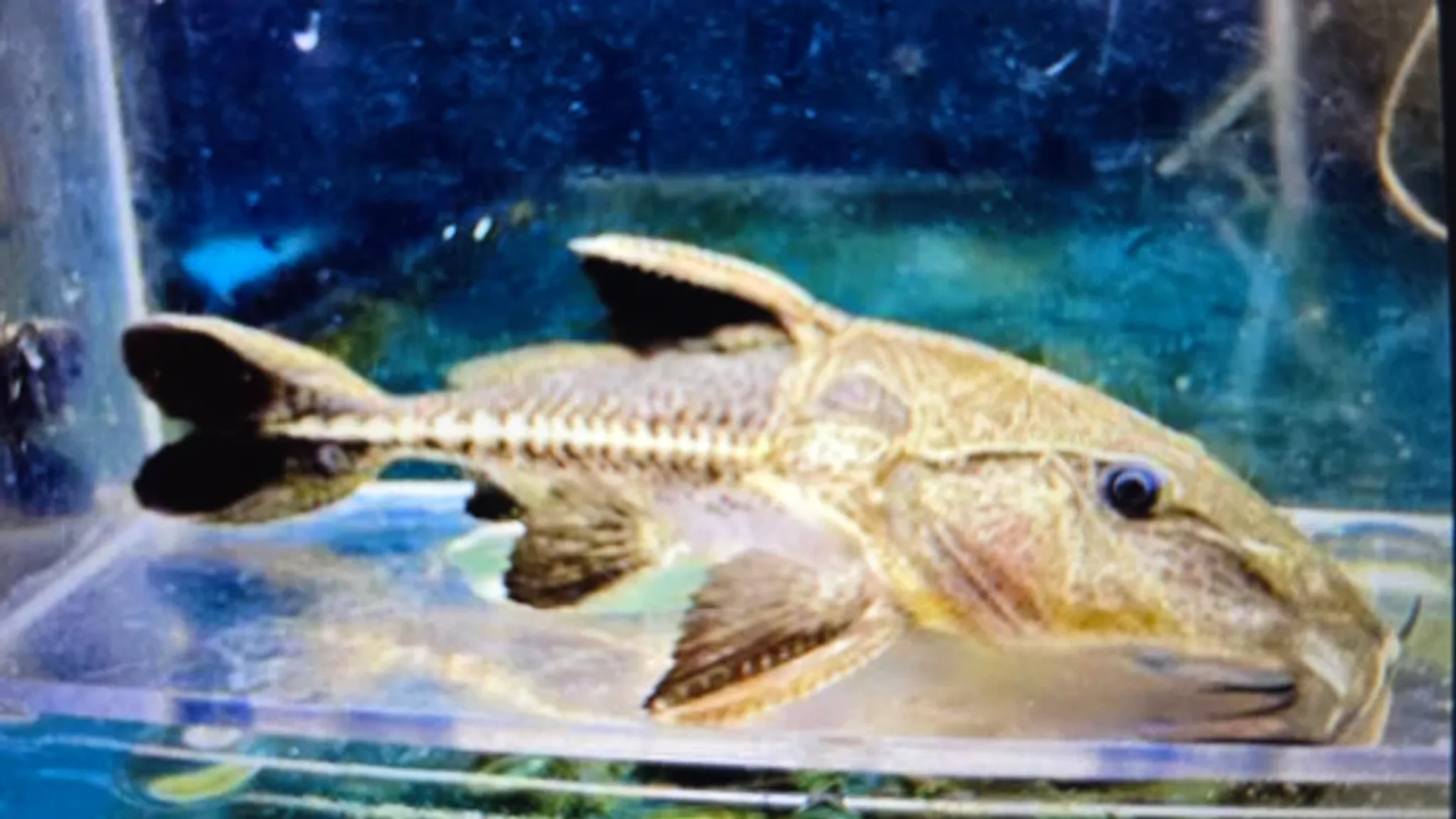
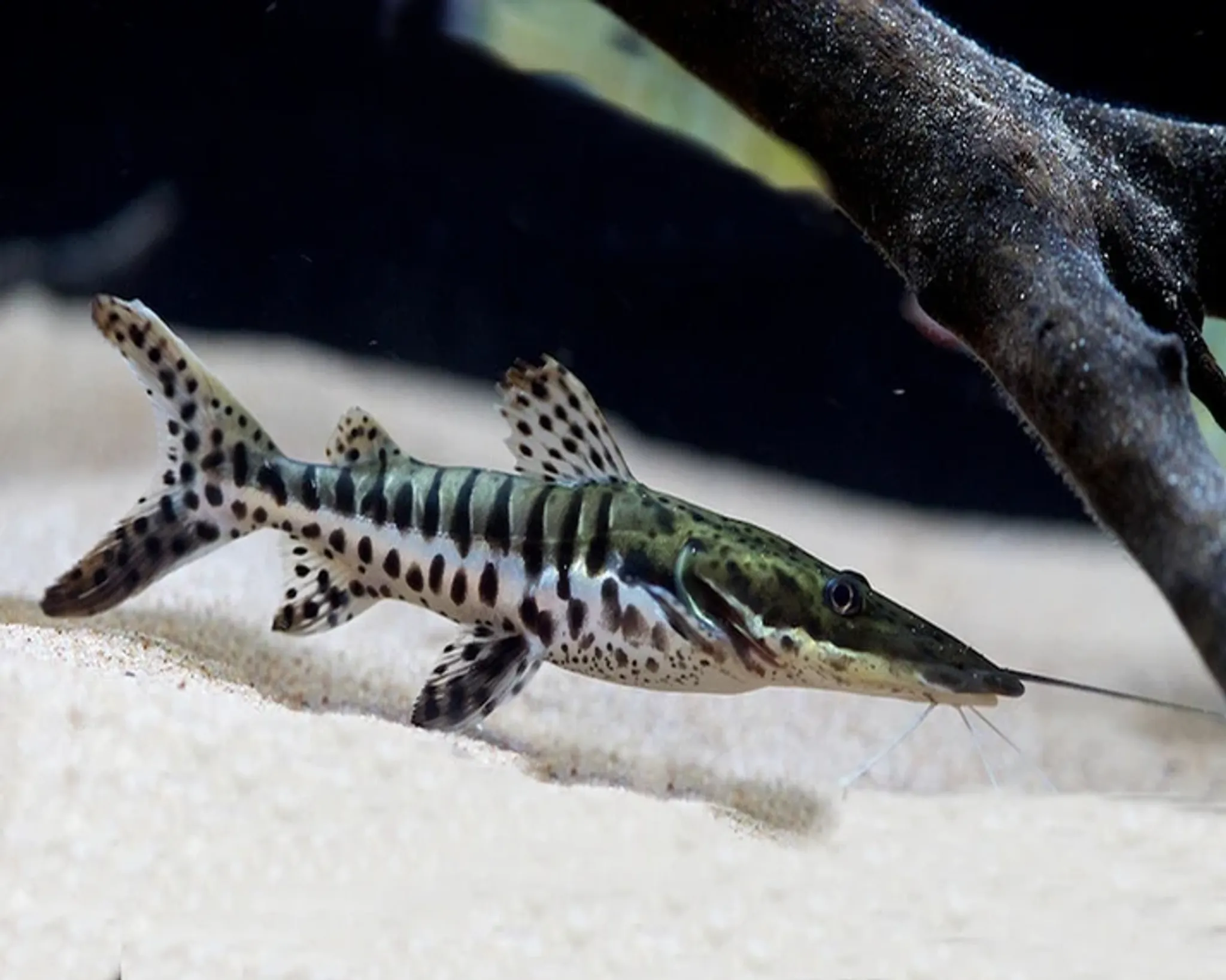
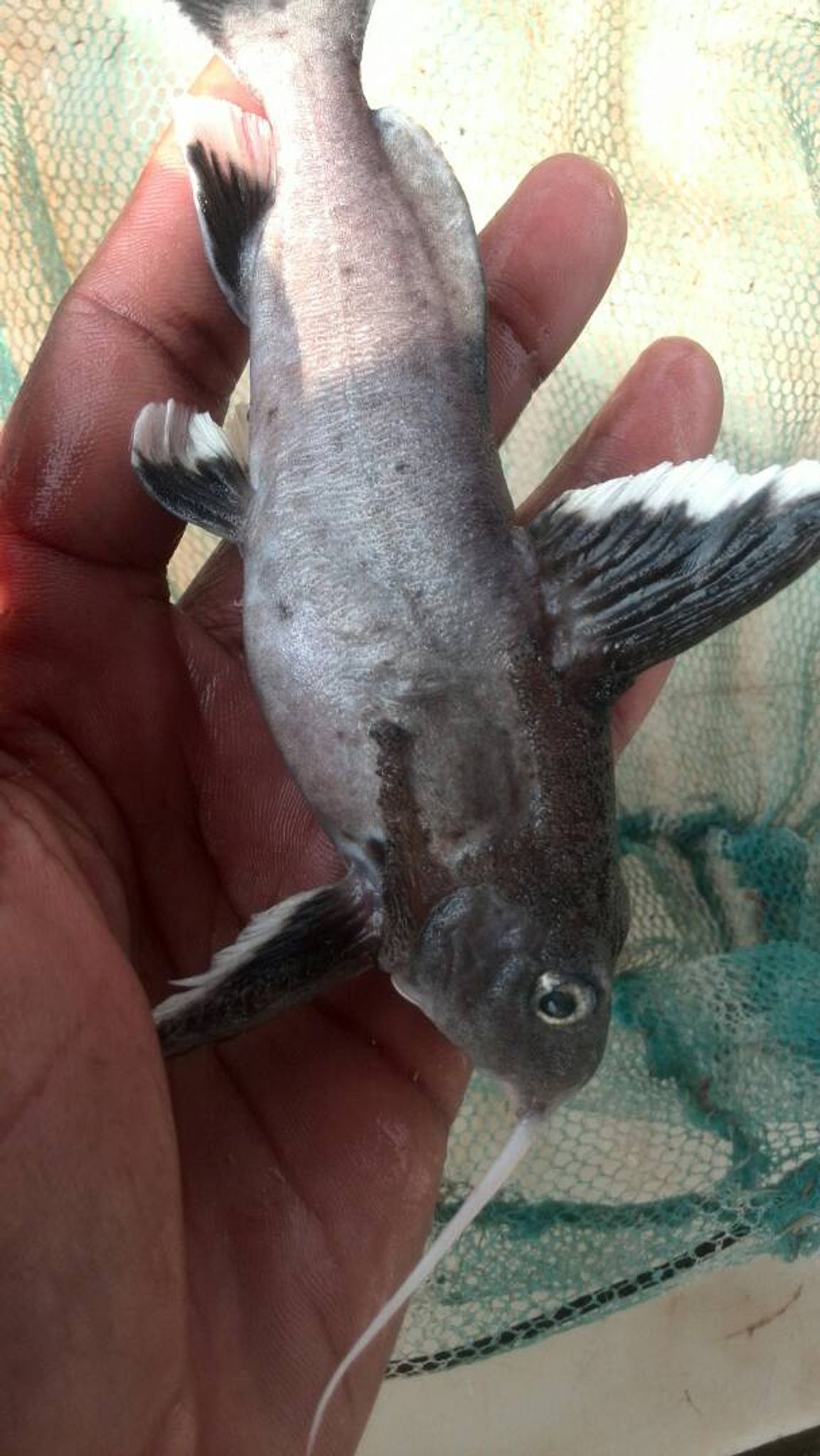
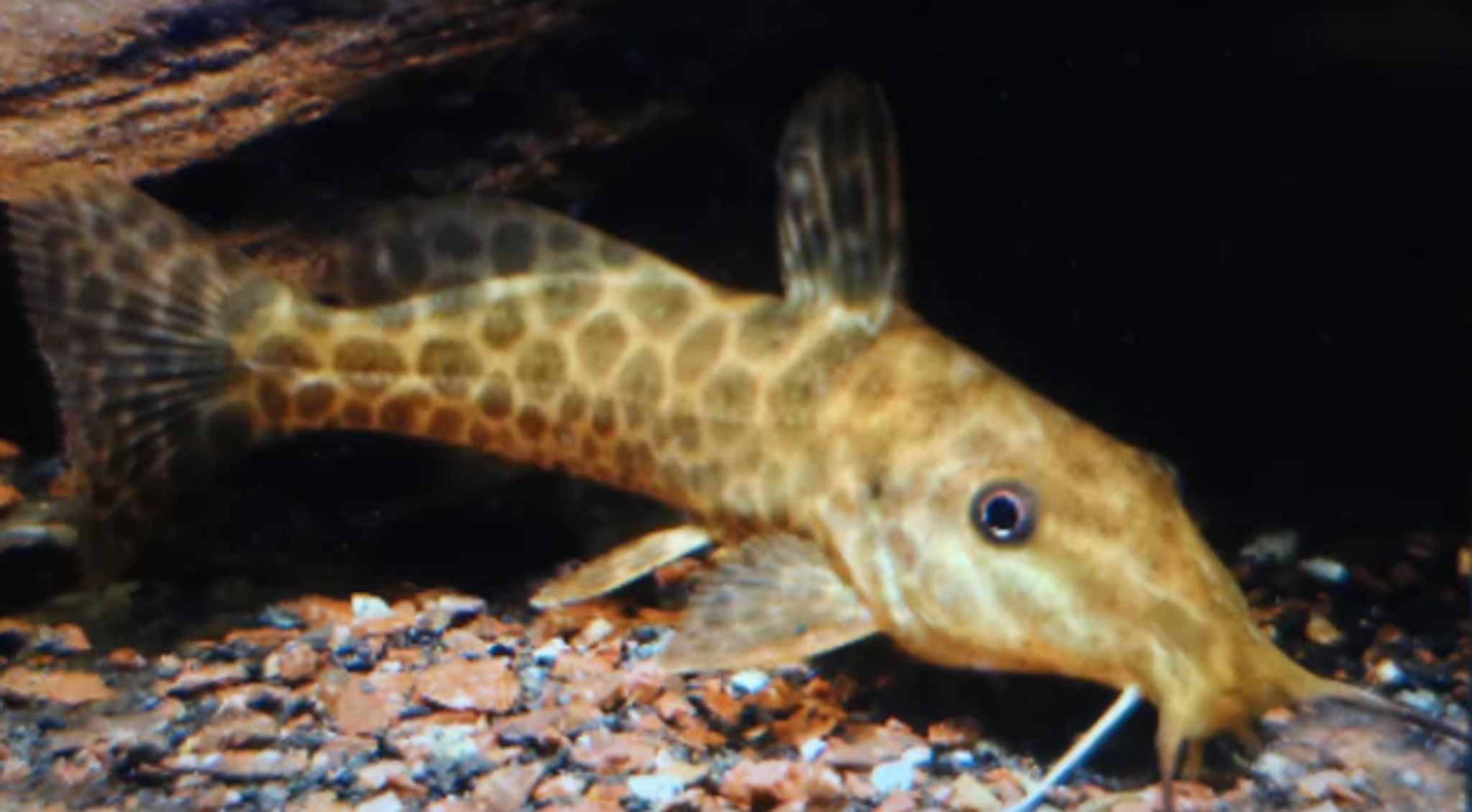
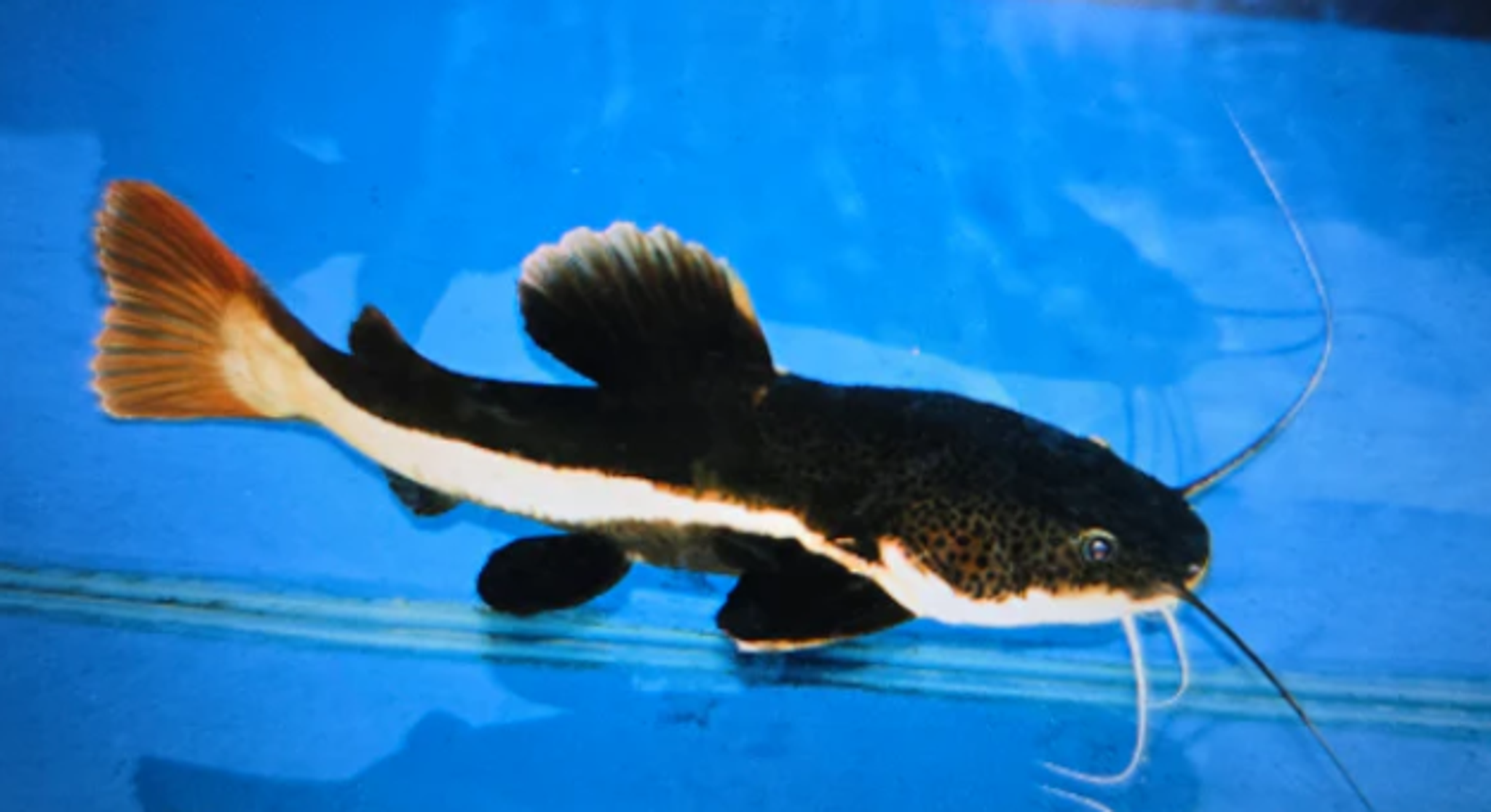
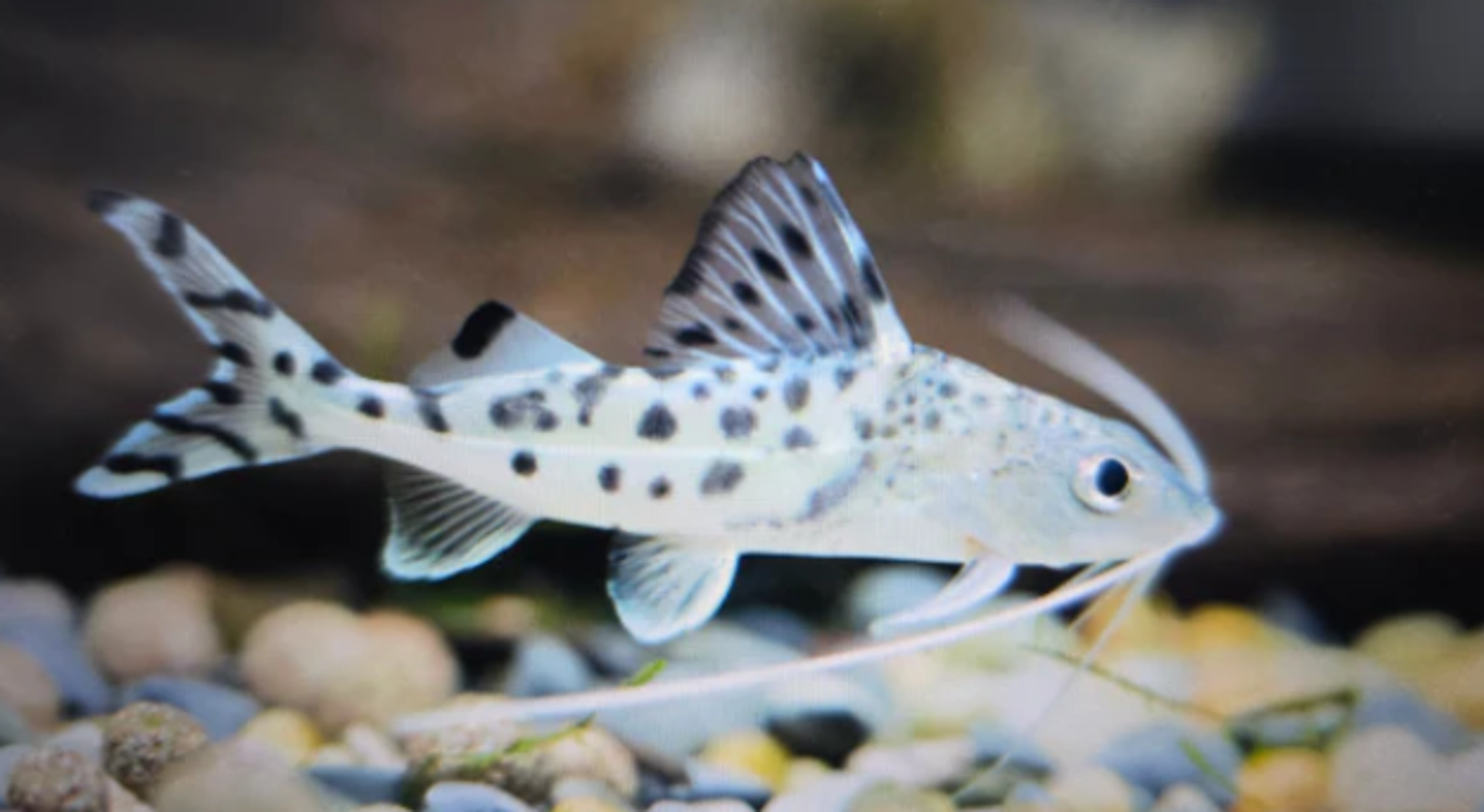
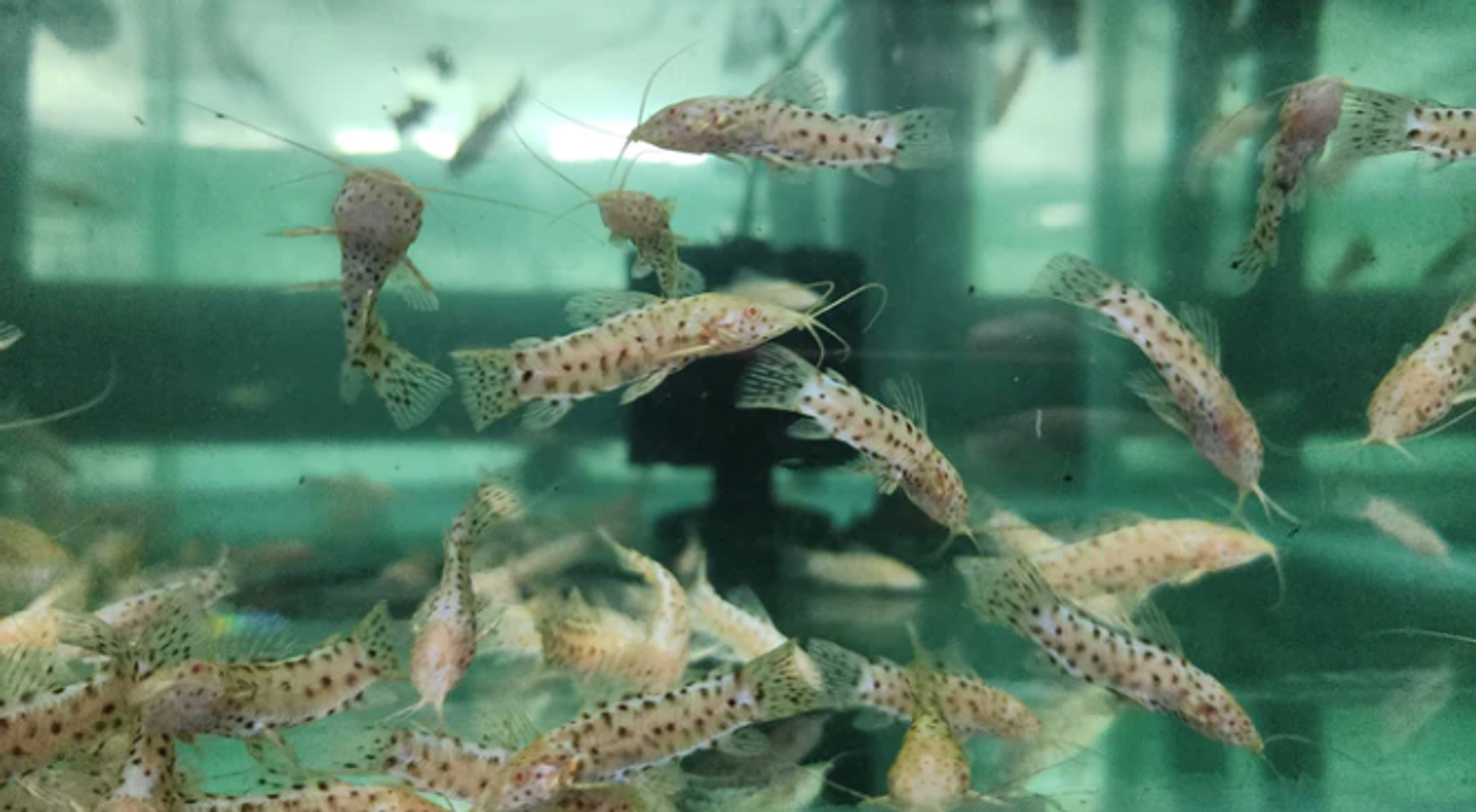
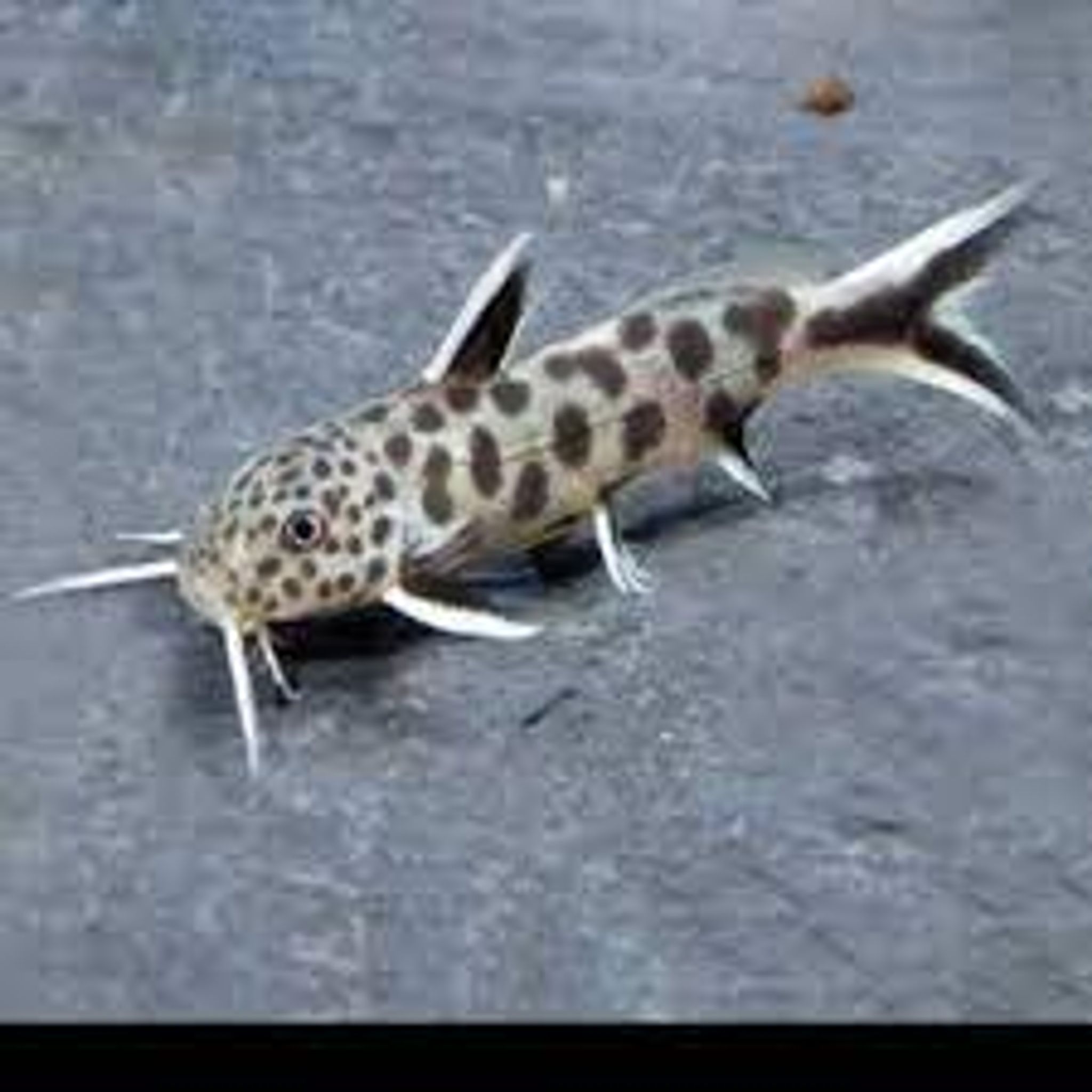
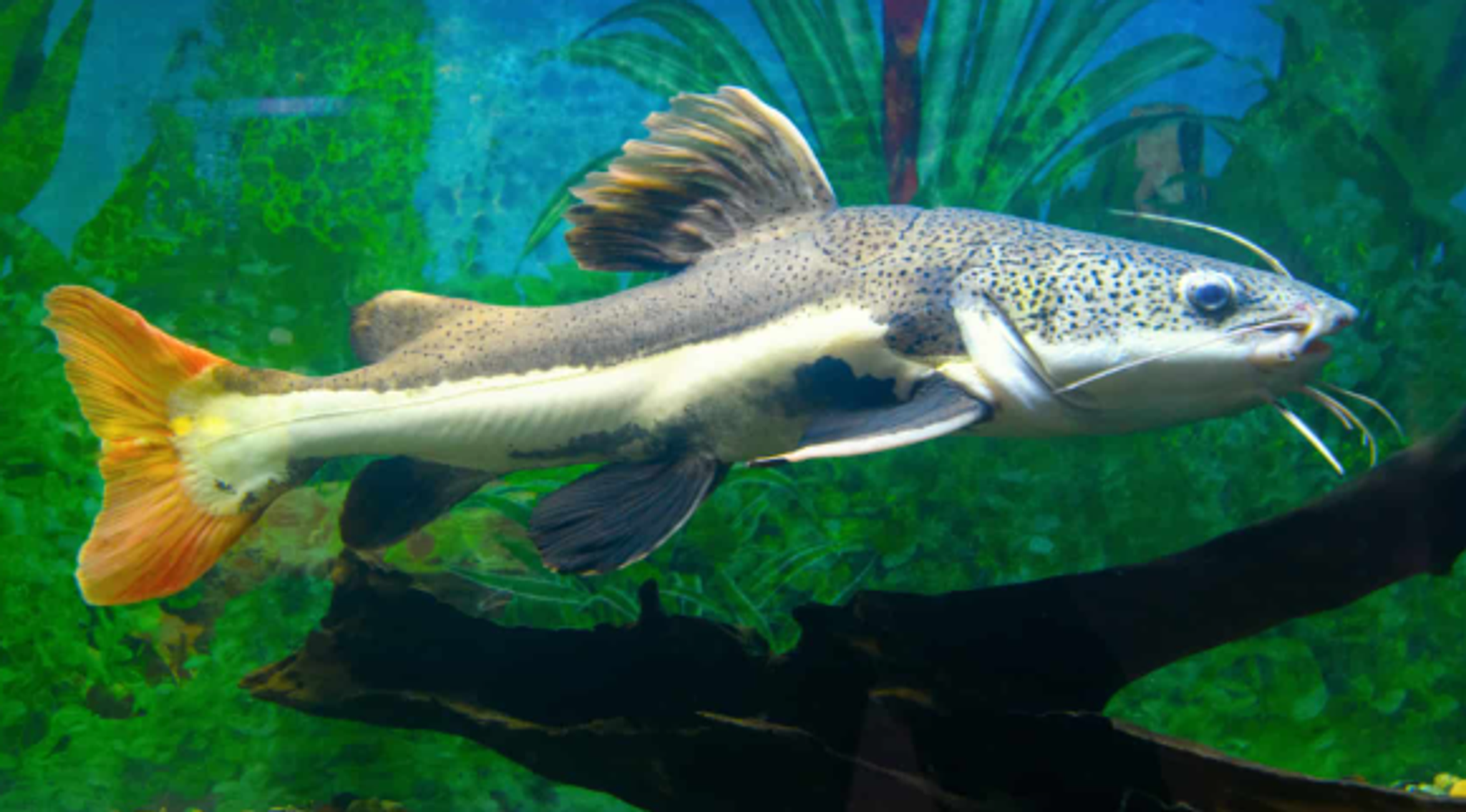
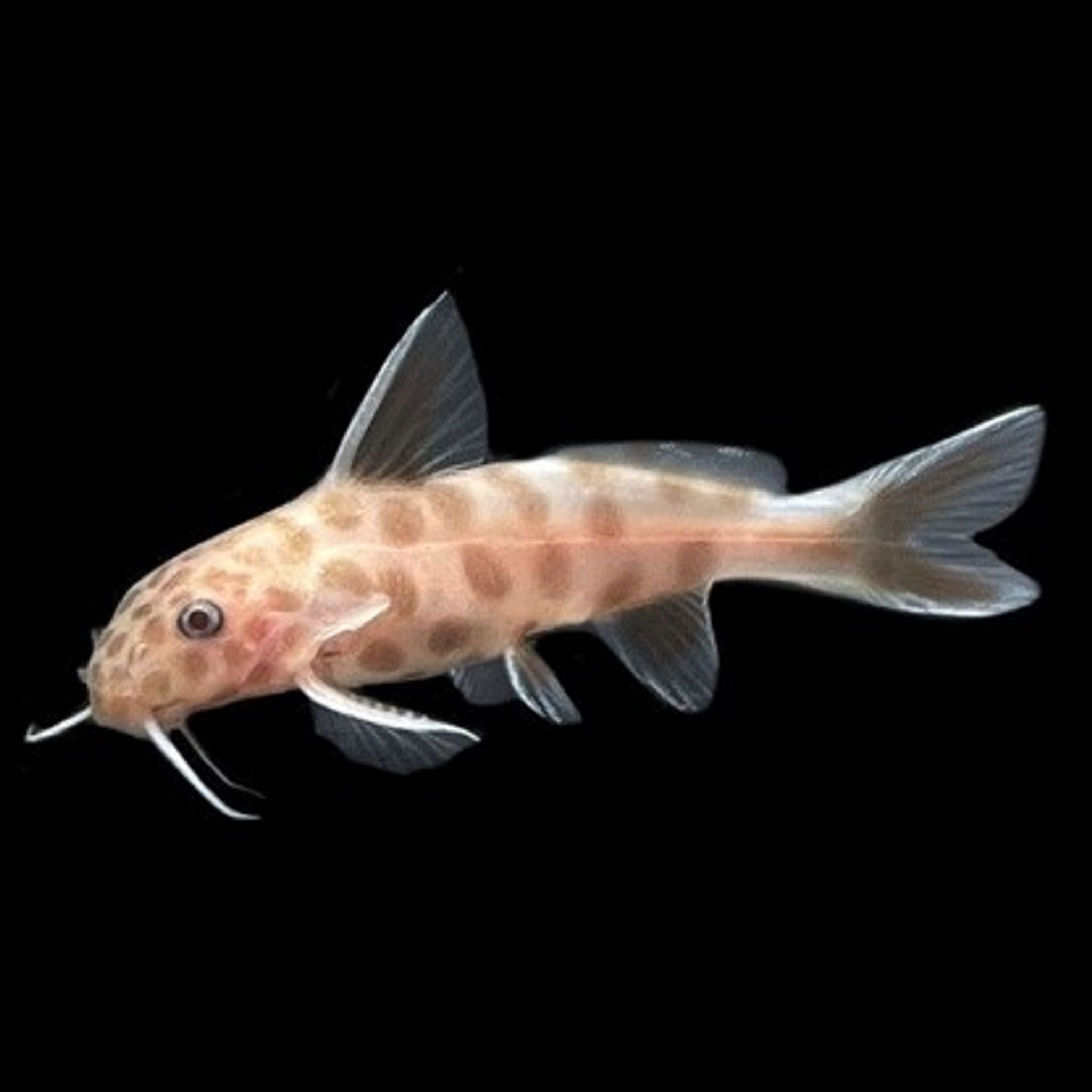
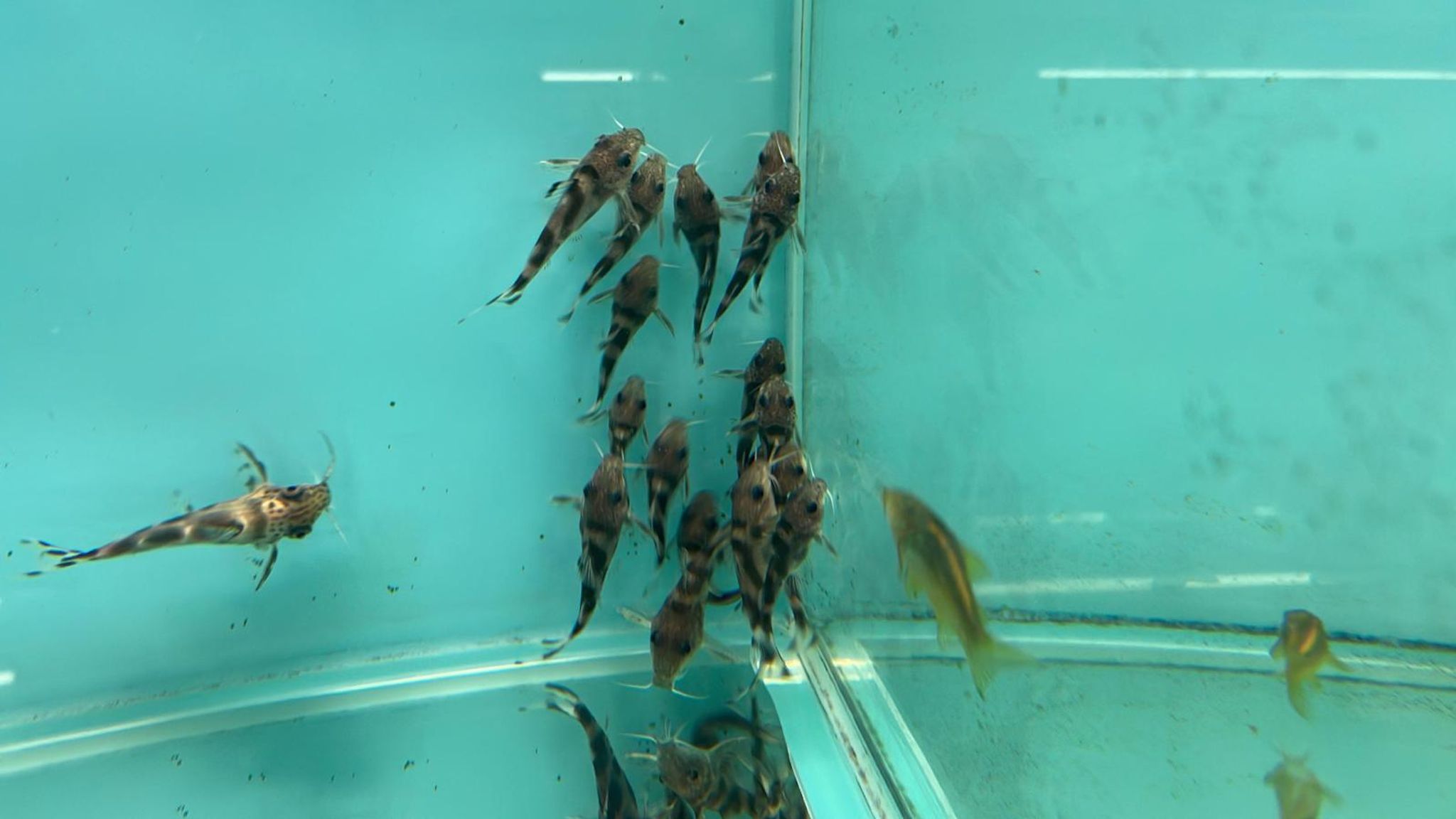
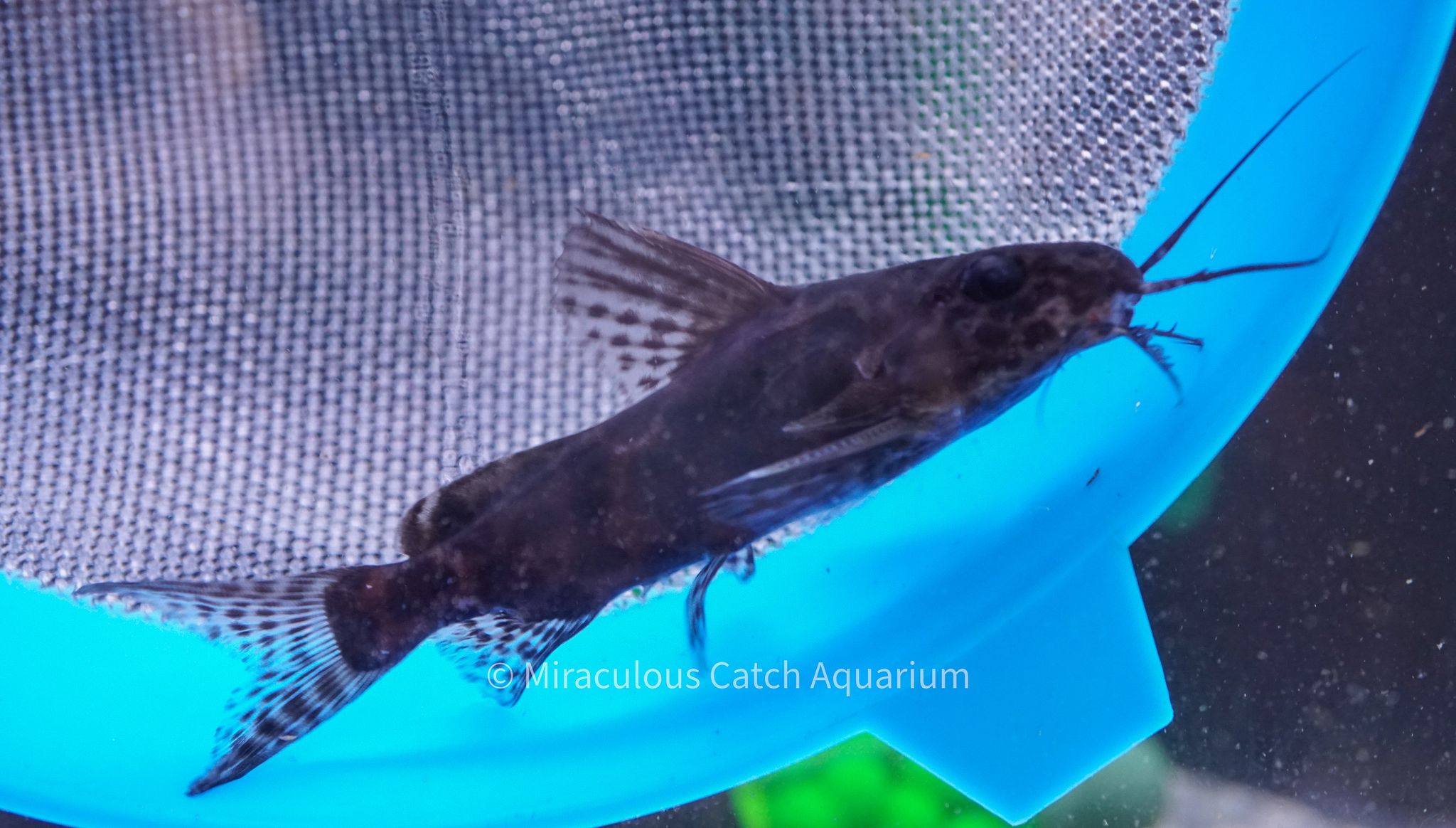
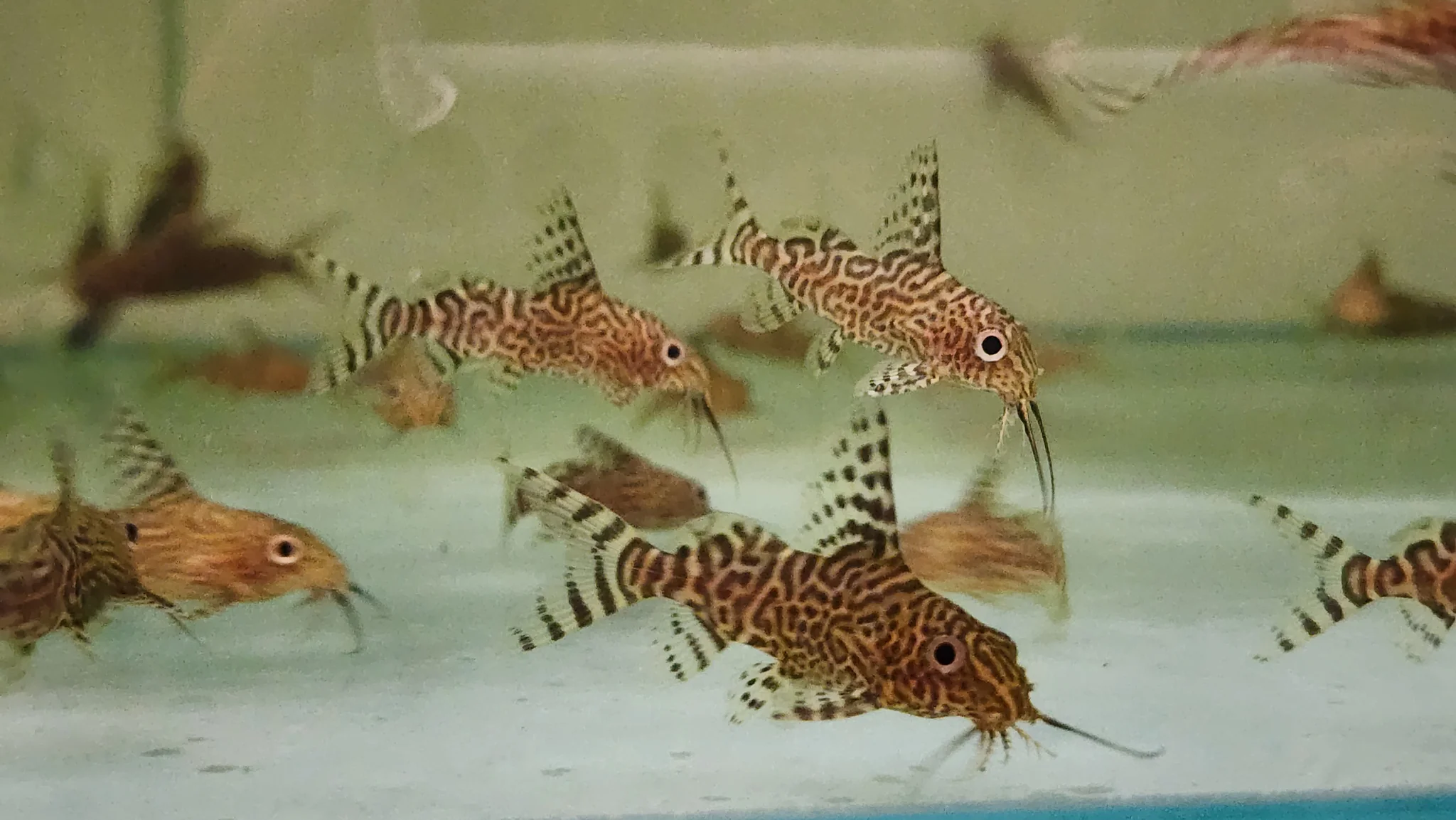
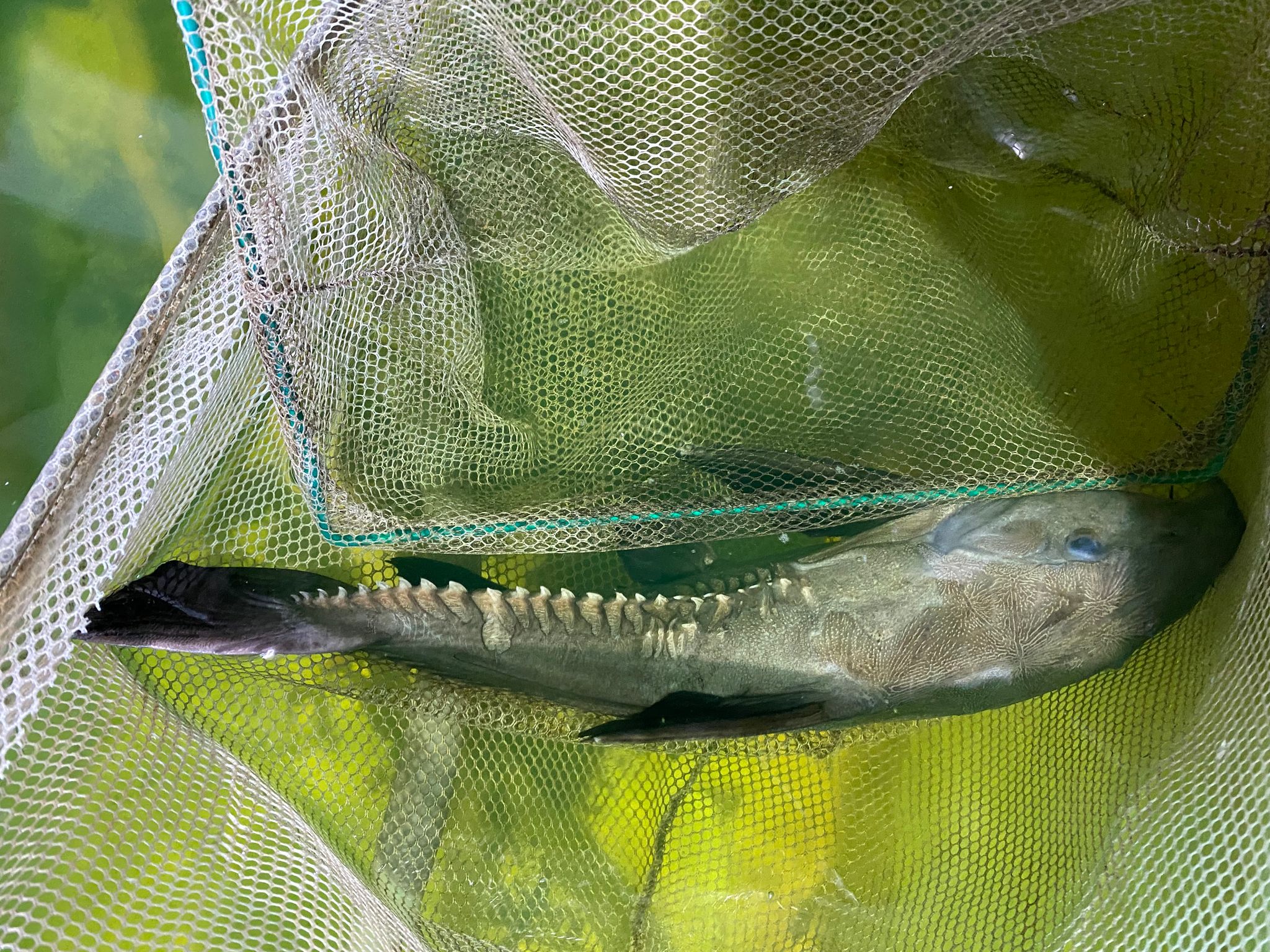
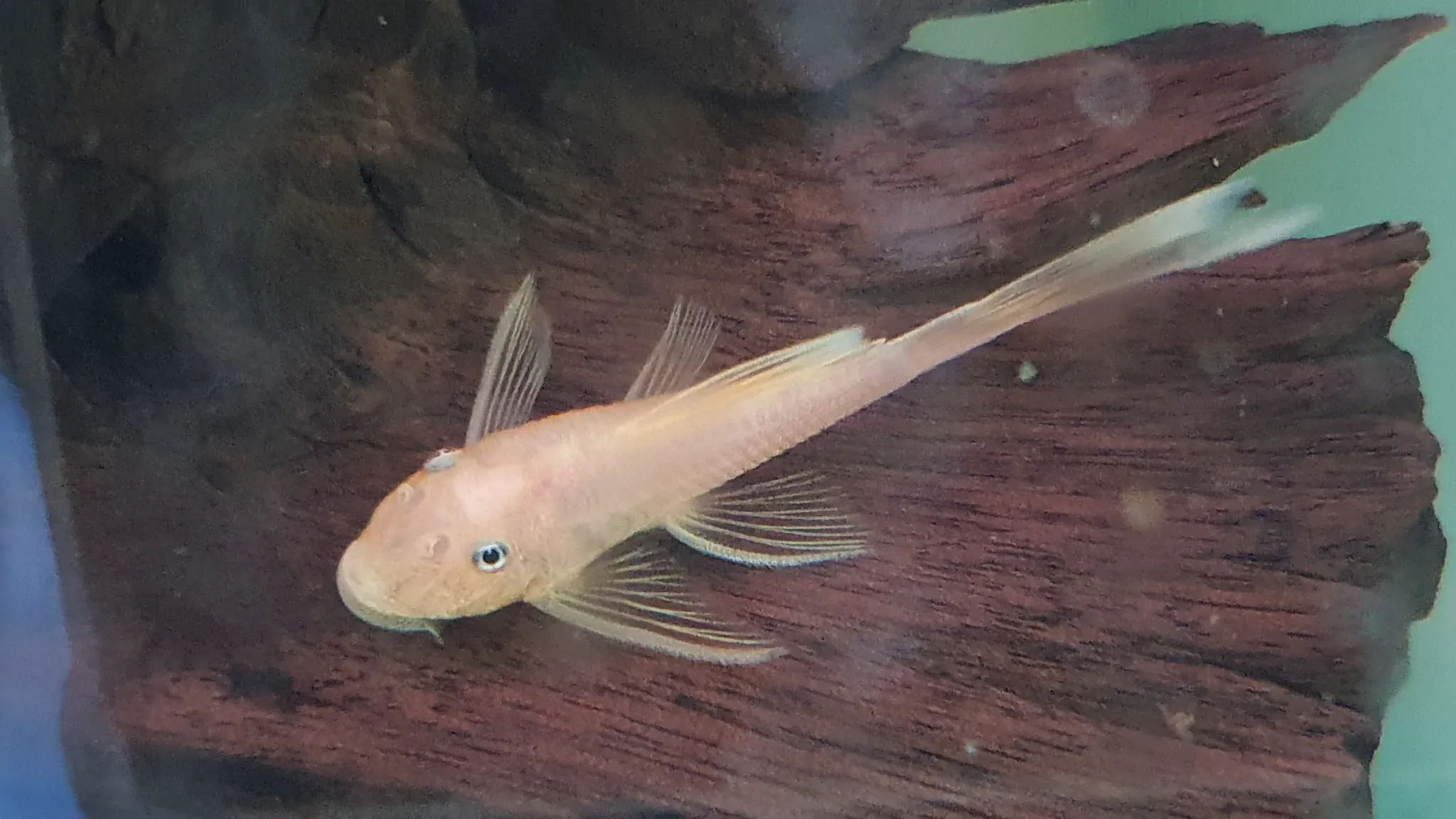
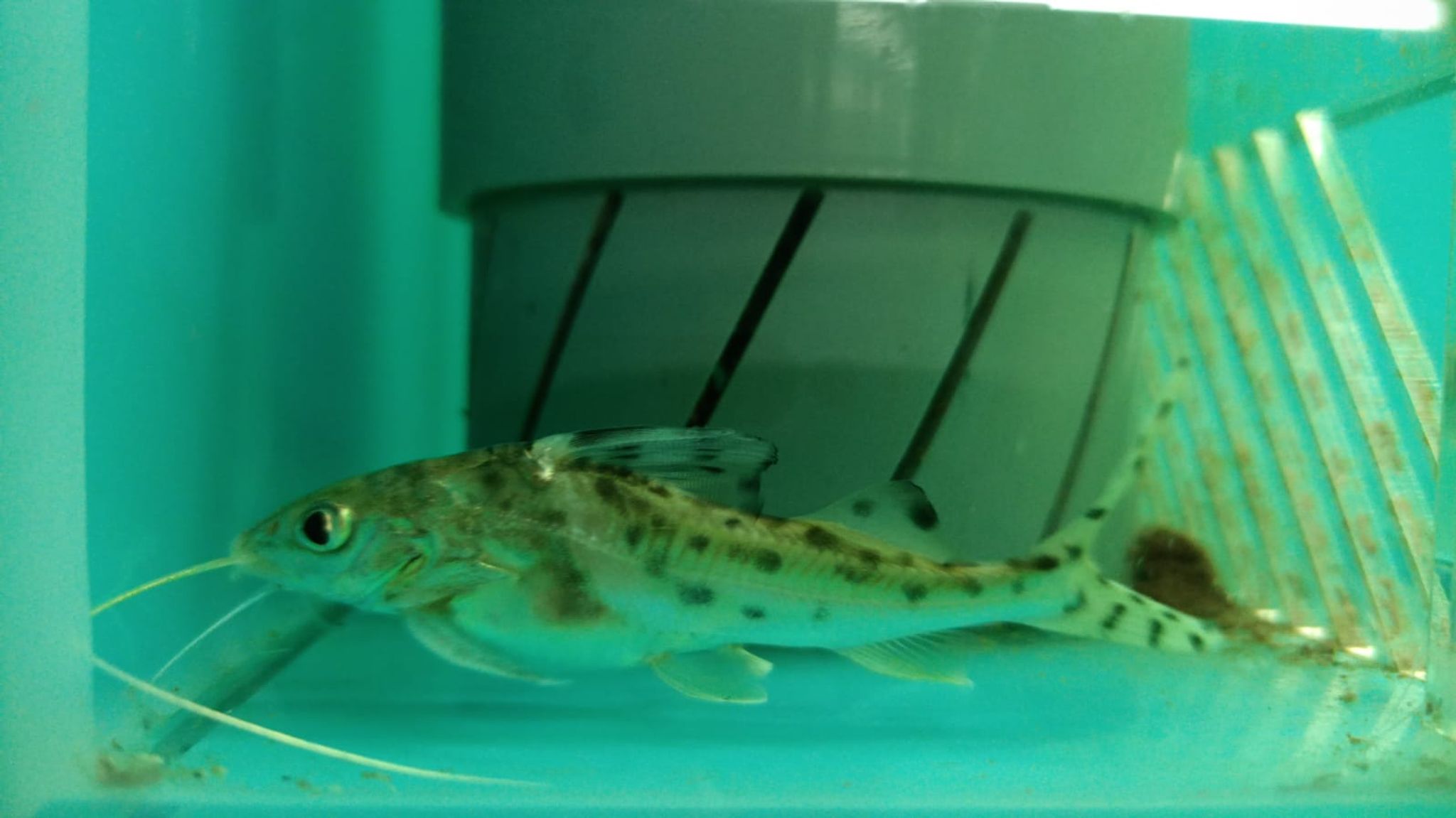
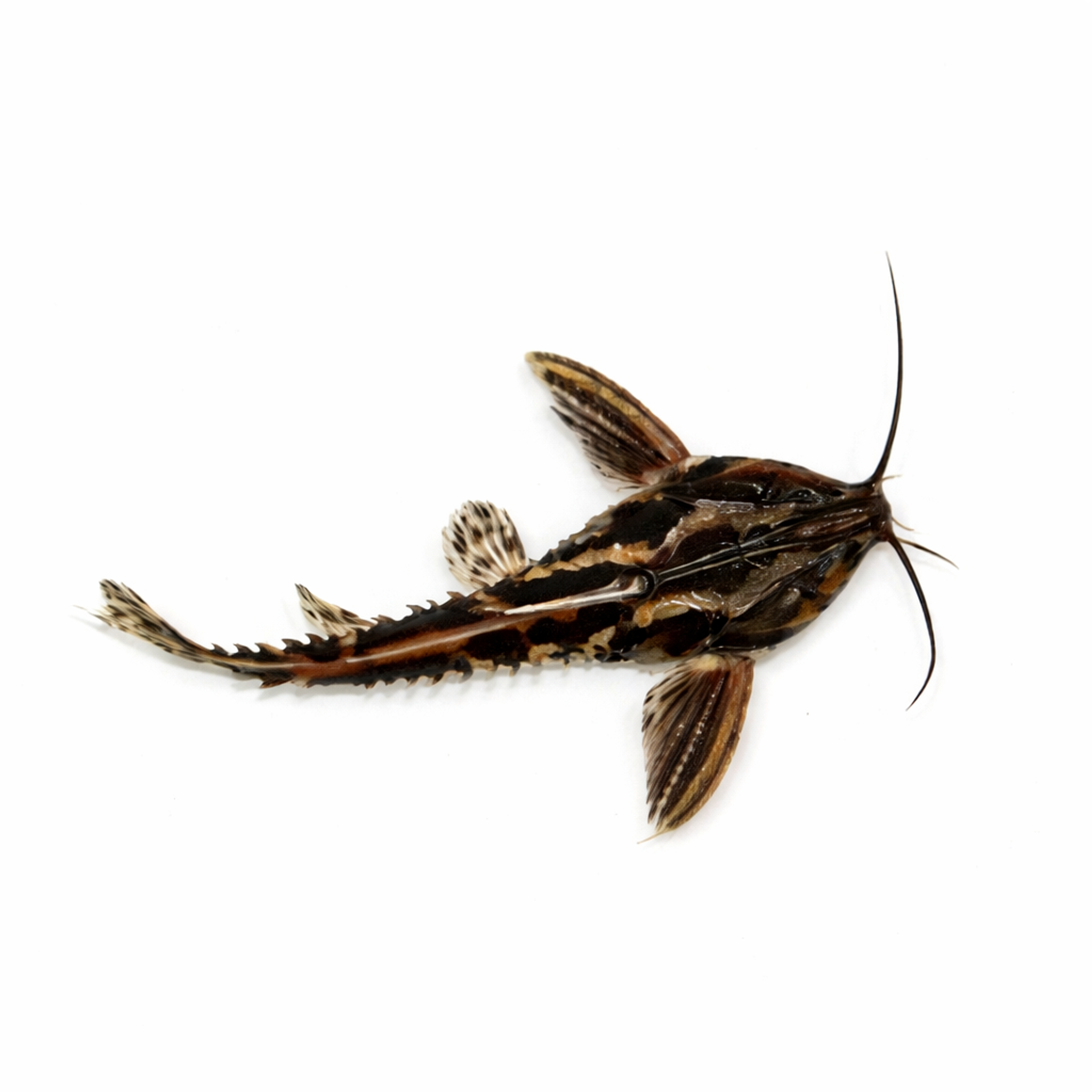
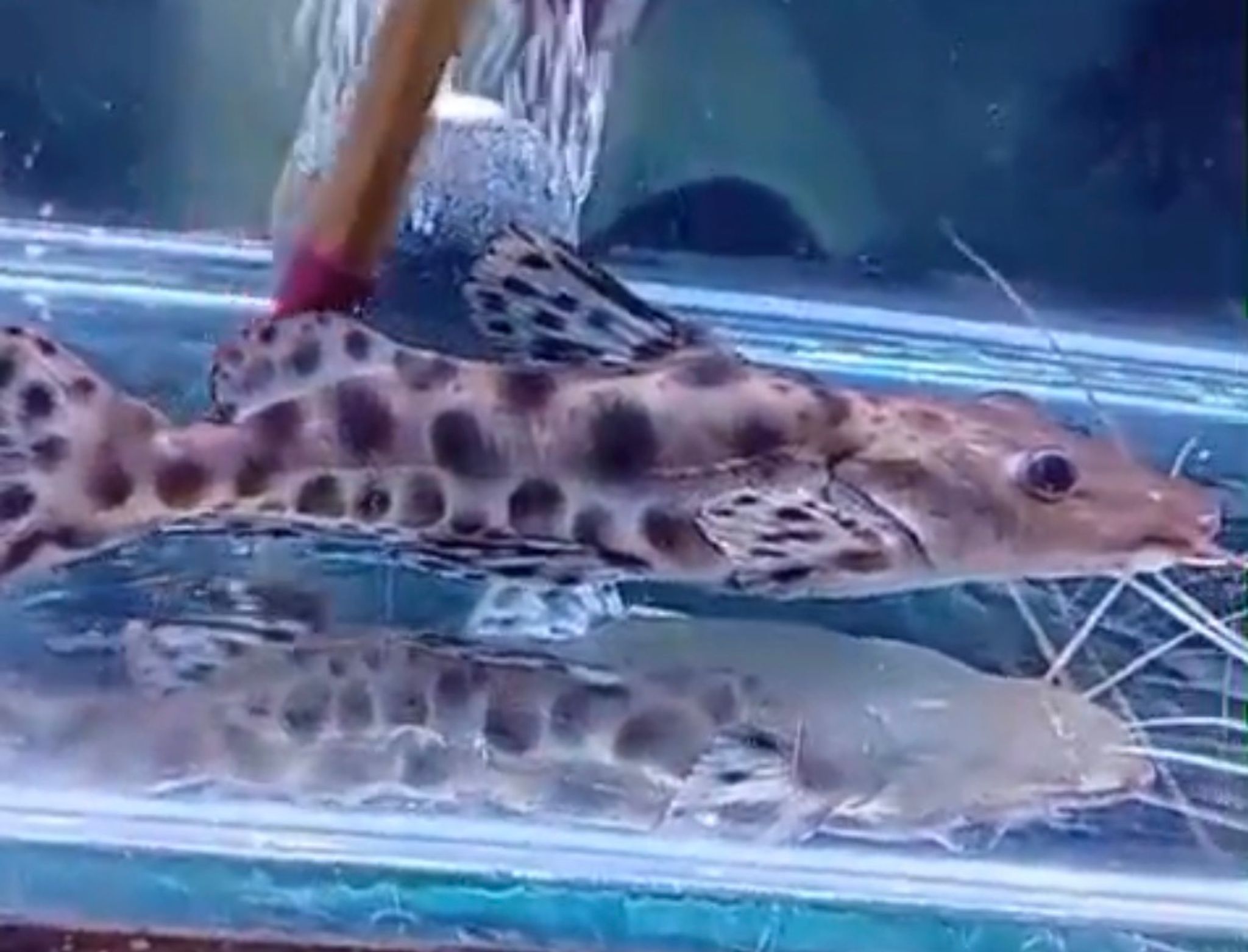
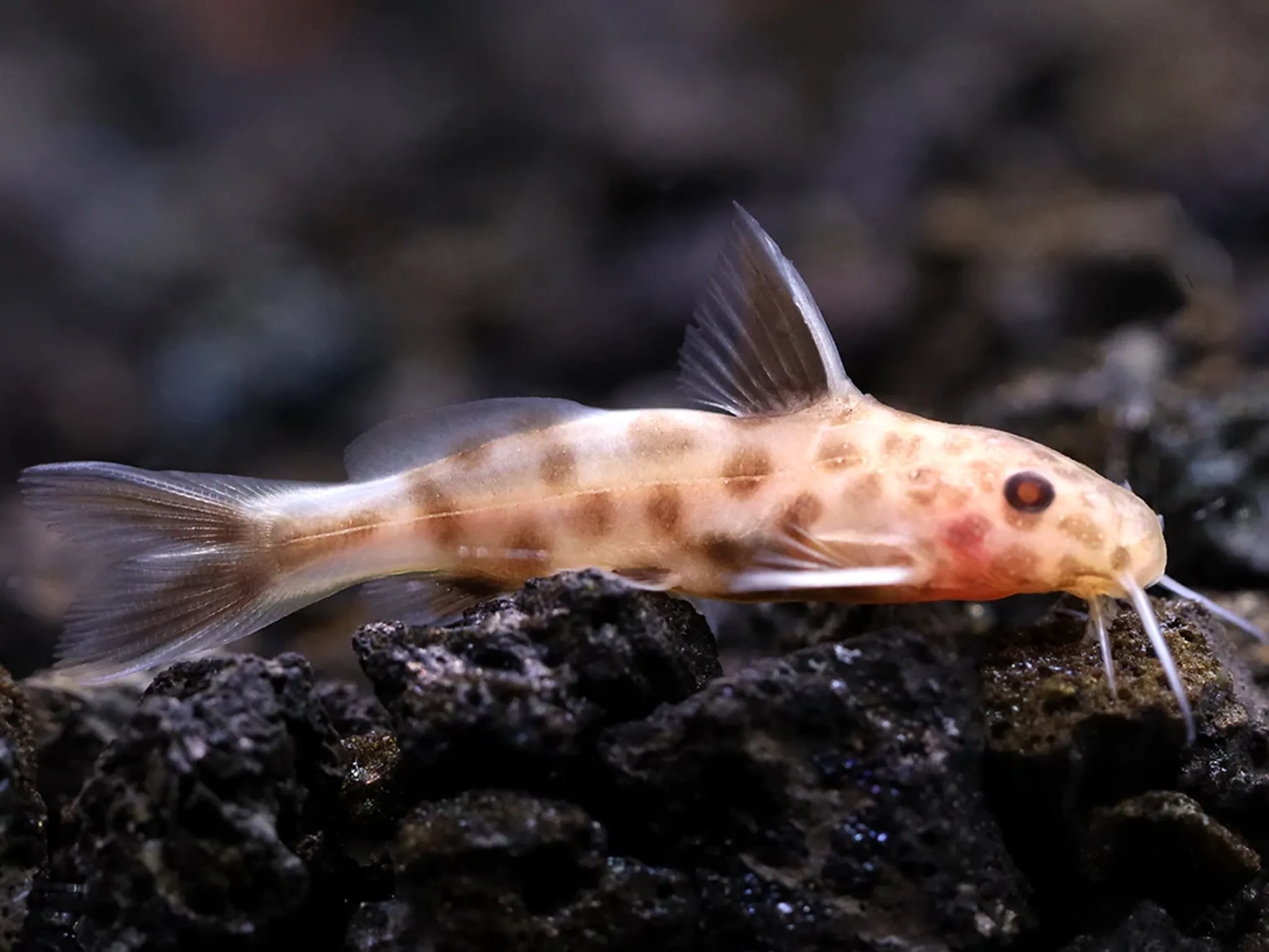
Explore freshwater catfish for sale in Singapore from aquarium shops, breeders and specialist freshwater fish sellers on FishyHub. Compare different aquarium catfish by species, size, temperament and seller.
Freshwater catfish are a highly diverse group of bottom-dwelling and midwater fish known for their barbels, unusual body shapes and varied behaviour. Some species remain small and peaceful, while others can grow very large or become predatory, so exact species identification is important before purchase.
Aquarium catfish include many different families and species with very different adult sizes, diets and temperaments.
This category is best used for freshwater catfish that do not fit neatly into dedicated Pleco, Corydoras or Loach categories.
Depending on seller availability, freshwater catfish listings may include:
Adult size can vary enormously between species, so do not choose a catfish based only on its juvenile shop size.
Some catfish remain relatively small and can work well in peaceful community aquariums.
These species may be more suitable for home aquariums than large predatory catfish, but care requirements still depend on the exact fish.
Many freshwater catfish spend much of their time near the substrate, caves, rocks and driftwood.
Their bottom-oriented behaviour makes floor space, hiding places and access to sinking foods particularly important.
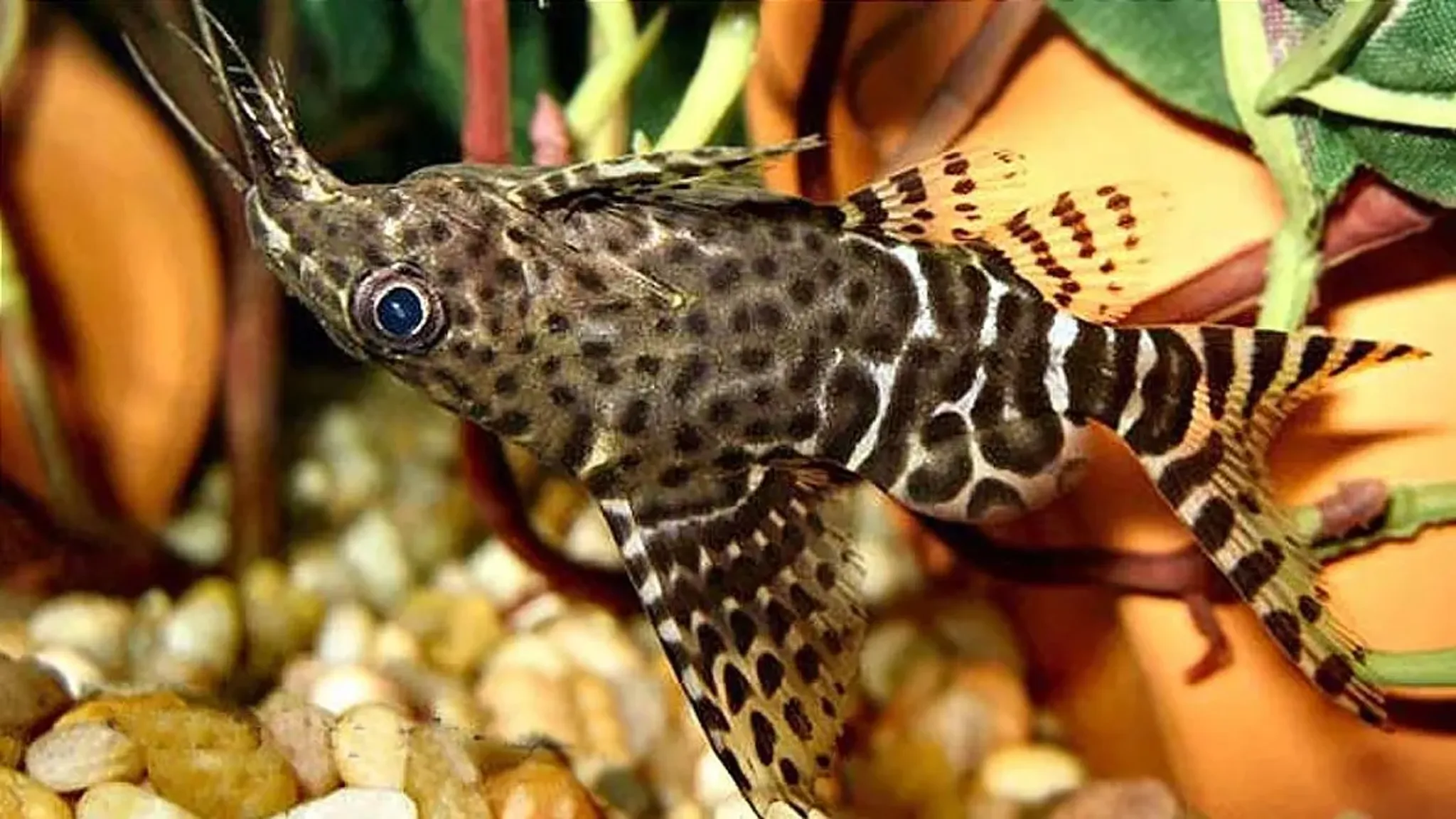
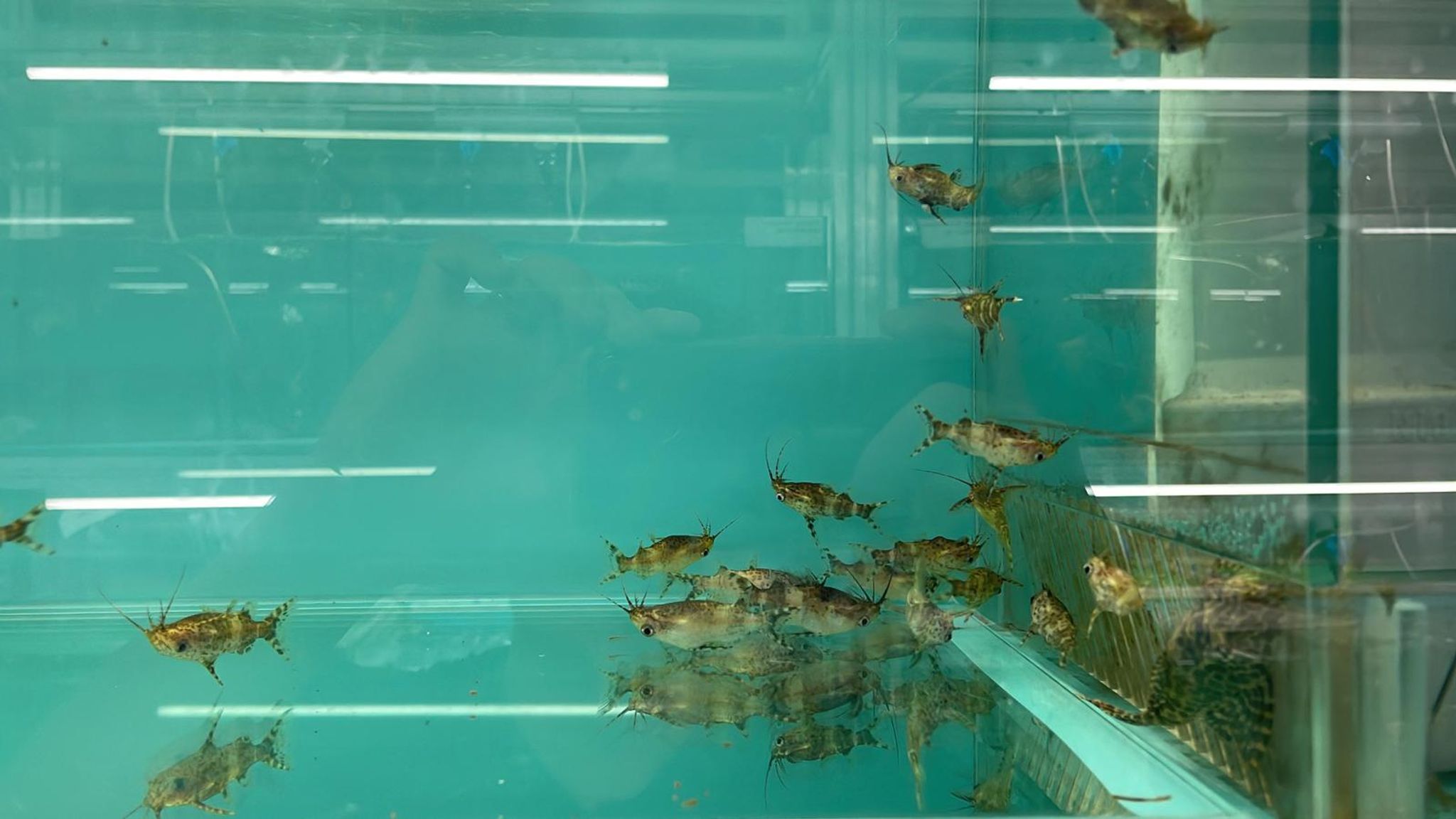
Upside-down catfish are known for their unusual swimming behaviour and can spend significant time feeding or resting with their underside facing upward.
They can make interesting additions to suitable community aquariums when tank size, water conditions and tankmates are compatible.
Glass Catfish are known for their translucent bodies and distinctive schooling appearance.
Unlike many bottom-dwelling catfish, they spend more time swimming in the water column and are best considered according to their own social and environmental needs.
Some freshwater catfish grow to impressive sizes and are unsuitable for typical home aquariums.
Large species should only be purchased when their mature size, filtration needs and long-term housing requirements are fully understood.
Some catfish are active predators and may eat fish or invertebrates small enough to fit in their mouths.
These species generally need careful tankmate selection and should not be treated as ordinary peaceful bottom dwellers.
Adult catfish size varies more than almost any other common aquarium fish group.
Some stay small enough for community aquariums, while others can become several times larger than expected. Always research adult size before purchase.
Suitable tank size depends on species, adult size, activity level and group requirements.
Bottom-dwelling catfish often benefit from generous floor space, while schooling or midwater catfish may also need open swimming room.
Some catfish can make excellent community fish when kept with compatible tankmates.
Peaceful smaller species are generally easier to integrate than predatory or highly territorial catfish.
Small peaceful catfish can often coexist with Tetras because the two groups may occupy different parts of the aquarium.
Larger predatory catfish may view small Tetras as food, so compatibility must be assessed species by species.
Peaceful Rasboras can work with smaller community catfish when water conditions and adult sizes are compatible.
Avoid combining tiny schooling fish with catfish that have a predatory feeding response.
Some catfish can coexist with Corydoras, but both groups may compete for bottom space and food.
Make sure there is enough floor area, shelter and sinking food for all bottom dwellers.
Plecos and other catfish may share caves, wood and bottom territory.
Compatibility depends on adult size, temperament and whether the aquarium provides enough shelter and feeding access for both.
Loaches and bottom-dwelling catfish may compete for similar areas of the aquarium.
A larger footprint and multiple hiding areas can make this combination easier to manage.
Compatibility with shrimp varies greatly.
Small peaceful catfish may coexist with adult shrimp, while predatory or larger species may eat shrimp and juveniles.
Many catfish can coexist with snails, but feeding behaviour varies by species.
Specialist predatory species may interact differently with smaller invertebrates, so exact species identification remains important.
Many smaller catfish can live successfully in planted aquariums.
Dense plants, driftwood and shaded areas can provide shelter, while open substrate areas make feeding and observation easier.
Bottom-dwelling catfish often benefit from smooth substrate that does not unnecessarily abrade their underside or barbels.
Fine sand or smooth gravel may be appropriate depending on the species and aquarium design.
Many catfish appreciate caves, driftwood, rock structures and shaded areas.
Multiple shelters can reduce competition and provide secure resting areas, especially for nocturnal or territorial species.
Many freshwater catfish become more active during low-light periods or after the aquarium lights go off.
Activity patterns differ between species, and some catfish remain visible and active throughout the day.
Diet varies significantly between species.
Some are omnivores, some are insect or animal-food specialists, and others may graze on plant material or biofilm. Catfish should not be expected to survive solely on food that happens to fall to the bottom.
Sinking pellets, wafers and other bottom-oriented foods can help ensure catfish receive adequate nutrition.
Food type should still be matched to the species rather than treating all sinking food as interchangeable.
Nocturnal catfish may feed more confidently after aquarium lighting has dimmed.
Offering suitable sinking food during quieter periods can reduce competition from faster daytime feeders.
Freshwater catfish benefit from clean, stable water and consistent aquarium maintenance.
Temperature, hardness, pH and flow preferences vary widely, so conditions should always be matched to the exact species.
Effective mechanical and biological filtration is especially important for larger or heavily fed catfish.
Canister filters, HOB filters, internal filters and other systems can all work when appropriately sized for the aquarium and bioload.
Flow requirements depend on natural habitat and species.
Some catfish come from flowing rivers and appreciate stronger circulation, while others prefer calmer water.
Temperament ranges from very peaceful to predatory and territorial.
Never assume a catfish is harmless simply because it rests on the bottom during the day. Research the adult behaviour of the species before choosing tankmates.
Some smaller community catfish can be suitable for beginners, while large or specialist species require considerably more experience and planning.
Adult size and diet are two of the most important things to check before purchase.
When comparing freshwater catfish for sale, look for:
Some catfish naturally hide during the day, so shyness alone should not be treated as a sign of poor health.
Introduce newly purchased catfish carefully to avoid sudden changes in temperature and water chemistry.
Quarantine can also help reduce the risk of introducing disease into an established freshwater aquarium.
Freshwater catfish prices in Singapore vary according to species, size, rarity, source and seller.
Common smaller species may be relatively affordable, while unusual, large or specialist catfish can cost considerably more.
FishyHub brings freshwater catfish listings from aquarium shops, breeders and specialist freshwater fish sellers across Singapore together in one marketplace, making it easier to compare available species from multiple sources.
When comparing catfish listings, consider:
Livestock availability changes regularly, so specialist catfish species and sizes may not always remain in stock.
No. Many are bottom-oriented, but some species swim actively in the middle of the water column.
Yes. Plecos are a group of freshwater catfish, although FishyHub lists them separately because they form a major aquarium category of their own.
Yes. Corydoras are small freshwater catfish and are also listed separately because of their popularity and distinct care needs.
Small peaceful species often can, while large predatory catfish may eat small Tetras.
It depends on species. Some small catfish may coexist with adult shrimp, while predatory species can eat shrimp.
Many will eat food that reaches the bottom, but they still need a proper diet suited to their species and should not rely only on leftovers.
Many bottom-dwelling species appreciate caves, driftwood or shaded shelters, although exact habitat needs vary.
Size varies enormously by species, from small community fish to very large catfish that require specialist housing.
Explore freshwater catfish for sale on FishyHub and compare community, bottom-dwelling, schooling and specialist catfish from aquarium sellers and breeders across Singapore. Compare species, adult size, temperament, diet and price to find suitable catfish for your freshwater aquarium.
