1–32 of 32

1761785282217.jpeg?signature=bc5f2ec1bae7abfca7a58ac129195d6f853f8640bda0f7cab0cc23226930306a)
1758371832740.jpeg?signature=6573899463b7eb9549c1e44574116051225af235d20f372a8a5c237d308297f6)
1758371701541.jpeg?signature=cfab481c261702f9bfcdd8739e2f1d257a2b87ccf869808c07360e24d246a81b)
%20for%20%243.%20Healthy%20organic%20dwarf%20water%20lettuces.%20%201758345270942.jpeg?signature=73c0bad92f2fbb65c48623e88eb697a867aef9ae830f3c5fb6a93c601a5b6292)
1757164756322.jpeg?signature=2666b55aaada01c46bbae1835f60c93bd7d127ffb0dc760d5b9302b4aab8b6ca)
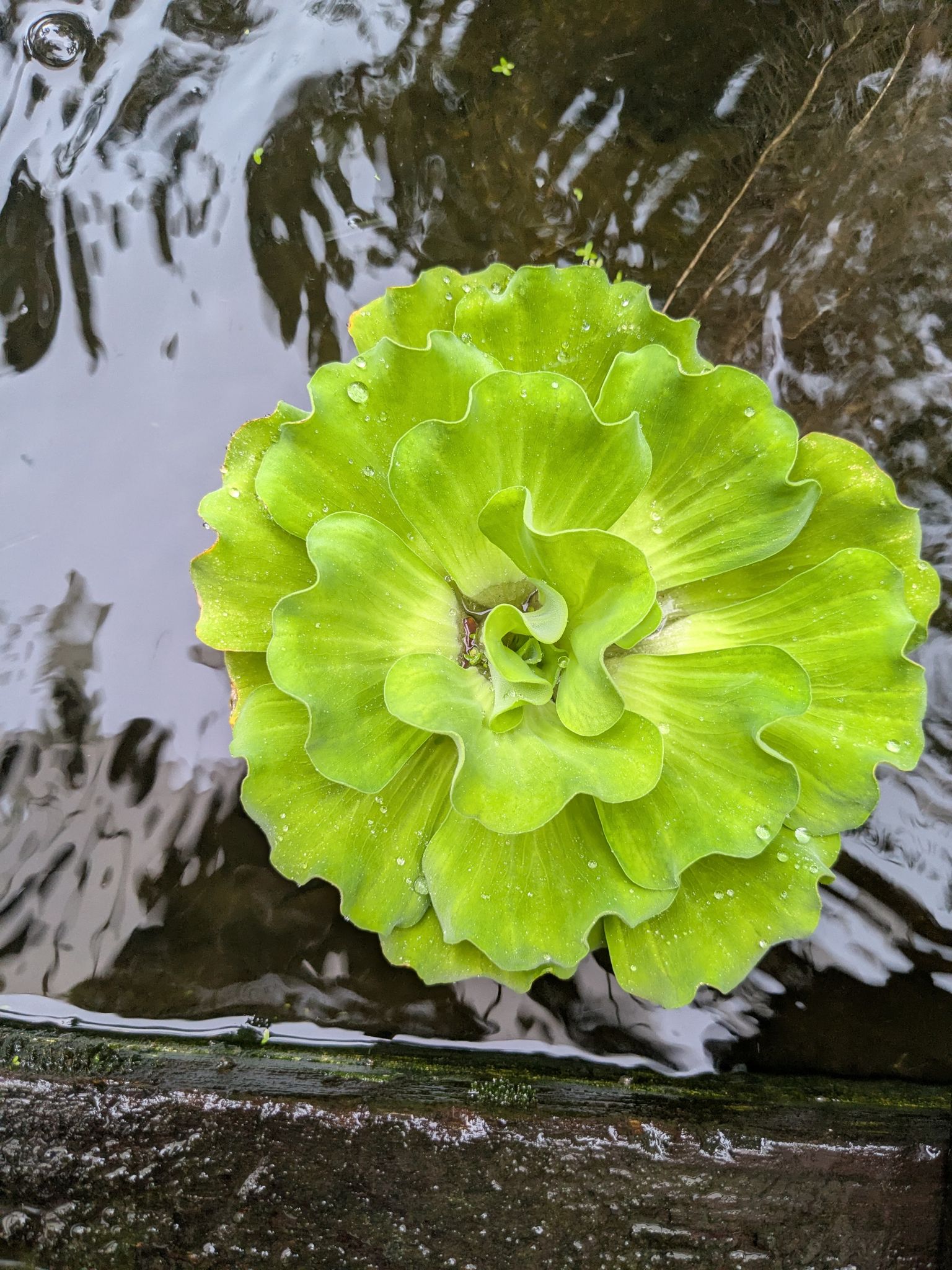
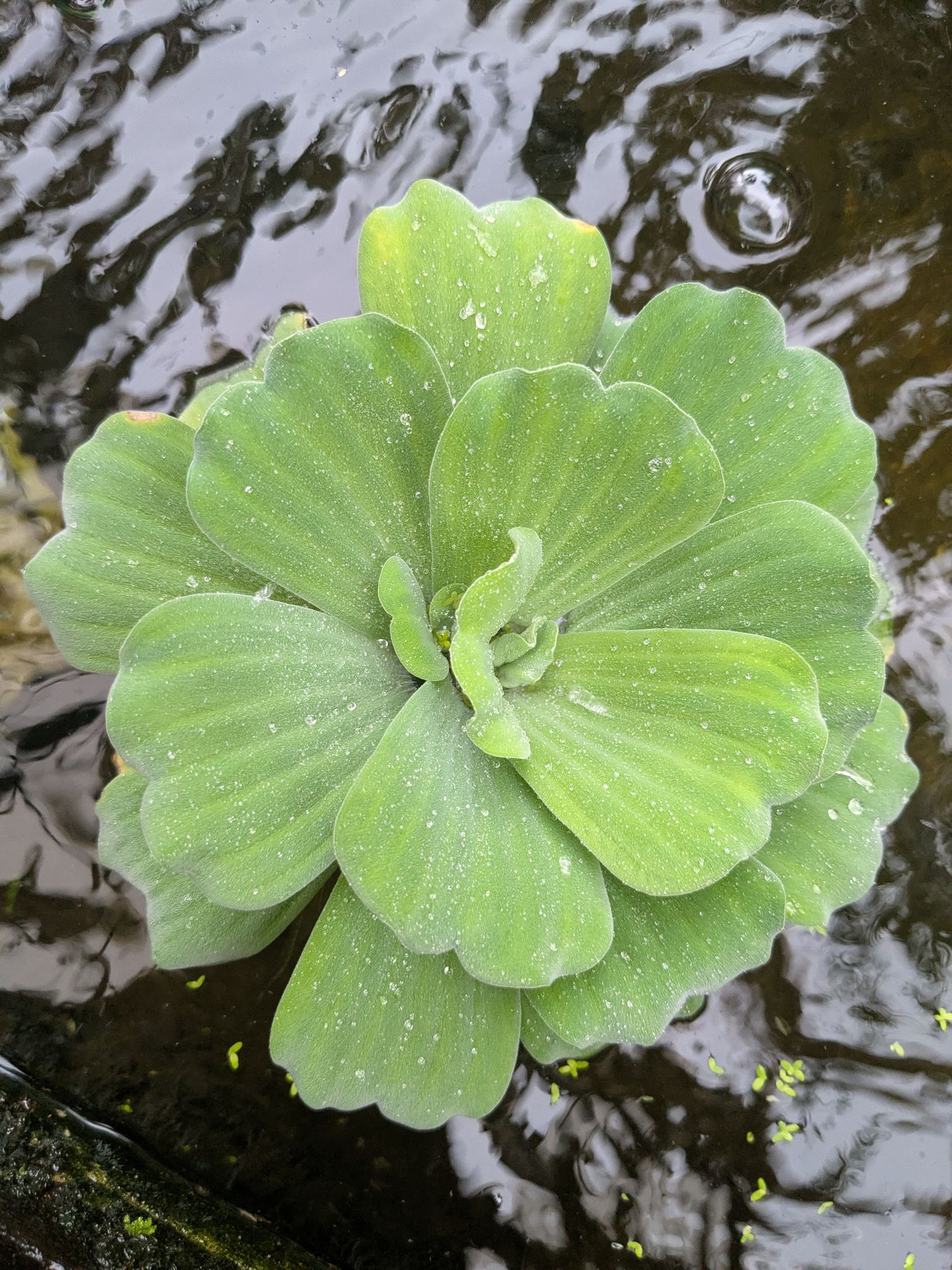
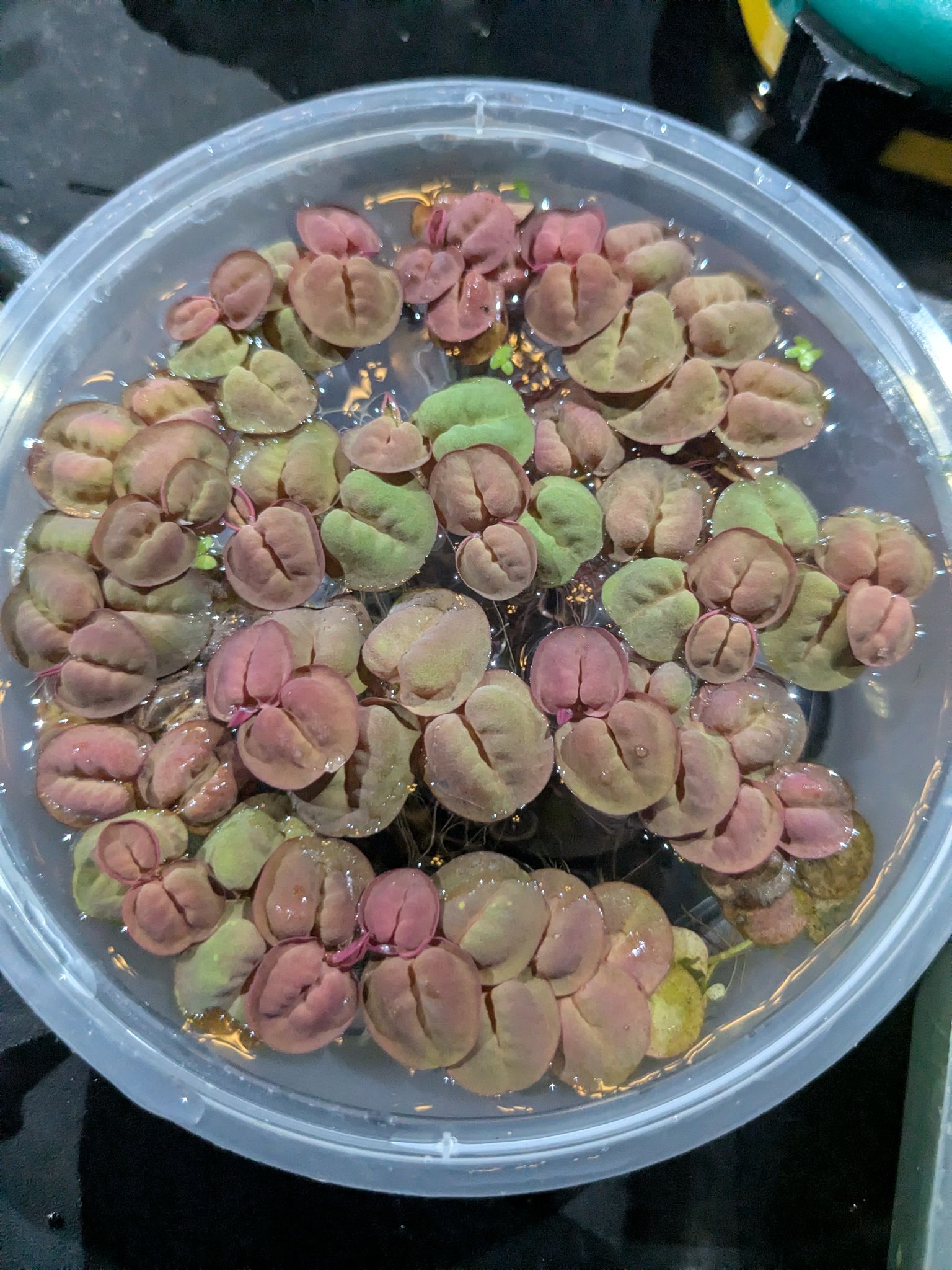

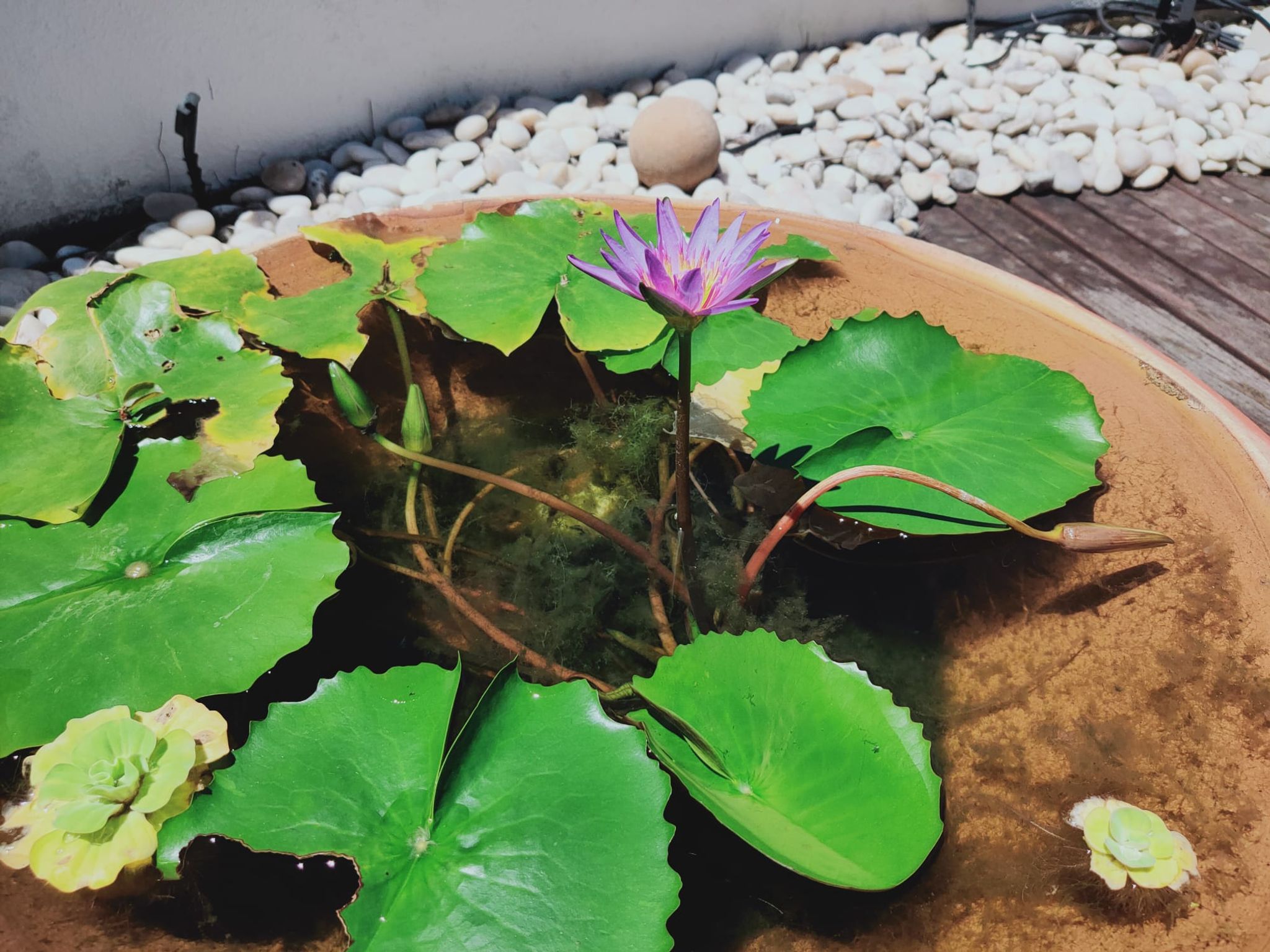
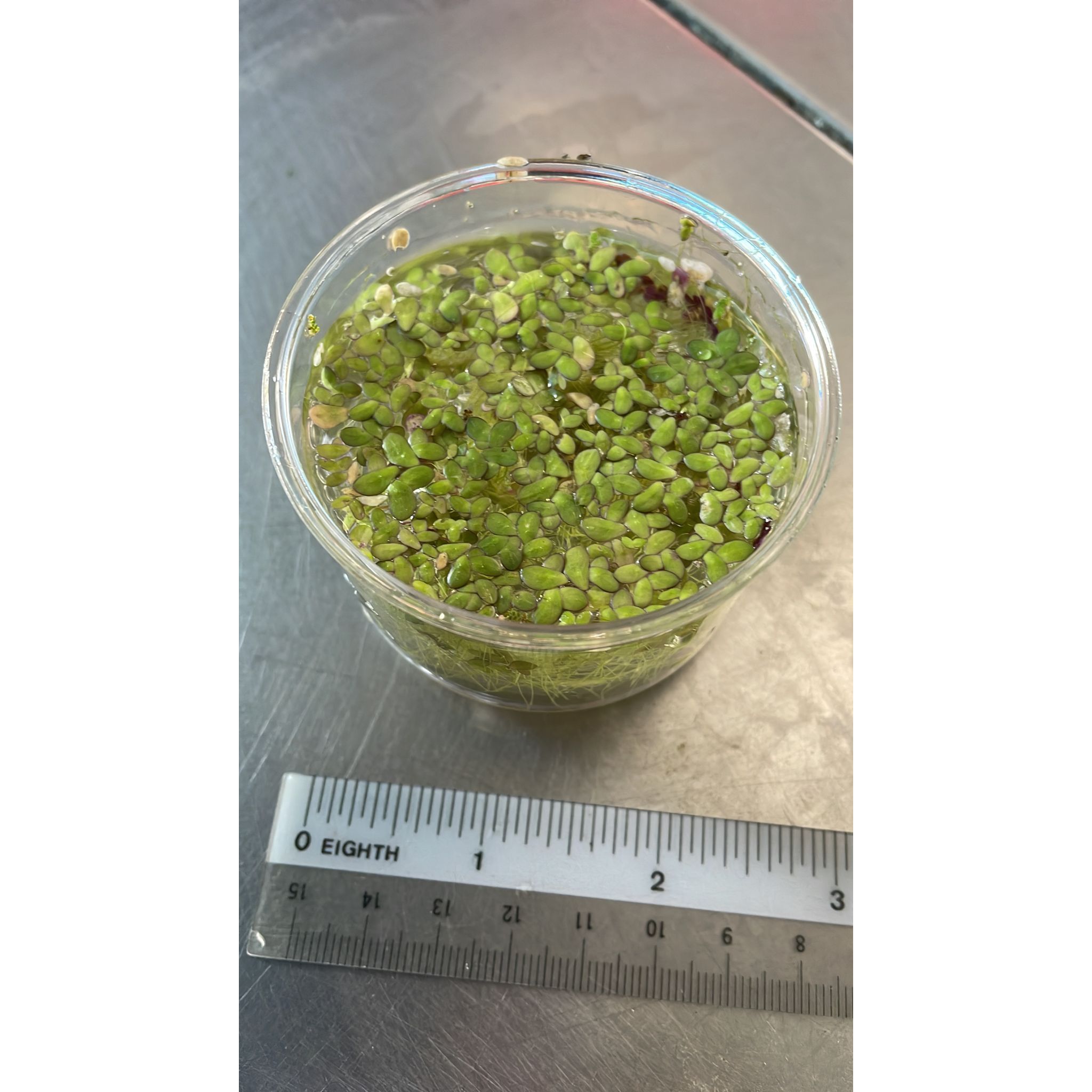
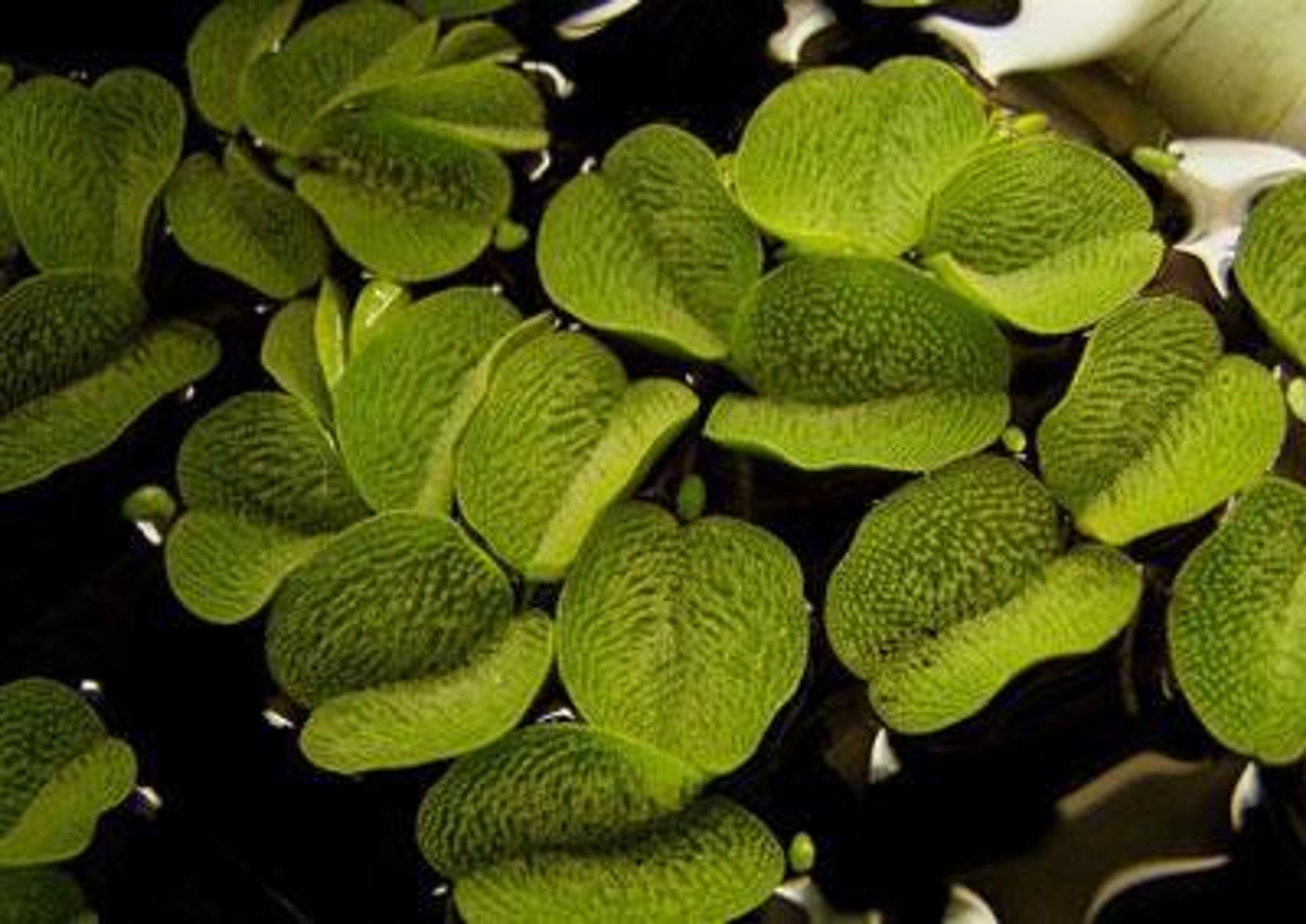
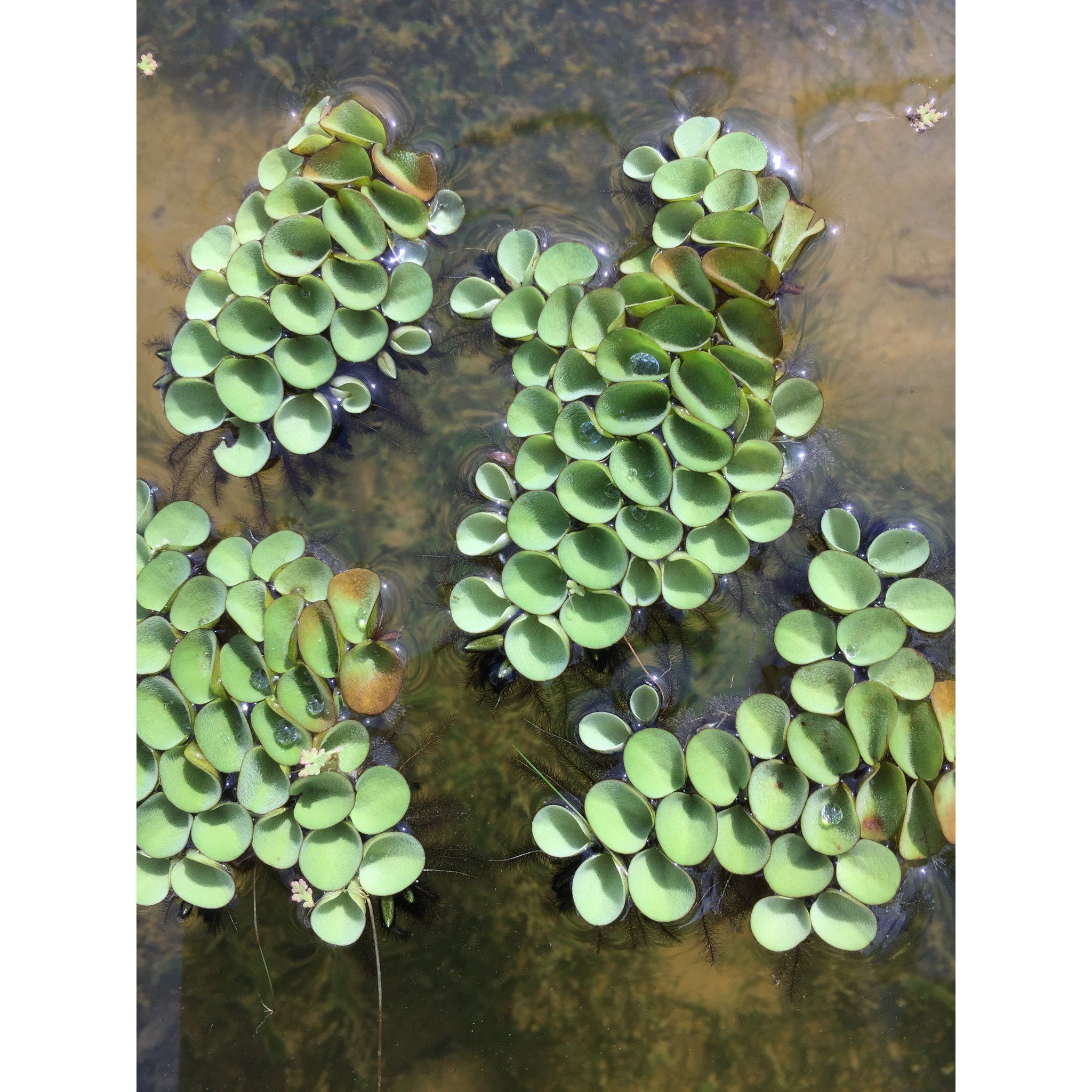
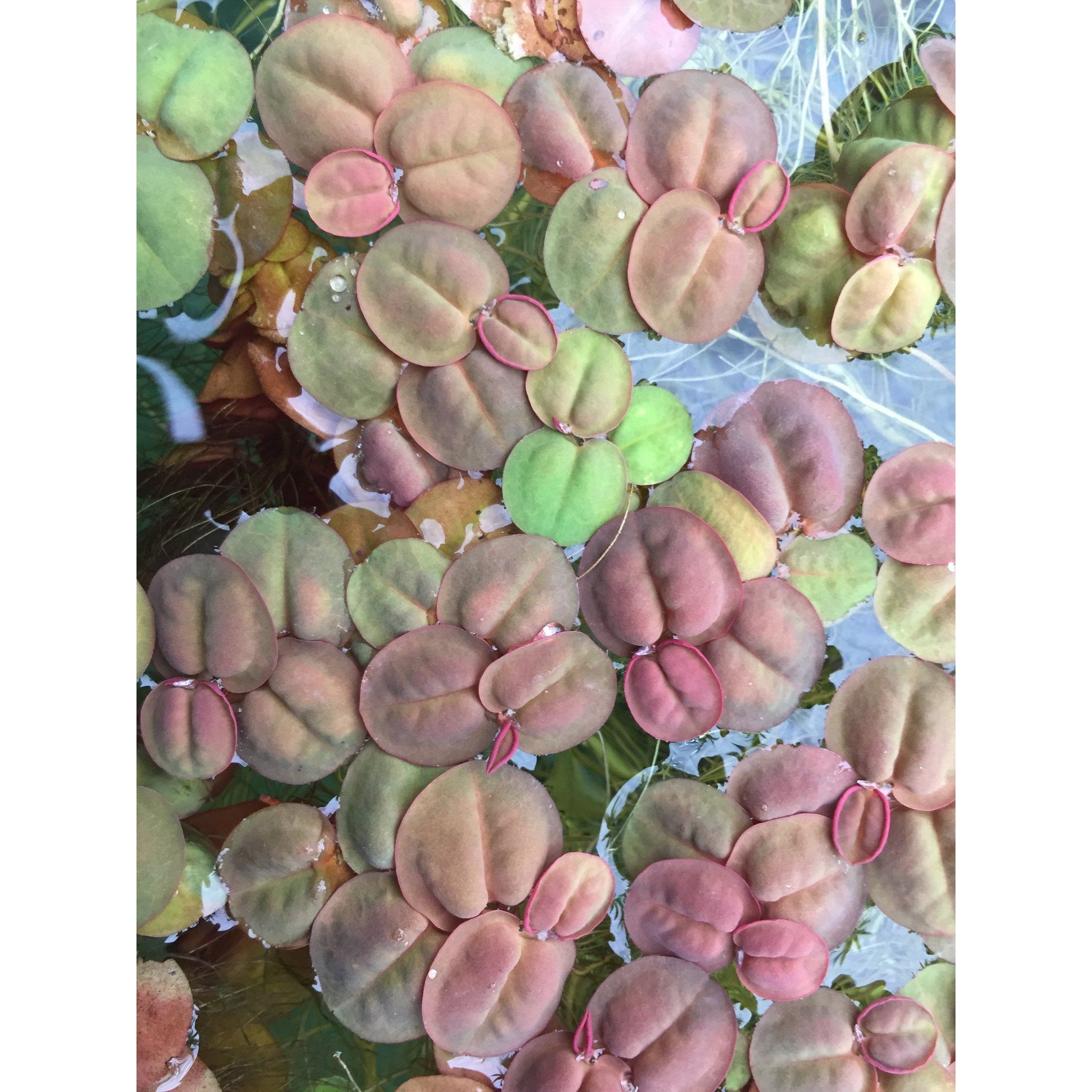
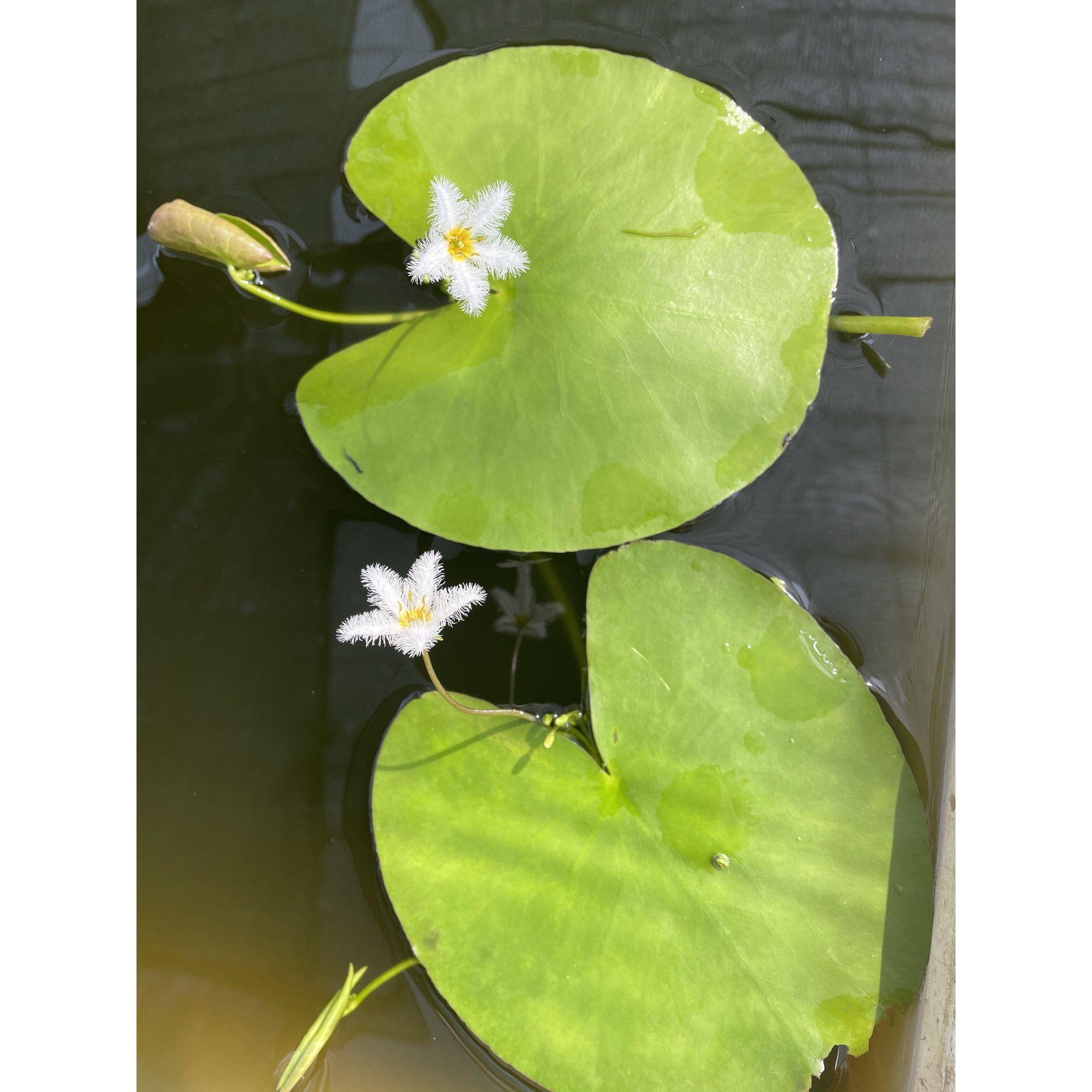
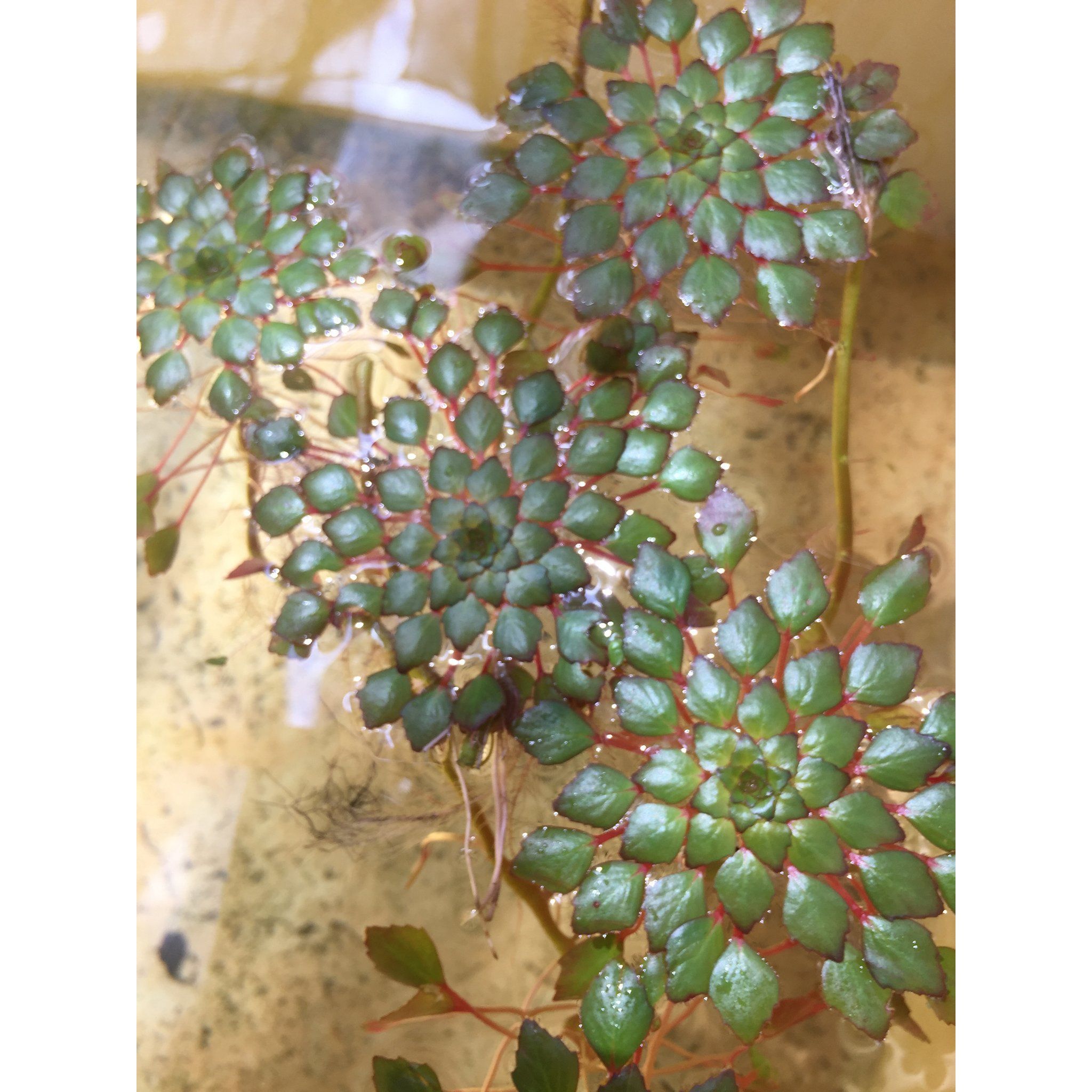
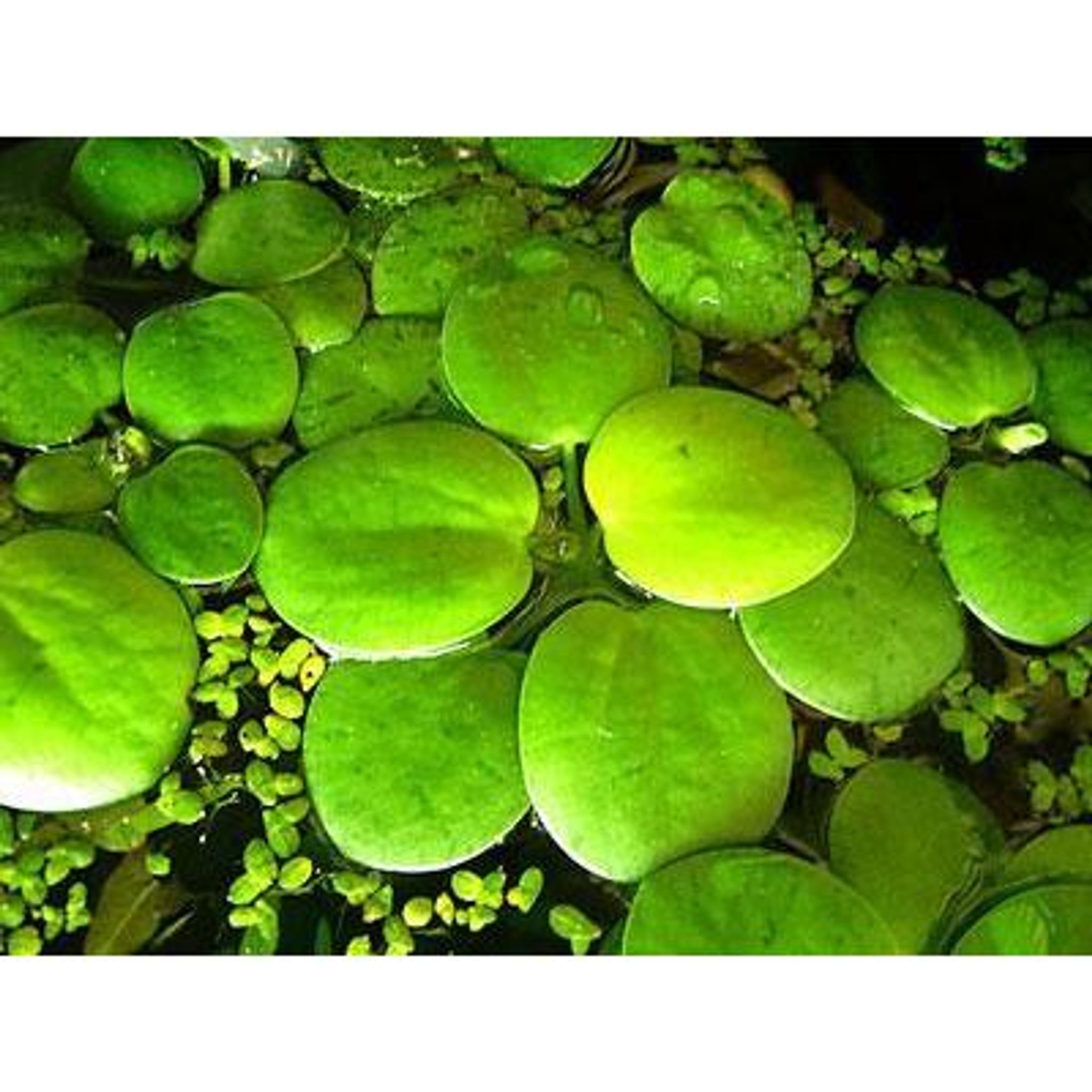
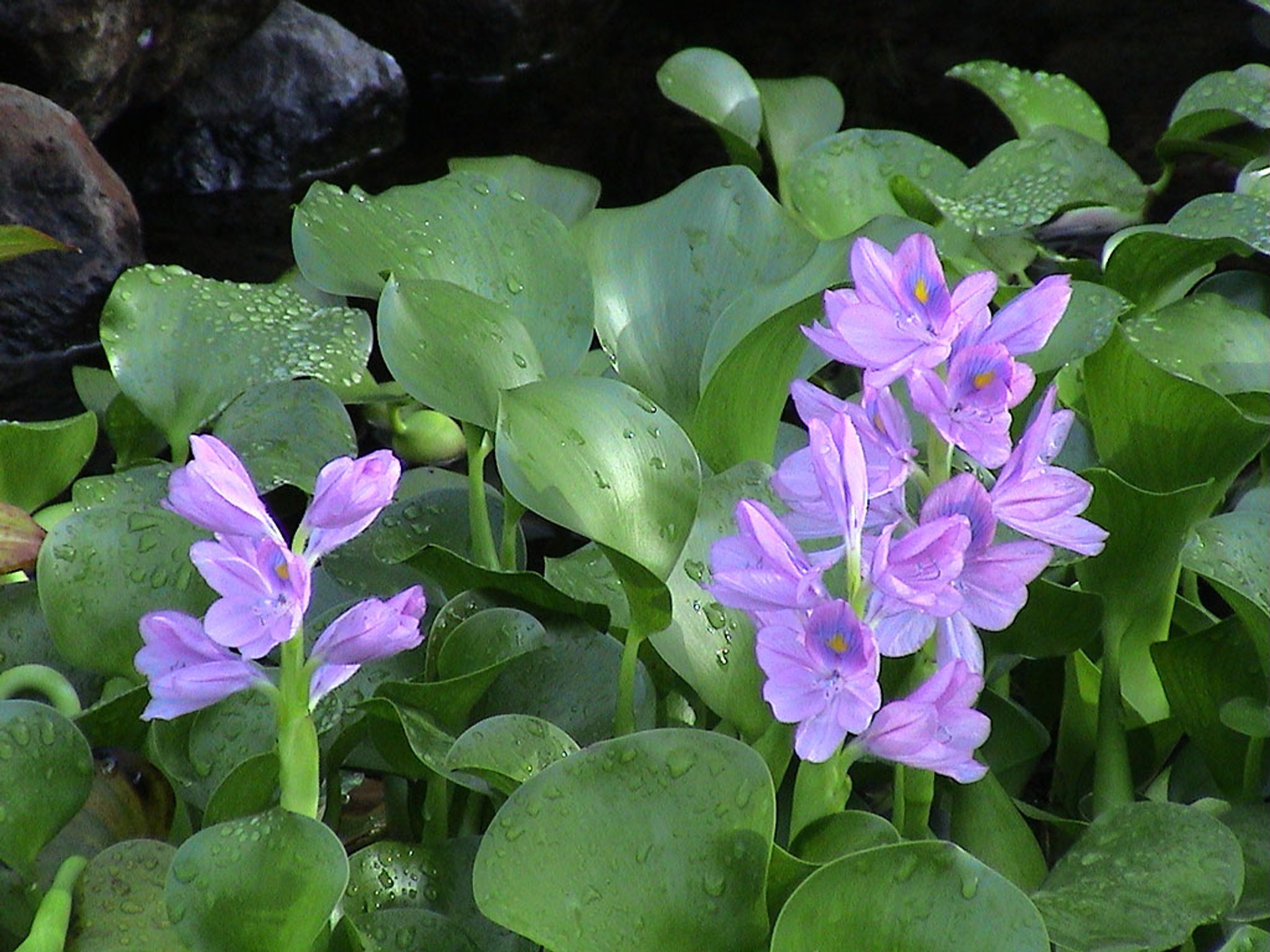
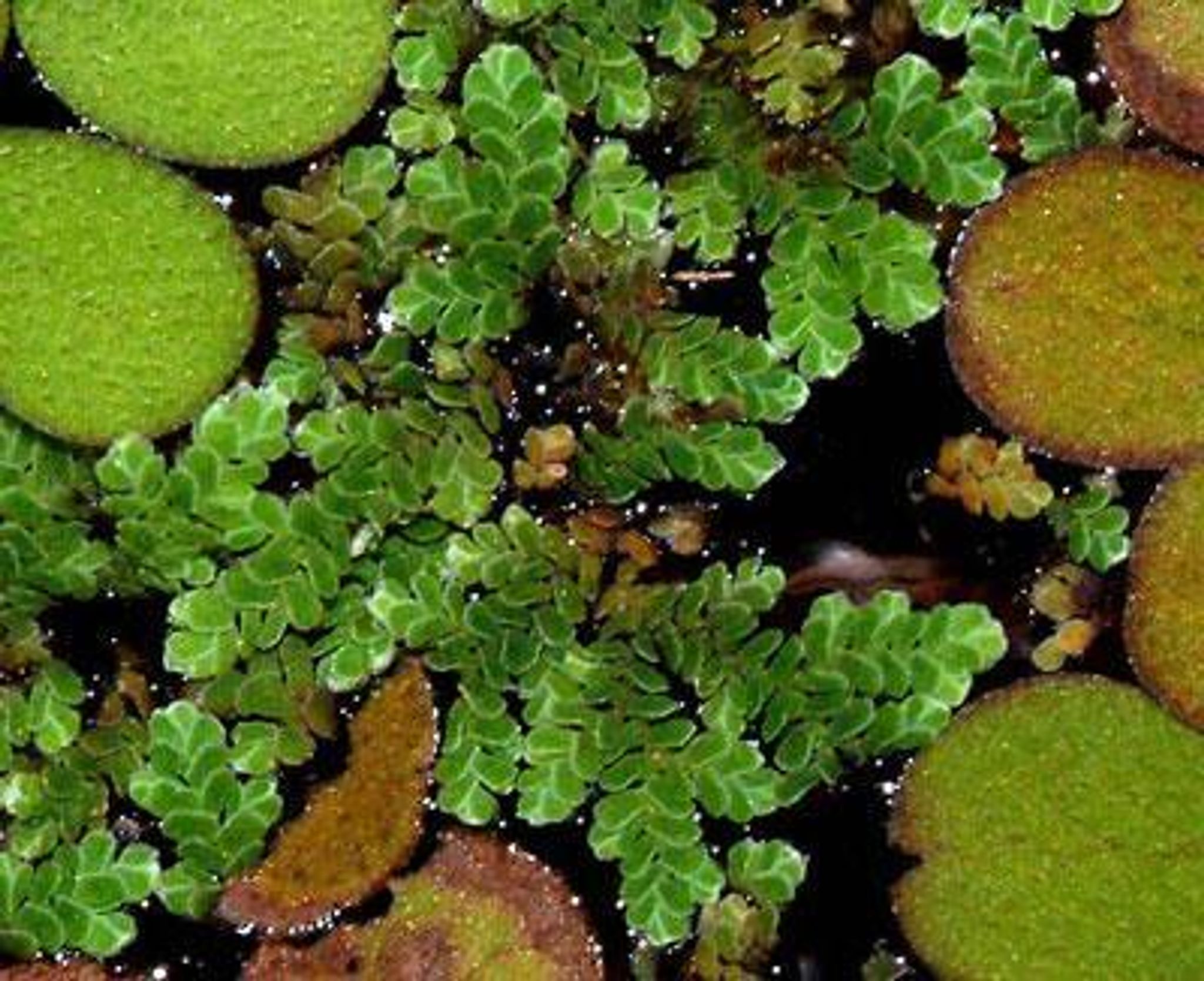
Explore floating aquarium plants for sale in Singapore from aquatic plant shops, growers and specialist sellers on FishyHub. Compare Frogbit, Salvinia, Red Root Floaters and other floating plants for freshwater aquariums, shrimp tanks and planted setups.
Floating plants grow at the water surface rather than being rooted deeply in the substrate. They can provide shade, shelter and a natural appearance while helping absorb nutrients directly from the water column.
Floating aquarium plants live at or near the surface of the water, with roots hanging freely into the aquarium.
Unlike most rooted plants, they do not need to be planted into the substrate. This makes them easy to add, move and remove as the aquarium develops.
Floating plants vary in leaf size, root length, growth speed and light requirements. Popular options include Frogbit, Salvinia and Red Root Floaters.
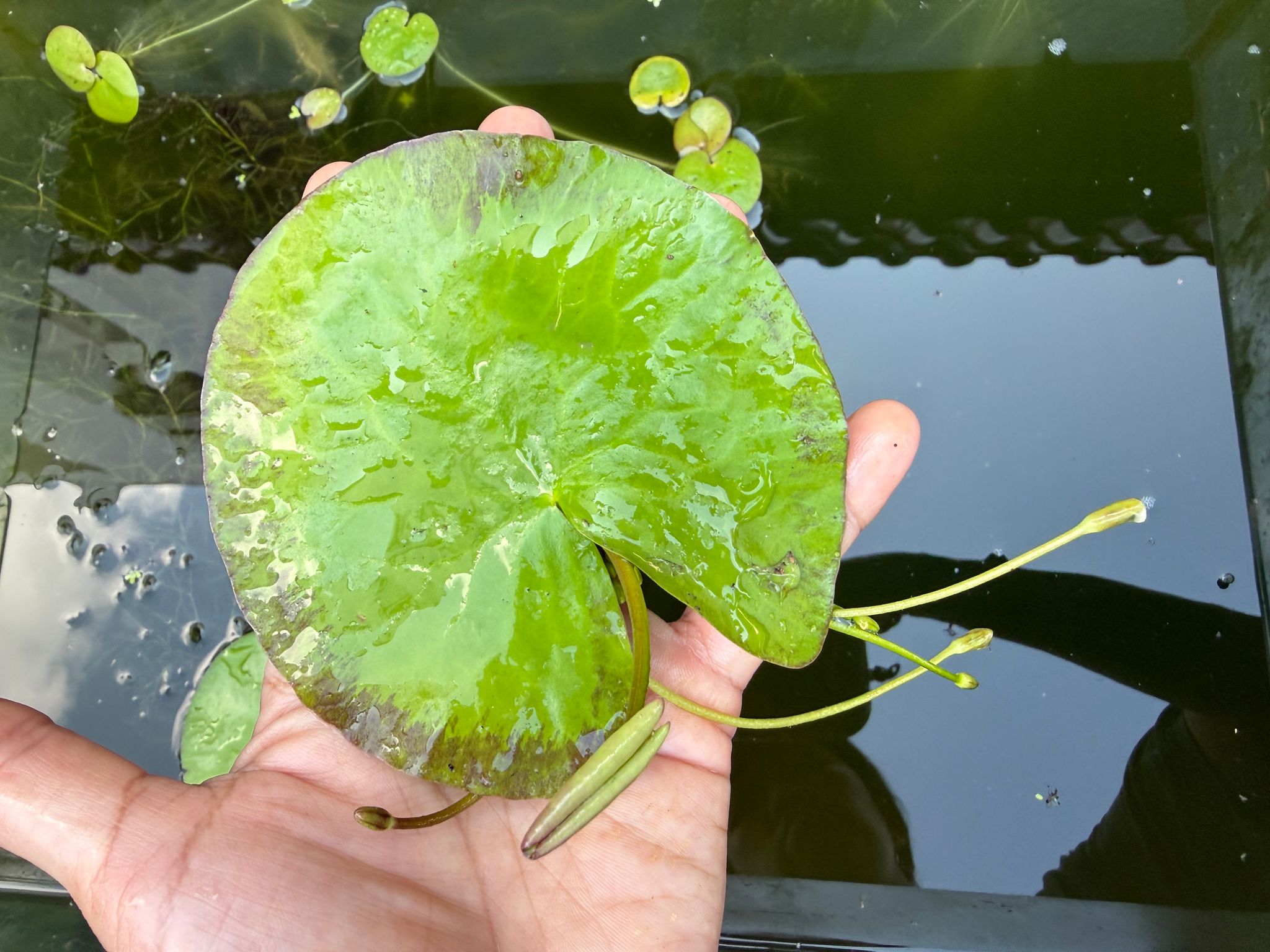
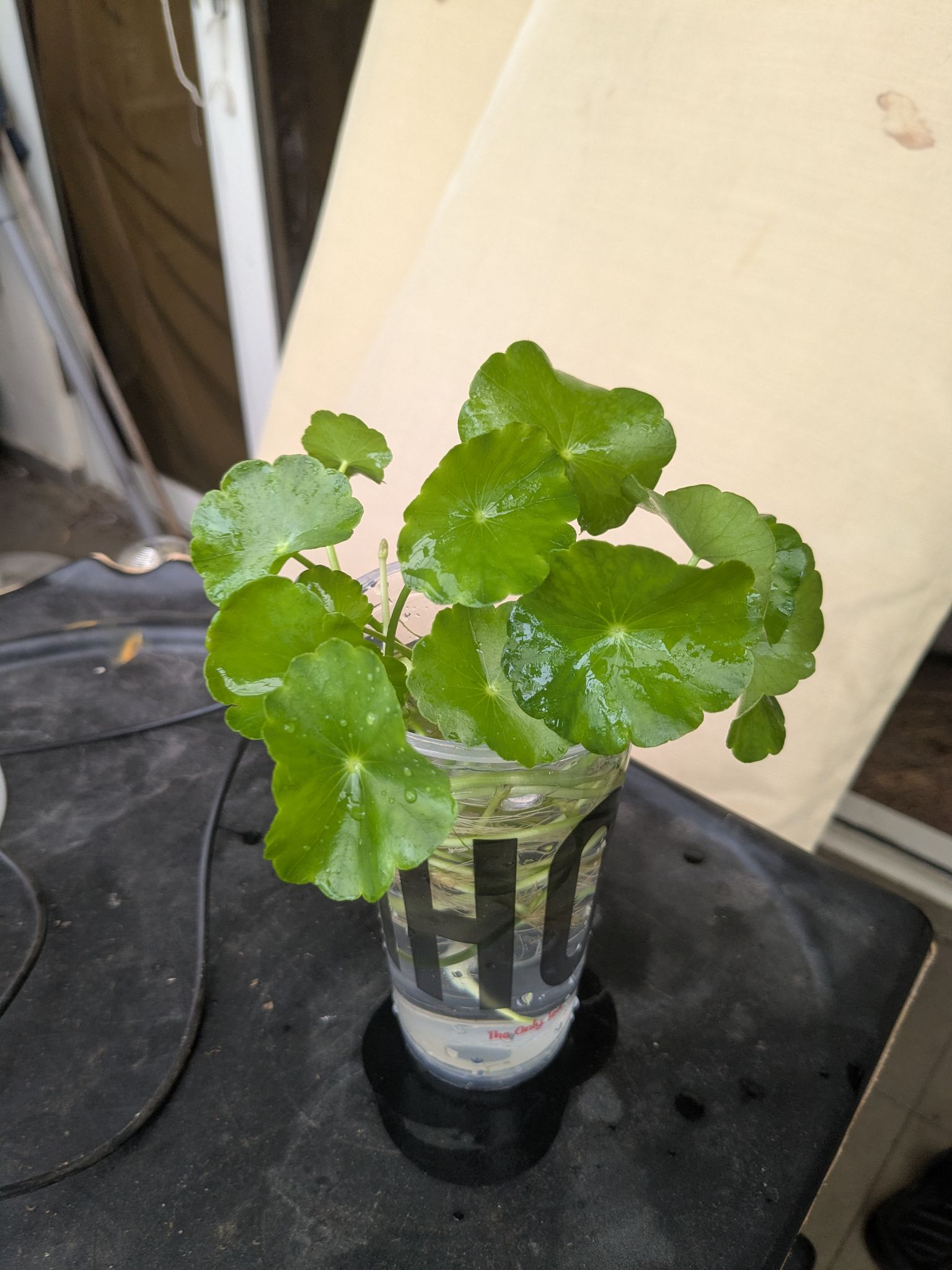
Amazon Frogbit is a popular floating plant with rounded leaves and long hanging roots. It can create a natural canopy and provide cover for fish and shrimp near the water surface.
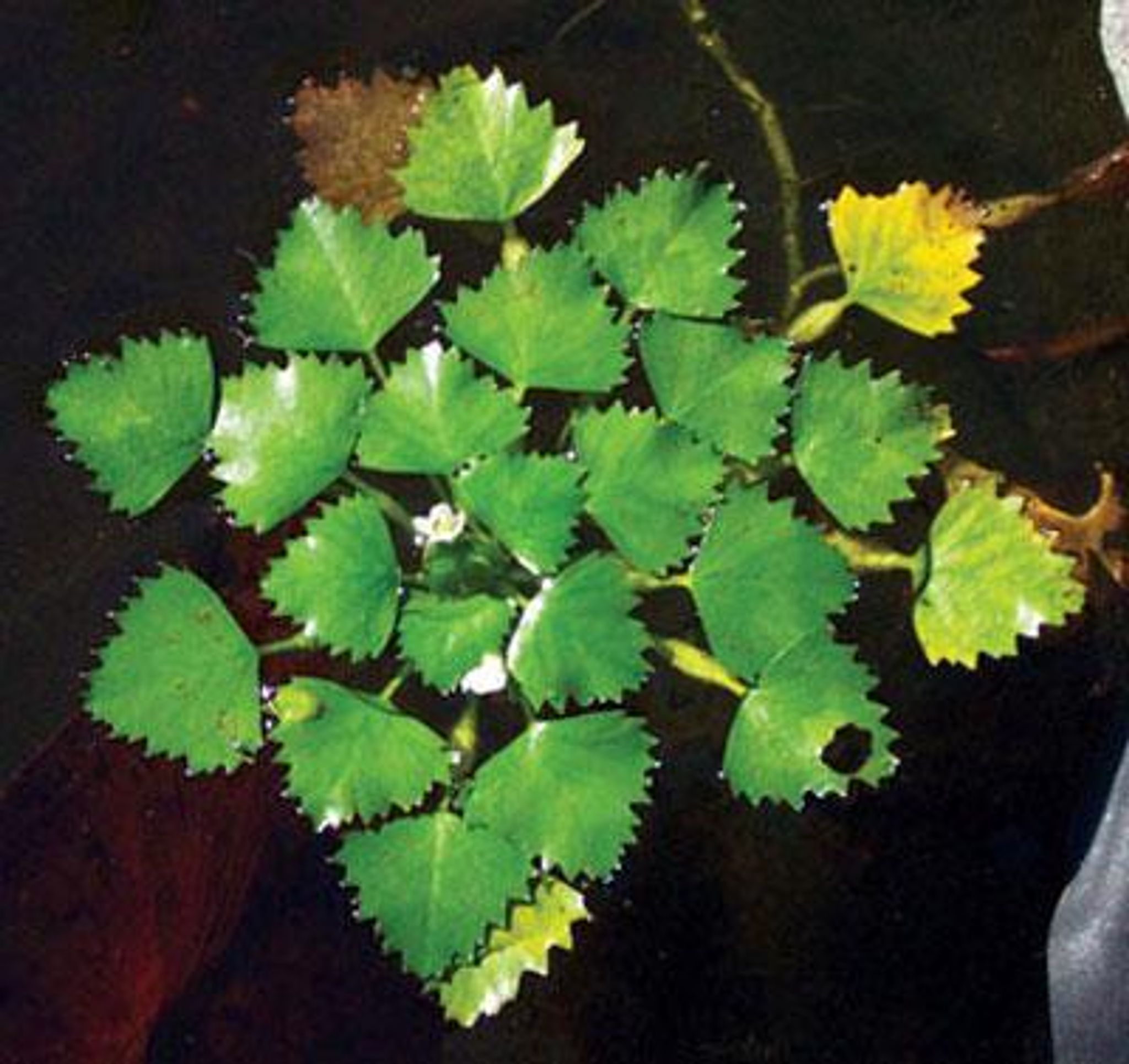
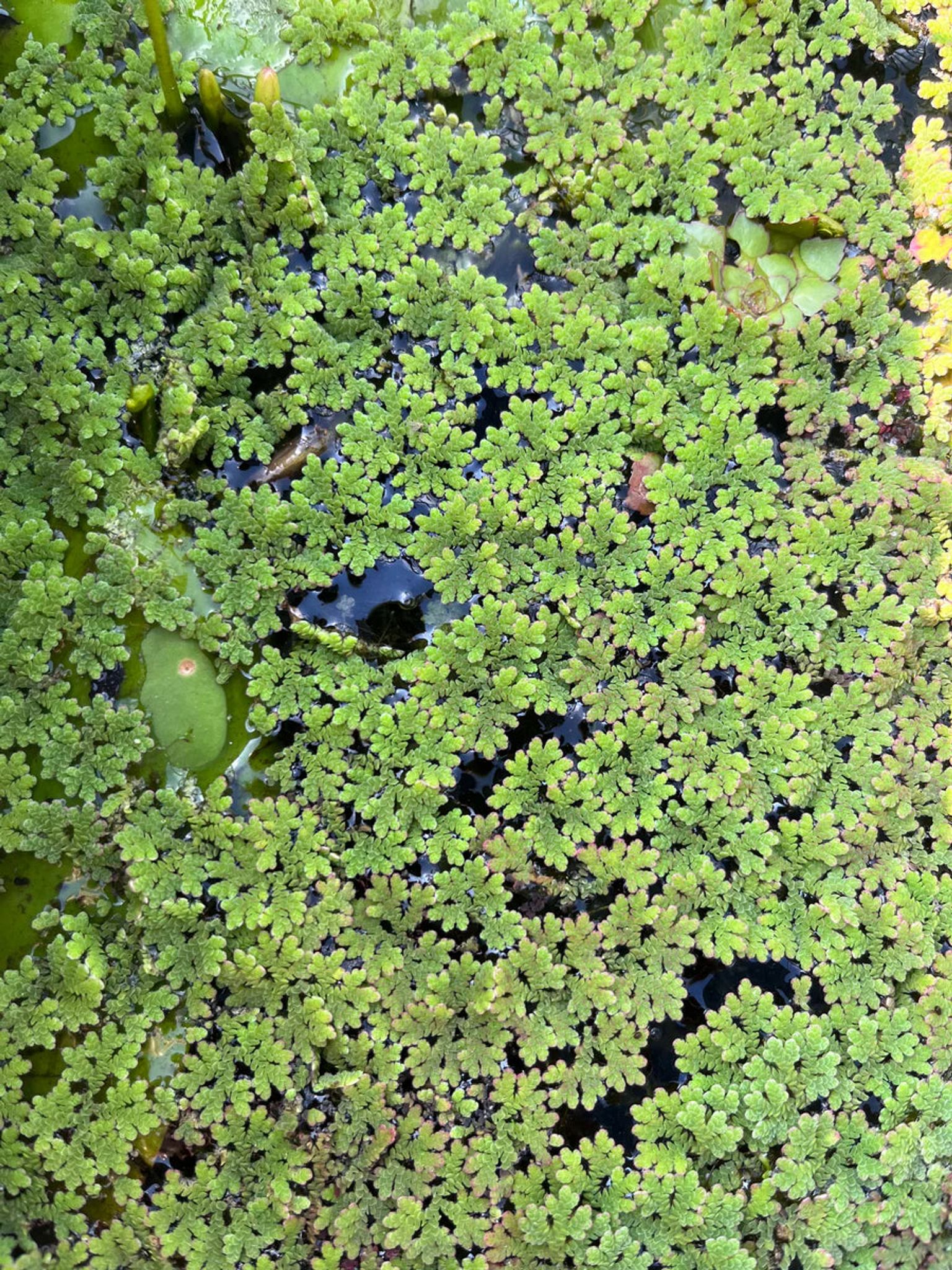
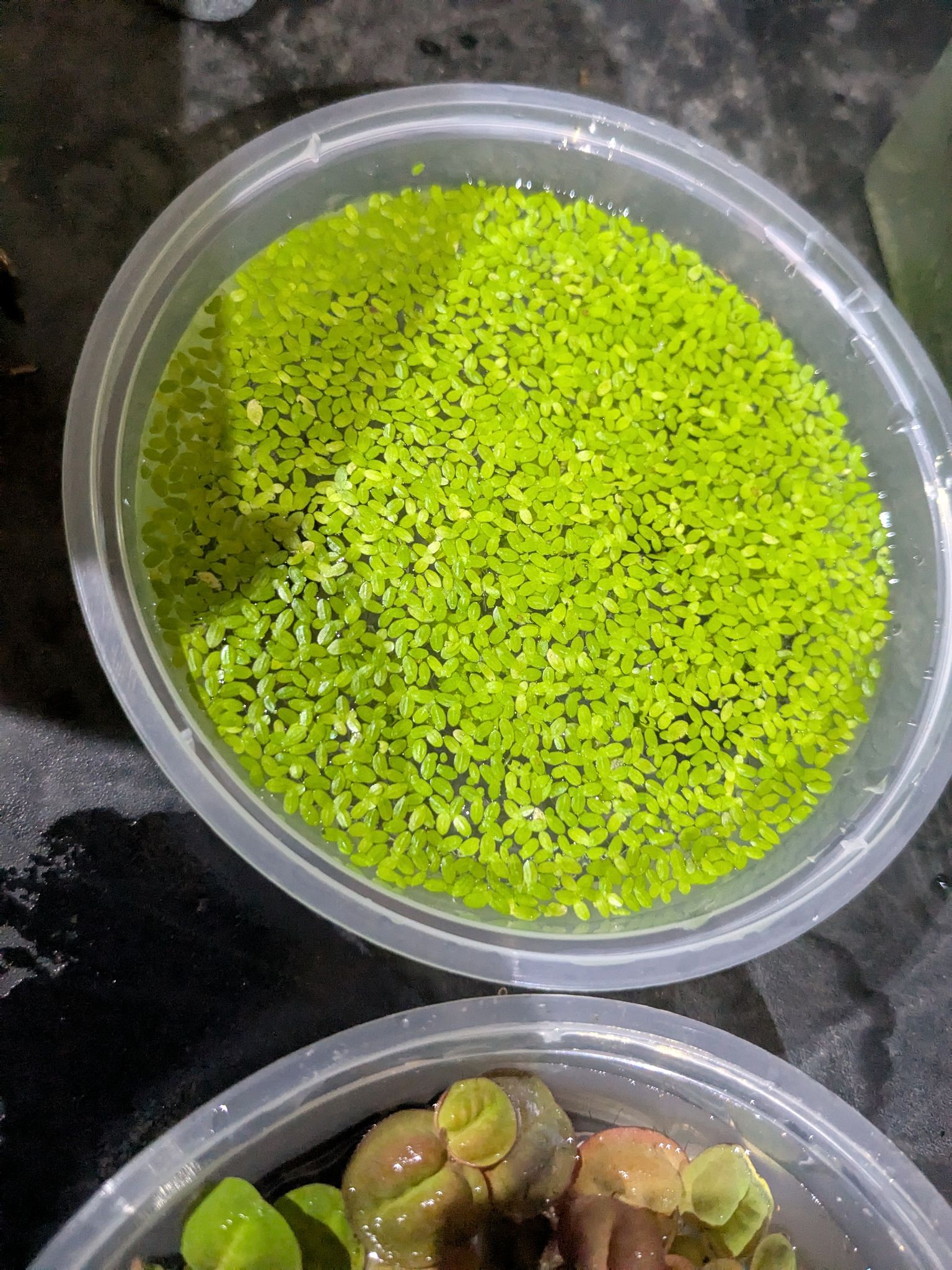
Salvinia species are small floating plants that can spread quickly across the aquarium surface. They are often used in low-tech tanks and can be easy to manage by removing excess growth regularly.
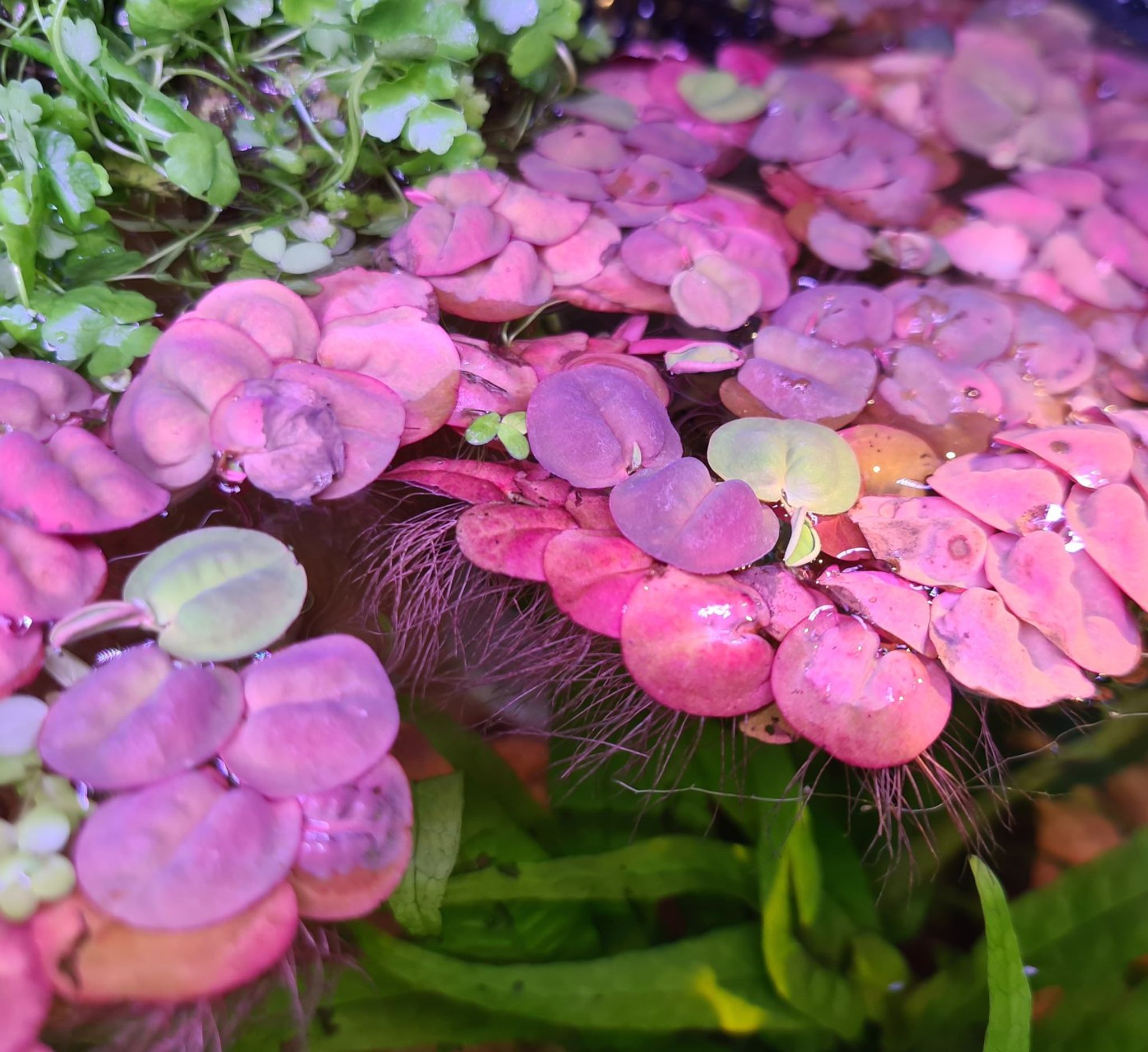
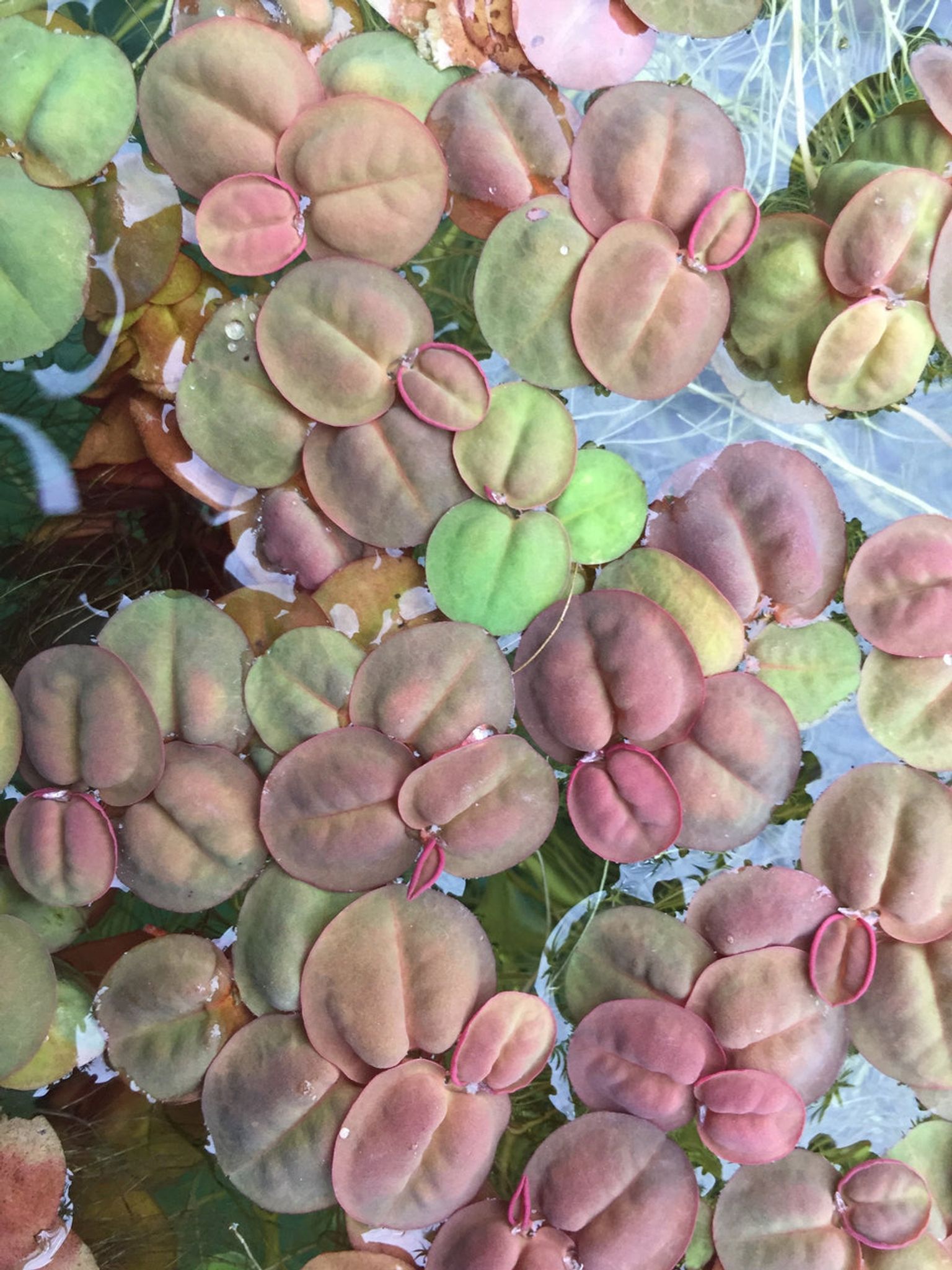
Red Root Floaters are valued for their attractive roots and the reddish coloration they can develop under suitable conditions. They can add strong colour contrast to otherwise green planted aquariums.
Other floating plant species may be available depending on seller inventory. Growth rate, surface coverage and care requirements can vary, so check the exact species before adding it to your aquarium.
Floating plants can provide several useful functions in freshwater aquariums:
They are especially useful in aquariums where fish prefer shaded or covered areas near the surface.
Floating plants can work especially well in Betta aquariums because they create shaded areas and visual cover near the surface.
Long roots from plants such as Frogbit can create a more natural environment, but enough open surface area should remain so the Betta can reach the surface easily.
Freshwater shrimp can benefit from floating plant roots, which provide additional surfaces for biofilm to develop.
Fine hanging roots can also provide shelter for young shrimp and increase usable habitat without taking up substrate space.
Floating plants can be useful in Guppy, Molly and other livebearer aquariums because dense roots can provide cover for newborn fry.
They can also help soften bright lighting and create a more natural-looking upper layer of the aquarium.
Many peaceful community fish appreciate some surface cover, particularly species that naturally come from shaded waterways.
Floating plants can be combined with rooted plants to create multiple levels of cover while leaving open swimming space below.
Floating plants are often excellent choices for low-tech setups because they have direct access to light and carbon dioxide at the water surface.
Many species can grow without pressurised CO2, making them useful for simple planted tanks and beginner aquariums.
Floating plants generally do not need injected CO2.
Because their leaves are exposed to the air, they can access atmospheric carbon dioxide directly. Their growth is more often influenced by light, nutrients, surface movement and overall water conditions.
Floating plants receive light directly at the water surface, so even moderate aquarium lighting can be effective for many species.
Stronger lighting may improve coloration in some plants, but excessive intensity can stress sensitive species or increase algae elsewhere in the tank.
Many floating plants prefer calmer areas of the water surface.
Strong splashing or constant submersion of the leaves can damage some species. Filter outlets may need to be positioned so part of the surface remains relatively calm.
Floating plants can drift around the aquarium because of filter flow and surface movement.
Some aquarists use floating plant rings, airline tubing or other simple barriers to keep plants away from filter outlets and preserve open feeding areas.
Filter intakes and outlets can affect floating plants if roots are pulled into equipment or leaves are repeatedly pushed underwater.
Keeping plants away from strong intakes and turbulent outlets can help protect delicate roots and leaves.
Yes. Dense floating plant coverage can significantly reduce the amount of light reaching plants below.
This can be useful for shade-loving fish and plants, but too much coverage may slow the growth of carpeting plants or other light-demanding species.
Fast-growing floating plants can cover the water surface surprisingly quickly.
Regularly removing excess growth helps maintain gas exchange, preserve swimming and feeding access, and allow enough light to reach plants below.
Fast-growing floating plants can absorb nitrogen and other nutrients as they grow.
This can contribute to nutrient management, but floating plants do not replace filtration, sensible stocking or regular aquarium maintenance.
Floating plants may help compete for nutrients and reduce the amount of light entering the aquarium.
They can therefore be useful as part of an overall algae-management strategy, although persistent algae problems should still be addressed through lighting, feeding, maintenance and nutrient balance.
Floating plants can be excellent for nano aquariums because they add greenery without occupying valuable substrate space.
Smaller floating species may be easier to manage in compact tanks, but regular thinning is important because the surface area is limited.
Open-top tanks are often well suited to floating plants because leaves can remain dry above the water surface.
Check that the aquarium light is not positioned so close that heat damages the leaves, and make sure fish known to jump are still kept securely where necessary.
Many floating plants reproduce vegetatively and can multiply rapidly under suitable conditions.
Healthy daughter plants or new growth can often be separated naturally, making floating plants relatively easy to propagate and share between aquariums.
Floating plants can decline because of unsuitable lighting, nutrient shortages, excessive surface movement or repeatedly wet leaves.
Check the exact species requirements and whether filter flow, tank covers or condensation are interfering with the leaves.
When comparing floating aquarium plants for sale, look for:
A small amount of damaged foliage can often be removed, but healthy roots and active new growth are better signs of a viable plant.
Floating plant prices in Singapore vary depending on species, portion size, availability and seller.
Common fast-growing species may be relatively affordable, while larger portions or less common varieties can cost more.
FishyHub brings floating plant listings from aquatic plant shops, growers and aquarium sellers across Singapore together in one marketplace, making it easier to compare available species from multiple sources.
When comparing floating plants, consider:
Seller inventory changes regularly, so available species and portion sizes may vary over time.
Frogbit, Salvinia and Red Root Floaters are popular choices, although the best plant depends on lighting, surface flow and aquarium size.
Yes. Floating plants can provide shade and cover near the surface, which many Bettas appreciate. Leave enough open surface area for easy access to air.
Yes. Their roots can provide biofilm grazing surfaces and shelter for young freshwater shrimp.
Most do not require injected CO2 because their leaves have direct access to carbon dioxide in the air.
Fast-growing floating plants can absorb nitrogen as they grow, but they should be used alongside proper filtration and regular maintenance.
Strong surface movement, splashing and repeatedly submerged leaves can stress some floating plant species.
Yes. Dense surface coverage can shade plants below, so excess floating growth should be removed when necessary.
Many are beginner-friendly because they do not need substrate planting or injected CO2, although surface flow and lighting still need to suit the species.
Explore floating aquarium plants for sale on FishyHub and compare Frogbit, Salvinia, Red Root Floaters and other floating species from sellers across Singapore. Compare plant size, growth rate and care requirements to find suitable floating plants for your Betta, shrimp, planted or community aquarium.