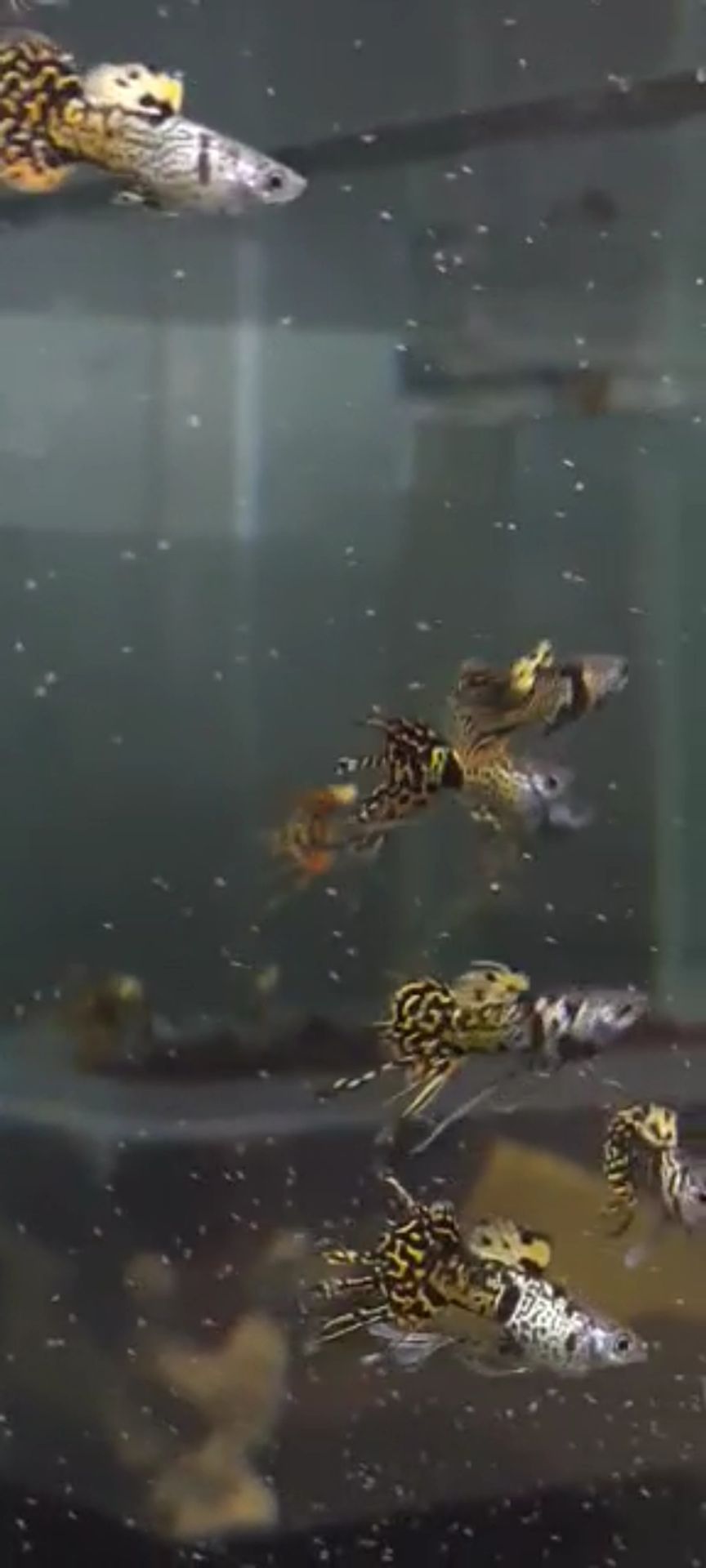

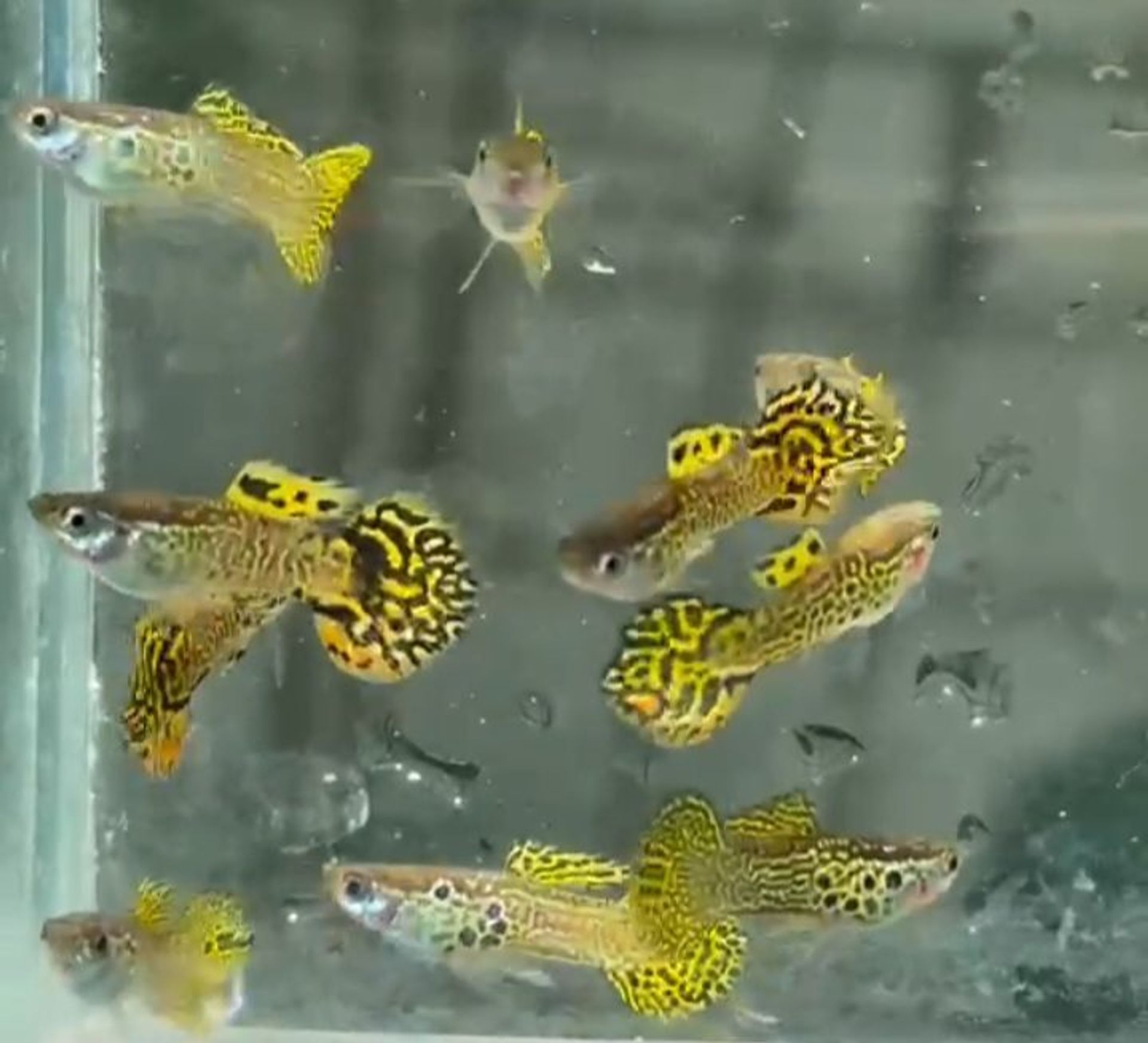
Click to enlarge
Unless stated otherwise, photos show the species, not the exact fish you'll receive.
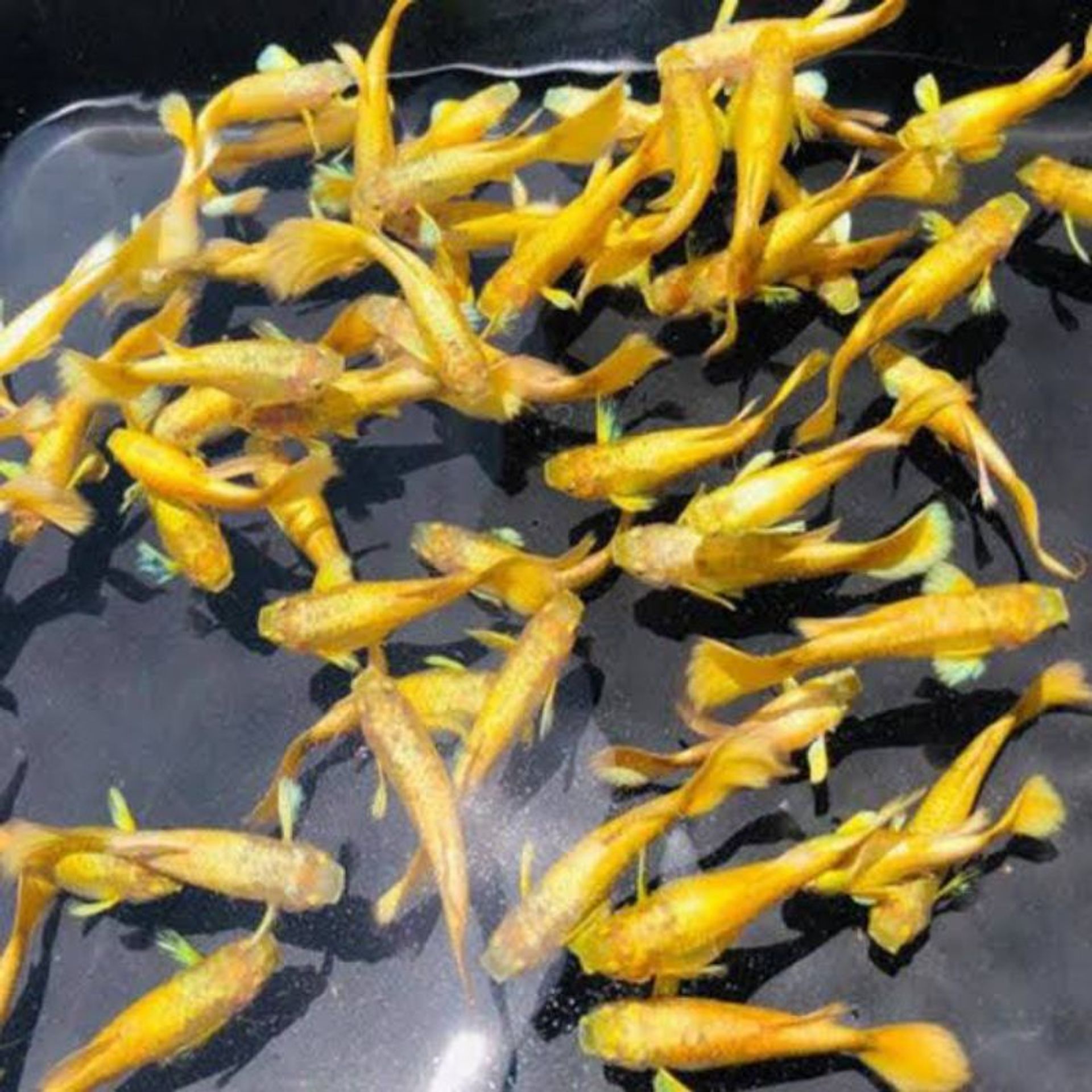
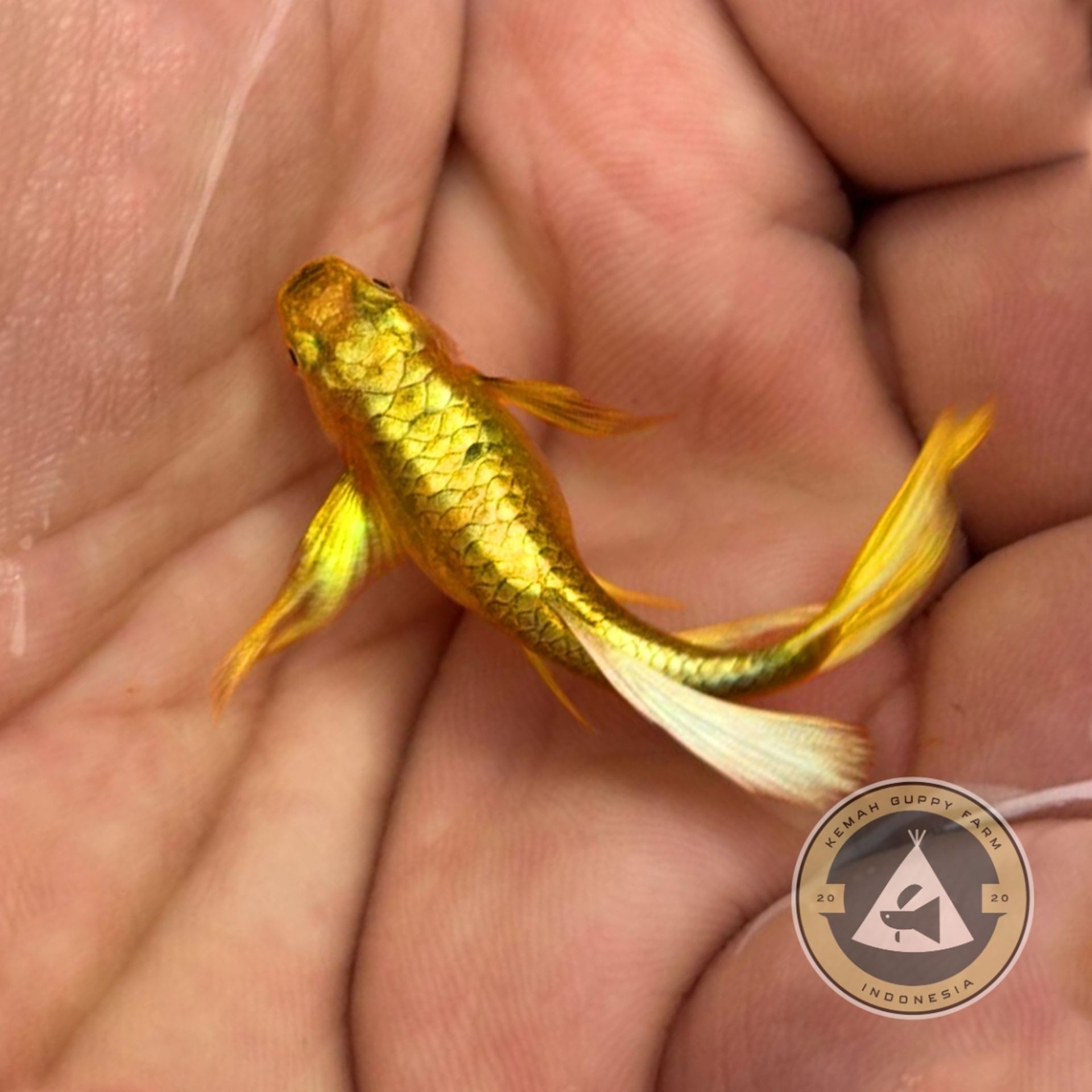
Premium (Yellow Lace Roundtail)
SGD 45.00
Delivery Information
Dead-on-arrival protection: report within 24 hours of delivery with a photo or video for an exchange or return.
Product Variations
Quantity
Stock: 100
Product Details
Size
3cm - 5cm
Temperament
Semi Aggressive
Water Condition
Low PH
WYSIWYG
Representative Photo Only
Product Description
Learn More About Yellow Lace Roundtail
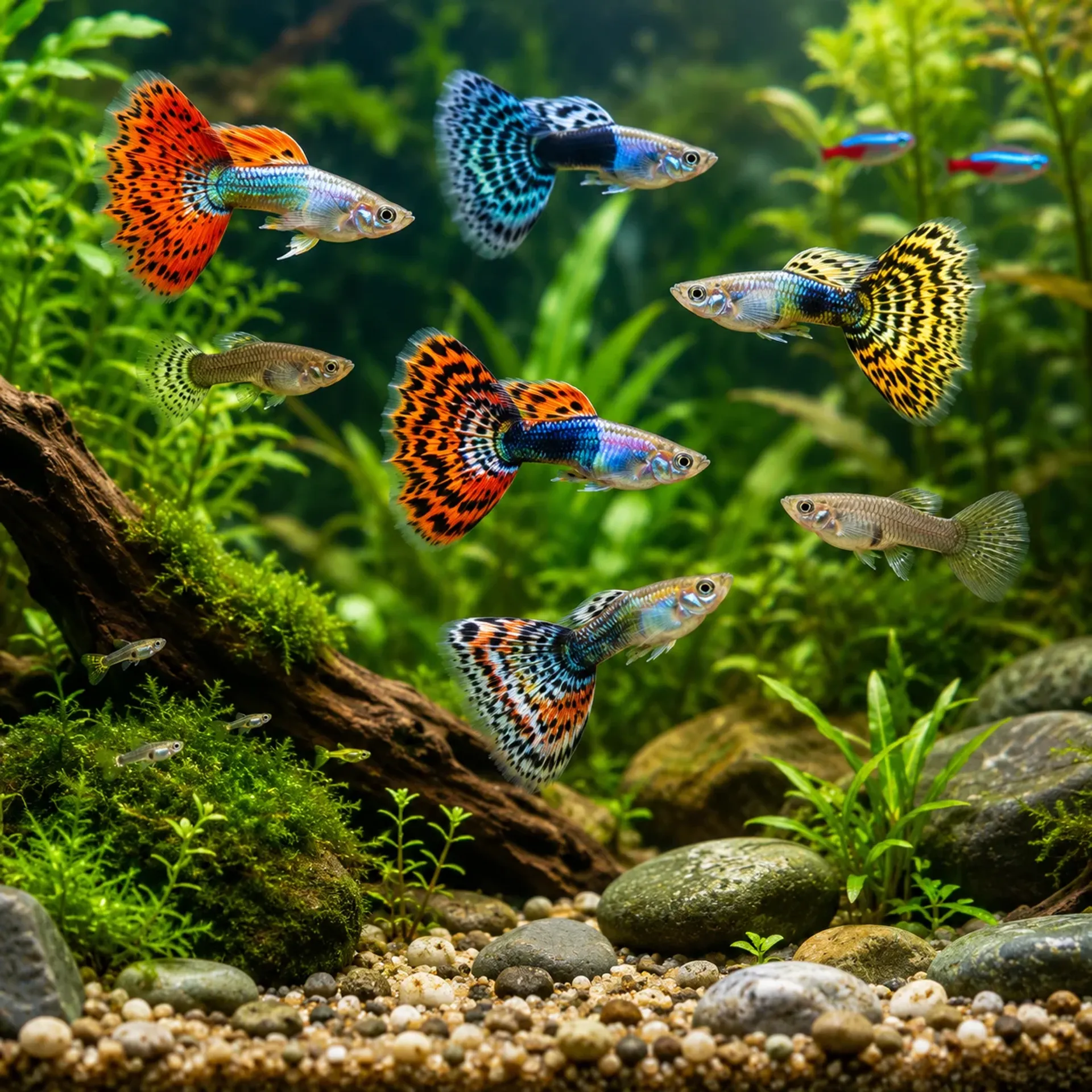
Guppy Care Guide: Tank Setup, Feeding, Breeding, and Tankmates

Most Purchased Aquarium Fish in Singapore in 2026
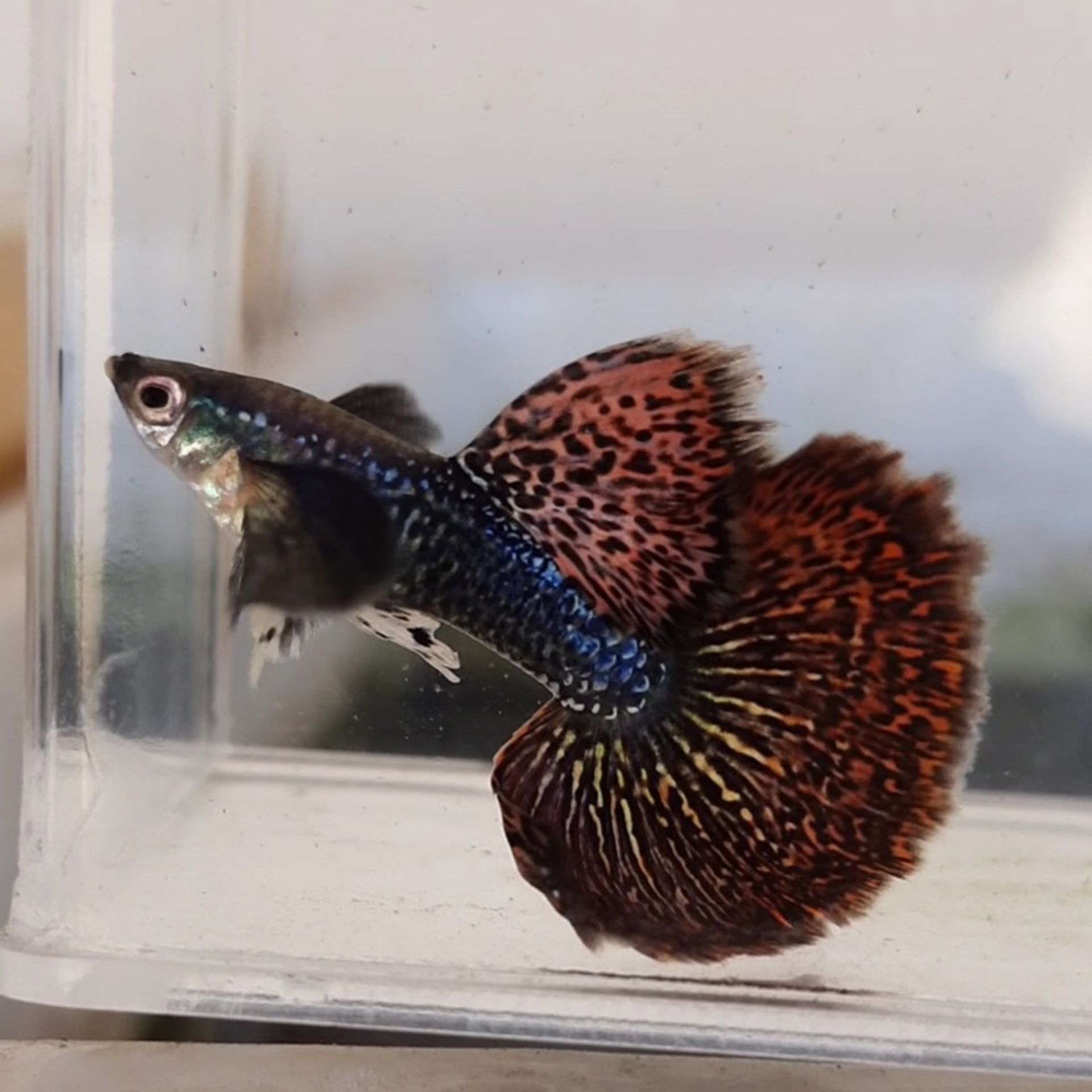
Most Popular Guppy Varieties in Singapore in 2026
Guppy Statistics Singapore 2026: Popularity, Prices & Trends
Aquarium Fish Becoming More Popular in Singapore in 2026
North vs East vs West: Which Part of Singapore Is Best for Fishkeepers?
Singapore Regions With the Most Aquarium Fish Sellers
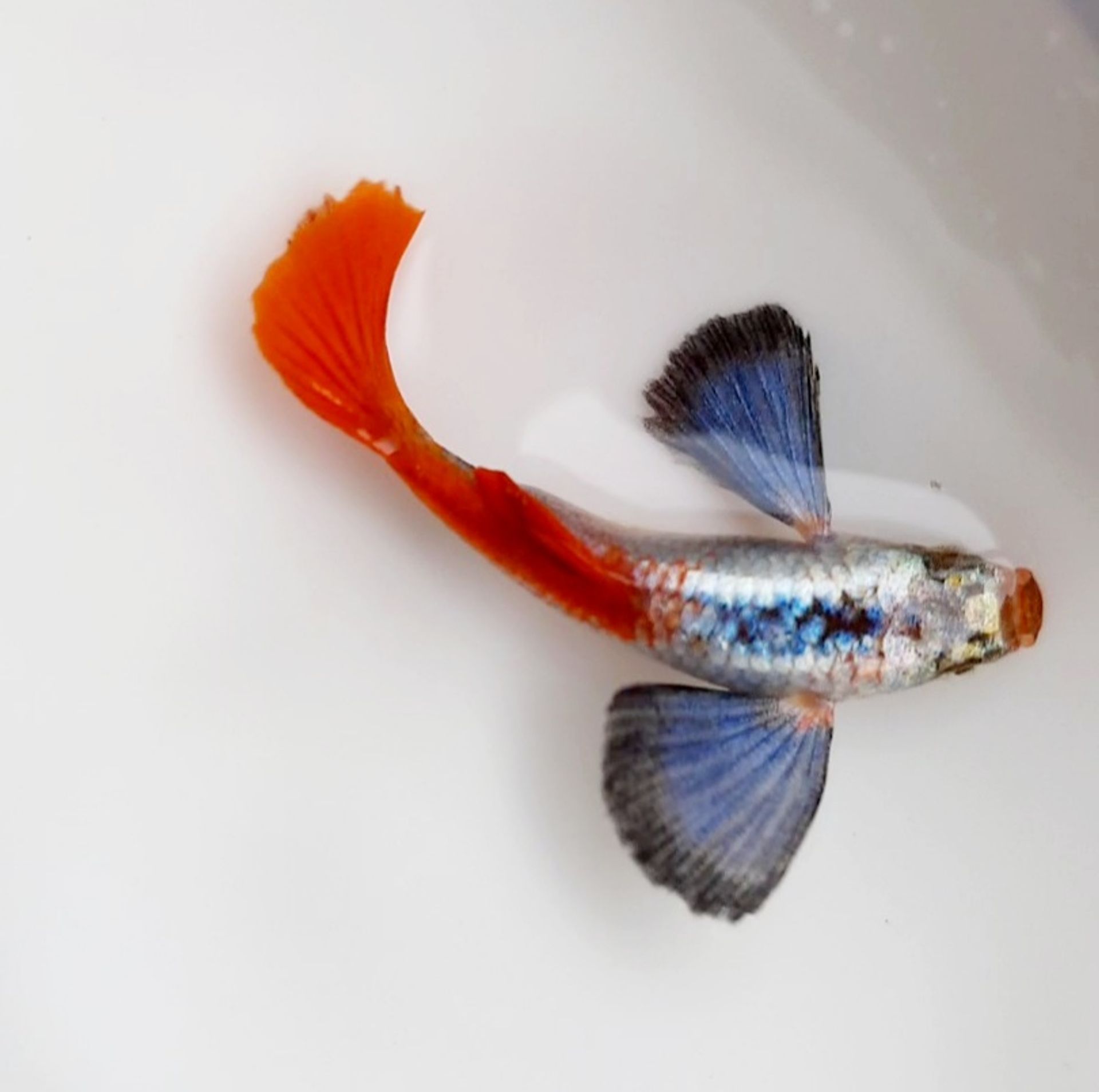
Most Purchased Fish After Being Viewed Online in Singapore
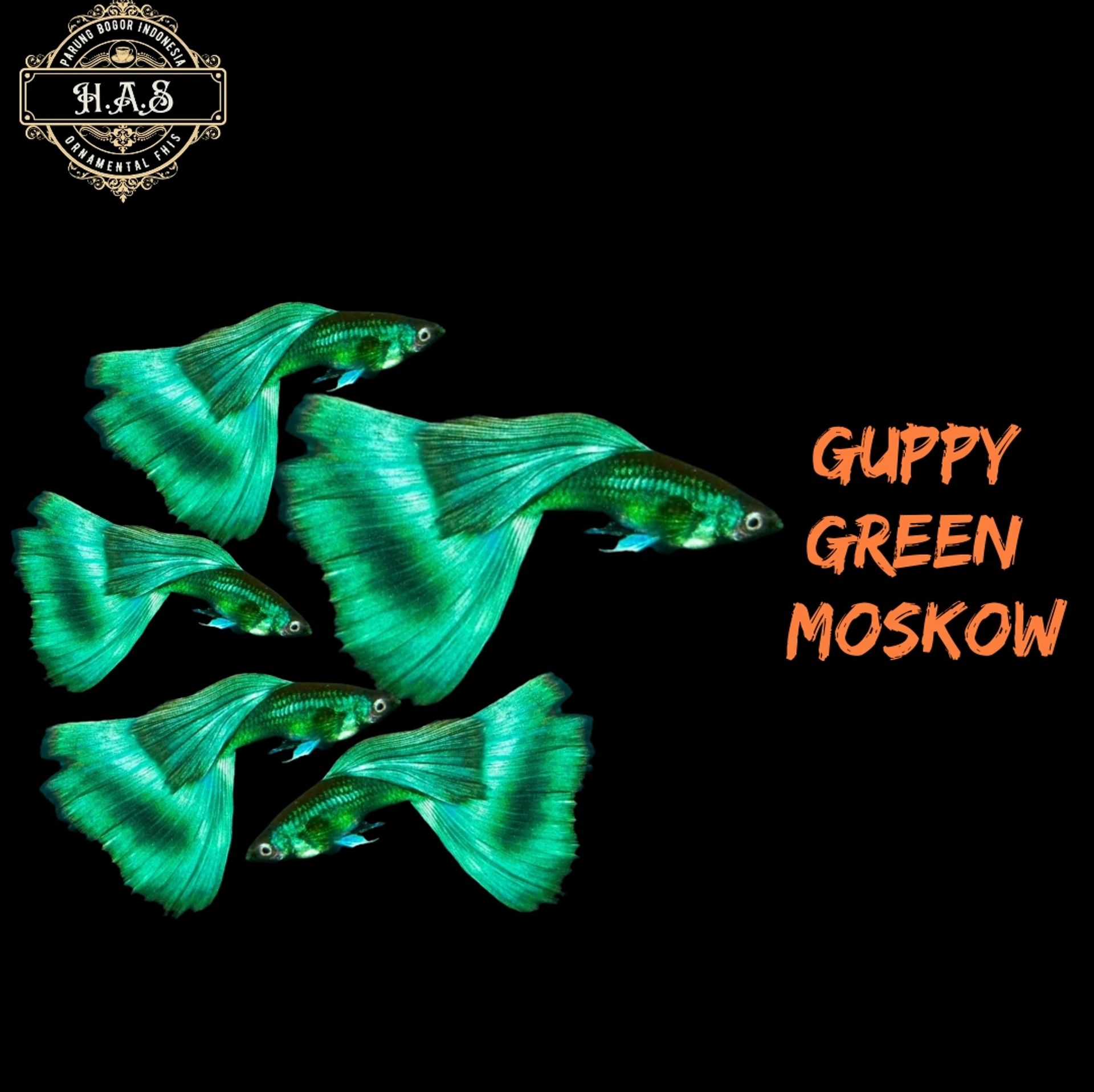
How Much Do Guppies Cost in Singapore? Prices by Variety
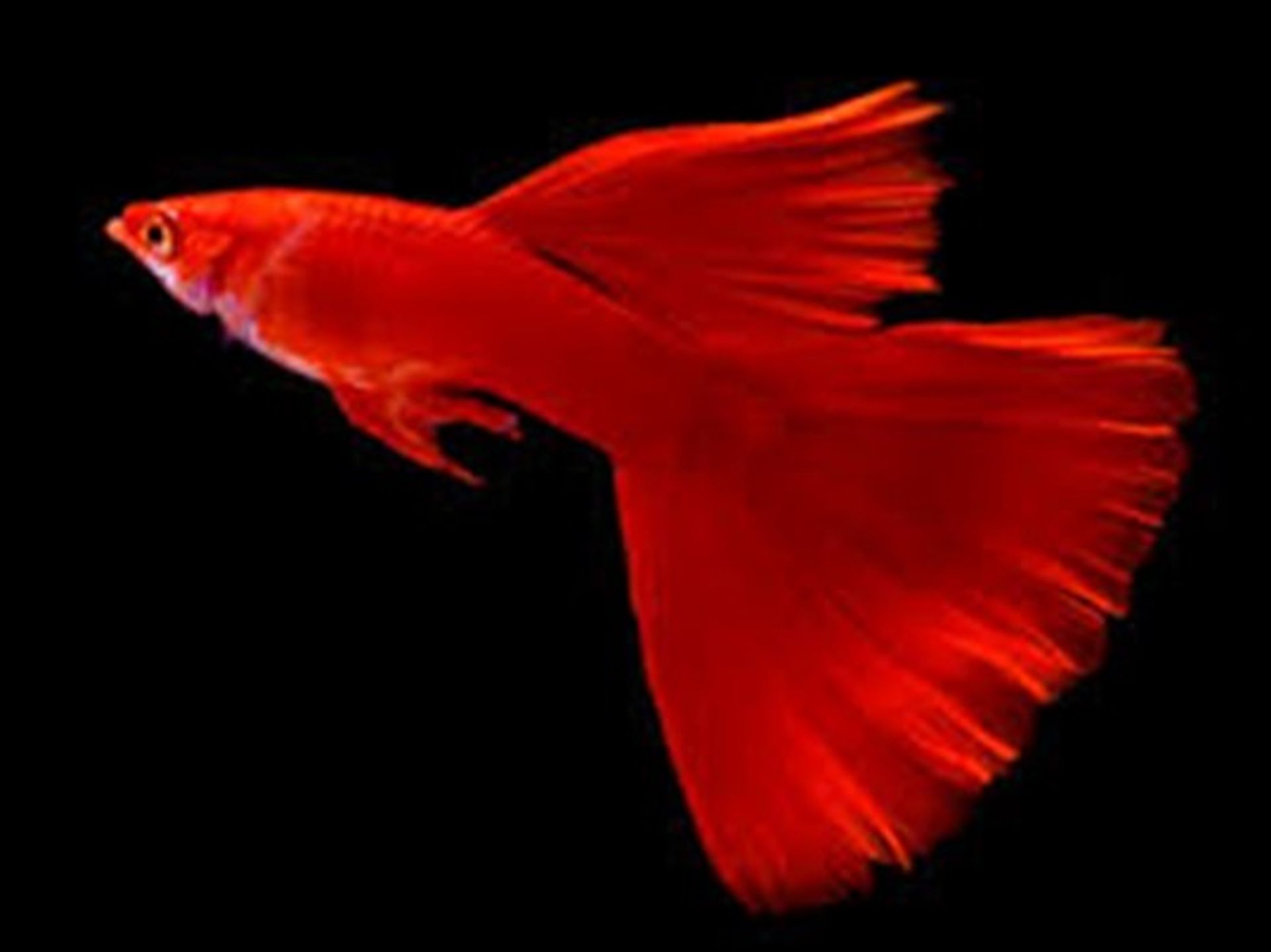
Which Aquarium Fish Are Growing Fastest in Popularity in Singapore?

Fastest-Growing Aquarium Fish in Singapore
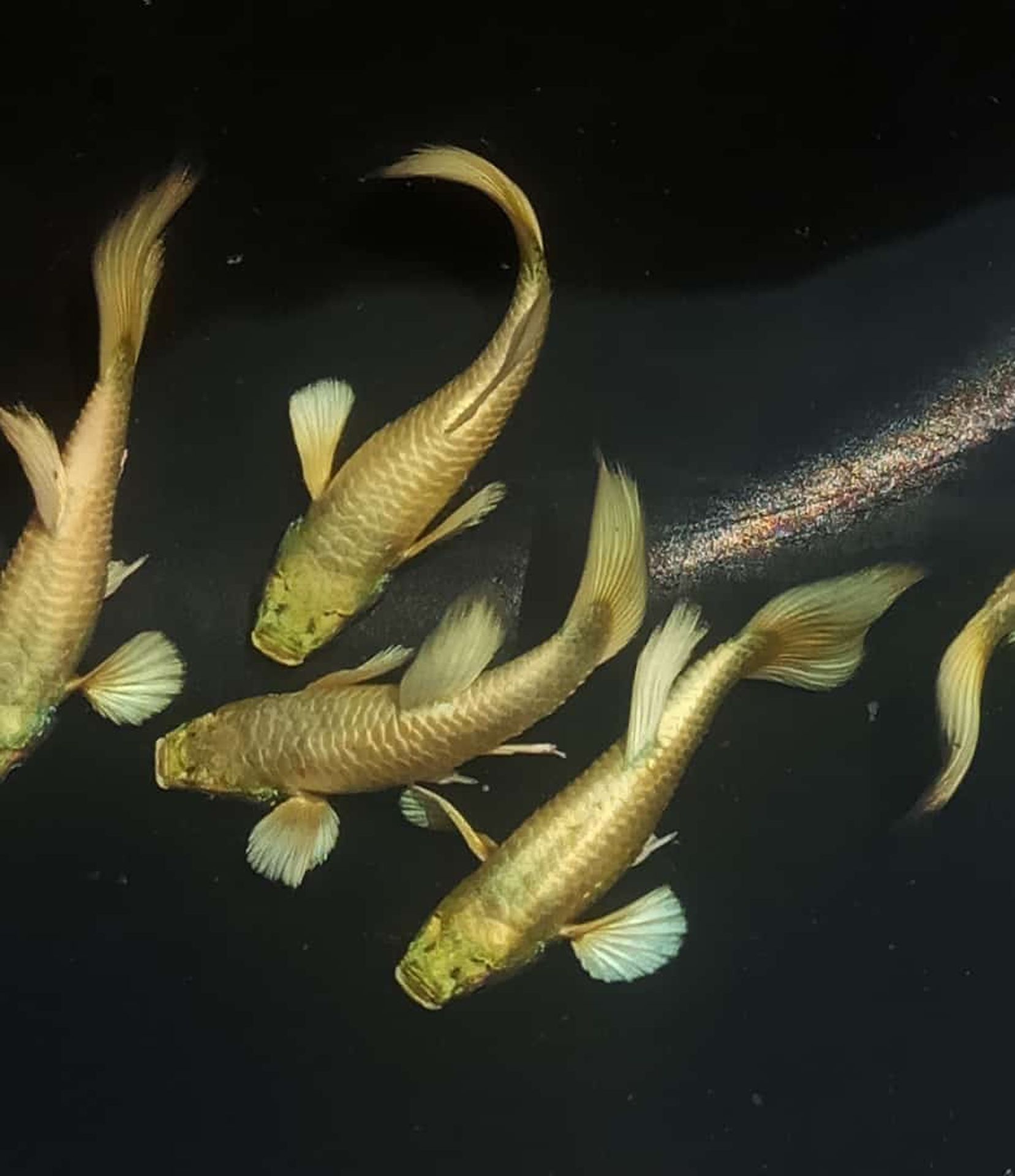
Most Popular Guppy Varieties in 2026
More from Gold digger betta Eris

Gold digger betta Eris
Suitable Tank Mates for Yellow Lace Roundtail

Assorted Platy 3cm
SGD 0.99
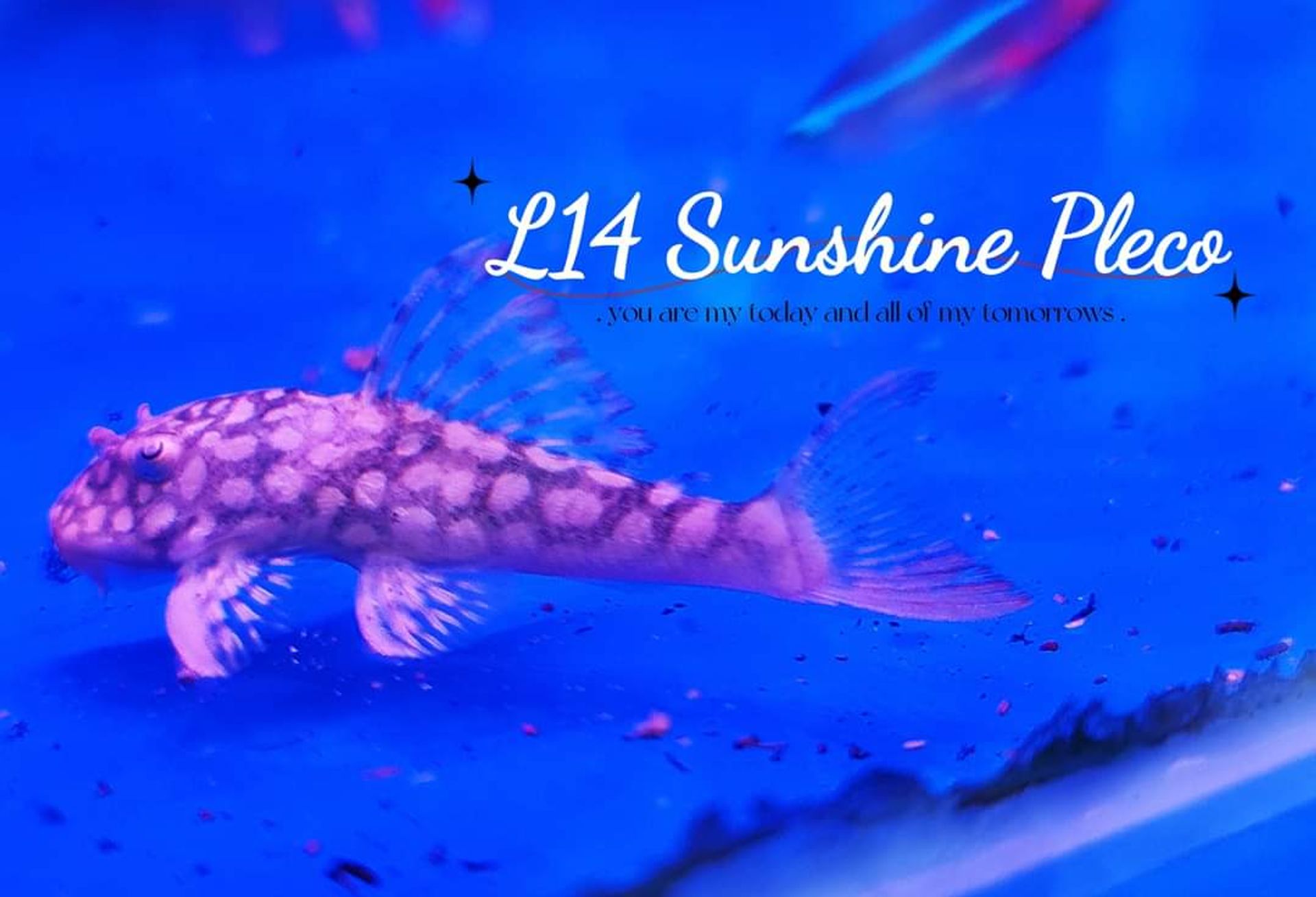
L14 Sunshine Pleco
SGD 66.00
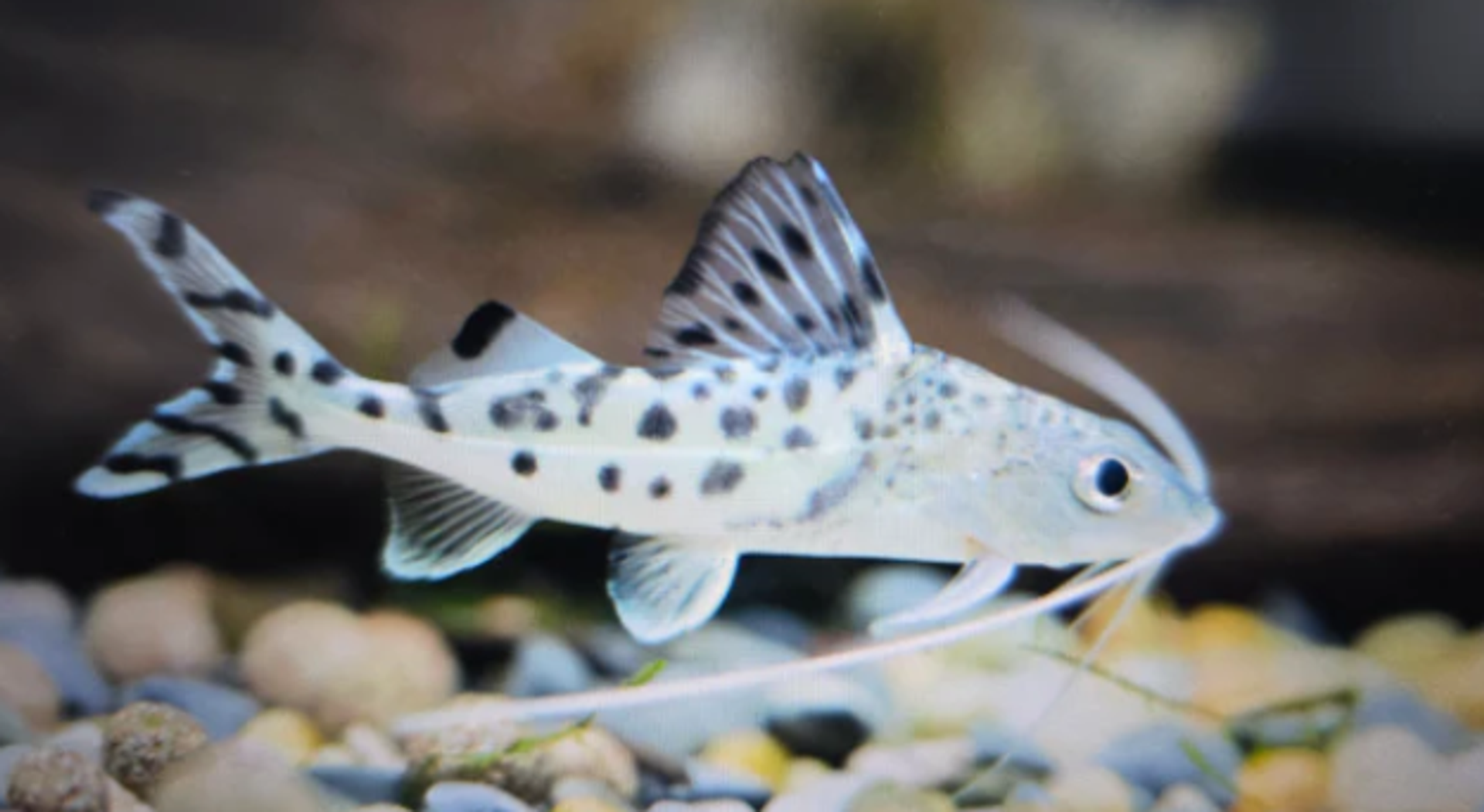
Pictus Catfish (5-6cm)
SGD 13.75
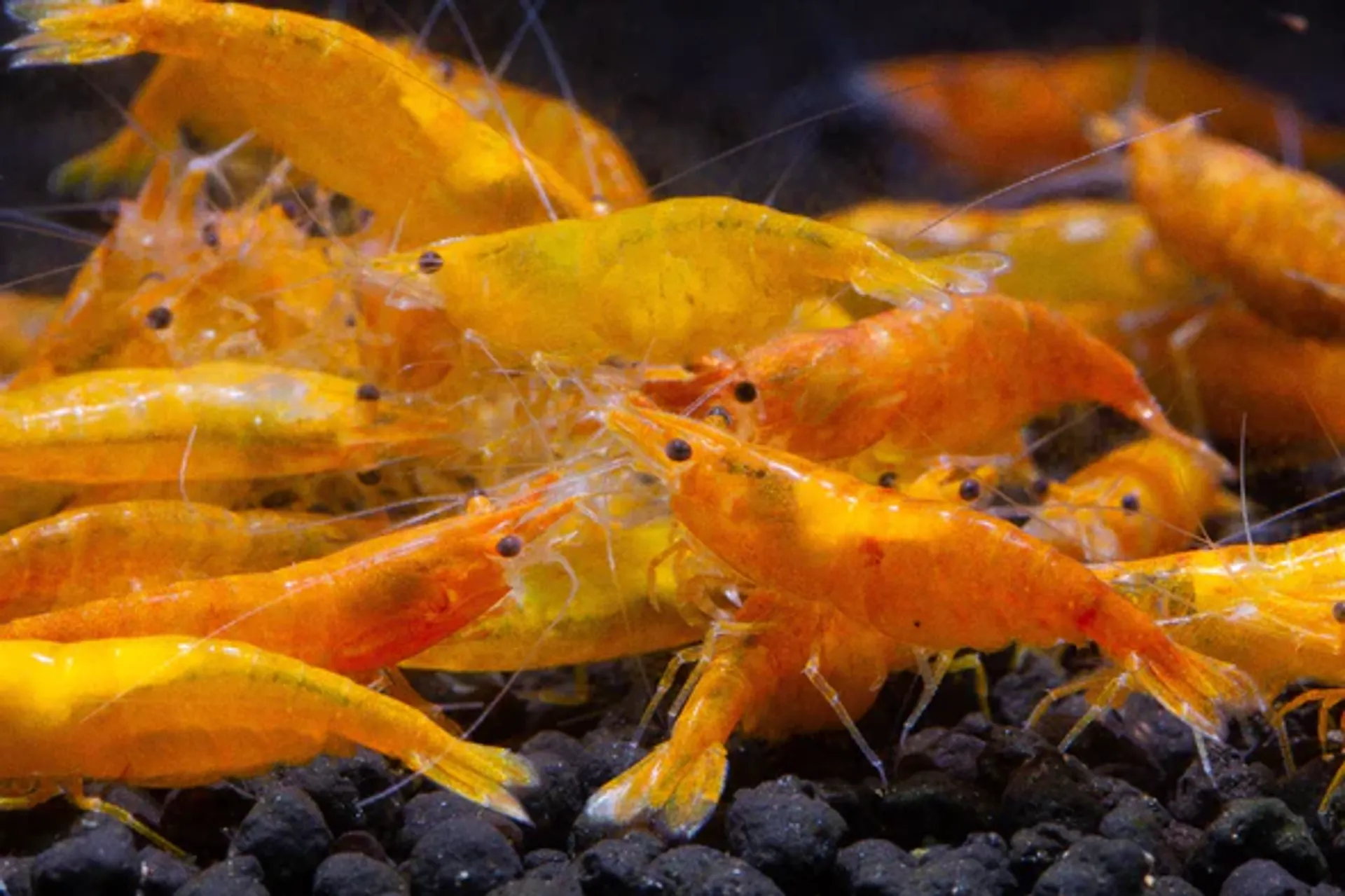
Sunkist Shrimp (Neocaridina Davidi sp. Sunkist)
SGD 1.00
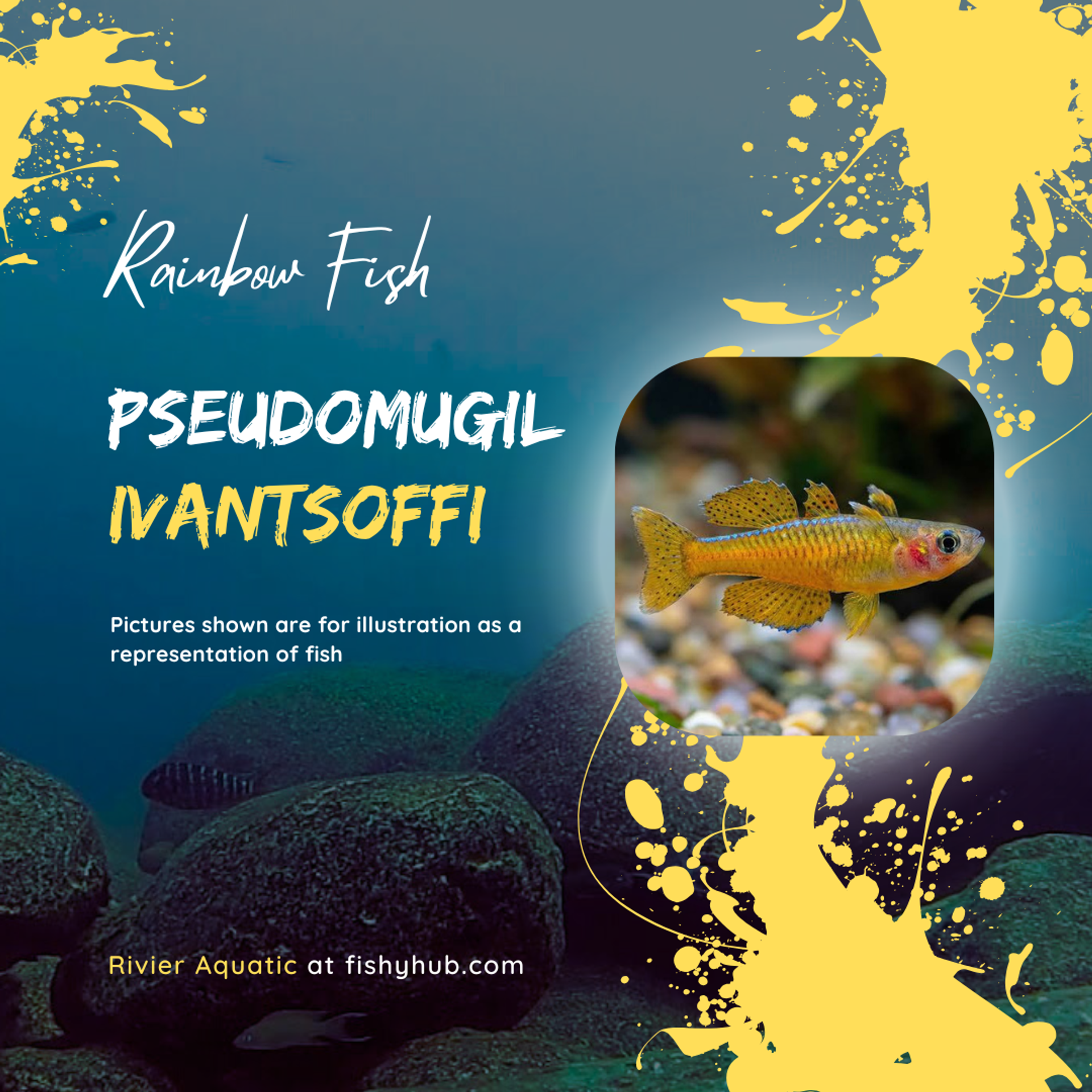
Red-Finned Blue Eye Rainbowfish (Pseudomugil ivantsoffi)
SGD 43.00
Guppy black moscow
SGD 30.00
Lukher Cory (corydoras Luk her(SF1960))
SGD 42.00
Baby Albino Bristlenose Pleco
SGD 3.00
Similar Guppies You May Like
Guppy (Albino full red big dor..
SGD 105.00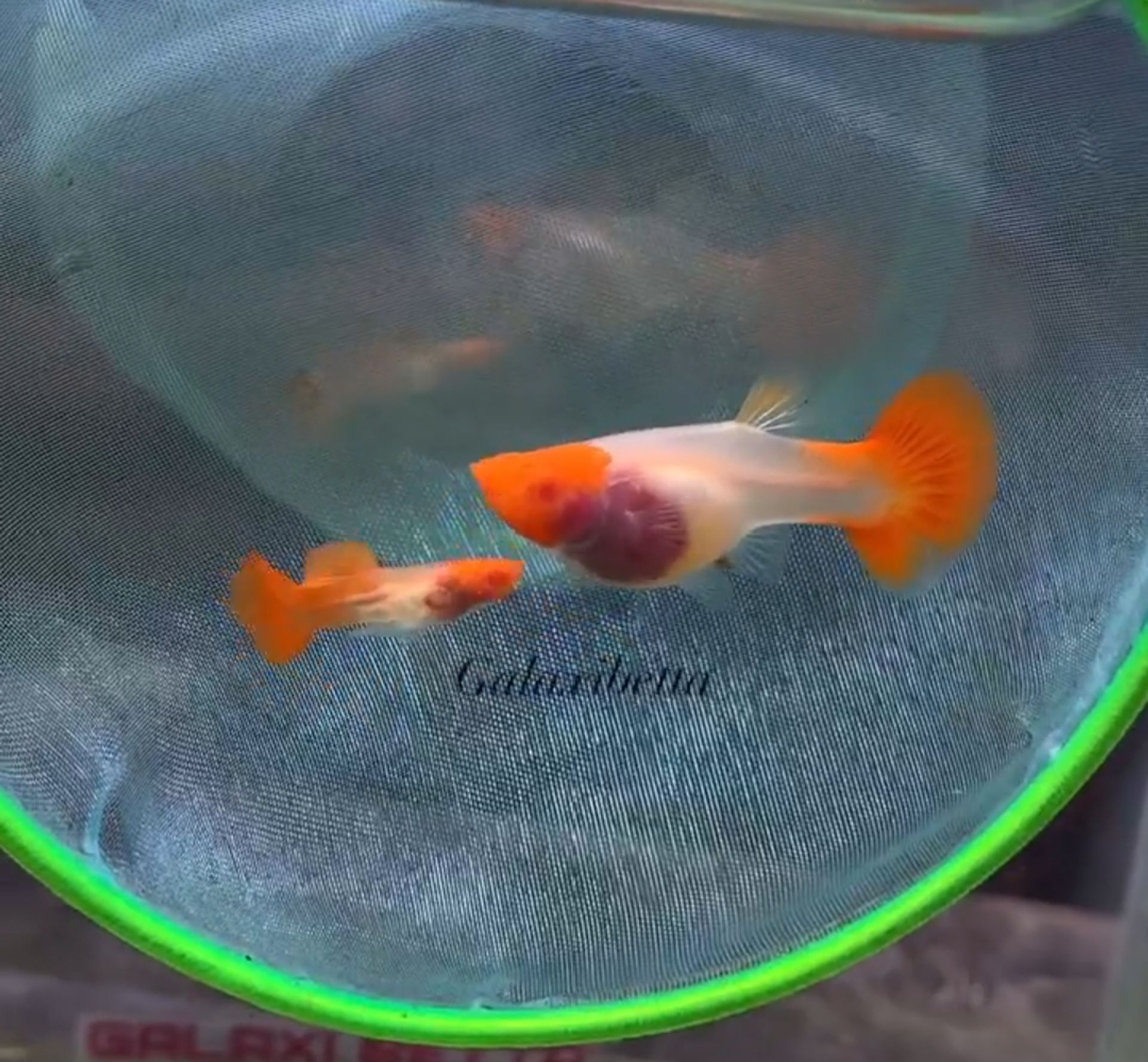
Guppy (Albino Ss Glassbelly ko..
SGD 50.00
Guppy male endler blue neon 2c..
SGD 1.65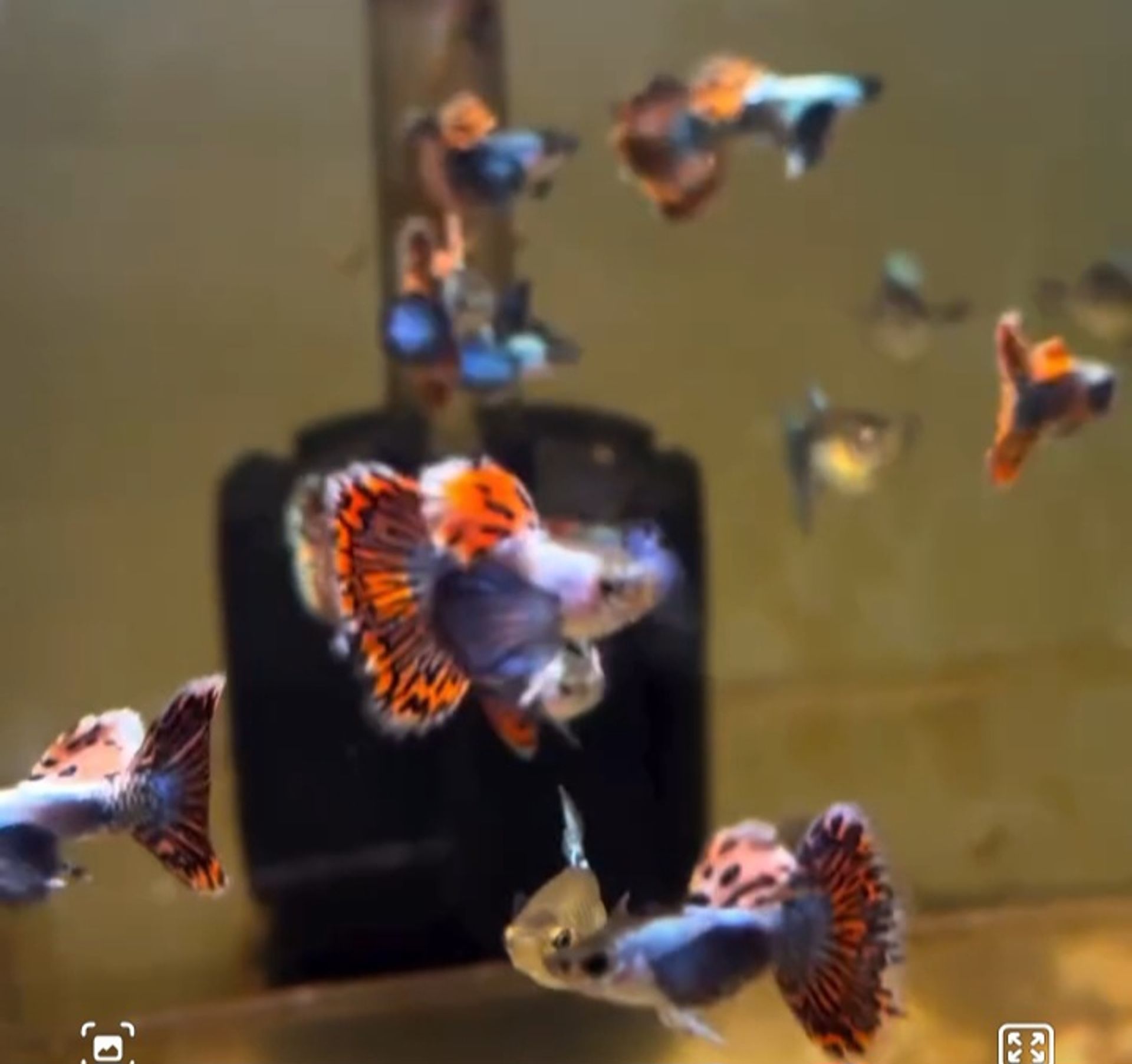
Dumbo Ear Guppy (Platinum Red ..
SGD 60.00
GUPPY ALBINO KOI RED EAR
SGD 59.00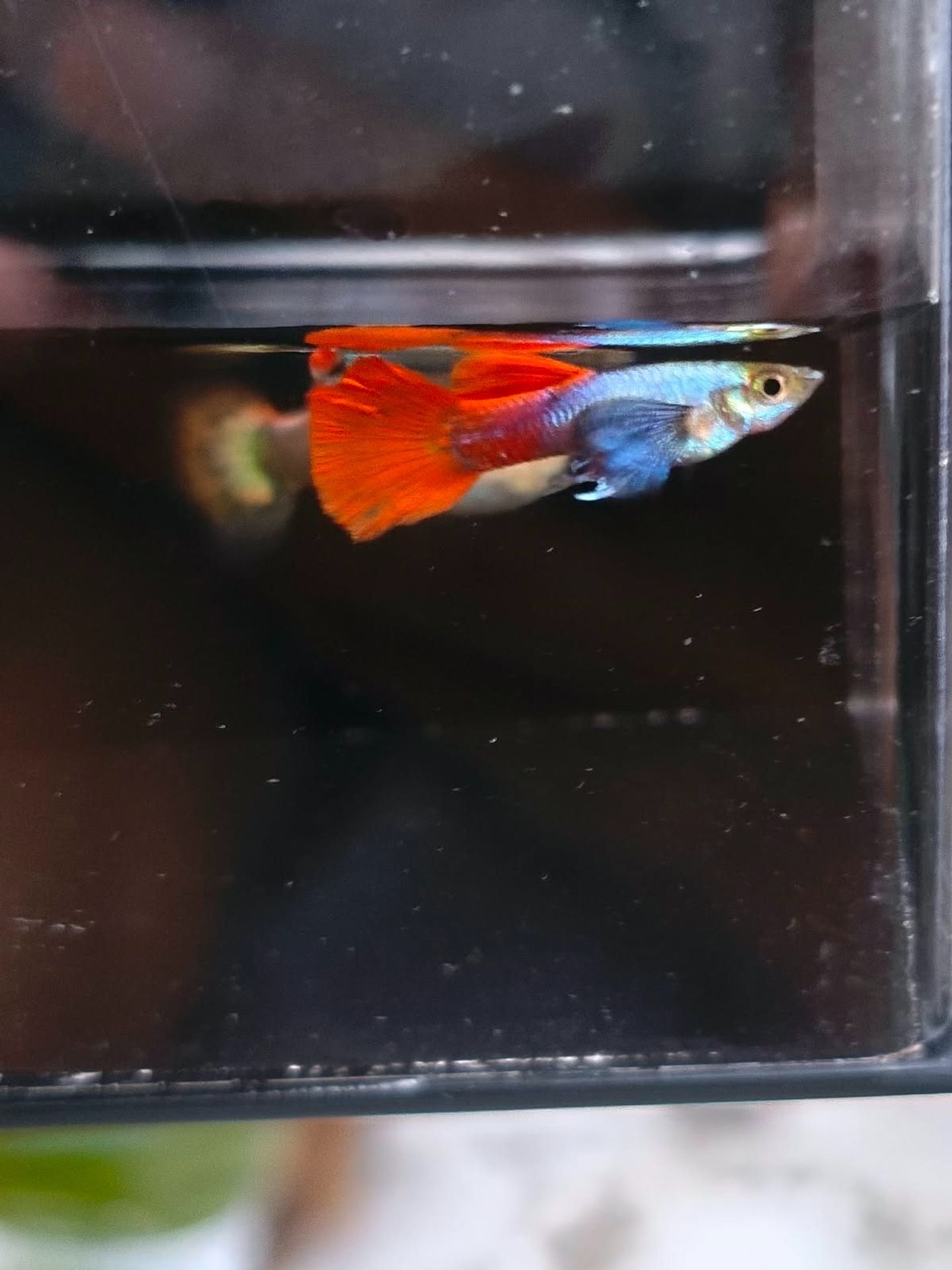
GUPPY PRTDE
SGD 45.00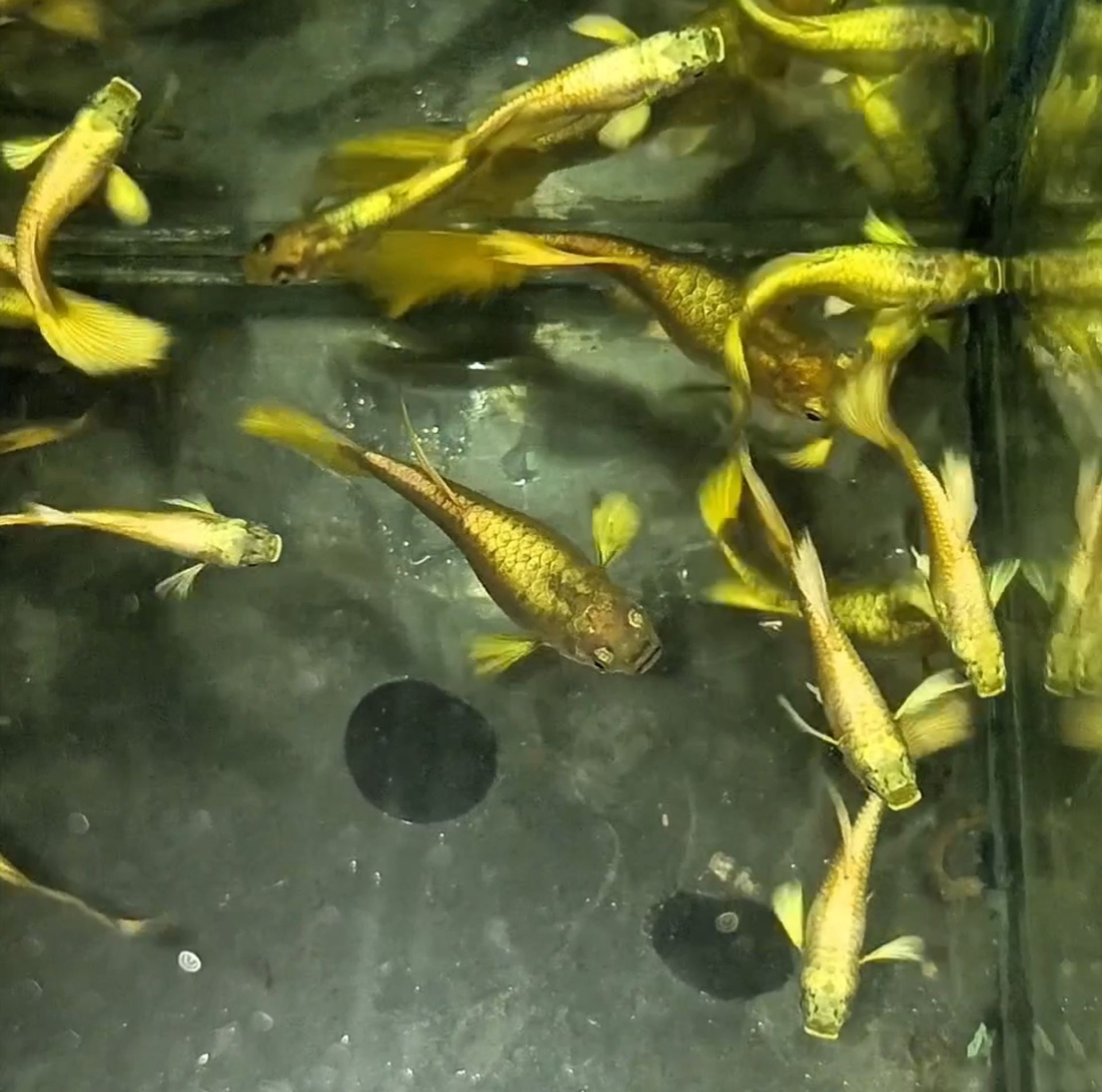
Higher Care Guppy full gold no..
SGD 60.00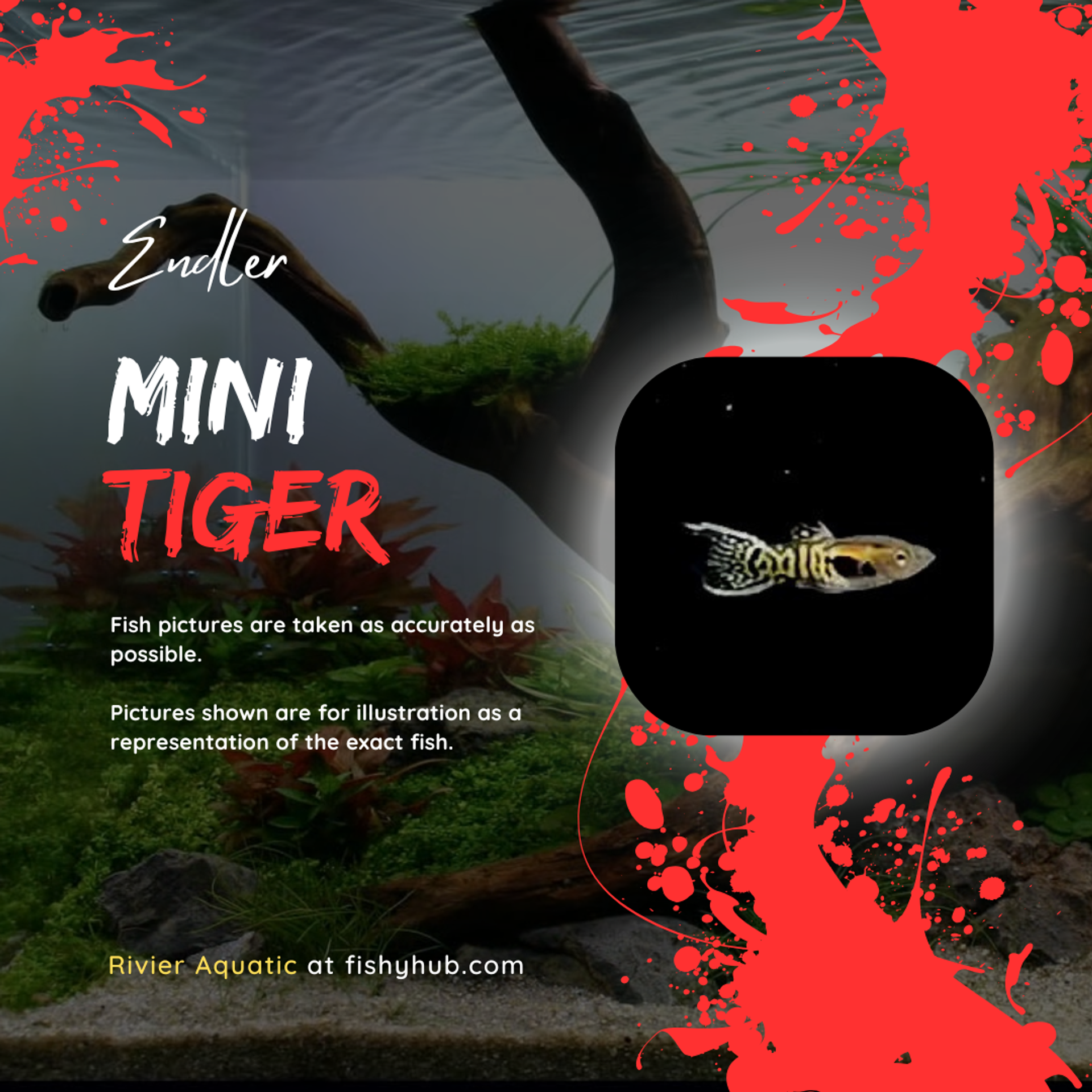
Endler Mini Tiger
SGD 30.00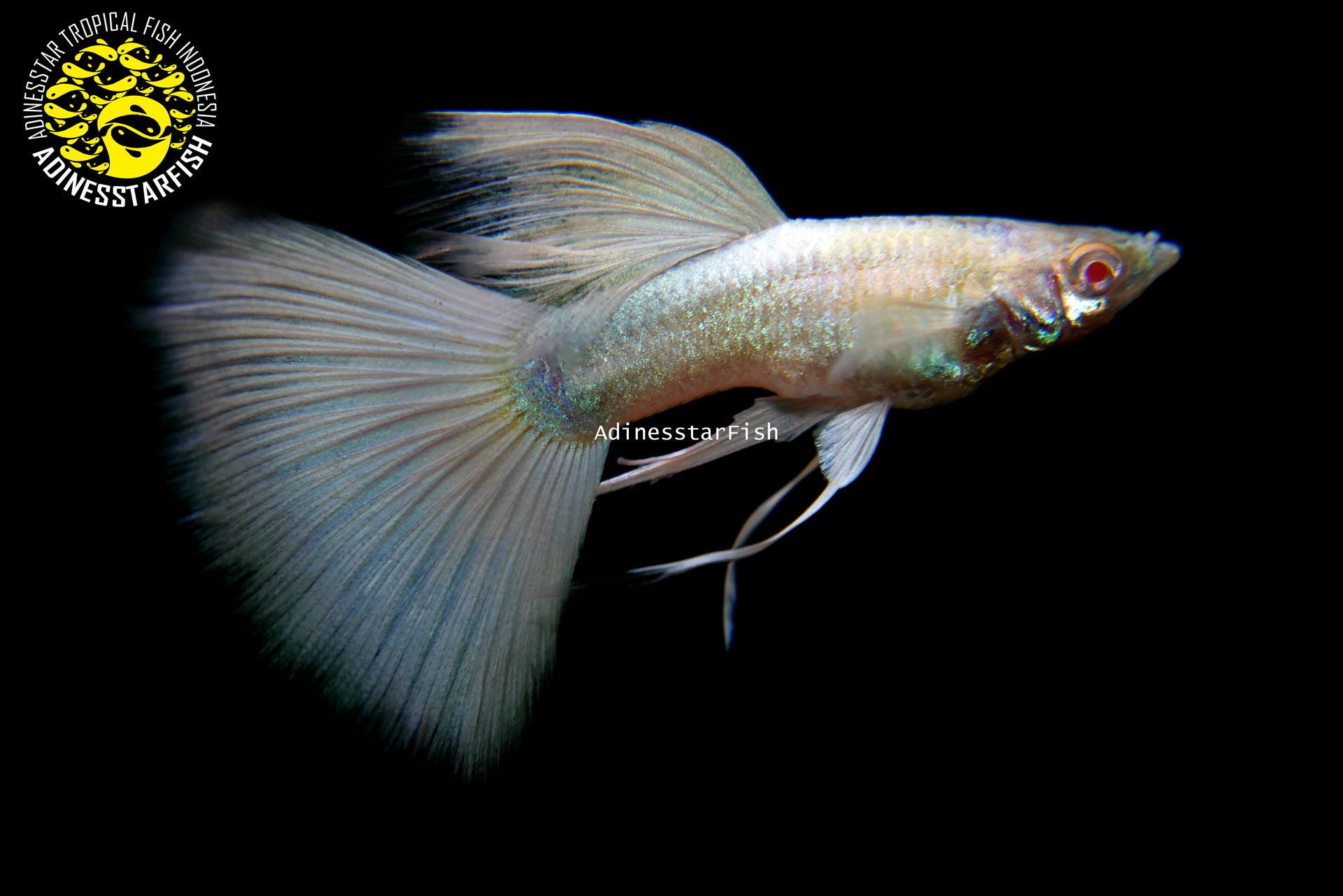
Guppy (Albino Full Platinum Ri..
SGD 55.00
Platinum dumbo ear guppy 3cm p..
SGD 9.90
Guppy (Blue dragon ribbon)
SGD 55.00
Guppy (Red Cobra delta tail ju..
SGD 105.00
Higher Care Guppy Black Moscow
SGD 45.00
Guppy (Alb HB Red Rose tail ju..
SGD 60.00
Panda Guppy
SGD 52.00
Guppy (Yellow lace glass belly..
SGD 86.00
Guppy (Albino full Red (AFR) )
SGD 27.00
Albino Pink Japan Guppy
SGD 48.00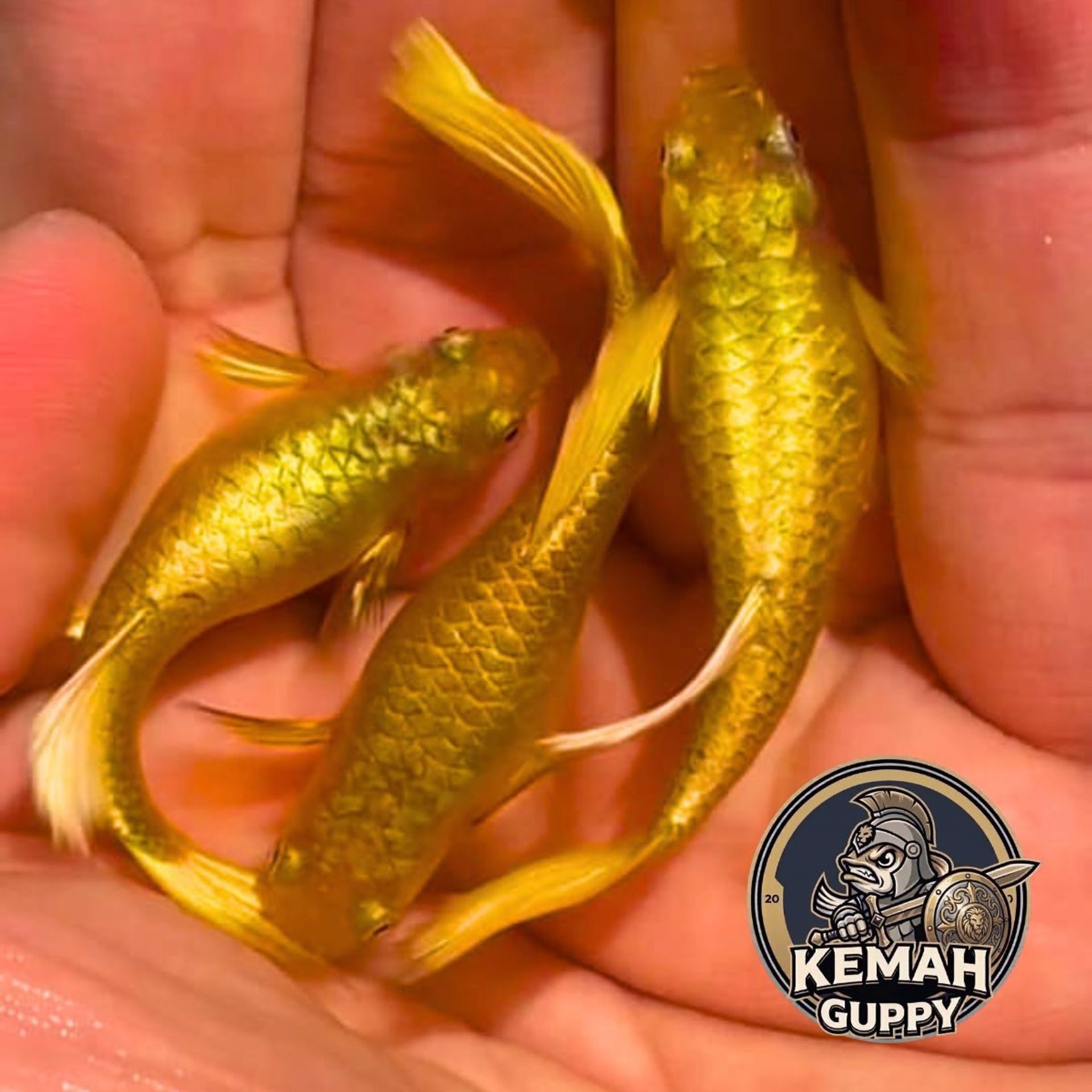
Guppy Fullgold (GUPPY FULL GOL..
SGD 44.00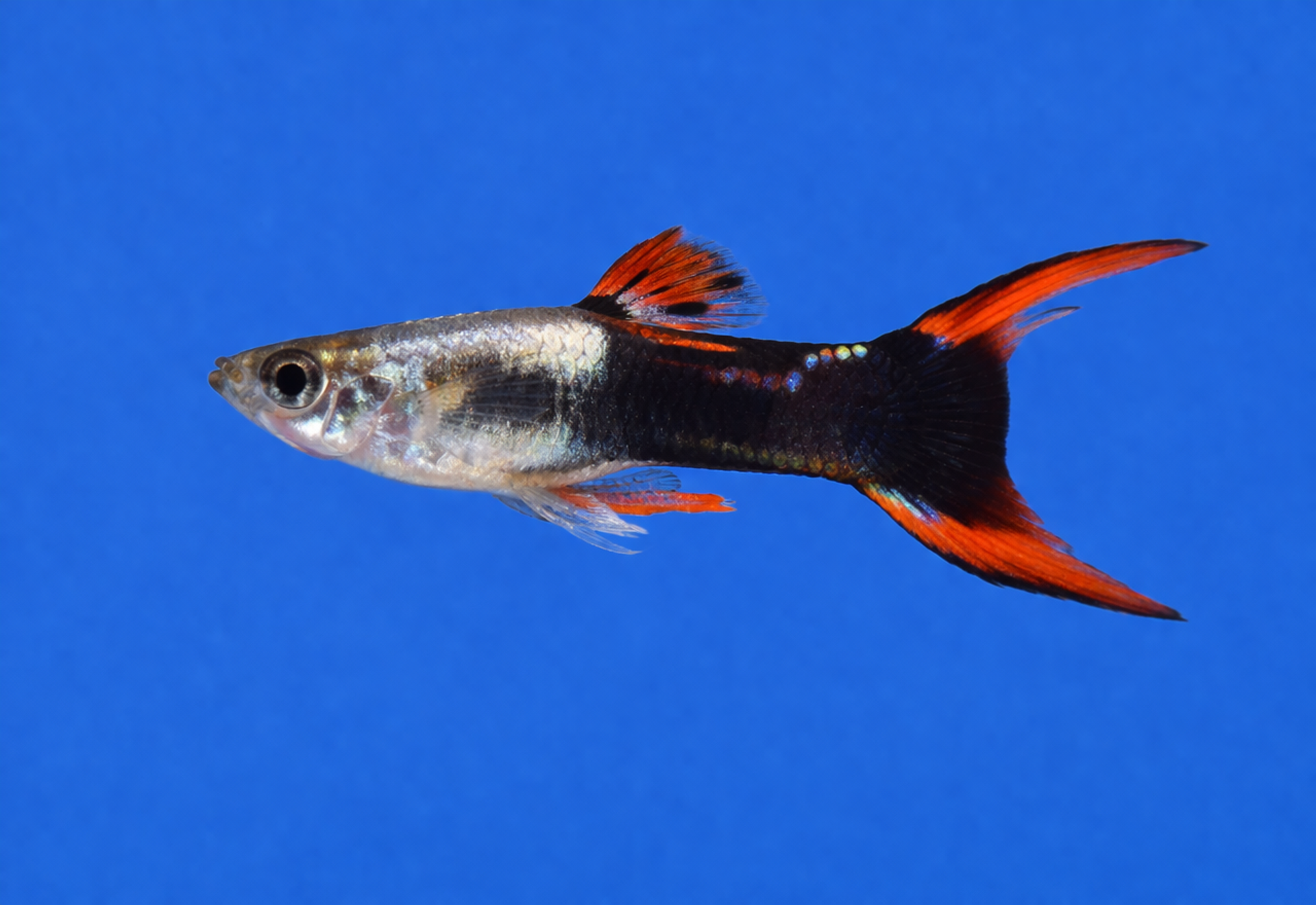
Metallic Silver Tuxedo Guppy
SGD 2.00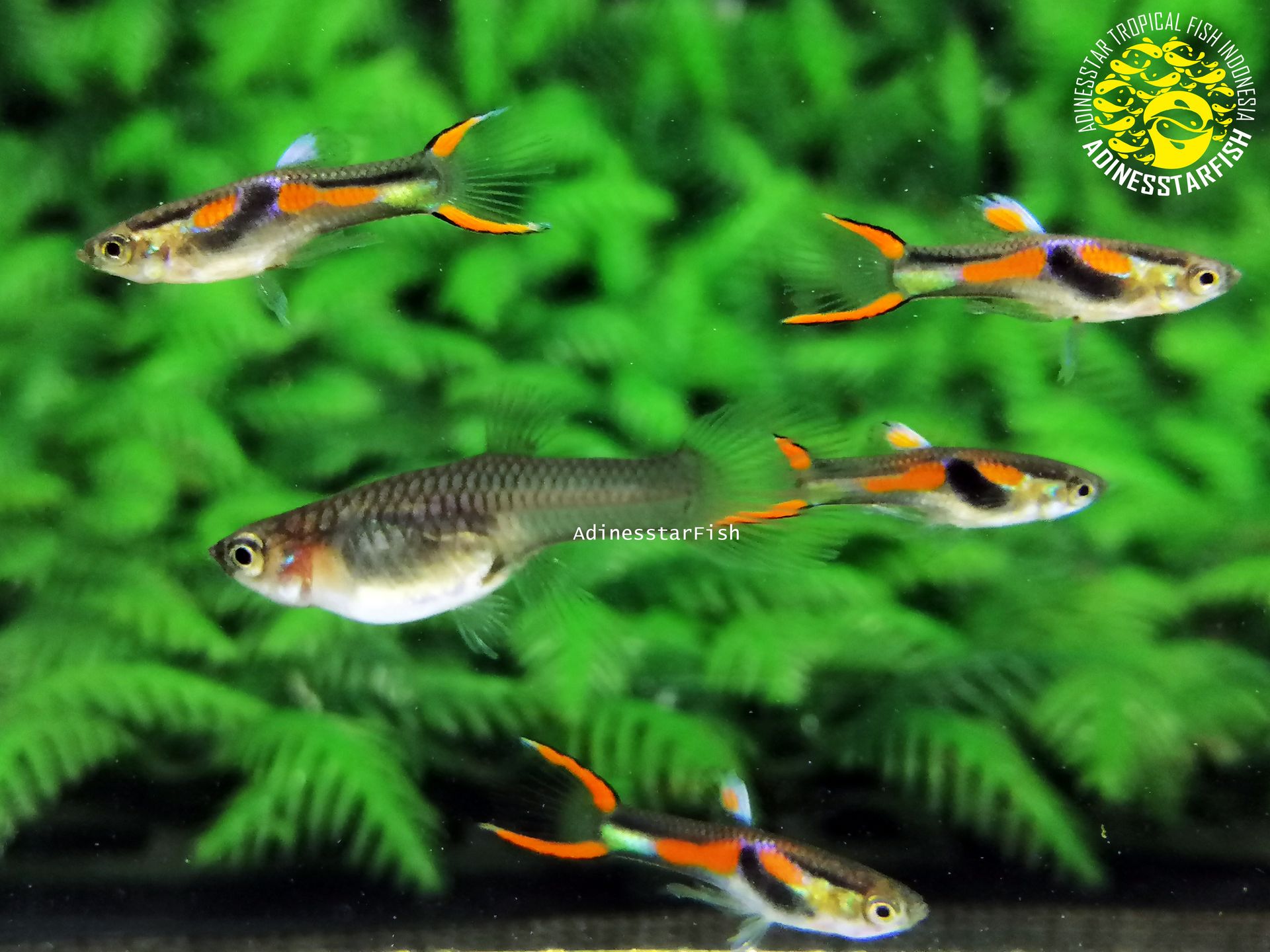
Endler Black Bar Hybrid
SGD 45.00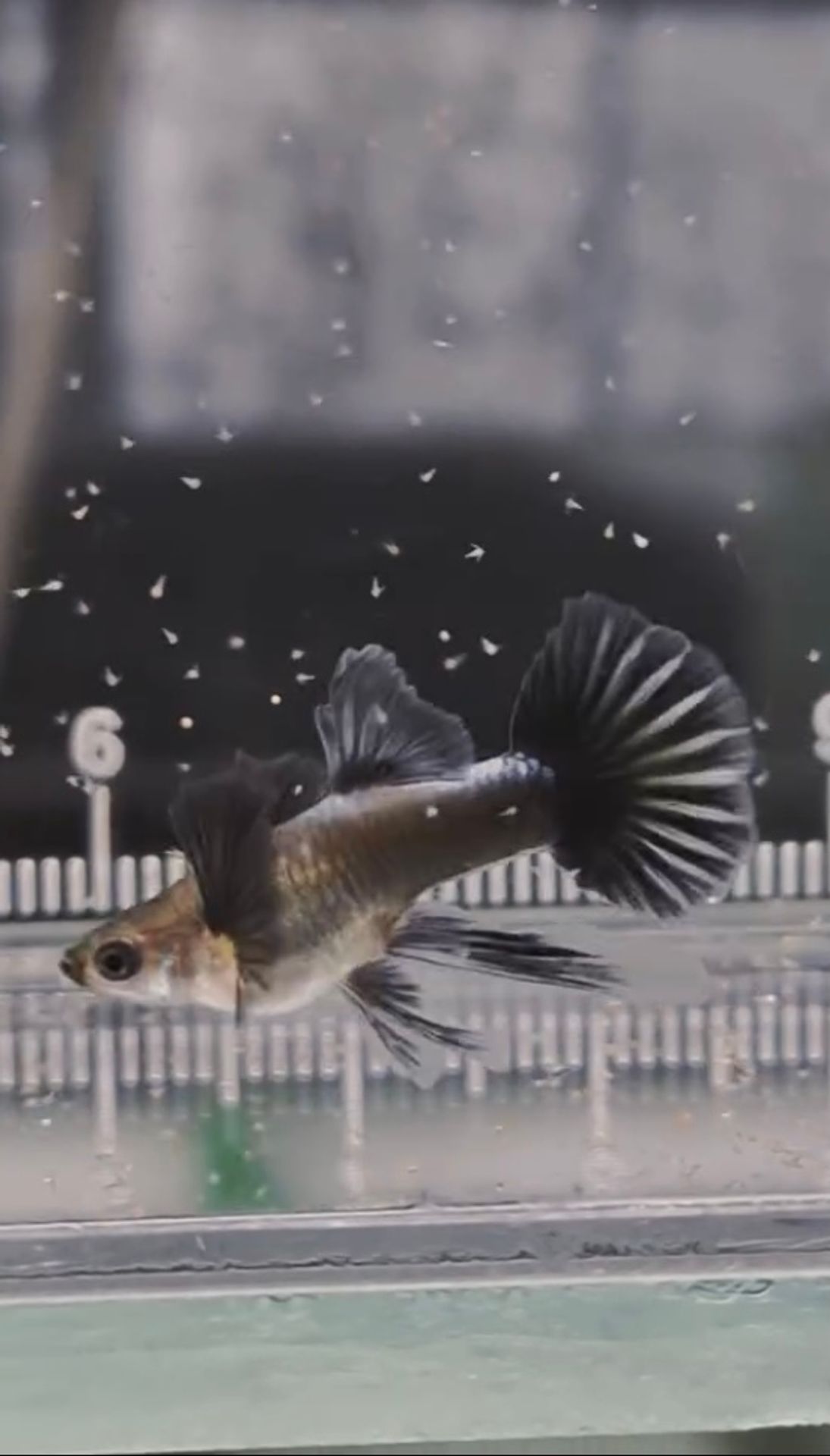
Guppy (Ivory ribon)
SGD 75.00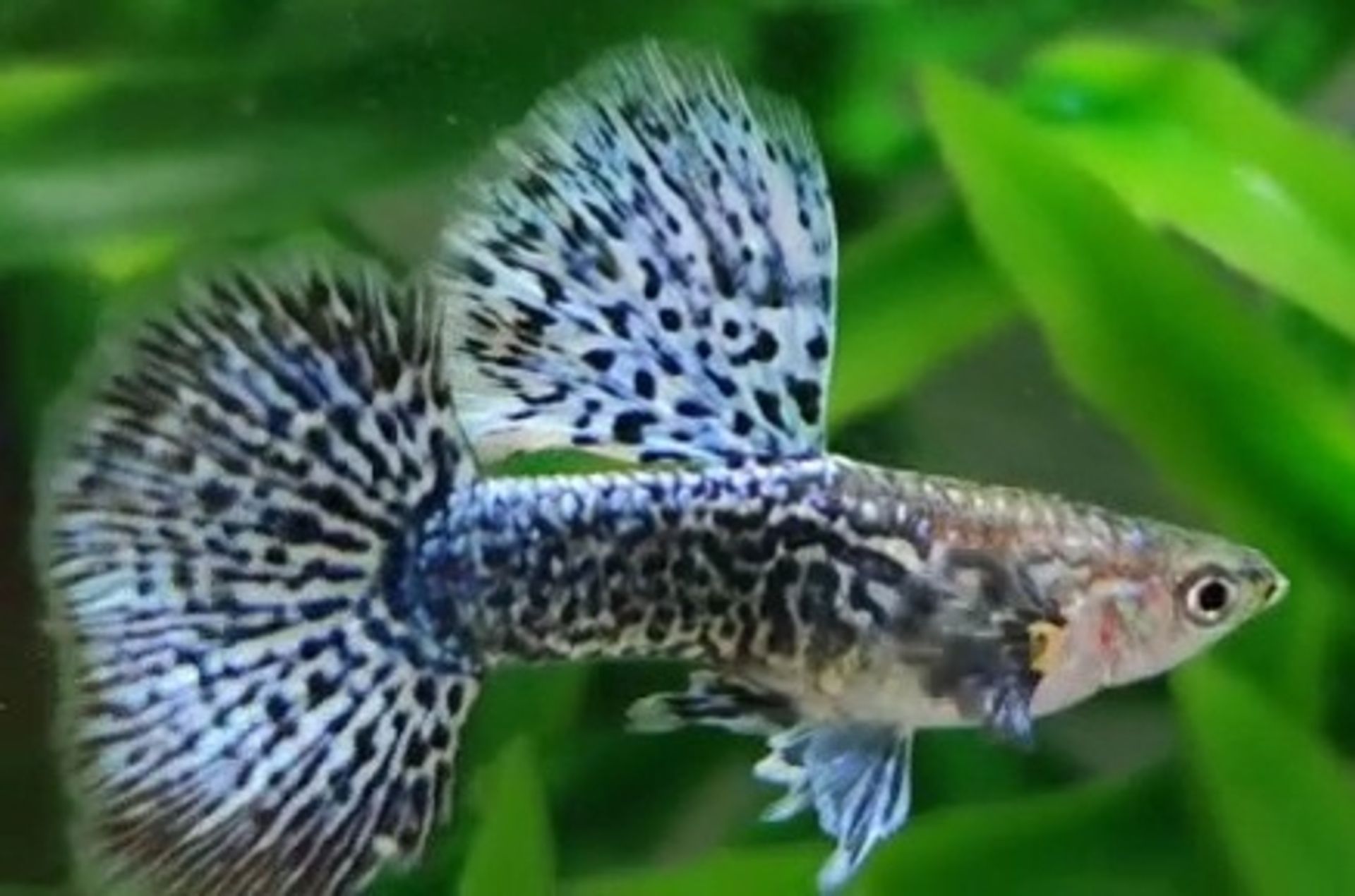
Guppy Blue Dragon
SGD 25.00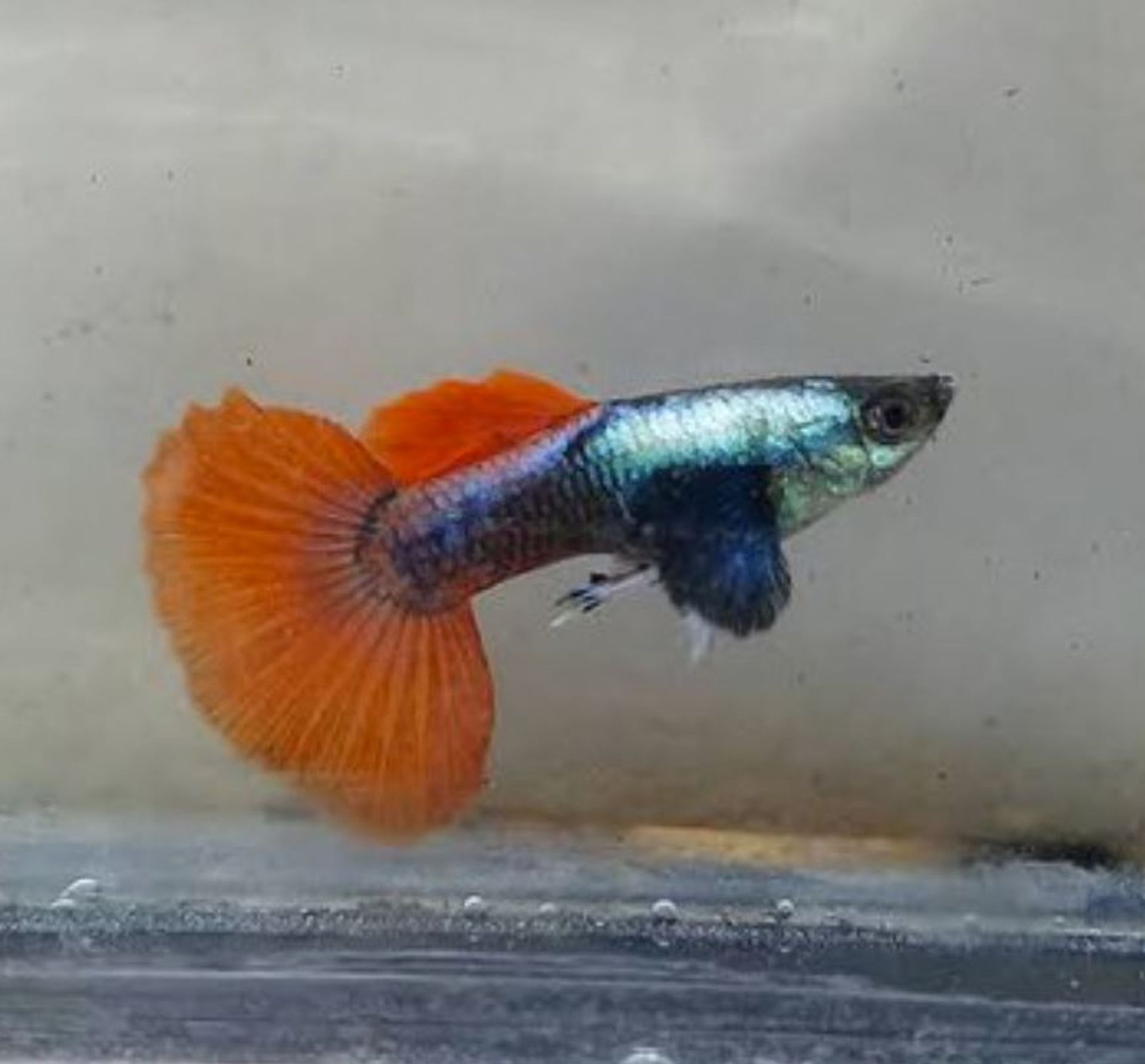
Platinum Red Tail Dumbo Ear Gu..
SGD 35.00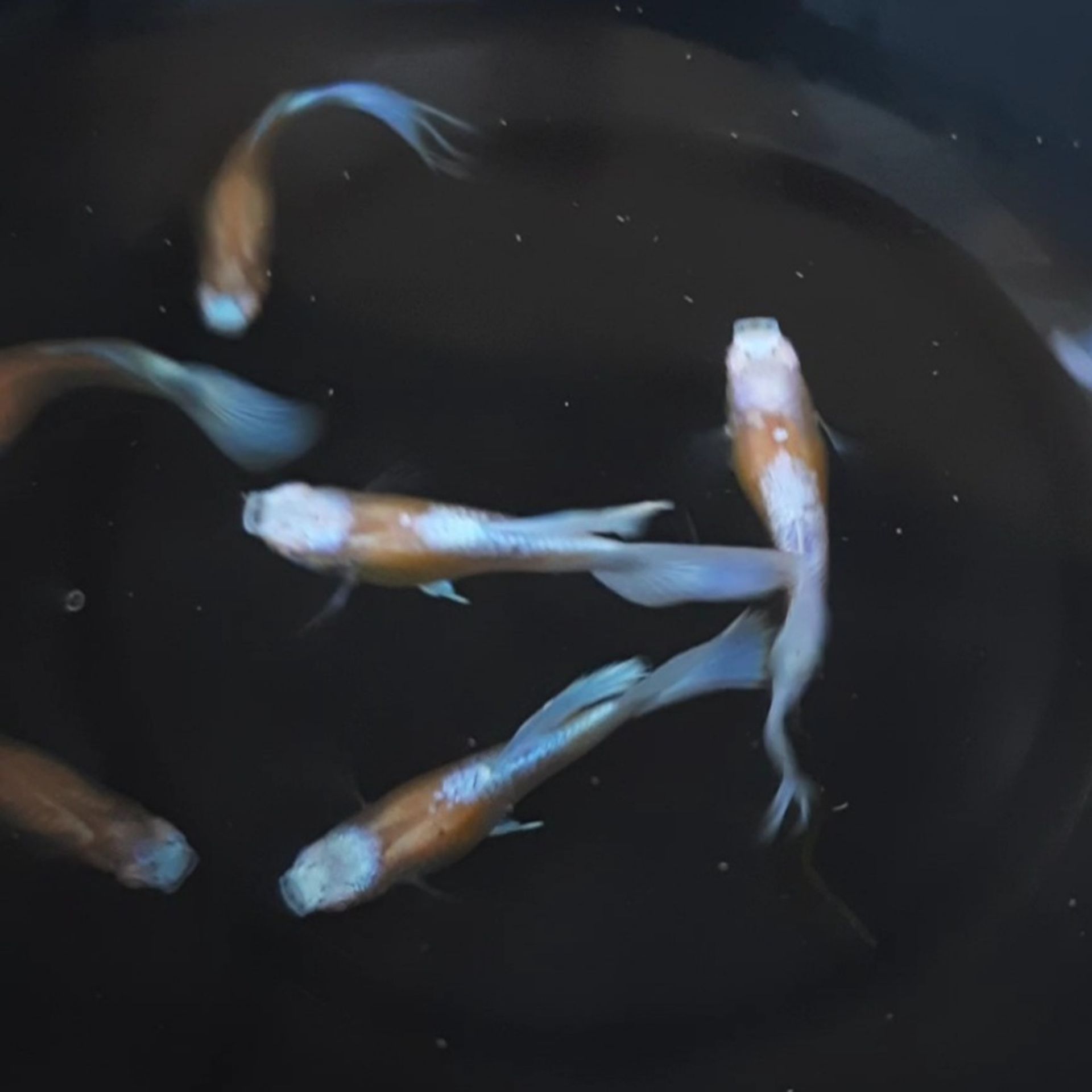
Guppy Albino Blue Koi
SGD 30.00
GUPPY BLACK MOSKOW
SGD 50.00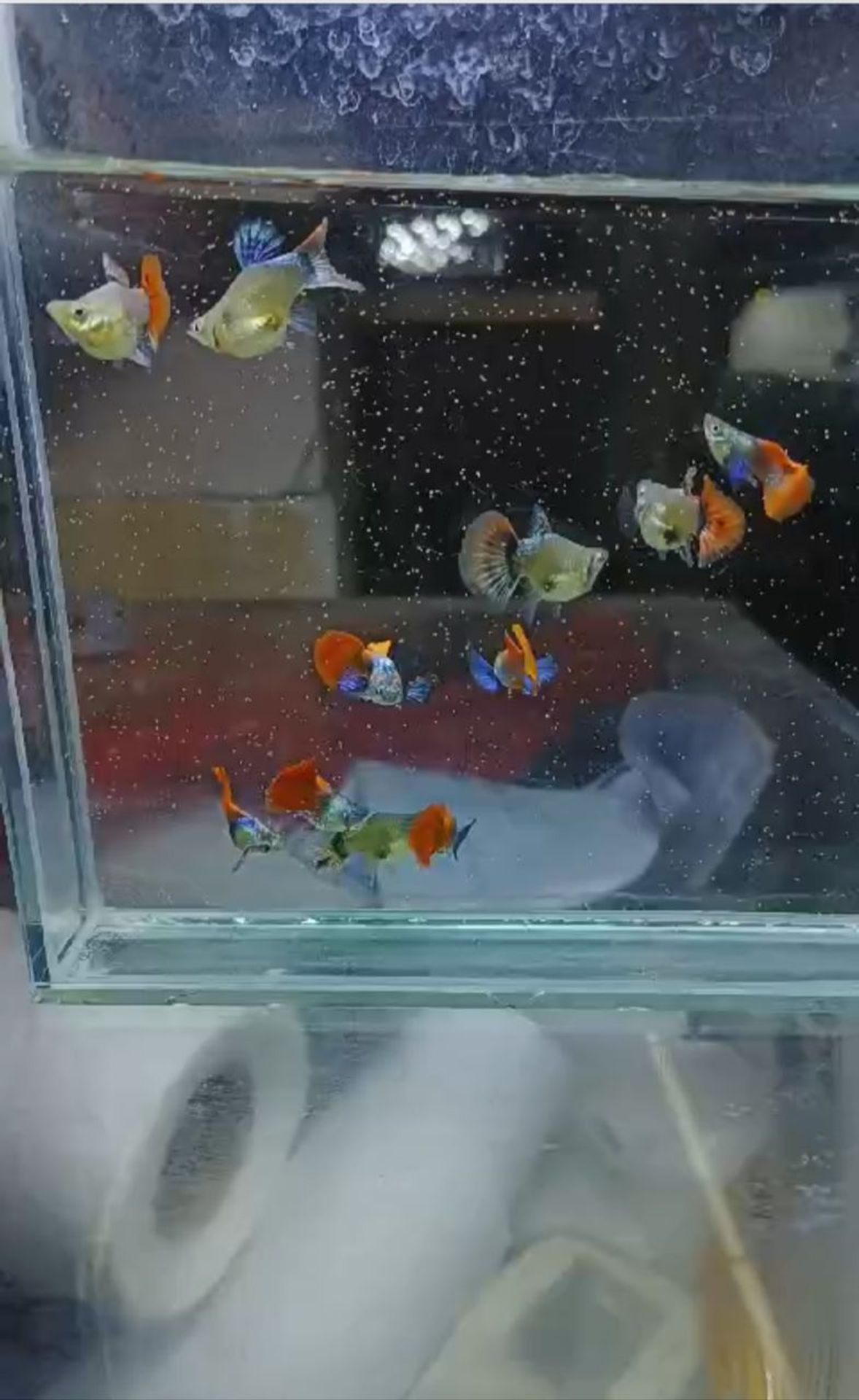
Big ear red tail super short b..
SGD 46.00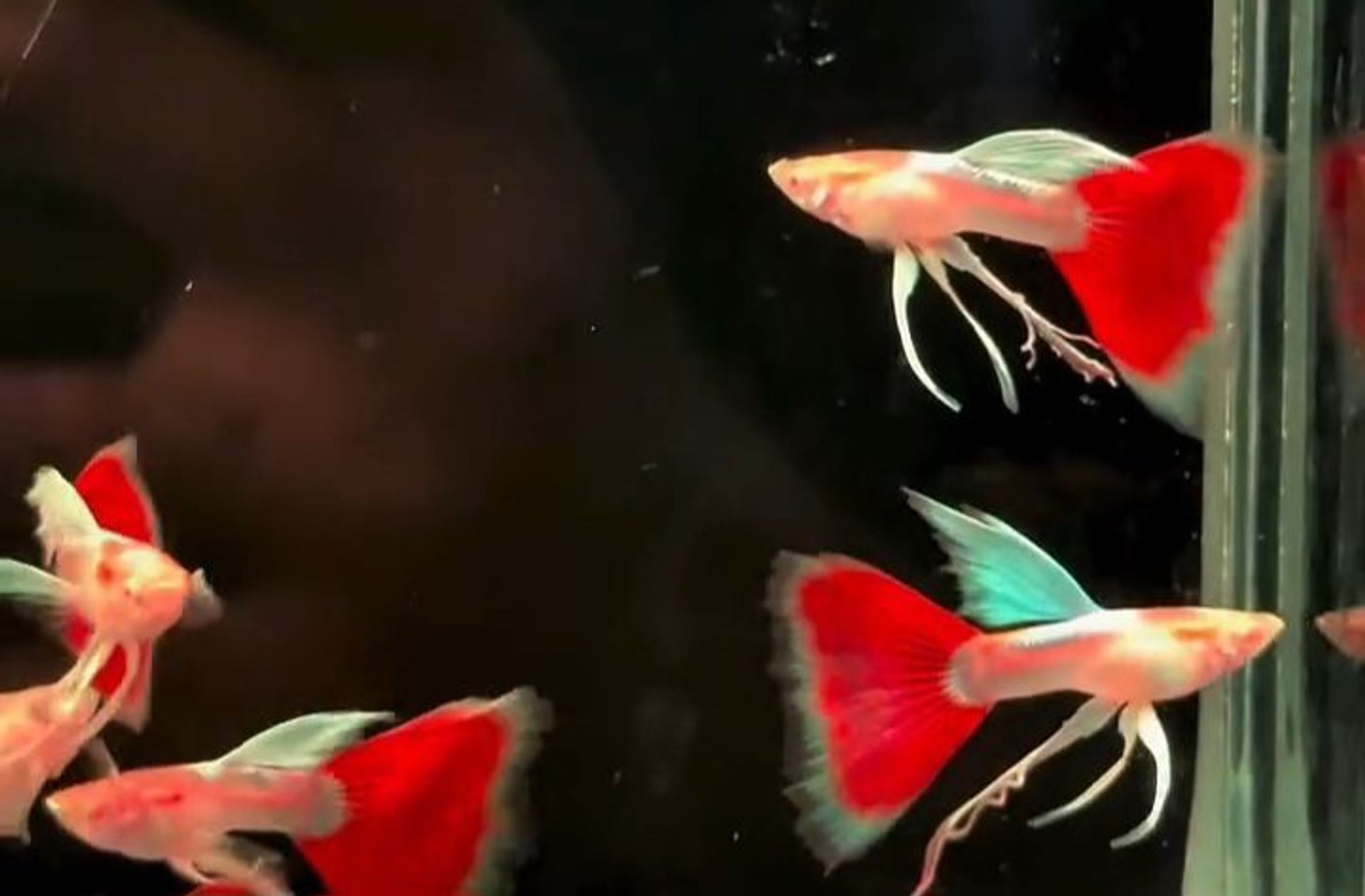
Guppy (Albino Sky Ribbon Fin C..
SGD 50.00
Assorted Endlers Guppy 2cm
SGD 1.21
GUPPY BLUE DIAMOND
SGD 6.00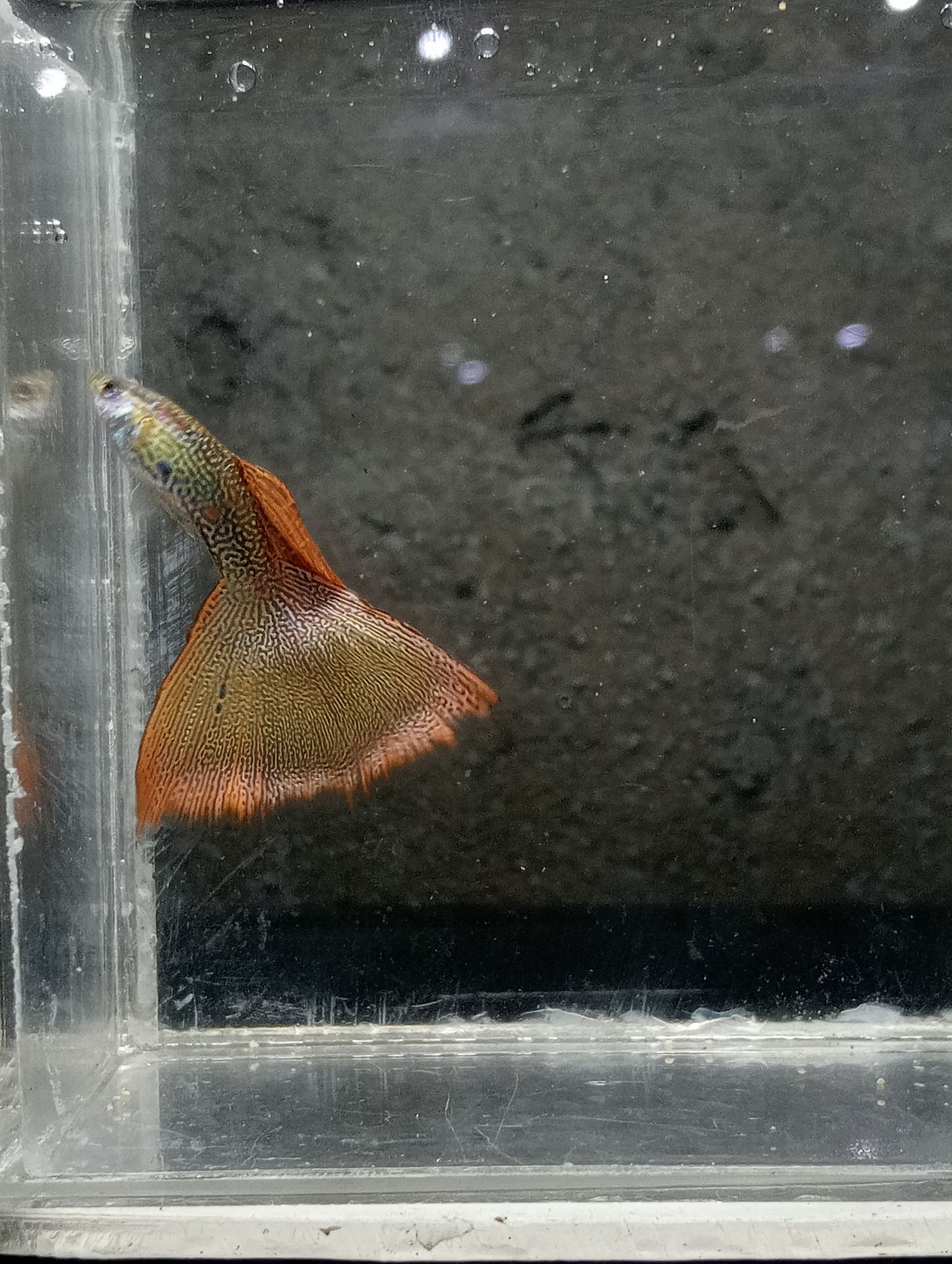
Guppy (Red Lace)
SGD 55.00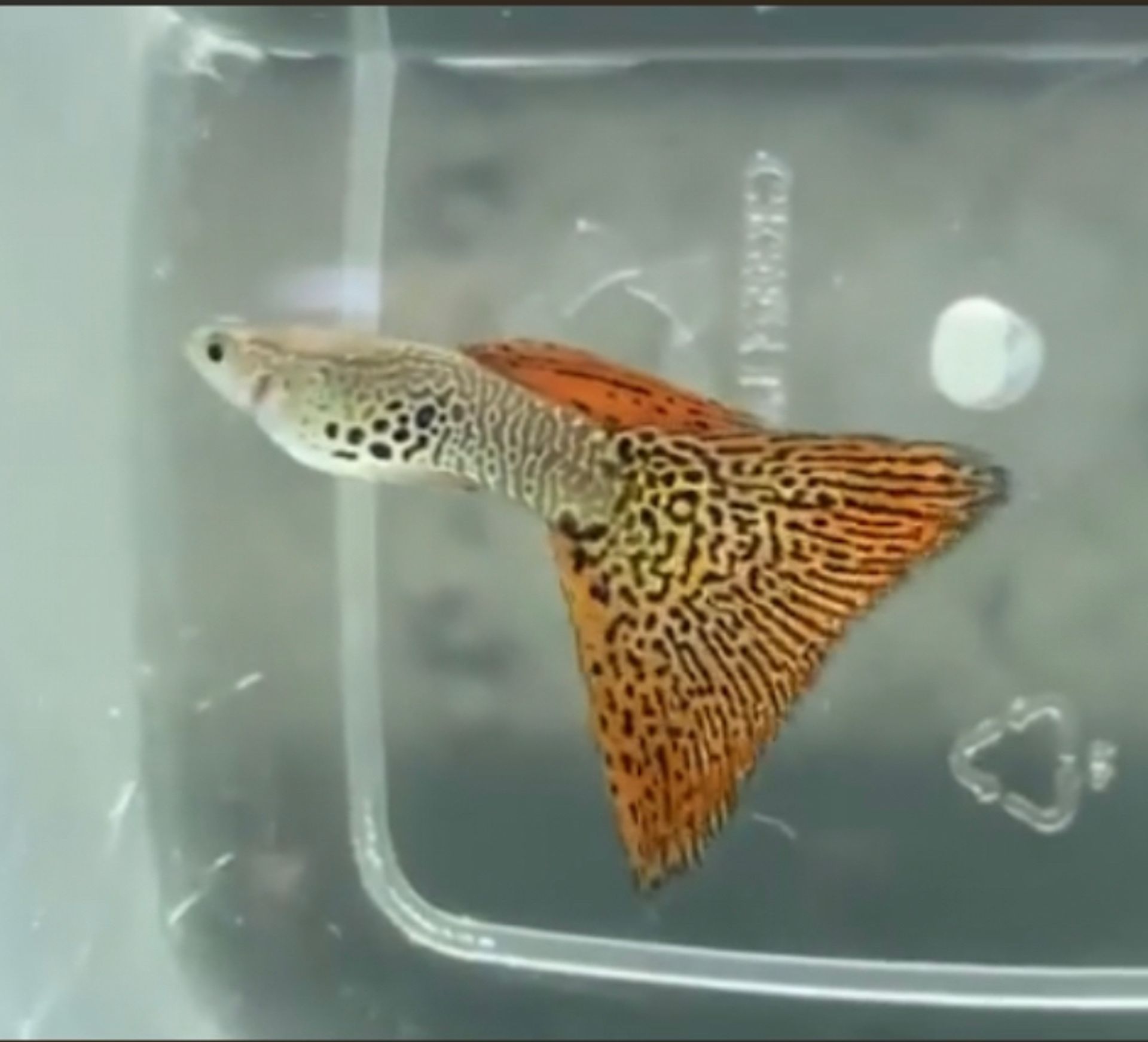
Guppy (Red Cobra Major Delta T..
SGD 255.00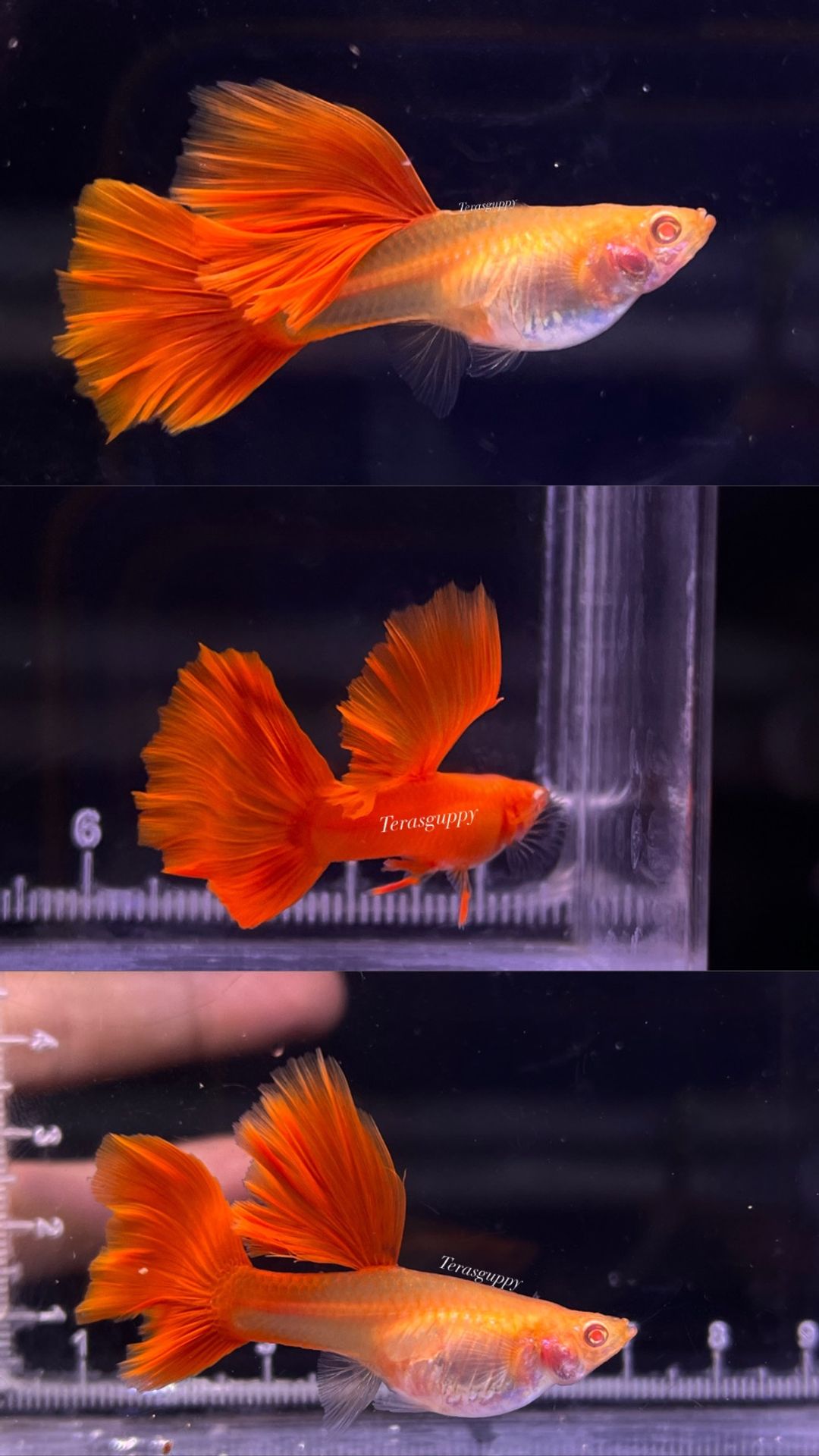
Guppy (Albino Full Red Big Dor..
SGD 50.00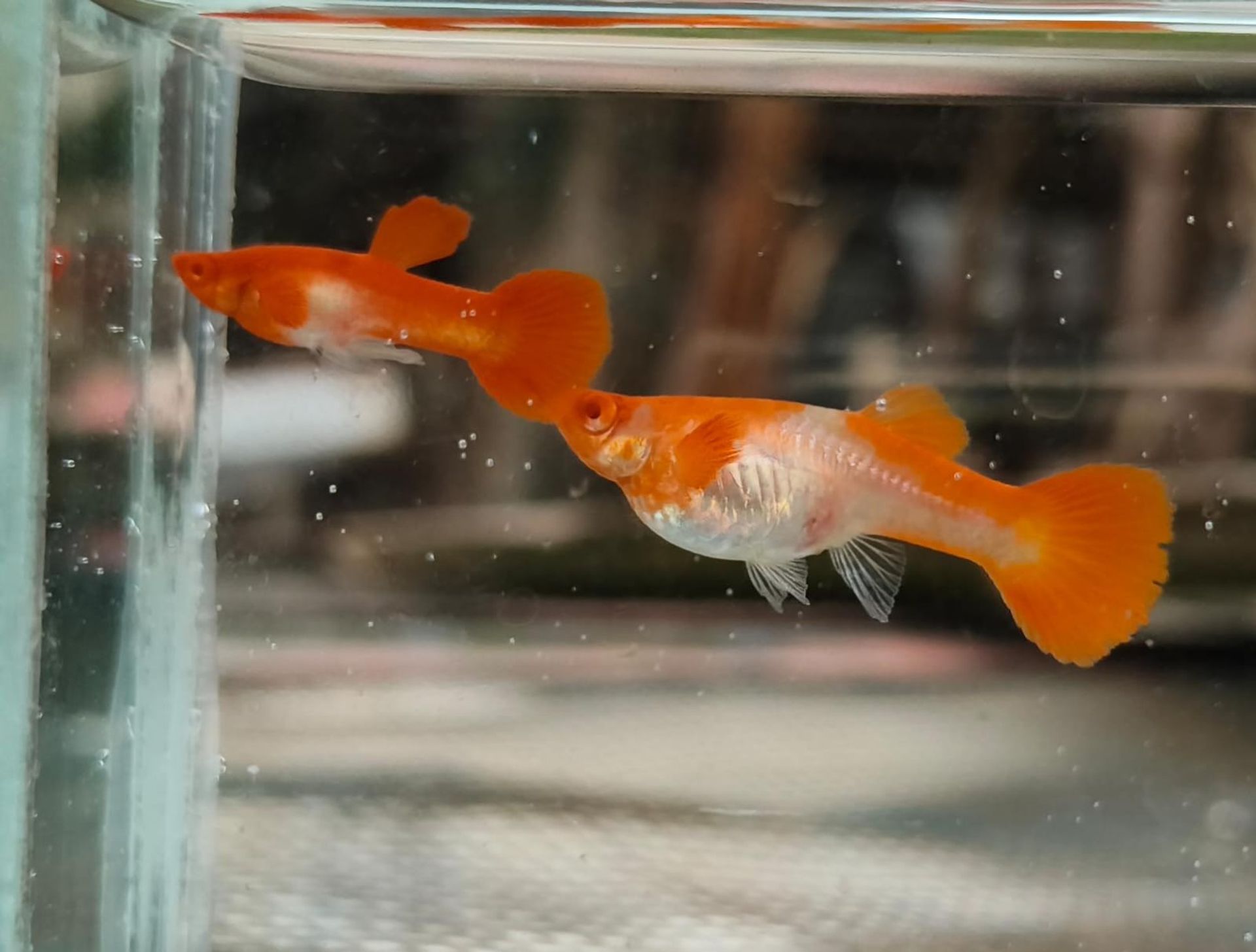
Albino koi red ear Guppy Pair
SGD 22.00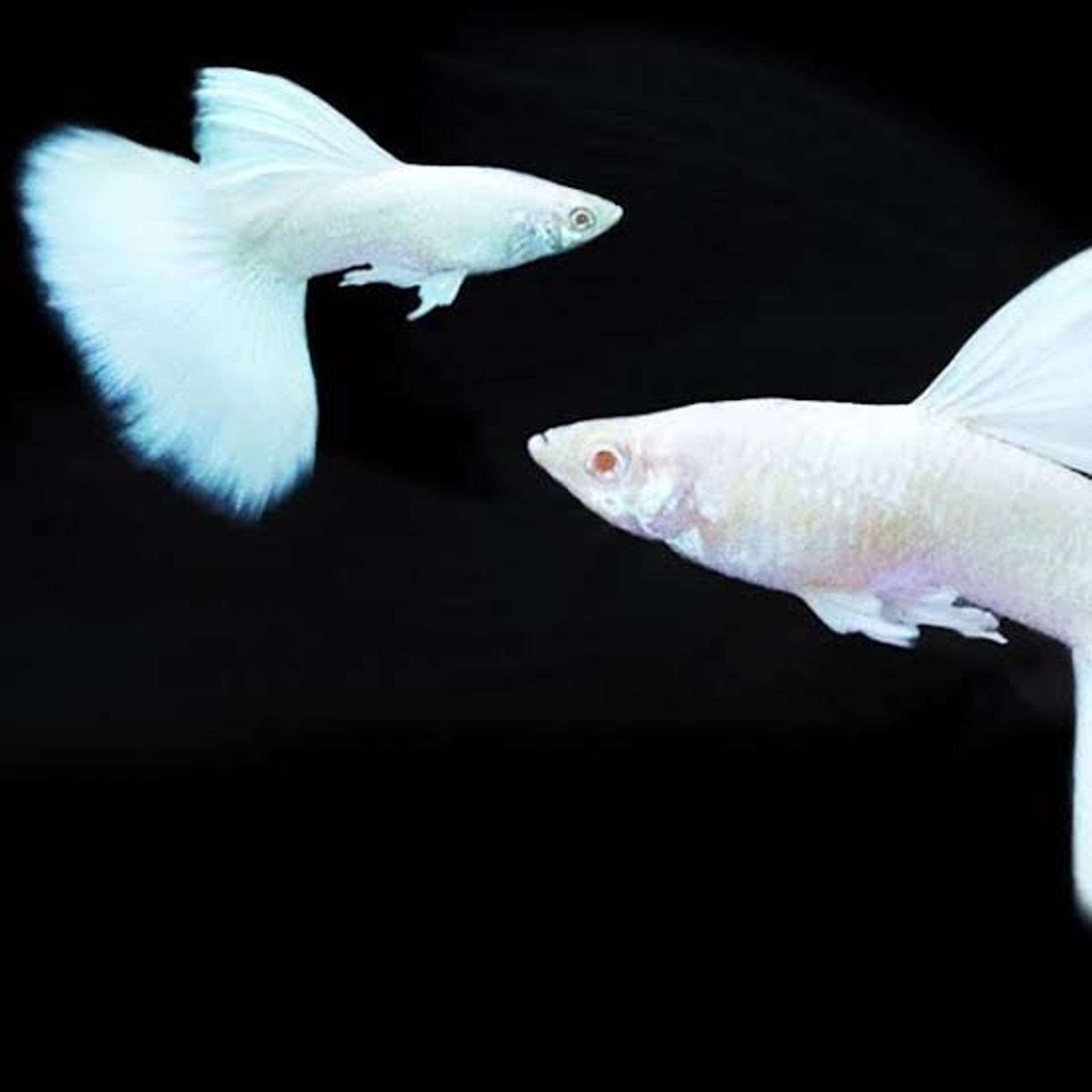
Albino Full Platinum Ribbon Gu..
SGD 54.00
Guppy (Koi super red)
SGD 66.00
Endler Silverado Black Flame
SGD 30.00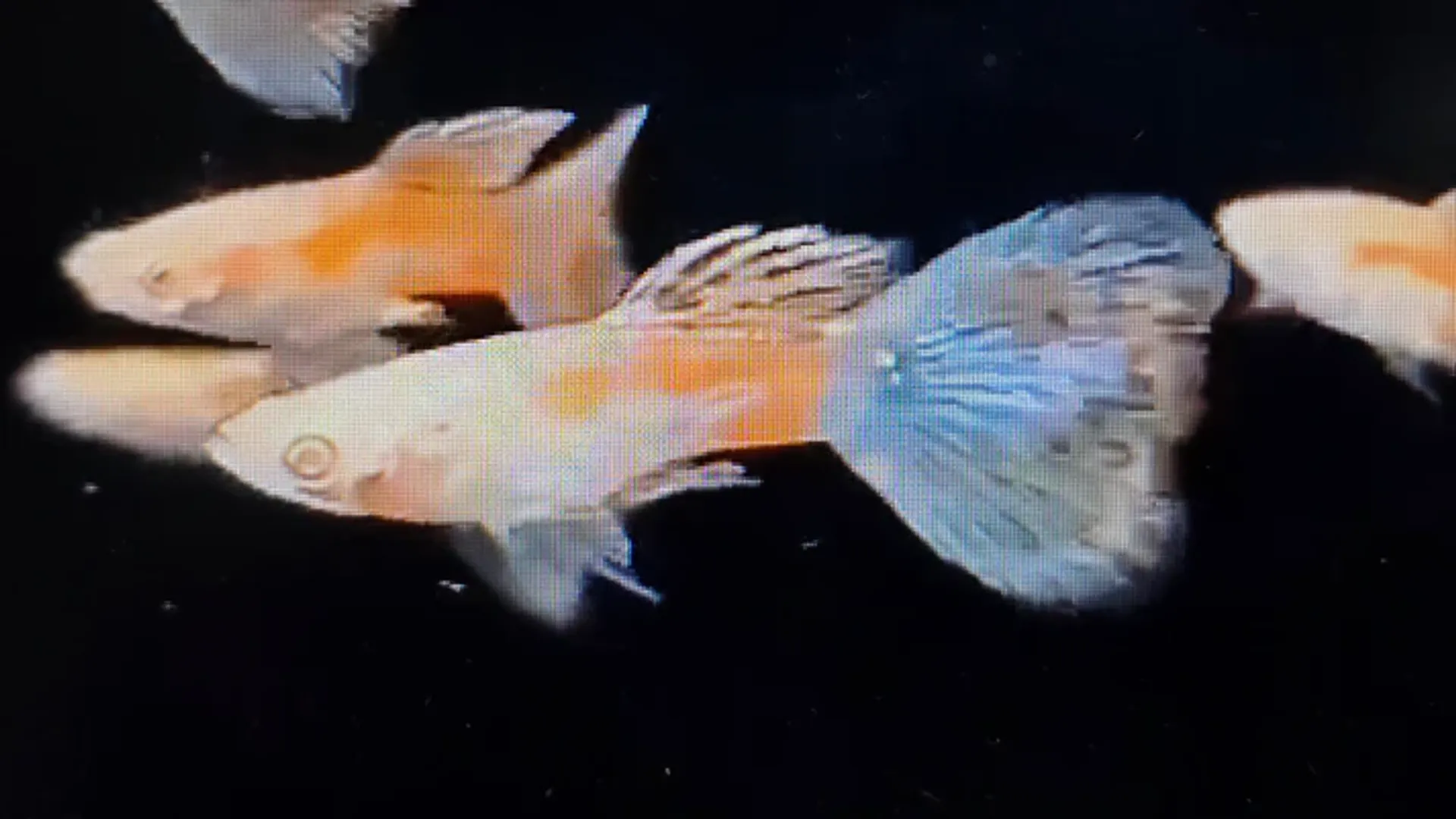
Albino pink grass guppy Pair 2..
SGD 13.20Endler Santa Maria
SGD 30.00