FishyHub
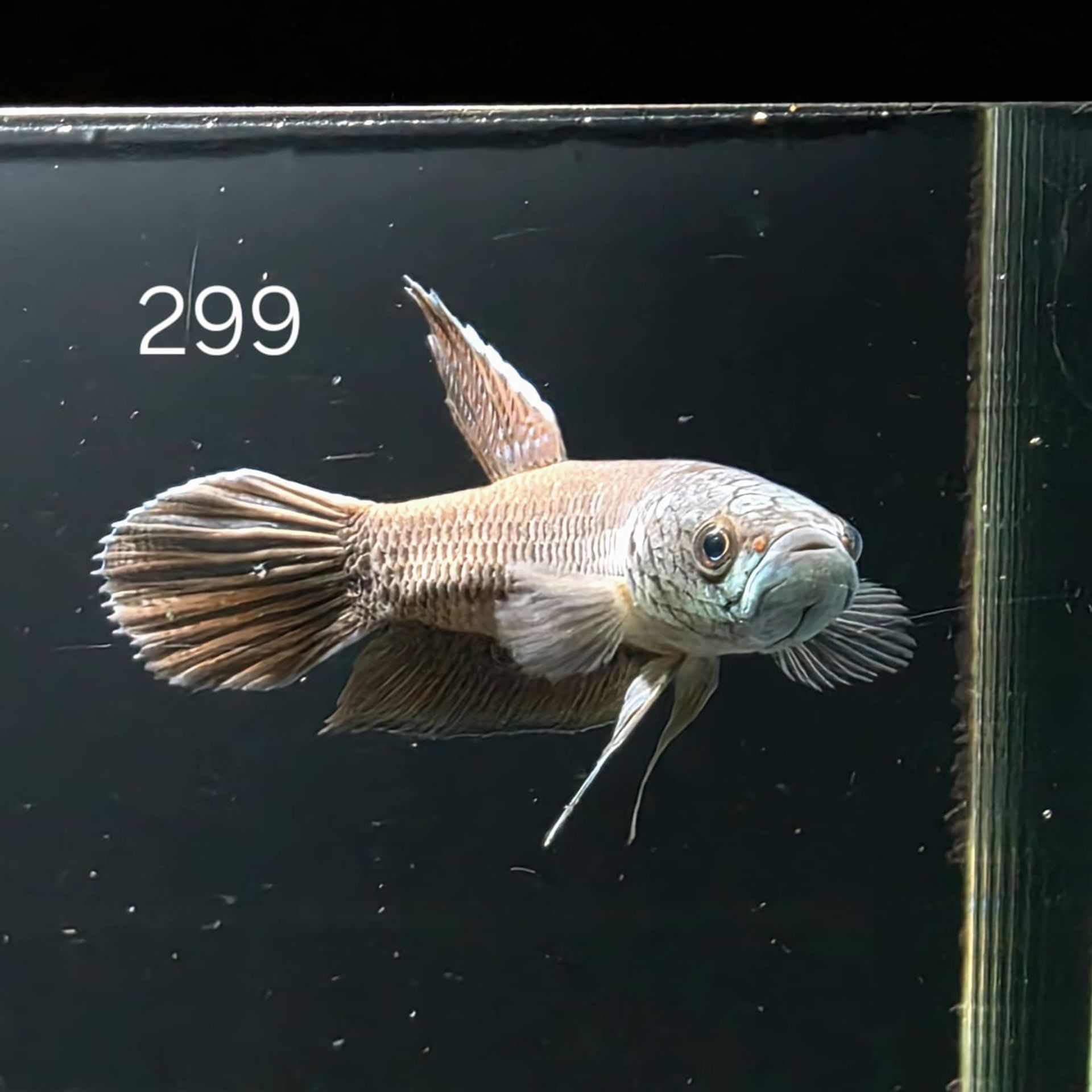
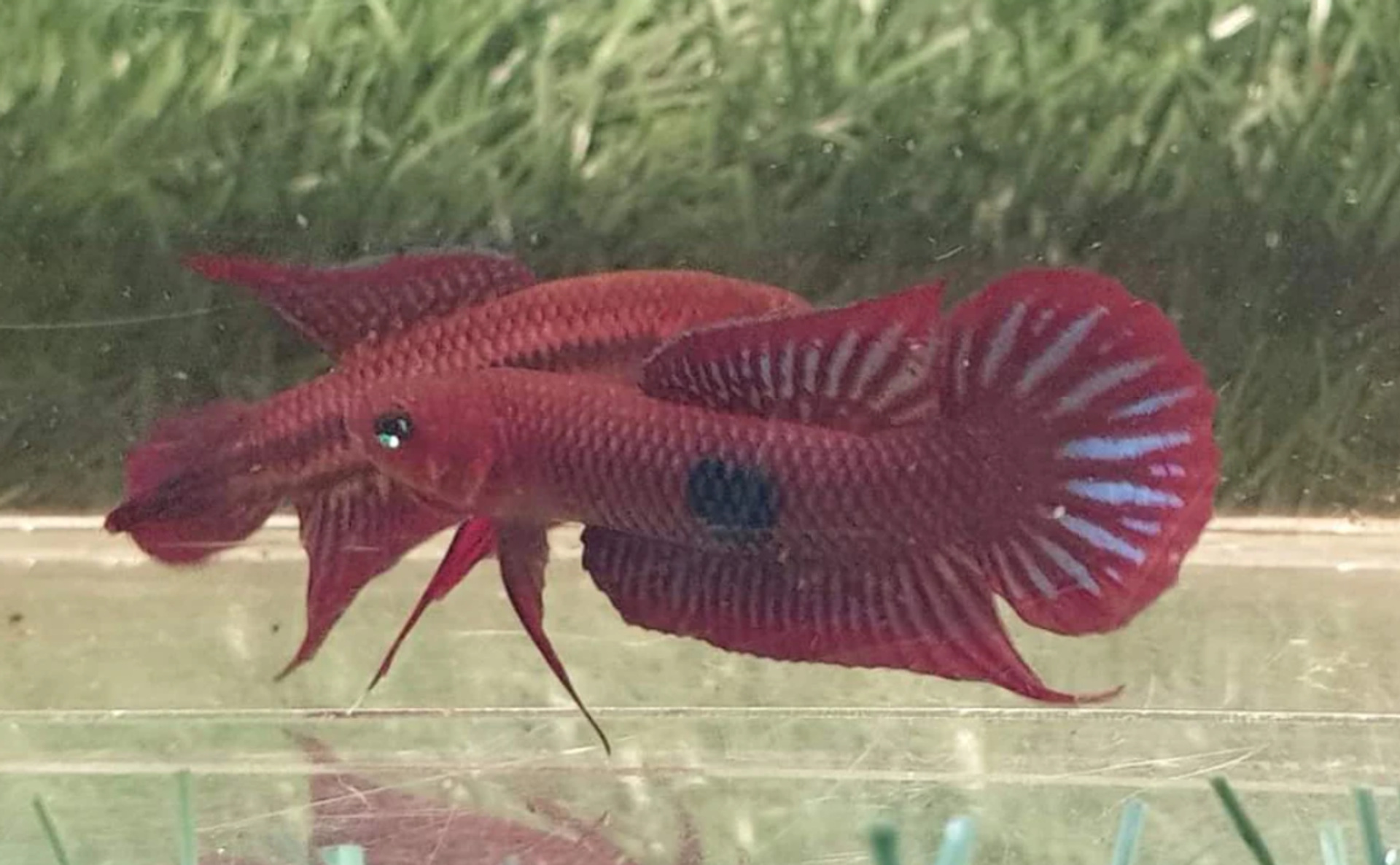
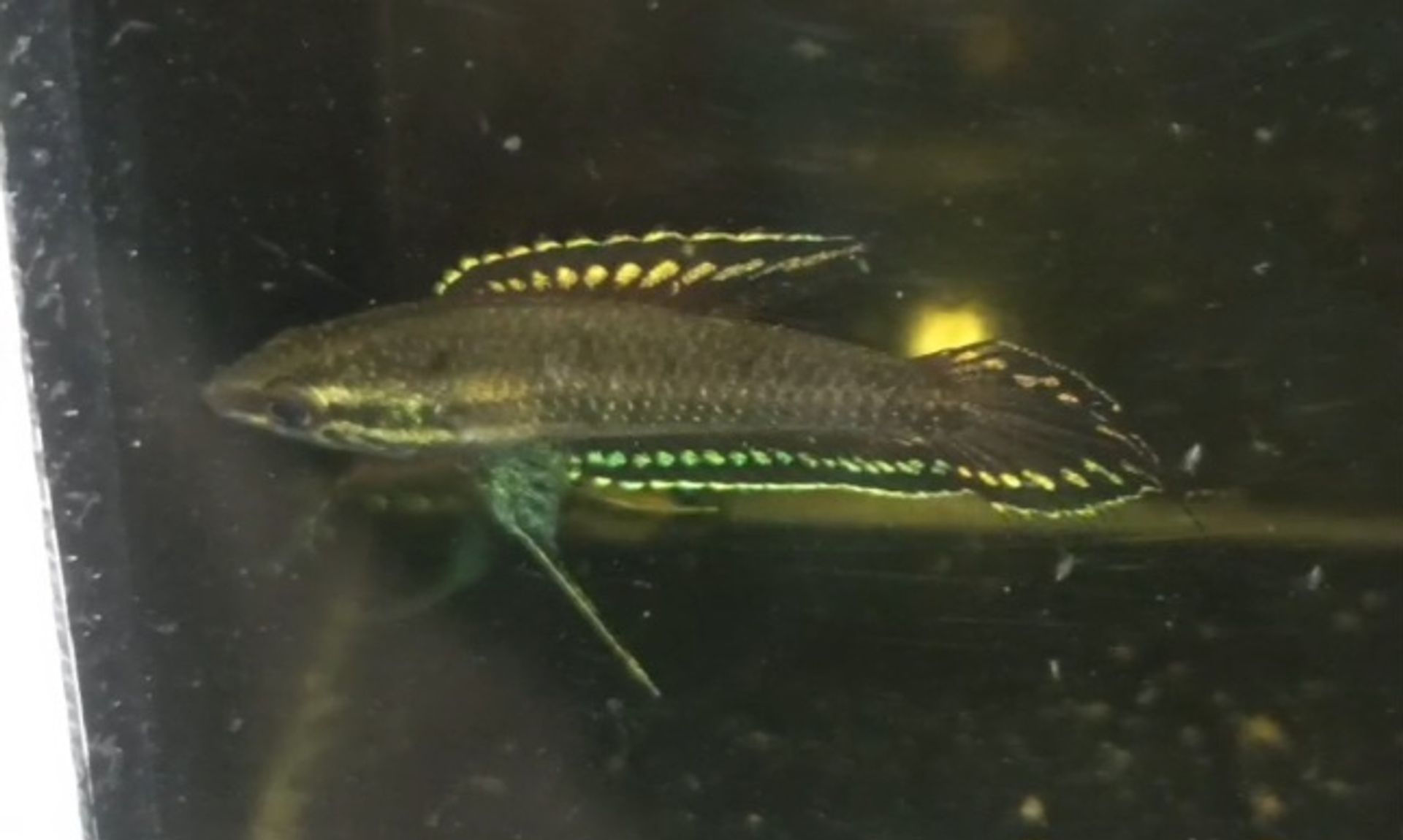
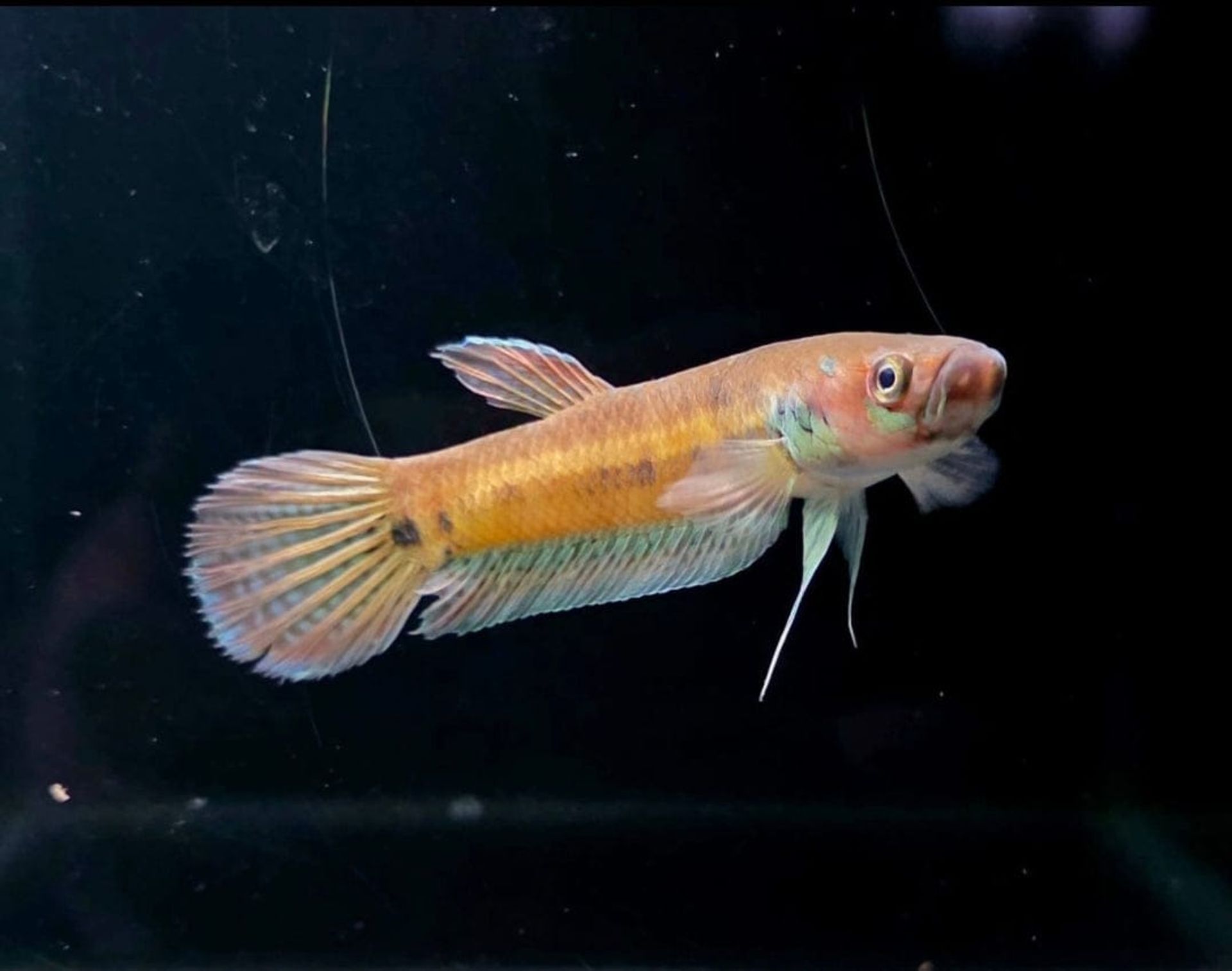
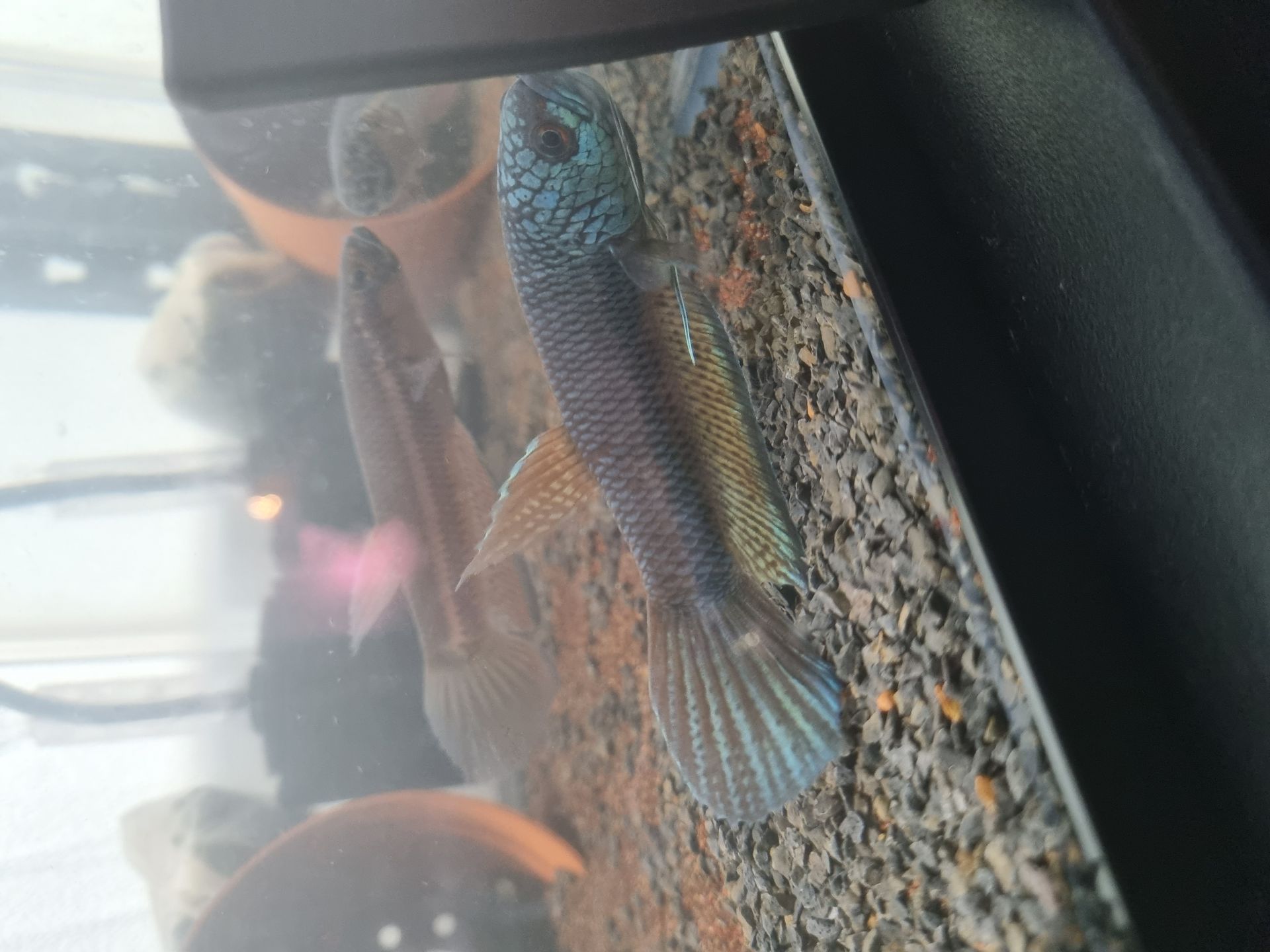
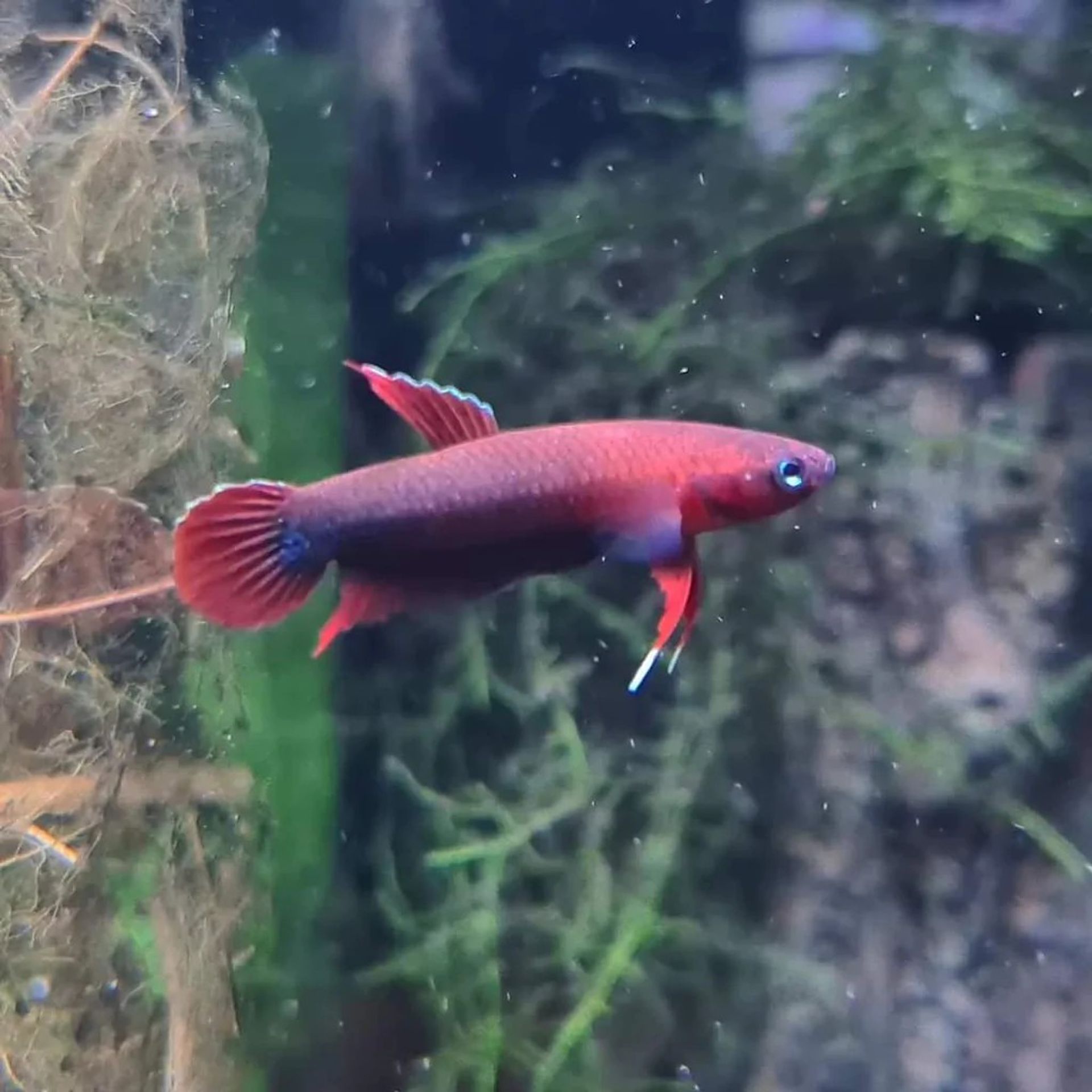
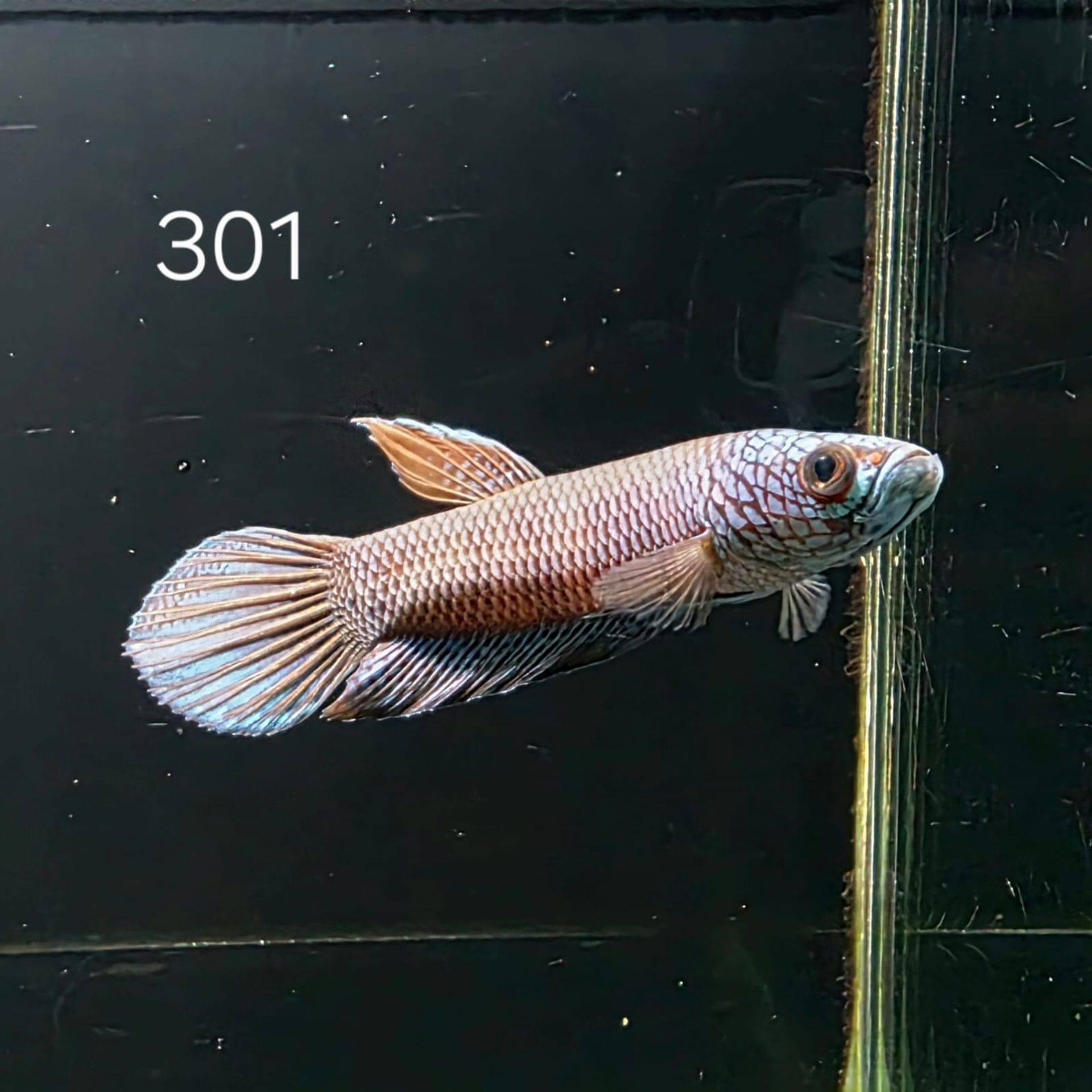
WB Antuta
Click to enlarge

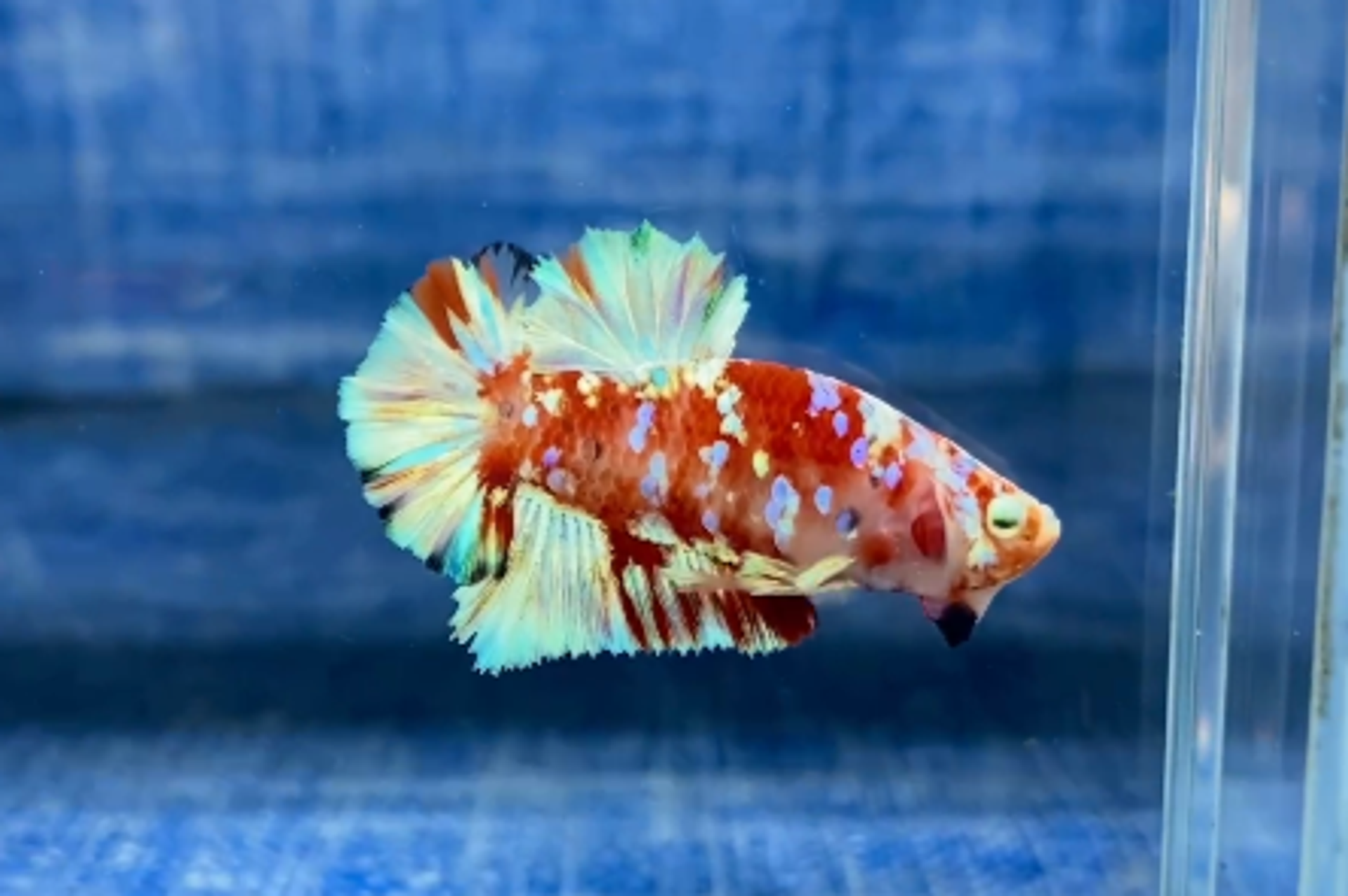
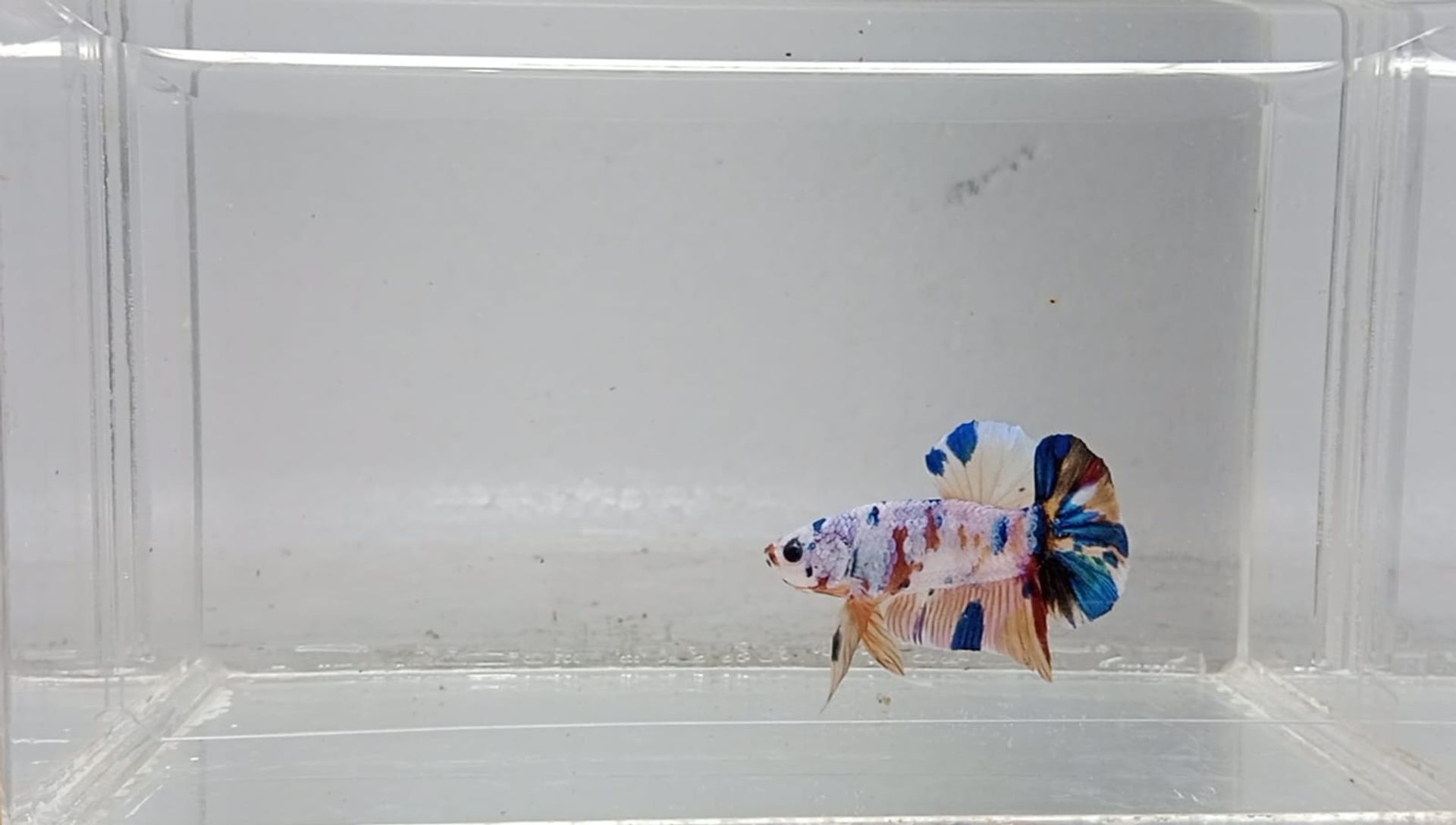
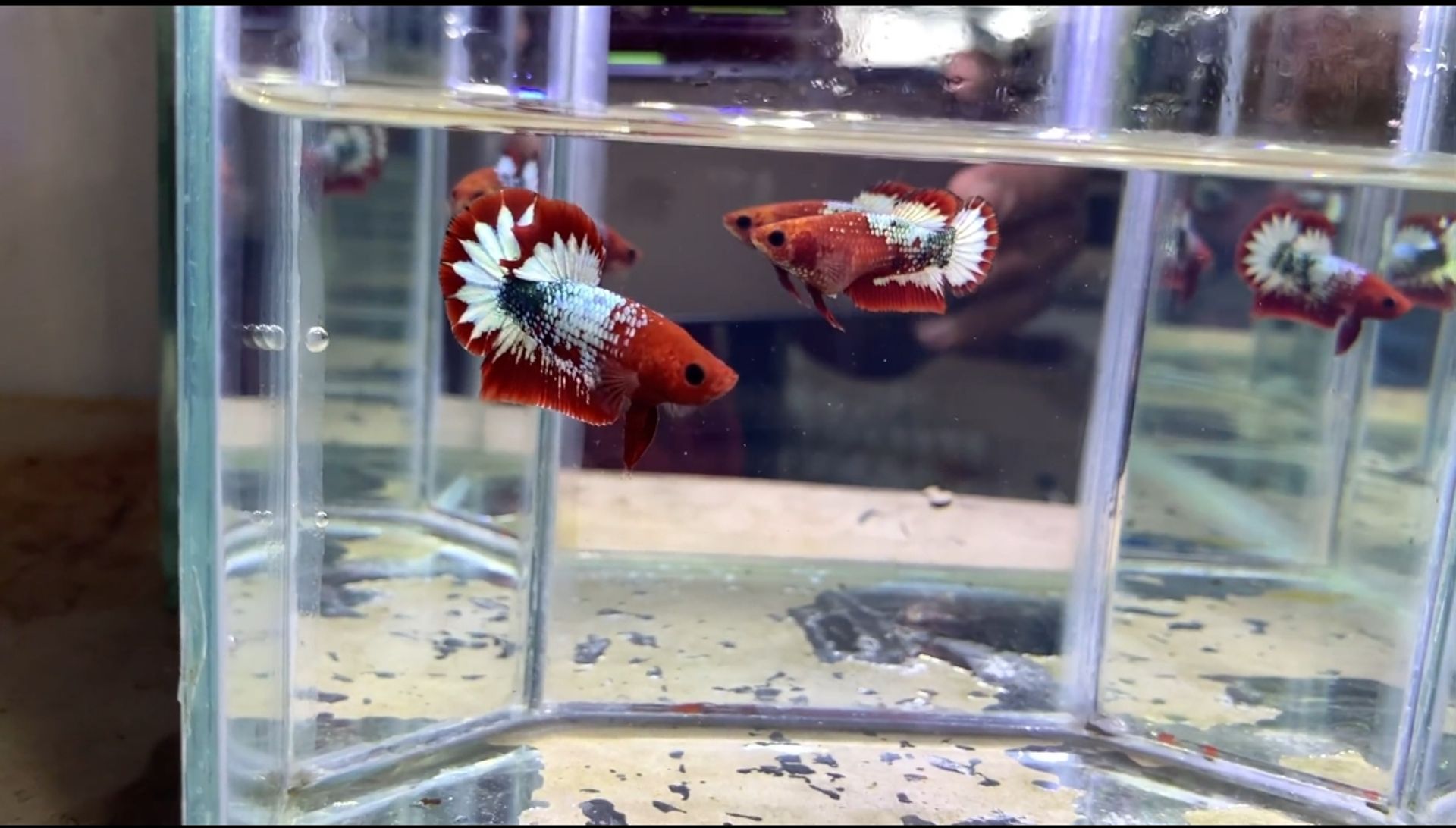
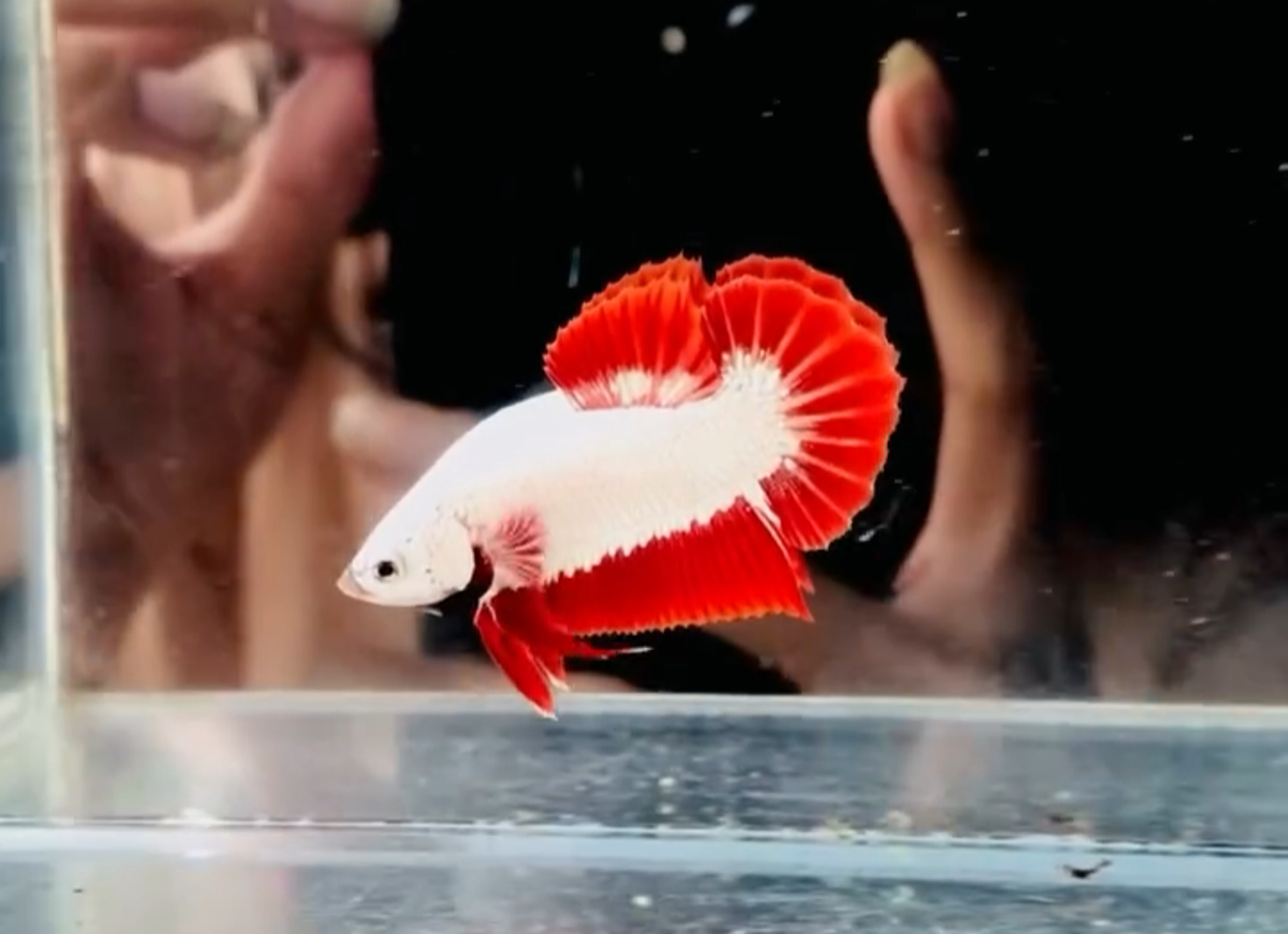
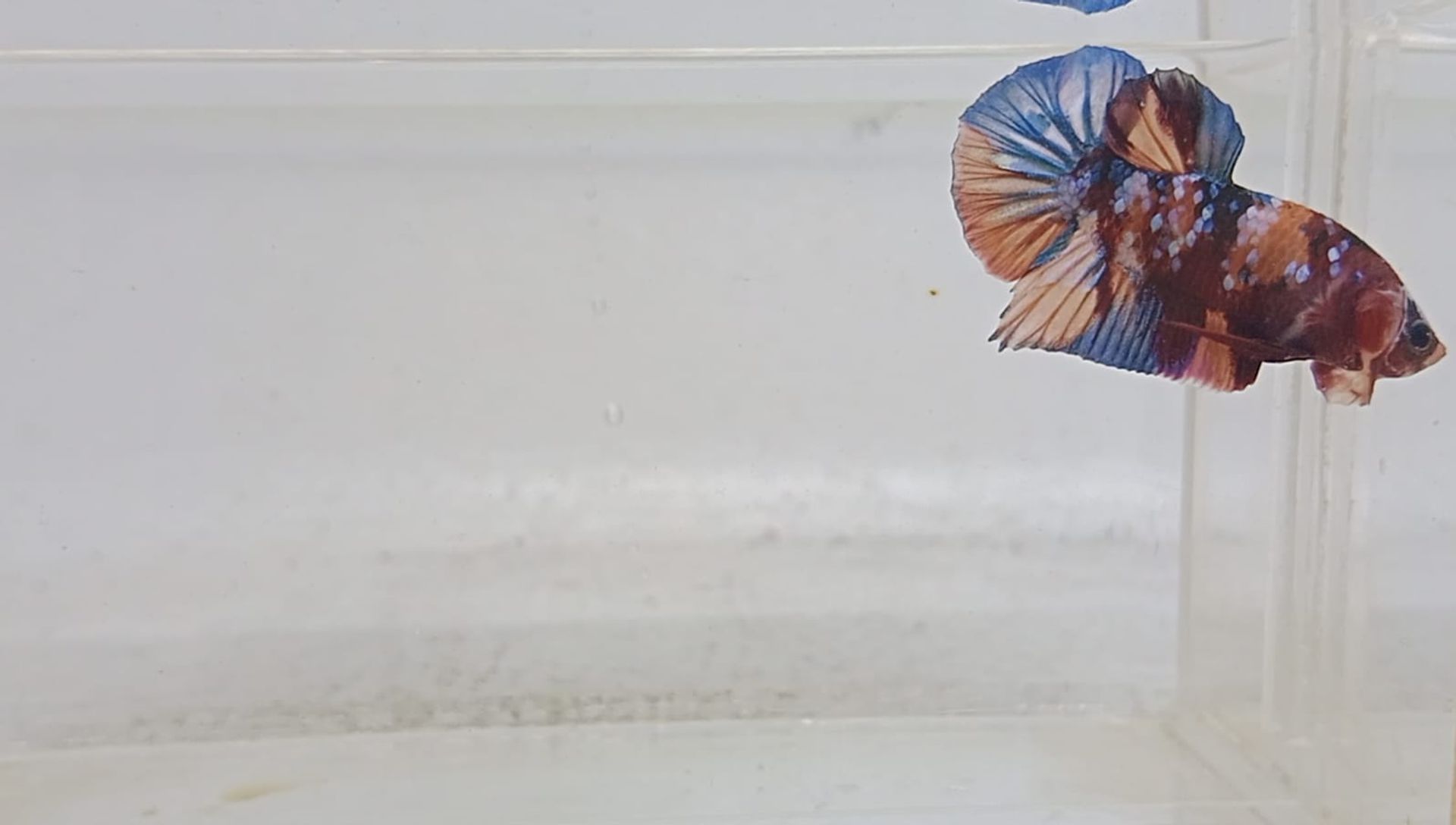
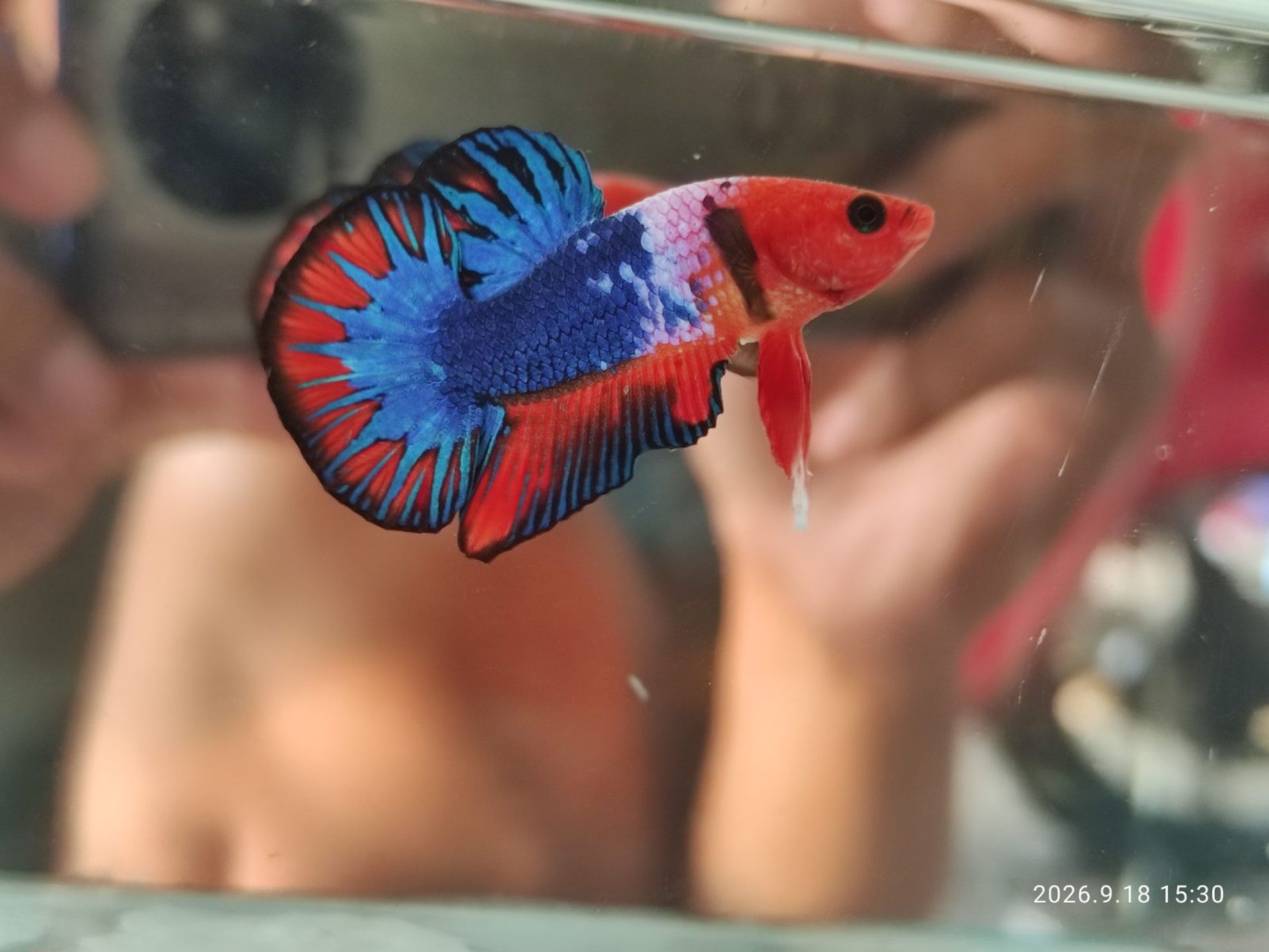
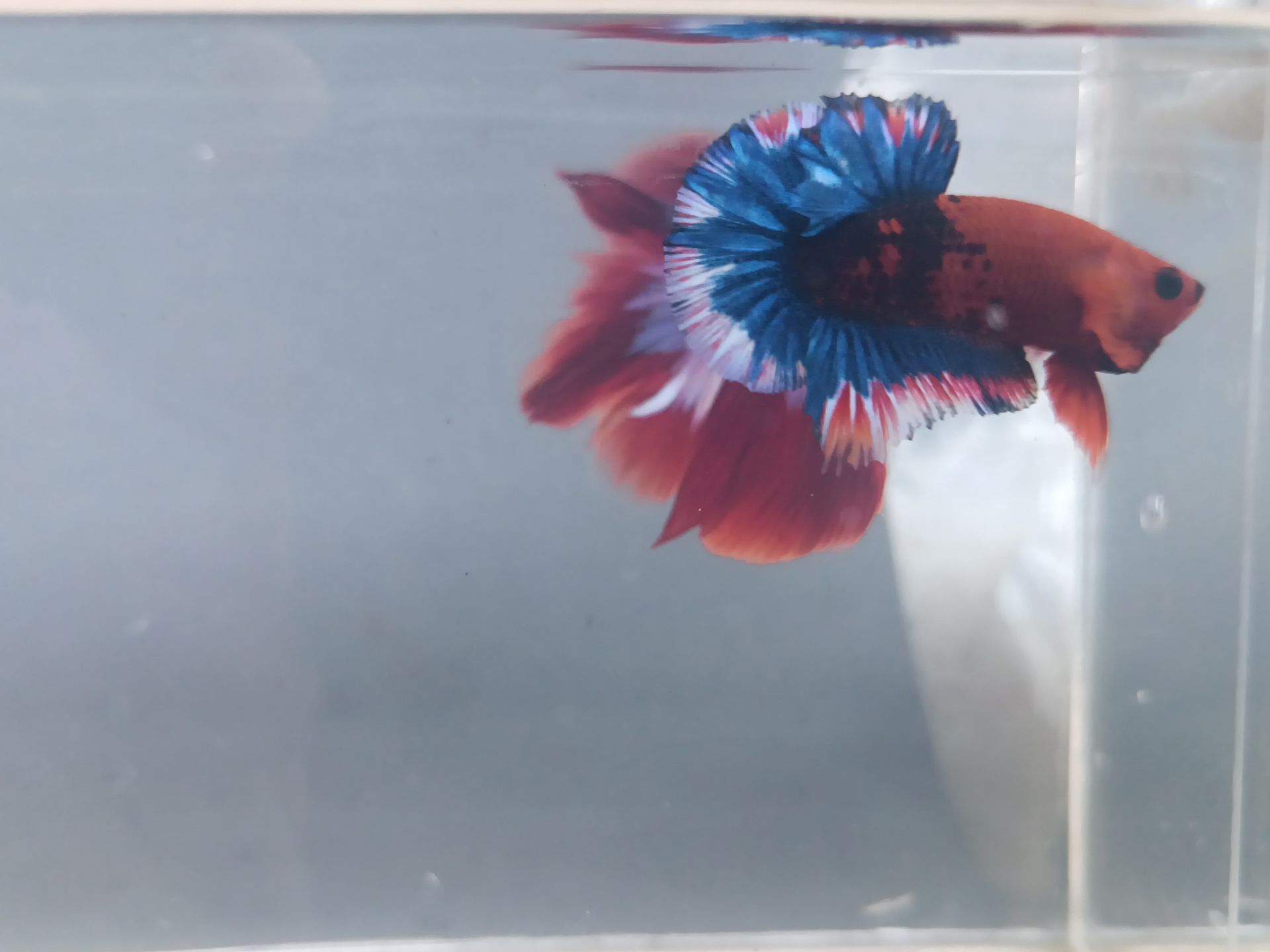
Unless stated otherwise, photos show the species, not the exact fish you'll receive.

Endemic Indonesia (WB Antuta)

SGD 105.00
Delivery Information

Delivery occurs once a month and may take 2 to 4 weeks. Certain areas may require additional charges, and a top-up via PayNow will be needed. This includes Central Business District, Offices, Airport, Hospitals, Tertiary campuses, PSA terminals, Cargo Complexes, cargo ports, shipyards, Government buildings, secured compounds, SAF campus, Marina Bay Sands, Robinson, Marina Square,Orchard, Bras Basah, Sentosa, Tuas, Jurong Island, etc. Our customer service representatives will reach out to you if necessary.

Dead-on-arrival protection: report within 24 hours of delivery with a photo or video for an exchange or return.

Product Variations

Quantity

Stock: 2

Product Details

Size

6cm - 8cm

Temperament

Aggressive

Water Condition

High PH

WYSIWYG

Representative Photo Only

Product Description

A six-centimetre scrapper guarding high-pH waters with outsized attitude.

The WB Antuta is a striking, aggressive wild betta for experienced keepers. It reaches 6–8 cm and thrives in stable high-pH water—ideal for a species-only setup.

  • Water conditions: WB Antuta demands stable, alkaline water. Aim for pH 7.5–8.5, temperature 24–27°C, and hardness 10–18 dGH. Keep ammonia and nitrite at zero and nitrate below 20 ppm. Because high-pH water makes ammonia more toxic, use a mature filter, test regularly, and perform 20–30% weekly water changes. Avoid peat, CO2 injection, or pH-lowering buffers that create swings. A gentle flow and strong surface agitation suit this species better than a torrent. Acclimatise slowly, especially if your source water differs; drip acclimation over 45–60 minutes reduces stress.
  • Tank size and setup: A single pair needs at least 60–80 litres with a 60 cm footprint; a group or colony requires 120 litres or more with clear visual barriers. Use a tight-fitting lid—wild bettas can jump. Provide caves, driftwood, rock piles, and dense planting with alkaline-tolerant species such as Anubias, Java fern, Vallisneria, and Cryptocoryne. Leave open swimming space in the midwater. Avoid peat-based substrates and heavy leaf litter if you need to maintain high pH. Filtration should be cycled and gentle; sponge filters or baffled hang-on-back units work well. Keep the tank mature before adding this fish.
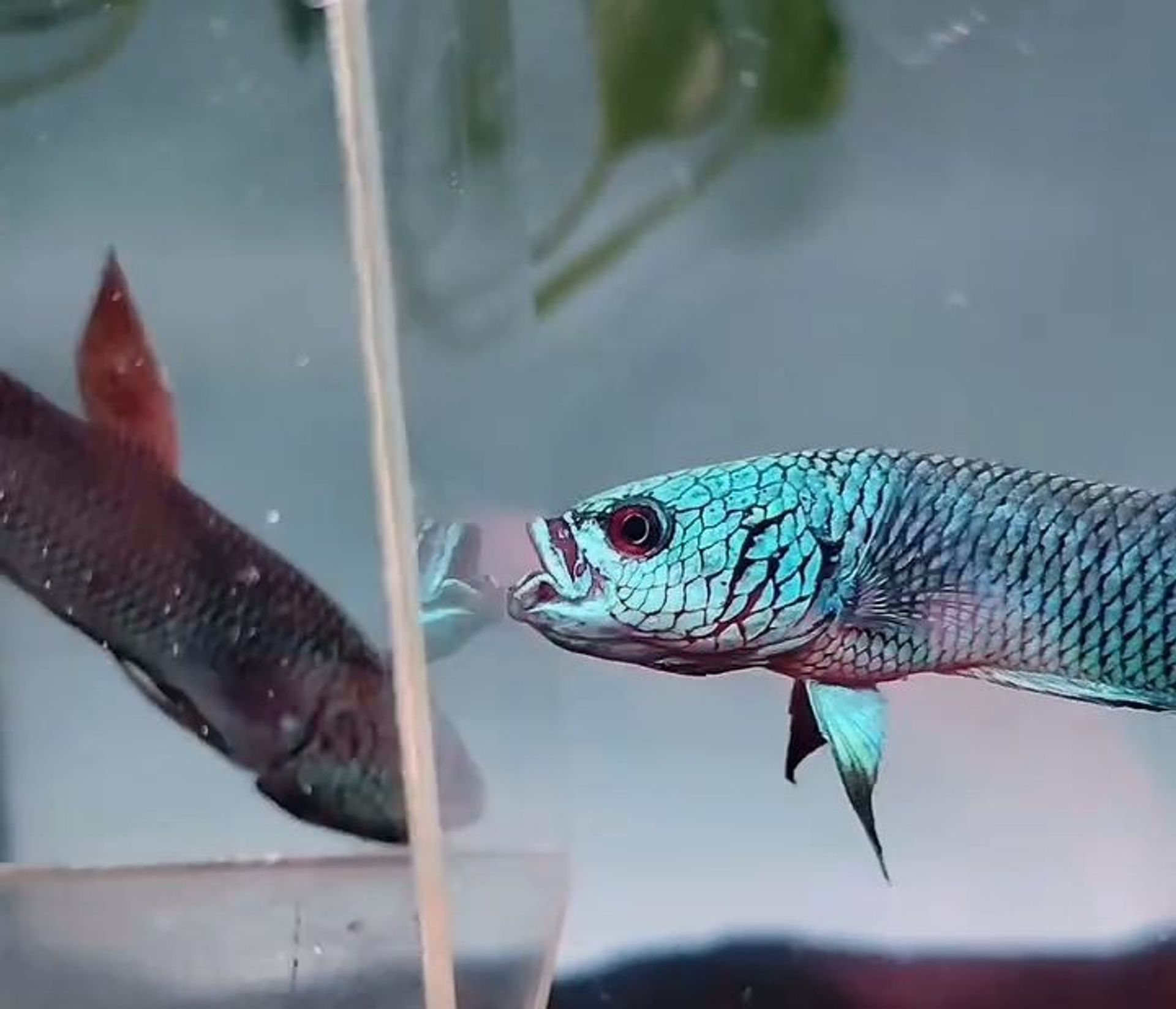
  • Suitable tank mates: This is an aggressive, territorial fish, especially males. The safest approach is a species-only setup. If you must mix, choose robust, fast-moving, non-fin-nipping fish that tolerate alkaline water, such as larger danios or certain rasboras, and monitor closely. Avoid other bettas, guppies, long-finned fish, small shrimp, and tiny snails—they may be bullied or eaten. Avoid slow, bottom-dwelling species that occupy the same caves. Never combine multiple males unless the tank is very large and heavily broken up. When in doubt, keep WB Antuta alone.
  • Feeding habits: WB Antuta is carnivorous and thrives on live and frozen foods. Offer bloodworm, brine shrimp, daphnia, mysis, and chopped insect larvae, supplemented with a high-protein pellet. Feed small portions once or twice daily—only what the fish clears in a few minutes. Wild-caught or newly imported specimens may be shy; target-feed near their cover and remove uneaten food to protect water quality. Avoid fatty foods and overfeeding, which can cause bloating. A varied diet supports colour, condition, and natural hunting behaviour. Fasting one day per week is optional but can help digestion.
  • Care and maintenance: Test pH, hardness, ammonia, nitrite, and nitrate weekly. High-pH water increases ammonia toxicity, so never clean the filter and substrate on the same day. Rinse filter media in tank water, not tap water. Perform 20–30% water changes weekly with temperature-matched, dechlorinated water. Keep the lid secure and maintain stable temperature. Observe behaviour daily: hiding, clamped fins, or refusal to feed can signal stress or illness. Quarantine new arrivals for at least two weeks. Because this species is aggressive, have a plan for separating individuals if fighting escalates.
  • Temperament and behaviour: Expect territorial displays, flaring, and chasing, particularly among males. WB Antuta is not a beginner's community fish. Provide visual barriers and separate territories to reduce conflict. Some individuals can be kept as a compatible pair in a well-structured tank, but success depends on tank size and individual personality. Breeding behaviour can intensify aggression; research species-specific spawning and rearing needs before attempting to breed. Always observe introductions closely and be ready to remove fish if necessary.
  • Acclimation and buying advice: Choose a specimen with clear eyes, intact fins, and active feeding behaviour. On arrival, float the bag to equalise temperature, then drip-acclimatise over 45–60 minutes, discarding shipping water. Dim the lights and release into a quiet, well-covered tank. Do not add to an immature or uncycled aquarium. If your water is softer or more acidic than the target parameters, adjust gradually before purchase. Keep a journal of pH, temperature, and behaviour to spot problems early. With stable alkaline water, correct tank mates, and careful feeding, WB Antuta can be a rewarding specialist fish for the dedicated aquarist.

More from Gold digger betta Eris

Gold digger betta Eris

Gold digger betta Eris

View Store →

Suitable Tank Mates for WB Antuta

Similar Bettas You May Like