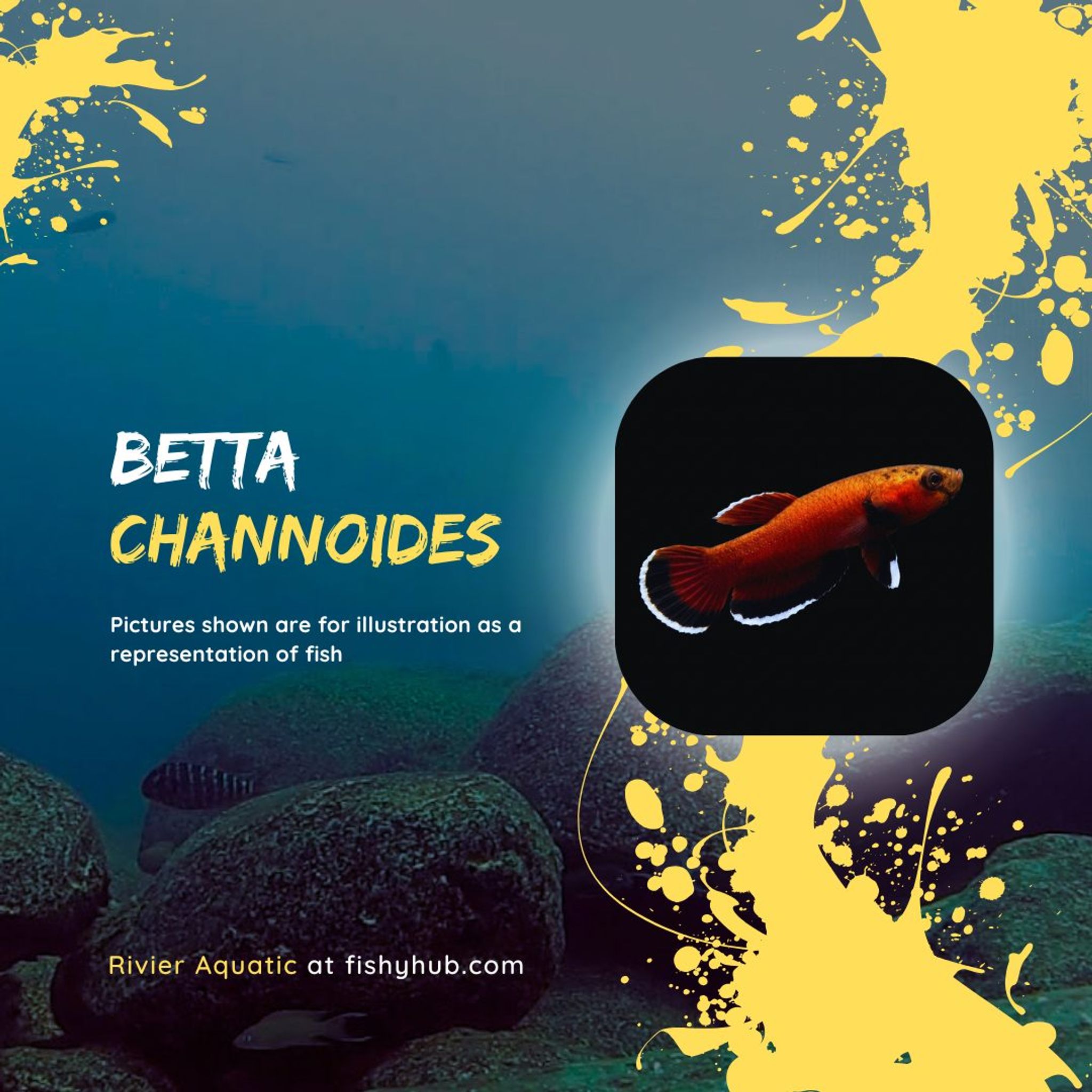
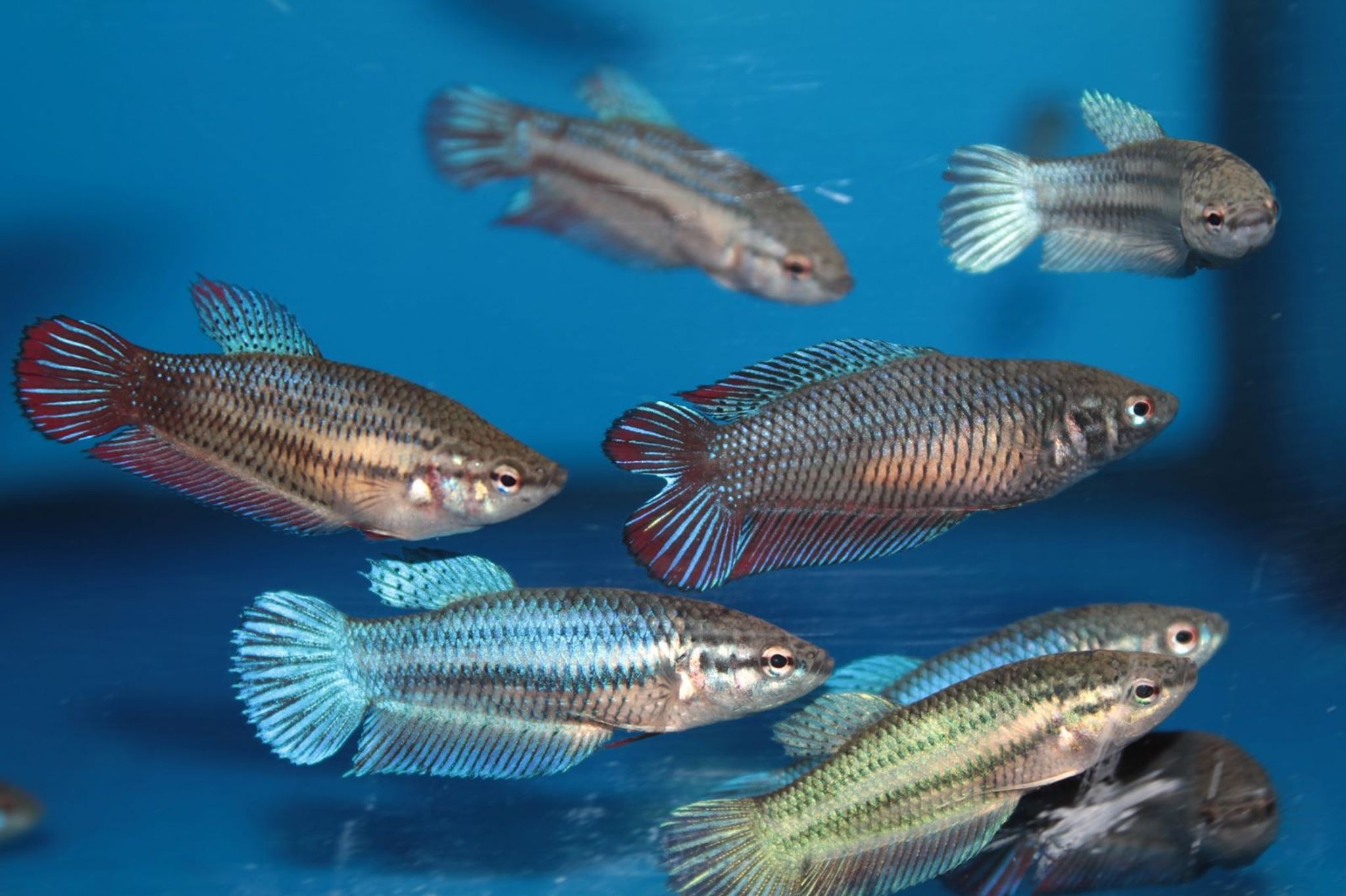
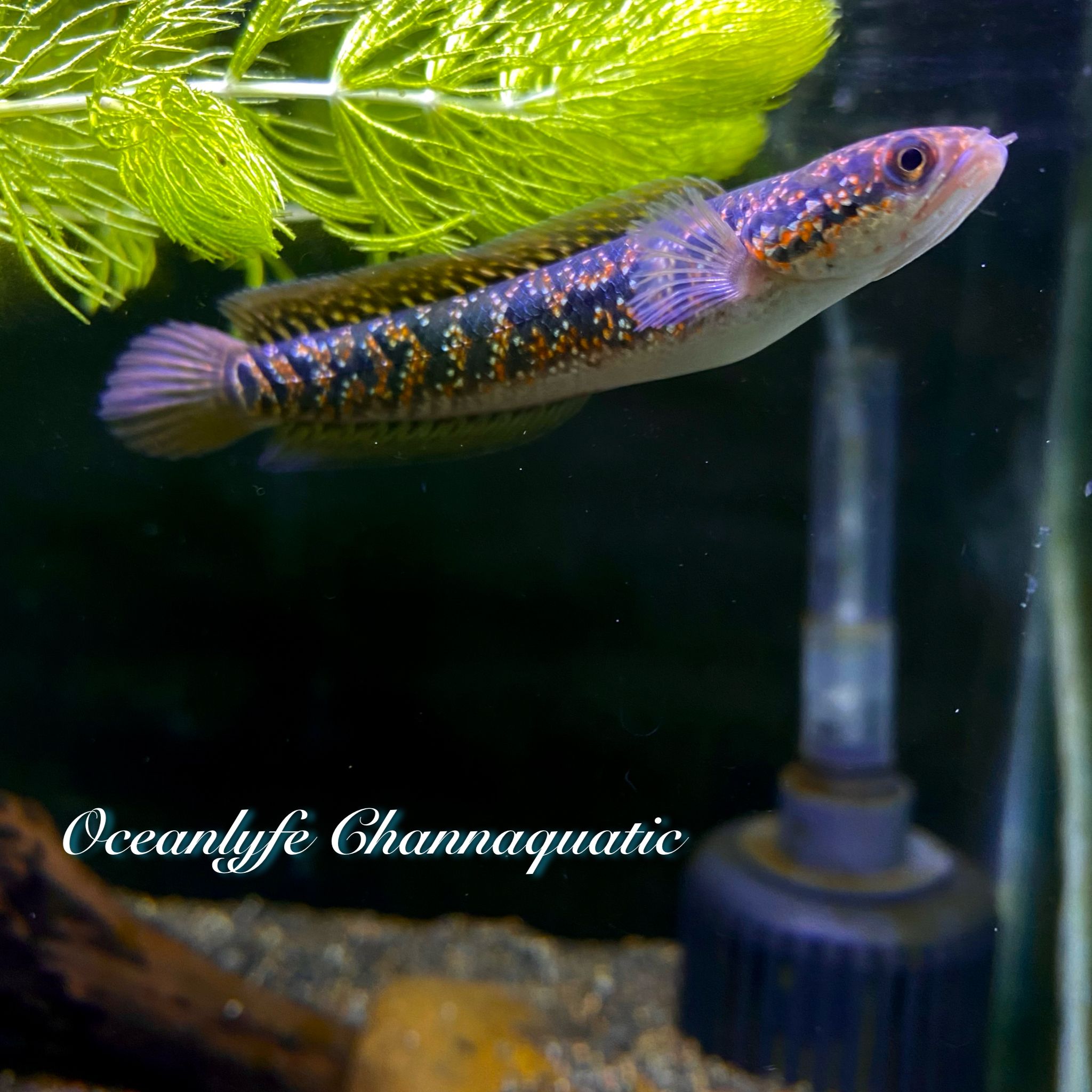
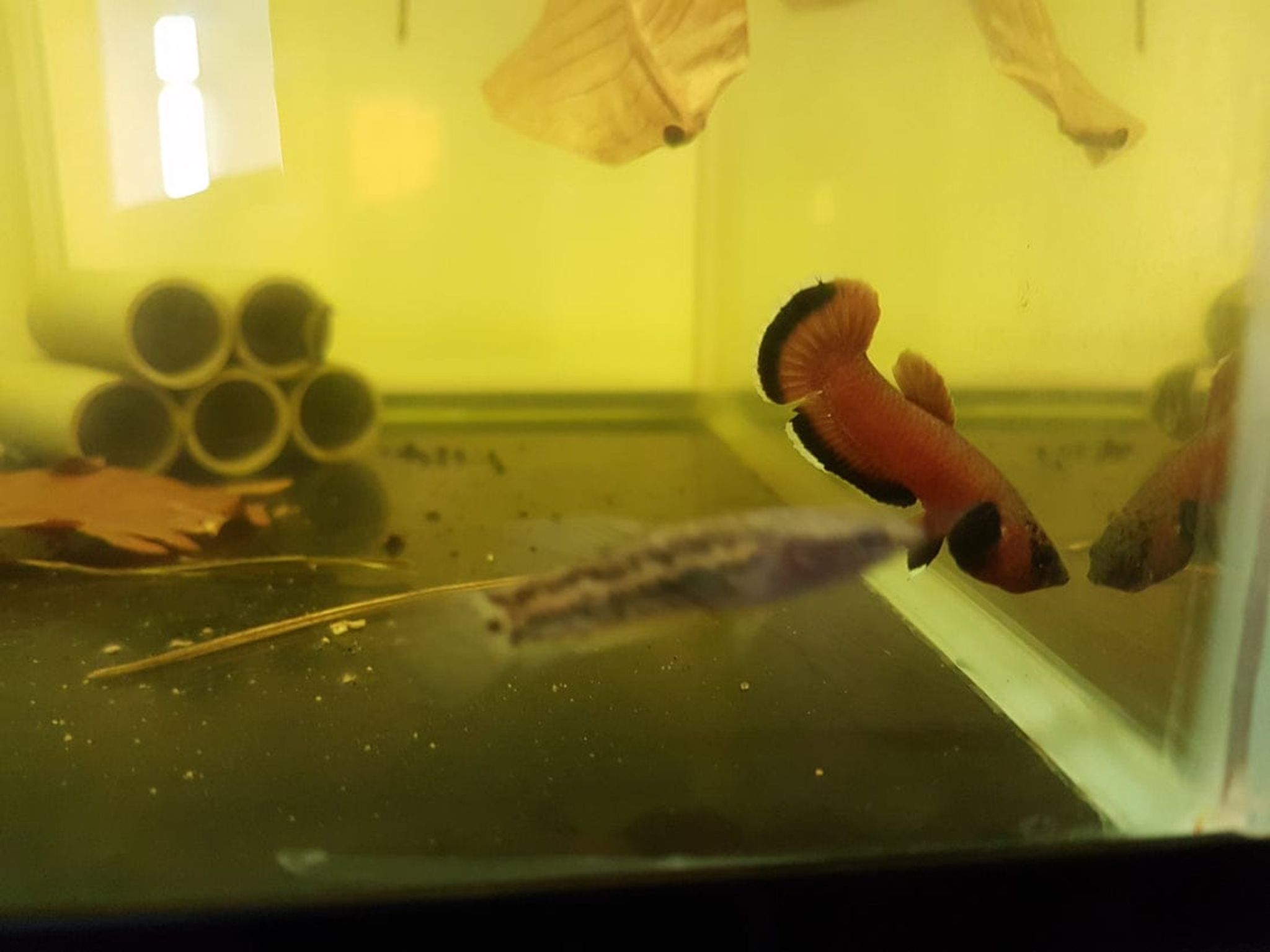
In blackwater Borneo, the snakehead betta cradles its young in its mouth.
Snakehead Betta (Betta channoides) is a rare blackwater mouthbrooder best kept in mature, soft-acidic, species-focused aquariums with leaf litter and tannins.
- Water conditions: Betta channoides is a true blackwater species and needs soft, acidic, low-mineral water. Aim for pH 4.0–6.5, ideally 4.5–6.0, with a temperature of 23–27°C, GH 0–5 dGH, very low KH and low TDS. Ammonia and nitrite must remain at zero, and nitrate should be kept low through gentle filtration and regular small water changes. Tannins from Indian almond leaves, oak leaves or botanicals are highly beneficial and help replicate the species’ natural habitat. Keep flow gentle and avoid sudden parameter swings; stability matters far more than chasing a precise number. This is not a fish for hard, alkaline water, and crushed coral or similar buffering materials should be avoided. A mature, well-monitored aquarium is strongly recommended.
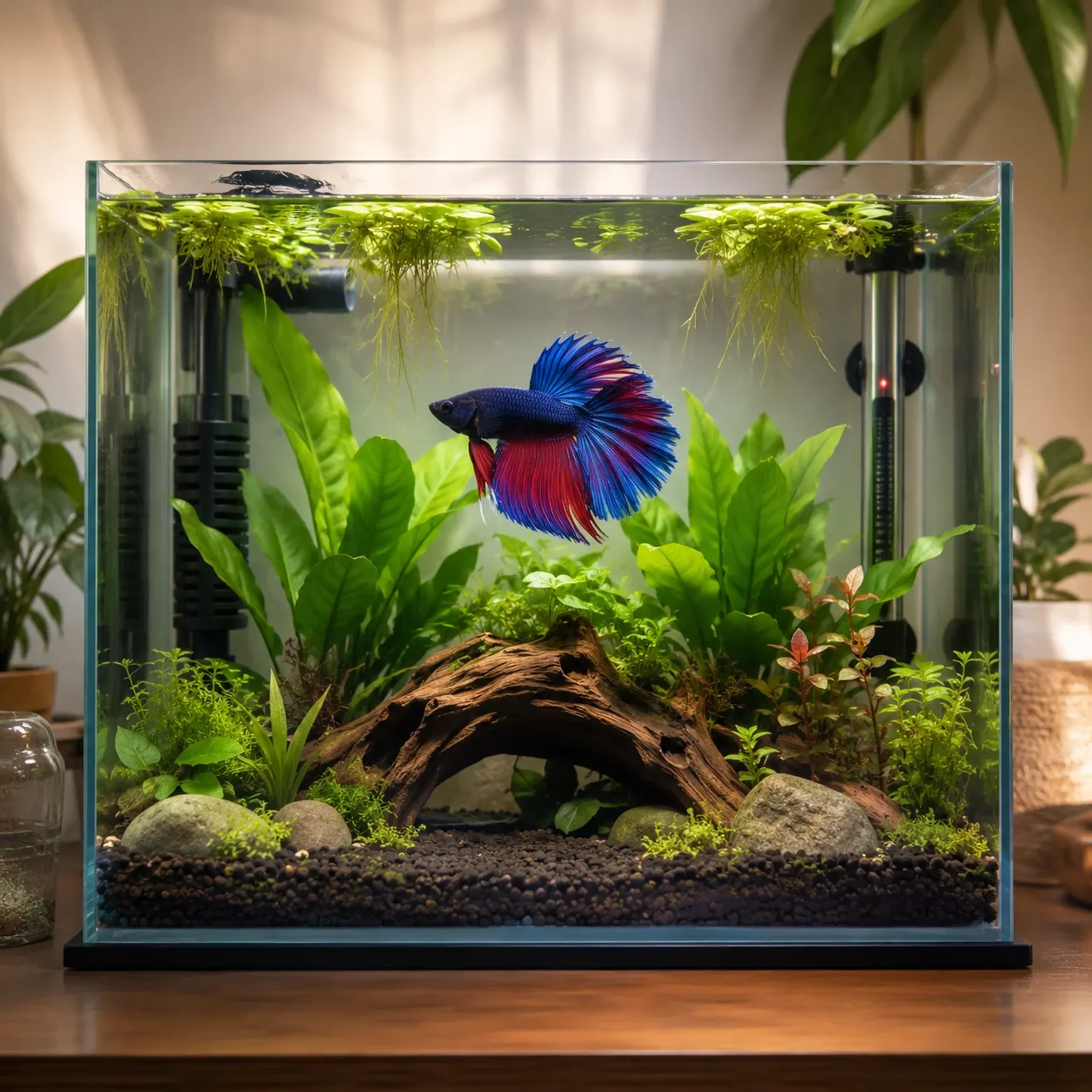
- Tank setup and care requirements: Provide a species-focused biotope with a tight-fitting lid, dim lighting, floating plants, moss, caves and plenty of leaf litter for cover. A 60 cm footprint is a sensible minimum for a pair or small group, with more space if keeping multiple fish. Use a gentle filter and avoid strong current. Acclimatise slowly by drip method and quarantine new arrivals before adding them to a mature system. Betta channoides can be shy and sensitive to poor water quality, so regular testing, small water changes with soft acidic water and careful observation are essential. Wild populations are under pressure, so captive-bred stock is preferable where available. This is a rewarding but specialist fish rather than a beginner’s community species.
- Suitable tank mates: The safest approach is a species-only blackwater aquarium or a carefully chosen community of small, peaceful, soft-water fish. Suitable companions can include small Boraras rasboras, dwarf pencilfish and pygmy corydoras, provided the tank is mature and water parameters match. Avoid aggressive fish, fin-nippers, large or boisterous species, other Betta species, gouramis, barbs and cichlids. Tiny shrimp and fry may be eaten, so do not treat them as guaranteed tank mates. Males can become territorial when breeding, and crowding can increase stress; provide visual barriers and hiding places. Always quarantine tank mates and avoid introducing fish that will outcompete the betta at feeding time.
- Feeding habits: Betta channoides is carnivorous and thrives on small live and frozen foods. Offer daphnia, moina, baby brine shrimp, cyclops, grindal worms, mosquito larvae and small bloodworm sparingly. Feed small portions two or three times daily rather than one large meal, and remove uneaten food promptly. These fish can be shy and may not compete well with faster tank mates, so target feeding may be necessary. Some specimens learn to accept micro pellets or prepared foods, but these should supplement rather than replace a varied carnivorous diet. Overfeeding is a common mistake and can foul the water quickly. Mouthbrooding males may refuse food while holding eggs or fry, so monitor condition carefully.
- Long-term care and breeding notes: Betta channoides is a paternal mouthbrooder, with the male carrying eggs and fry in his mouth. Breeding is best attempted in a dedicated, stable setup with minimal disturbance. Keep the water soft and acidic, maintain excellent oxygen levels without strong current, and provide dense cover for females and growing fry. Watch for signs of stress such as clamped fins, hiding, laboured breathing or loss of appetite, and act quickly if parameters have shifted. Regular maintenance, gentle filtration and thoughtful feeding are the keys to long-term health. Because this species is rare and specialised, it suits experienced aquarists who can provide consistent blackwater conditions and careful observation.