A Sumatran mouthbrooder, cradling its brood in peat-dark water.
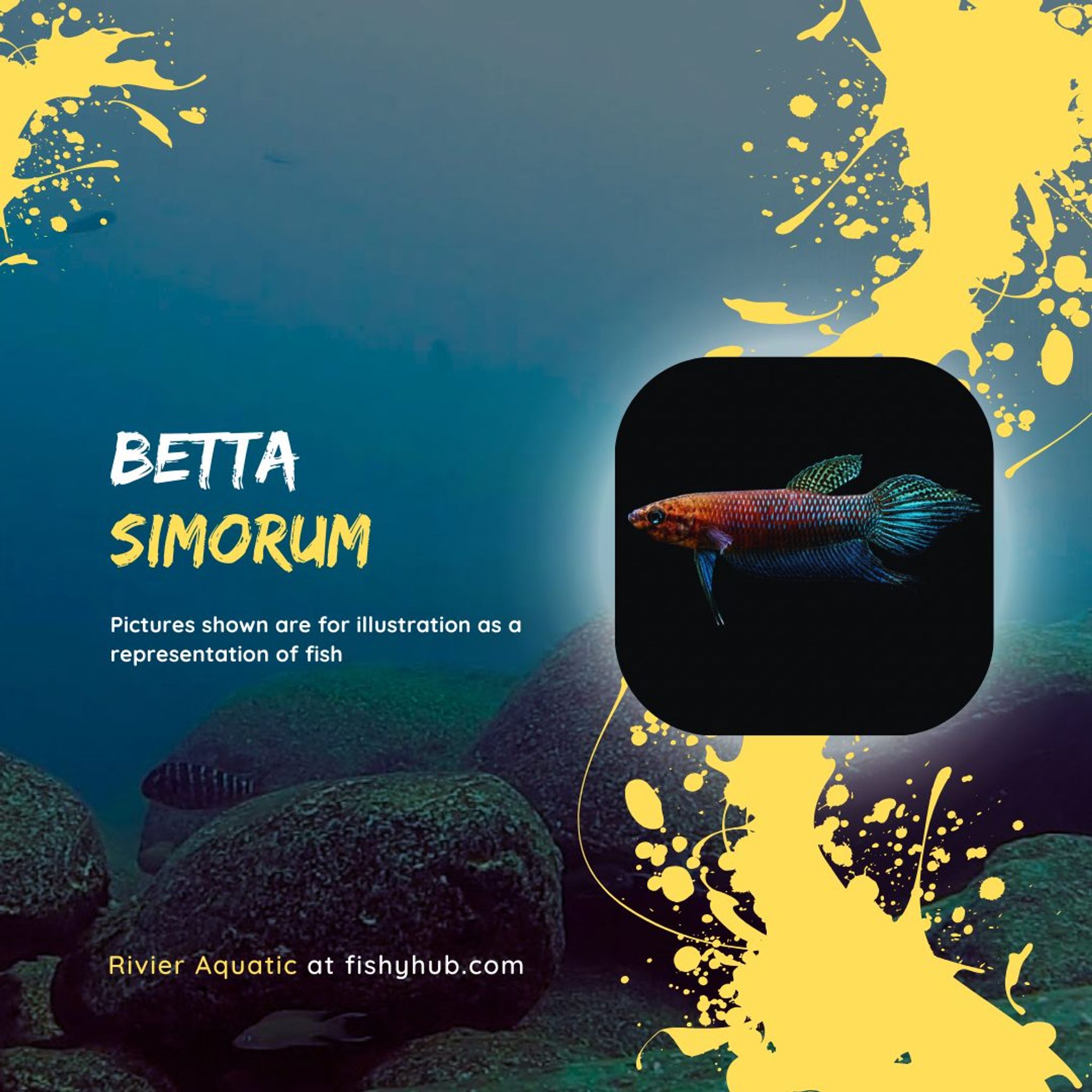
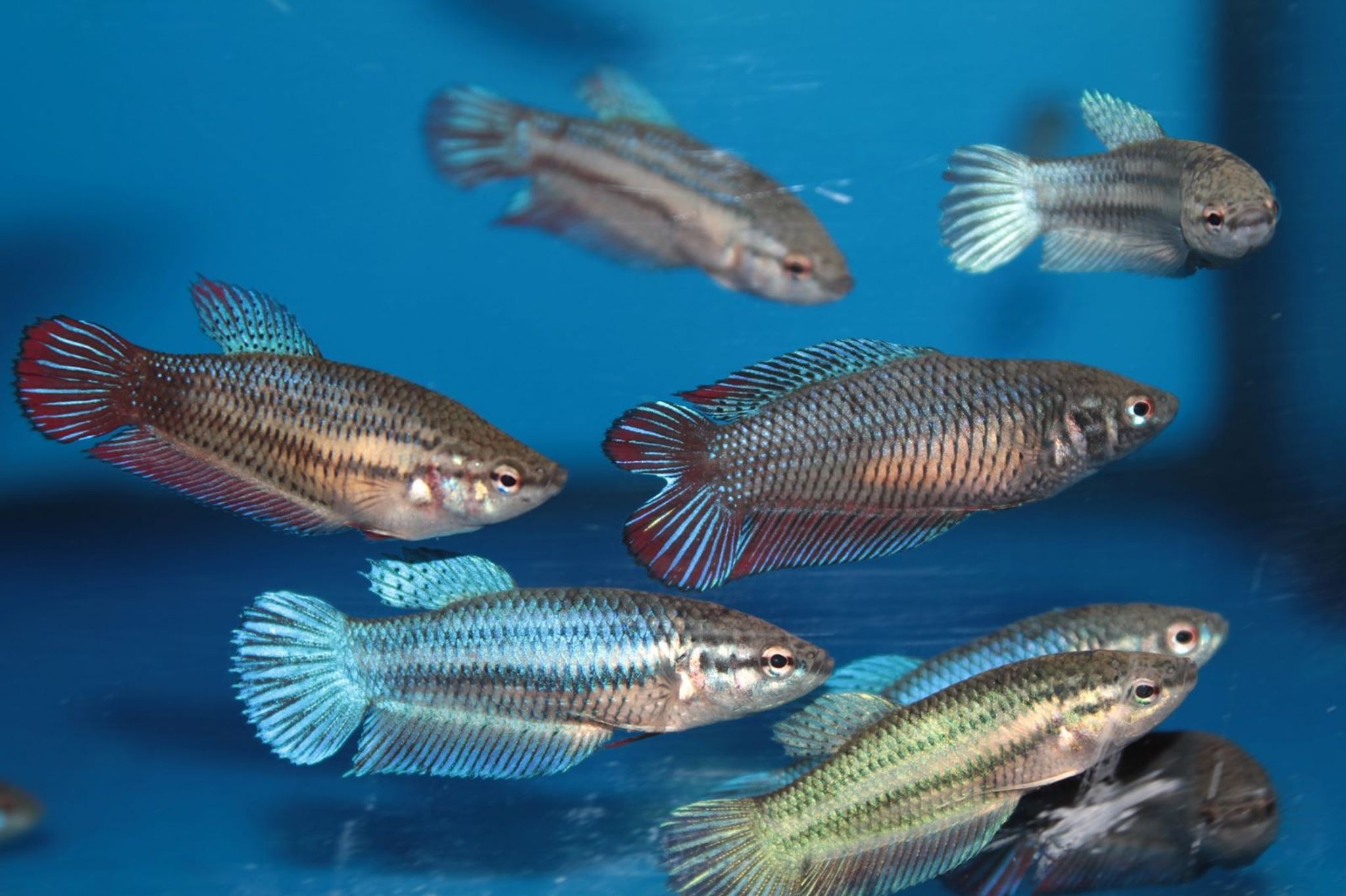
Betta simorum, the rare Simor Fighter, is a peaceful wild mouthbrooding betta from Sumatra's blackwater streams — ideal for a dimly lit planted species aquarium.
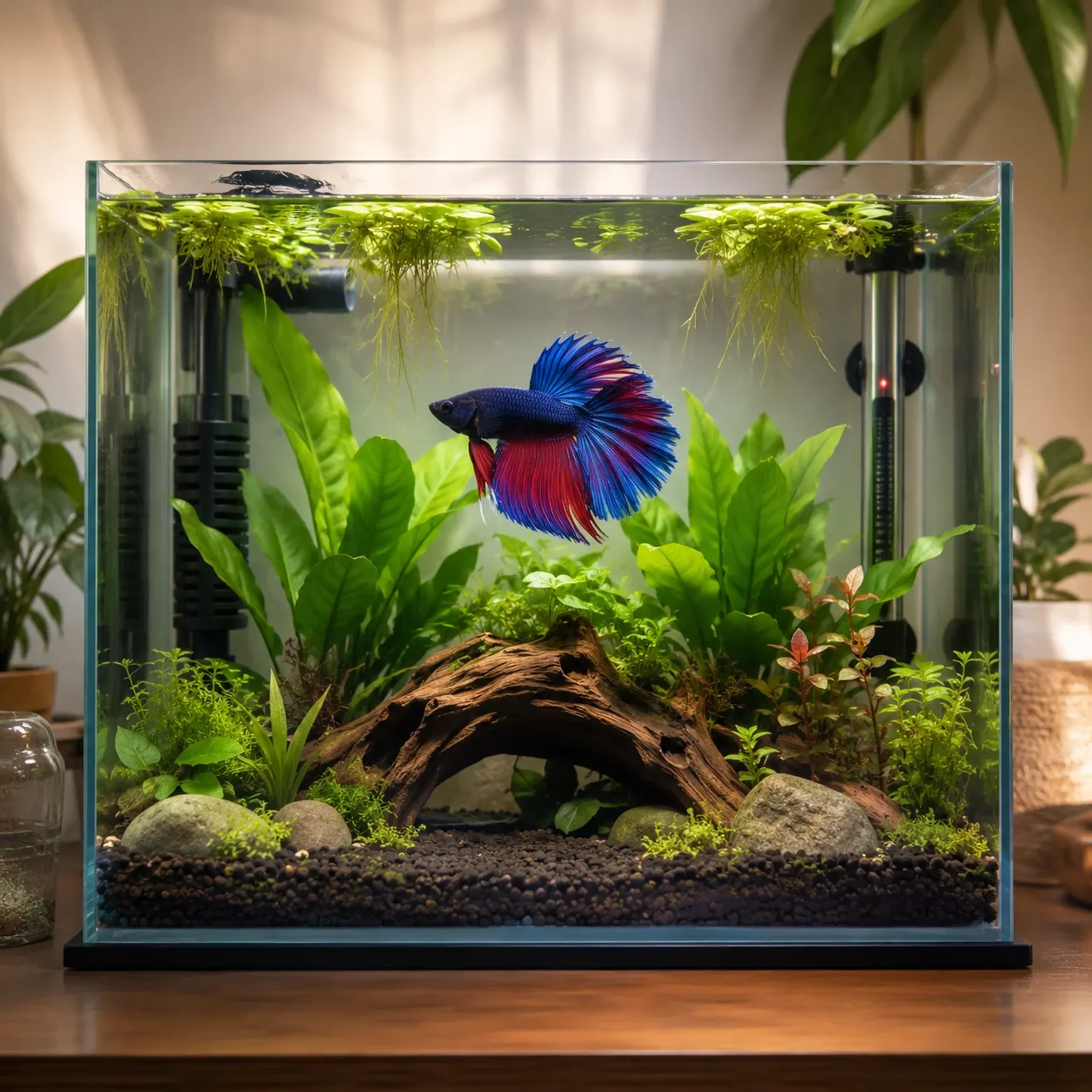
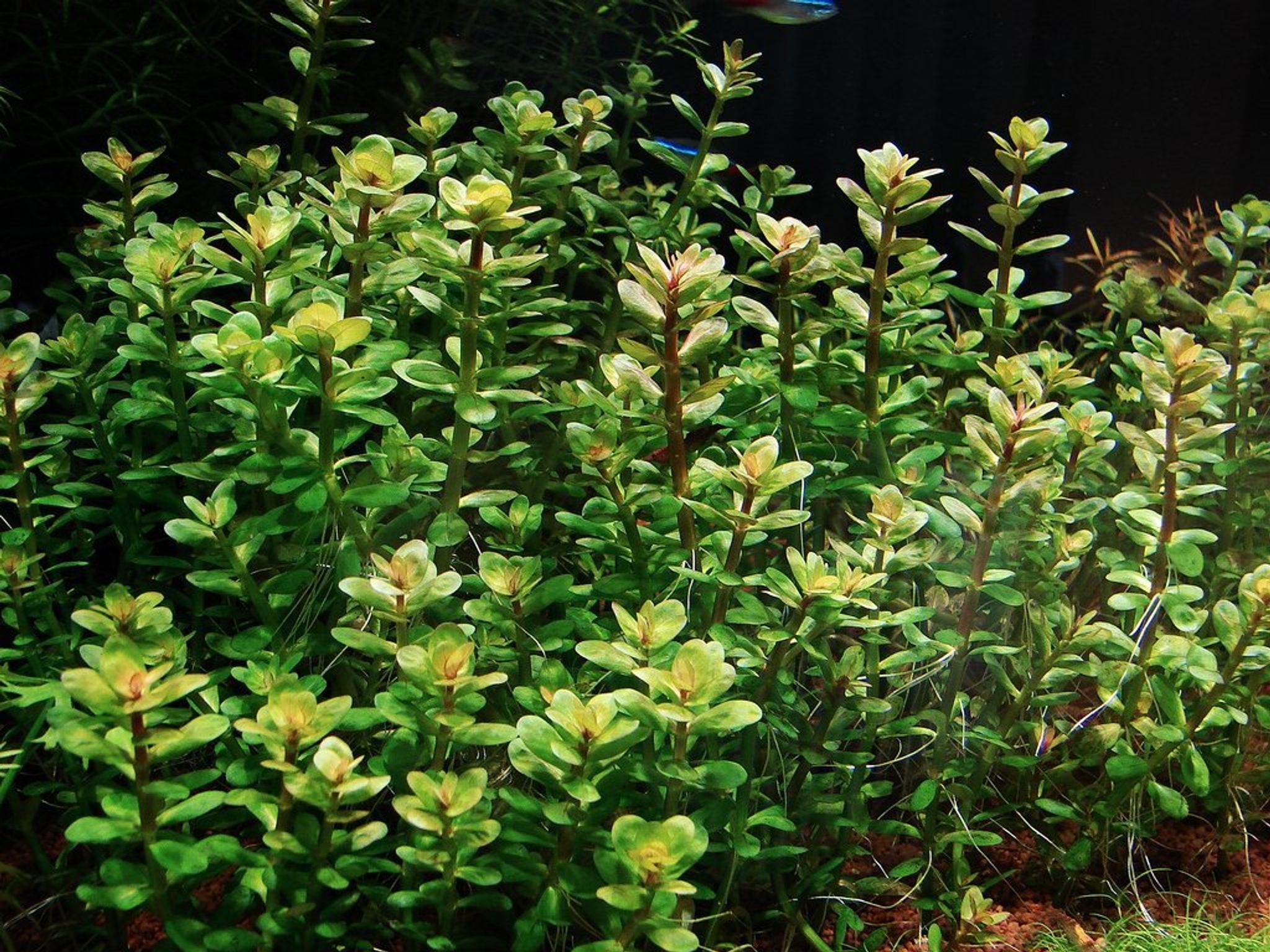
- Water conditions: Betta simorum comes from soft, acidic blackwater habitats, so aim for a temperature of 24–28°C, pH 4.5–6.5, GH 0–5 dGH and KH 0–3 dKH. Stability matters far more than chasing an exact number: mature filtration, zero ammonia and nitrite, and low nitrate below 20 ppm will keep this sensitive wild betta in good health. Replicate blackwater conditions with driftwood, catappa or oak leaves, alder cones and other botanicals that release tannins and humic acids. Keep water movement gentle — a small sponge filter or a filter outlet diffused against décor is ideal. If your tap water is hard or alkaline, mix with RO water and avoid buffering substrates or limestone-based rockwork. A tight-fitting lid is essential because wild bettas can jump, and humid air above the waterline suits them well.
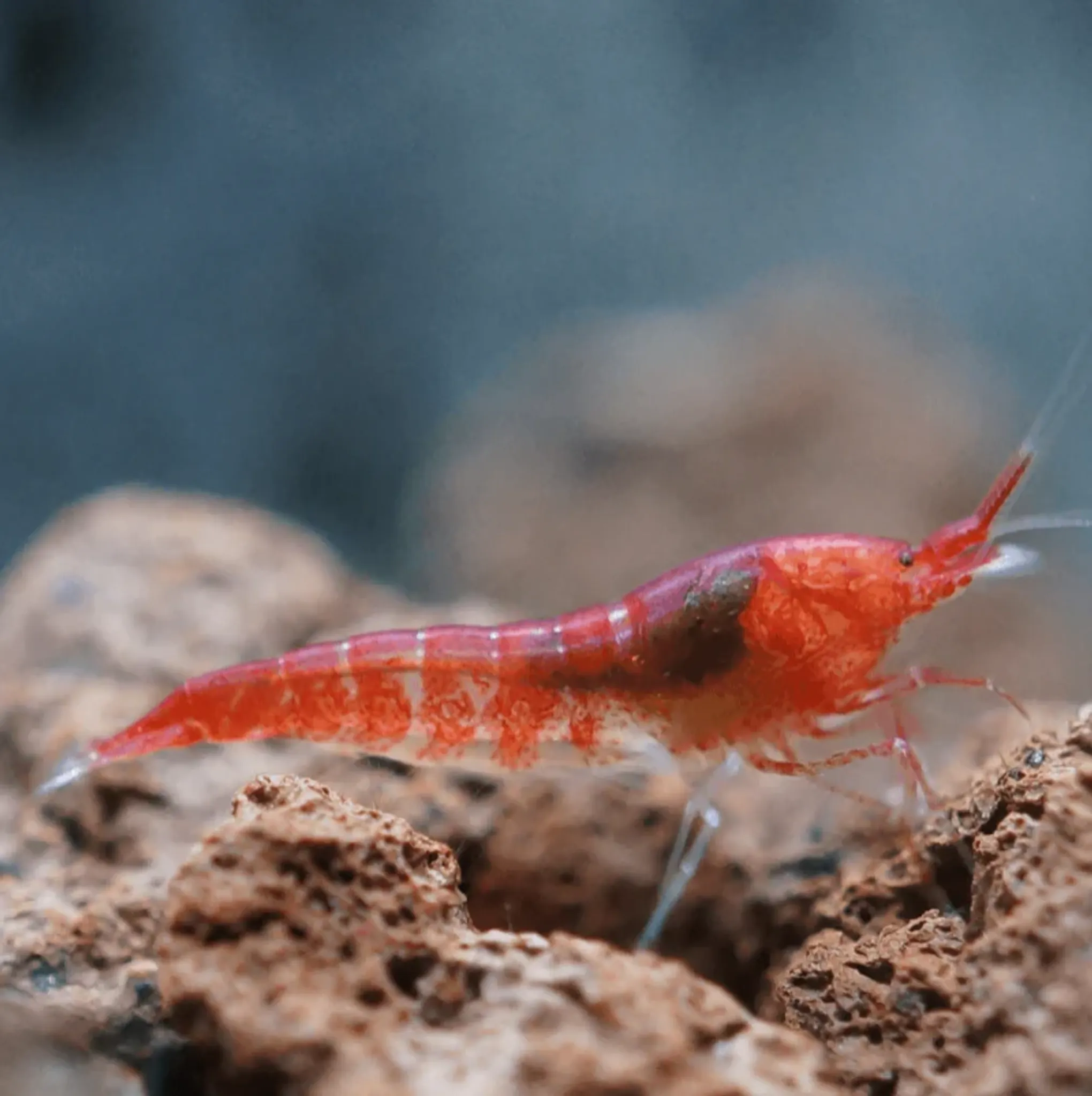
- Suitable tank mates: This is a relatively peaceful wild betta that does best in a species-focused setup or a calm blackwater community. Good companions include small, gentle rasboras such as Boraras species and Trigonostigma harlequins, kuhli loaches, and small, warm-tolerant bottom dwellers that will not compete aggressively for food. Avoid fin-nippers, large or boisterous fish, surface-hugging species that may be bullied at feeding time, and other bettas — especially other mouthbrooding Betta species. Males can be territorial when breeding, so keep a single male with a small group of females in a well-structured tank, or house pairs separately. Ornamental shrimp and very small fry may be eaten. Always provide dense planting, caves and leaf litter so subordinate fish can retreat and establish their own space.
- Feeding habits: Betta simorum is a micropredator with a strongly carnivorous leaning. Offer a varied diet of live and frozen foods such as daphnia, moina, brine shrimp, bloodworm, grindal worms and mosquito larvae, supplemented with small, soft micro-pellets if the fish will take them. Feed small amounts once or twice daily — roughly what the fish can clear in a minute or two — and avoid overfeeding, which quickly fouls soft, acidic water. Wild bettas can be shy feeders at first, so deliver food near cover and allow them to settle before increasing portions. Soak dry foods briefly to soften them, and remove uneaten food. During mouthbrooding, males may fast for extended periods; do not disturb them or force-feed, and keep water quality pristine until they release the fry.
- Care requirements: Provide an aquarium of at least 60 cm for a pair, and closer to 90 cm for a harem group, with dim lighting, floating plants, vertical structure and plenty of leaf litter. Betta simorum is a paternal mouthbrooder: after spawning, the male holds the eggs in his mouth for around two to three weeks, so avoid netting or moving brooding males. Acclimatise carefully by drip method, quarantine new arrivals, and never rush them into a brightly lit, high-flow tank. Perform weekly water changes of around 10–20% using soft, acidic water matched to the tank temperature, and siphon detritus from the substrate without disturbing botanicals too aggressively. Adult size is typically around 5–6 cm standard length. Watch for fin rot, velvet and stress-related appetite loss, all of which are linked to poor water quality or sudden parameter swings. With stable blackwater conditions and a quiet, well-planted environment, the Simor Fighter is a rewarding and characterful wild betta for the dedicated aquarist.