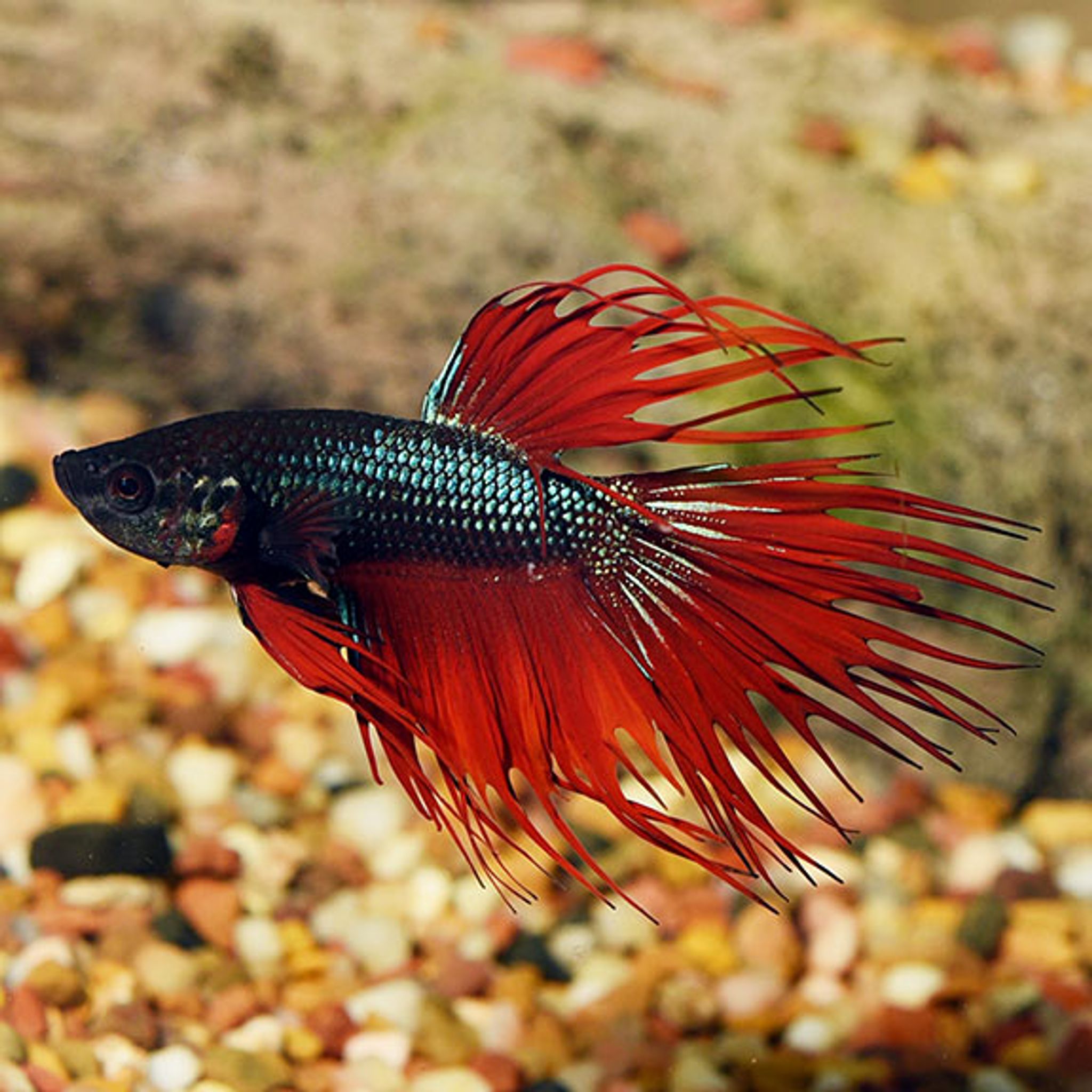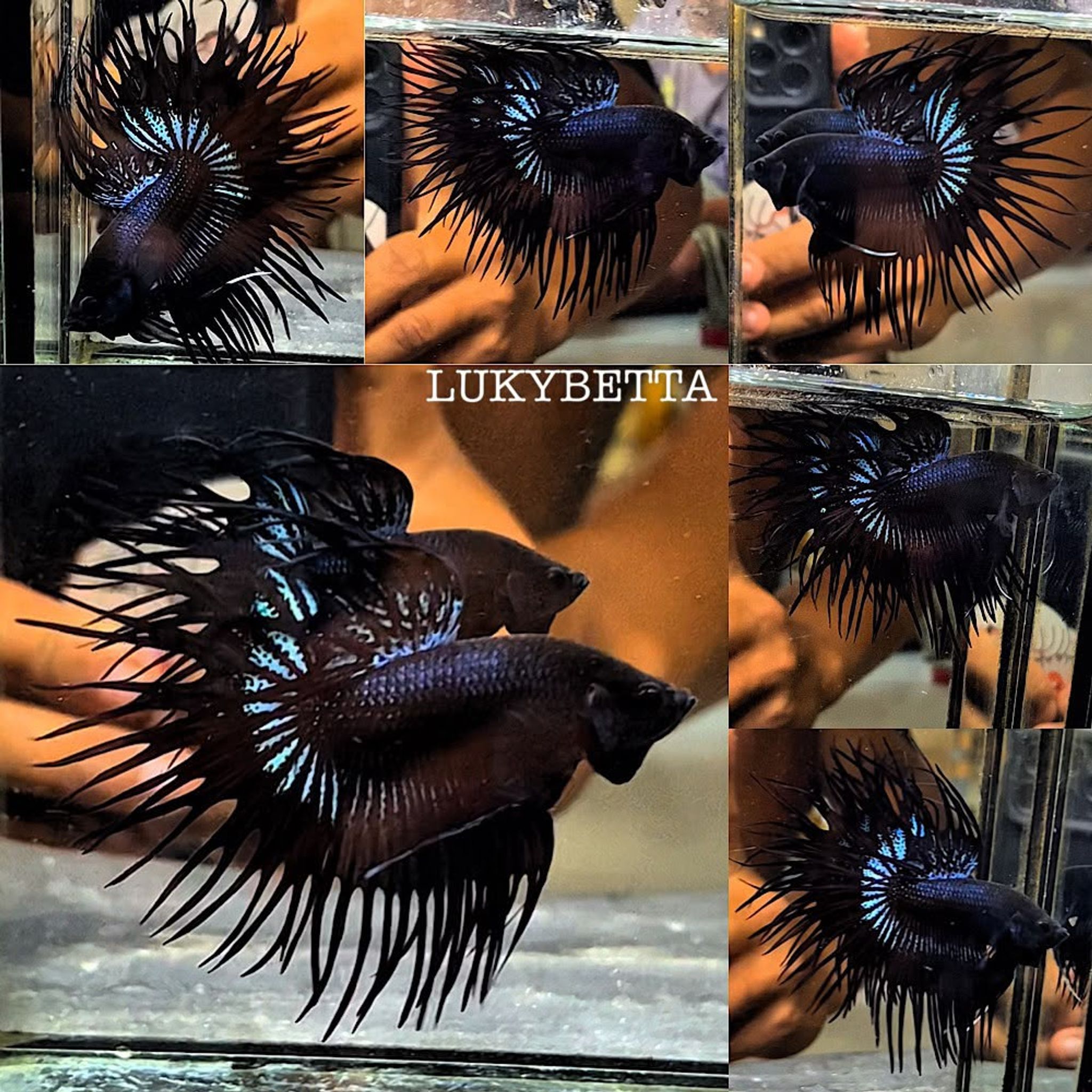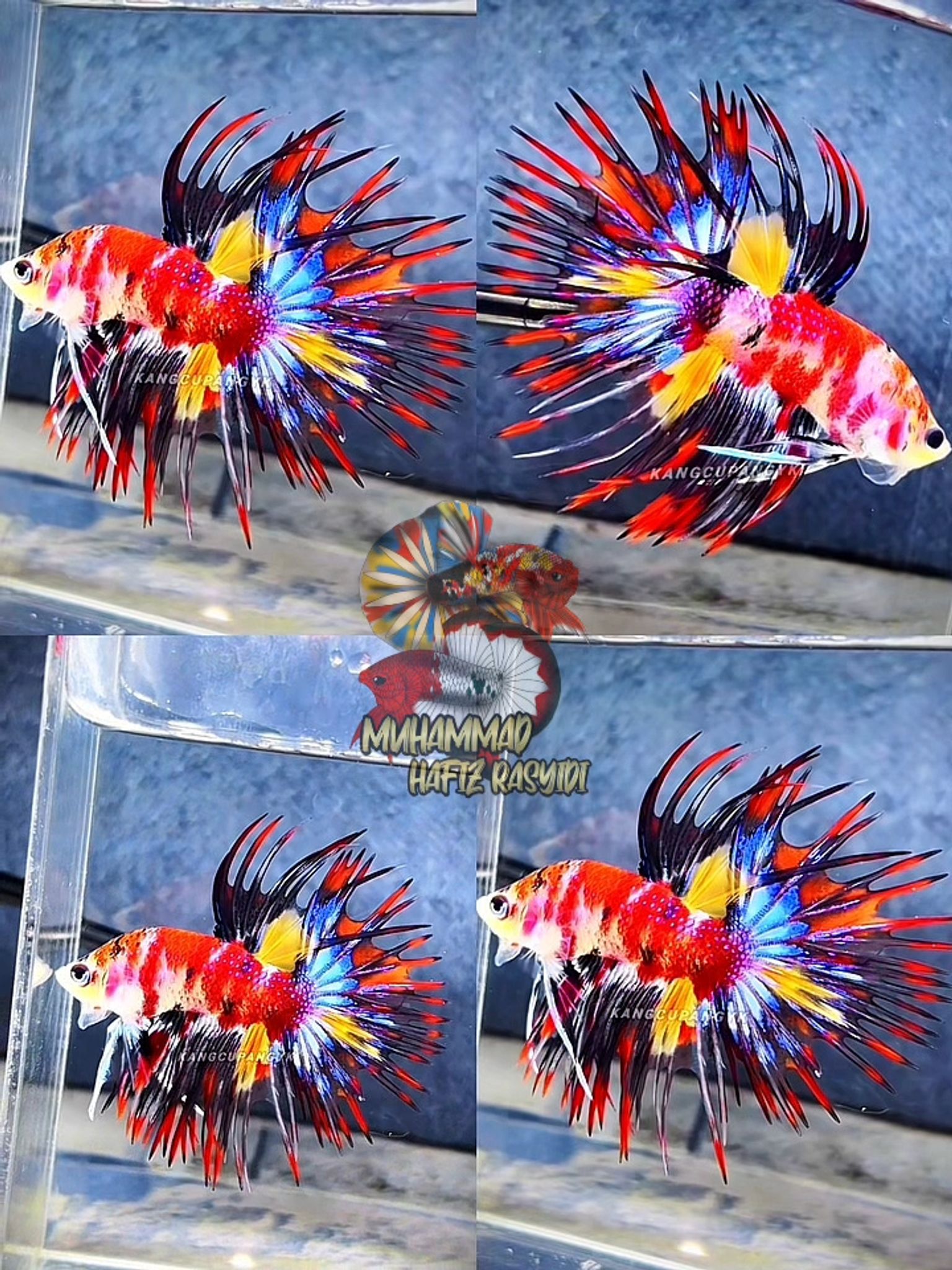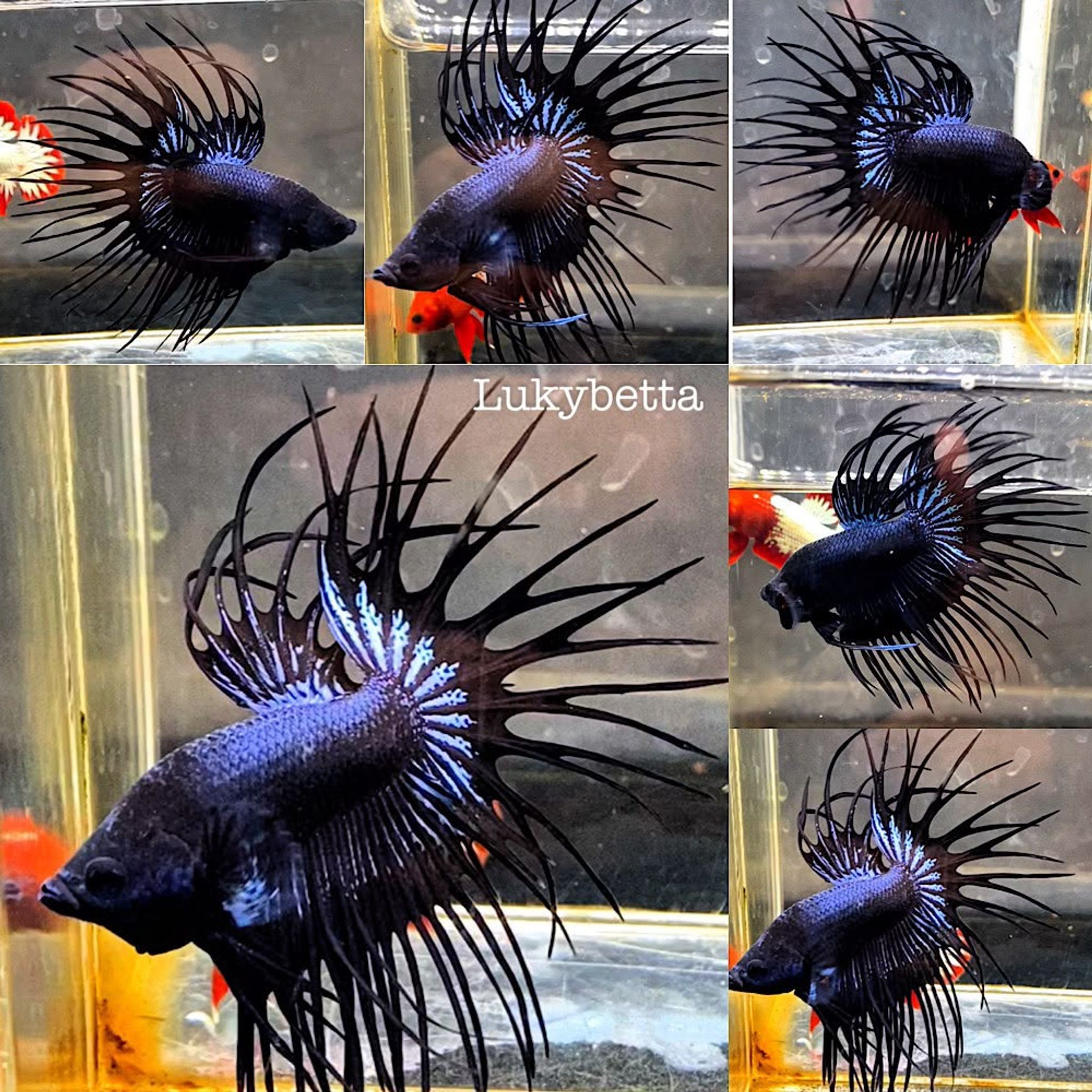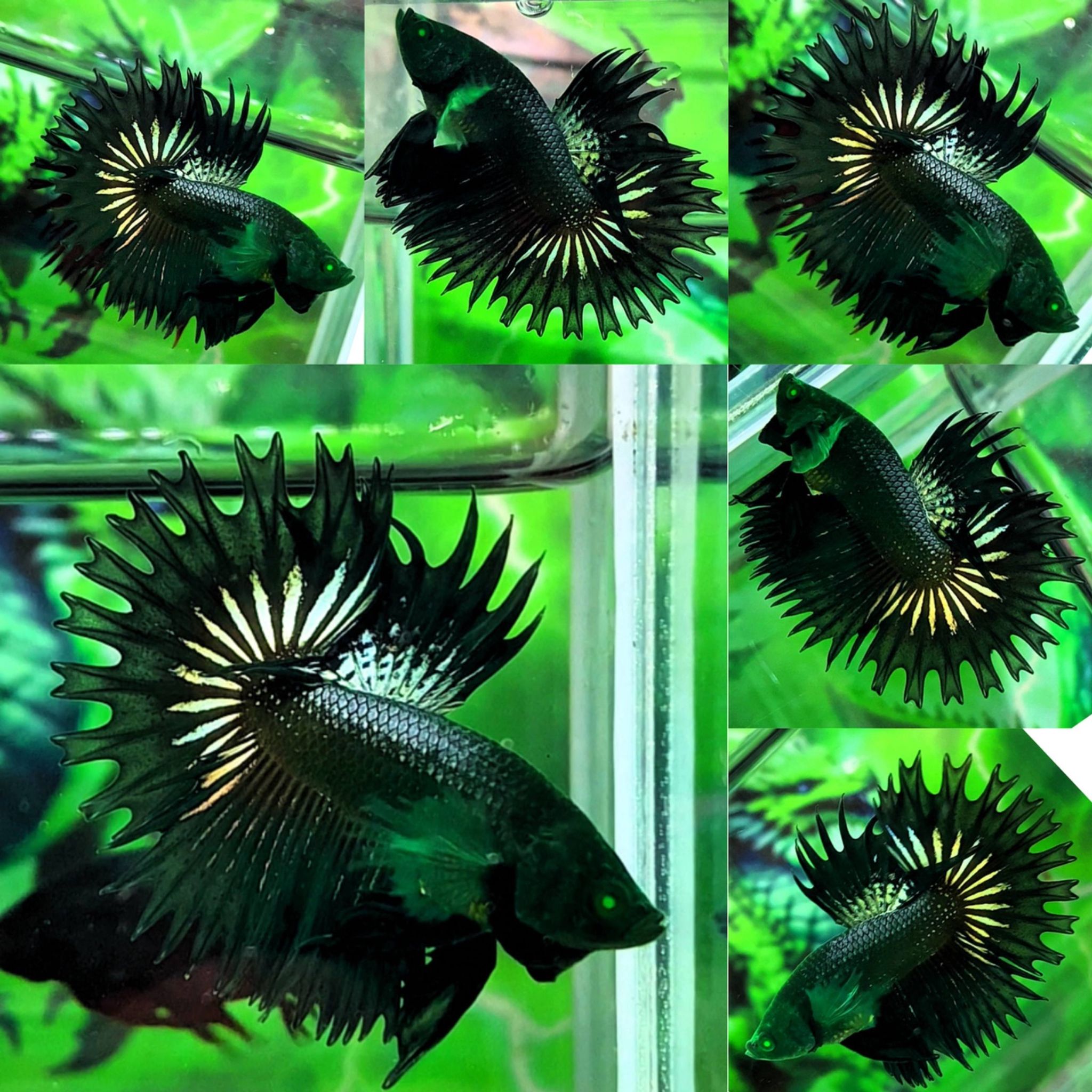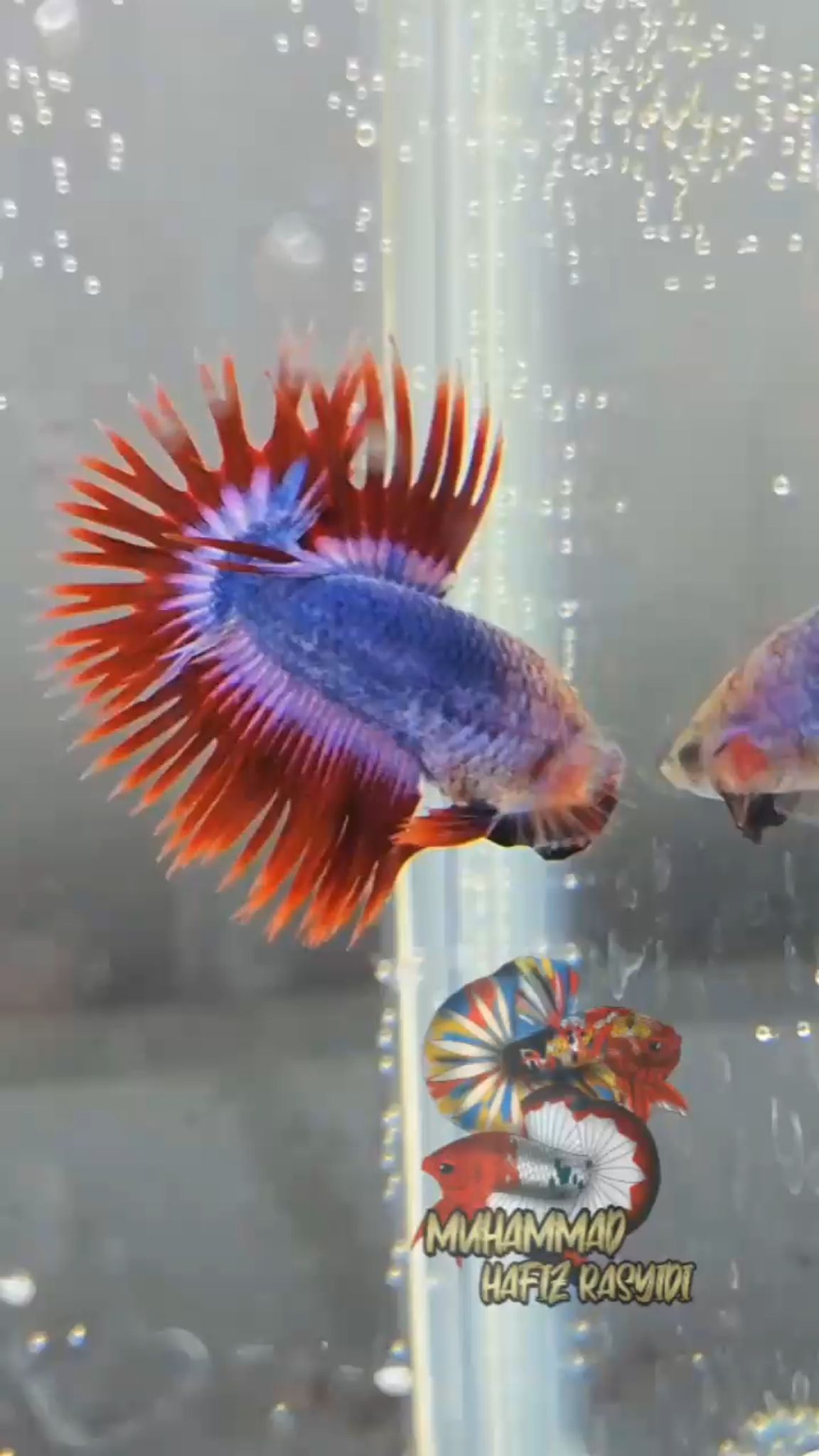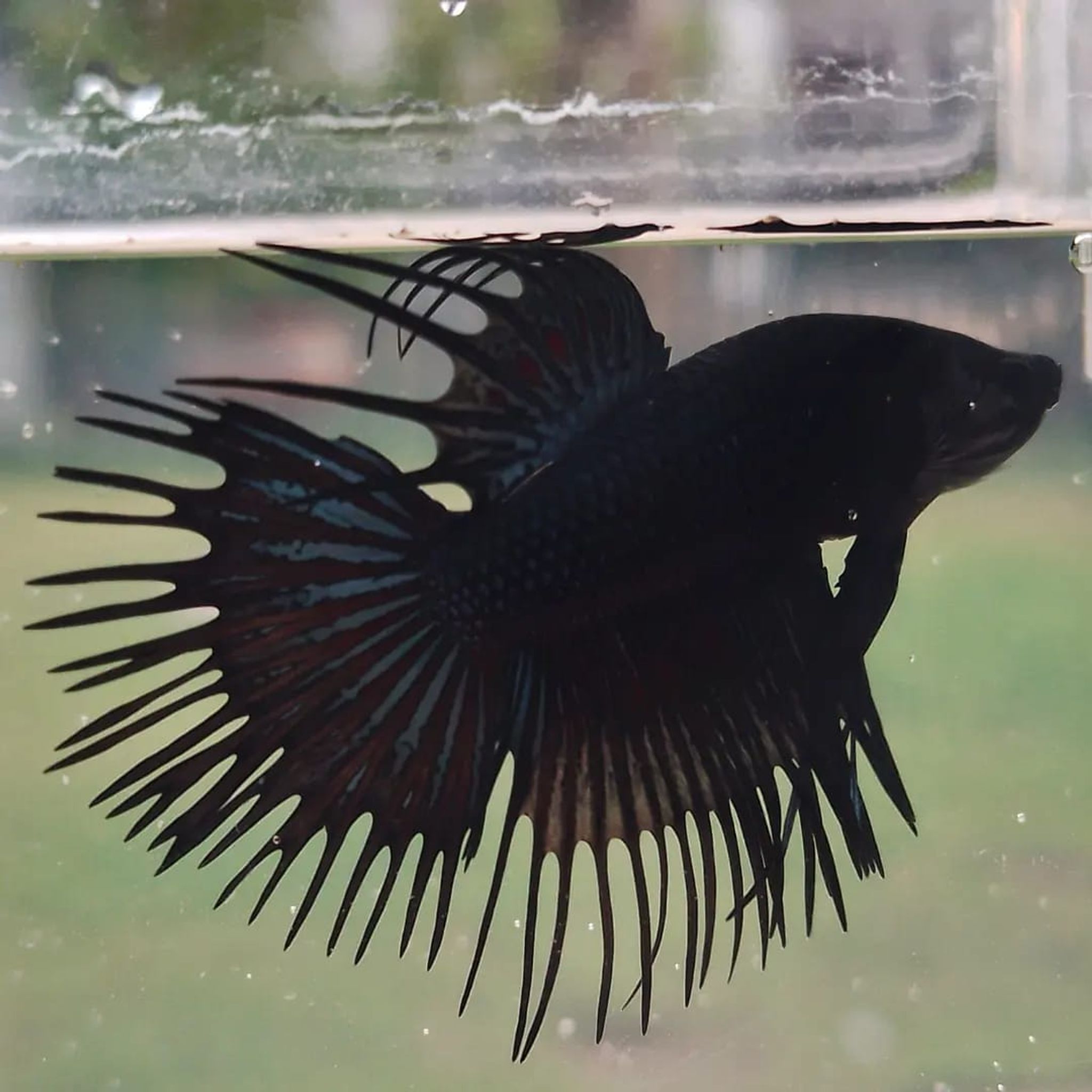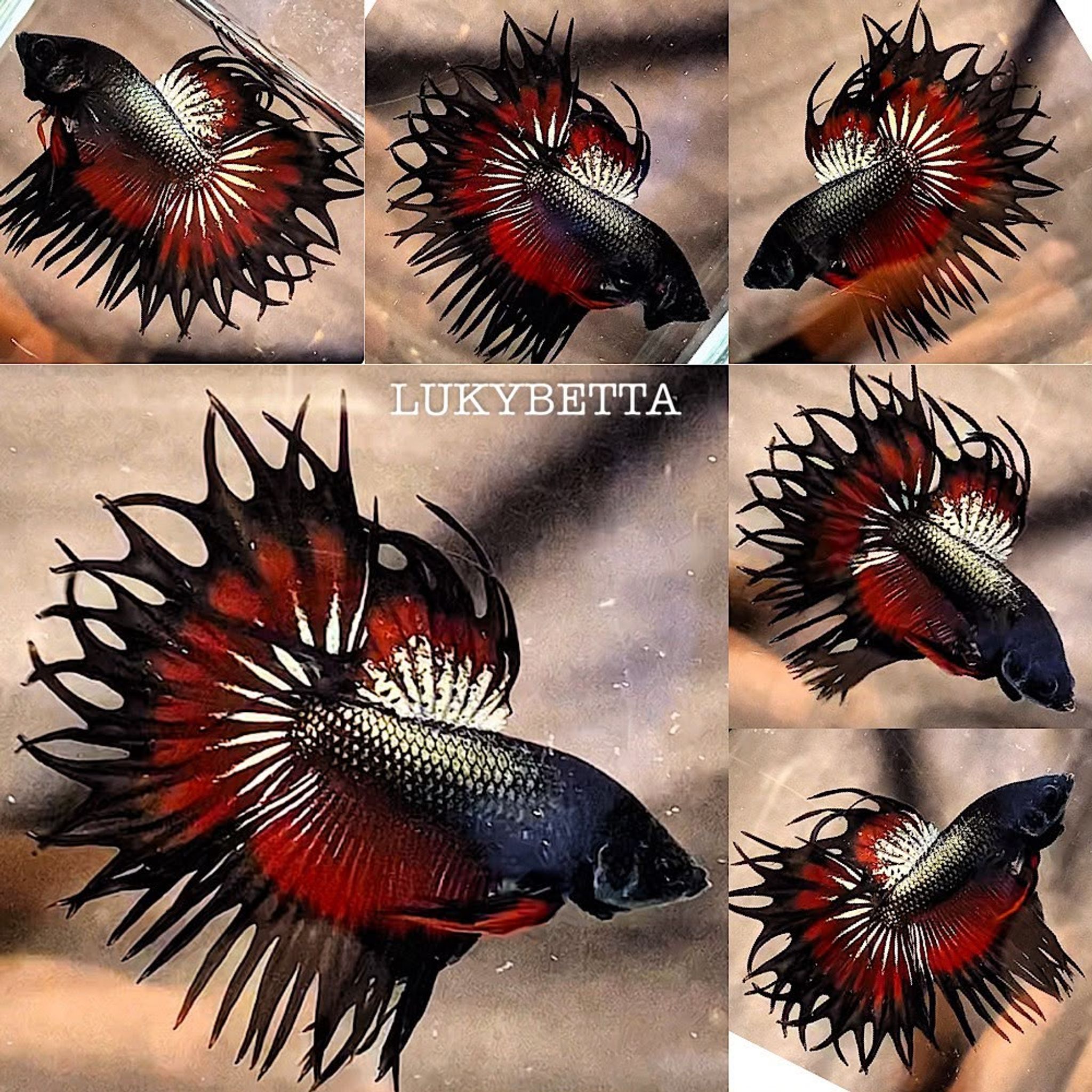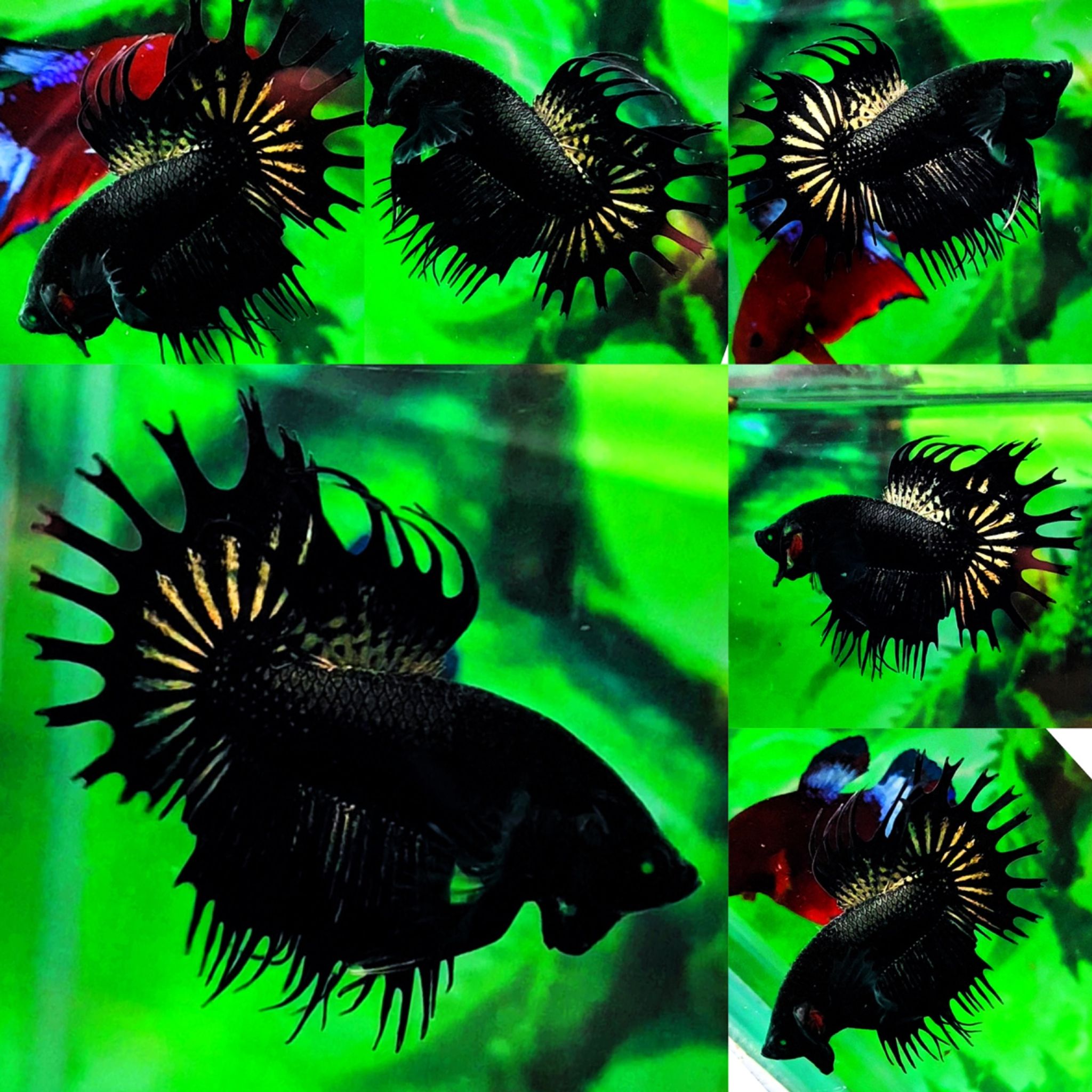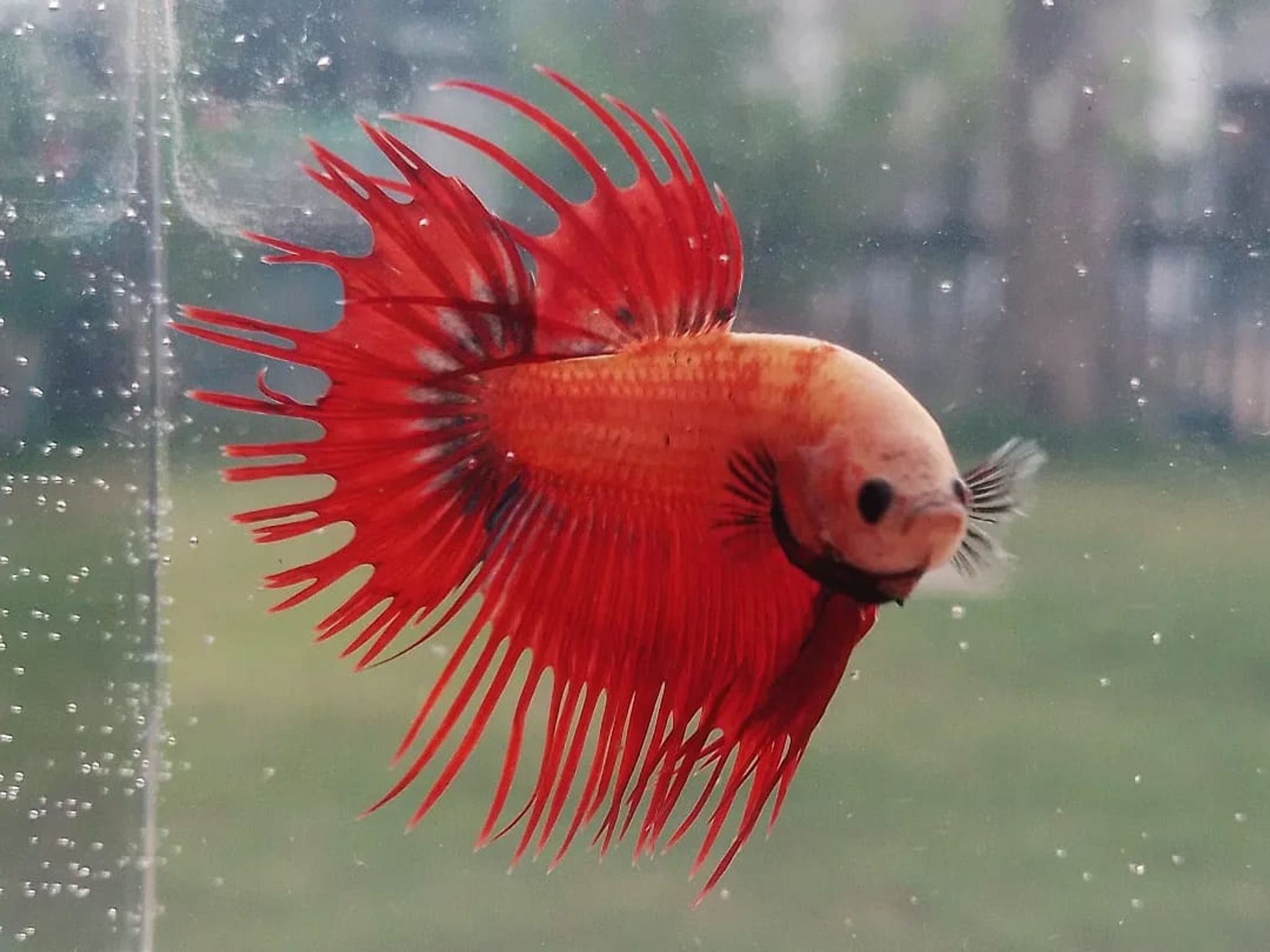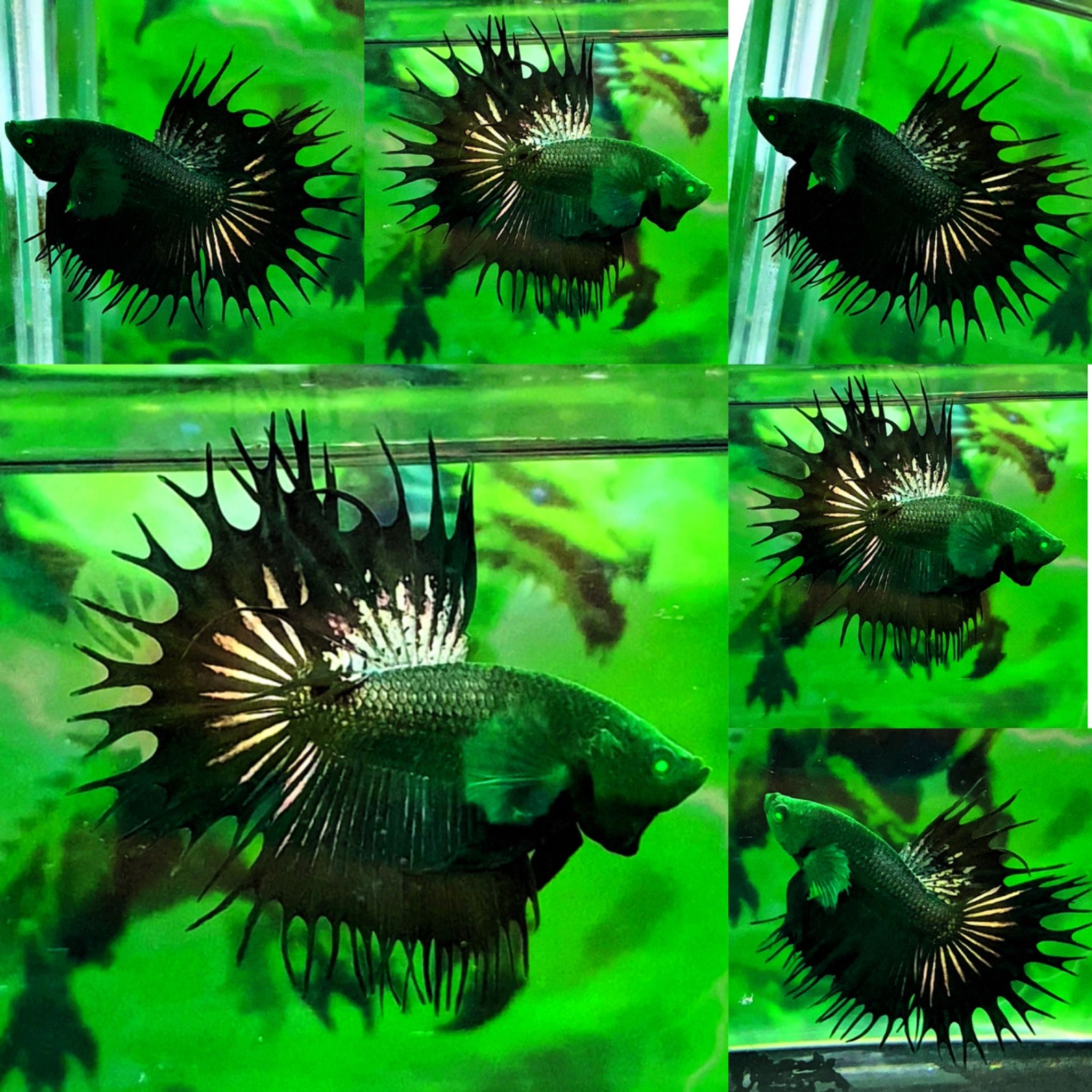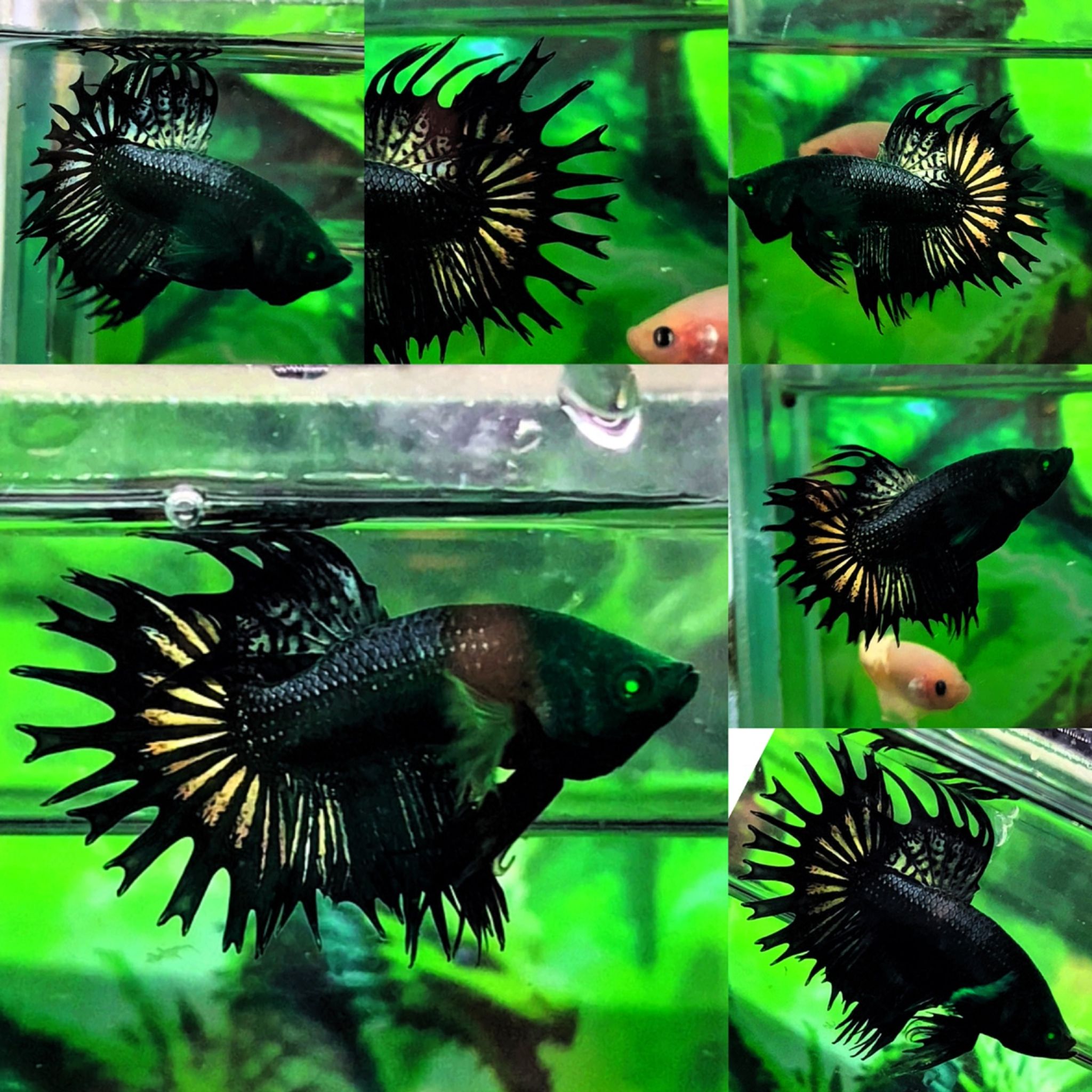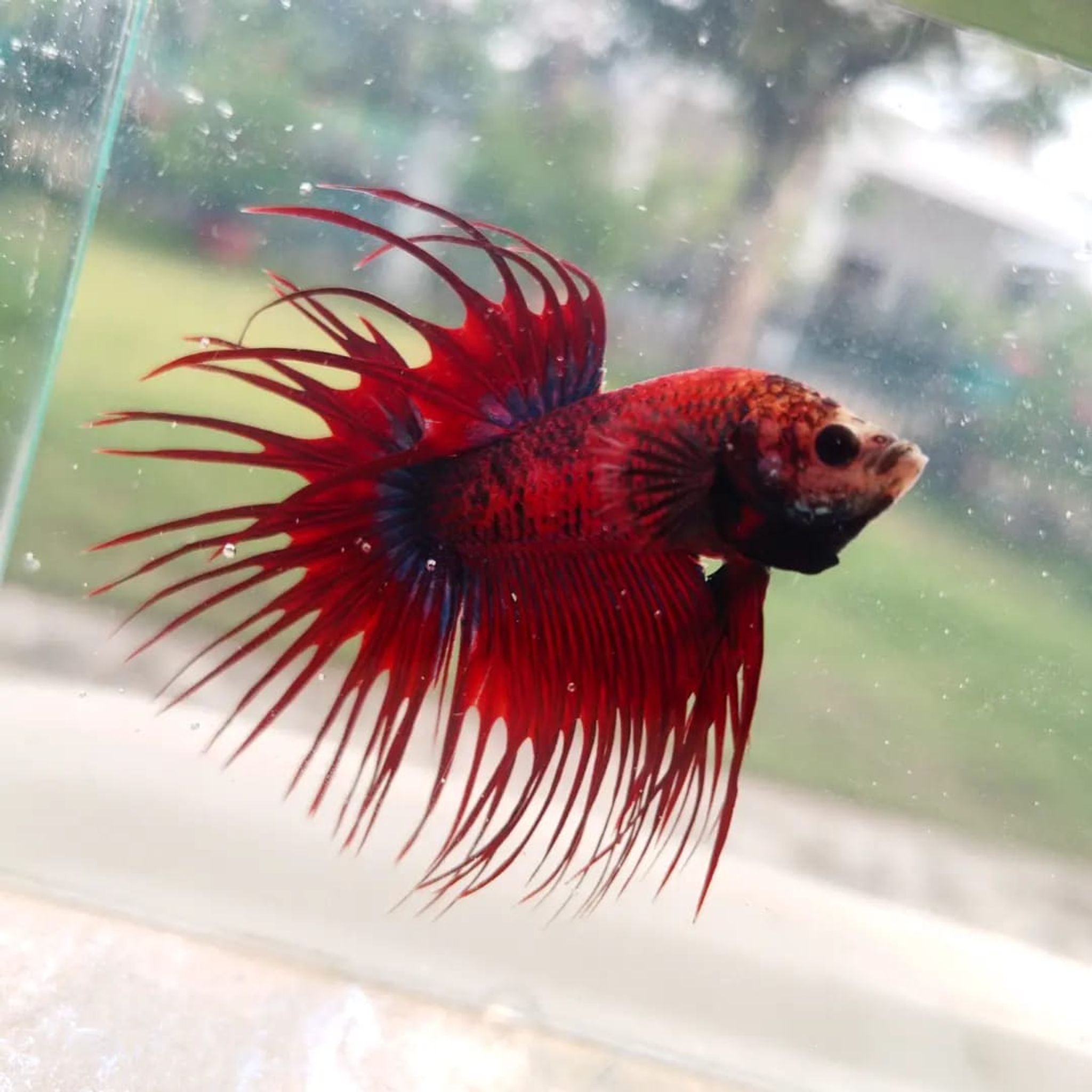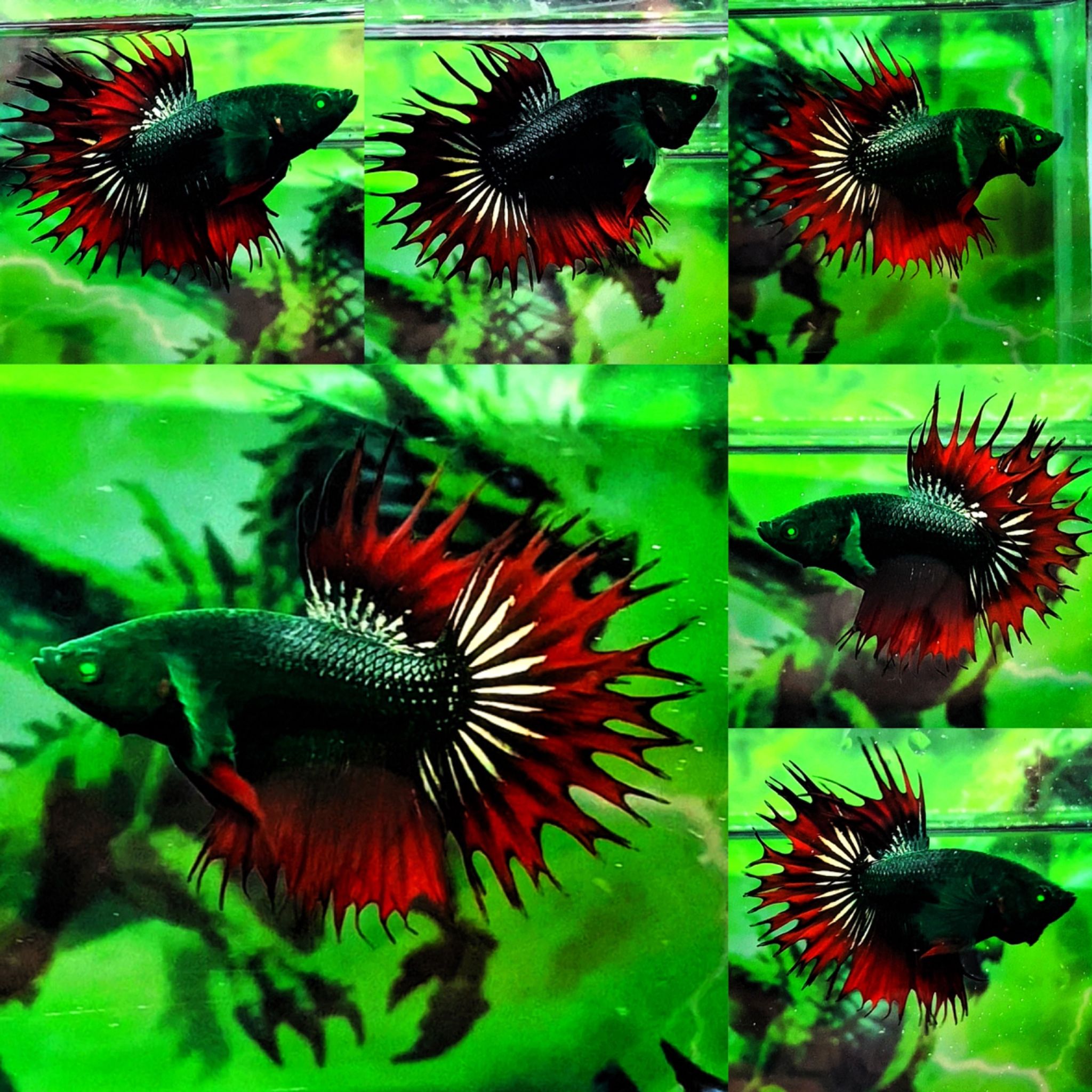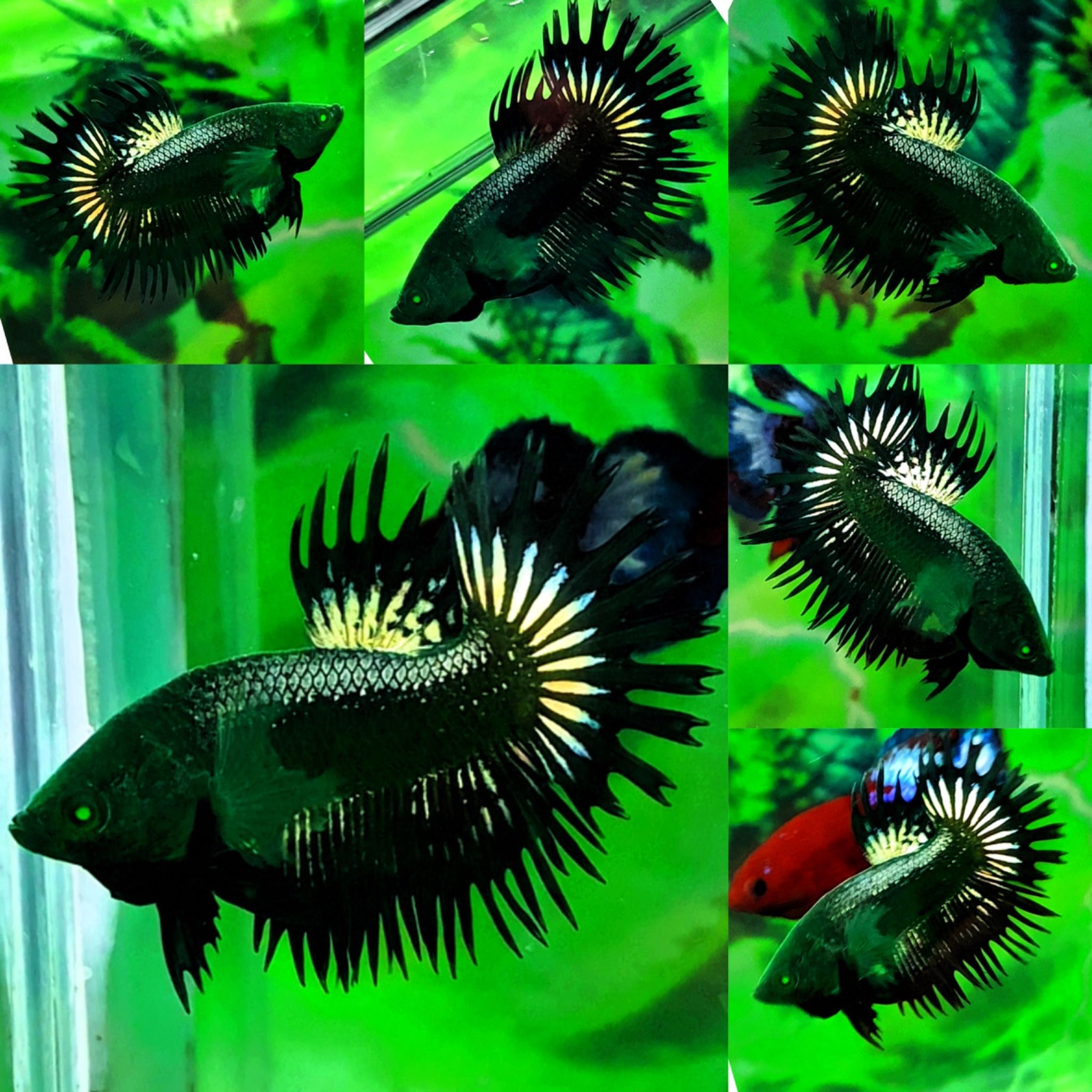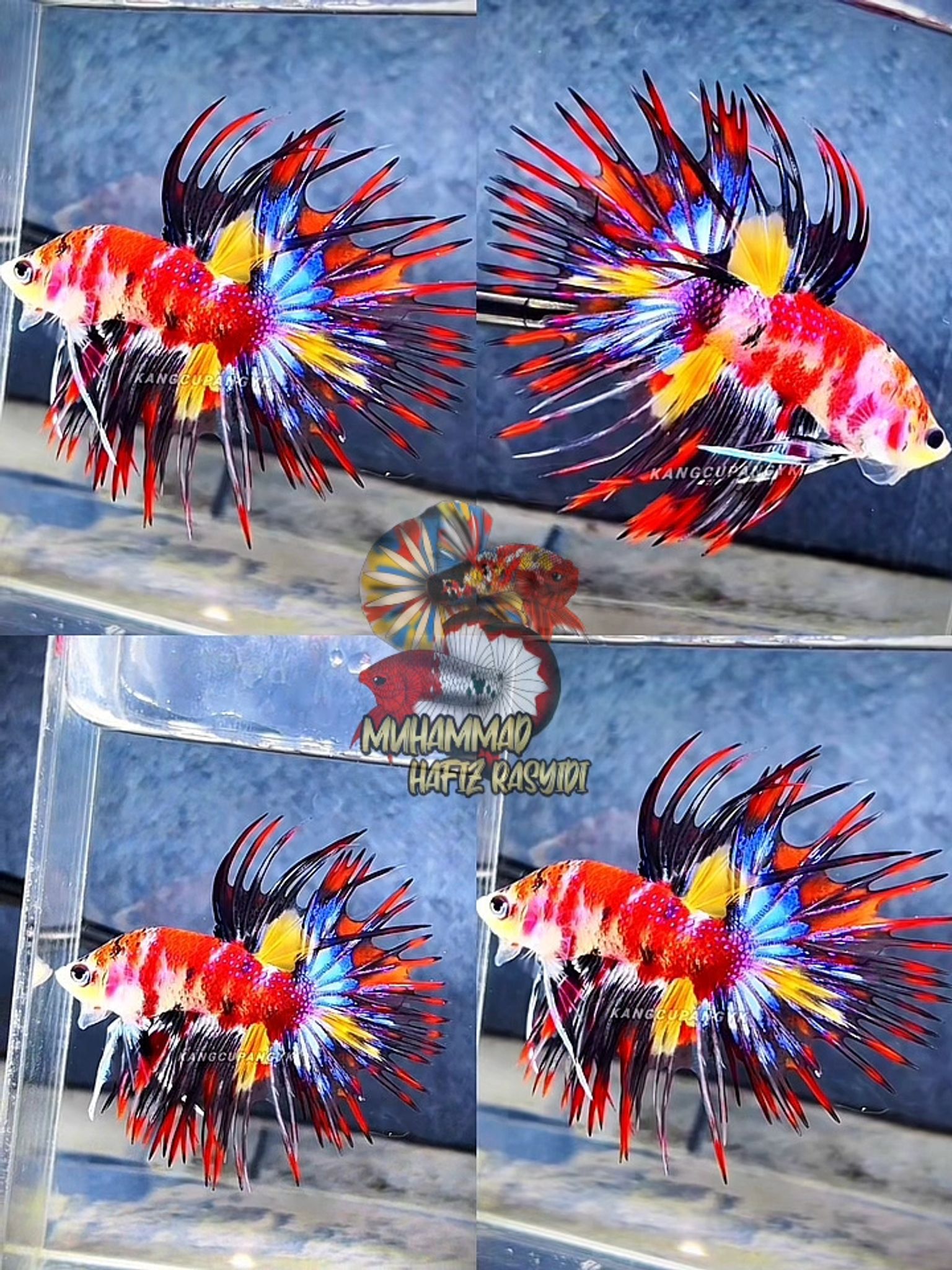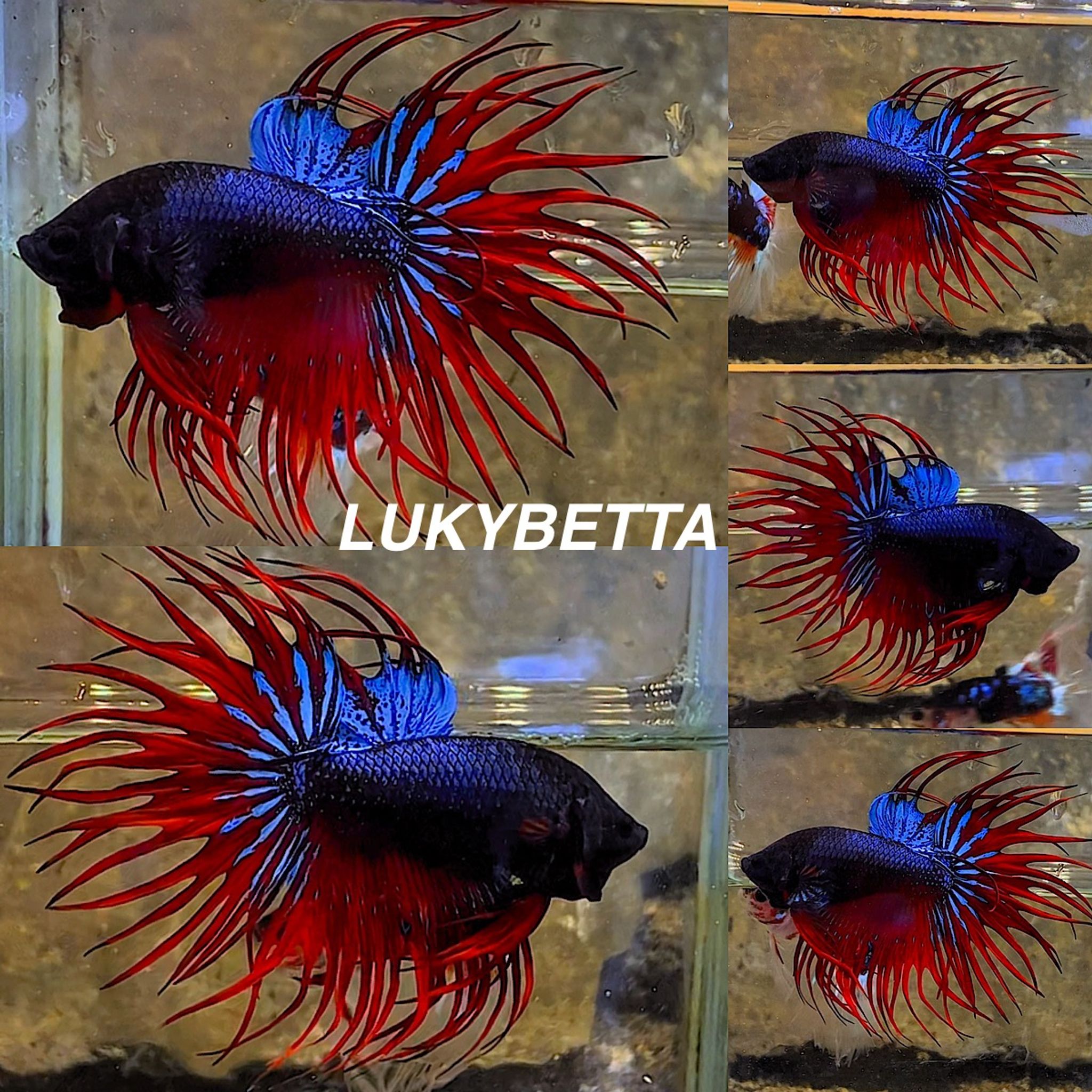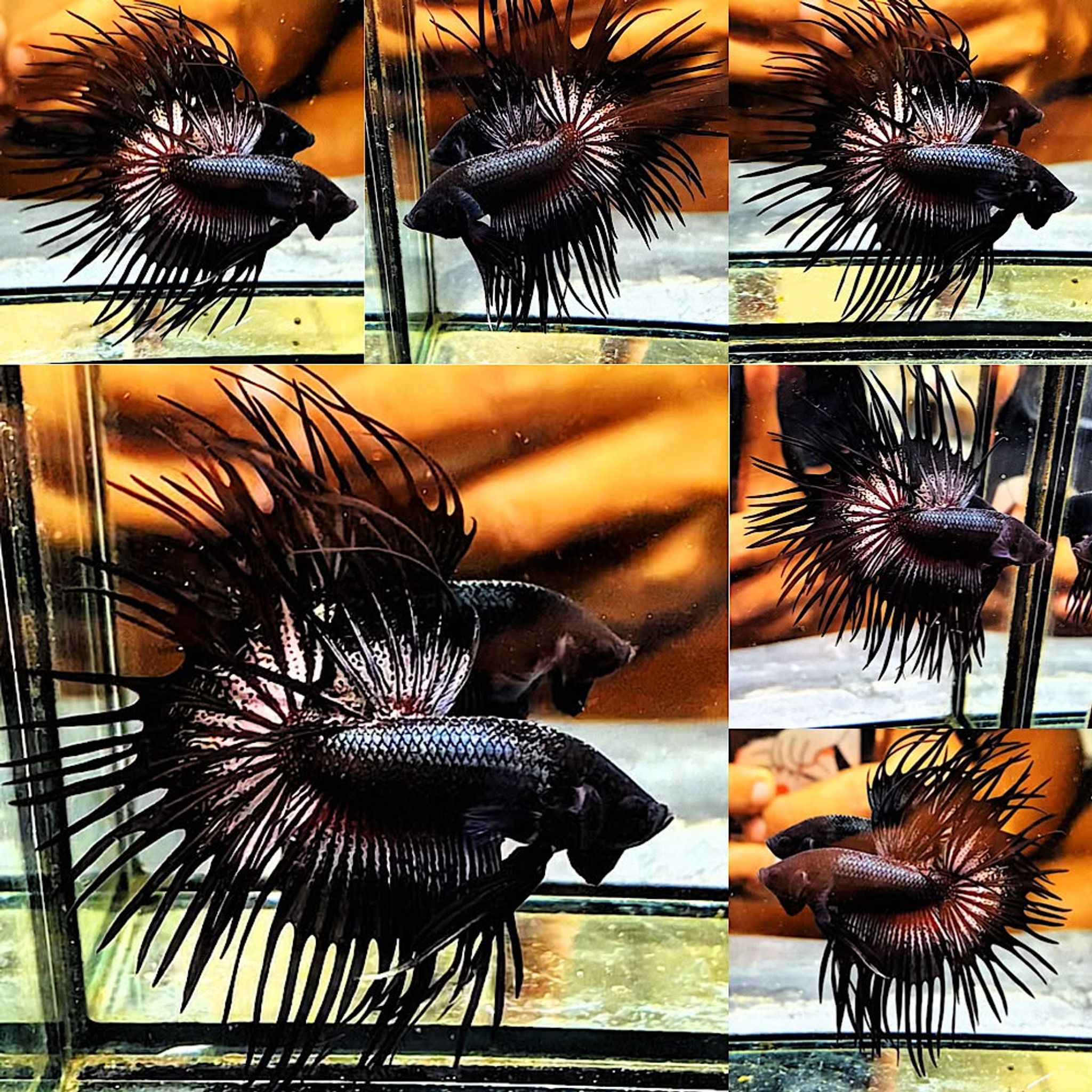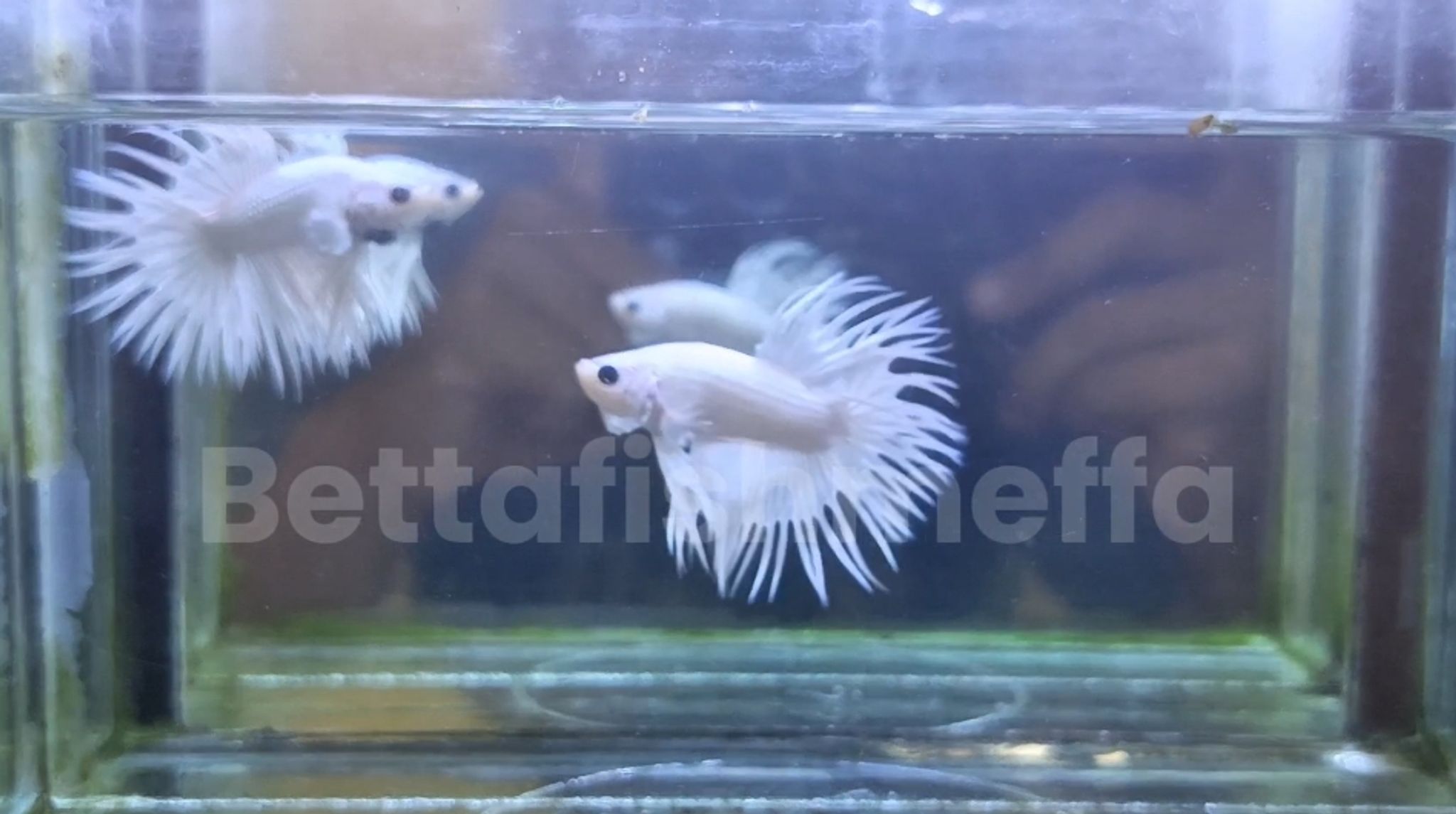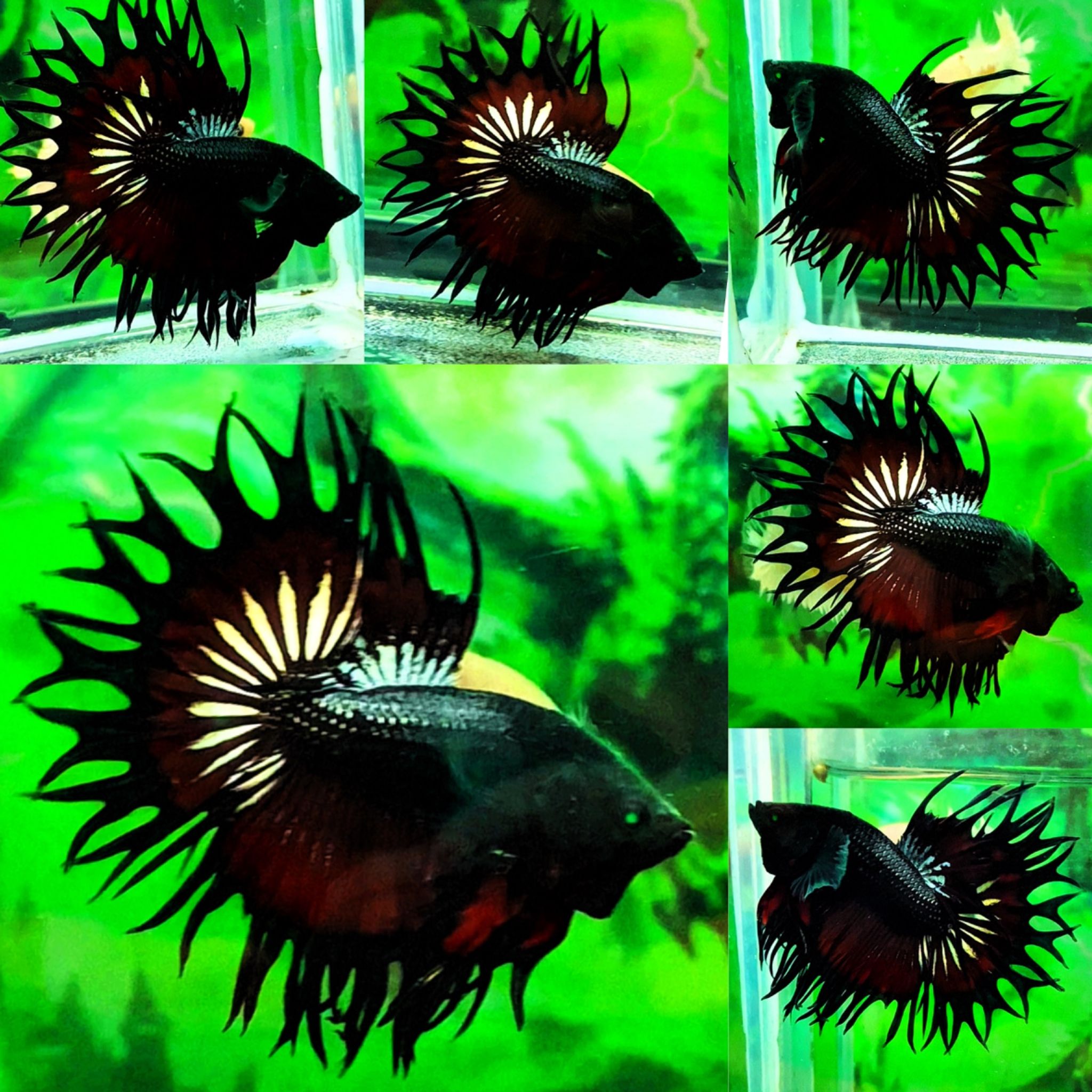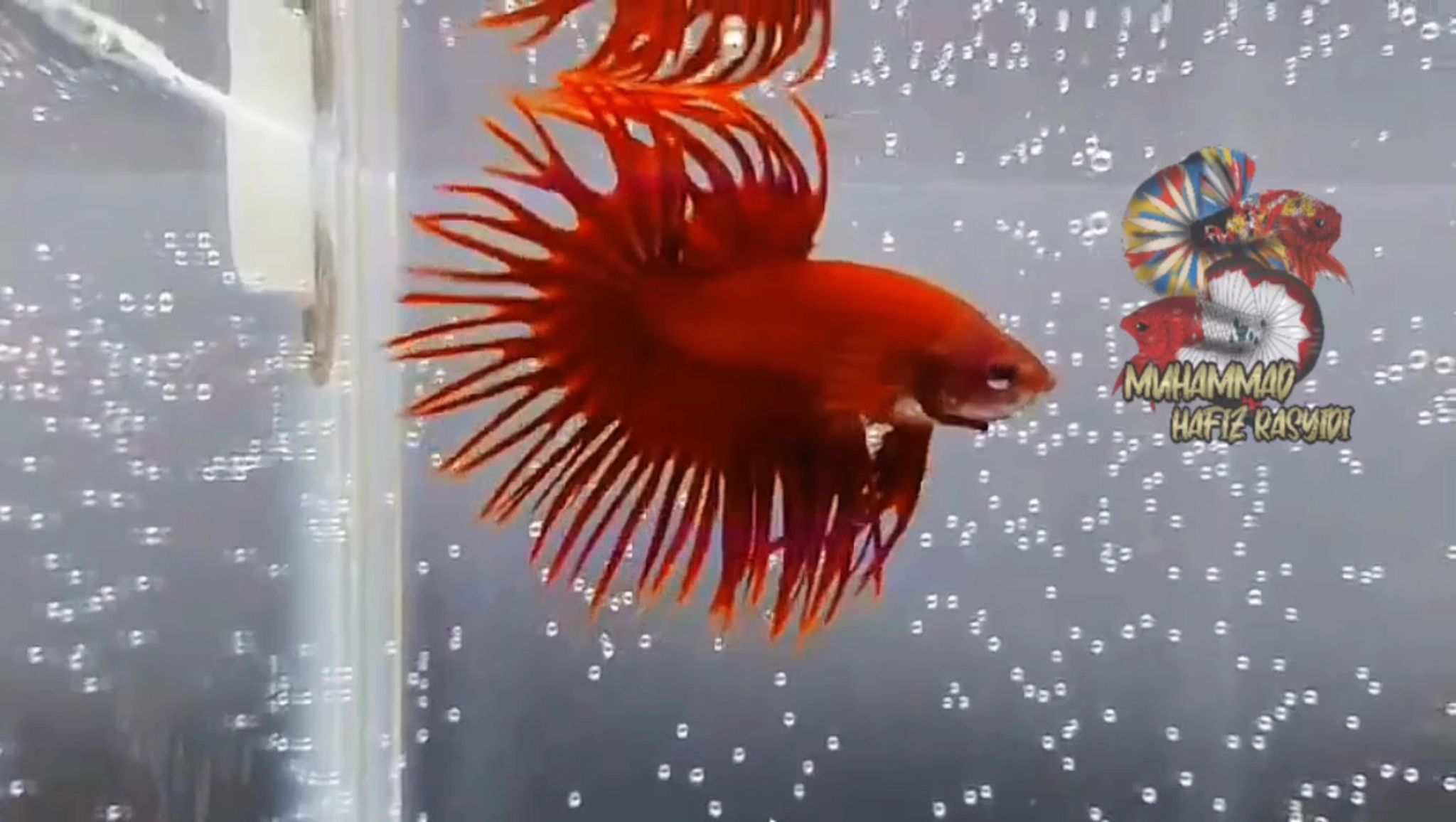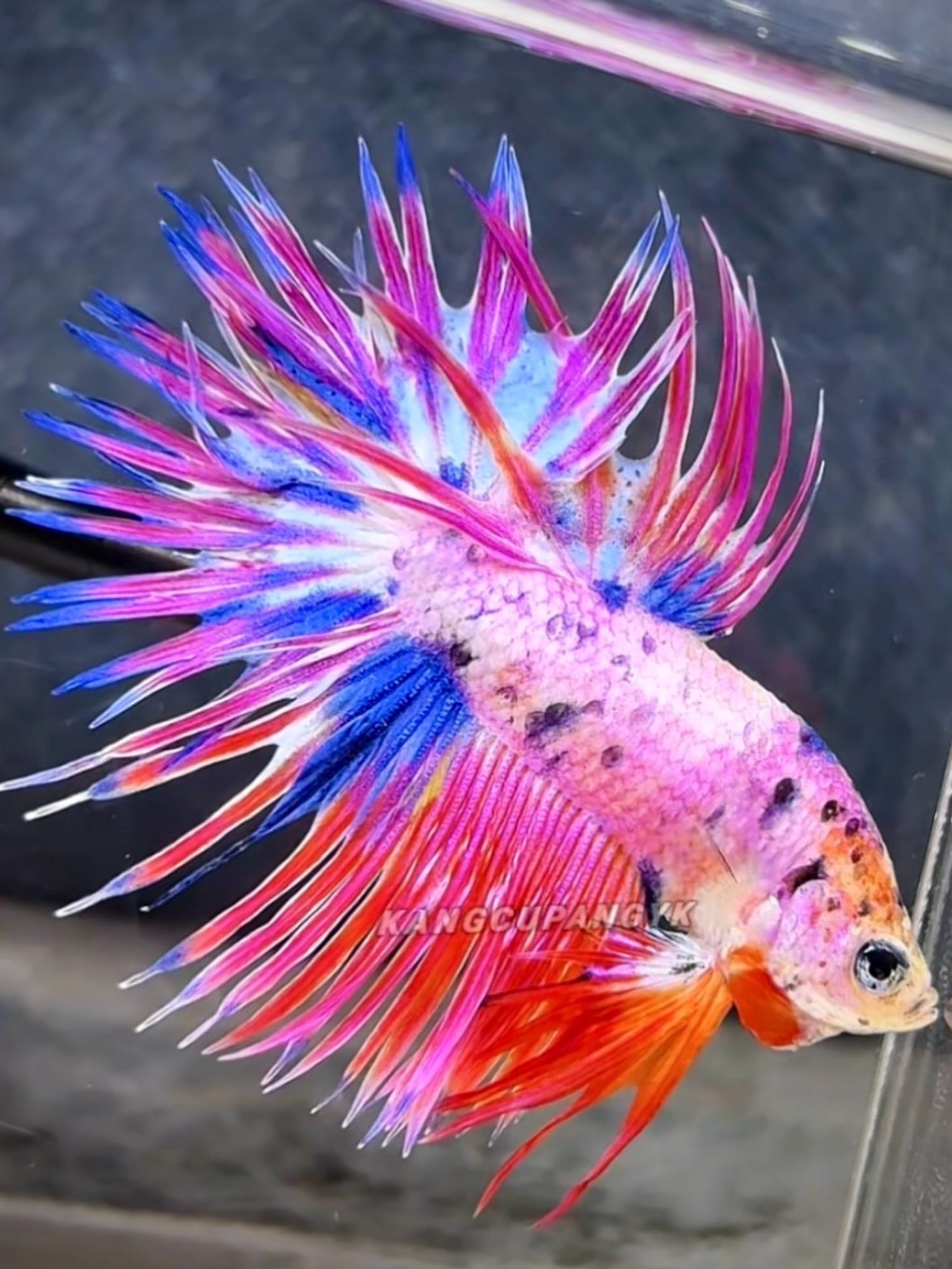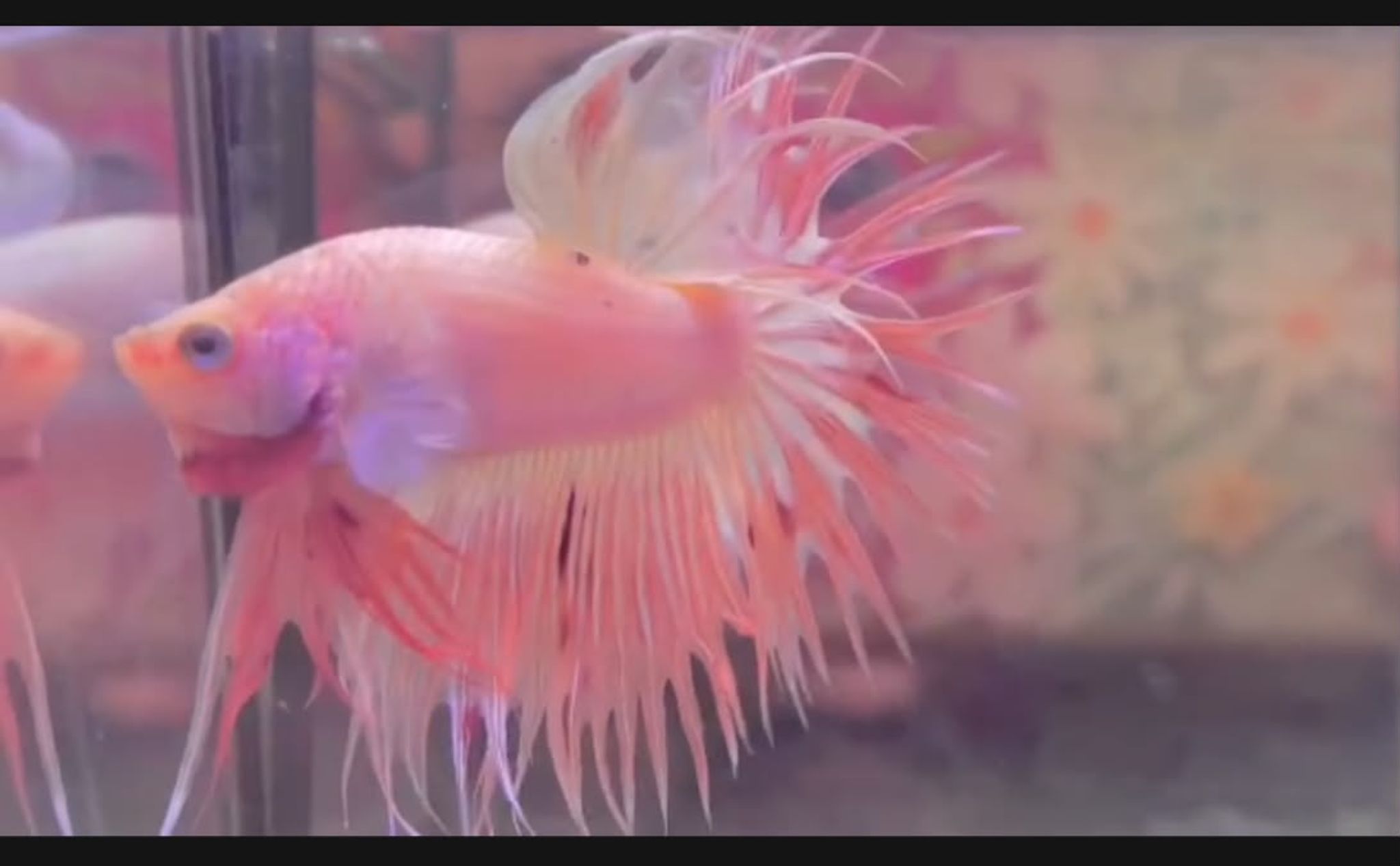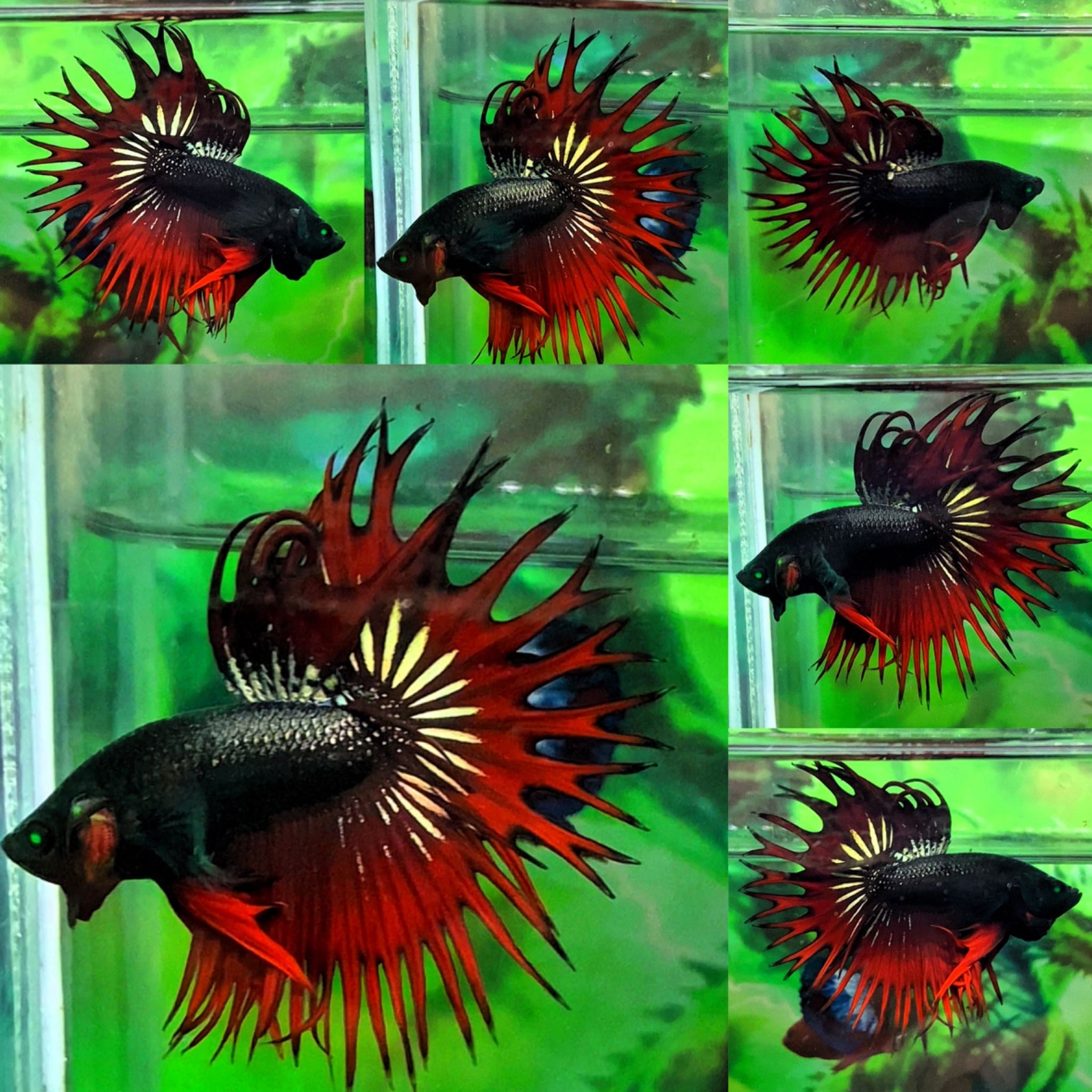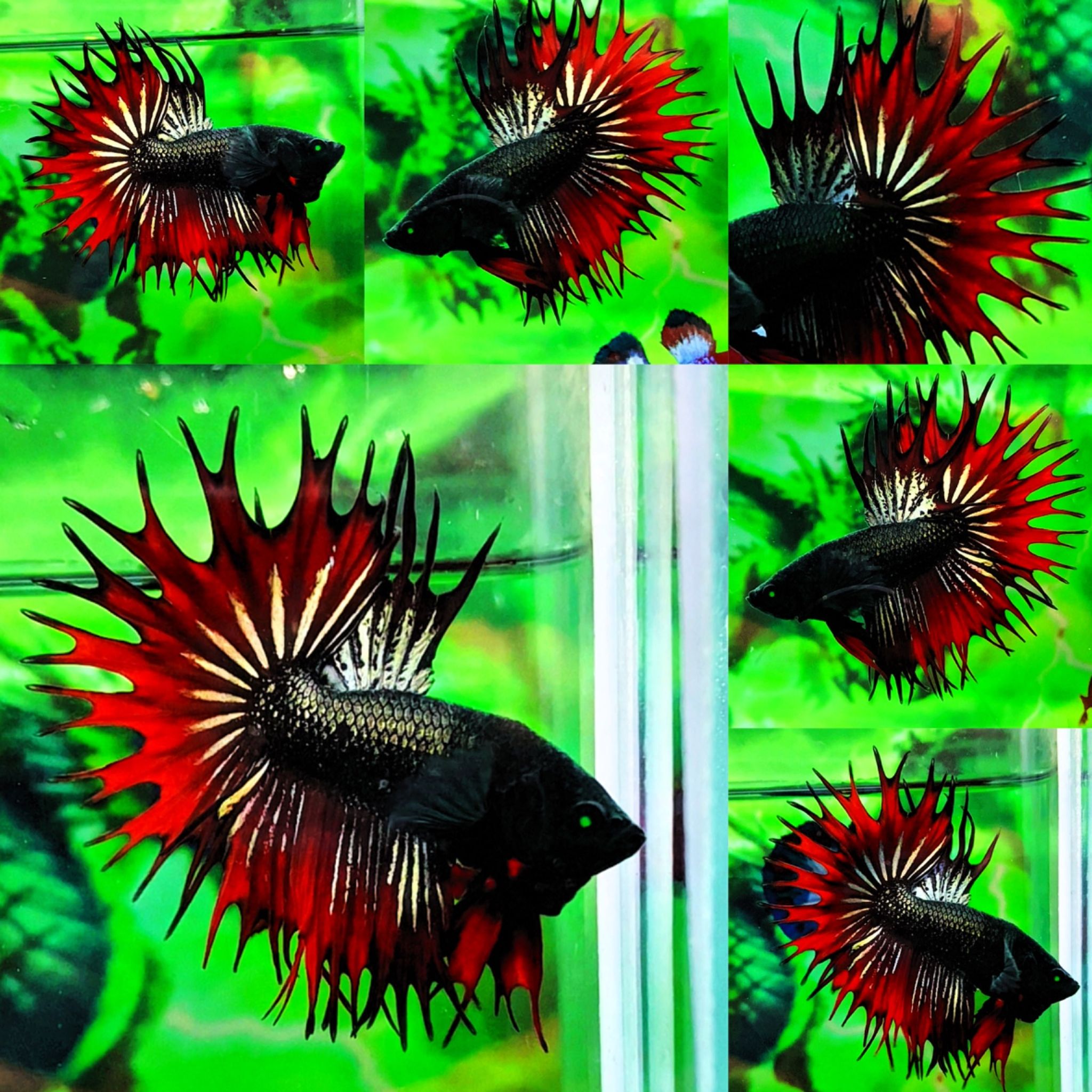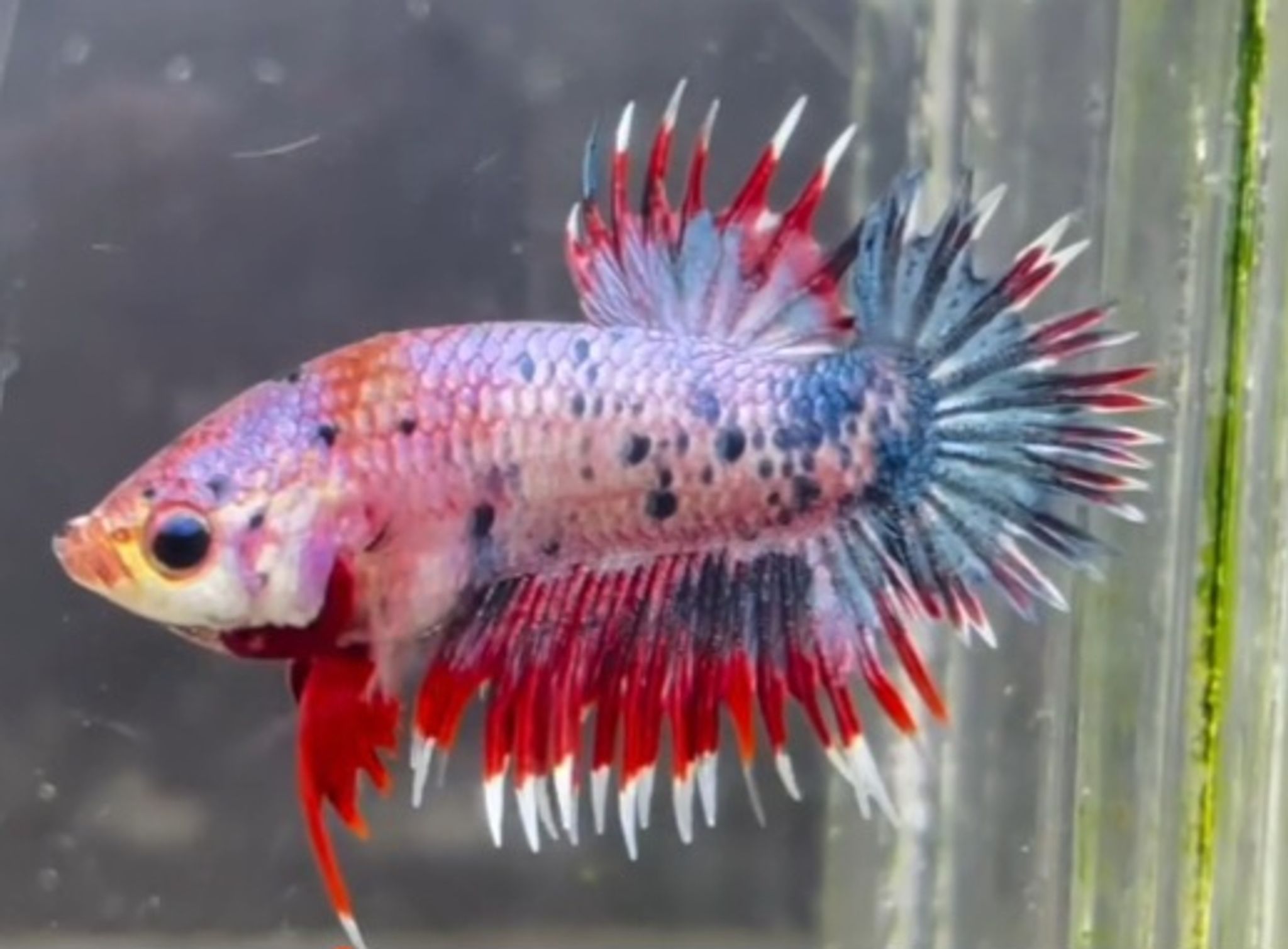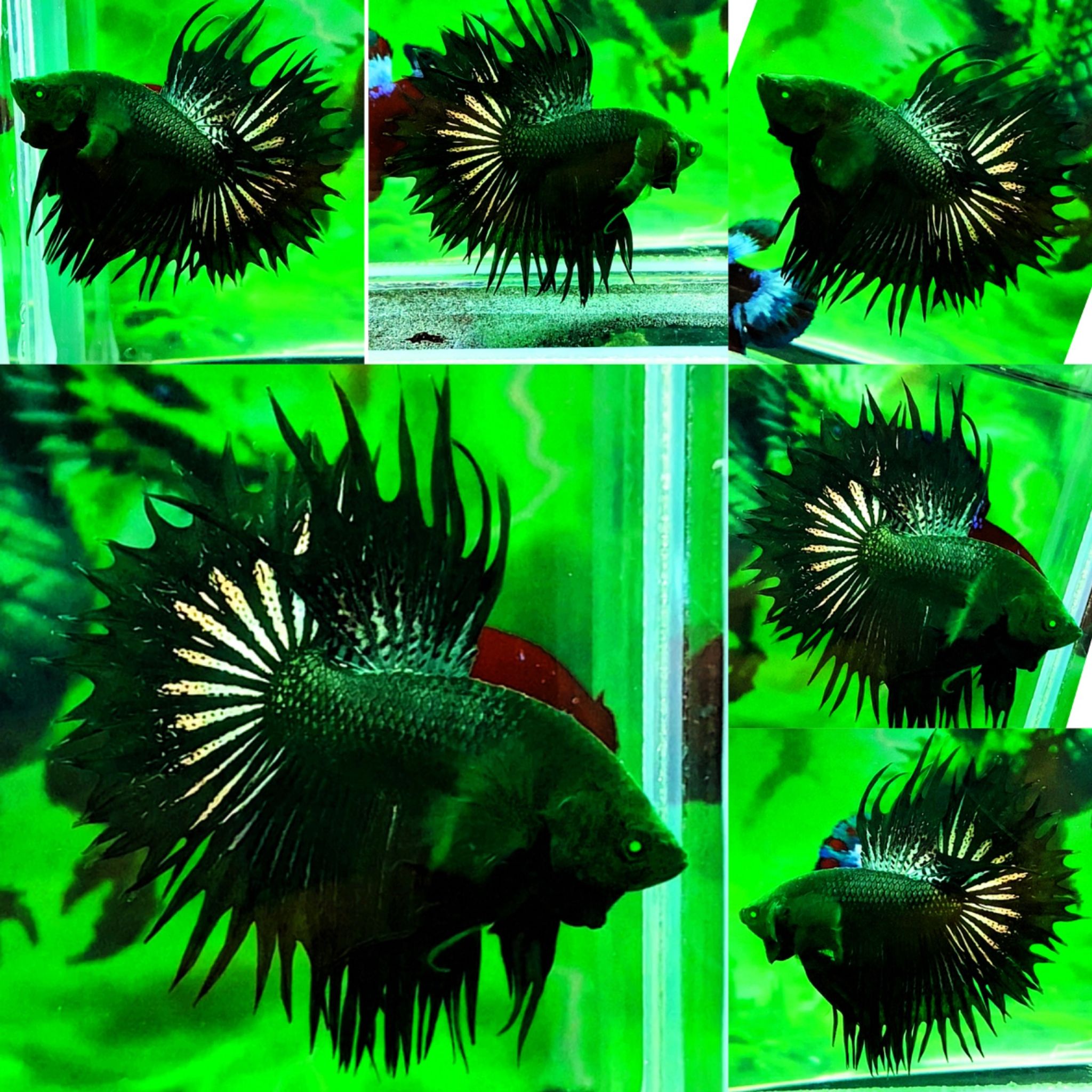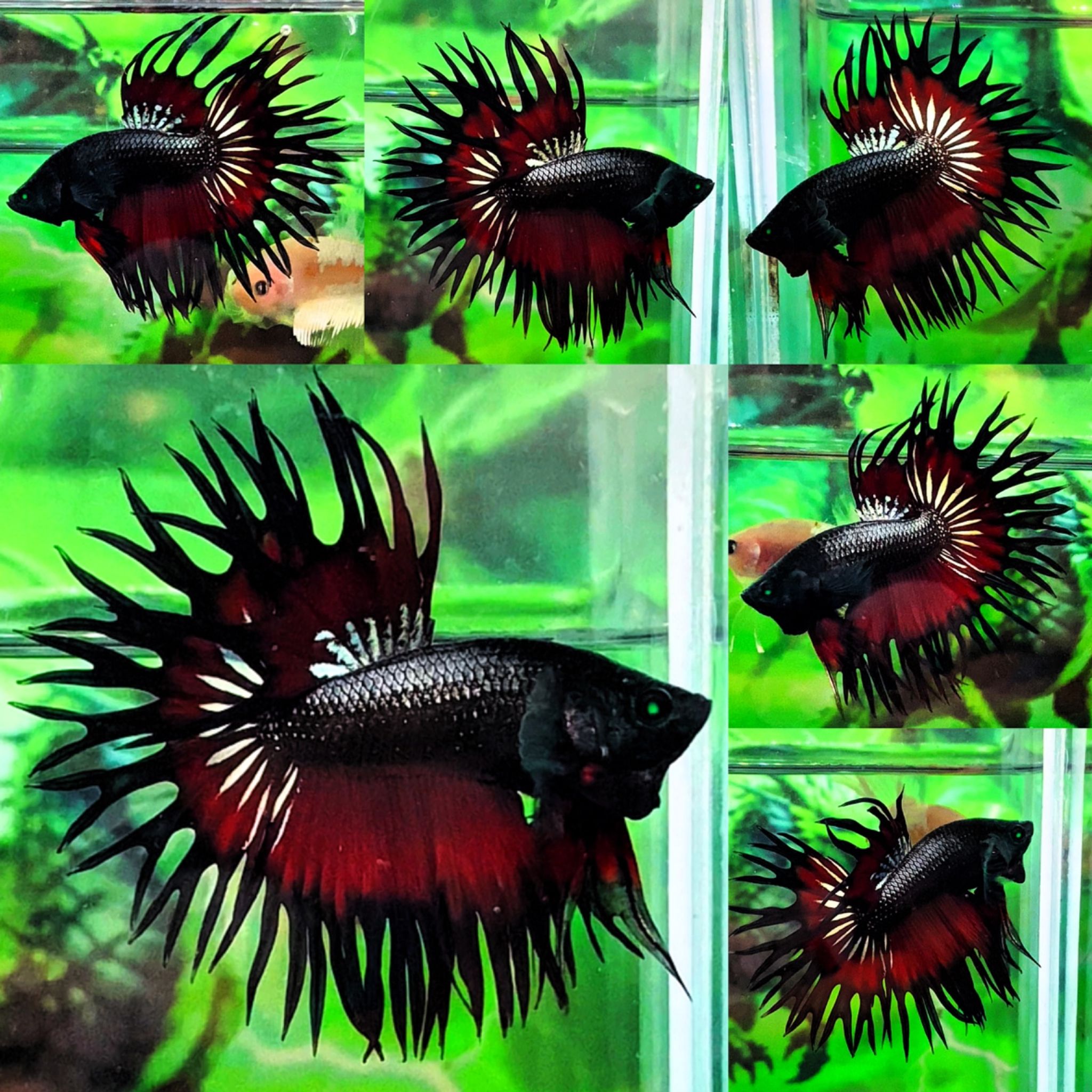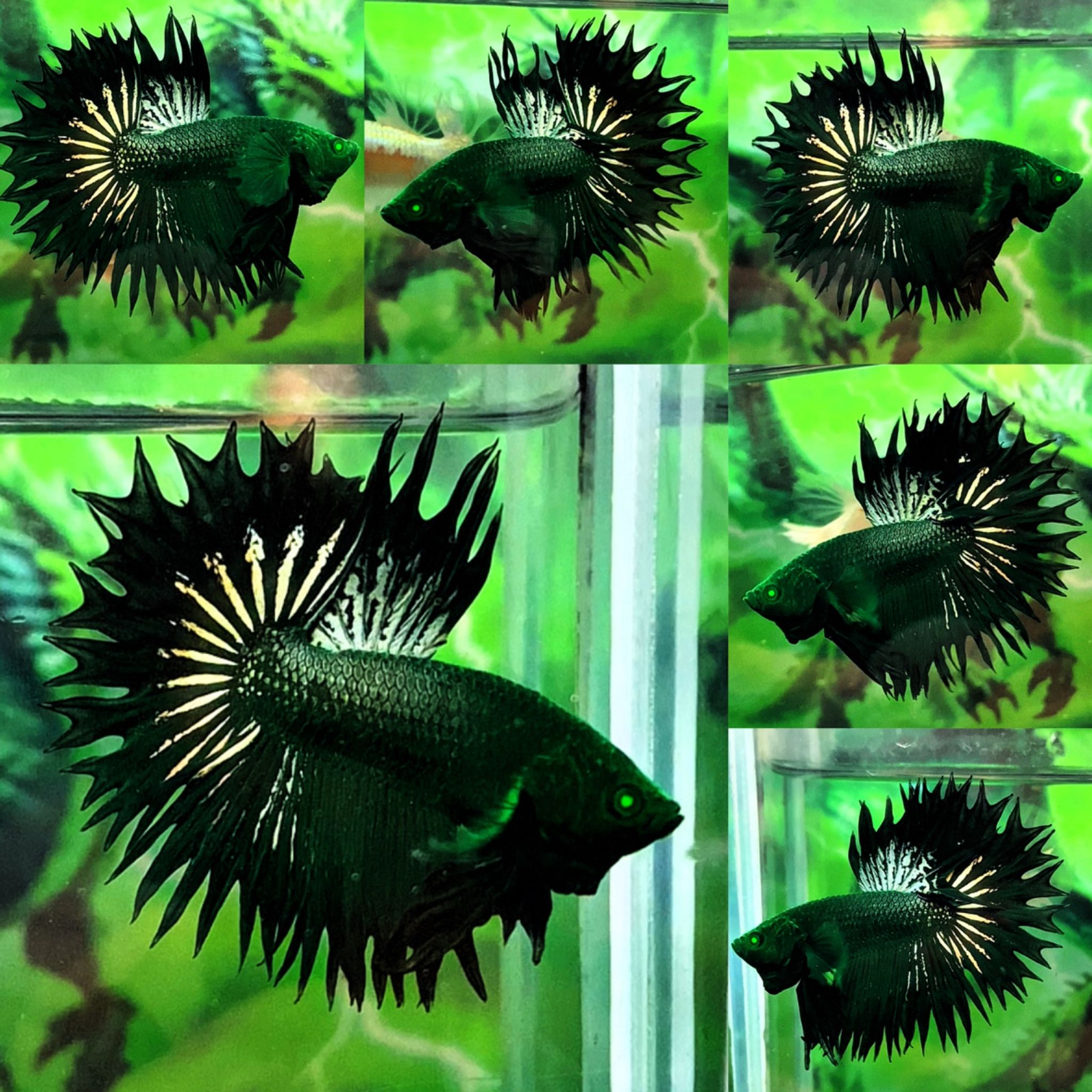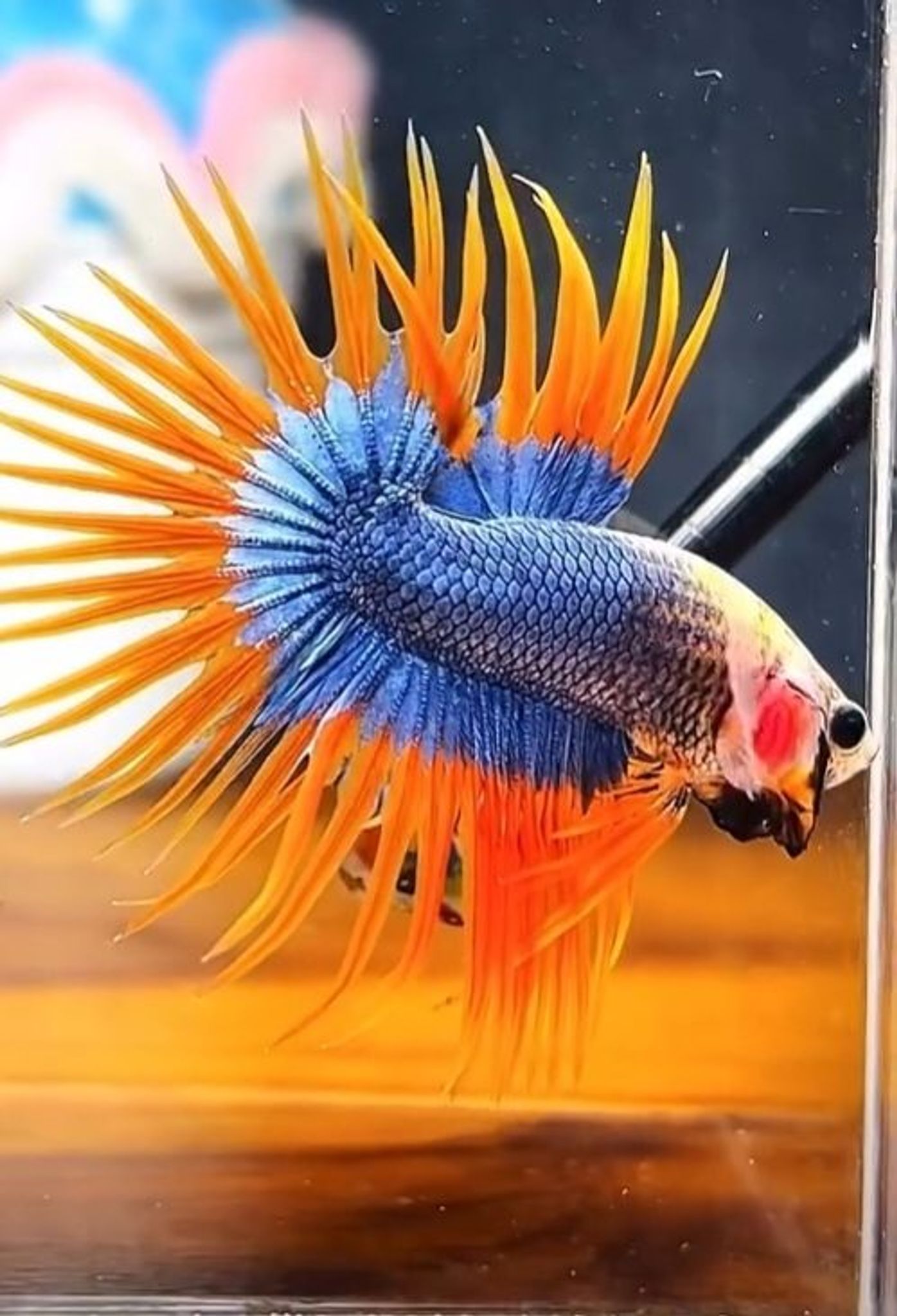
Mascot CT
Click to enlarge

Unless otherwise stated, product might differ from image as image is representative of species and not of actual product

Mascot CT

SGD 70.00

Delivery Information

Delivery occurs once a month and may take 2 to 4 weeks. Certain areas may require additional charges, and a top-up via PayNow will be needed. This includes Central Business District, Offices, Airport, Hospitals, Tertiary campuses, PSA terminals, Cargo Complexes, cargo ports, shipyards, Government buildings, secured compounds, SAF campus, Marina Bay Sands, Robinson, Marina Square,Orchard, Bras Basah, Sentosa, Tuas, Jurong Island, etc. Our customer service representatives will reach out to you if necessary.

Product Variations

Quantity

Stock: 1

Product Details

Size

6cm - 7cm

Temperament

Aggressive

Water Condition

High PH

WYSIWYG

Representative Photo Only

Product Description

A six-centimeter warlord of hard, alkaline waters.

Mascot CT is a small, aggressive African cichlid that thrives in high pH water. Ideal for experienced aquarists seeking a striking Tanganyikan gem.

  • Overview: The Mascot CT, often traded as the Mascot cichlid, is a compact Tanganyikan cichlid that reaches only 6–7 cm. Despite its small size, it is a territorial and aggressive fish that demands respect from its tank mates. Its bold personality and attractive patterning make it a rewarding choice for aquarists who appreciate the challenge of keeping African cichlids. Native to the rocky shores of Lake Tanganyika, this species is adapted to hard, alkaline water and rocky environments. It is not a beginner's fish; it requires stable water parameters, plenty of hiding places, and careful selection of companions. In the right setup, the Mascot CT will display fascinating behaviours, including cave guarding and intricate social interactions. This fish is best kept in a species-specific tank or with other robust Tanganyikan cichlids that can withstand its feisty temperament. With proper care, it can live for 5–8 years, bringing a slice of the African rift lake to your home aquarium.
  • Water Conditions: The Mascot CT requires water parameters that mimic the hard, alkaline conditions of Lake Tanganyika. Maintain a pH between 8.0 and 9.0; a pH of 8.2–8.6 is ideal. The water hardness should be high, typically 10–20 dGH (180–360 ppm), and the carbonate hardness (KH) should be 8–12 dKH to buffer against pH swings. Temperature should be kept stable between 24–27°C (75–80°F). These cichlids are sensitive to fluctuations, so a reliable heater and regular testing are essential. Filtration should be efficient but not create excessive current; a canister filter or a sump with a gentle return is suitable. Perform weekly water changes of 20–30% using pre-treated water that matches the tank's parameters. Avoid using distilled or RO water without proper mineral supplementation, as this can cause pH crashes. Aragonite sand or crushed coral in the substrate or filter can help maintain the high pH and hardness. Ammonia and nitrite must always be zero, and nitrate should be kept below 20 ppm through regular maintenance. Stability is more important than chasing exact numbers, so avoid unnecessary adjustments once the parameters are consistent.
  • Tank Mates: Due to its aggressive nature, the Mascot CT is not suitable for a general community aquarium. It will harass and potentially kill smaller, peaceful fish, and it can hold its own against larger ones. The best tank mates are other Tanganyikan cichlids of similar size and temperament that occupy different areas of the tank. Good options include Julidochromis species (e.g., J. ornatus, J. dickfeldi), Neolamprologus species (e.g., N. leleupi, N. brichardi), and Altolamprologus species (e.g., A. compressiceps, A. calvus). These fish share the same water requirements and can often coexist if the tank is large enough and has plenty of rockwork to break lines of sight. Avoid keeping them with Mbuna from Lake Malawi, as those are more boisterous and may outcompete or stress the Mascot CT. Likewise, avoid slow-moving or long-finned fish like bettas or guppies. Bottom-dwellers such as Synodontis catfish can work if they are robust and can handle the cichlid's territorial antics. In smaller tanks, it is often best to keep a single pair or a single specimen. If you want to keep a group, aim for a ratio of one male to several females and provide a tank of at least 120 litres with abundant hiding spots. Always monitor for aggression; be prepared to rehome fish if bullying becomes severe.
  • Feeding Habits: The Mascot CT is an omnivore with a strong carnivorous leaning. In the wild, it feeds on small invertebrates, insect larvae, and zooplankton found among the rocks. In captivity, offer a varied diet to maintain health and vibrant colours. High-quality cichlid pellets designed for carnivores or omnivores should form the staple. Supplement with frozen or live foods such as brine shrimp, mysis shrimp, daphnia, bloodworms, and chopped krill. These foods trigger natural hunting behaviours and provide essential nutrients. Feed 2–3 times daily, but only as much as the fish can consume in 2–3 minutes. Overfeeding leads to obesity, poor water quality, and health issues. Avoid feeding mammalian meat or fatty foods, as these are difficult for cichlids to digest. Some specimens may accept blanched vegetables like spinach or zucchini, but plant matter should be a minor part of the diet. During breeding, females may reduce food intake, but they should not be starved. If you keep multiple fish, ensure that all get their share by scattering food across the tank or using multiple feeding points. Always remove uneaten food to prevent ammonia spikes. A varied diet not only keeps the fish healthy but also enhances its natural aggression and territorial displays.
  • Care Requirements: Caring for the Mascot CT requires dedication to maintaining a stable, species-appropriate environment. The tank should be at least 75–100 litres for a pair, with larger volumes for groups or mixed communities. A rocky aquascape is essential: build caves, crevices, and territories using stacked rocks, slate, or ceramic caves. The substrate should be fine sand or aragonite-based gravel to allow digging and to buffer the water. Strong lighting is not necessary; moderate lighting will help show off the fish's colours while reducing algae. Filtration must be robust to handle the bioload, and good water movement is beneficial but avoid a strong current. Test water parameters weekly and perform regular water changes. Watch for signs of stress, such as hiding, loss of colour, or fin damage. Aggression is normal, but if it escalates to constant chasing or injuries, you may need to rearrange the tank décor or separate individuals. The Mascot CT is prone to typical cichlid ailments like ich, fin rot, and hole-in-the-head disease if water quality is poor. Quarantine new fish before adding them to the main tank. Breeding is possible; they are cave spawners and become highly territorial when guarding eggs and fry. If you wish to raise the fry, a separate grow-out tank may be needed. With consistent care, this fish will reward you with years of fascinating behaviour.
  • Additional Care Tips: Keep a close eye on the tank's pH and hardness; a sudden drop can cause osmotic stress. Use a reliable test kit and adjust with cichlid-specific buffers if necessary. Avoid overstocking, as this intensifies aggression. Provide multiple hiding spots so subordinate fish can escape. During water changes, vacuum the substrate gently to remove debris without disturbing the buffering capacity. If you use aragonite sand, it will gradually dissolve and help maintain pH. Do not use medications containing copper unless absolutely necessary, as Tanganyikan cichlids are sensitive to it. When introducing new fish, use a quarantine tank for at least two weeks. The Mascot CT is a rewarding challenge for aquarists who appreciate the dynamic world of African cichlids.

You May Also Like