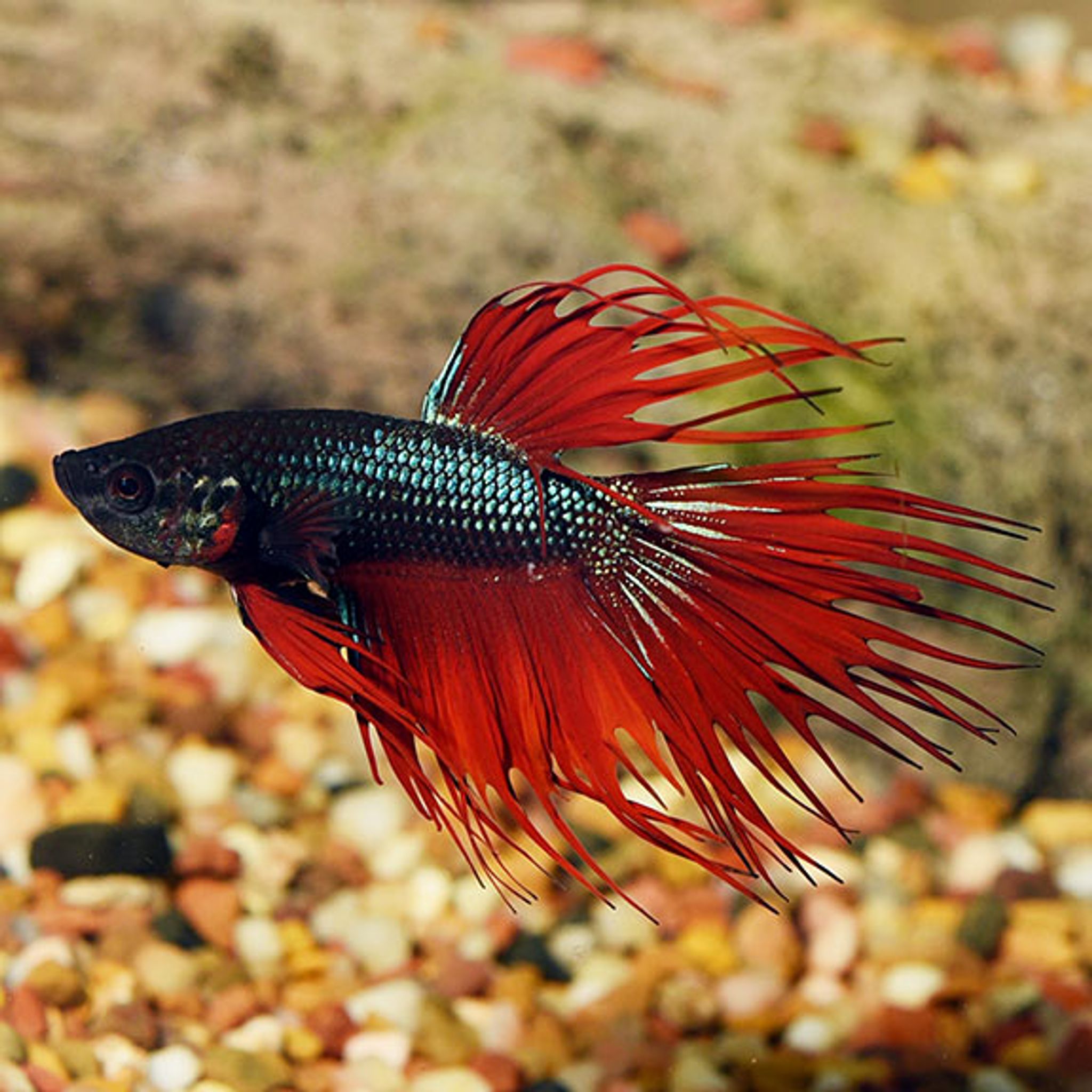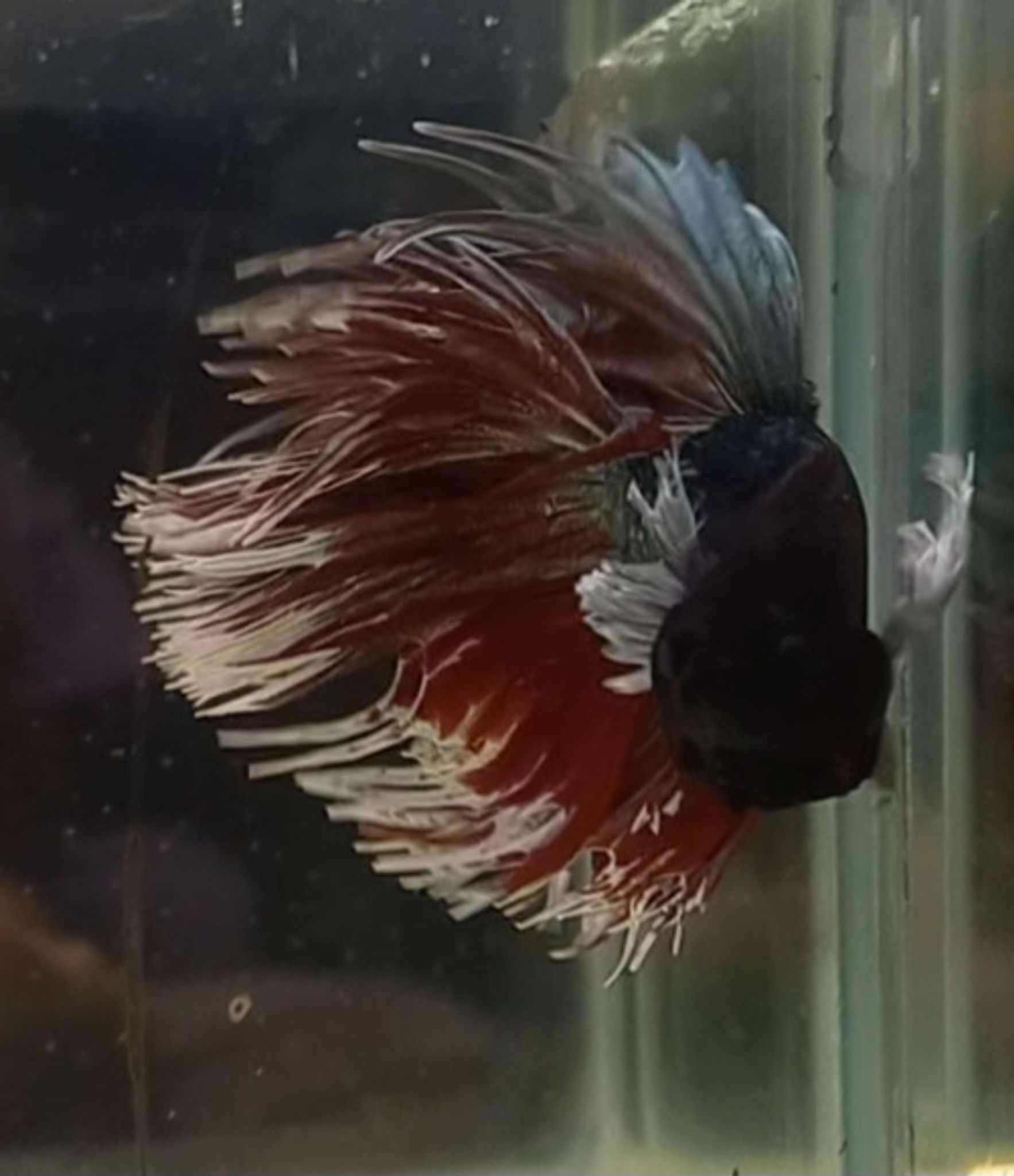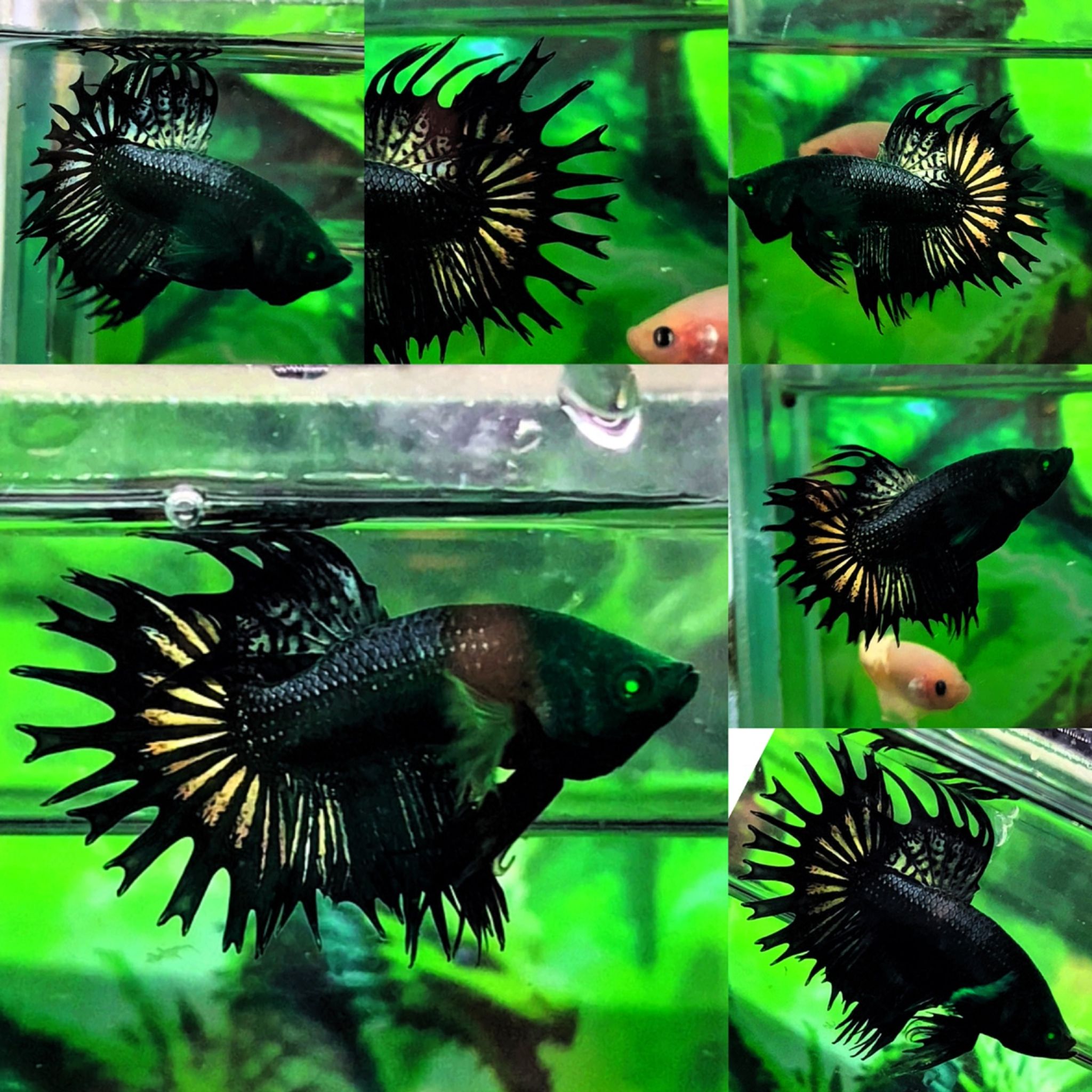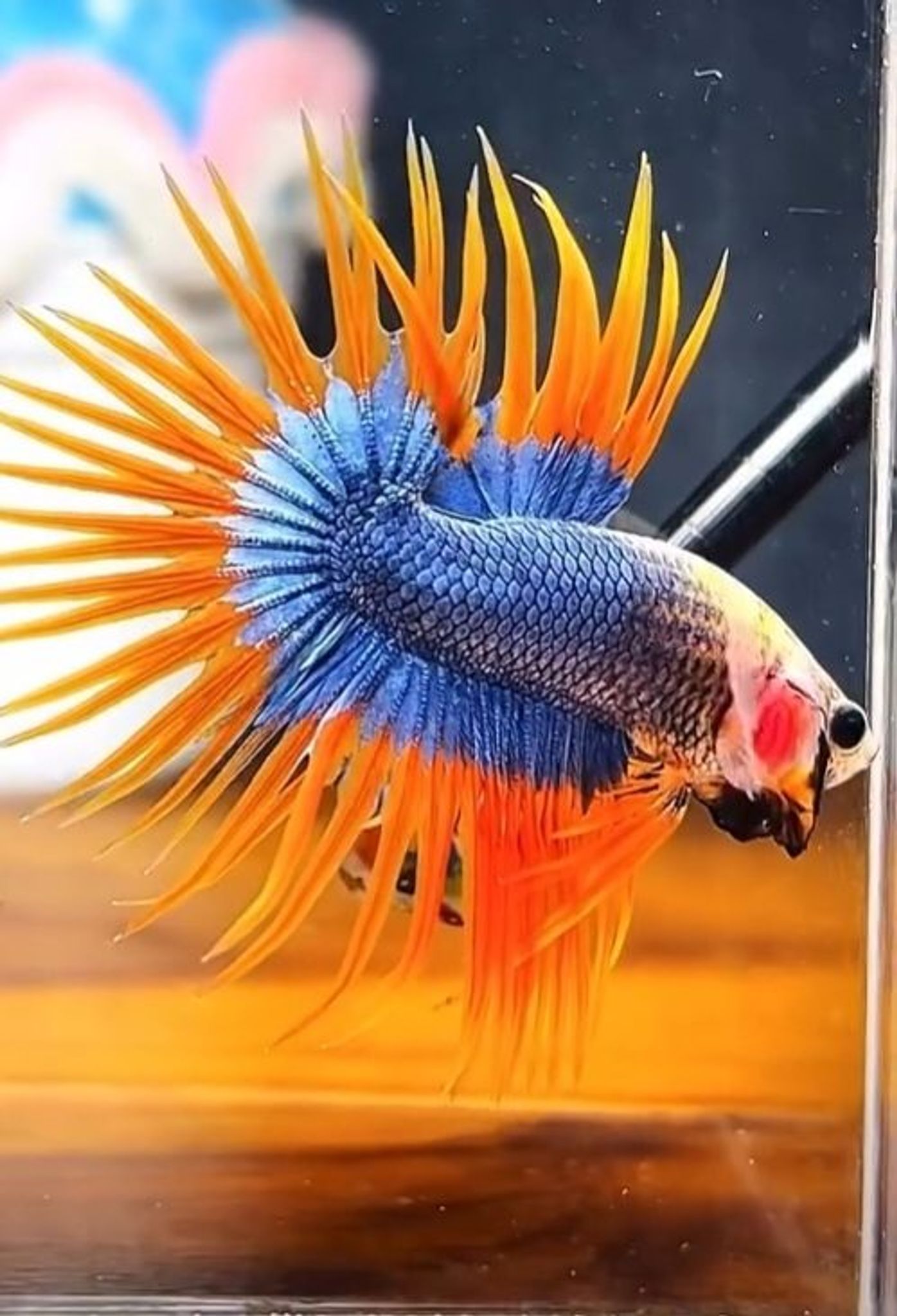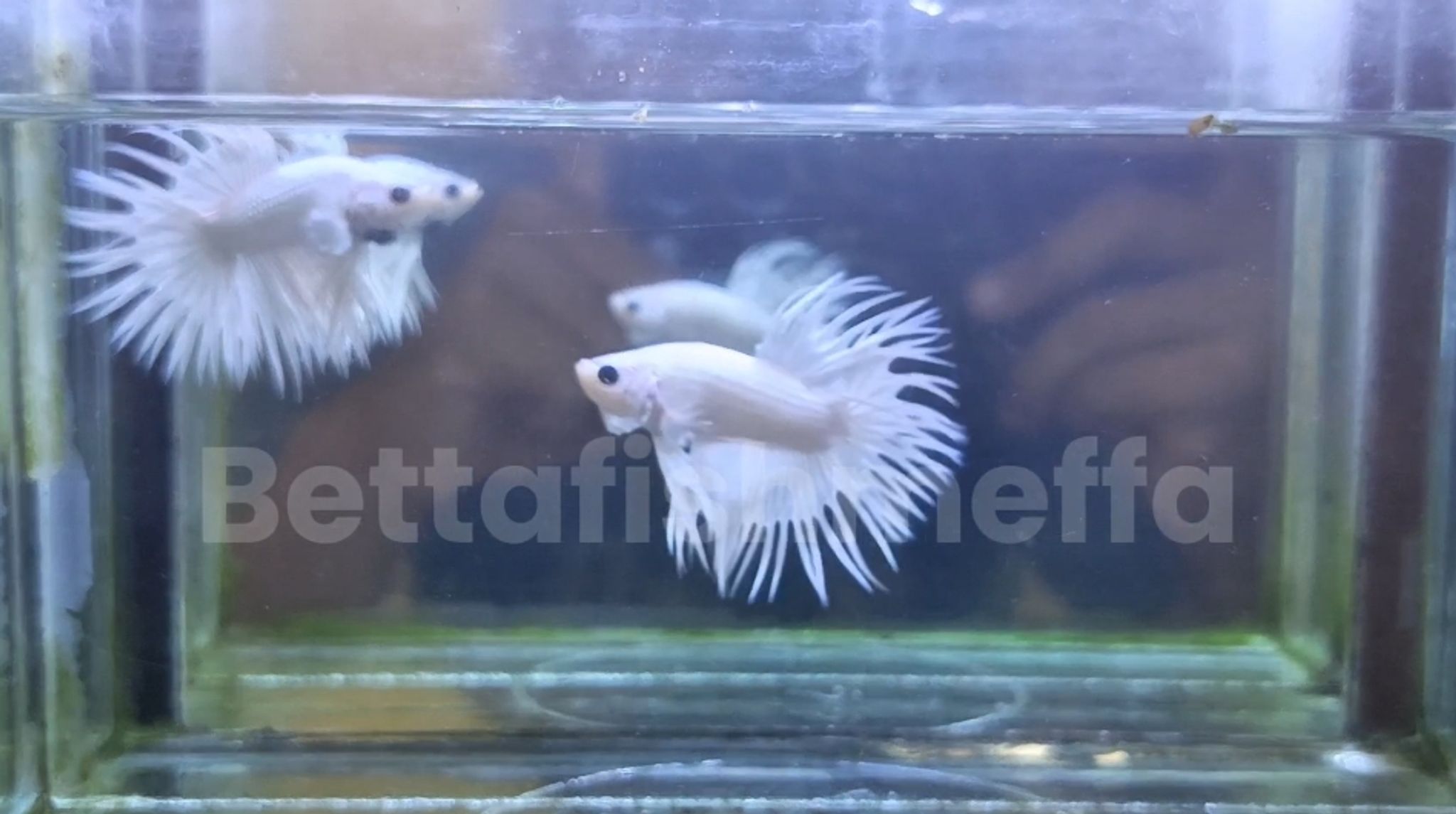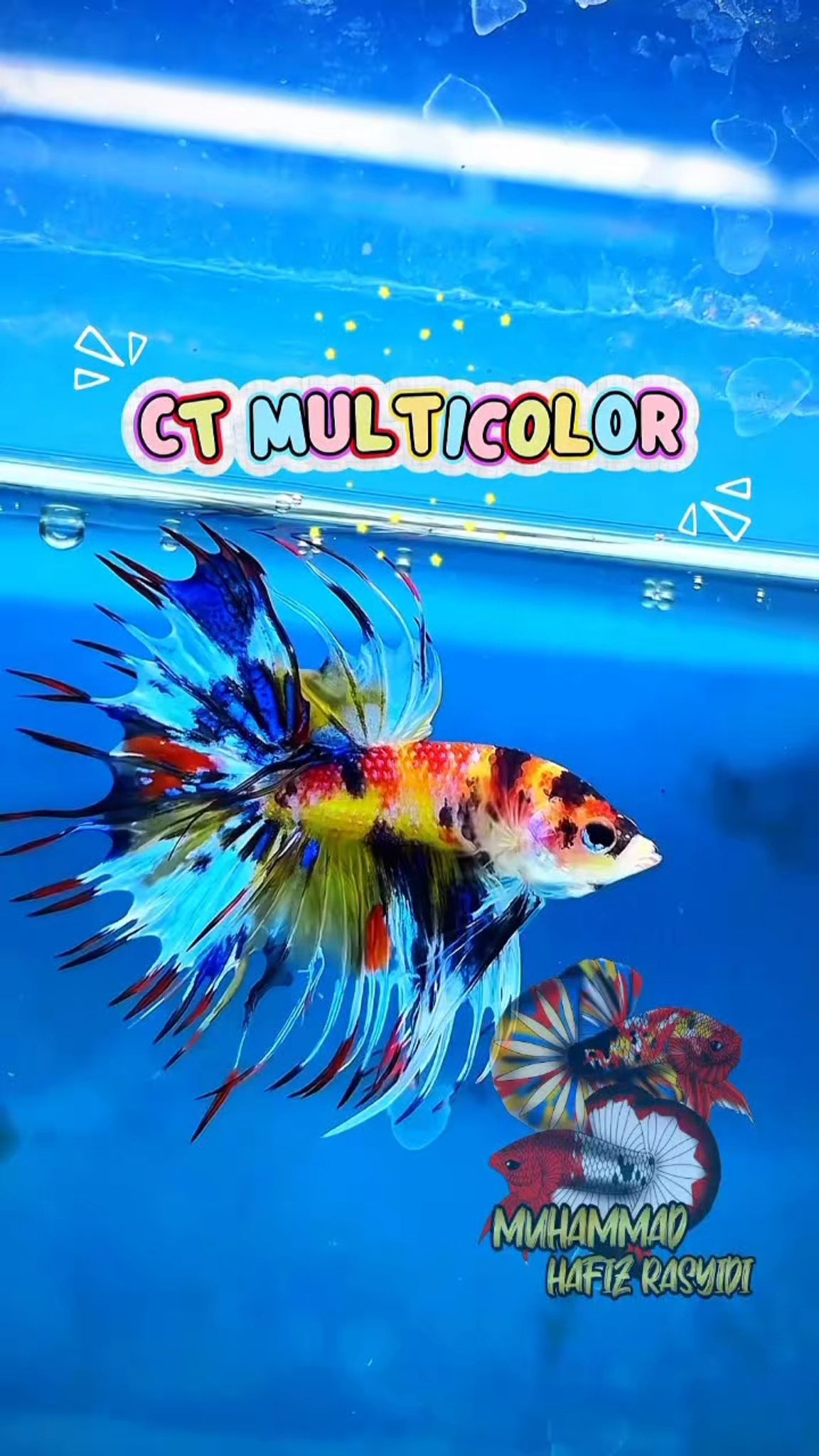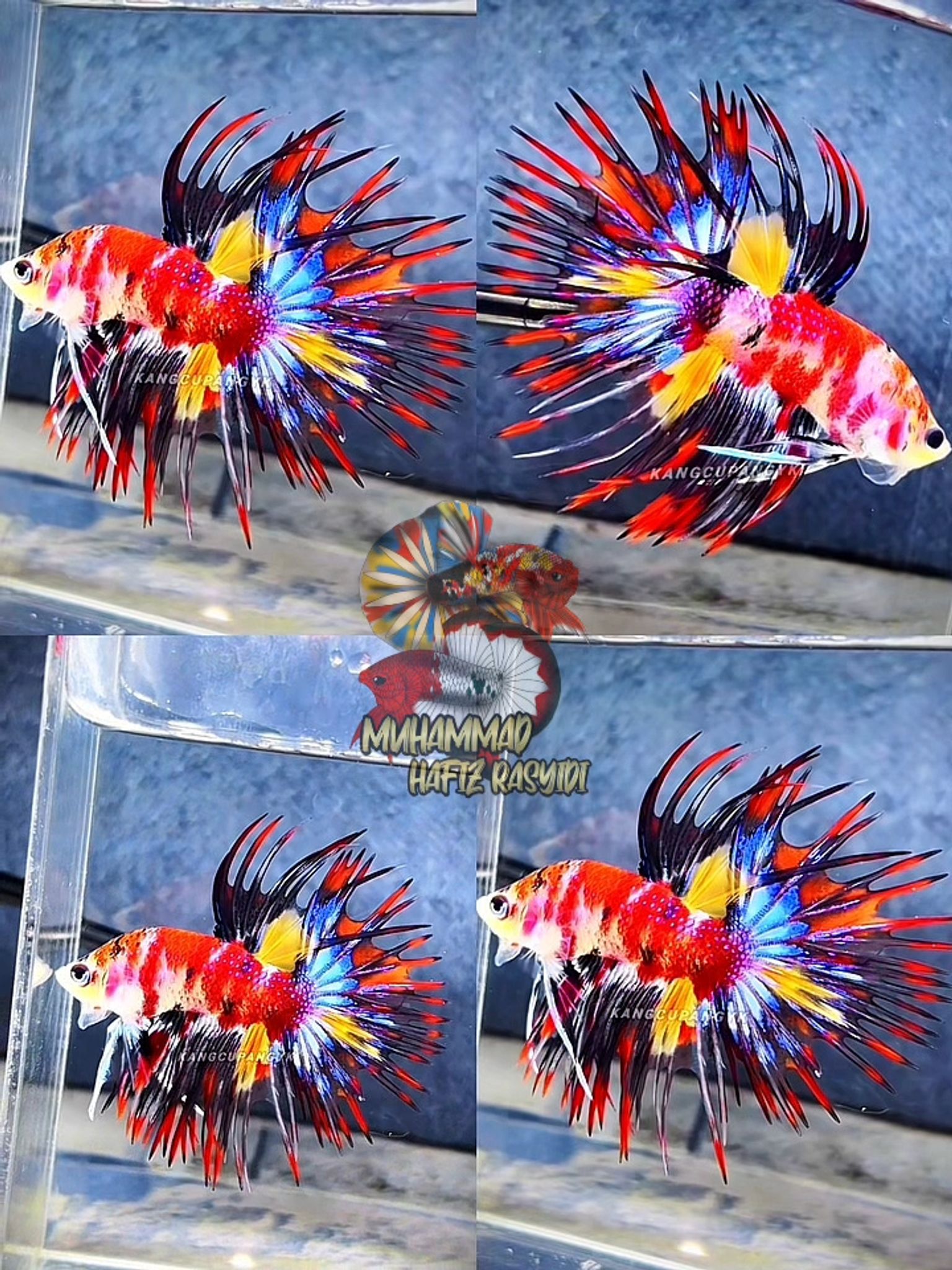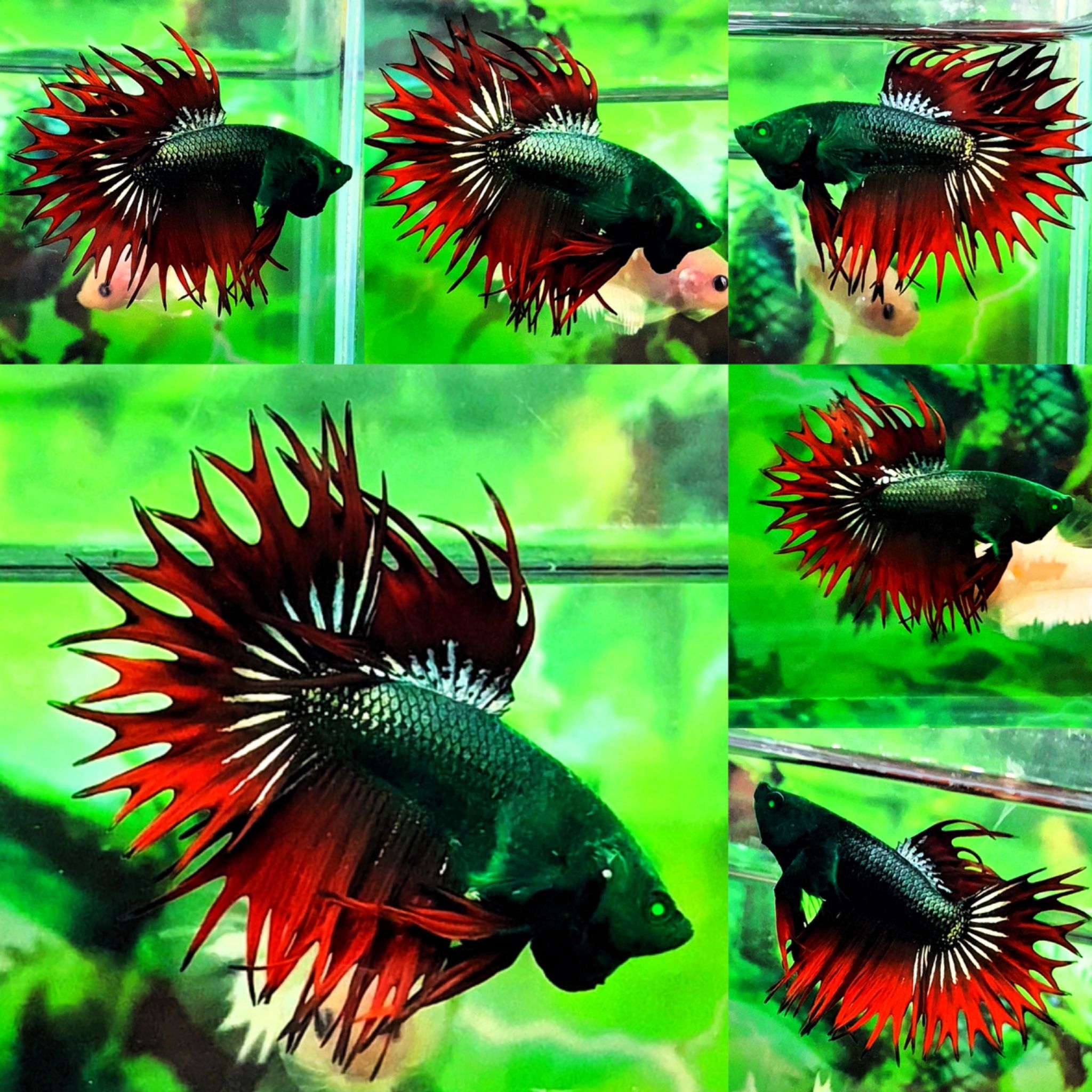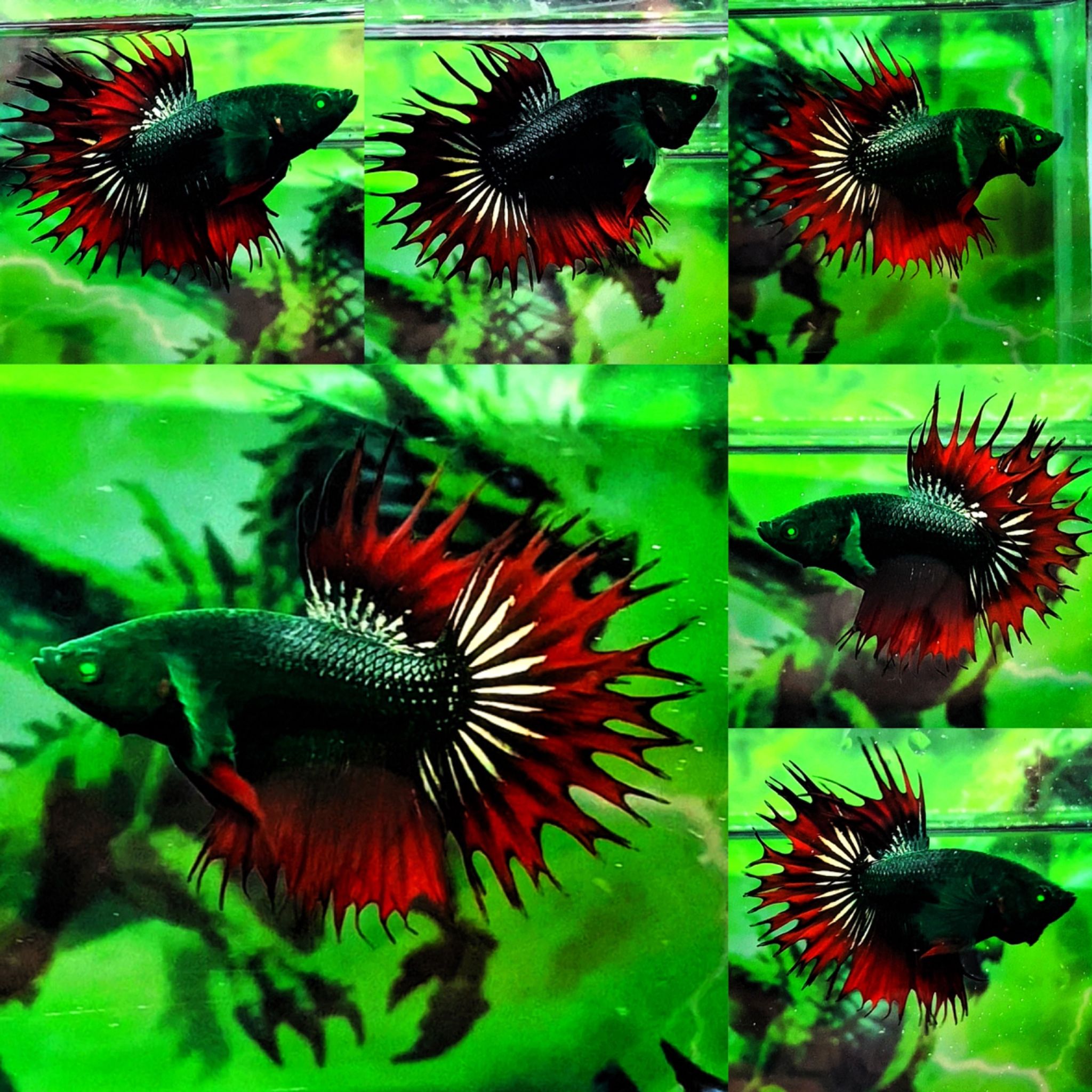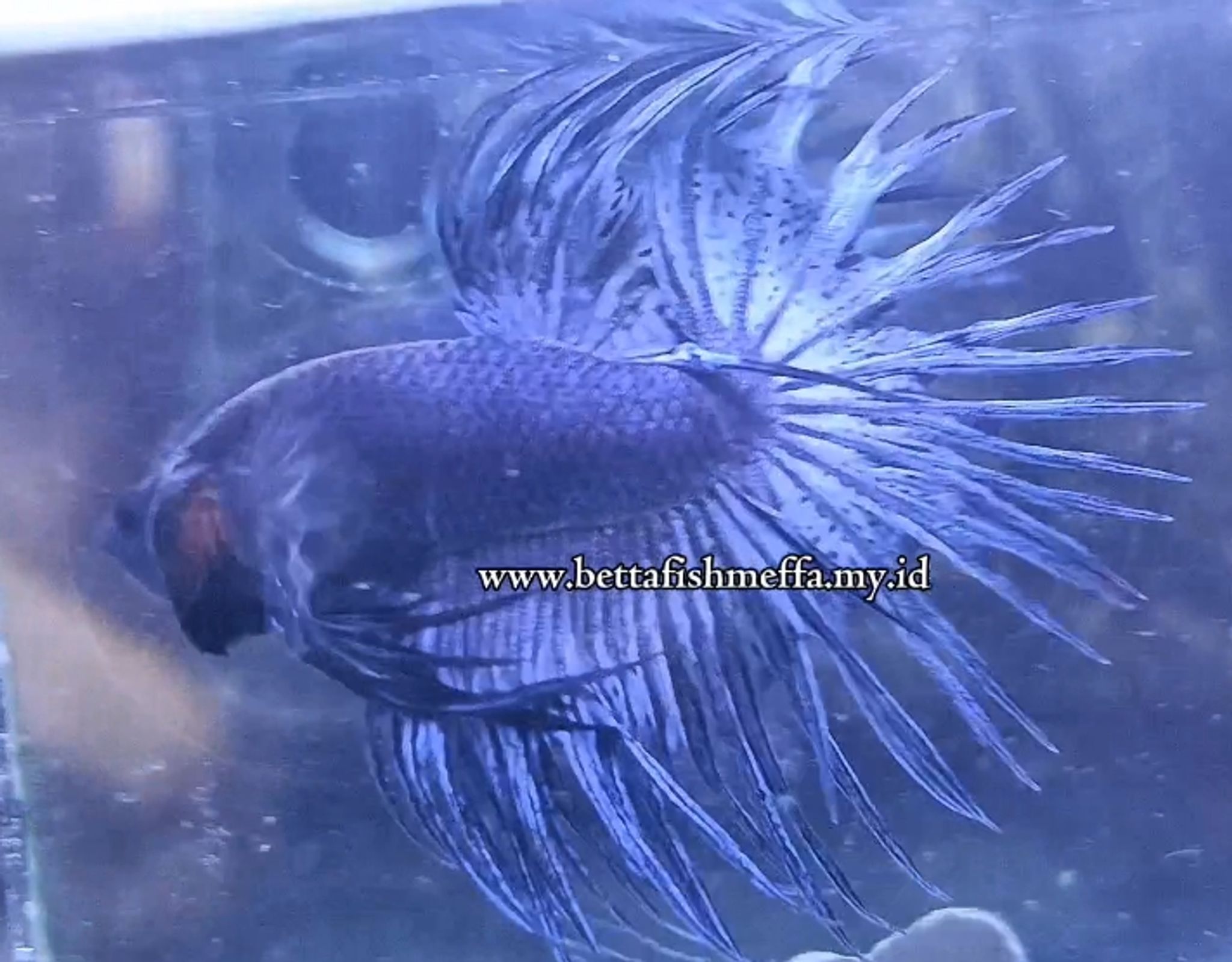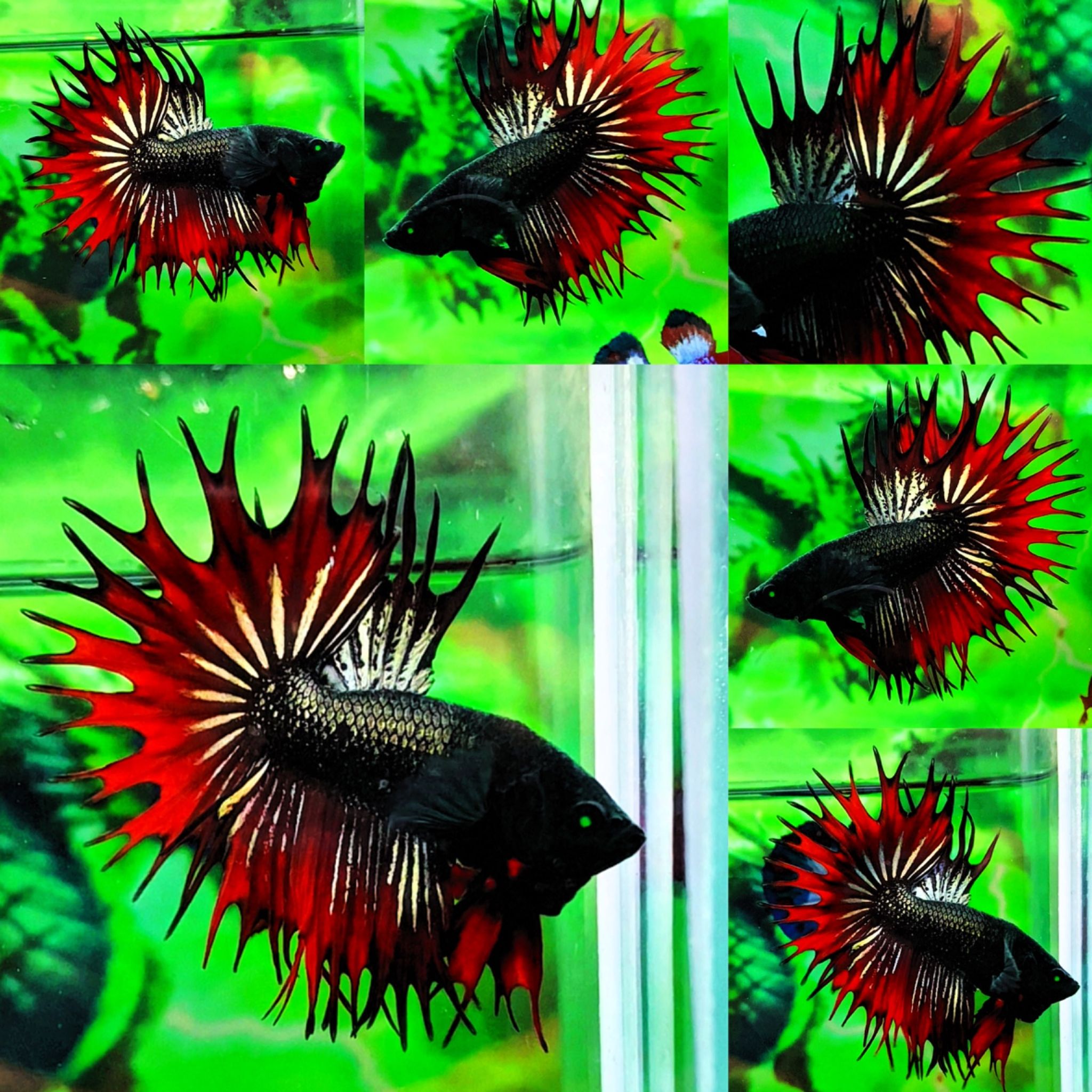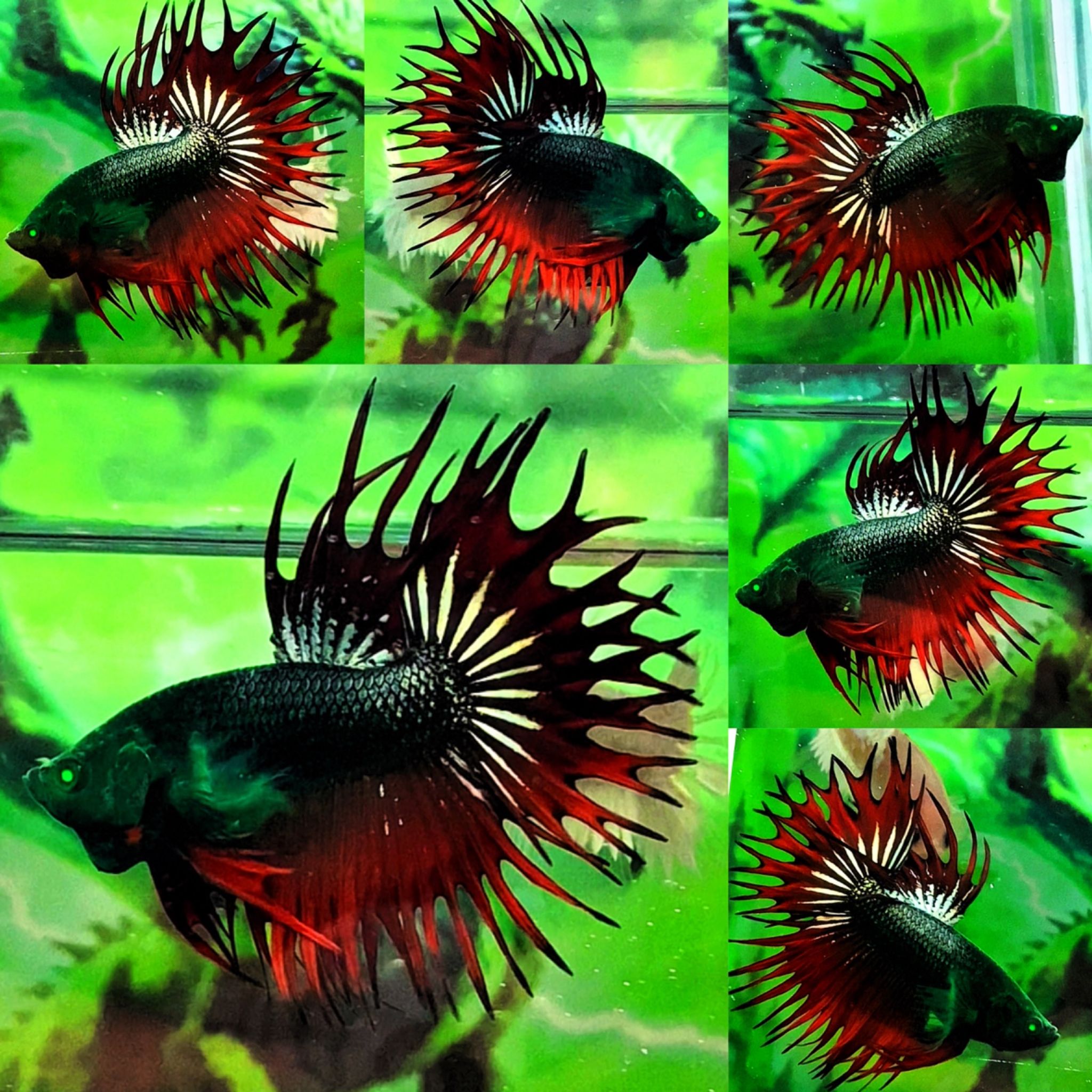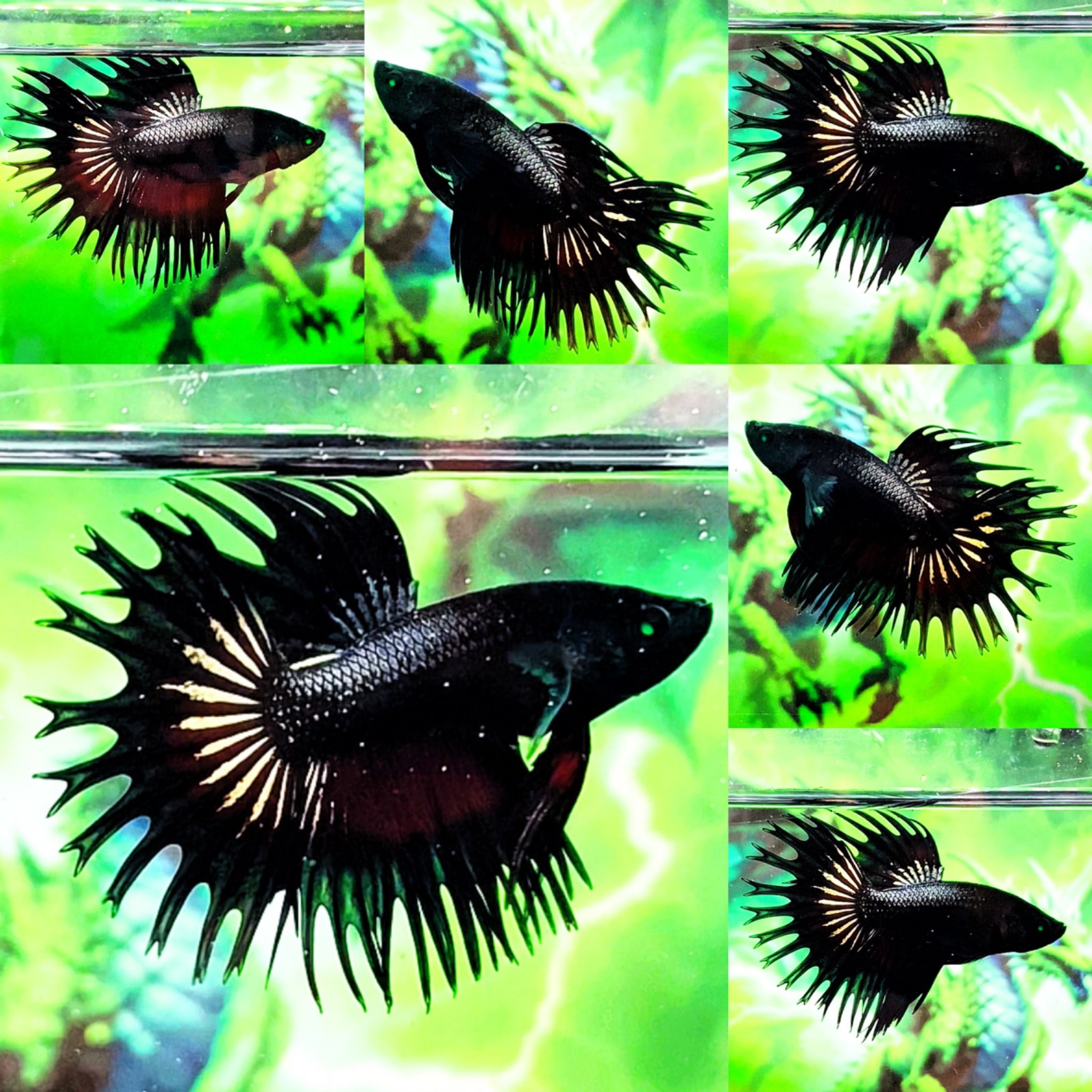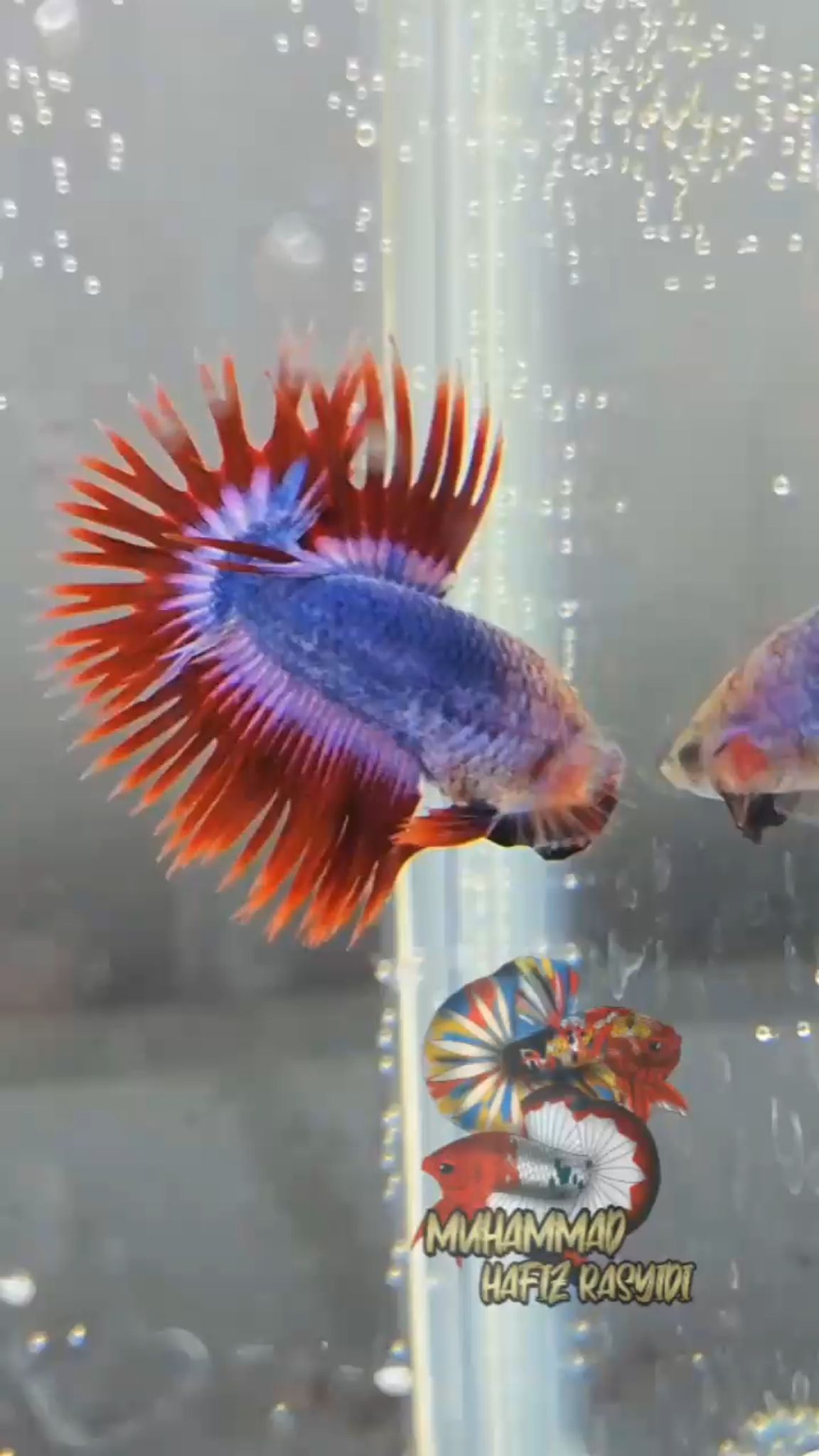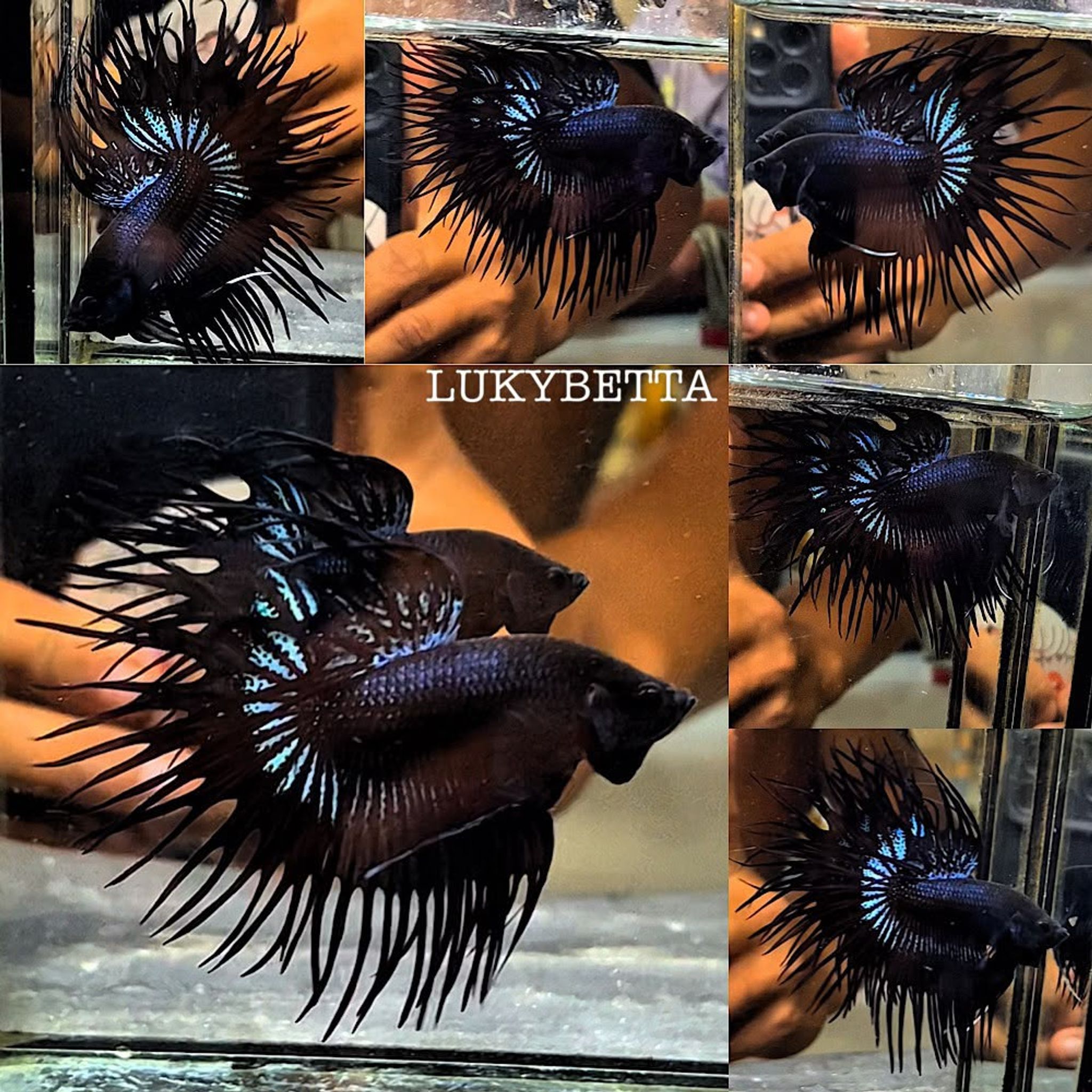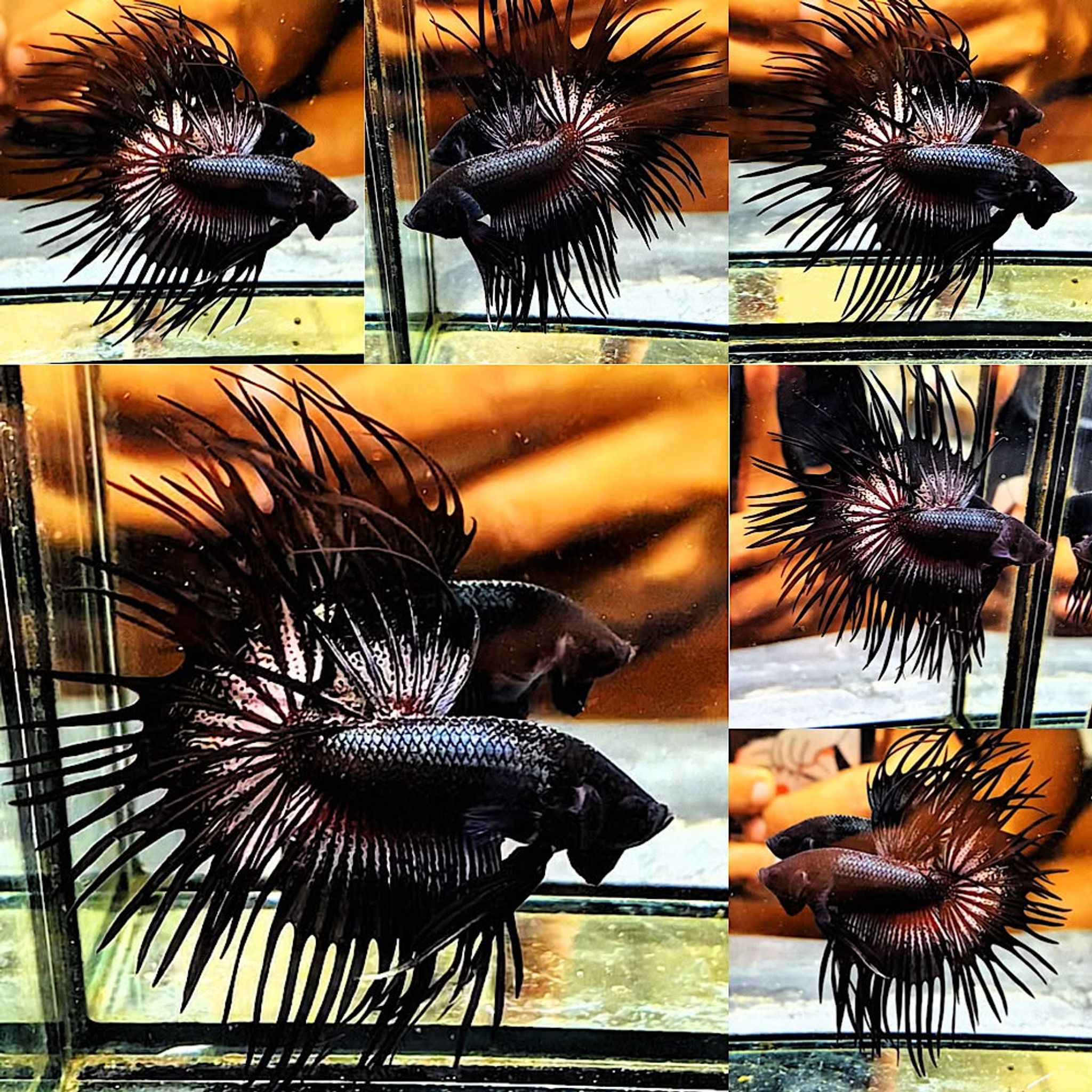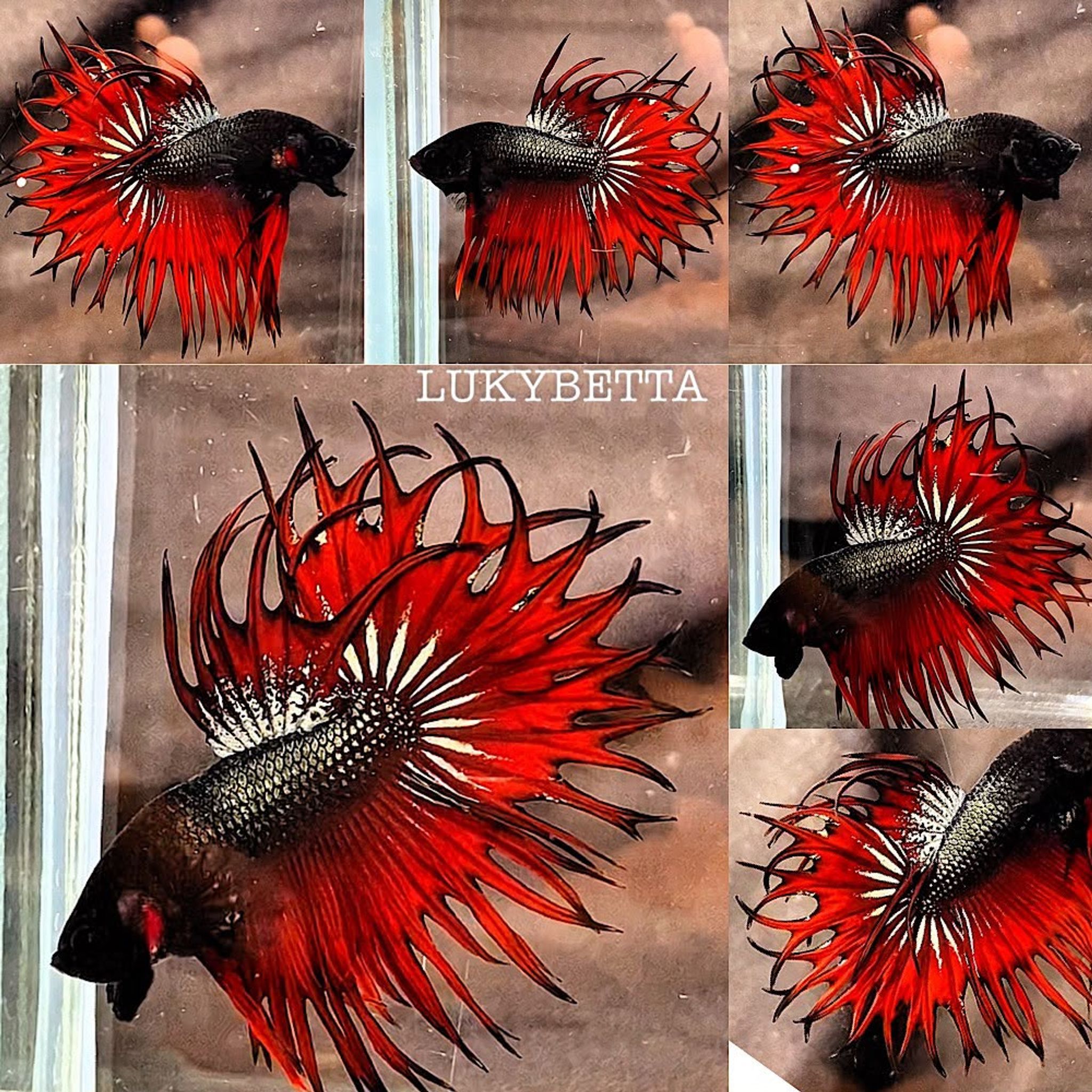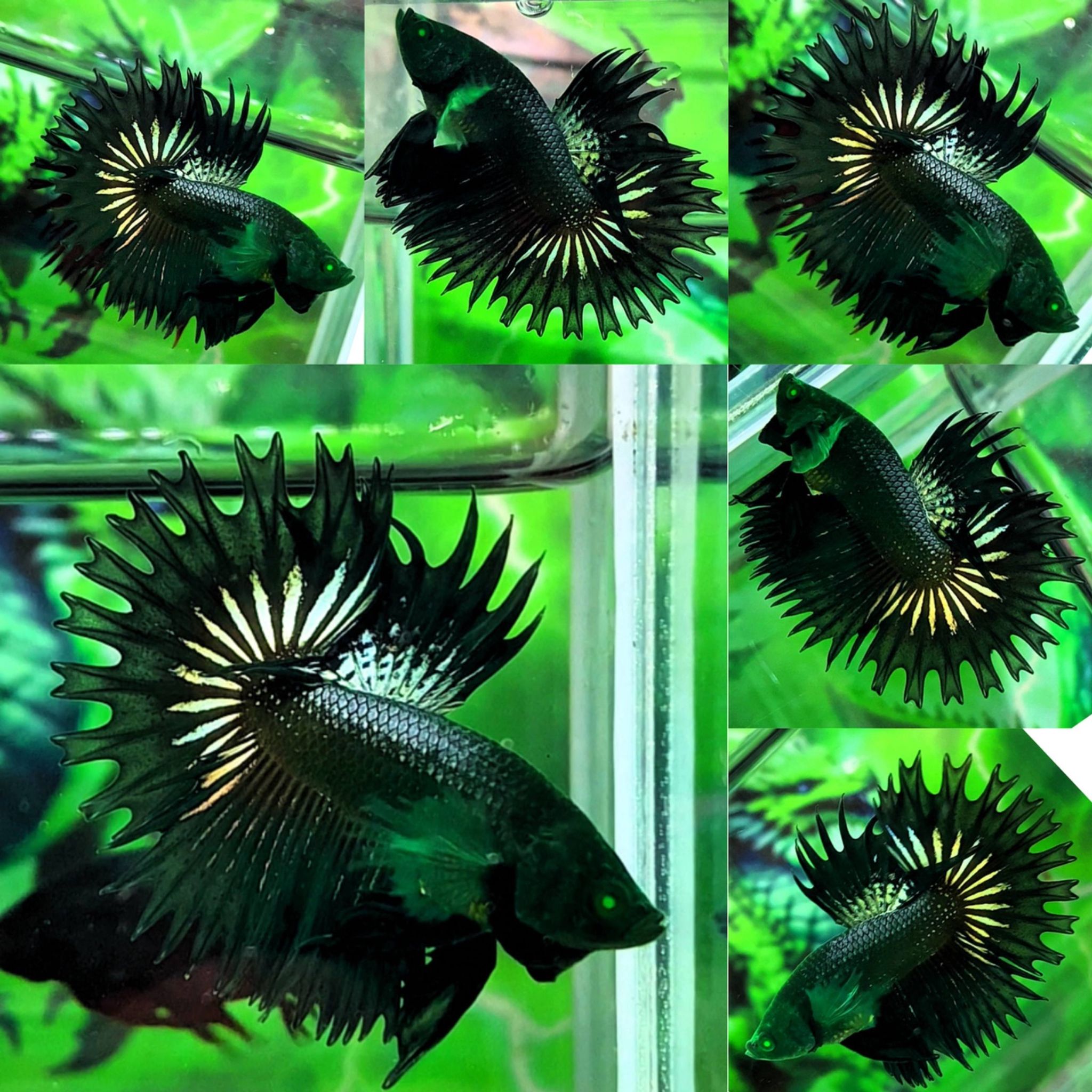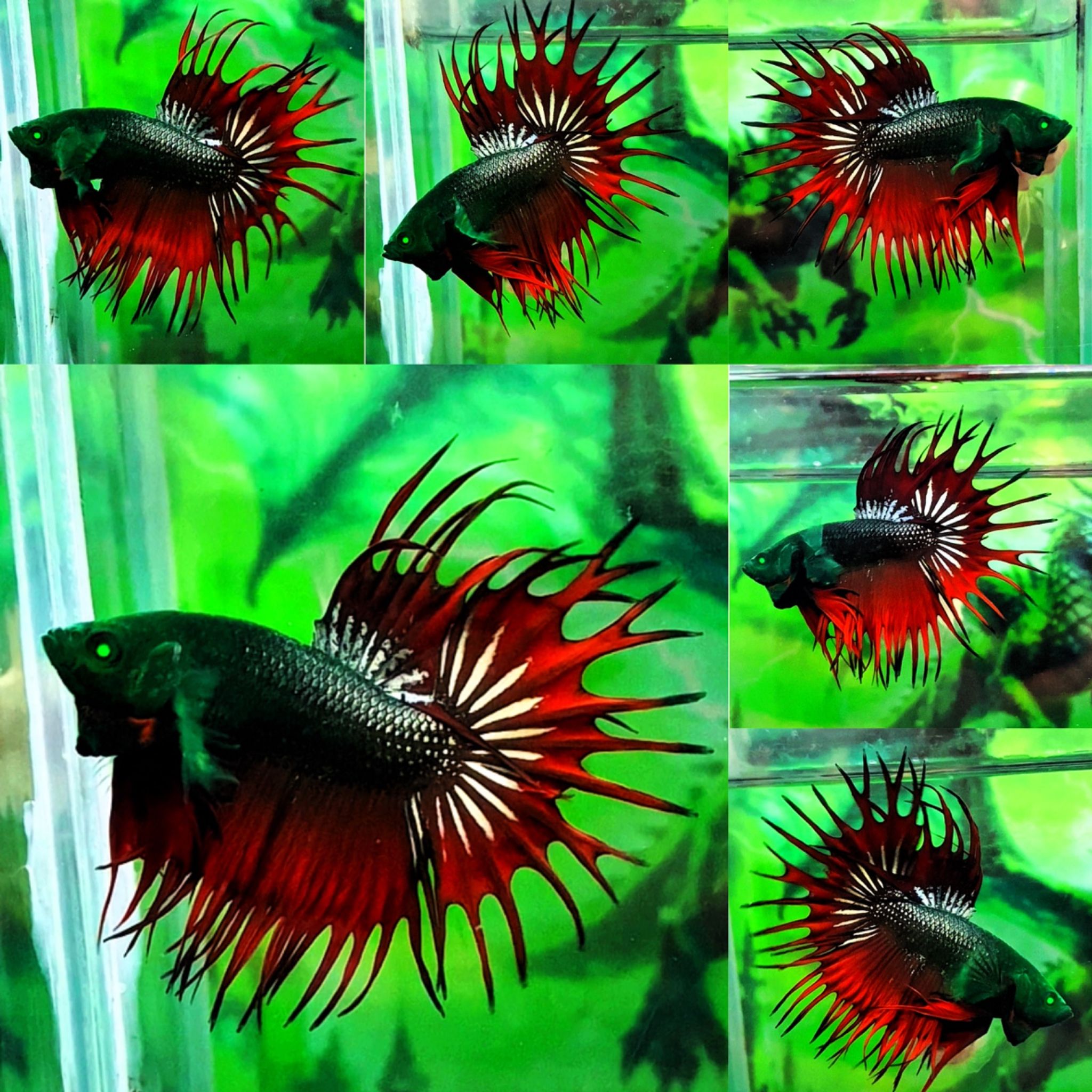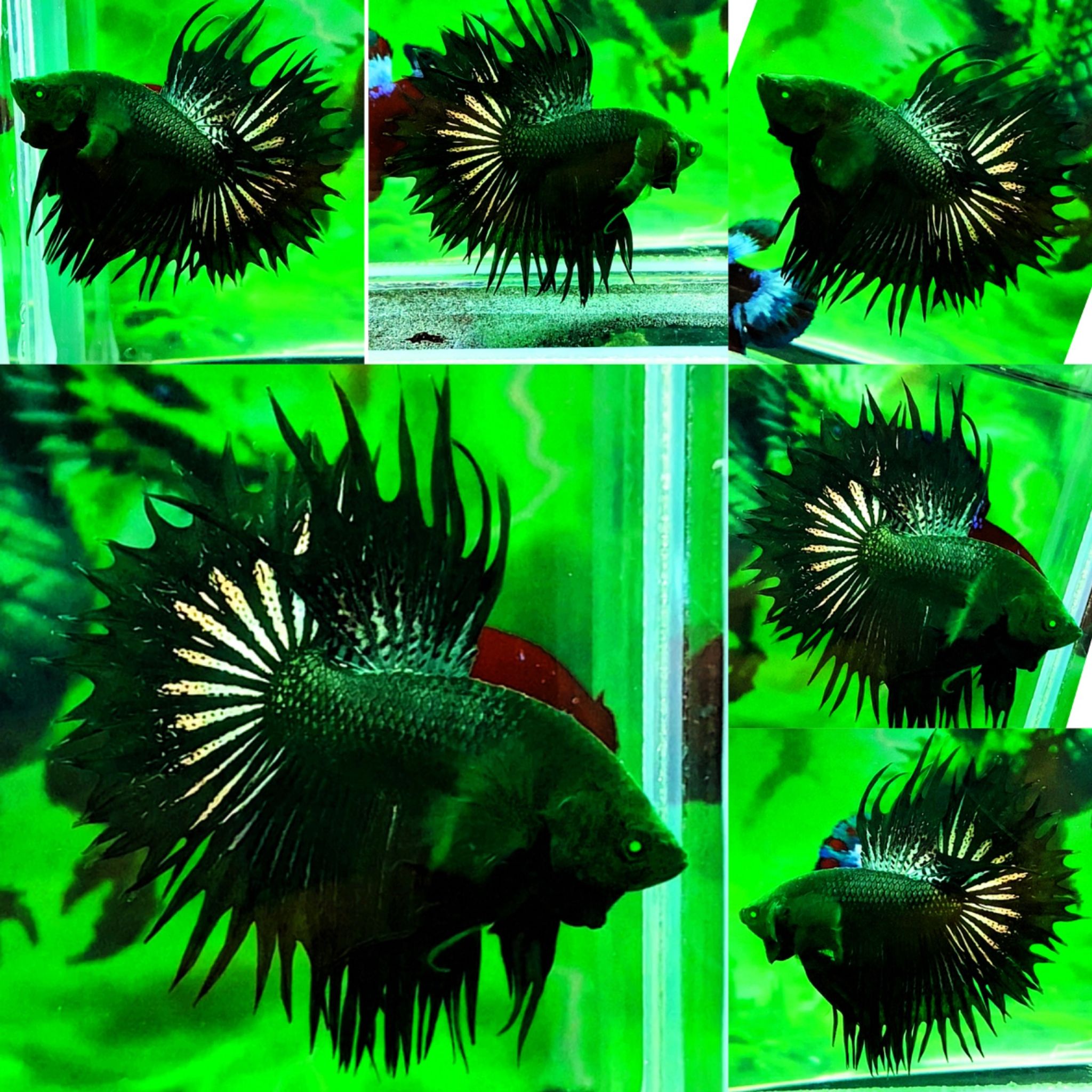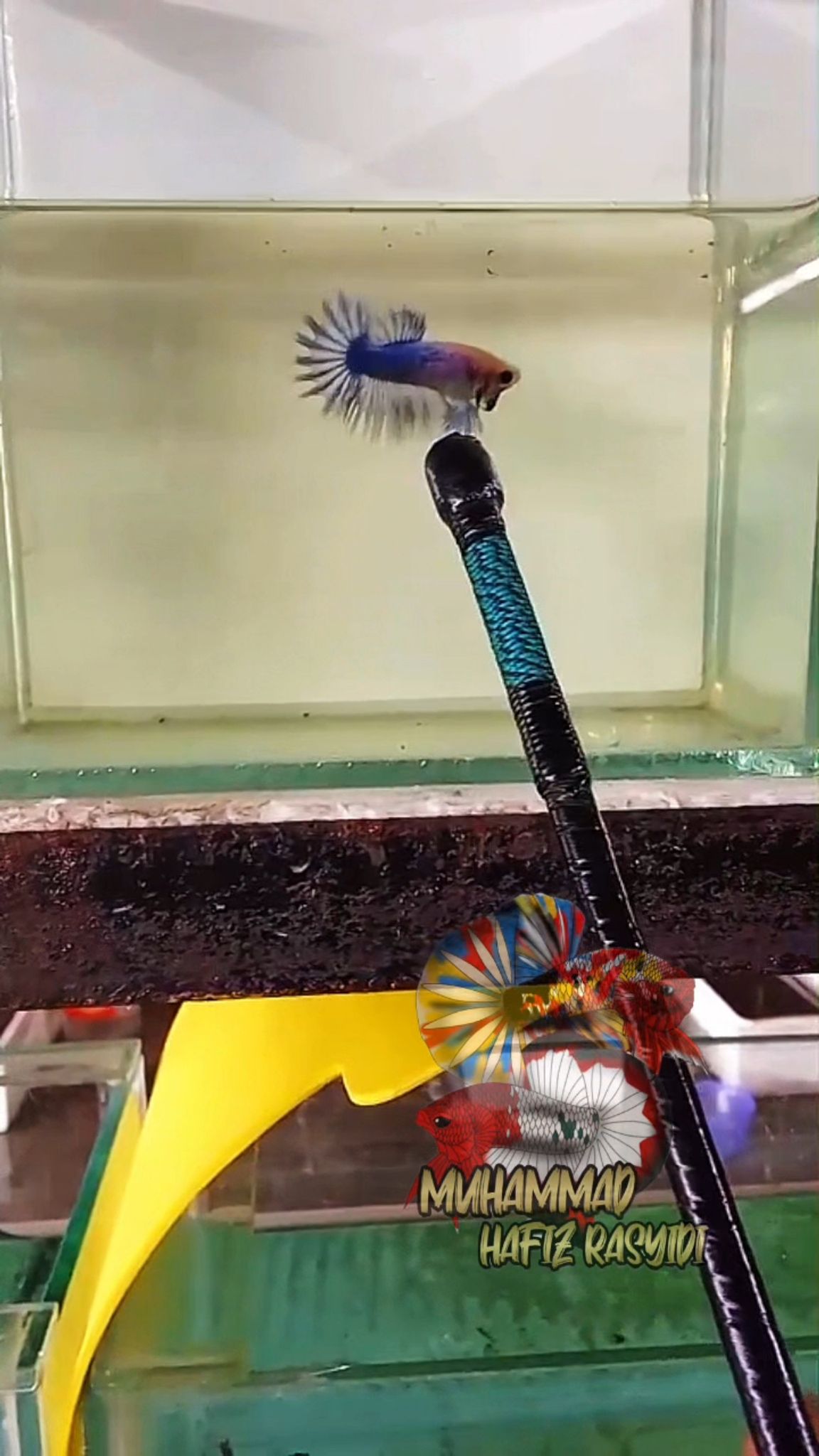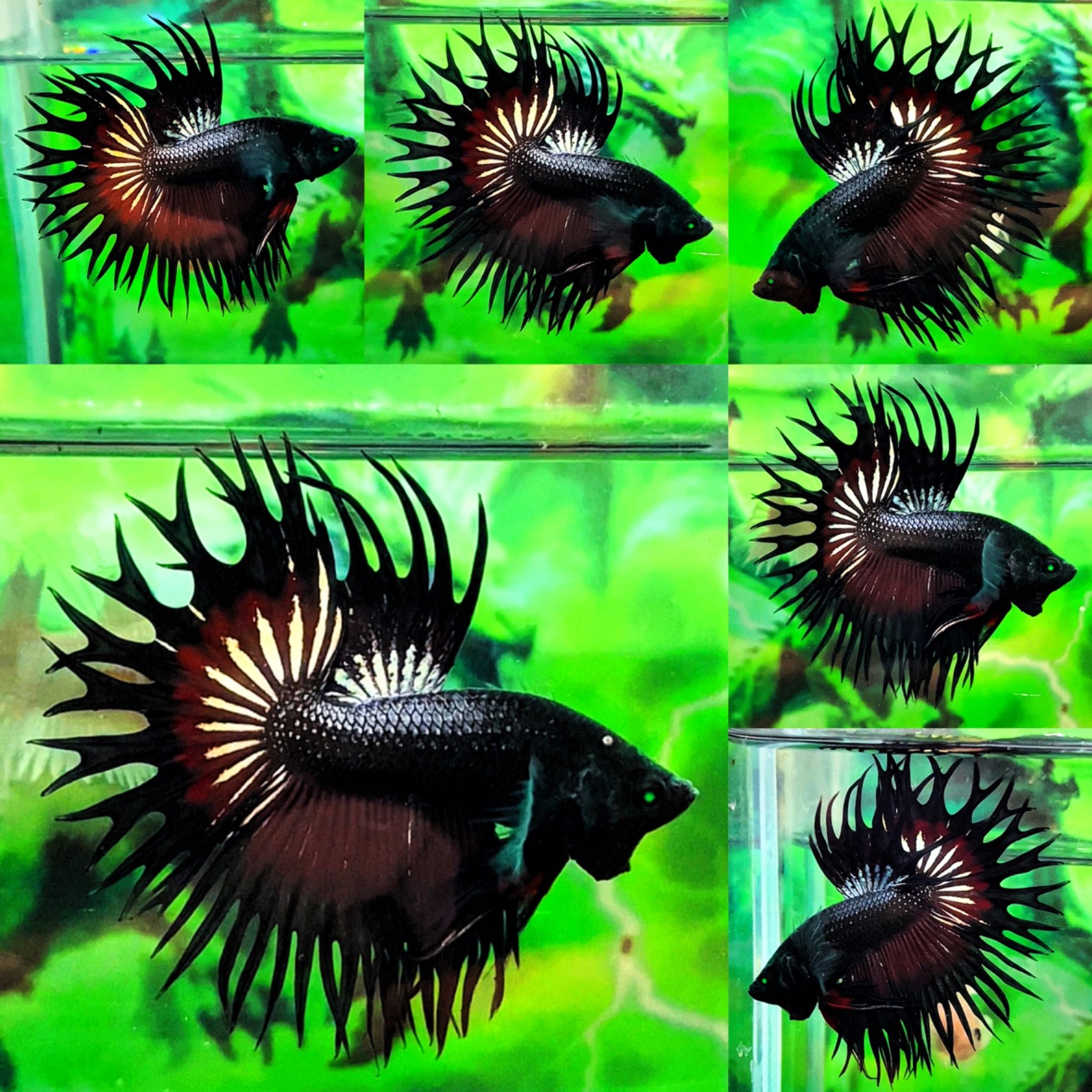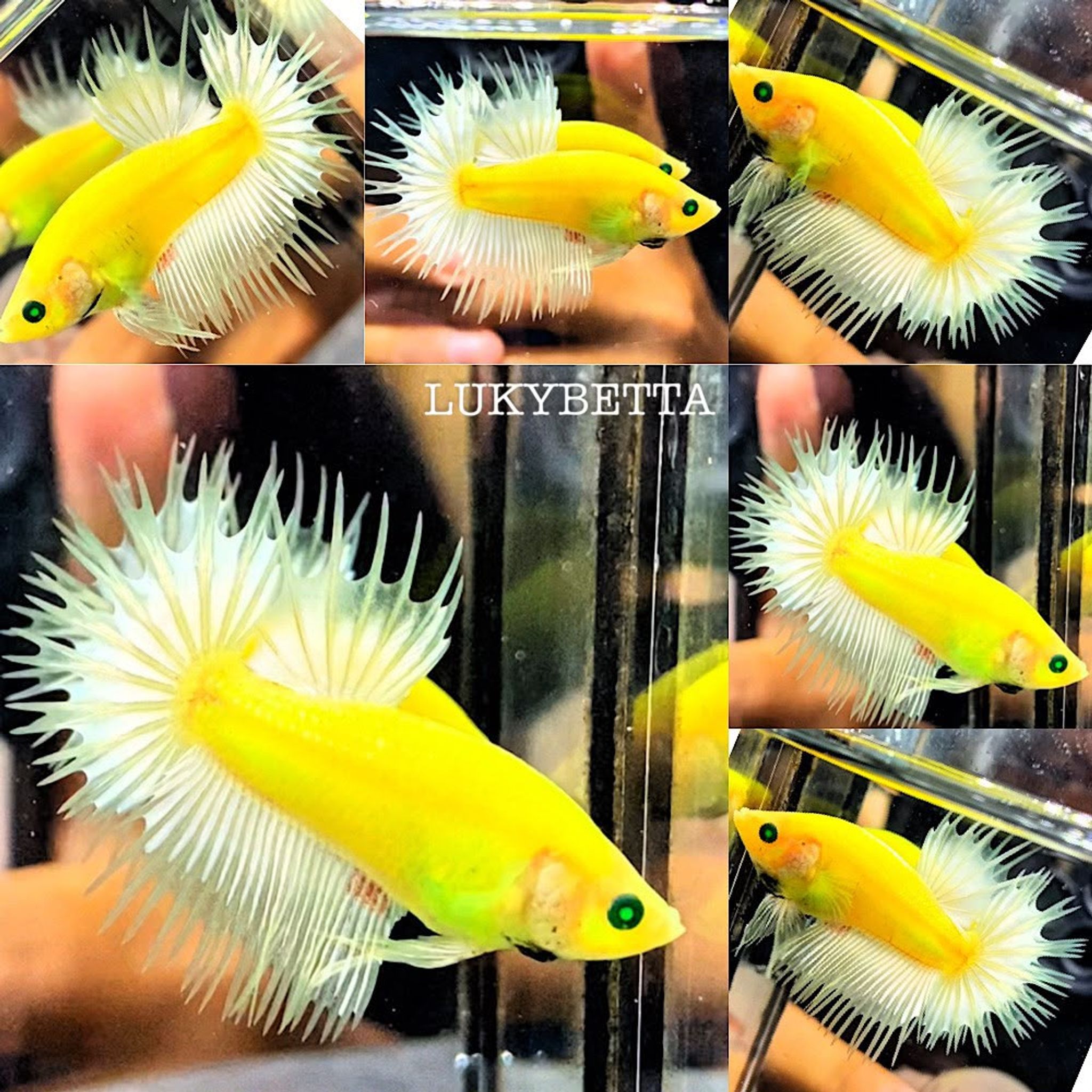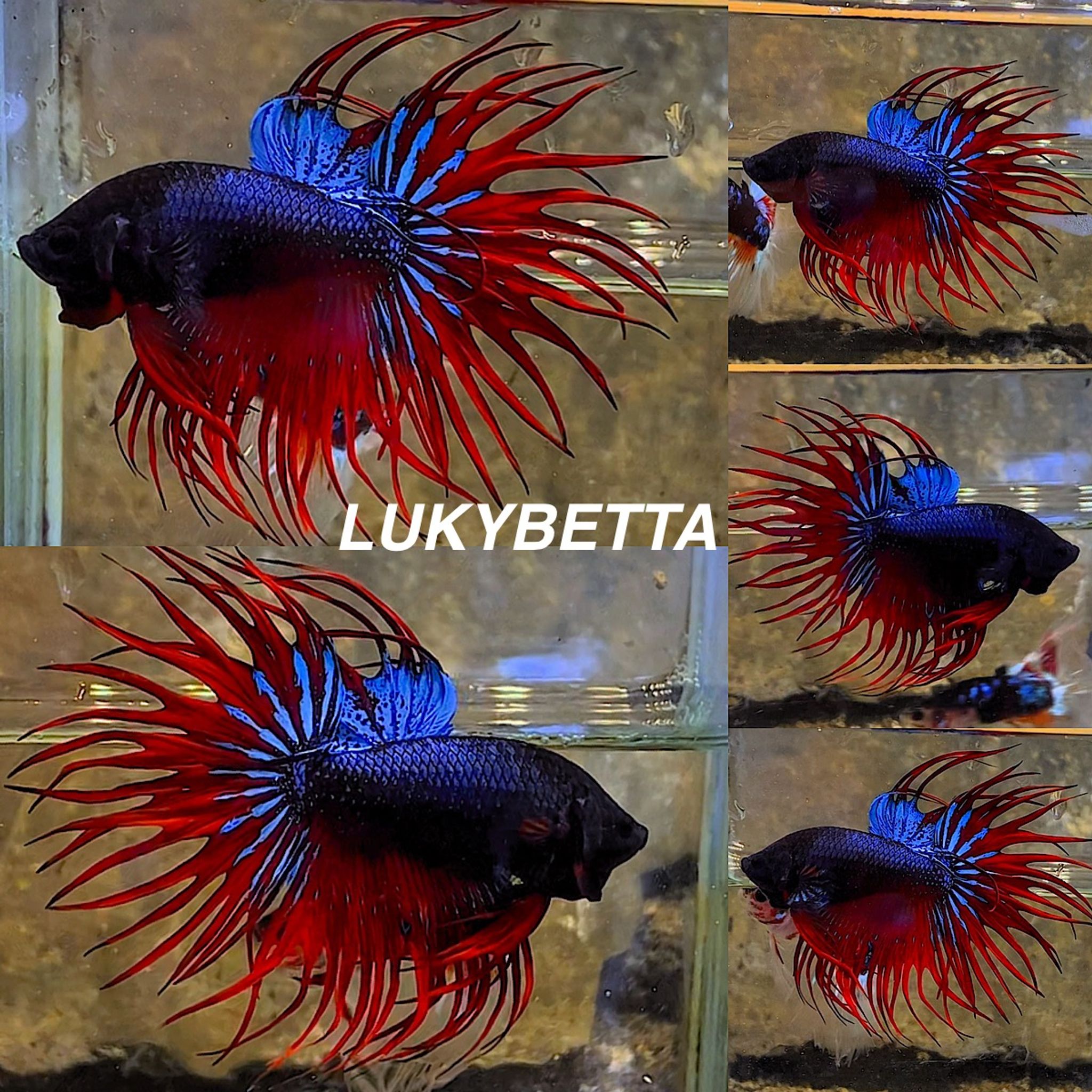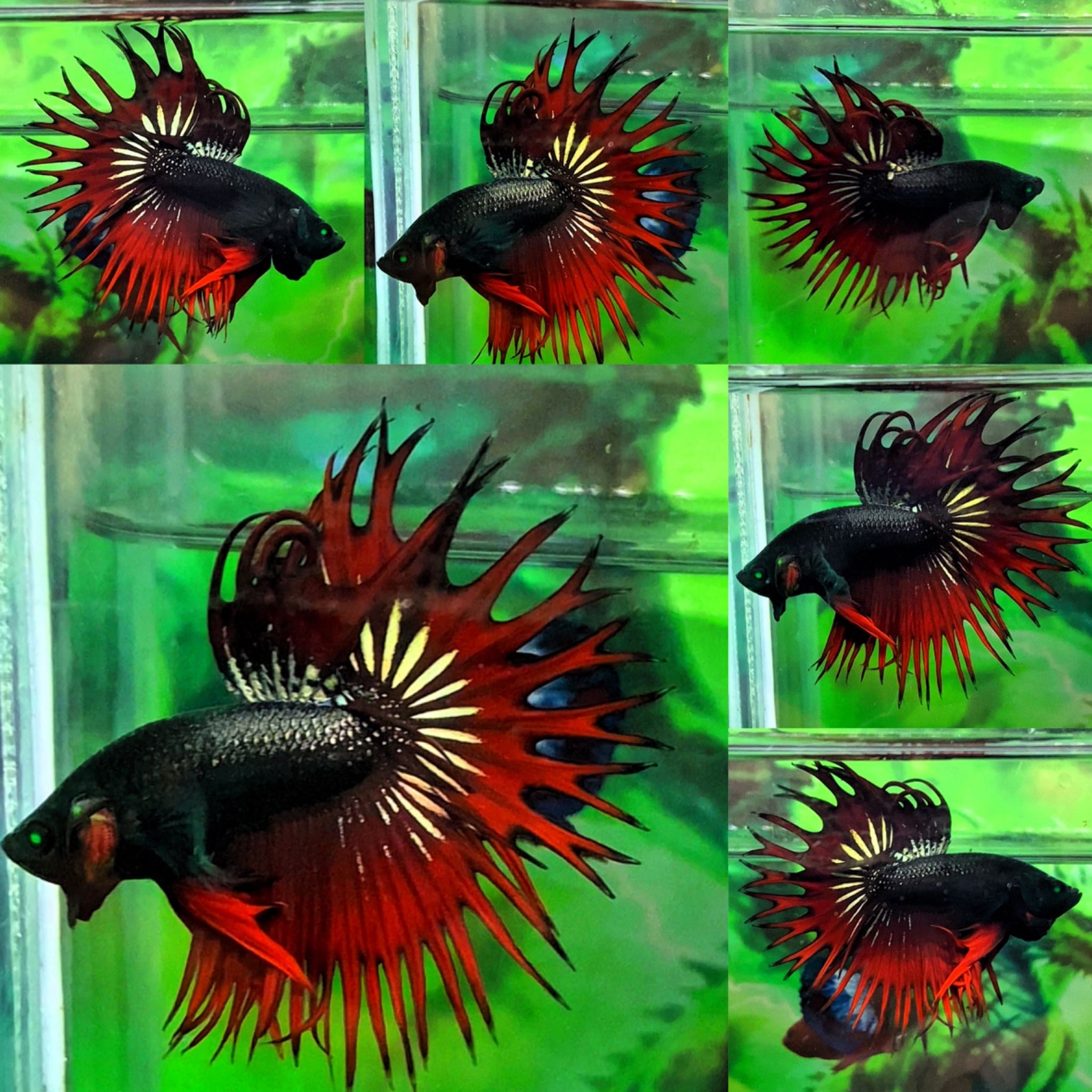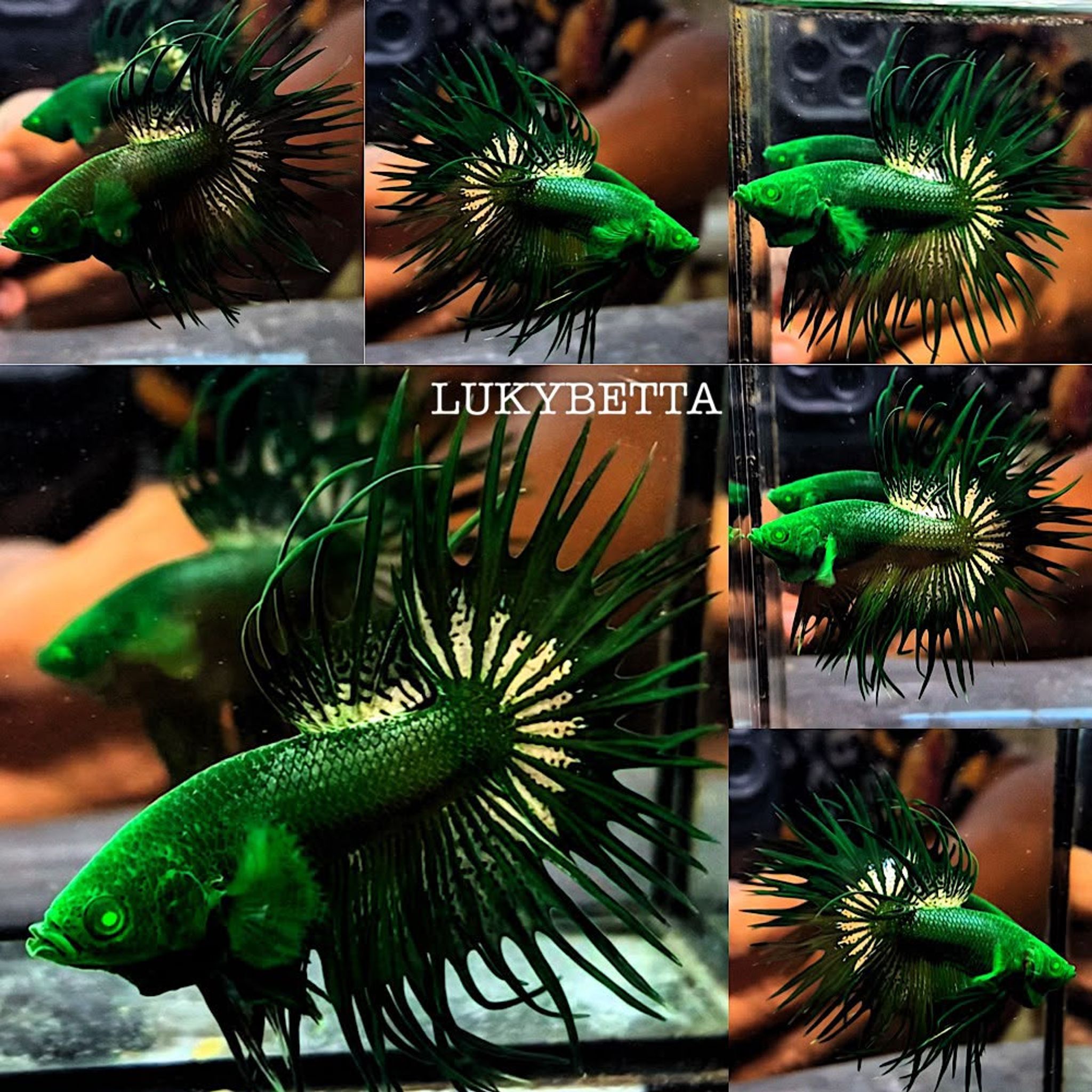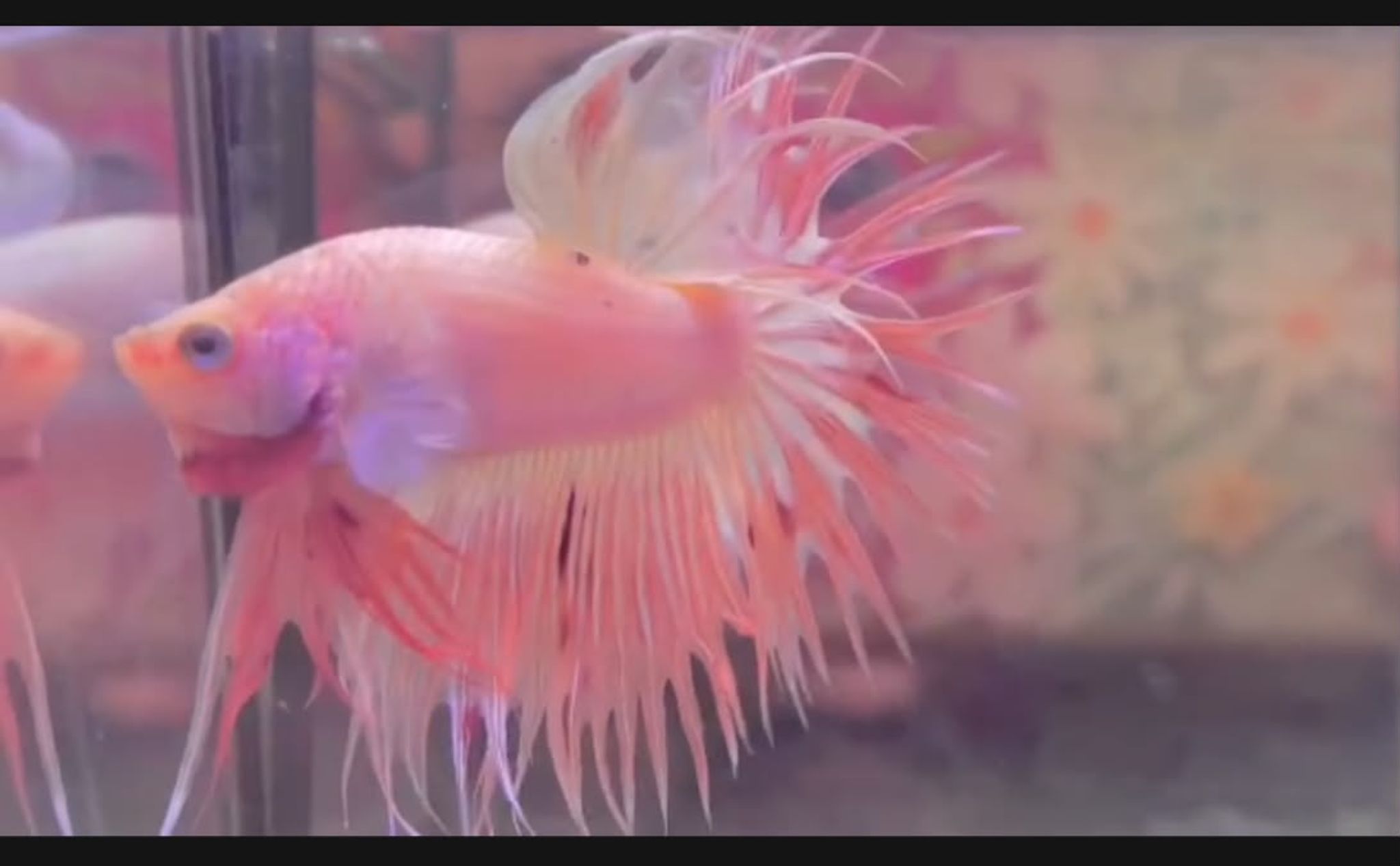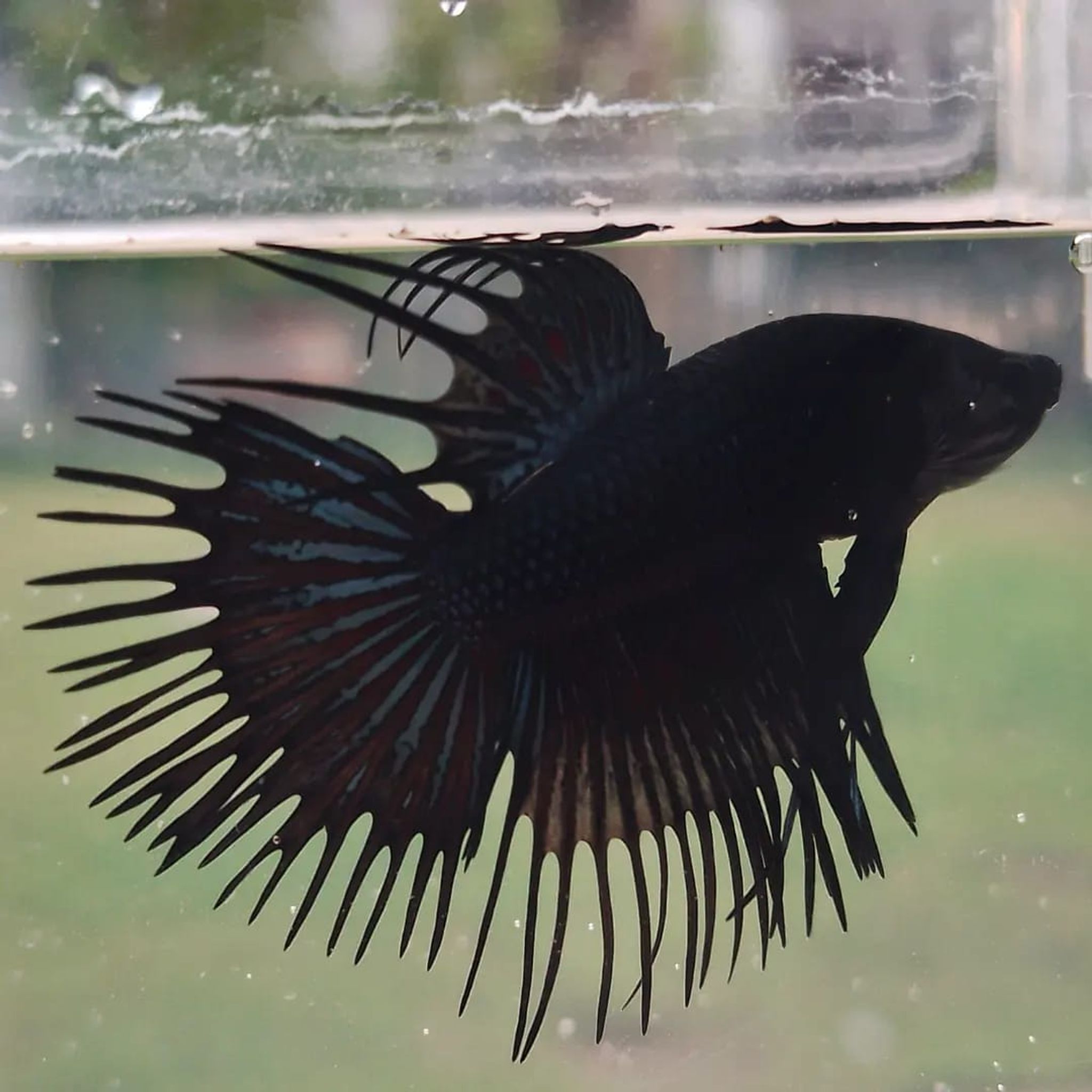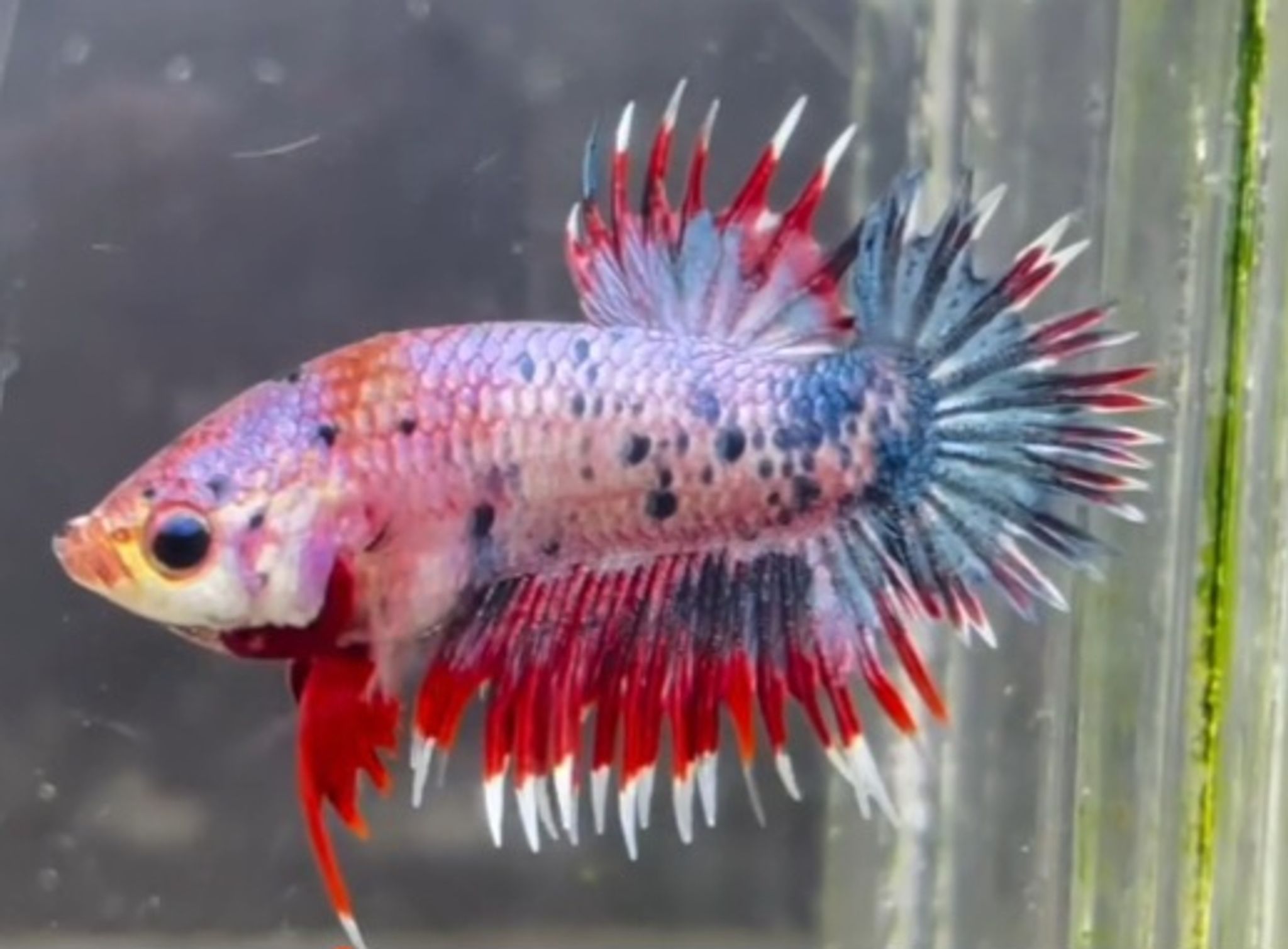
CTPK Multicolor
Click to enlarge

Unless otherwise stated, product might differ from image as image is representative of species and not of actual product

CTPK Multicolor

SGD 55.00

Product Variations

Quantity

Stock: 2

Product Details

Size

4cm - 5cm

Temperament

Aggressive

Water Condition

High PH

Product Description

In hard, alkaline waters, this four-centimeter brawler wears a mosaic of war paint.

The CTPK Multicolor is a stunning, aggressive mbuna cichlid for high-pH Malawi aquariums. Perfect for experienced hobbyists—add this vibrant fish today!

  • Water Conditions: The CTPK Multicolor originates from the rocky shores of Lake Malawi, so it demands hard, alkaline water with a high pH. Aim for a pH range of 7.8 to 8.6, though stability is more important than a specific number. The water temperature should be maintained between 24°C and 28°C (75°F to 82°F). These cichlids thrive in water with a general hardness (GH) of 10-20 dGH and a carbonate hardness (KH) of 8-12 dKH. High KH helps buffer the pH and prevents dangerous fluctuations. Use a good quality cichlid salt mix or rift lake buffer to replicate their natural environment. Ammonia and nitrite must be zero at all times; nitrate should be kept below 20 ppm through regular water changes. A strong filtration system is essential, as these fish are messy eaters and produce a significant bioload. Aim for a turnover rate of at least 8-10 times the tank volume per hour. Consider using a canister filter or a sump system, and add an extra powerhead for water movement. Lighting should be moderate to high to encourage algae growth, which they graze on. A photoperiod of 10-12 hours is sufficient. Because they are aggressive, a larger tank is better—minimum 120 litres (30 gallons) for a small group, but 200 litres (50 gallons) or more is ideal to reduce aggression. The tank should be well-covered, as they are known to jump. Regular monitoring of water parameters with a liquid test kit is crucial. Perform a 20-30% water change weekly to maintain water quality. Never use water that has been softened with sodium, as this can be harmful. Also, avoid medications containing copper, as cichlids are sensitive to it. In summary, stable, hard, alkaline water with excellent filtration is the key to keeping CTPK Multicolor healthy.
  • Suitable Tank Mates: Due to their aggressive temperament, CTPK Multicolor should be kept with other robust, similar-sized cichlids from Lake Malawi. Ideal tank mates include other mbuna species such as Labidochromis caeruleus (Yellow Lab), Pseudotropheus acei, Iodotropheus sprengerae (Rusty Cichlid), and Cynotilapia afra. Avoid mixing with peaceful community fish like tetras, guppies, or angelfish, as they will be bullied or killed. Also, avoid very large or overly aggressive predators like Nimbochromis or Dimidiochromis, which may eat the CTPK. A species-only tank is often best, with a ratio of one male to three or four females to spread aggression. If keeping multiple males, ensure the tank is large enough and provide plenty of visual barriers. Other suitable tank mates include Synodontis catfish (e.g., Synodontis petricola) which are nocturnal and can handle the boisterous behavior. Some hobbyists keep them with larger rainbowfish (e.g., Melanotaenia) in very large tanks, but this is risky. Avoid bottom-dwellers like Corydoras, as they are too peaceful. Also, avoid shrimp or snails, as they may be eaten. When introducing new fish, rearrange rocks to disrupt established territories. Always quarantine new additions to prevent disease outbreaks. Keep in mind that aggression can vary among individuals, so monitor carefully. If aggression becomes excessive, separate the bully. A good rule of thumb: if a fish can fit in the CTPK's mouth, it will likely be eaten. So choose tank mates that are at least 5 cm (2 inches) and have similar temperaments. Remember that CTPK Multicolor is a mbuna, so it will defend its territory vigorously. Provide ample hiding spots to allow subdominant fish to escape. Overall, a community of Malawi cichlids with similar requirements is the safest bet.
  • Feeding Habits: CTPK Multicolor is primarily an herbivore with omnivorous tendencies. In the wild, they graze on algae and aufwuchs from rocks. In the aquarium, offer a diet high in plant matter. Spirulina-based flakes or pellets should form the staple. Look for foods specifically designed for herbivorous cichlids, with a protein content of around 30-40%. Too much protein can lead to bloat and other digestive issues. Supplement with fresh vegetables such as blanched zucchini, cucumber, spinach, or lettuce. These can be attached to a rock or clip and left for a few hours. They also enjoy nori seaweed or dried kelp. For variety, offer live or frozen foods like brine shrimp, daphnia, bloodworms, and mysis shrimp, but limit these to once or twice a week. Avoid feeding tubifex worms, as they can carry disease. Feed 2-3 times a day in small amounts that can be consumed within 2 minutes. Overfeeding is a common mistake and can lead to obesity, poor water quality, and aggression. Use a good quality cichlid pellet as the base, and rotate foods to ensure balanced nutrition. Since they are grazers, they will constantly pick at algae on rocks, so encourage algae growth with proper lighting. However, if algae growth is excessive, you may need to reduce lighting. Always remove uneaten food after feeding to prevent it from decaying. A varied diet will enhance their coloration and overall health. Remember that their small size (4-5 cm) means they have small mouths, so crush larger pellets or use micro-pellets. Also, because they are aggressive, feed them across the tank to reduce competition. Use multiple feeding stations if necessary. During breeding, females may not eat, so monitor their condition. Overall, a herbivore-heavy diet with occasional protein is ideal for CTPK Multicolor.
  • Care Requirements: Caring for CTPK Multicolor requires dedication and attention to detail. These fish are small but feisty, so provide a well-structured environment. The tank should have a sandy substrate (e.g., pool filter sand or aragonite sand) to allow digging and to buffer the pH. Build a complex rockwork with plenty of caves, crevices, and overhangs using lava rock, limestone, or Texas holey rock. This mimics their natural habitat and provides territories. Use a background that is dark to make their colors pop. Plants are generally not necessary and may be uprooted; if you want plants, choose hardy species like Anubias or Java Fern attached to rocks. Ensure the tank is fully cycled before adding fish. Acclimate them slowly using the drip method, as they are sensitive to changes in water parameters. Quarantine new arrivals for at least 3-4 weeks. Perform regular maintenance: weekly water changes of 20-30%, clean the filter media in tank water, and vacuum the substrate. Monitor aggression daily. If you see excessive chasing, fin nipping, or hiding, you may need to rearrange the tank or add more fish to disperse aggression. Overstocking can help, but it requires excellent filtration and more frequent water changes. A good rule is 1 inch of fish per 2 gallons of water for mbuna, but this is a rough guide. Since CTPK is 4-5 cm, a group of 6-8 in a 120-litre tank is feasible. Handle them with care; use a net with soft mesh to avoid damaging their fins. They are prone to Malawi bloat if fed incorrectly, so stick to a high-fiber diet. Also, watch for signs of disease like white spot, velvet, or fin rot, which can be triggered by stress. Treat with appropriate medications in a hospital tank. Breeding is possible; they are maternal mouthbrooders. If you want to breed them, condition the pair with live foods, and then the female will hold eggs for about 3 weeks. Strip the fry or let them spit naturally. Fry can be fed with baby brine shrimp and crushed flakes. Overall, CTPK Multicolor is a rewarding fish for the experienced cichlid keeper who appreciates their vibrant colors and active behavior. With proper care, they can live for 5-8 years.

More From This Merchant

Gold digger betta

Gold digger betta

View Store →

You May Also Like