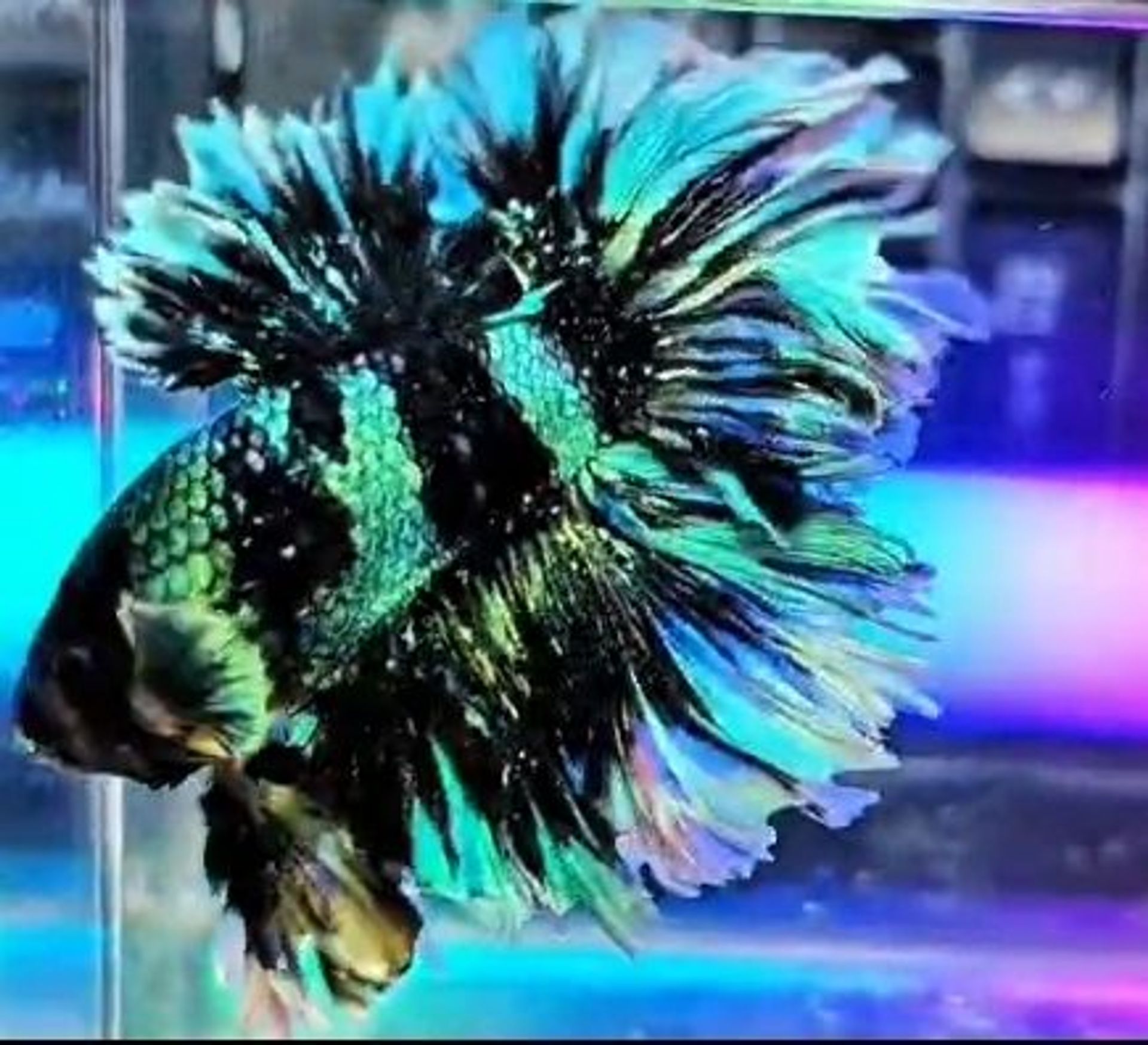
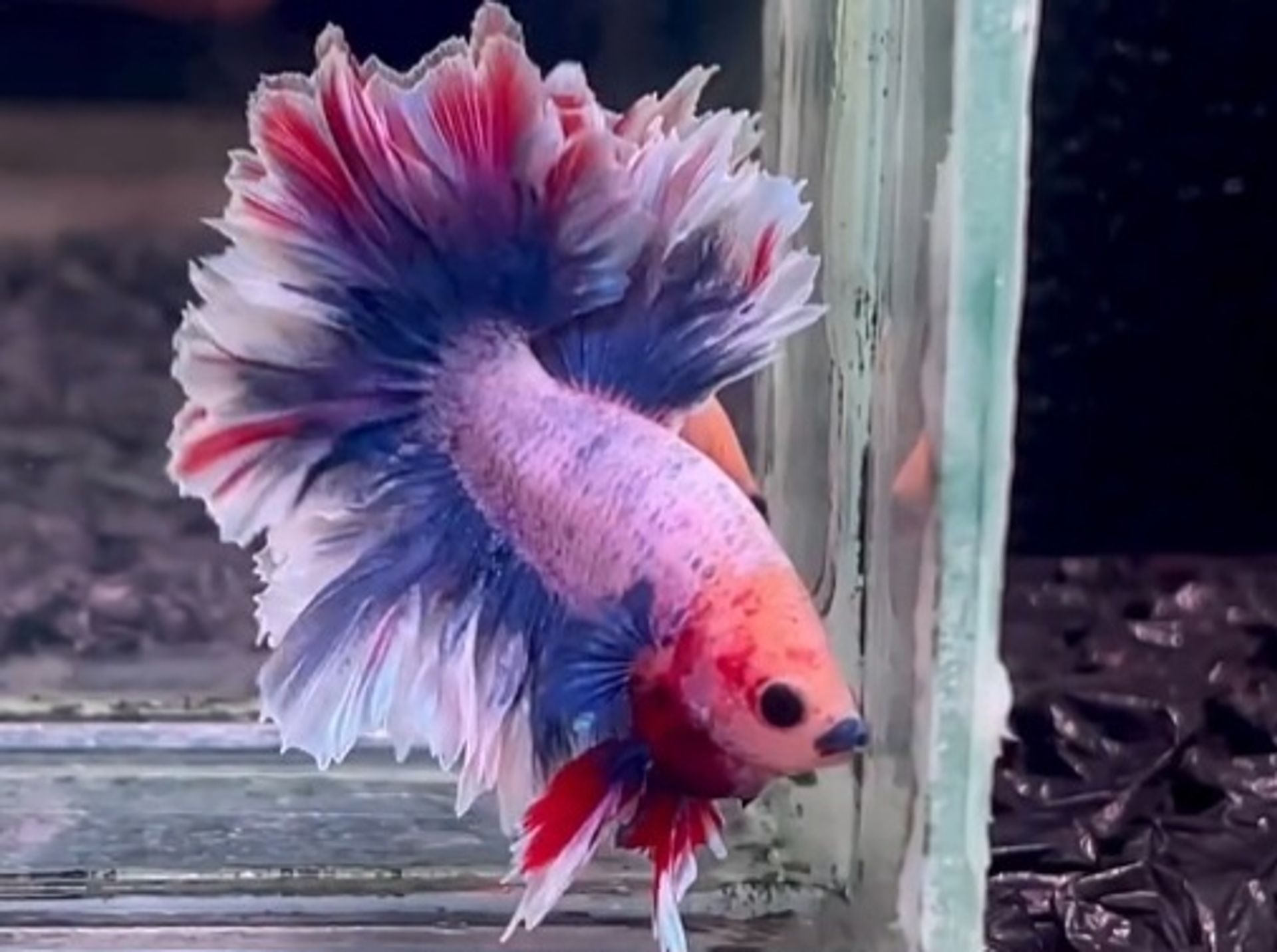
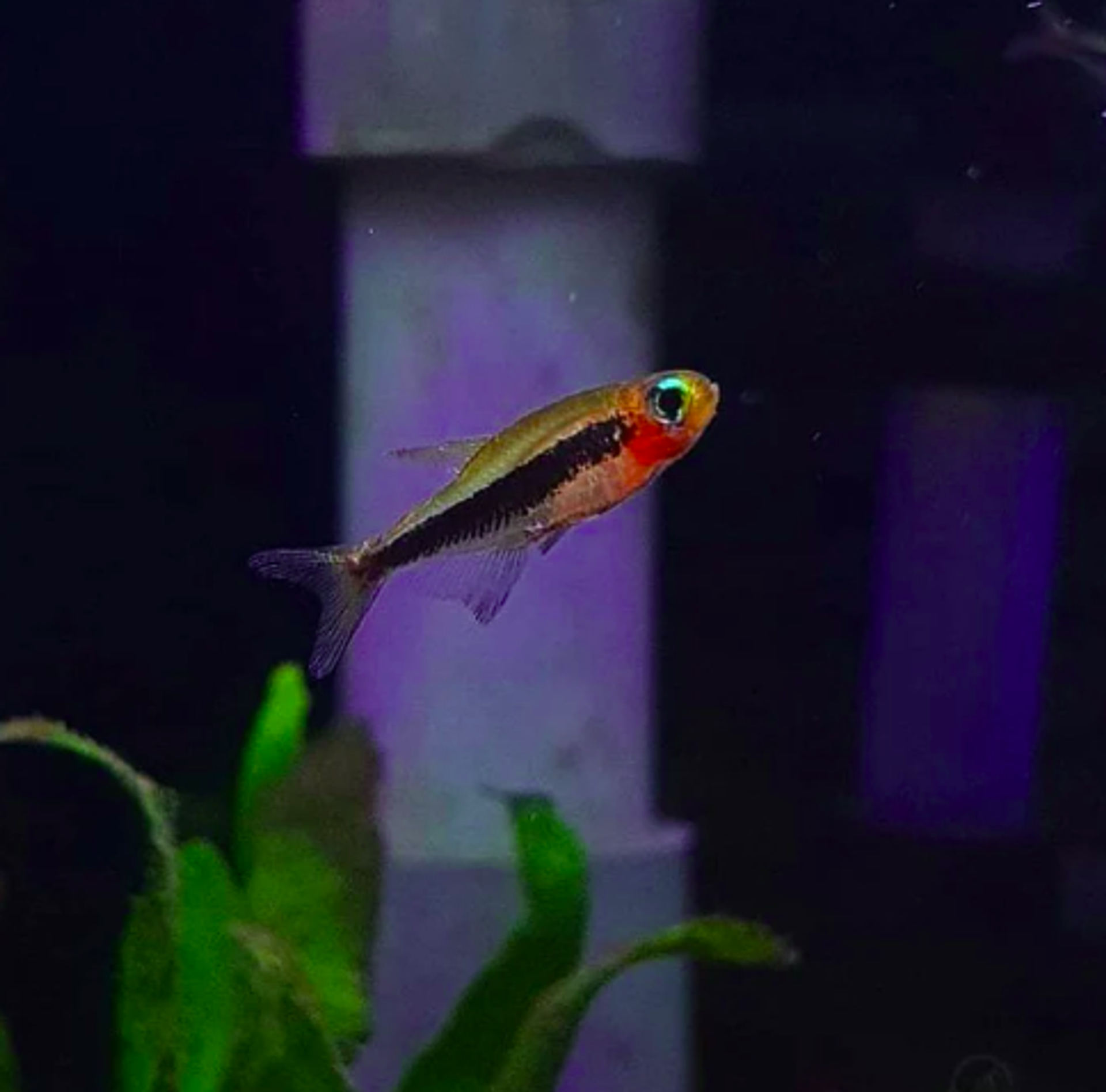
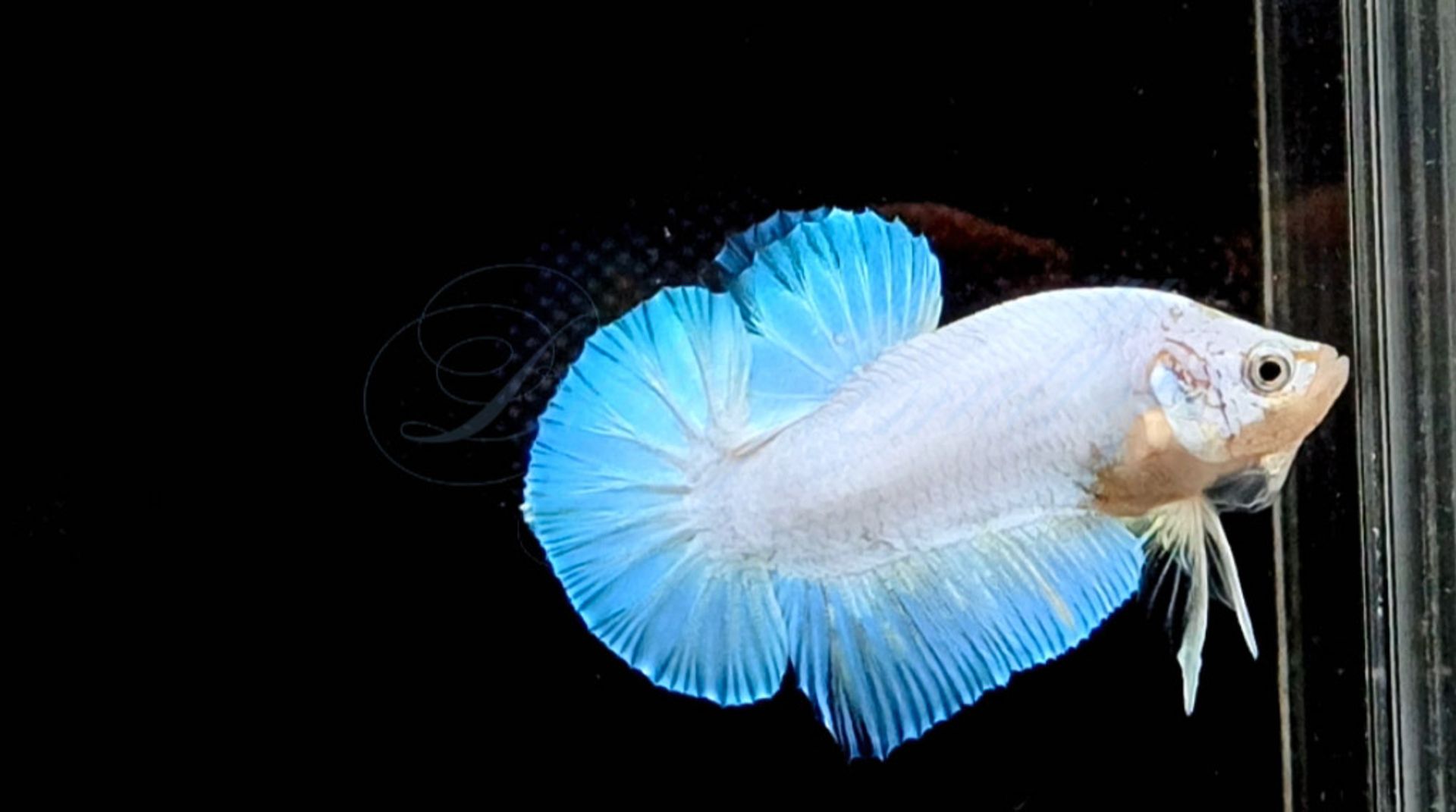
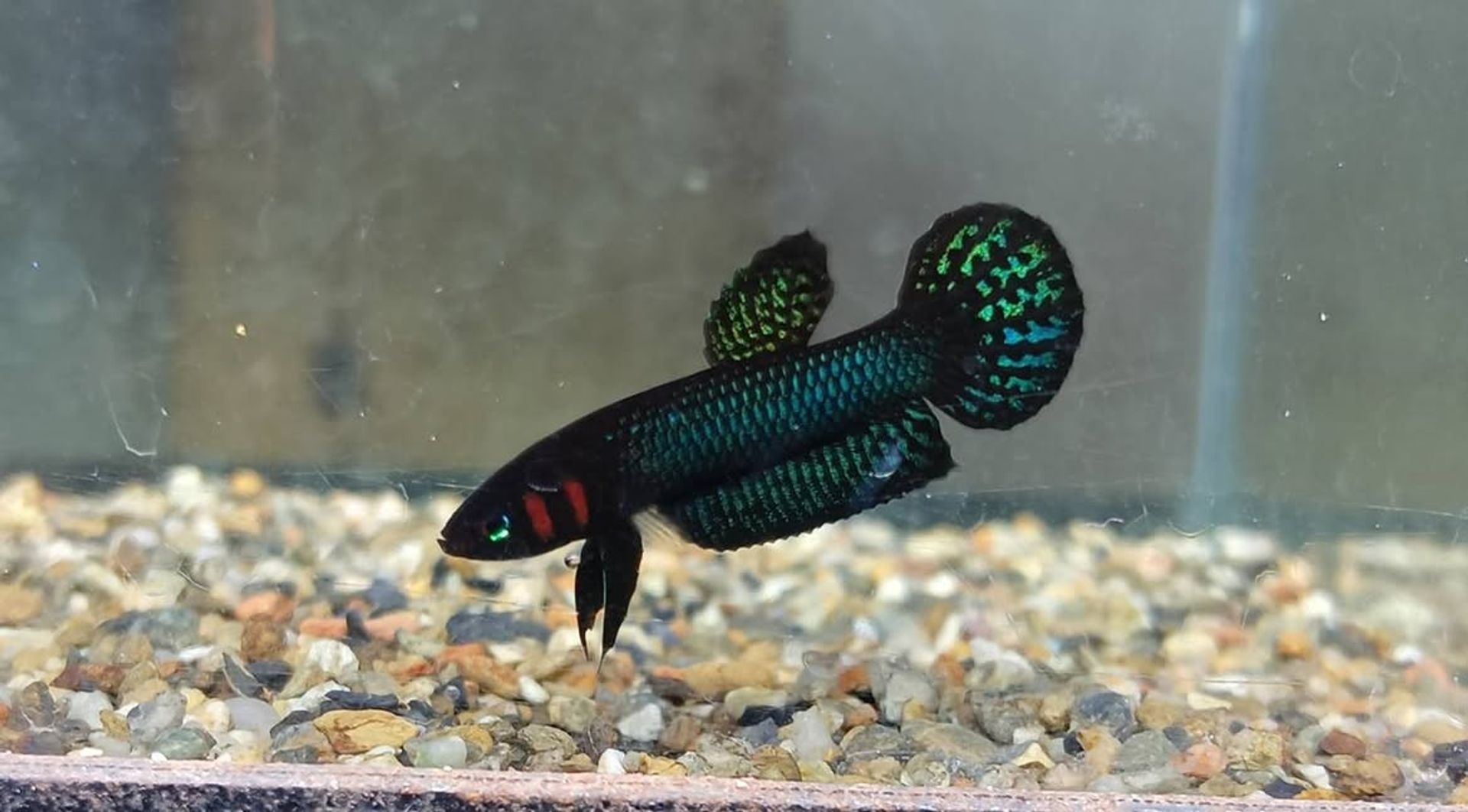
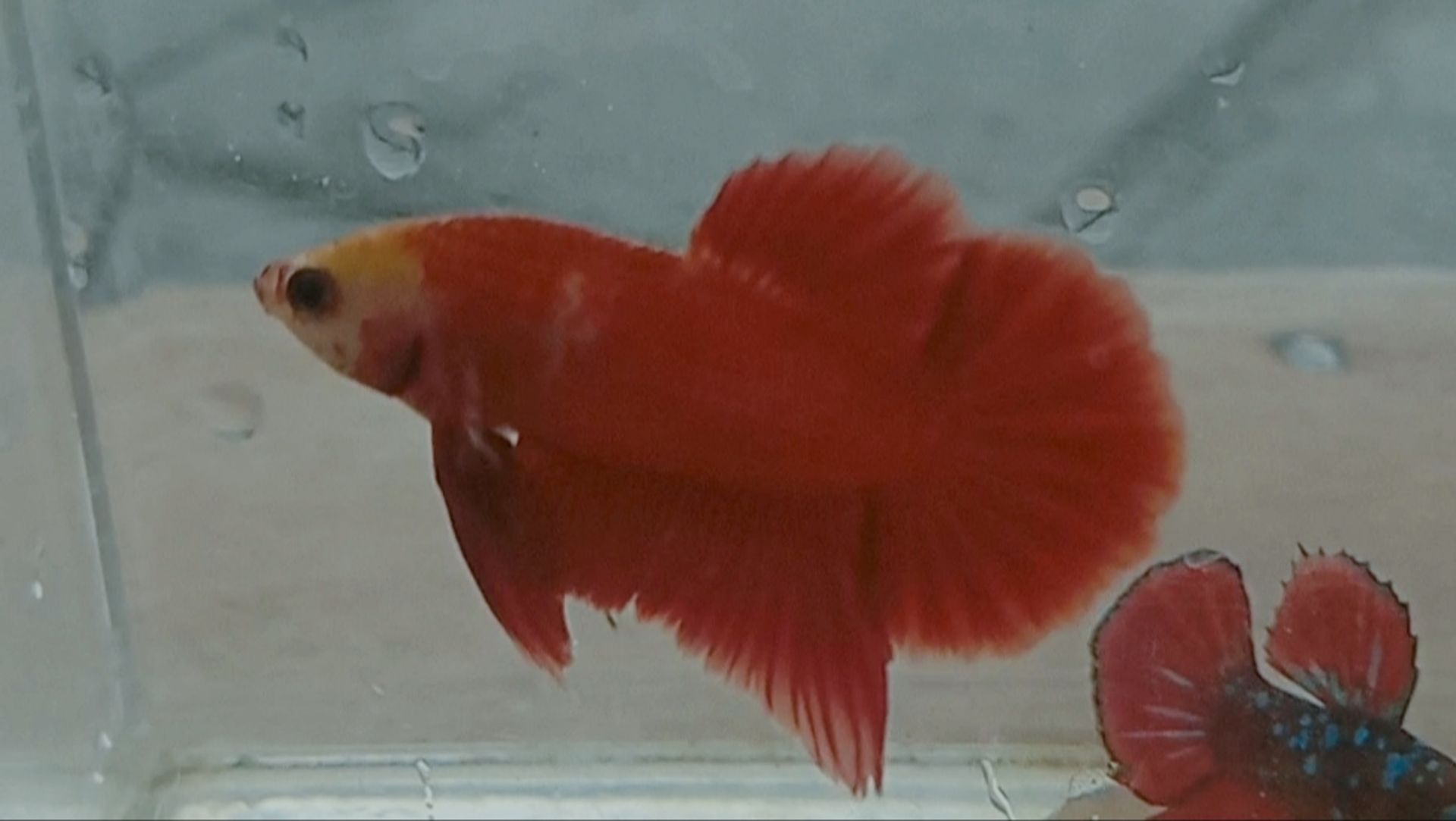
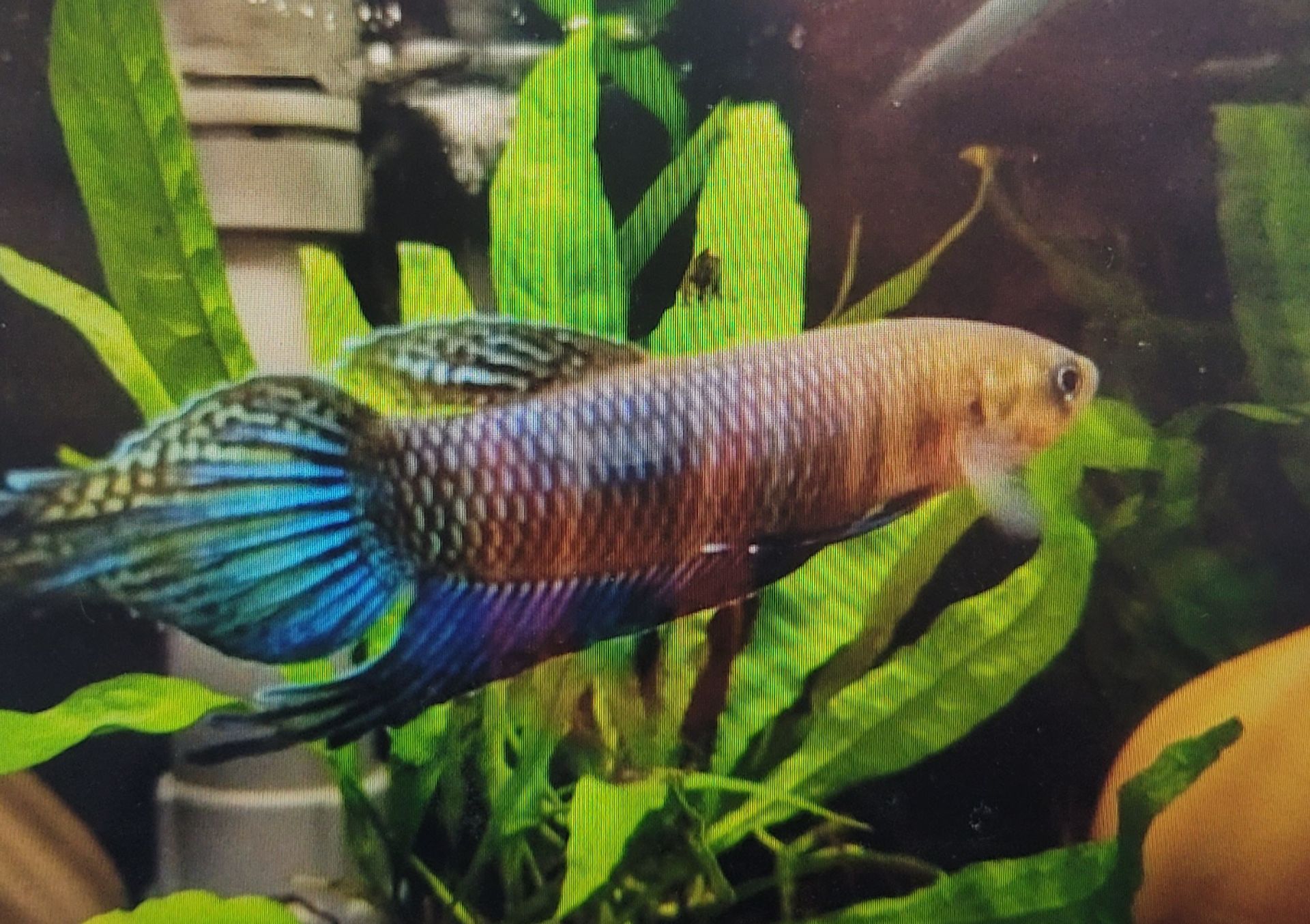
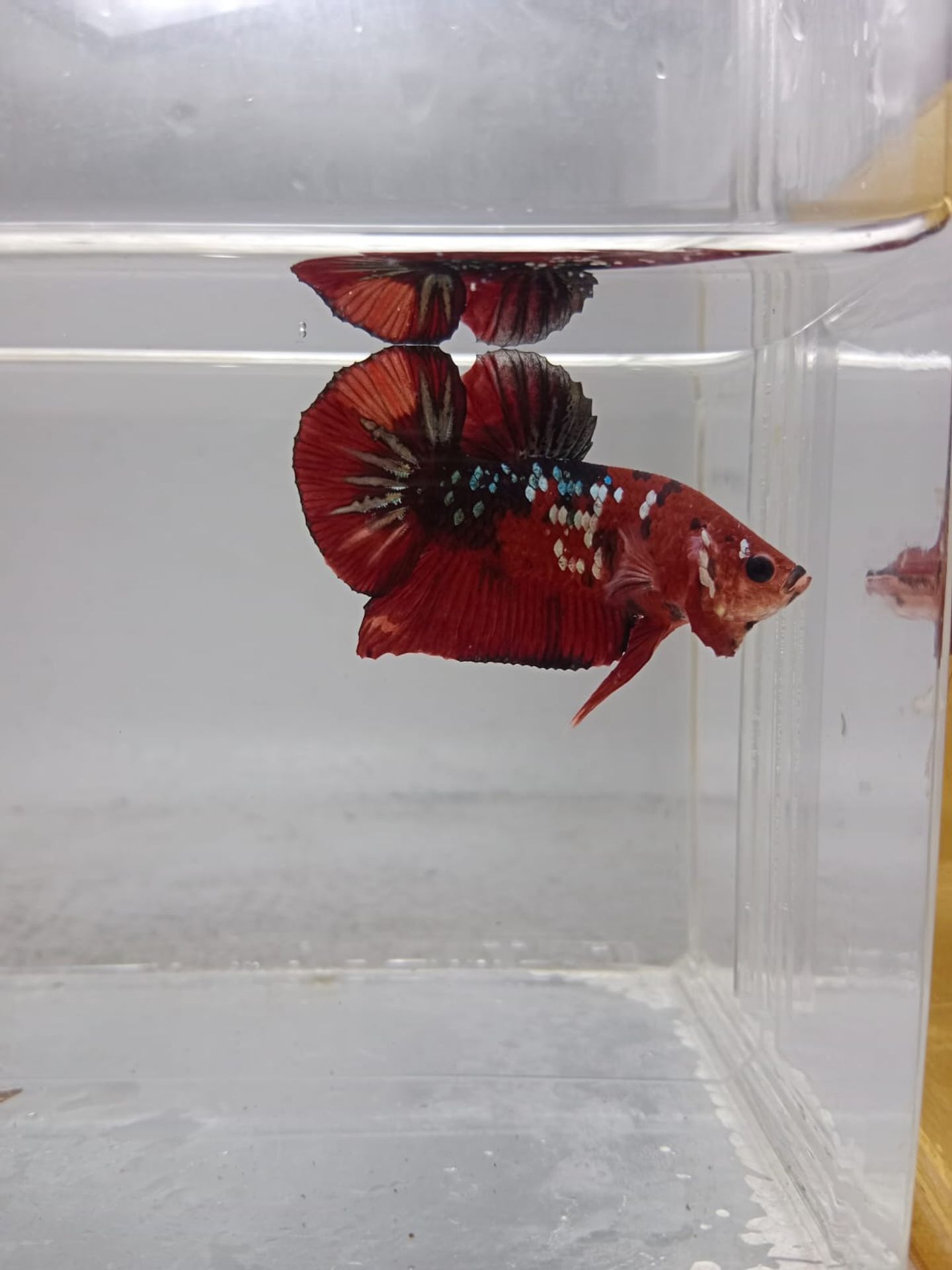
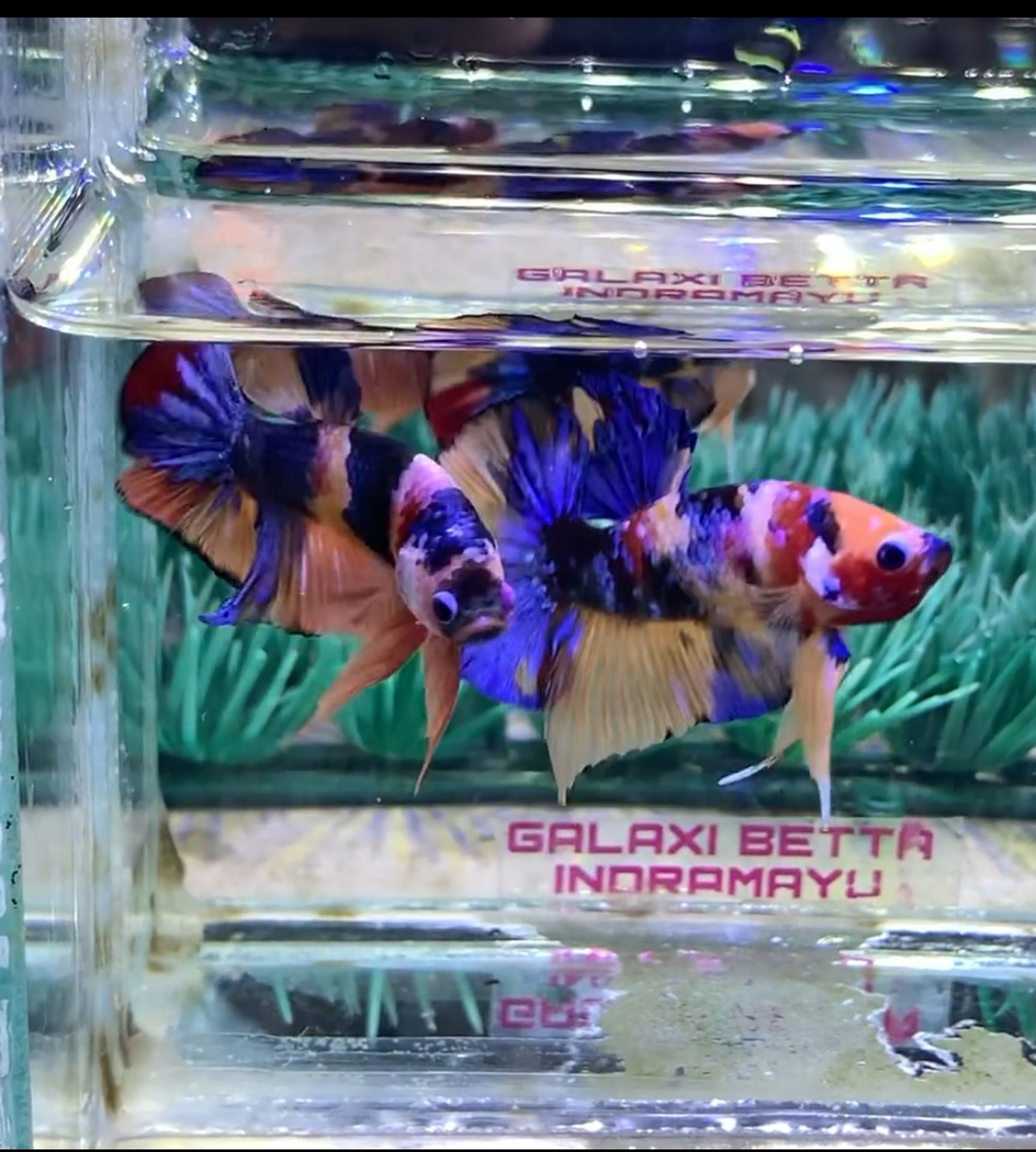
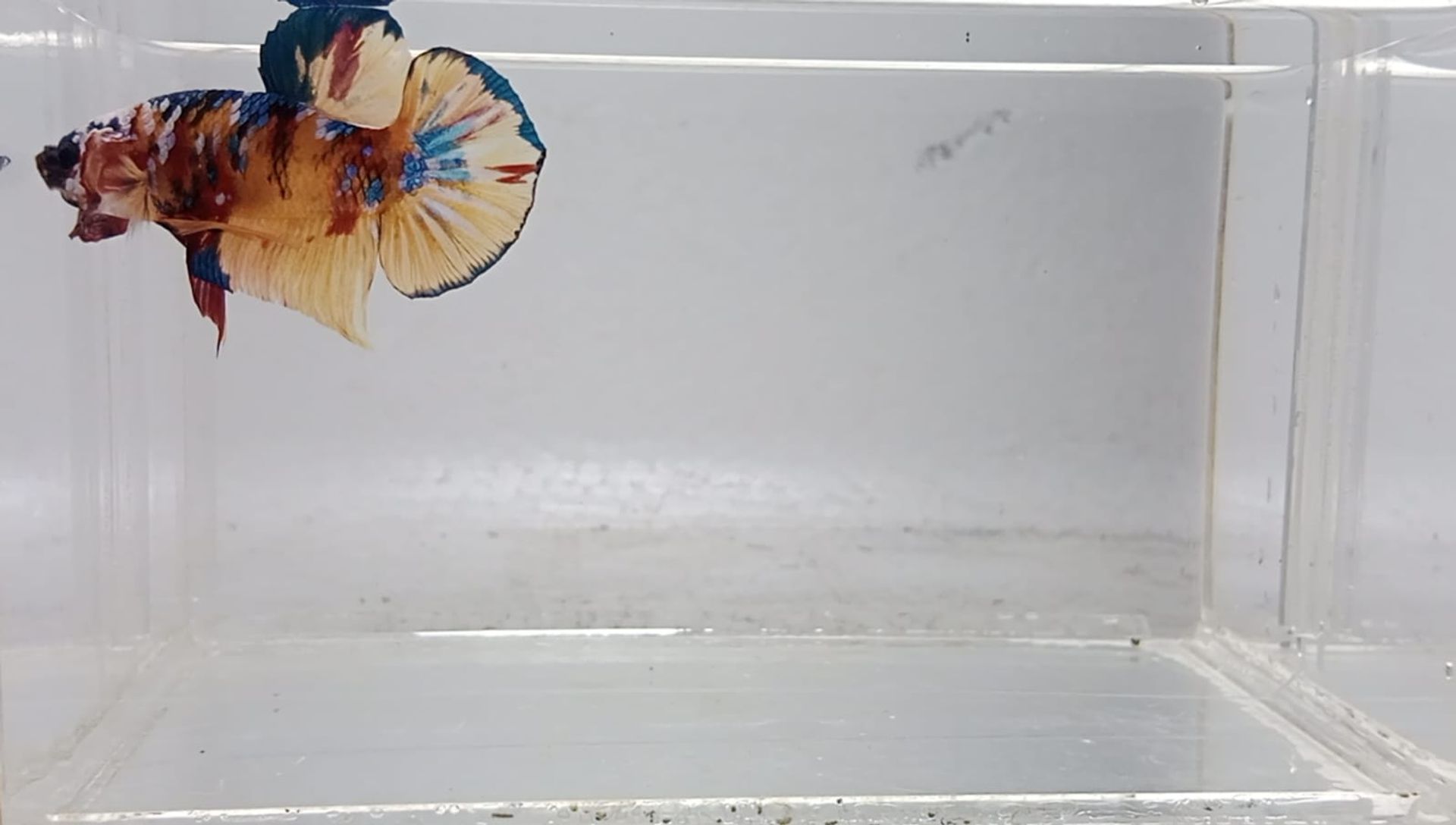
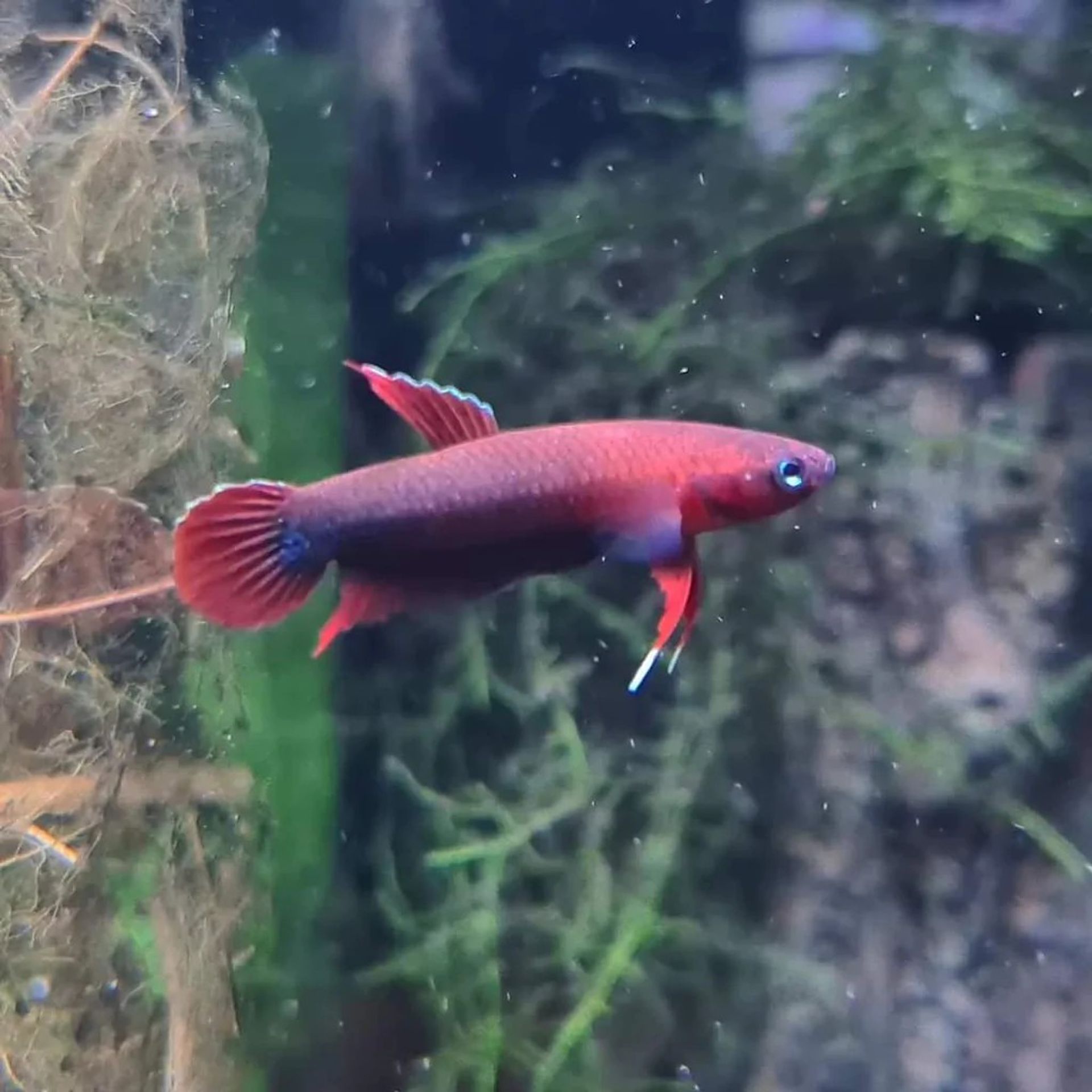
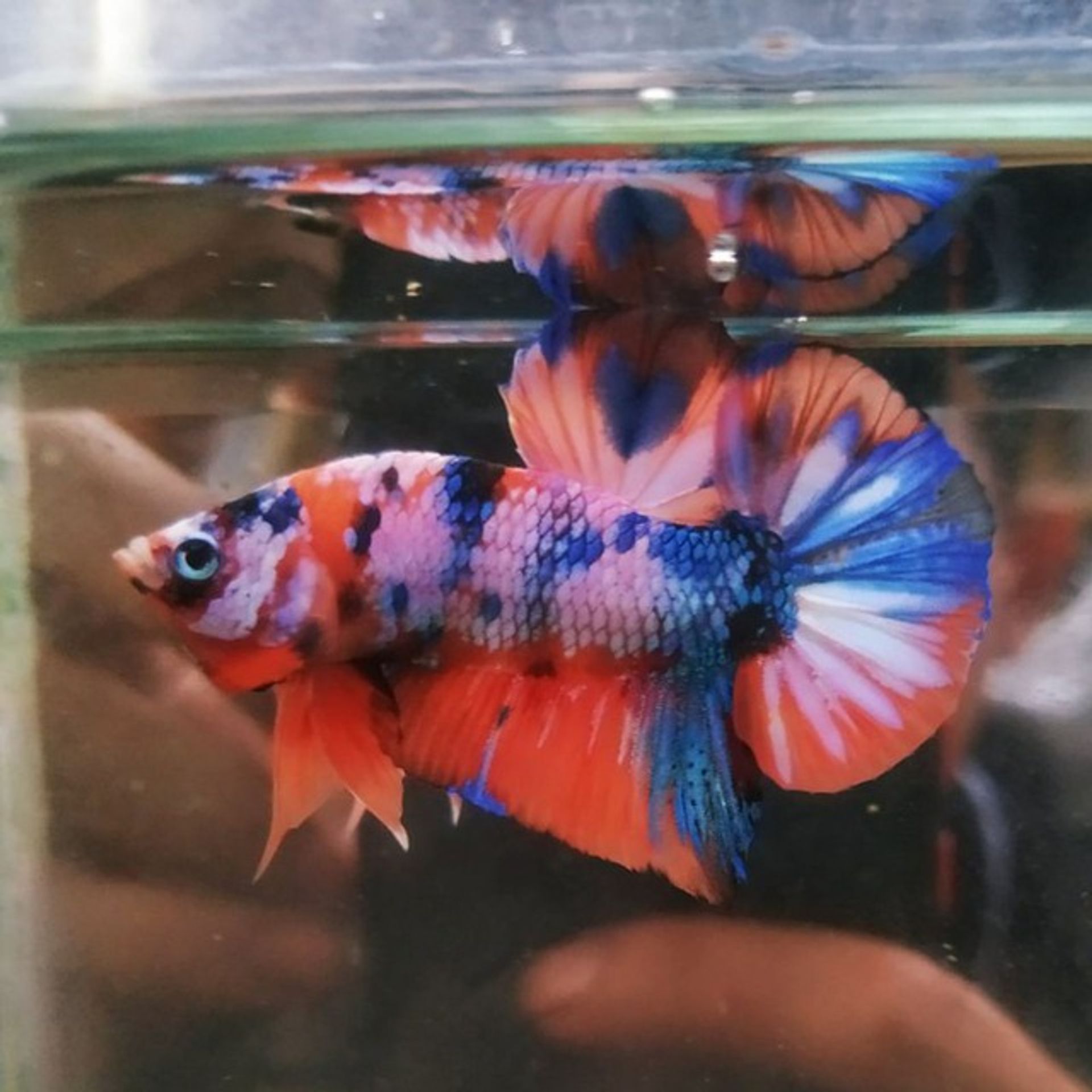
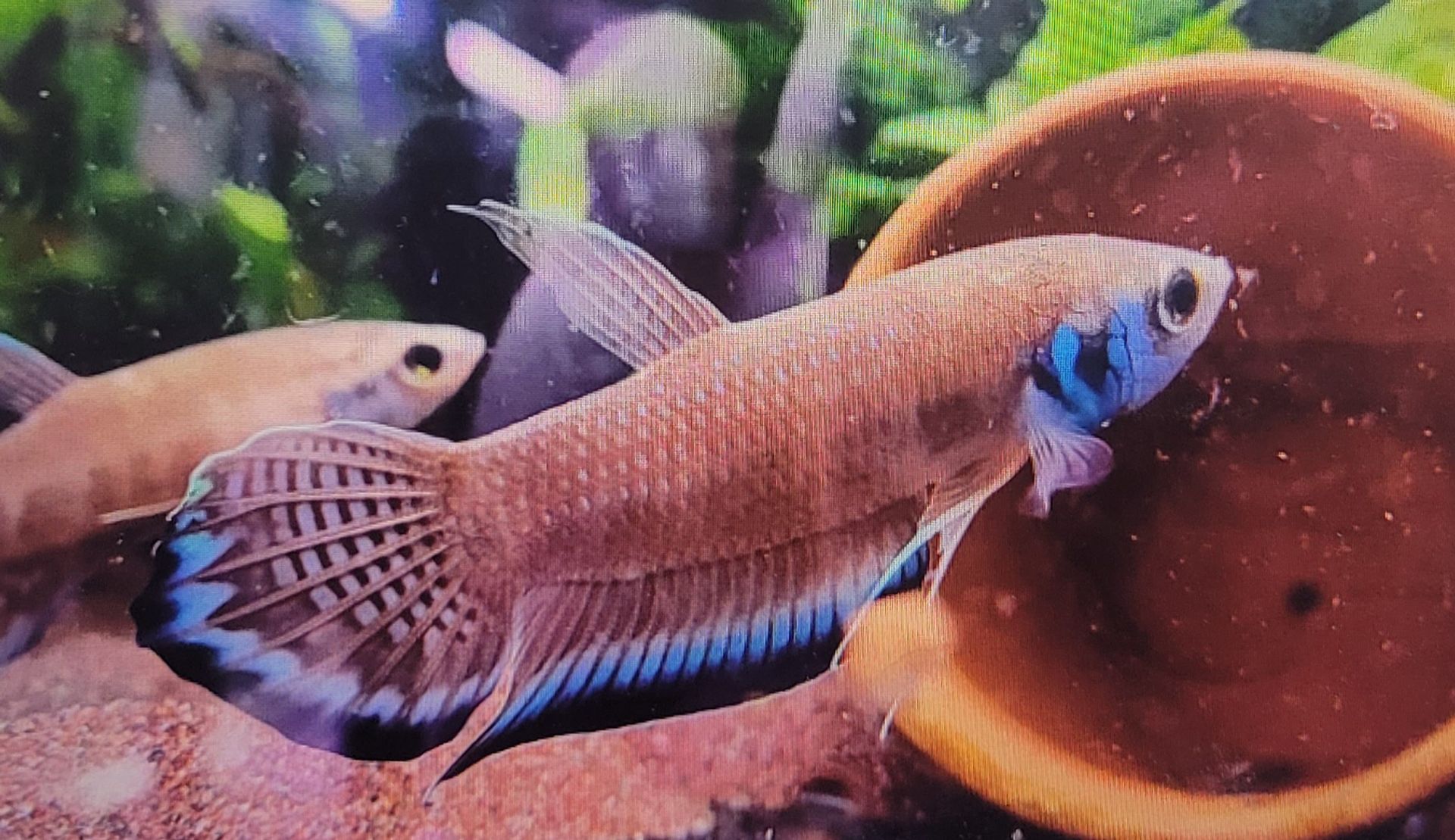
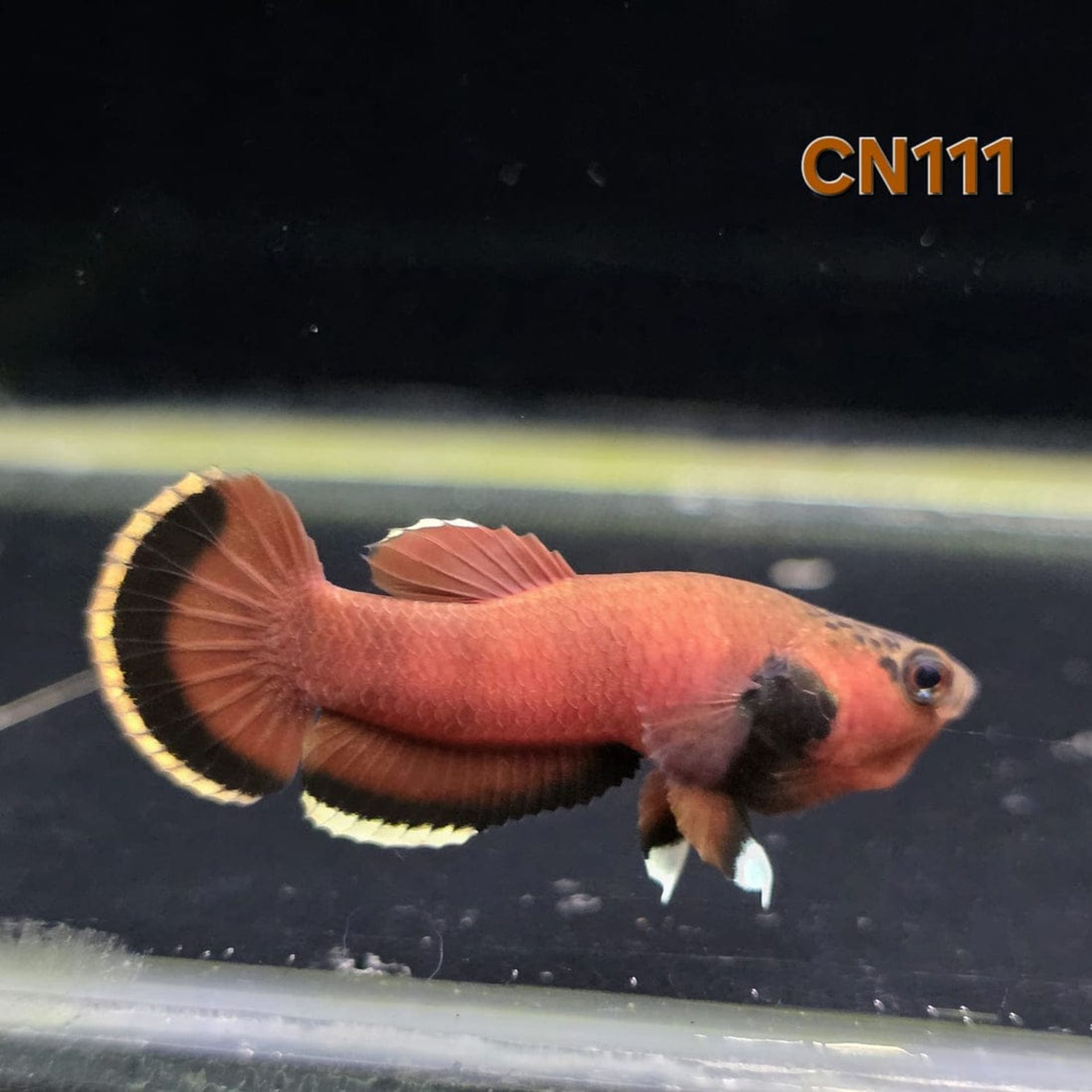
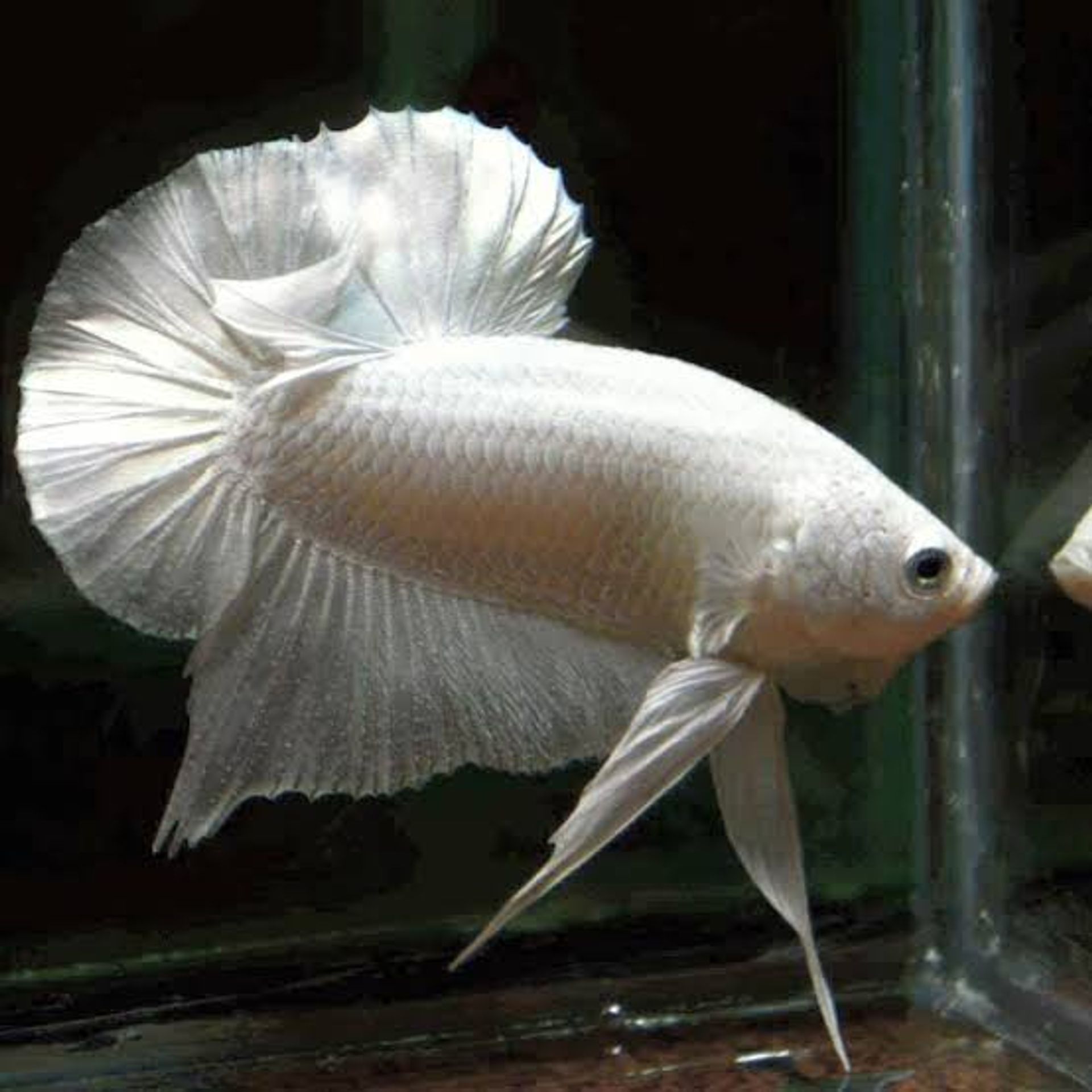
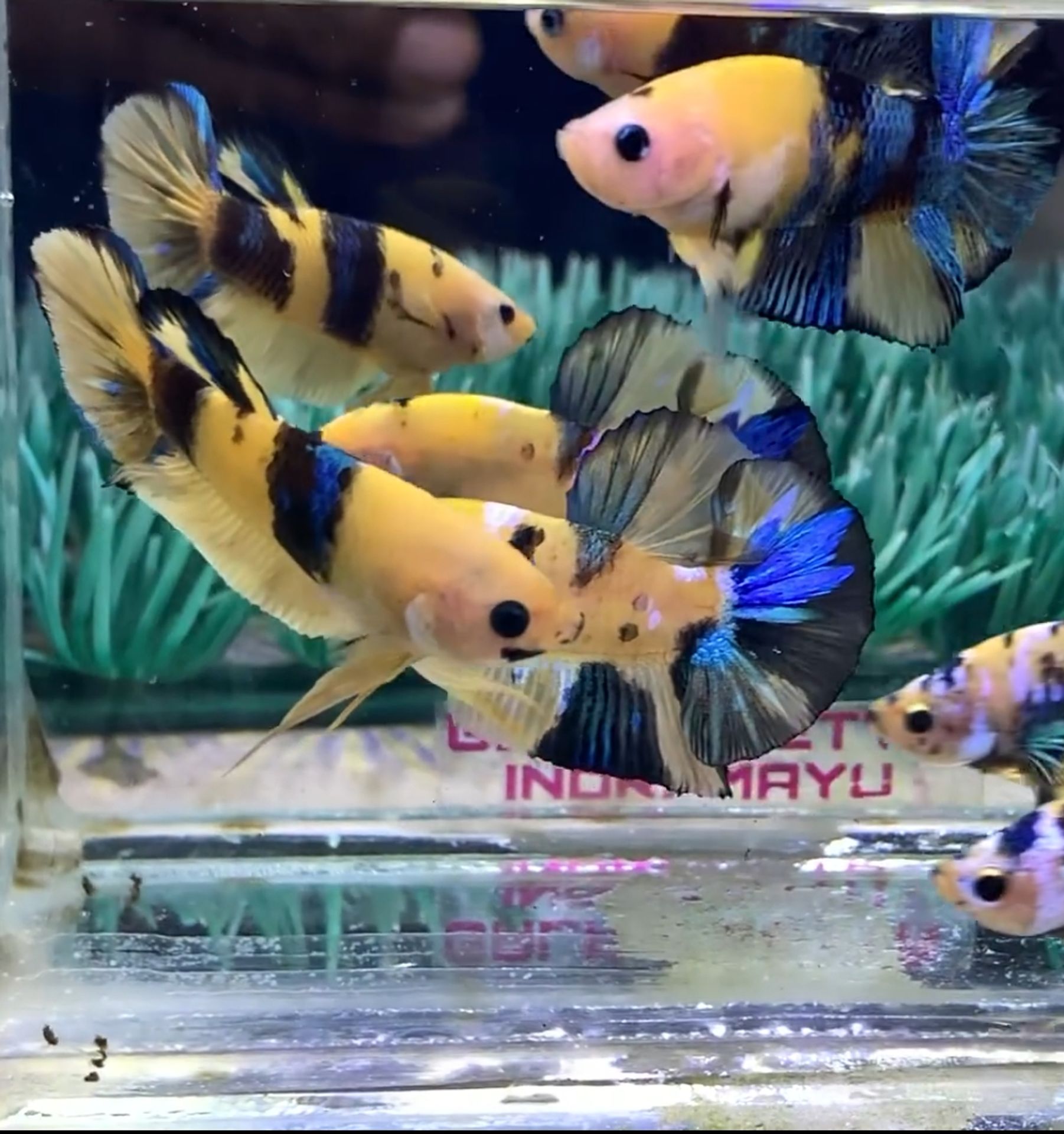
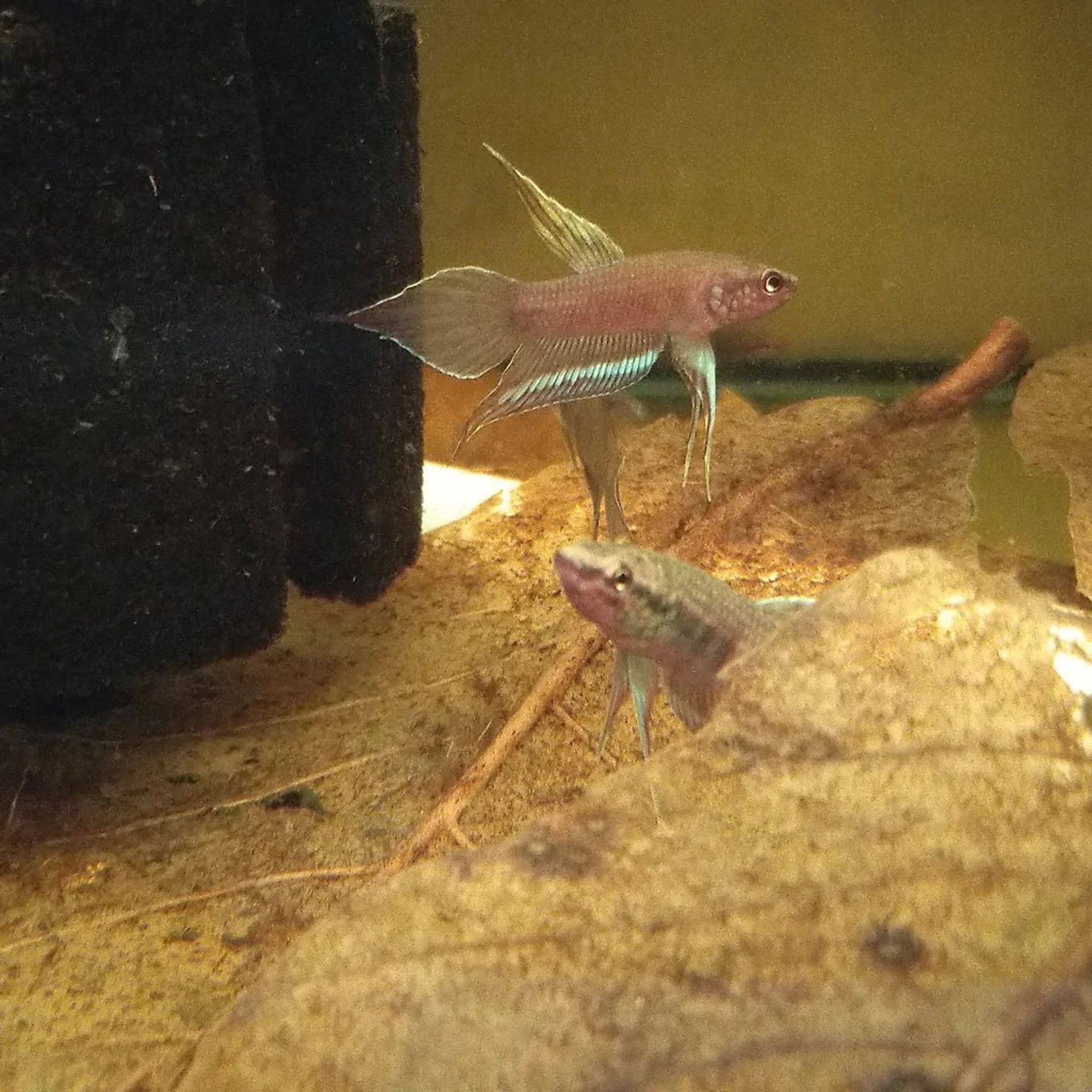
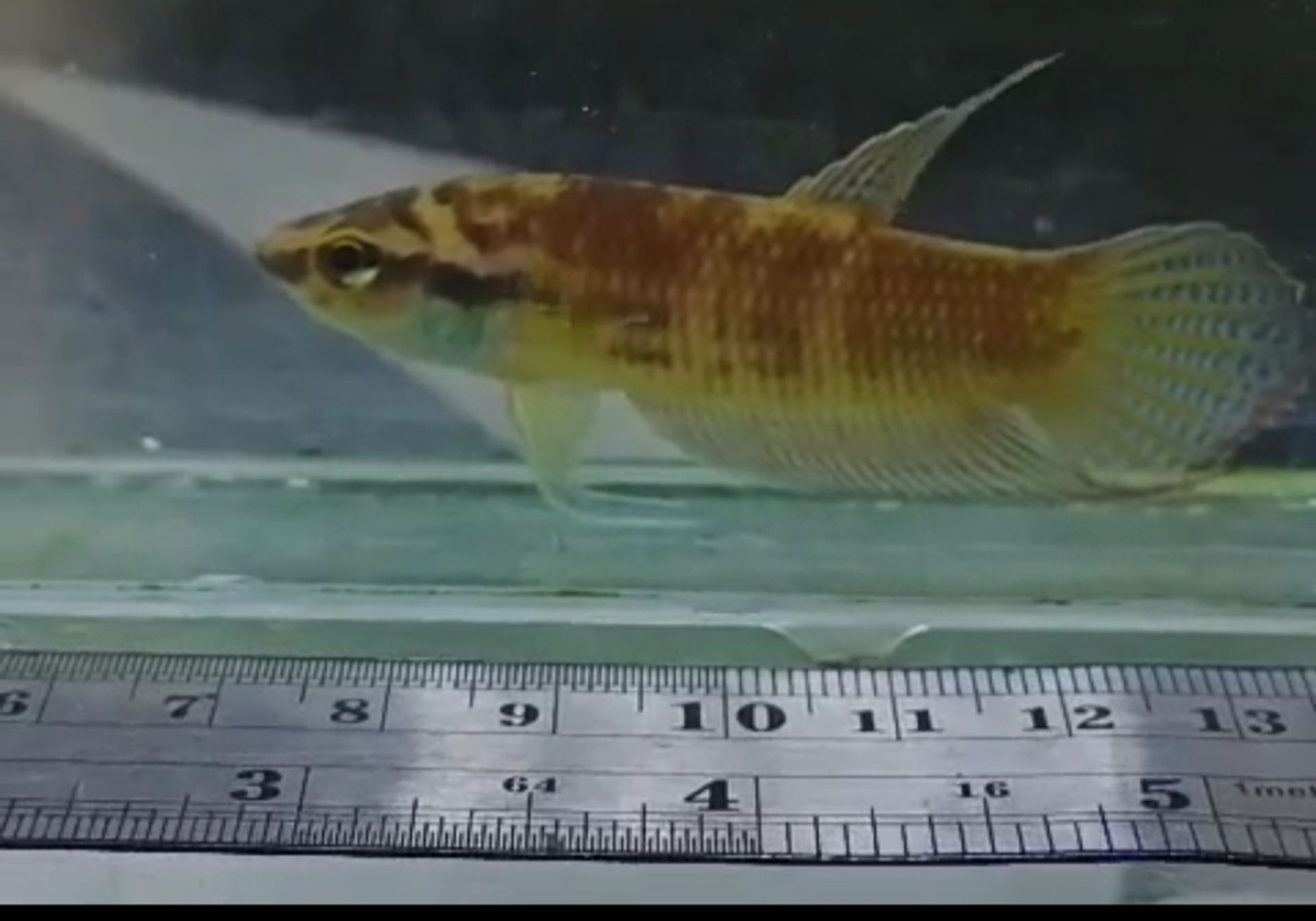
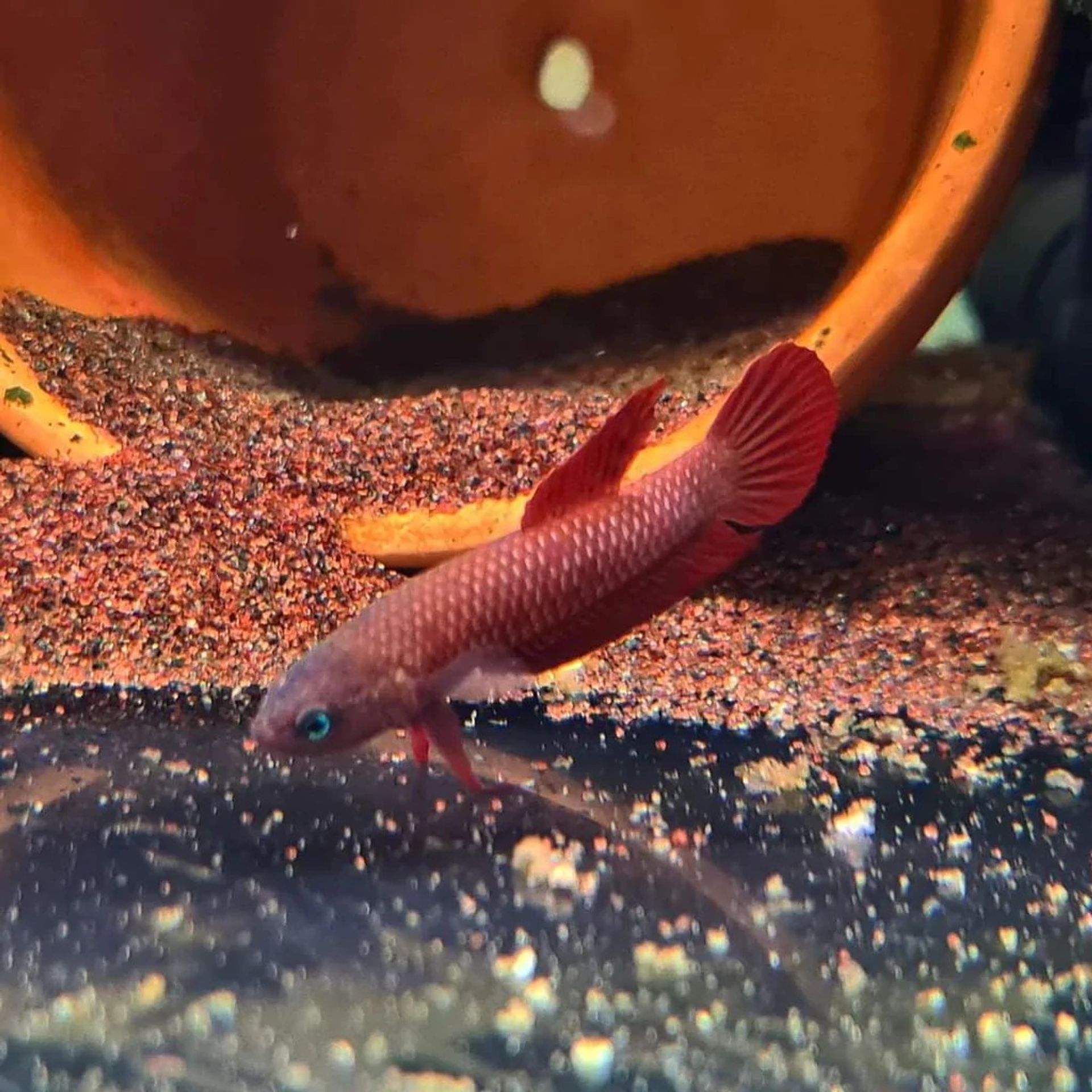
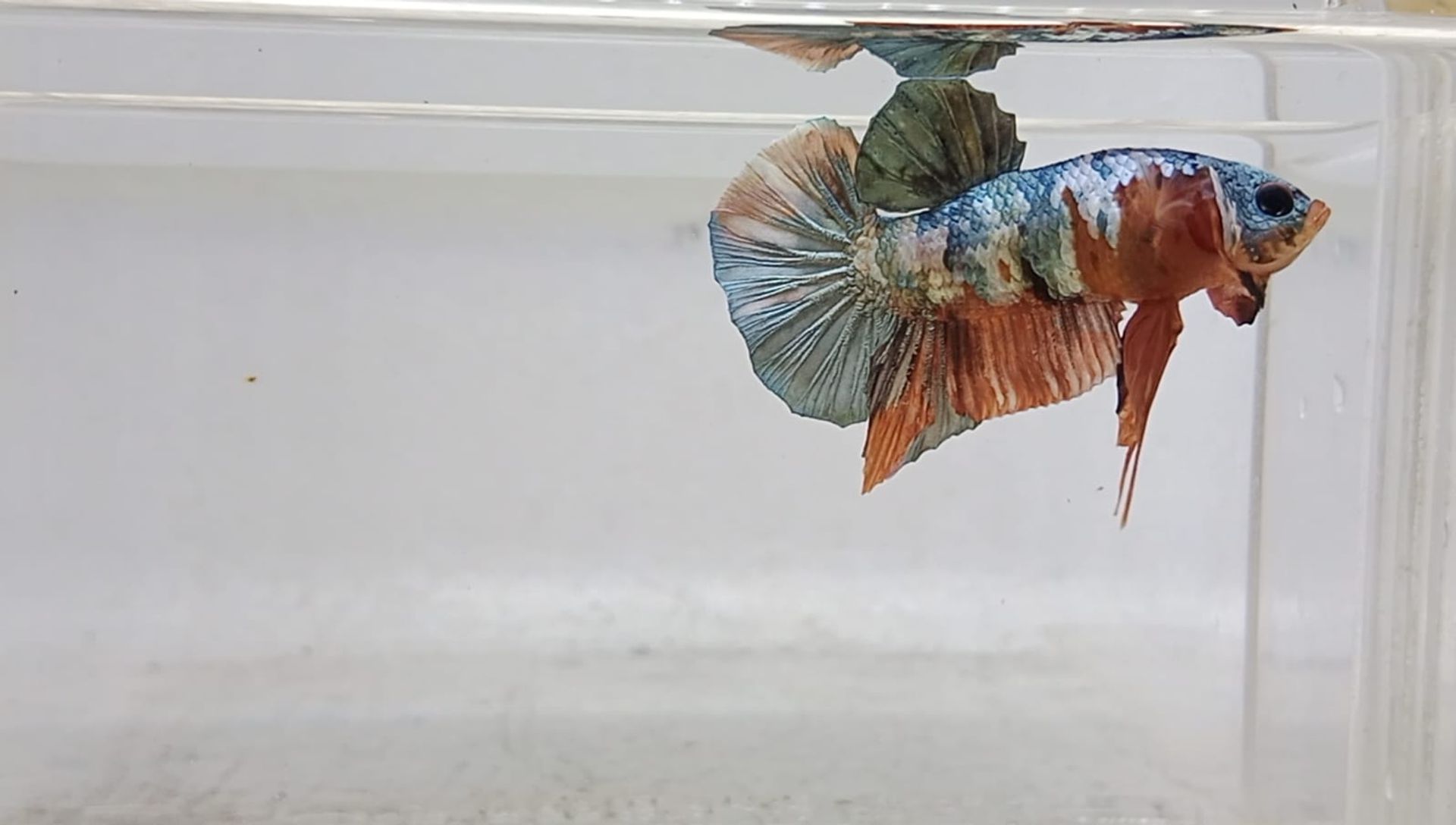
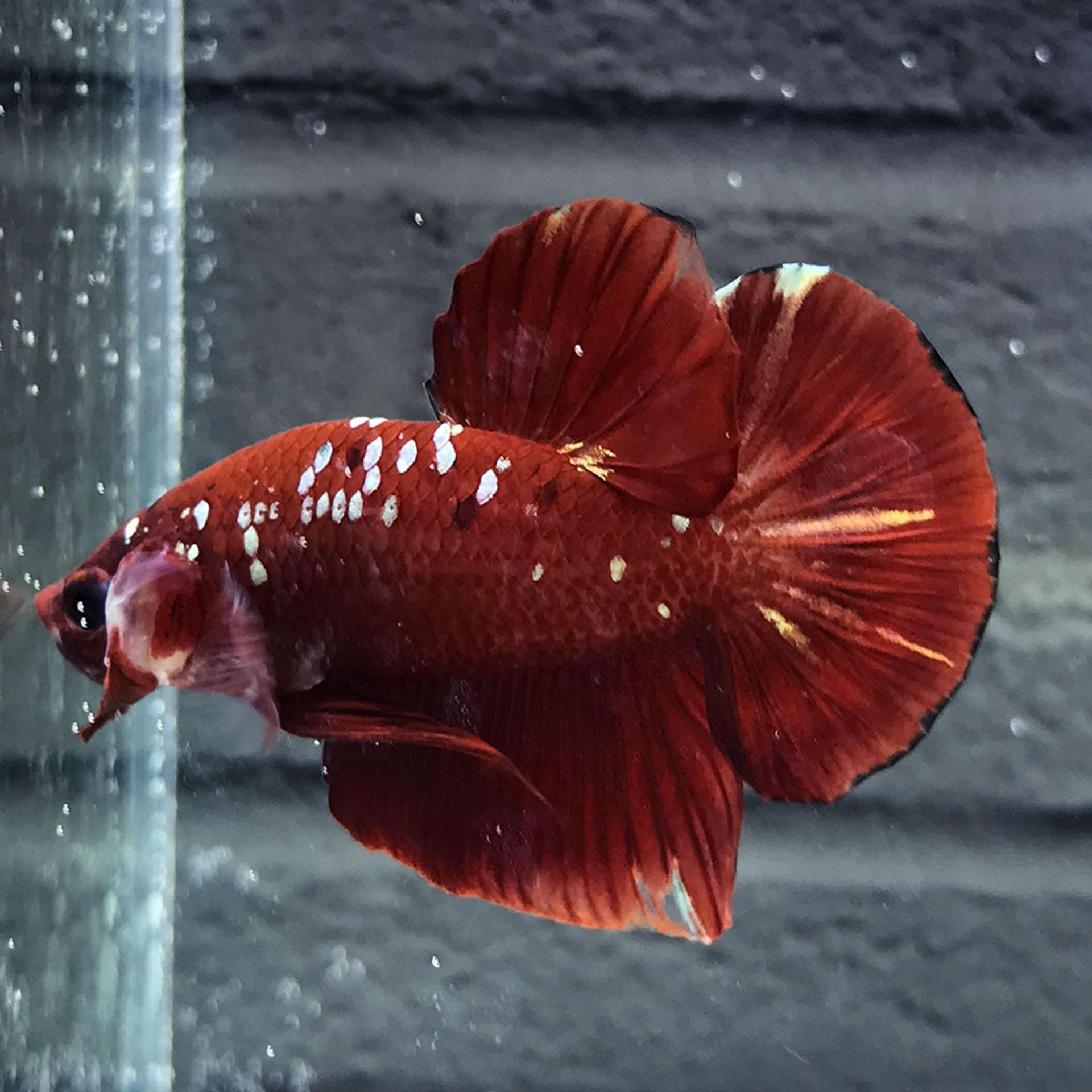
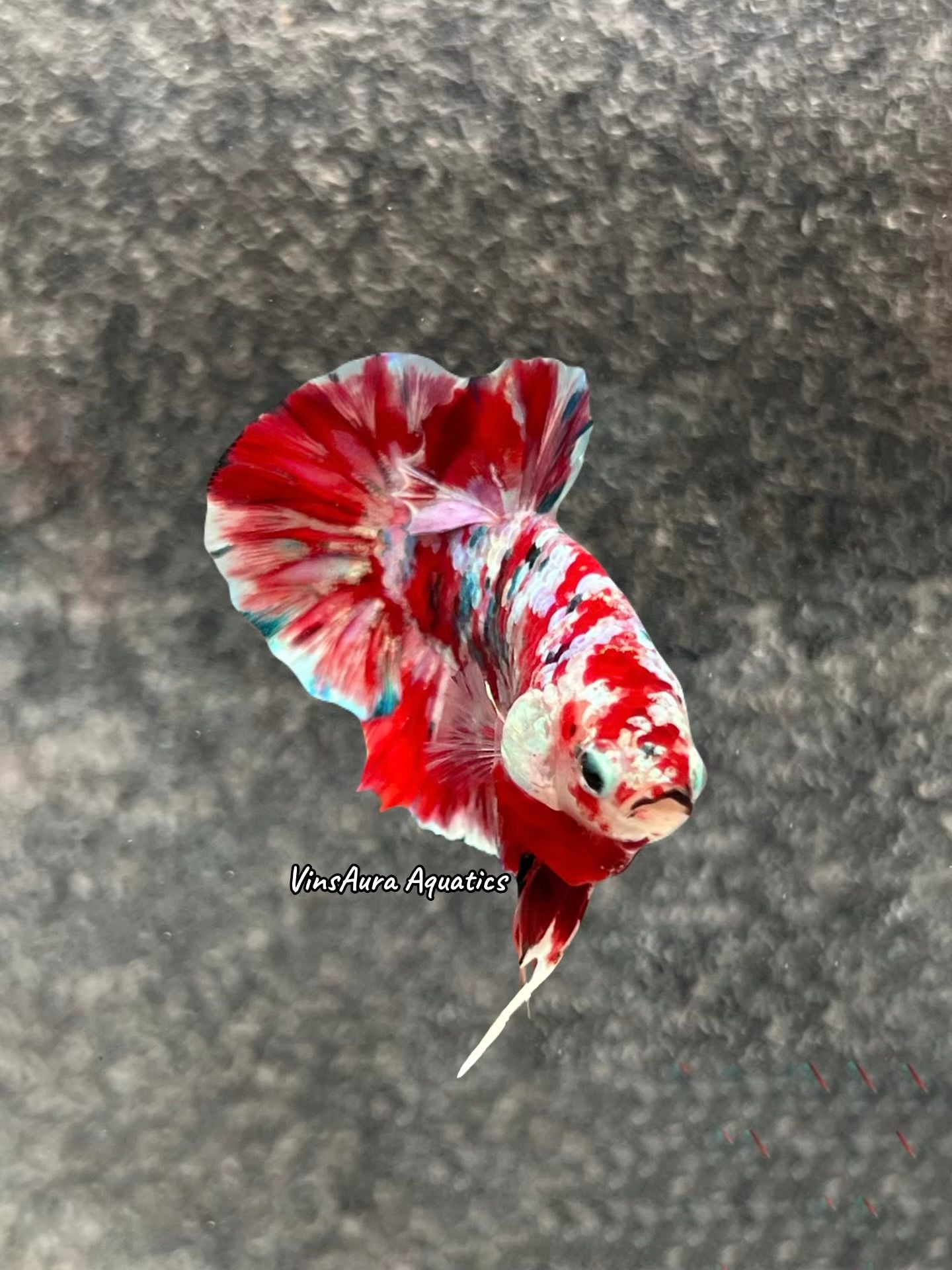
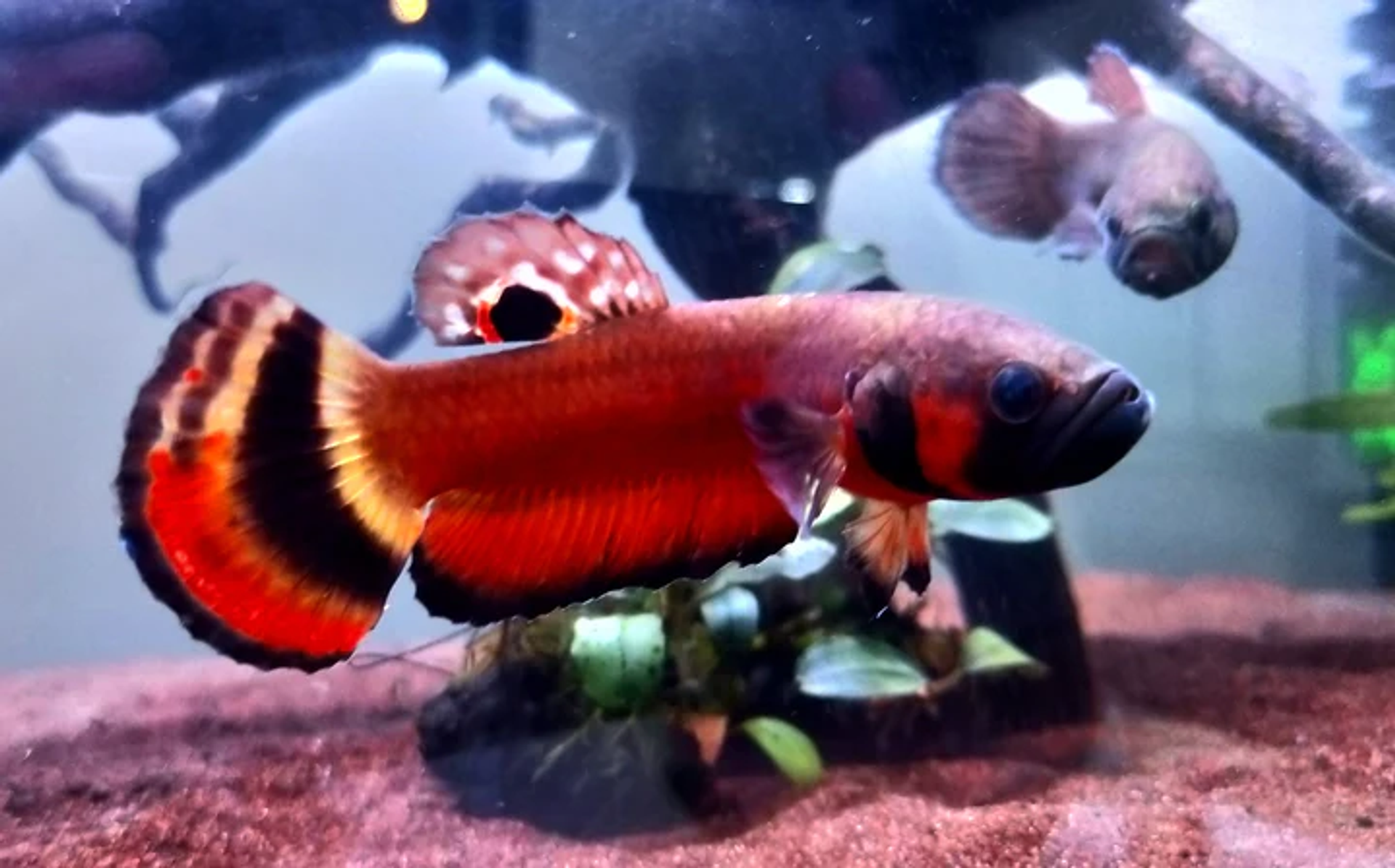
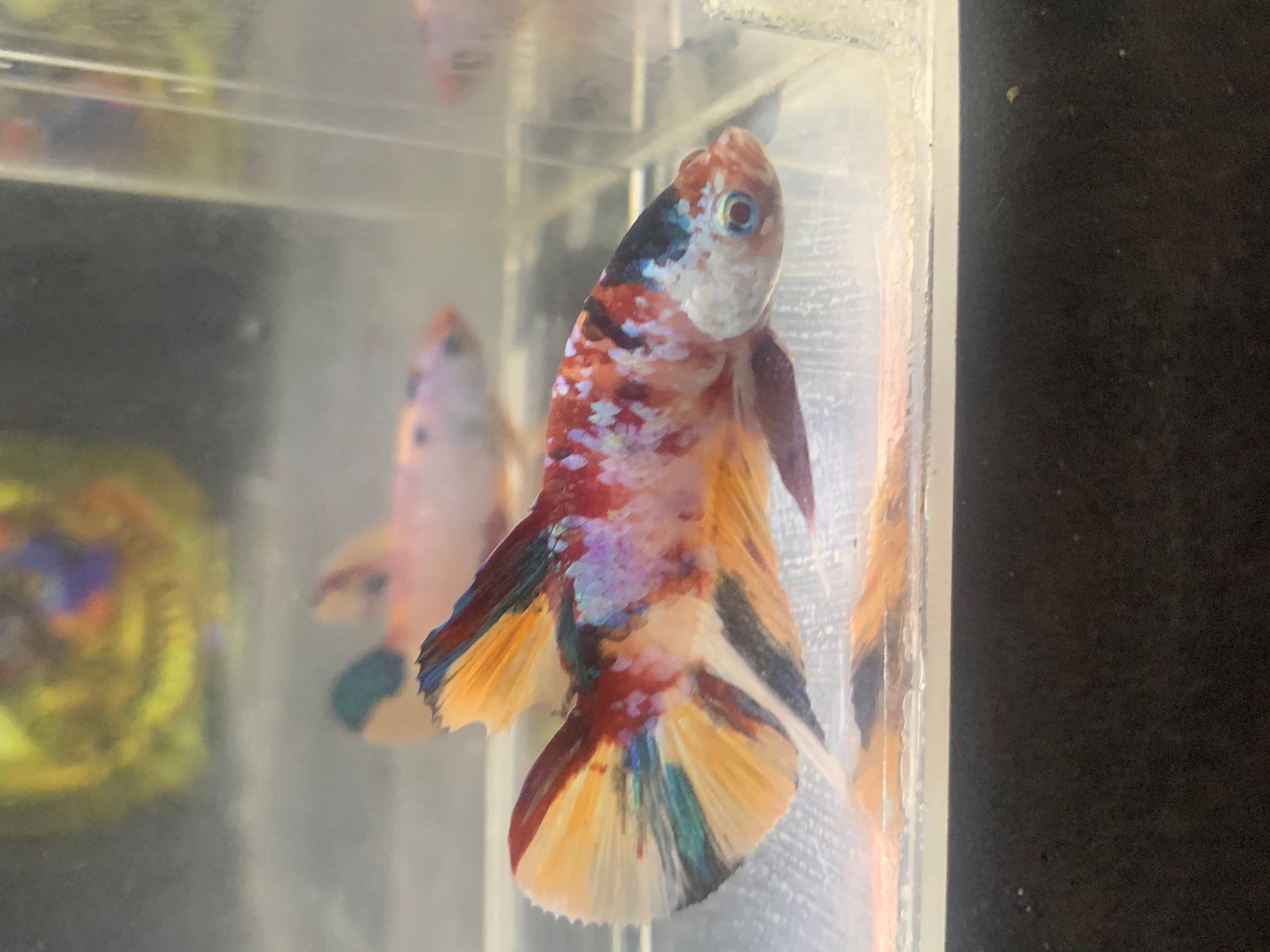
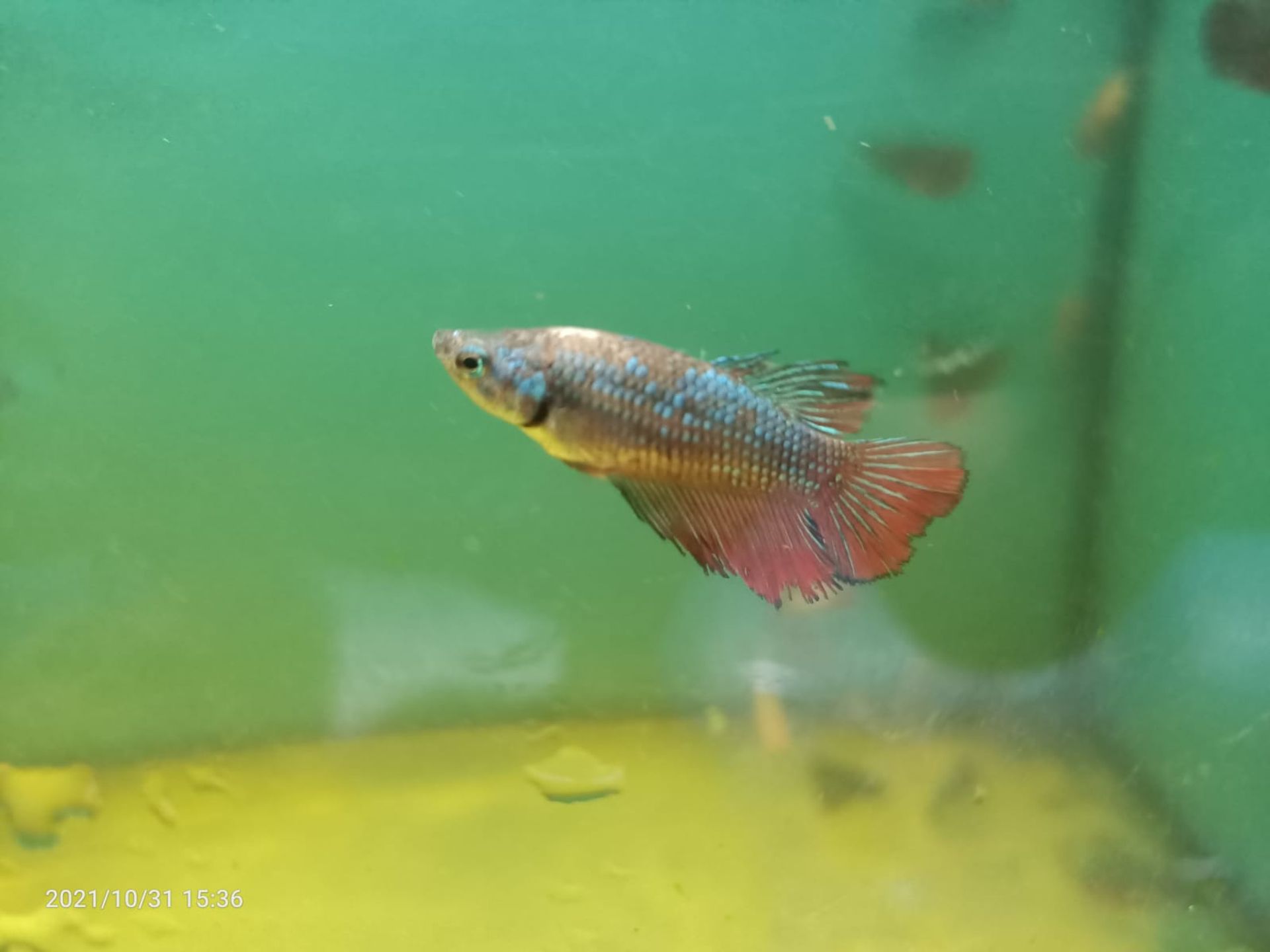
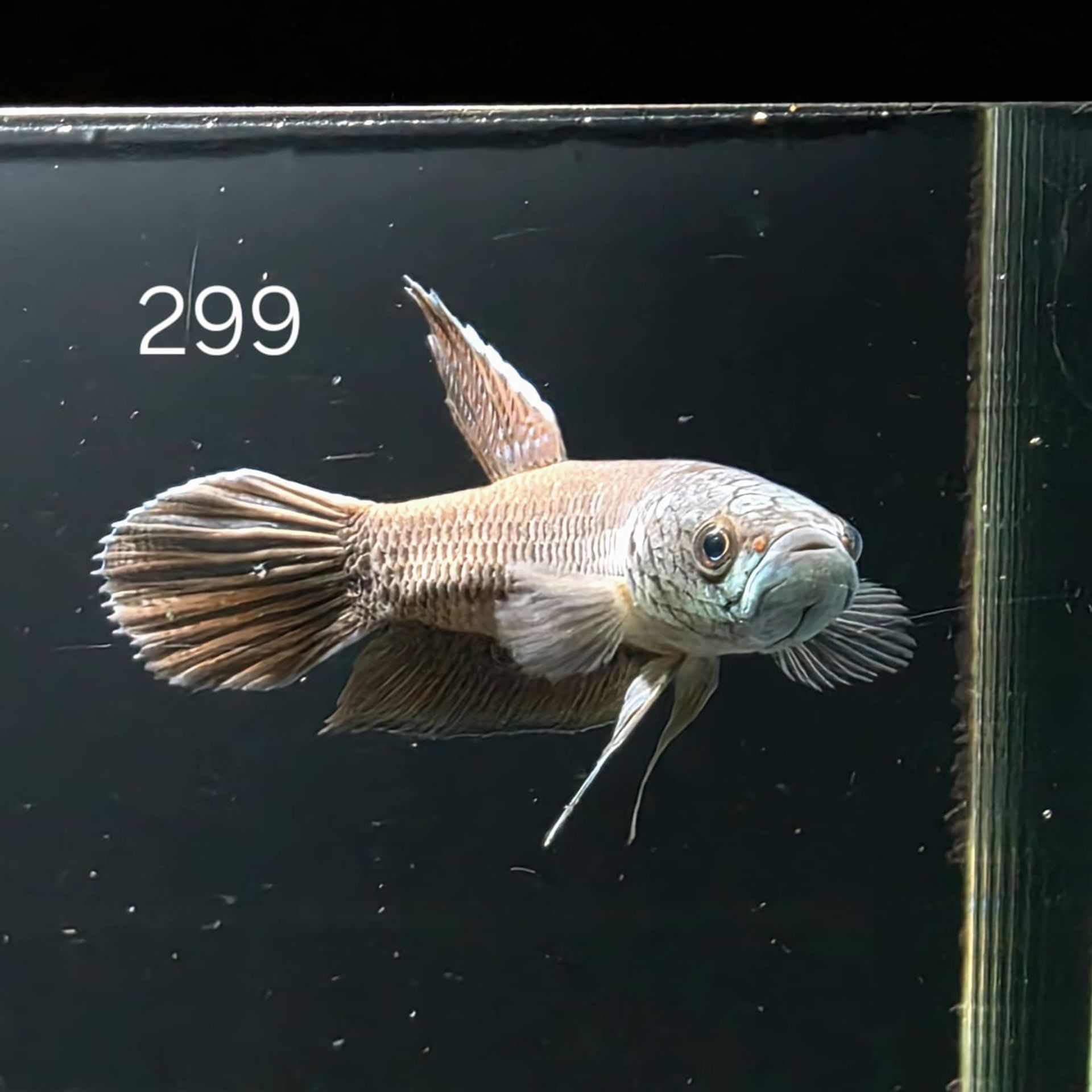
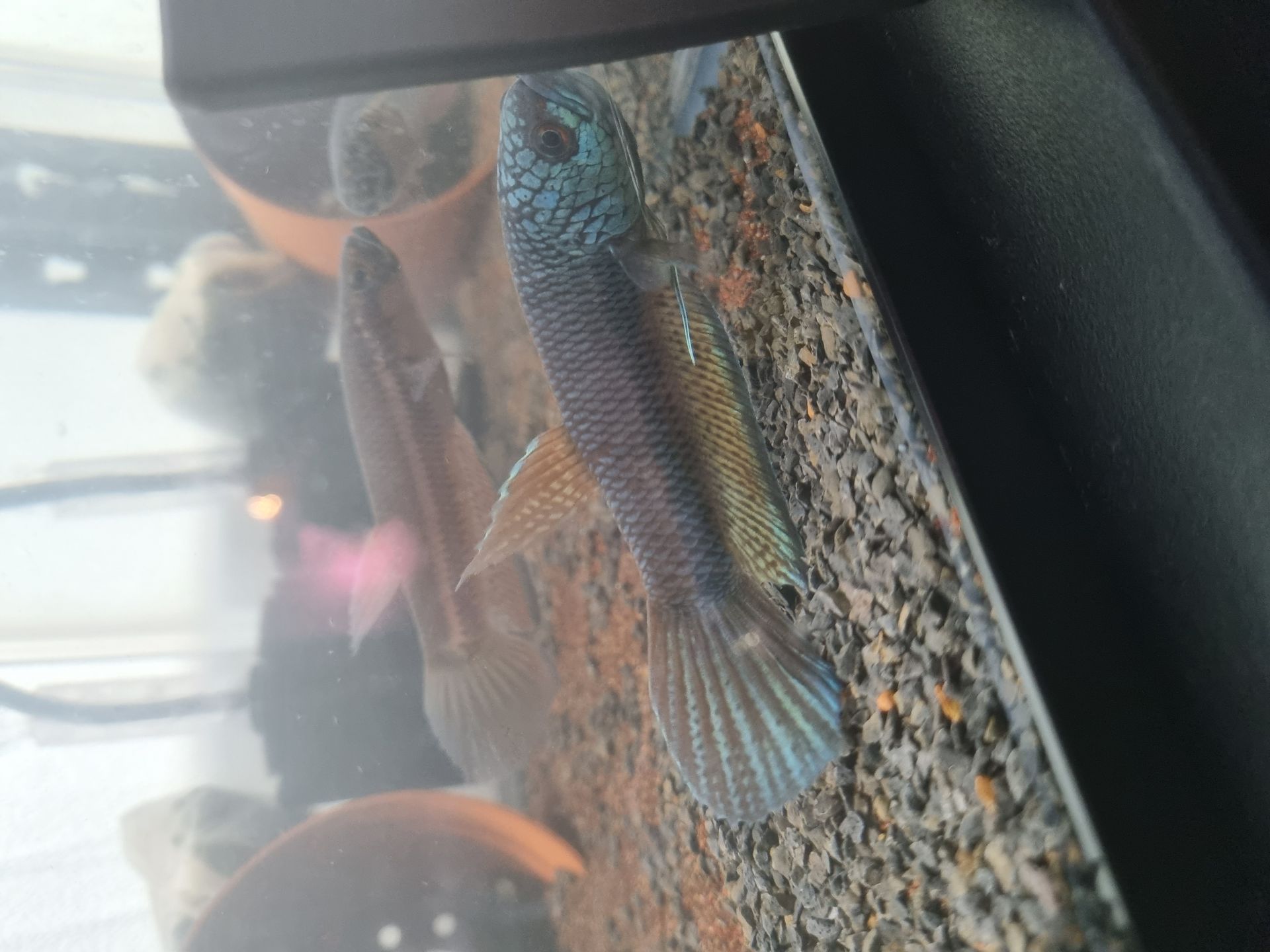
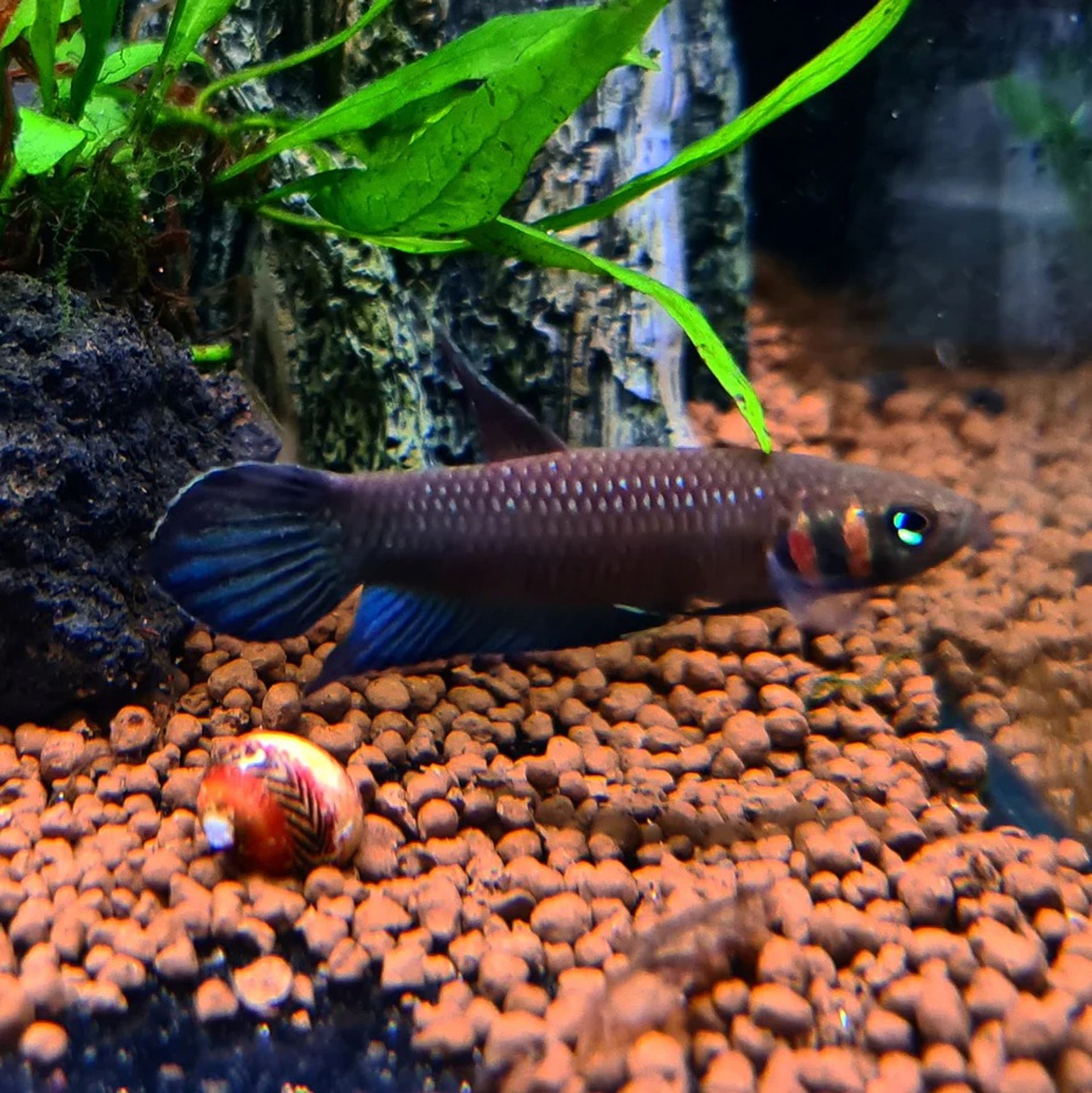
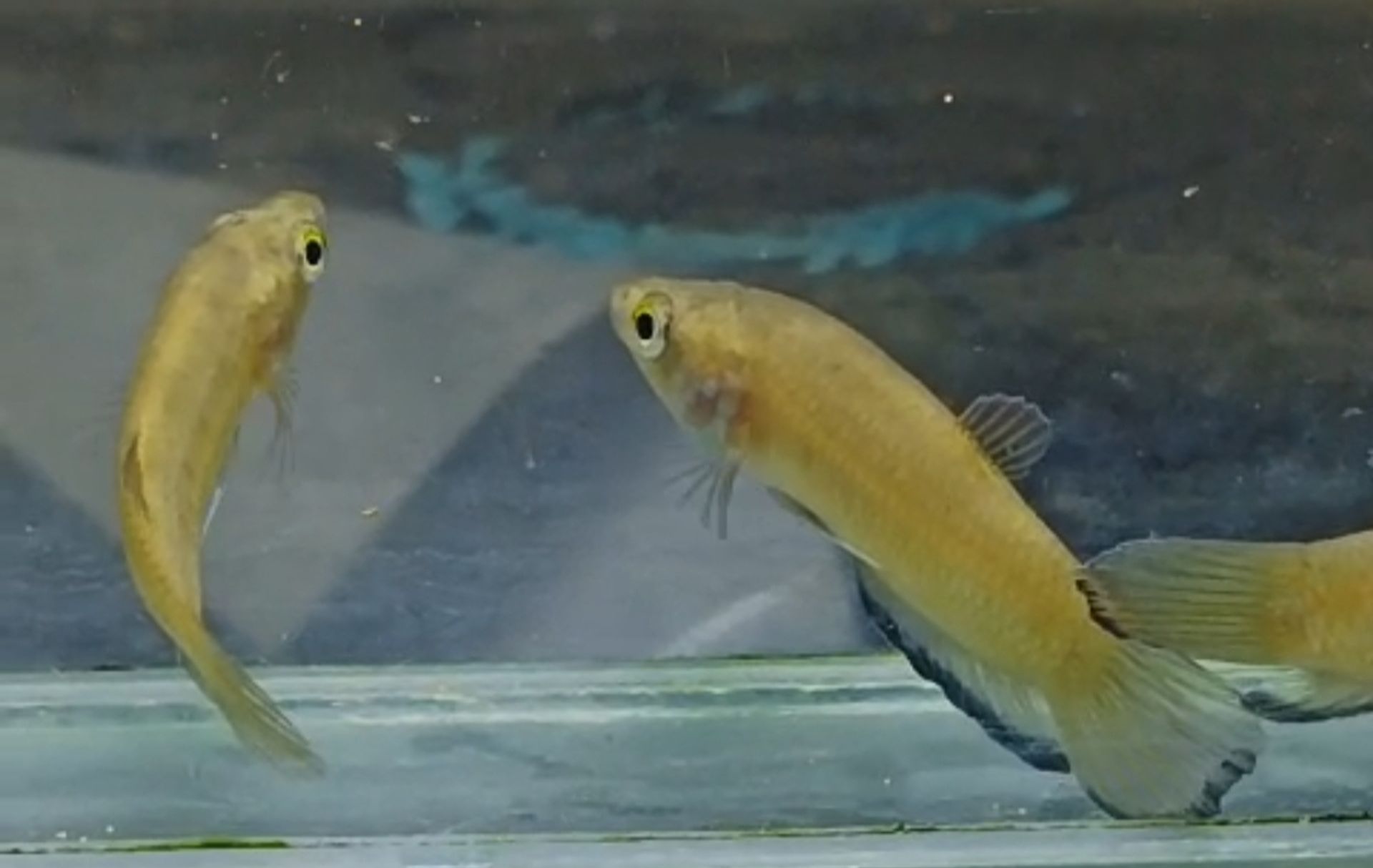
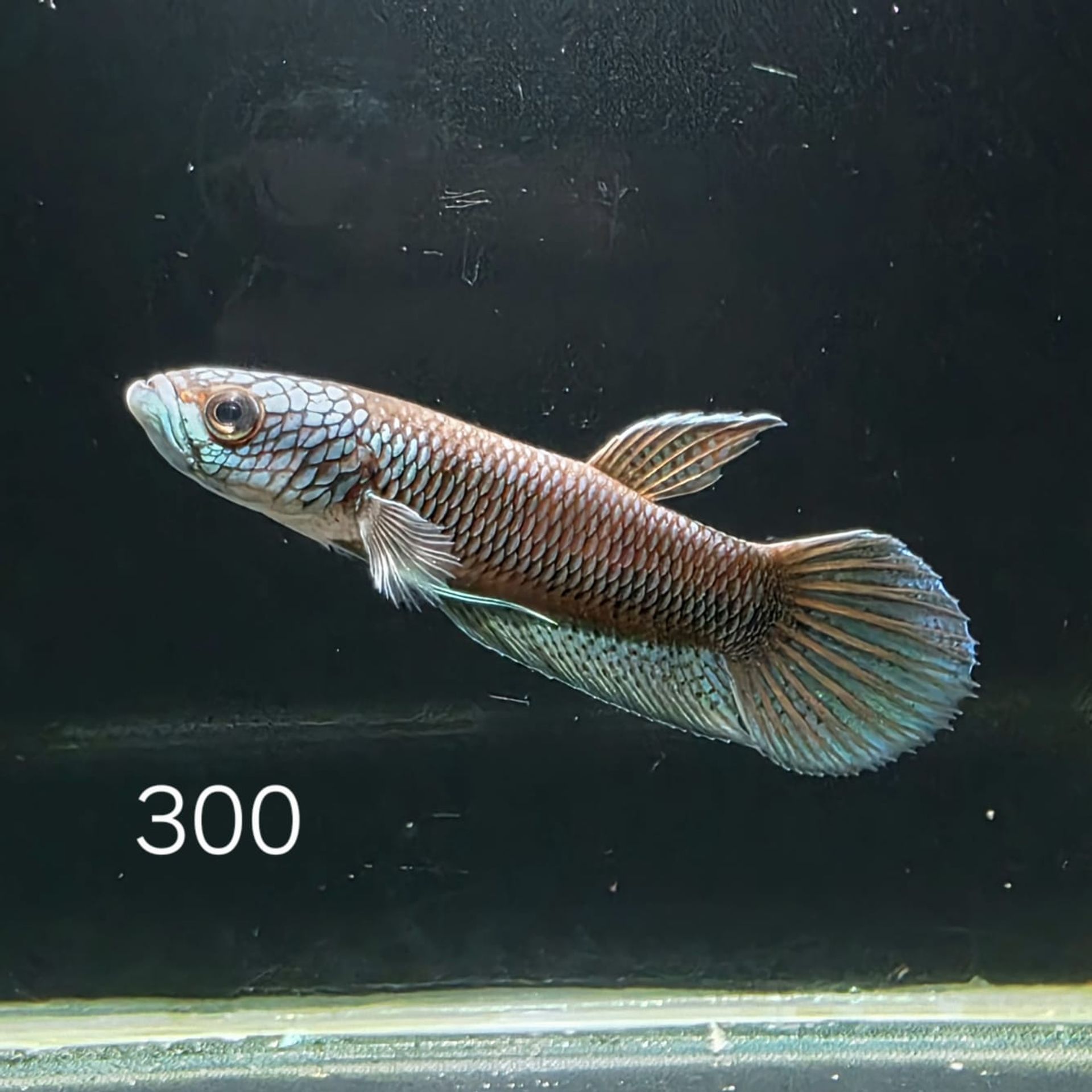
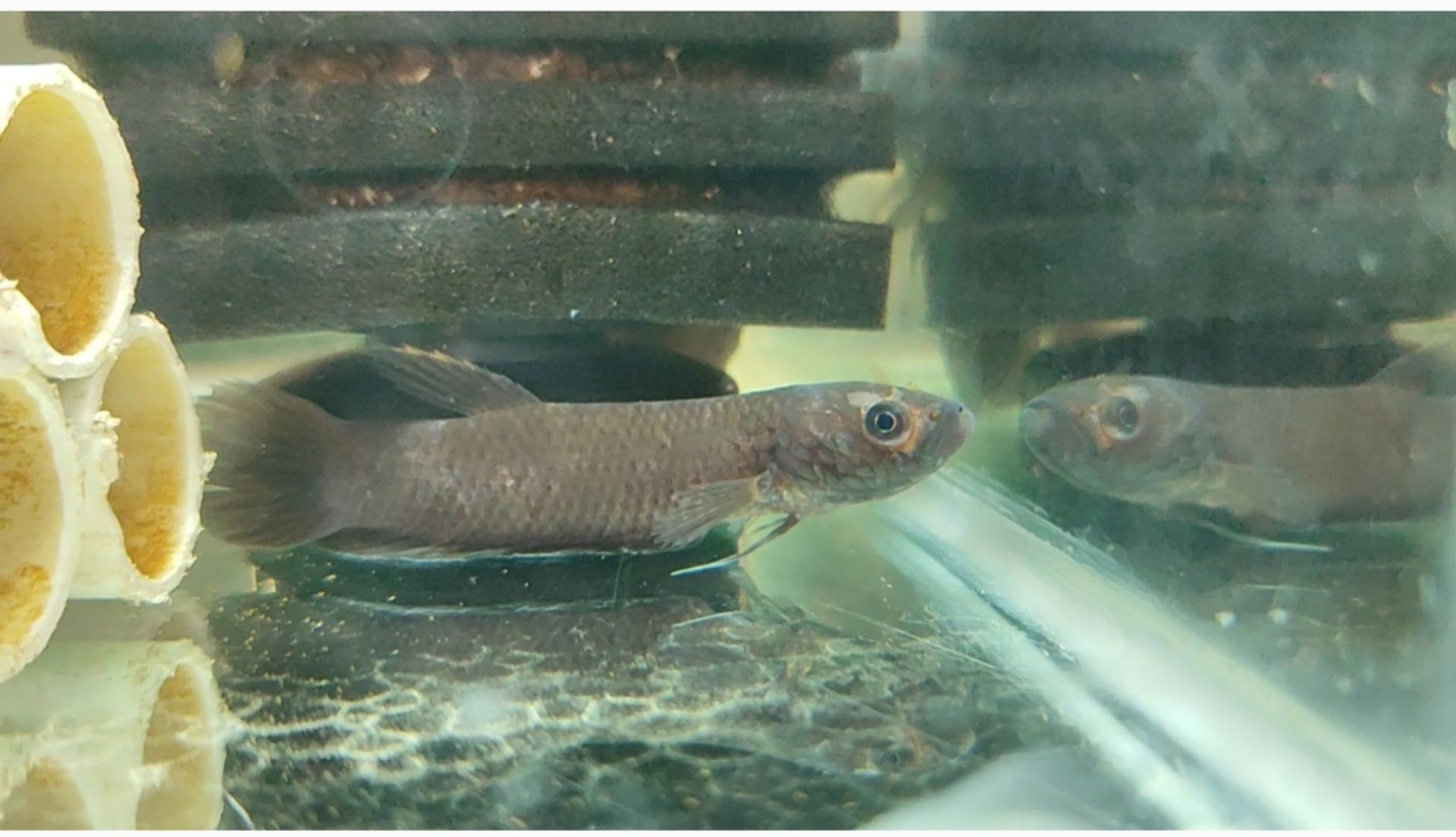
A high-pH sovereign, six centimetres of territorial fury in nebula colours.
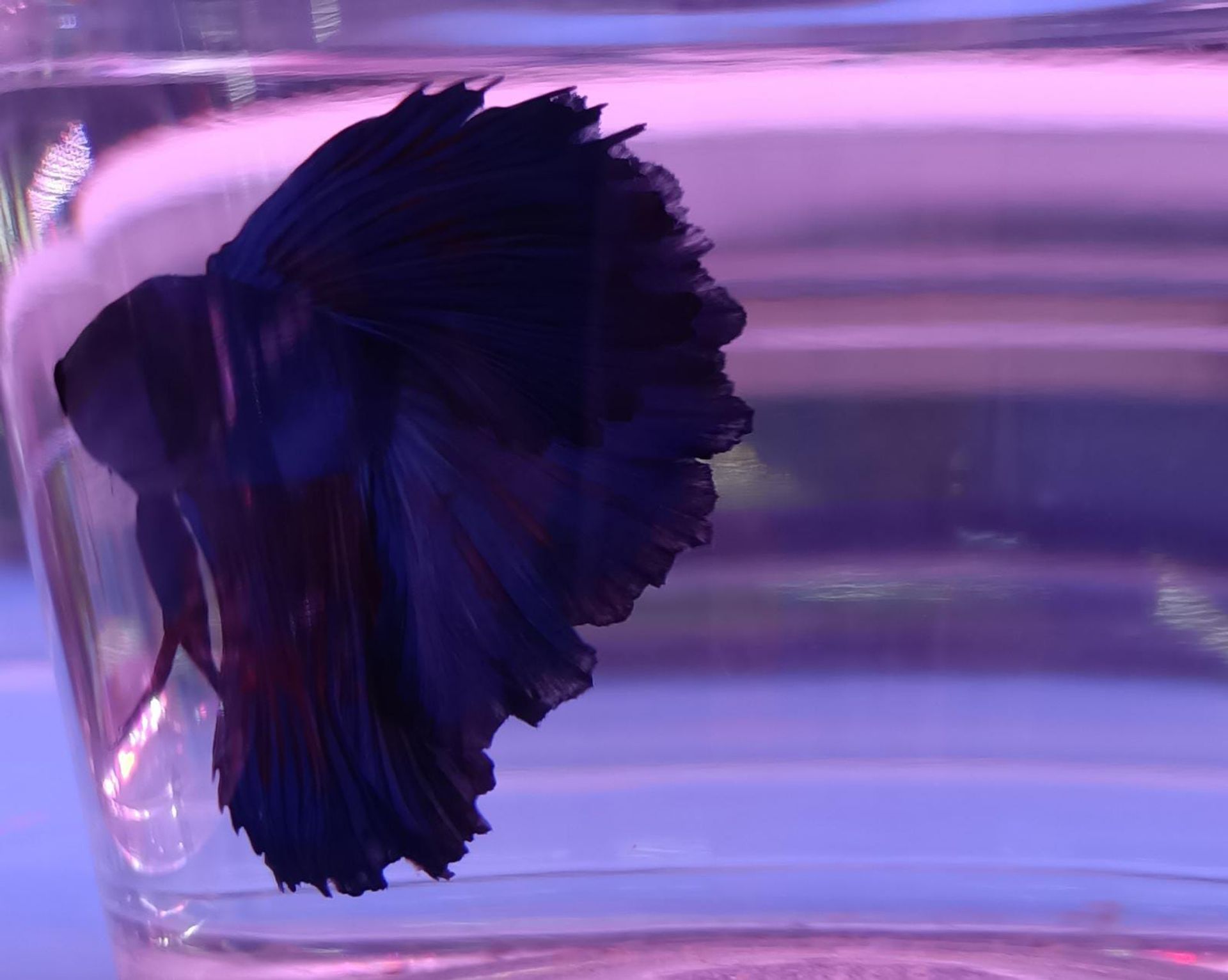
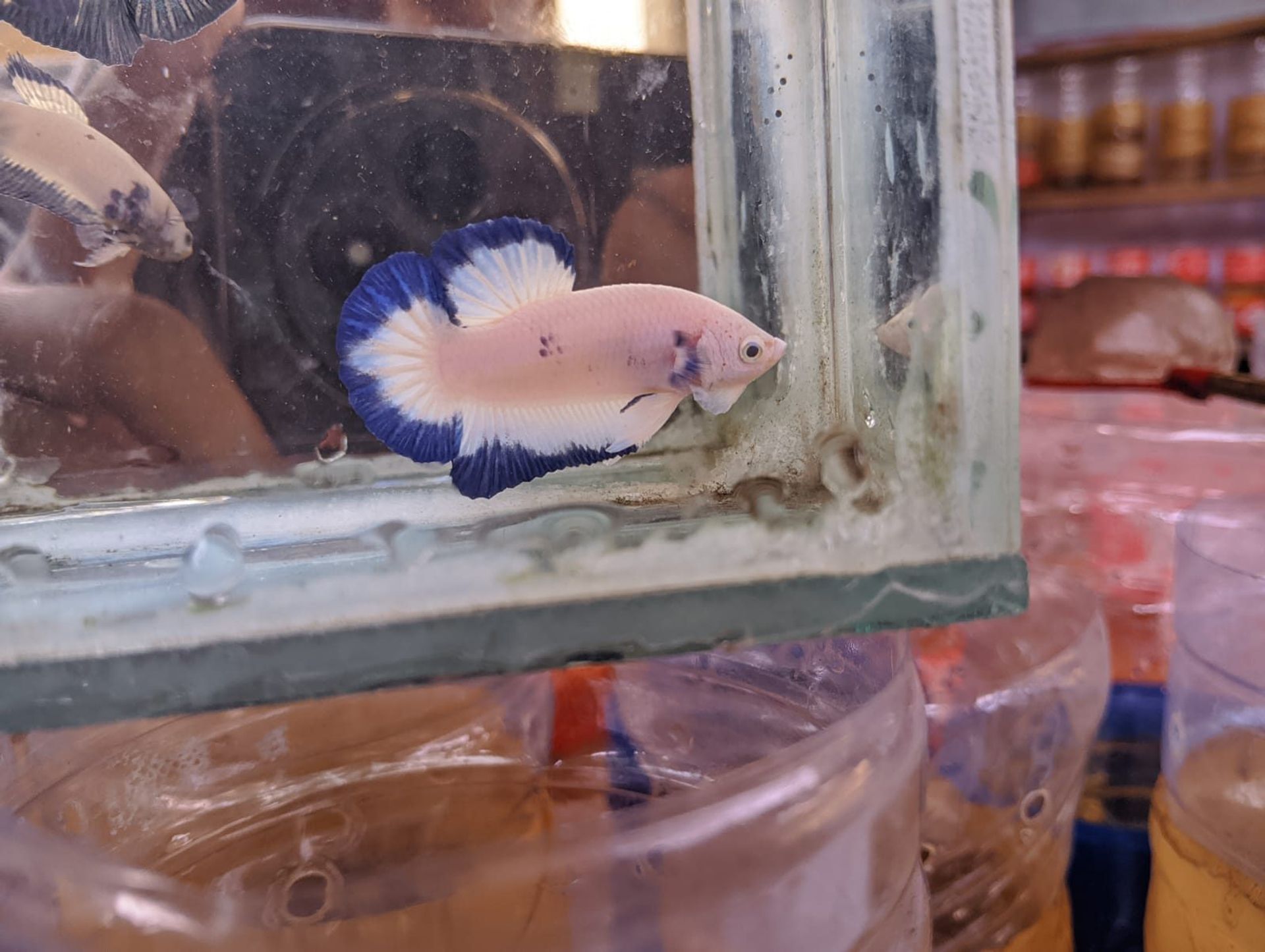
King Nebula VVIP: a striking, aggressive bettafor high-pH tanks. 6–7cm of vivid colour and attitude—ideal for experienced aquarists seeking a bold centrepiece.
- Water Conditions: The King Nebula VVIP thrives in hard, alkaline water that mirrors the rift-lake conditions it was developed for. Maintain a pH between 7.8 and 8.6, a temperature of 24–28°C, and a general hardness (dGH) of 10–20. Stability is far more important than chasing a perfect number, so invest in a reliable liquid test kit and check parameters weekly. Ammonia and nitrite must remain at zero, with nitrate kept below 20ppm through regular water changes. Use a powerful, well-cycled filter that turns the tank volume over at least six times per hour, but baffle the outflow to avoid excessive currents—these fish appreciate strong oxygenation without being battered by a whirlpool. Avoid live plants that struggle in high pH; instead, use porous rockwork and aragonite sand to naturally buffer the water. Never use pH-down products to adjust this species’ water; they cause dangerous swings that stress the fish and leave it vulnerable to disease.
- Aquarium Setup and Size: Despite its modest 6–7cm size, the King Nebula VVIP is a territorial fish that needs space to claim as its own. A single specimen requires a tank of at least 120 litres (around 30 gallons), while a pair or a small group demands 240 litres or more with an abundance of visual barriers. Build a rocky hardscape with caves, crevices, and sight breaks using tufa rock, ocean rock, or stacked slate. A sandy substrate suits its digging habits and allows natural foraging behaviour. Leave open swimming space in the upper third of the tank, but ensure the lower half is dense with structure so subordinate fish can retreat. Dim, moody lighting brings out the iridescent nebulous patterning that gives this variant its name; add a blue or purple LED strip to enhance the effect. A tight-fitting lid is essential—these cichlids are capable jumpers when startled or during territorial disputes.
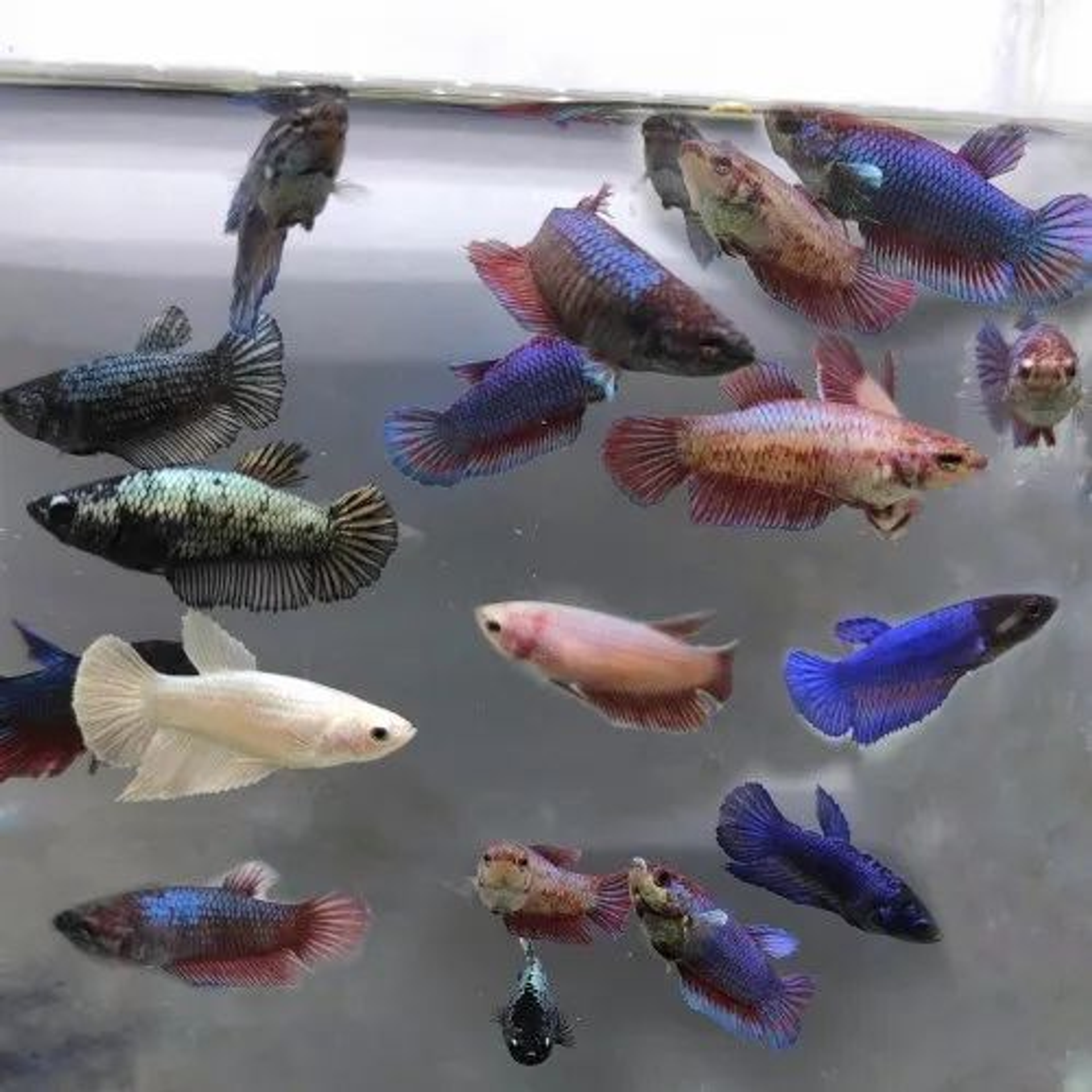
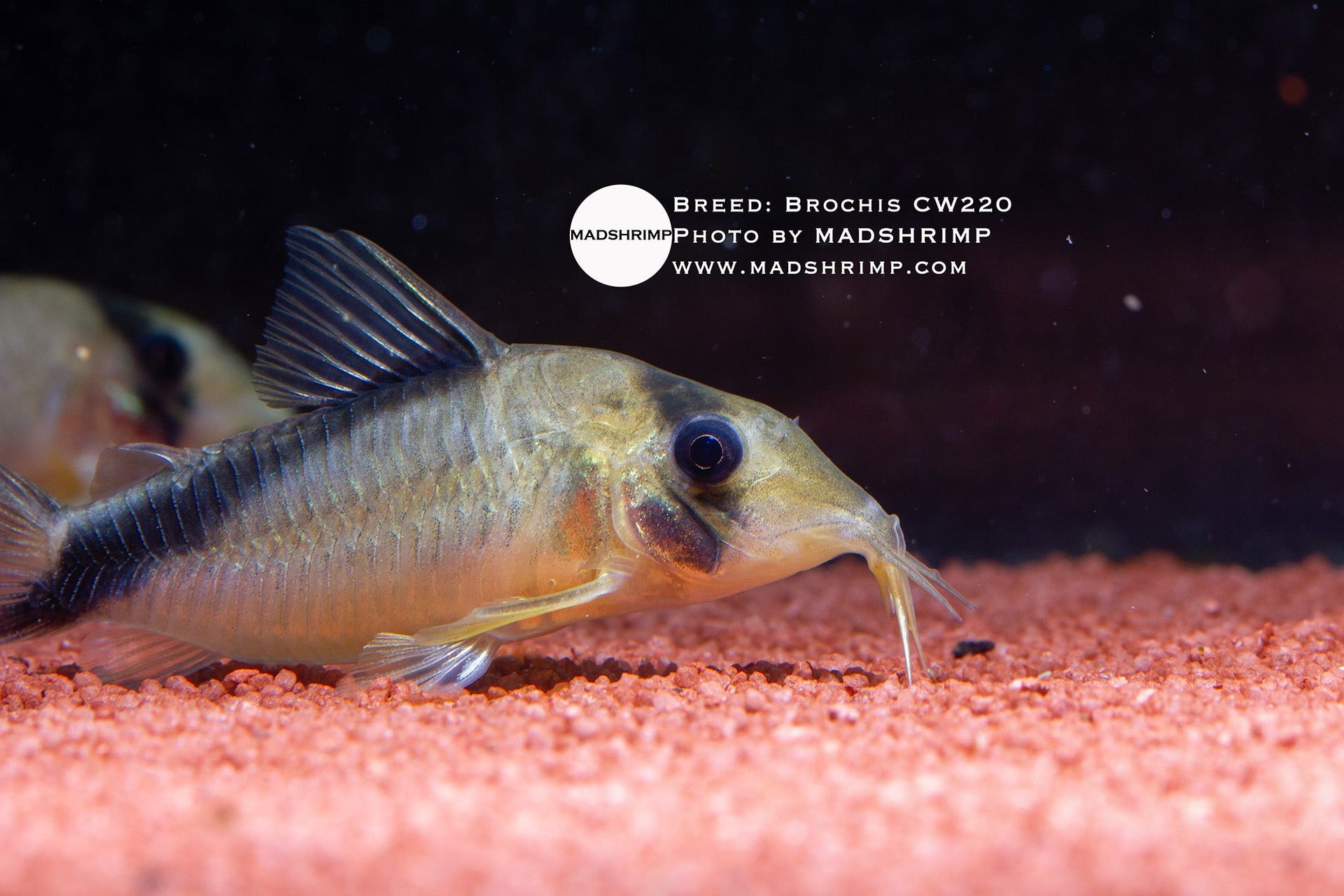
- Suitable Tank Mates: Choosing companions for the King Nebula VVIP is a matter of matching attitude with attitude. Avoid small, peaceful fish, long-finned species, and slow bottom-dwellers—they will be bullied or eaten. Instead, look to other robust, high-pH cichlids of similar size, such as Mbuna from Lake Malawi, peacock cichlids, or moderately aggressive Tanganyikan species. Synodontis catfish, particularly Synodontis multipunctatus or S. lucipinnis, make excellent bottom-dwelling companions because they are armoured, fast, and hold their own. If you keep multiple King Nebula VVIPs, use a large tank (300 litres+) with many caves and broken sightlines; even then, expect chasing and fin-nipping during spawning or hierarchy disputes. Never mix with peaceful community fish, fancy goldfish, or invertebrates such as shrimp and snails, which will be treated as prey. Always quarantine new additions for at least two weeks to prevent introducing disease to an established, territorial setup.
- Feeding Habits: The King Nebula VVIP is an opportunistic omnivore with a strong carnivorous leaning. Offer a staple diet of high-quality sinking cichlid pellets formulated for African rift-lake species, sized to fit its mouth (1–2mm pellets are ideal at 6–7cm). Supplement two to three times per week with frozen or live foods: krill, mysis shrimp, bloodworm, chopped prawn, and daphnia. Spirulina-based flakes or pellets once or twice a week help maintain vibrant colour and support digestion. Feed small portions two to three times daily, only what the fish can consume in two minutes. Overfeeding leads to bloating, fatty liver, and poor water quality—common pitfalls with aggressive eaters. Avoid mammalian meat, poultry, and feeder fish, which carry disease risks and poor nutritional profiles. If you keep multiple fish, scatter food across several points in the tank to reduce competition and ensure weaker individuals get their share.
- Care Requirements: Routine maintenance is non-negotiable with this species. Perform a 25–30% water change every week using dechlorinated water matched to the tank’s temperature and hardness. Vacuum the substrate to remove detritus, and rinse filter media gently in tank water—never under the tap—to preserve beneficial bacteria. Keep the tank lid secure and maintain consistent lighting schedules (8–10 hours daily) to reduce stress. Monitor aggression daily: if a fish is persistently hiding, losing colour, or showing torn fins, reassess the layout or separate the aggressor using a tank divider. The King Nebula VVIP is a hardy species but is susceptible to Malawi bloat if fed an improper diet or kept in poor water quality—watch for loss of appetite, stringy white faeces, and abdominal swelling. Handle only when absolutely necessary, using a soft net or container, as the spines on its dorsal and anal fins can snag. With proper care, this striking cichlid can live for 5–8 years, growing slowly to its adult size while rewarding you with bold behaviour and a constantly shifting, nebula-like iridescence.