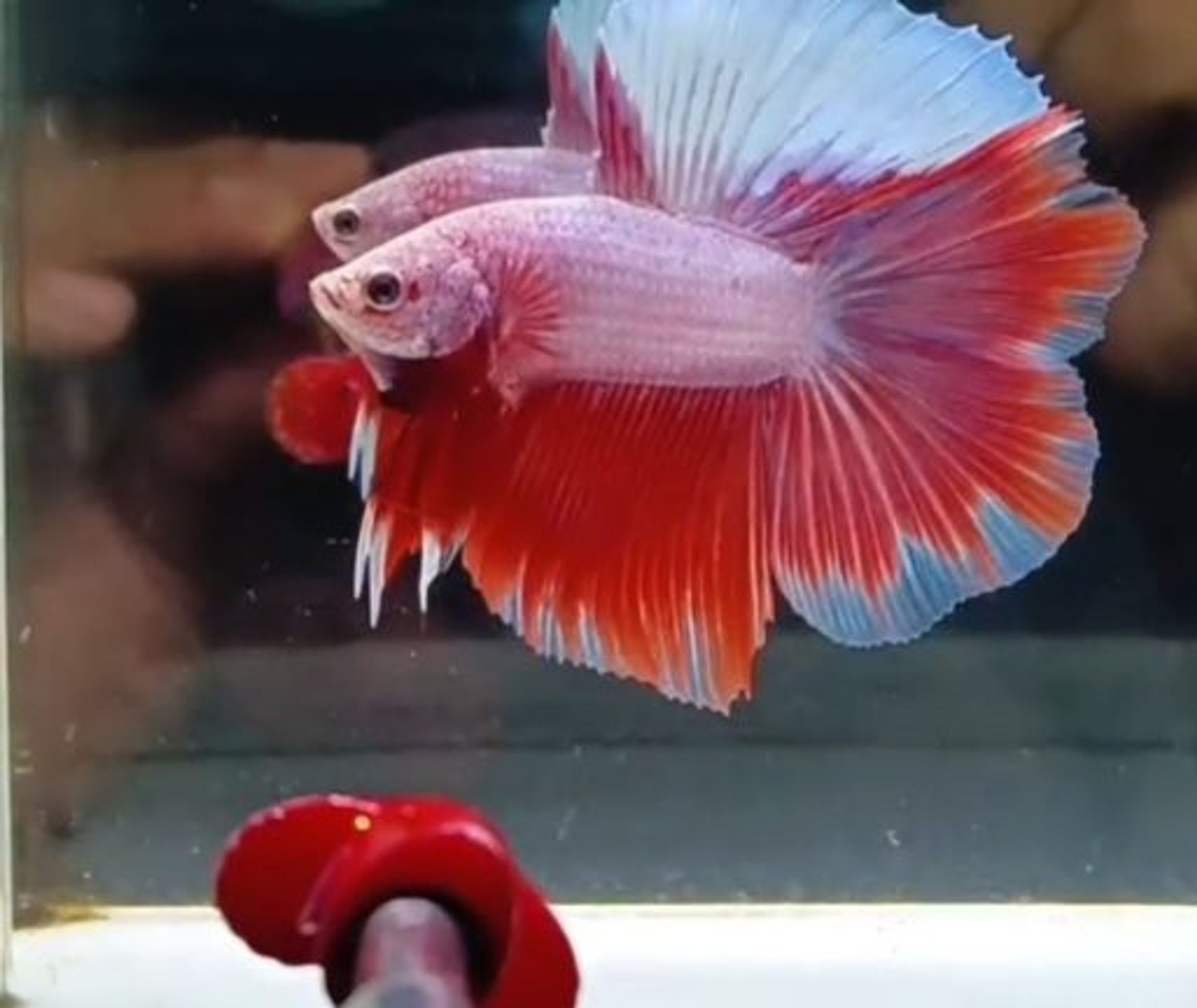
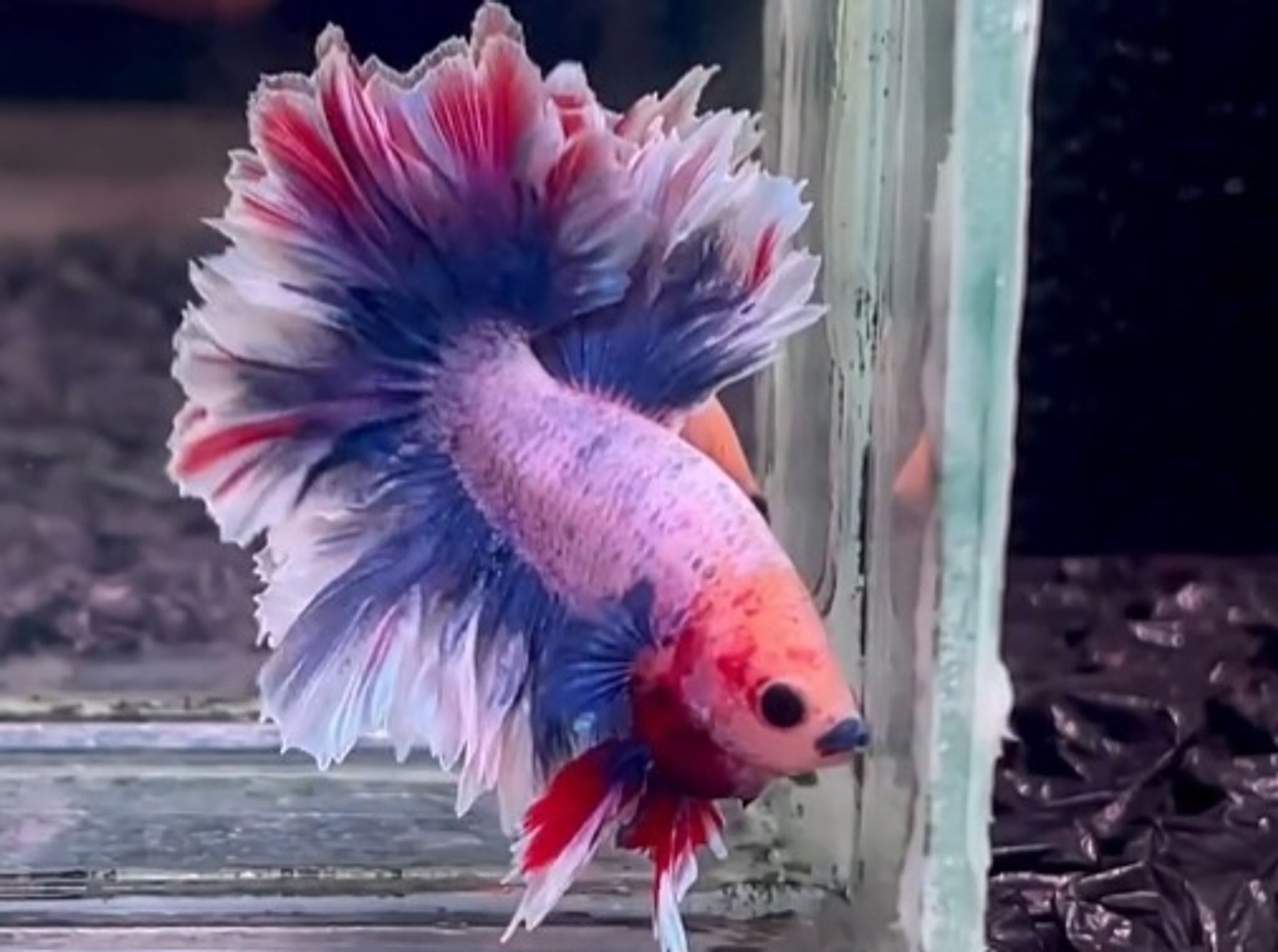
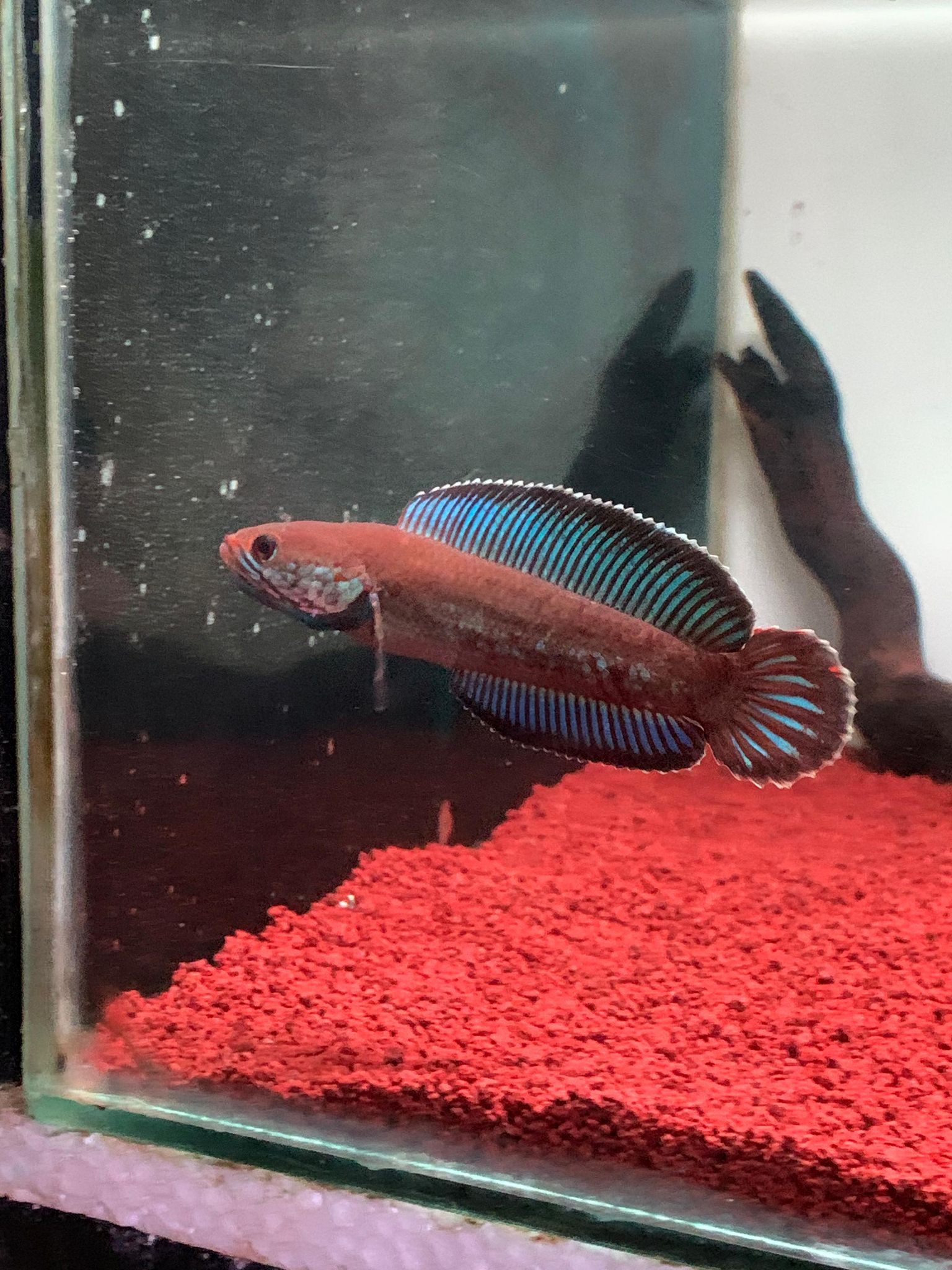
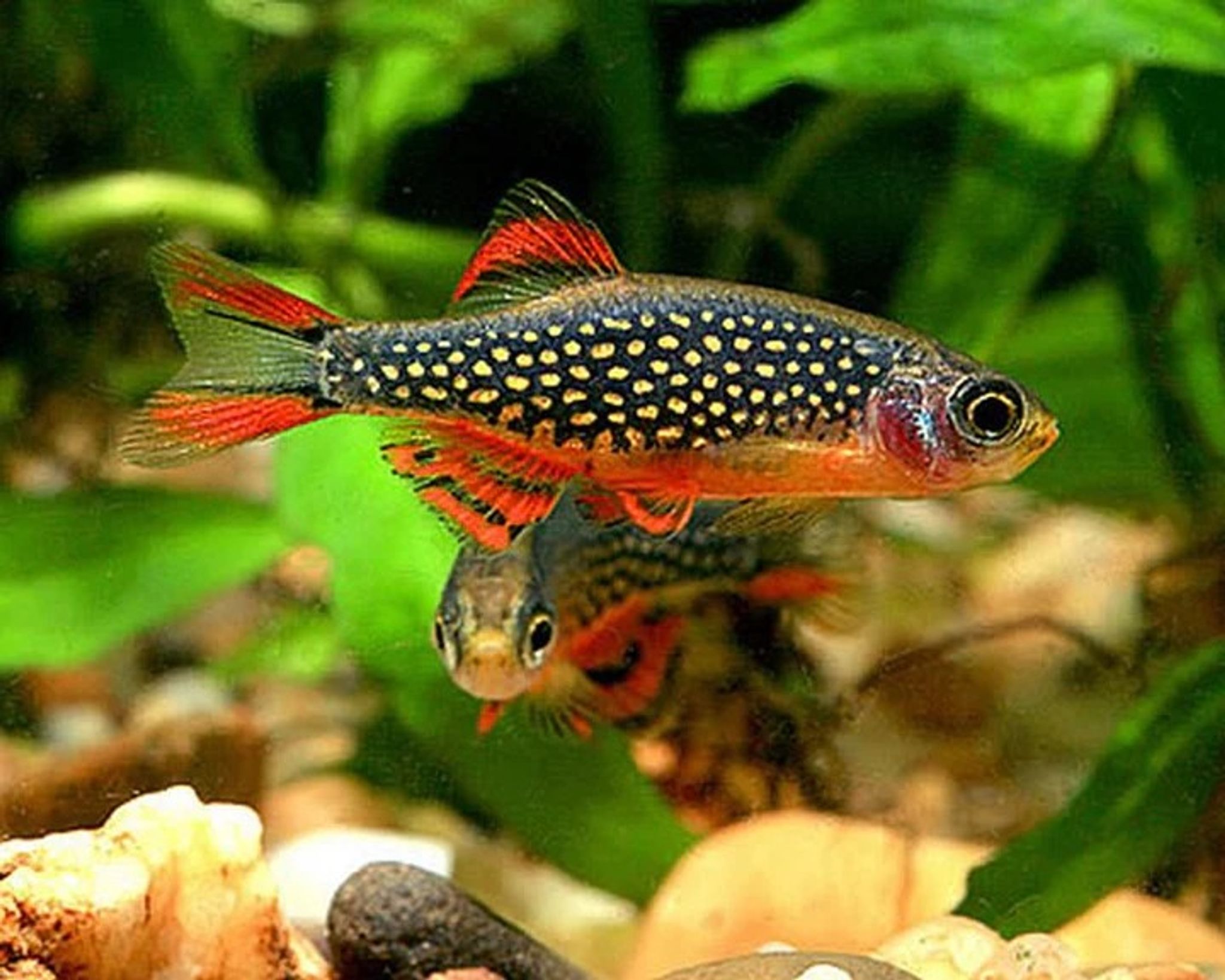
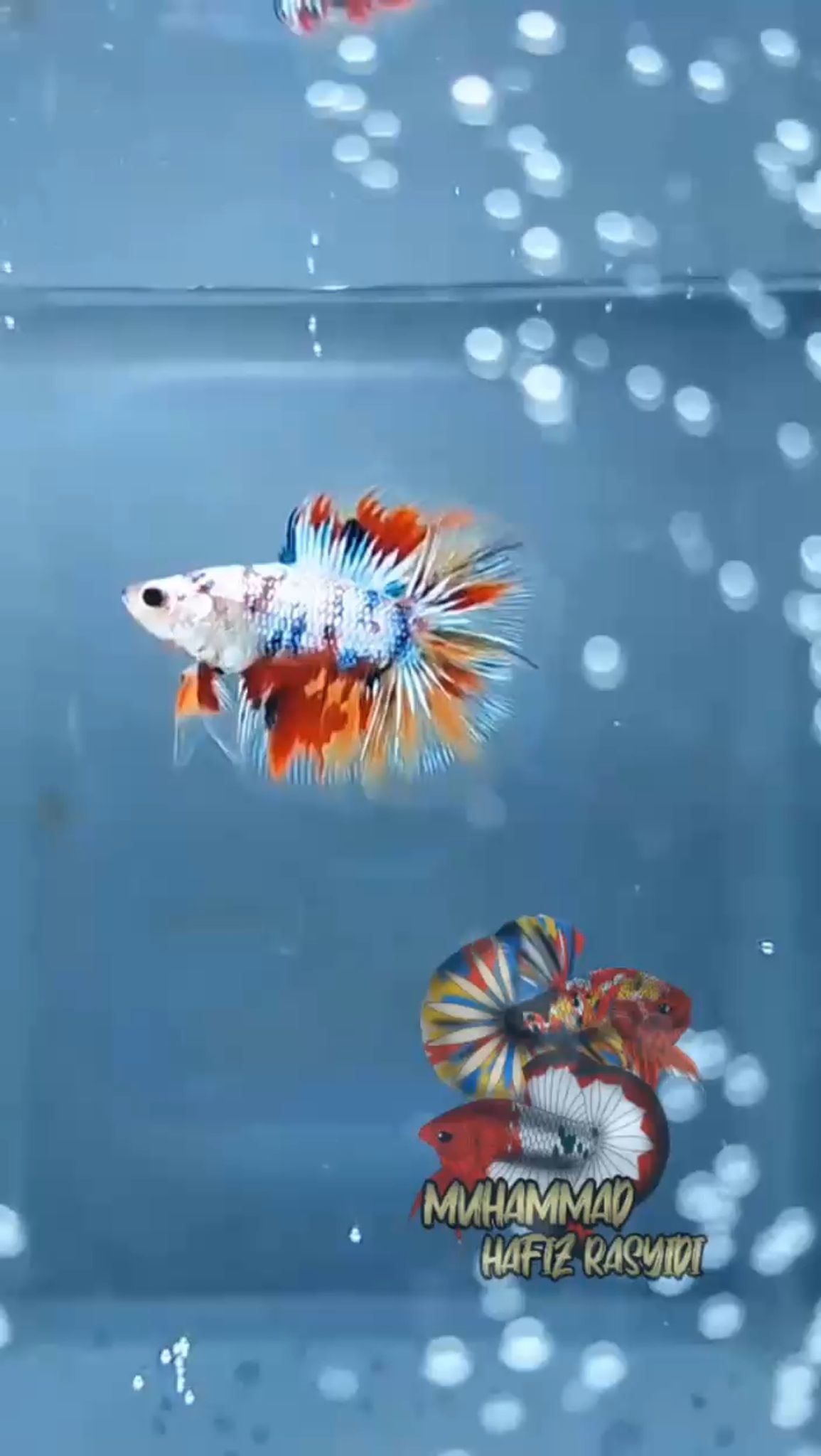
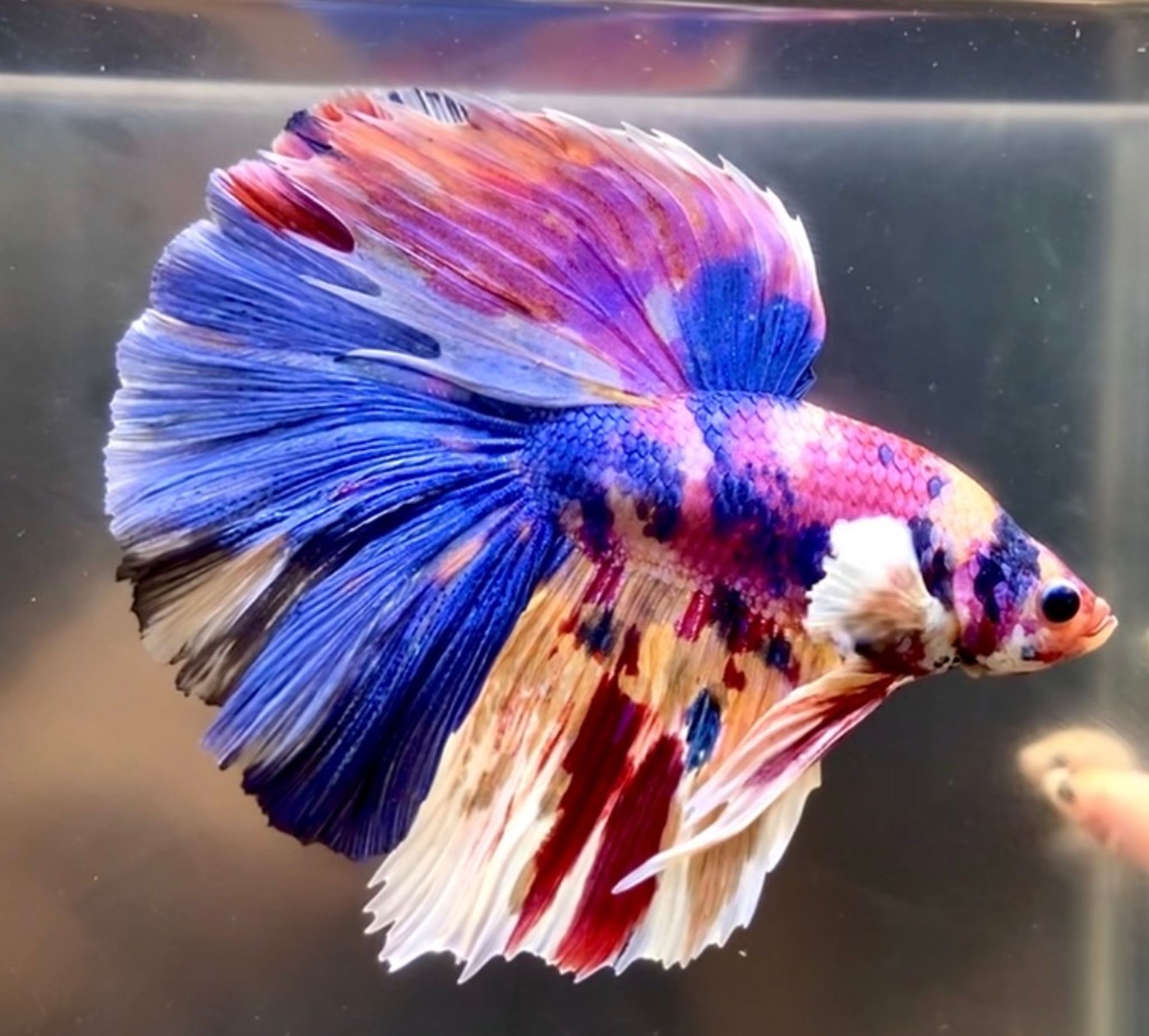
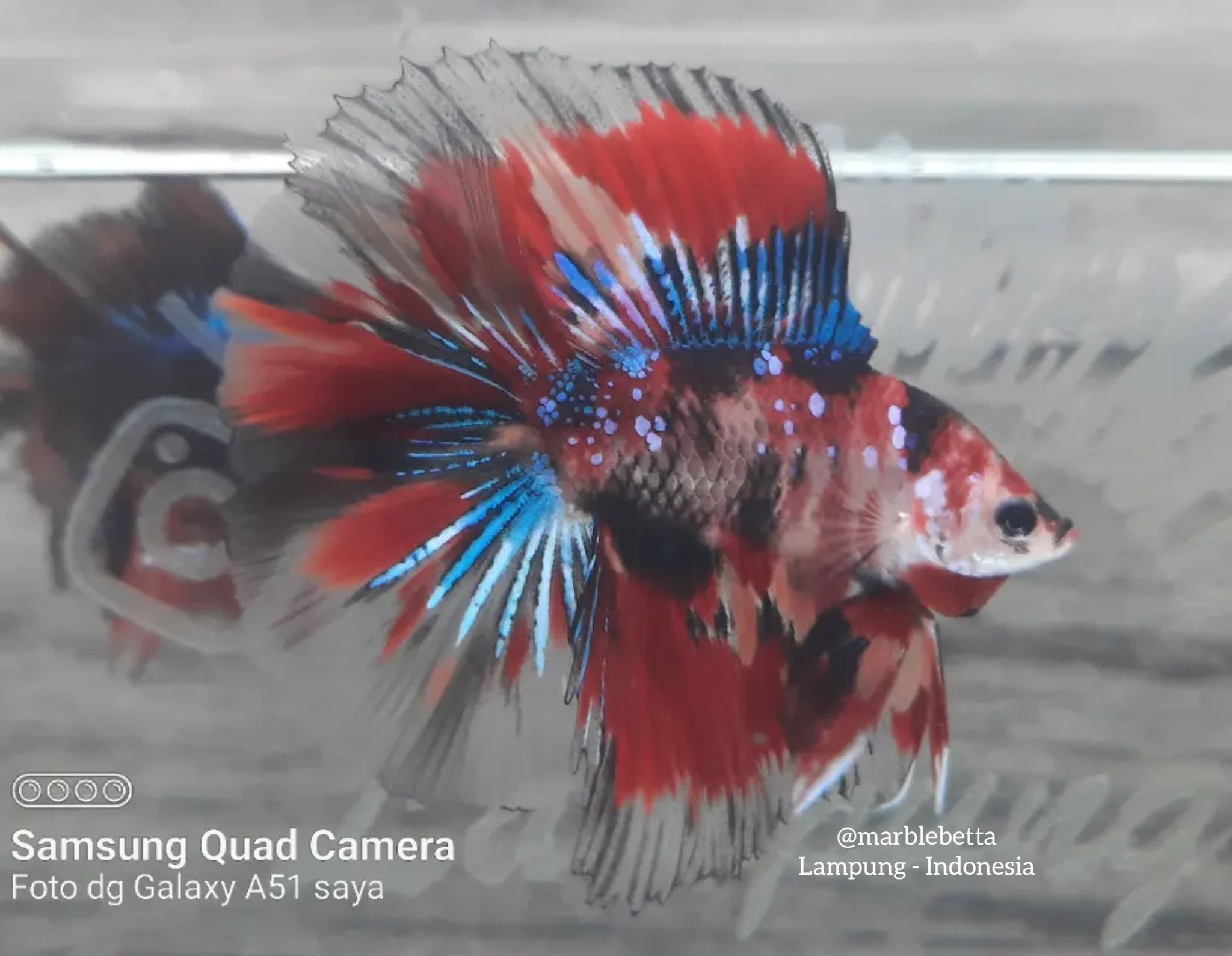
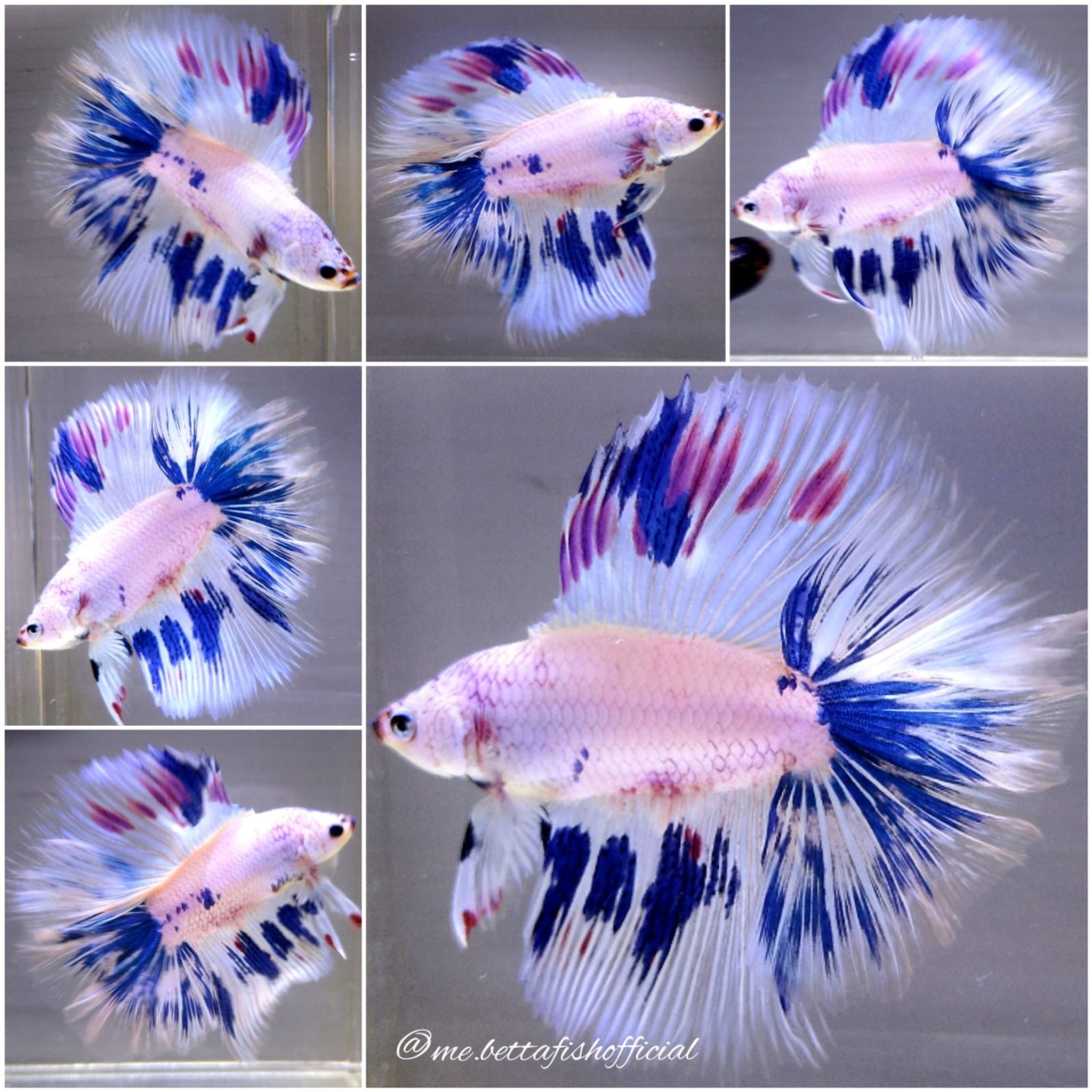
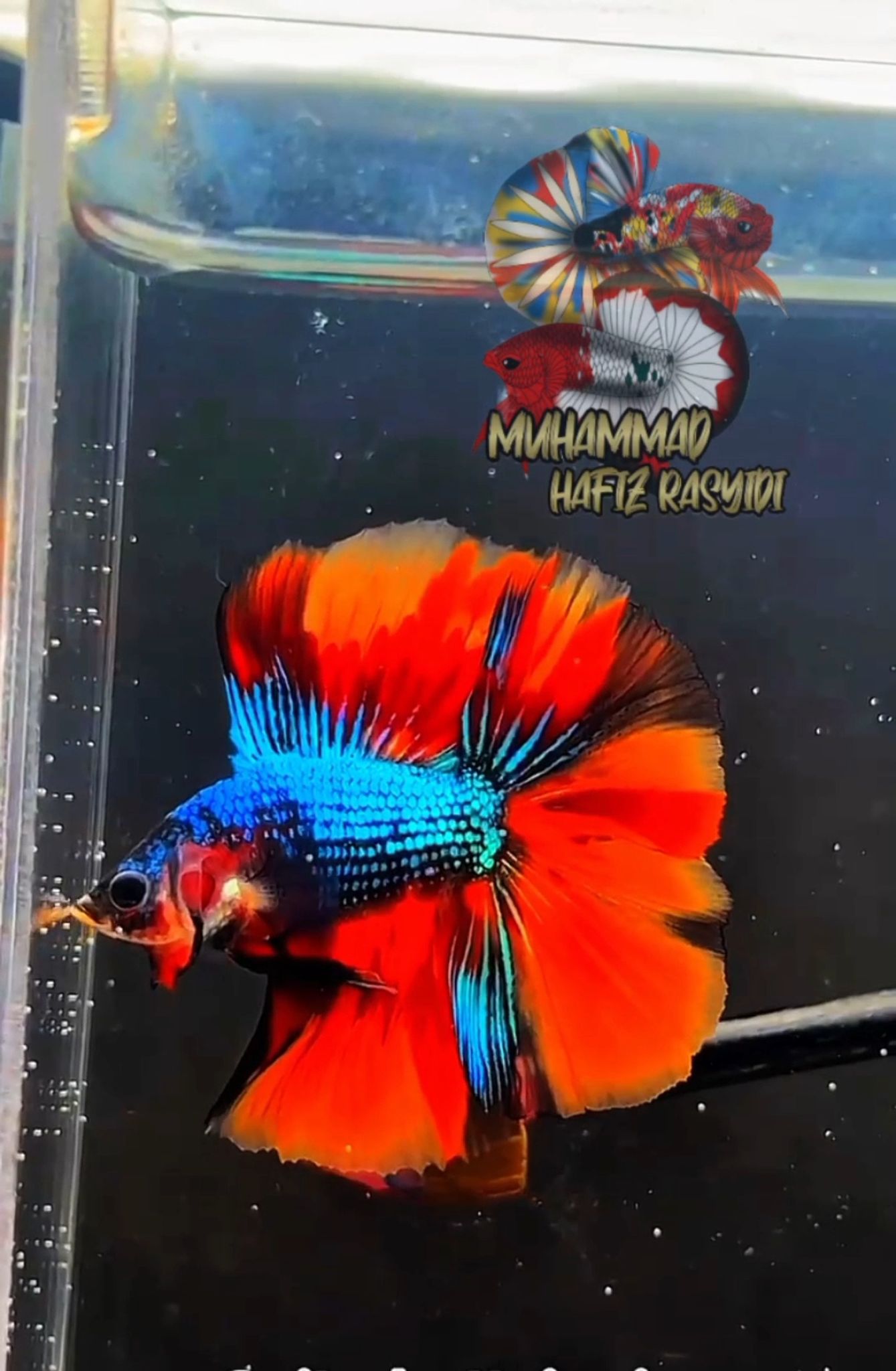
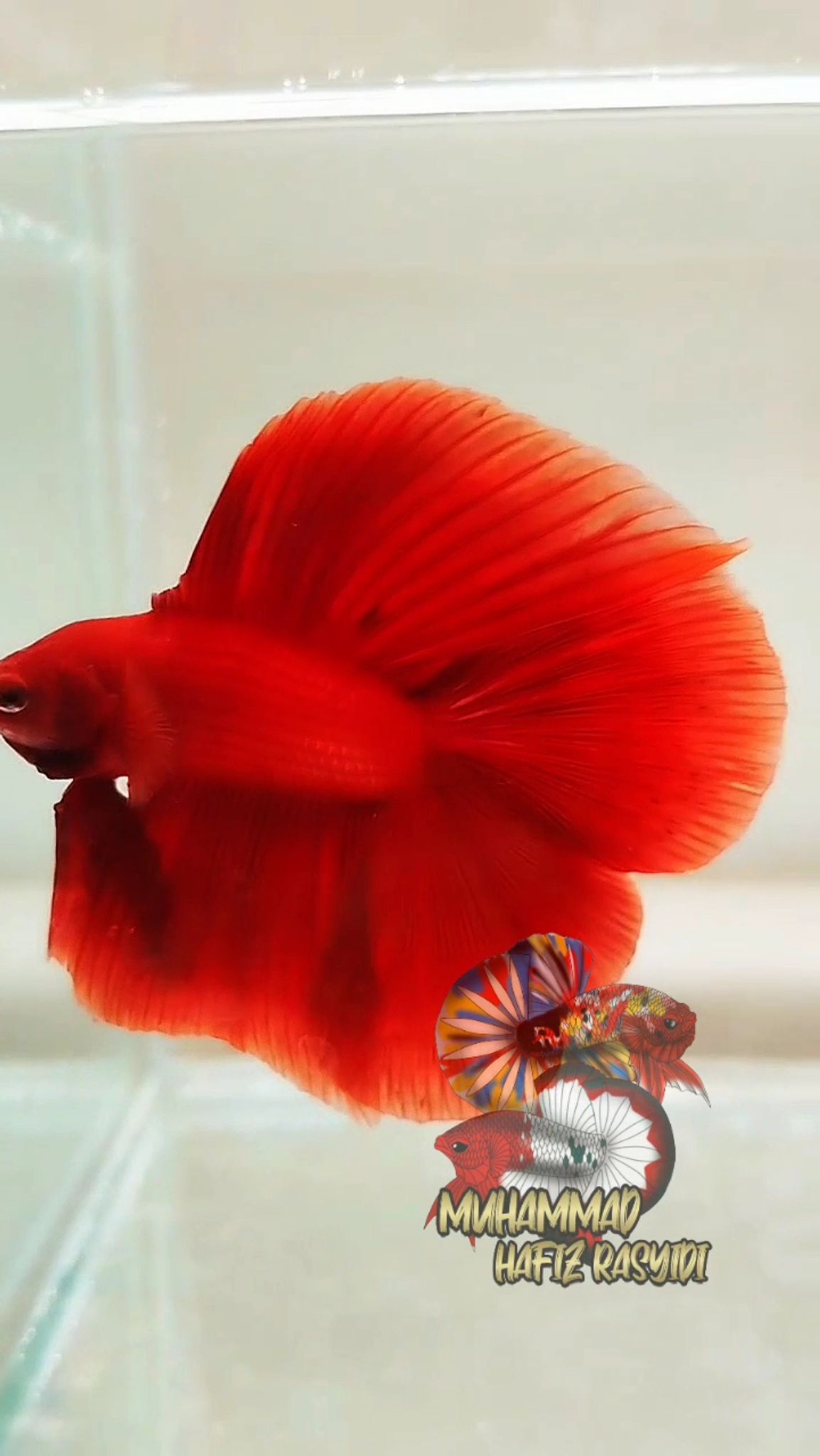
HMDT Unique Color
Click to enlarge

Unless otherwise stated, product might differ from image as image is representative of species and not of actual product

HMDT Unique Color

SGD 40.00

Product Variations

Quantity

Stock: 1

Product Details

Size

5cm - 6cm

Temperament

Aggressive

Water Condition

High PH

Product Description

Barely larger than a thumbnail, this high-pH bruiser's colors warn before it strikes.

HMDT Unique Color cichlid is a striking, aggressive African cichlid for high-pH tanks. At 5-6 cm, it's ideal for experienced keepers. Perfect for species-only setups.

  • Water Conditions – The HMDT Unique Color cichlid thrives in hard, alkaline water that mimics the African rift lakes. Maintain a pH between 7.8 and 8.6, with a general hardness (dGH) of 10–20 and a carbonate hardness (dKH) of 8–12. Temperature should be stable between 24°C and 28°C (75–82°F). Ammonia and nitrite must always read zero, and nitrate should be kept below 20 ppm through regular water changes and efficient filtration. A good canister filter or a sump with biological media is recommended to handle the bioload. Use aragonite sand or crushed coral as substrate to naturally buffer the pH and hardness. Avoid driftwood and other items that lower pH. Perform a 20–30% water change weekly, vacuuming the substrate to remove debris. Because this species is sensitive to fluctuating parameters, drip-acclimate new arrivals over 45–60 minutes. A tight-fitting lid is essential, as they are known to jump when startled.
  • Suitable Tank Mates – Given their aggressive temperament, HMDT Unique Color cichlids are not suitable for community aquariums. They will harass, chase, and even kill peaceful or slow-moving fish, and any tank mate small enough to fit in their mouth will be eaten. The best approach is a species-only tank with a harem ratio of one male to three or four females to disperse aggression. If you must mix species, choose other robust, similarly sized cichlids from Lake Malawi or Tanganyika that share the same high-pH requirements. Possible candidates include small mbuna like Labidochromis caeruleus (yellow lab) or Melanochromis cyaneorhabdos (maingano), but even these can become targets if the HMDT Unique Color pairs off and spawns. Avoid bottom-dwellers such as Corydoras catfish, loaches, and plecos that prefer neutral water; they will not thrive and may be bullied. Also avoid long-finned fish like guppies or angelfish, as their fins are irresistible targets. If aggression becomes extreme, separate the offender immediately. A tank of at least 90 cm (36 inches) is recommended for any mixed setup to provide enough territory.
  • Feeding Habits – HMDT Unique Color cichlids are omnivorous with a slight carnivorous leaning. In the wild, they graze on aufwuchs, small crustaceans, and insect larvae. In captivity, offer a varied diet to maintain vibrant coloration and robust health. A high-quality cichlid pellet should form the staple, ideally one formulated for African cichlids with spirulina or vegetable content. Supplement with frozen or live foods such as brine shrimp, bloodworms, daphnia, Mysis shrimp, and chopped earthworms. Feed two to three times daily, but only what they can consume within two minutes. Overfeeding leads to bloating, fatty liver disease, and poor water quality. Once a week, offer a meaty treat like krill or prawn. Because they are aggressive feeders, ensure all tank mates get their share by target-feeding at opposite ends of the tank. Fasting one day per week can help clear their digestive tract and mimic natural scarcity. Never feed mammalian meat or fatty foods, as cichlids cannot digest them properly.
  • Care Requirements – Proper care for HMDT Unique Color cichlids revolves around stable water, ample territory, and close observation. A minimum tank size of 75–90 cm (30–36 inches) is required for a small group; a single specimen can be kept in a 60 cm (24 inch) tank, but larger is always better. Aquascape with plenty of rocks, caves, and broken lines of sight to reduce aggression. Use a sandy substrate, as they love to sift and dig. Secure rocks firmly so they cannot topple when the fish excavates. Provide moderate water flow but avoid direct strong currents. Keep the tank covered tightly. Perform weekly water changes of 20–30% with pre-treated, pH-matched water. Test parameters regularly, especially pH and hardness, as they can drift over time. Quarantine any new fish for at least two weeks before adding to the display. Watch for signs of stress: clamped fins, hiding, or loss of color. If aggression escalates, rearrange the decor to reset territories or separate the bully. Breeding is possible; females are mouthbrooders, and the male will become intensely territorial. Remove other fish if you intend to raise fry. With proper care, HMDT Unique Color can live 5–8 years in captivity.
  • Temperament and Behavior – This cichlid is aggressive, territorial, and highly active. It will establish a hierarchy and defend its chosen cave or rock against all intruders. In a harem setup, the male will display vibrant colors and court females with shaking and darting movements. Females are less colorful but still hold their own. They are intelligent and quickly learn feeding routines, often begging at the glass. Because they are so aggressive, they are best suited to experienced aquarists who understand cichlid dynamics. Beginners should start with a single specimen or a proven harem in a large tank. Do not mix with shy or delicate species. If kept alone, they can become bored and may pace the glass; provide dither fish that are too large to eat, or just accept that they are a solitary wet-pet. Regular observation is key to catching problems early.

More From This Merchant

Gold digger betta

Gold digger betta

View Store →