

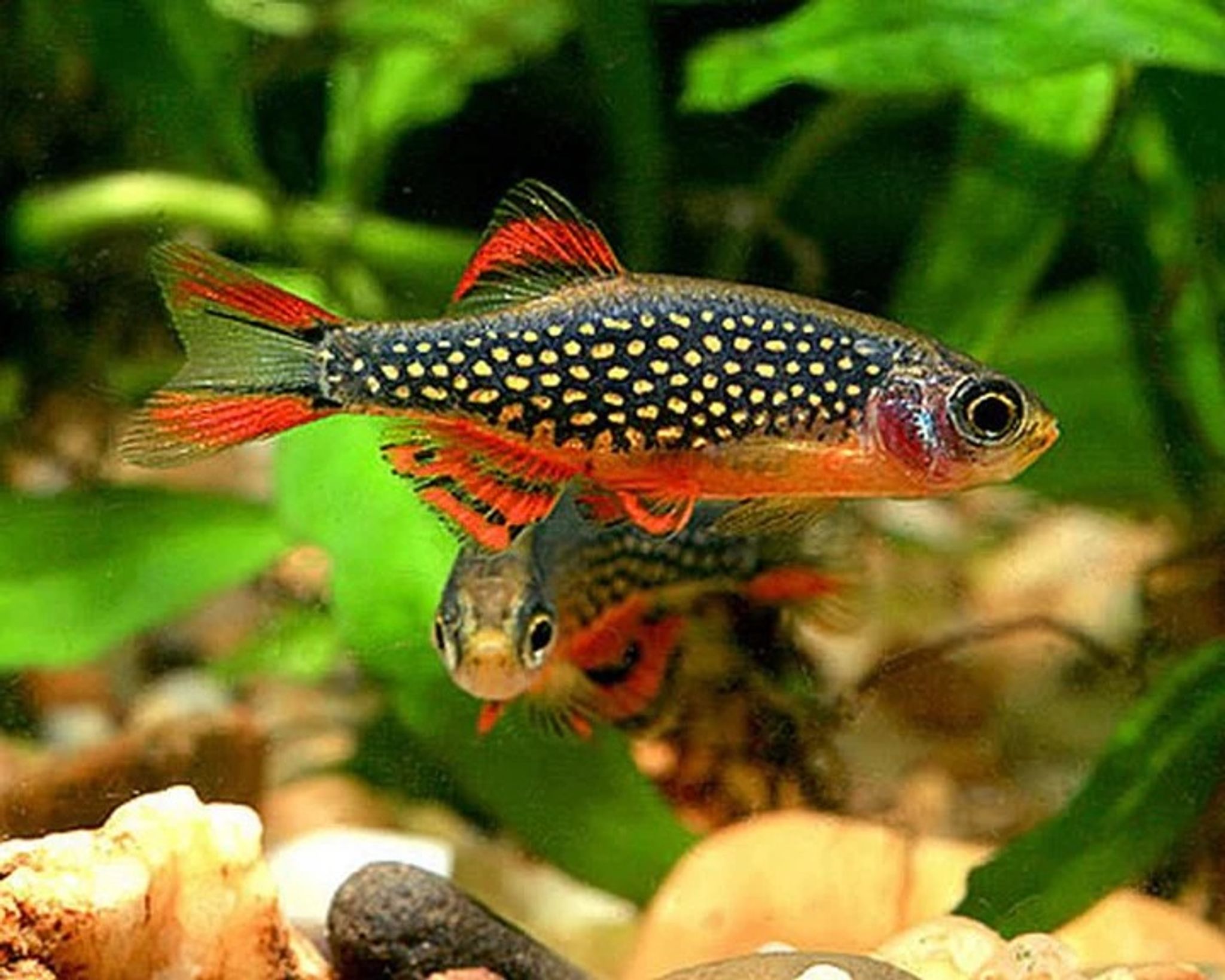

100 Aquarium Facts You Should Know: Singapore Edition
These are the aquarium facts every Singapore hobbyist should know in 2026, starting with what FishyHub's Singapore marketplace shows about local buying, prices and regions, then moving on to the fish, shrimp and plants themselves and to keeping a tank in a tropical city. Marketplace facts are given as tiers and directions rather than figures, so each one can be quoted as it stands.
Key Findings
- FishyHub data shows aquatic plants, guppies, tetras, rasboras, Neocaridina shrimp, corydoras, loaches, snails and koi have very high purchases in Singapore.
- FishyHub data shows demand clearly outpaces supply in Singapore for aquatic plants, guppies, tetras, rasboras and Neocaridina shrimp.
- FishyHub data shows supply runs ahead of demand for most betta varieties in Singapore, even as betta activity rises.
- FishyHub data shows prices trending up in Singapore for discus, angelfish, koi, tetras and Neocaridina shrimp, and easing for flowerhorns and silver arowanas.
- FishyHub data shows marine fish, clownfish and damselfish are rising in Singapore from a smaller base.
- FishyHub data shows Central Singapore has the most livestock buyers and sellers on the marketplace.
Singapore Marketplace Facts from FishyHub
- Freshwater livestock holds the larger share of FishyHub listings in Singapore.
- Foreground, midground and background plants all have very high purchases.
- Demand for aquatic plants clearly outpaces supply in Singapore.
- Epiphytes such as ferns and mosses are rising, with prices trending up.
- Tissue-culture plants are rising while their prices ease.
- Guppies have very high purchases and very high buyer interest.
- Prices of guppies listed by strain are trending up.
- Tetras have very high purchases and prices trending up.
- Rasboras have very high purchases, with demand clearly ahead of supply.
- Danios, hatchetfish and minnows all show demand clearly outpacing supply.
- Neocaridina shrimp have very high supply, very high purchases and rising prices.
- Caridina shrimp are rising in momentum while their prices ease.
- Corydoras have very high purchases, and their prices are trending up.
- Loaches and algae eaters both have very high purchases.
- Snails have very high purchases, and demand clearly outpaces supply.
- Koi have very high purchases on FishyHub in Singapore.
- Koi prices are trending up, with a very wide spread between varieties.
- Goldfish as a category are rising, with demand ahead of supply.
- Ranchu sit in the collector tier among goldfish.
- Oranda and ryukin goldfish have high purchases and demand ahead of supply.
- Halfmoon and halfmoon plakat bettas have very high supply.
- For most betta varieties, supply runs ahead of demand.
- Halfmoon plakat betta prices are trending up.
- Alien, Api Api and Macrostoma bettas sit in the collector tier.
- Channa have very high supply and very high buyer interest.
- Channa sit in the collector tier, with stable prices.
- Flowerhorns are rising, but supply leads demand and prices are easing.
- Black, crossback and super red arowanas sit in the collector tier with limited supply.
- Silver arowanas are rising while their prices ease.
- Discus have high supply, high purchases and prices trending up.
- Angelfish have very high supply, and their prices are trending up.
- Apistogramma are rising in momentum.
- Oscars have high purchases and prices trending up.
- Turtles have high purchases and sit in the collector tier.
- Marine fish are the smaller share of listings but are rising.
- Clownfish, damselfish and triggerfish are all rising.
- Marine invertebrate prices are trending up.
- Central Singapore has the most livestock buyers and sellers on FishyHub.
- The North-East and West have many buyers and many sellers.
- The East has the fewest sellers, and the North the fewest buyers.
Fish, Shrimp and Crab Facts
- Wild bettas such as Macrostoma come from forest streams of the region.
- Several wild betta species are mouthbrooders: males carry the eggs in their mouths.
- Splendens bettas build bubble nests at the water's surface.
- The Imbellis betta's name means "peaceful", and it is milder than splendens.
- Halfmoon bettas are named for a tail that spreads into a half circle.
- Guppies live wild in Singapore's drains and canals, where they were spread to eat mosquito larvae.
- Show guppies are judged on tail shape, colour and body.
- Endler's livebearers are close relatives of the guppy.
- Ricefish, also called medaka, tolerate a wide range of temperatures.
- Harlequin rasboras school tightly and suit planted tanks.
- Micro rasboras such as chilis are made for nano tanks.
- Corydoras sift soft sand with their barbels, so sharp gravel wears them down.
- Kuhli loaches hide by day and forage at night.
- Otocinclus graze soft algae without harming plants.
- Asian arowanas have long been linked with luck and prosperity.
- Legally traded Asian arowanas come microchipped from registered farms, with a certificate.
- Channa, or snakeheads, can breathe air from the surface.
- Many channa species are territorial and best kept alone.
- Toman is the local name for the giant snakehead.
- A flowerhorn's forehead hump is called a kok.
- Ranchu have no dorsal fin.
- Bubble eye goldfish have fluid-filled sacs beneath their eyes.
- Koi are judged on colour, pattern and body shape.
- Discus are often called the king of the aquarium.
- Pea puffers are tiny freshwater puffers that hunt snails.
- Archerfish knock insects into the water with a jet of spit.
- Clownfish shelter among anemone tentacles without being stung.
- Damselfish are hardy but can turn territorial in small tanks.
- Cherry shrimp breed readily once a tank is stable.
- Crystal red shrimp are a Caridina line bred for clean red and white bands.
- Vampire crabs are semi-terrestrial and need land as well as water.
- Hermit crabs need spare shells to move into as they grow.
Plant and Aquascaping Facts
- Bucephalandra comes from the streams of Borneo.
- Cryptocorynes can melt after a move but usually regrow from the roots.
- Java moss attaches to wood, rock and mesh.
- Indian almond leaves release tannins that tint and soften water.
- Floating plants such as frogbit shade the tank and soak up nutrients.
- Carpeting plants such as monte carlo spread across the front of a tank.
- Tissue-culture plants arrive free of snails and algae.
- New driftwood leaches tannins at first, which is harmless to fish.
- Aquarium soil feeds rooted plants and can soften water.
- Healthy plants compete with algae for light and nutrients.
Keeping a Tank in Singapore
- Most tropical fish need no heater in a Singapore home.
- Goldfish prefer cooler water, so a shaded spot or a fan helps.
- Reef tanks in Singapore often need a chiller or cooling fans.
- Fans cool a tank through evaporation, so top-ups become frequent.
- A tank by a sunny window will overheat and grow algae.
- Outdoor tanks and ponds need shade from the afternoon sun.
- Tap water must be treated with a conditioner before it meets fish.
- A new tank needs cycling before fish go in.
- Cycling grows bacteria that turn ammonia into nitrite and then nitrate.
- Partial water changes keep nitrate under control.
- Small, frequent feeds keep water cleaner than large ones.
- Quarantine new arrivals before adding them to a main tank.
- Arowanas and hatchetfish jump, so a tight lid is essential.
- Monsoon months bring cooler, wetter spells, but tank temperatures rarely drop far.
- Releasing aquarium animals into Singapore's waterways harms native wildlife.
- Some animals are regulated in Singapore, so check the rules before buying unusual species.
- FishyHub merchants deliver livestock across the island.
- FishyHub is a marketplace of independent Singapore merchants and breeders.
Methodology
The marketplace facts come from FishyHub activity in Singapore over the period from October 2024 to October 2026: active listings, listed prices and how they are moving, orders, wishlists, likes and "my tank" saves, demand relative to supply, new listings and orders over time, and livestock buyer and seller regions. They are reported as tiers and directions, not figures. Regional data covers livestock in general.
The other facts are general hobby knowledge, not FishyHub findings. FishyHub cannot measure how many people in Singapore keep fish or what they spend, and it does not cover fish farms' direct sales or retail shops.
Frequently Asked Questions
What fish are most bought in Singapore?
On FishyHub, guppies, tetras, rasboras, corydoras, loaches, algae eaters, koi and Neocaridina shrimp all have very high purchases in Singapore, alongside aquatic plants and snails.
Do aquarium fish need a heater in Singapore?
Most tropical fish do not, because indoor temperatures already suit them. Reef tanks and cool-water fish such as goldfish are more likely to need cooling.
Are bettas easy to find in Singapore?
Yes. On FishyHub, halfmoon and halfmoon plakat bettas have very high supply, and for most varieties supply runs ahead of demand.
Where do most aquarium hobbyists in Singapore live?
FishyHub can only speak for its own marketplace: Central Singapore has the most livestock buyers and sellers, with the North-East and West also busy.
How to Cite This Page
Source: FishyHub, "100 Aquarium Facts You Should Know: Singapore Edition" (2026), https://fishyhub.com/sg/blogs/blog-detail/100-aquarium-facts-you-should-know-singapore-edition