Tankmates: Best with other goldfish of similar build: keep slow fancy breeds apart from fast single-tailed goldfish and koi, which outcompete them. Tropical community fish need different temperatures, and anything small enough to swallow (fry, shrimp, small snails) will be eaten. Large snails such as mystery snails are usually tolerated.
Feeding: Sinking or pre-soaked foods reduce air gulping in round-bodied breeds. Overfeeding causes bloat and fouls water quickly.
1–0 of 0
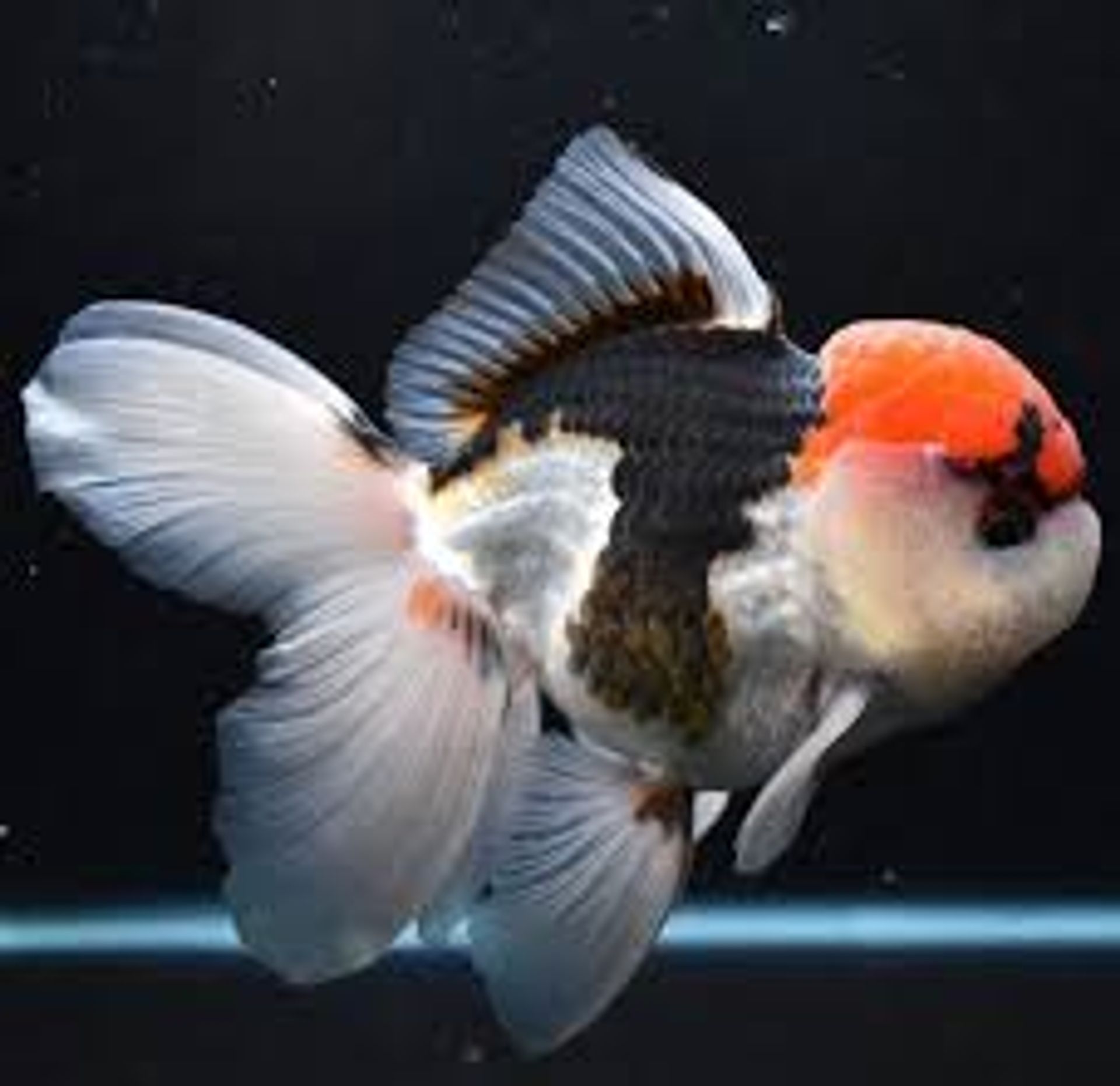
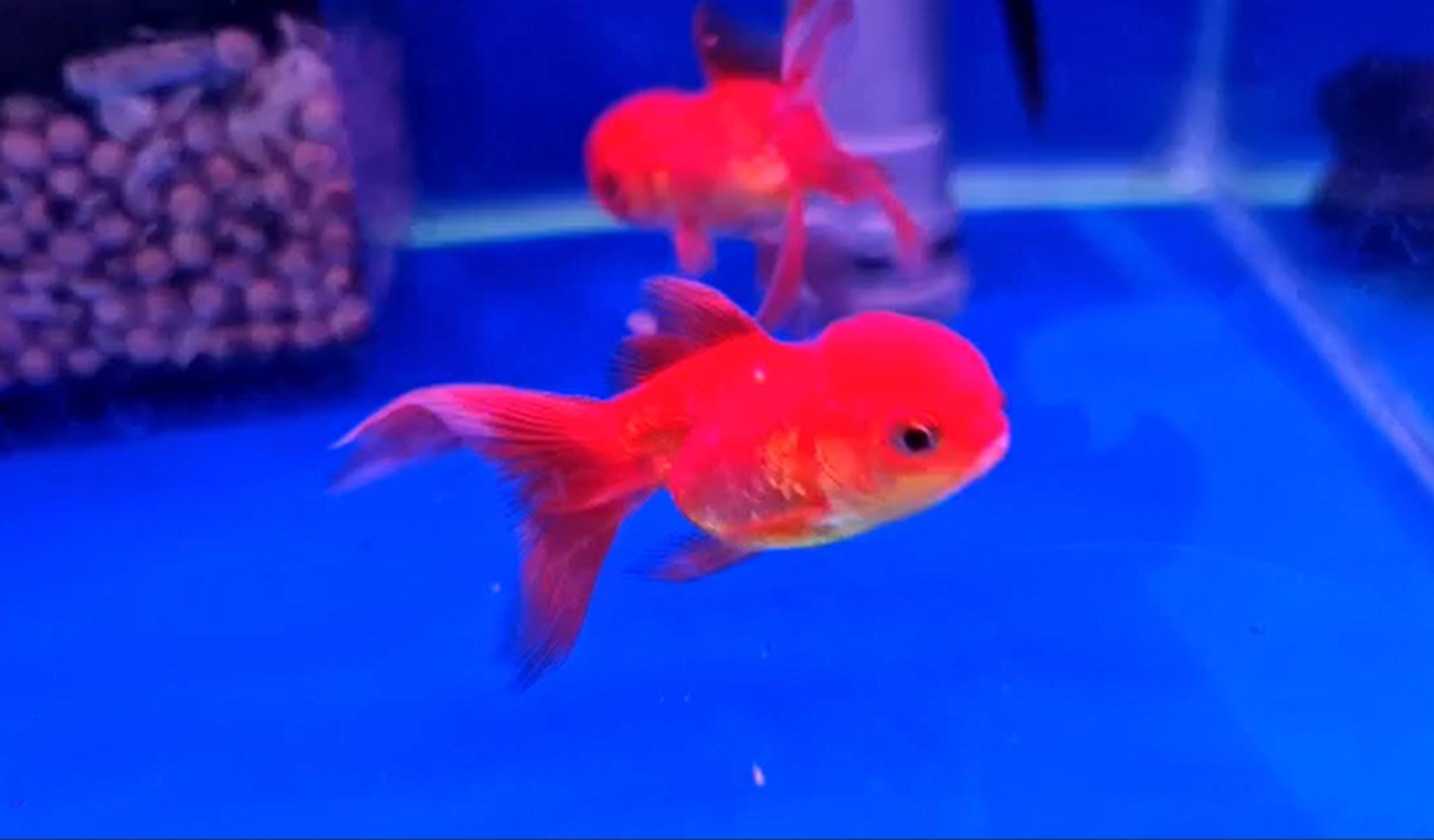
If there's one goldfish most Malaysians picture, it's the oranda. Known locally as ikan emas oranda, it has a rounded body, a full set of flowing fins and a soft, raspberry-like growth on its head called the wen. As the fish matures, the wen can grow into a large hood, and a big, well-capped oranda is a real showpiece.
Orandas are hardy compared with more delicate fancies, which makes them a good first "proper" goldfish. On FishyHub you can compare orandas from Malaysian shops, breeders and hobbyists, with prices in RM and the seller's delivery or self-collect options on each listing.
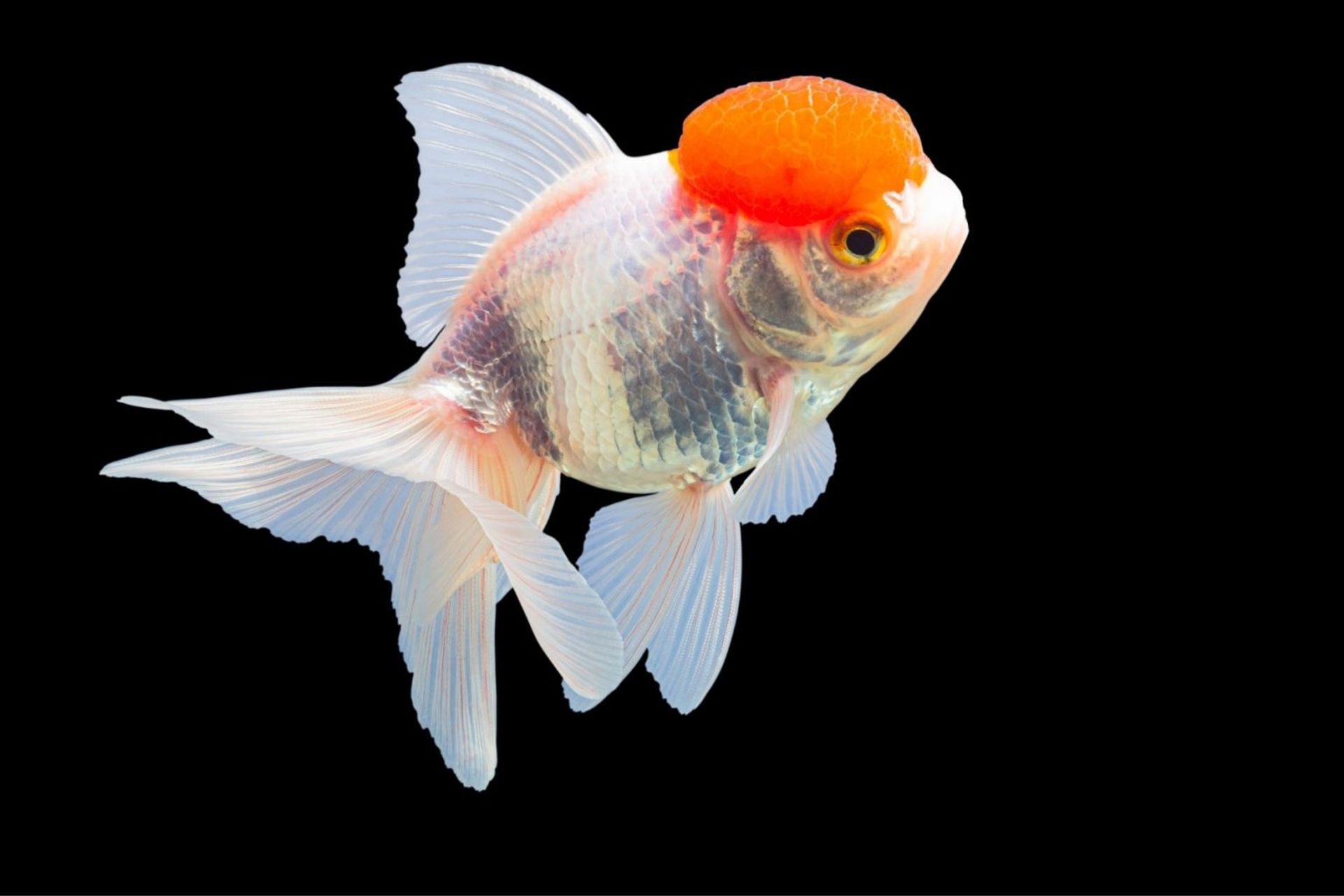
A white body with a bright red wen on top of the head. The best fish have a neat, rounded cap and clean white with no red patches spilling down the body.
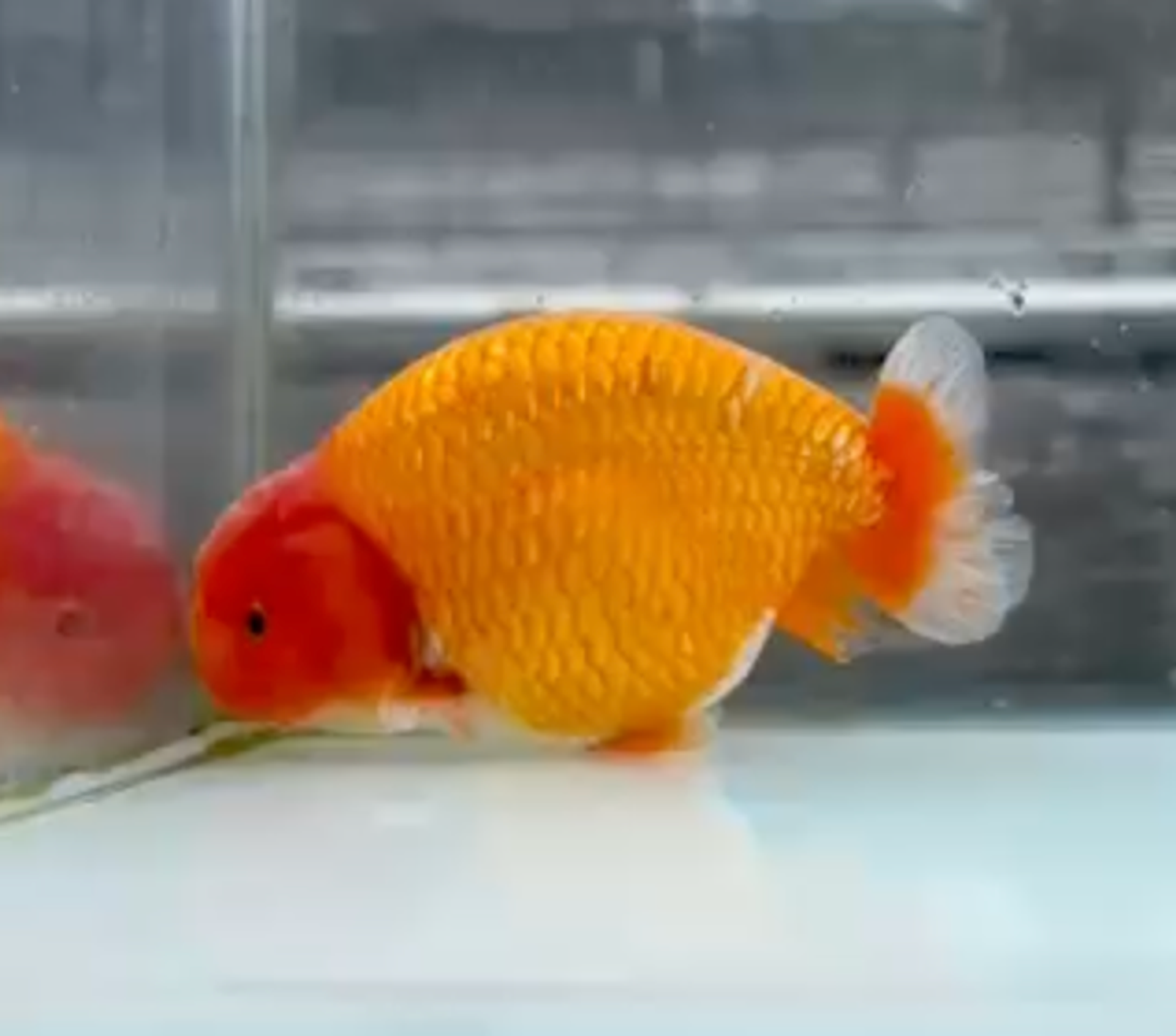
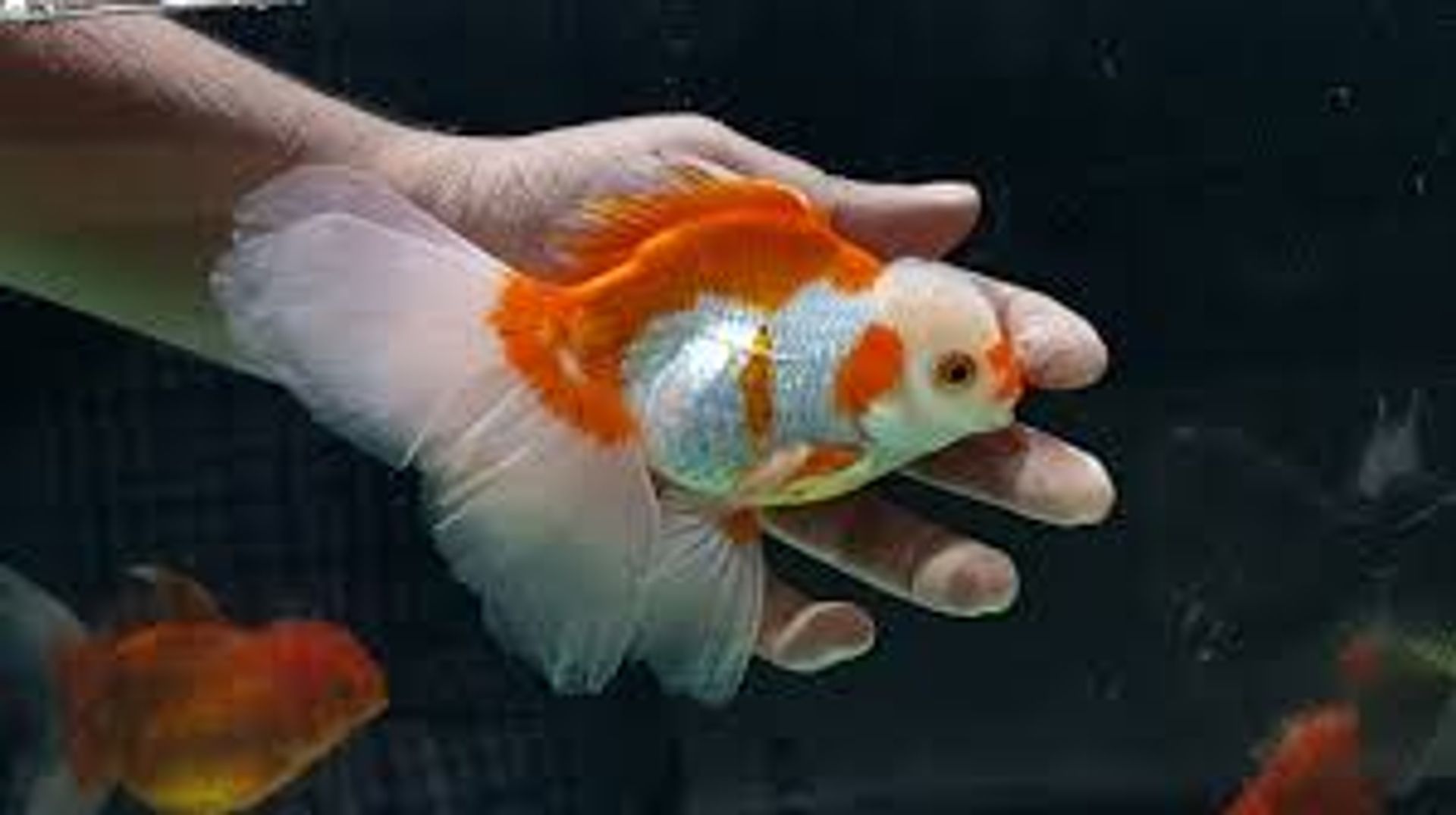
Solid red or orange orandas are classic and easy to find. Red-and-white fish vary a lot in pattern, so each one is a little different.
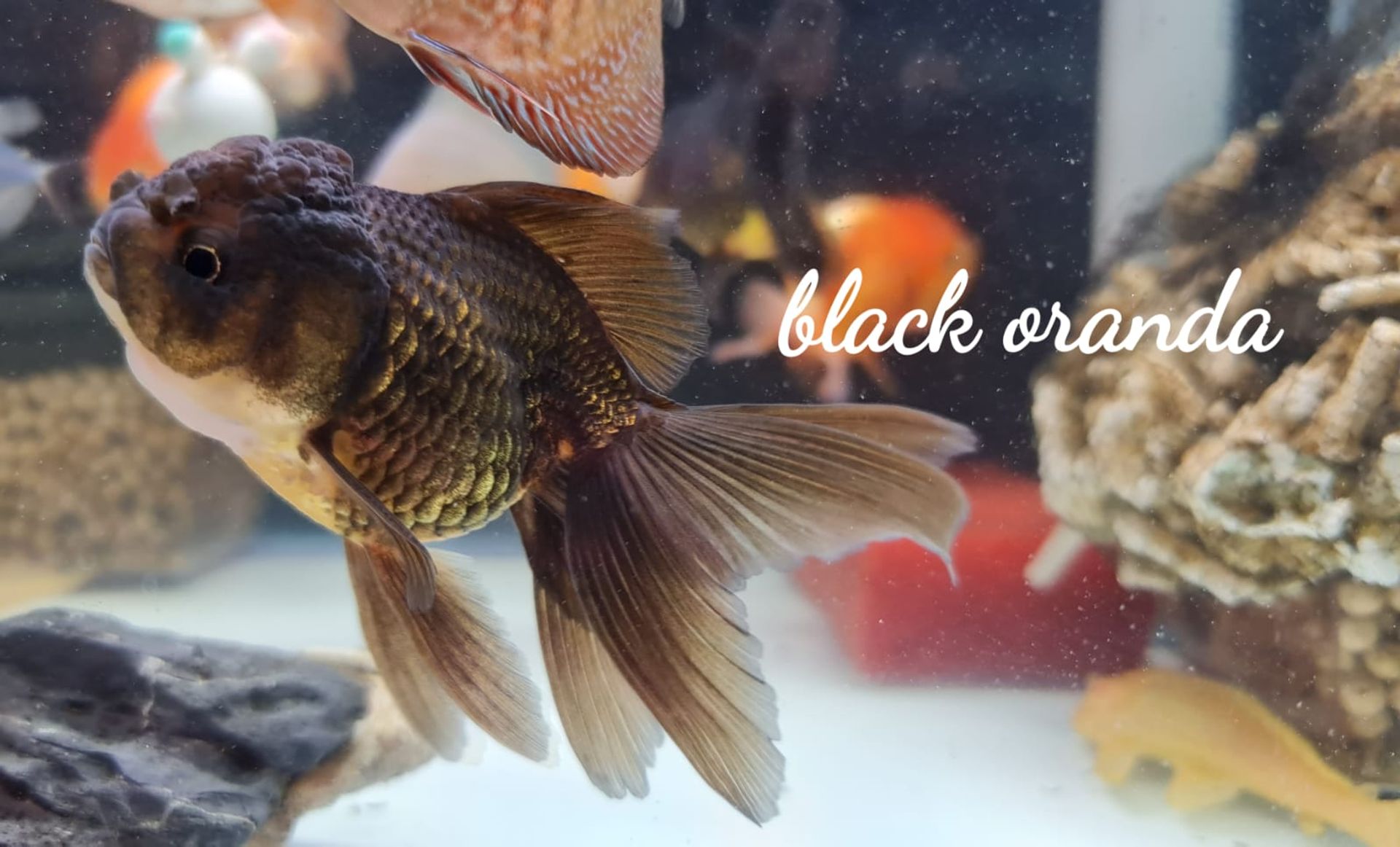
Darker colours can change as the fish ages, sometimes fading to bronze or orange. Calico orandas have a mix of colours over nacreous (partly shiny, partly matte) scales.
| Care point | Guide |
|---|---|
| Temperature | About 20–27°C ideal. Malaysian homes sit at 26–31°C, so keep the tank shaded, well aerated and fan-cooled above 30°C. |
| Minimum tank | 2 kaki (60 cm, about 55–65 L) for one or two young orandas; 3 kaki (about 155–180 L) as they grow. |
| Adult size | Often 15–20 cm or more including the tail. |
| Temperament | Peaceful; mixes well with ryukin and other fancies. |
| Diet | Sinking goldfish pellets, gel food, vegetables, occasional cacing darah. |
| Beginner-friendly? | Yes, one of the easier fancy goldfish. |
Wen growth is mostly genetic, but care makes a visible difference. Breeders generally point to three things: clean water with frequent partial changes, a protein-rich diet while the fish is young, and enough space so the fish isn't stunted. Wen size also takes time; many orandas only develop a full hood after a year or more.
A large wen can trap dirt and bacteria. Keep an eye out for white, fuzzy patches or holes, which may mean an infection. In very large hoods, the wen can even grow over the eyes, which affects vision.
Warm water holds less oxygen, and orandas are heavy-bodied fish that use plenty of it. Run a pam udara around the clock, and avoid overstocking. Malaysian tap water is chlorinated, so always add anti klorin when doing a tukar air (water change). Orandas are popular around Chinese New Year as a symbol of good fortune, so if you want a particular size or colour for the festive season, it helps to shop early.
Prices in RM depend on size, wen development, colour and body shape. If you're in Sabah or Sarawak, ask the seller about delivery first, since live fish to East Malaysia takes longer.
Pertumbuhan kepala (wen) bergantung kepada baka, umur dan penjagaan. Tukar air dengan kerap, beri makanan berprotein tinggi dan pastikan akuarium cukup luas. Kebanyakan oranda ambil masa lebih setahun untuk wen membesar.
Oranda boleh hidup dalam suhu rumah di Malaysia, tetapi pastikan ada pam udara, akuarium tidak kena cahaya matahari dan pasang kipas akuarium jika suhu air lebih 30°C.
Yes, in some heavily hooded fish. Most still feed normally, but keep them with gentle tankmates so they aren't outcompeted.
Yes. Ryukin, other orandas and similar fancies are good company. Very slow types like bubble eyes may lose out at feeding time.
Browse red cap, red, black and calico orandas from Malaysian sellers and compare photos, sizes and prices in RM. You might also like ryukin goldfish or our full goldfish range.
No products found