

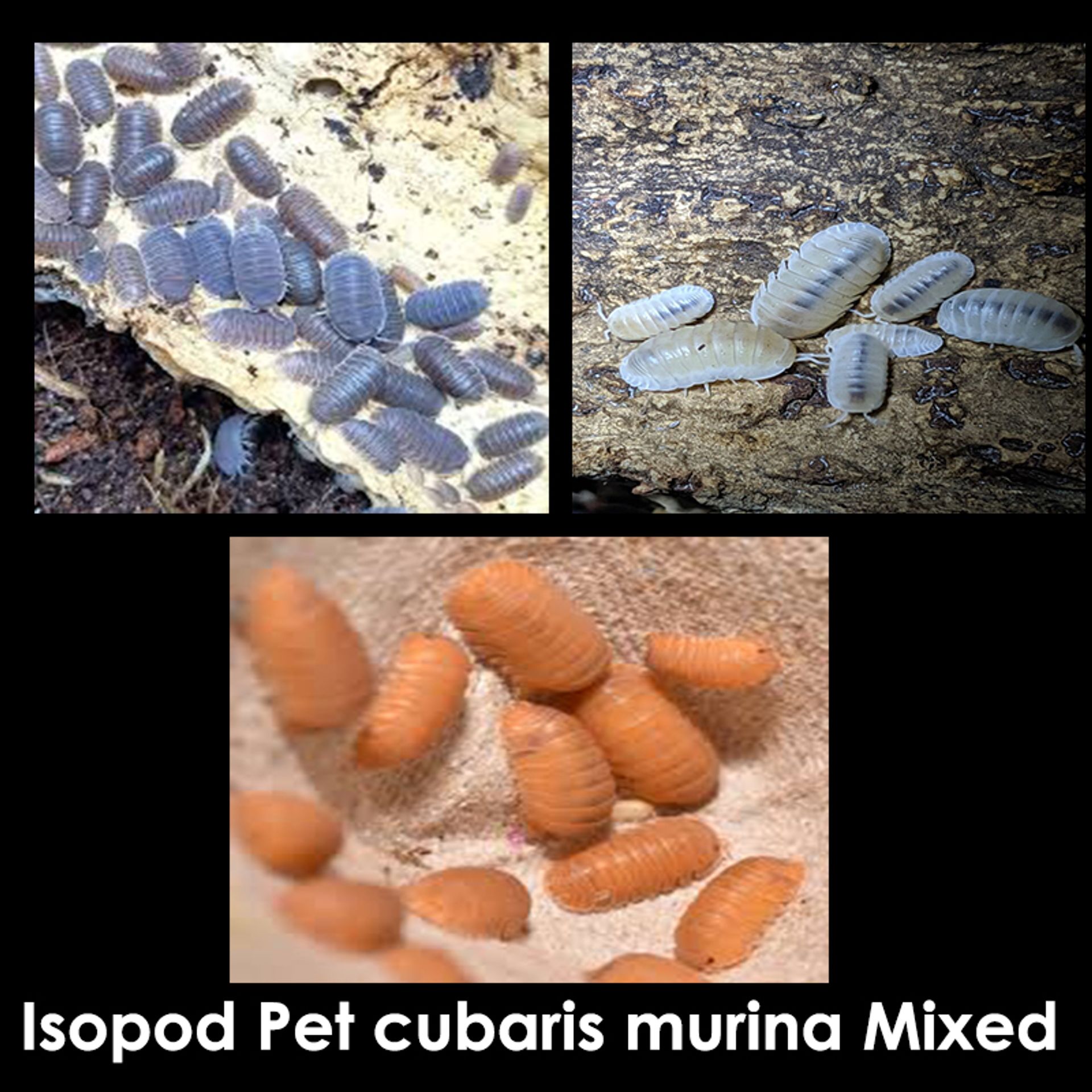

Isopods Malaysia: How to Keep Isopods & Springtails as Pets in Our Heat
Keeping isopods in Malaysia is simple once you get three things right: a moist-but-ventilated box, a deep layer of leaf litter and rotting wood, and a species that copes with our 26–31°C room temperatures. Isopods are small land crustaceans, cousins of the pill bugs and woodlice you find under flower pots in the garden. Hobby isopods come in striking colours and patterns, breed readily, and double as the clean-up crew in bioactive terrariums. Add springtails and you have a living cleaning team.
What Are Isopods and Springtails?
- Isopods are crustaceans, not insects. They breathe through gill-like structures, which is why they need humidity. They eat decaying leaves, wood and other organic matter.
- Springtails are tiny, six-legged soil animals that eat mould and fungi. They jump using a spring-like organ under the body.
Together they break down waste and mould in terrariums and vivariums, so the enclosure stays clean without you scrubbing it.
Isopods Malaysia Keepers Love: Popular Types and Heat Tolerance
Some isopods come from cool, temperate places and struggle at our room temperature. Tropical species usually do better.
| Type | Origin | Heat tolerance at 26–31°C | Notes |
|---|---|---|---|
| Porcellionides pruinosus ("powder orange", "powder blue") | Widespread, warm climates | Good | Fast breeders, very active; great starter |
| Porcellio laevis ("dairy cow" and others) | Widespread | Fair to good | Large, hardy, eat a lot; may nibble weak tankmates |
| Cubaris species (e.g. "rubber ducky") | Southeast Asia | Good, but needs high humidity | Slow breeding, prized and pricier |
| Nesodillo and other Asian species | Southeast Asia | Good | Rolls into a ball; check care notes from the seller |
| Armadillidium species (many "magic potion", "zebra" types) | Mostly Europe | Varies; some struggle in heat | Keep in the coolest spot; ask the seller |
Prices in RM depend on how rare and slow-breeding the morph is. Common powder types are the cheapest way to start.
Isopods Terrarium or Culture Box Setup
You don't need a glass tank. A clear plastic box with a lid works well.
- Box: a 5–15 L storage box is plenty for a starter culture.
- Ventilation: drill or melt small holes in the lid and upper sides. In Malaysia, stale, hot, wet air is a bigger risk than dryness.
- Substrate (5–10 cm deep): a mix of coco peat or organic topsoil (no fertiliser), crushed dry leaves and rotten hardwood.
- Leaf litter: a thick layer of dry, pesticide-free leaves. Many keepers use daun ketapang (catappa leaf), oak or other hardwood leaves.
- Hides: cork bark, rotten wood or a piece of driftwood.
- Moisture gradient: keep one half damp and one half drier. Isopods move to the zone they need.
- Calcium: a piece of cuttlebone, crushed eggshell or limestone. Isopods need calcium for their shells.
Humidity and heat tips for Malaysia
- Keep the box out of direct sunlight and away from windows and roofs that heat up.
- Lower shelves in a room are cooler than high ones.
- An air-conditioned room helps cool-loving species, but avoid placing the box right under the aircond vent, which dries it out.
- Mist the damp side when the top layer dries. Don't flood the box; standing water drowns isopods.
- If you see mass deaths during a heatwave, move the box to the coolest spot in the house and increase ventilation.
Isopods Food: What to Feed
Isopods are detritivores. The base diet is already in the box: leaf litter and rotting wood. Supplement it with:
| Food | How often | Notes |
|---|---|---|
| Leaf litter and rotten wood | Always available | The staple; top it up as it gets eaten |
| Vegetables (carrot, zucchini, cucumber, sweet potato) | 1–2 times a week | Small pieces; remove before mouldy |
| Protein (fish flakes, shrimp pellets, dried shrimp) | Once a week | Prevents cannibalism; small amounts |
| Calcium (cuttlebone, eggshell) | Always available | Essential for moulting |
Malaysian heat makes food rot fast. Offer small portions and remove leftovers within a day or two to avoid mites and smells. Shrimp pellets and tropical fish flakes from the aquarium shelf work well as a protein source.
Springtails: The Mould Police
Springtails are often sold in small cultures. Keep them:
- In a container with damp charcoal, coco peat or clay balls
- Fed a pinch of rice, yeast or fish flakes every few days
- Damp but not waterlogged
Add a spoonful to your isopod box or terrarium, and they'll keep mould under control. Tropical springtail strains generally handle our heat better than temperate white strains. Ask the seller which type they have.
Isopods in Bioactive Terrariums
Bioactive setups use living plants, soil, isopods and springtails to recycle waste naturally. They are popular for frogs, geckos and other small reptiles, and for planted terrariums with no animals at all.
- Pick isopods that suit the main animal's humidity and temperature.
- Large, hungry species can nibble on moulting animals or eggs, so choose smaller, calmer species for delicate setups.
- Give the isopods leaf litter and hides so they establish before the main animal arrives.
Common Problems
| Problem | Likely cause | Fix |
|---|---|---|
| Isopods dying in numbers | Heat, too dry, or stale air | Cooler spot, more vents, more moisture gradient |
| Mould everywhere | Overfeeding, poor airflow | Feed less, add springtails, more vents |
| Small white mites | Too much food and moisture | Remove leftovers, dry one side a little |
| No babies | Too young, too dry, not enough protein or calcium | Be patient; add calcium and protein |
| Bad smell | Rotting food, waterlogged substrate | Remove food, let the substrate dry slightly |
Buying Isopods on FishyHub
Browse isopods and insects from Malaysian sellers. Before you order:
- Check the species and morph name, and the number of animals in the starter culture.
- Ask the seller how the morph handles room temperature in their own setup.
- Check whether the photo is of the actual culture or a representative one.
- Ask about packing and delivery. Isopods travel well in damp moss, but avoid boxes sitting in hot depots over the weekend.
Never release hobby isopods outdoors. Even common-looking morphs can become established outside their range.
Frequently Asked Questions
Isopod makan apa? Isopod makan daun kering, kayu reput dan bahan organik yang mereput. Anda juga boleh beri sayur seperti lobak merah atau timun, sedikit protein seperti pelet udang, dan kalsium seperti tulang sotong atau kulit telur.
Isopod boleh hidup dalam cuaca panas Malaysia? Boleh, terutamanya spesies tropika seperti powder orange dan Cubaris. Letakkan kotak di tempat redup, beri pengudaraan yang baik dan sediakan bahagian lembap. Elakkan cahaya matahari terus.
Are isopods good pets for beginners? Yes. Common species like powder orange are cheap, hardy and breed quickly, and care takes only a few minutes a week.
Do I need springtails with isopods? Not strictly, but they help a lot. Springtails eat mould before it spreads, which is useful in our humid climate.
How fast do isopods breed? Fast species like Porcellionides can multiply within a few months in good conditions. Rare Cubaris morphs breed much more slowly.
Start with a hardy culture and grow from there. Browse isopods and insects, plus Malaysian driftwood for hides and catappa leaves for litter, from sellers across Malaysia on FishyHub.