

Pokok Plastik Akuarium vs Pokok Hidup: Artificial vs Live Aquarium Plants
Should you buy pokok plastik akuarium (plastic or silk artificial plants) or live plants? Short answer: live plants are better for the fish and the water, artificial plants are easier to keep looking the same. Live plants absorb fish waste, compete with algae and add oxygen during the day. Artificial plants need no light or fertiliser and never die, but they do nothing for water quality and can tear delicate fins. Many Malaysian keepers end up mixing both. Here is an honest comparison to help you decide.
Quick Comparison
| Factor | Pokok hidup (live plants) | Pokok plastik / silk (artificial) |
|---|---|---|
| Water quality | Absorb ammonia and nitrate | No effect |
| Algae | Compete with algae for nutrients | Algae grows on them; needs scrubbing |
| Oxygen | Produce oxygen in the light | None |
| Light needs | Need suitable light hours | Any light, or none |
| Maintenance | Trimming, removing dead leaves, sometimes fertiliser | Periodic cleaning |
| Fish safety | Soft; safe for long fins | Hard plastic can tear fins; silk is softer |
| Goldfish / diggers | Often eaten or uprooted | Survive anything |
| Look | Natural, changes over time | Always the same; bright colours possible |
| Cost over time | Cheap cuttings, but some die | One-off cost, lasts years |
The Case for Live Plants
Better water in a hot climate
Malaysian tanks often run at 28–31°C. Fish eat more and produce more waste in warm water, and bacteria and algae also grow faster. Live plants take up ammonia and nitrate directly, which buffers you between water changes. A well-planted tank usually stays clearer than the same tank with plastic decor. Our low-tech plant guide lists species that grow without CO2.
Fewer algae problems
Algae and plants compete for the same light and nutrients. In tanks with only plastic plants, algae has no competition, so green film and hair algae often spread over the fake leaves. If you're fighting algae, adding fast growers (floating plants, hornwort, vallisneria) usually helps more than adding chemicals.
Natural behaviour and cover
Fish such as rasboras, tetras, bettas and gouramis feel safer among real leaves. Shrimp and fry graze the biofilm that grows on live plants. Bettas rest on broad leaves like anubias.
Easy options exist
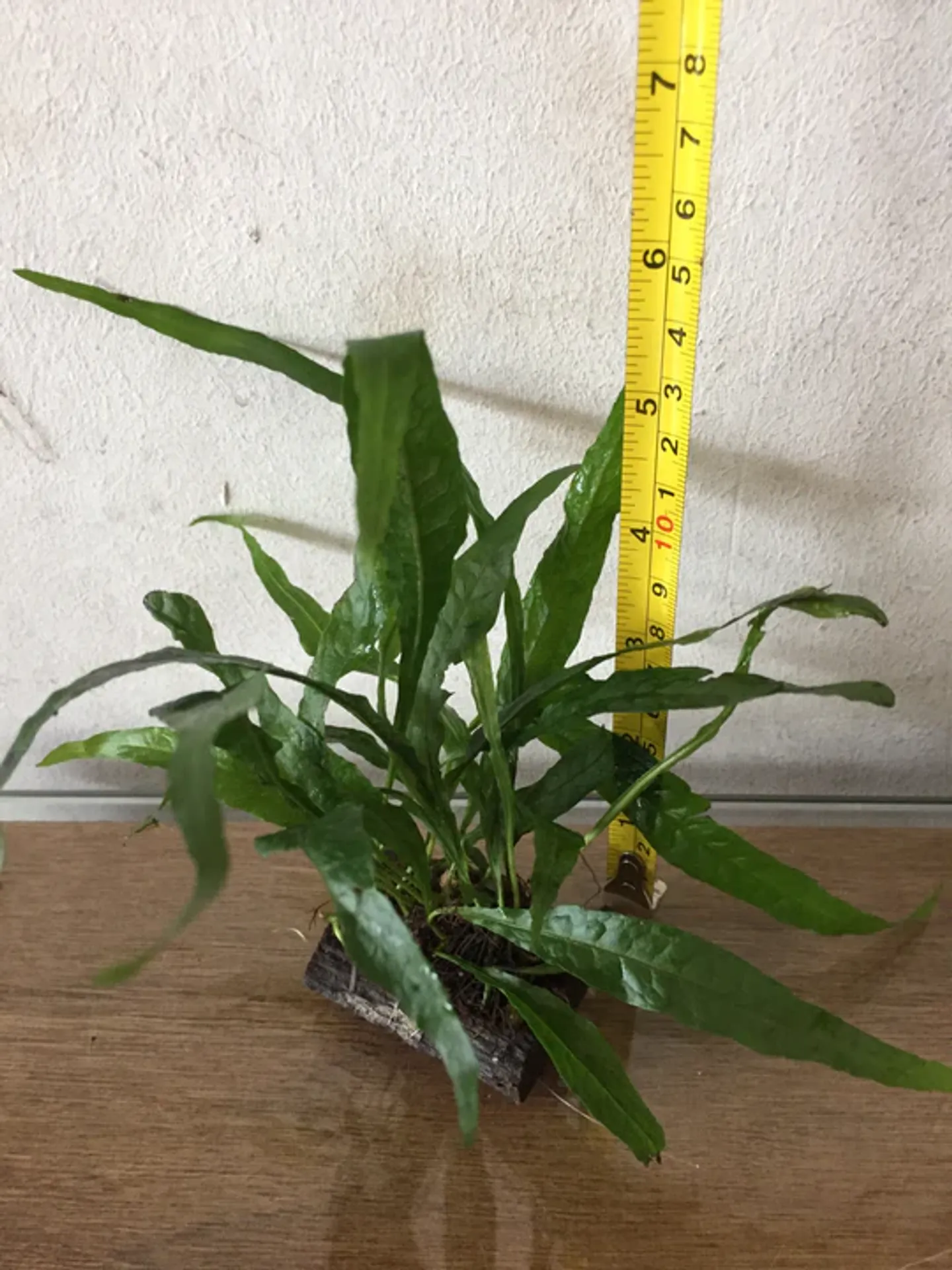
"Live plants are hard" is a myth if you choose the right ones. Anubias, java fern, Bucephalandra and java moss grow on wood without soil, need little light and tolerate warm water. Floating plants need no planting at all.
The Case for Pokok Plastik Akuarium
Tanks where live plants don't survive
- Goldfish and koi-style tanks: they eat and uproot most soft plants.
- Large cichlids and oscars: dig and shred plants.
- Tanks with little or no light: decorative tanks in offices or dim corners.
- Hospital and quarantine tanks: medication can harm plants, and you need something easy to disinfect.
Low maintenance and predictable look
Plastic plants don't melt, need trimming or turn yellow. For a busy household or a tank that must look the same every week (a shop, a clinic waiting room), that matters.
Colour and theme
Artificial plants come in colours no real plant has, which some people enjoy for children's tanks or themed displays. Browse options under decorative and ornamental.
Bettas and Long-Finned Fish: Check Plastic Plants
Hard plastic plants with sharp edges or seams are a common cause of torn fins on bettas, fancy guppies and fancy goldfish. Try the stocking test: run a pair of nylon stockings (or a thin cloth) over the plant. If it snags, it can snag fins. Silk (fabric) plants are softer and safer. For bettas, live plants are the best option. See our betta care guide.
Cleaning Artificial Plants
- Take them out during a water change.
- Scrub with a soft brush in old tank water or dechlorinated water.
- For stubborn algae, soak in a mild bleach solution (about 1 part bleach to 20 parts water) for 10–15 minutes, rinse very well, then soak in water with a double dose of anti klorin before returning them. Never use soap or detergent.
- Check for cracks or loose paint; replace damaged items.
Mixing Both: The Practical Middle Ground
Many tanks use both:
- Live plants in the back and middle, where they do the most good for water quality.
- Artificial plants where light is weak or where fish keep destroying the real ones.
- Epiphytes on wood (anubias, java fern) alongside a few silk plants in goldfish tanks; goldfish usually leave these tough-leaved plants alone.
- Gradual switch: replace one plastic plant at a time with a live one and watch how it does.
Just remember that the plastic plants still don't help with waste, so keep up regular water changes.
Live Plant Care Basics in Malaysia
- Light: 6–8 hours a day; keep the tank out of direct sunlight.
- Water: treat tap water with anti klorin; soft water suits most plants.
- Feeding: root tabs for crypts and swords, a light liquid fertiliser for others.
- Heat: most tropical plants handle 28–30°C; some carpets and red plants struggle above that.
- Remove dying leaves so they don't rot and foul the water.
Find live species on FishyHub's aquatic plants page, including floating plants for the easiest start.
Frequently Asked Questions
Pokok plastik akuarium selamat untuk ikan laga ke?
Kebanyakan pokok plastik keras boleh koyakkan sirip ikan laga. Lebih baik guna pokok sutera (silk) yang lembut atau pokok hidup seperti anubias dan java fern. Cuba gosok pokok dengan stoking; kalau tersangkut, ia boleh rosakkan sirip.
Pokok hidup atau pokok plastik, mana lagi bagus?
Pokok hidup lebih bagus untuk kualiti air kerana ia serap sisa ikan dan lawan lumut. Pokok plastik lebih senang dijaga tetapi tidak bantu kualiti air. Ramai orang campur kedua-duanya.
Do plastic plants cause algae?
They don't cause it, but they don't fight it either. Algae grows on any surface, and without live plants competing for nutrients, it often spreads faster.
Can live plants survive with goldfish?
Tough species like anubias, java fern and some crypts often do. Soft stem plants usually get eaten.
Do live plants need CO2?
No, not the easy species. Anubias, java fern, crypts, moss and floating plants grow well without added CO2.
Want to try live plants? Start with a few easy species from our beginner aquascape guide, then browse aquatic plants and decorative items from sellers across Malaysia on FishyHub.