Pleco L-Numbers Explained
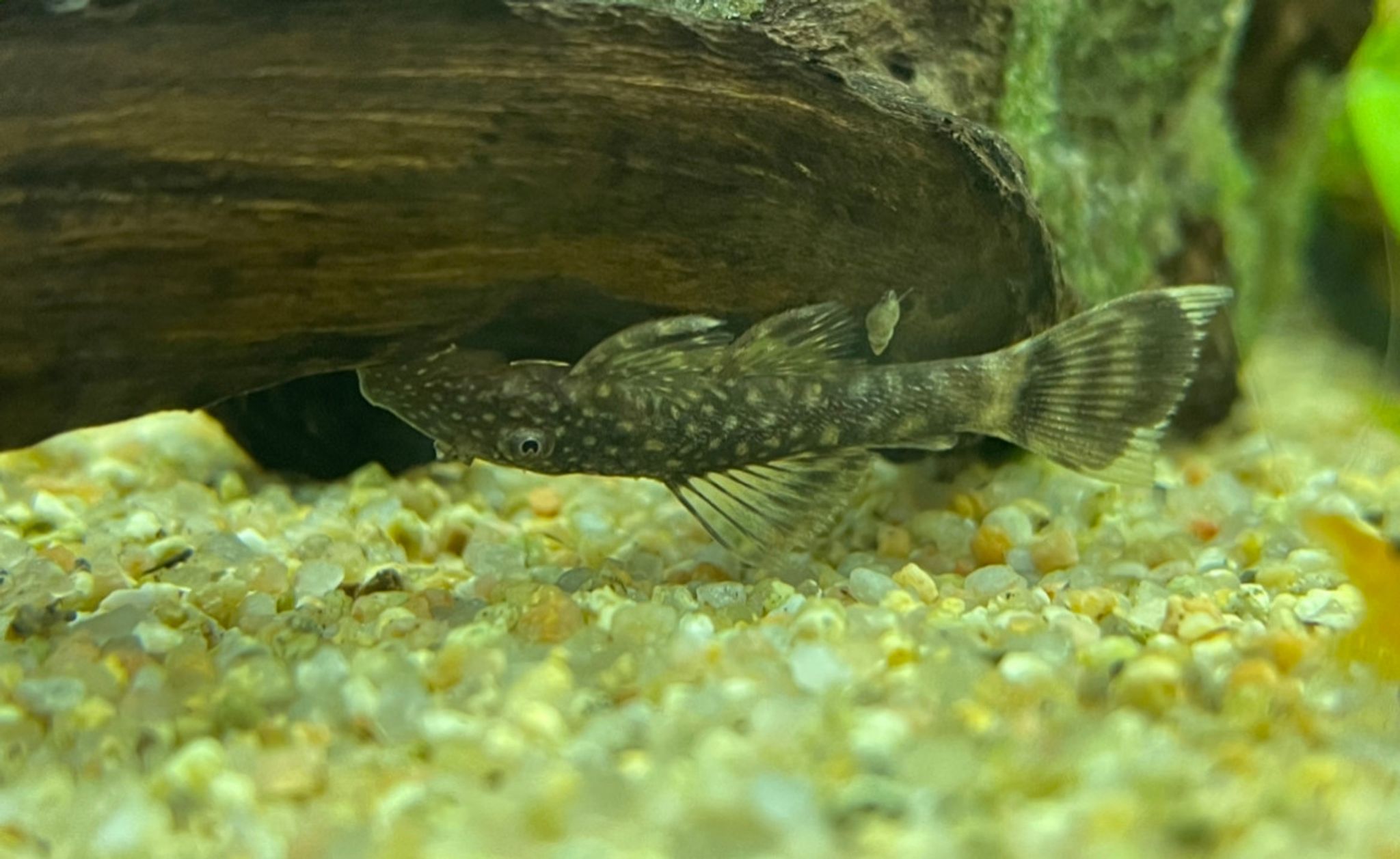
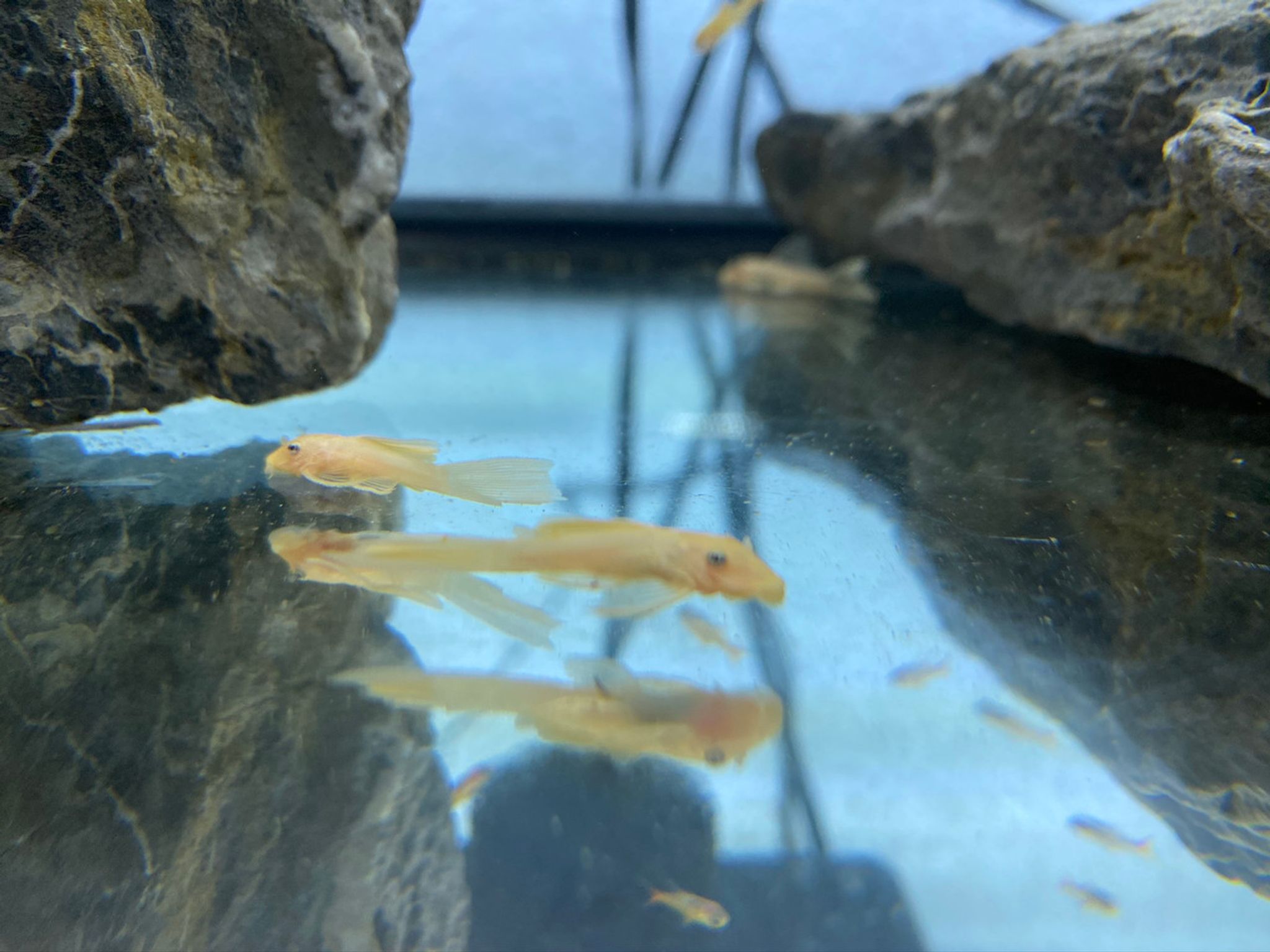
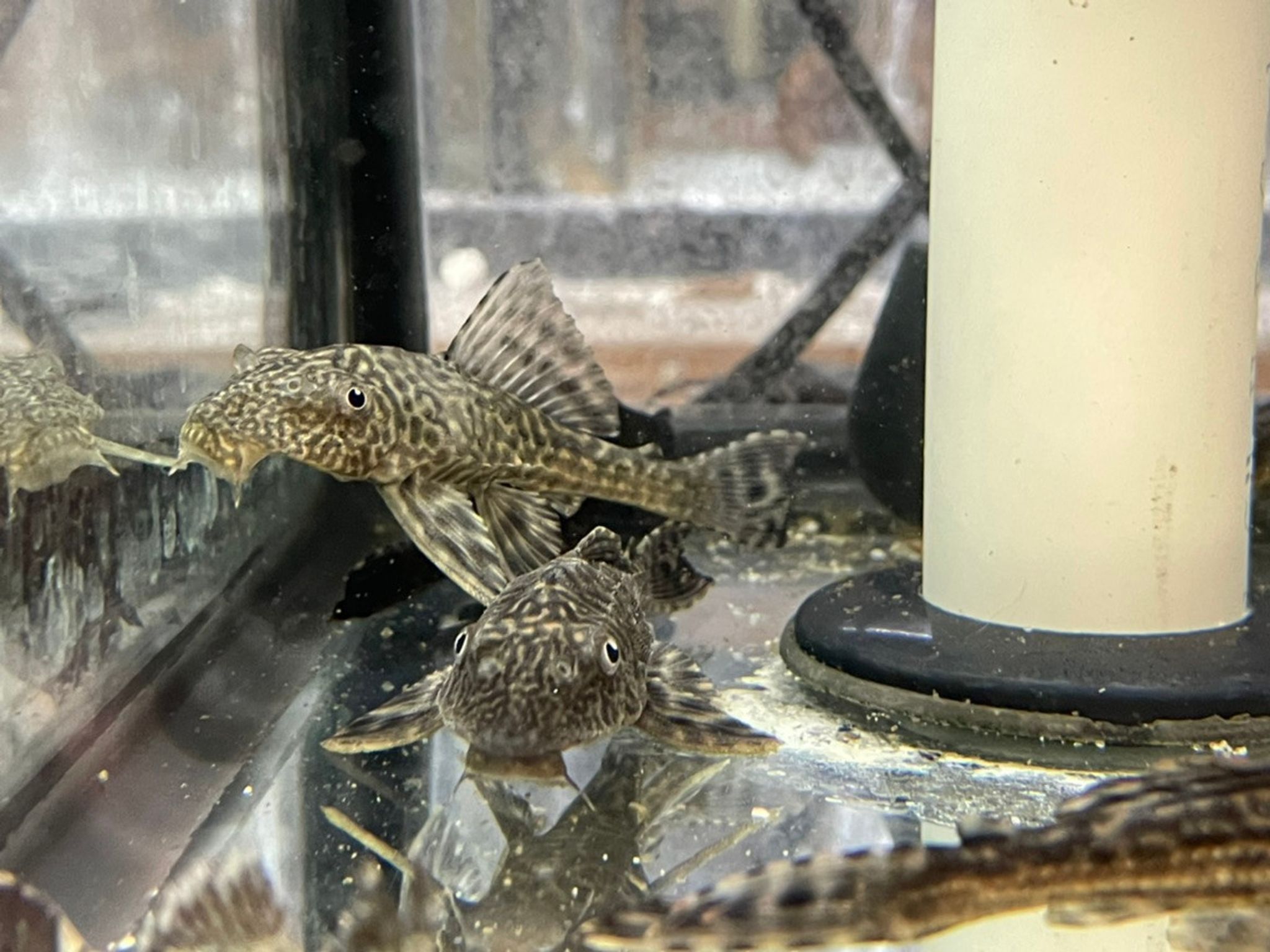
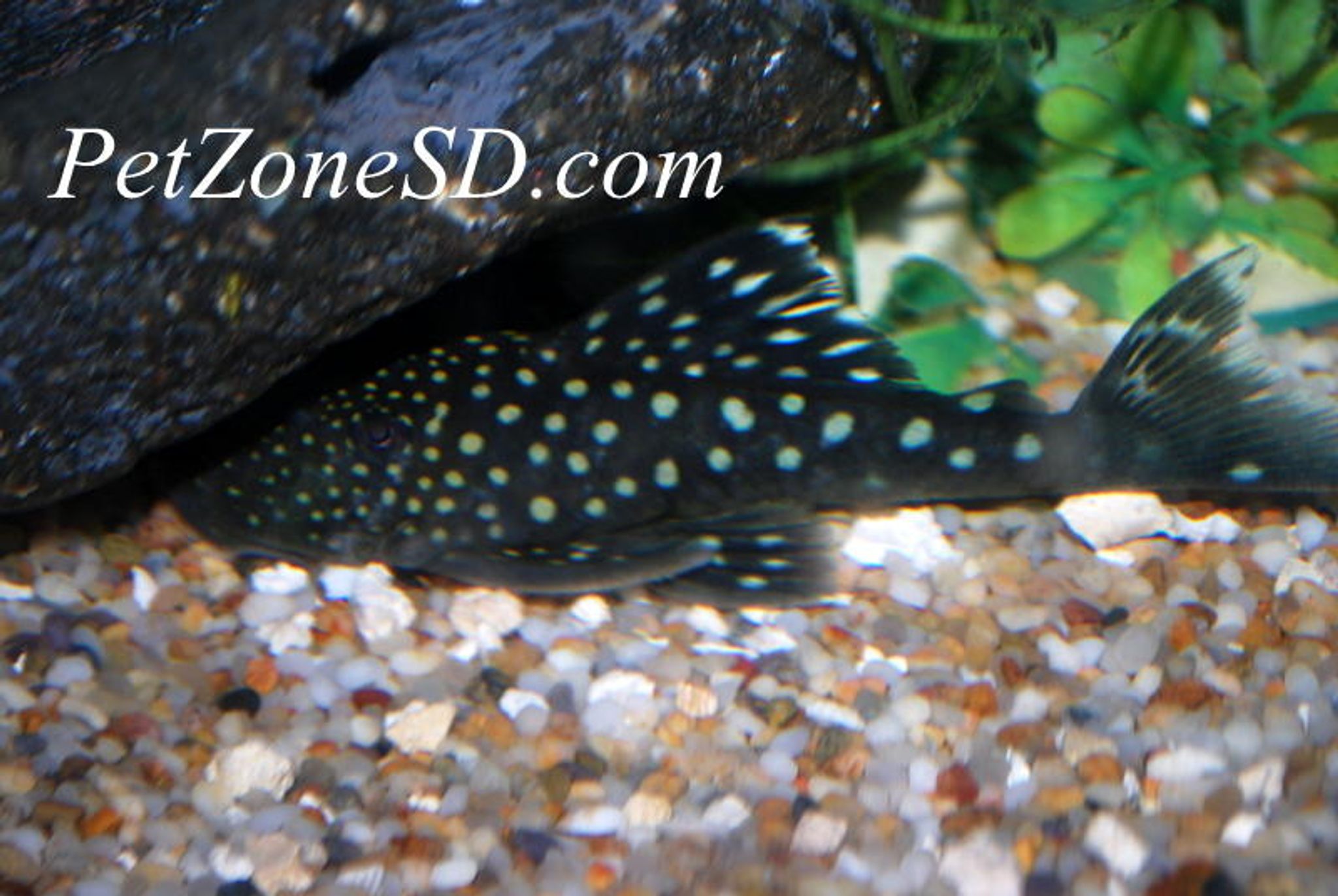
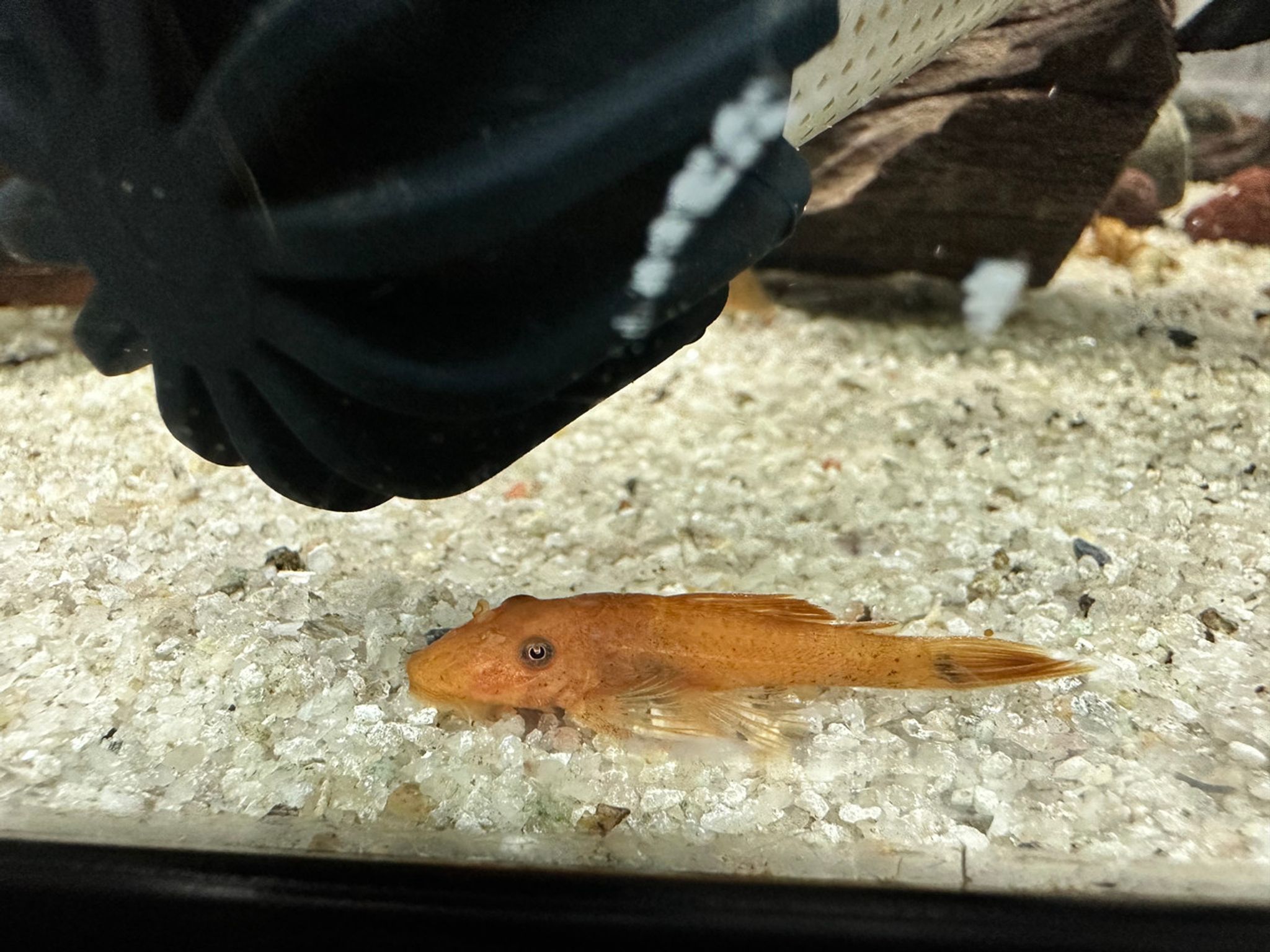
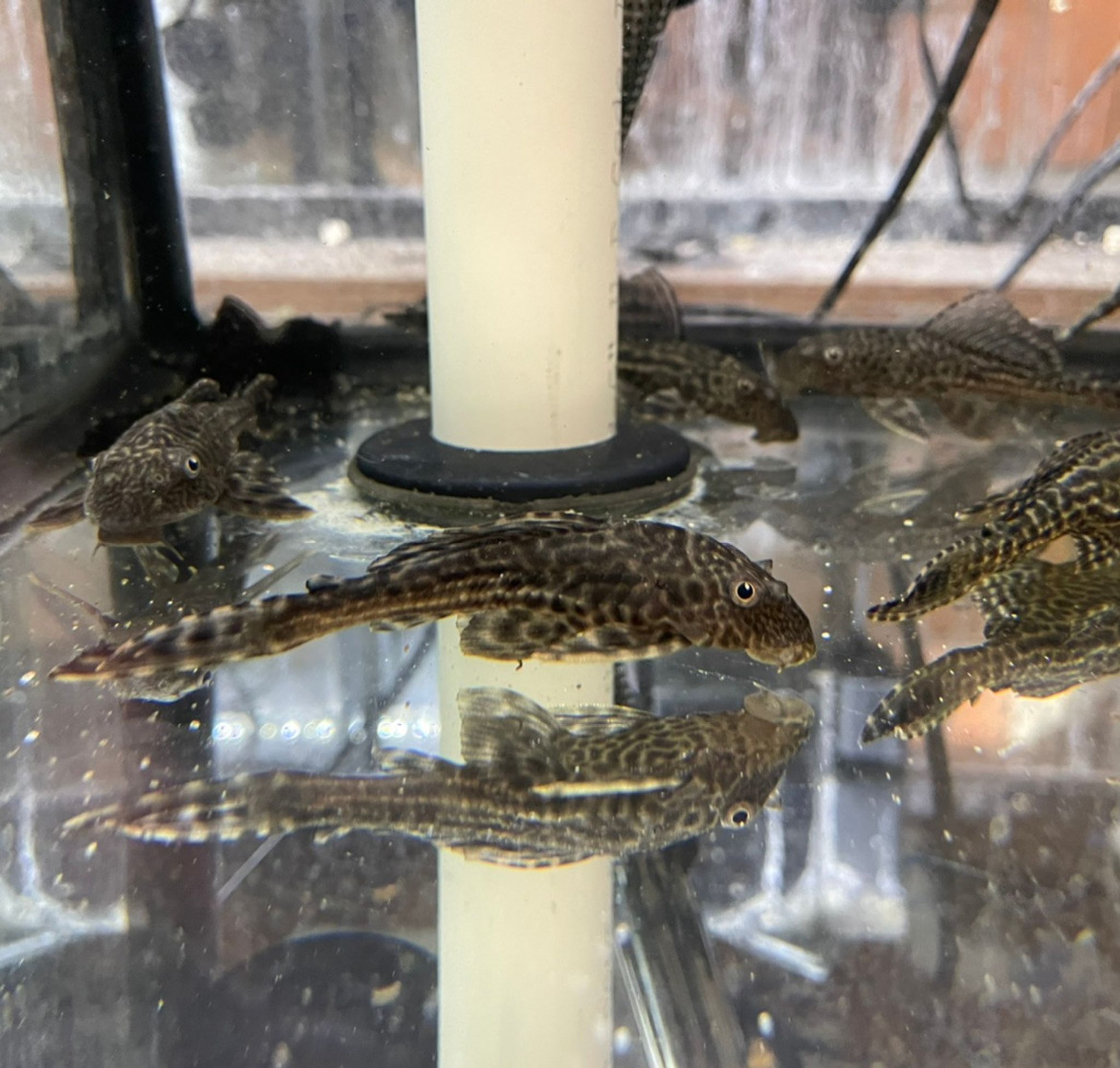
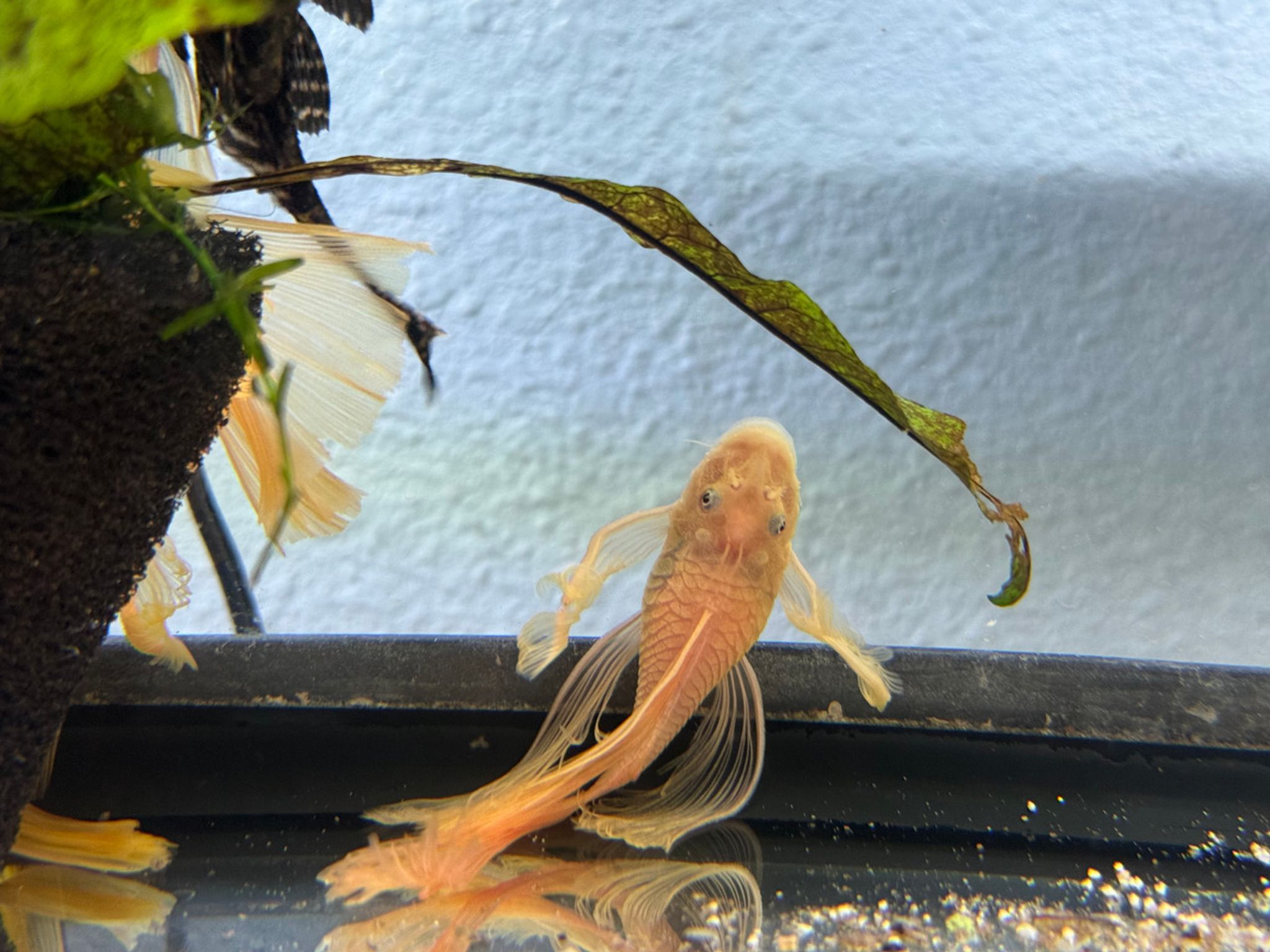
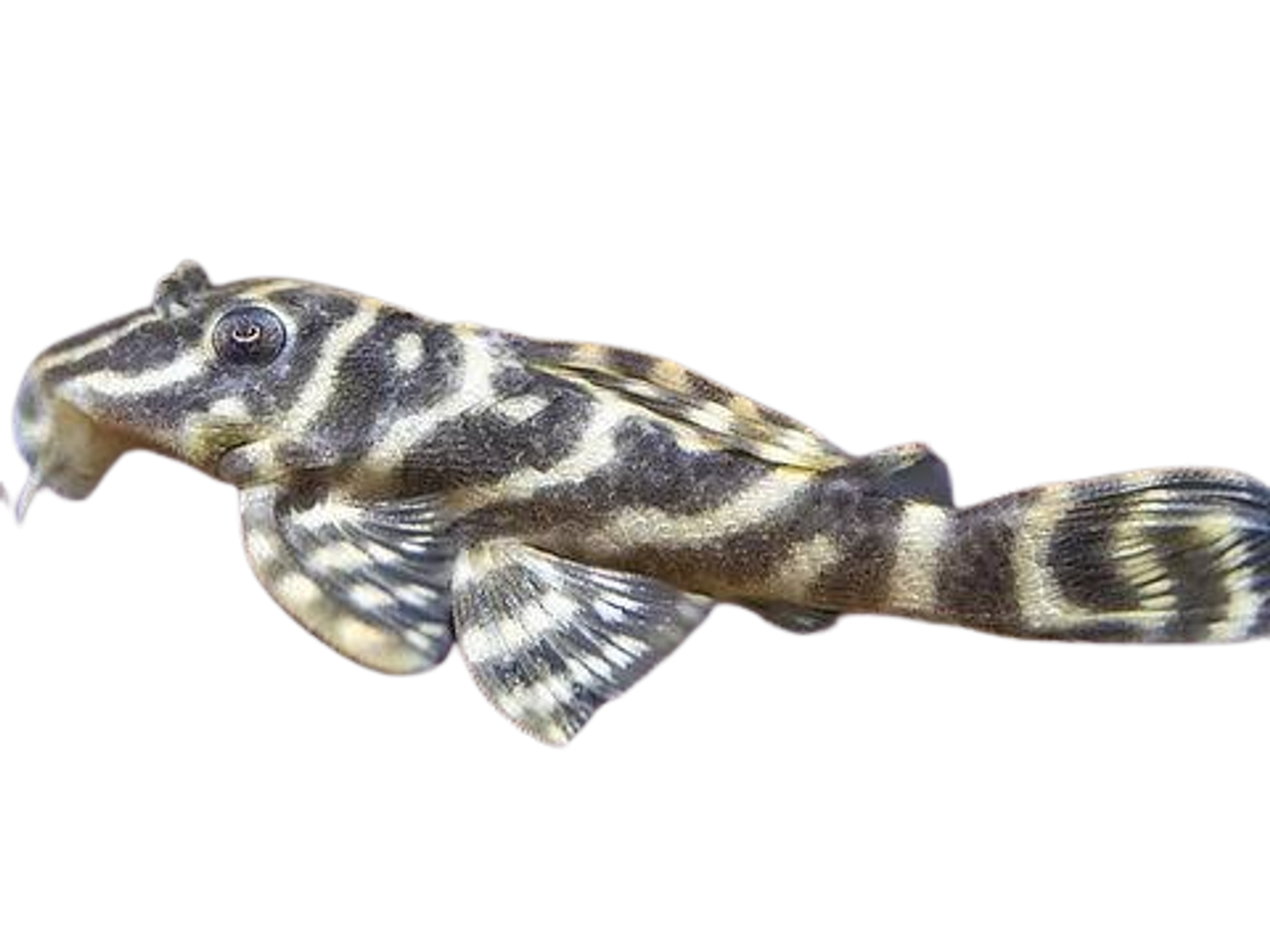
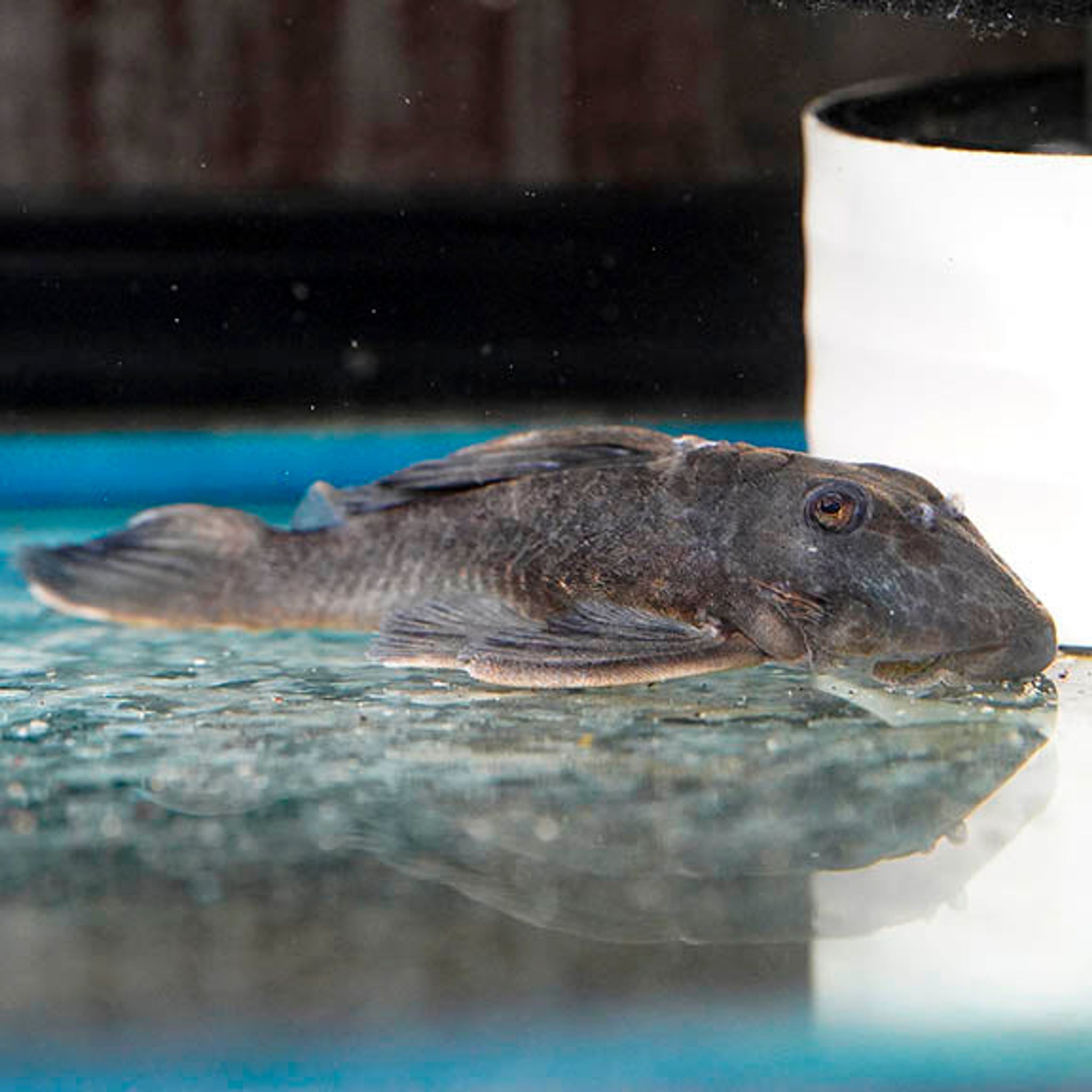
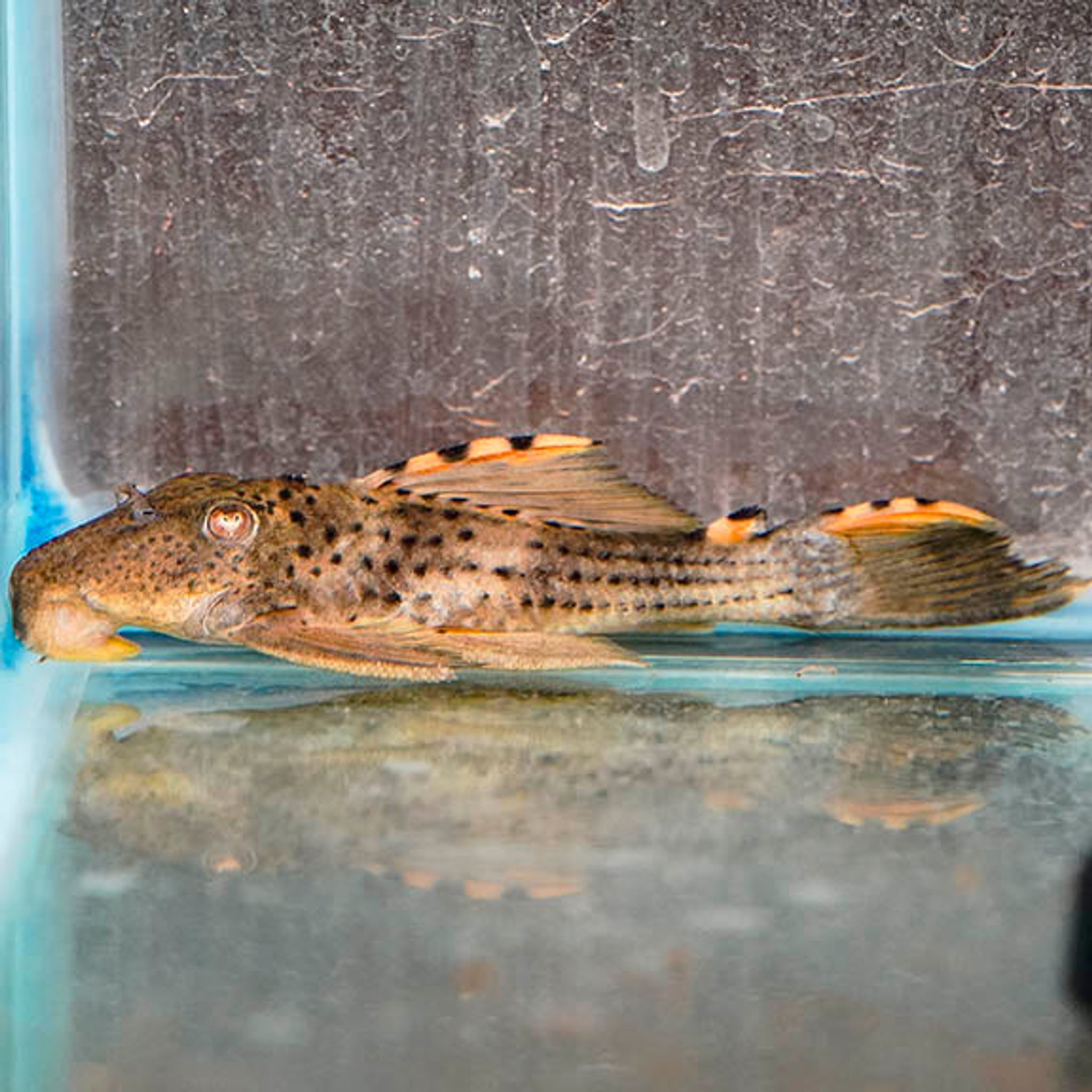
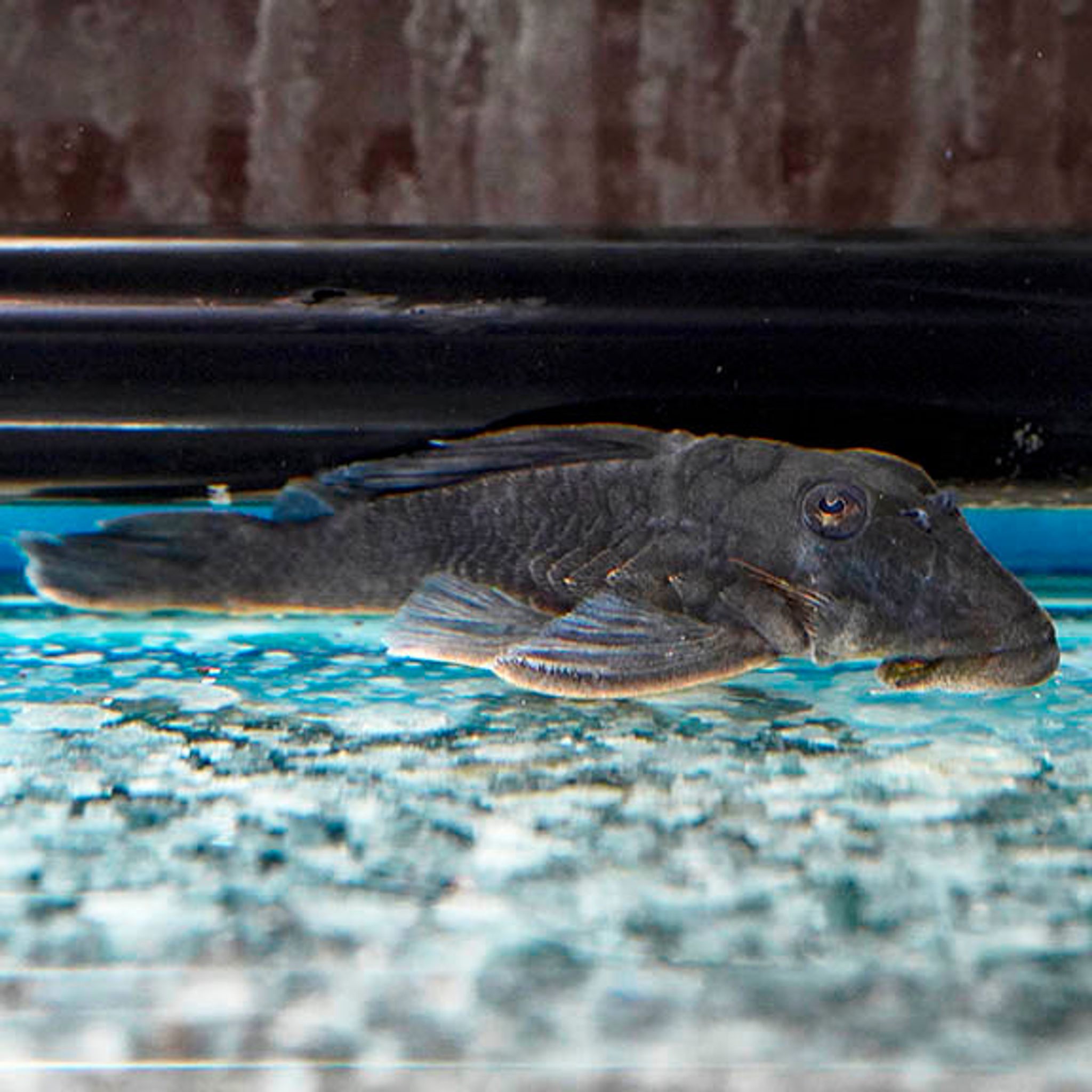
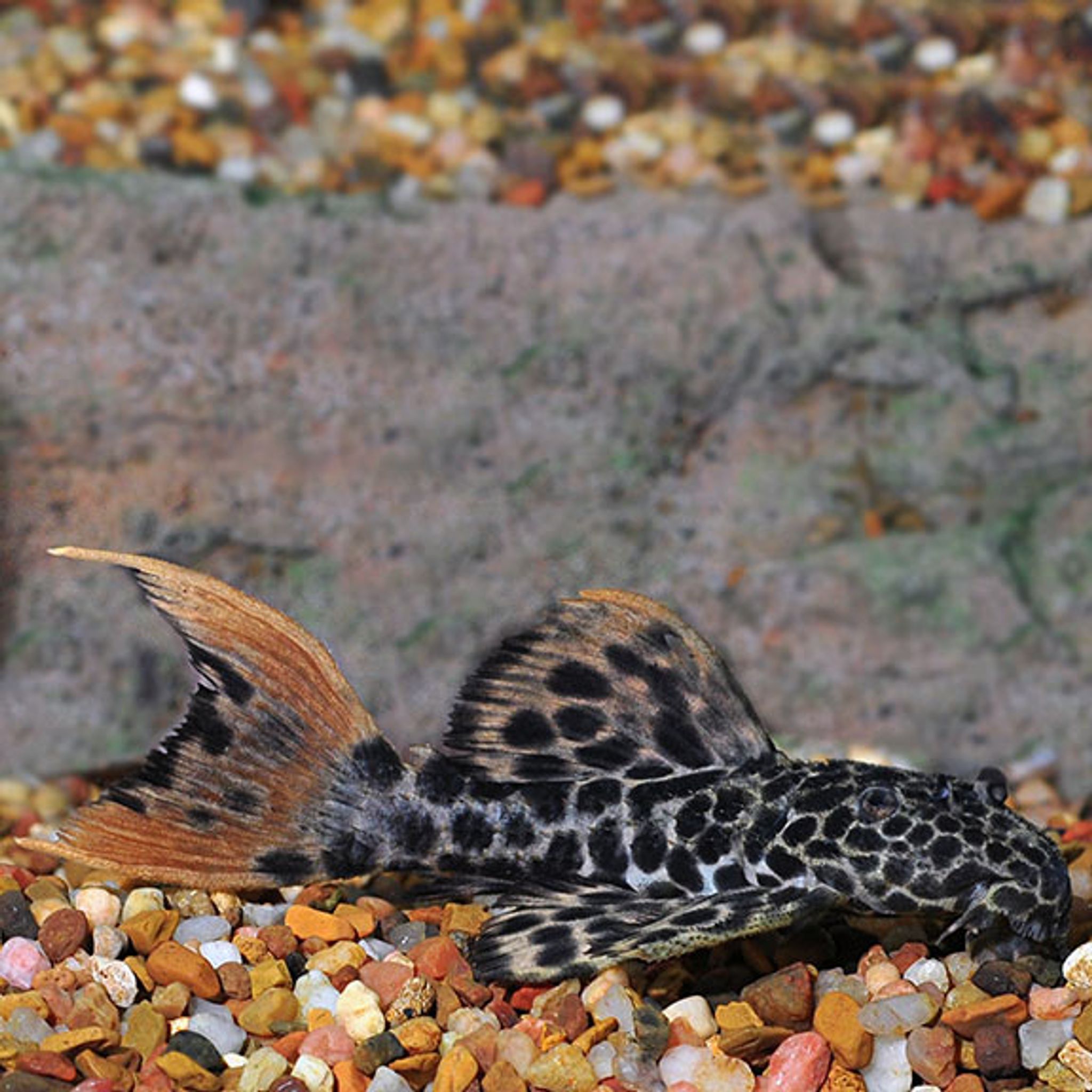
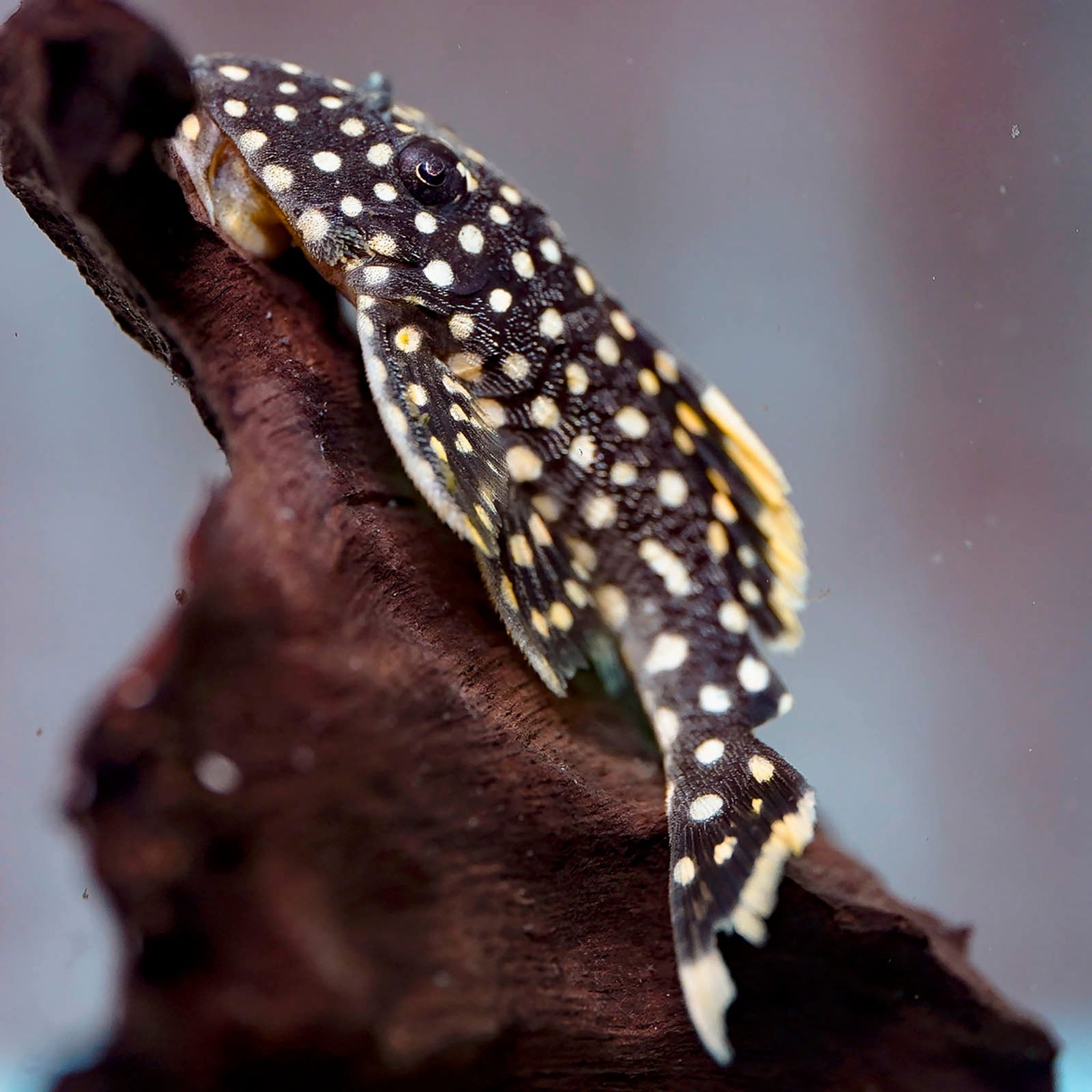
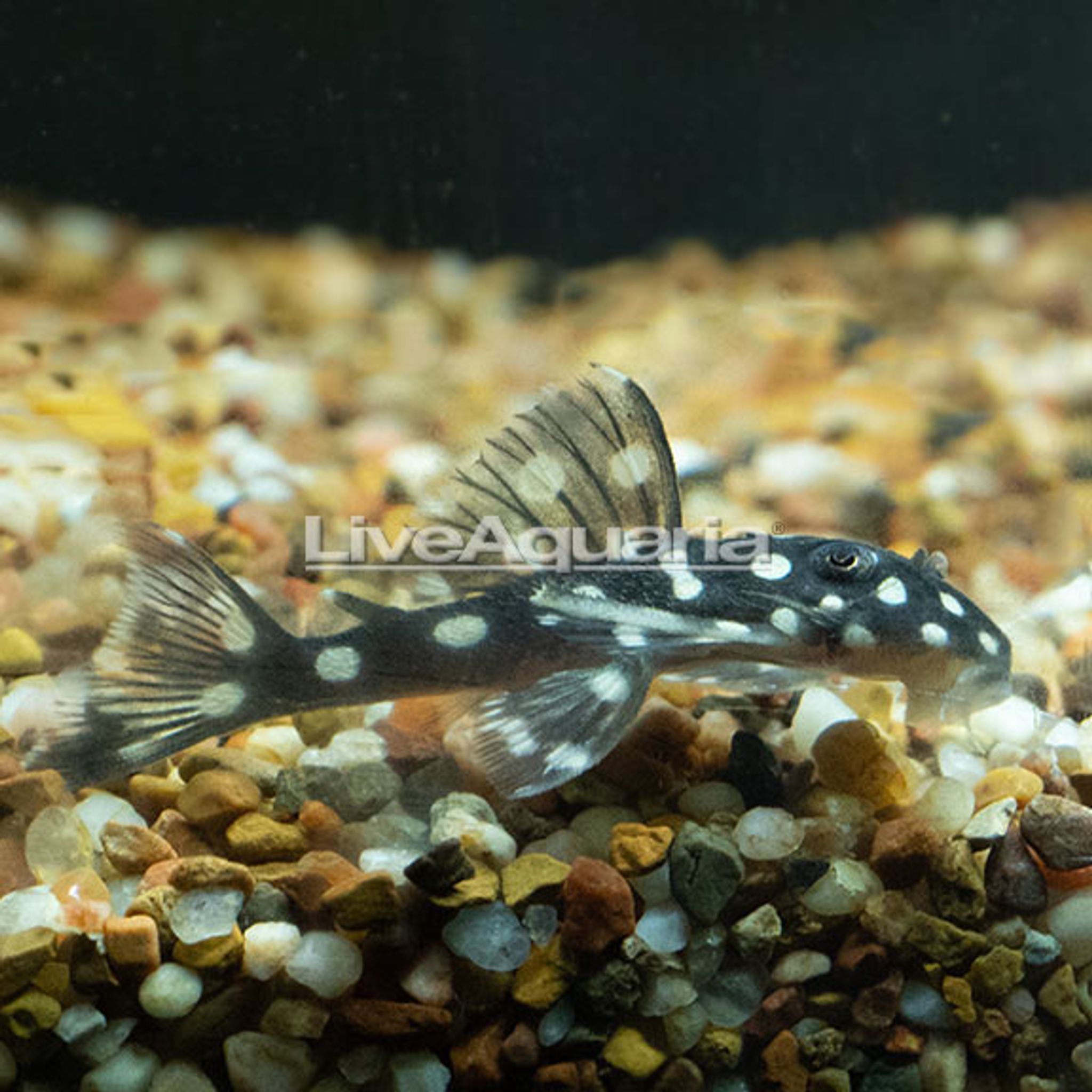
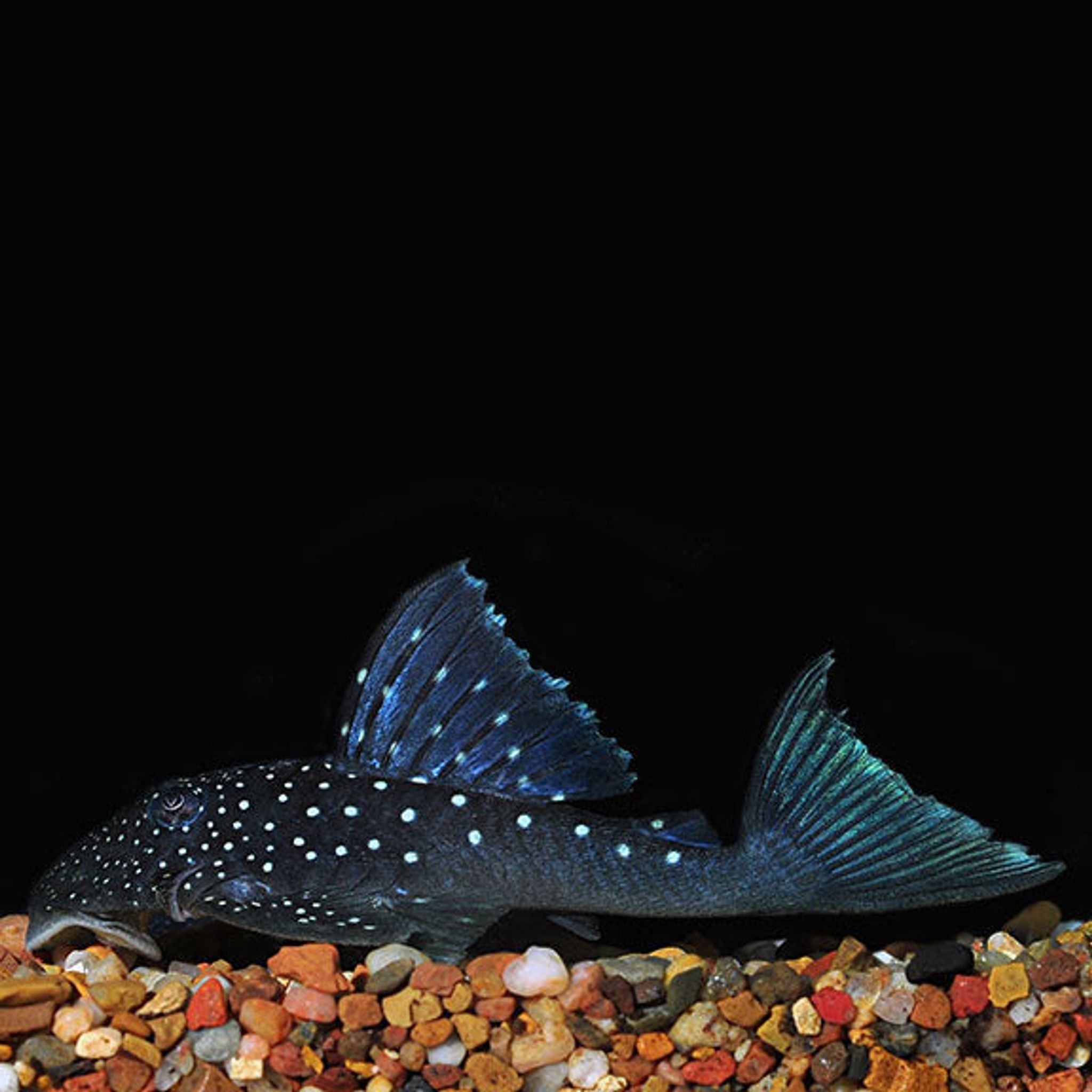
Many Plecos and other Loricariid catfish are identified in the aquarium hobby using an L-number.
The system was introduced to identify newly imported Loricariid catfish before they received formal scientific names.
An L-number should not automatically be treated as a separate species.
Different L-numbers may sometimes represent geographic populations or forms of the same species,
while some L-number fish have since received formal scientific names.
Popular L-Number Plecos
Some of the best-known L-number Plecos in the aquarium hobby include:
- L001 / L022 – Gold Spot or Marbled Sailfin Pleco
- L002 / L074 – Tiger Peckoltia
- L004 / L005 / L028 / L073 – Angelicus Pleco
- L007 / L029 – Galaxy or Vampire Pleco group
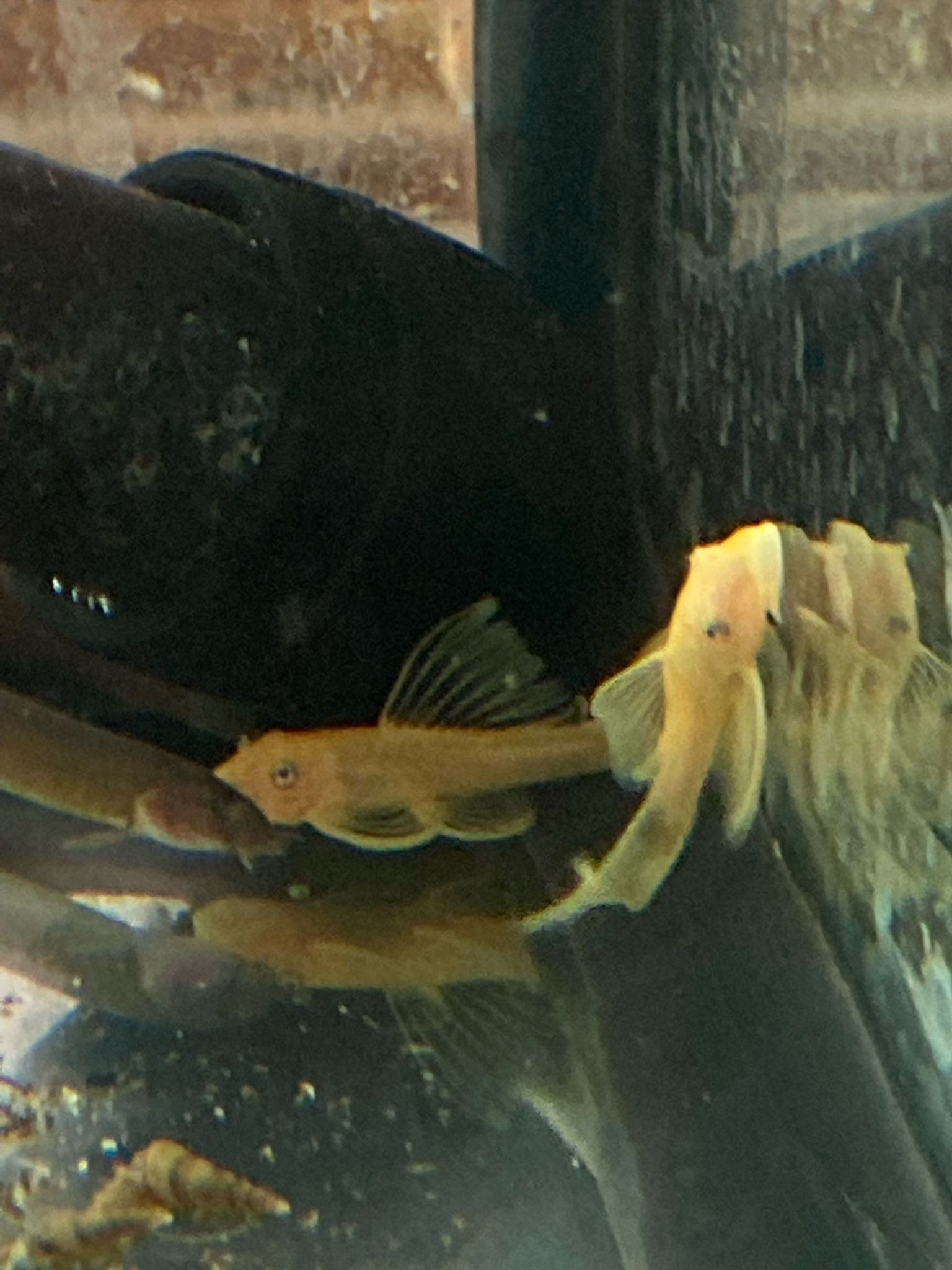
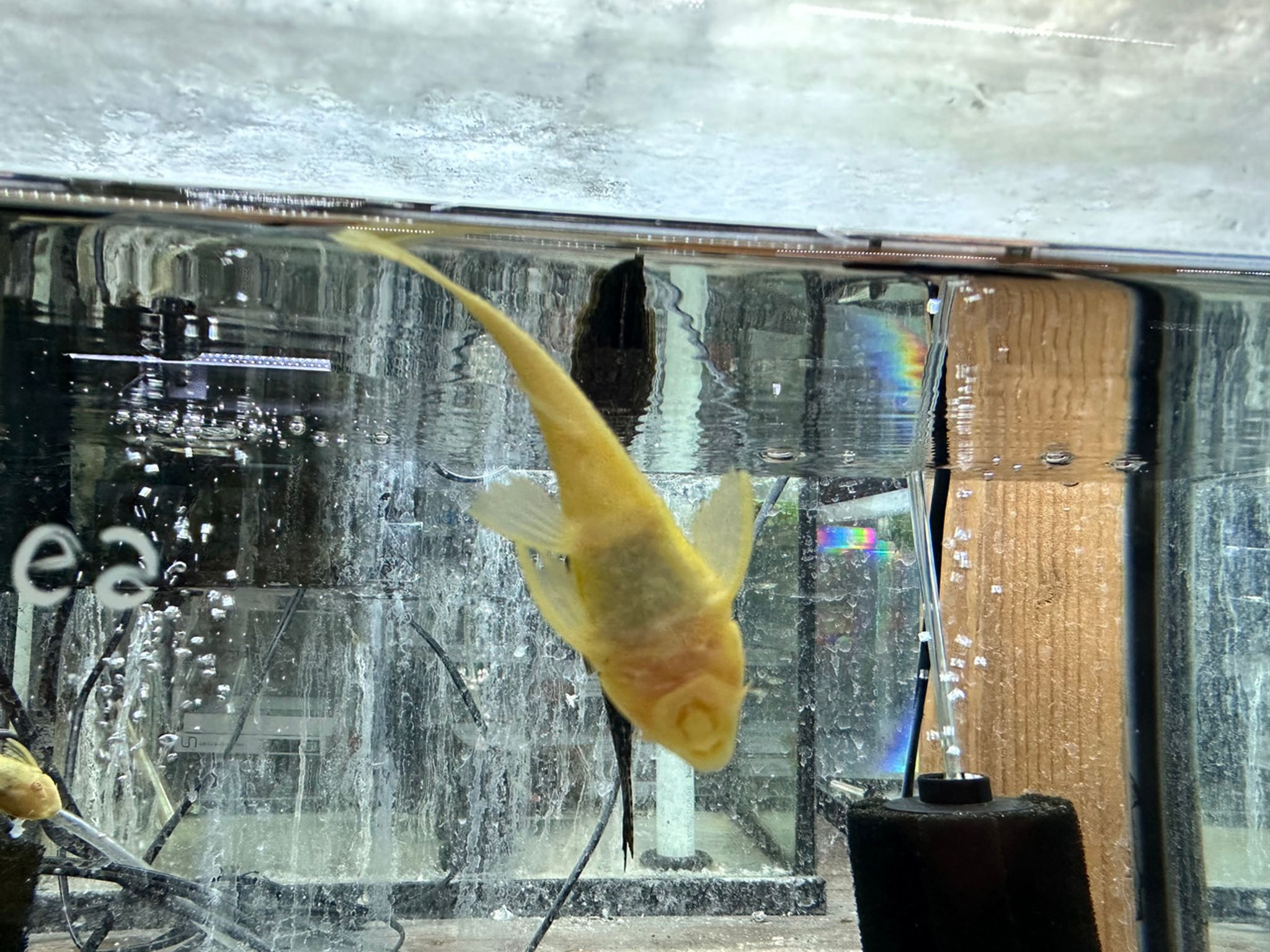
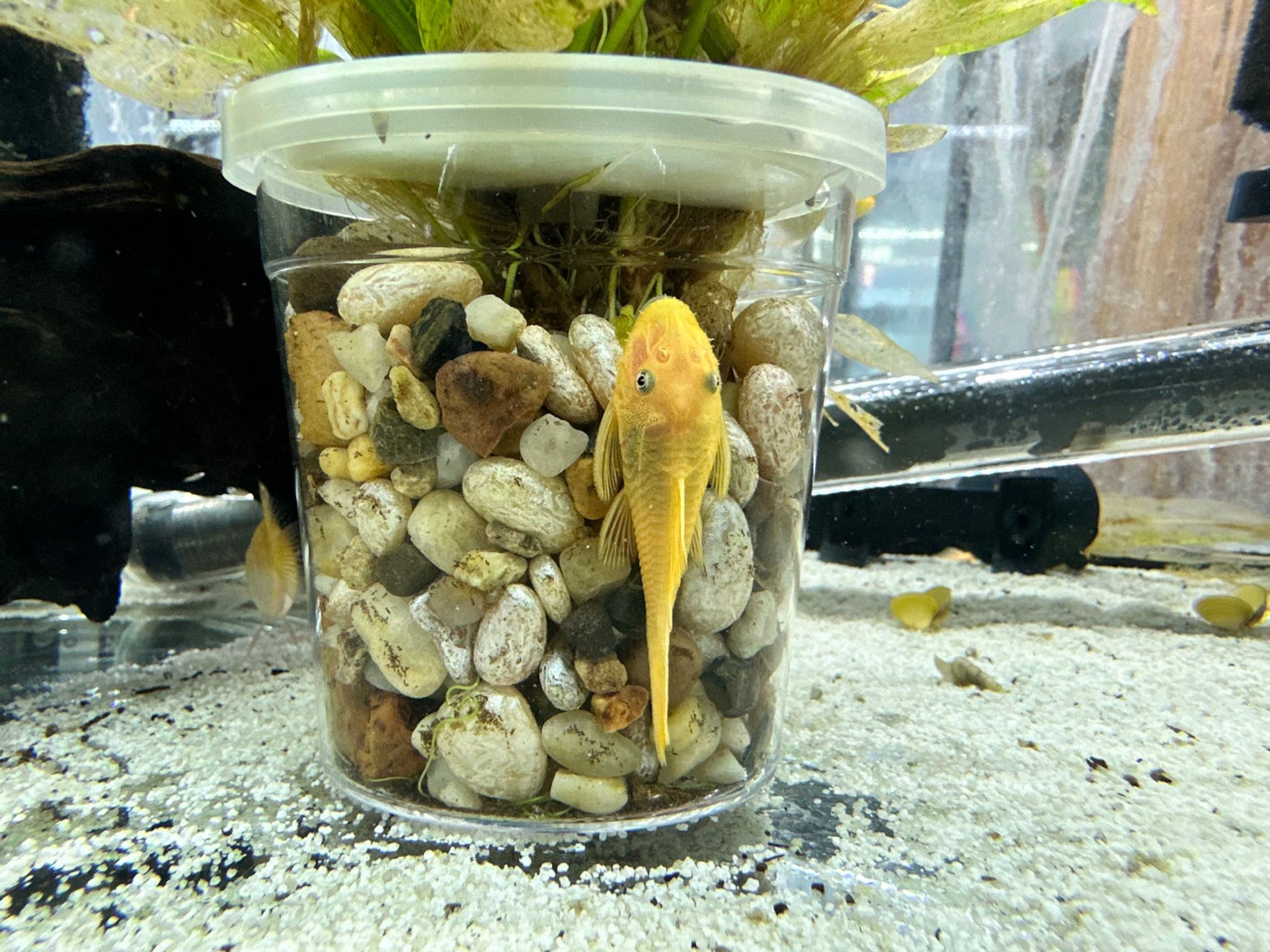
- L014 – Sunshine or Goldie Pleco
- L015 – Candy Stripe Pleco
- L018 / L081 / L085 / L177 – Gold Nugget Pleco group
- L021 / L023 – Common Pleco group
- L024 – Red Fin Cactus Pleco
- L025 – Scarlet Pleco
- L027 – Royal Pleco forms
- L031 / L176 / L300 – Peppermint Pleco
- L034 – Medusa Pleco
- L037 – Honeycomb Pleco
- L046 / L098 – Zebra Pleco
- L047 – Magnum or Mango Pleco
- L052 / L168 – Butterfly Pleco
- L056 – Rubber Pleco
- L059 – Orange Spotted Bristlenose
- L066 – King Tiger Pleco
- L075 / L124 / L301 – Para Pleco
- L076 – Orange Seam Pleco
- L090 – Papa Panaque
- L091 – Three Beacon Pleco
- L095 – Orange Cheek Pleco
- L096 / L160 – Spiny Monster Pleco
- L097 – Polka Dot Cactus Pleco
- L102 – Snowball Pleco
- L104 / L162 – Clown Pleco
- L107 / L184 – Brilliant Bristlenose Pleco
- L114 – Leopard Cactus Pleco
- L115 / L248 – Mega Snowball Pleco
- L120 / L182 – Starlight Bristlenose Pleco
- L128 – Blue Phantom Pleco
- L129 – Colombian Zebra Pleco
- L133 – Golden Cloud Pleco
- L134 – Leopard Frog Pleco
- L142 – Big White Spot Pleco
- L144 – Yellow Bristlenose-type Pleco
- L155 – Lyretail Pleco
- L165 – Sailfin Pleco
- L173 – Wavy Zebra Pleco
- L174 – Spotted Zebra Pleco
- L183 – Starlight Bristlenose Catfish
- L190 – Royal Pleco
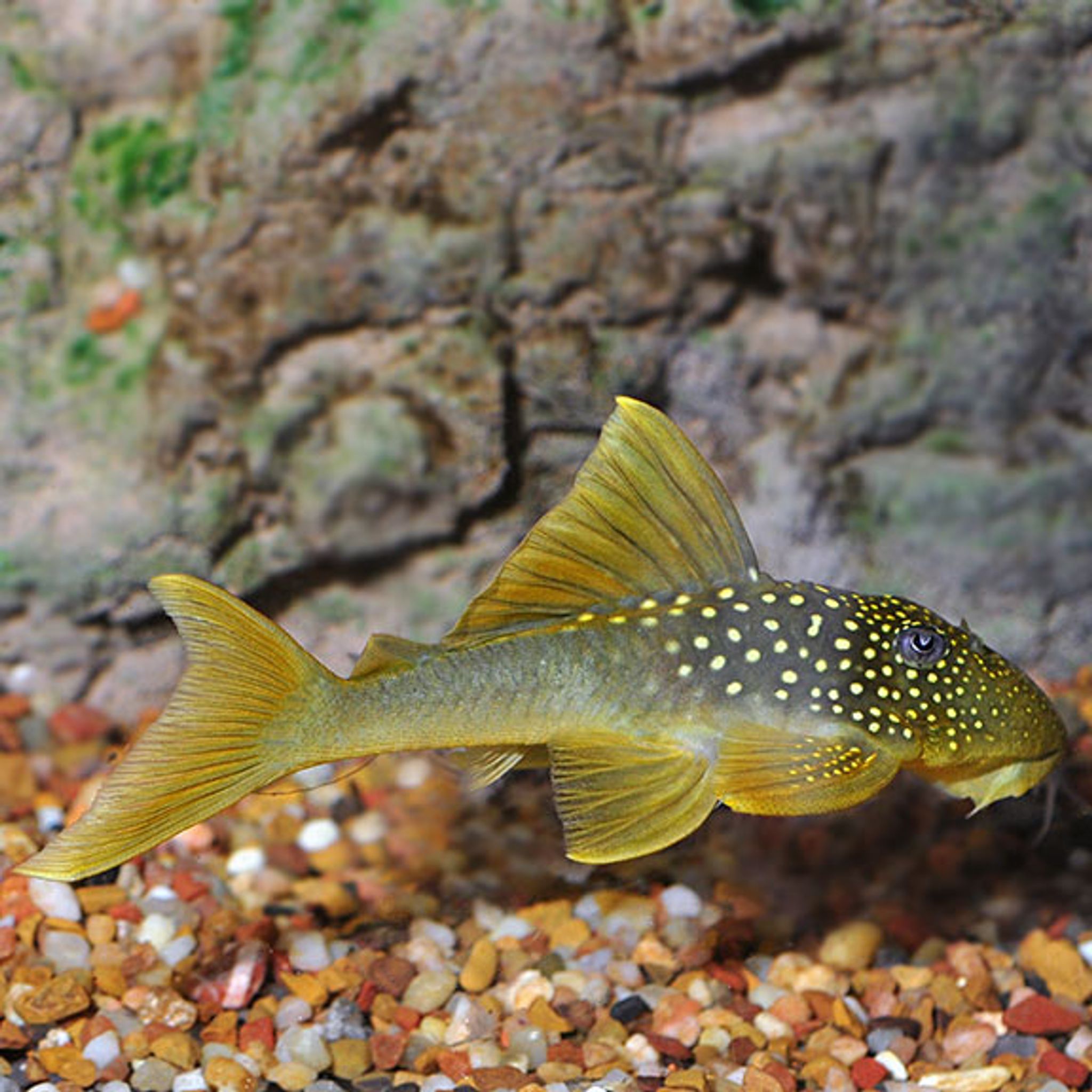
- L200 – Green Phantom Pleco group
- L201 – Colombian Snowball Pleco
- L203 – Titanic or Volkswagen Pleco
- L204 – Flash Pleco
- L226 – Iquitos Tiger Pleco
- L239 – Blue Panaque
- L253 – Thousand Spots Pleco
- L255 – Spotted Medusa Pleco
- L260 – Queen Arabesque Pleco
- L264 – Sultan Pleco
- L270 / L307 – Chocolate Zebra Pleco
- L273 – Titanicus Pleco
- L278 – Apure Tiger Pleco
- L282 – King Galaxy Cactus Pleco
- L333 – King Tiger / Hypancistrus-type Pleco
The aquarium trade contains hundreds of additional L-number designations.
Some numbers are alternative identifiers for the same fish, while others refer to distinct populations,
localities or still-undescribed forms.
What Does the “L” in L-Number Mean?
The “L” refers to Loricariidae, the family of armored suckermouth catfish that includes Plecos.
L-numbers became widely used because new Loricariid catfish were entering the aquarium trade faster than they could be formally described and named by scientists.
Why Can One Pleco Have Several L-Numbers?
Different imports, geographic populations or initially unidentified forms may receive separate L-numbers.
Later research can show that some of those fish belong to the same species.
For example, Gold Nugget Plecos may be associated with several L-numbers,
while Zebra Plecos are commonly associated with L046 and L098.
L-Number vs Scientific Name
An L-number is an aquarium identification system rather than a formal scientific name.
When possible, buyers should compare the L-number together with the scientific name,
collection locality and seller description to make sure they understand exactly which fish is being offered.
Buying L-Number Plecos Online
L-number Plecos are especially popular with collectors because many species have distinctive stripes,
spots, colors and body patterns that are not commonly seen in ordinary aquarium catfish.
When comparing L-number Plecos for sale, check:
- L-number
- Scientific name where available
- Collection locality where provided
- Current size
- Expected adult size
- Diet
- Water requirements
- Breeder or seller
- Price
- Shipping and live-arrival terms