1–14 of 14
Showing 14 of 14 products
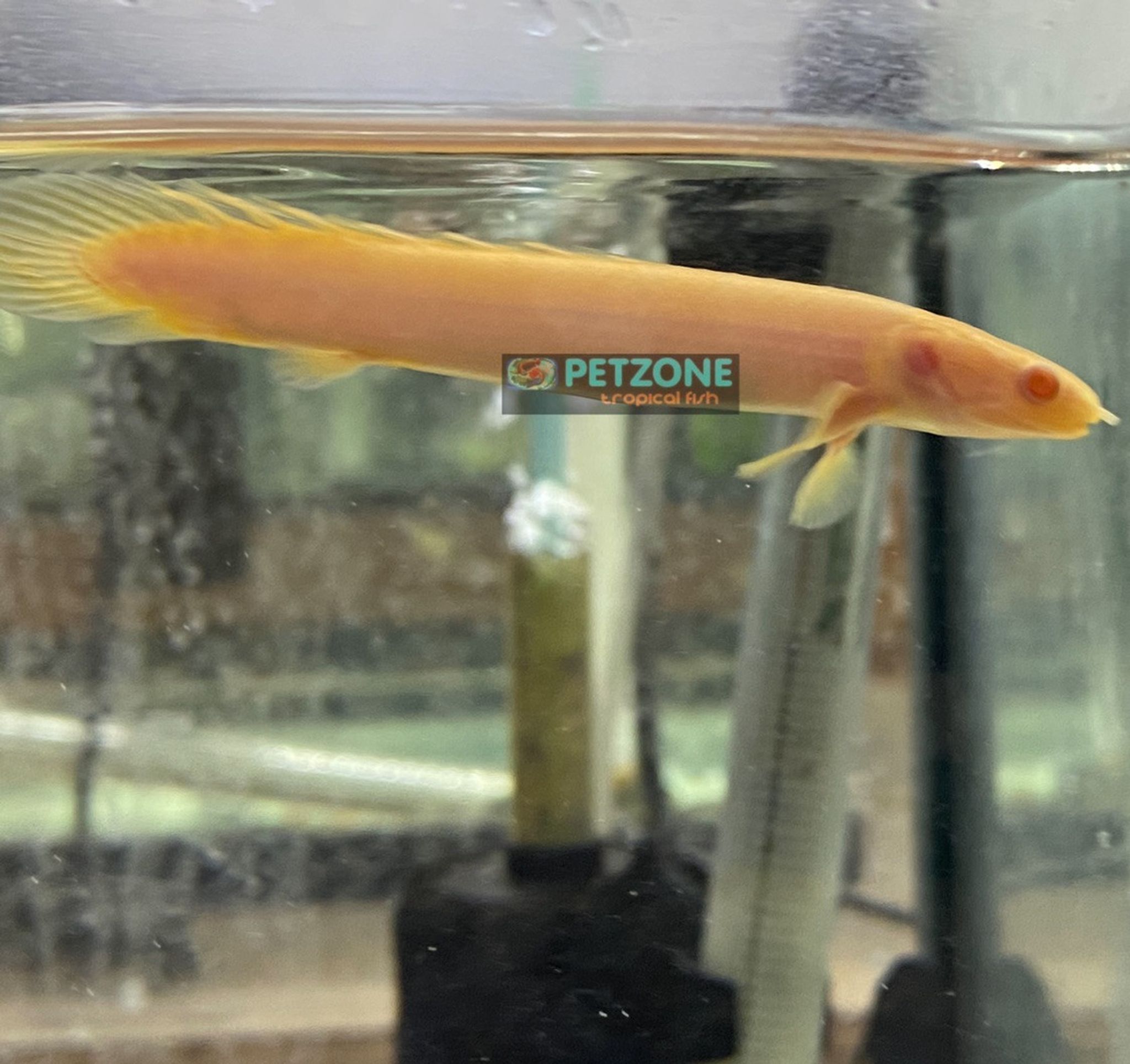
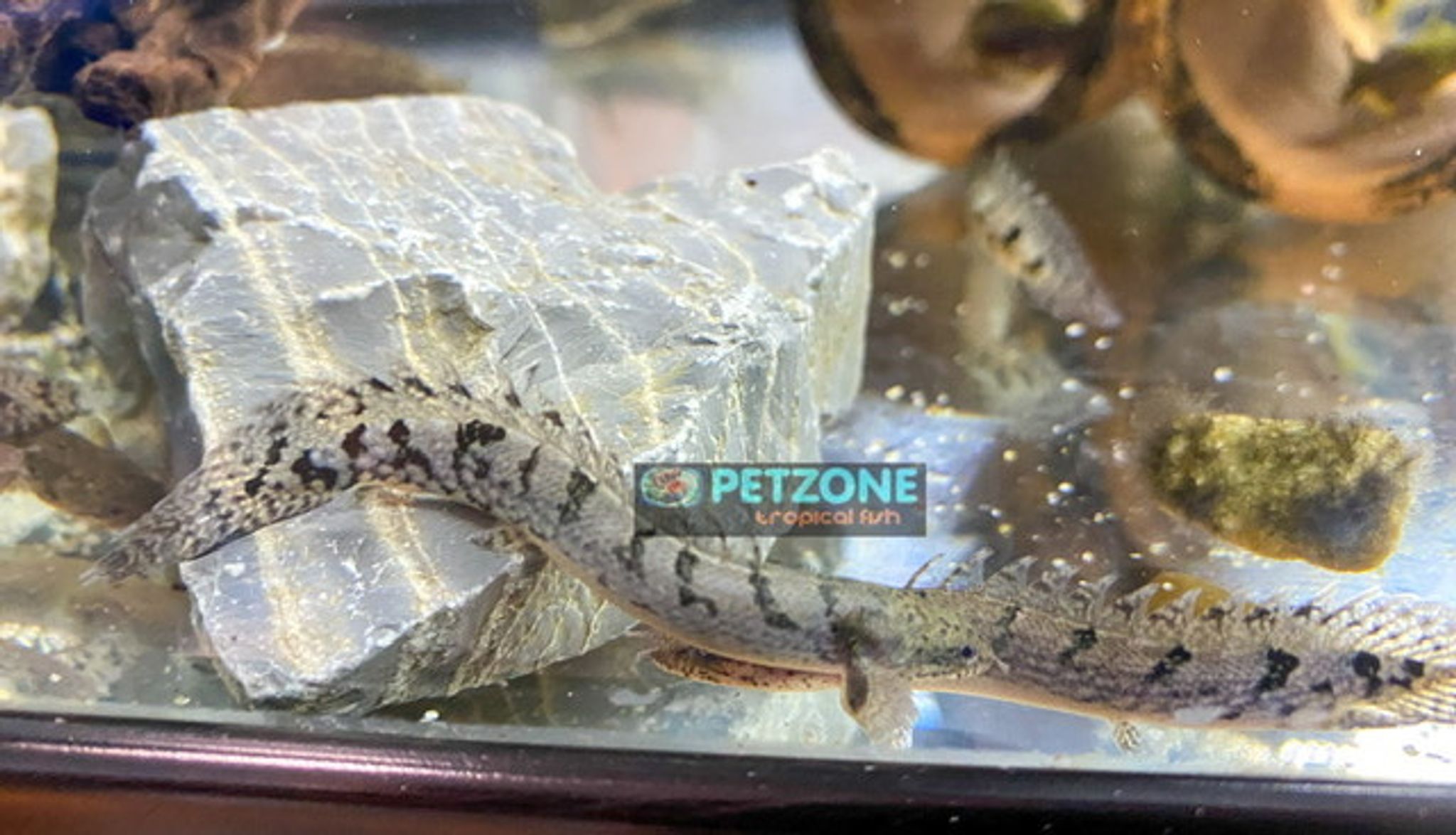
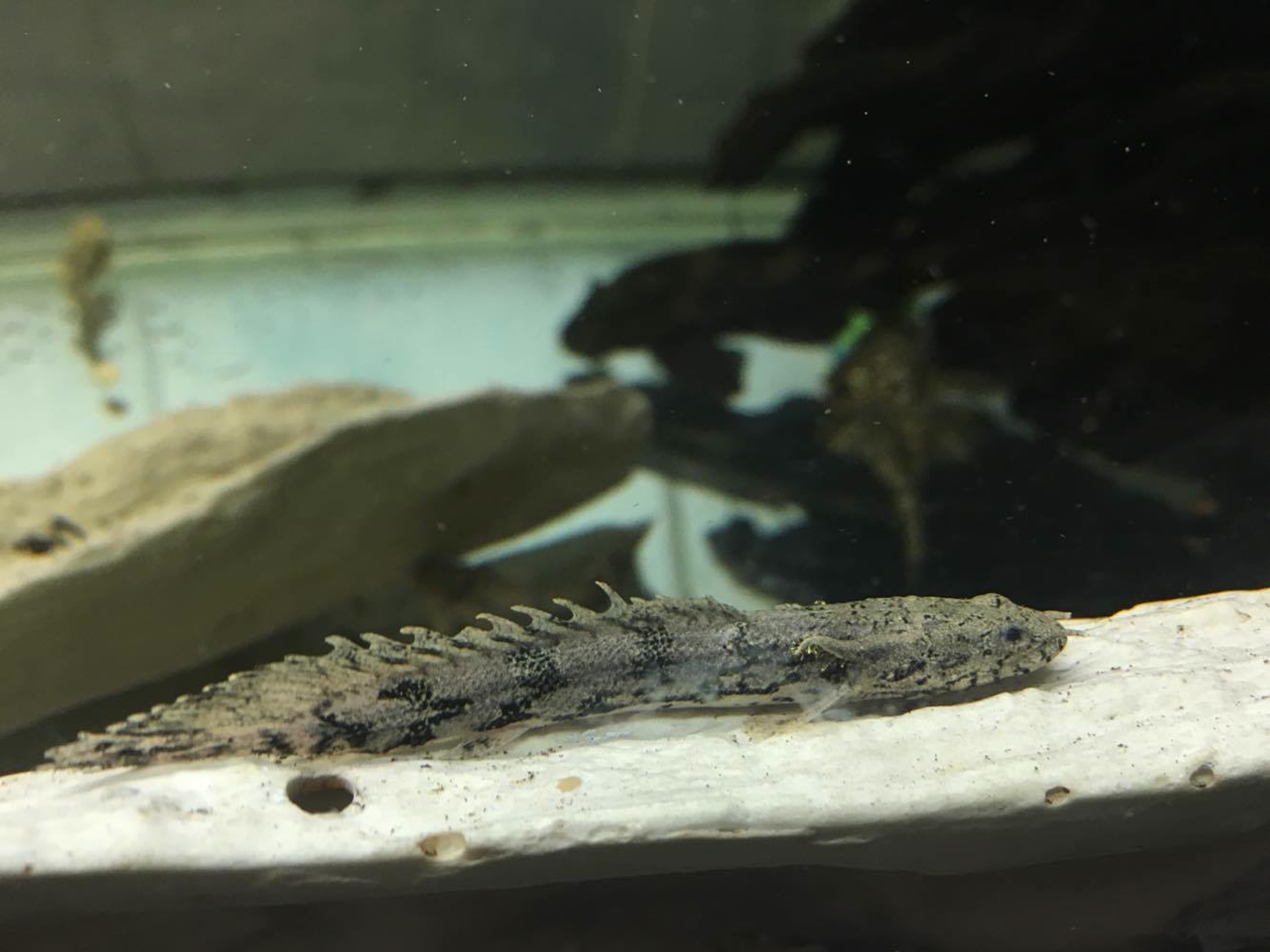
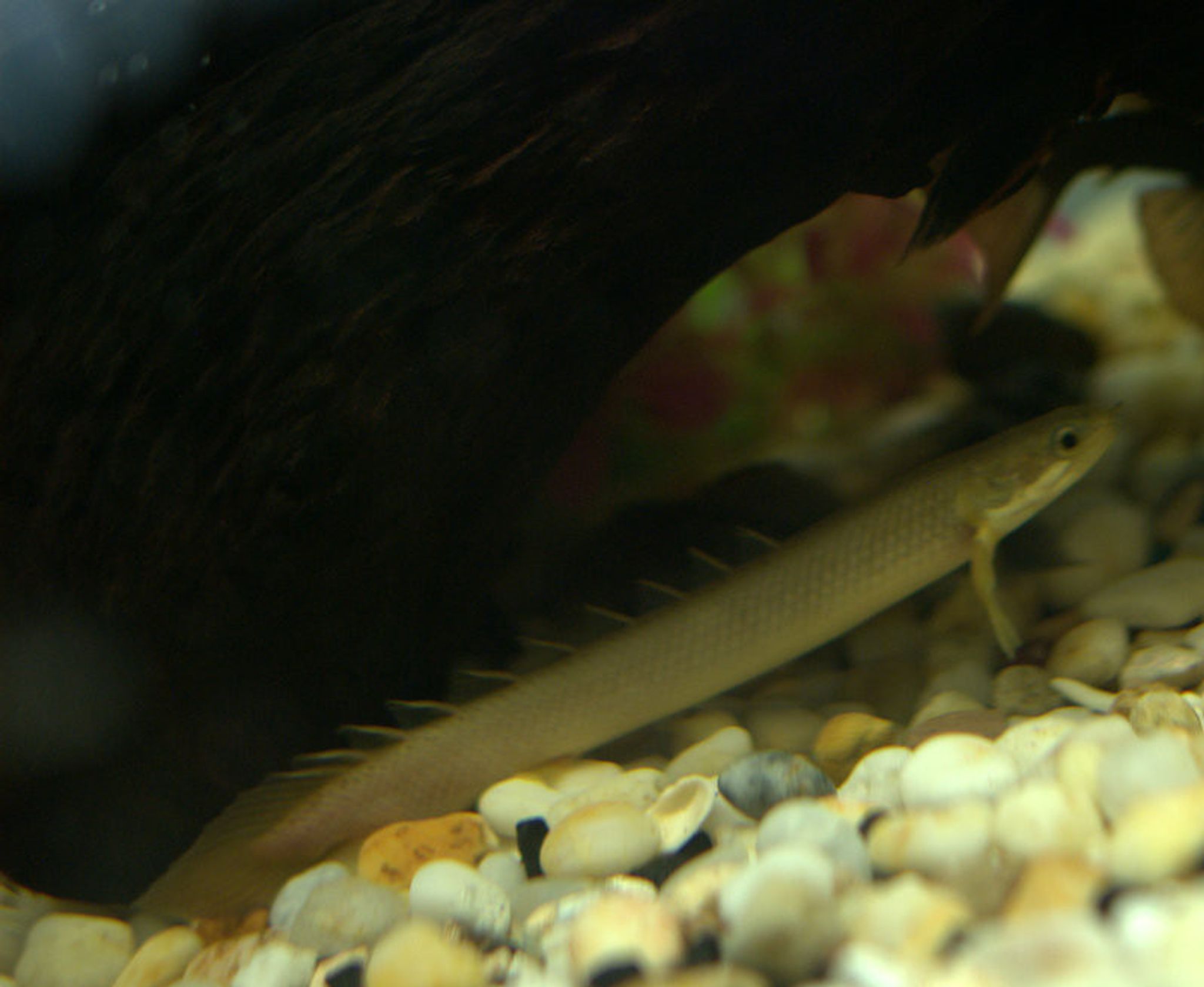
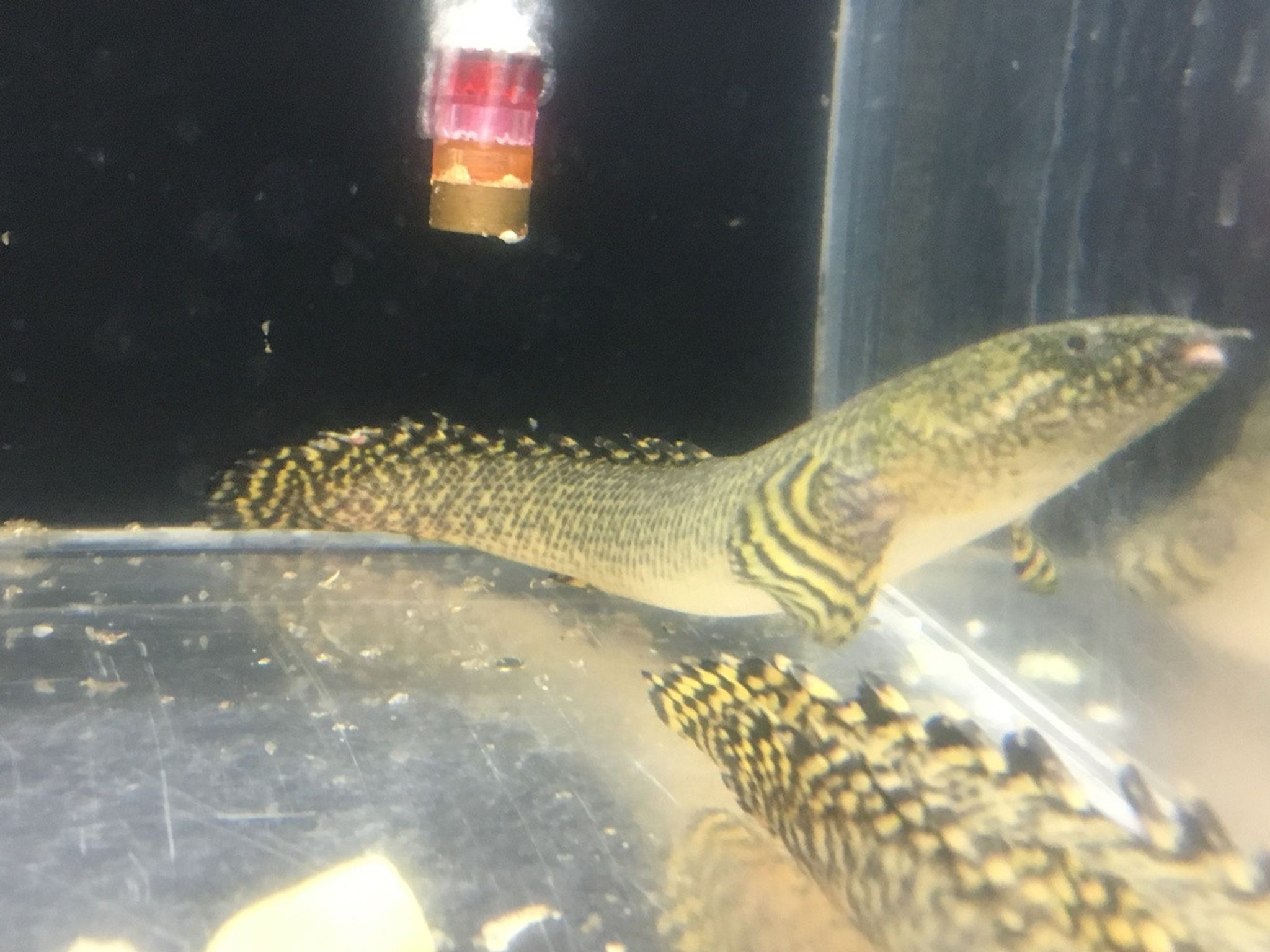
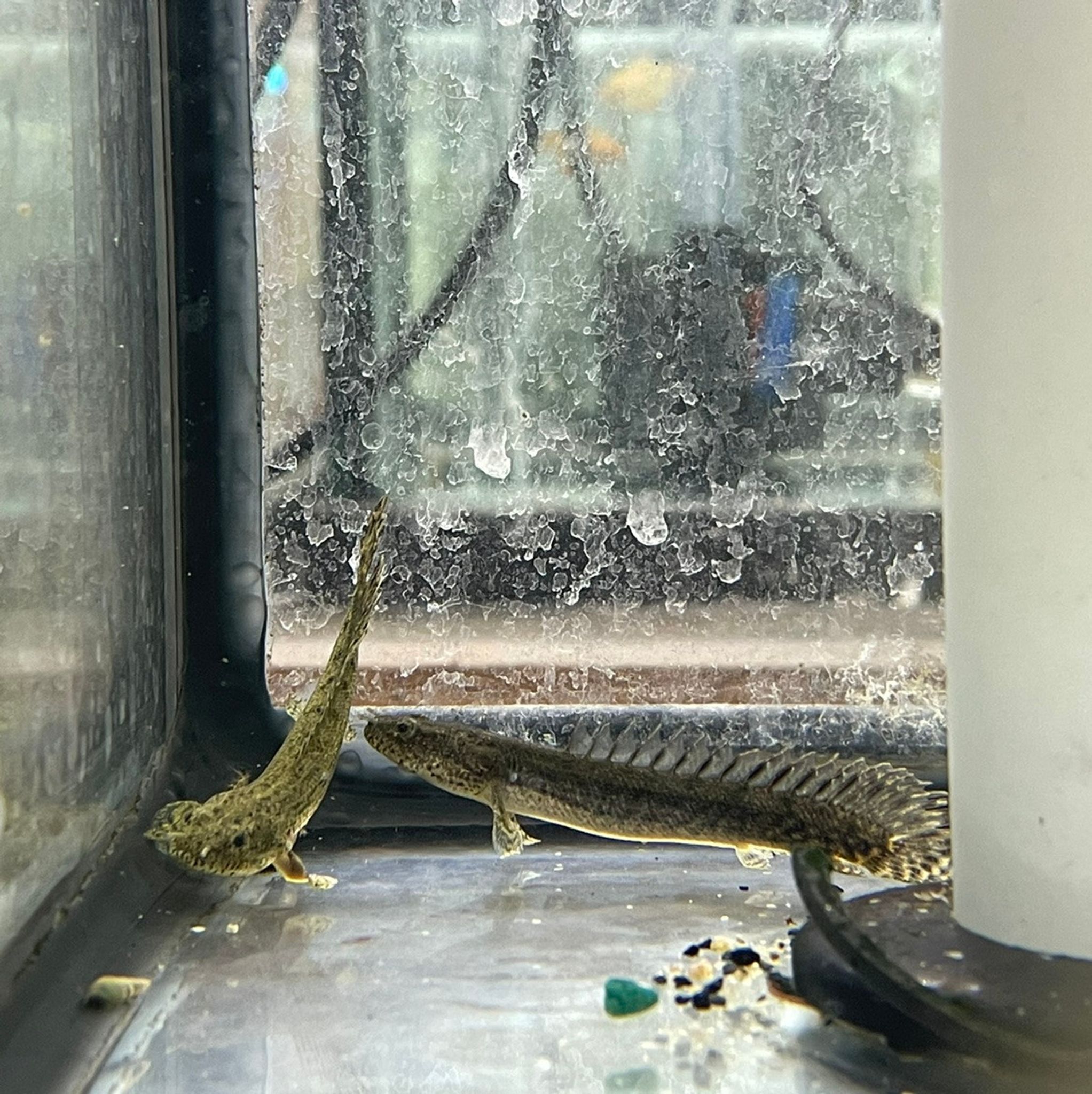
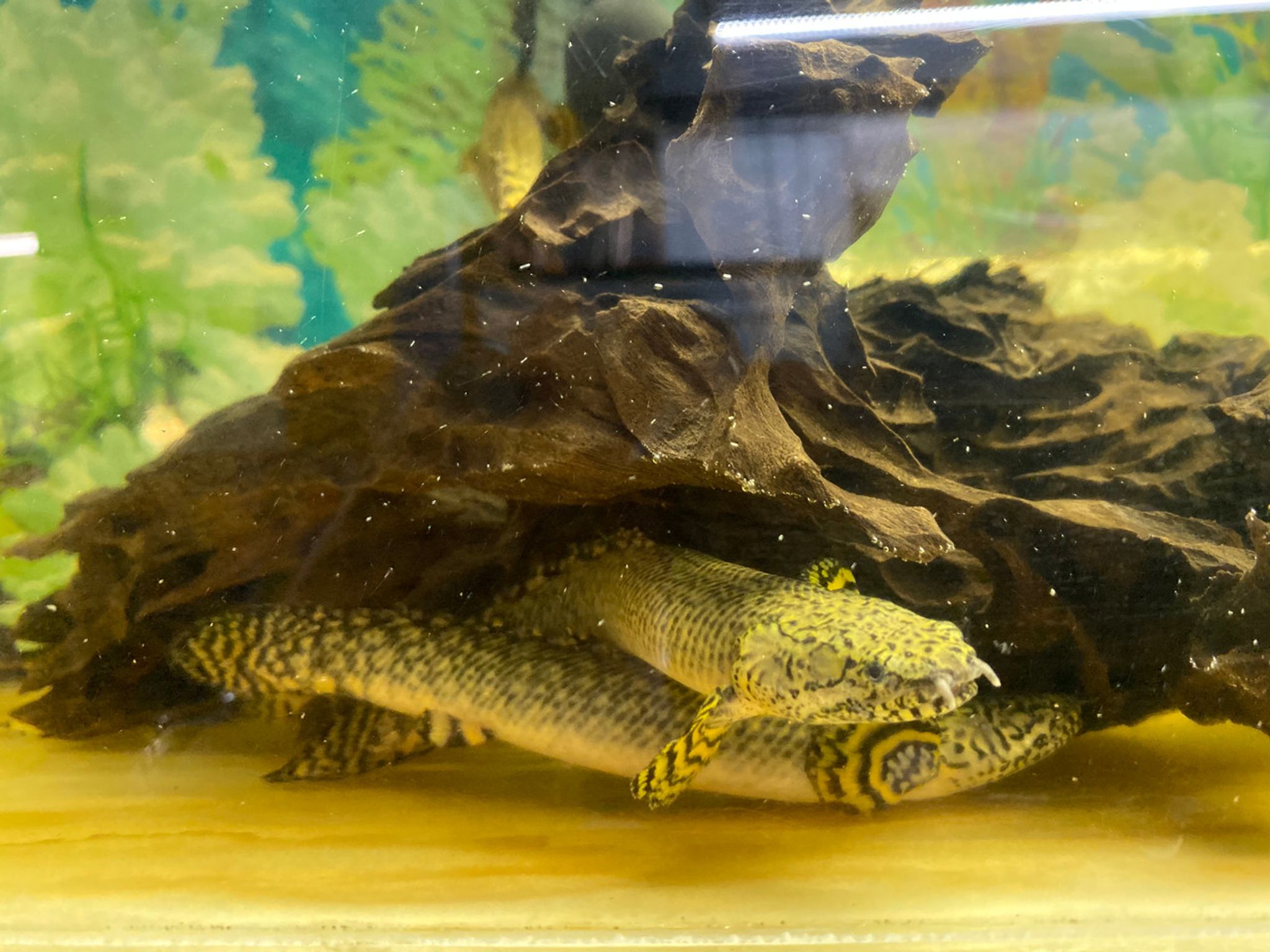
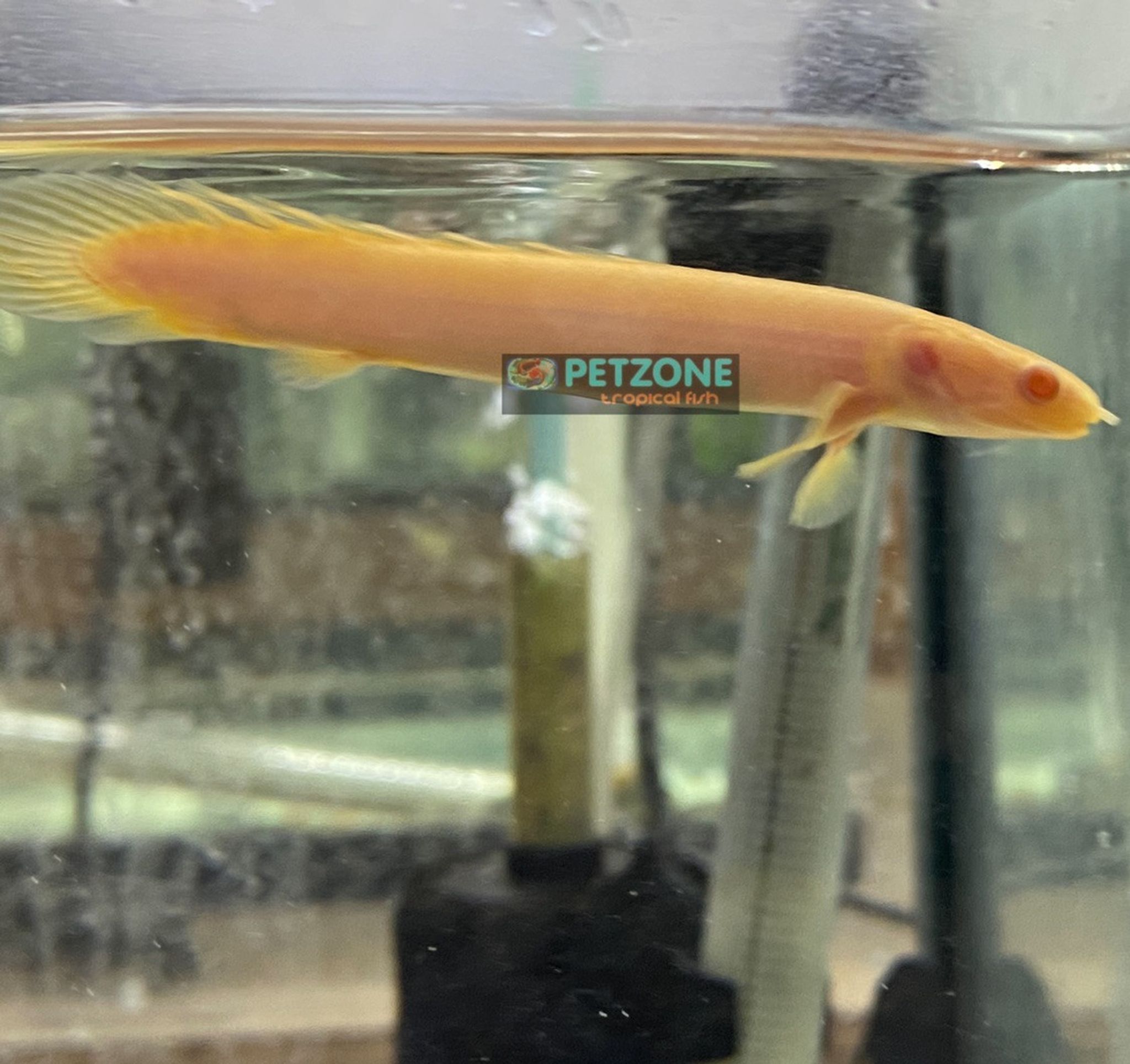
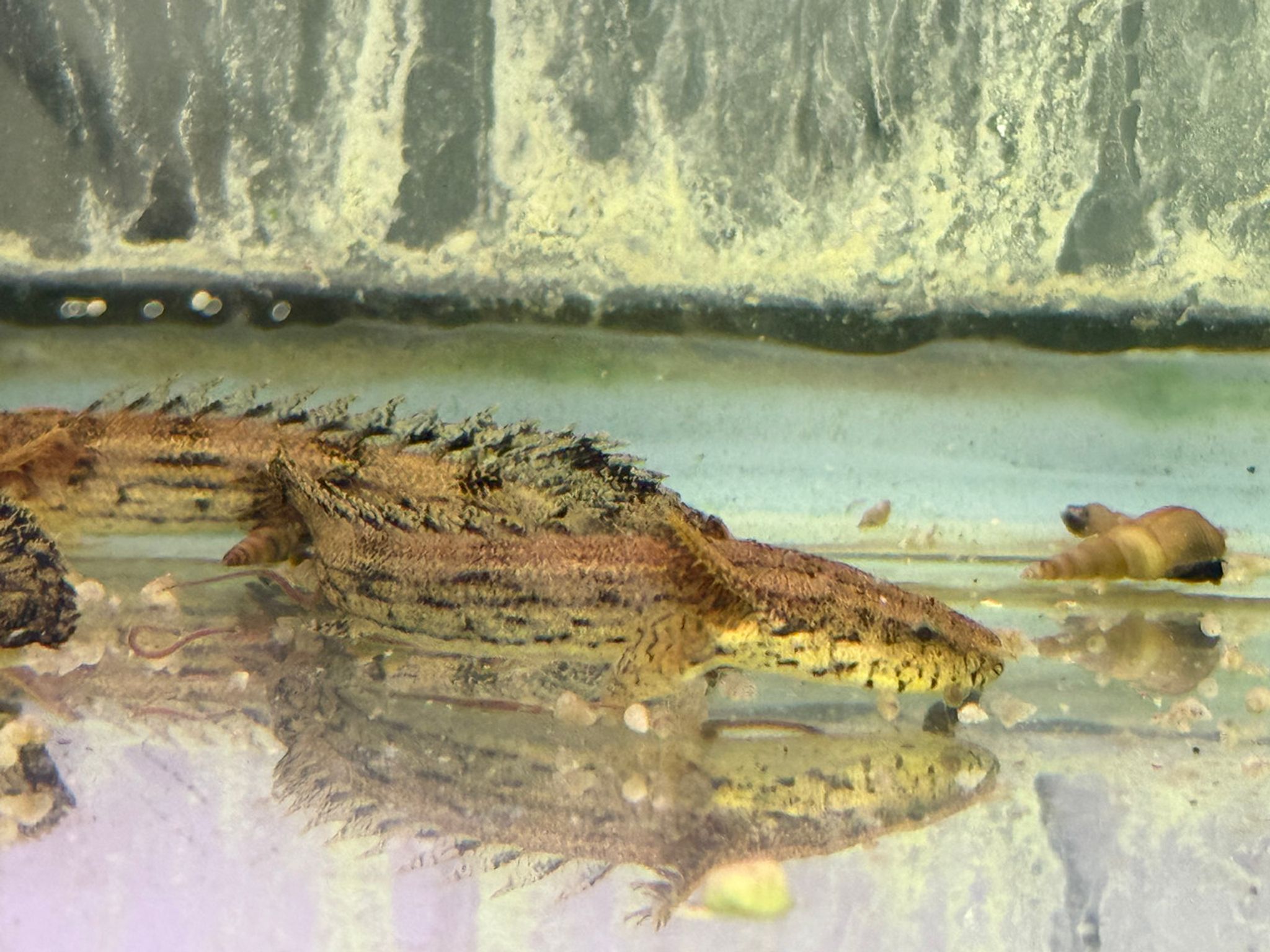
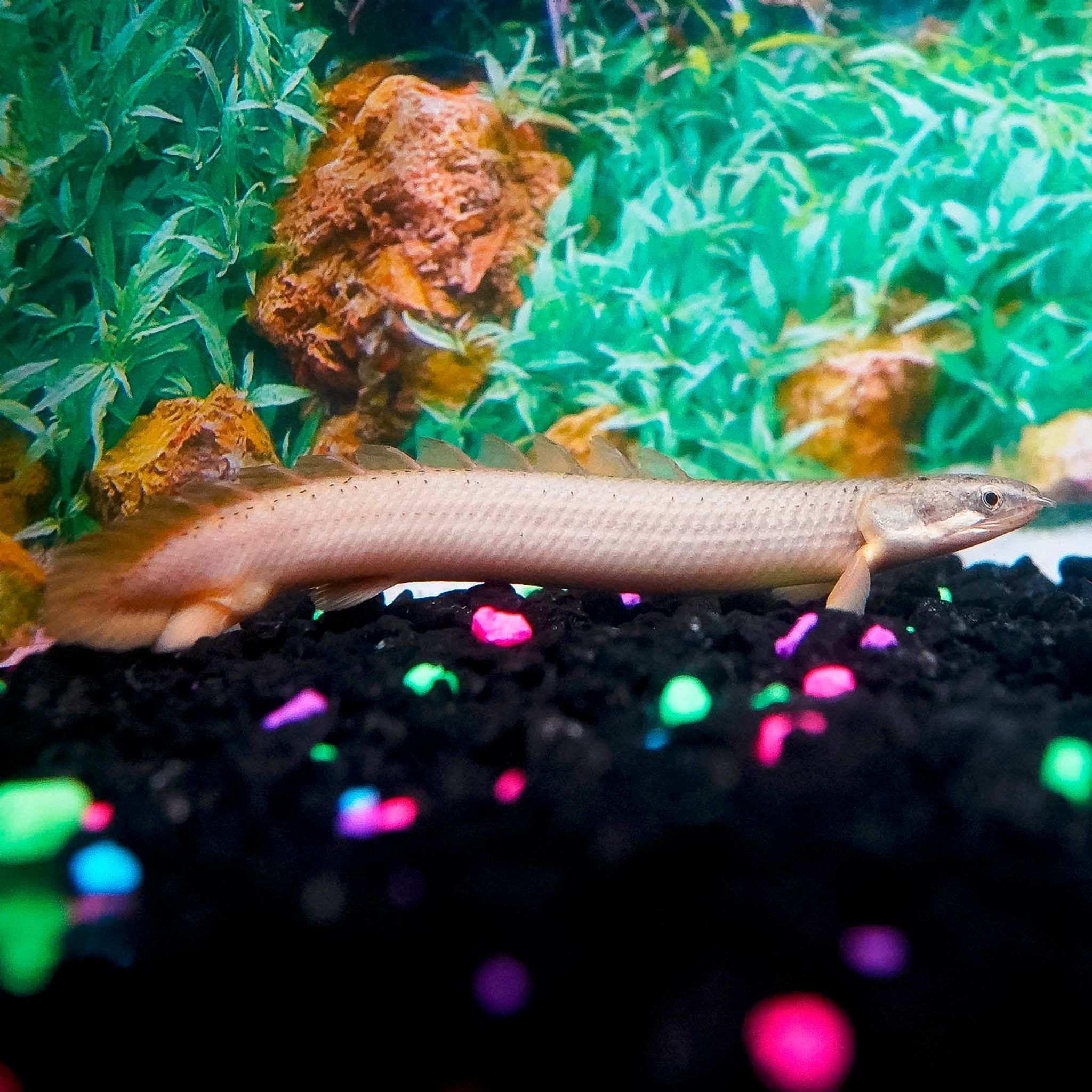
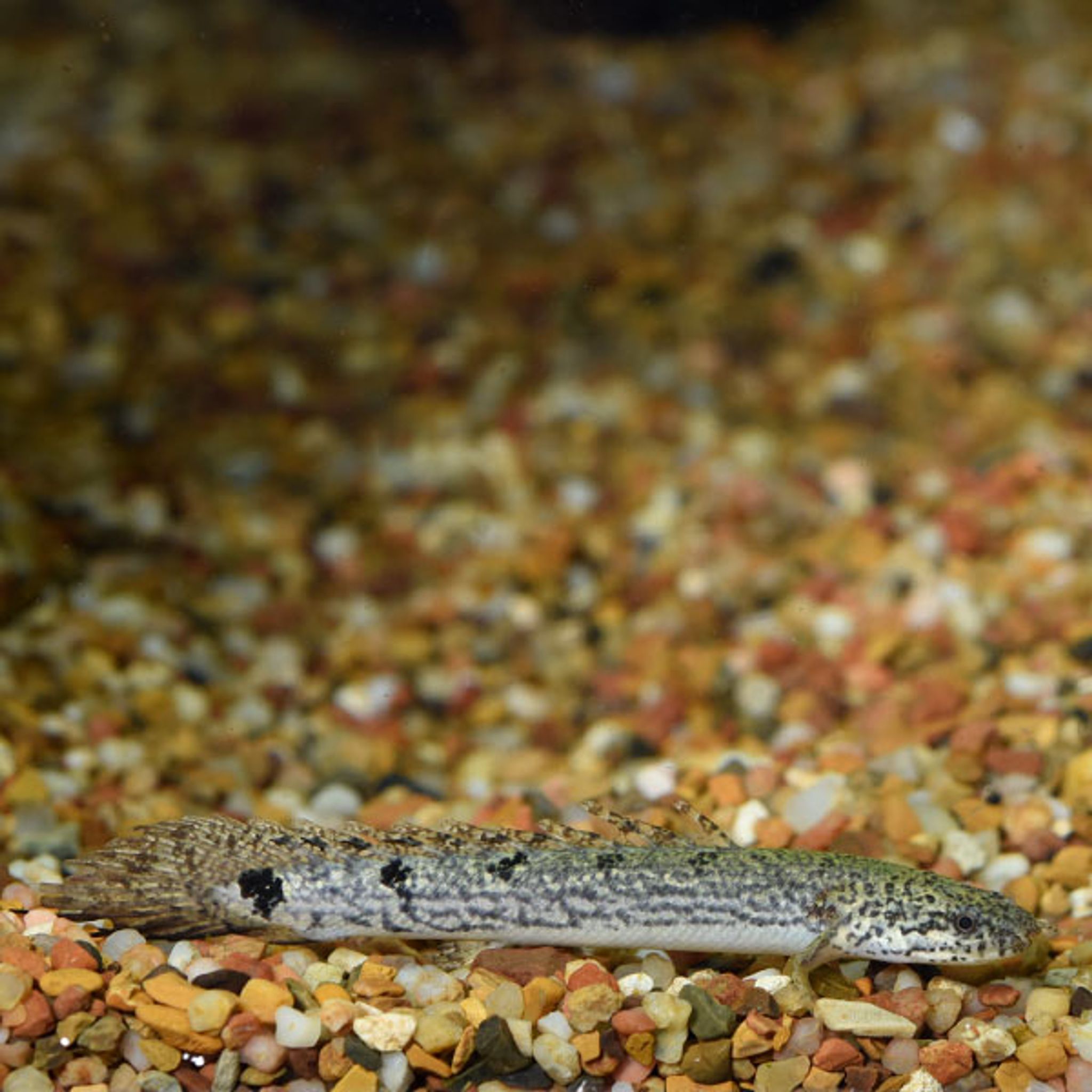
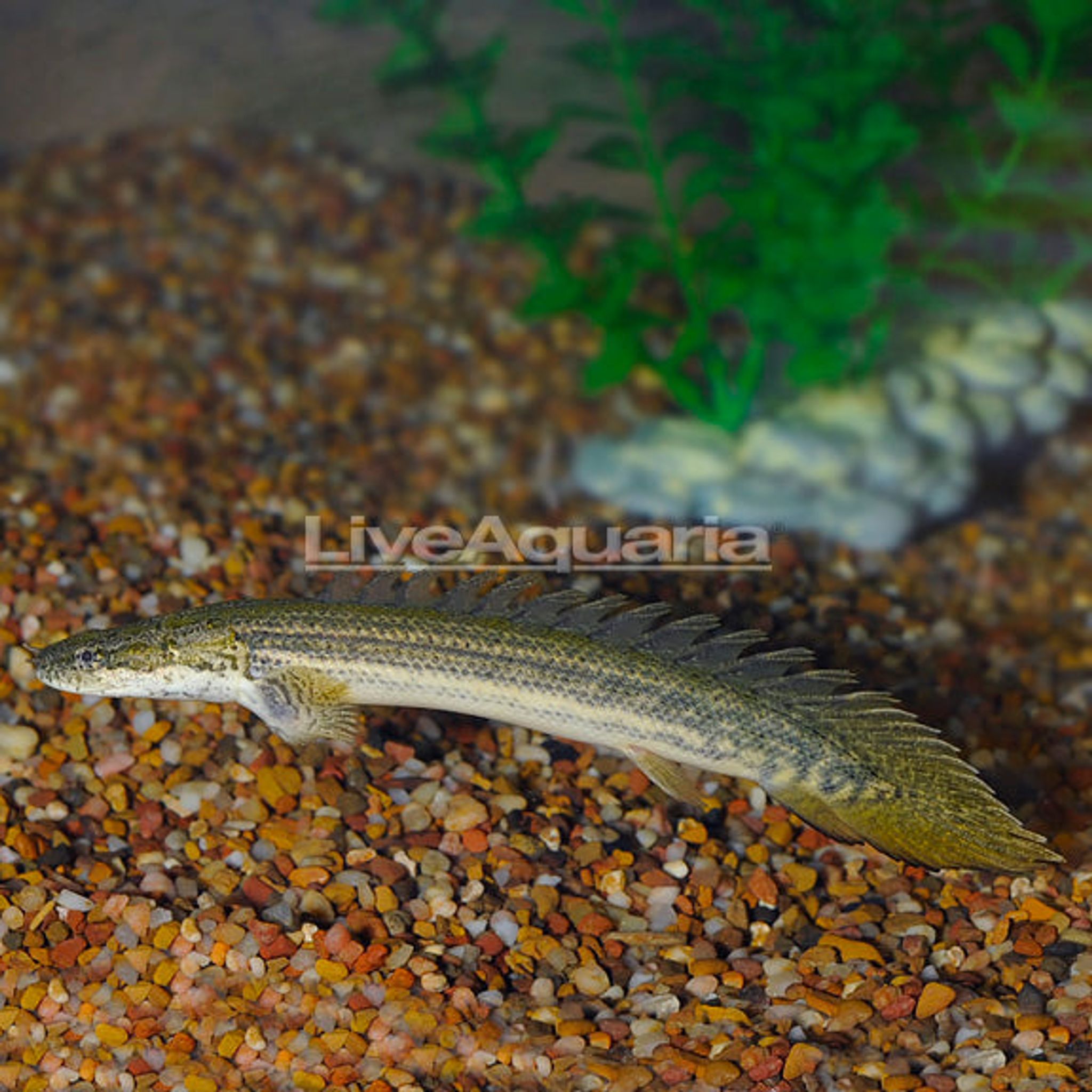
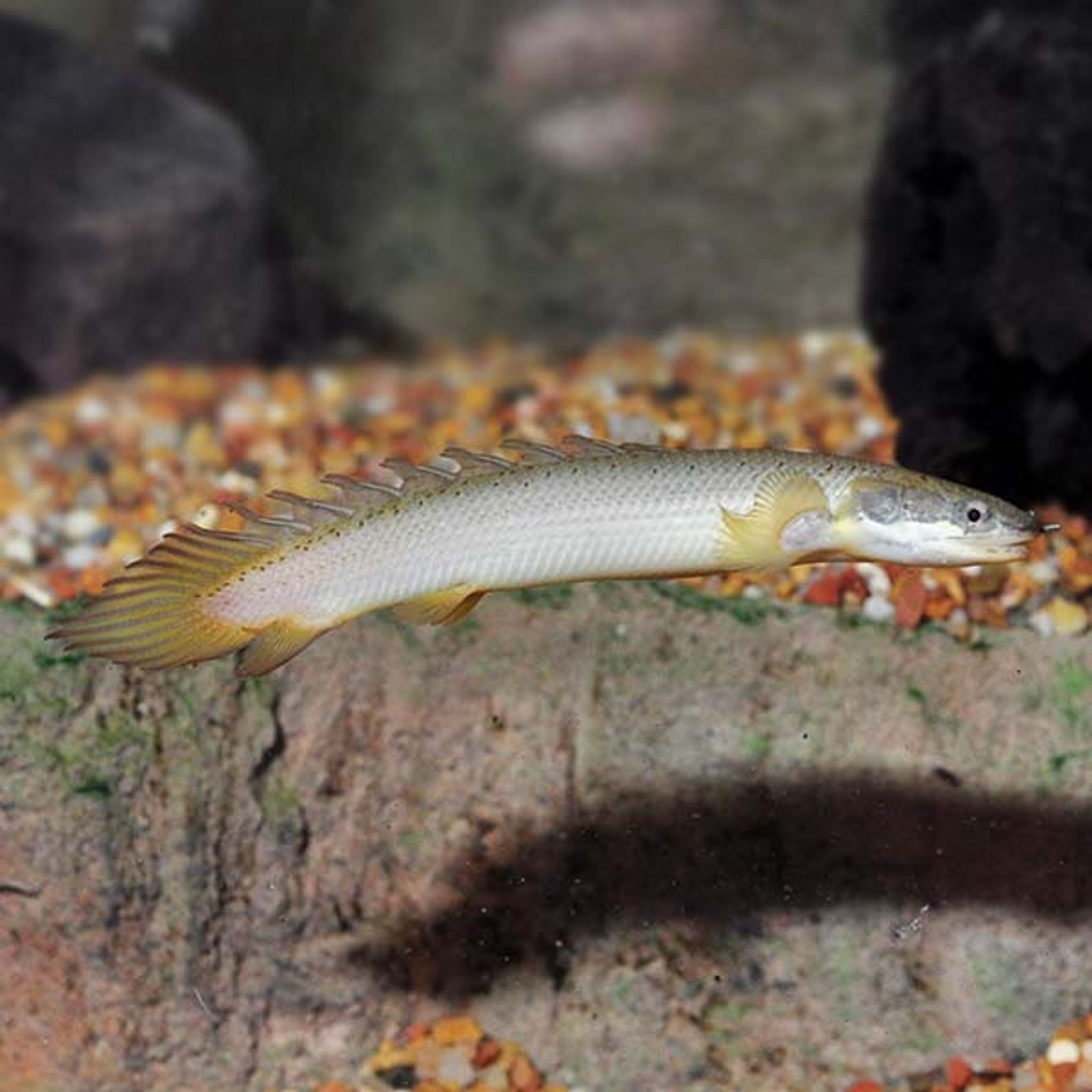
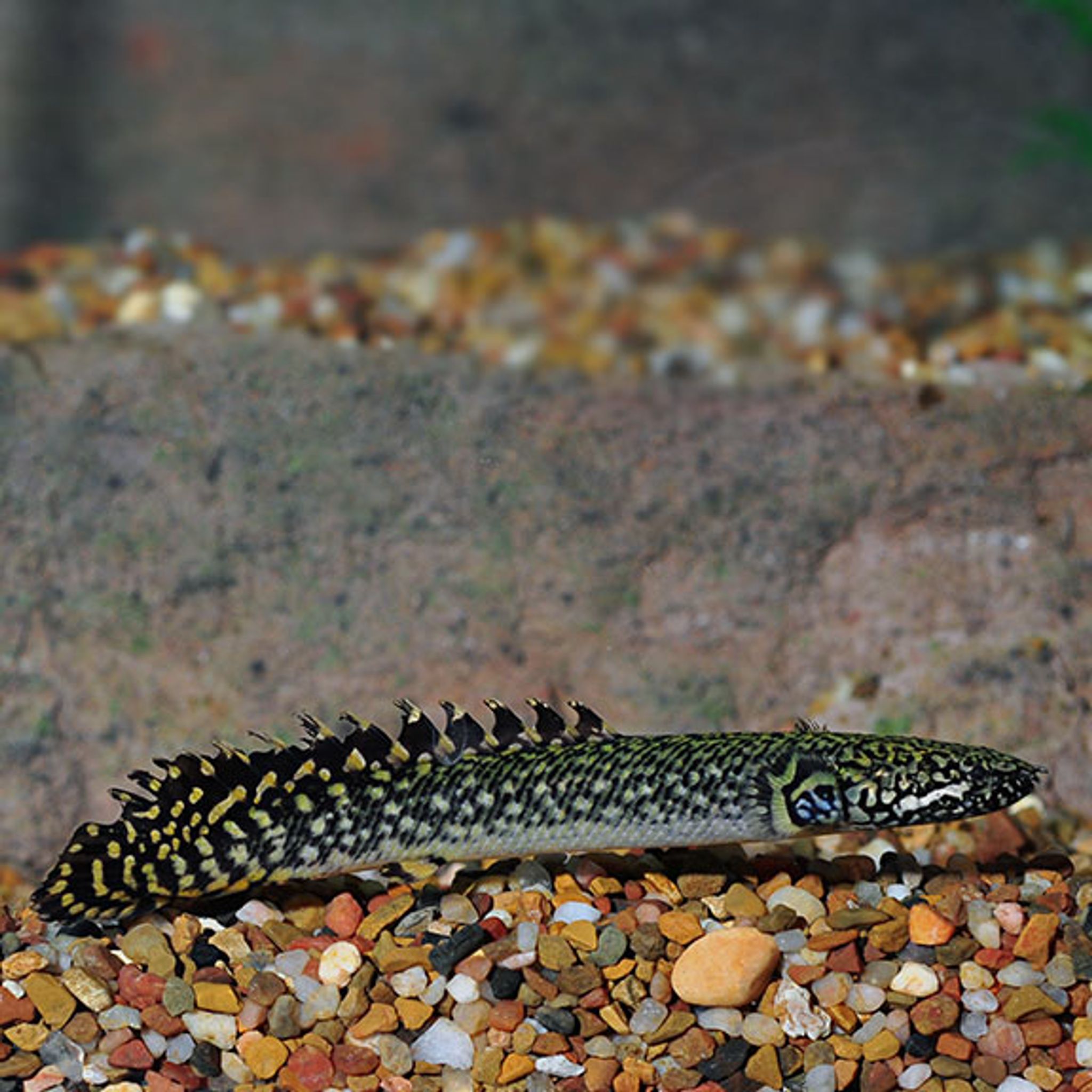
Shop Bichirs online from aquarium stores, breeders and specialist freshwater fish sellers across the United States on FishyHub. Compare Senegal Bichirs, Ornate Bichirs, Delhezi Bichirs, Endlicheri Bichirs and other Polypterus species by size, pattern, temperament and seller.
Bichirs are ancient-looking freshwater fish known for elongated bodies, armored scales, dorsal finlets and predatory behavior. FishyHub helps U.S. hobbyists compare Bichir listings from multiple sellers in one marketplace.
Buying Bichirs online gives hobbyists access to a broader range of species and sizes than may be available from a single local aquarium store.
Compare exact species, current size, expected adult size, temperament, tank requirements, seller information and shipping options before choosing a Bichir for your aquarium.
Popular Bichirs in the freshwater aquarium hobby include:
Senegal Bichirs are among the most commonly kept Bichirs and are often recognized by their relatively streamlined bodies and muted gray-green coloration.
They are generally smaller than some of the giant lower-jaw Bichirs, but still need substantial floor space and carefully chosen tankmates.
Ornate Bichirs are highly sought after for bold black-and-yellow patterning and a powerful, prehistoric appearance.
They can become large and predatory, so long-term aquarium size and tankmate dimensions should be considered before purchase.
Delhezi Bichirs are known for attractive vertical banding and a stocky body shape.
They are popular among hobbyists looking for a patterned Bichir that remains more manageable than some of the largest species.
Endlicheri Bichirs are large lower-jaw Bichirs with broad heads, heavy bodies and powerful feeding behavior.
They require substantial floor space and should be kept only with tankmates too large to be swallowed.
Weeksii Bichirs are robust, patterned Polypterus with broad bodies and attractive mottling.
Their eventual size and predatory nature make them better suited to larger freshwater aquariums with compatible fish.
Albino Senegal Bichirs are pale ornamental forms of the Senegal Bichir with light bodies and contrasting eyes.
Their care and predatory behavior are broadly similar to standard Senegal Bichirs.
Platinum Bichirs are selectively bred or unusually pale forms prized for bright, clean coloration.
Premium color morphs can vary significantly in appearance and price, so compare seller photos and exact species carefully.
Bichirs are often nicknamed “Dinosaur Bichirs” or “Dinosaur Fish” because of their primitive-looking body shape, armored scales and row of dorsal finlets.
The nickname is popular in the aquarium trade, although Bichirs are modern freshwater fish rather than living dinosaurs.
Bichirs are opportunistic predators and may eat fish, shrimp or other animals that fit into their mouths.
Tankmate choice should therefore be based on adult size and body shape, not simply whether another fish is described as peaceful.
Hobbyists often group Bichirs into upper-jaw and lower-jaw types based on skull and jaw structure.
Lower-jaw species such as Endlicheri and Lapradei are often larger and heavier-bodied, while many upper-jaw species such as Senegal and Delhezi are comparatively slimmer.
Adult size varies substantially between Bichir species.
Some commonly kept species remain more manageable, while others become very large. Always plan around expected adult size rather than juvenile sale size.
Bichirs spend much of their time near the bottom, so aquarium footprint is especially important.
Provide open floor space together with caves, driftwood, rockwork or other shelters, while keeping hardscape secure and free of sharp edges.
Bichirs are capable escape artists and can push through surprisingly small openings.
Use a secure aquarium cover and close gaps around filters, cables and plumbing to reduce the risk of escape.
Bichirs can gulp atmospheric air at the surface using specialized lungs.
They must have access to the surface, so aquarium design should never prevent them from reaching air.
Bichirs frequently rest and forage along the bottom.
Smooth sand or another non-sharp substrate can help create a comfortable environment for their belly and fins.
Caves, wood and shaded areas can provide security for Bichirs, especially when they are newly introduced.
Shelters should be large enough for the fish to enter and leave without becoming trapped.
Different Polypterus species can have somewhat different environmental preferences.
Stable, clean freshwater matched to the exact species is more useful than applying one universal temperature, pH or hardness range to every Bichir.
Bichirs are carnivorous fish that can produce substantial waste, particularly as they grow.
Strong biological and mechanical filtration, regular maintenance and stable water quality are important parts of long-term care.
Bichirs are predators, but they are not necessarily constantly aggressive toward every tankmate.
The biggest compatibility risk is predation on smaller fish, although competition and territorial behavior can also occur depending on species and aquarium size.
Multiple Bichirs can sometimes be kept together when they are similar enough in size and have sufficient floor space and shelter.
Large size differences can create predation risk, so newly added Bichirs should be evaluated carefully.
Good Bichir tankmates are generally robust fish too large to be swallowed and compatible with the same water conditions.
Adult size, mouth size, temperament and activity level should all be considered when building a Bichir community.
Some larger Cichlids are kept with Bichirs when both groups are similar in size and temperament.
Highly aggressive Cichlids can injure slow-moving Bichirs, so compatibility should never be assumed solely because both fish are large.
Oscars and Bichirs are sometimes kept together in large aquariums when their sizes are compatible.
Aquarium space, feeding competition and individual temperament should be monitored closely.
Large Bichirs and Arowanas may occupy different levels of a sufficiently large aquarium.
This combination requires substantial long-term space and careful attention to adult size, feeding and individual behavior.
Bichirs and Plecos are sometimes housed together because both can tolerate larger community setups.
Monitor interactions carefully because both groups spend time near the bottom, and some Plecos may compete for caves or food.
Large Catfish can sometimes coexist with Bichirs when both species are compatible in size and temperament.
Avoid combinations where one species is capable of swallowing or seriously injuring the other.
Small fish are generally risky tankmates for Bichirs.
Tetras, Rasboras, Guppies and other small species may eventually be eaten if they fit into a Bichir's mouth.
Shrimp are generally poor tankmates for Bichirs.
Bichirs are predatory and may readily consume shrimp they can catch.
Bichirs are carnivorous and naturally feed on animal-based foods.
In aquariums, many accept suitable sinking carnivore pellets together with appropriately sized frozen or other prepared meaty foods. Feeding should be matched to the fish's size and species.
Bichirs often locate food near the substrate and may feed more actively during lower-light periods.
Make sure food reaches them when housed with faster fish and remove excessive uneaten food to protect water quality.
No. Bichirs do not need live feeder fish to thrive in captivity.
Many can be maintained on suitable prepared and frozen foods, avoiding the disease and nutritional risks associated with relying on feeder fish.
Bichirs often alternate between resting on the substrate, exploring the aquarium and rising to the surface for air.
Many become more active in dim light or after the main aquarium lights are reduced.
Captive breeding is possible for some Bichir species but can require mature fish, suitable environmental conditions and careful rearing of eggs and fry.
Breeding behavior and difficulty vary by species, so dedicated species-level guidance is recommended.
Mature male and female Bichirs can show differences in fin shape and body form, although juvenile fish can be difficult to sex reliably.
Seller or breeder information may be useful when purchasing fish for breeding projects.
Some Bichirs are hardy in stable aquariums, but their predatory behavior, escape ability and adult size make them better suited to hobbyists prepared for large-fish care.
Senegal Bichirs are often considered among the more approachable species, while very large Bichirs require significantly more long-term planning.
When comparing Bichirs for sale, look for:
Newly shipped Bichirs may be stressed after transport and may initially spend more time hiding.
Prepare a stable, cycled aquarium with a secure lid before arrival and follow the seller's acclimation guidance for the exact species.
Quarantine and careful observation can help reduce the risk of introducing parasites or disease into an established aquarium.
During quarantine, monitor appetite, body condition, breathing, skin and swimming behavior before moving the fish into the main tank.
Bichir prices vary according to species, size, color morph, rarity, origin, breeder availability and seller.
Common Senegal Bichirs, large specialty species and premium Platinum or unusual morphs can differ substantially in price, so compare exact species, current size and long-term care requirements rather than price alone.
FishyHub brings Bichir listings from aquarium stores, breeders and specialist freshwater fish sellers together in one marketplace.
When comparing Bichirs online, consider:
Shipping availability depends on the seller, destination, species, fish size, weather and livestock-shipping policy.
Review packaging, delivery timing and live-arrival terms before ordering, and make sure the aquarium is secure and prepared before the Bichir arrives.
Yes. Aquarium stores, breeders and specialist sellers offer Bichirs online across the U.S., depending on species availability and seller shipping coverage.
“Dinosaur Fish” is a popular aquarium nickname based on their prehistoric appearance, but Bichirs are modern freshwater fish.
Yes. Bichirs can gulp atmospheric air using specialized lungs and must be able to reach the water surface.
Yes. Bichirs can escape through openings, so a secure aquarium lid is strongly recommended.
Multiple Bichirs can sometimes coexist when their sizes are compatible and the aquarium provides enough floor space and shelter.
Yes. Bichirs are opportunistic predators and may eat fish small enough to fit in their mouths.
No. Many Bichirs can be maintained on suitable prepared and frozen carnivore foods without relying on live feeder fish.
FishyHub helps U.S. hobbyists compare Bichirs from aquarium stores, breeders and specialist freshwater fish sellers in one marketplace.
Explore Bichirs for sale on FishyHub and compare Senegal, Ornate, Delhezi, Endlicheri, Weeksii, Albino and other Polypterus species and varieties. Discover listings from aquarium stores and breeders across the United States, and compare species, adult size, pattern, temperament, price and shipping options before choosing a Bichir for your aquarium.
