1–40 of 40
Showing 40 of 40 products
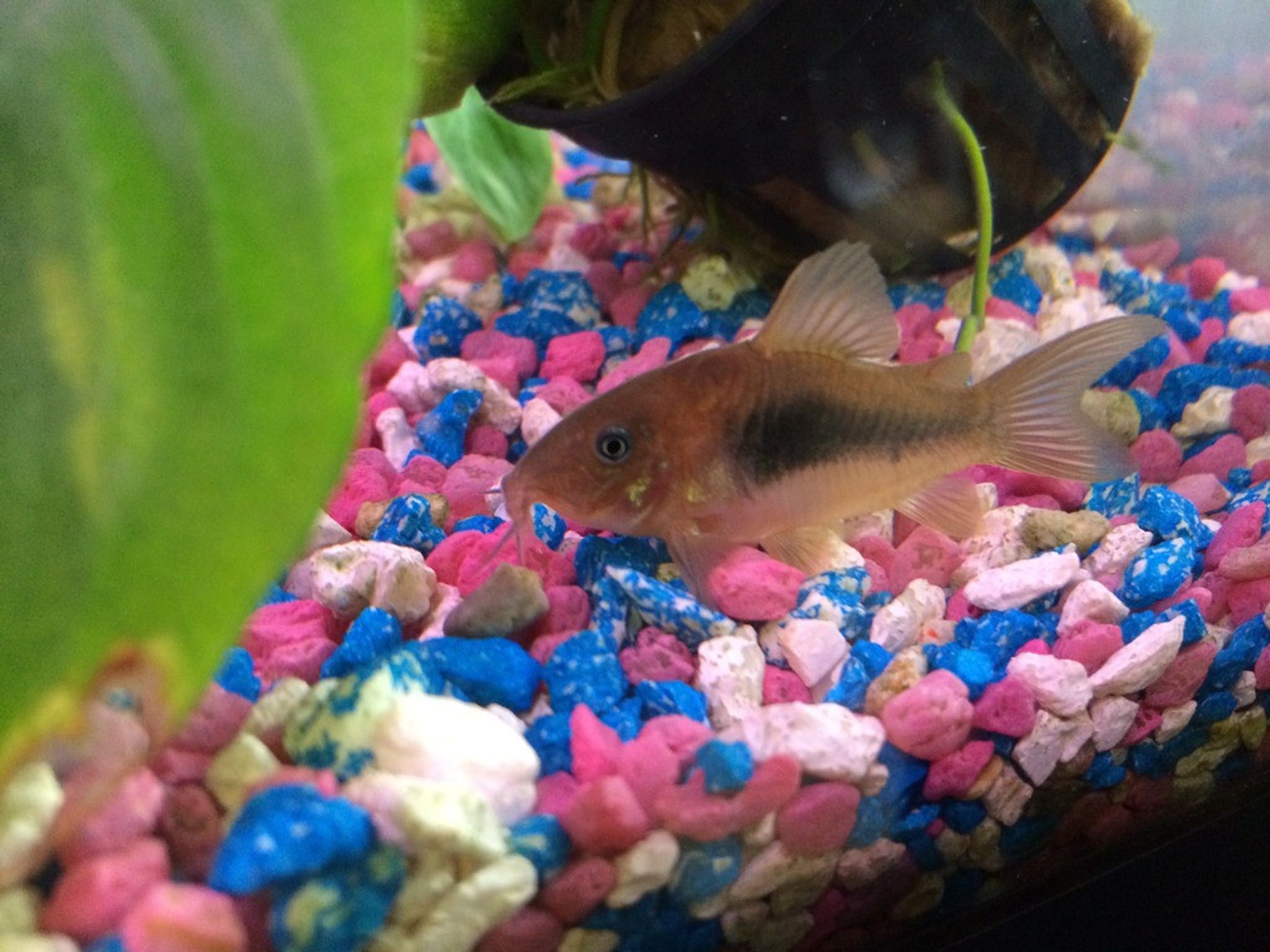
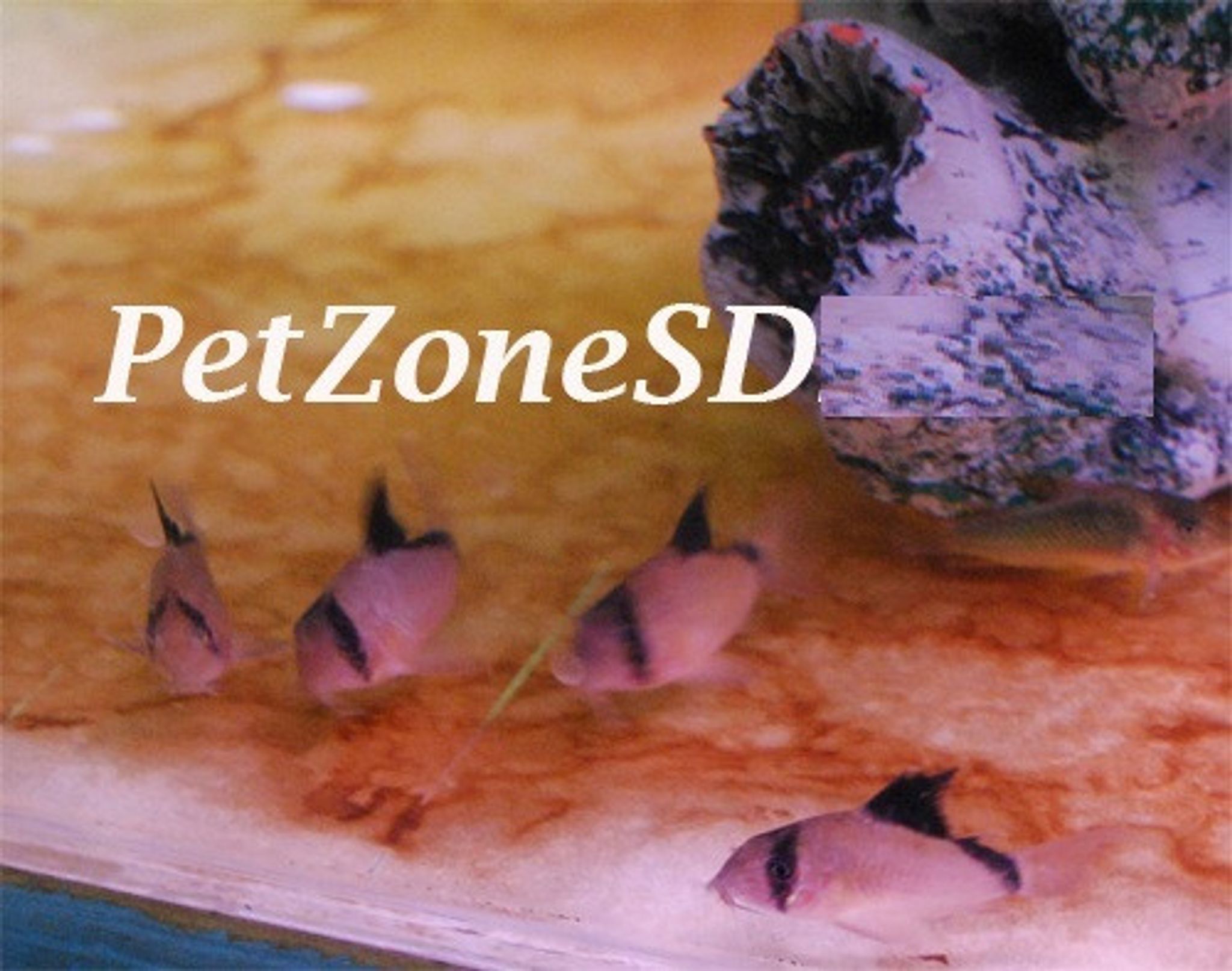
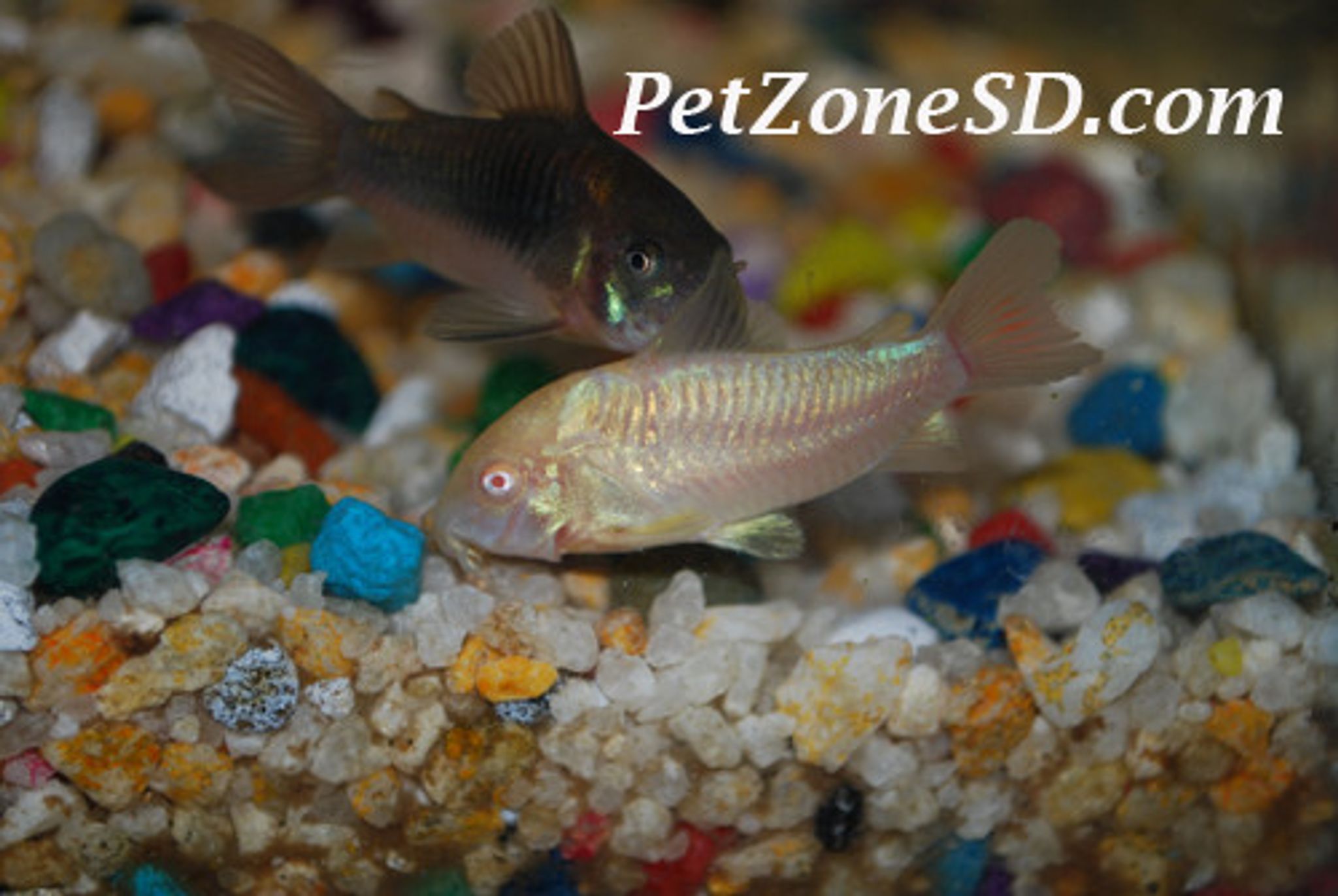
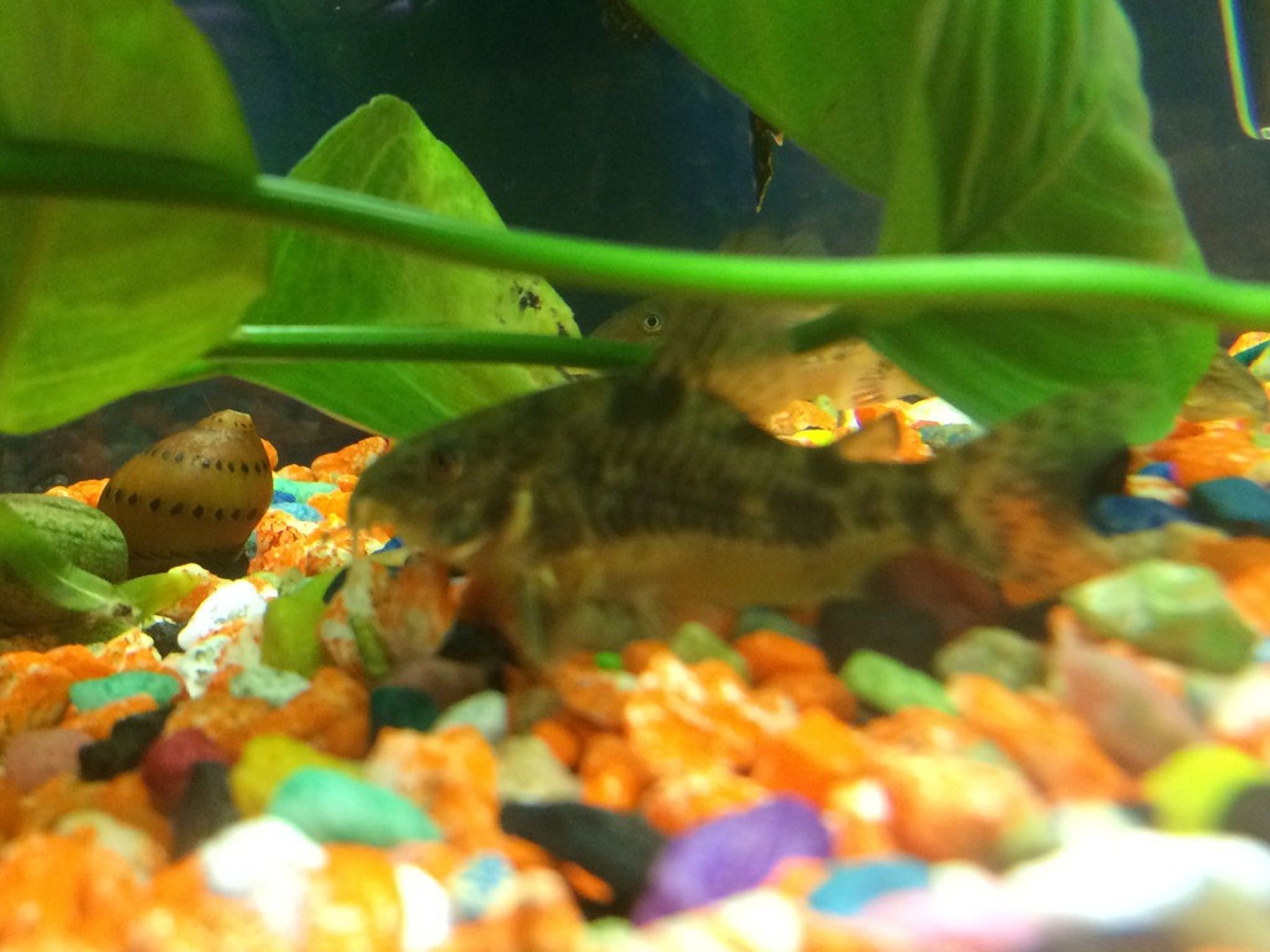
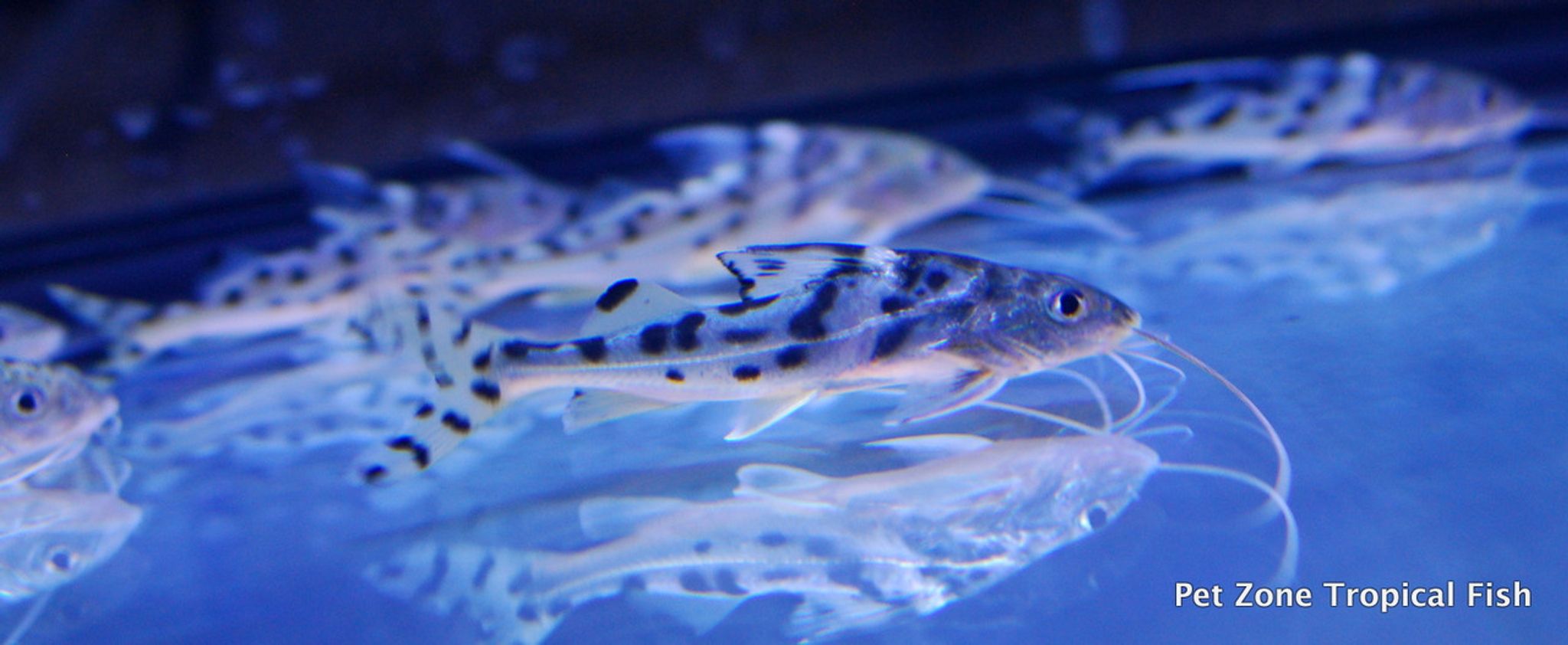
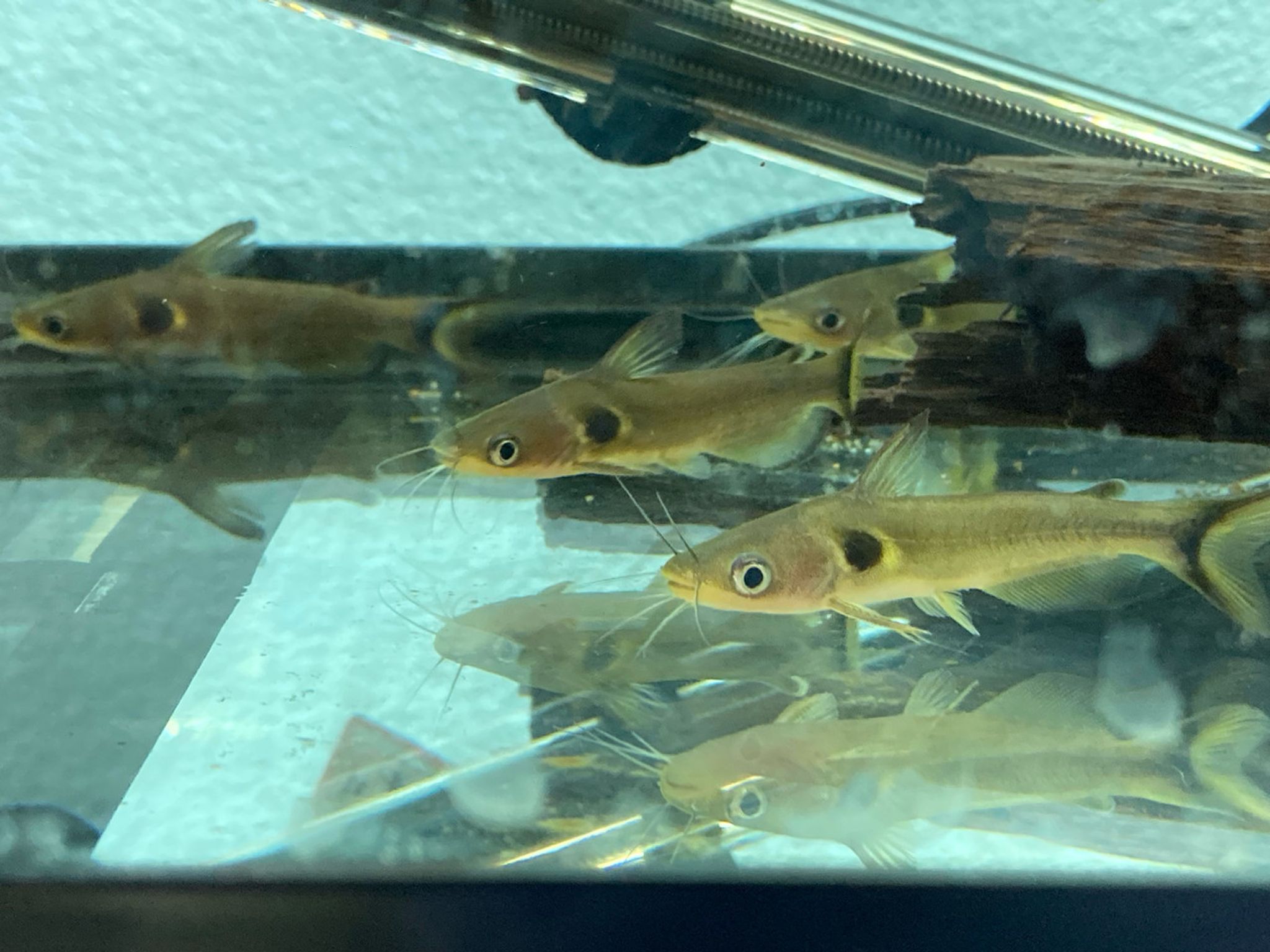
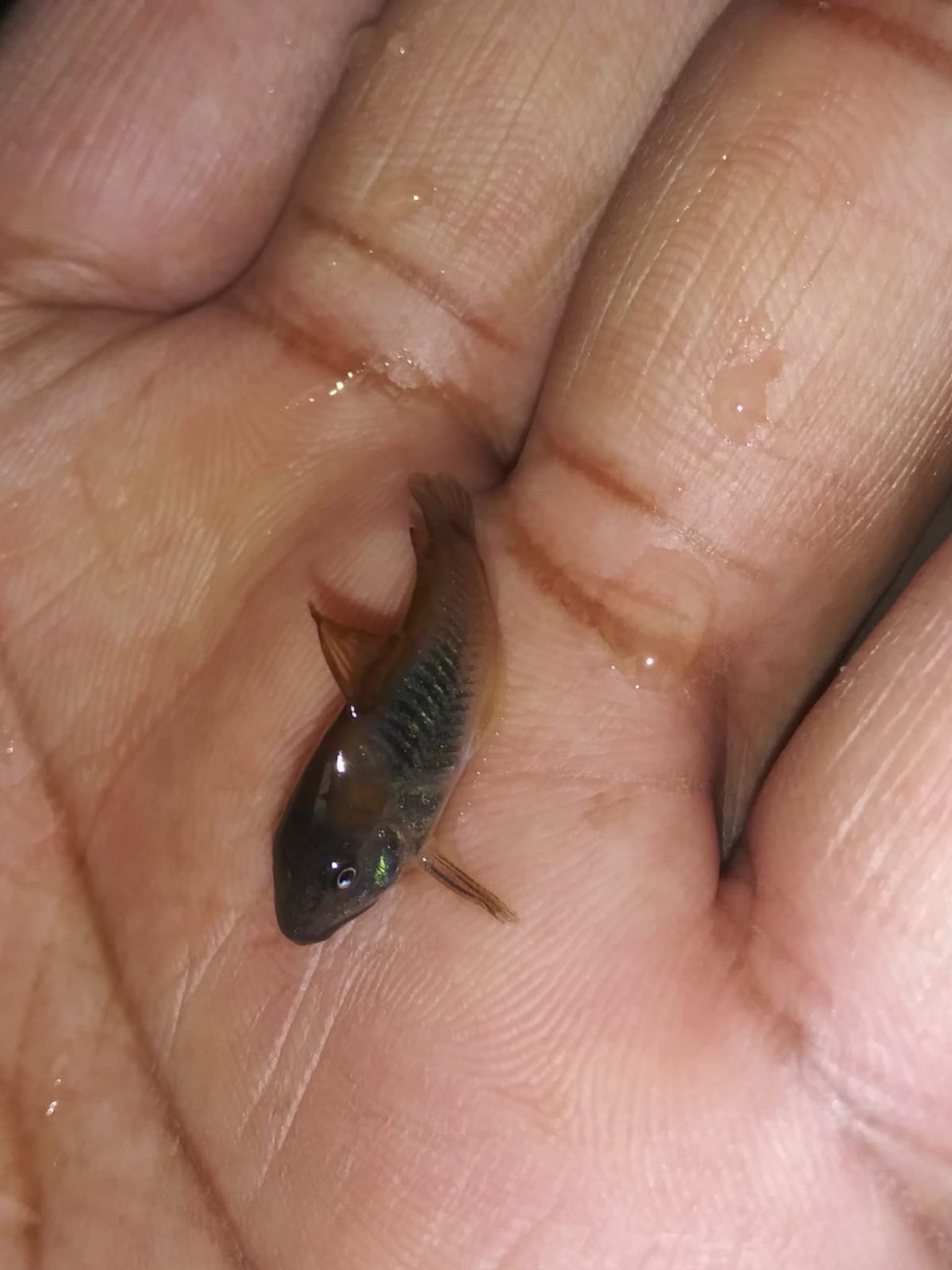
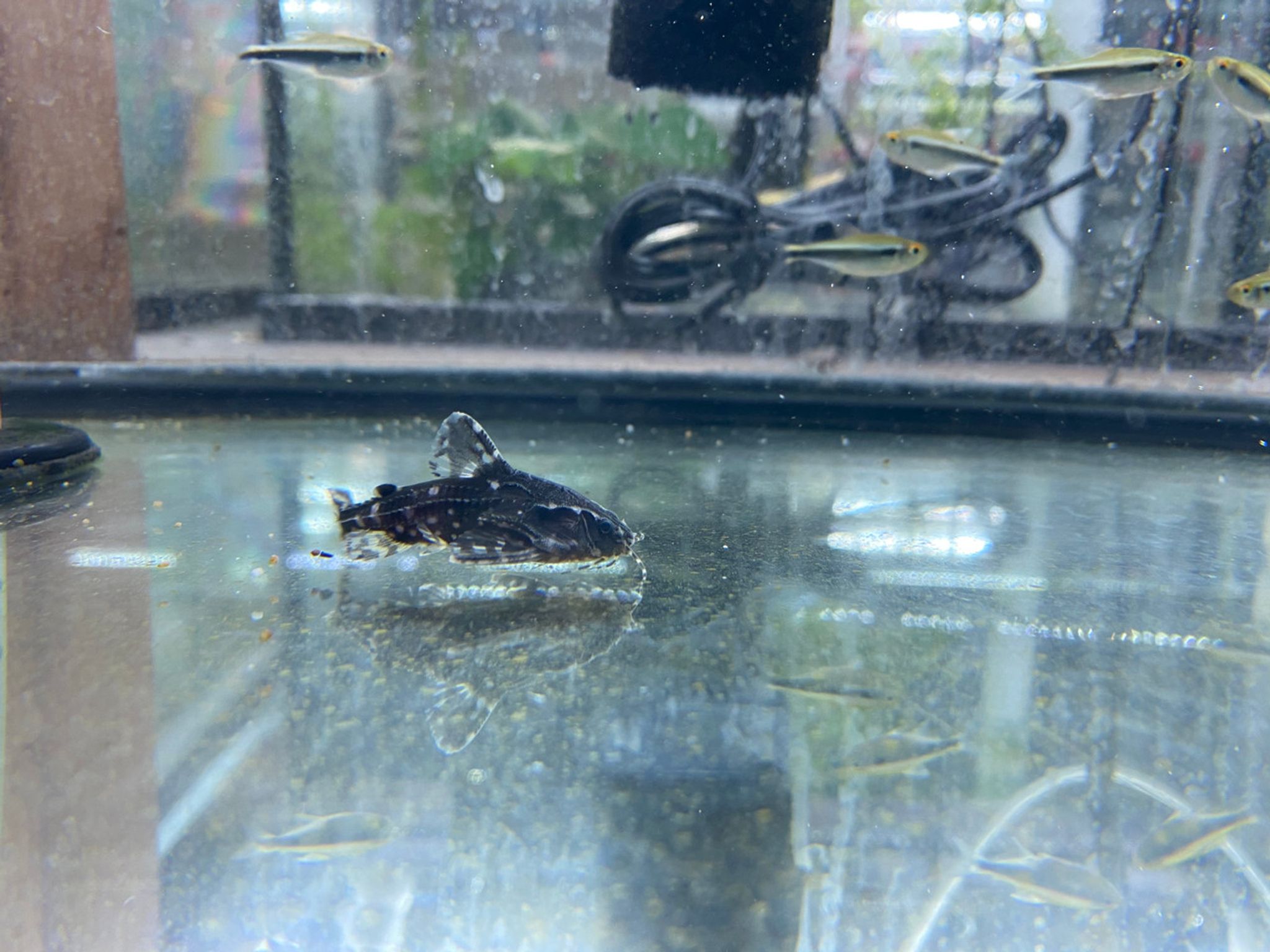
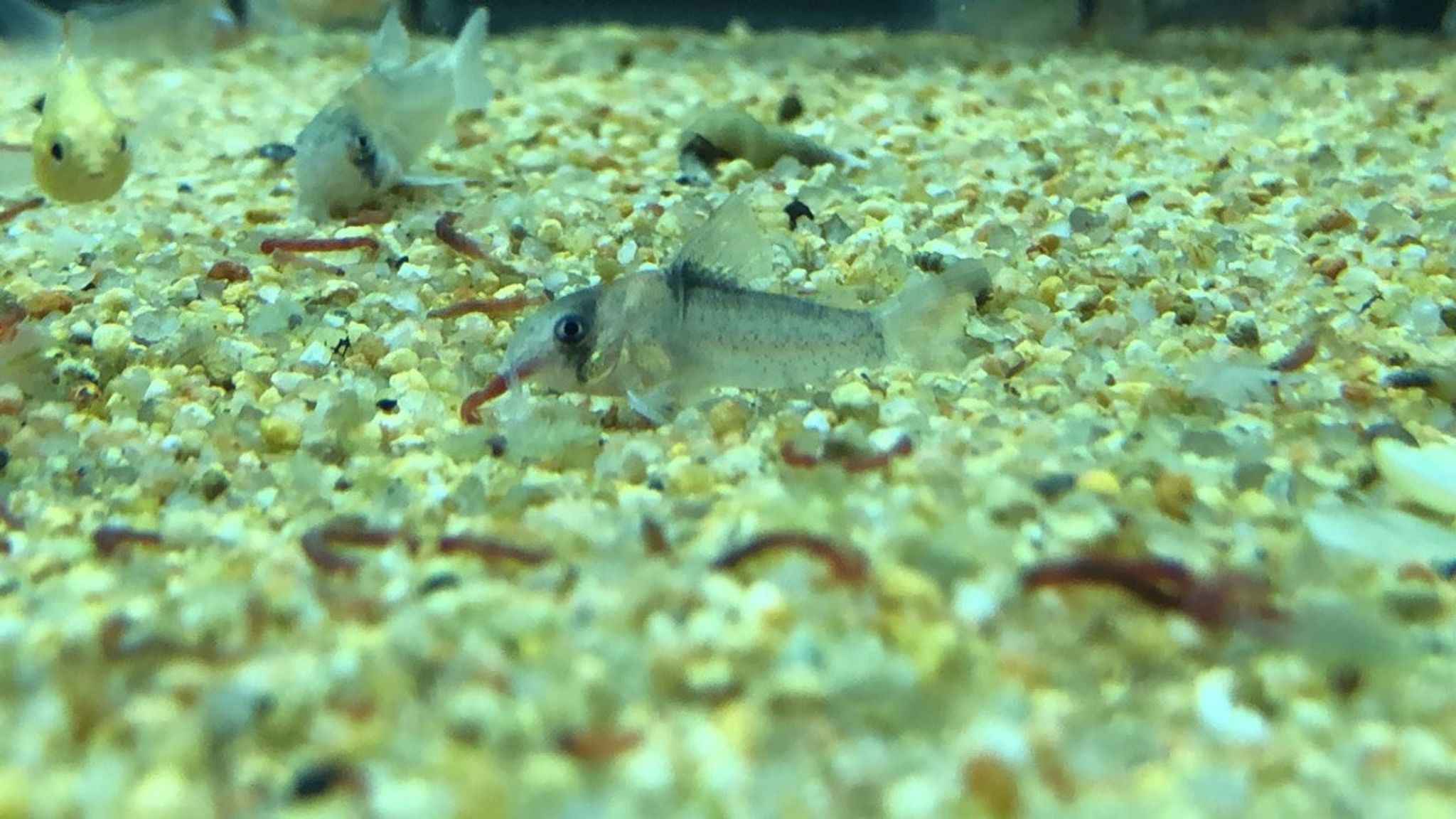

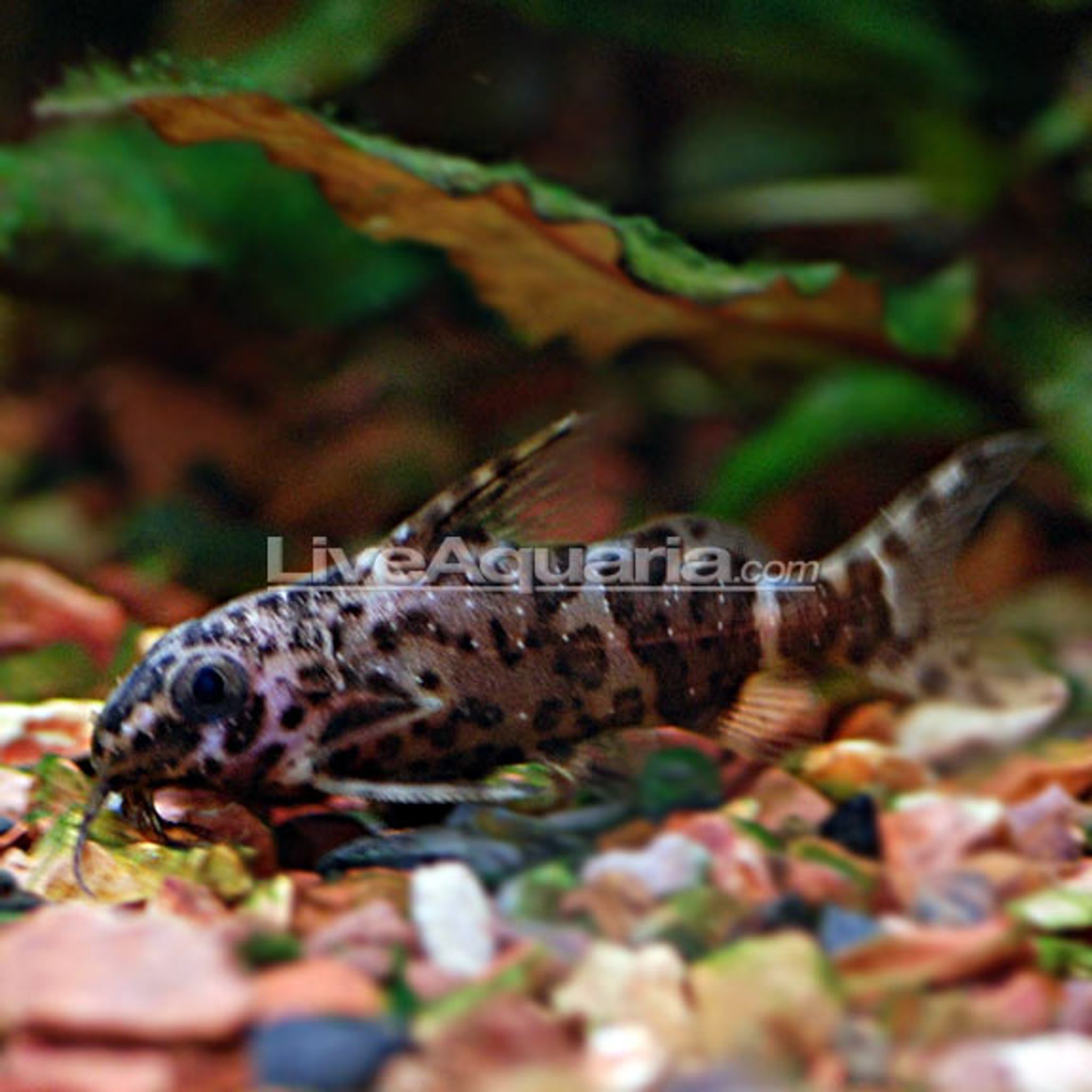
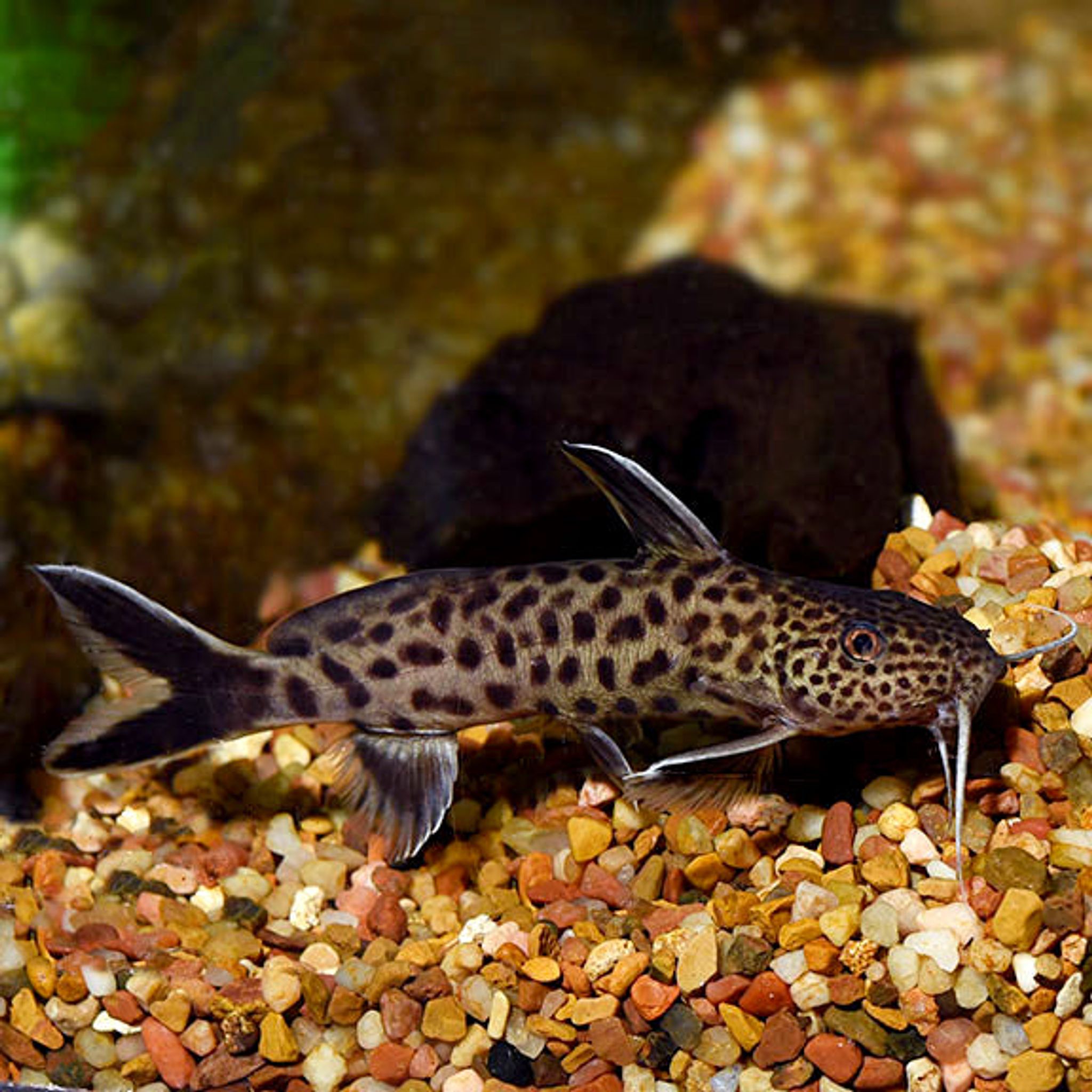
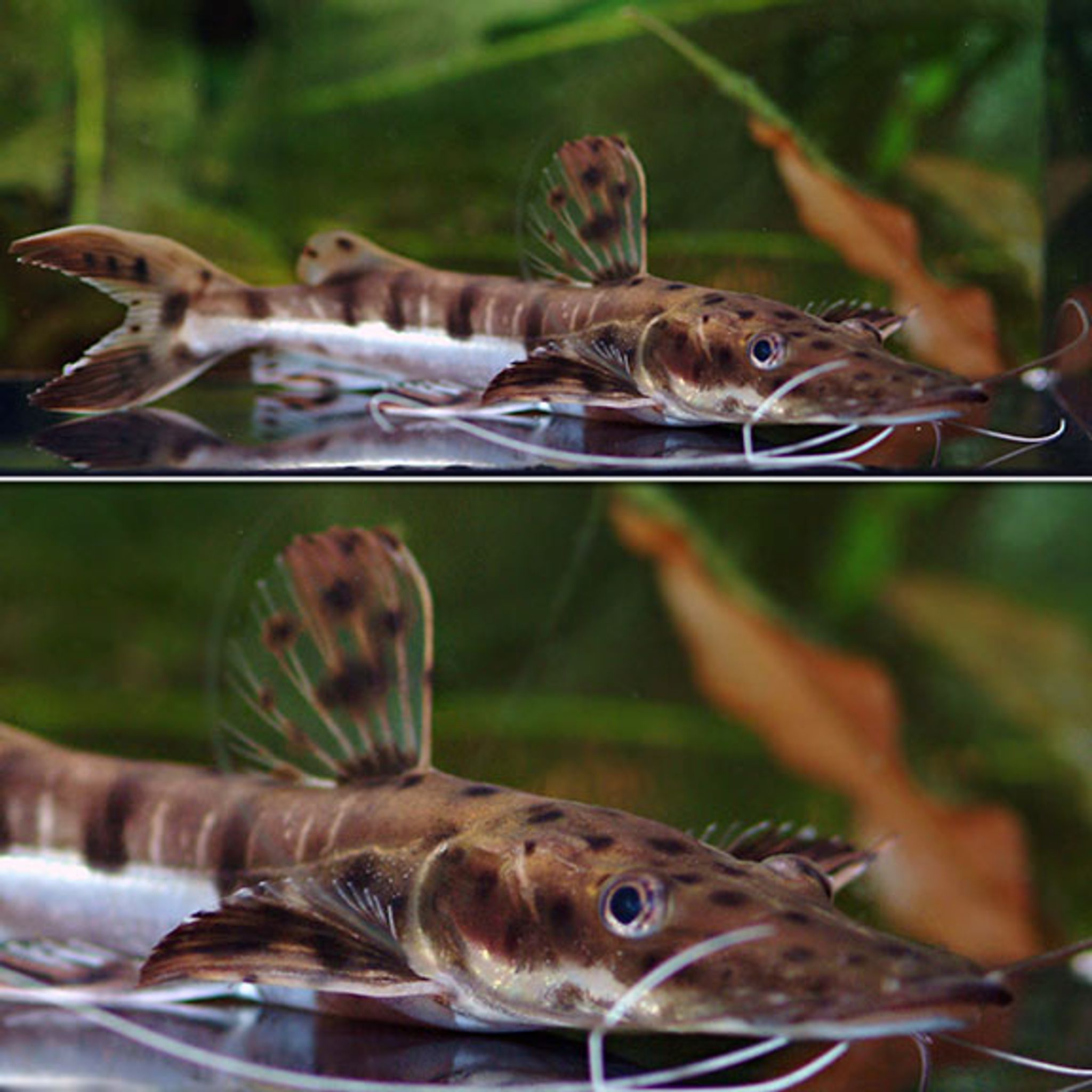
Shop freshwater Catfish online from aquarium stores, breeders and specialist freshwater fish sellers across the United States on FishyHub. Compare Corydoras, Plecos, Synodontis, Pictus Catfish and other aquarium Catfish by size, behavior, habitat needs and seller.
Freshwater Catfish are an extremely diverse group ranging from small peaceful bottom dwellers to large, powerful species that require substantial aquarium space. FishyHub helps U.S. hobbyists compare Catfish listings from multiple sellers in one marketplace.
Buying freshwater Catfish online gives hobbyists access to a broader range of species, sizes and color forms than may be available from a single local aquarium store.
Compare exact species, current size, adult size, temperament, diet, seller information and shipping options before choosing Catfish for your aquarium.
Popular aquarium Catfish include:
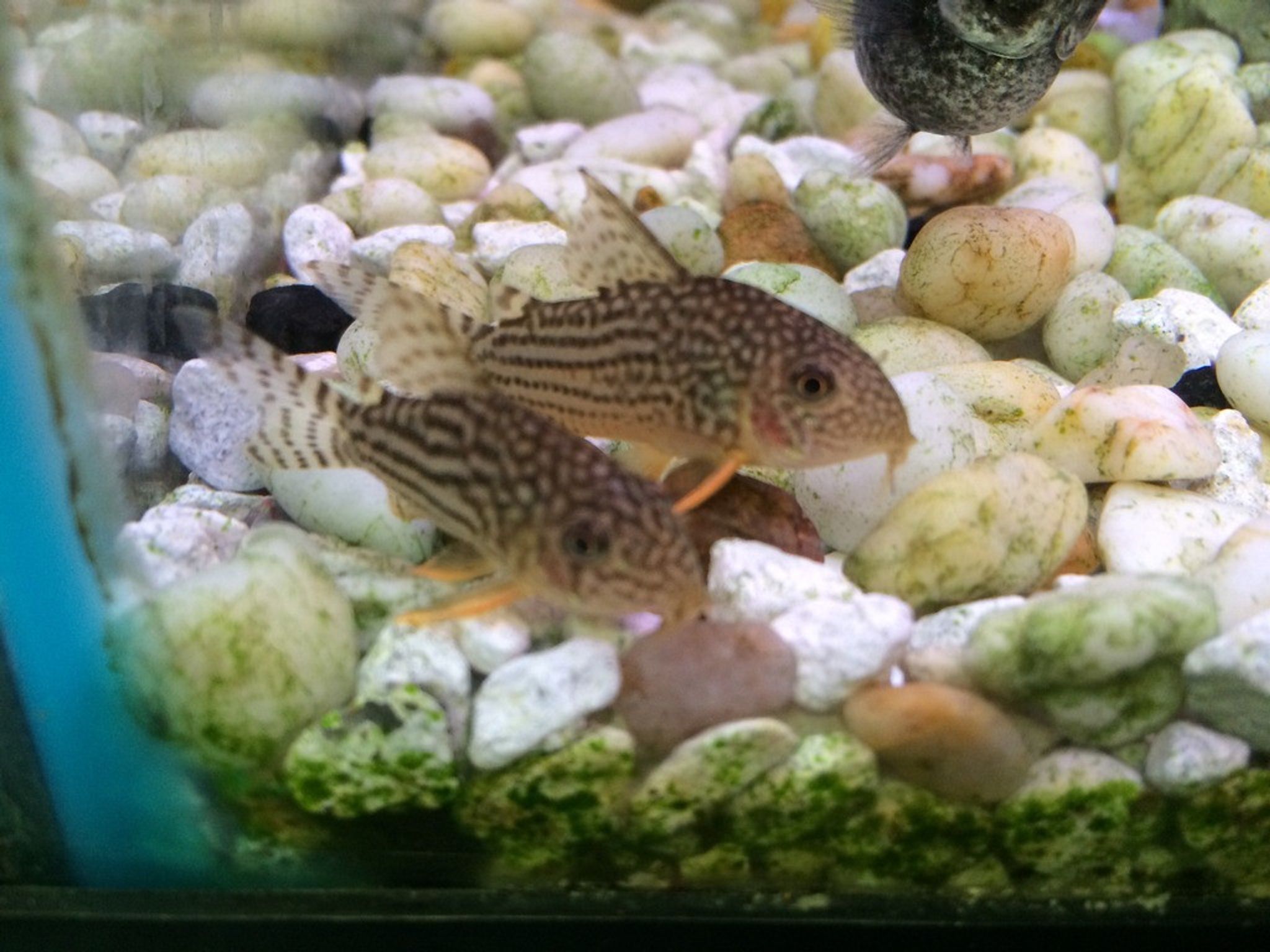
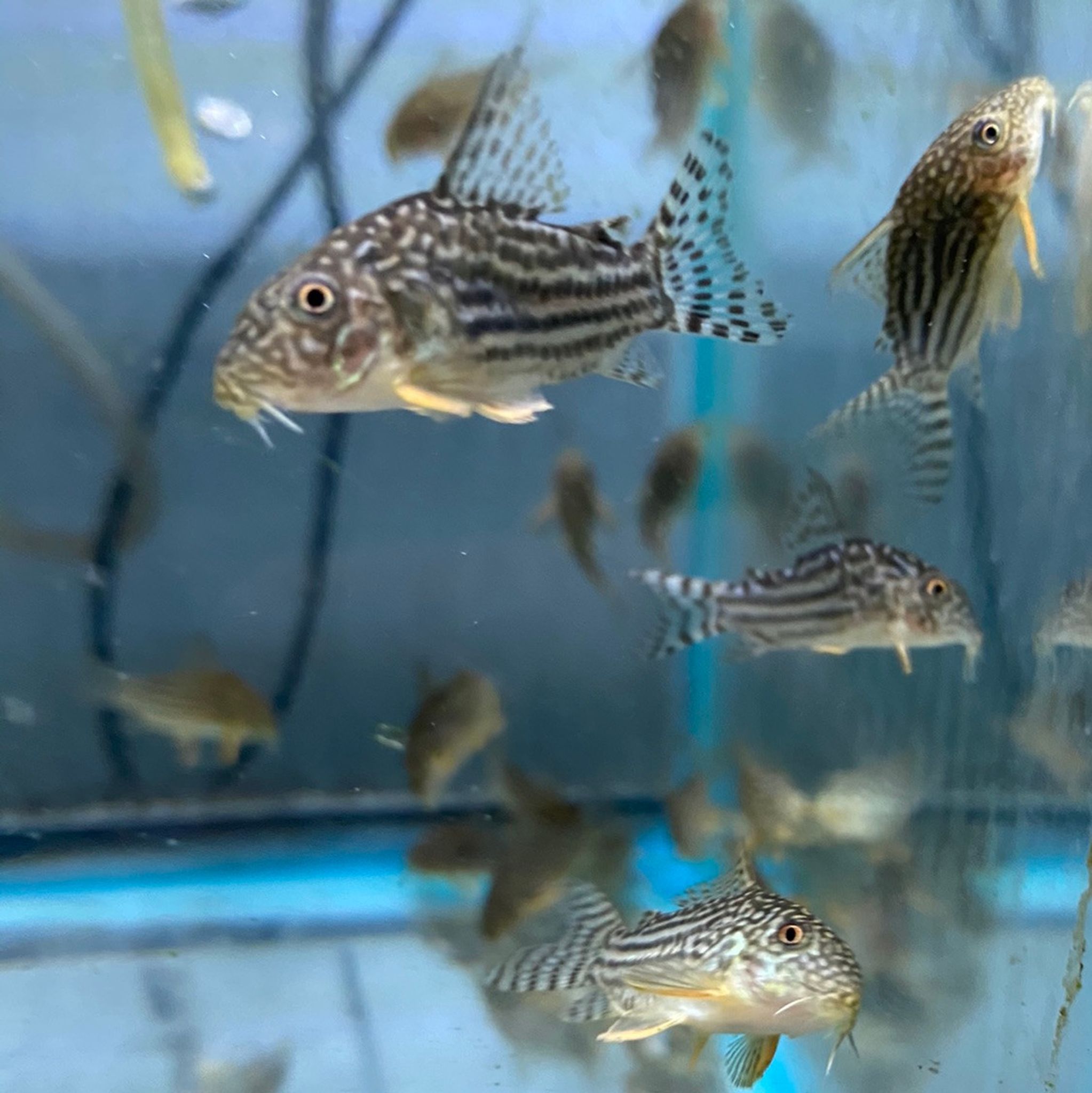
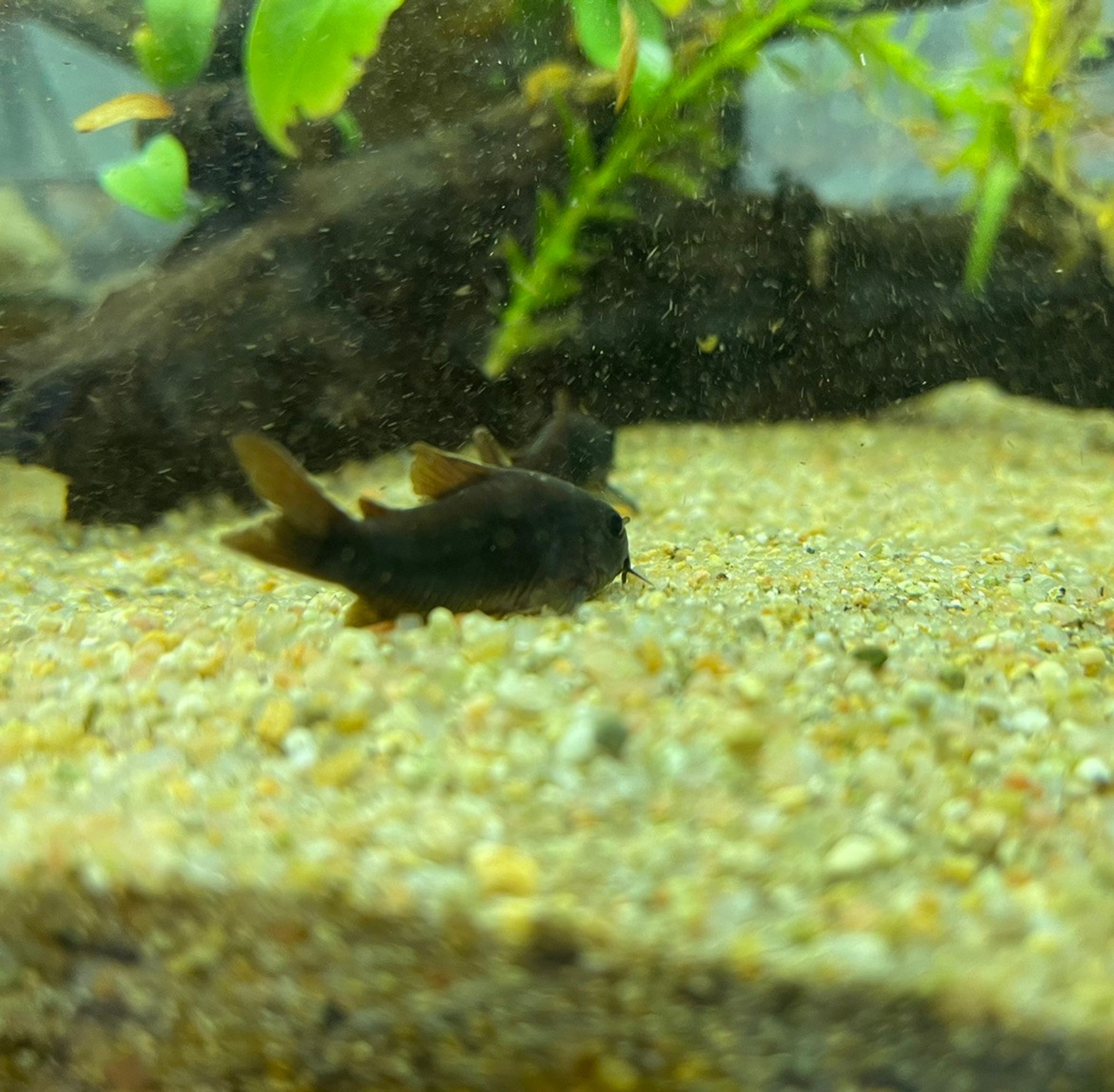
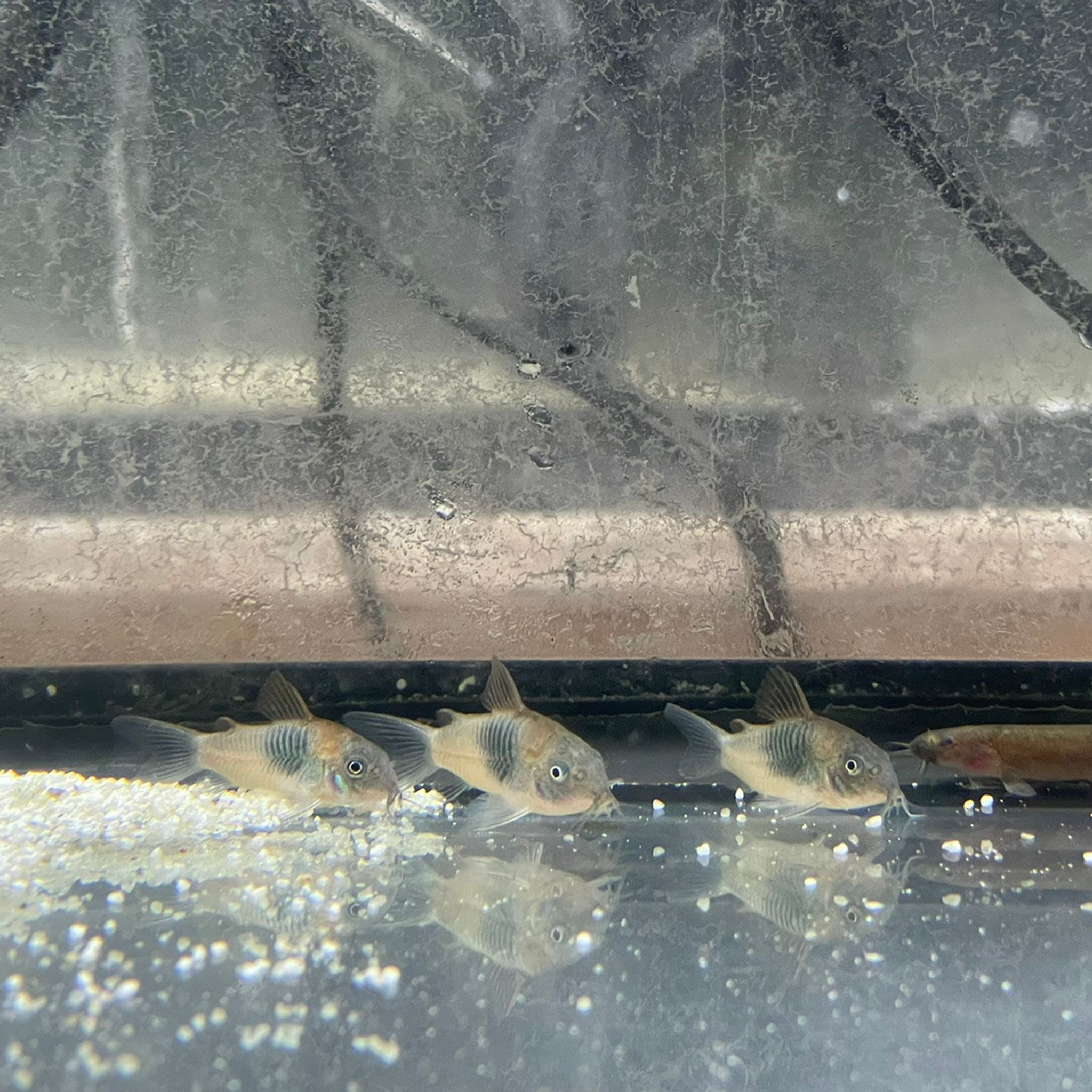
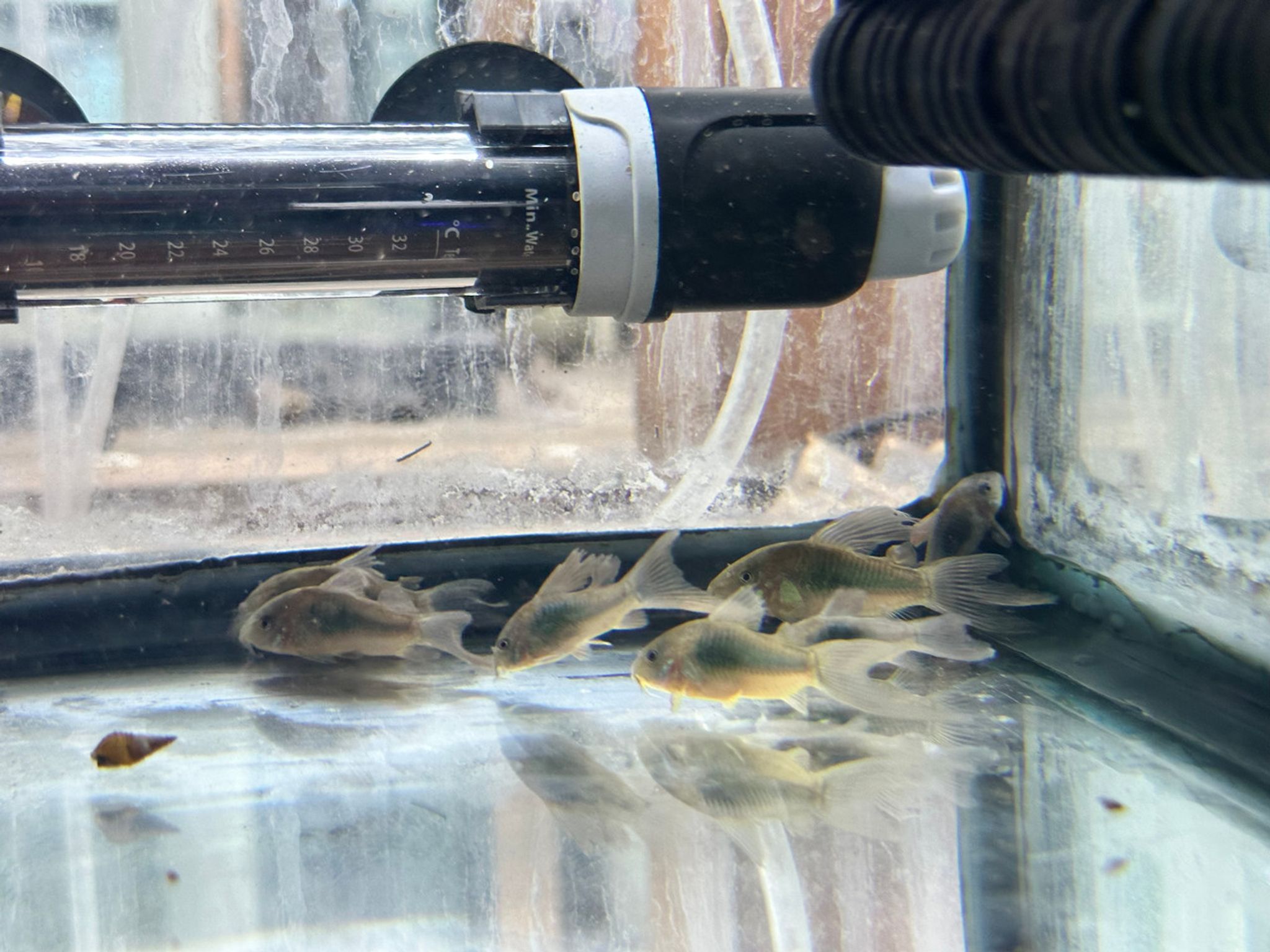
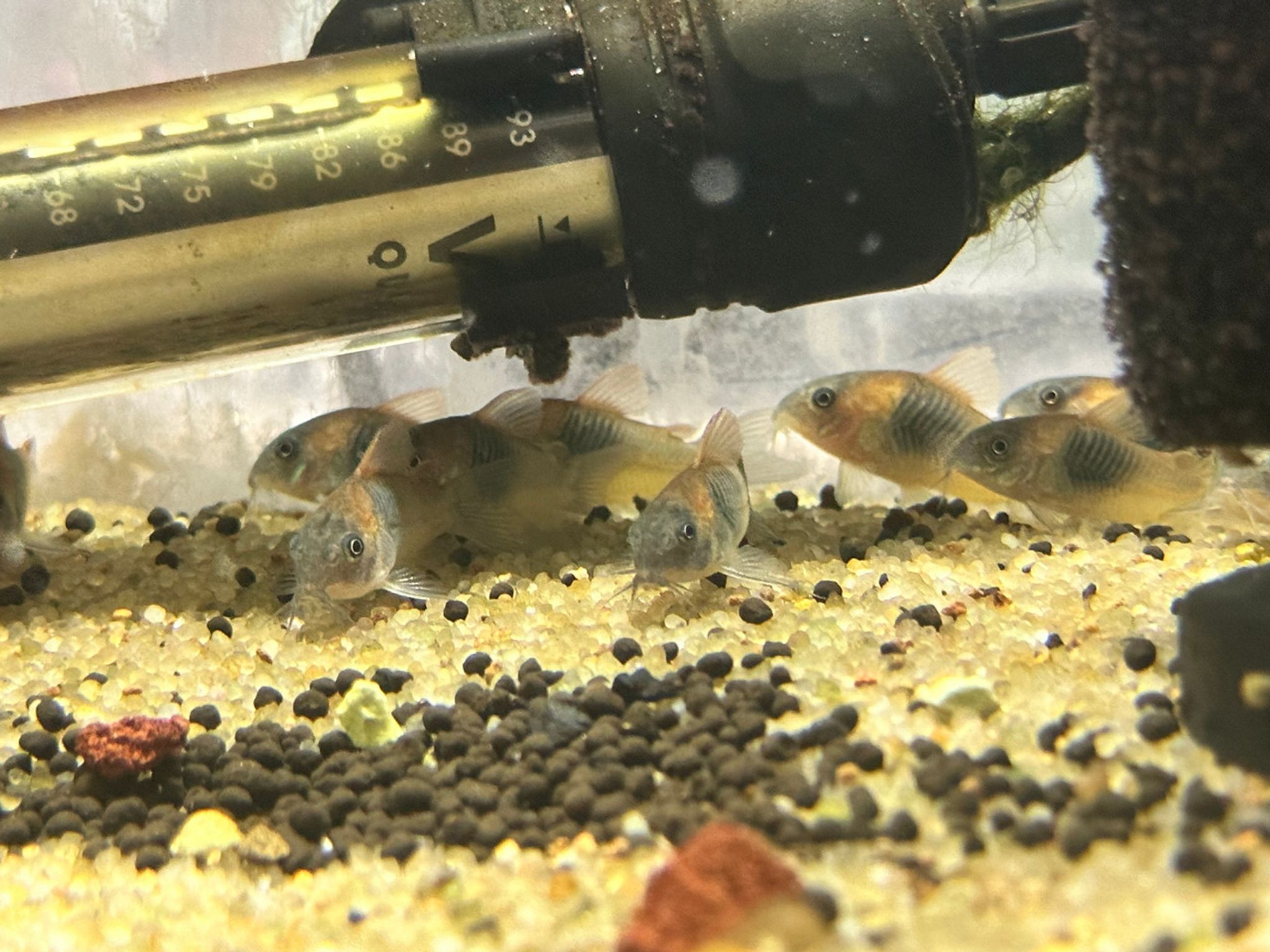
Corydoras are peaceful social Catfish popular in community and planted aquariums.
They spend much of their time foraging near the substrate and are best known for active group behavior and compatibility with many peaceful freshwater fish.
Plecos are armored Catfish with sucker-like mouths and include everything from compact Bristlenose Plecos to very large Common Plecos.
Species differ dramatically in adult size, diet and habitat needs, so Plecos should never be treated as one universal type of algae eater.
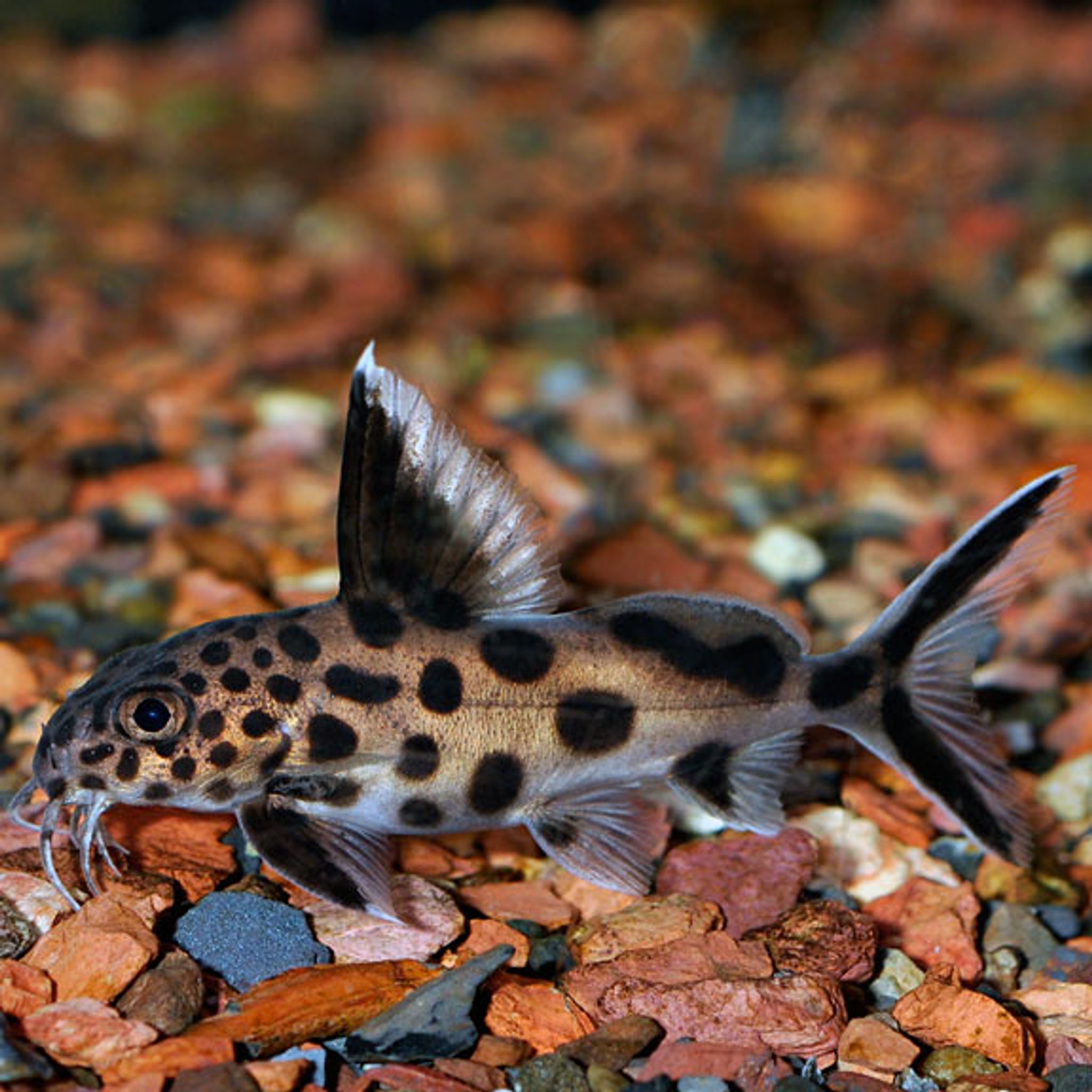
Synodontis Catfish include many African species known for bold markings, strong personalities and distinctive swimming behavior.
Some remain moderate in size while others become considerably larger, so exact species identification is important when planning a community or African cichlid aquarium.
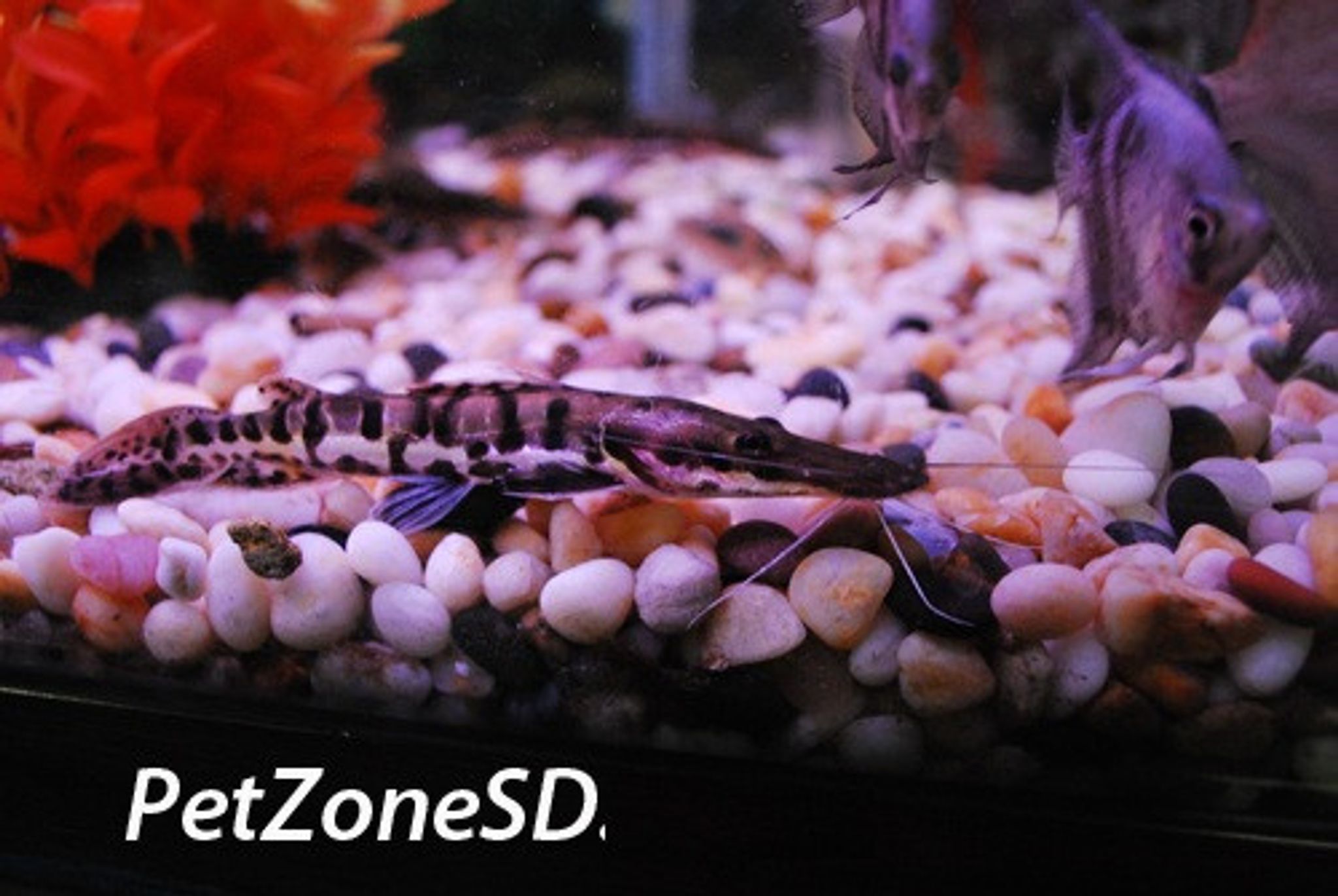
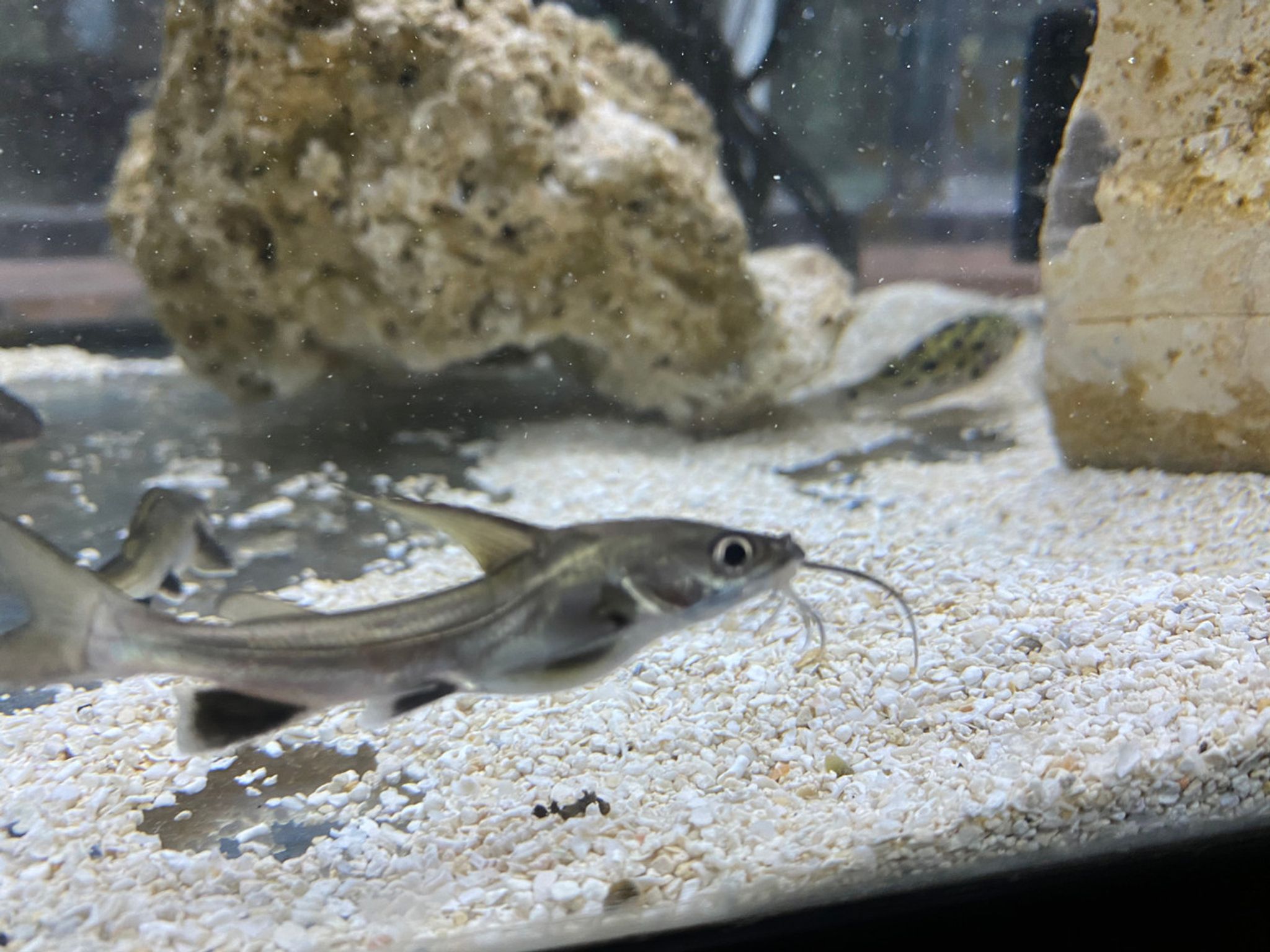
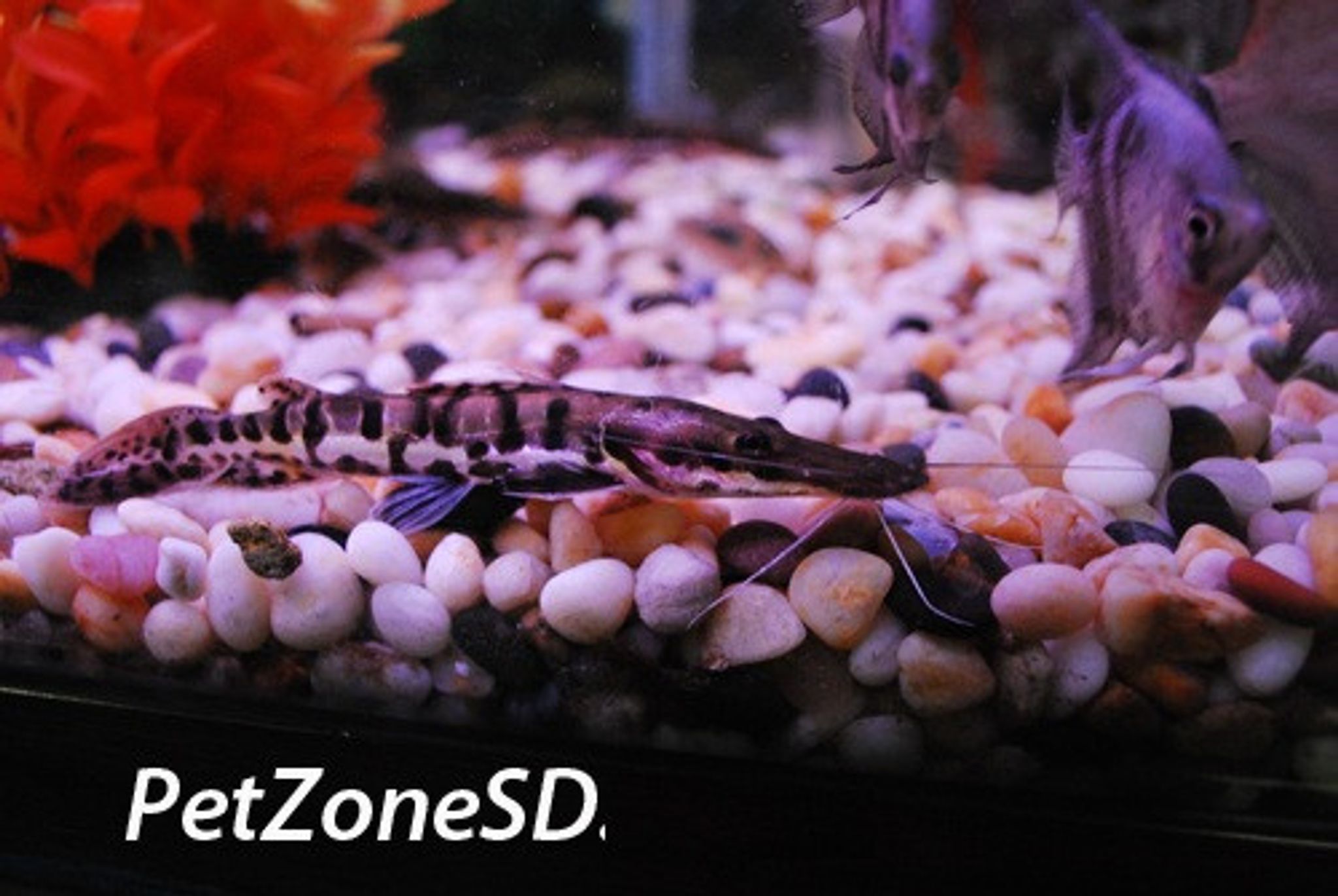
Pictus Catfish are sleek, spotted fish with long barbels and highly active swimming behavior.
They are more predatory than many peaceful bottom dwellers and may eat fish small enough to fit in their mouths.
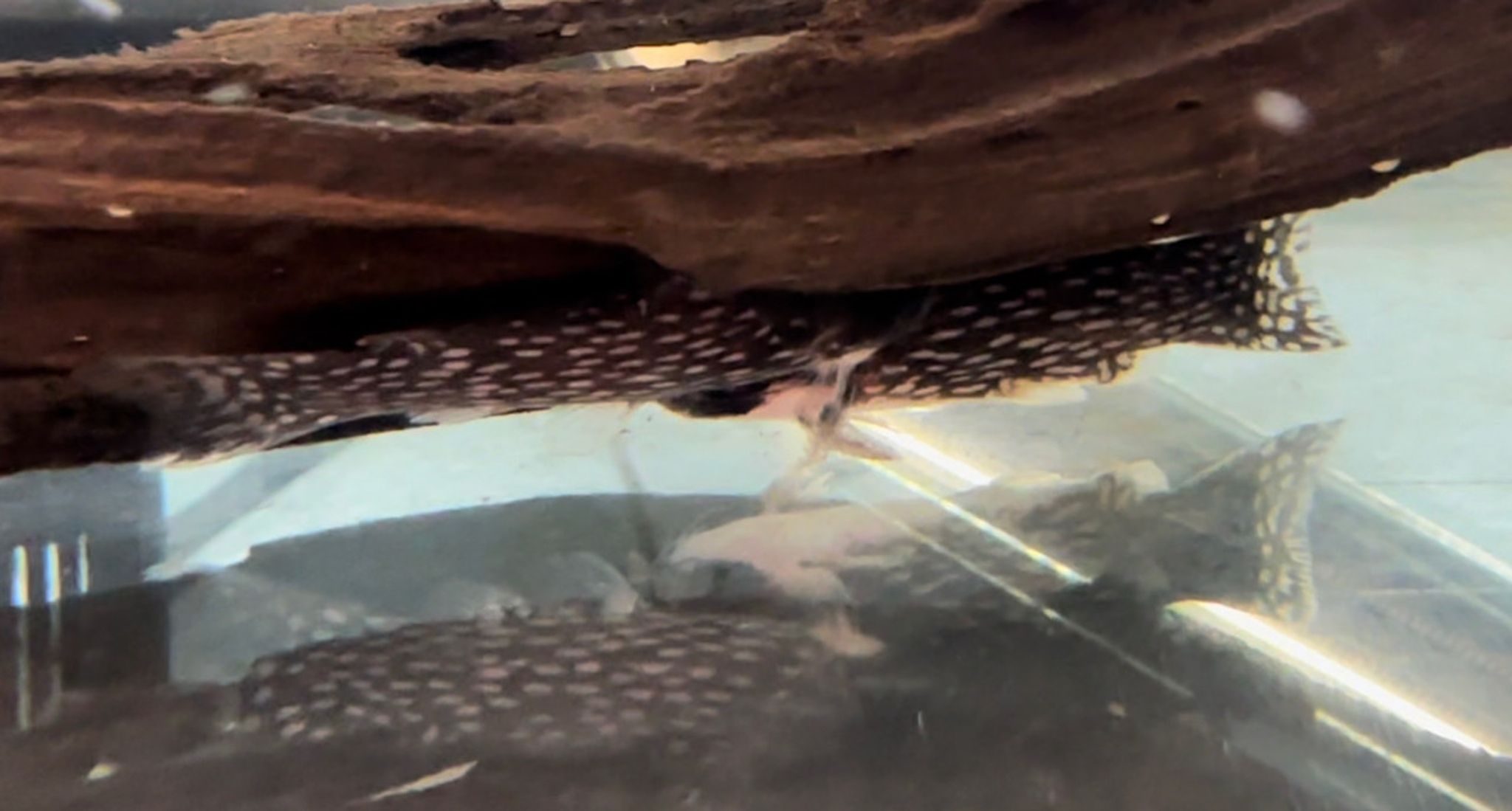
Upside-Down Catfish are famous for swimming inverted while feeding or exploring surfaces.
Their unusual behavior makes them a distinctive choice for community aquariums with compatible tankmates and plenty of cover.
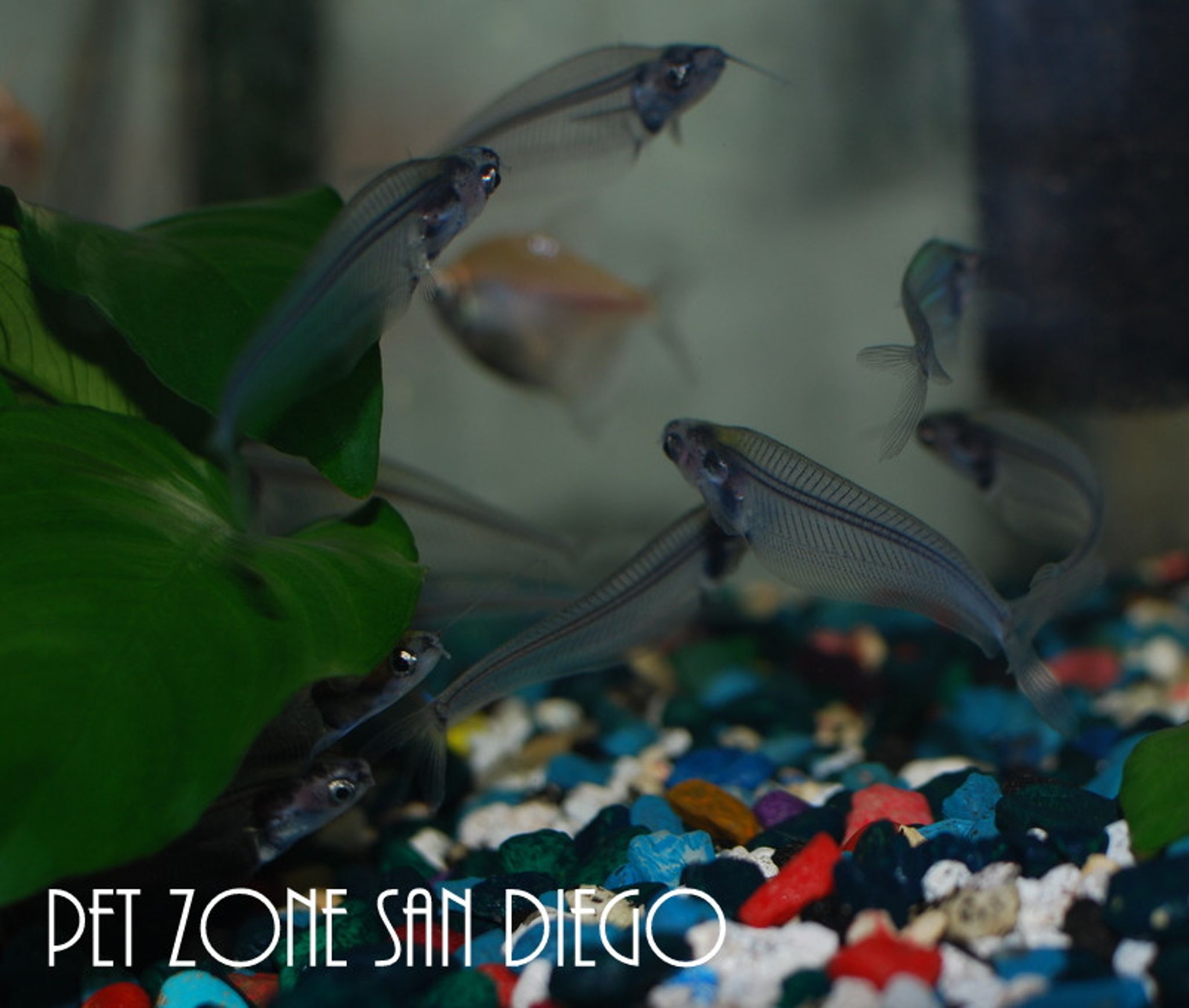
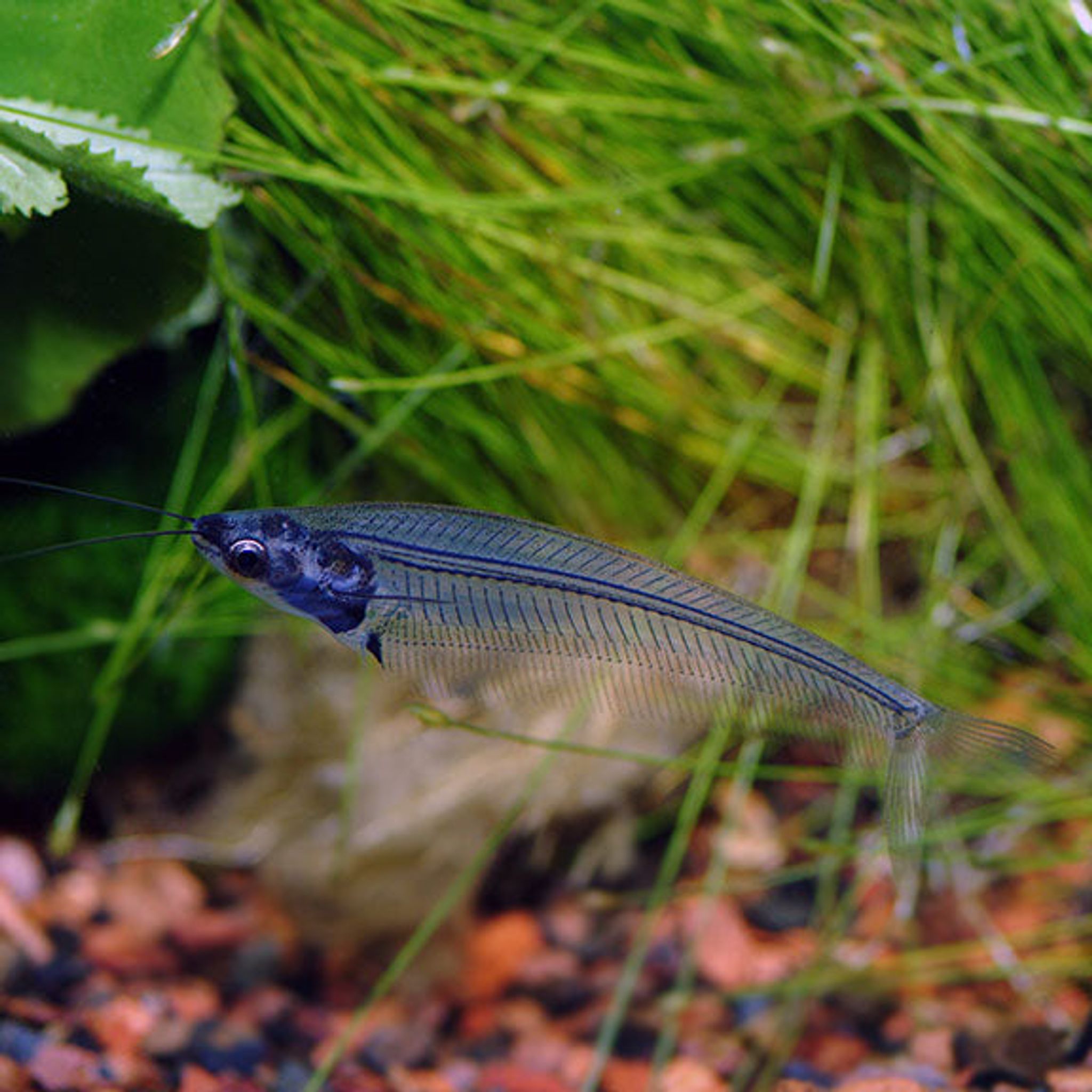
Glass Catfish are transparent, open-water Catfish with delicate bodies and visible internal structures.
They are social fish and are best suited to peaceful aquariums where they are not constantly disturbed by aggressive or highly boisterous tankmates.
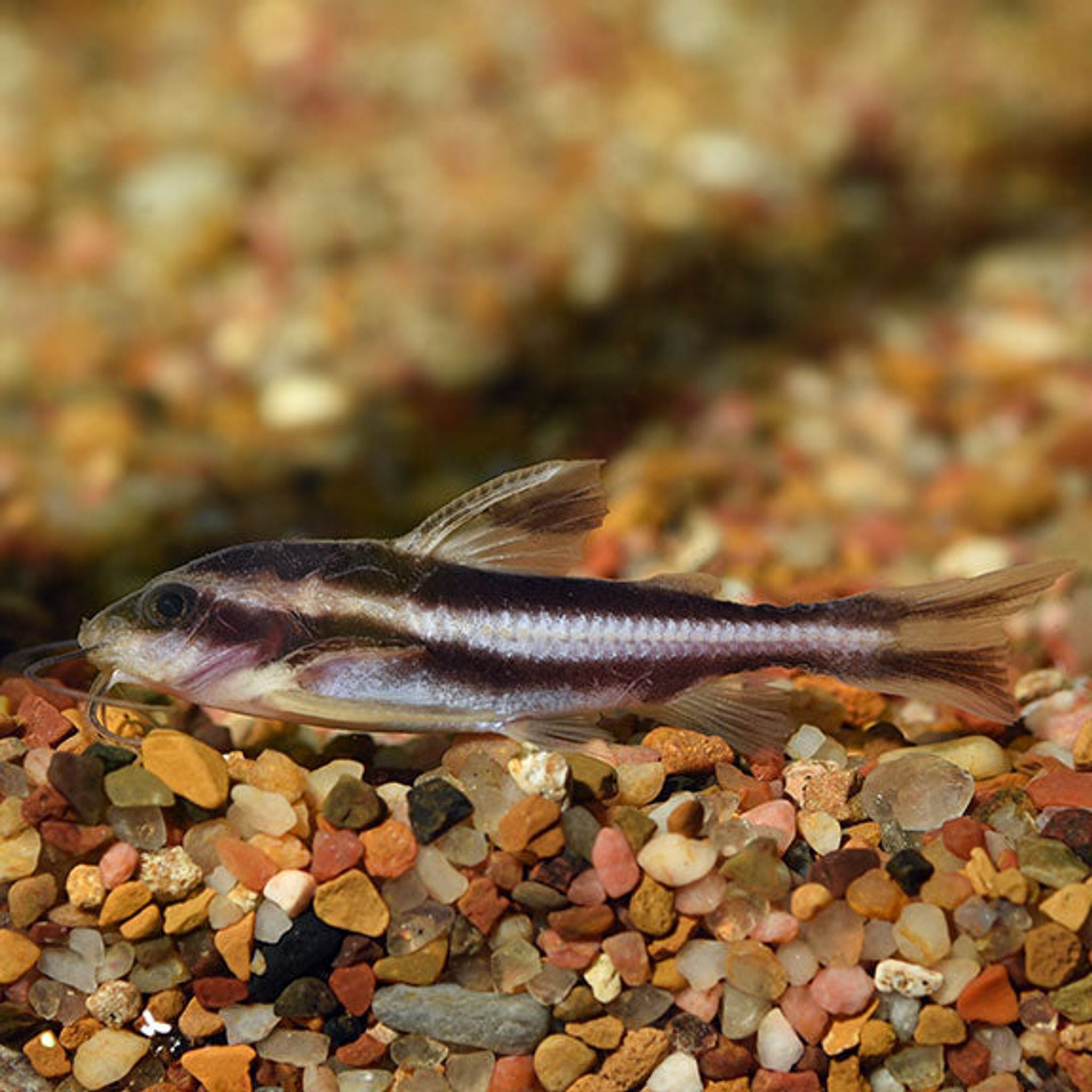
Bumblebee Catfish are named for contrasting dark and light body markings.
Several fish use this common name, so exact species identification matters because adult size and temperament can vary.
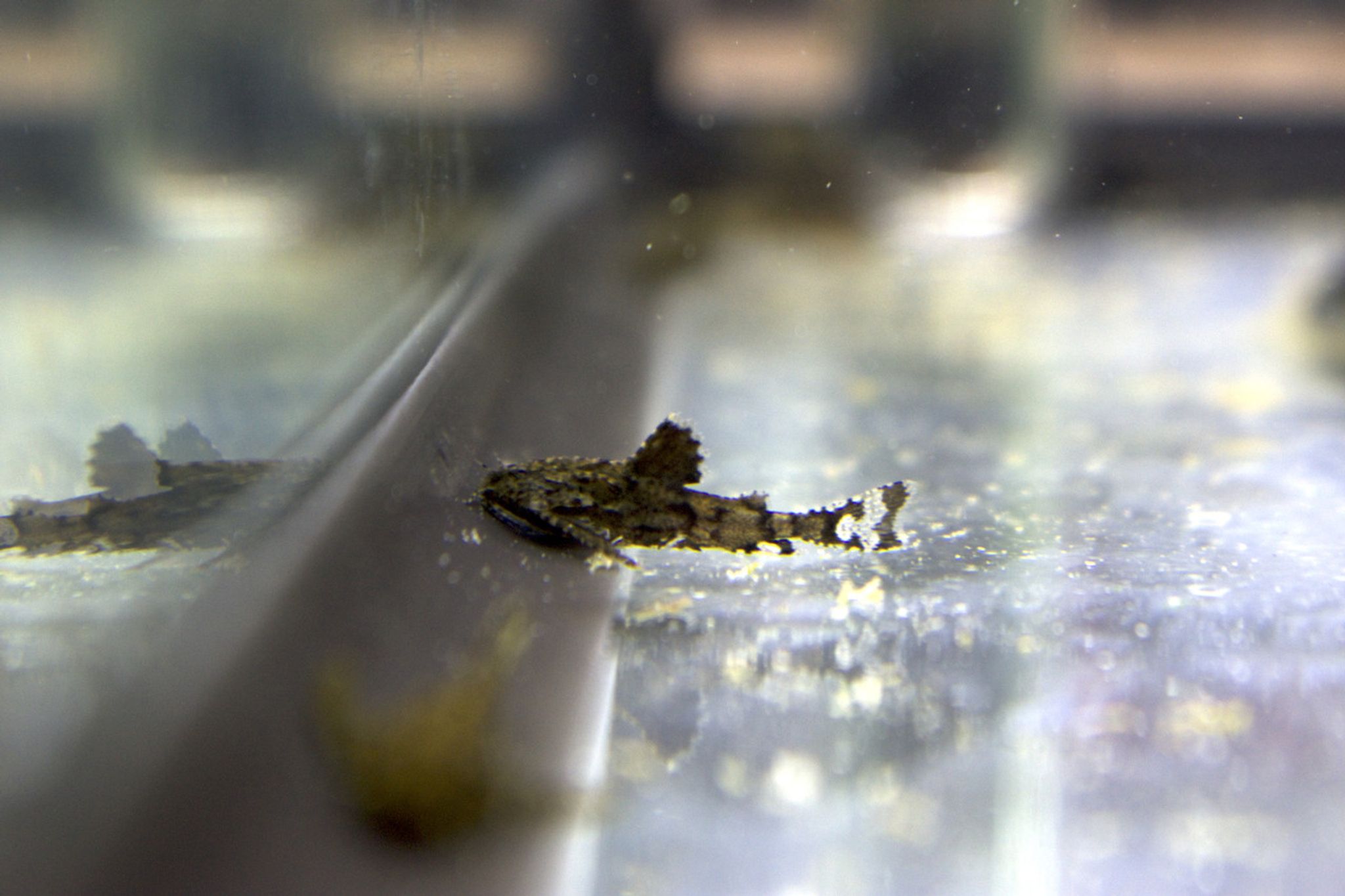
Banjo Catfish are unusual bottom dwellers with flattened bodies and camouflage that helps them blend into substrate and leaf litter.
They are often secretive and may spend long periods partially buried or hidden.
Raphael Catfish are armored, often nocturnal fish known for strong bodies and prominent spines.
They appreciate caves and shelter and may become active after lights dim.
Twig Catfish are slender armored Catfish adapted for camouflage among branches and wood.
Many are relatively peaceful but can have more specialized feeding and water-quality requirements than common beginner Catfish.
Otocinclus are small social Catfish known for grazing algae and biofilm from aquarium surfaces.
They should not be treated as automatic cleanup fish because mature grazing surfaces, stable water and adequate nutrition remain important.
Many Catfish spend substantial time near the substrate, but not every species behaves the same way.
Glass Catfish swim in open water, some Synodontis explore caves and hardscape, and other species actively hunt throughout the aquarium.
Catfish should never be expected to survive only on leftovers, algae or waste.
Every species requires a complete diet appropriate to its natural feeding strategy, whether it is omnivorous, herbivorous, insect-eating or predatory.
Aquarium Catfish vary enormously in adult size.
Otocinclus and small Corydoras remain compact, while some Plecos and predatory Catfish can become very large. Always plan around adult size rather than juvenile sale size.
Catfish tank setup depends on the exact species.
Caves, driftwood, rocks, plants and open substrate can all be useful, while larger or more active species require substantially more swimming space.
Many bottom-dwelling Catfish regularly forage or rest on the substrate.
Smooth sand or other non-sharp substrate can be useful for species with sensitive barbels or undersides, while exact substrate needs vary by species.
Many Catfish appreciate caves, wood, rock crevices or shaded areas where they can retreat.
Providing multiple shelters can reduce competition and encourage natural behavior, especially among nocturnal or territorial species.
Driftwood can provide shelter, grazing surfaces and structure in Catfish aquariums.
Some Plecos interact closely with wood, though dietary and wood-related requirements vary by species and should not be generalized to every Catfish.
Freshwater Catfish come from a huge variety of habitats and should not all be kept under identical conditions.
Stable water quality matched to the exact species is more important than applying one universal temperature, pH or hardness range to every Catfish.
Good filtration is especially important for larger Catfish and heavily stocked bottom-dwelling communities.
Filtration should be planned around adult biomass and feeding level rather than the smaller size of juvenile fish at purchase.
Catfish temperament ranges from peaceful and social to territorial or predatory.
Corydoras can be gentle community fish, while some larger Catfish will eat smaller tankmates if they can fit them into their mouths.
Many smaller Catfish can work well in community aquariums with peaceful midwater fish.
Corydoras, Otocinclus and selected smaller Synodontis or other Catfish can be suitable depending on adult size, temperament and water requirements.
Tetras can coexist with many peaceful Catfish because the two groups often use different areas of the aquarium.
Avoid very small Tetras with large predatory Catfish that may eventually see them as food.
Peaceful Rasboras can be good companions for smaller community Catfish.
Match adult size and water requirements carefully when combining the groups.
Some Gouramis can coexist with peaceful Catfish in appropriately sized community aquariums.
Bottom-oriented Catfish and mid-to-upper-water Gouramis can occupy different zones, reducing direct competition for space.
Some robust Catfish are kept with Cichlids, particularly species that can tolerate similar water conditions and activity levels.
Compatibility varies greatly, so avoid assuming every armored or large Catfish can withstand aggressive Cichlids.
Shrimp compatibility depends on the Catfish species.
Small peaceful algae grazers may coexist with adult shrimp, while predatory Catfish can eat shrimp and shrimplets.
Freshwater Catfish have extremely varied diets.
Depending on species, they may feed on algae, biofilm, plant matter, insect larvae, worms, crustaceans, prepared foods or other fish. Diet should always be matched to the exact species.
Sinking foods can help deliver nutrition to Catfish that feed near the substrate.
Do not assume scraps from surface-feeding fish will provide enough nutrition. Observe feeding to make sure every Catfish is receiving appropriate food.
Some Catfish become more active after lights dim, while others are active throughout the day.
Nocturnal behavior varies by species, so feeding schedule and observation should be adjusted accordingly.
Many Catfish have sensory barbels around the mouth that help them explore substrate and locate food.
Clean water and suitable substrate can help reduce unnecessary damage to these sensitive structures.
Some Catfish have strong fin spines that can become caught in nets or cause injury when fish are handled.
Transport and handling methods should take the exact species into account, especially with large armored or strongly spined Catfish.
Breeding strategies differ substantially across Catfish.
Corydoras may deposit eggs on surfaces, many Plecos use caves, and other species have entirely different reproductive behaviors. Breeding advice should therefore be species-specific.
Some Catfish can be excellent choices for beginners, while others become too large or have specialized feeding and habitat requirements.
Corydoras and selected smaller Catfish can be approachable choices, while giant or predatory species require significantly more planning.
When comparing freshwater Catfish for sale, look for:
Newly shipped Catfish may experience stress from transport and changes in water conditions.
Prepare a stable, cycled aquarium before arrival and follow the seller's acclimation guidance for the exact species being introduced.
Quarantine and careful observation can help reduce the risk of introducing parasites or disease into an established aquarium.
Some Catfish can be sensitive to certain medications, so treatments should be selected carefully for the exact species rather than applied generically.
Freshwater Catfish prices vary according to species, size, rarity, color form, origin, breeder availability and seller.
Common community Catfish and rare specialty species can differ substantially in price, so compare exact identification, current size and long-term care needs rather than price alone.
FishyHub brings freshwater Catfish listings from aquarium stores, breeders and specialist sellers together in one marketplace.
When comparing Catfish online, consider:
Shipping availability depends on the seller, destination, species, fish size, weather and livestock-shipping policy.
Review packaging, delivery timing and live-arrival terms before ordering, and make sure the aquarium is prepared before the Catfish arrive.
Yes. Aquarium stores, breeders and specialist sellers offer many freshwater Catfish online across the U.S., depending on species availability and seller shipping coverage.
Corydoras, Plecos, Synodontis, Pictus Catfish, Glass Catfish, Otocinclus and several smaller specialty Catfish are popular in freshwater aquariums.
No. Aquarium Catfish require proper food and should never be expected to survive by eating fish waste or leftovers alone.
No. Many are bottom-oriented, but species such as Glass Catfish spend much of their time swimming in open water.
Some are very peaceful, while others are territorial or predatory. Temperament depends heavily on the exact species.
Many smaller peaceful Catfish can live with Tetras, but large predatory species may eat small fish.
Compatibility varies. Small peaceful species may coexist with adult shrimp, while larger or predatory Catfish can eat shrimp and shrimplets.
FishyHub helps U.S. hobbyists compare freshwater Catfish from aquarium stores, breeders and specialist freshwater fish sellers in one marketplace.
Explore freshwater Catfish for sale on FishyHub and compare Corydoras, Plecos, Synodontis, Pictus, Glass Catfish, Otocinclus and other aquarium Catfish. Discover listings from aquarium stores and breeders across the United States, and compare species, adult size, diet, temperament, price and shipping options before choosing Catfish for your aquarium.
