1–27 of 27
Showing 27 of 27 products





1786897822460.jpeg?signature=f129ab9ee0ca2405c6811ca48e960bab09c86b64cff485a66fe3a2ea1ec474fb)
Shop Loaches online from aquarium stores, breeders and specialist freshwater fish sellers across the United States on FishyHub. Compare Kuhli Loaches, Clown Loaches, Yoyo Loaches, Hillstream Loaches, Zebra Loaches and other freshwater Loach species by size, behavior and seller.
Loaches are a diverse group of freshwater bottom-dwelling fish known for active foraging, unusual body shapes and social behavior. FishyHub helps U.S. hobbyists compare Loach listings from multiple sellers in one marketplace.
Buying Loaches online gives hobbyists access to a broader range of species and sizes than may be available from a single local aquarium store.
Compare exact species, current size, expected adult size, social requirements, seller information and shipping options before choosing Loaches for your aquarium.
Popular Loaches in the aquarium hobby include:
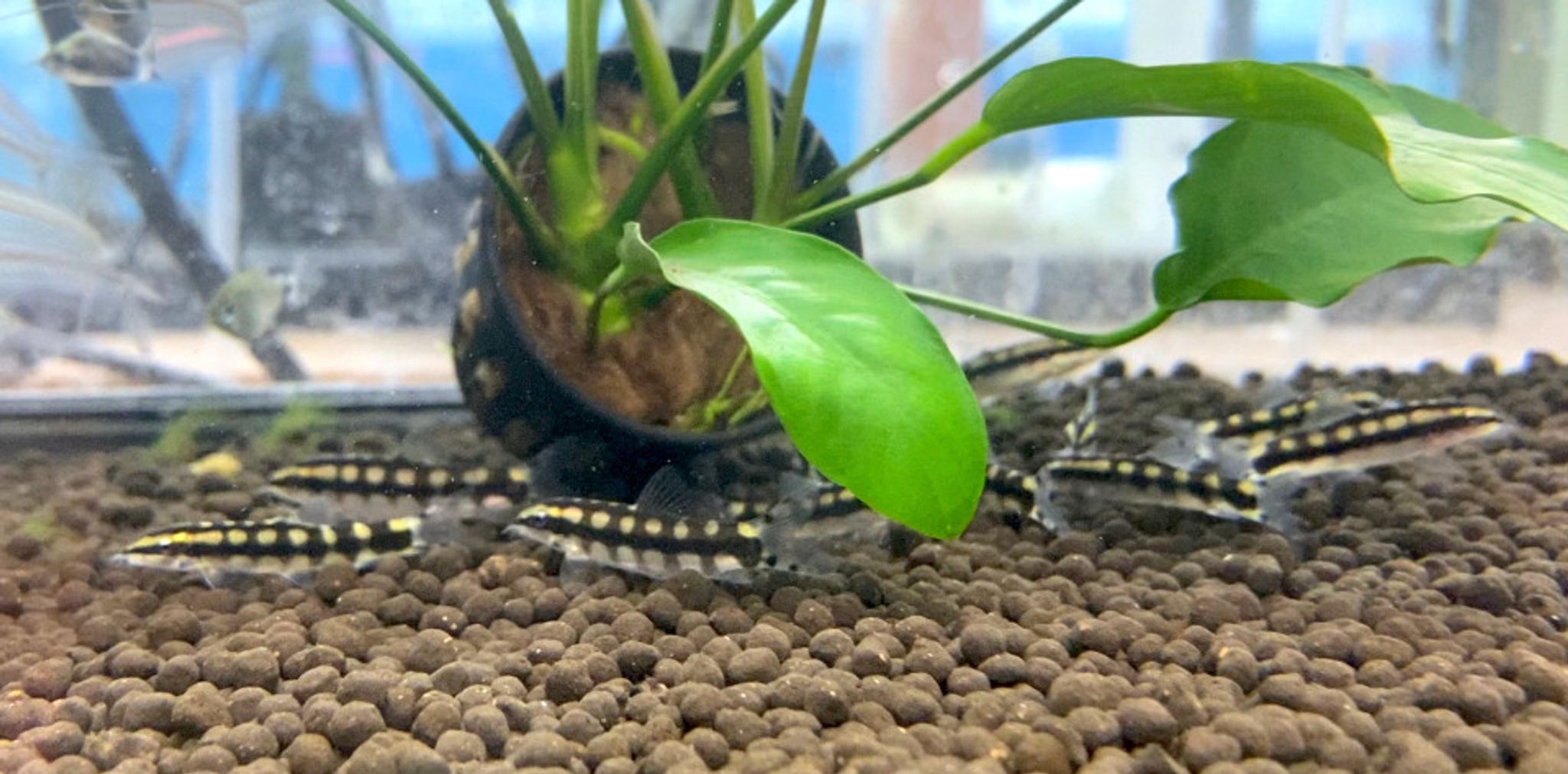
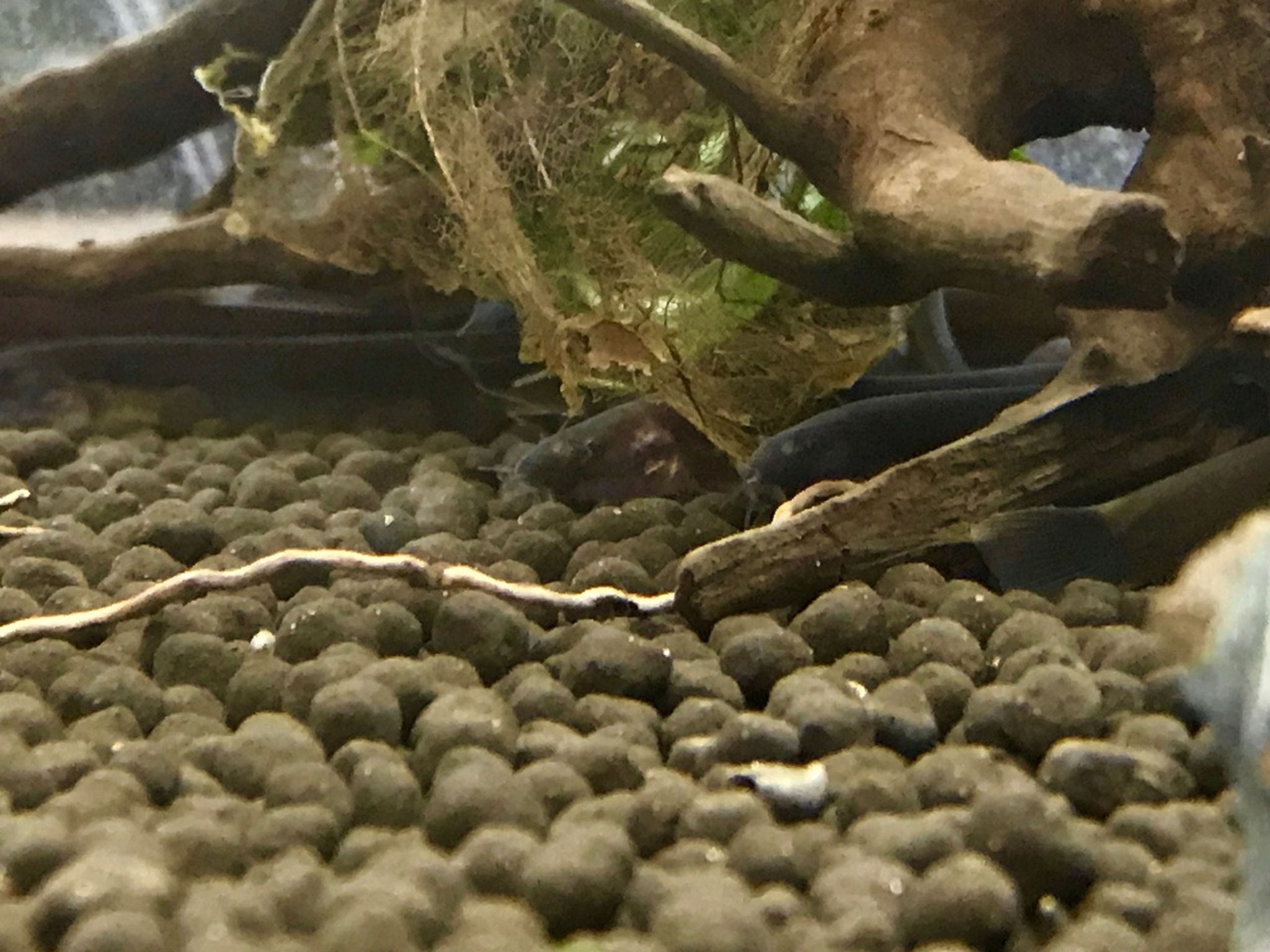
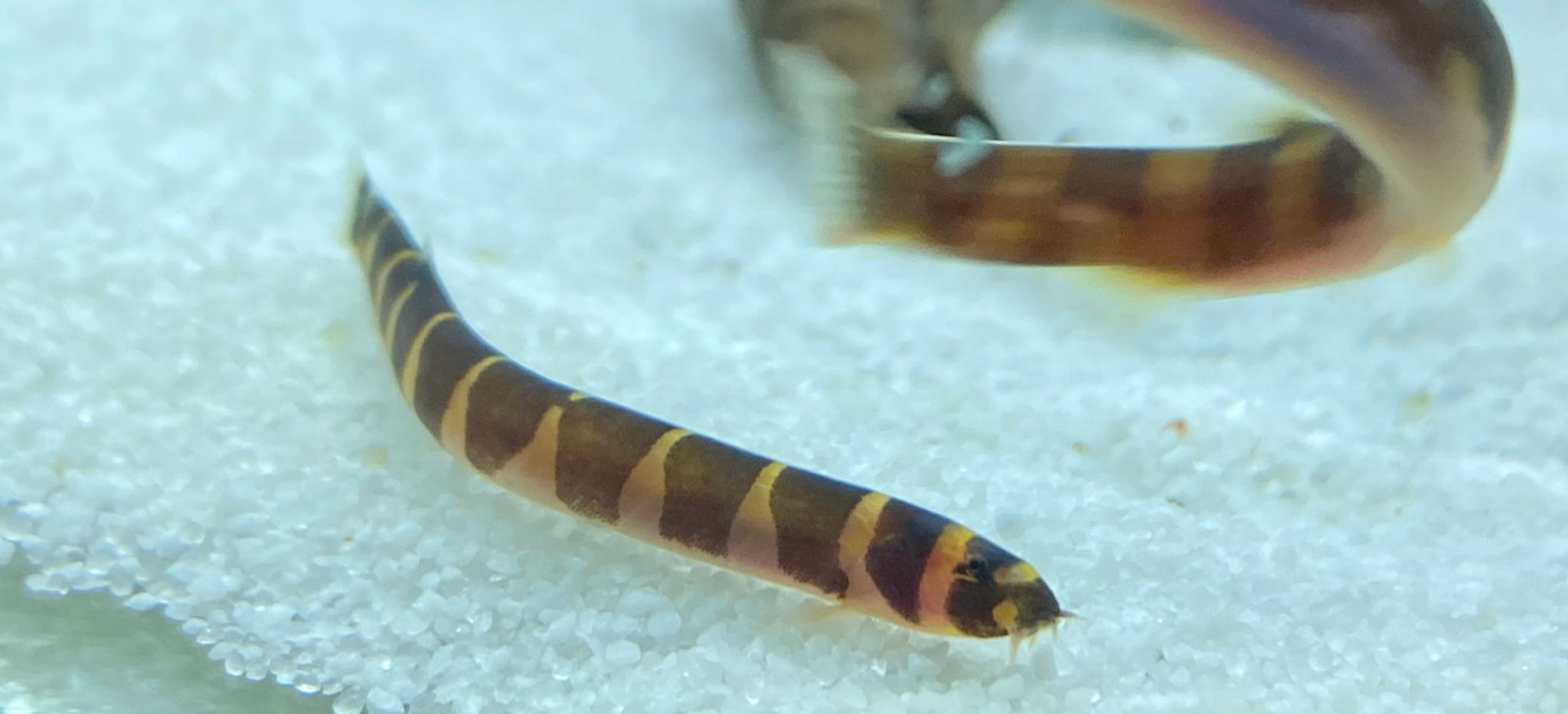
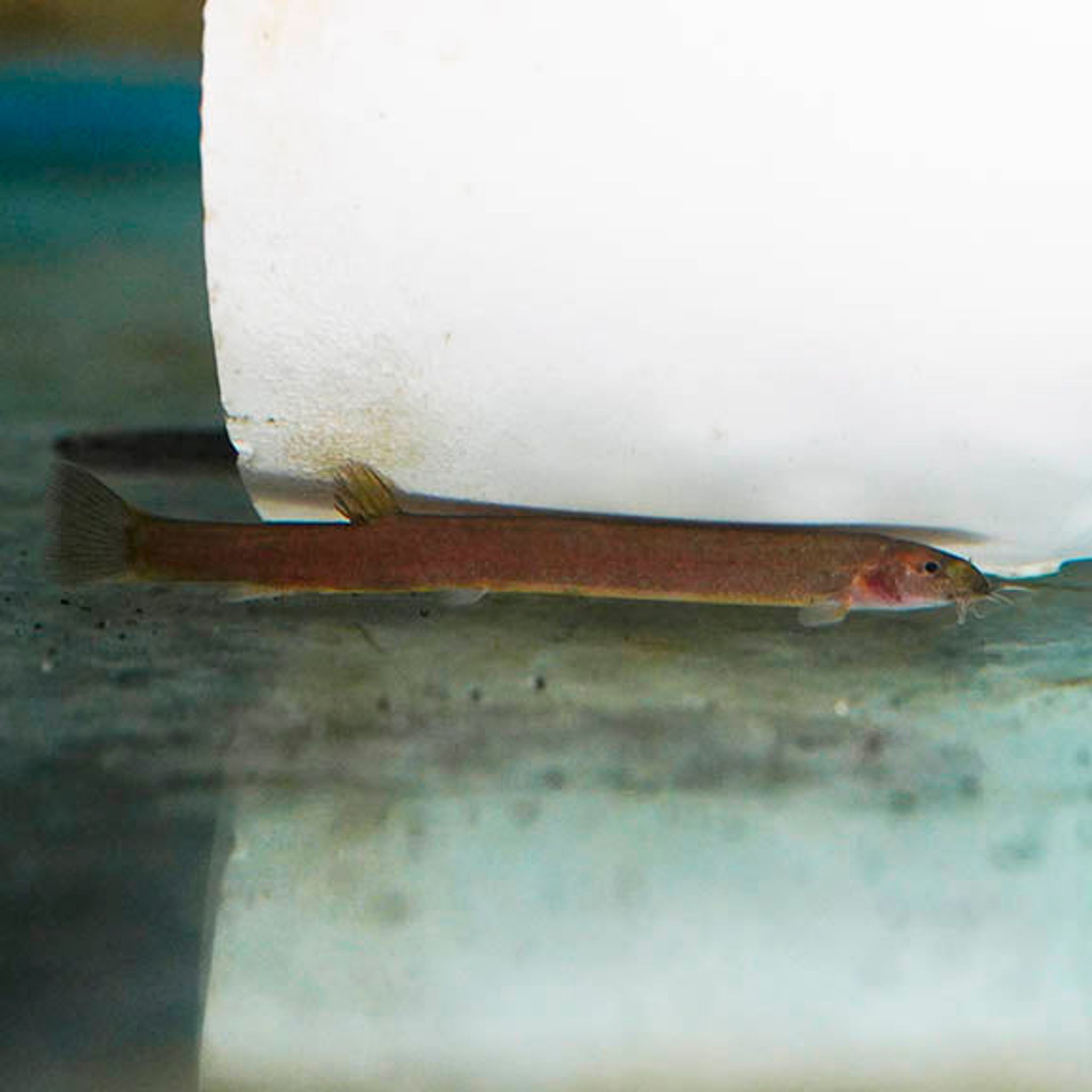
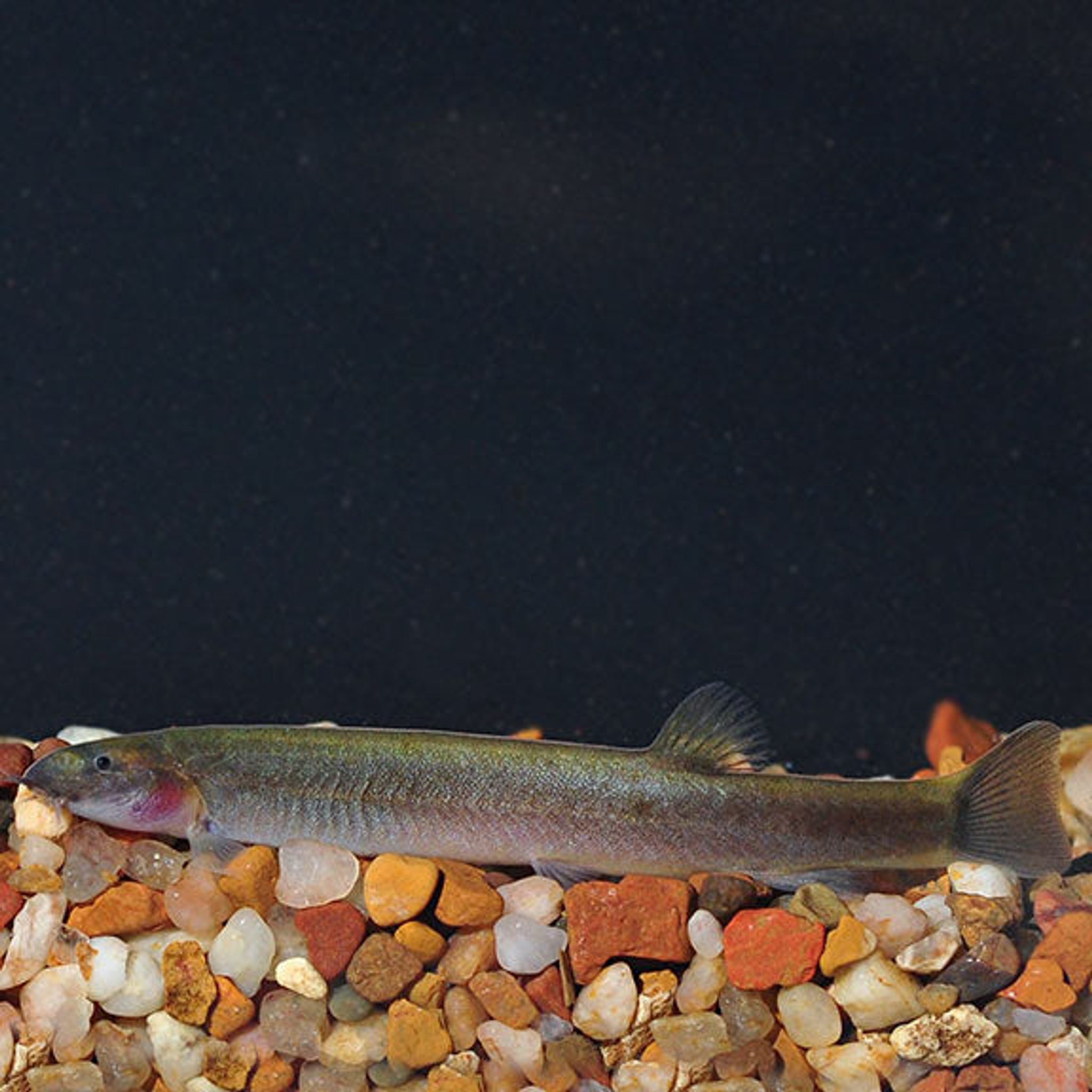
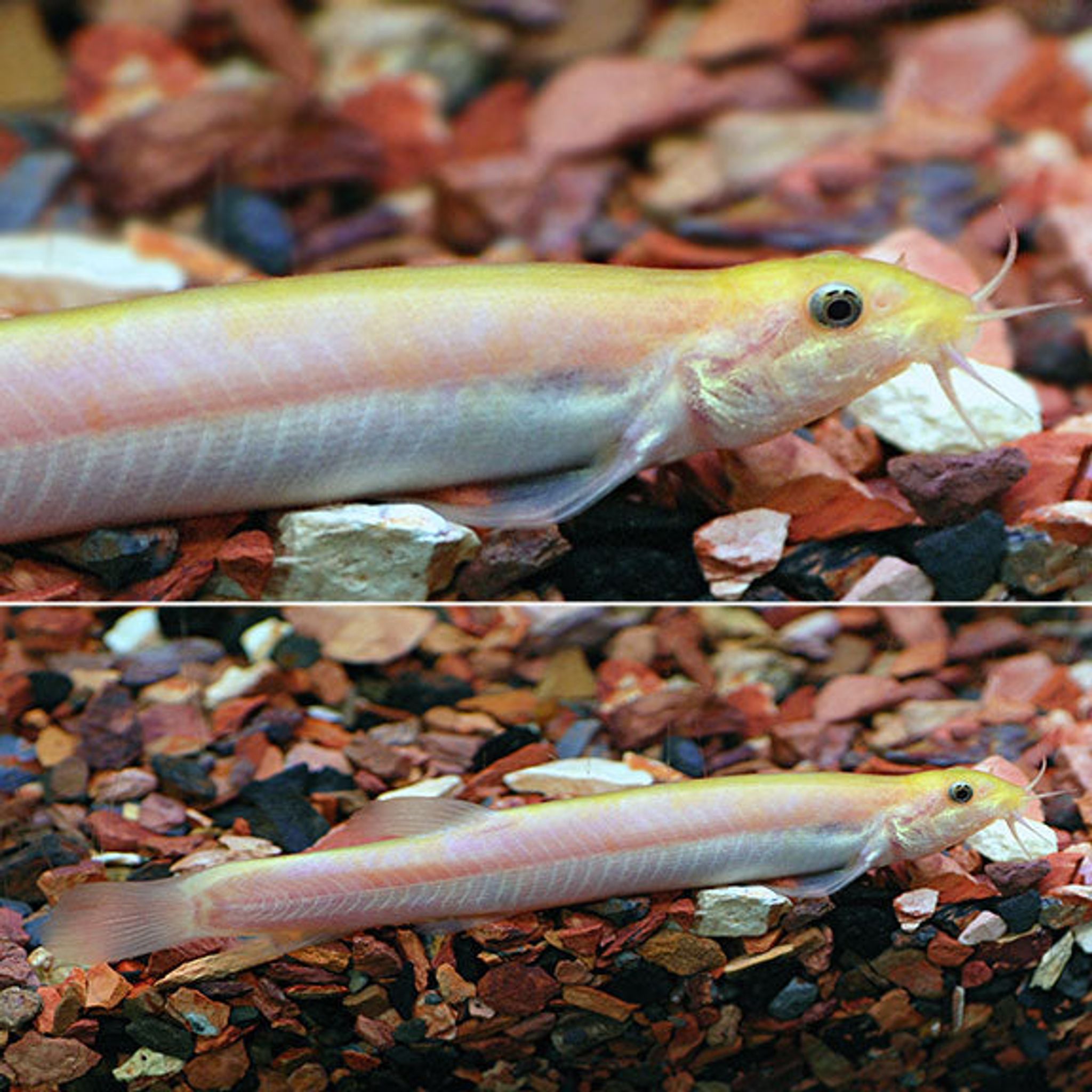
Kuhli Loaches are slender, eel-like bottom dwellers popular in peaceful community and planted aquariums.
They are social, secretive fish that appreciate cover, smooth substrate and groups of their own kind.
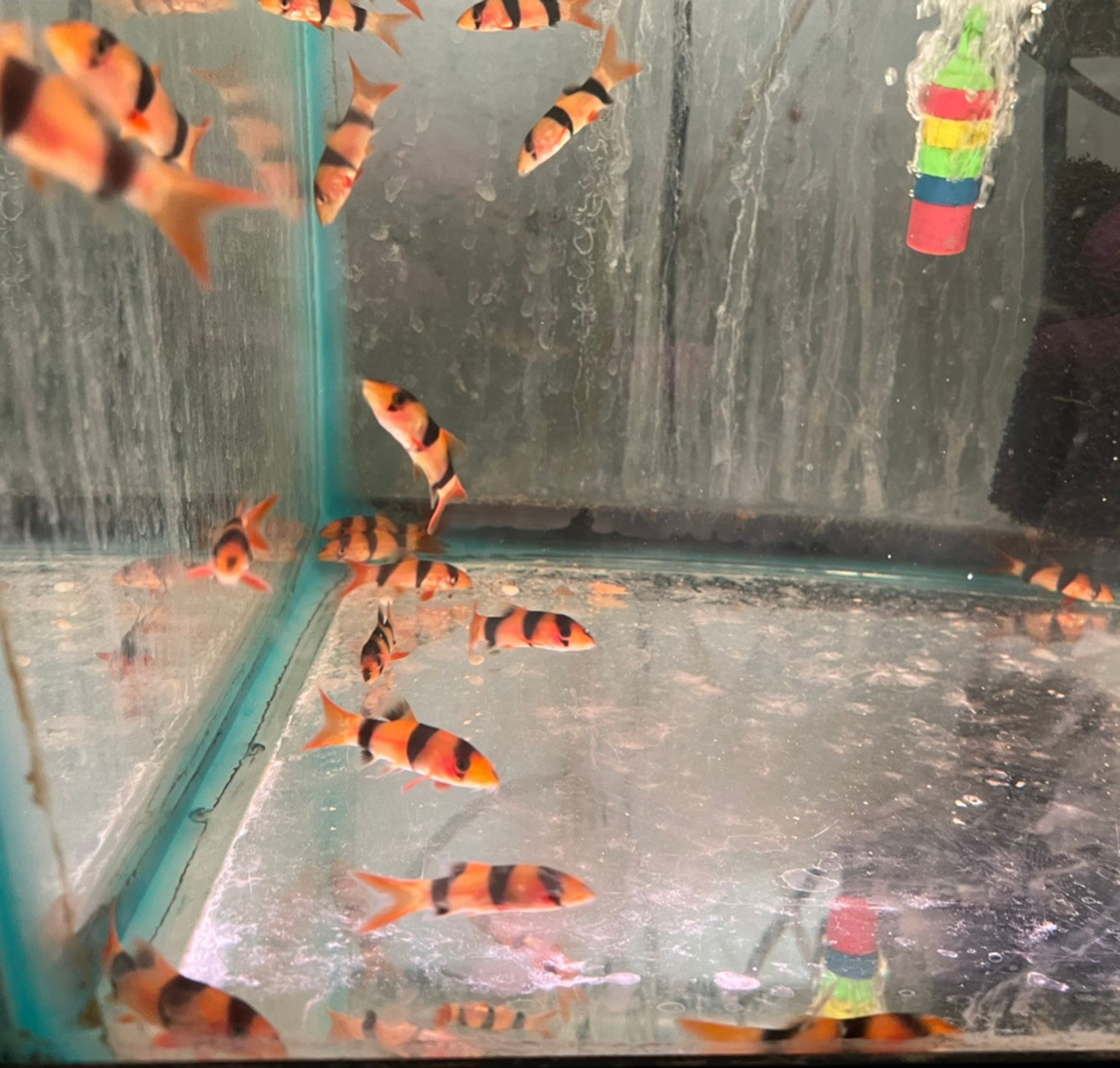
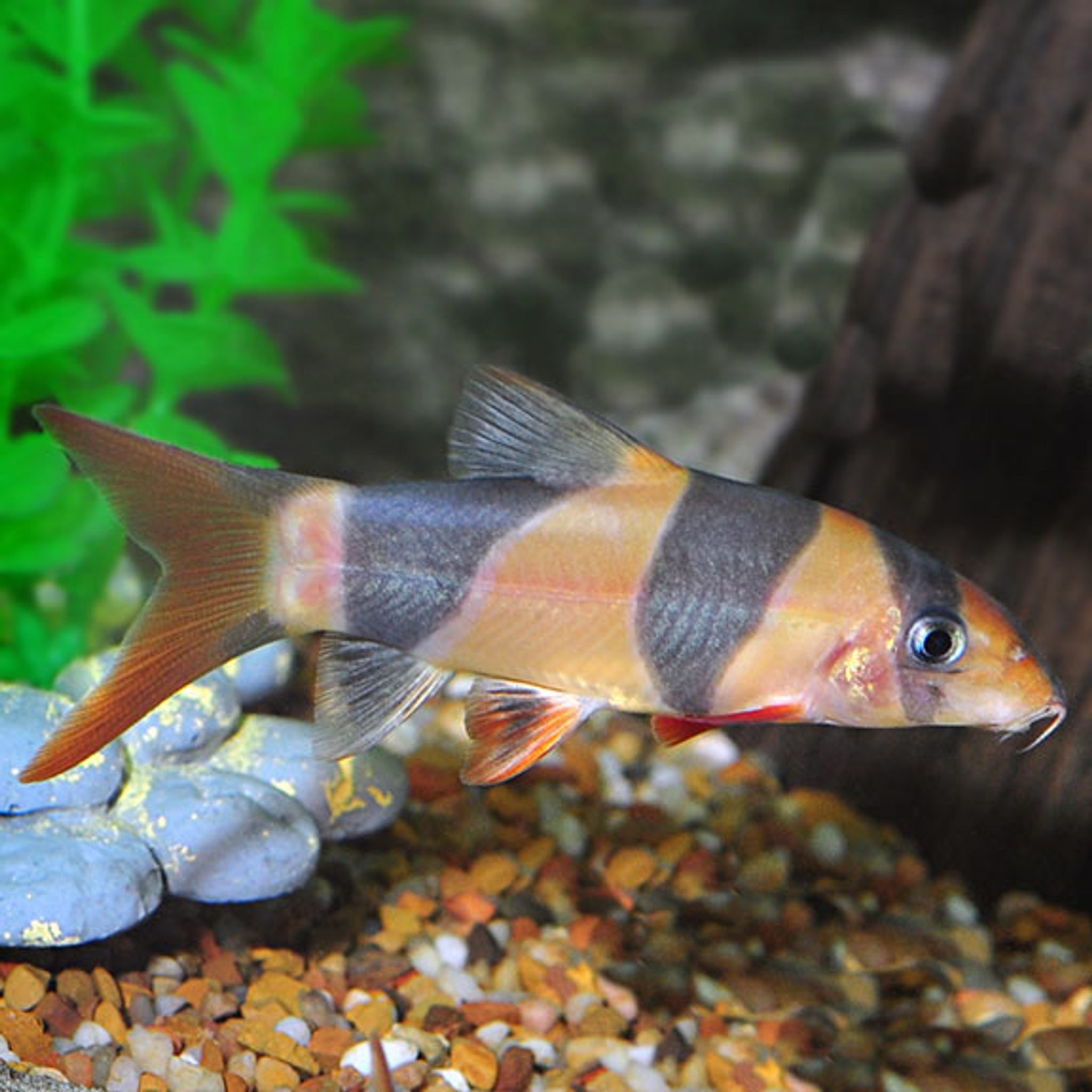
Clown Loaches are one of the best-known Loach species, recognized by orange bodies with bold black bands.
They are highly social and can grow much larger than many beginners expect, so they require substantial long-term aquarium space.
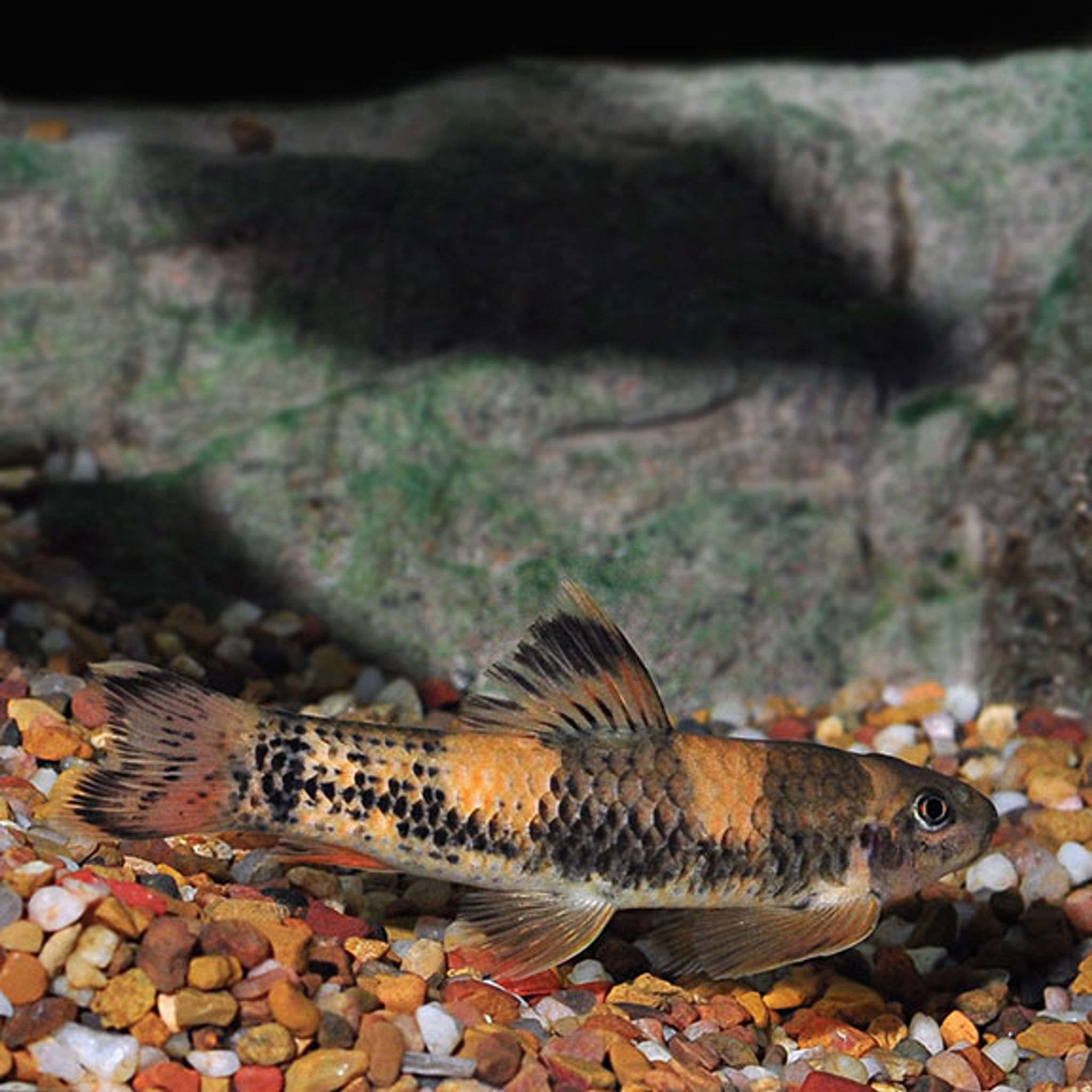
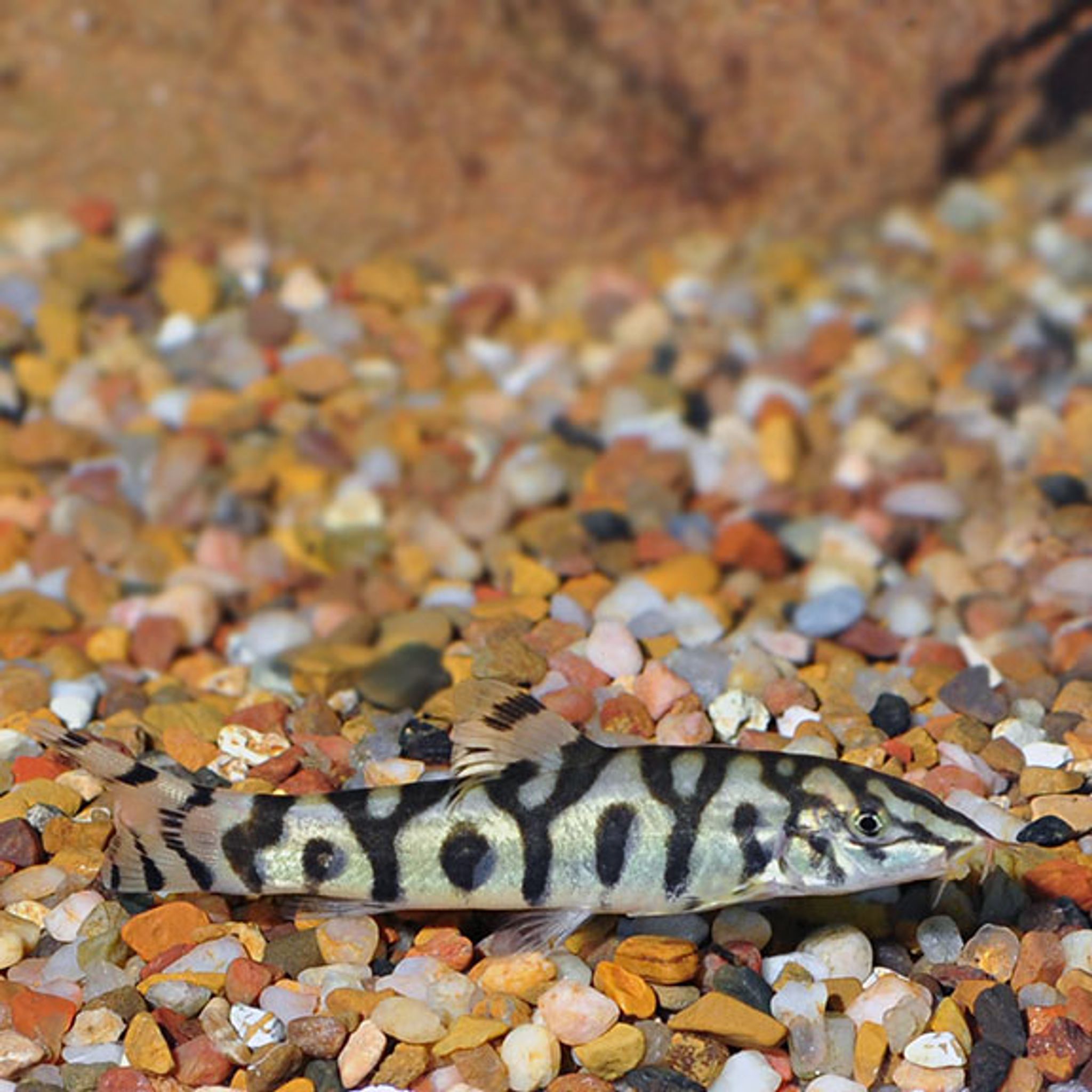
Yoyo Loaches are active, patterned bottom dwellers known for dark markings that may resemble the letters “Y” and “O.”
They are social and energetic fish that can be boisterous, so tankmates should be chosen with their activity level in mind.
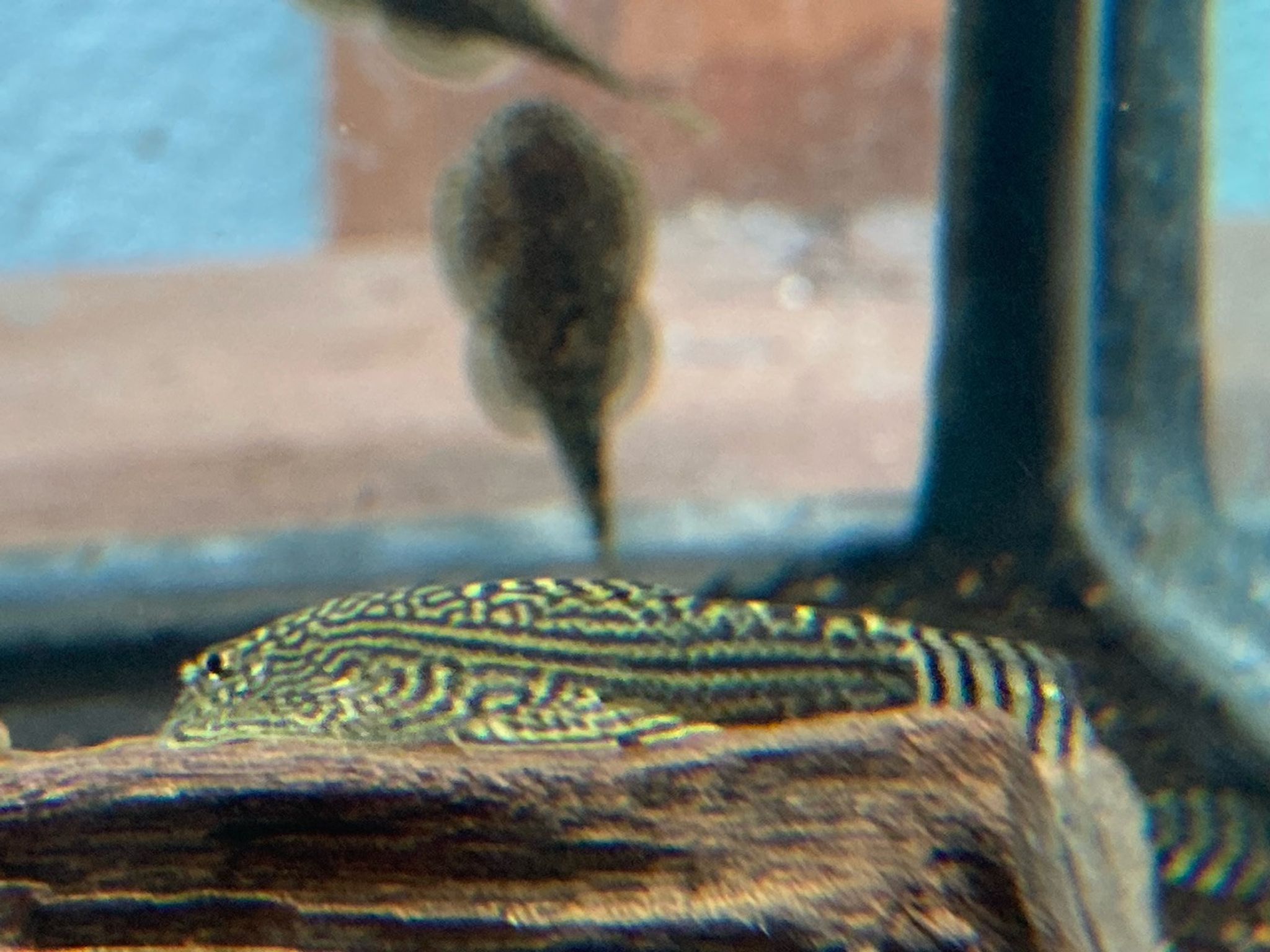
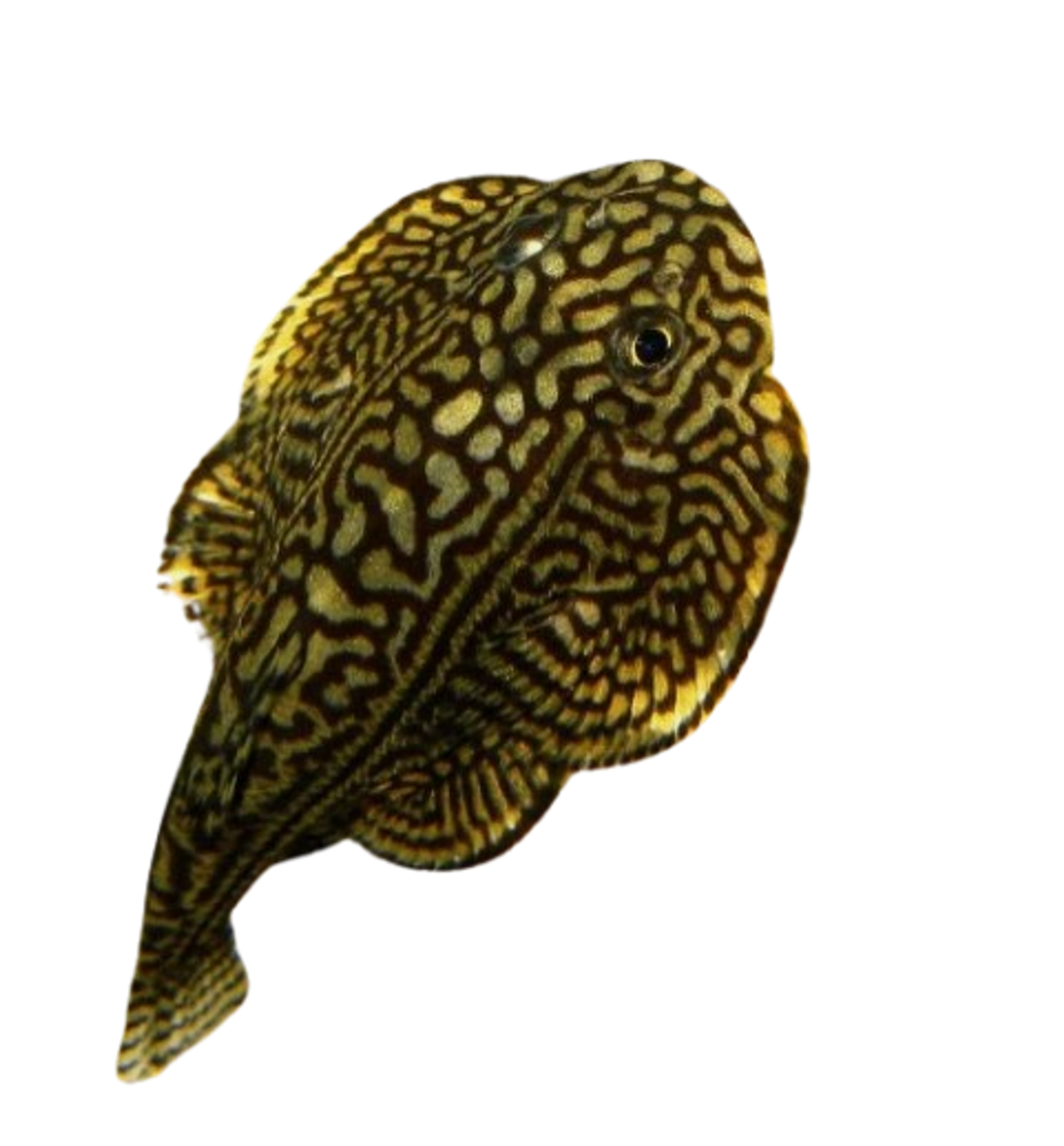
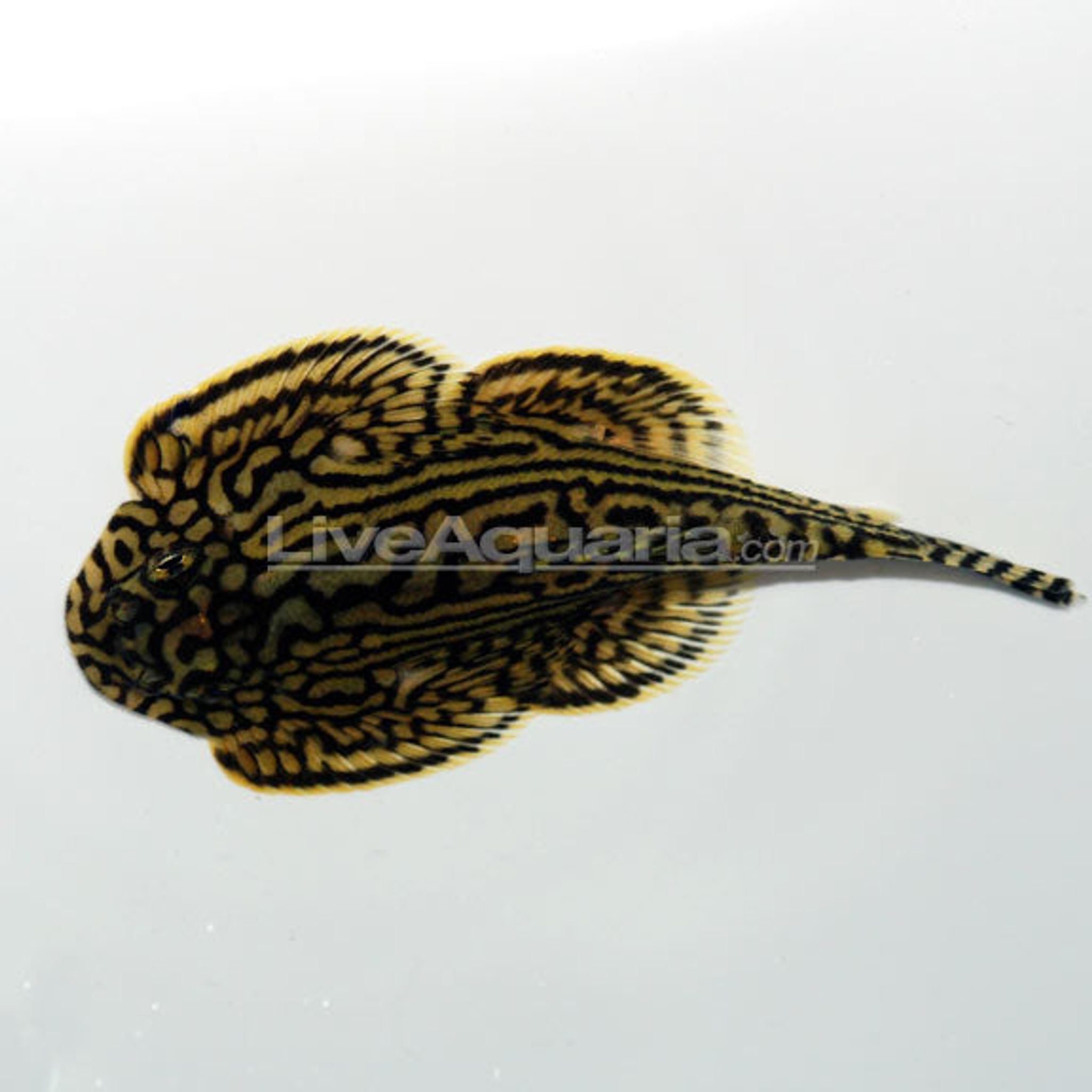
Hillstream Loaches have flattened bodies adapted for life in fast-flowing streams.
Their care differs significantly from many tropical Loaches because they often benefit from highly oxygenated water, strong flow and mature surfaces for grazing.
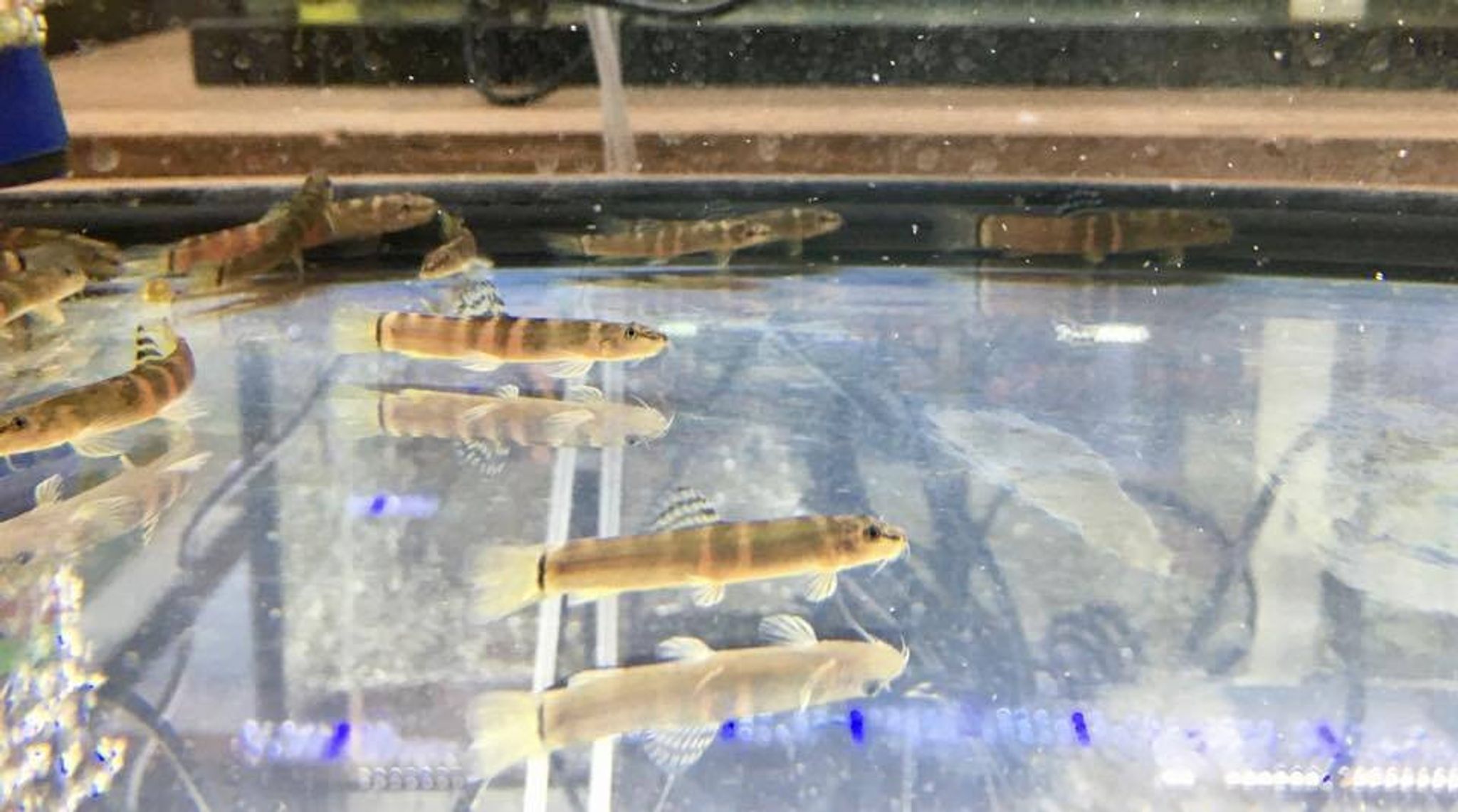
Zebra Loaches are attractive striped bottom dwellers with compact bodies and active social behavior.
They are generally smaller than Clown Loaches and can be suitable for community aquariums with appropriately peaceful tankmates.
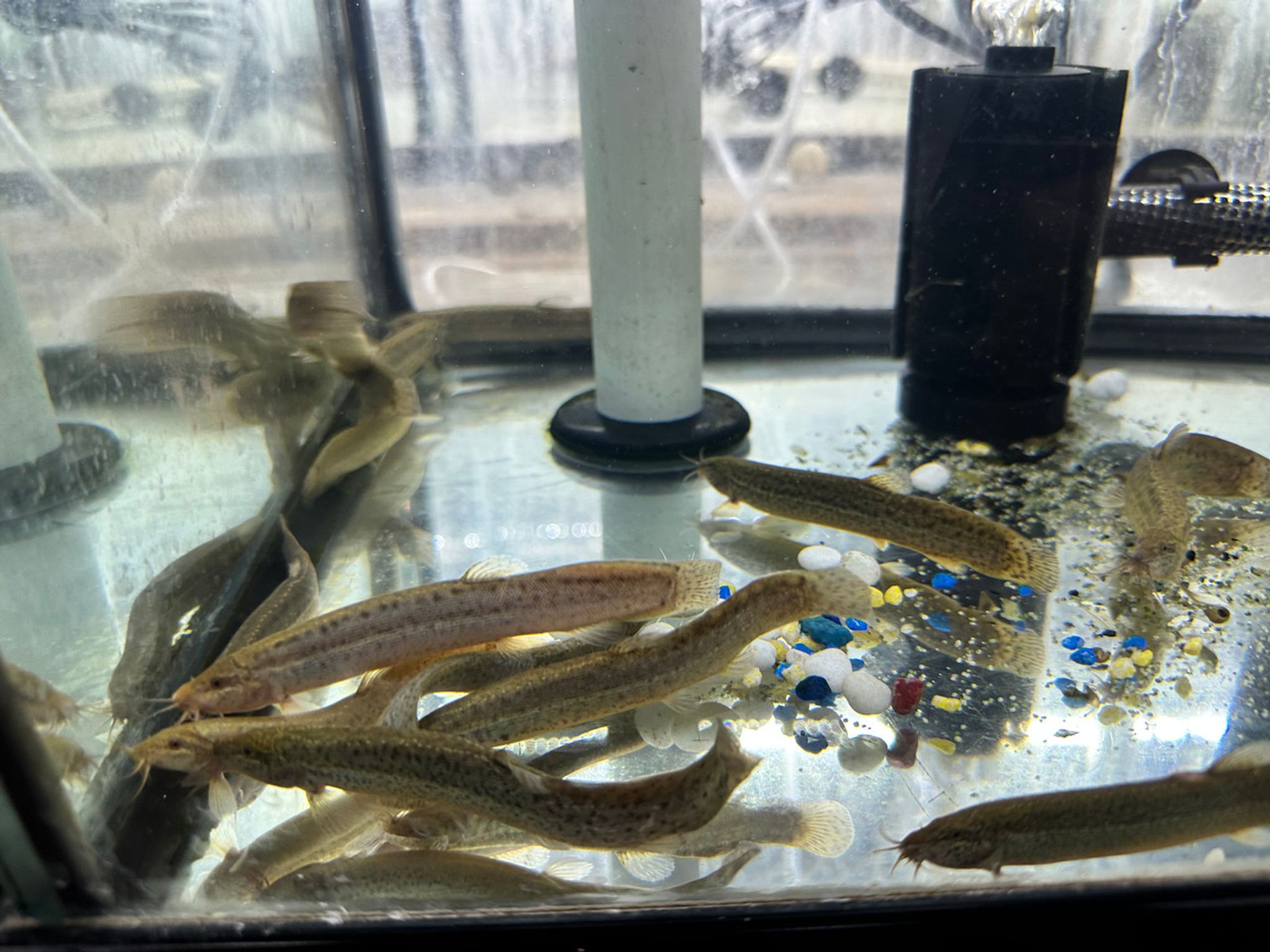
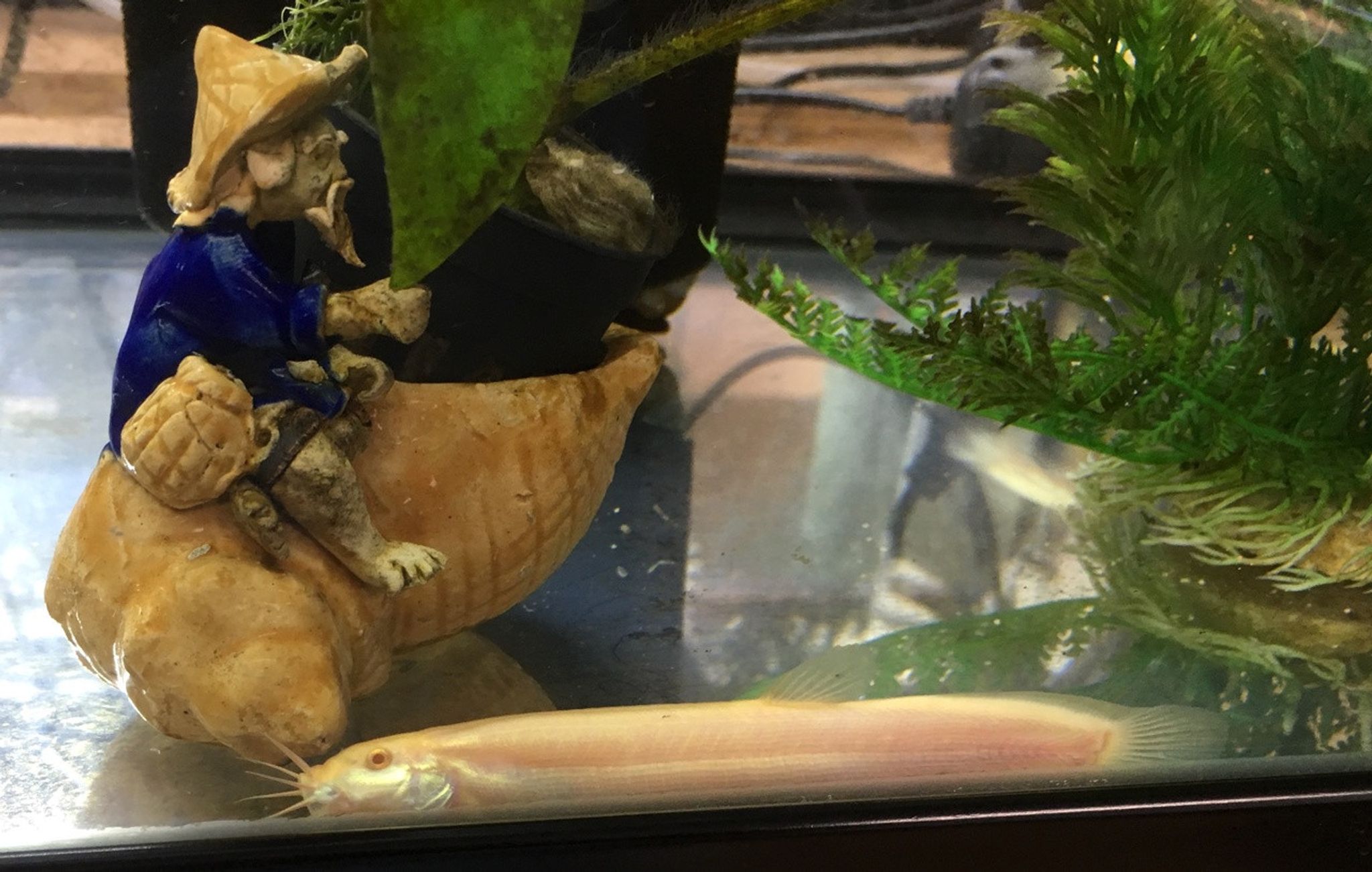
Dojo Loaches, also called Weather Loaches, are elongated, active fish known for unusual behavior and strong personalities.
Their temperature preferences can differ from many tropical community fish, so compatibility should be based on environmental needs as well as temperament.
Dwarf Chain Loaches are smaller social Loaches known for attractive chain-like body markings.
Their compact size makes them appealing for smaller aquariums than would be suitable for large Clown Loaches, but they still benefit from groups and active swimming space.
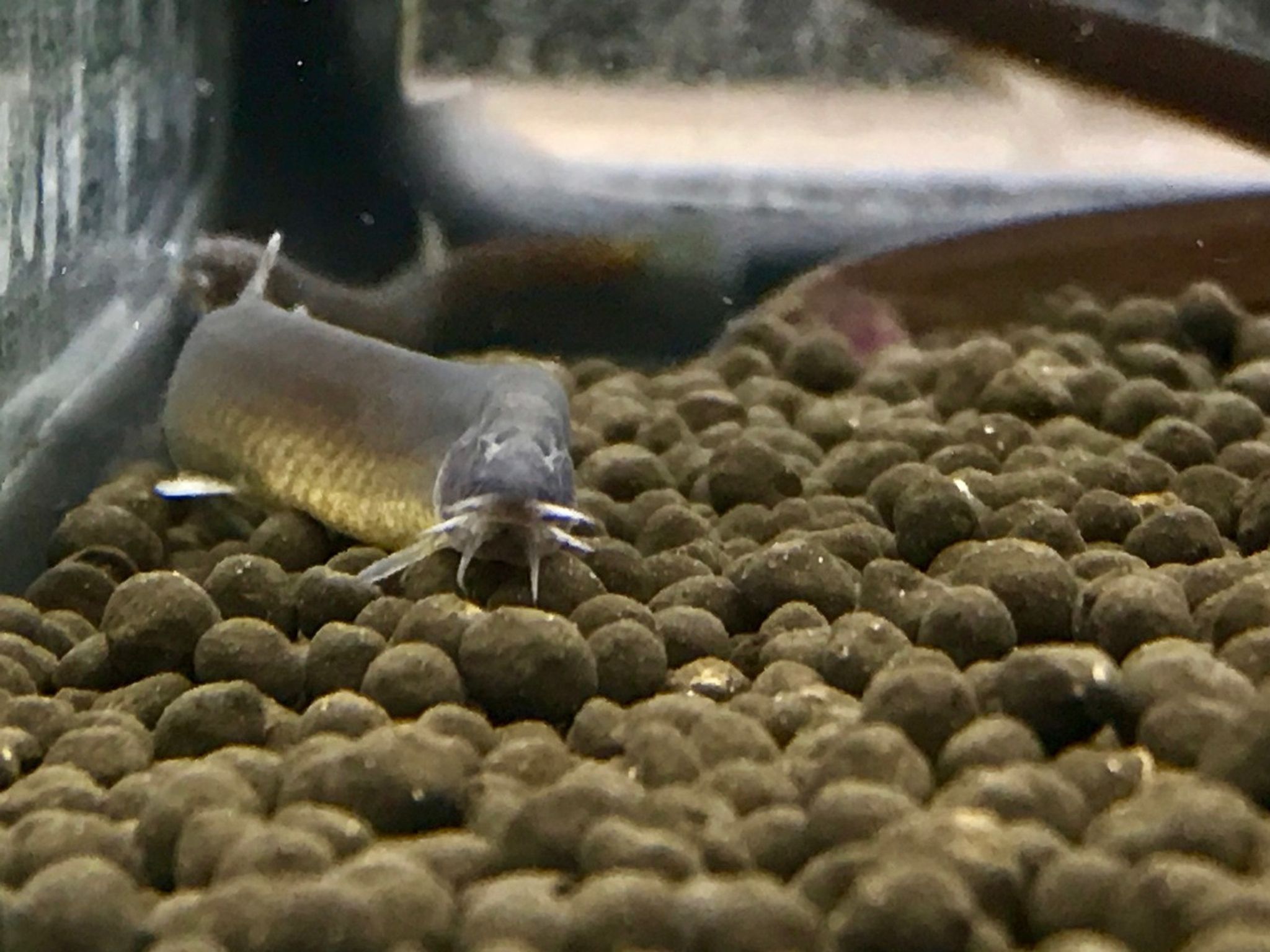
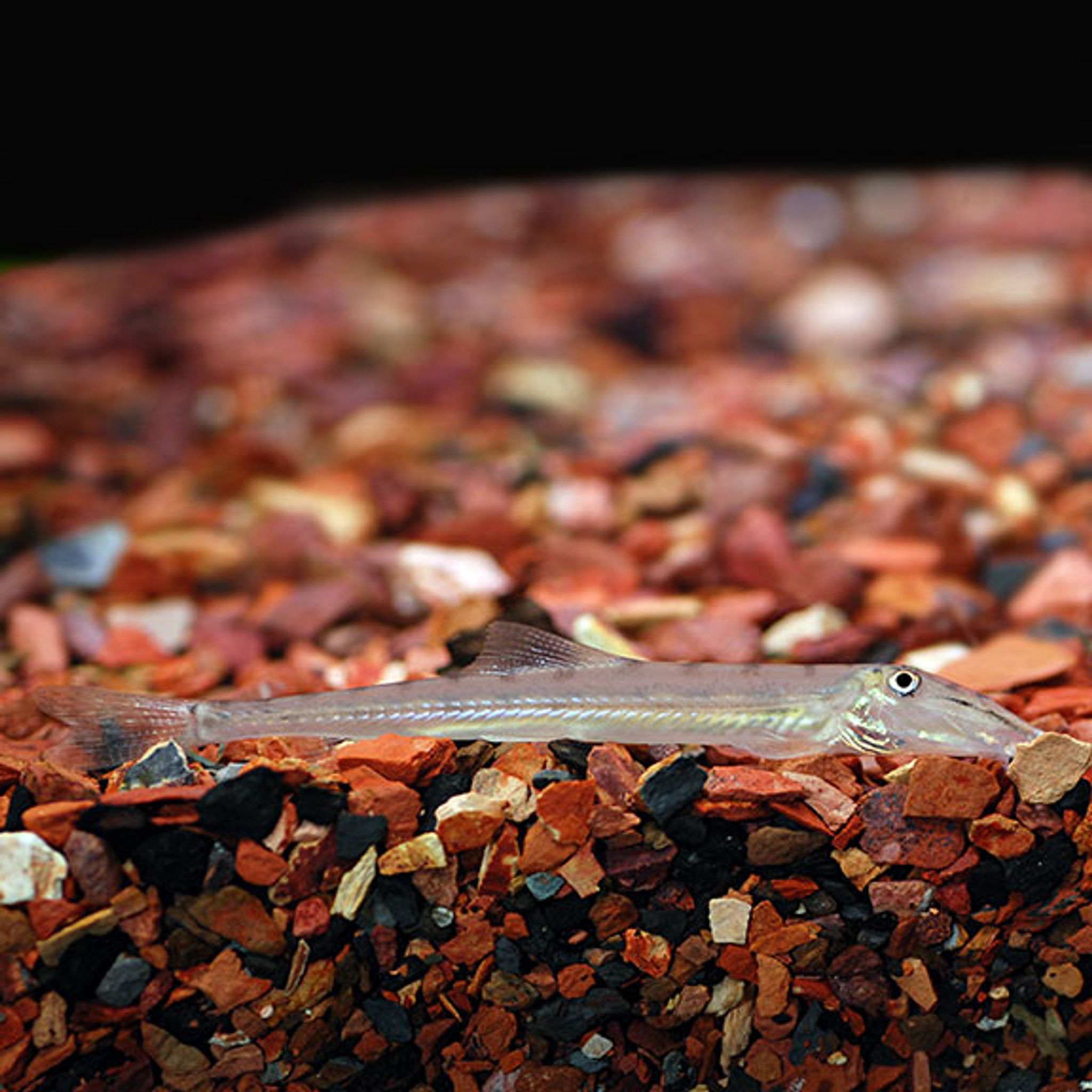
Horseface Loaches are elongated bottom dwellers known for burrowing into soft substrate.
A smooth sand-based setup can help support their natural digging and hiding behavior.
Many Loaches spend much of their time near the substrate, rockwork or lower areas of the aquarium.
They should not be treated simply as “cleanup fish,” because Loaches require complete nutrition, suitable habitat and species-specific care.
Many popular Loach species are social and are best kept with others of their own kind.
Group living can improve confidence and natural behavior, although recommended group structure varies by species.
Loaches vary dramatically in adult size.
Kuhli and Dwarf Chain Loaches remain relatively compact, while Clown Loaches can become very large. Always plan around expected adult size rather than juvenile sale size.
Loach tank setup should reflect the natural behavior of the exact species.
Caves, driftwood, rockwork, plants and shaded hiding areas can help create a secure environment for many bottom-dwelling Loaches.
Many Loaches forage, dig or rest directly on the substrate.
Smooth sand or other non-sharp substrate can be a good choice for species with sensitive undersides, barbels or burrowing behavior.
Caves, wood, rock crevices and dense plants can provide shelter for Loaches.
Secretive species such as Kuhli Loaches may spend much of the day hidden and become more active when they feel secure.
Hillstream Loaches require a different approach from many other Loaches.
High oxygen levels, clean water, strong circulation and mature rocks or surfaces for grazing are often important parts of a suitable setup.
Loaches come from very different freshwater habitats and should not all be kept under the same conditions.
Stable water quality matched to the exact species is more important than applying one universal temperature, pH or hardness range to every Loach.
Many Loaches can coexist with peaceful community fish when adult size, temperament and water requirements are compatible.
Tetras, Rasboras, Gouramis, Corydoras and other community fish may be suitable depending on the Loach species being kept.
Loaches and Corydoras can sometimes share the same aquarium, but both groups use the lower areas of the tank.
Make sure there is enough floor space, food and shelter so bottom-dwelling species are not competing excessively.
Many peaceful Tetras can coexist with appropriately sized Loaches in community aquariums.
This combination can work well because Tetras generally occupy the middle water column while Loaches spend more time near the bottom.
Some Loaches can live with Gouramis when the species share compatible water requirements and temperament.
Avoid combining highly boisterous Loaches with very shy or delicate Gouramis in confined spaces.
Shrimp compatibility varies by Loach species.
Many Loaches are opportunistic feeders and may eat small shrimp or shrimplets, so they should not automatically be considered shrimp-safe.
Some Loaches may eat small snails and are well known for investigating or consuming mollusks.
Snail-eating behavior varies by species and individual fish, so Loaches should not be purchased solely as a guaranteed pest-control method.
Clown Loaches are well known for eating some snails, but they also become large social fish with significant long-term space requirements.
Their adult size and group needs should always come before using them as a solution for unwanted snails.
Loach diets vary by species, but many feed on combinations of small invertebrates, insect larvae, plant material and other foods found near the substrate.
In aquariums, offer a varied diet appropriate to the exact species rather than expecting Loaches to survive on scraps left by other fish.
Sinking foods can help deliver nutrition to Loaches that spend much of their time close to the substrate.
Observe feeding carefully to make sure shy or nocturnal individuals receive enough food when housed with faster community fish.
Some Loaches are especially active during dusk, nighttime or low-light periods.
Kuhli Loaches in particular may remain hidden during much of the day and become noticeably more active when lighting is reduced.
Quarantine and careful observation can help reduce the risk of introducing parasites or disease into an established aquarium.
Some Loaches have relatively delicate skin or reduced scales compared with many other fish, so medications and treatments should always be chosen carefully for the exact species.
When comparing Loaches for sale, look for:
Newly shipped Loaches may hide extensively after transport and introduction to a new aquarium.
Prepare a stable, cycled aquarium in advance and follow the seller's acclimation guidance while providing immediate access to appropriate shelter.
Loach prices vary according to species, size, rarity, origin, availability, group quantity and seller.
Common Kuhli or Yoyo Loaches and less frequently available specialty species can differ substantially in price, so compare exact species, group size and seller information rather than price alone.
FishyHub brings Loach listings from aquarium stores, breeders and specialist freshwater fish sellers together in one marketplace.
When comparing Loaches online, consider:
Shipping availability depends on the seller, destination, fish size, weather and livestock-shipping policy.
Review delivery timing, packaging and live-arrival terms before ordering, and make sure the aquarium is prepared before the Loaches arrive.
Yes. Aquarium stores, breeders and specialist sellers offer many Loach species online across the U.S., depending on seller shipping coverage and livestock policies.
Many popular species are social and are generally better kept with others of their own kind, although exact group requirements vary.
Some species do eat small snails, but behavior varies and Loaches should not be purchased solely as guaranteed snail control.
Kuhli Loaches are generally peaceful and can work well with compatible community fish when kept with enough cover and appropriate companions.
Clown Loaches become much larger than their typical juvenile sale size and require substantial long-term aquarium space.
They have specialized flow and oxygen needs that can differ from many conventional tropical community fish, so their aquarium should be planned around those requirements.
Some combinations can work, but both groups use bottom space, so provide enough floor area, food and shelter for all fish.
FishyHub helps U.S. hobbyists compare Loach listings from aquarium stores, breeders and specialist freshwater fish sellers in one marketplace.
Explore Loaches for sale on FishyHub and compare Kuhli, Clown, Yoyo, Hillstream, Zebra, Dojo and other freshwater Loach species. Discover listings from aquarium stores and breeders across the United States, and compare species, size, group needs, habitat requirements, price and shipping options before choosing Loaches for your aquarium.
