81–120 of 133
Showing 40 of 133 products


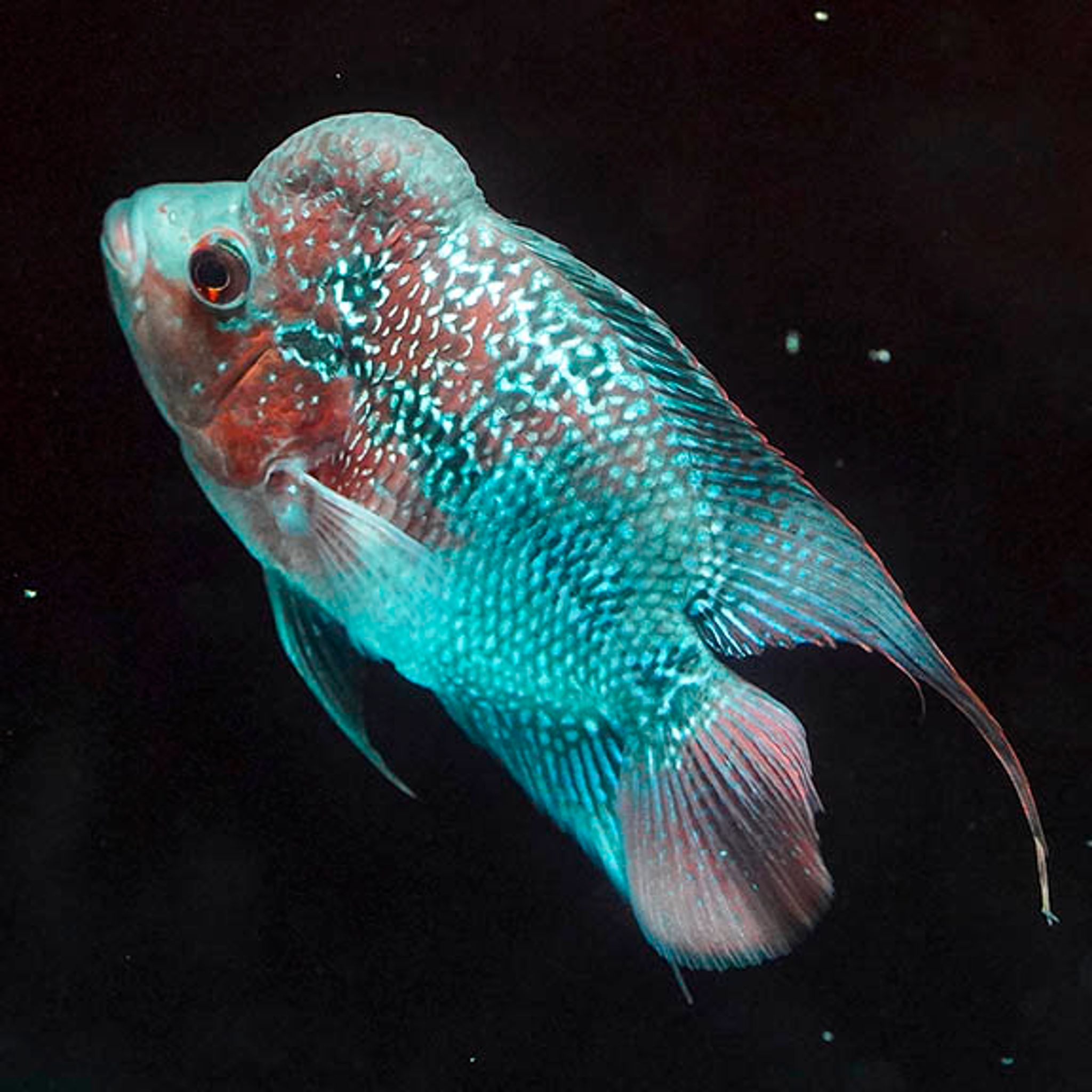
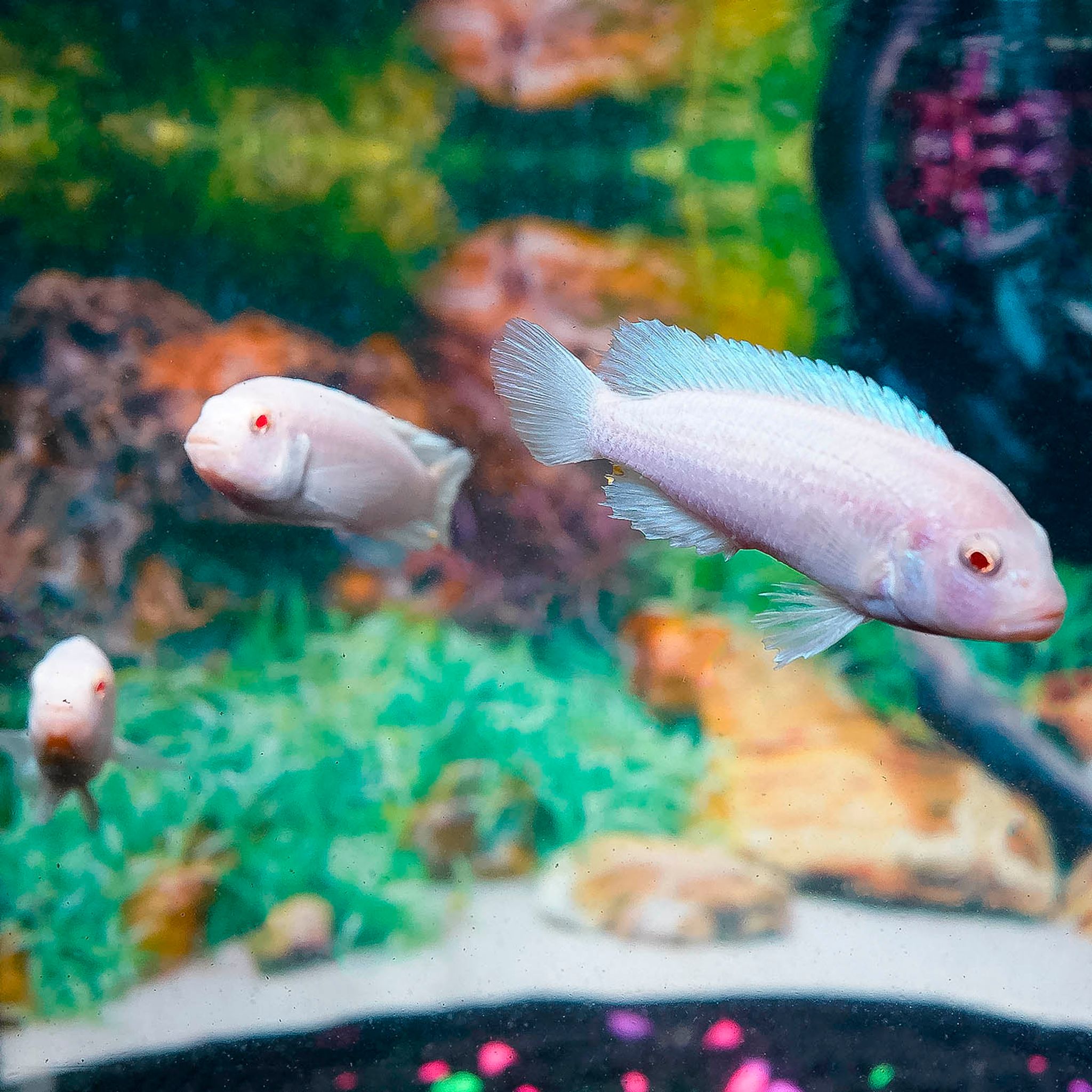
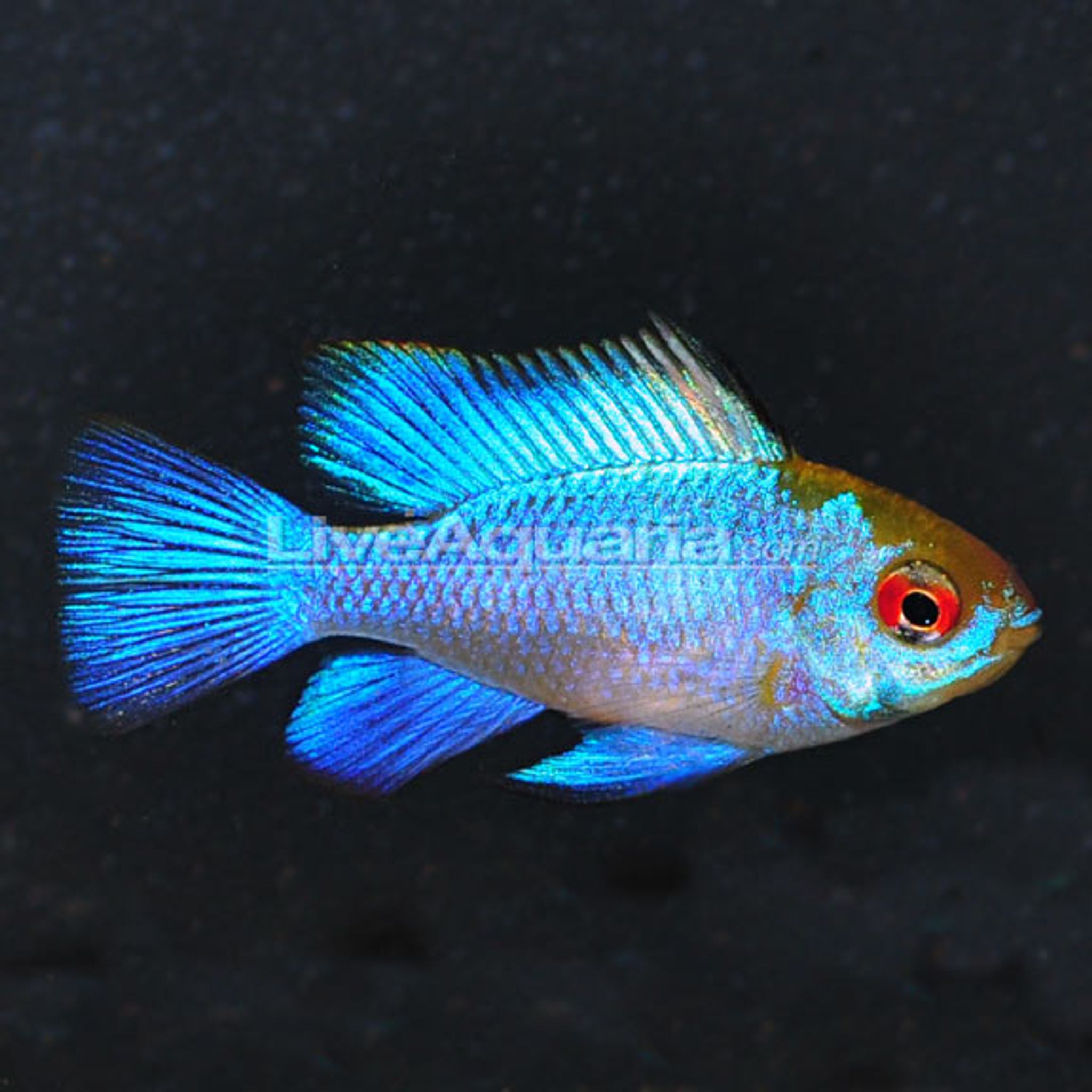
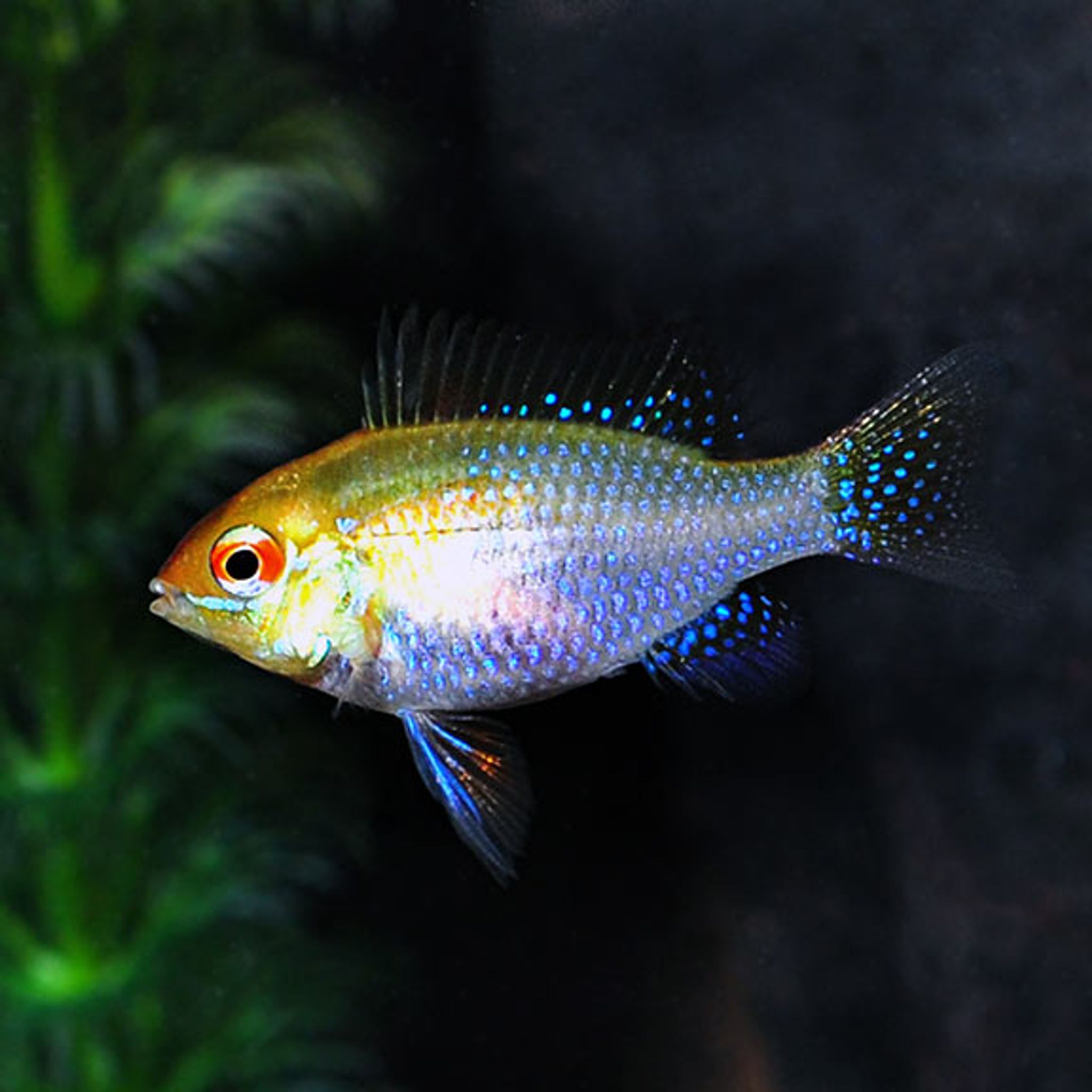
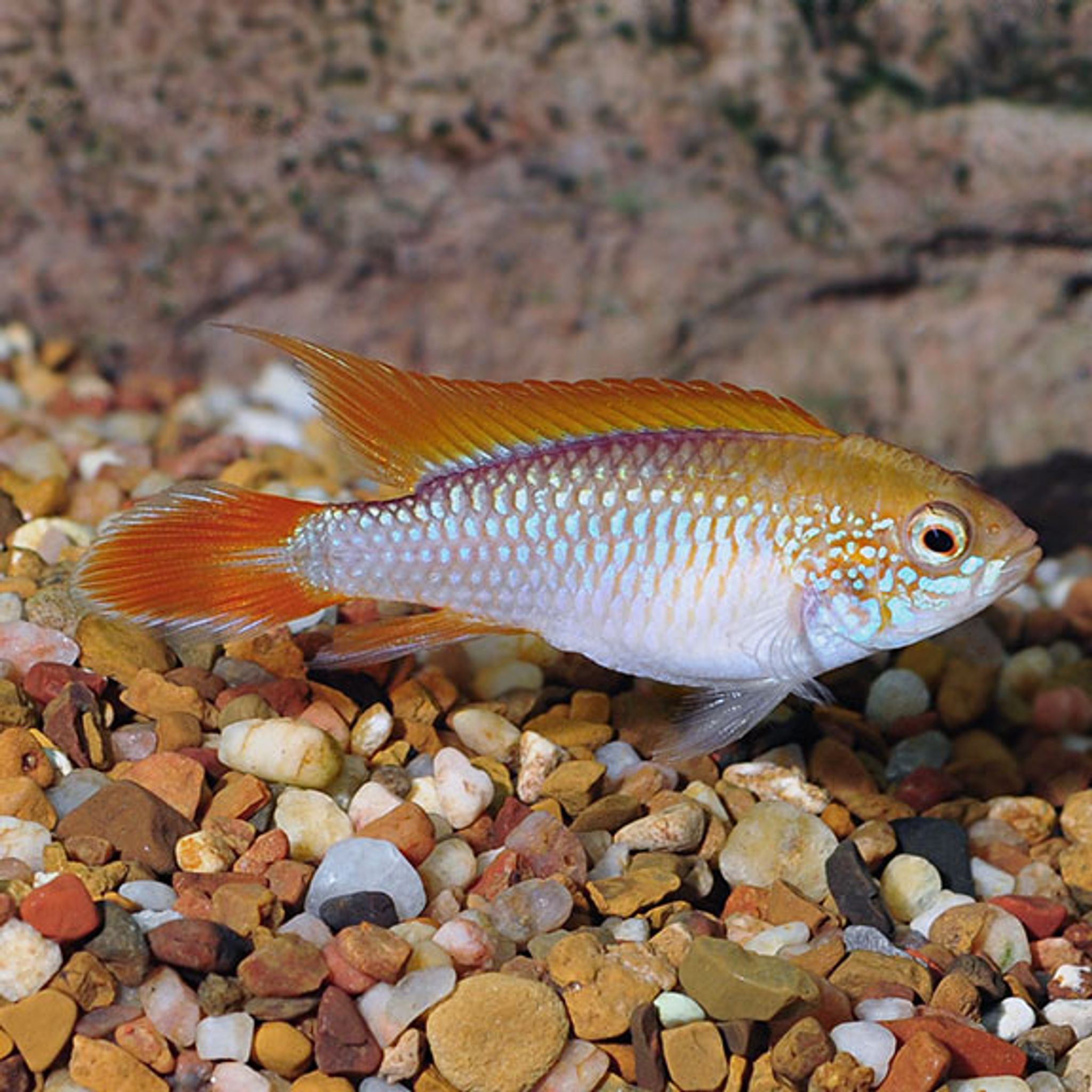
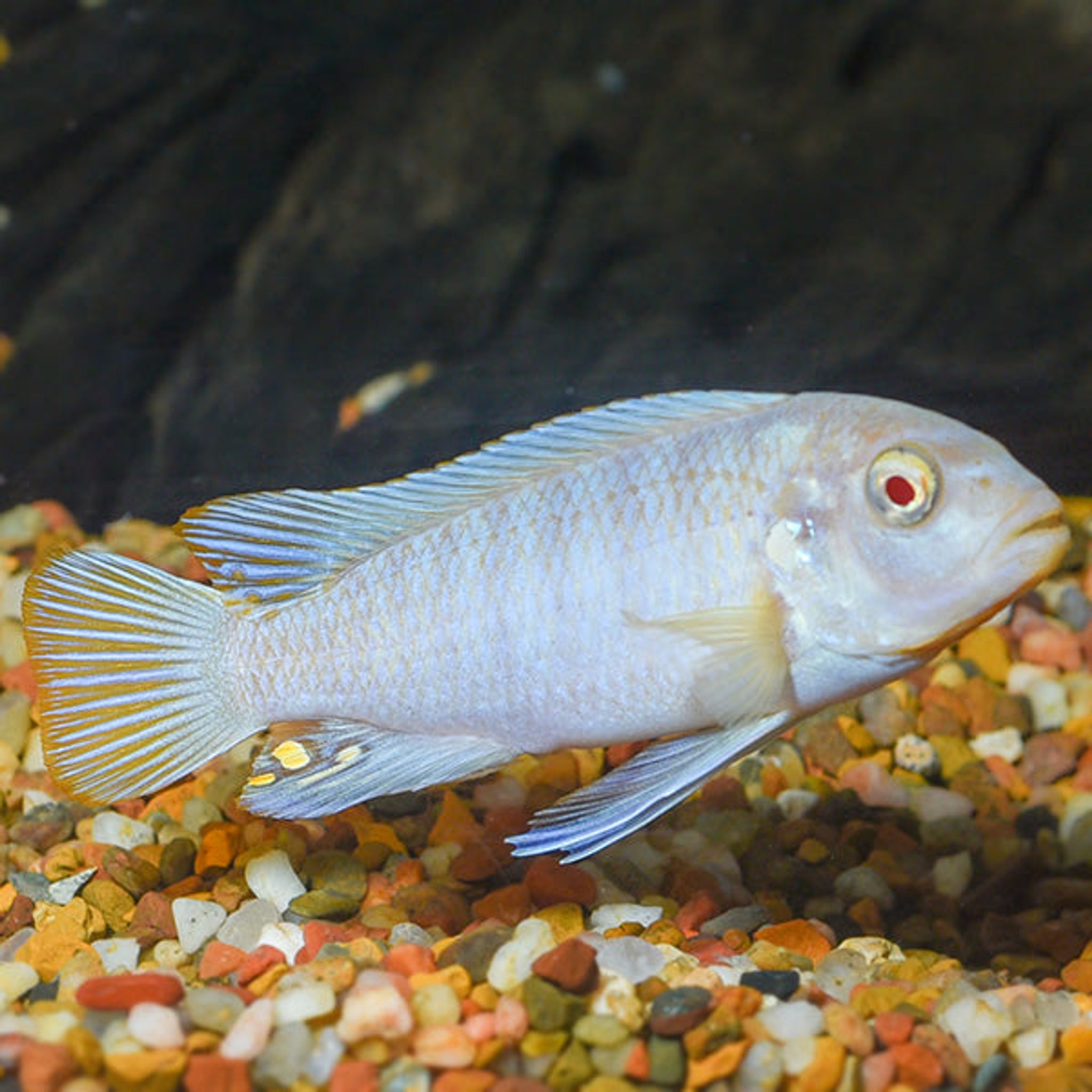
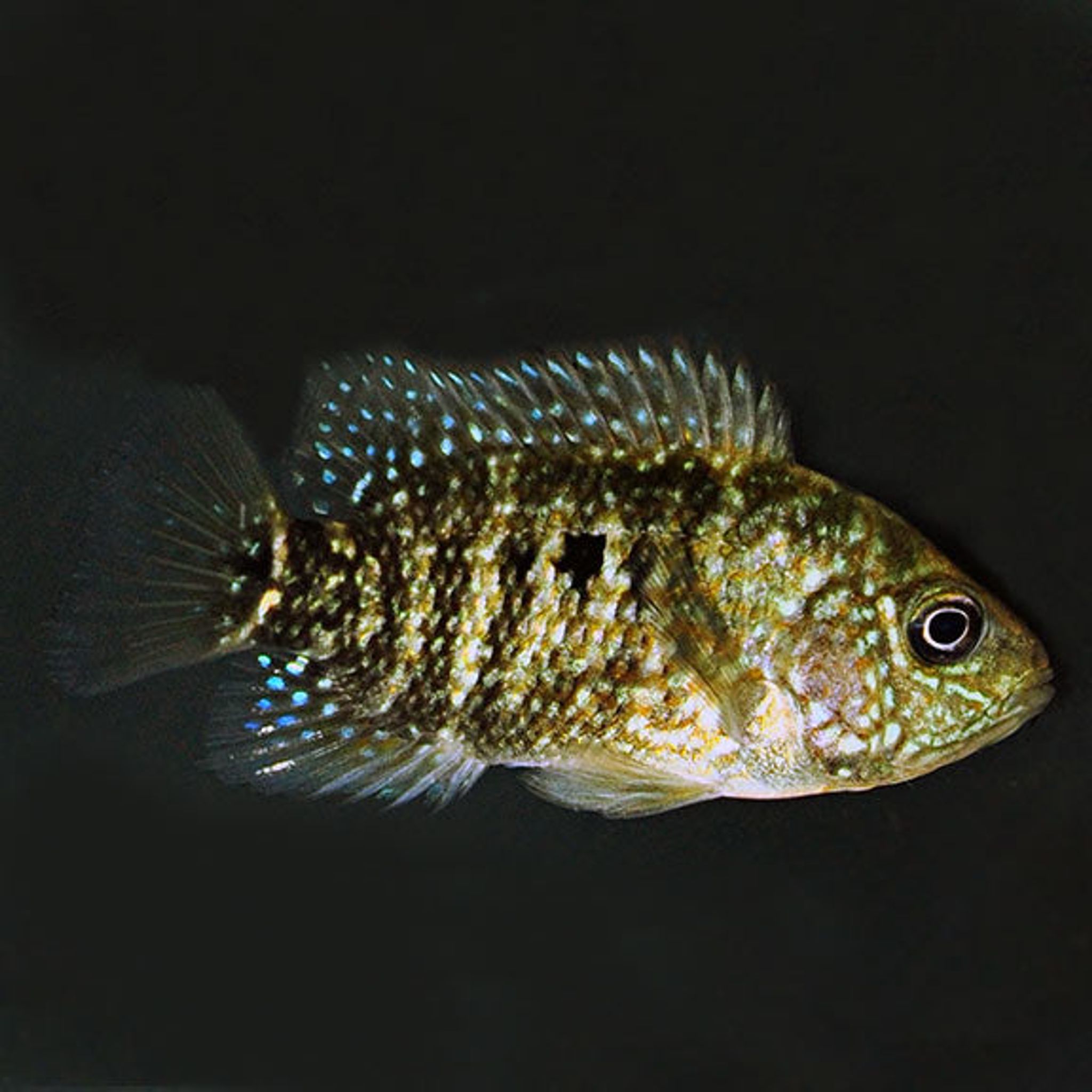
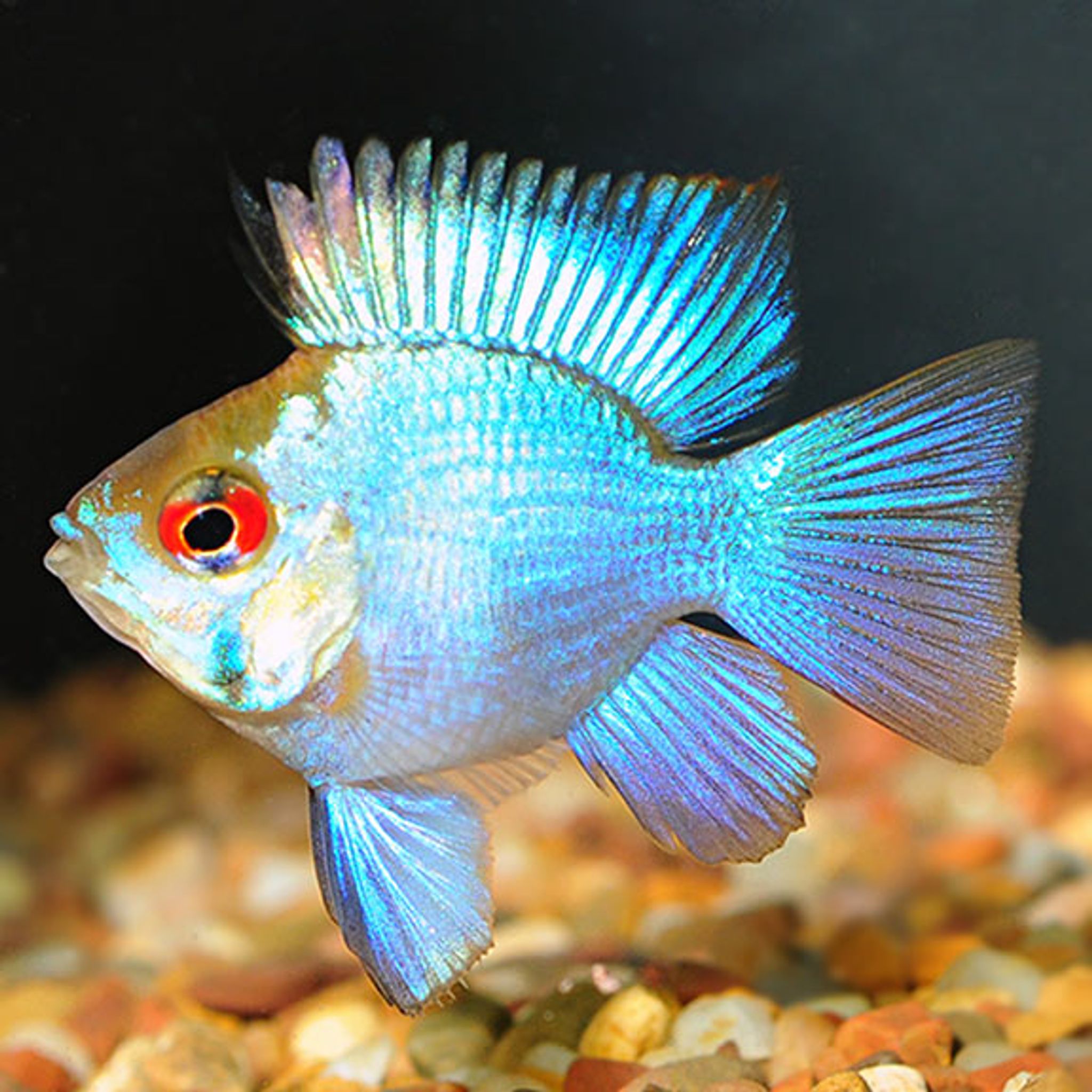
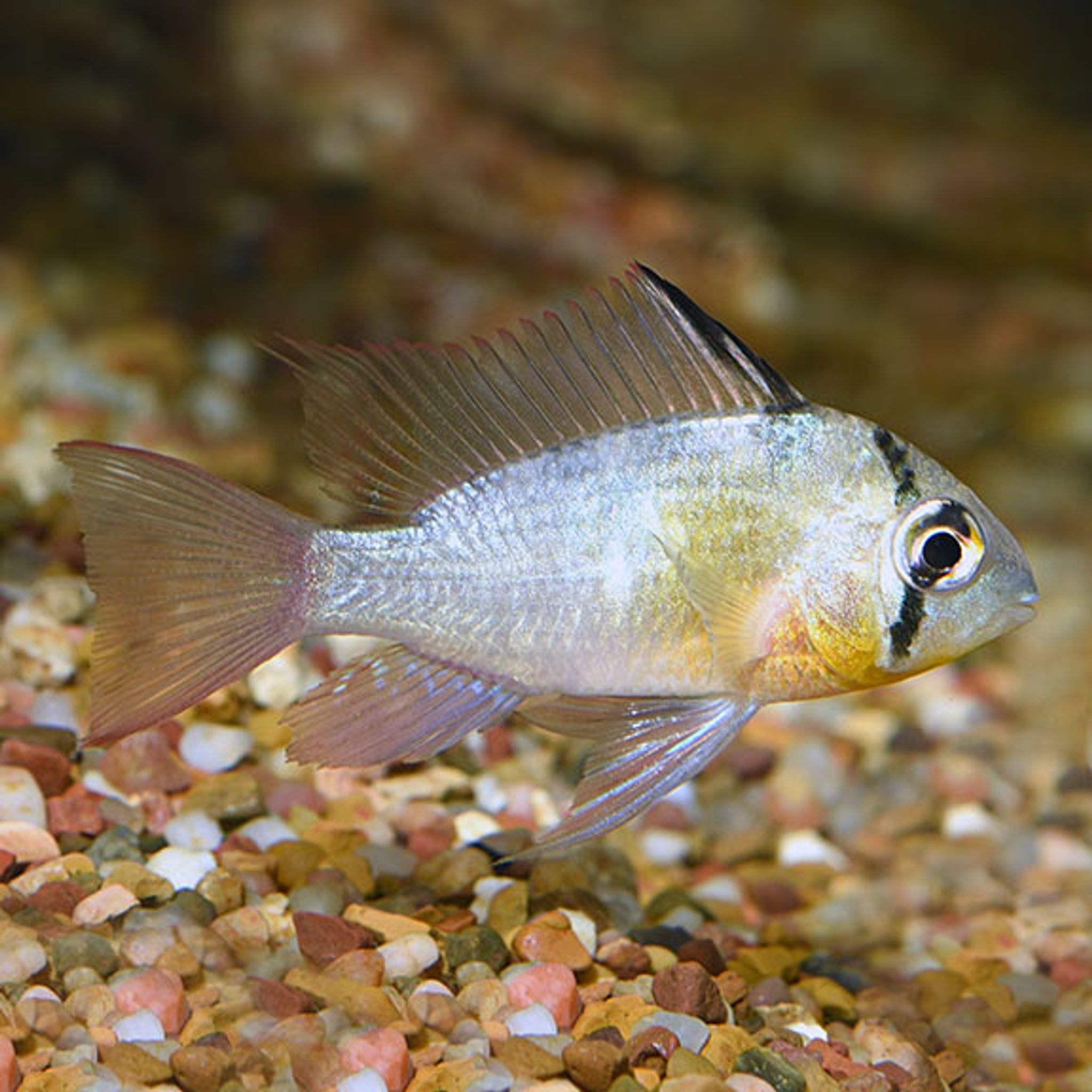
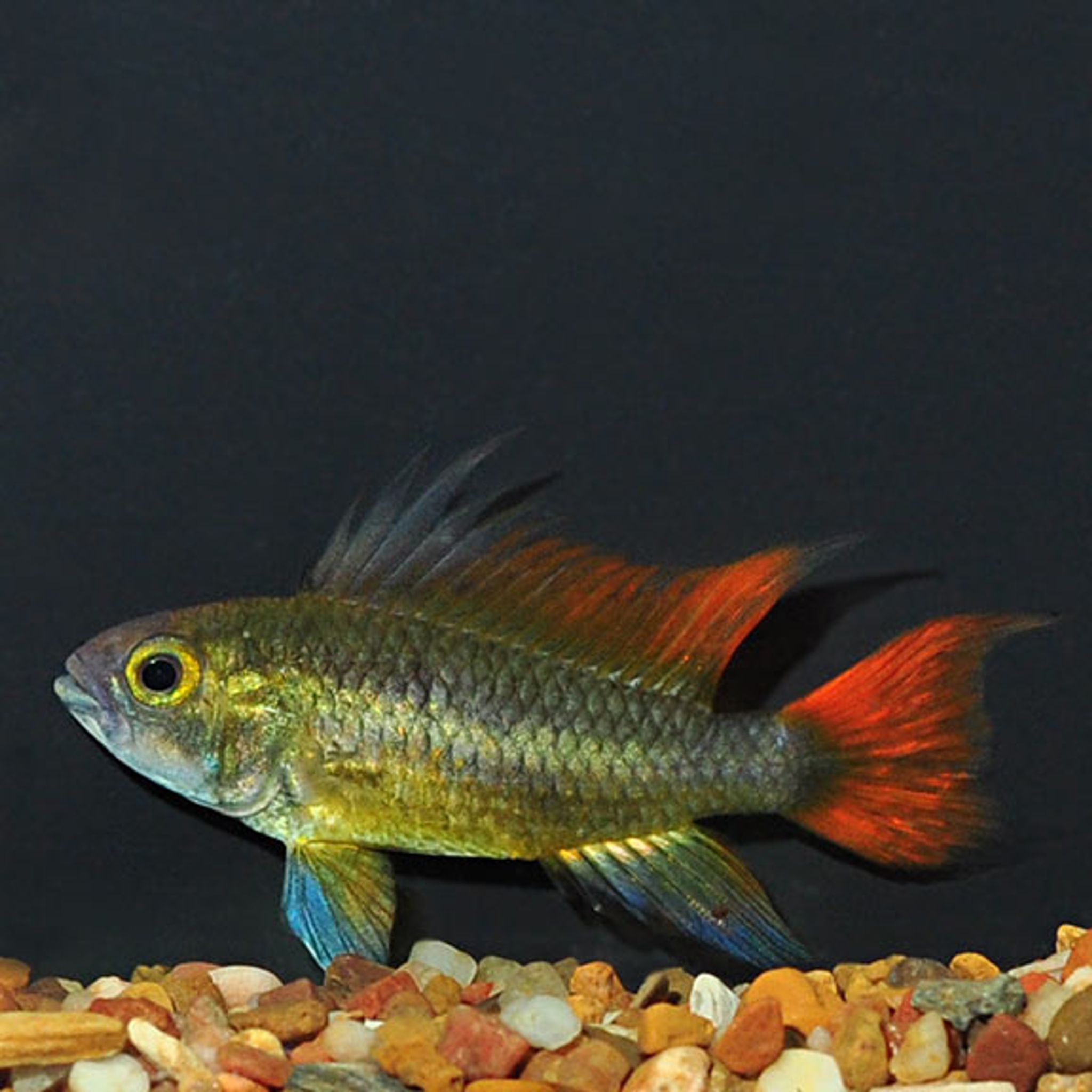
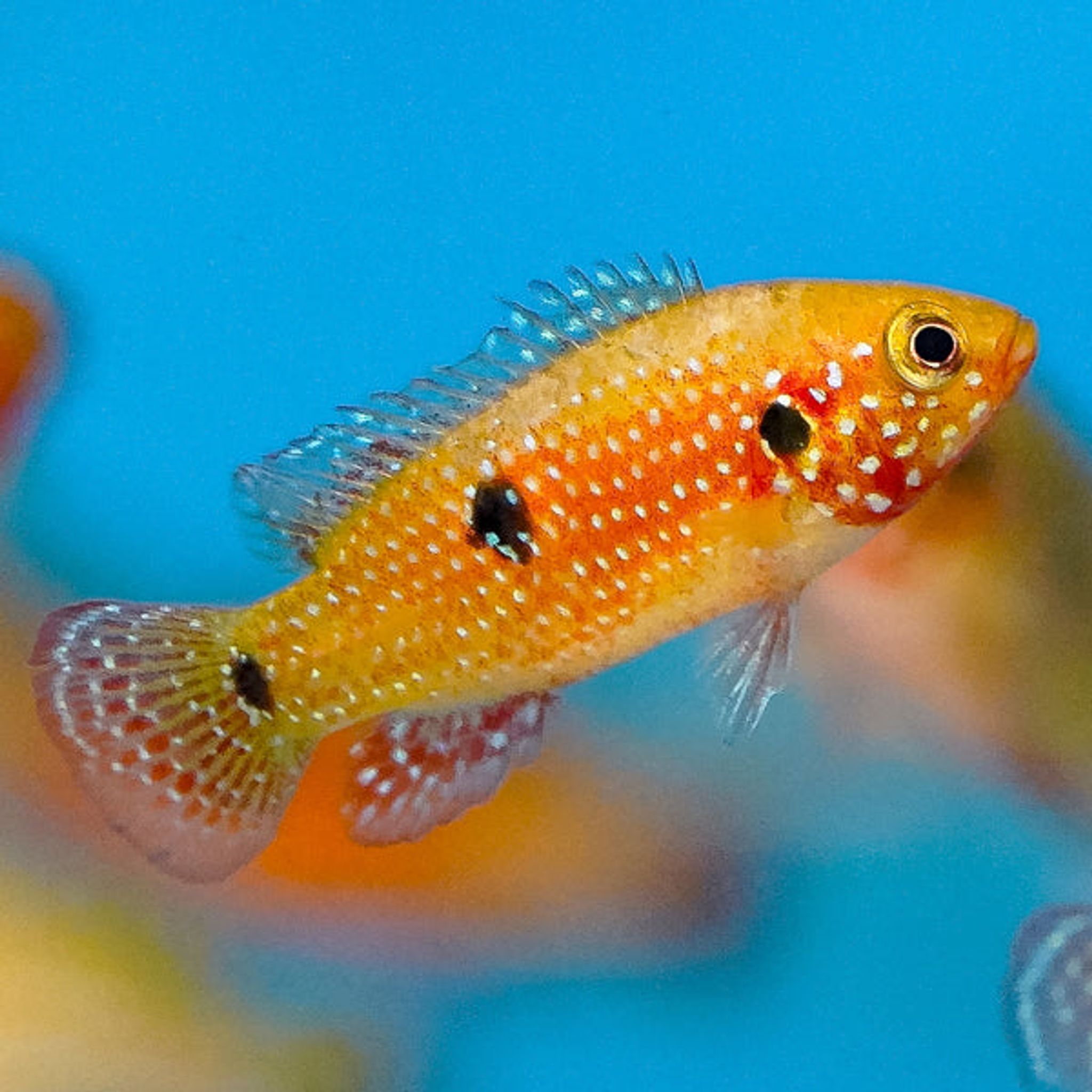
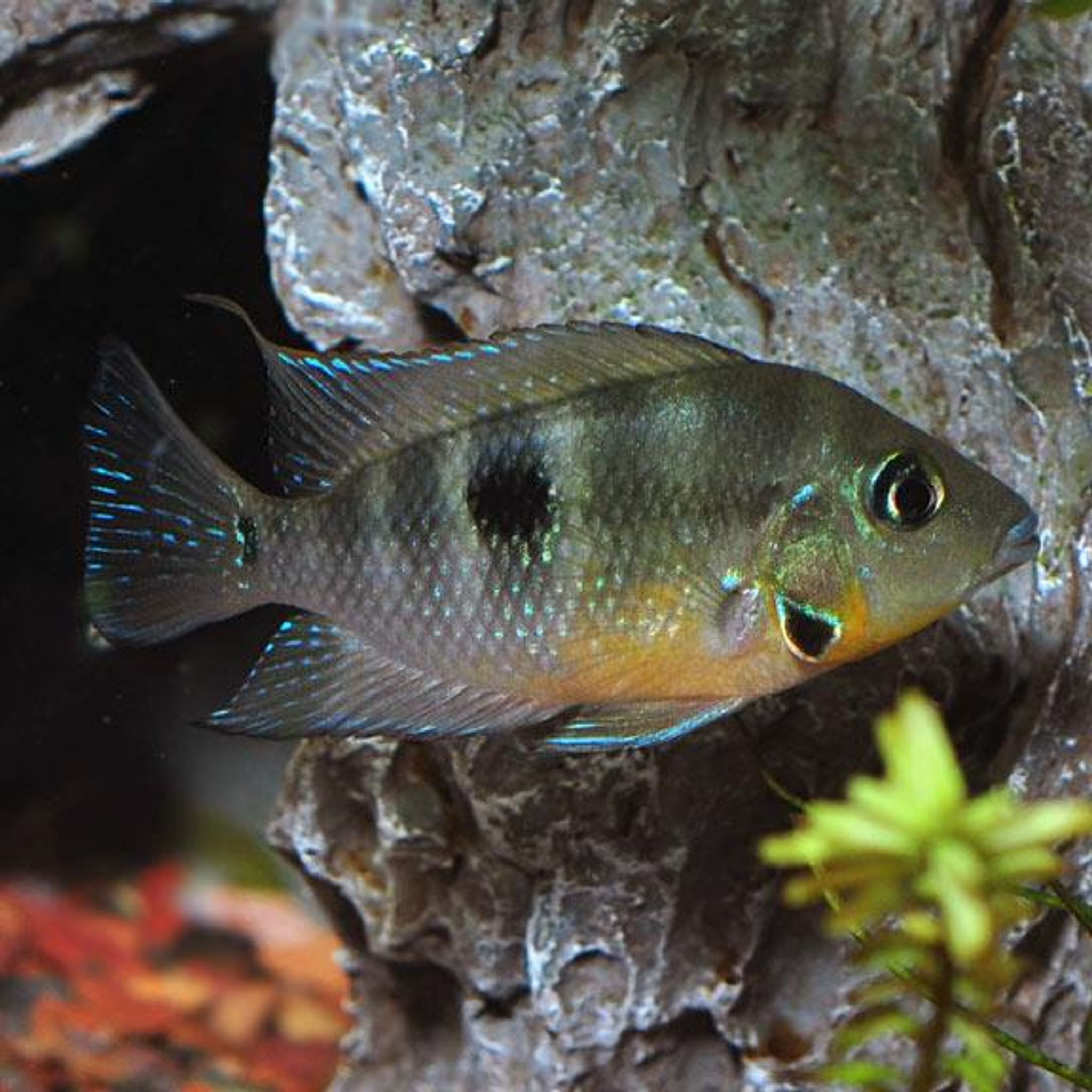
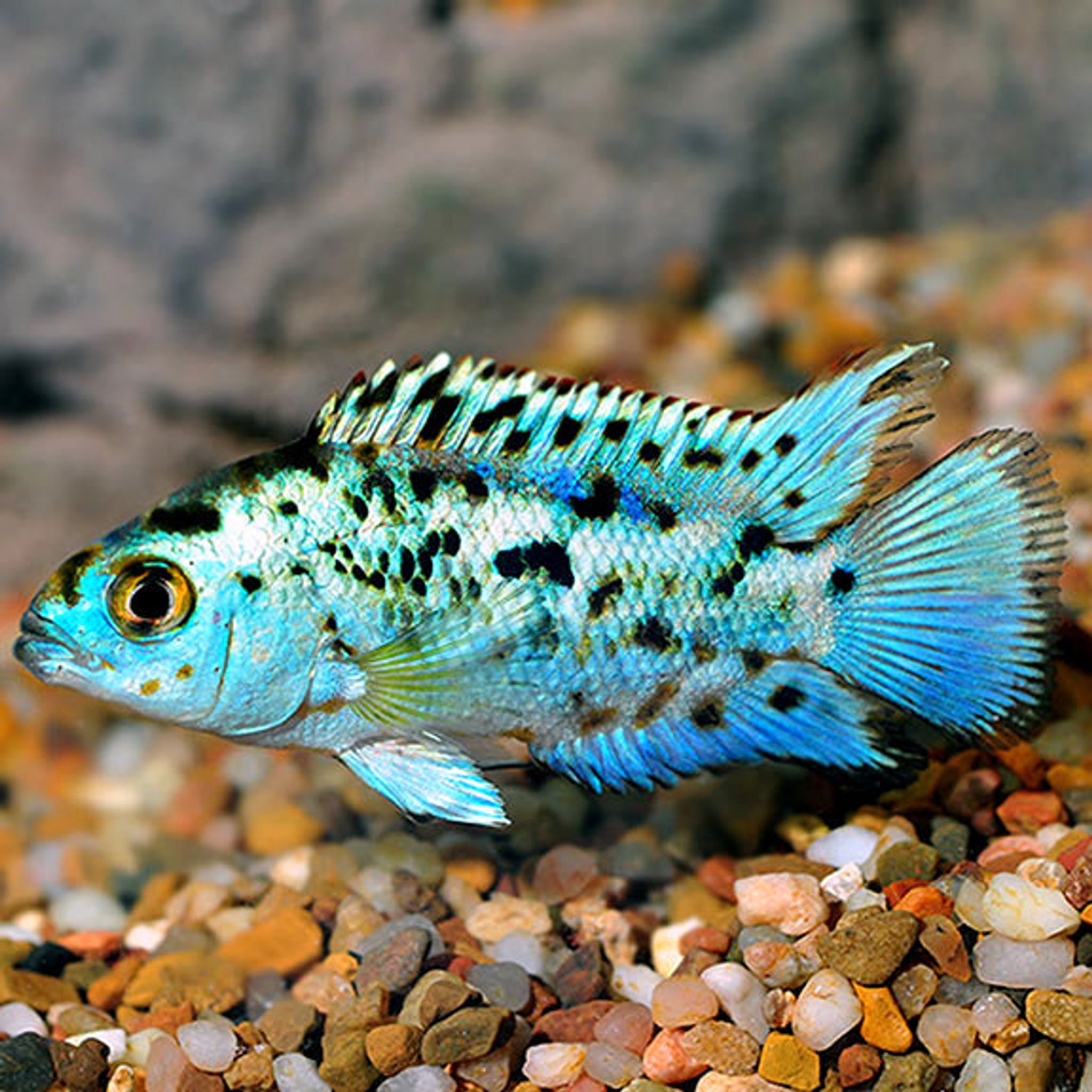
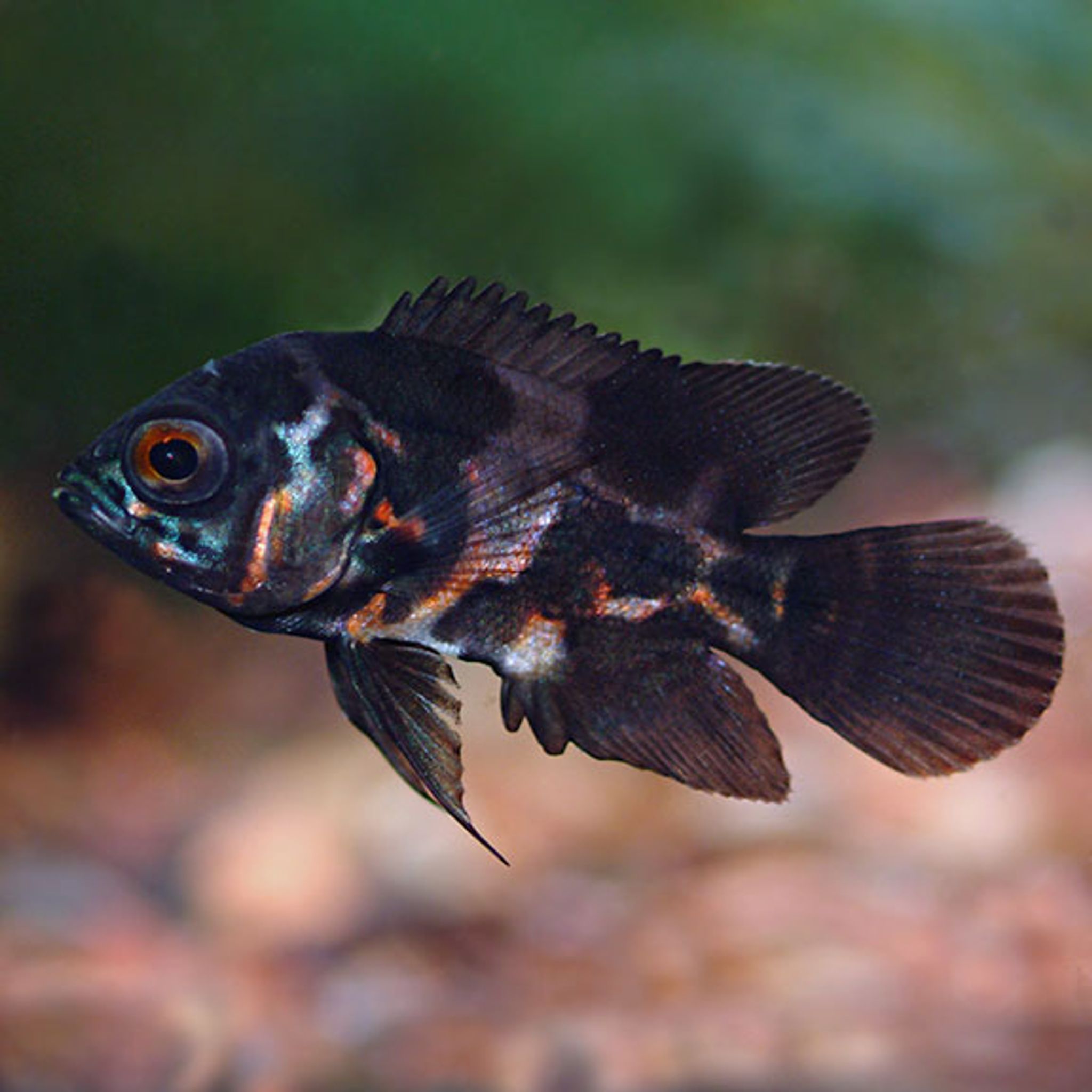
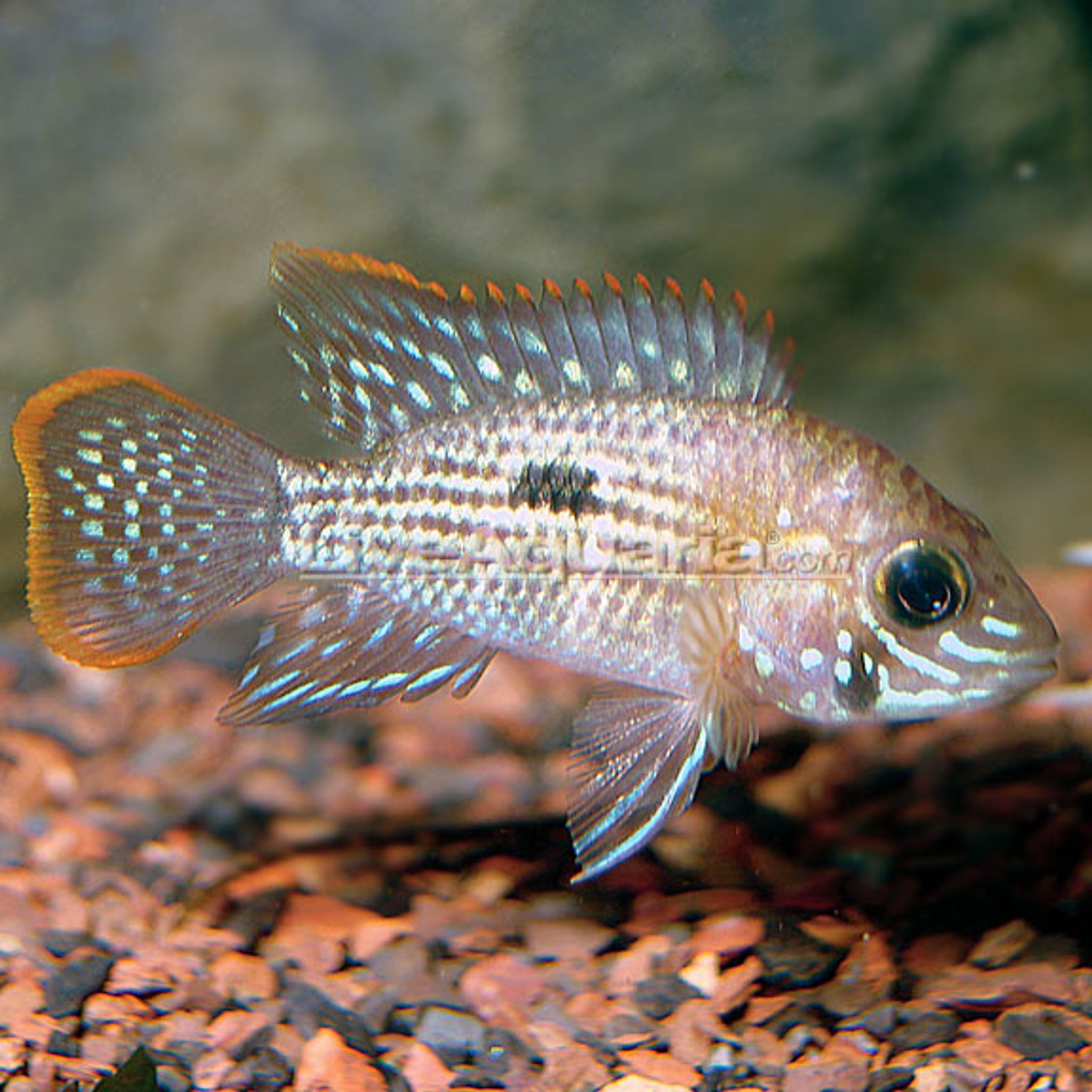
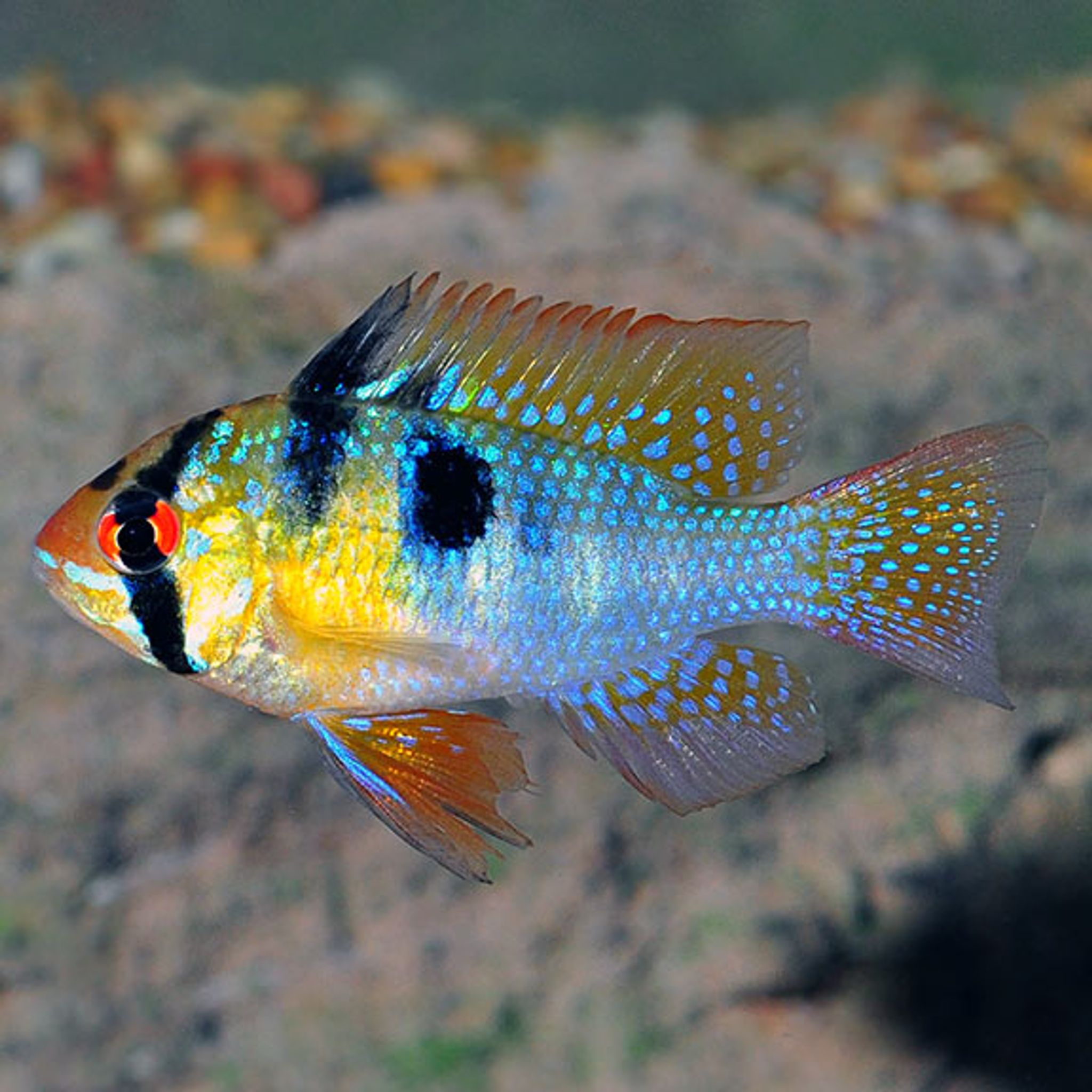
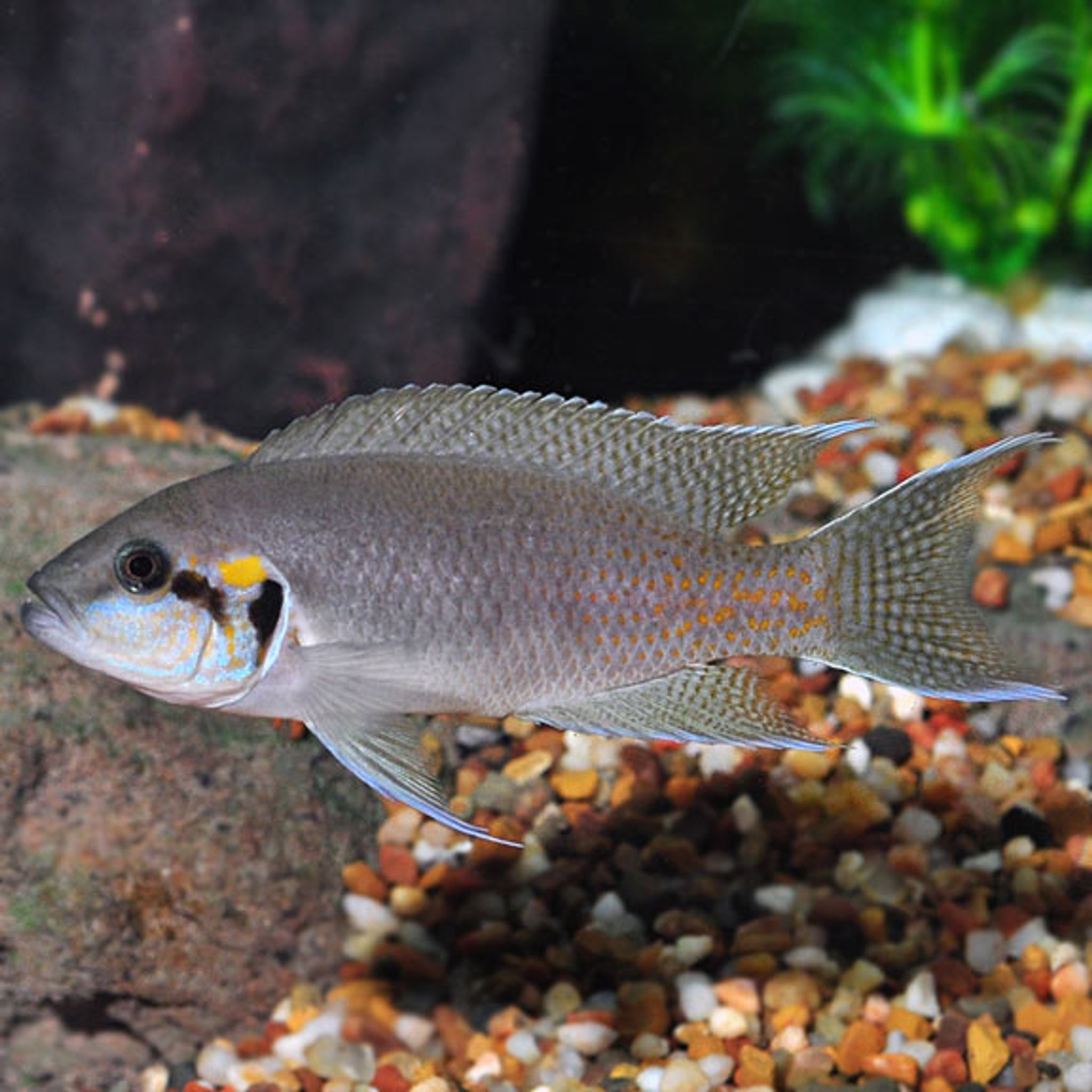
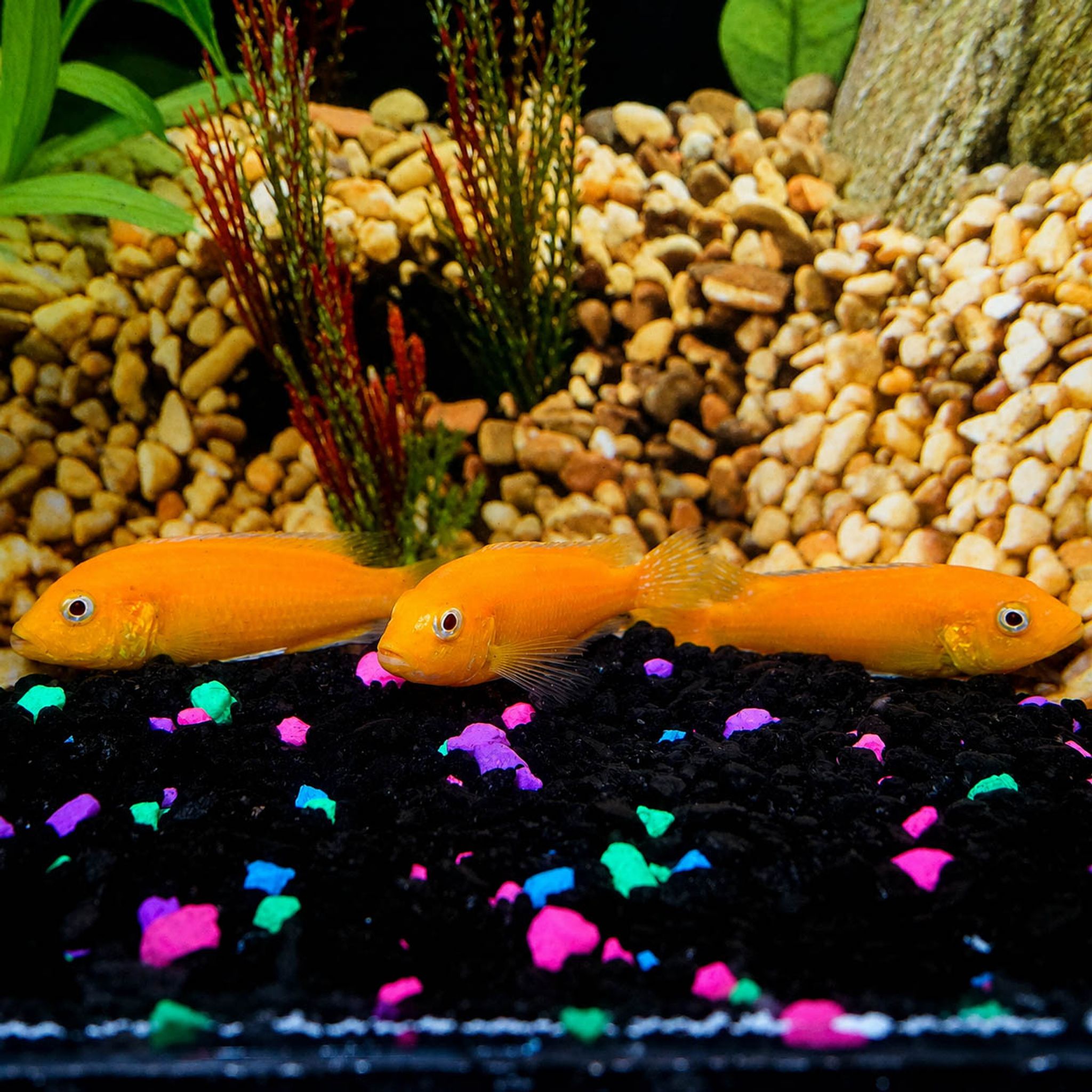
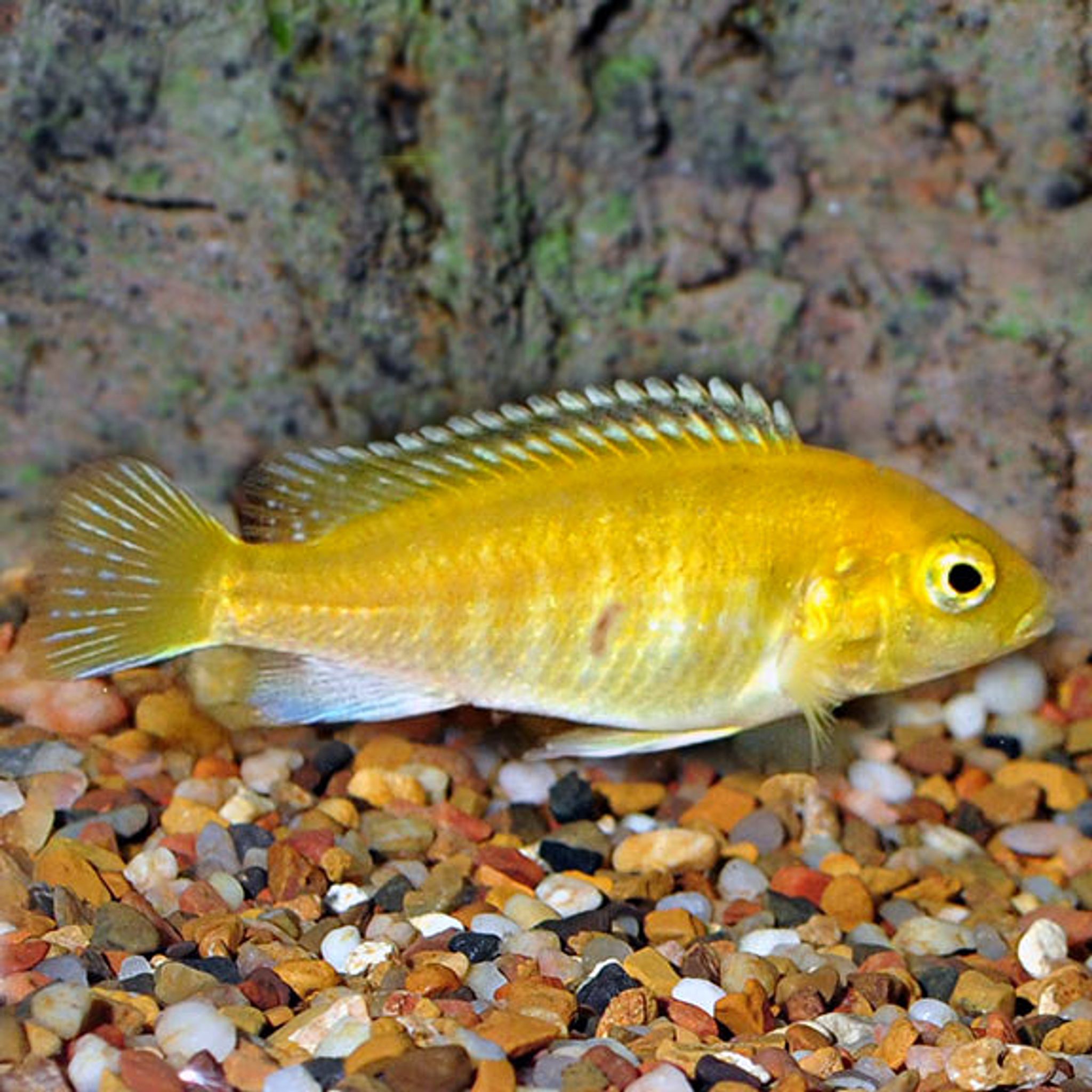
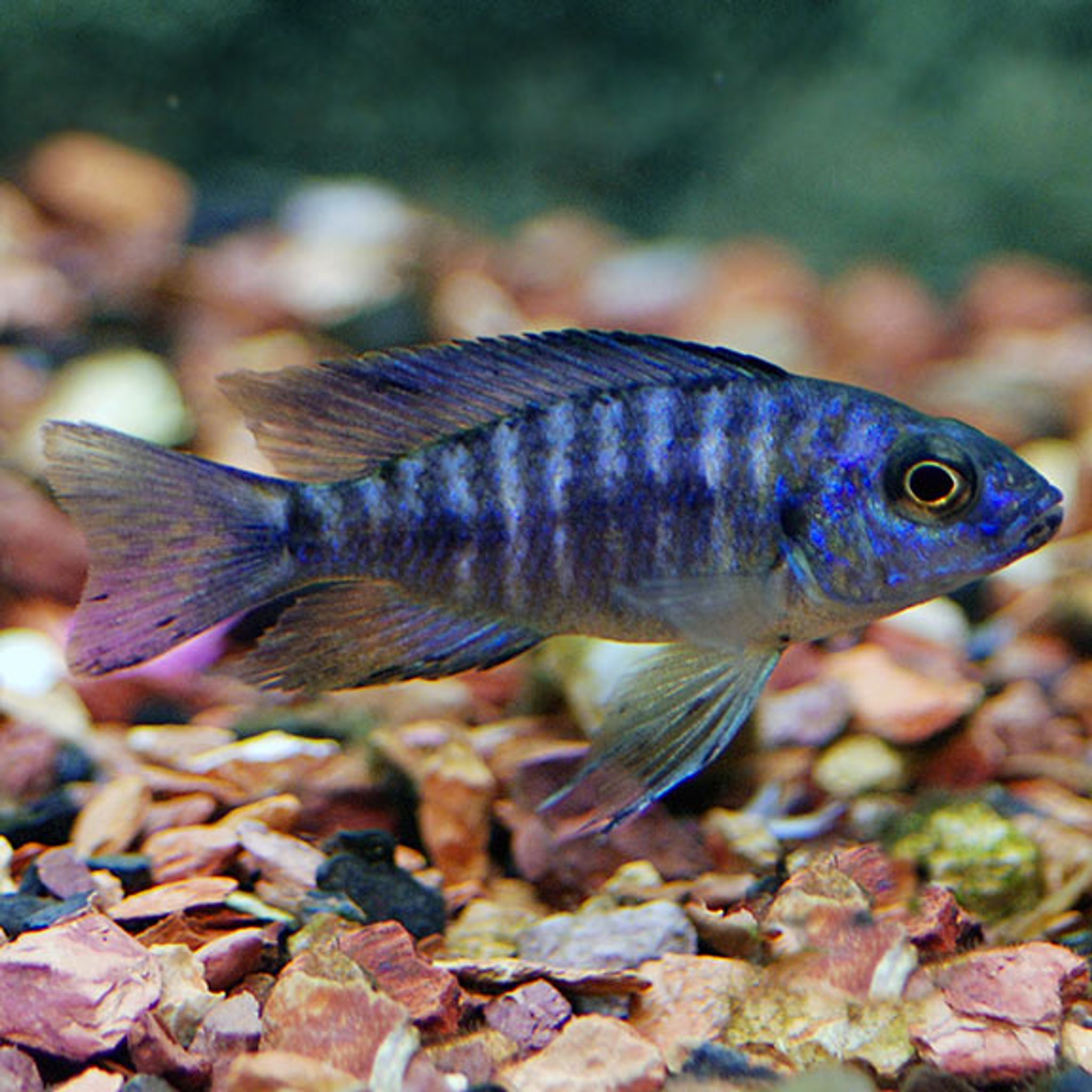
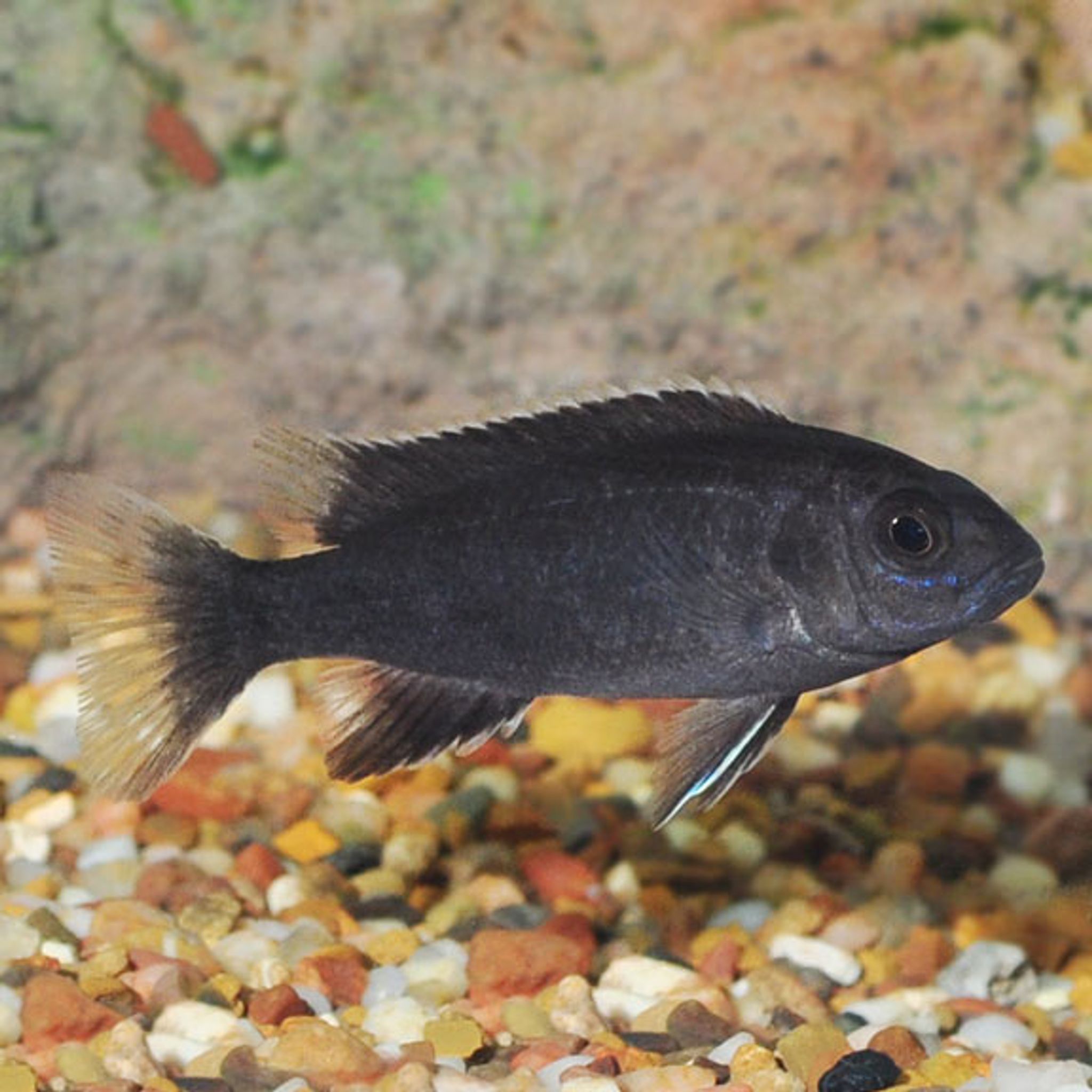
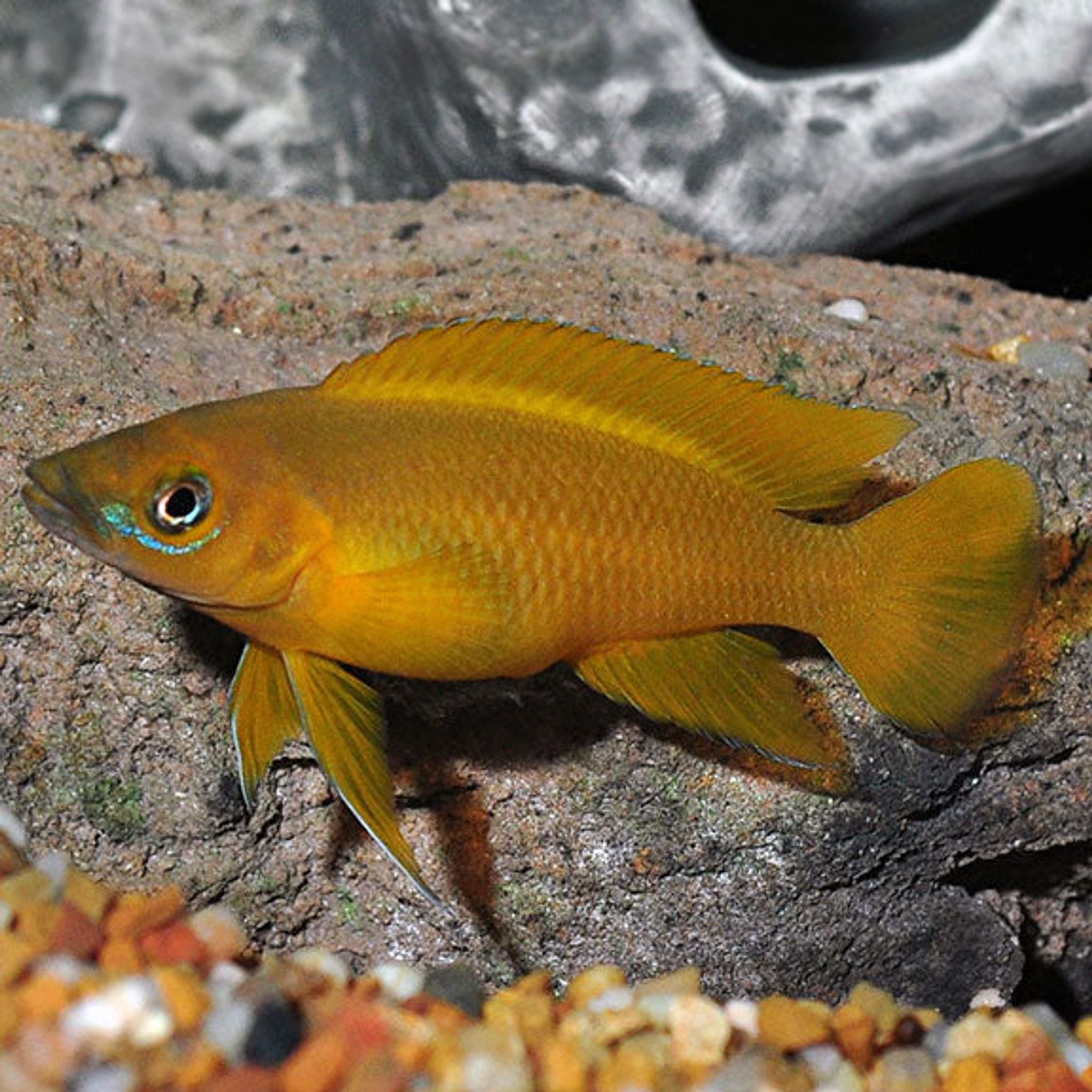
Shop Cichlids online from aquarium stores, breeders and specialist sellers across the United States on FishyHub. Compare African Cichlids, South American Cichlids, Angelfish, Discus, Rams, Apistogramma and other freshwater Cichlids by species, size, color and seller.
Cichlids are one of the most diverse and popular groups of freshwater aquarium fish, ranging from small peaceful dwarf species to large territorial show fish. FishyHub helps U.S. hobbyists discover different Cichlid species and breeder lines from multiple sellers in one marketplace.
Buying Cichlids online gives hobbyists access to a much wider range of species, color morphs and breeder lines than may be available from a single local aquarium store.
Compare livestock by species, current size, temperament, origin, breeder and seller before choosing fish for your aquarium.
Popular Cichlid groups in the aquarium hobby include:
African Cichlids include many of the most colorful freshwater aquarium fish, especially species from Lakes Malawi, Tanganyika and Victoria.
They vary greatly in adult size, diet and aggression, so exact species identification is especially important when planning an African Cichlid aquarium.
Lake Malawi Cichlids are known for bright blues, yellows, oranges and other vivid colors.
Major groups include Mbuna, Peacock Cichlids and Haps, each with different behavior, feeding and space requirements.
Mbuna are rock-associated Lake Malawi Cichlids known for intense coloration and active territorial behavior.
They are often kept in rock-heavy aquariums with carefully planned stocking because aggression can be significant between species and individuals.
Peacock Cichlids are popular for brilliant male coloration and a more open-swimming appearance than many rock-dwelling Mbuna.
Different species and breeder lines can vary substantially in color and temperament, so compare exact fish rather than relying only on the general Peacock label.
Haps include a broad range of Lake Malawi Cichlids, many of which become larger and more open-water oriented than typical Mbuna.
Adult size varies greatly, so aquarium planning should be based on the exact species rather than juvenile size at the time of purchase.
Lake Tanganyika contains an extraordinary range of Cichlids, including shell dwellers, rock-dwelling species and larger open-water fish.
Their behavior and habitat preferences can differ dramatically, making species-level research essential before mixing them.
South American Cichlids range from small dwarf species to large, highly recognizable aquarium fish.
Popular groups include Angelfish, Discus, Rams, Apistogramma, Oscars and other species from a variety of freshwater habitats.
Central American Cichlids include many robust and territorial species known for strong coloration, body size and breeding behavior.
Some can become large and aggressive, so compatibility and aquarium size should be considered carefully before purchase.
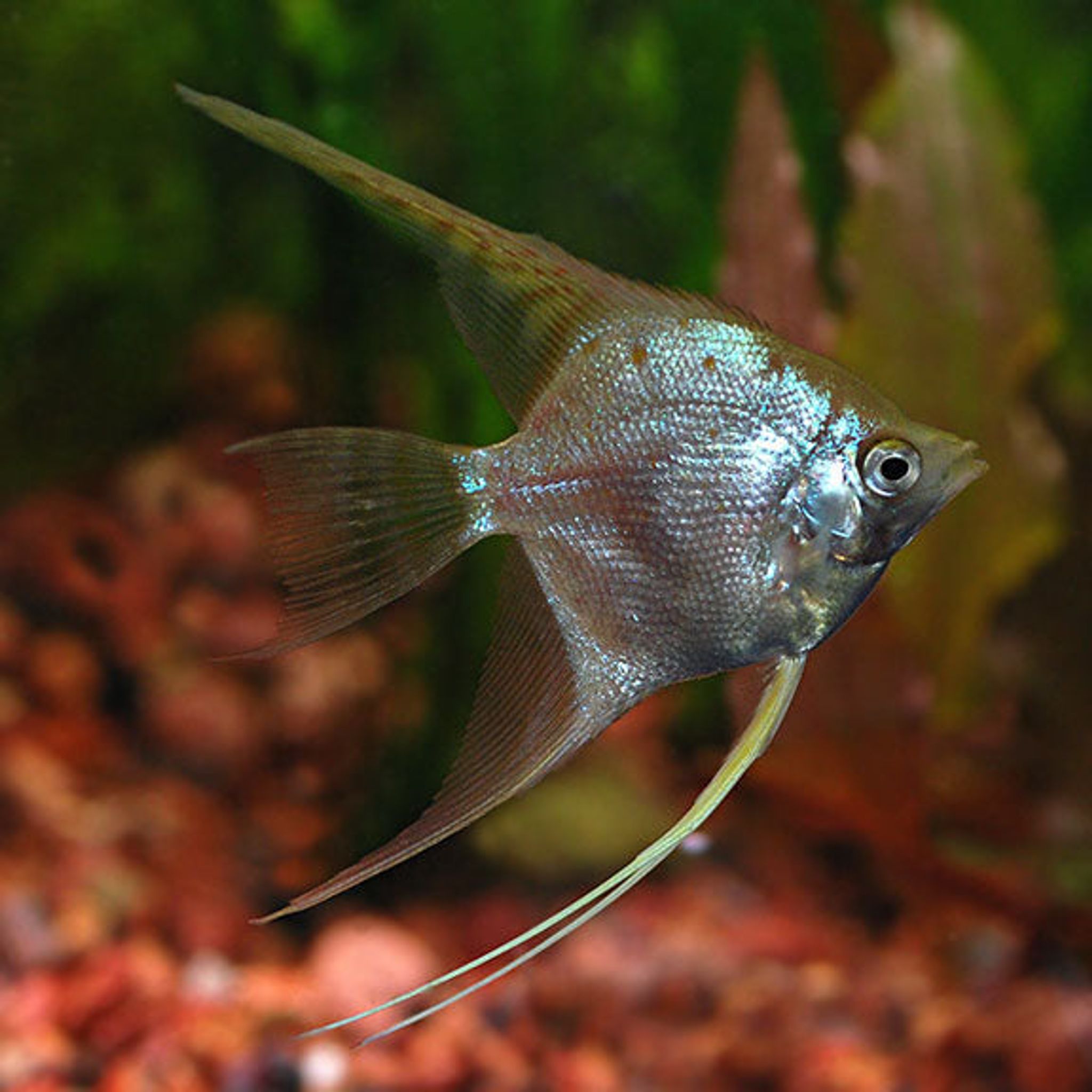
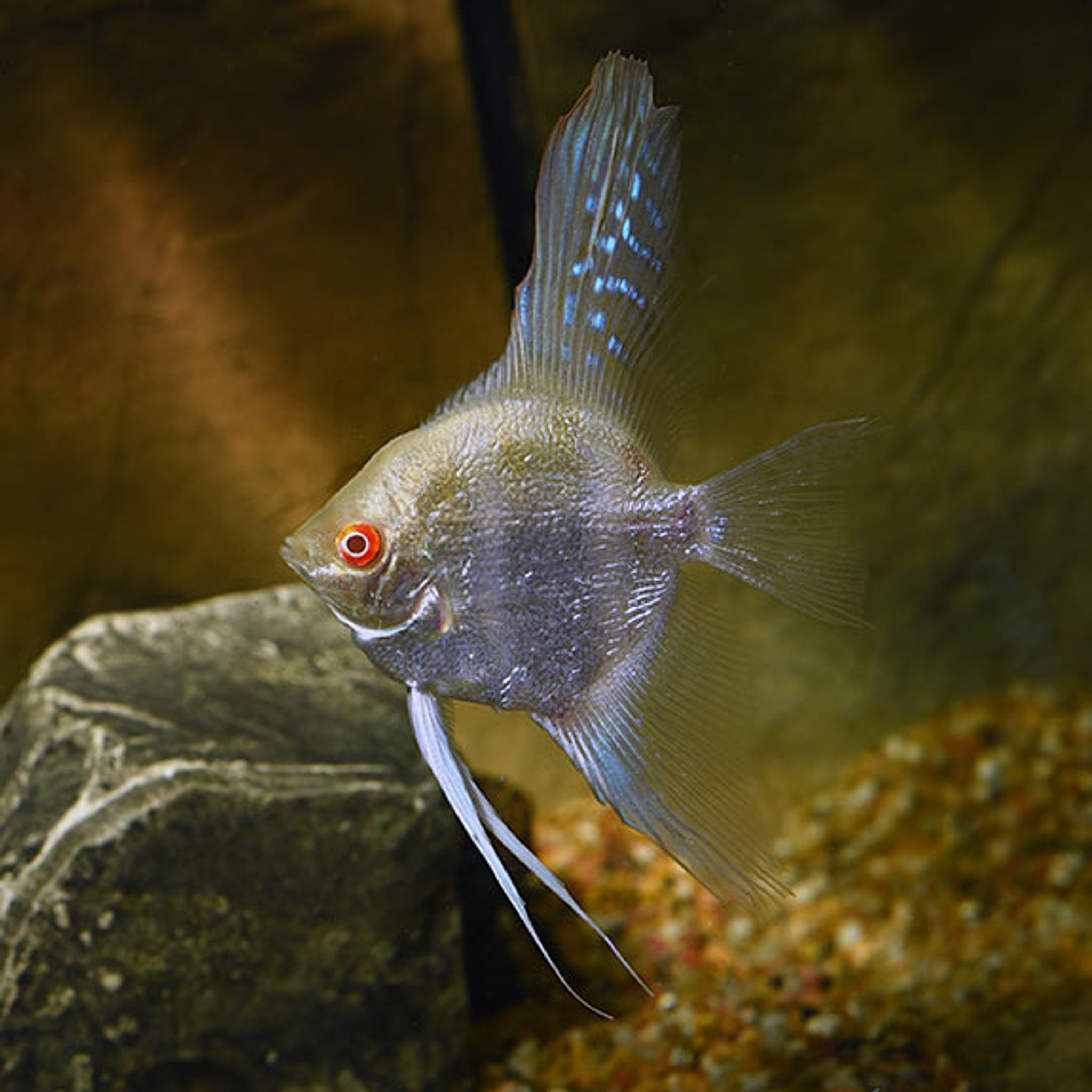
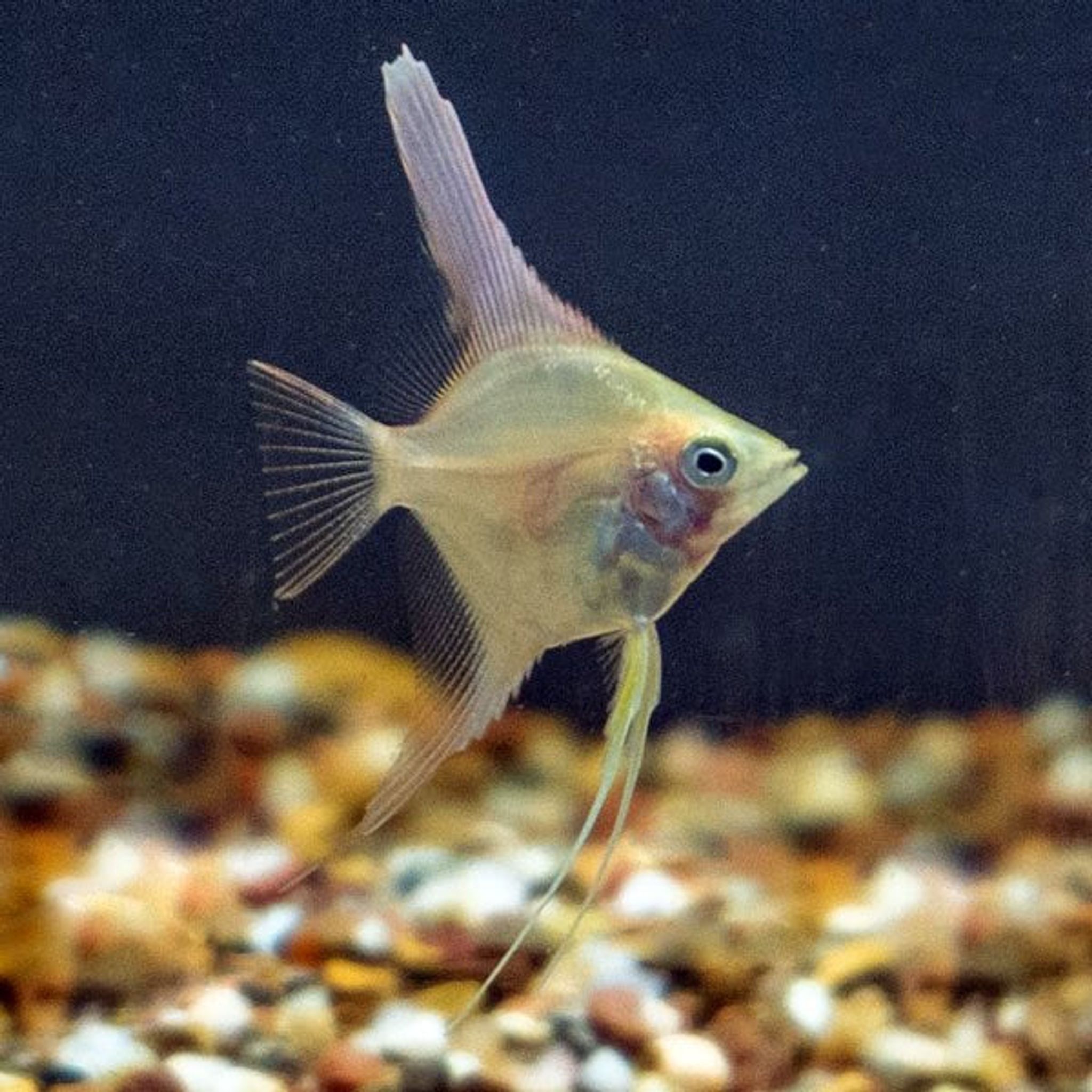
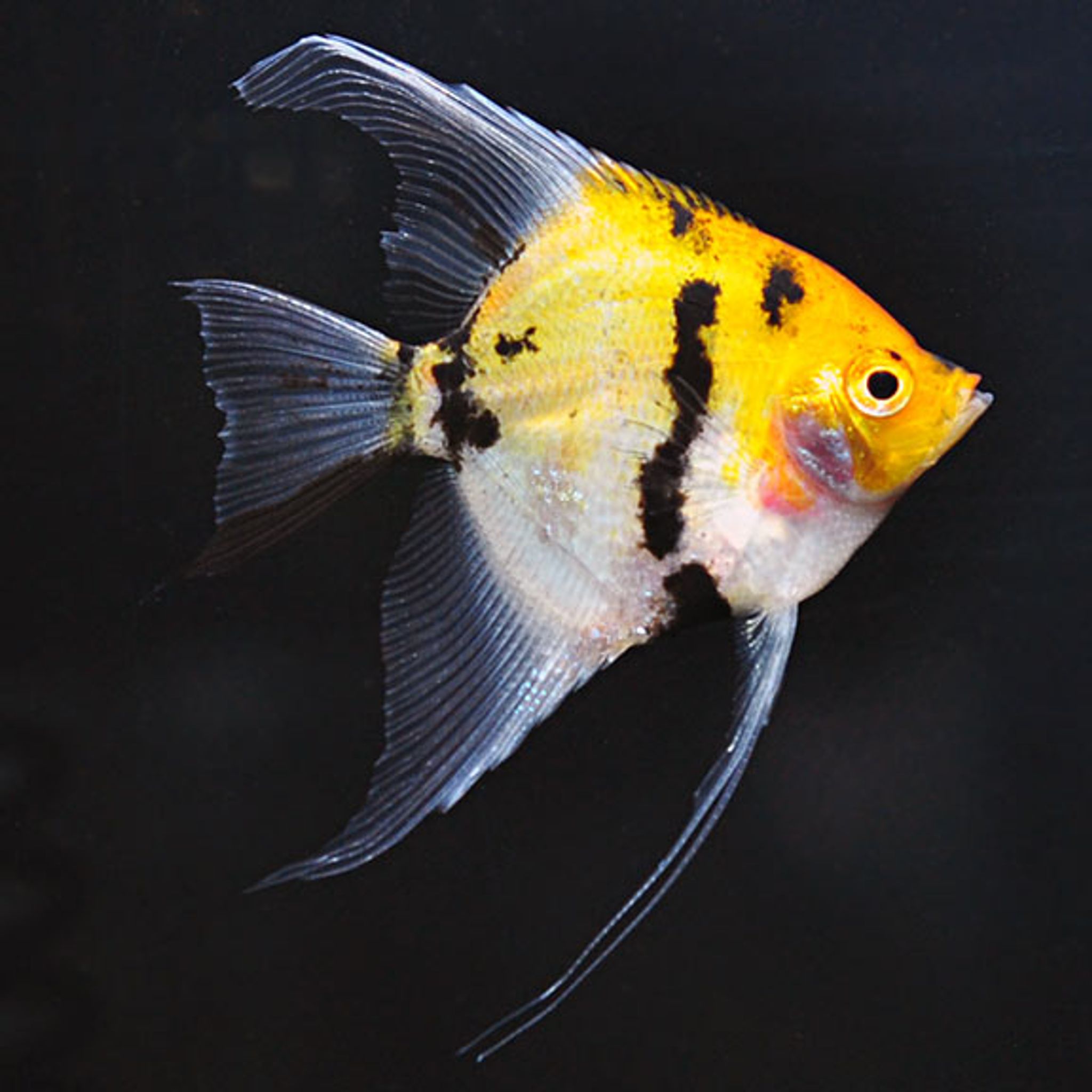
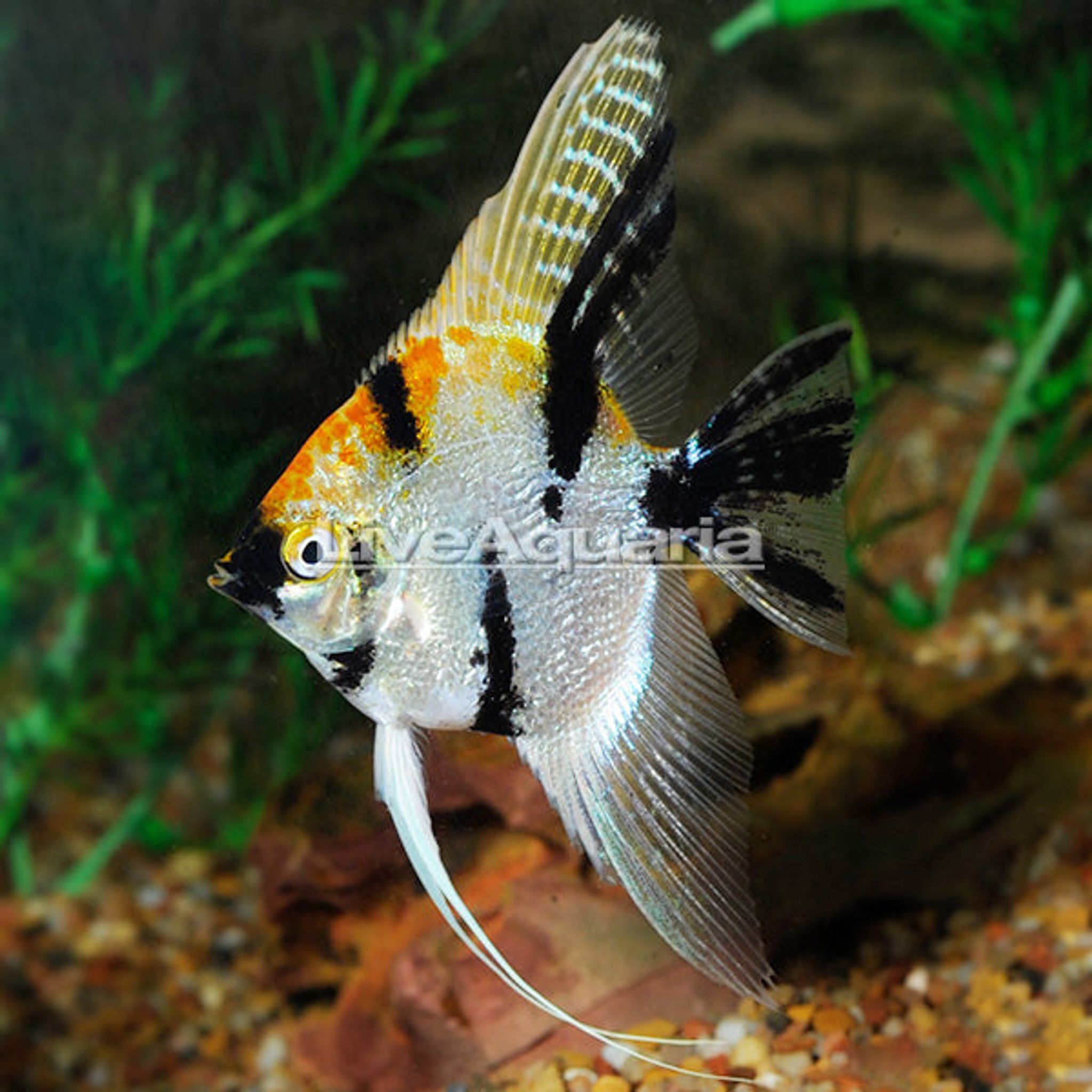
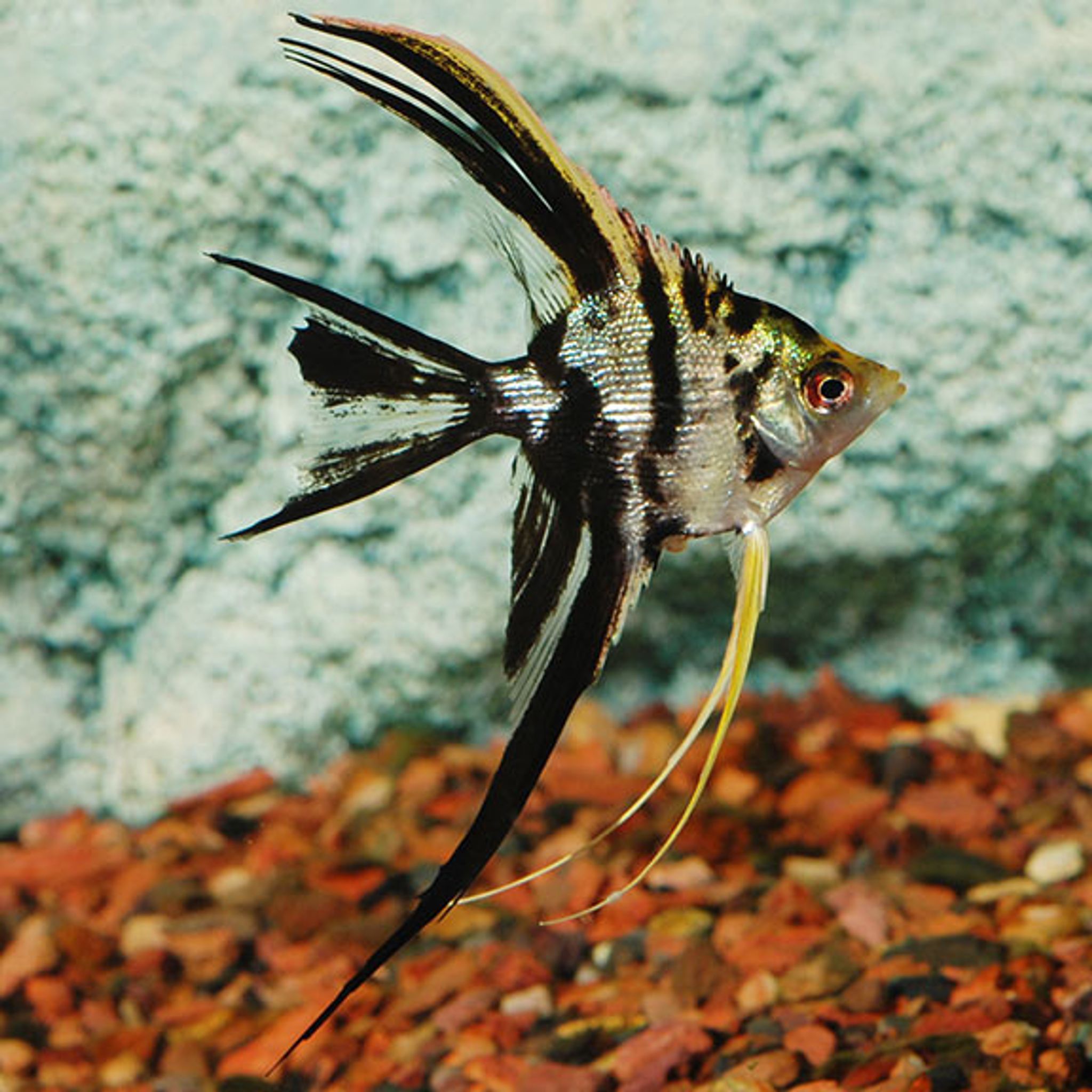
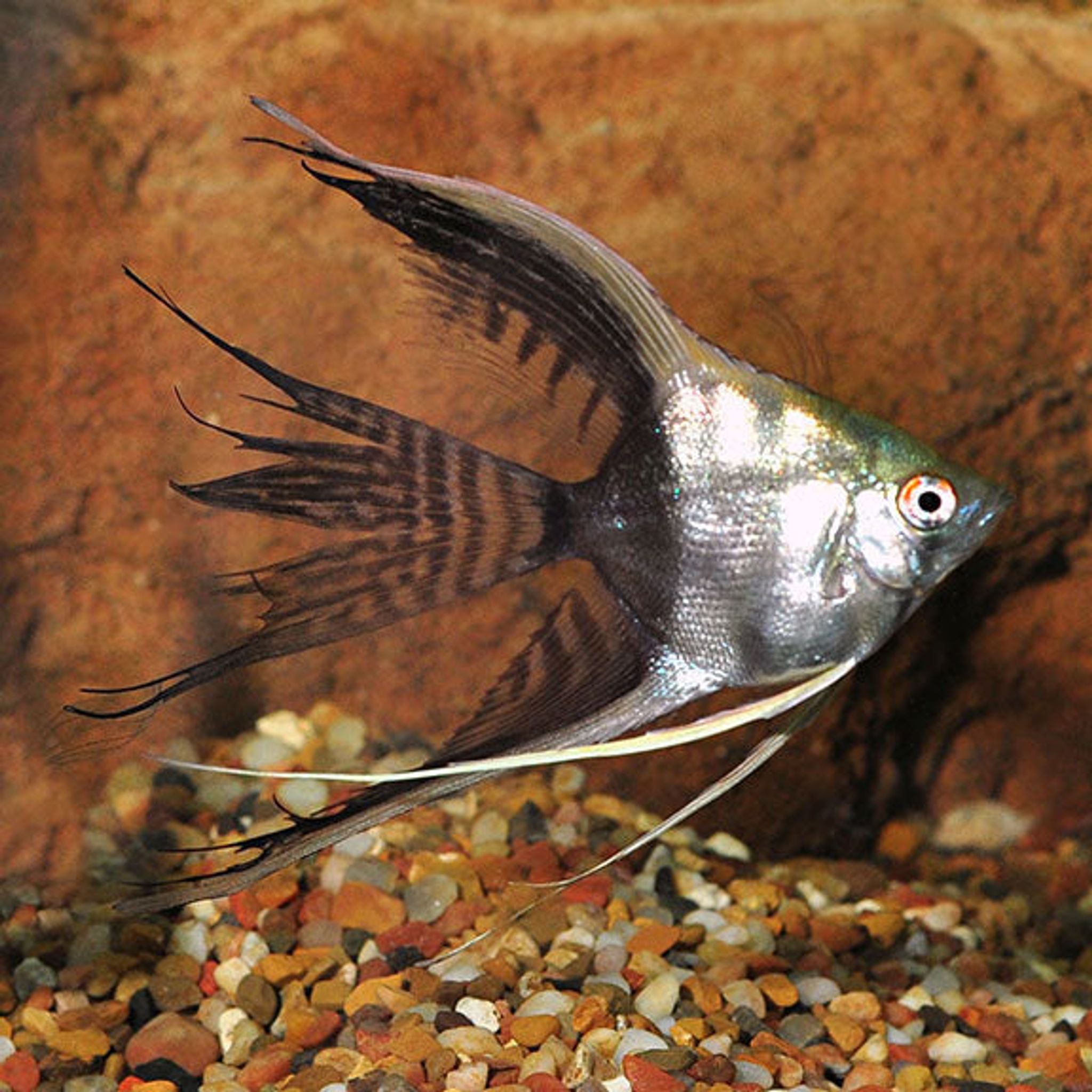
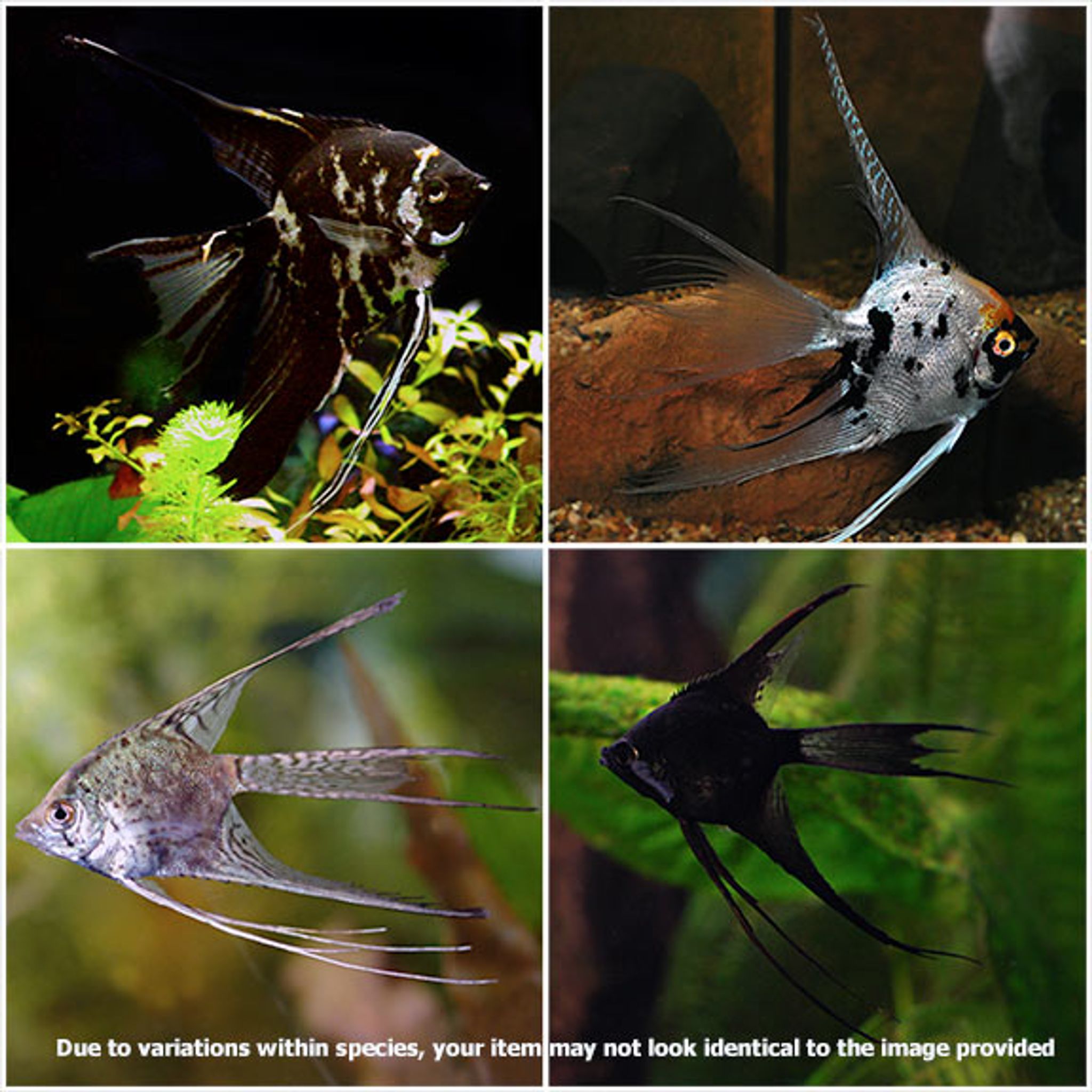
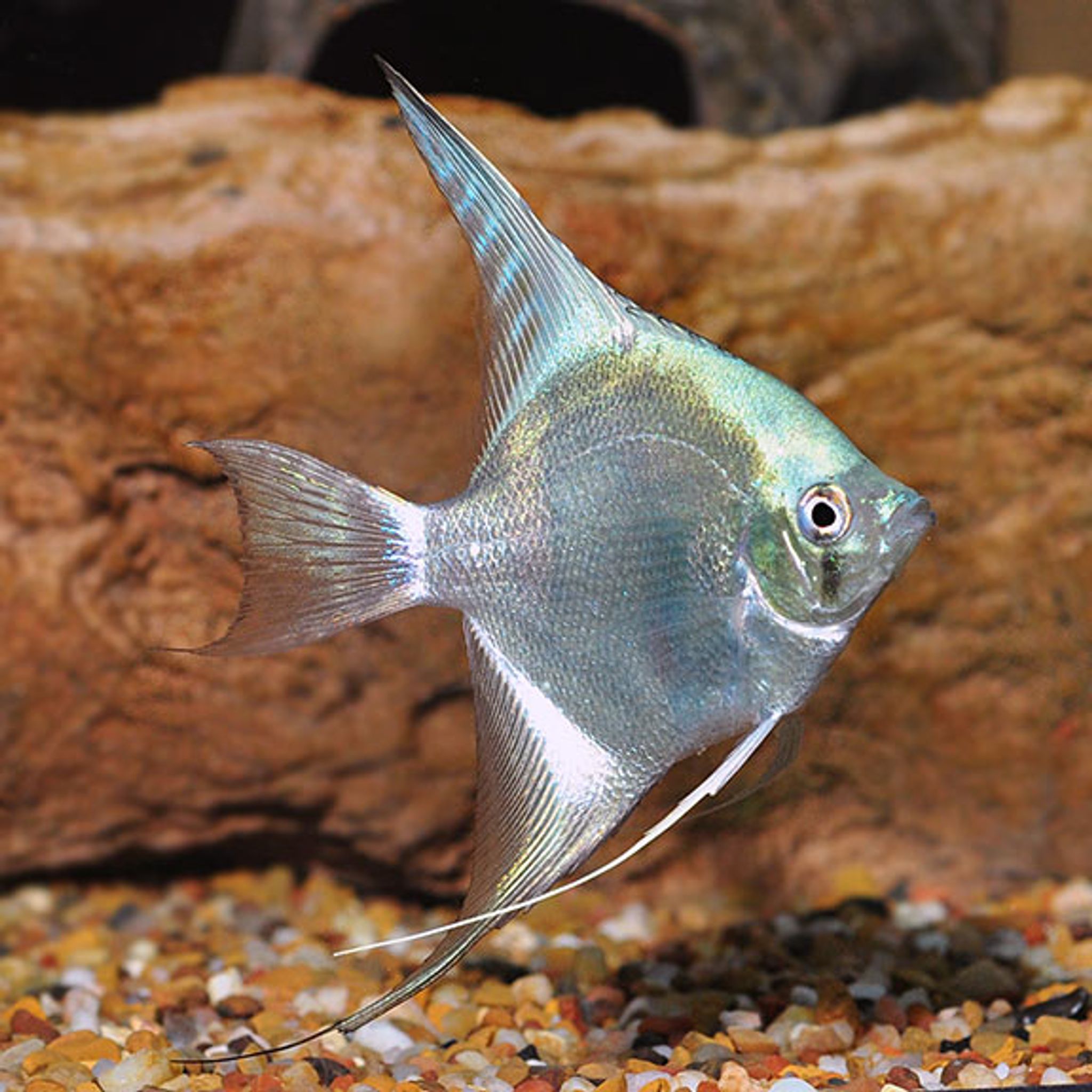
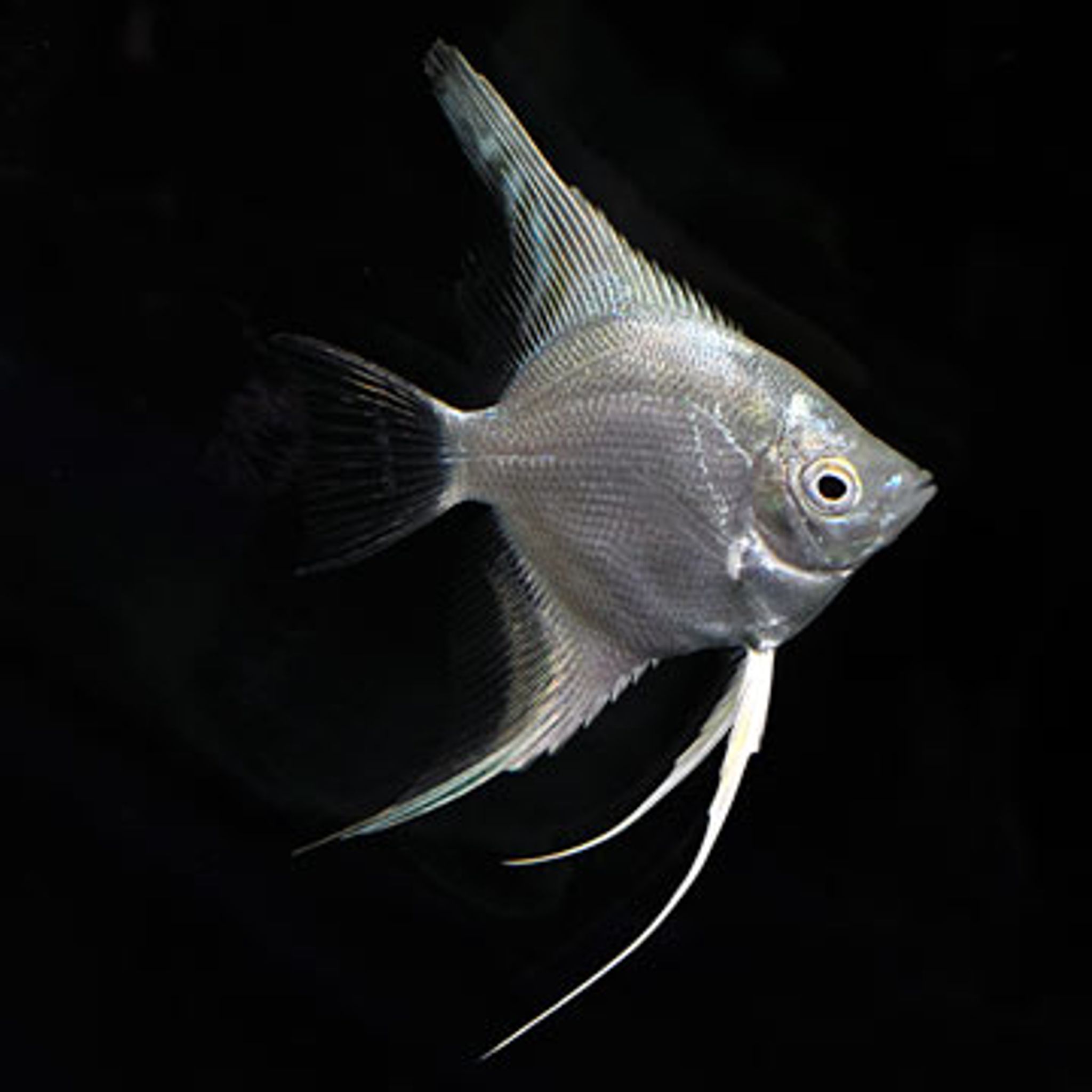
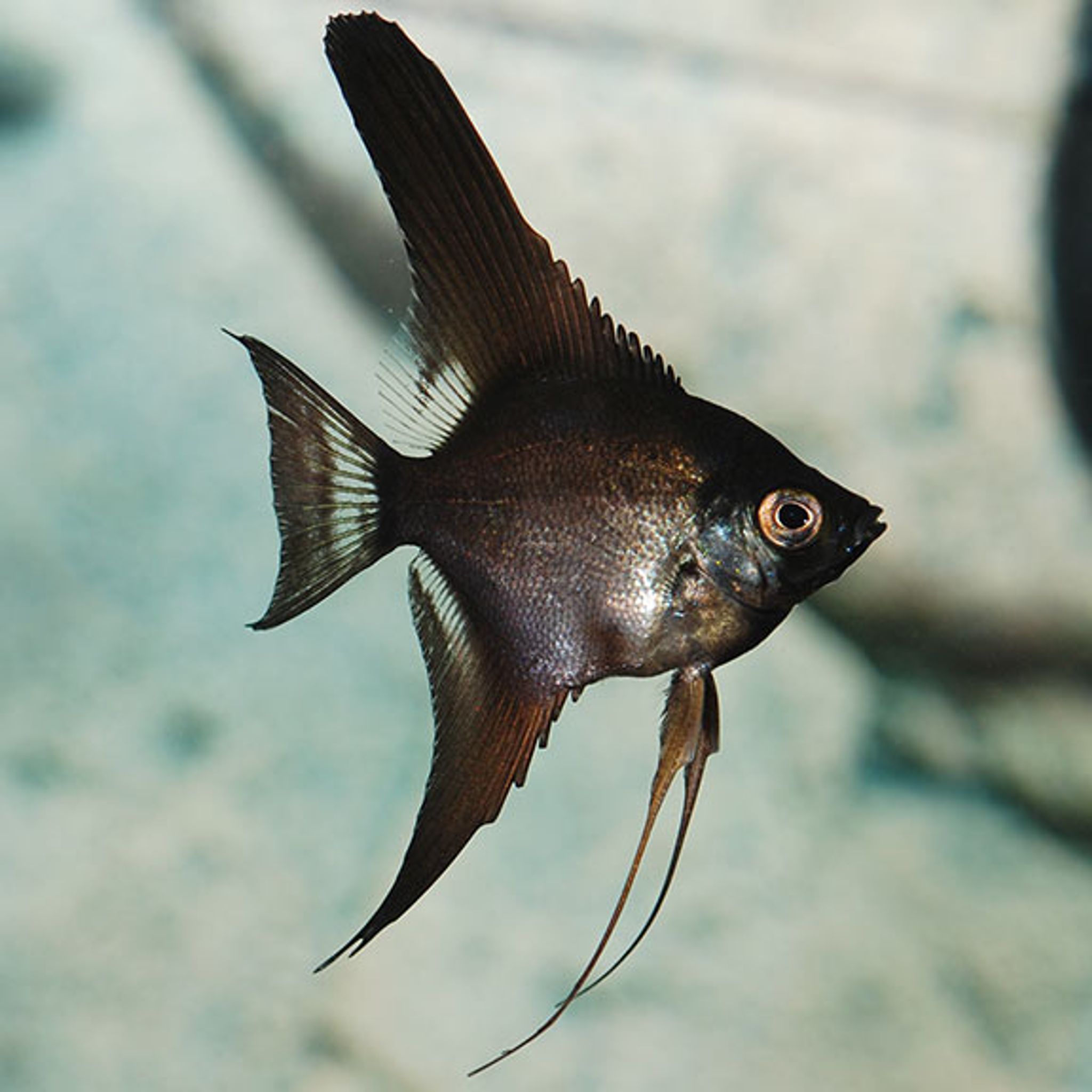
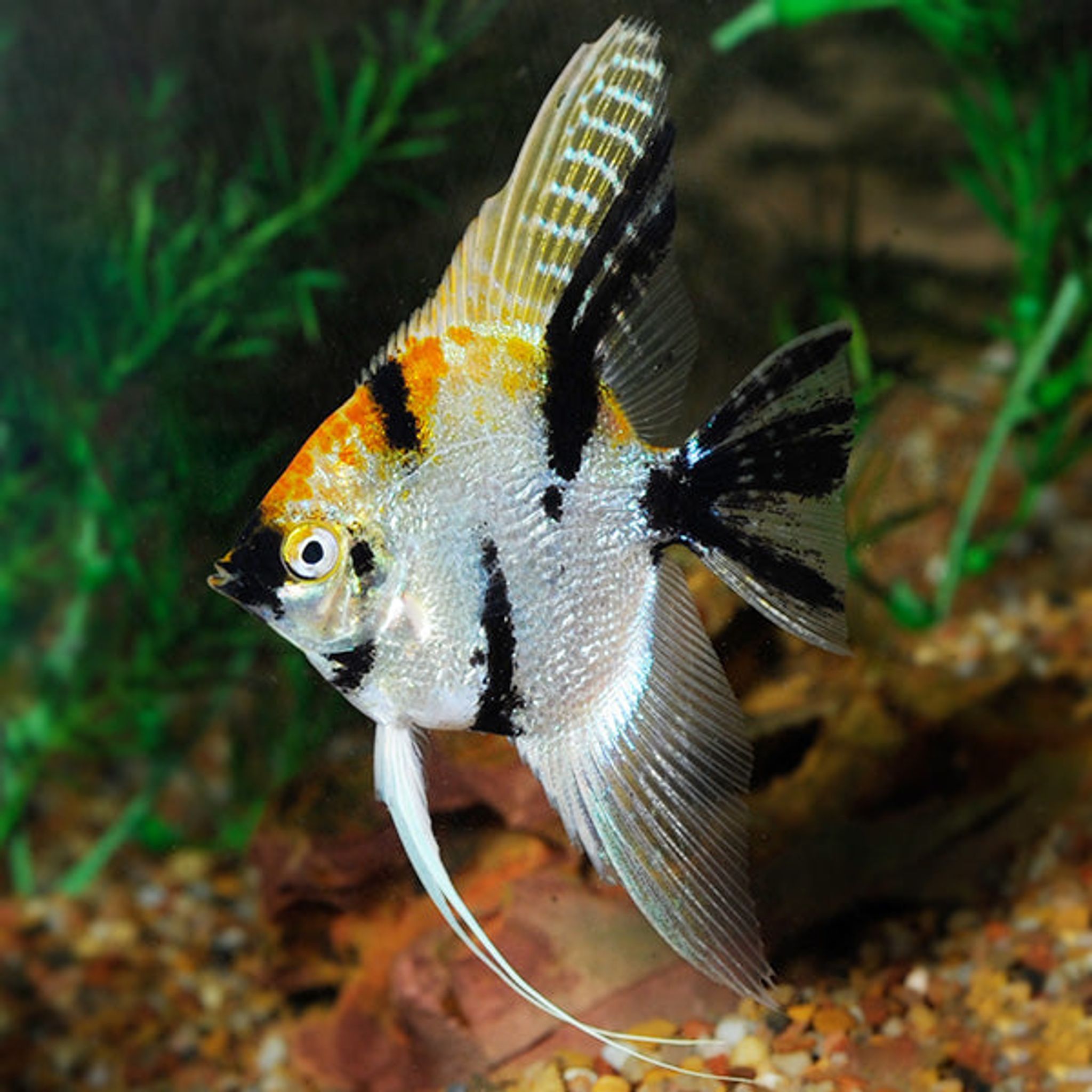
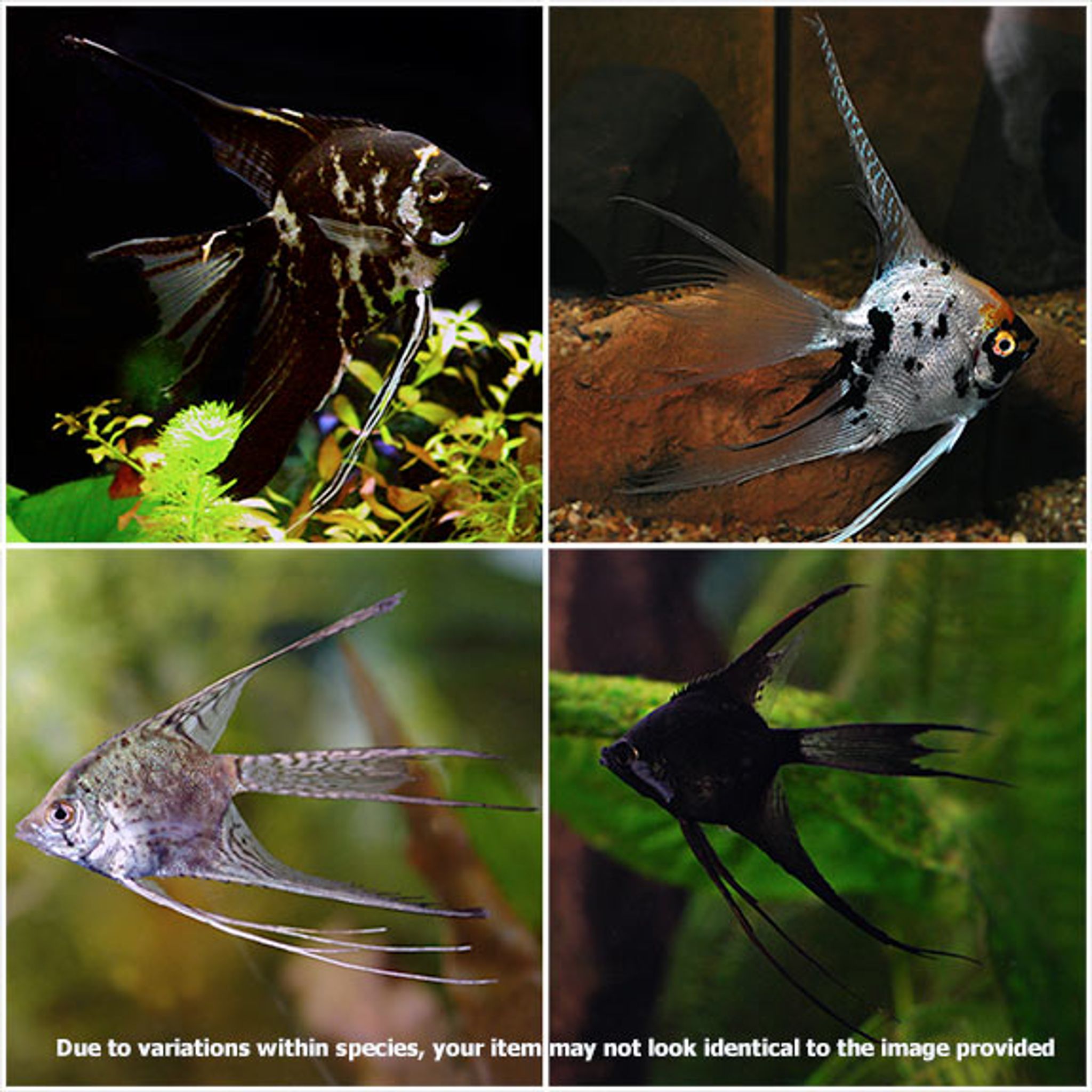
Freshwater Angelfish are elegant South American Cichlids known for tall bodies and flowing fins.
They are available in many colors and patterns and can work in community aquariums with carefully selected tankmates.
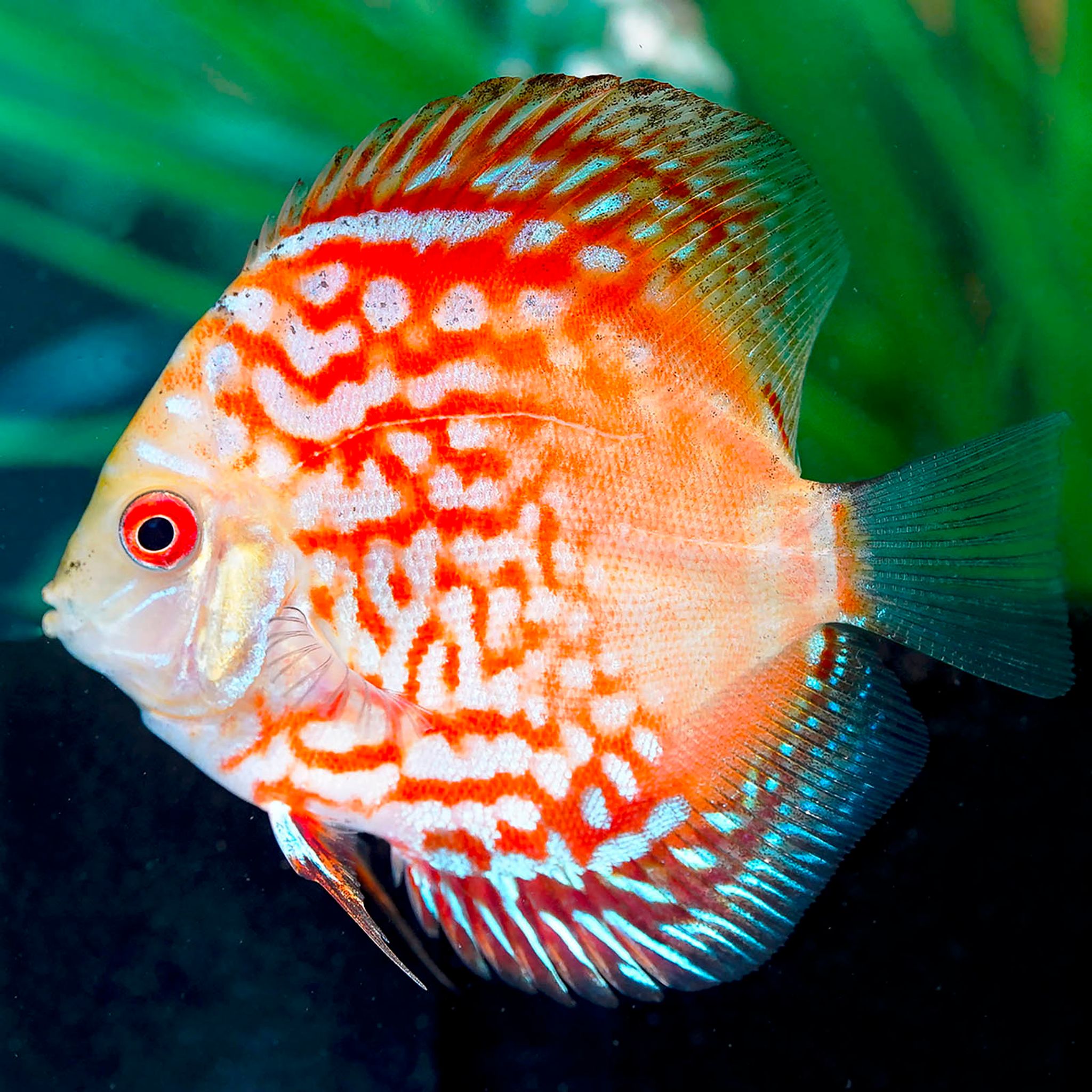
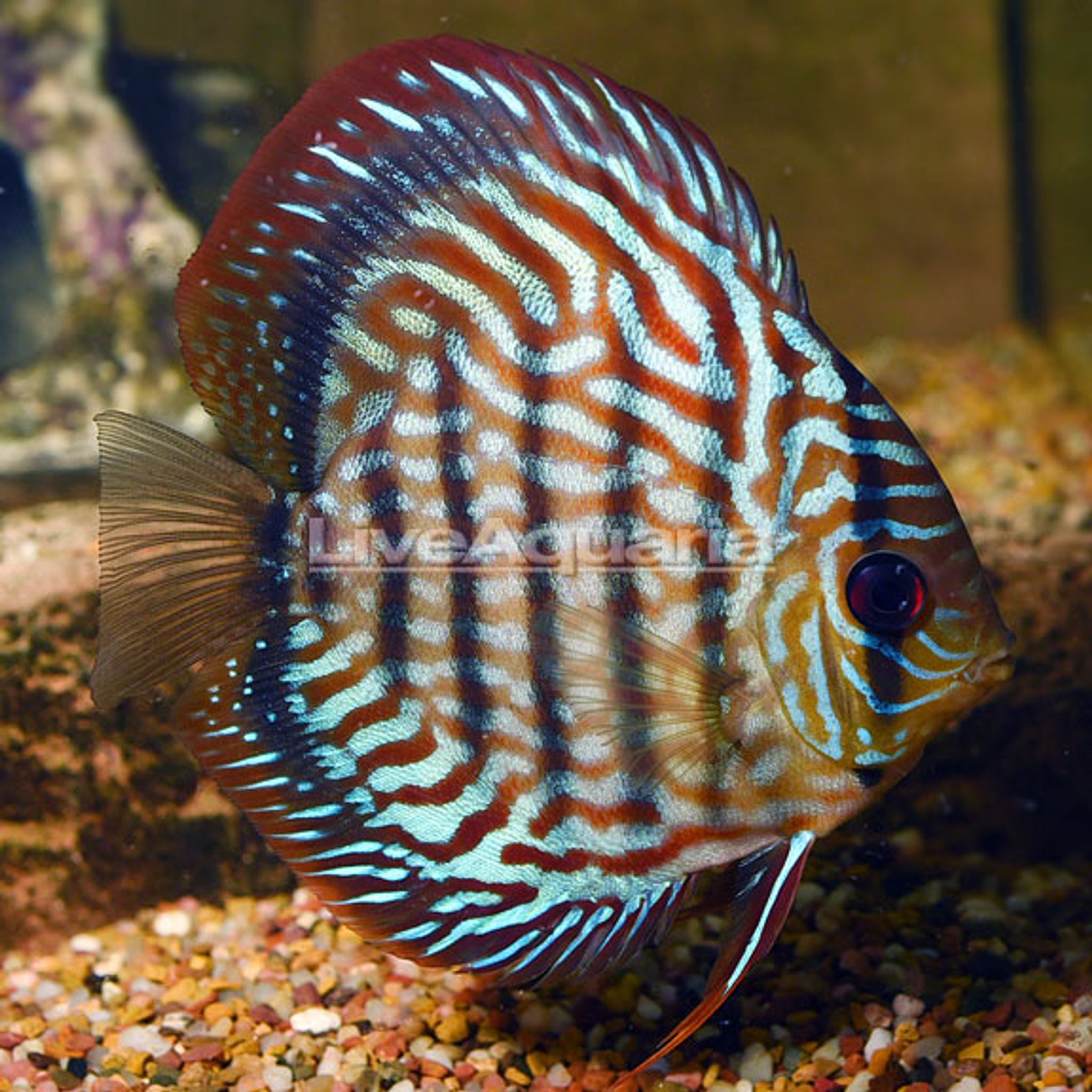
Discus are prized for their round body shape, intense colors and sophisticated appearance.
They are often kept by more experienced aquarists because stable water quality, suitable diet and careful stocking are especially important.
Rams are small South American Cichlids known for bright color and interesting pair behavior.
German Blue Rams and related forms are popular in planted aquariums where their compact size makes them very different from larger Cichlid species.
Apistogramma are dwarf South American Cichlids available in many species and selectively bred color forms.
Their compact size, territorial behavior and vivid coloration make them popular in planted and biotope-style aquariums.
Dwarf Cichlids include smaller species such as Rams and many Apistogramma.
Their smaller body size does not mean they lack territorial behavior, especially during breeding, so aquarium structure and tankmate choice still matter.
Larger Cichlids can become impressive centerpiece fish but often require significantly more aquarium space, filtration and planning.
Oscars and other large species should be selected based on adult size and behavior rather than their appearance as juveniles in store listings.
Cichlids are popular partly because the group includes some of the most colorful freshwater aquarium fish.
African species can display intense blue, yellow and orange coloration, while South American species may feature iridescent blue, red, gold and patterned forms.
Cichlid aquariums should be designed around the exact species being kept.
Rockwork, caves, wood, plants and open swimming space can all be useful depending on whether the fish are rock dwellers, dwarf Cichlids, open-water species or larger territorial fish.
There is no single tank size suitable for all Cichlids.
Dwarf Cichlids, Angelfish, African Rift Lake species and large American Cichlids all have different adult sizes and space requirements.
Cichlid temperament ranges from relatively peaceful to highly territorial and aggressive.
Aggression can also change during breeding, maturity or territory formation, so tank planning should allow for natural behavior.
Compatibility depends on species, adult size, temperament, water requirements and aquarium layout.
Do not assume that all Cichlids can live together simply because they belong to the same fish family.
Some combinations work well, while others can result in serious aggression or incompatible water requirements.
African Rift Lake Cichlids, dwarf South American species and large American Cichlids are often best planned as separate aquarium styles rather than mixed indiscriminately.
Some smaller and more peaceful Cichlids can work in carefully planned community tanks.
Angelfish, Rams and selected dwarf Cichlids may be possible with compatible tankmates, but temperament should always be assessed by exact species and individual fish.
Some Cichlids work beautifully in planted aquariums, especially dwarf species, Rams, Angelfish and Discus.
Other Cichlids may dig, rearrange substrate or damage plants, so planting strategy should match the species being kept.
Cichlid diets vary widely between species.
Some are primarily herbivorous or algae-grazing, while others are omnivorous, insectivorous or predatory. Choose food based on the exact species rather than feeding every Cichlid the same diet.
African Cichlids have varied diets depending on species and habitat.
Herbivorous or algae-grazing species should not automatically be fed the same rich diet used for predatory Cichlids, so identification matters.
Cichlids come from very different freshwater environments and should not all be kept under identical water conditions.
African Rift Lake species and many South American Cichlids can have very different water preferences, so match conditions to the exact fish.
Many Cichlids are active feeders and some large species can produce substantial waste.
Filtration should be selected according to aquarium size, stocking level and species needs rather than relying on one universal filter rule.
Cichlids are famous for complex reproductive and parental behavior.
Some lay eggs on surfaces or inside caves, while many African Rift Lake species are mouthbrooders. Breeding behavior varies widely by species.
Cichlids may be sold individually, as established pairs or in breeding groups depending on species and seller.
Confirm whether a seller is offering a proven pair, compatible pair or simply two fish before purchasing for breeding.
Juvenile Cichlids can look very different from mature adults.
Adult coloration, body size and aggression may develop gradually, so research mature appearance and behavior before choosing young fish.
When comparing Cichlids for sale, look for:
Newly shipped Cichlids may experience transport stress and differences in water chemistry.
Prepare a stable, cycled aquarium in advance and follow an acclimation approach appropriate to the species and seller instructions.
Cichlid prices vary widely according to species, size, sex, color, rarity, breeder line and seller.
Common community Cichlids and rare breeder-quality African or South American species can occupy very different price ranges.
FishyHub brings Cichlid listings from aquarium stores, breeders and freshwater fish sellers together in one marketplace.
When comparing Cichlids online, consider:
Shipping availability depends on the seller, species, destination, weather and livestock-shipping policy.
Review delivery timing, packaging and live-arrival terms before ordering, and make sure the aquarium is prepared for the exact species before arrival.
Yes. Aquarium stores and breeders sell many Cichlid species online across the U.S., subject to seller shipping coverage and applicable requirements.
Major aquarium groups include African Rift Lake Cichlids, South American Cichlids, Central American Cichlids, Angelfish, Discus, Rams and dwarf Cichlids such as Apistogramma.
Many African Cichlids can be territorial, but aggression varies greatly by species, sex, stocking and aquarium layout.
They often have different water requirements, behavior and social structures, so they are usually better planned as separate aquarium styles rather than mixed by default.
Yes. Freshwater Angelfish belong to the Cichlid family.
Yes. Discus are South American Cichlids with distinctive round bodies and specialized aquarium care requirements.
Rams and many Apistogramma species are popular dwarf Cichlids, although exact water and territorial requirements differ by species.
FishyHub helps U.S. hobbyists compare Cichlid listings from aquarium stores, breeders and specialist freshwater fish sellers in one marketplace.
Explore Cichlids for sale on FishyHub and compare African Cichlids, South American Cichlids, Angelfish, Discus, Rams, Apistogramma and other freshwater Cichlids. Discover listings from aquarium stores and breeders across the United States, and compare species, size, temperament, breeder, price and shipping options before choosing fish for your aquarium.
