1–31 of 31
Showing 31 of 31 products
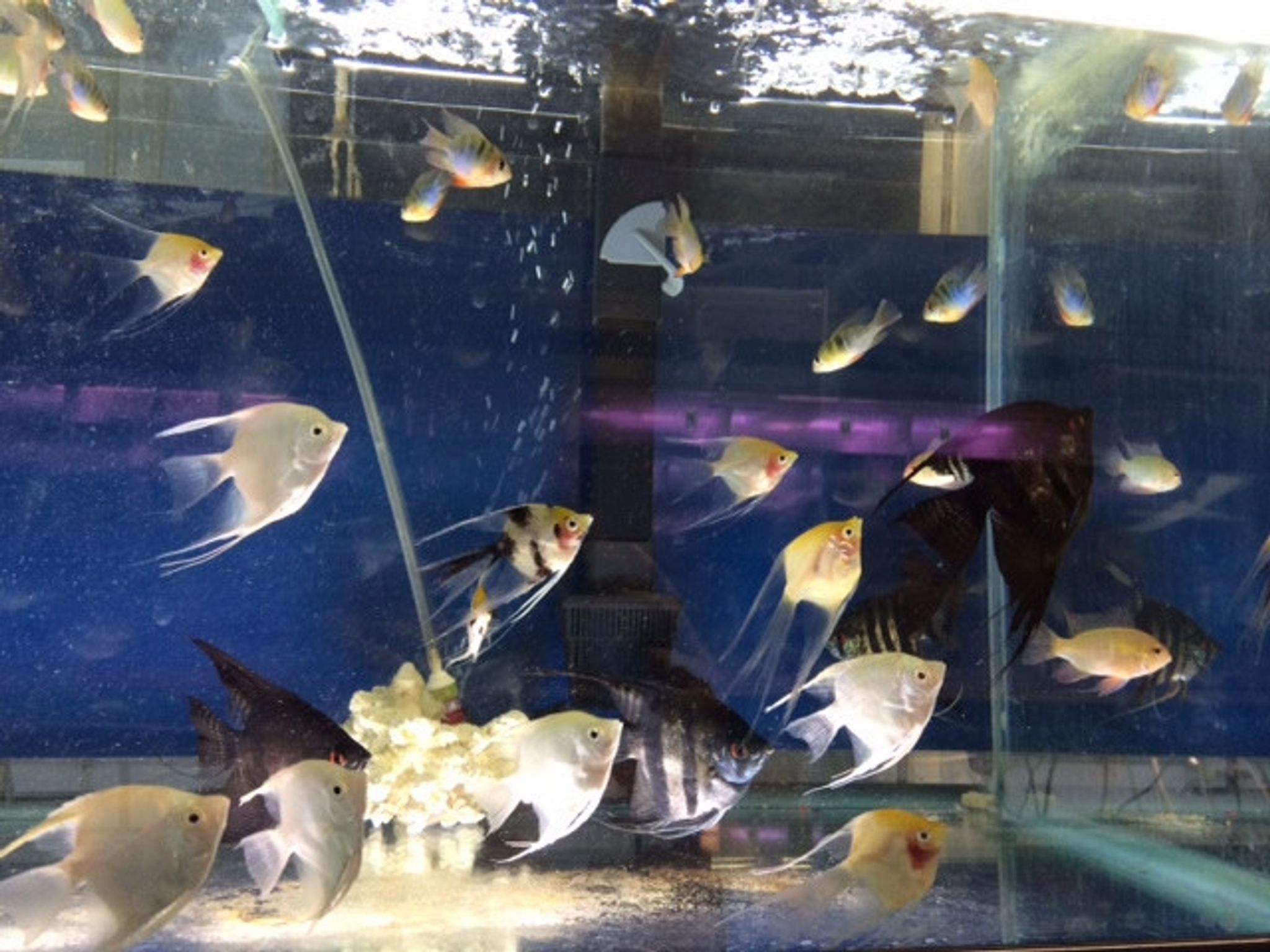
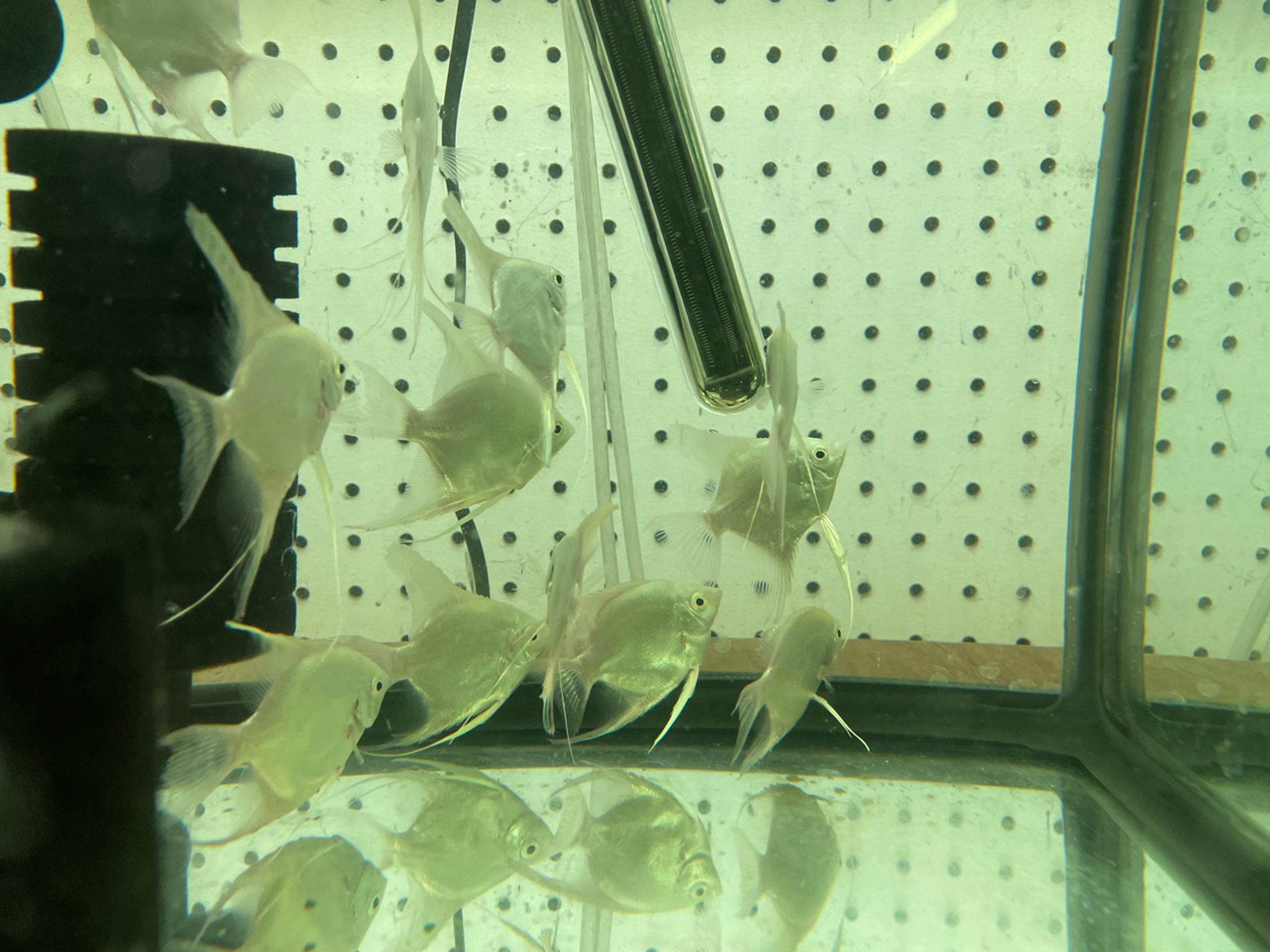
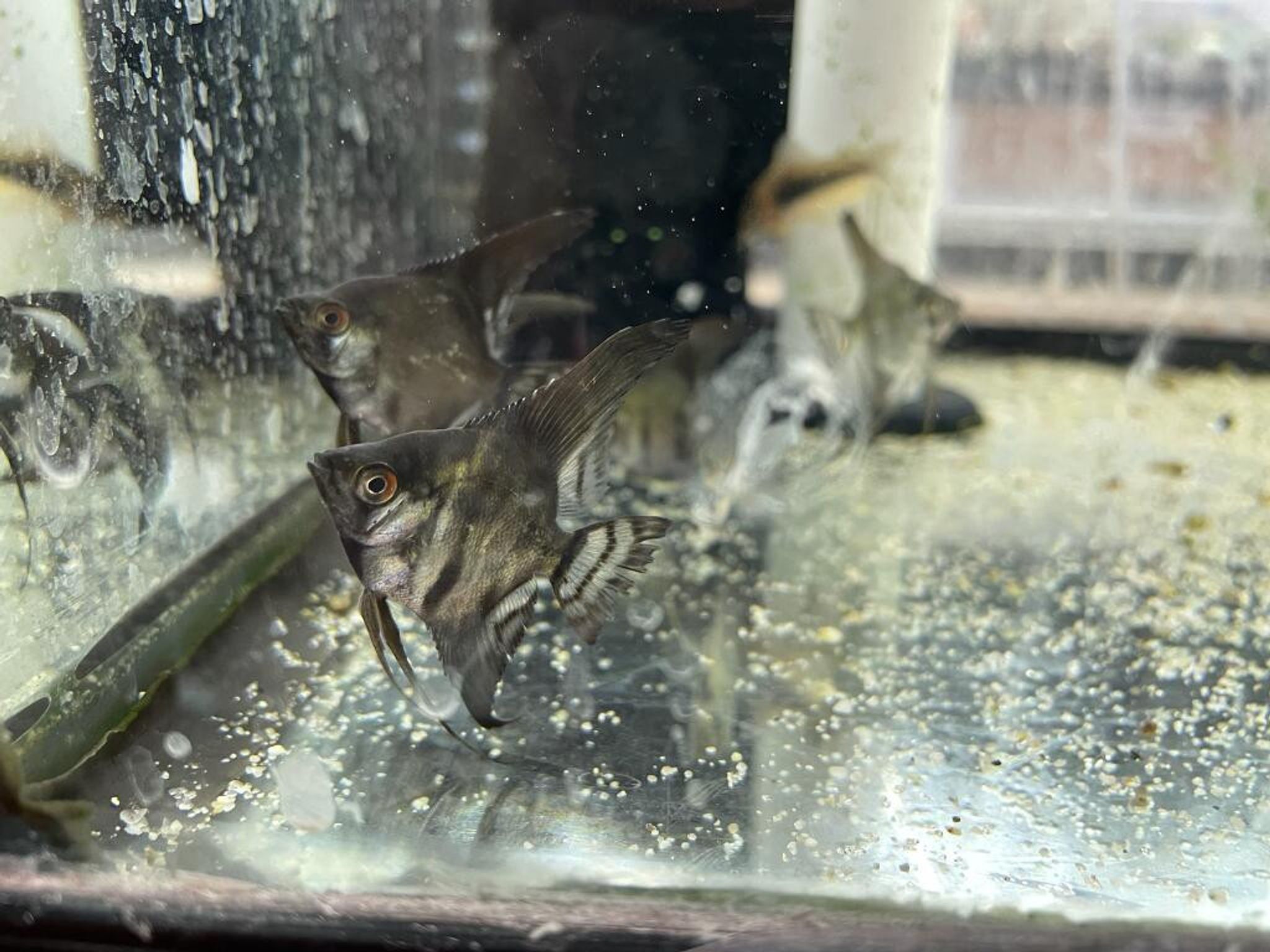
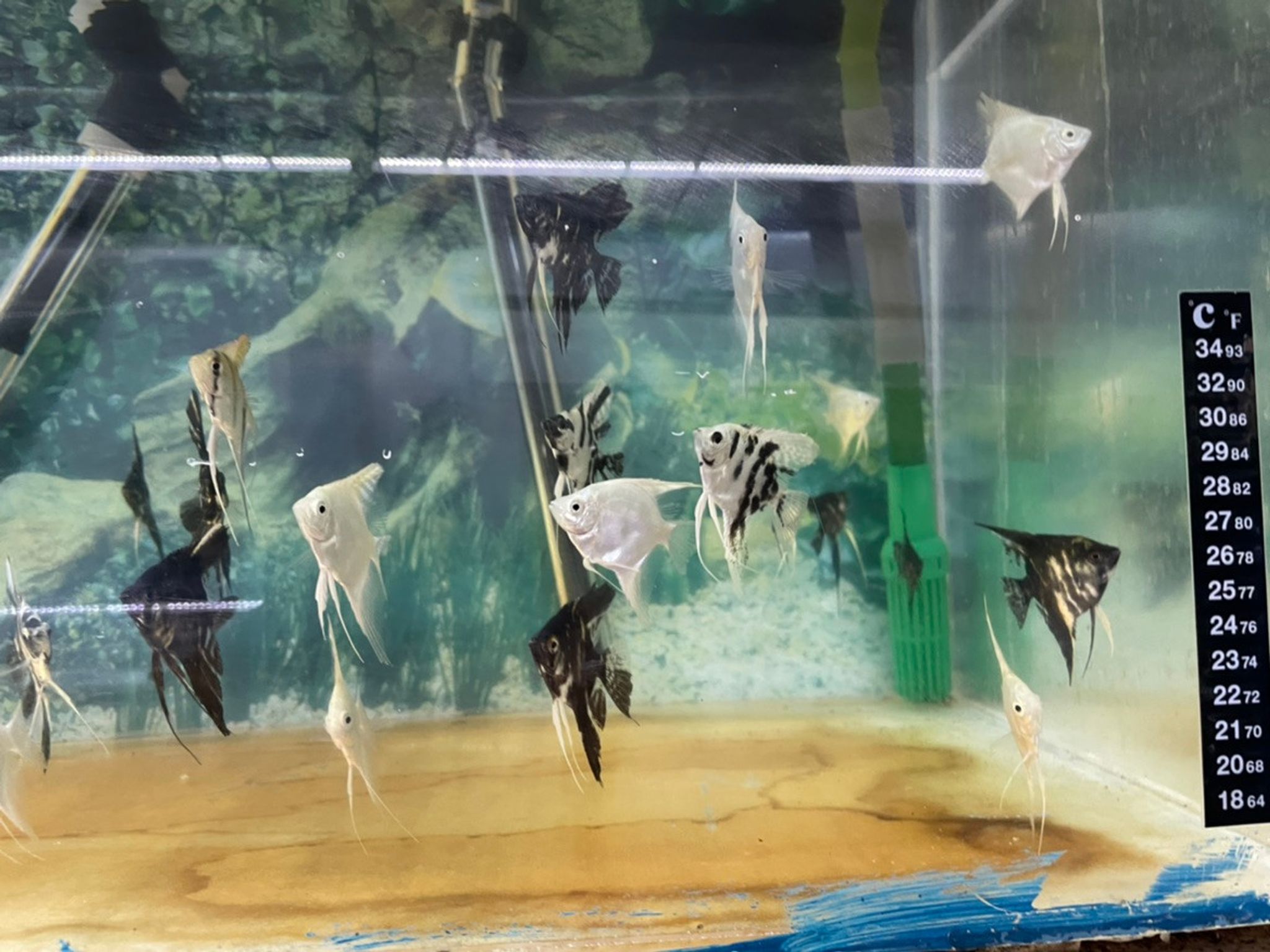
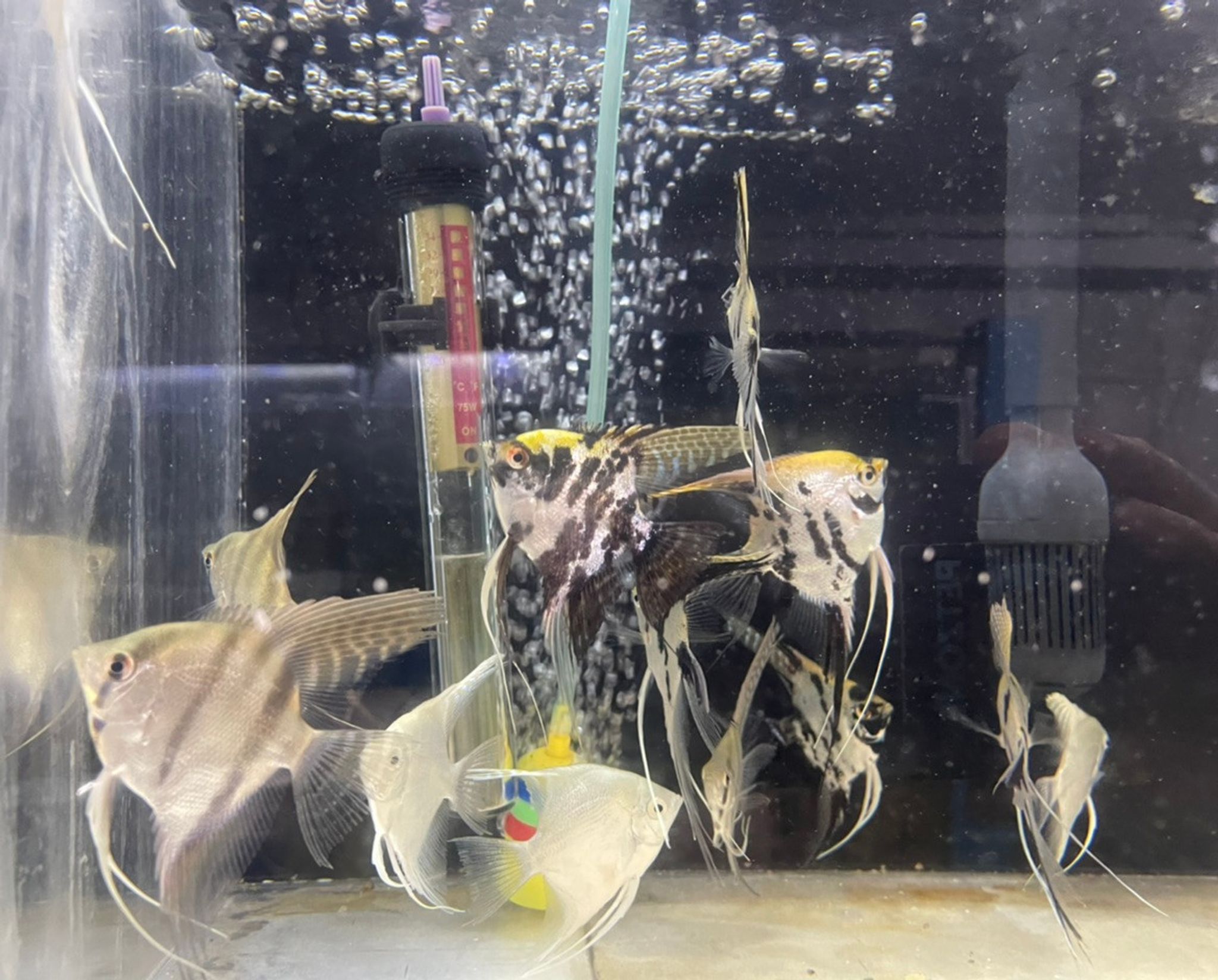
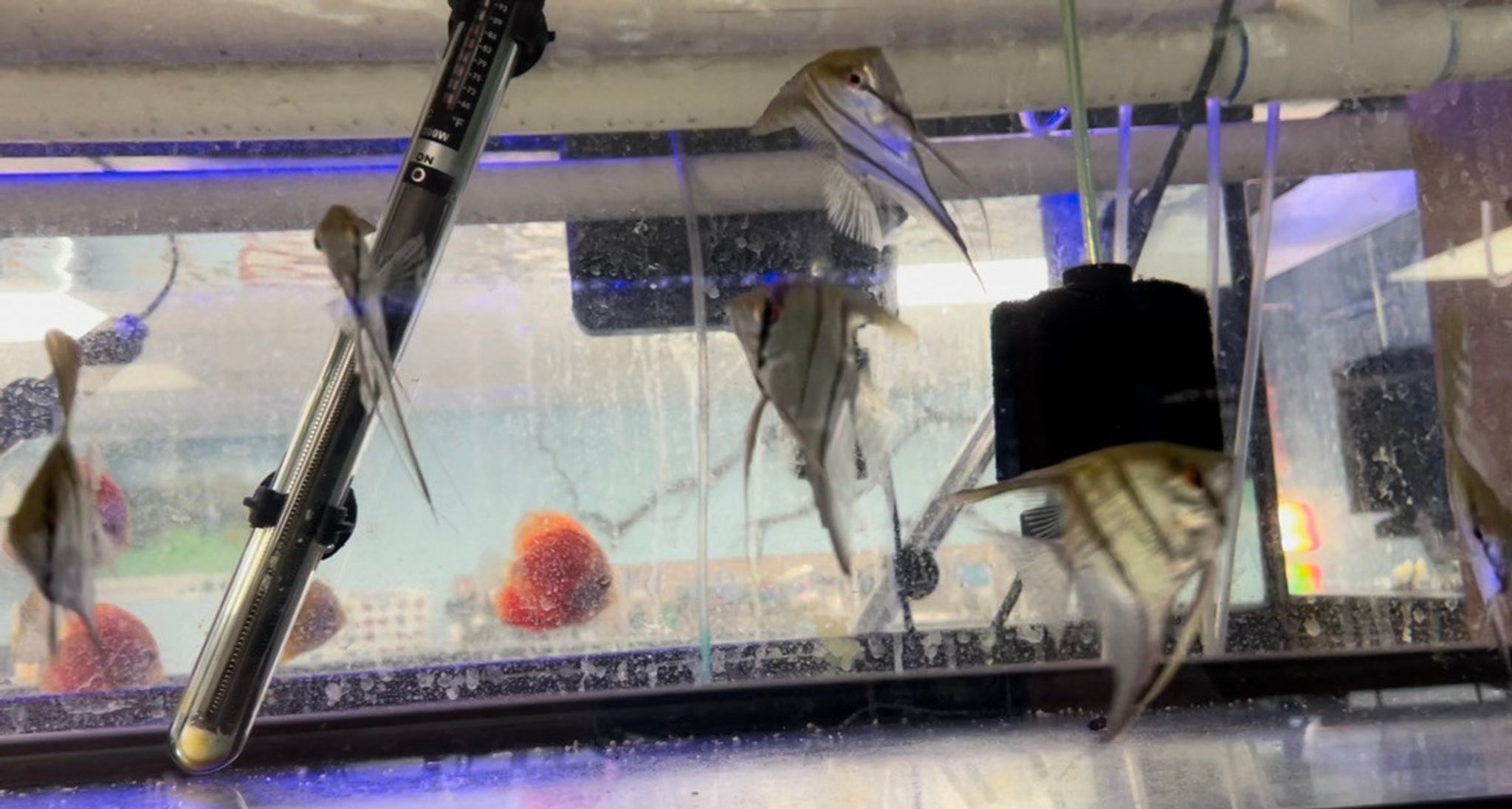

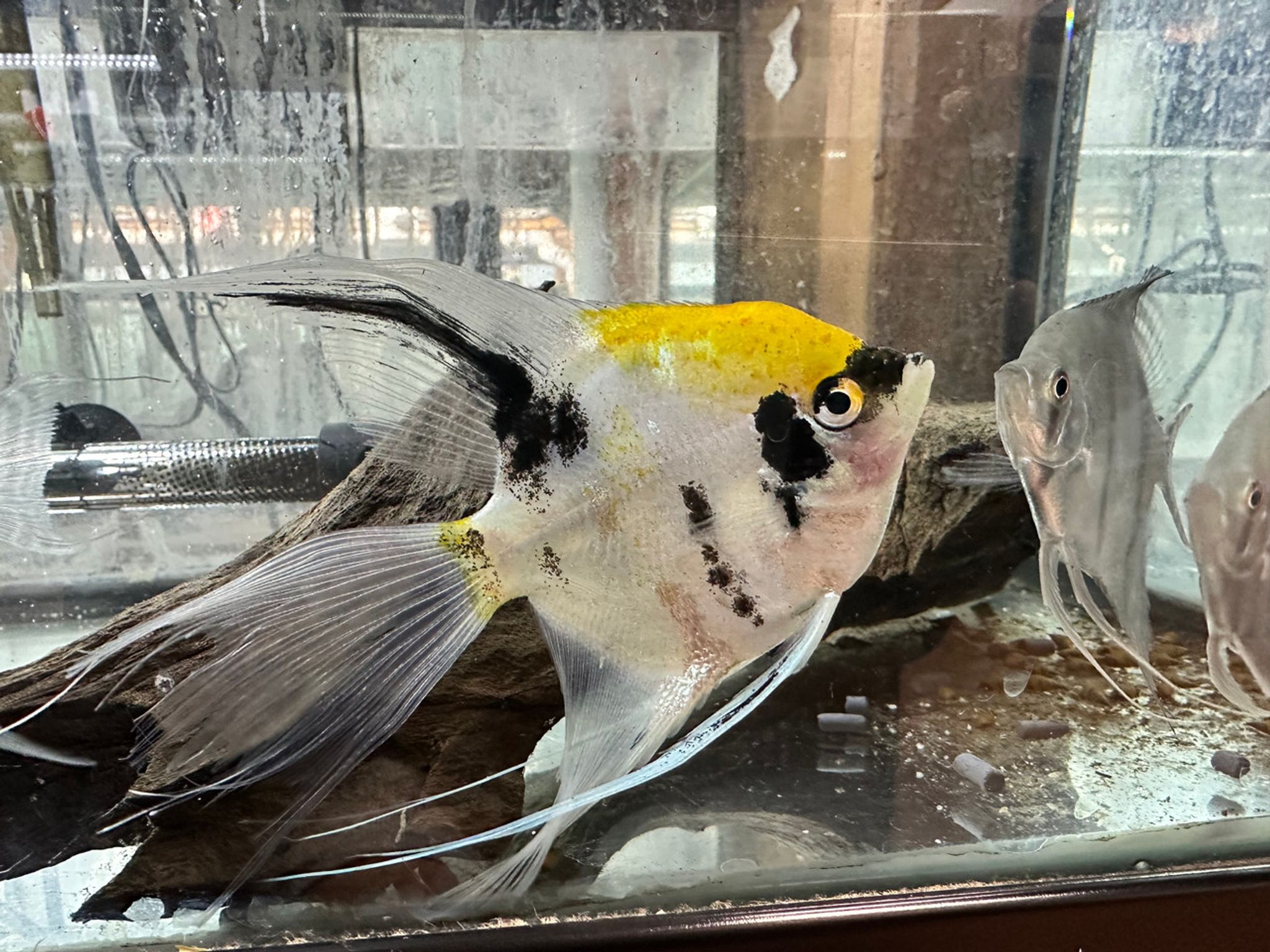
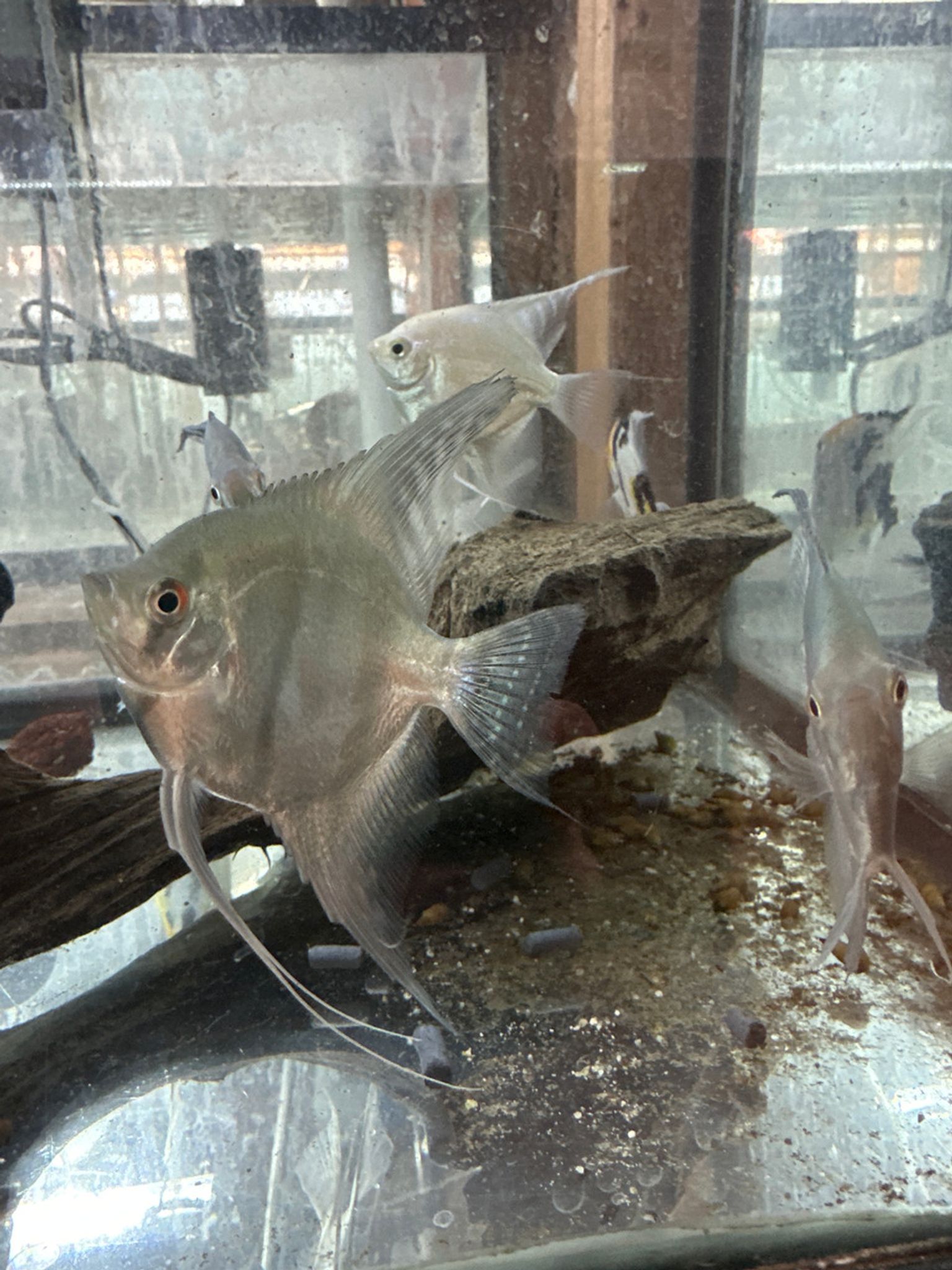

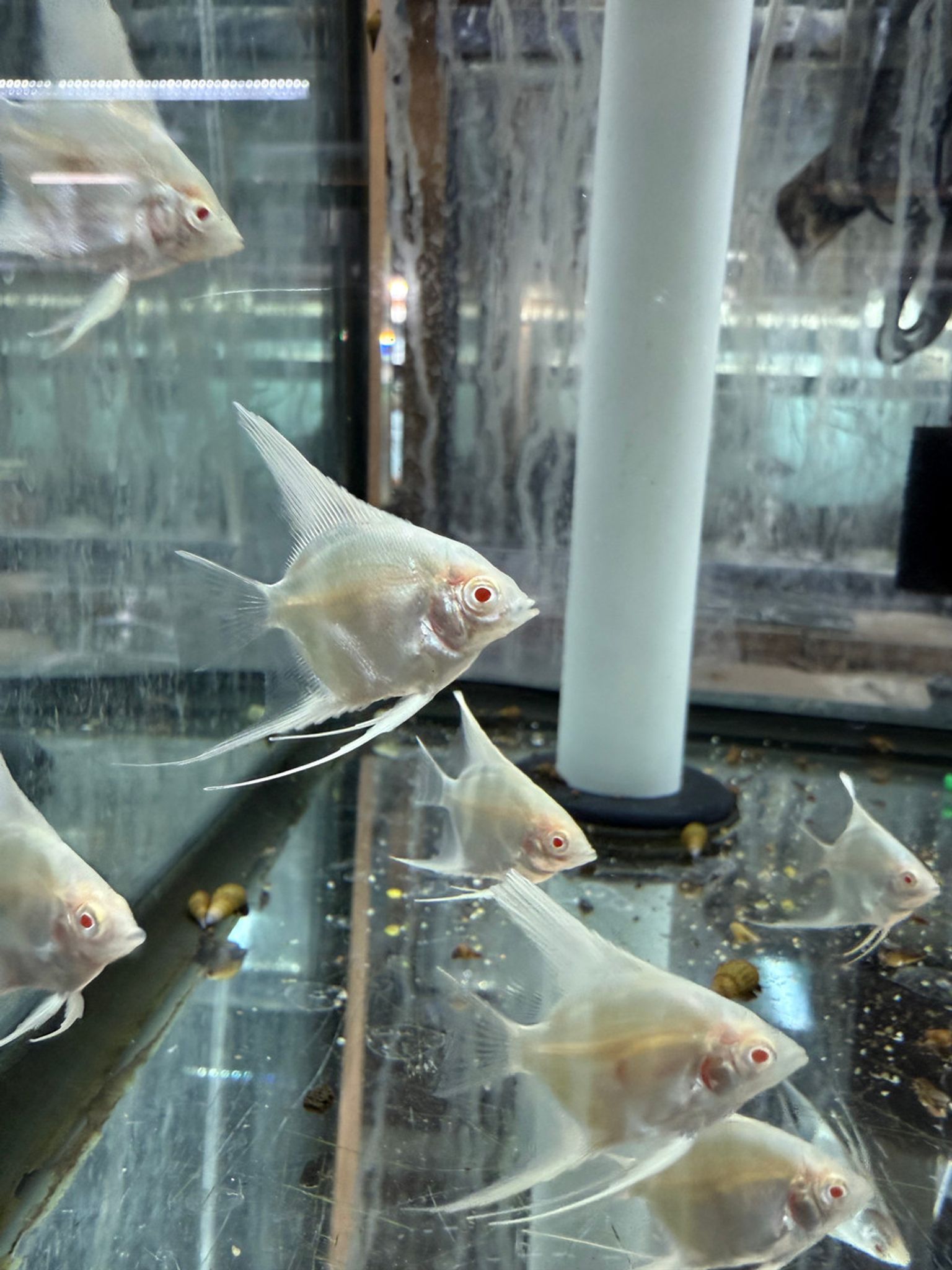
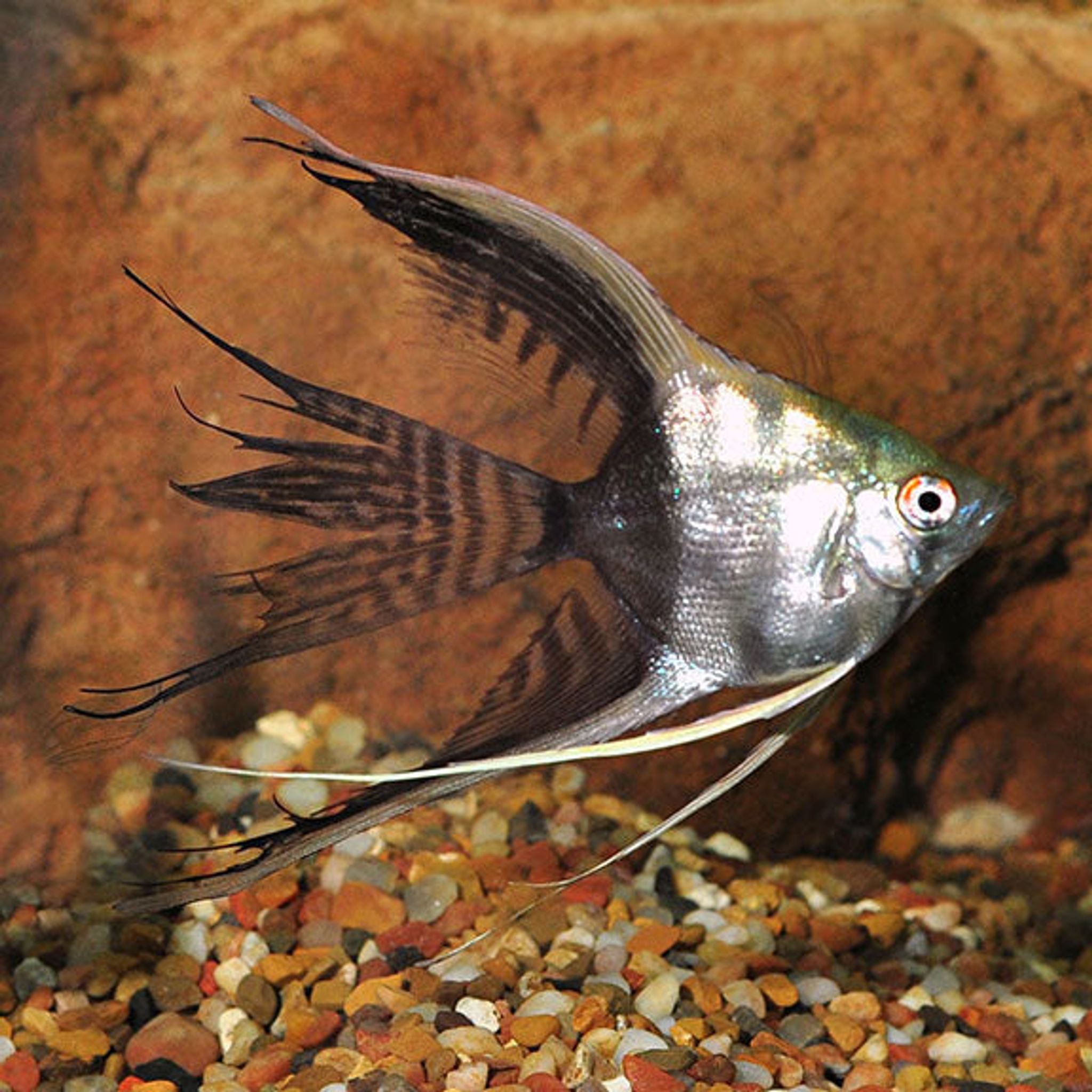
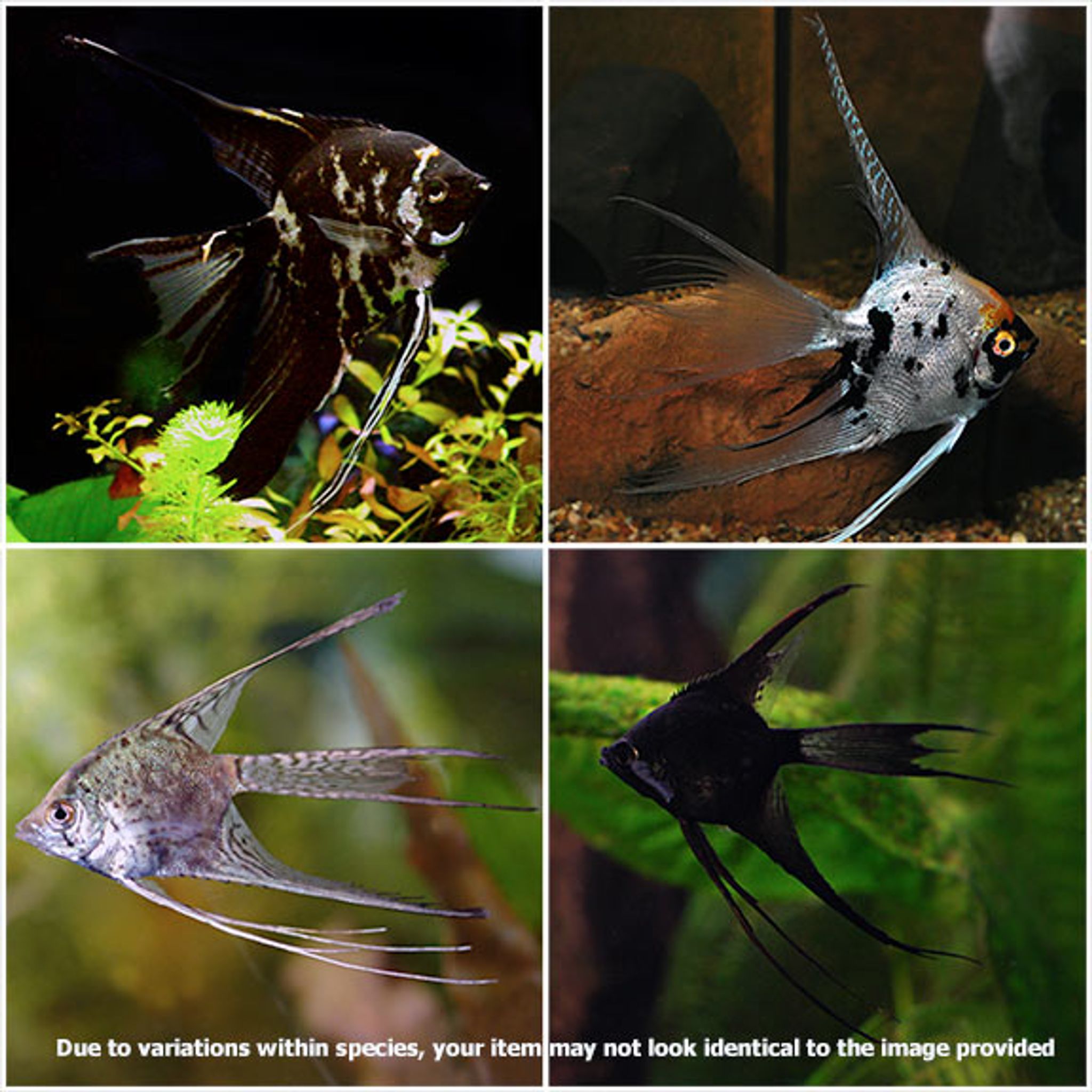
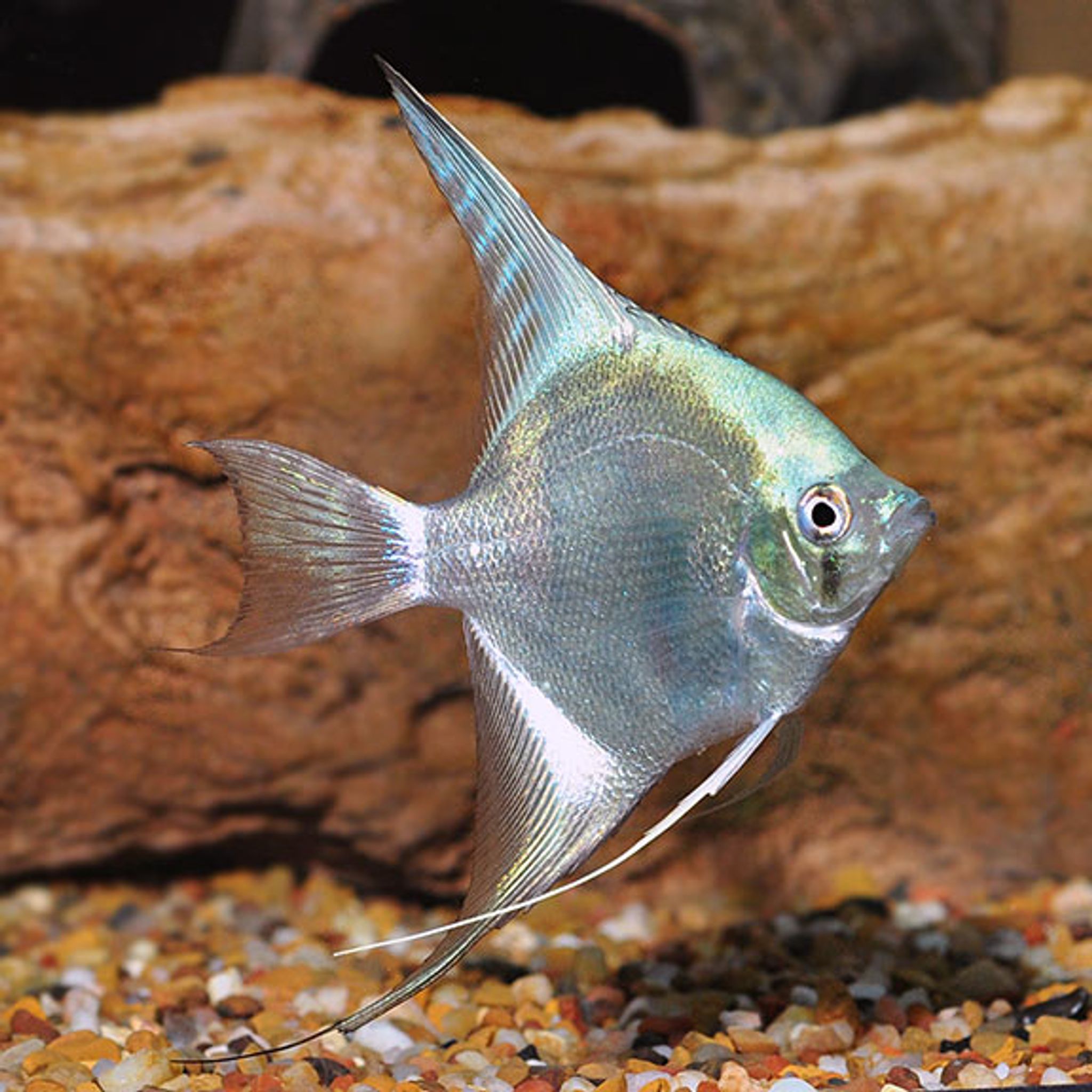
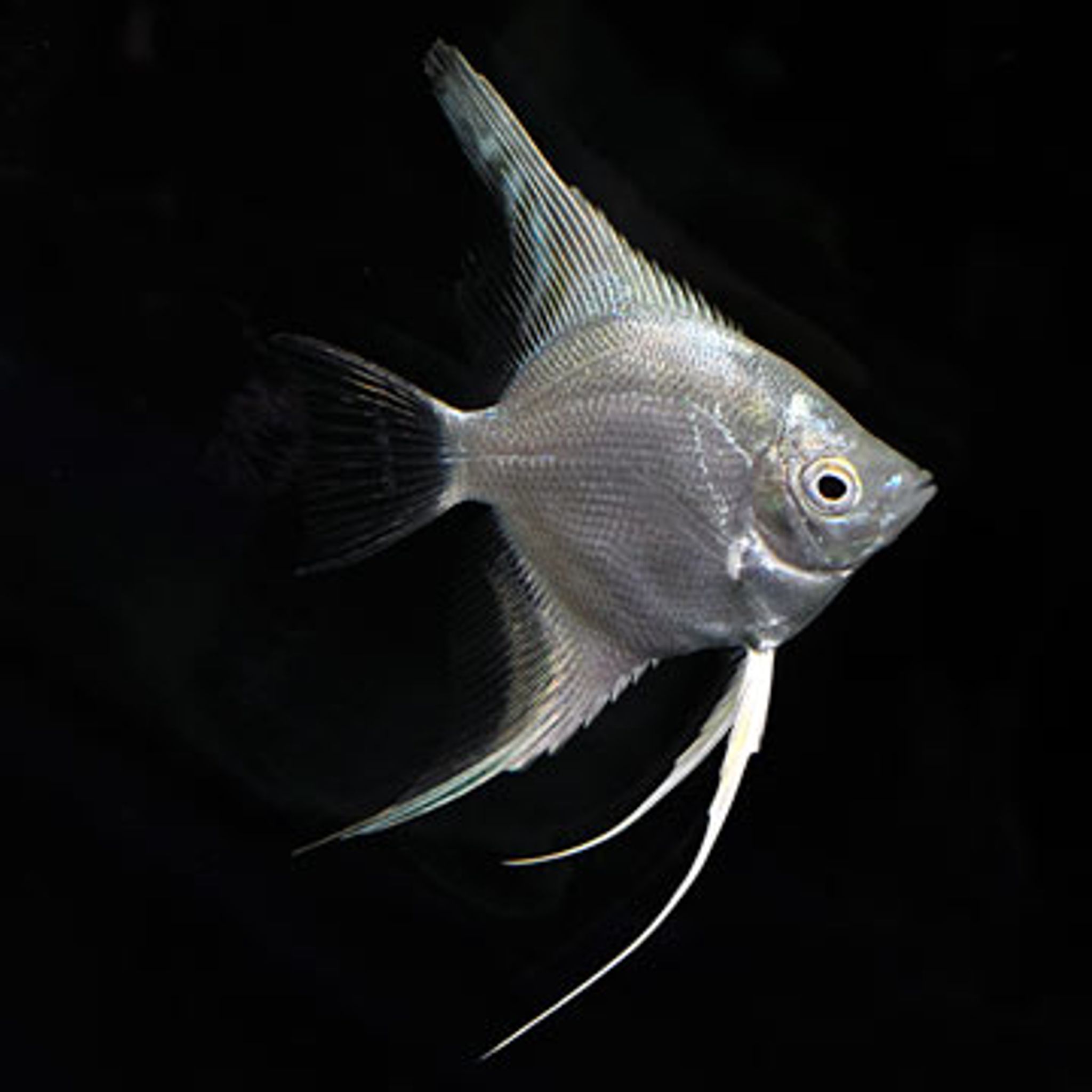


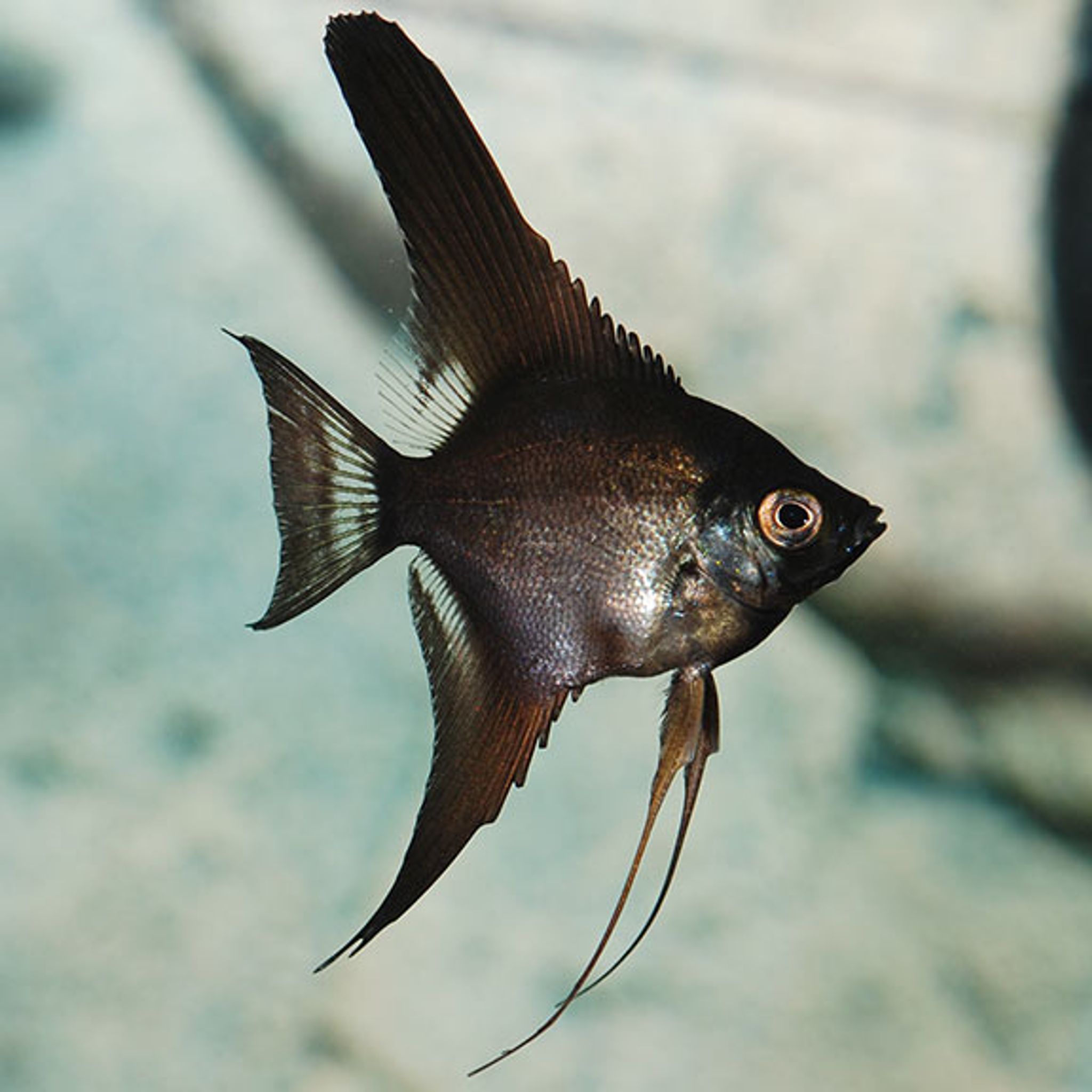
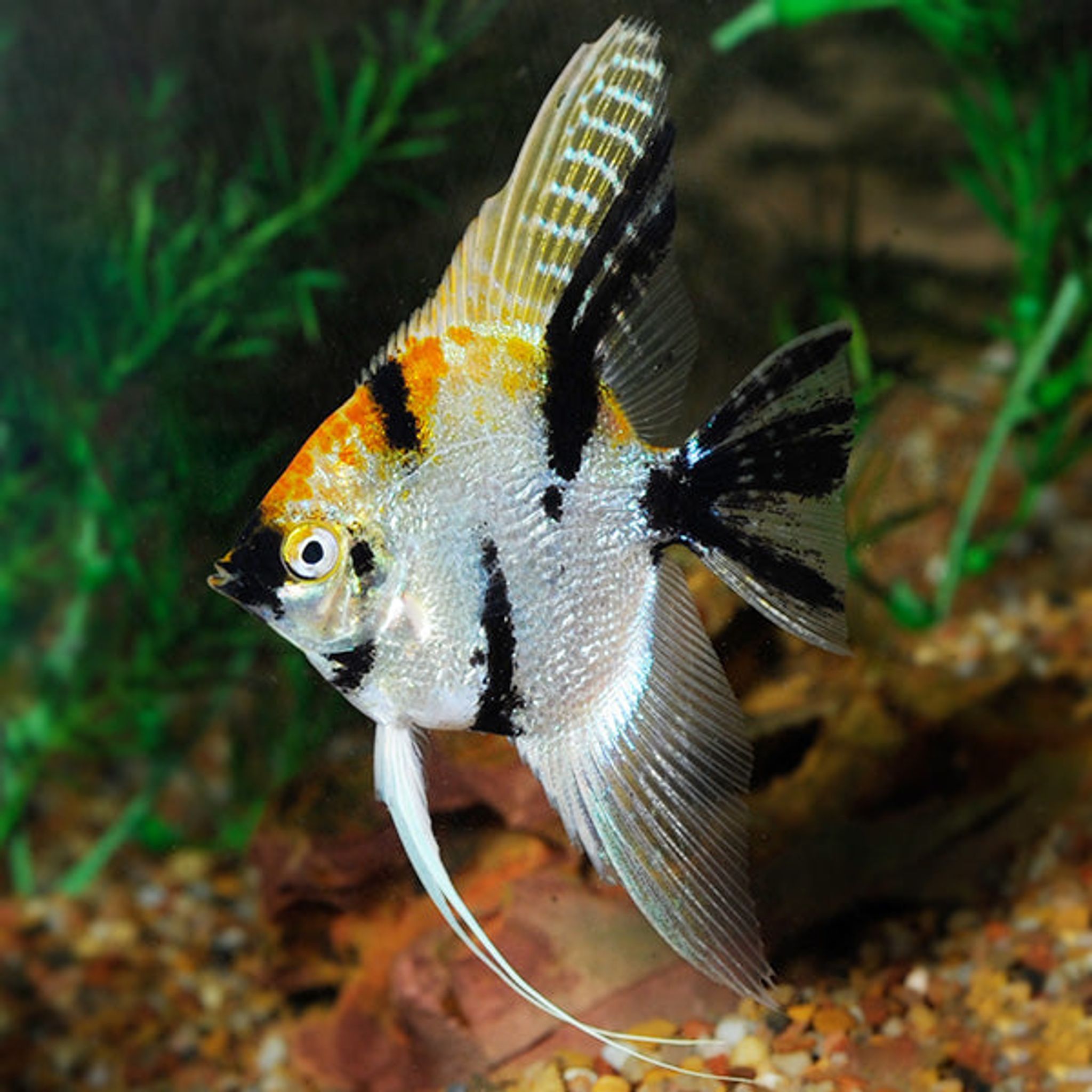
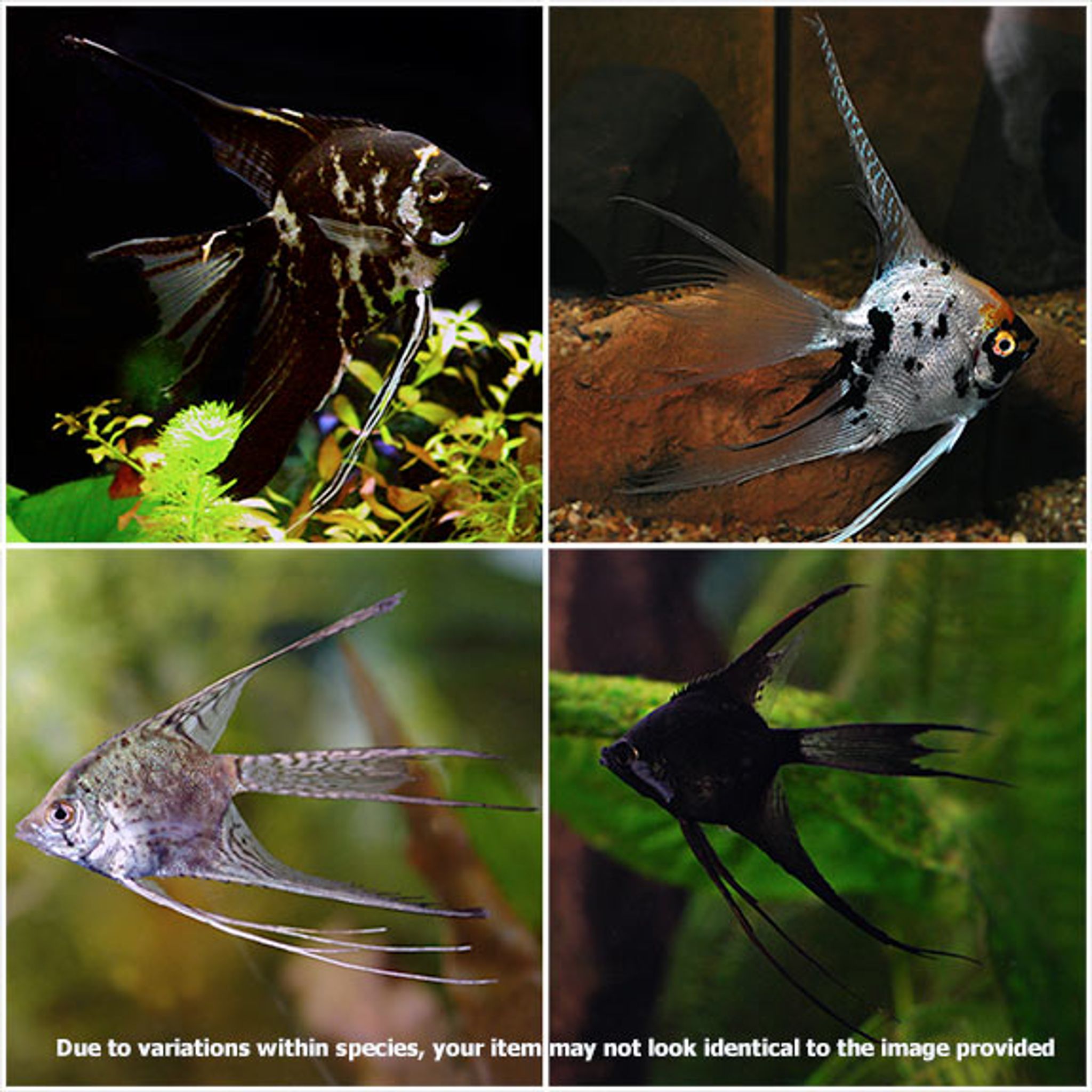
Shop freshwater Angelfish online from aquarium stores, breeders and specialist sellers across the United States on FishyHub. Compare Koi, Marble, Black, Platinum, Veil and other Angelfish varieties by color, size, fin type and seller.
Freshwater Angelfish are among the most recognizable South American Cichlids, known for their tall body shape, graceful fins and wide range of selectively bred colors and patterns. FishyHub makes it easier for U.S. hobbyists to compare Angelfish from multiple sellers in one marketplace.
Buying Angelfish online gives hobbyists access to a broader range of varieties, breeder lines and sizes than may be available at a single local fish store.
Compare individual fish, groups and breeder listings while checking size, color, condition, seller information and shipping options before purchasing.
Popular Angelfish varieties include:
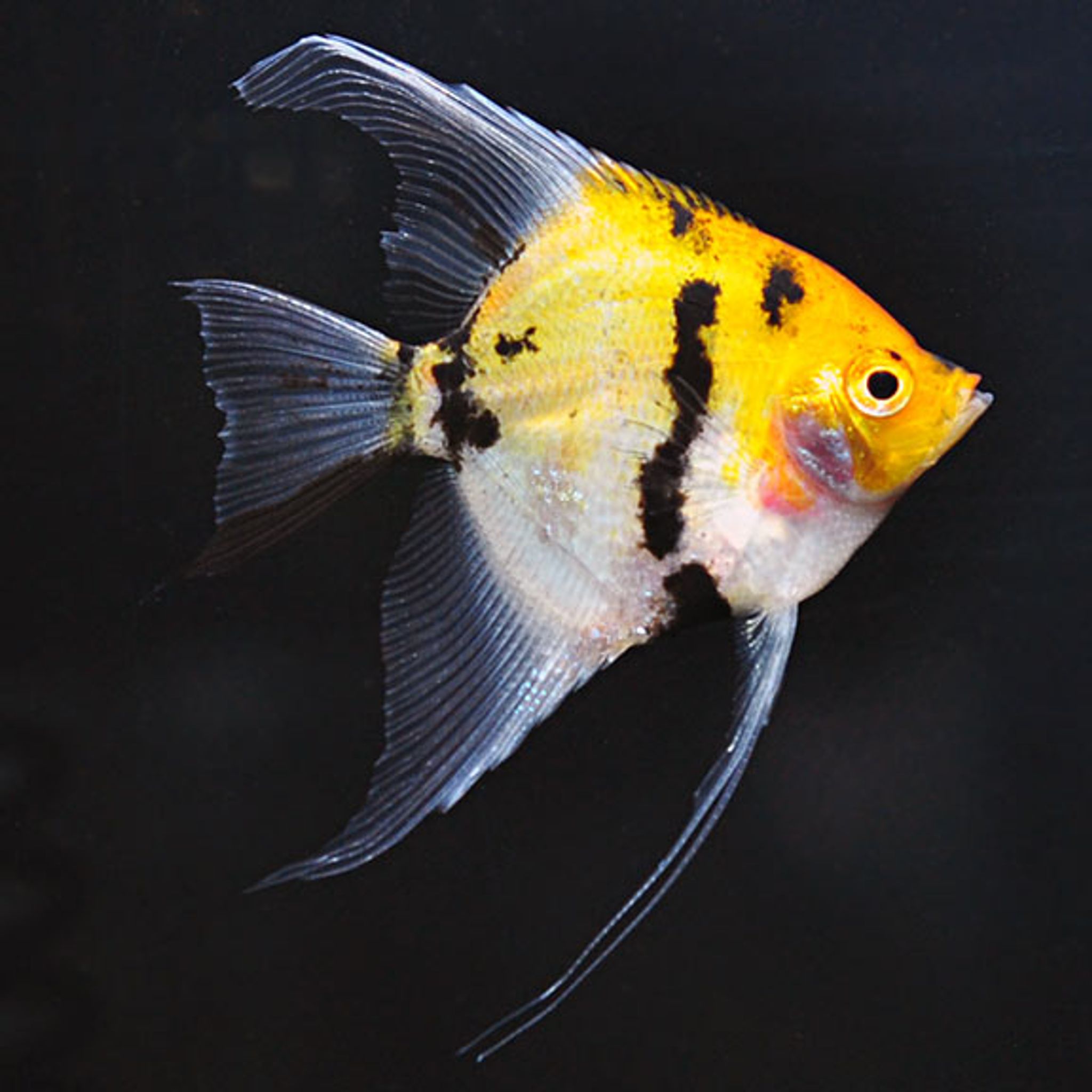
Koi Angelfish are popular for their bold white, orange, red and dark markings.
Pattern and color intensity can vary greatly between individuals, which makes each fish visually distinctive.
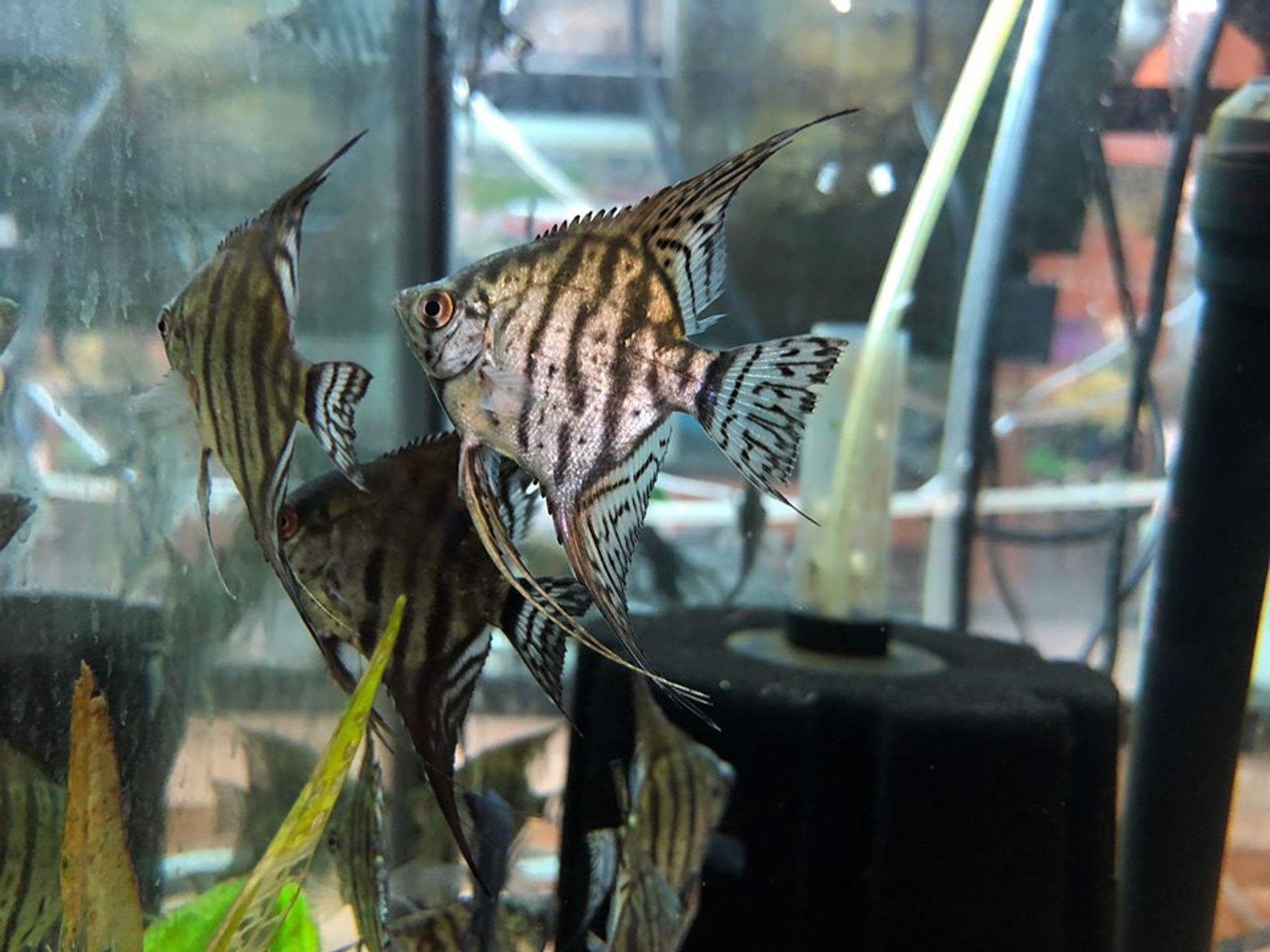
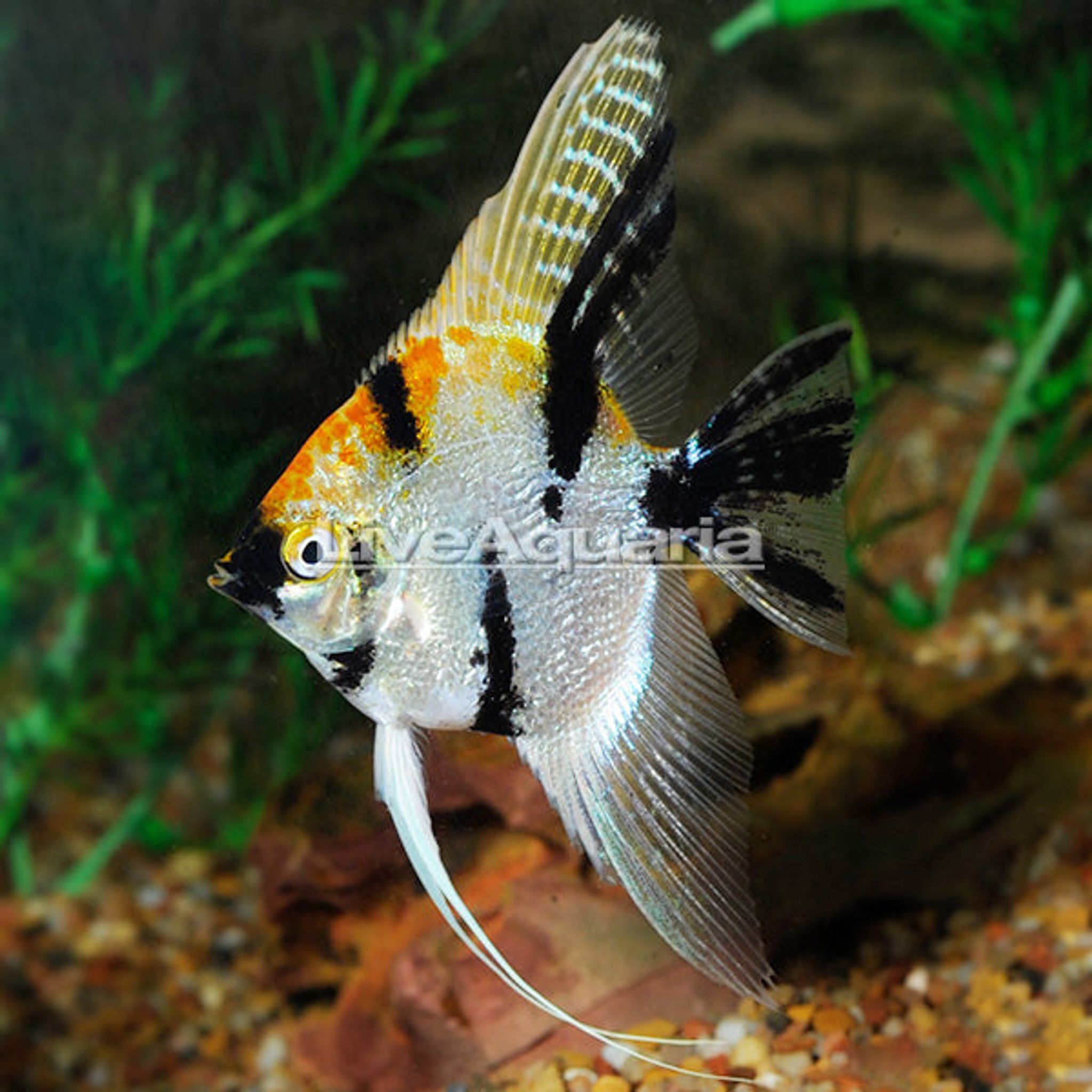
Marble Angelfish display irregular dark and light patterning across the body and fins.
Their markings can vary significantly between breeder lines, so comparing actual photos is especially useful when shopping online.
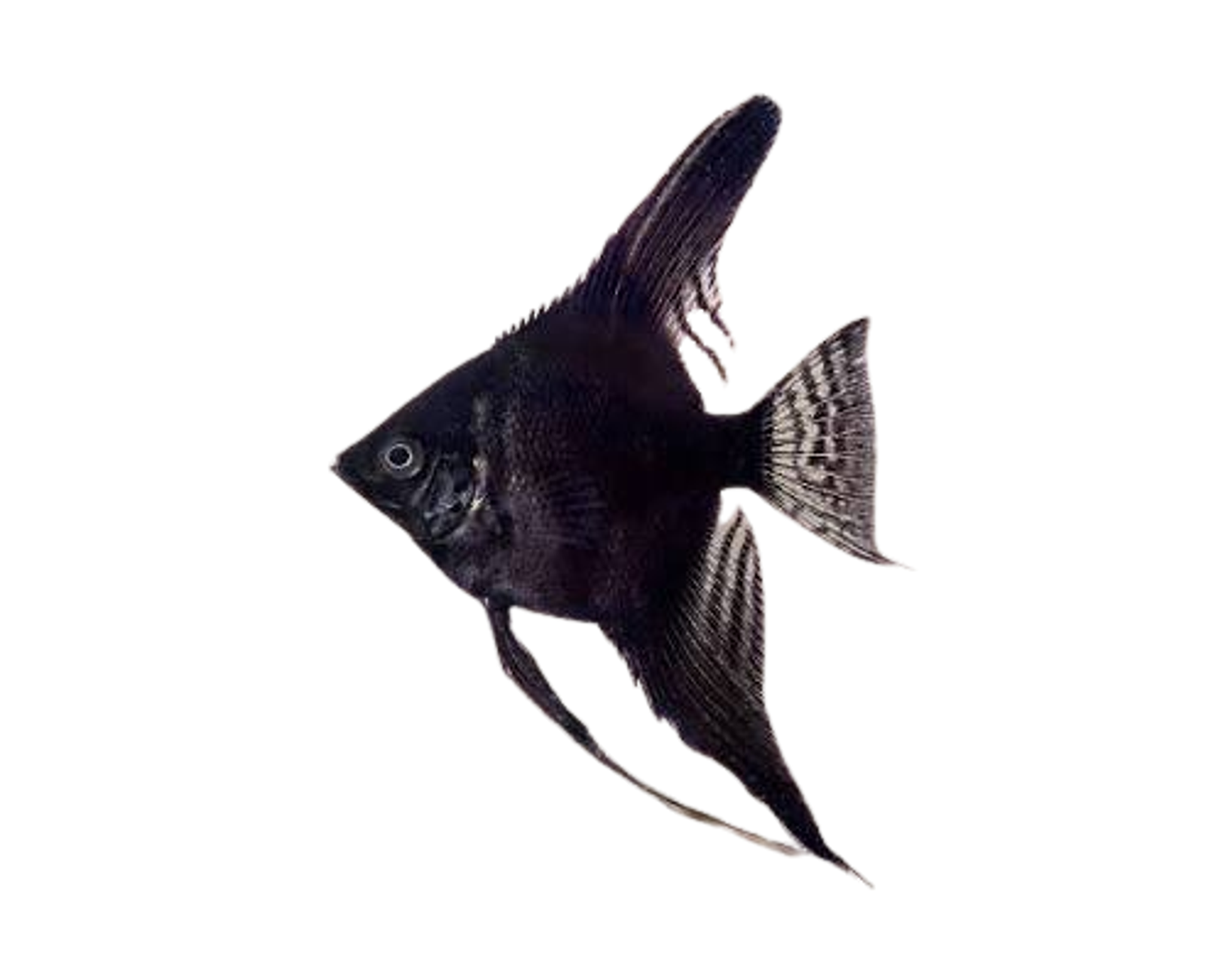
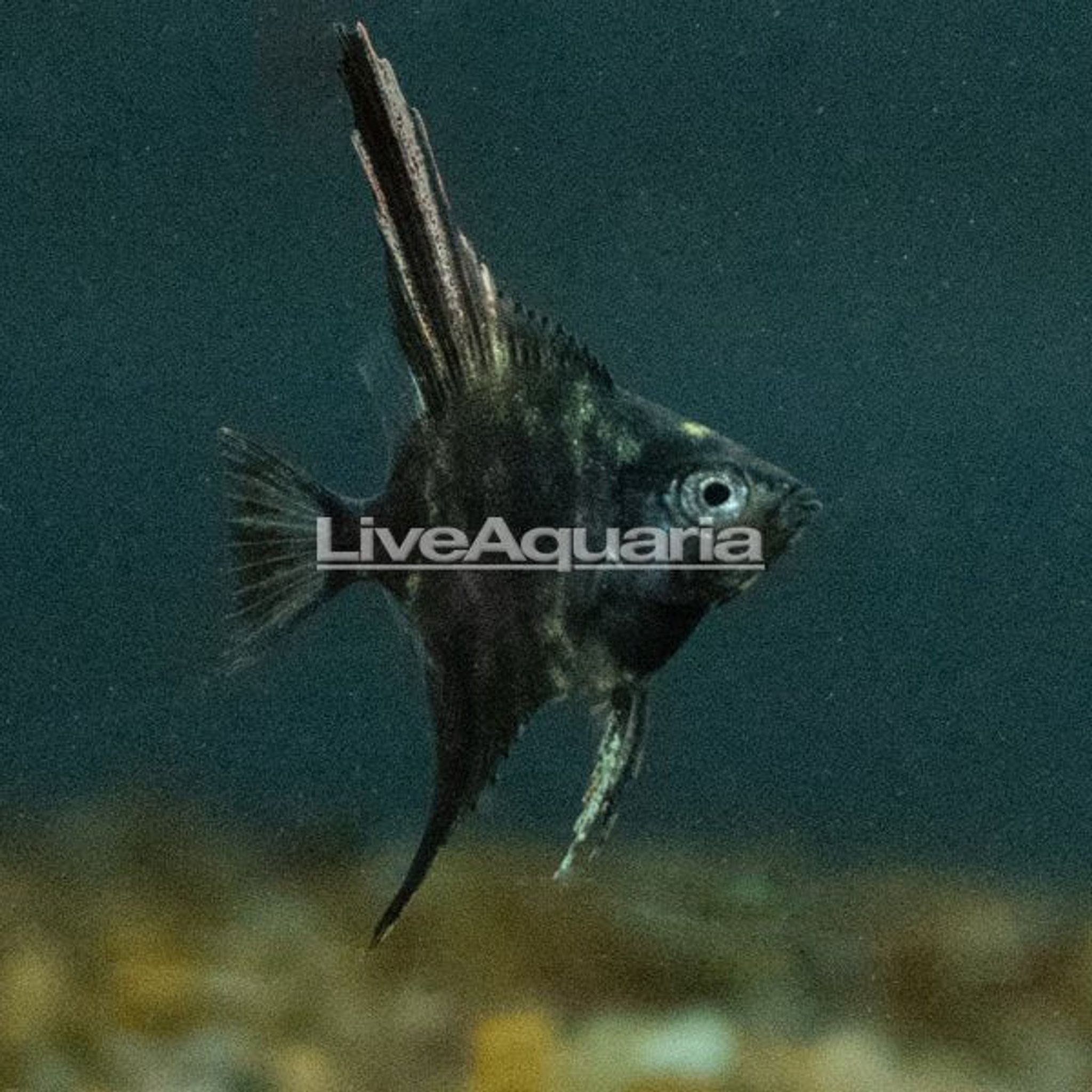
Black Angelfish are selectively bred for dark body coloration that can range from charcoal tones to deep black.
They can create strong visual contrast in planted aquariums with bright green foliage and lighter substrate.
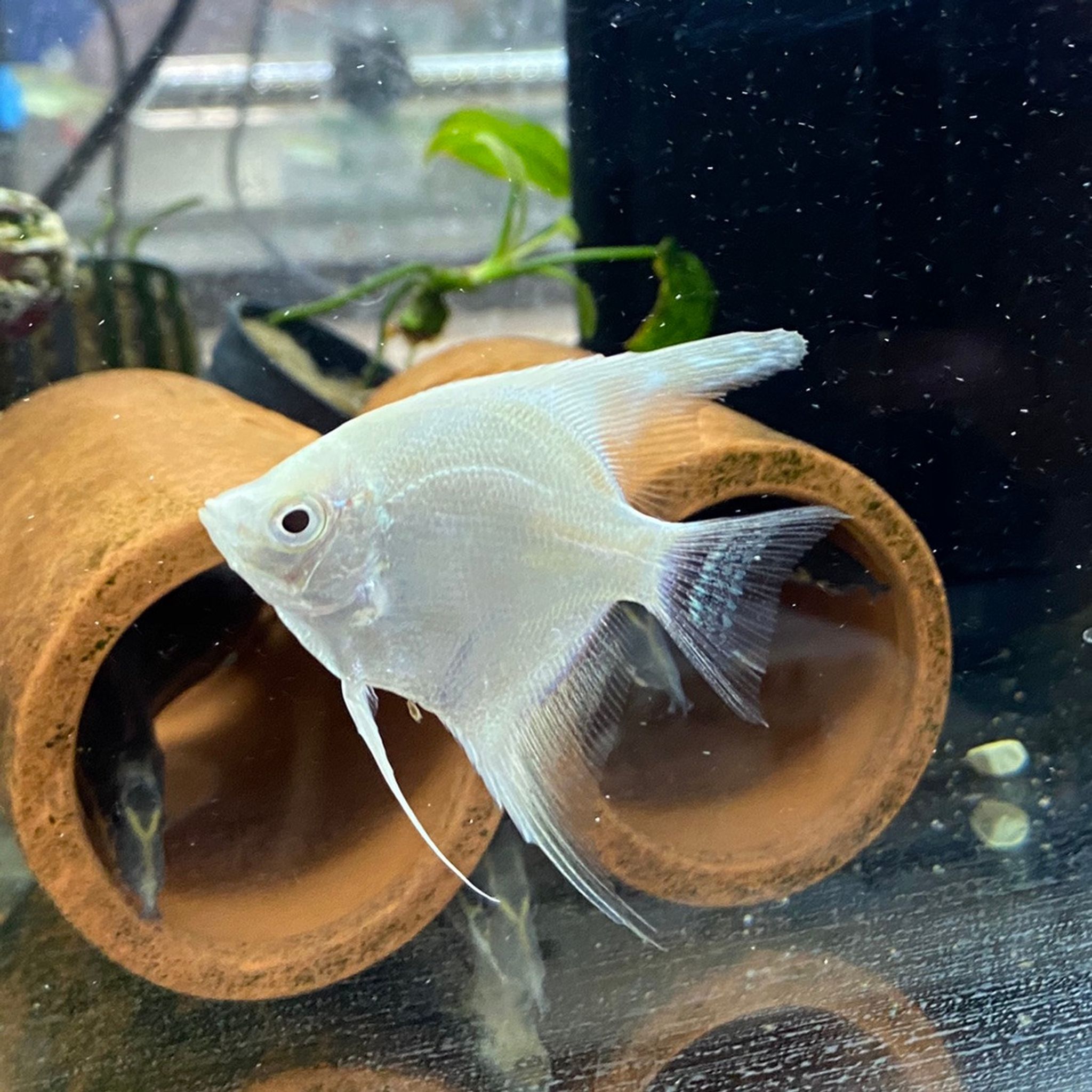
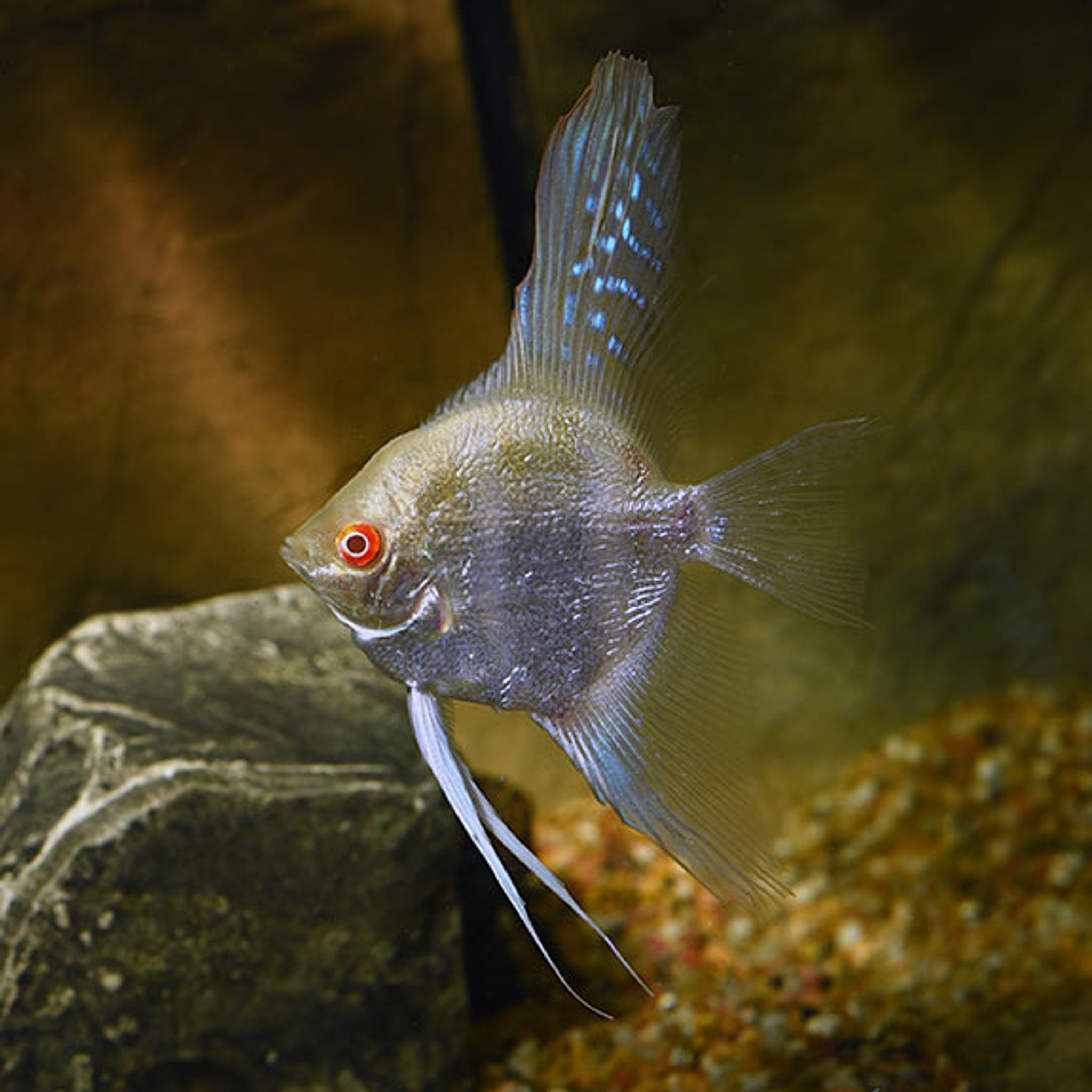
Platinum Angelfish have a pale, bright appearance with white to silvery coloration.
Their clean coloration makes them a popular choice for aquariums where the fish is intended to stand out against darker backgrounds.
Veil Angelfish are bred for extended finnage that creates a flowing appearance.
Their longer fins require enough open space and suitable tankmates that are unlikely to nip or damage the finnage.
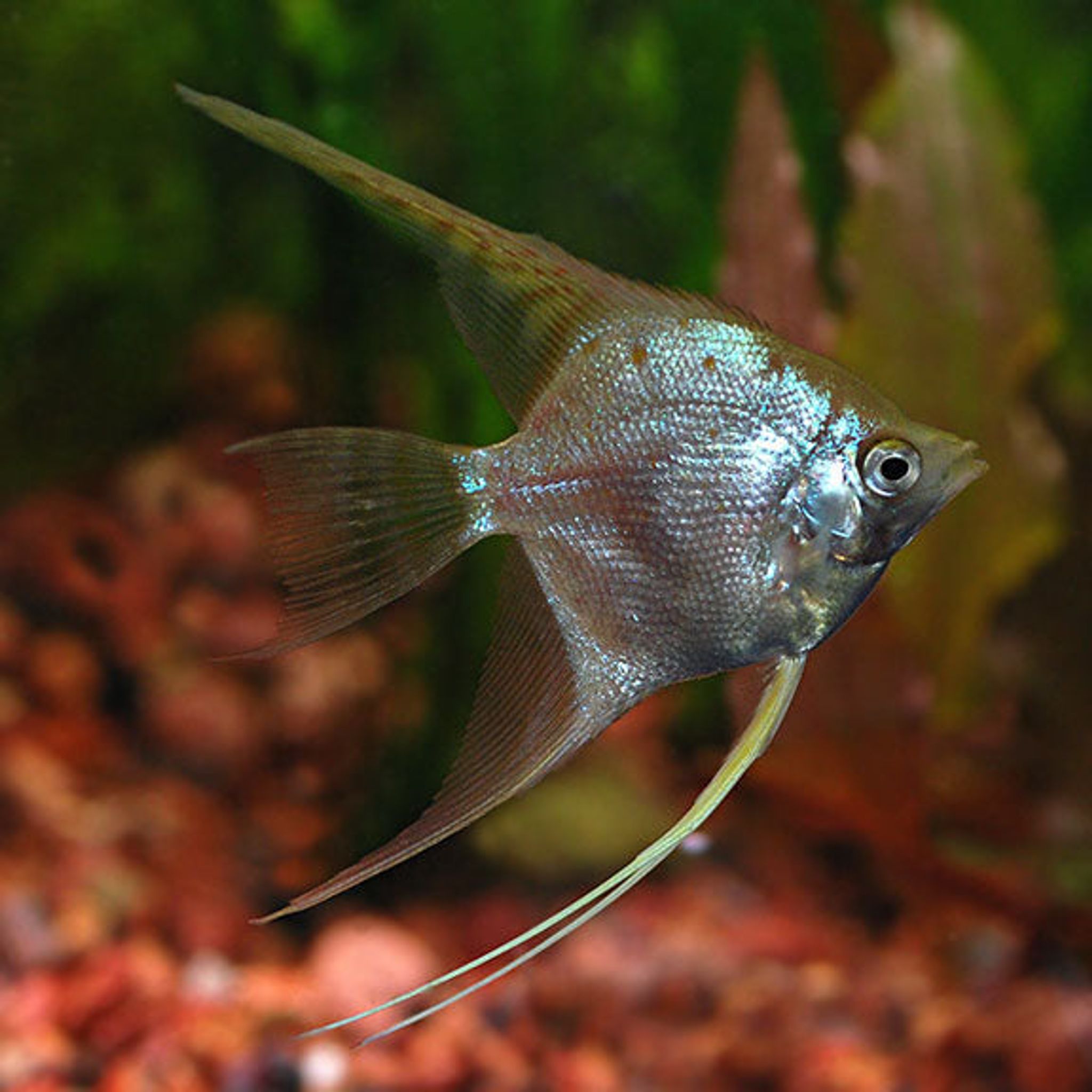
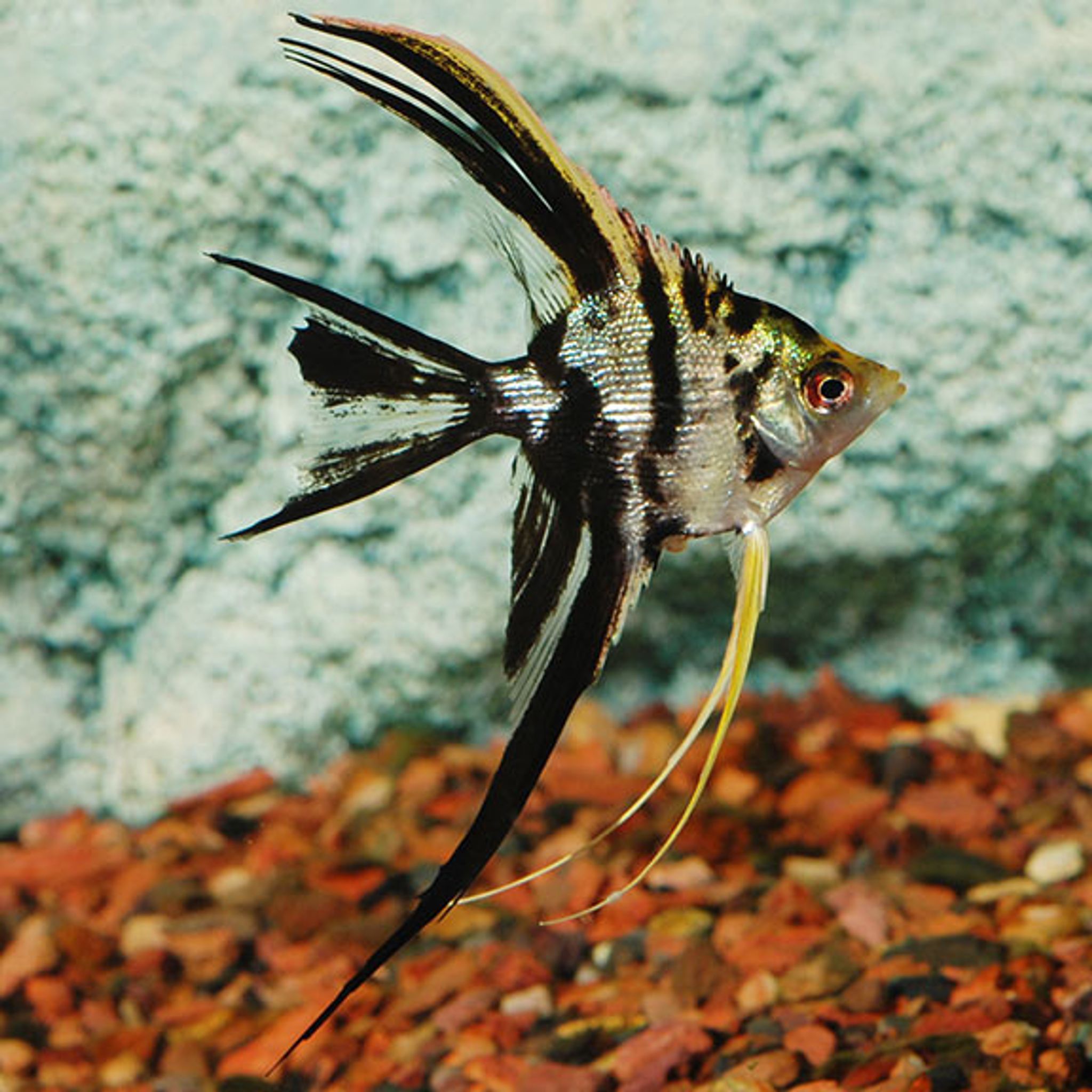
Silver Angelfish resemble the classic wild-type appearance with a light silver body and dark vertical bars.
Their traditional pattern remains popular with hobbyists who prefer a natural-looking freshwater display.
Freshwater Angelfish and marine Angelfish are completely different groups of fish despite sharing the same common name.
Freshwater Angelfish belong to the Cichlid family and are kept in freshwater aquariums, while marine Angelfish live in saltwater systems and require very different care.
Angelfish grow considerably larger and taller than they appear as juveniles.
Their vertical body shape and extended fins mean aquarium height and usable swimming space are important considerations when planning long-term housing.
Freshwater Angelfish do well in properly cycled aquariums with stable water conditions, filtration and enough vertical and horizontal swimming space.
Tall plants, wood and other vertical structures can complement their natural body shape while still leaving open areas for swimming.
Angelfish are well suited to many planted freshwater aquariums.
Tall background plants and broad-leaved species can create structure and cover while leaving enough open space for the fish to move comfortably.
Angelfish are Cichlids and can become territorial, especially as they mature or form breeding pairs.
Juveniles may appear peaceful in groups, but social dynamics can change significantly as the fish become adults.
Angelfish can live with selected peaceful or moderately sized community fish when aquarium space and temperament are appropriate.
Avoid very aggressive tankmates and persistent fin nippers, especially with long-finned Angelfish varieties.
Some Tetra species can live with Angelfish, but very small fish may eventually be viewed as prey by larger adults.
Choose tankmates with adult size and temperament in mind rather than assuming every small community fish is suitable.
Corydoras are often considered compatible with Angelfish because they occupy different areas of the aquarium and are generally peaceful.
Make sure the water conditions and tank size are appropriate for both species.
Guppies and Angelfish are not always an ideal combination.
Adult Angelfish may chase or eat smaller Guppies or fry, while long Guppy fins can sometimes attract unwanted attention.
Small freshwater shrimp and shrimplets may be eaten by Angelfish.
Large adult shrimp may sometimes coexist in heavily planted aquariums, but shrimp should not be considered automatically safe with Angelfish.
Angelfish can be kept in groups under suitable conditions, especially when young.
As they mature, pairs may form and defend territories, so larger groups require enough aquarium space and visual separation to manage social behavior.
Mature Angelfish may naturally form breeding pairs.
Sellers may offer established pairs, compatible pairs or individual fish, so check the listing carefully if breeding is your goal.
Determining the sex of freshwater Angelfish from appearance alone can be difficult, especially in immature fish.
Breeding behavior and reproductive structures during spawning often provide more reliable clues than general body shape.
Angelfish are substrate-spawning Cichlids that may lay eggs on broad leaves, vertical surfaces or other suitable structures.
A compatible pair may defend eggs and fry, which can significantly increase territorial behavior during breeding.
Freshwater Angelfish are omnivorous and can accept a range of quality aquarium foods.
A varied diet may include suitable pellets, flakes and frozen foods matched to the size and condition of the fish.
Feed amounts should reflect the size, age and number of Angelfish in the aquarium.
Avoid persistent overfeeding, since uneaten food and excess waste can reduce water quality.
Angelfish benefit from stable freshwater conditions matched to the livestock and breeder line being kept.
Avoid rapid changes in temperature or water chemistry and focus on consistency rather than repeatedly chasing exact numbers.
Angelfish benefit from reliable biological and mechanical filtration that maintains stable water quality.
Filtration should suit the aquarium size and stocking level without creating unnecessarily harsh flow around long-finned fish.
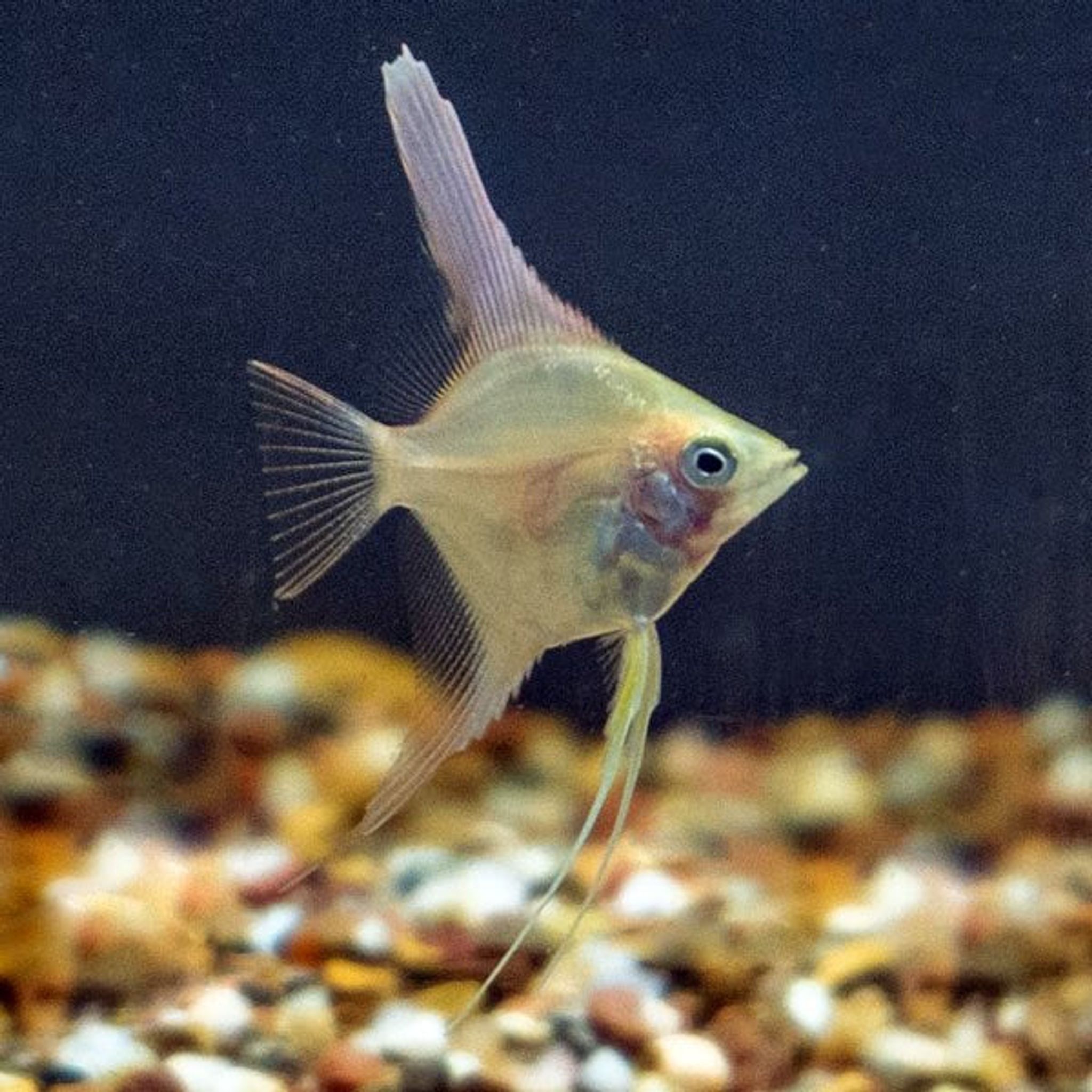
Juvenile Angelfish are considerably smaller and may show less developed finnage and coloration than mature adults.
Always plan around adult size rather than the size of the fish shown in a juvenile listing.
When comparing Angelfish for sale, look for:
Newly shipped Angelfish may experience stress from transport and changes in water conditions.
Prepare a stable, cycled aquarium in advance and follow an acclimation method appropriate to the seller's water and your tank conditions.
Angelfish prices vary according to variety, size, fin type, coloration, breeder line, rarity and seller.
Common Silver Angelfish and highly selected Koi, Veil or specialty breeder lines can differ substantially in price.
FishyHub brings Angelfish listings from aquarium stores, breeders and freshwater fish sellers together in one marketplace.
When comparing Angelfish online, consider:
Shipping options depend on the seller, destination, weather and livestock-shipping policy.
Review delivery timing, packaging and live-arrival terms before ordering, and make sure the aquarium is ready before the fish are scheduled to arrive.
Yes. Aquarium stores and breeders offer freshwater Angelfish online across the U.S., depending on seller shipping coverage and livestock policies.
Yes. Freshwater Angelfish belong to the Cichlid family and naturally display territorial and breeding behavior typical of Cichlids.
They can work in carefully planned community aquariums, but tankmates should be selected with adult size, temperament and fin-nipping behavior in mind.
Some Tetras can live with Angelfish, but very small species may become prey once the Angelfish are fully grown.
This combination can be risky because adult Angelfish may chase smaller Guppies or fry, and compatibility varies by individual fish.
Sexing Angelfish visually can be difficult, especially before maturity. Breeding behavior and reproductive structures during spawning are more reliable indicators.
Koi, Marble, Black, Platinum, Silver, Gold and Veil Angelfish are among the most familiar aquarium varieties.
FishyHub helps U.S. hobbyists compare freshwater Angelfish listings from aquarium stores, breeders and specialist sellers in one marketplace.
Explore freshwater Angelfish for sale on FishyHub and compare Koi, Marble, Black, Platinum, Silver, Veil and other Angelfish varieties. Discover listings from aquarium stores and breeders across the United States, and compare color, size, fin type, breeder, price and shipping options before choosing Angelfish for your aquarium.
