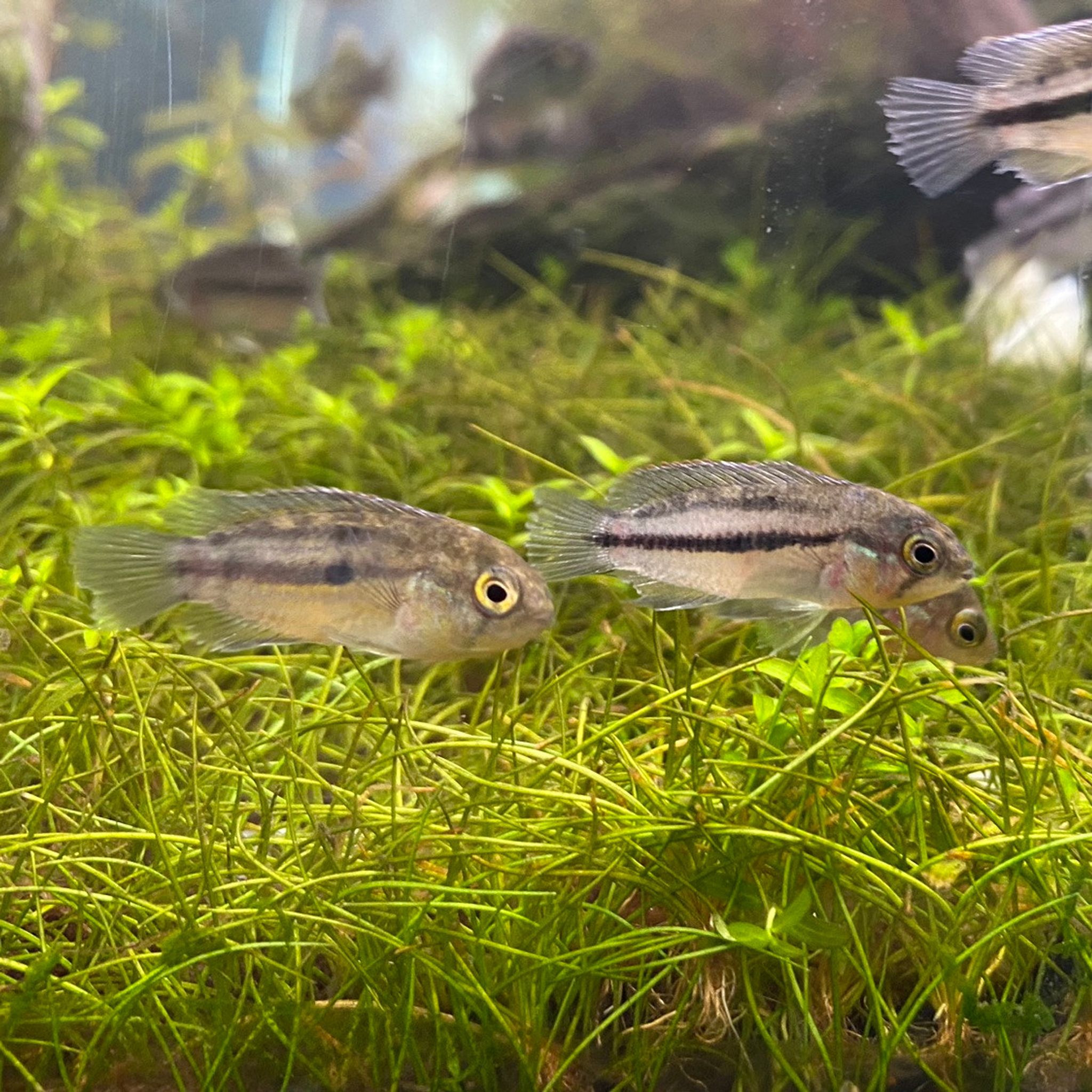
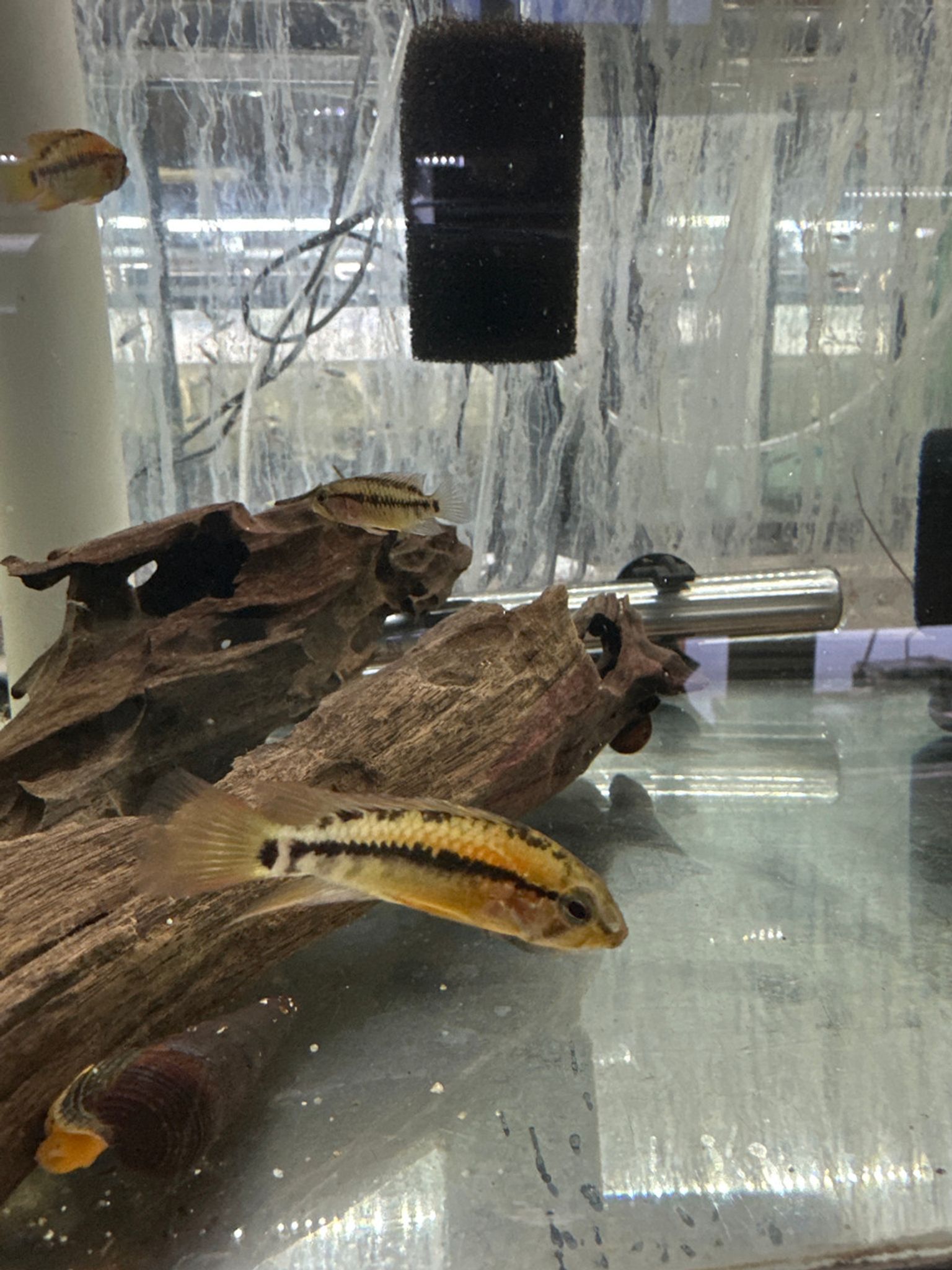
1–2 of 2
Showing 2 of 2 products
Shop Apistogramma online from aquarium stores, breeders and specialist freshwater fish sellers across the United States on FishyHub. Compare Apistogramma cacatuoides, Agassizii, Borellii, Macmasteri and other South American dwarf cichlids by color, size, temperament and seller.
Apistogramma are small South American cichlids known for vivid coloration, complex social behavior and fascinating breeding displays. FishyHub helps U.S. hobbyists compare Apistogramma listings from multiple sellers in one marketplace.
Buying Apistogramma online gives hobbyists access to a broader range of species, color forms and breeder lines than may be available from a single local aquarium store.
Compare exact species, sex, current size, adult size, temperament, breeding behavior, seller information and shipping options before choosing Apistogramma for your aquarium.
Popular Apistogramma in the aquarium hobby include:
Apistogramma cacatuoides, commonly called the Cockatoo Dwarf Cichlid, is one of the most popular Apistogramma species in the hobby.
Males are known for extended dorsal fins and vivid color varieties such as Double Red, Triple Red and Orange Flash.
Apistogramma agassizii are elegant dwarf cichlids with elongated bodies and a wide range of naturally occurring and selectively bred color forms.
They are popular with hobbyists looking for colorful South American fish with strong territorial and courtship behavior.
Apistogramma borellii are compact dwarf cichlids often recognized by blue, yellow and iridescent coloration.
They are generally considered among the more manageable Apistogramma for peaceful community-style setups when tankmates and territory are chosen carefully.
Apistogramma macmasteri are colorful dwarf cichlids known for red, orange and blue markings in well-developed males.
They are popular in planted and blackwater-style aquariums and can show pronounced territorial behavior during breeding.
Apistogramma trifasciata are attractive dwarf cichlids with elongated fins and distinct horizontal markings.
Their smaller size makes them appealing for carefully planned planted aquariums with adequate territories and hiding places.
Apistogramma hongsloi are prized for vivid red and orange coloration, particularly in selectively bred forms.
They can make striking centerpiece fish in peaceful South American community aquariums.
Apistogramma are a genus of small cichlids native to South America.
They are commonly called dwarf cichlids because most species remain much smaller than large cichlids such as Oscars or many Central American species.
Yes. Apistogramma are among the best-known South American dwarf cichlids in the aquarium hobby.
Their smaller adult size allows hobbyists to observe complex cichlid behavior without requiring the extremely large aquariums needed for many larger species.
Apistogramma remain relatively small compared with many other cichlids, but adult size varies by species and sex.
Males are often larger and more colorful than females, so aquarium planning should consider mature fish rather than juvenile sale size.
Mature males often develop stronger coloration, longer fins and larger body size.
Females are usually smaller and may develop strong yellow coloration when breeding or guarding fry, although exact differences vary by species.
Apistogramma benefit from aquariums with caves, driftwood, leaf litter, plants and visual barriers.
Breaking the aquarium into separate territories can help reduce constant visual confrontation between fish.
Many Apistogramma are cave spawners and females may select small enclosed spaces for laying eggs.
Coconut shells, small caves, wood crevices and similar shelters can provide useful breeding and refuge sites.
Fine sand is commonly used in Apistogramma aquariums because many species naturally sift or interact with substrate while foraging.
Leaf litter and wood can add additional structure and create a more natural South American-style environment.
Apistogramma work well in many planted aquariums because plants create cover and help divide territories.
Leave open substrate areas and accessible caves so fish can forage, display and breed naturally.
Many Apistogramma are associated with South American habitats containing leaf litter, wood and tannin-stained water.
Blackwater-style aquariums can provide an attractive naturalistic setup, although exact conditions should still be matched to the species being kept.
Apistogramma species originate from different South American habitats and do not all require identical water conditions.
Stable, clean water matched to the exact species is more useful than applying one universal pH, hardness or temperature range to every Apistogramma.
Many wild Apistogramma come from soft-water environments, but captive-bred fish and different species may tolerate somewhat different conditions.
Breeding requirements can also be more demanding than basic maintenance conditions, so seller or breeder guidance can be valuable.
Apistogramma are dwarf cichlids and can be territorial despite their small size.
Aggression often increases around caves and breeding territories, particularly when females are guarding eggs or fry.
Multiple Apistogramma can sometimes be kept together when the aquarium provides enough floor space, caves and visual barriers.
Species, sex ratio and individual temperament all influence whether pairs, trios or larger groups can coexist successfully.
Some hobbyists keep Apistogramma as male-female pairs, particularly when breeding is a goal.
Compatibility between individuals is not automatic, so adequate retreat space and observation remain important.
Some Apistogramma species are kept in groups with one male and multiple females when enough territory is available.
This arrangement should not be generalized to every species because social structure and aggression vary.
Many Apistogramma can live in peaceful community aquariums with appropriately chosen fish.
Tankmates should generally avoid constant competition for bottom territories and should not be aggressive enough to overwhelm the dwarf cichlids.
Small peaceful Tetras are popular tankmates for Apistogramma because they usually occupy the middle and upper water column.
Species such as Cardinal, Ember and other suitable Tetras can create an attractive South American community when water requirements overlap.
Peaceful Rasboras may coexist with Apistogramma in planted community tanks.
Although Rasboras are not South American, their calm behavior and midwater swimming can make them practical companions when environmental needs match.
Corydoras and Apistogramma can sometimes coexist, but both use the lower part of the aquarium.
During breeding, female Apistogramma may aggressively defend caves and fry from Corydoras that enter their territory.
Otocinclus may coexist with some Apistogramma in mature planted aquariums.
Provide enough space and monitor breeding females because territorial behavior can intensify around eggs and fry.
Shrimp are not guaranteed to be safe with Apistogramma.
Adult shrimp may survive with some dwarf cichlids, but shrimplets and smaller shrimp can be hunted and eaten.
Many aquarium snails may coexist with Apistogramma, although very small snails can still be investigated or eaten.
Compatibility depends on snail size, cichlid species and individual feeding behavior.
Apistogramma are primarily small-animal feeders and naturally consume insect larvae, crustaceans and other tiny prey.
In aquariums, many accept high-quality prepared foods together with suitable frozen or live foods. Food size should match their relatively small mouths.
Offer a varied diet and make sure food reaches the lower areas where Apistogramma spend much of their time.
Shy females or subordinate fish may need extra attention in community setups so faster tankmates do not consume all available food.
Many Apistogramma are cave spawners, with females laying eggs inside caves or sheltered surfaces.
Females often guard eggs and fry while males may defend a larger surrounding territory, although breeding behavior differs among species.
Females can become intensely territorial after spawning and may guide newly free-swimming fry around the aquarium.
Fry require appropriately small foods and stable water conditions as they develop.
Apistogramma may be offered as wild-collected fish, captive-bred fish or established color strains.
Origin can influence appearance, availability and husbandry expectations, so review seller information and exact collection or breeder details where provided.
Selective breeding has produced numerous ornamental Apistogramma color forms.
Double Red and Triple Red Cacatuoides, Red Agassizii and other named forms may vary by breeder, so compare photos and lineage descriptions carefully.
Some captive-bred Apistogramma can be approachable for hobbyists with experience maintaining stable freshwater aquariums.
Their territorial behavior, breeding aggression and species-specific water requirements make them more demanding than many basic community fish.
When comparing Apistogramma for sale, look for:
Newly shipped Apistogramma may be stressed after transport and can initially hide or show subdued coloration.
Prepare a stable, cycled aquarium with caves and cover before arrival and follow the seller's acclimation guidance for the exact species.
Quarantine and observation can help reduce the risk of introducing parasites or disease into an established aquarium.
During quarantine, monitor appetite, body condition, breathing, waste and swimming behavior before moving fish into the main aquarium.
Apistogramma prices vary according to species, sex, color form, wild or captive-bred origin, rarity, size and seller.
Common captive-bred Cacatuoides and rare wild species can differ significantly in price, so compare exact identification, sex and breeder information rather than price alone.
FishyHub brings Apistogramma listings from aquarium stores, breeders and specialist freshwater fish sellers together in one marketplace.
When comparing Apistogramma online, consider:
Shipping availability depends on the seller, destination, species, fish size, weather and livestock-shipping policy.
Review packaging, delivery timing and live-arrival terms before ordering, and make sure caves, cover and stable water conditions are ready before the fish arrive.
Yes. Aquarium stores, breeders and specialist sellers offer many Apistogramma species and color forms online across the U.S., depending on availability and seller shipping coverage.
Yes. Apistogramma are small South American cichlids commonly known as dwarf cichlids.
Captive-bred Apistogramma cacatuoides and some Borellii are often considered more approachable, but suitability still depends on the aquarium and source of the fish.
They can be territorial, especially around caves and during breeding, even though they remain much smaller than many other cichlids.
Many peaceful Tetras can coexist with Apistogramma when water requirements, aquarium size and temperament are compatible.
Sometimes, but both use bottom areas and breeding Apistogramma may aggressively defend caves and fry from Corydoras.
Adult shrimp may coexist with some Apistogramma, but shrimplets and smaller shrimp are at significant risk of being eaten.
FishyHub helps U.S. hobbyists compare Apistogramma from aquarium stores, breeders and specialist freshwater fish sellers in one marketplace.
Explore Apistogramma for sale on FishyHub and compare Cacatuoides, Agassizii, Borellii, Macmasteri, Hongsloi and other South American dwarf cichlids. Discover listings from aquarium stores and breeders across the United States, and compare species, color form, sex, temperament, price and shipping options before choosing Apistogramma for your aquarium.