
Freshwater vs Saltwater Popularity by State
Across the US, freshwater is the more popular side of the hobby: FishyHub data shows freshwater livestock holds the larger share of US listings, with marine livestock the smaller share. FishyHub does not split freshwater and saltwater activity by state, so no state can be shown to lean one way from marketplace data. State differences come down to coastline, climate and the cost of running a reef, and those factors favor saltwater more in some places than others.
Key Findings
- FishyHub data shows freshwater livestock holds the larger share of US listings, and marine livestock the smaller share.
- FishyHub does not report freshwater or saltwater activity by state; state comparisons on this page rest on hobby context, not marketplace figures.
- FishyHub data shows very high US supply of LPS, SPS and polyp corals, and of butterflyfish, clownfish, gobies, tangs and wrasses, so the US saltwater side is deep despite its smaller share.
- On FishyHub, many US marine groups sit in the upper mid-range or collector / premium price tier, while the most widely listed freshwater community fish sit in the entry-level tier.
- FishyHub data shows rising momentum in every US marine category it tracks, from damselfish and dartfish to SPS corals and Tridacna clams, matching the growth on the freshwater side.
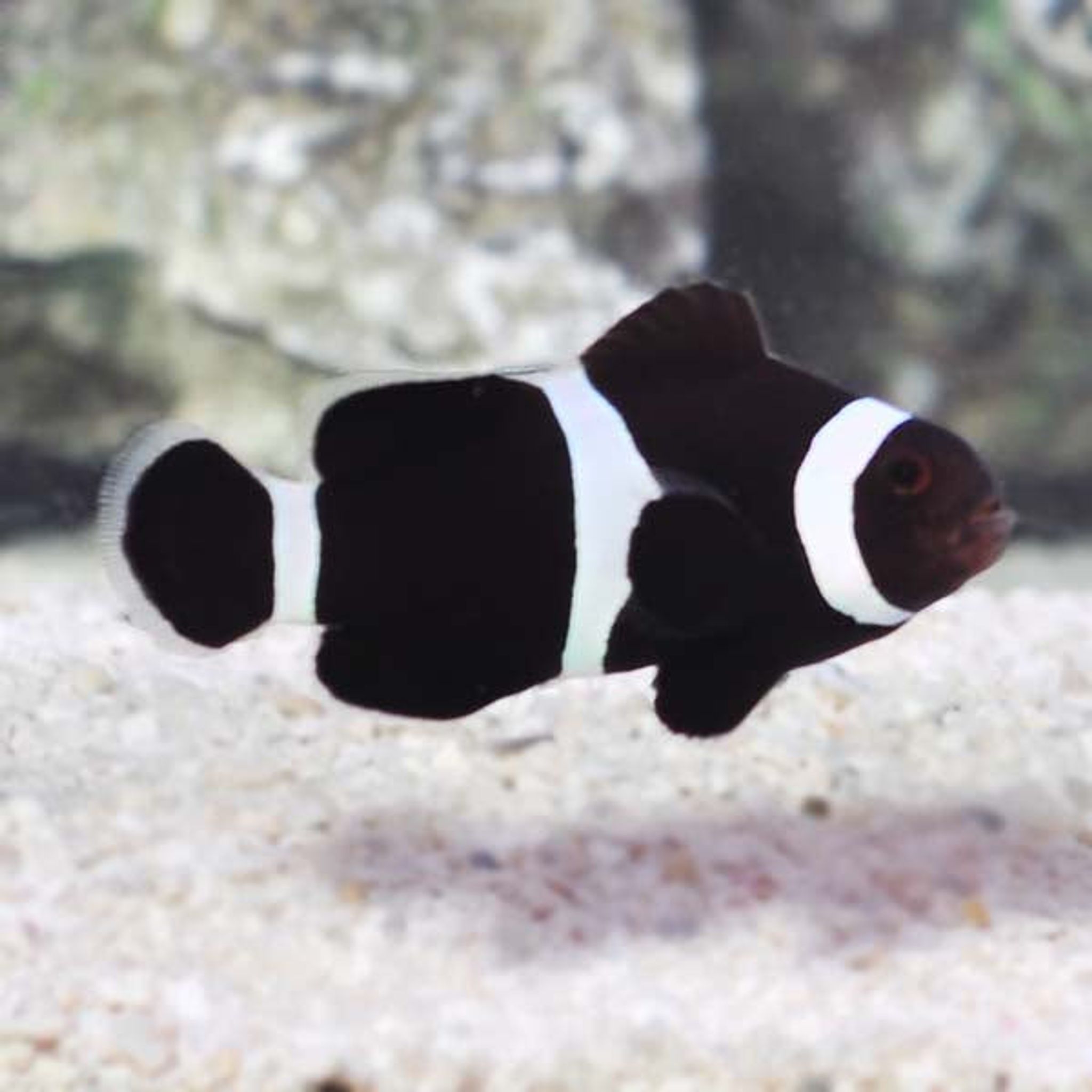
- FishyHub data shows clownfish have a very wide price spread in the US, from everyday ocellaris to rare designer forms.
The National Picture
On FishyHub's US marketplace, freshwater leads on breadth. Cichlids, discus, goldfish, guppies, barbs, plecos, catfish, shrimp and tetras all have very high supply. Saltwater is narrower but far from thin: reef corals and several of the most popular marine fish families are listed in equal depth.
| Segment | FishyHub US supply | FishyHub US price tier |
|---|---|---|
| Freshwater community fish (tetras, rasboras, danios) | Very high to high | Entry-level / budget |
| Freshwater cichlids (American, angelfish, discus) | Very high to high | Mid-range to upper mid-range |
| Clownfish | Very high | Upper mid-range |
| Damselfish and chromis | High to moderate | Mid-range |
| Tangs & surgeons | Very high | Collector / premium |
| LPS hard corals | Very high | Collector / premium |
| SPS corals and polyps | Very high | Upper mid-range |
| Seahorses | Moderate | Collector / premium |
The pattern is clear: the cheapest way into the hobby is freshwater, and saltwater asks more of buyers from the first fish onward.
Why Freshwater Leads Nationally
- Cost of entry. A freshwater community tank needs a tank, filter, heater and dechlorinated tap water. A reef tank adds salt mix, purified water, stronger lighting, water movement and, for many, a protein skimmer.
- Forgiving fish. Livebearers, barbs, tetras and plecos tolerate small mistakes. Many marine fish and most corals do not.
- Tap water works. Most US tap water, once dechlorinated, suits a wide range of freshwater fish. Reef keepers usually filter their water through reverse osmosis first.
- Local breeding. Florida's fish farms and home breeders across the country produce freshwater fish in volume, while much marine stock is wild-collected or comes from specialist aquaculture.
Where Saltwater Tends to Be Stronger
These patterns come from hobby context, not FishyHub state data.
Coastal states with reef culture
Florida, California and Hawaii have ocean on the doorstep, and many keepers come to reef tanks through diving, snorkeling or fishing. California and Florida also have long-established reef clubs and coral-fragging communities. Hawaii is a special case: its strict rules on importing live animals shape what keepers there can bring in.
Big metros everywhere
Reef keeping clusters wherever there are enough enthusiasts to support clubs, frag swaps and specialist stores, so metro areas such as those around New York, Chicago, Houston, Dallas and Atlanta all have active saltwater scenes, coastline or not. Because reef keepers mix their own saltwater, distance from the sea makes no difference to the tank.
Hot states and cold states
Climate affects saltwater more than freshwater because corals are sensitive to temperature swings. In Arizona, Nevada and Texas summers, reef keepers often need fans or a chiller. In the Great Lakes states, the Northeast and the Mountain West, the challenge is winter heating. Neither rules saltwater out; both add running cost.
Where Freshwater Tends to Dominate
- Hard-water states: Texas, the Southwest and much of the Midwest have hard, alkaline tap water that suits African cichlids and livebearers straight from the tap, which makes a freshwater tank especially easy.
- Soft-water states: the Pacific Northwest and much of New England have soft water that suits tetras, rasboras and discus, again with little extra equipment.
- Pond country: across the South and the Midwest summer, goldfish and koi ponds pull many keepers toward freshwater outdoors.
How Shipping Affects the Choice
Saltwater livestock, especially fish, is more sensitive to temperature and time in transit than hardy freshwater fish. Corals are often sold as small fragments that pack compactly, which helps them ship well. For keepers in the Alaska, Hawaii & territories zone, longer transit routes make every livestock order more demanding, and saltwater buyers there tend to plan orders carefully.
Freshwater or Saltwater: Which Suits Your State?
- Choose freshwater if you want the lowest setup and running cost, if your tap water already suits a group of fish (hard water for cichlids and livebearers, soft water for tetras and discus), or if you are new to fishkeeping.
- Choose saltwater if you are drawn to corals and reef fish, can budget for purified water and stronger equipment, and can keep the room temperature stable through your state's summer and winter.
Many keepers end up with both: a freshwater community tank first, then a nano reef once they are confident.
What the Momentum Data Shows
FishyHub's US momentum signal compares new listings in the recent year with the year before. Every tracked US category is rising, on both sides of the hobby. On the marine side that includes clownfish, damselfish, dwarf angelfish, tangs, wrasses, seahorses, SPS, LPS, mushroom and soft corals, and invertebrates such as sea stars, urchins and Tridacna clams. Freshwater still has the larger share, but saltwater is growing alongside it rather than fading.
Methodology
This page uses FishyHub's US marketplace over the period from October 2024 to October 2026: active listings and the freshwater and marine share of listings, listed prices and price spread, and momentum (new listings, recent year against the one before). All findings are tiers and directions, not figures.
FishyHub does not report state-by-state figures, and its US data has no order history in this period. The freshwater share applies to the US as a whole. Statements about which states lean toward saltwater or freshwater are based on general hobby context (coastline, climate, tap water, club culture), not on FishyHub data for those states.
Frequently Asked Questions
Is freshwater or saltwater more popular in the US?
Freshwater. FishyHub data shows freshwater livestock holds the larger share of US listings.
Which states have the most saltwater aquarium keepers?
FishyHub does not measure this by state. Coastal states such as Florida, California and Hawaii and large metro areas are known for strong reef communities, but that is hobby context rather than marketplace data.
Is saltwater more expensive than freshwater?
Generally yes. On FishyHub, many marine fish and corals sit in the upper mid-range or collector tier, while popular freshwater community fish are entry-level, and reef equipment adds to running costs.
Can I keep a saltwater tank far from the ocean?
Yes. Reef keepers mix their own saltwater from purified water and salt mix, so a tank in Colorado works the same as one in Florida.
Is saltwater fishkeeping growing?
FishyHub data shows rising momentum in every US marine category it tracks, from clownfish and tangs to corals and invertebrates.
How to Cite This Page
Source: FishyHub, "Freshwater vs Saltwater Popularity by State" (2026), https://fishyhub.com/us/blogs/blog-detail/freshwater-vs-saltwater-popularity-by-state


