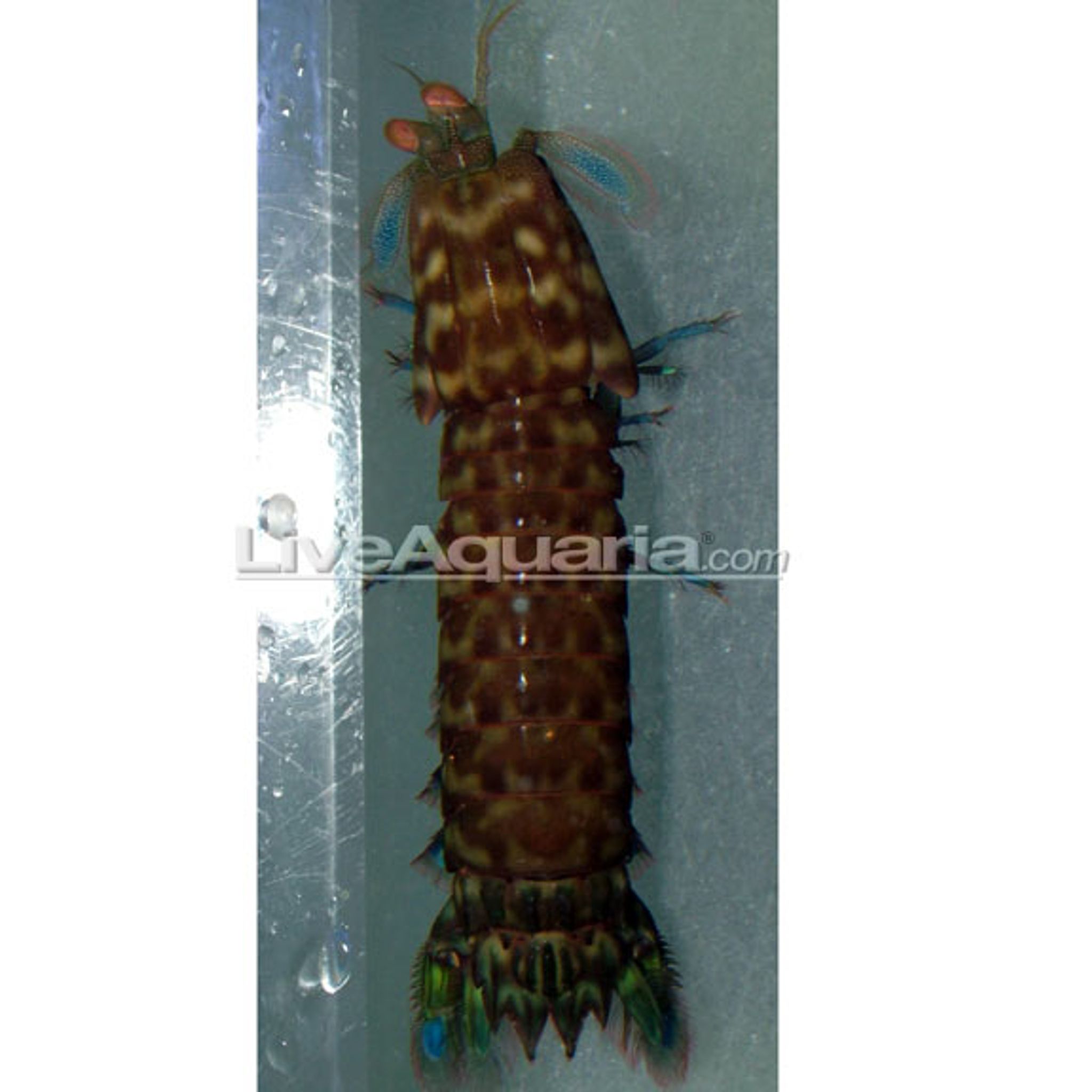

Best Tank Mates for Pistol Shrimp in a Reef Aquarium
A pistol shrimp is one of the few reef invertebrates that comes with a built-in relationship to plan around: its goby partner. Choosing tank mates means protecting that bond first, then filling out the rest of the reef with fish, cleanup crew, and corals that won't disturb a shy, burrow-dwelling pair. This guide covers the goby pairing itself, a full compatibility list, and the setup details that keep both animals visible instead of hiding underground.
The Shrimp-Goby Bond Comes First
Pistol shrimp (family Alpheidae, genus Alpheus) are functionally near-blind. In the wild and in captivity, they solve that problem by partnering with a watchman goby that acts as a lookout. The shrimp keeps an antenna resting on the goby at nearly all times, feeling for the flick of the goby's tail that signals danger.
In exchange, the shrimp digs and maintains a burrow in the sand that both animals use as a home. The goby gets a safe retreat it would otherwise have to defend or dig alone; the shrimp gets an early-warning system plus a steady supply of food particles stirred up as the goby forages and the shrimp excavates. Some describe this as the shrimp actively "hunting" off the goby's activity, while others frame it as opportunistic feeding on disturbed material during burrow work — in practice, both are just two ways of describing the same benefit.
Which Gobies Pair With Pistol Shrimp
Not every goby will bond with a pistol shrimp — the partnership is limited to a handful of genera that have evolved alongside Alpheus species. Reliable pairings include:
| Goby species | Notes |
|---|---|
| Yellow Watchman Goby (Cryptocentrus cinctus) | Most recommended for beginners; hardy and pairs readily |
| Randall's Watchman Goby (Amblyeleotris randalli) | Pairs especially well with Randall's pistol shrimp |
| Wheeler Goby (Amblyeleotris wheeleri) | Reliable burrow partner, slightly shier |
| Yasha (Orange-Spotted Shrimp Goby, Stonogobiops yasha) | Striking coloration, favors Randall's pistol shrimp |
| Pink Spotted Watchman Goby | Peaceful, good for mixed community tanks |
| Cryptocentrus leptocephalus | Larger-bodied, needs a roomier tank |
The most commonly kept combination overall is the Tiger Pistol Shrimp (Alpheus bellulus) with a Yellow Watchman Goby. Other fish species — even other bottom-dwellers — will not form this burrow partnership; the bond is specific to shrimp-associated goby genera such as Cryptocentrus, Amblyeleotris, and Stonogobiops. Browse the full range of gobies to compare species before choosing a partner.
Buying a pre-bonded pair — a goby and shrimp that have already paired at the supplier — shortens acclimation time and improves pairing success compared with introducing two unbonded individuals separately. Quarantine both animals before adding them to the display tank, since wild-caught shrimp in particular can carry pathogens or parasites.
Setting Up the Tank
A few tank parameters matter more for a shrimp-goby pair than for most reef fish, mainly because the pair spends so much time at or below the sand line.
- Tank size: 30 gallons (114 L) minimum is the widely agreed floor for a shrimp-goby setup.
- Sand bed: 3–4 inches (7.5–10 cm) of fine to medium grain sand is the consensus minimum depth for burrowing. There's no firm published upper limit, but larger or more aggressively burrowing shrimp species generally do better with extra depth in a bigger tank.
- Water conditions: a stable, fully cycled, mature tank with low nitrates. No specialized equipment is required beyond a secure, gap-free lid, since watchman gobies are known jumpers.
- Rockscape: anchor rock directly to the tank bottom or on a rack rather than resting it on loose sand, since ongoing excavation can shift unsecured structure over time.
Feeding a Shrimp-Goby Pair
Both partners are carnivores and do best on meaty frozen foods such as mysis, copepods, and other marine preparations. The goby rarely strays far from its burrow entrance, so target-feeding directly at that spot once or twice a day is far more effective than dropping food at the surface and hoping it reaches the pair. Slow, cautious feeders like these two are easily out-competed by faster mid-water fish if food is only offered where everyone else is already swimming.
Good Tank Mates for a Pistol Shrimp Tank
Outside the goby bond, the shrimp itself is non-aggressive toward fish and larger invertebrates. Its claw snap is a defensive and hunting tool aimed at tiny prey, not a weapon used on tank mates. The goby is peaceful too, becoming territorial only around its own burrow, mainly toward other gobies. That leaves a wide range of safe options for the rest of the reef.
Fish that generally do well:
- Clownfish
- Small, peaceful wrasses
- Firefish and other dartfish
- Cardinalfish
- Small tangs, in tanks large enough to support them
Cleanup crew and other invertebrates:
- Snails and small hermit crabs (avoid large or aggressive hermit species that may harass the goby or shrimp)
- Cleaner shrimp and fire shrimp — pistol shrimp are territorial mainly at their own burrow, not across the whole tank, so other peaceful reef shrimp usually coexist without issue
You can browse compatible options across marine fish, marine invertebrates, and marine shrimp when planning the rest of the community.
Tank Mates to Avoid or Approach With Caution
| Category | Examples | Why |
|---|---|---|
| Large predatory fish | Lionfish, larger groupers, triggerfish | May eat the goby outright |
| Boisterous or aggressive fish | Damsels, larger wrasses | Stress a shy goby into permanent hiding, which leads to starvation |
| Other burrowing shrimp or gobies | Additional shrimp-goby species | Compete for the same burrow territory |
| Large crabs | Bigger crab species | May prey on the pistol shrimp itself |
Are Corals Safe With Pistol Shrimp?
Yes — pistol shrimp and their goby partners are considered reef-safe overall. Neither targets corals or sessile invertebrates, and the goby will sometimes pick off small mobile invertebrates like bristleworms while foraging, which is actually a useful, natural form of sandbed cleanup rather than a problem.
The one caution is placement. Ongoing sand excavation near the burrow can bury low-lying frags or shift loose rockwork over time, so leave a buffer zone around the burrow entrance and avoid placing corals directly in its path. Once you've mapped out where the burrow will sit, the LPS and soft coral sections are good places to browse for frags that can go elsewhere in the aquascape.
How Many Pairs Can One Tank Hold?
Stick to one shrimp-goby pair per tank unless the aquarium is 75 gallons (284 L) or larger with well-separated rock and sand zones. Two different goby species, or two unrelated pairs, will often compete for the same burrow site or the same shrimp, leading to constant low-level conflict instead of the calm, mutualistic behavior most hobbyists are after.
Symbiosis in the Marine Aquarium
The shrimp-goby relationship is one of the clearest examples of mutualism in the hobby: both partners gain something, and neither is harmed by the arrangement. It's a useful lens for the rest of a reef tank, because several other classic reef pairings work the same way:
- Anemone and clownfish: the clownfish gets protection among stinging tentacles it's immune to, while the anemone benefits from the fish driving off potential predators and removing debris.
- Cleaner shrimp and fish: cleaner shrimp pick parasites and dead tissue off visiting fish, gaining an easy meal while the fish gets groomed.
- Boxer crab and anemone: the crab carries small anemones in its claws for defense, and the anemones gain mobility and access to more food particles.
What separates "true" mutualism from simple tolerance is that both species actively benefit and often can't perform the same behaviors as well alone. Notably, the shrimp-goby bond is beneficial but not obligatory in captivity — either animal can survive alone in a predator-free display, though most hobbyists keep the pair together specifically to see this natural behavior play out.
Common Mistakes to Avoid
- Too shallow a sand bed: less than 3 inches (7.5 cm) leaves the shrimp unable to burrow properly, and the pair stays stressed and hidden.
- Surface-only feeding: since the goby rarely leaves the burrow, food dropped only at the surface gets grabbed by faster fish first. Always target-feed near the entrance.
- Introducing shrimp and goby separately without quarantine: this raises the odds of pairing failure or outright aggression between them.
- Housing with aggressive or fast-swimming tank mates: these can intimidate a goby into permanent hiding, which effectively starves it over time.
- Mistaking the snapping sound for equipment trouble: the audible pop from a pistol shrimp's claw is normal cavitation noise, not a filter or pump malfunction.
- Crowding the burrow with corals or loose rock: ongoing excavation can bury frags or topple unanchored rockwork.
- Assuming any goby will pair with any shrimp: pairing success is highest with known compatible combinations, and highest of all with pre-bonded pairs.
Frequently Asked Questions
Will a pistol shrimp hurt my fish?
No. Pistol shrimp are non-aggressive toward fish and larger invertebrates. The claw snap is a defense and hunting mechanism aimed at tiny prey, not a tool used against tank mates.
Can I keep a pistol shrimp without a goby?
Yes, it can survive alone in a predator-free reef tank. You'll lose the natural sentinel behavior, though, and the shrimp may burrow less predictably without a partner to work alongside.
How many pistol shrimp/goby pairs can I keep in one tank?
Typically one pair per tank, unless the aquarium is 75 gallons (284 L) or larger with separated rockwork and sand zones to prevent territorial conflict between pairs.
Is the snapping sound harmful to other tank inhabitants?
No. It's a normal cavitation-bubble sound produced by the claw snapping shut, and it doesn't harm fish, corals, or equipment — just a bit startling to new owners the first time they hear it.
Do pistol shrimp eat corals or clean-up crew?
No, they're reef-safe and don't target corals. They may occasionally take very small mobile invertebrates like bristleworms while foraging, which mostly helps keep the sandbed clean.
What's the best goby for a beginner?
The Yellow Watchman Goby is the most commonly recommended starter species thanks to its hardiness and reliable pairing behavior with pistol shrimp.
Can pistol shrimp pair with fish that aren't gobies?
No. The bond is specific to certain shrimp-associated goby genera — Cryptocentrus, Amblyeleotris, and Stonogobiops. Other fish won't form the burrow partnership, no matter how compatible they are otherwise.
What happens if my goby dies — will the shrimp be okay?
Yes, the shrimp can continue living and burrowing on its own, though it may become more reclusive without a lookout keeping watch for danger.
Once you've settled on a shrimp-goby combination and mapped out safe placement for the rest of the community, you can browse the full selection of marine livestock on FishyHub to fill out the rest of the reef.


