1–40 of 62
Showing 40 of 62 products


1772871692741.jpeg?signature=c5bae69d13cd43c65d6361516bc7ae49cbafc0499ecd9d61cd188d240818276d)
1772707629568.jpeg?signature=aa890763d8bdbee149ab128323ed6c6f256c39659c1f3a9dc88e976cf50ed173)
%20Discus1755439138860.jpeg?signature=e3f9c902fa8e6a2788dd95042f182b6411fea1c4db1de222d95fe923376ec1fd)


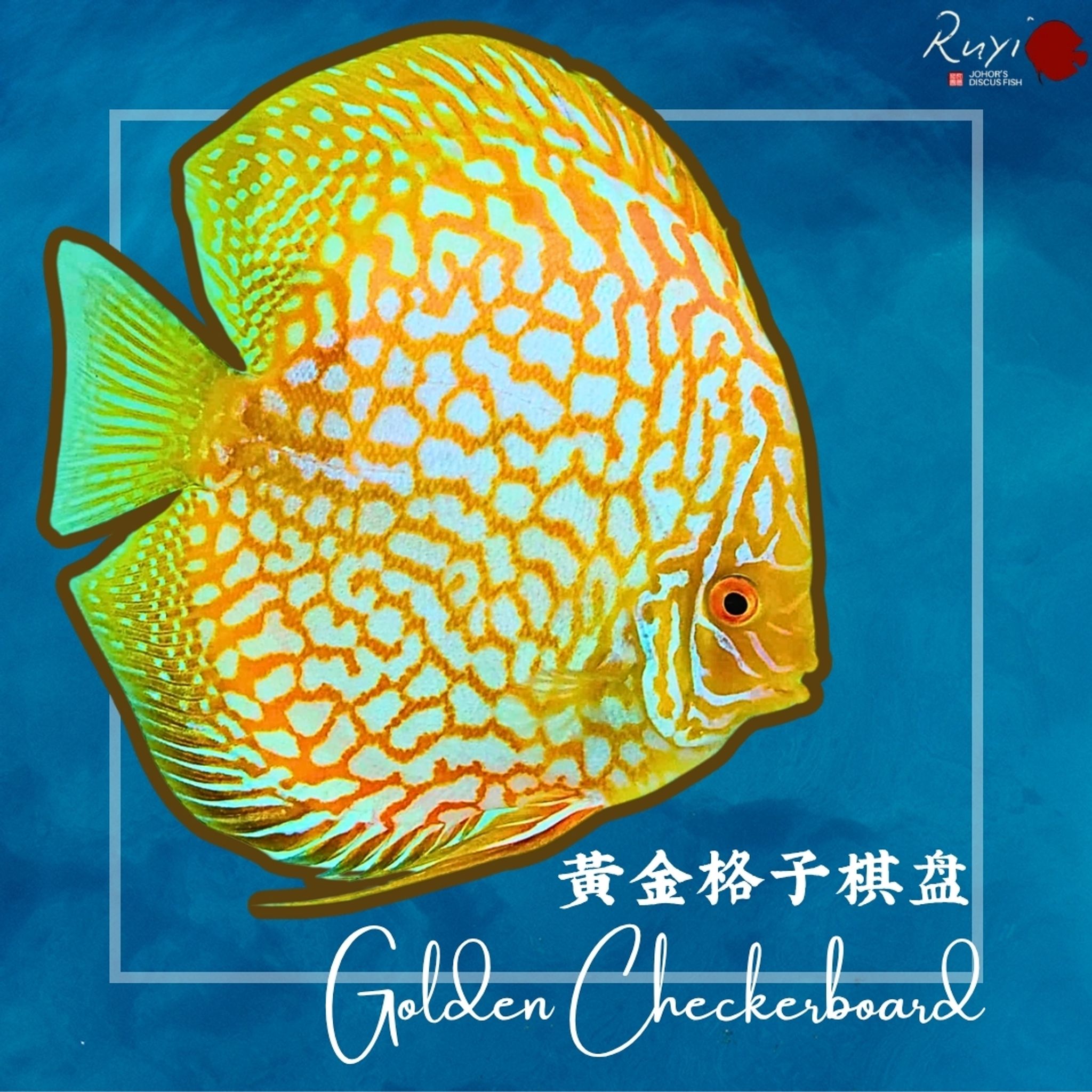
Explore Discus fish for sale in Singapore from aquarium shops, breeders and specialist sellers on FishyHub. Compare different varieties, colours, sizes and prices from multiple sellers in one marketplace.
Discus are among the most distinctive freshwater aquarium fish, known for their round body shape, vivid colours and graceful swimming style. They are especially popular in planted and dedicated display tanks, but they require stable water quality, warm conditions and careful long-term husbandry.
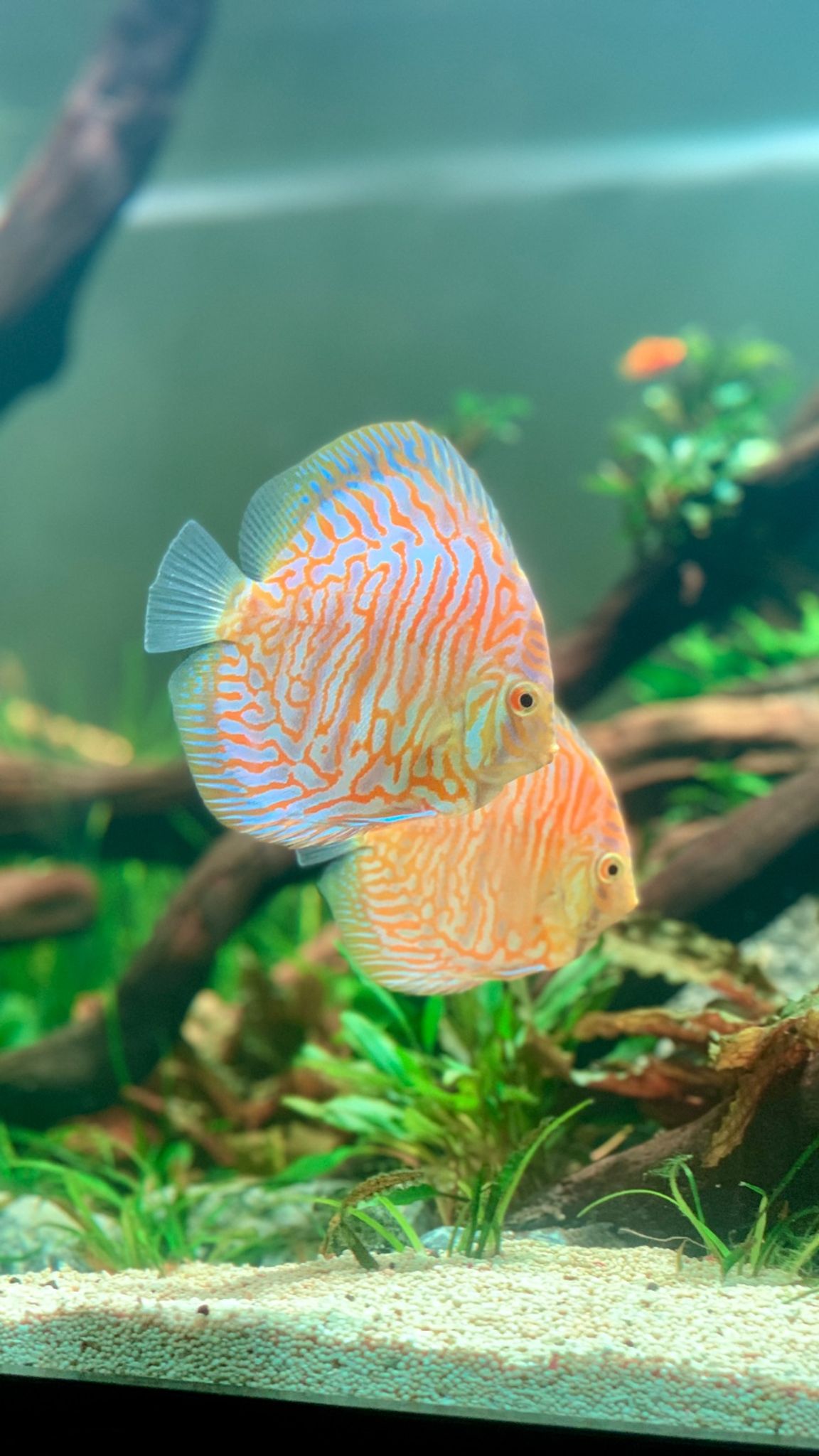
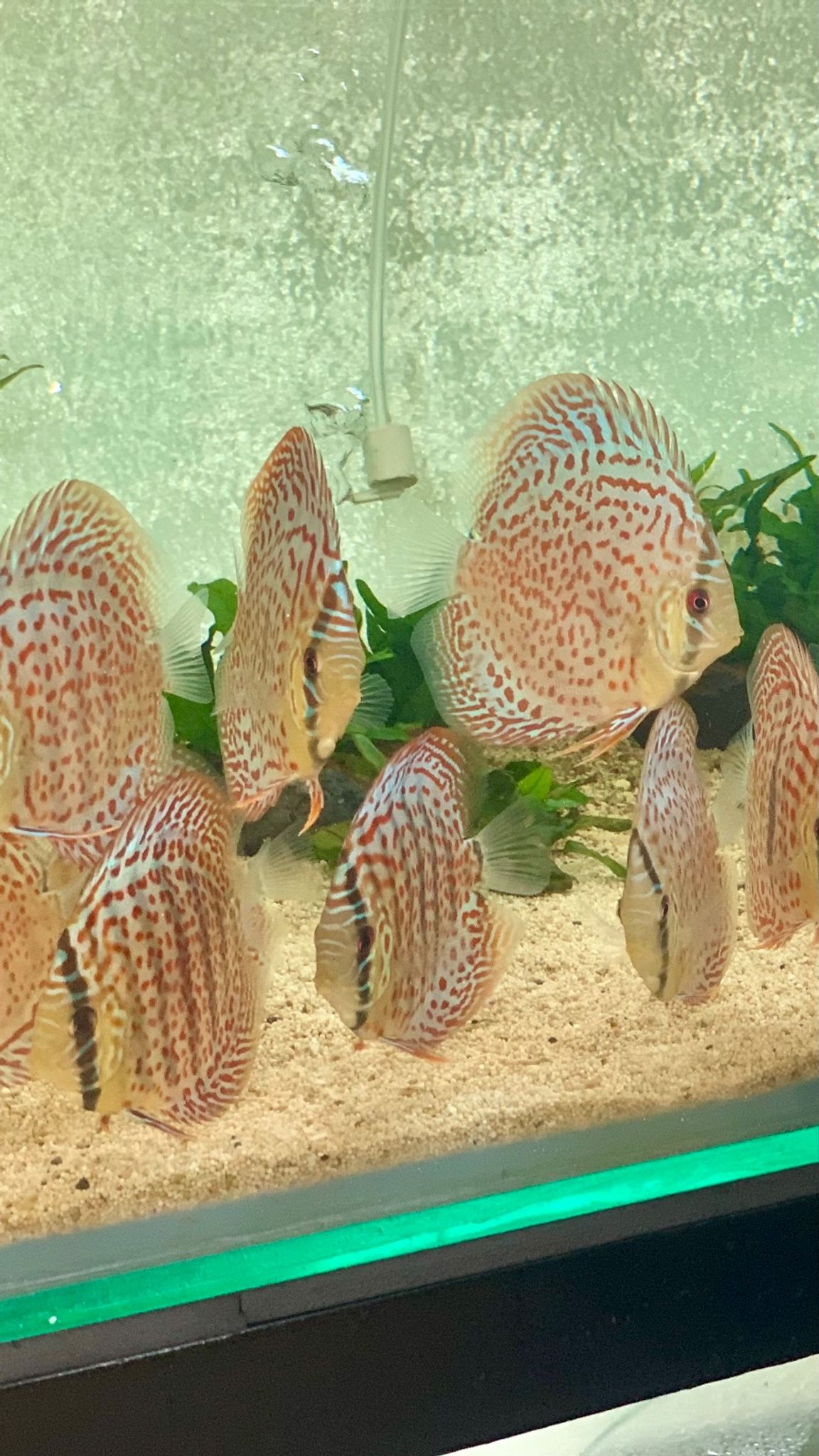
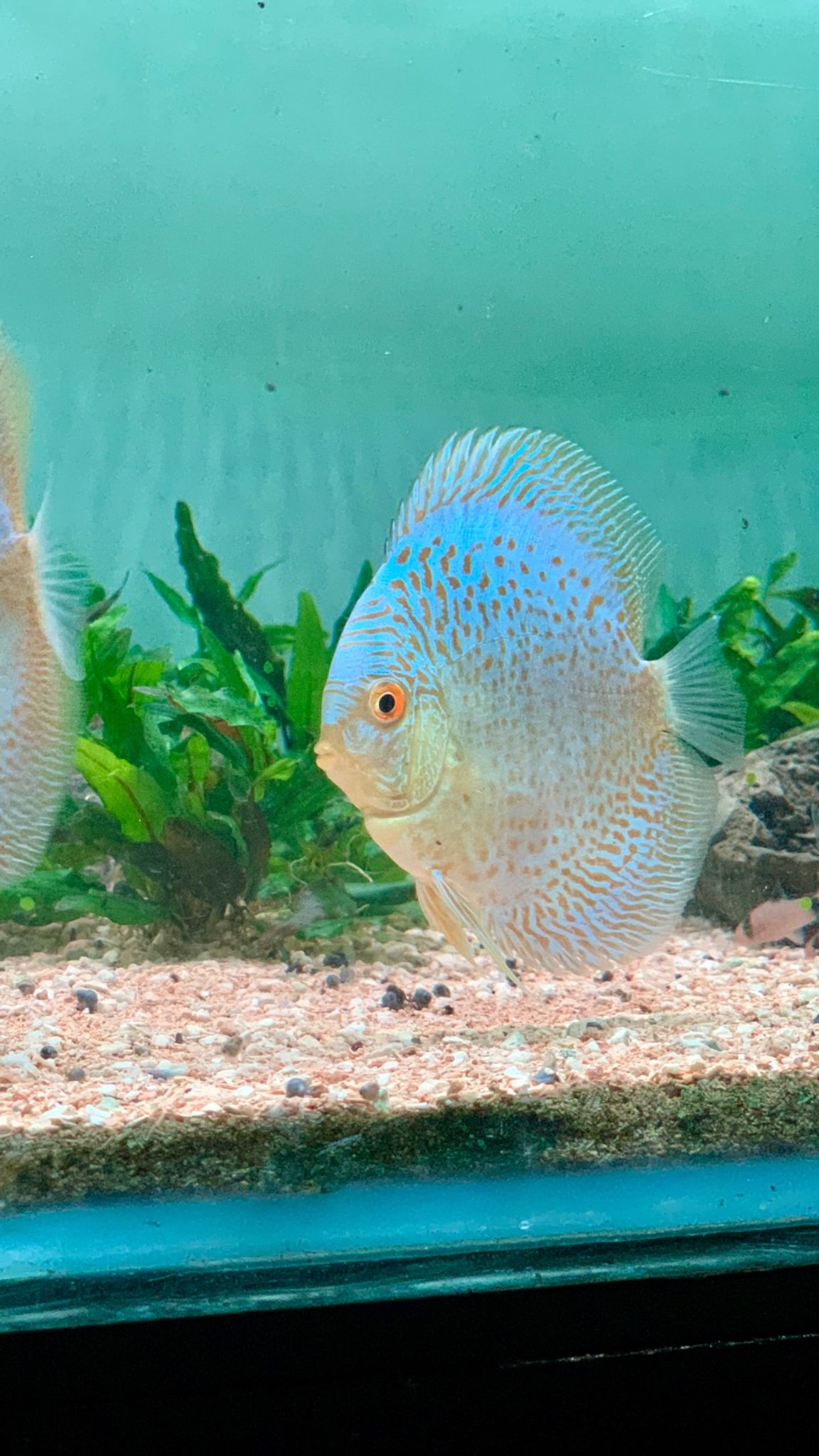
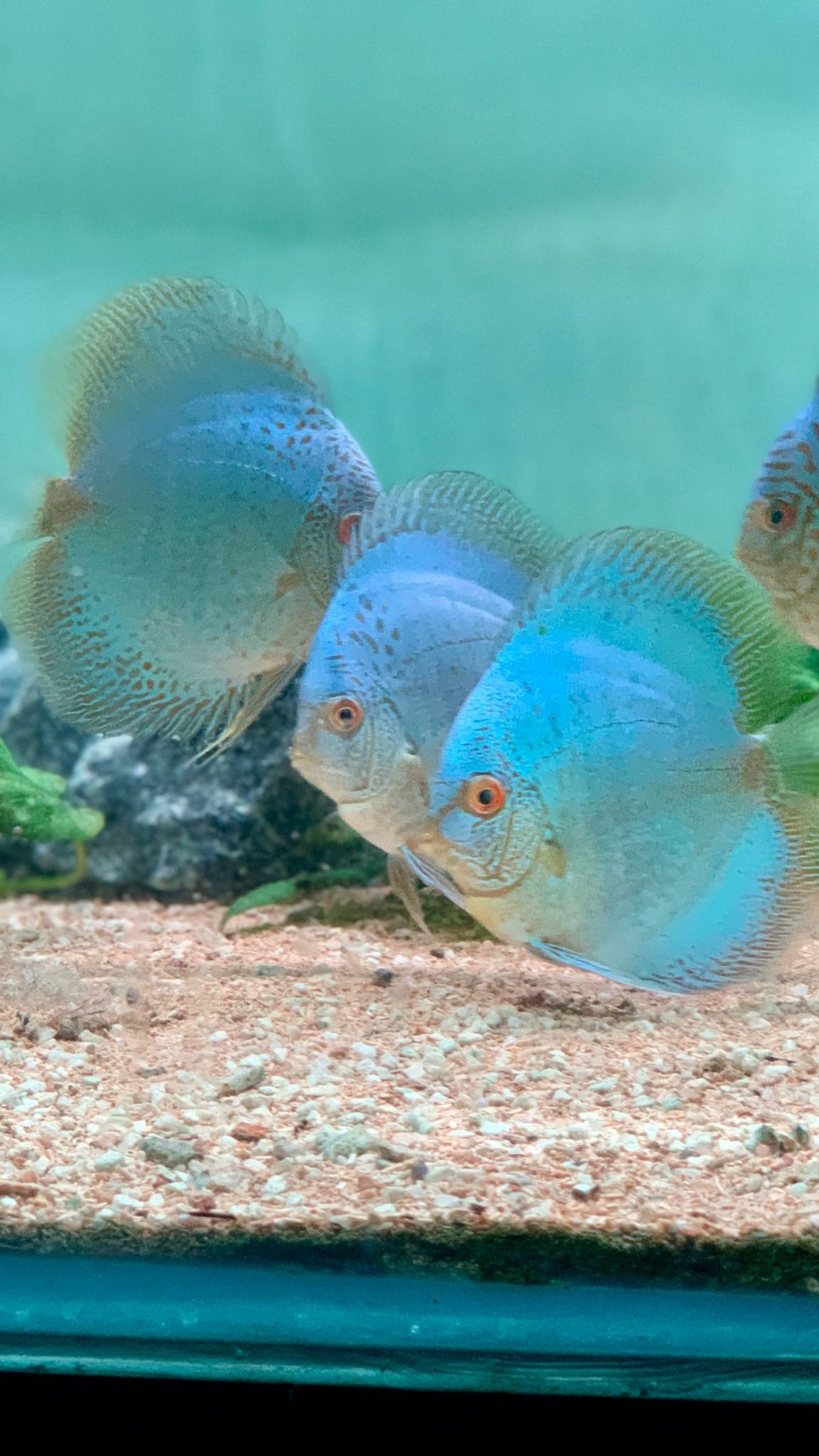
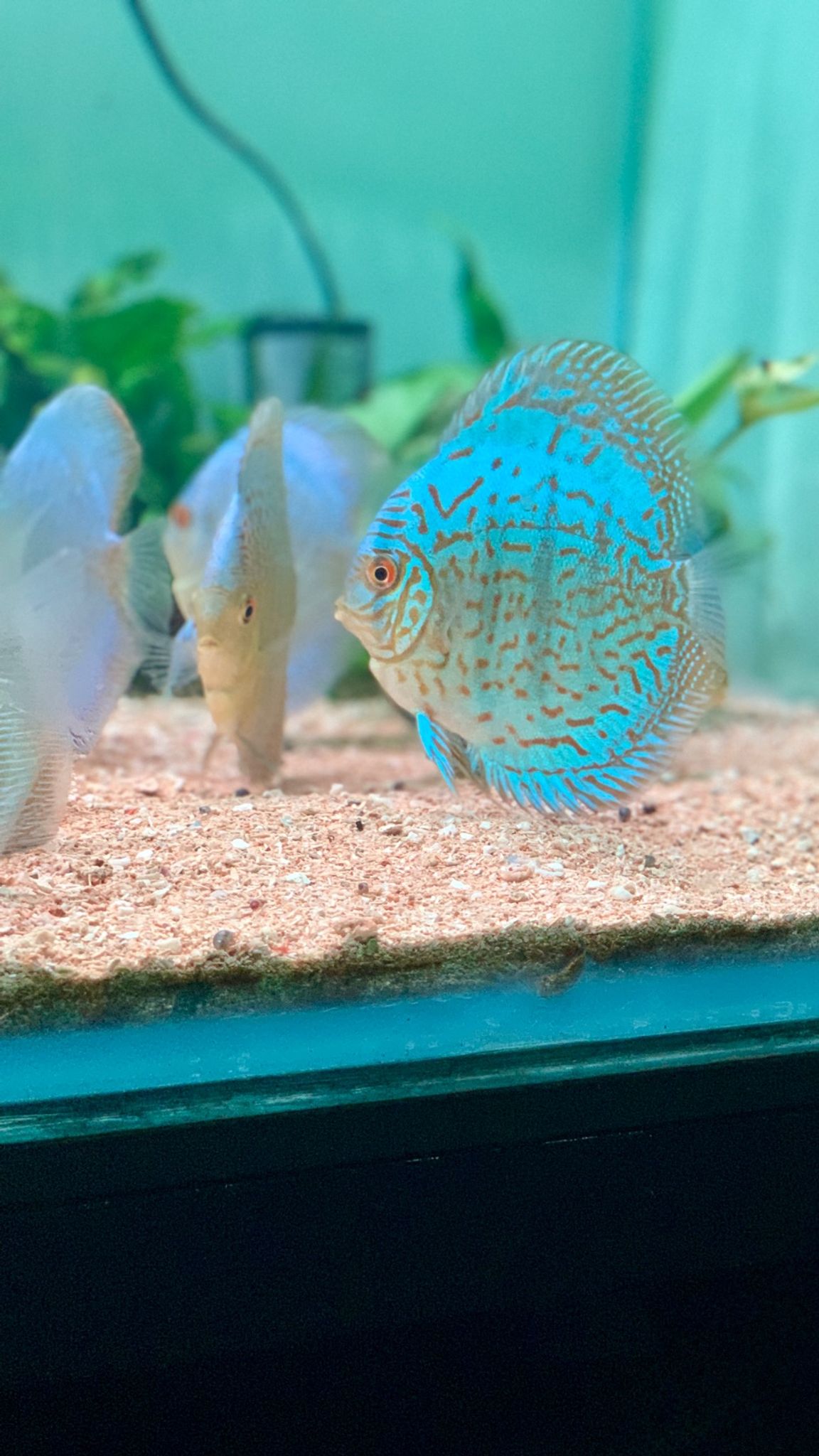
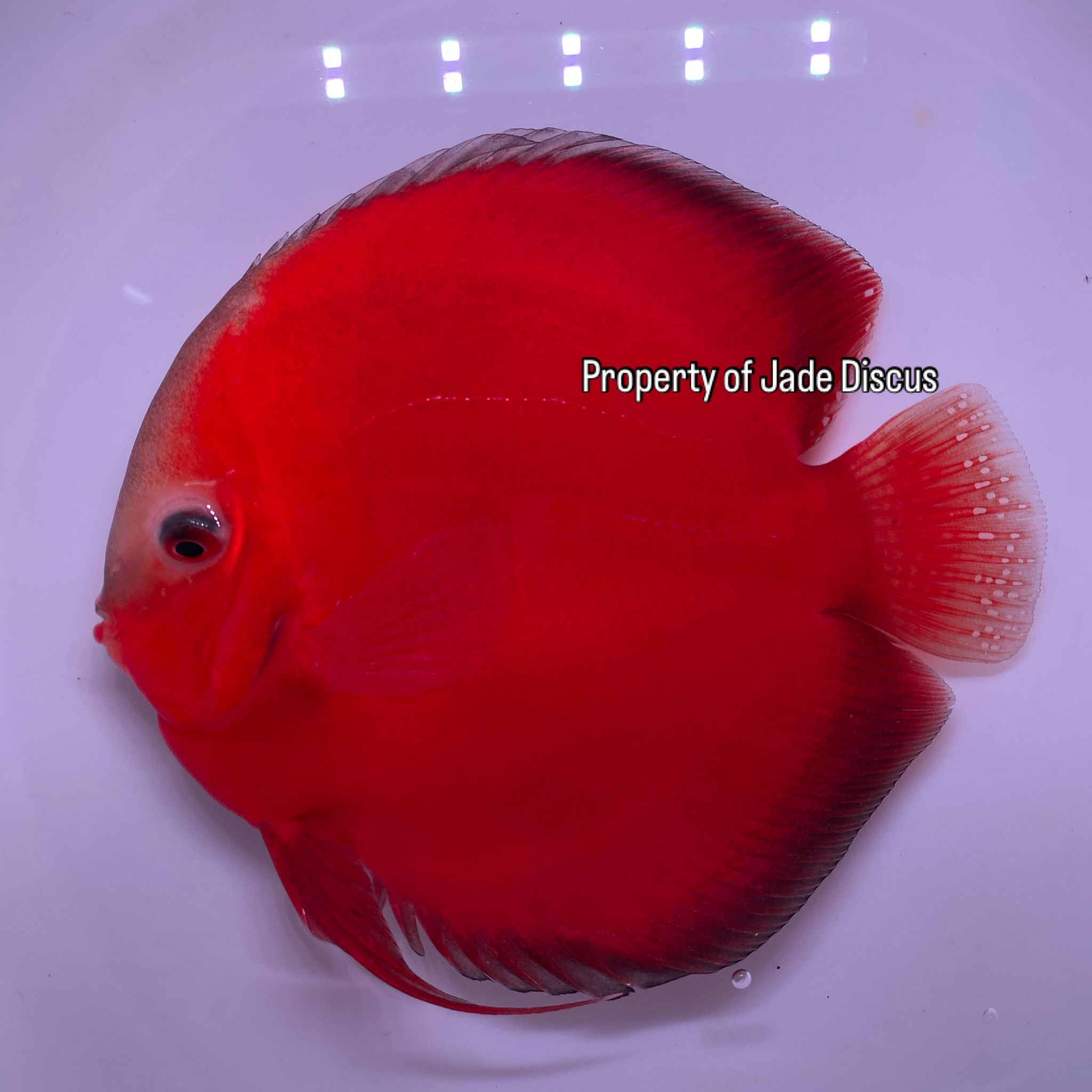
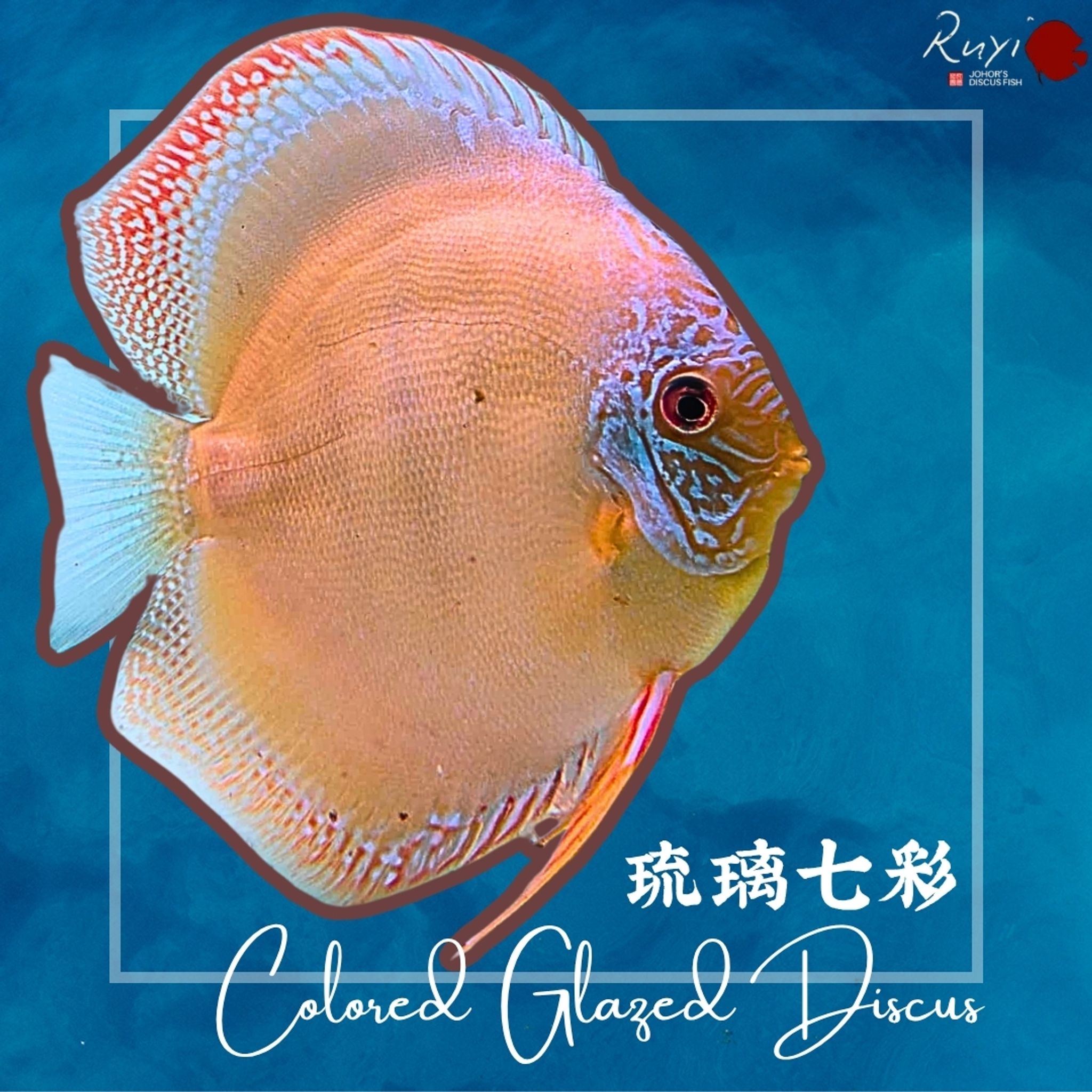
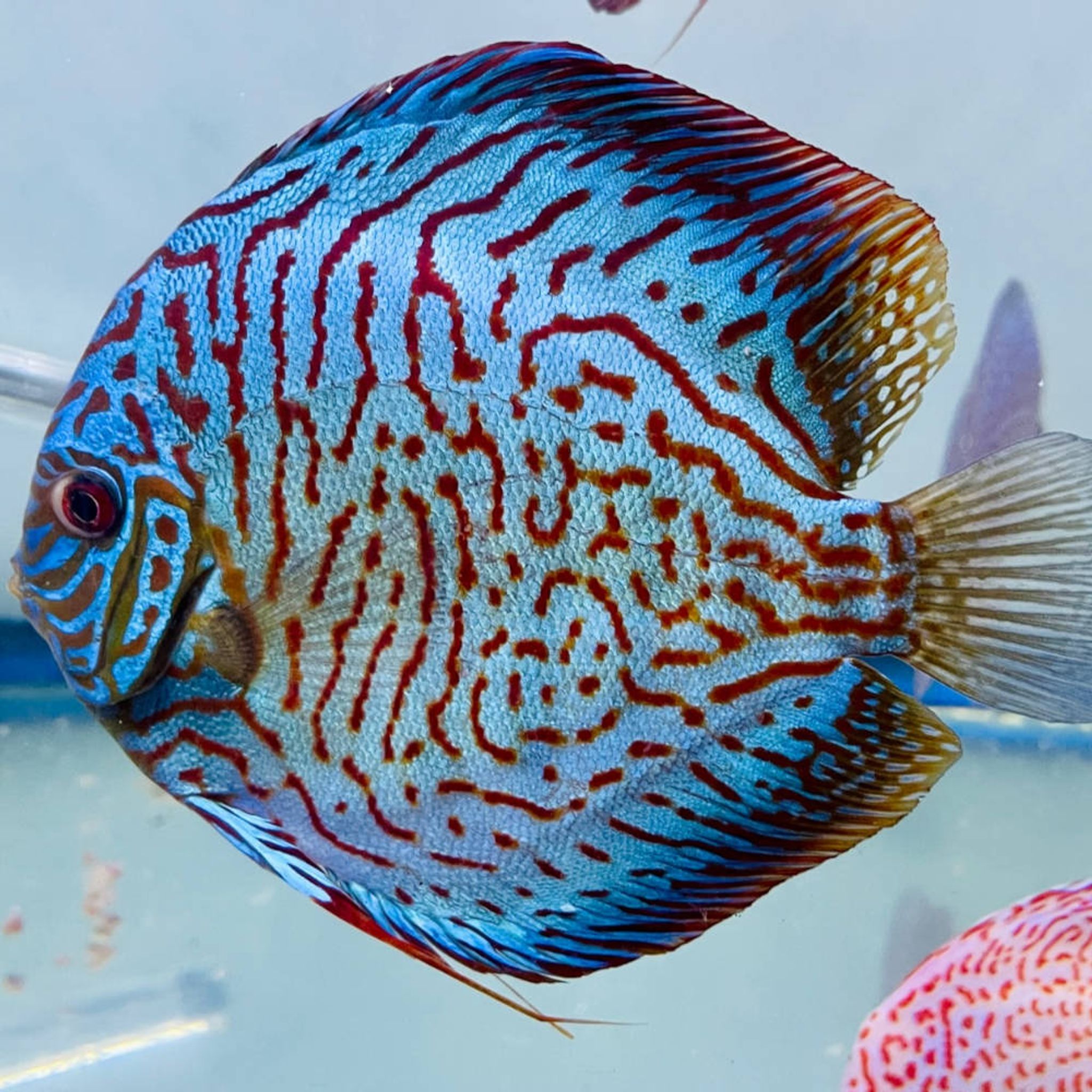
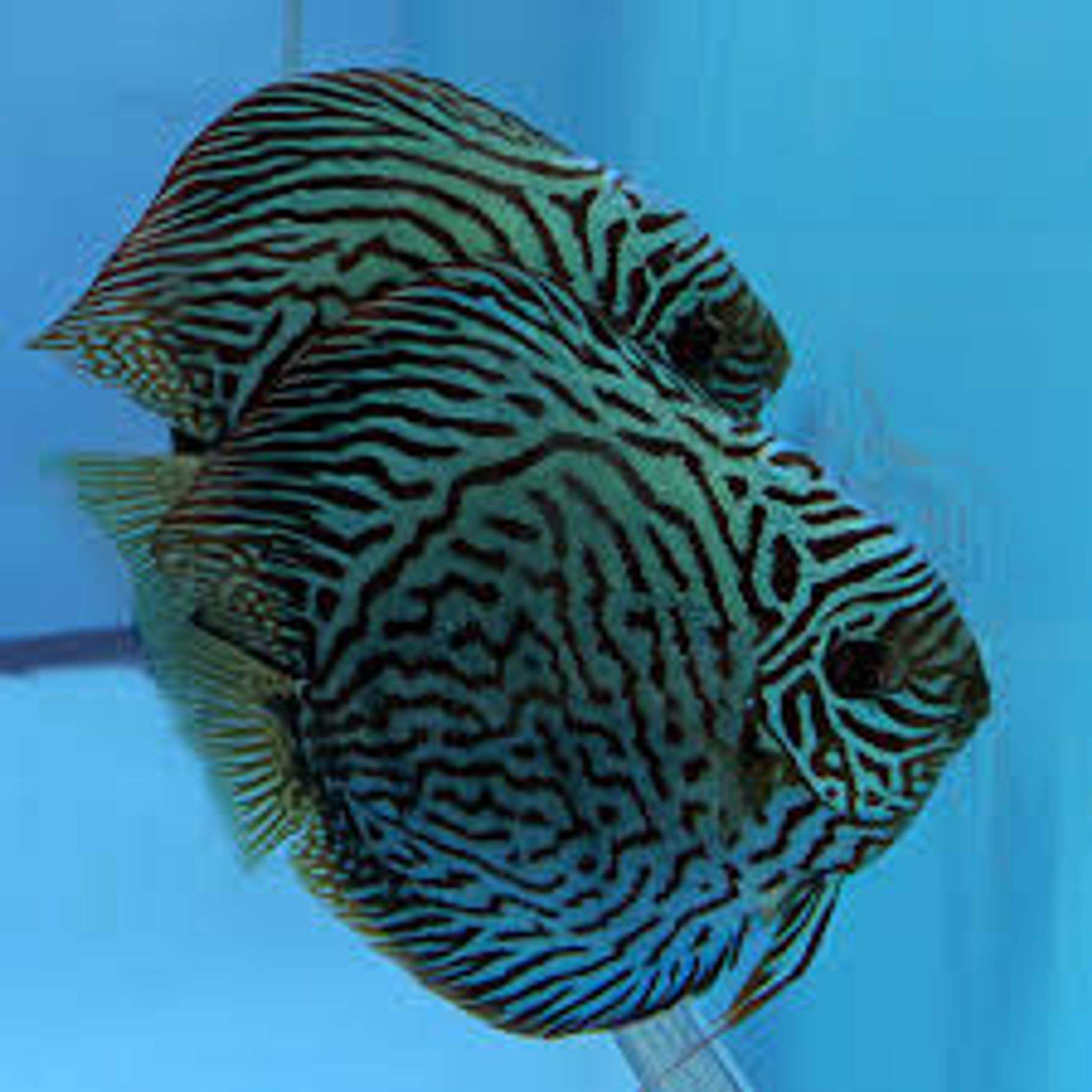
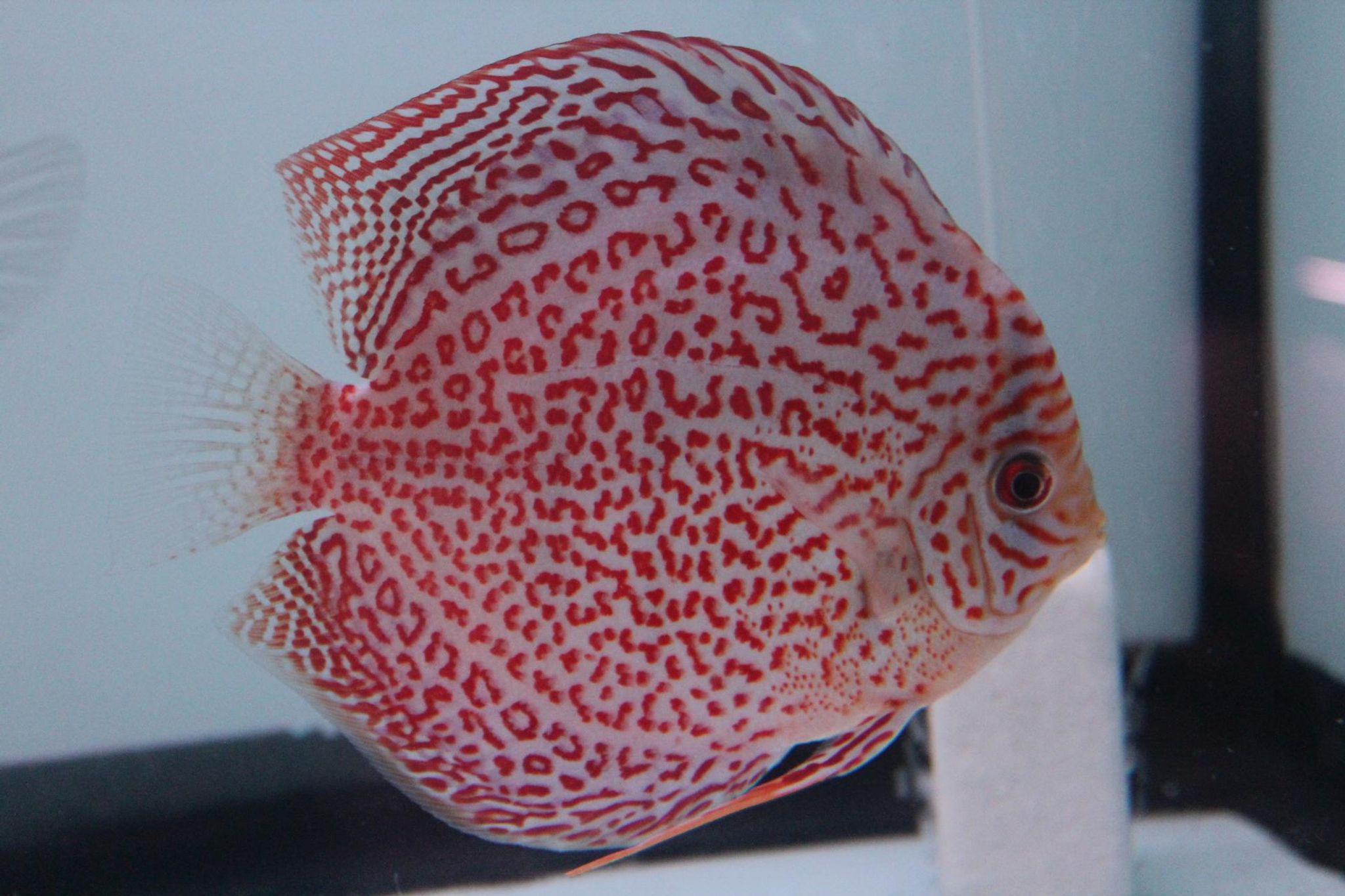
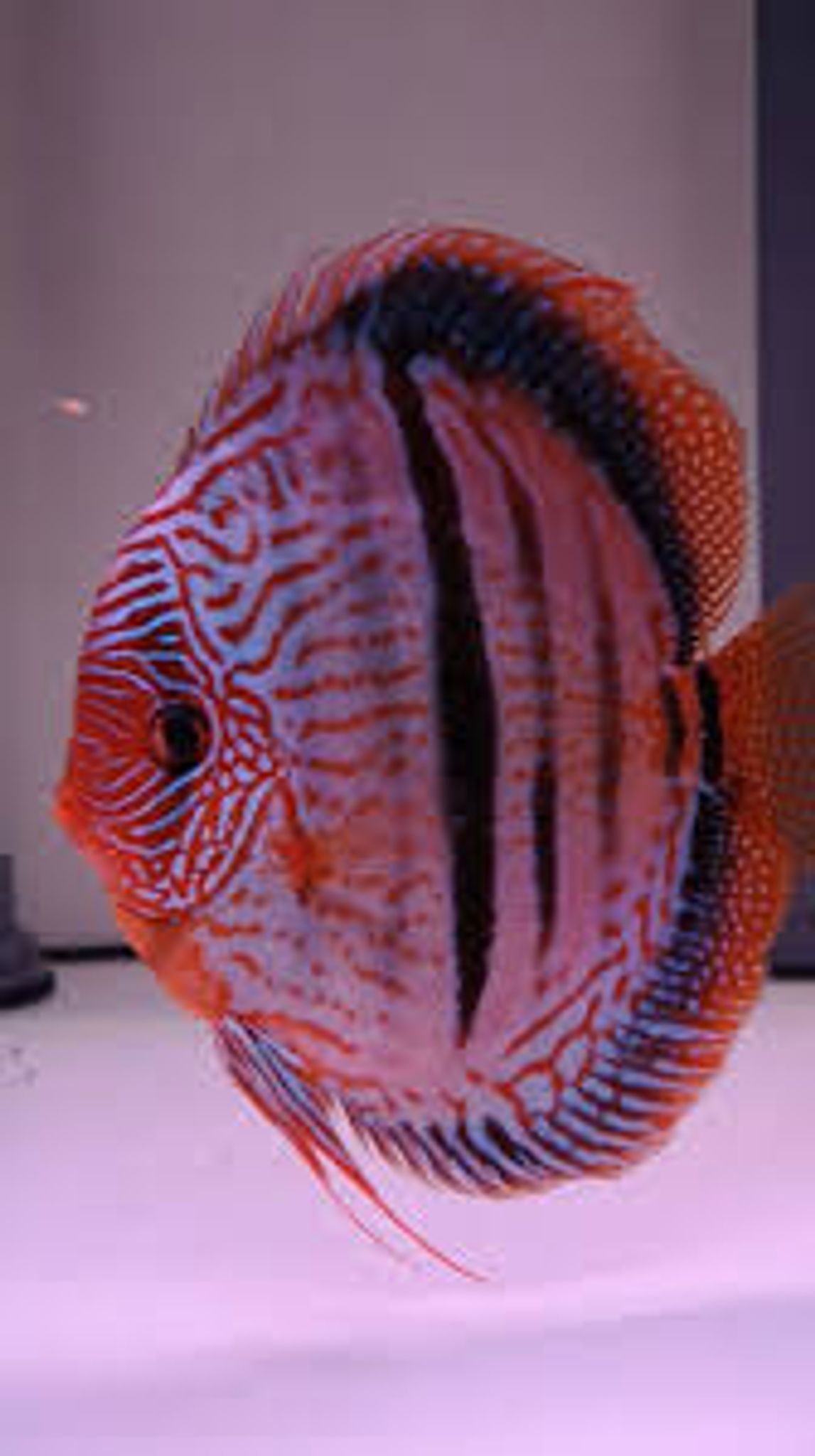
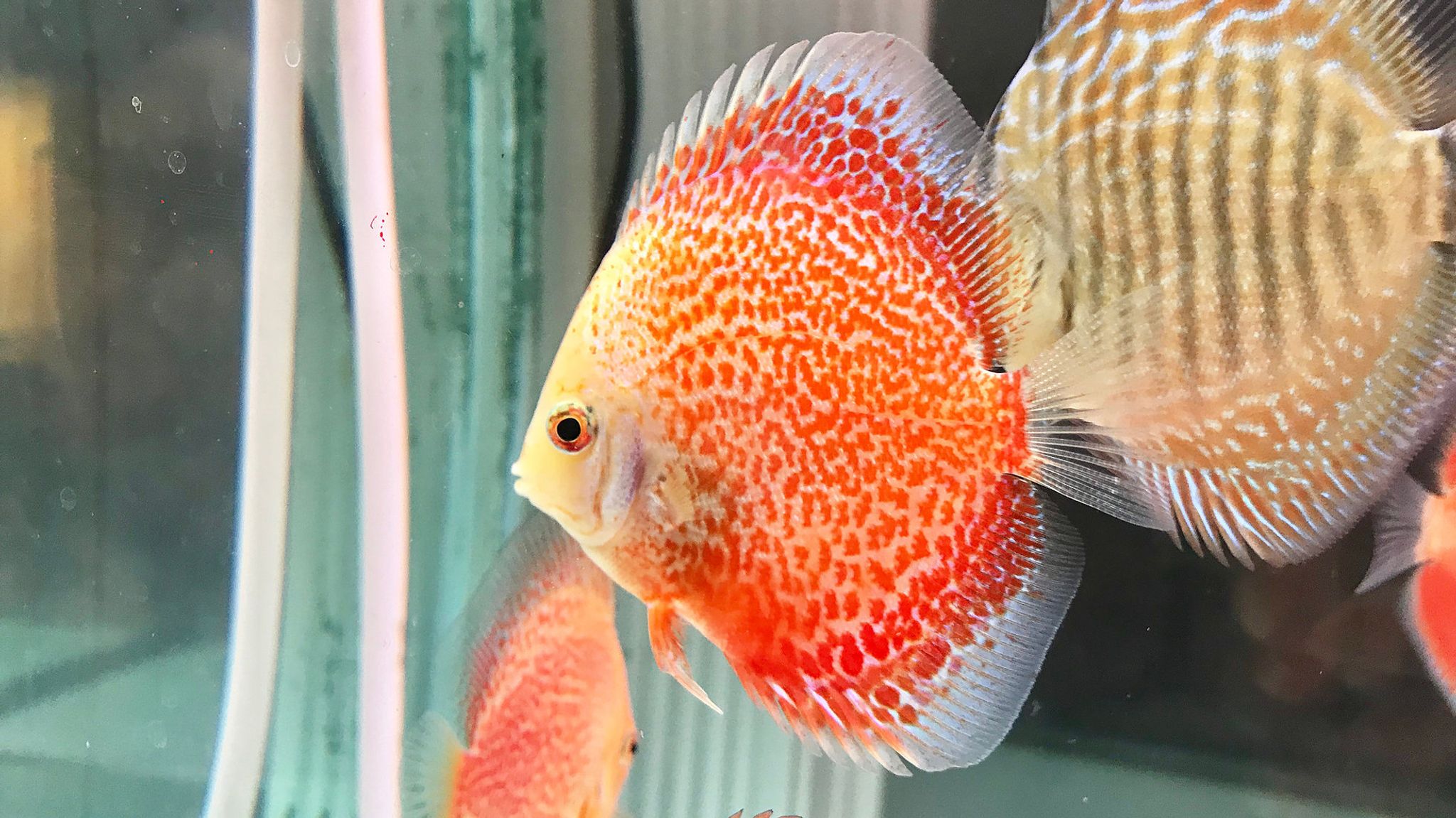
Discus are available in many selectively bred colour strains and patterns. Popular varieties in Singapore may include Pigeon Blood, Blue Diamond, Red Melon, Leopard, Turquoise and Albino Discus.
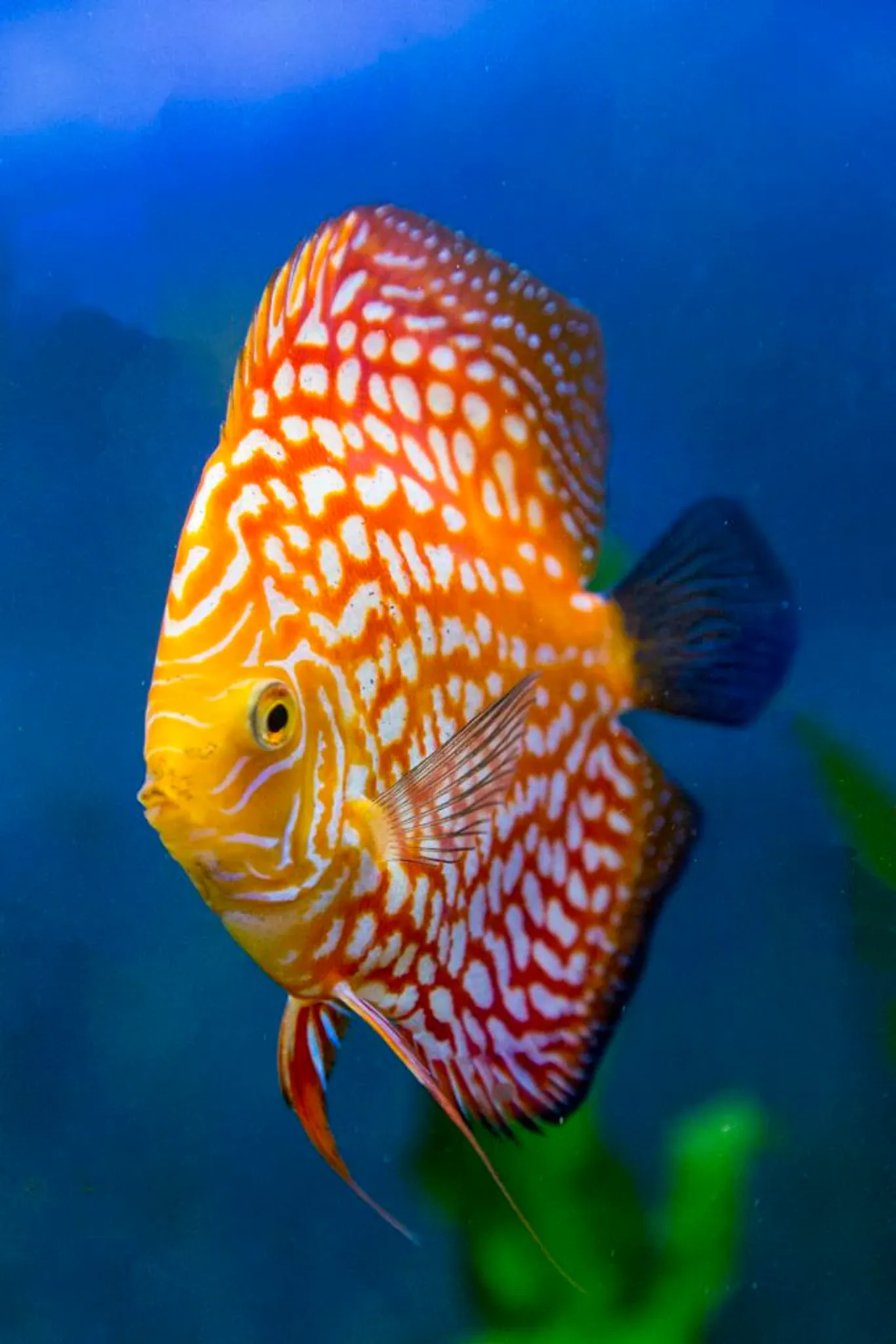
Pigeon Blood Discus are known for bright red, orange and cream coloration, often with strong patterning across the body. Different bloodlines can vary significantly in markings and intensity.
Blue Diamond Discus display a relatively uniform blue coloration with minimal patterning. Their clean appearance makes them especially popular in minimalist and planted display aquariums.
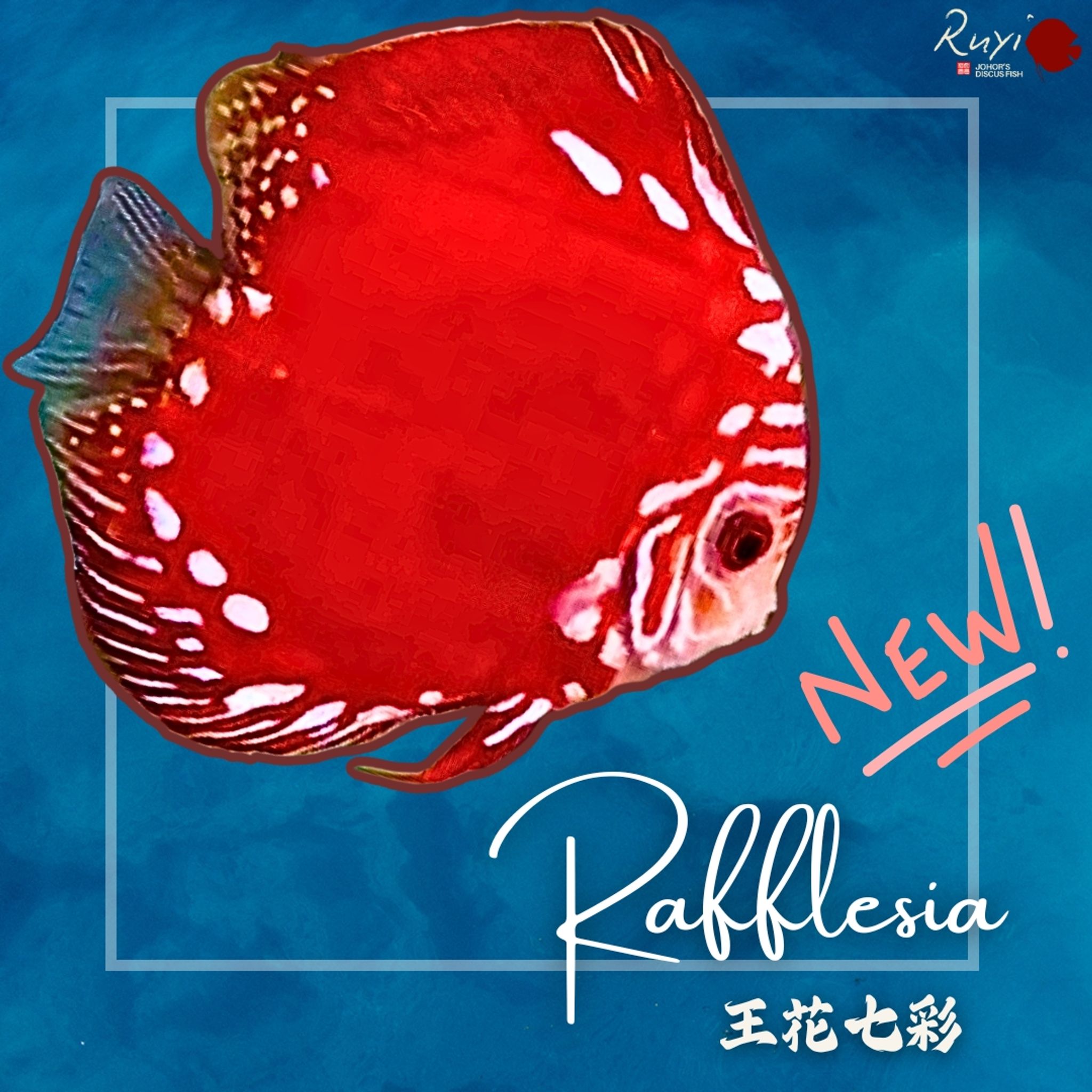
Red Melon Discus are bred for strong red to orange coloration across much of the body. Colour depth can vary with genetics, age, diet and overall condition.
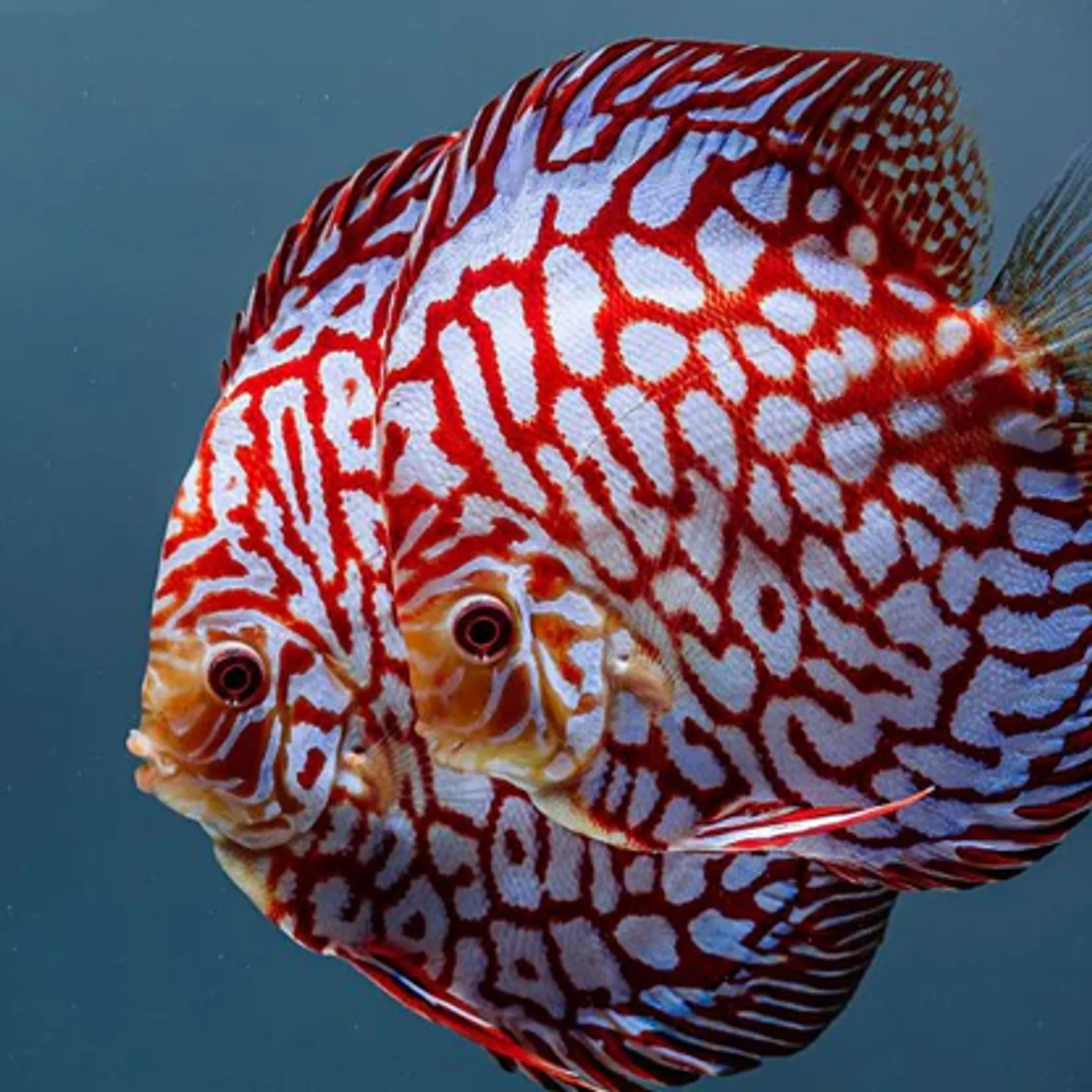
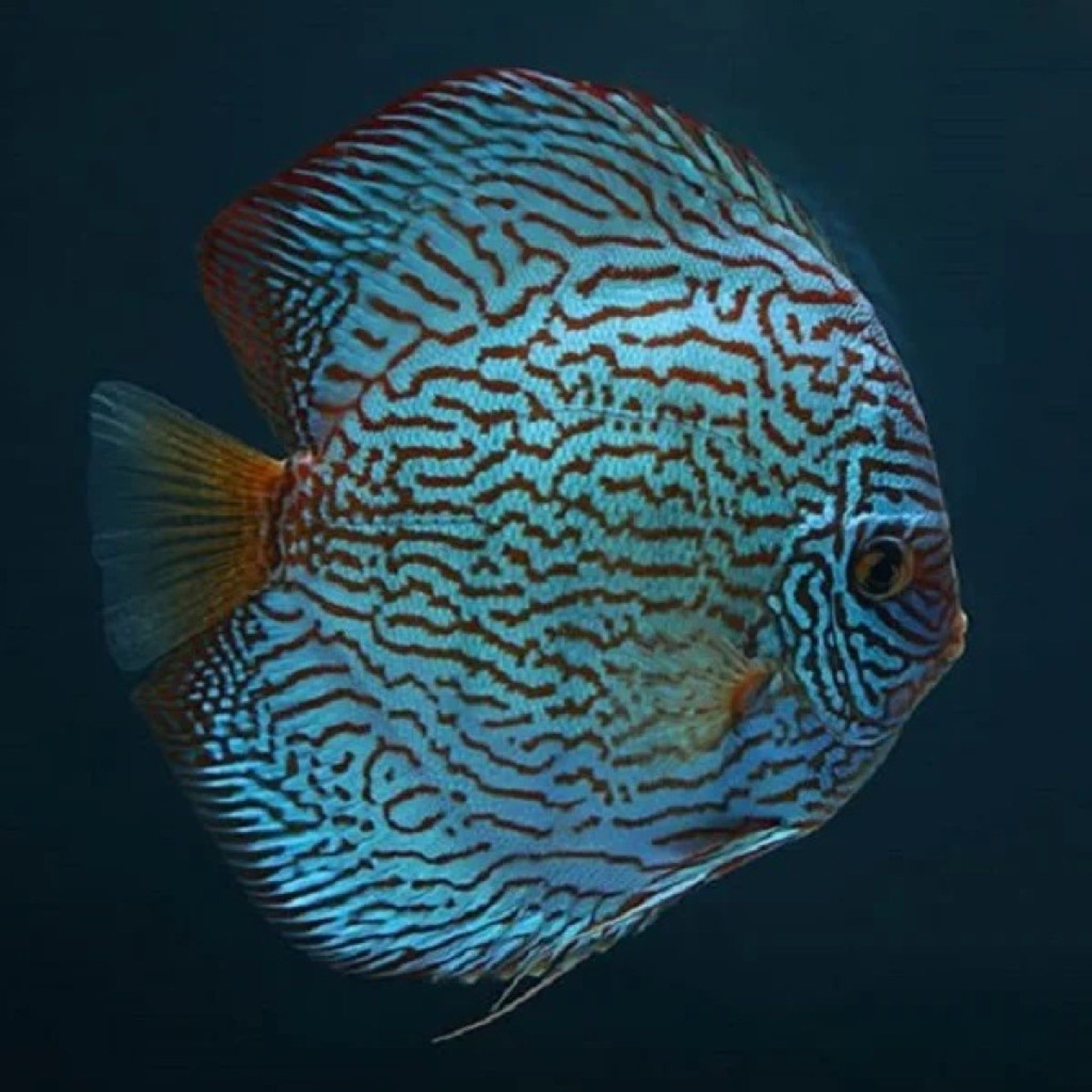
Leopard Discus are known for intricate spotted or reticulated patterns. Individual fish may display noticeably different pattern density and colour combinations.
Turquoise Discus often show blue-green patterning across the body with contrasting red or darker markings. They remain a classic choice among Discus keepers.
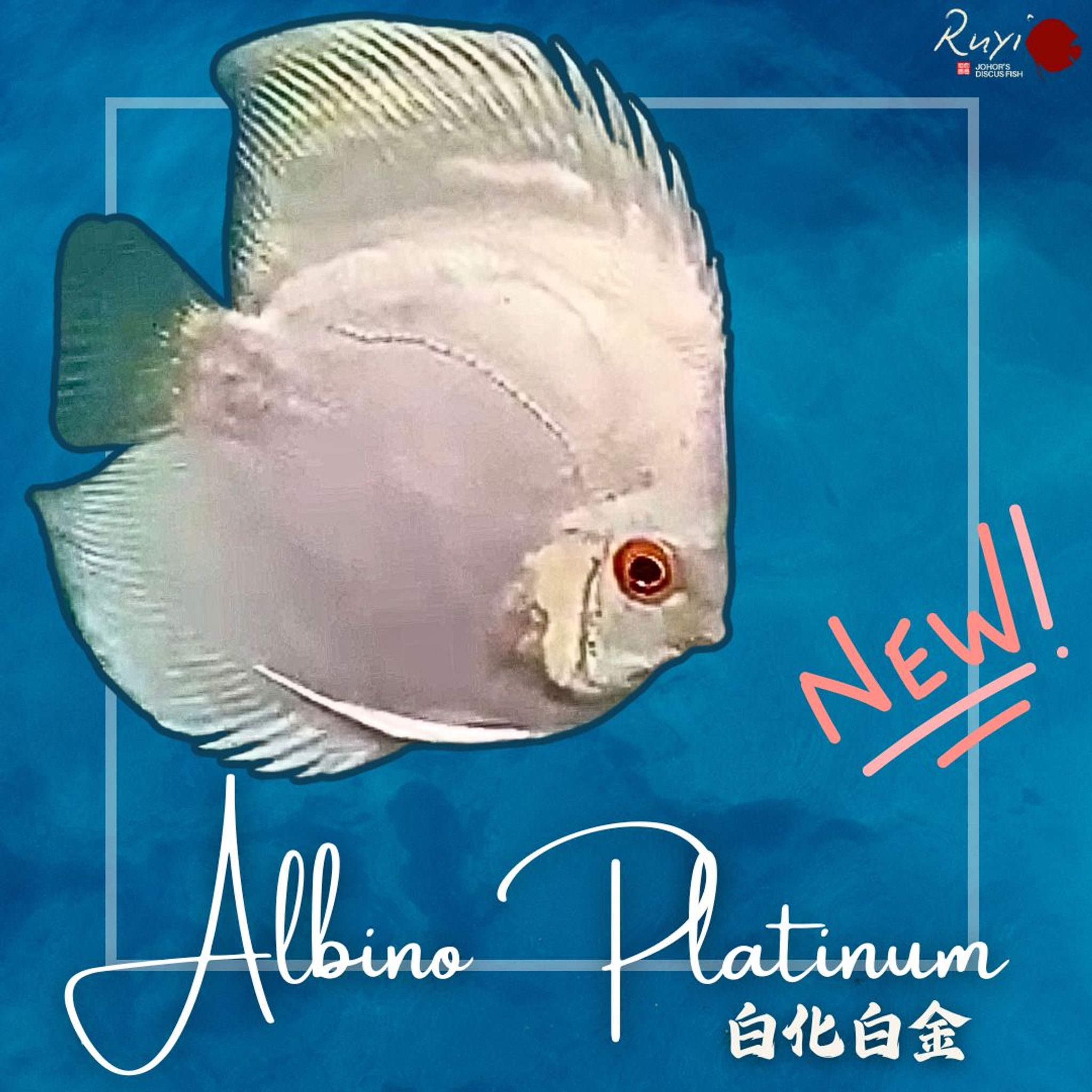
Albino Discus lack normal dark pigmentation and may display pale cream, yellow, orange or red coloration. Their lighter appearance can make them stand out strongly in darker aquascapes.
When comparing Discus for sale, look for:
Avoid fish that appear unusually thin, very dark for prolonged periods, constantly hide, breathe heavily or refuse food. Recent photos or videos can be useful when evaluating individual listings.
Discus are relatively large, tall-bodied fish and need enough aquarium space to swim comfortably and establish a stable social group.
A suitable Discus setup may include:
Many Discus keepers prefer larger tanks because greater water volume can make stable conditions easier to maintain.
Discus prefer warm, clean and stable water. Consistency is especially important, as sudden changes in temperature or water chemistry can cause stress.
When buying new Discus, ask the seller about the water conditions they are currently kept in. This can help you acclimate them more gradually into your own aquarium.
Discus benefit from a varied, high-quality diet that supports growth, body condition and colour.
Suitable foods may include:
Younger Discus may need more frequent feeding than mature adults. Avoid overfeeding, as uneaten food can quickly reduce water quality.
Discus can live with selected peaceful tankmates that tolerate similar warm-water conditions. Compatibility should be planned around temperament, feeding behaviour and water requirements.
Potential tankmates may include:
Avoid aggressive fish, persistent fin-nippers and highly competitive feeders that may stress Discus or prevent them from feeding comfortably.
Discus and Angelfish can sometimes be kept together because both prefer warm freshwater, but the combination requires careful planning.
Feeding competition, territorial behaviour, aquarium size and disease management should all be considered. A dedicated Discus setup can be easier to manage if optimum Discus care is the priority.
Discus are social cichlids and are commonly kept in groups rather than as single fish. Group size should be matched to the aquarium volume and filtration capacity.
Keeping an appropriate group can help distribute social pressure, although individual behaviour still varies. Breeding pairs may become territorial and may need additional space.
Mature Discus may form breeding pairs and lay eggs on vertical surfaces such as cones, broad leaves or aquarium equipment.
Discus are unusual because newly hatched fry can feed on specialised mucus produced by the parents. Breeding successfully requires excellent water quality and careful management of the pair and fry.
Discus prices in Singapore vary depending on size, colour strain, breeder, quality, body shape and overall condition.
Smaller juvenile Discus can be relatively affordable, while larger premium fish, established breeding pairs and high-quality imported or selectively bred strains may command substantially higher prices.
FishyHub brings Discus listings from aquarium shops, breeders and specialist sellers across Singapore together in one marketplace, making it easier to compare available fish from multiple sources.
When comparing Discus listings, consider:
It can also be useful to ask what food and water parameters the fish are currently accustomed to, especially when buying larger or premium Discus.
Browse current Discus listings on FishyHub to compare Pigeon Blood, Blue Diamond, Red Melon, Leopard, Turquoise and other Discus varieties from aquarium shops and breeders across Singapore. Availability changes as sellers update their livestock.
Prices vary depending on size, strain, breeder and quality. Juveniles may cost less, while larger premium Discus and proven breeding pairs can be considerably more expensive.
Discus require more attention to stable water quality, temperature, feeding and maintenance than many hardy community fish. They are manageable when their requirements are consistently met.
Discus prefer warm tropical water. Exact conditions can vary, so consistency and gradual acclimation are more important than chasing frequent parameter changes.
Yes, selected peaceful Tetras that tolerate warm water can work well with Discus. Cardinal and Rummy-nose Tetras are commonly considered for this type of setup.
They sometimes can, but the combination requires careful attention to temperament, feeding competition, water quality and disease management.
Discus are social fish and are commonly kept in groups. The appropriate number depends on tank size, filtration and the size of the fish.
Discus can eat quality pellets or granules along with suitable frozen foods such as bloodworms, brine shrimp and other protein-rich options. A varied diet is generally preferable.
Explore Discus fish for sale on FishyHub and compare Pigeon Blood, Blue Diamond, Red Melon, Leopard, Turquoise and other varieties from sellers across Singapore. Compare sizes, colours, breeders and prices to find Discus suited to your aquarium.
