1–40 of 50
Showing 40 of 50 products
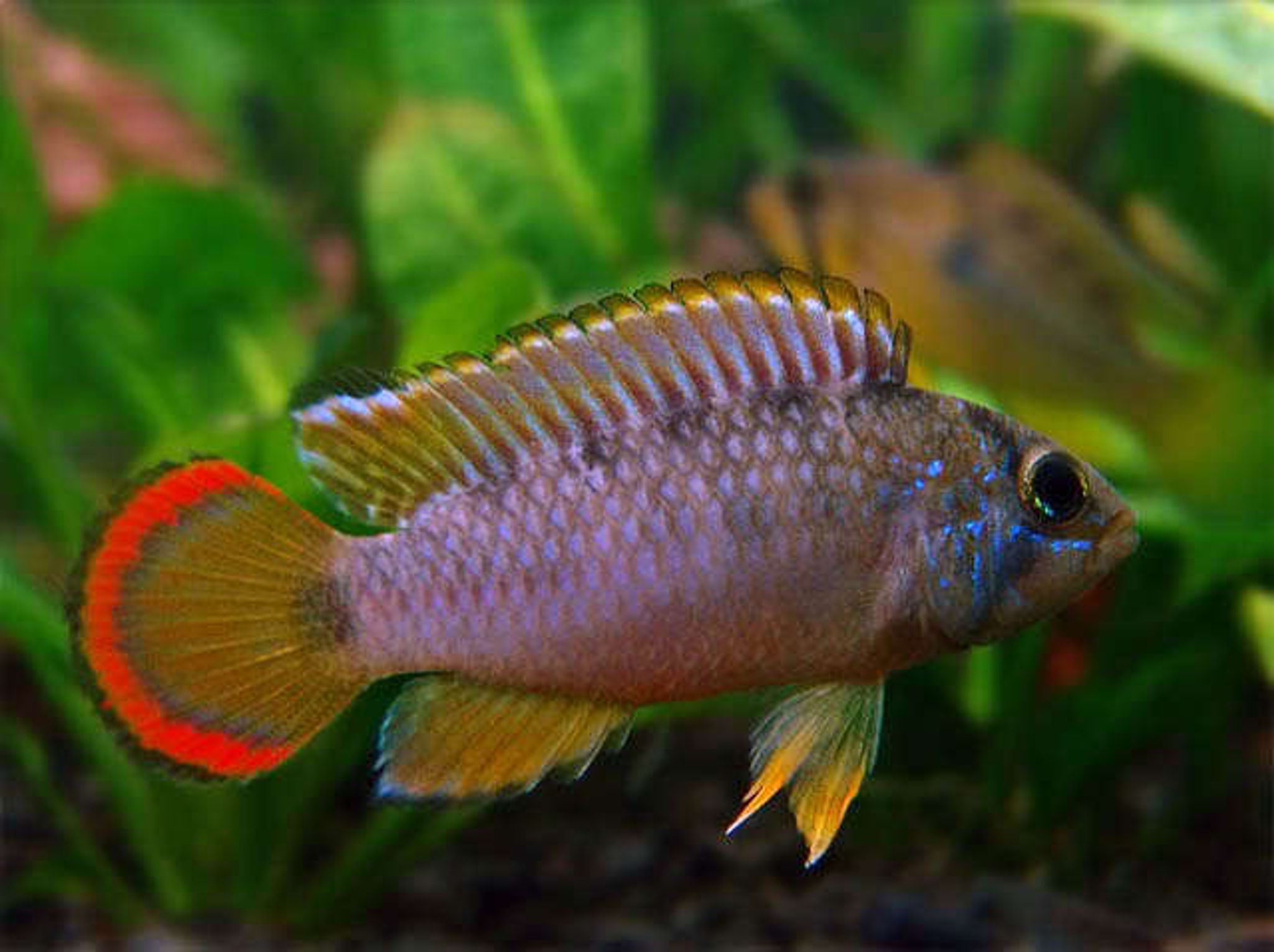
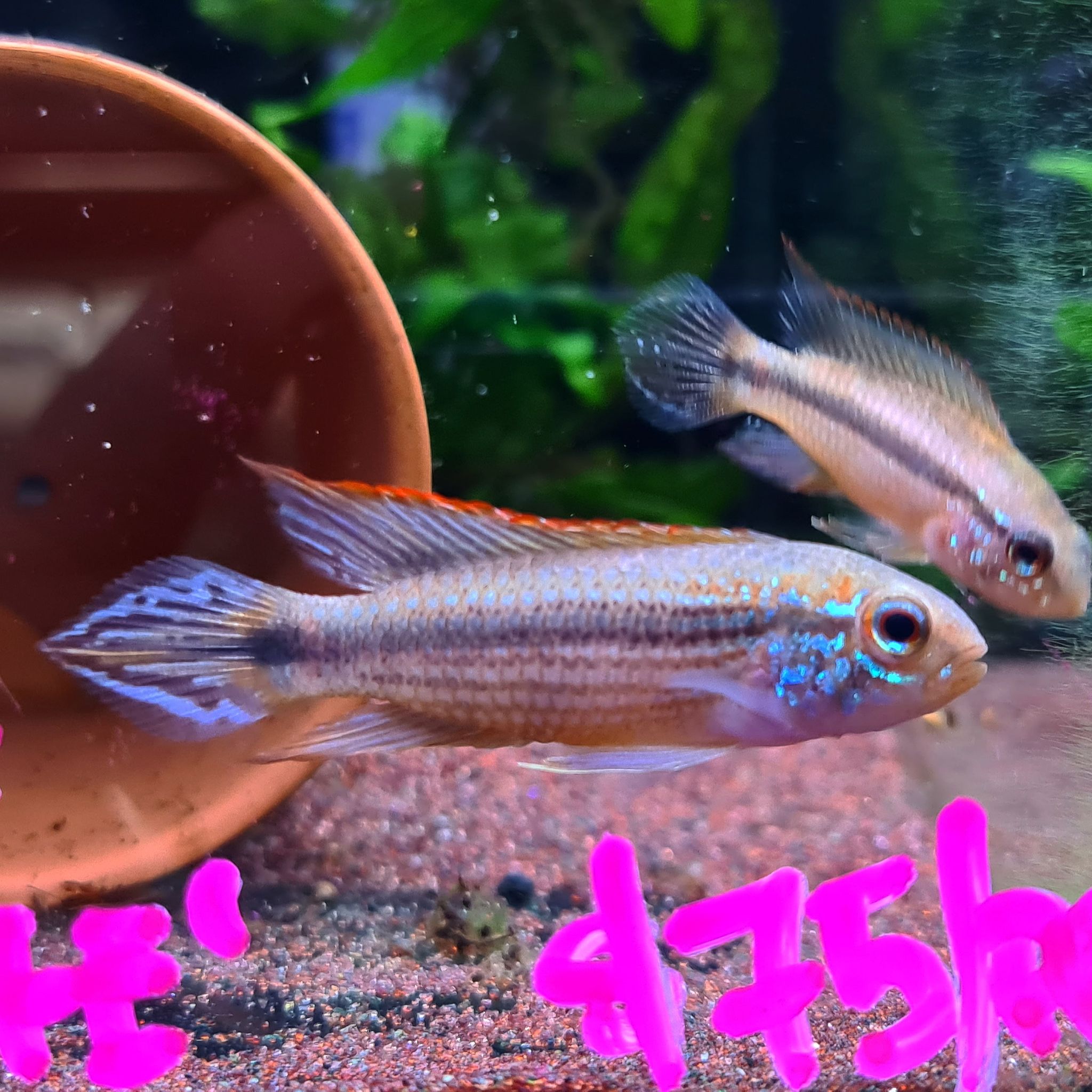
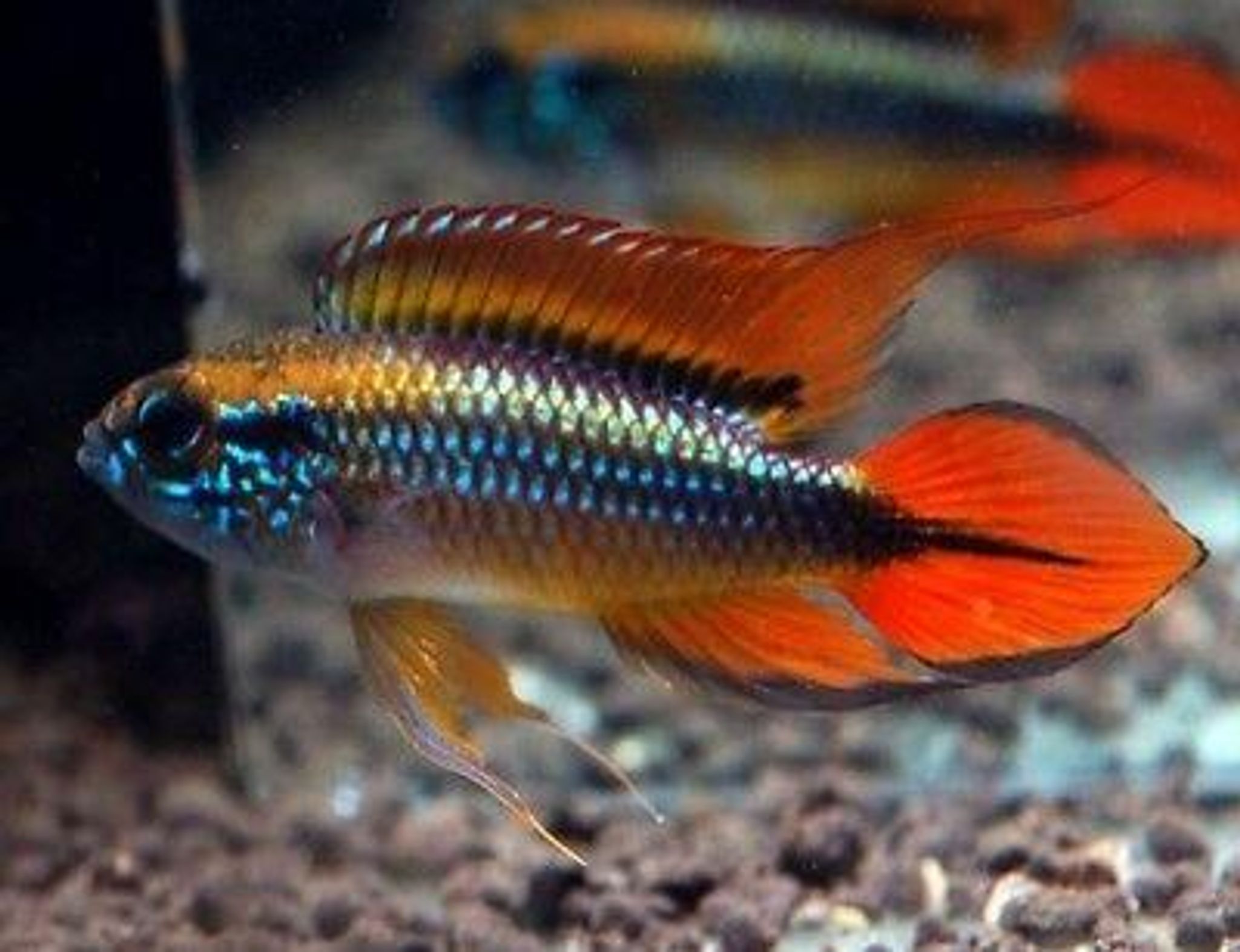


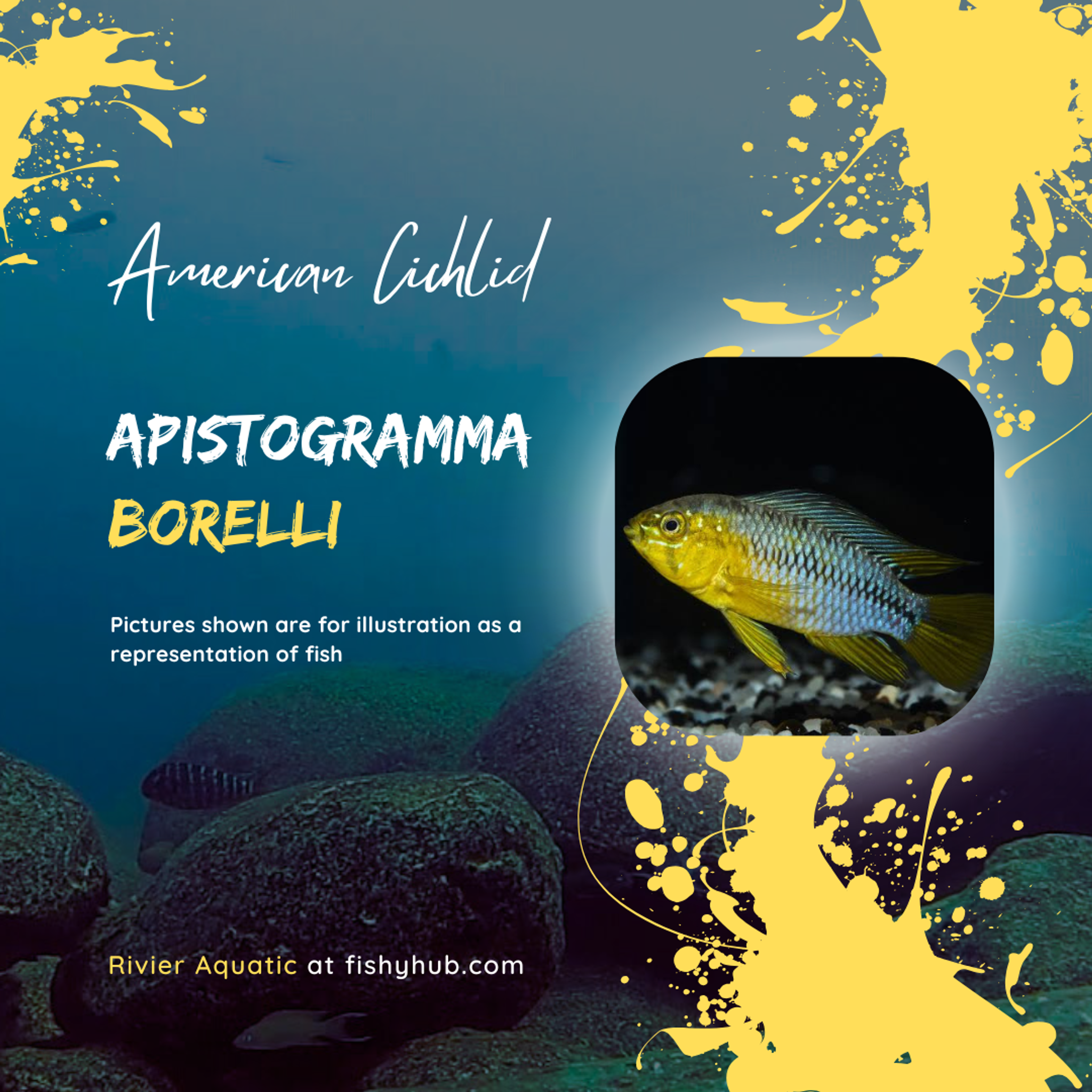
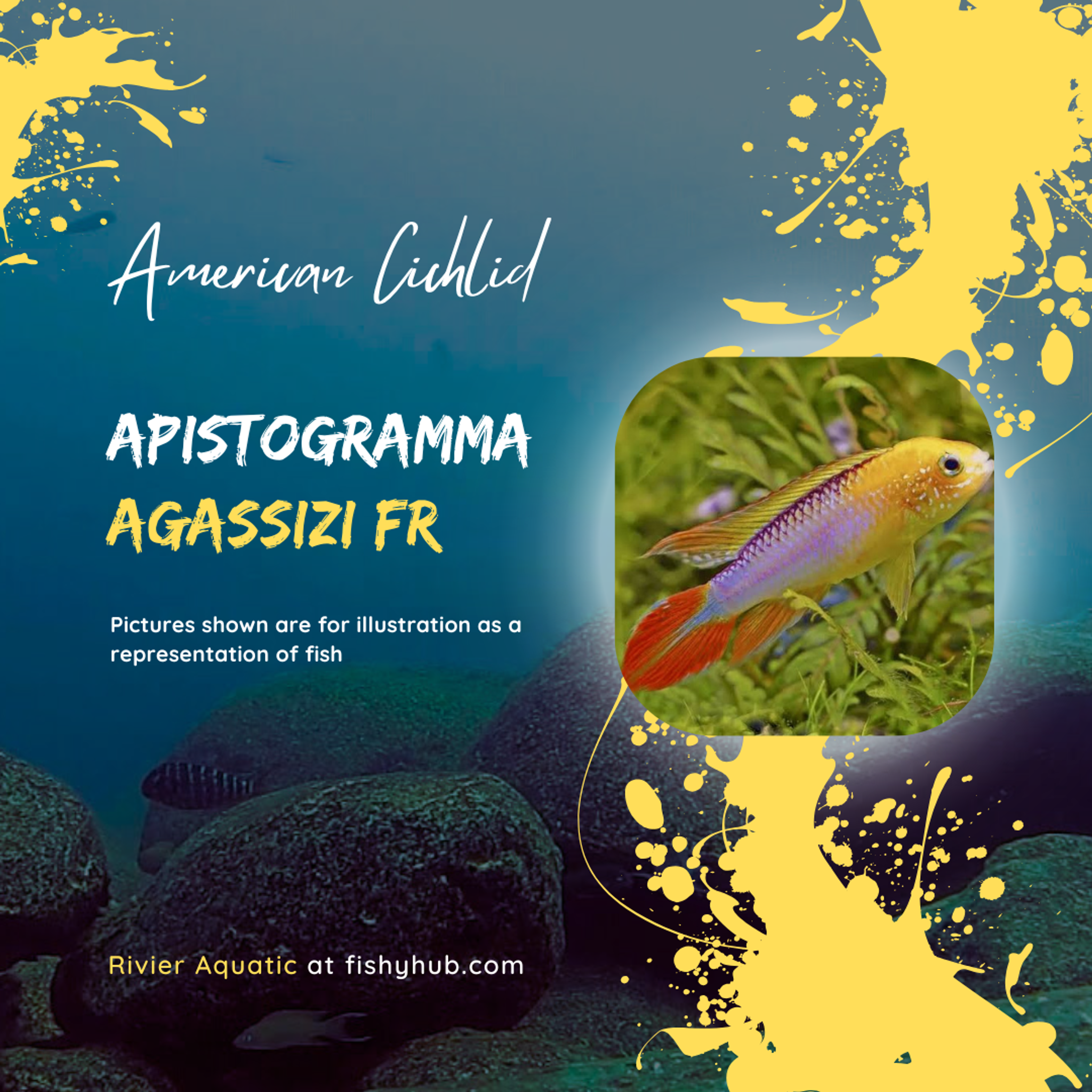
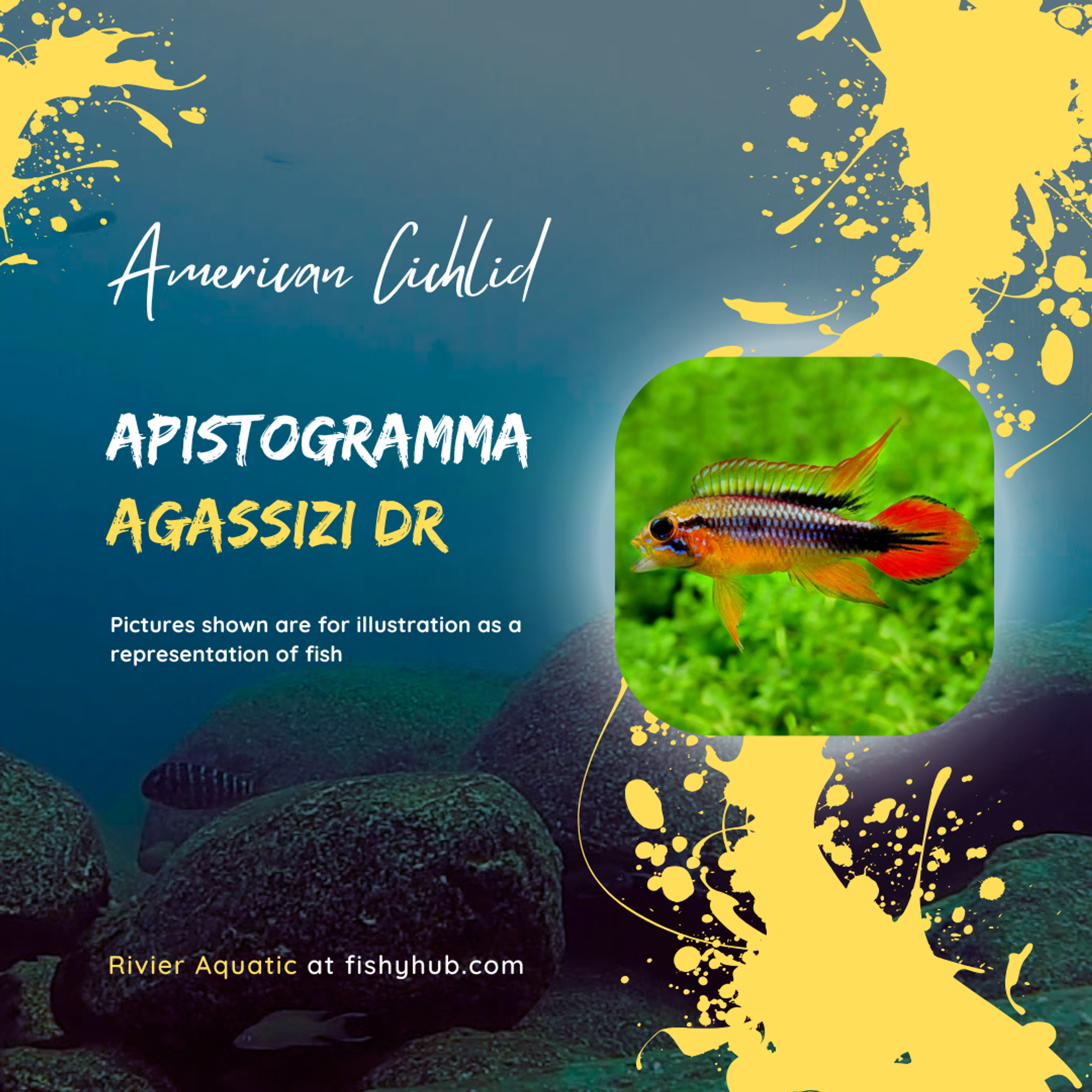
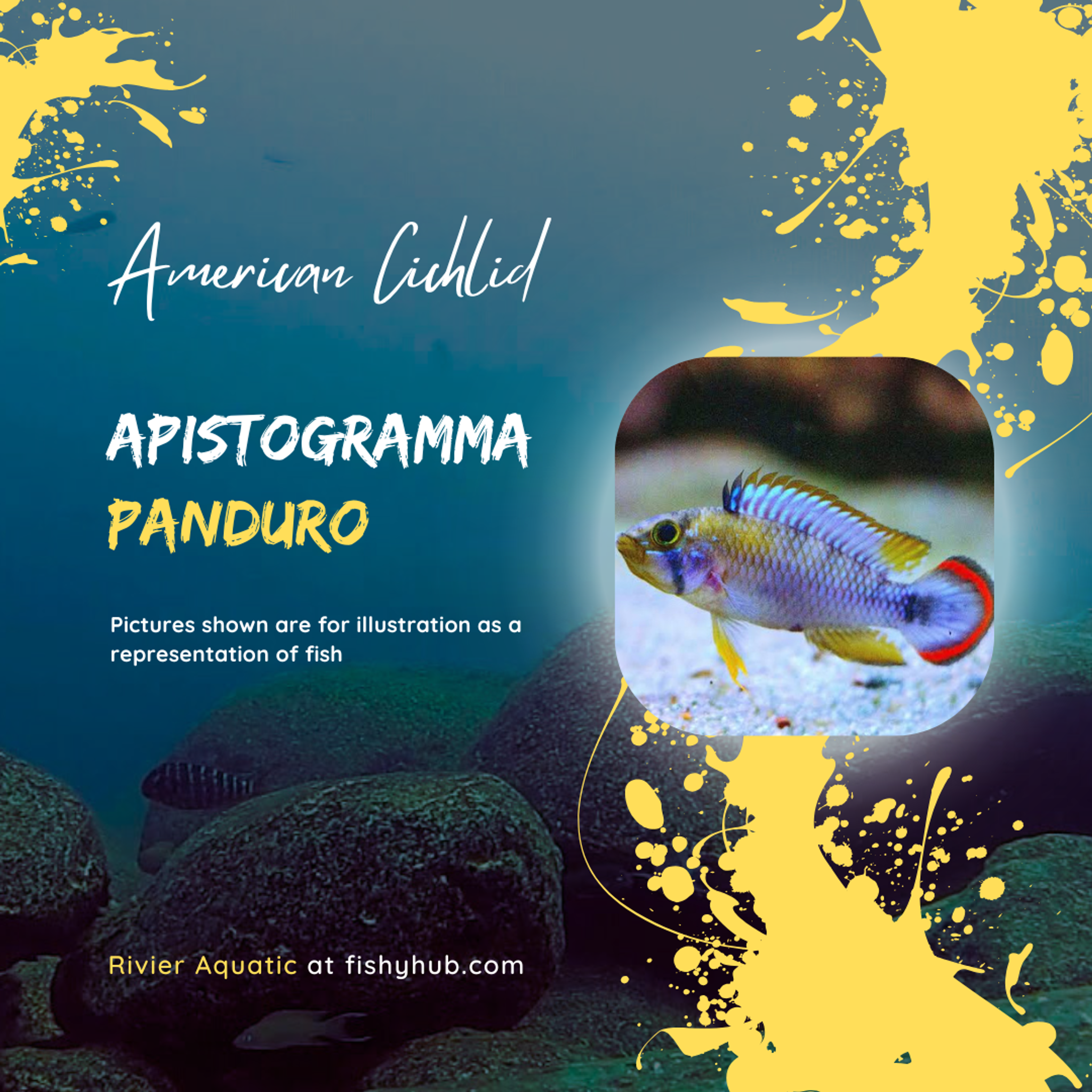
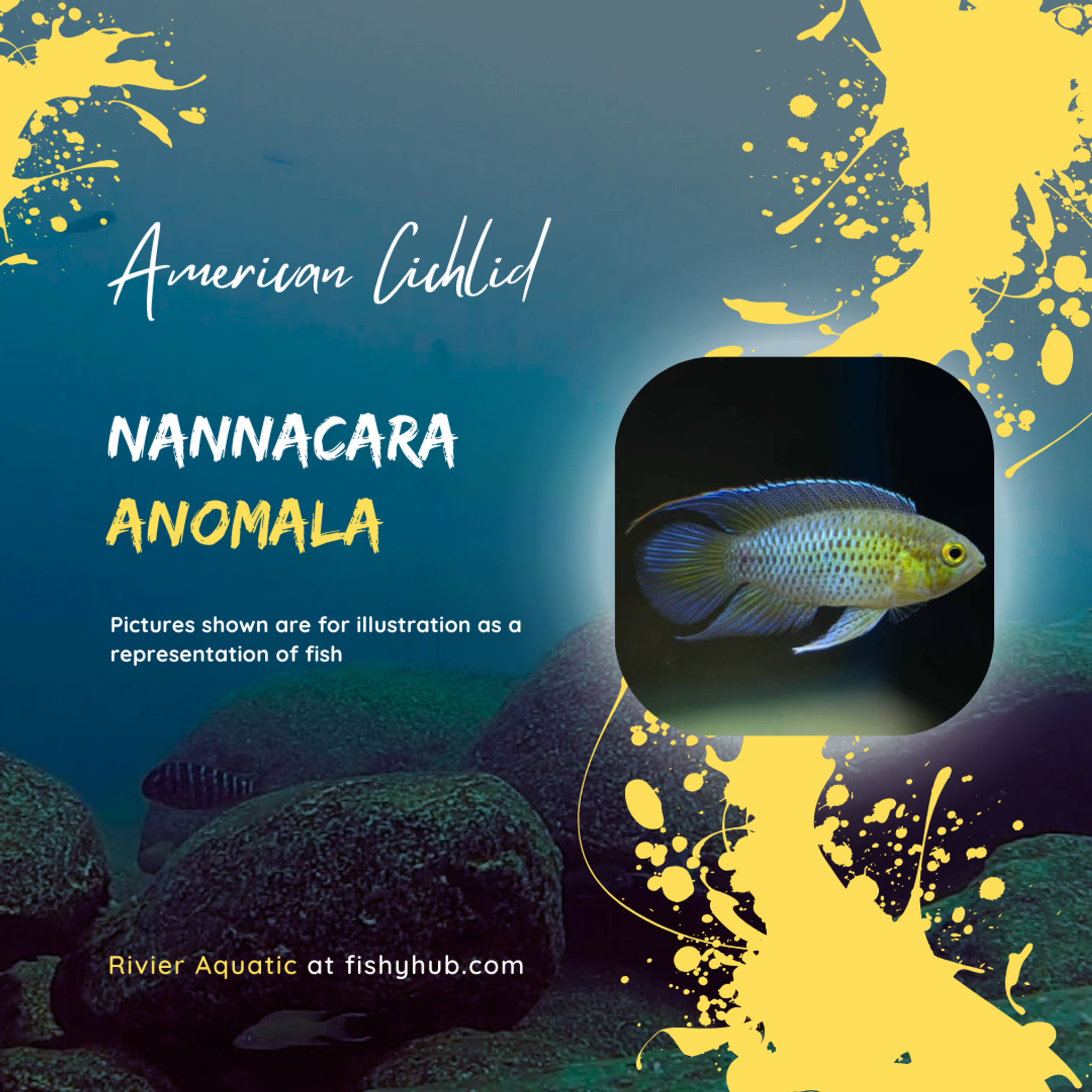
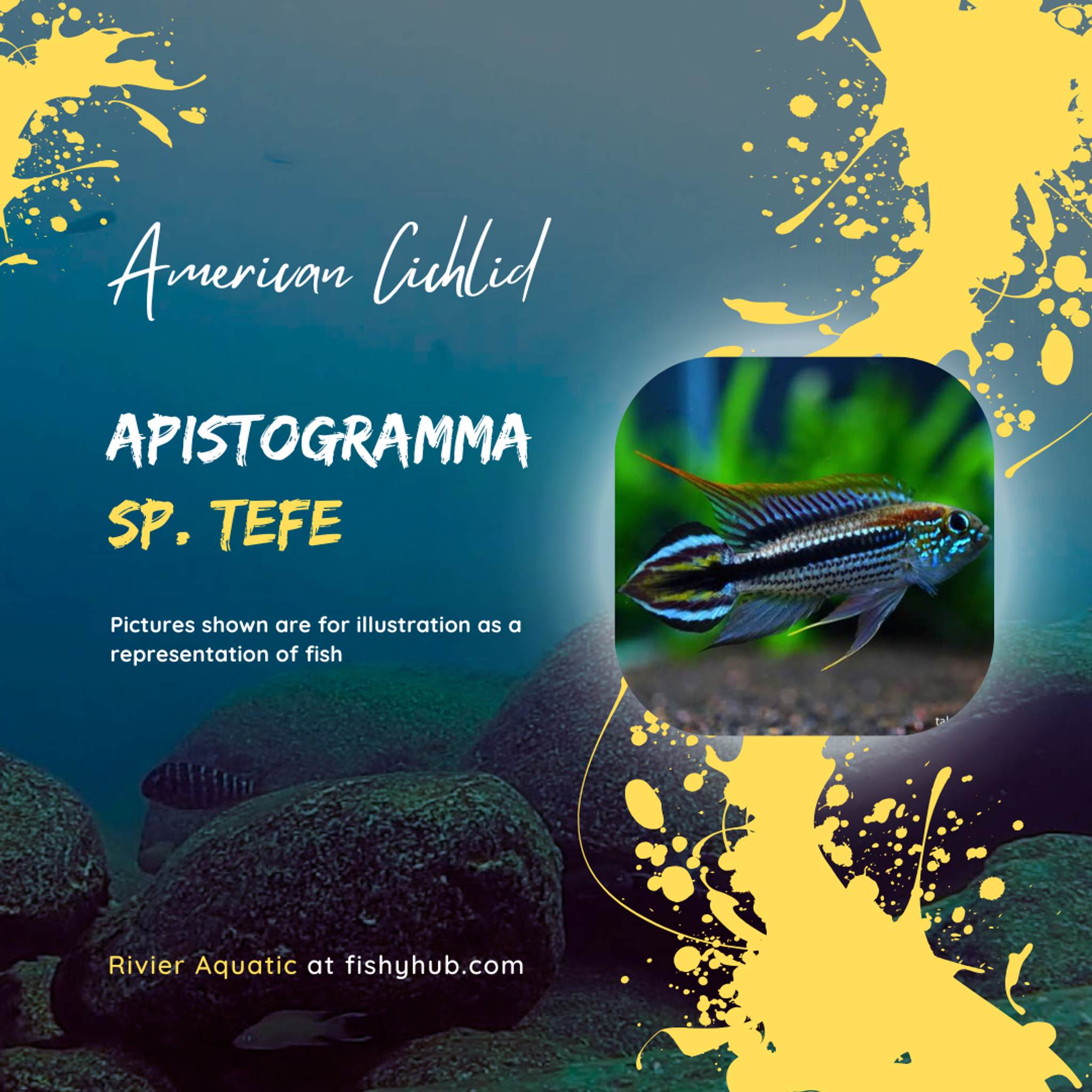
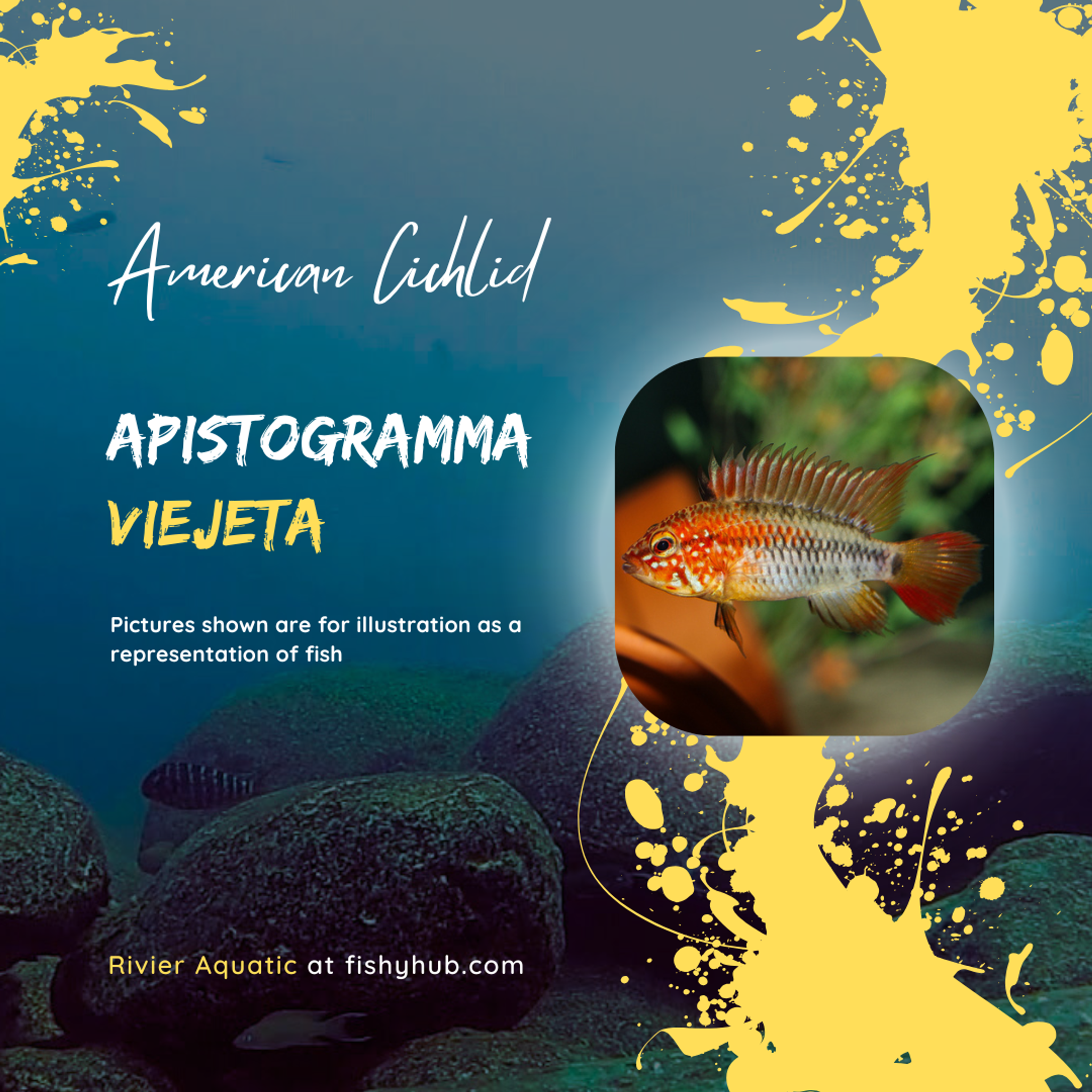
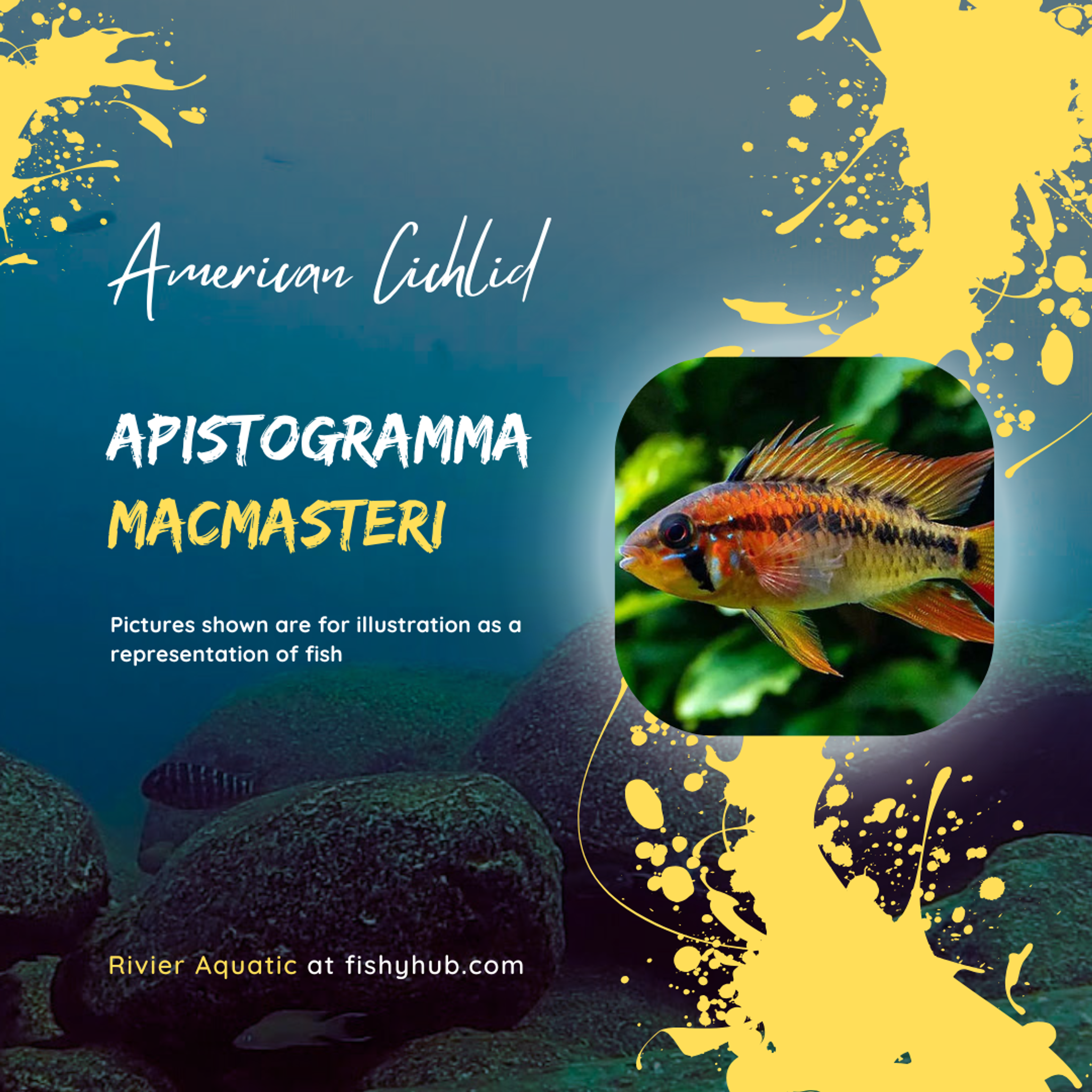
Explore Apistogramma dwarf cichlids for sale in Singapore from aquarium shops, breeders and specialist freshwater fish sellers on FishyHub. Compare Apistogramma cacatuoides, agassizii, borellii and other species by size, colour, sex and seller.
Apistogramma are small South American cichlids prized for their vivid colours, interesting behaviour and compact size. They are especially popular in planted aquariums, biotope-style tanks and carefully planned community setups.
Apistogramma are a genus of dwarf cichlids native to South America.
Compared with many larger cichlids, they remain relatively small, but they still display territorial behaviour, especially when breeding. Their size makes them appealing for aquarists who want cichlid behaviour without needing a very large aquarium.
Many Apistogramma species and colour forms are available in the aquarium trade. Availability can change frequently depending on breeder and seller stock.
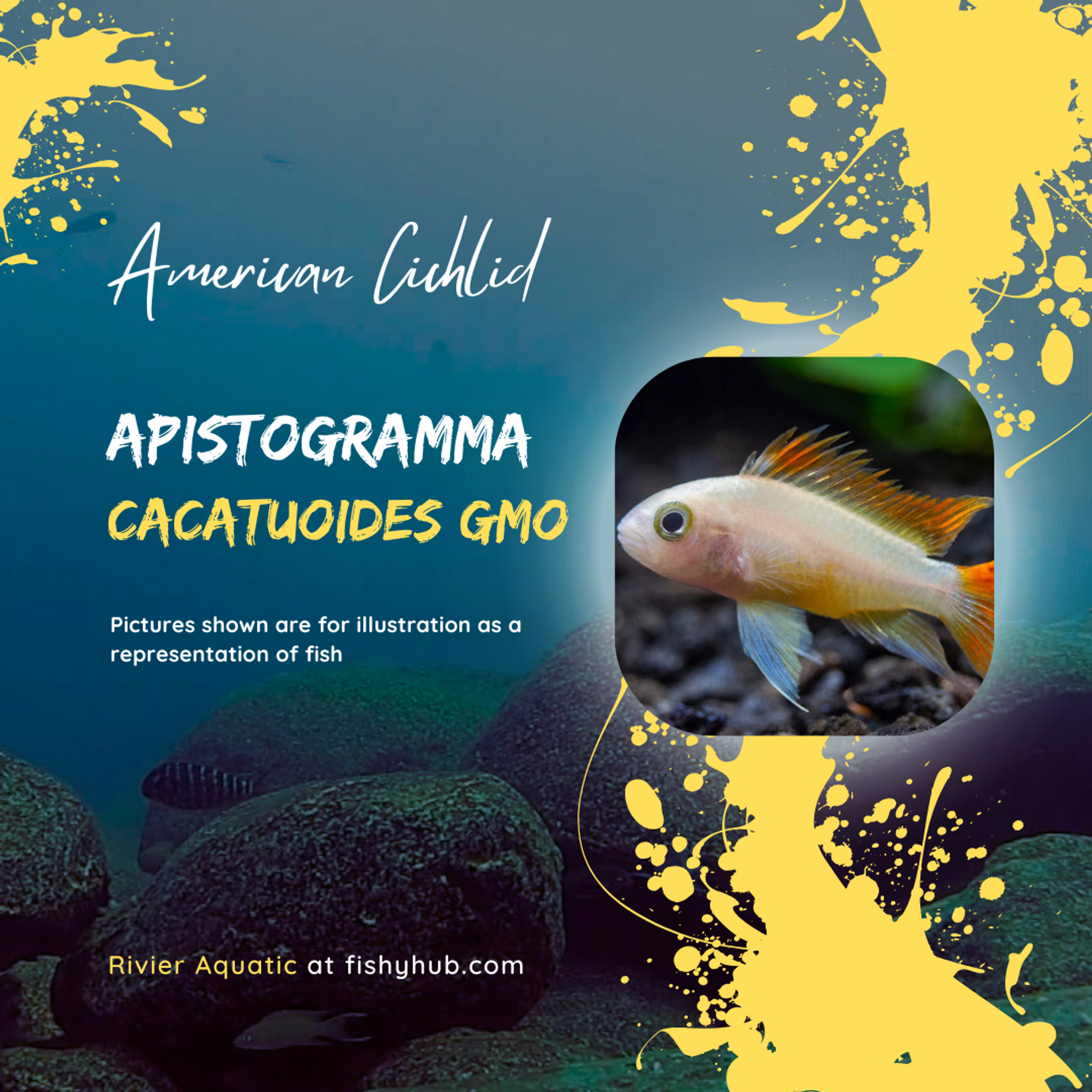
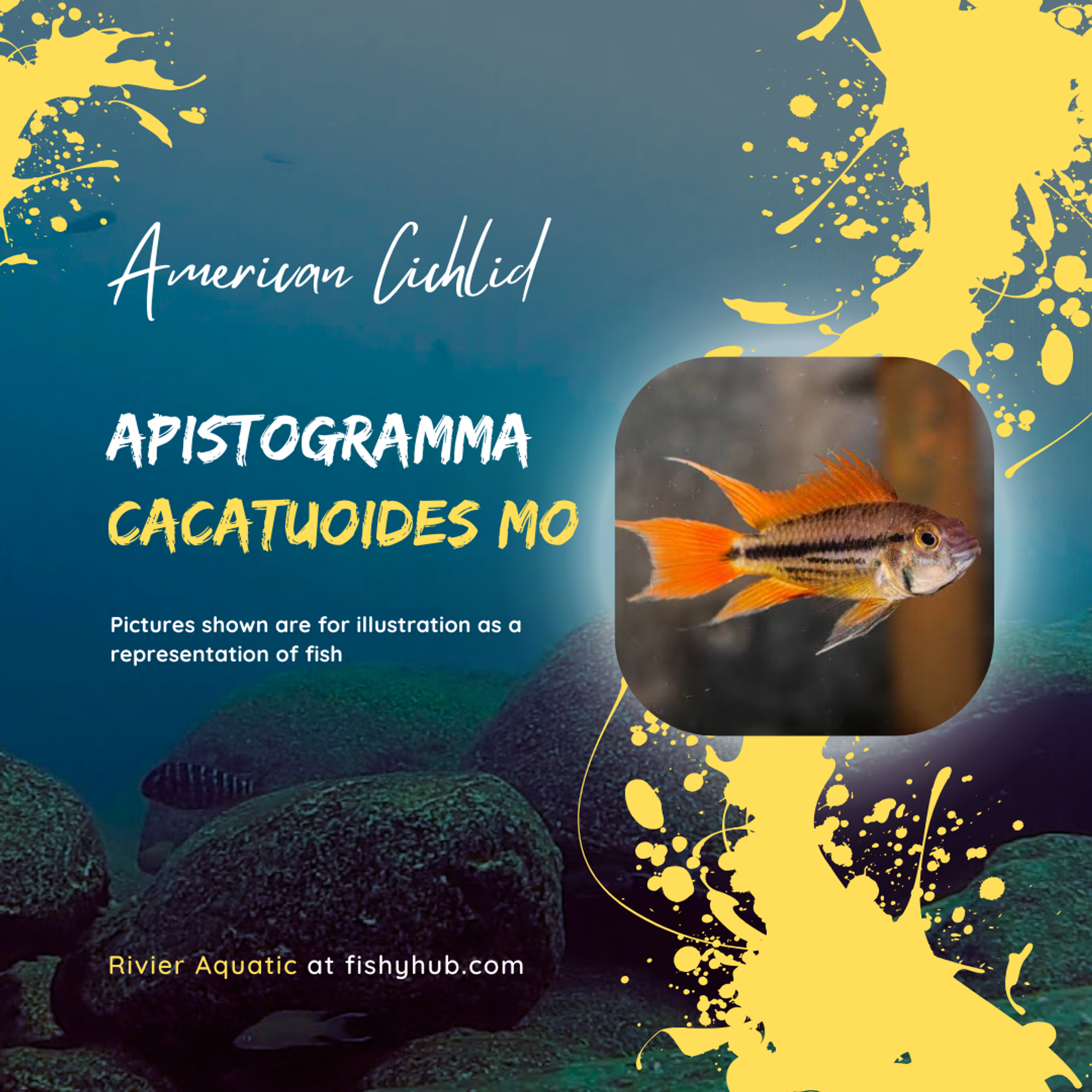
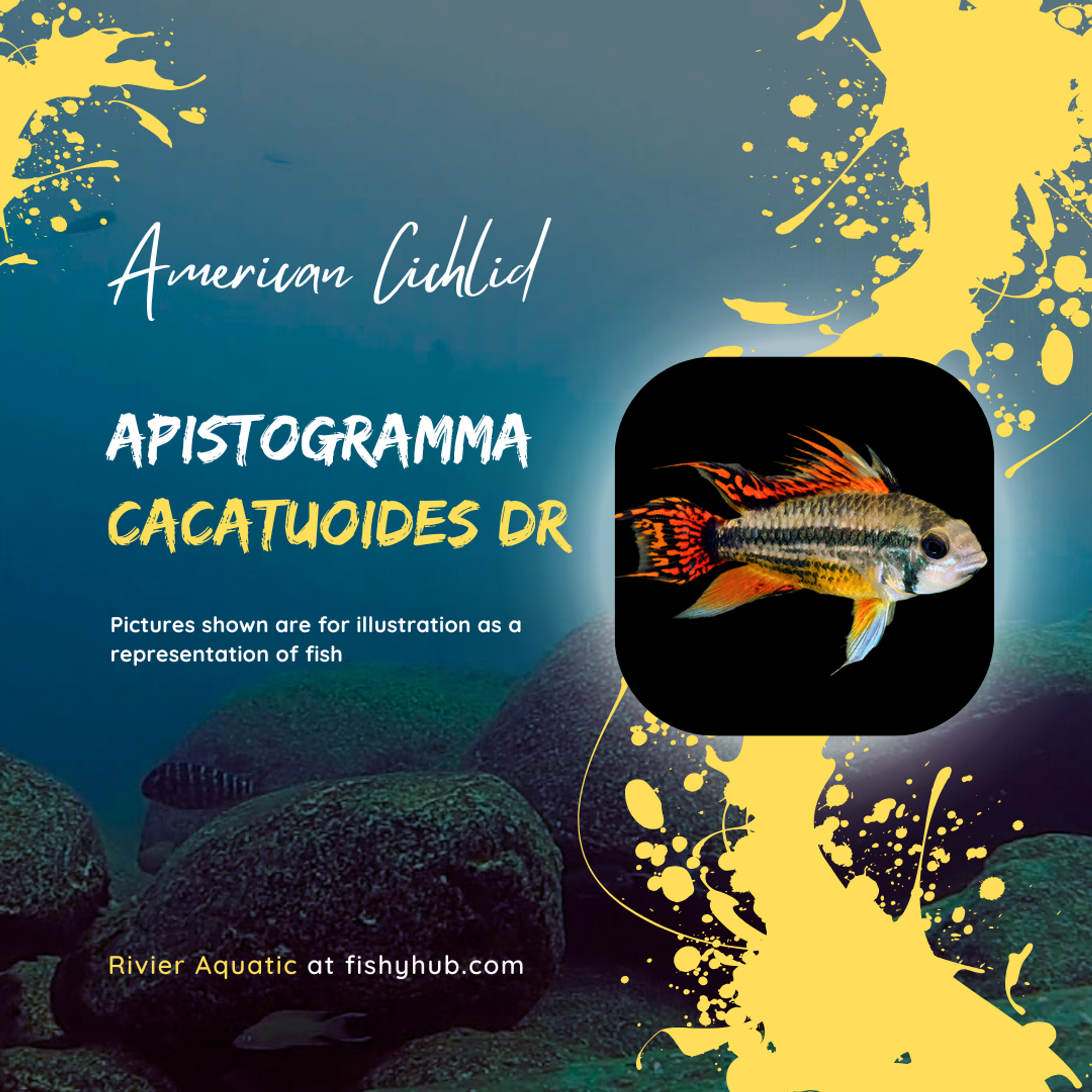
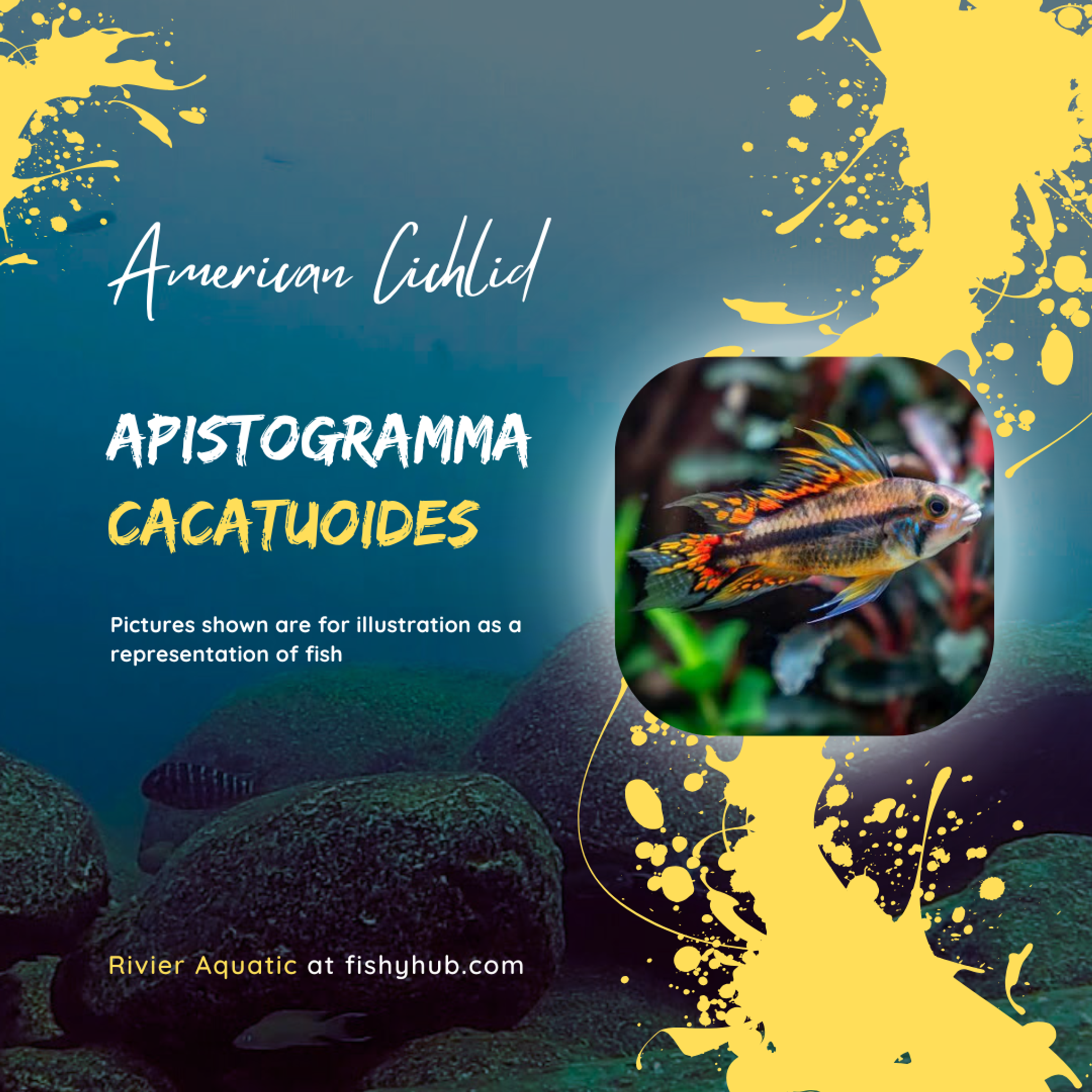
Apistogramma cacatuoides is one of the most popular dwarf cichlids and is known for colourful males with elongated fin rays. Several selectively bred colour forms are available in the hobby.
Apistogramma agassizii is valued for its elongated body shape, strong colour and distinctive tail patterns. Different geographic and captive-bred forms may vary significantly in appearance.
Apistogramma borellii is a smaller dwarf cichlid with subtle blue and yellow coloration. It is often appreciated for its elegant appearance and relatively manageable size.
Other species and forms may include macmasteri, trifasciata, nijsseni, panduro and many specialist varieties. Care requirements can differ between species, so identify the fish correctly before setting up the aquarium.
Apistogramma are considered dwarf cichlids, but adult size varies by species and sex.
Males are often larger and more colourful than females. Their compact size makes them suitable for smaller aquariums than many larger cichlids, provided territory and water quality are managed properly.
Suitable tank size depends on species, whether you keep a single fish, pair or group, and what other livestock is present.
Floor space is particularly important because Apistogramma tend to establish territories near the substrate. A wider footprint with caves, wood and plants is often more useful than simply choosing a tall aquarium.
Apistogramma can work beautifully in planted tanks with dense cover, driftwood and shaded areas.
Plants can help break lines of sight, reduce stress and create separate territories for fish while preserving open areas for feeding.
Driftwood, rocks, leaf litter and caves can create a more natural environment and provide important territorial boundaries.
Caves are particularly useful for females preparing to breed, while wood and plants help divide the aquarium into visually separate zones.
Some Apistogramma species are associated with soft, tannin-stained waters in nature.
Driftwood, botanicals and leaf litter can be used to create a natural blackwater-inspired appearance, but water conditions should still be matched to the exact species and source of the fish.
Apistogramma can live in community aquariums, but they are still cichlids and can become territorial.
Peaceful tankmates that occupy the middle or upper parts of the aquarium are often easier to combine with them than other territorial bottom-dwelling fish.
Tetras can be suitable tankmates when species requirements and tank size are compatible.
Small schooling fish occupy a different part of the aquarium and can add movement without directly competing for bottom territory.
Peaceful Rasboras may work with Apistogramma in suitable community setups.
Choose tankmates with compatible water preferences and avoid overcrowding the aquarium.
Corydoras and Apistogramma both use the lower area of the aquarium, so territory can overlap.
The combination may work in larger tanks with enough space, but breeding Apistogramma can become defensive around caves and spawning sites.
Small freshwater shrimp and especially young shrimp may be eaten by Apistogramma.
Dense planting and moss can provide shelter, but Apistogramma should not be treated as reliably shrimp-safe.
Apistogramma and Angelfish can sometimes coexist in larger aquariums with suitable water conditions.
Both are cichlids and may become territorial, so the aquarium should provide enough space and separate areas for each fish.
Keeping Apistogramma with Ram cichlids can create competition because both occupy similar lower territories.
This combination generally requires more space and careful observation than pairing Apistogramma with peaceful schooling fish.
Many aquarists keep Apistogramma as a male and female pair.
Compatibility between individual fish is not guaranteed, so the tank should include multiple hiding places and enough room for the female to retreat if necessary.
Some species can be kept in carefully planned groups, while others are better suited to pairs.
Group structure, sex ratio, aquarium footprint and the number of territories all influence whether the setup remains stable.
Male Apistogramma are often larger and more brightly coloured, with more extended fins.
Females are usually smaller and can develop stronger yellow coloration, particularly around breeding periods, although appearance varies by species.
Many Apistogramma are cave spawners.
Females typically choose a sheltered spawning site and may become highly territorial while guarding eggs or fry. Suitable caves and stable conditions can support natural breeding behaviour.
Apistogramma are primarily small-predator feeders and benefit from protein-rich foods suited to their size.
Quality micro pellets and suitable frozen or live foods can be used as part of a varied diet. Food should reach the lower areas of the tank where Apistogramma spend much of their time.
Juveniles need appropriately sized food that they can consume easily.
Smaller prepared foods and suitable live or frozen foods may be used depending on age and species.
Apistogramma generally benefit from clean, stable water and careful maintenance.
Some species come from very soft, acidic environments, while captive-bred fish may adapt to a broader range. Always match water conditions to the exact species and source rather than assuming every Apistogramma has identical requirements.
Apistogramma benefit from effective biological filtration without excessive water movement.
Sponge filters, adjustable HOB filters, internal filters and canister filters can all work depending on tank size and setup.
Fine sand is commonly used in Apistogramma aquariums because it creates a natural appearance and allows normal bottom-oriented behaviour.
Leaf litter, wood and small caves can be added to create additional structure and cover.
Apistogramma are dwarf cichlids and can show territorial aggression despite their small size.
Aggression is often strongest between competing Apistogramma and during breeding. Plants, caves and visual barriers can help divide territories.
Fighting can be related to territory, incompatible pairing, breeding behaviour, sex ratio or insufficient hiding places.
If one fish is being constantly chased or prevented from feeding, additional separation or a different stocking arrangement may be necessary.
Some captive-bred Apistogramma can be manageable for aquarists with a good understanding of cycling, stable water quality and fish behaviour.
Specialist wild species can be more demanding, so beginners may prefer established captive-bred forms with well-understood requirements.
When comparing Apistogramma for sale, look for:
Colour alone should not be used as the only indicator of health because stress, sex and breeding condition can all affect appearance.
Introduce new fish carefully to avoid sudden changes in temperature and water conditions.
Quarantining new Apistogramma before adding them to an established aquarium can also help reduce the risk of introducing disease.
Apistogramma prices in Singapore vary according to species, strain, rarity, size, sex, colour quality and seller.
Common captive-bred species may be more affordable, while uncommon wild forms, established pairs or selectively bred strains can cost more.
FishyHub brings Apistogramma listings from aquarium shops, breeders and freshwater fish sellers across Singapore together in one marketplace, making it easier to compare available dwarf cichlids from multiple sources.
When comparing Apistogramma listings, consider:
Livestock availability changes regularly, particularly for less common Apistogramma species and individual pairs.
Yes. Apistogramma are small South American cichlids commonly referred to as dwarf cichlids.
They can be territorial, especially toward other dwarf cichlids and during breeding.
Yes, provided tankmates are peaceful, water requirements are compatible and the aquarium has enough space and hiding places.
Many peaceful Tetras can make suitable tankmates because they mainly occupy the middle and upper water column.
Adult shrimp may sometimes coexist with them, but small shrimp and juveniles can be eaten, so they are not reliably shrimp-safe.
Caves and sheltered areas are strongly recommended, especially for breeding females and when more than one Apistogramma is kept.
They can eat suitable micro pellets and protein-rich frozen or live foods matched to their size.
Difficulty varies by species. Captive-bred forms can be relatively manageable, while specialist wild Apistogramma may require more precise conditions.
Explore Apistogramma dwarf cichlids for sale on FishyHub and compare cacatuoides, agassizii, borellii and other Apistogramma species from aquarium sellers and breeders across Singapore. Compare species, size, sex, colour and price to find suitable dwarf cichlids for your freshwater aquarium.
