1–40 of 71
Showing 40 of 71 products



1780812247934.jpeg?signature=4b7fe752c1916d3ccb4c9e8f563003be2de0e6ef555fff0aad09636b8942a8a1)
1780778621230.jpeg?signature=fc60e0950aa0be4bc895f6984f6904b8317c10fc56c638af652c0c4b510c9b7c)
1780725782238.jpeg?signature=ec20a6078baa1afad787404c66bbf4bec83c9decafb540871fa1d324b7b06a2e)
1780724165707.jpeg?signature=d6caecbacd57557b0e8b45a3164dc64afc18c1cd53ab80a64cdd51f9529a410f)
1780723242530.jpeg?signature=630dc908e2a51a2411a58842a21f3888367ffb086bdb293e48d64a83e279bdcc)
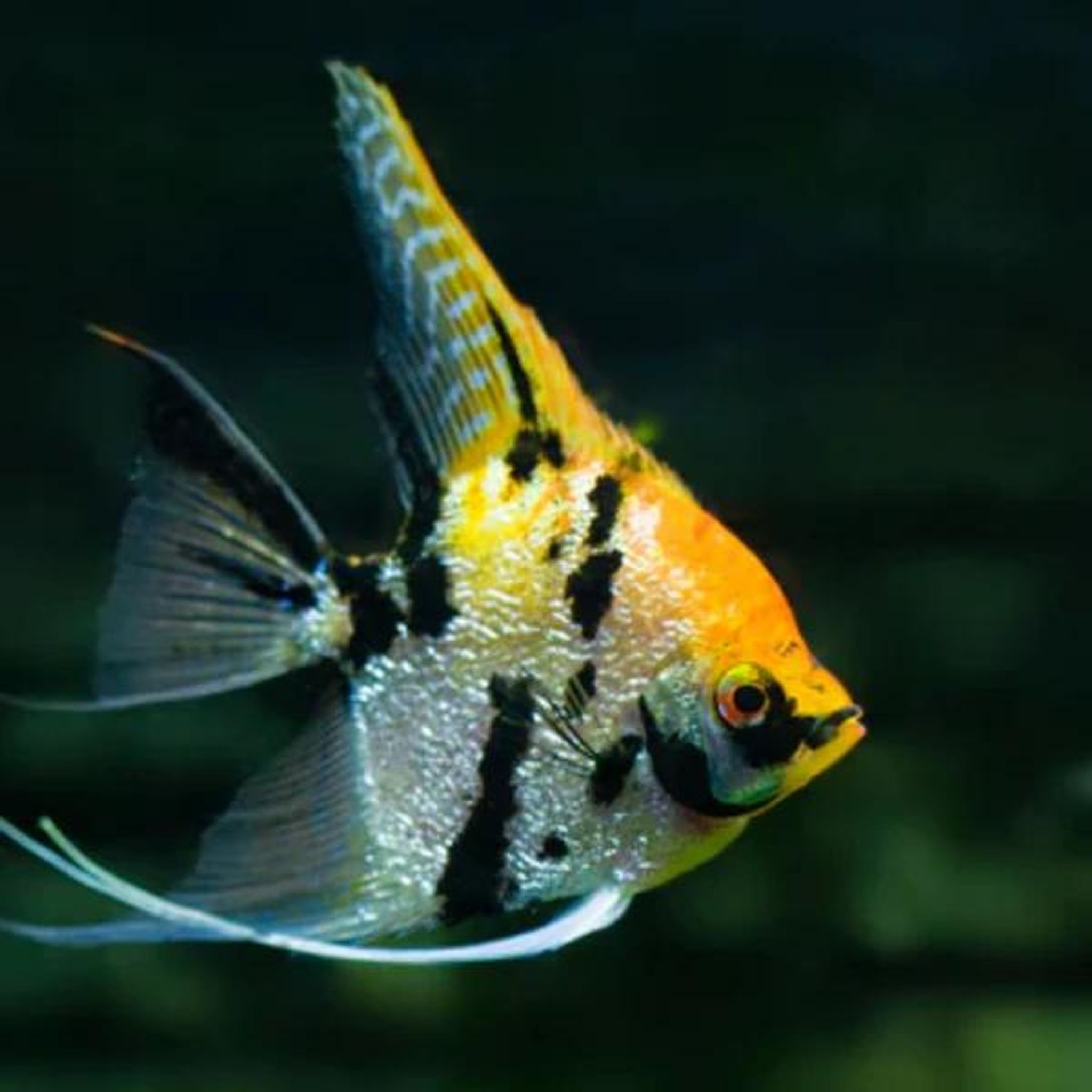
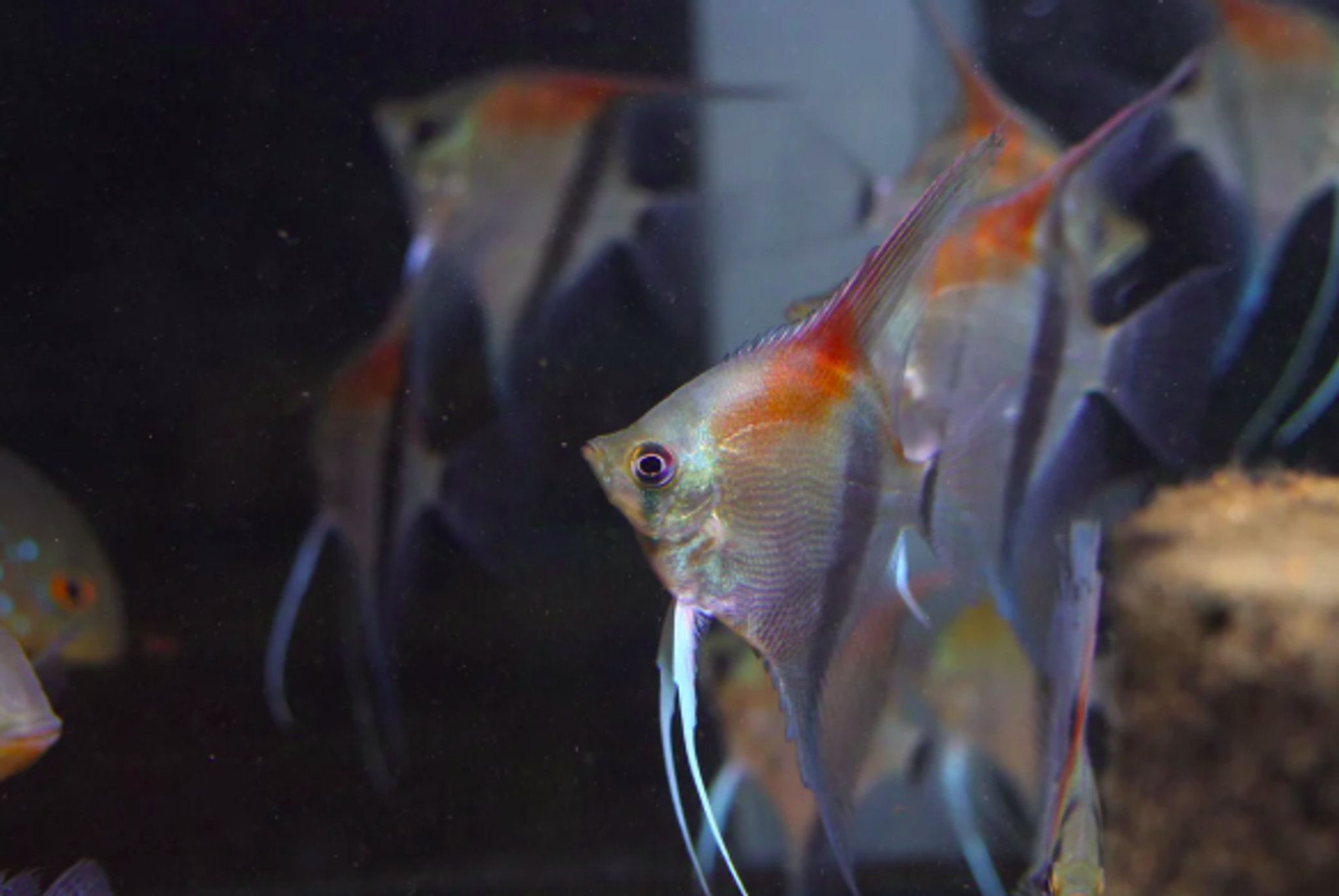

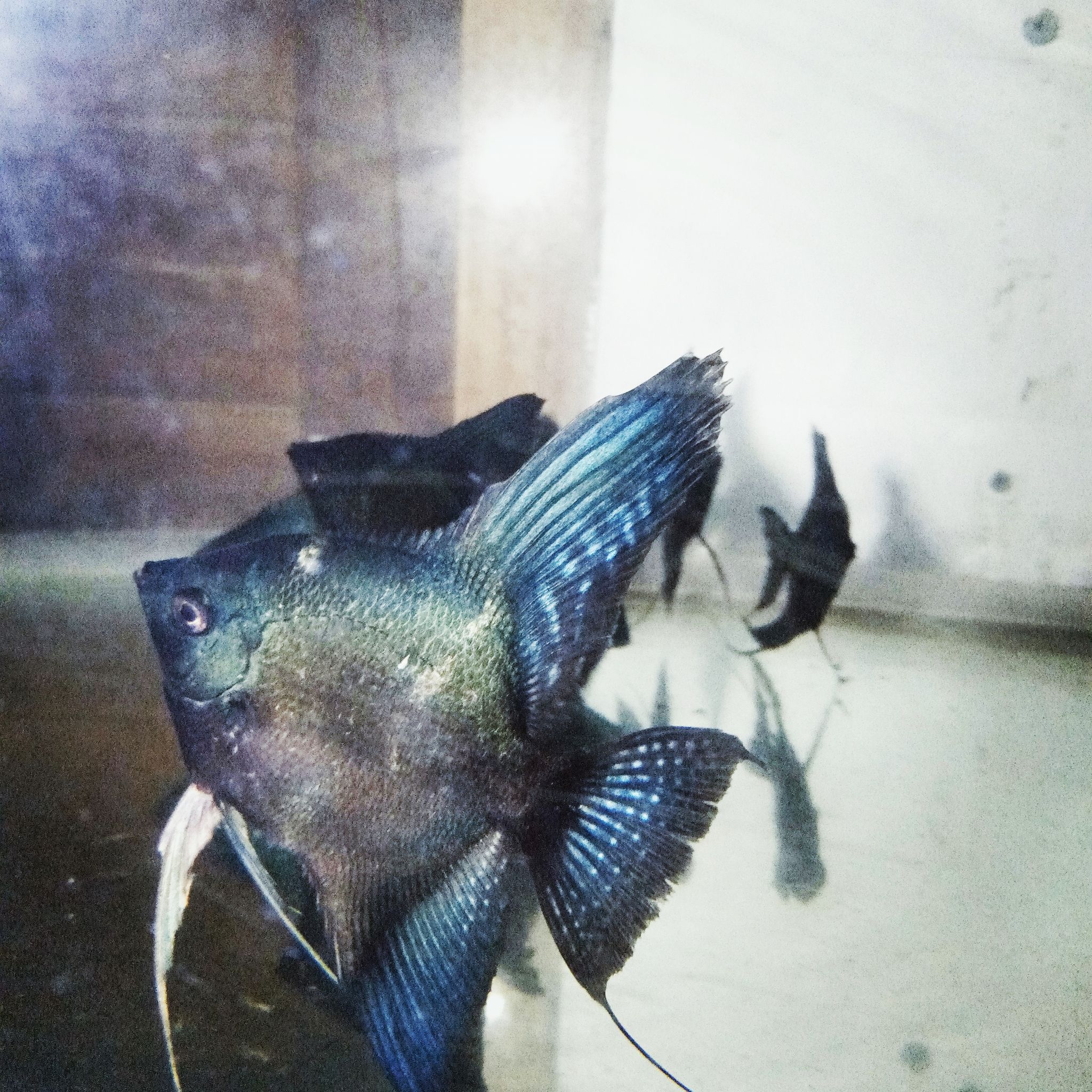
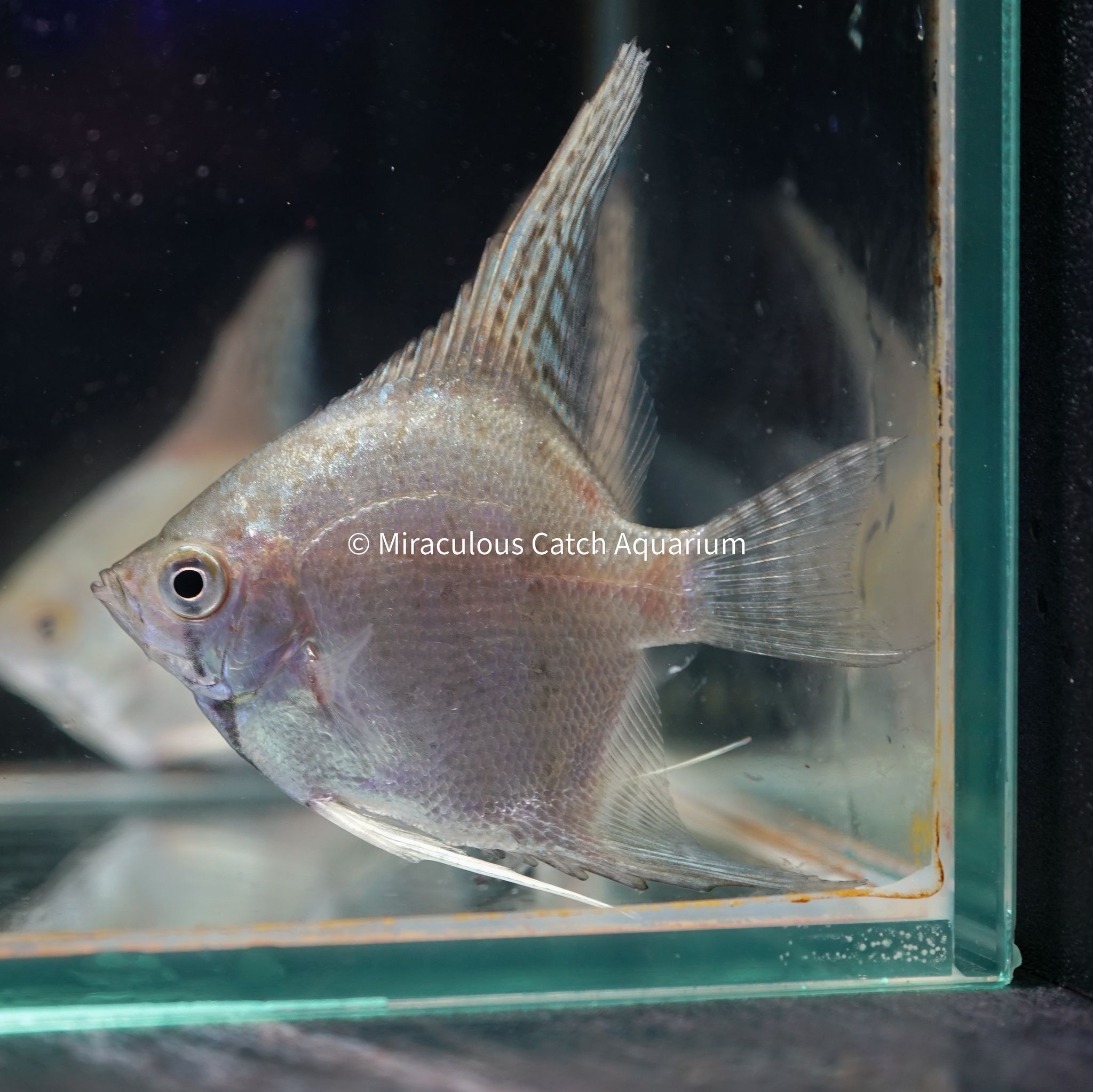
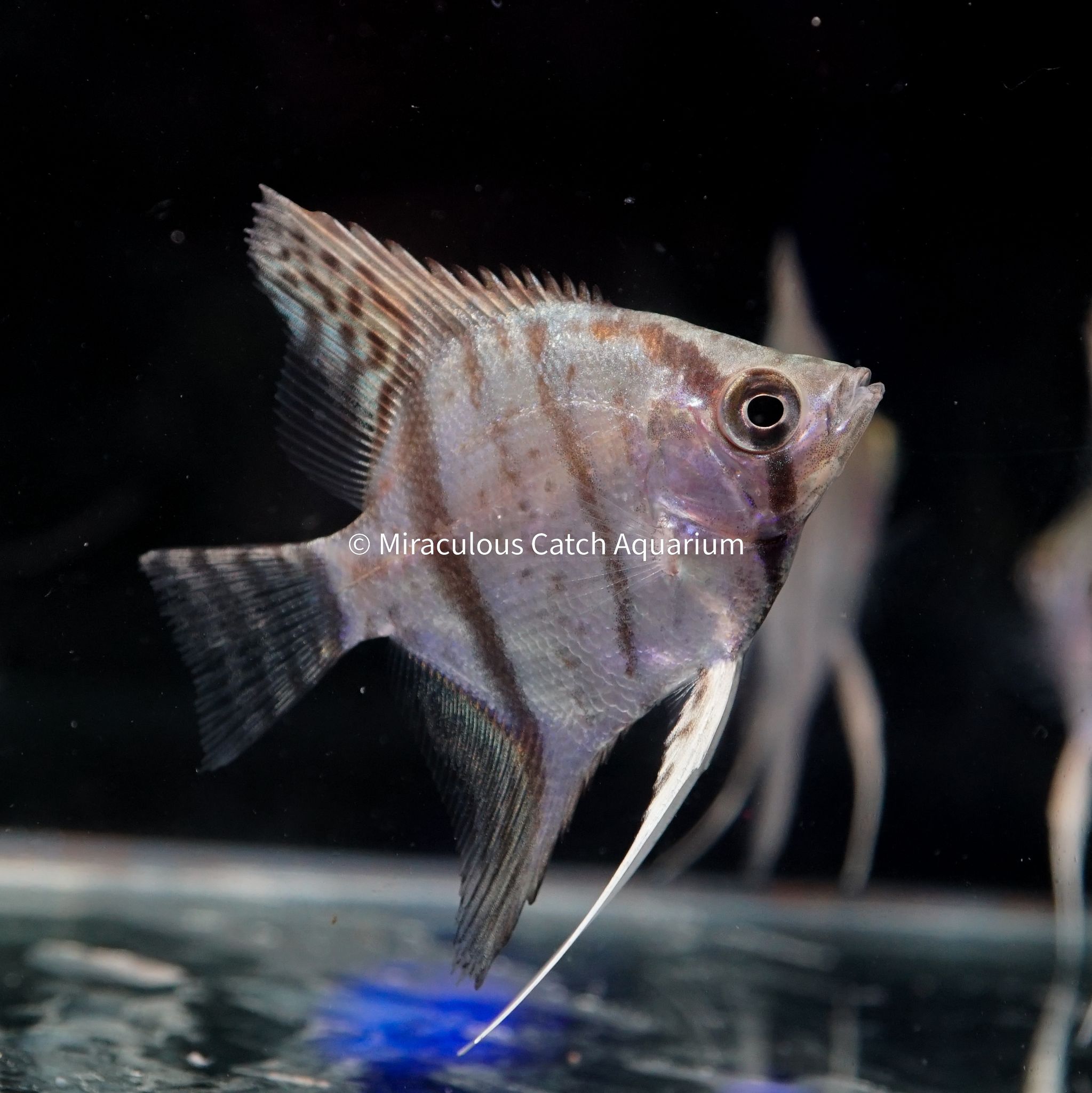
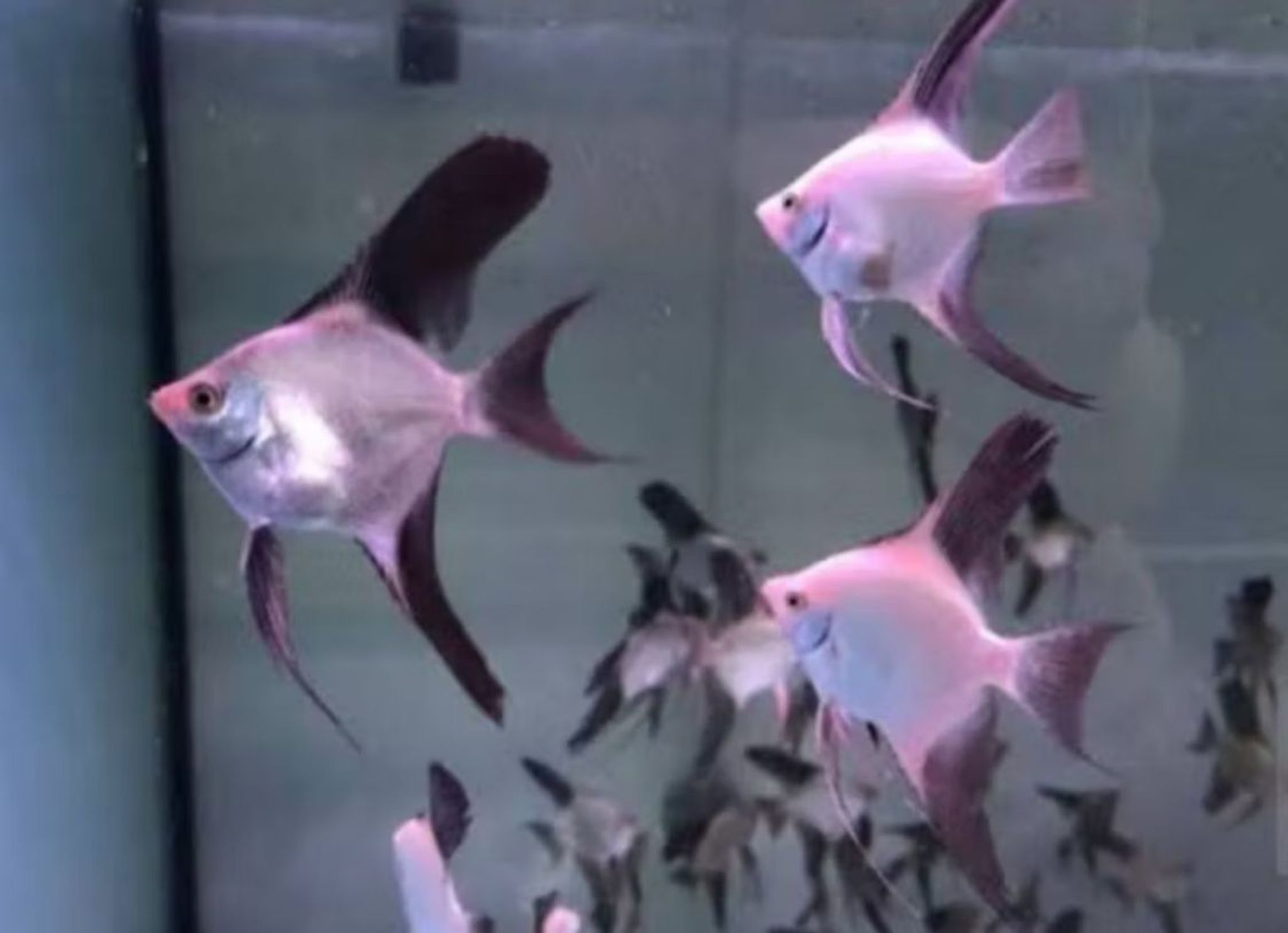
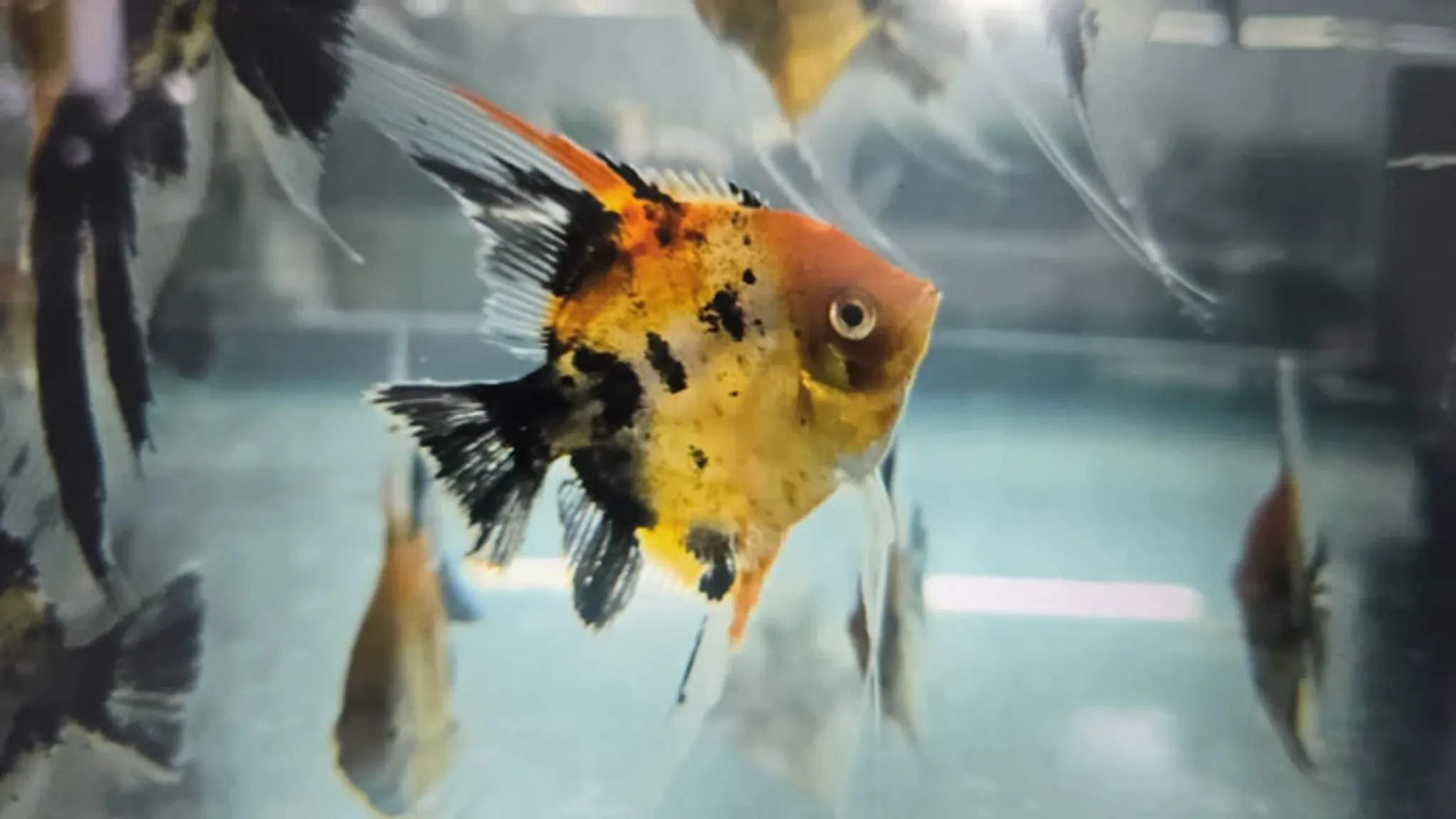
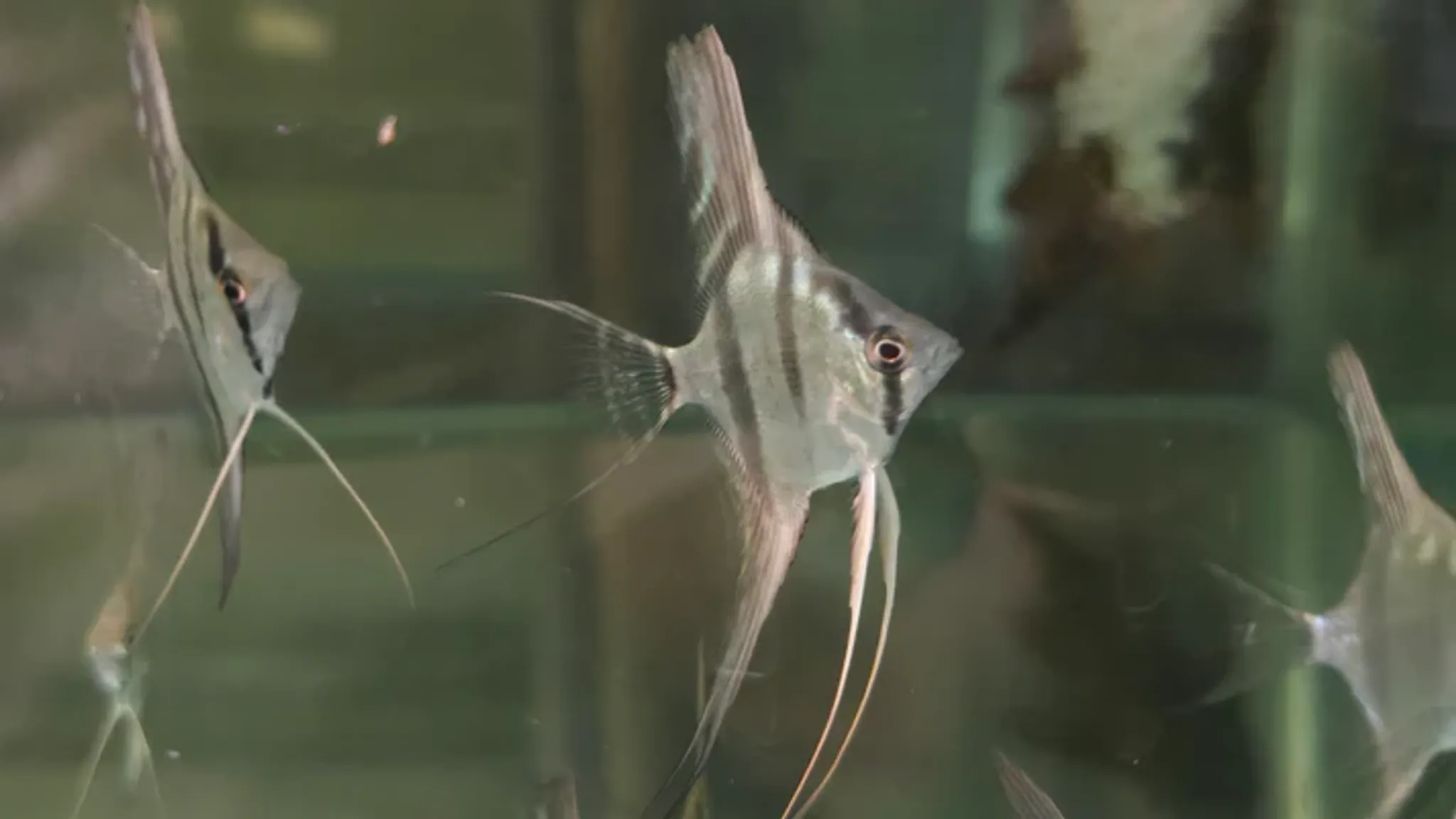

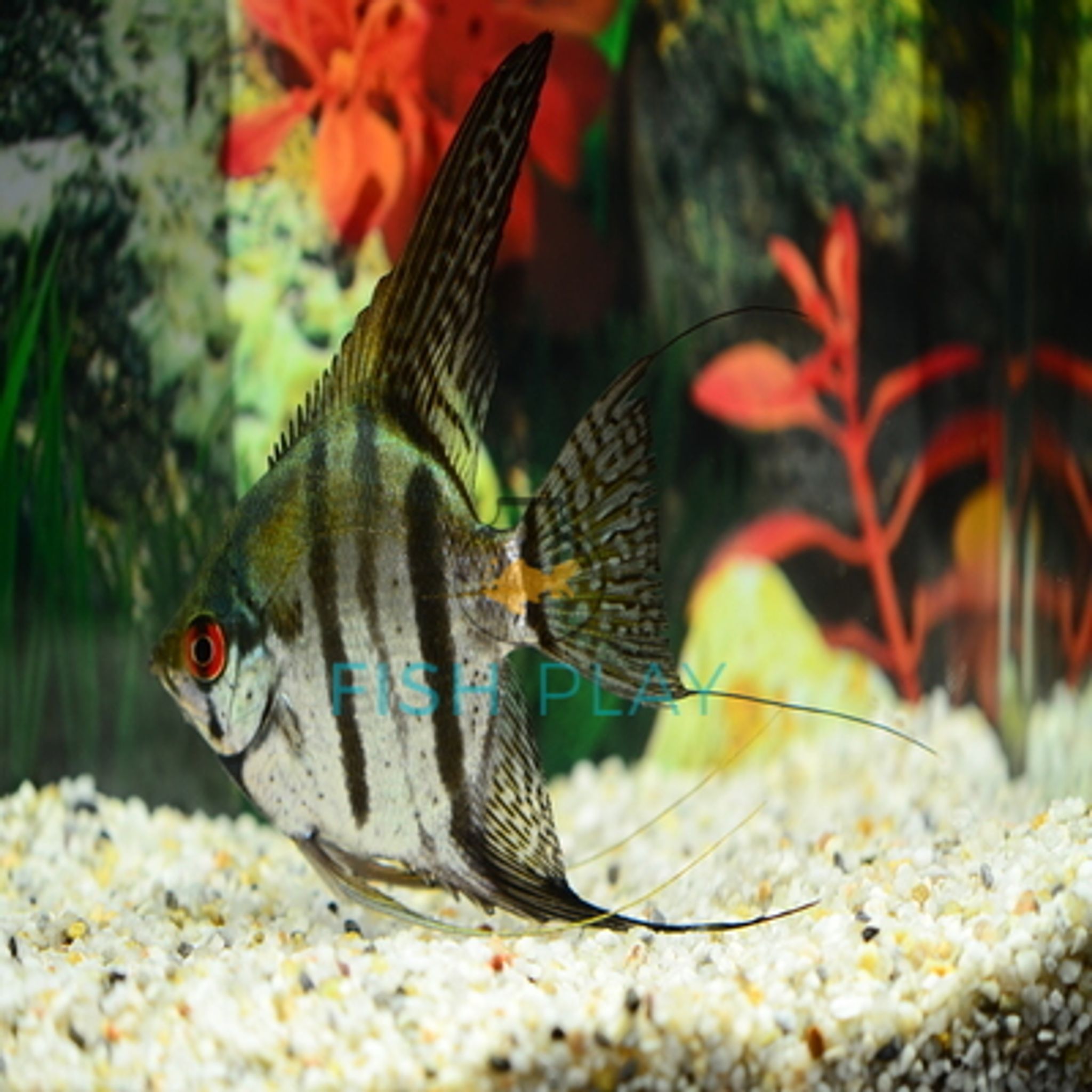

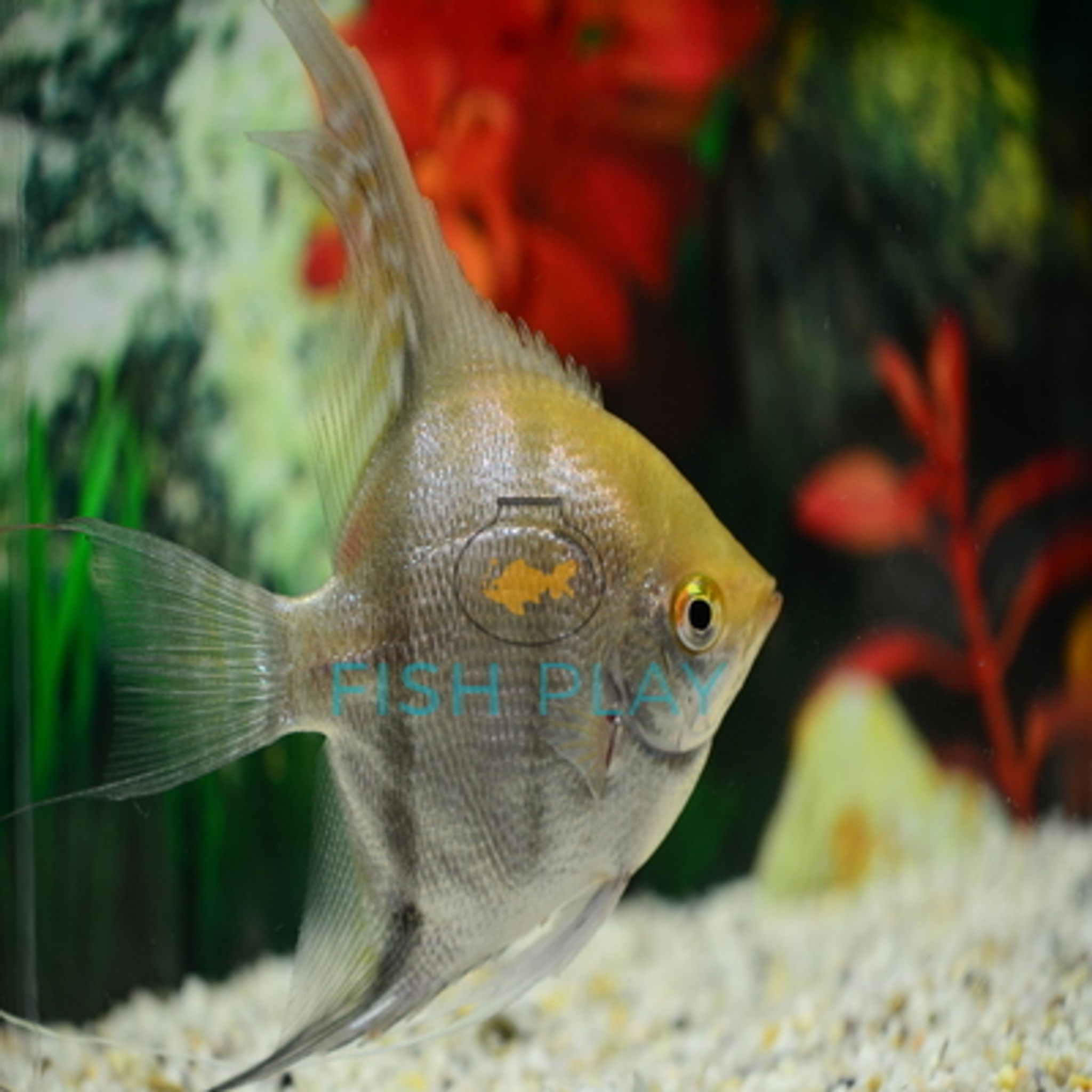
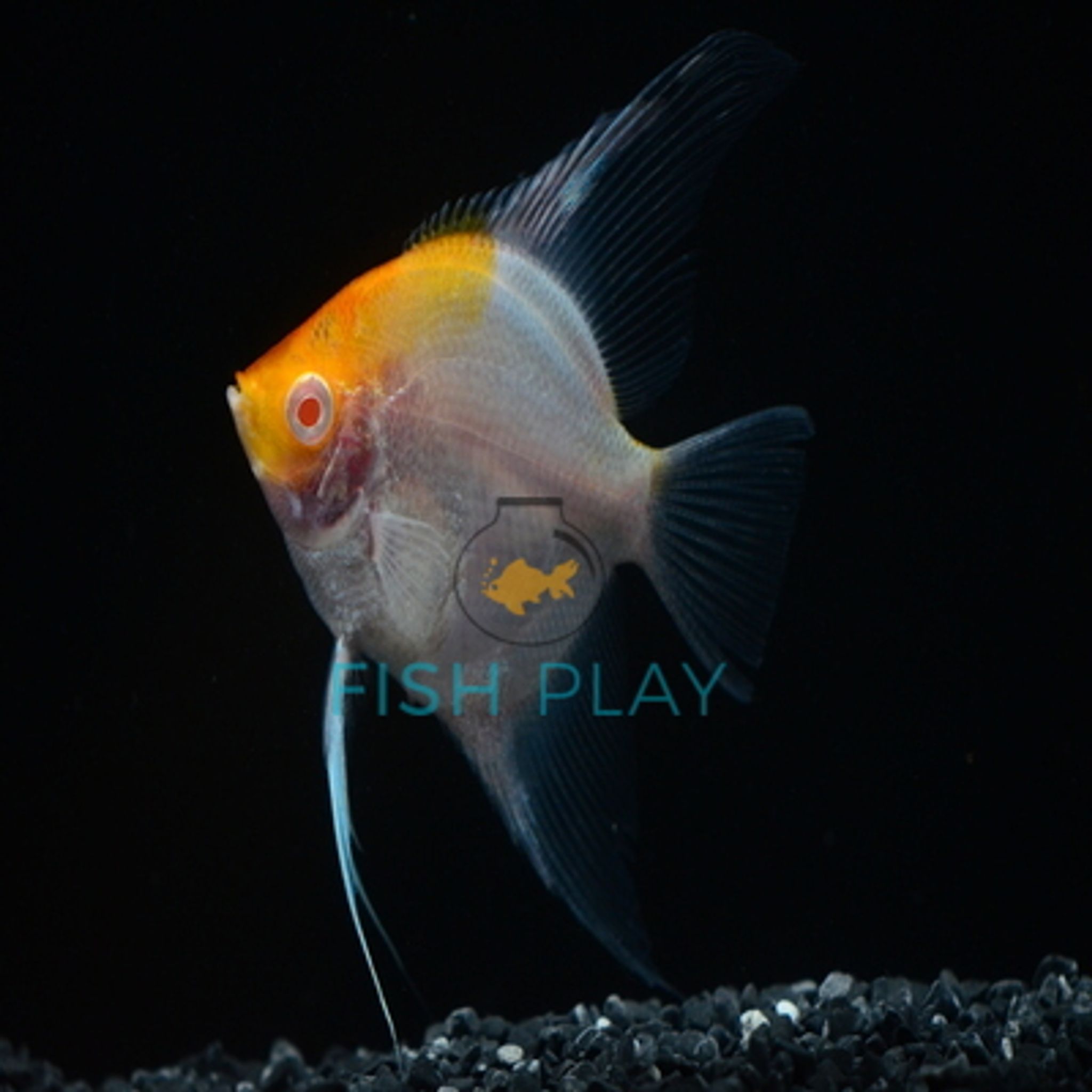
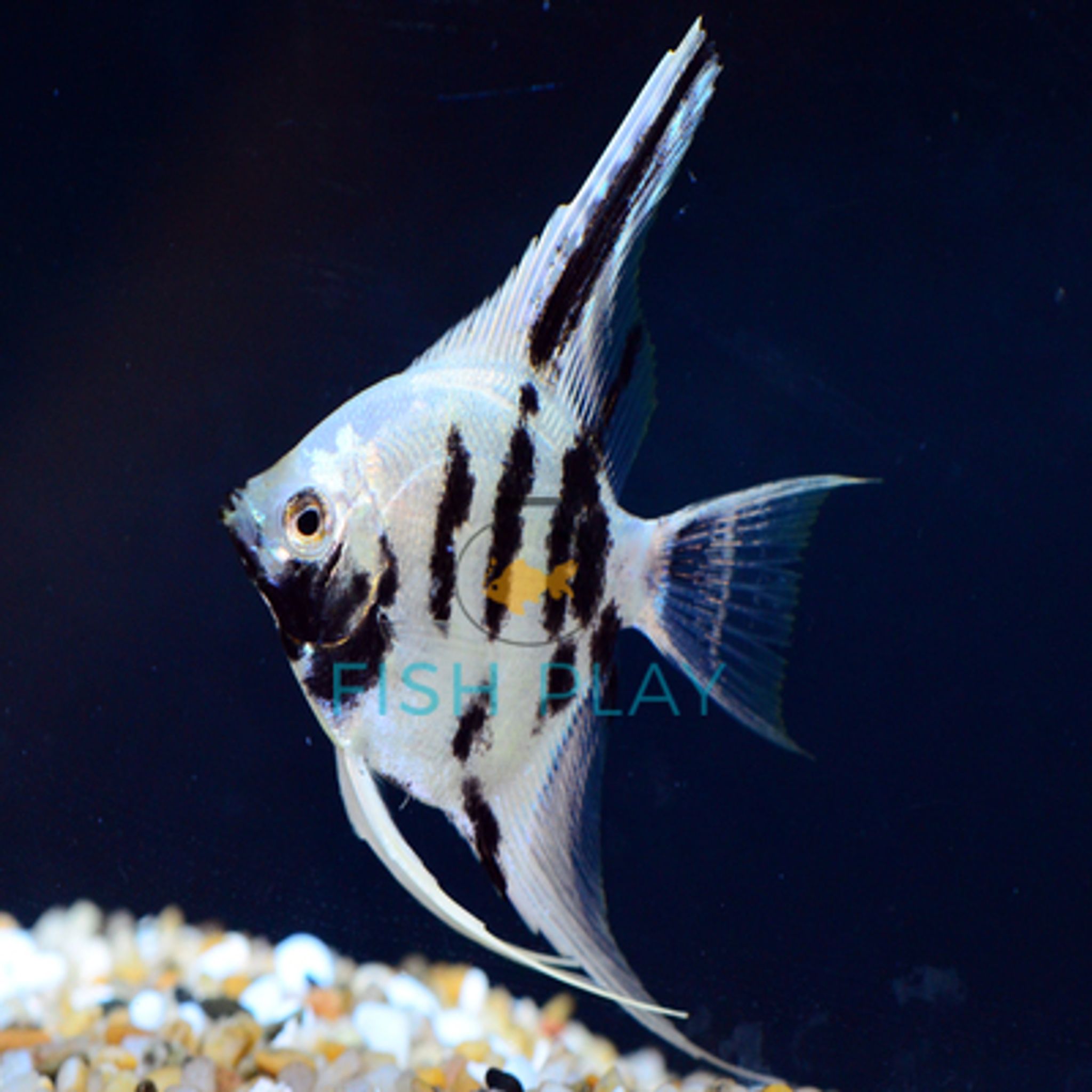
Explore freshwater Angelfish for sale in Singapore from aquarium shops, breeders and specialist sellers on FishyHub. Compare Koi, Marble, Platinum, Black, Gold and other Angelfish varieties by size, appearance and seller.
Angelfish are popular freshwater cichlids known for their tall bodies, long fins and graceful swimming style. They can become striking centrepiece fish in planted and community aquariums when tankmates, space and water conditions are chosen carefully.
Most aquarium Angelfish belong to the genus Pterophyllum and have been selectively bred into many colour and fin varieties.
Juveniles may look small when purchased, but Angelfish develop substantial height as they mature, so long-term tank dimensions matter.
Angelfish are available in a wide range of colours and patterns. Seller availability changes regularly, especially for uncommon strains and larger specimens.
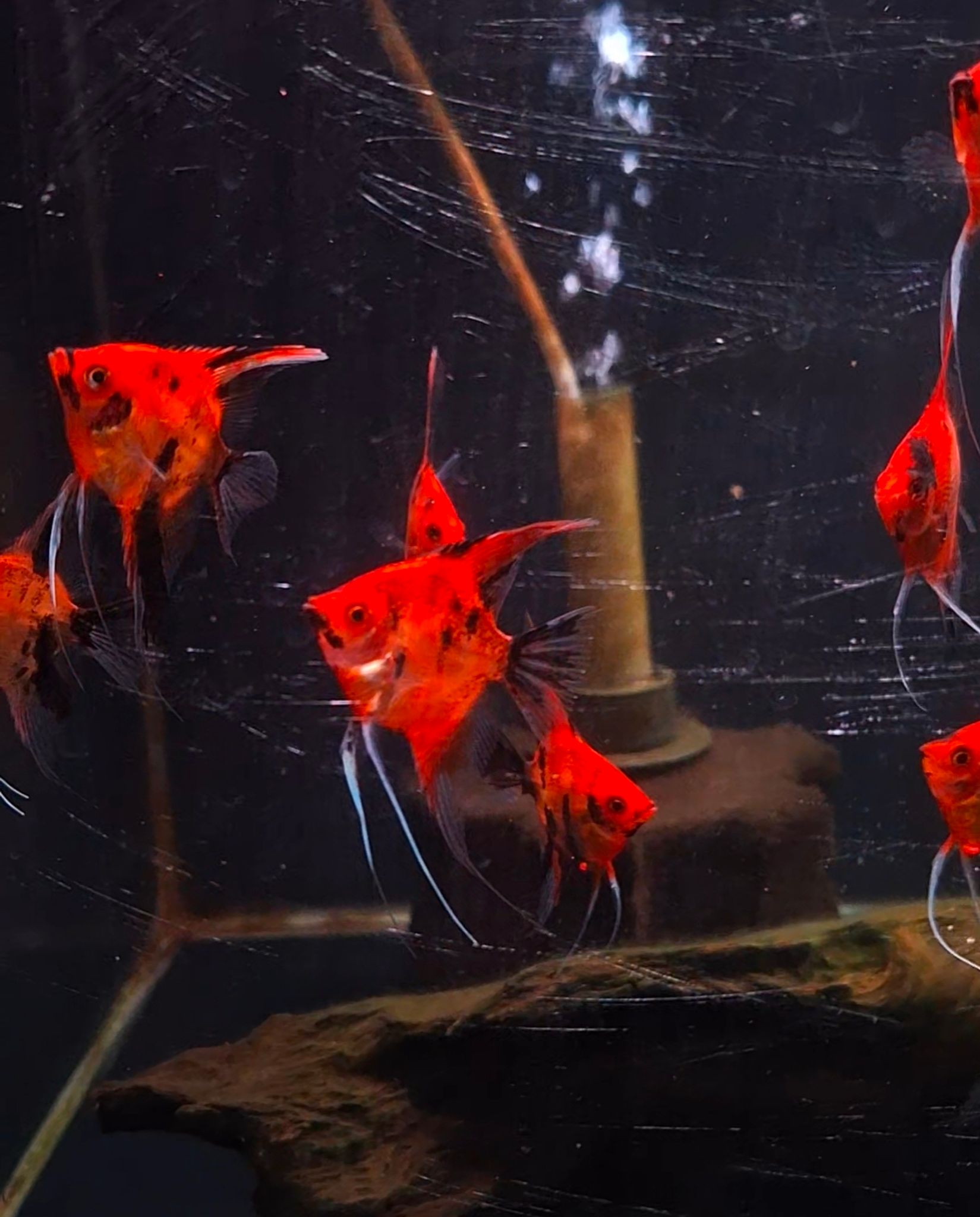
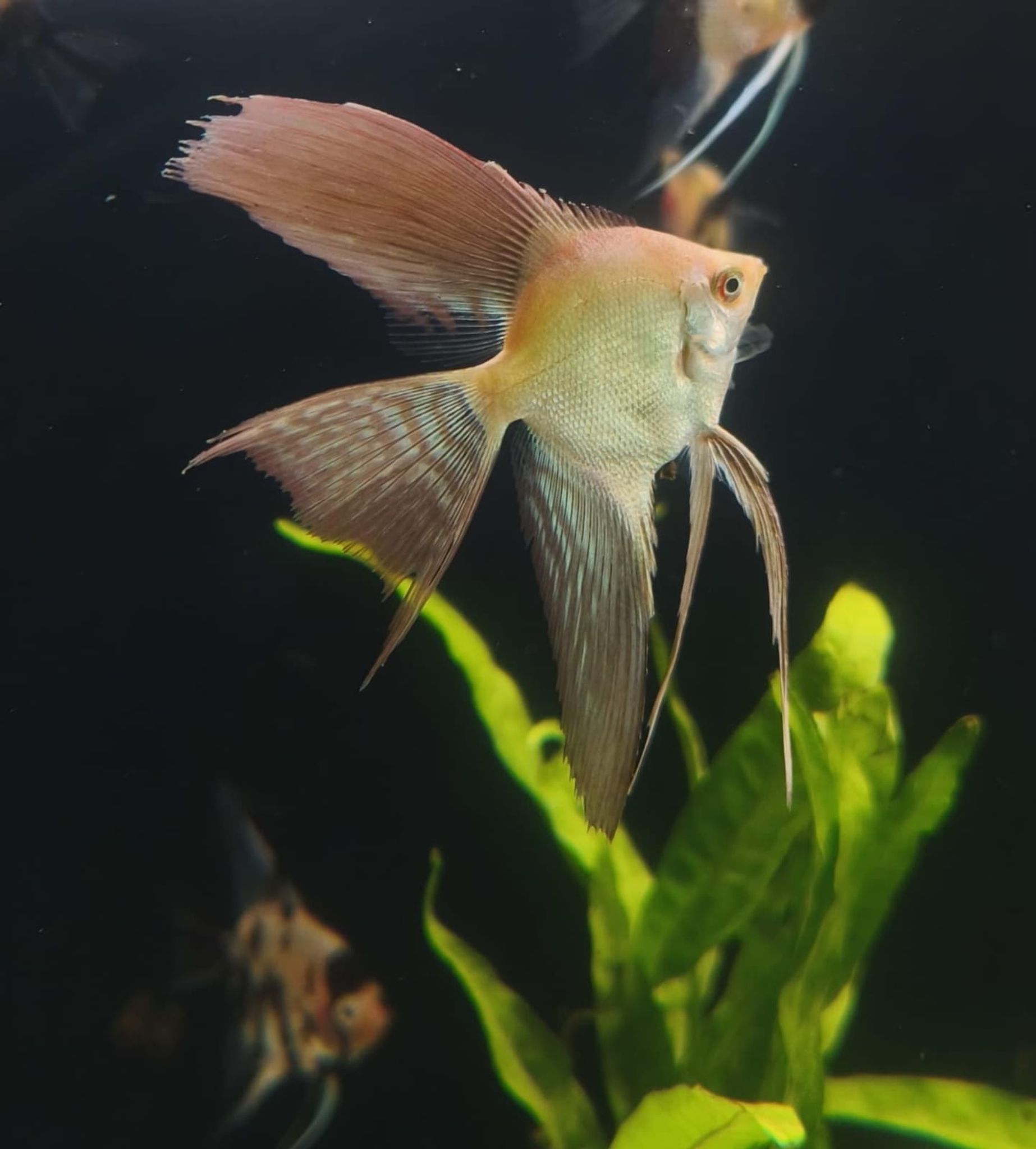
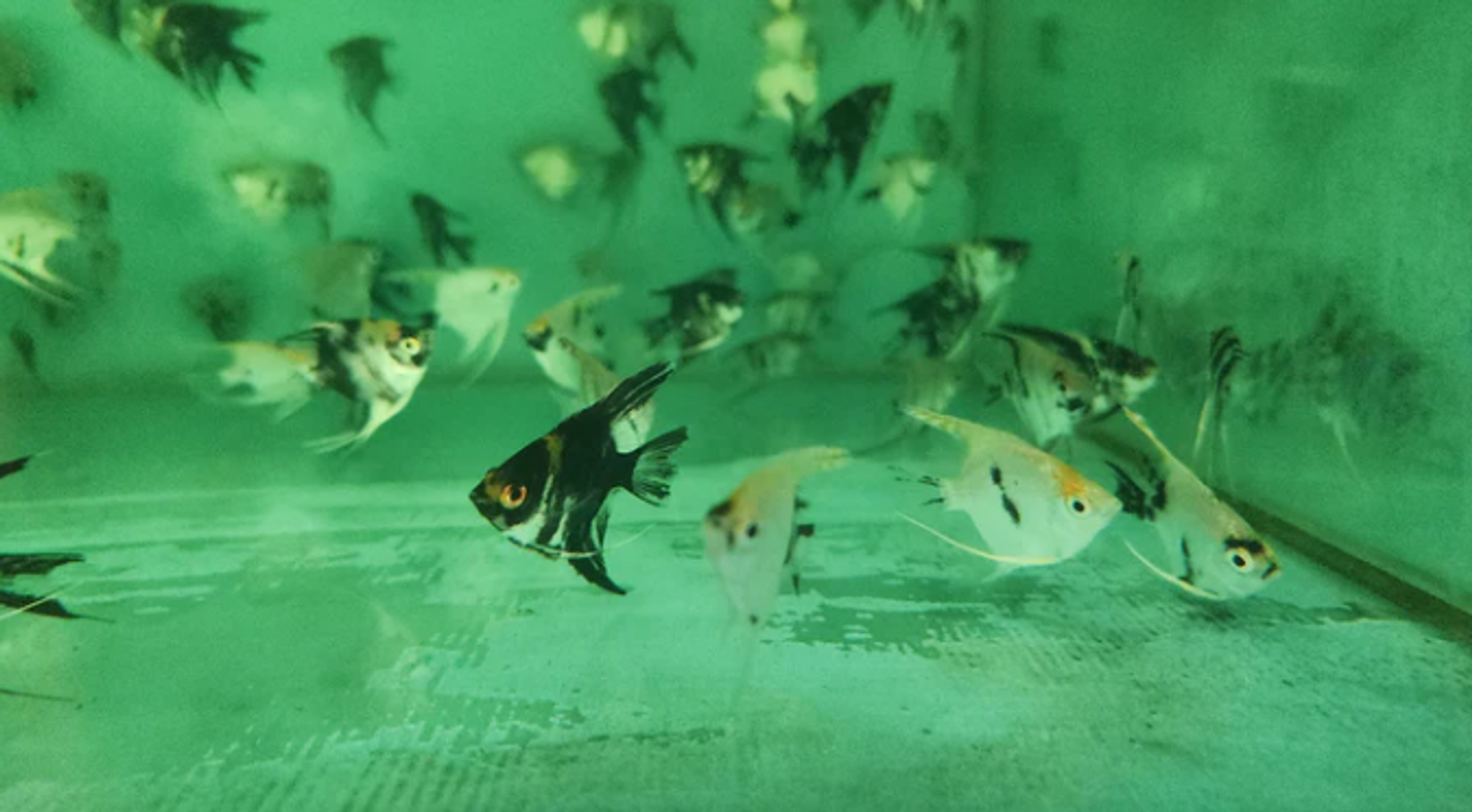
Koi Angelfish are known for their patches of white, orange, yellow and black. Individual fish can vary significantly in pattern, making each specimen visually distinctive.
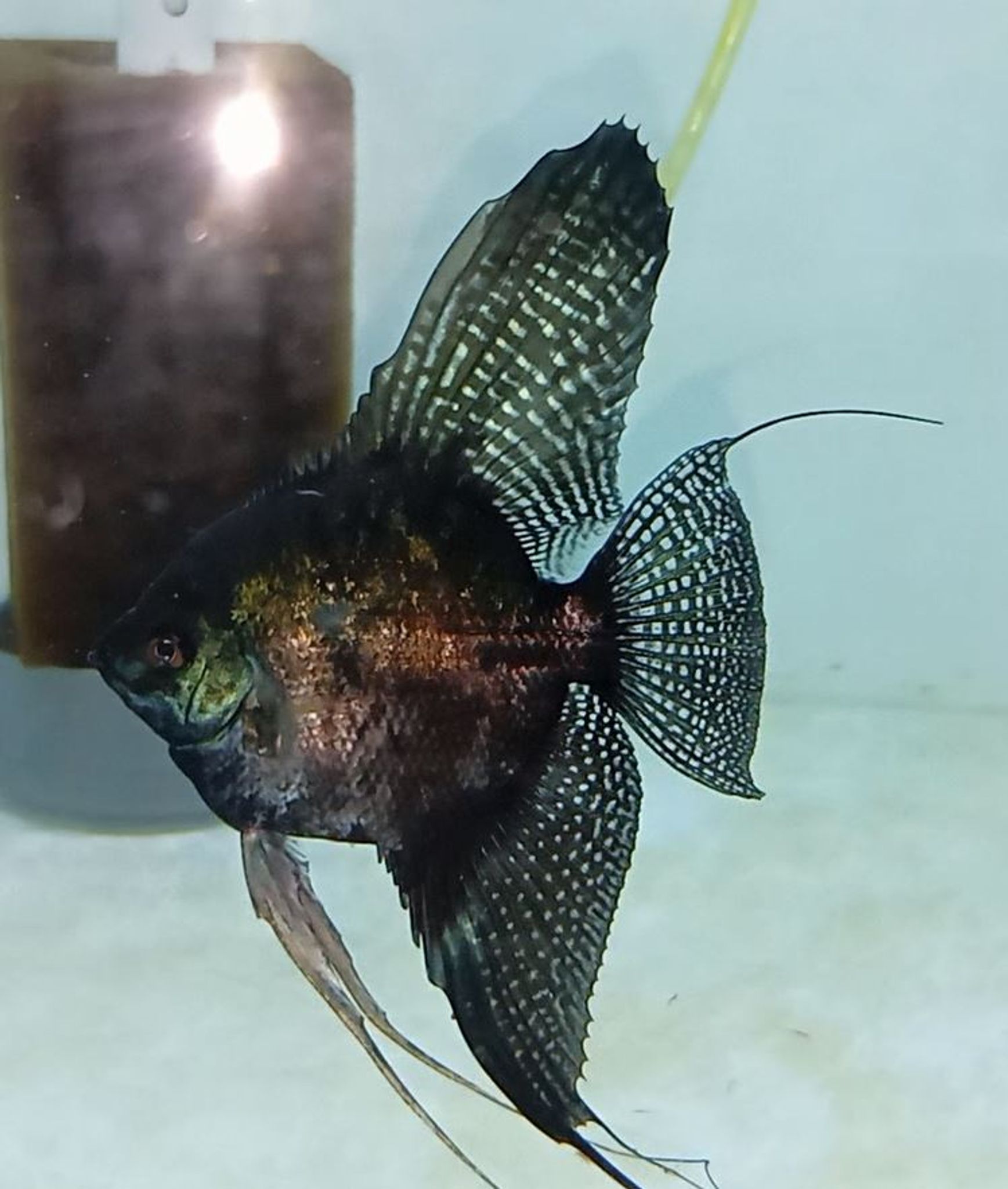
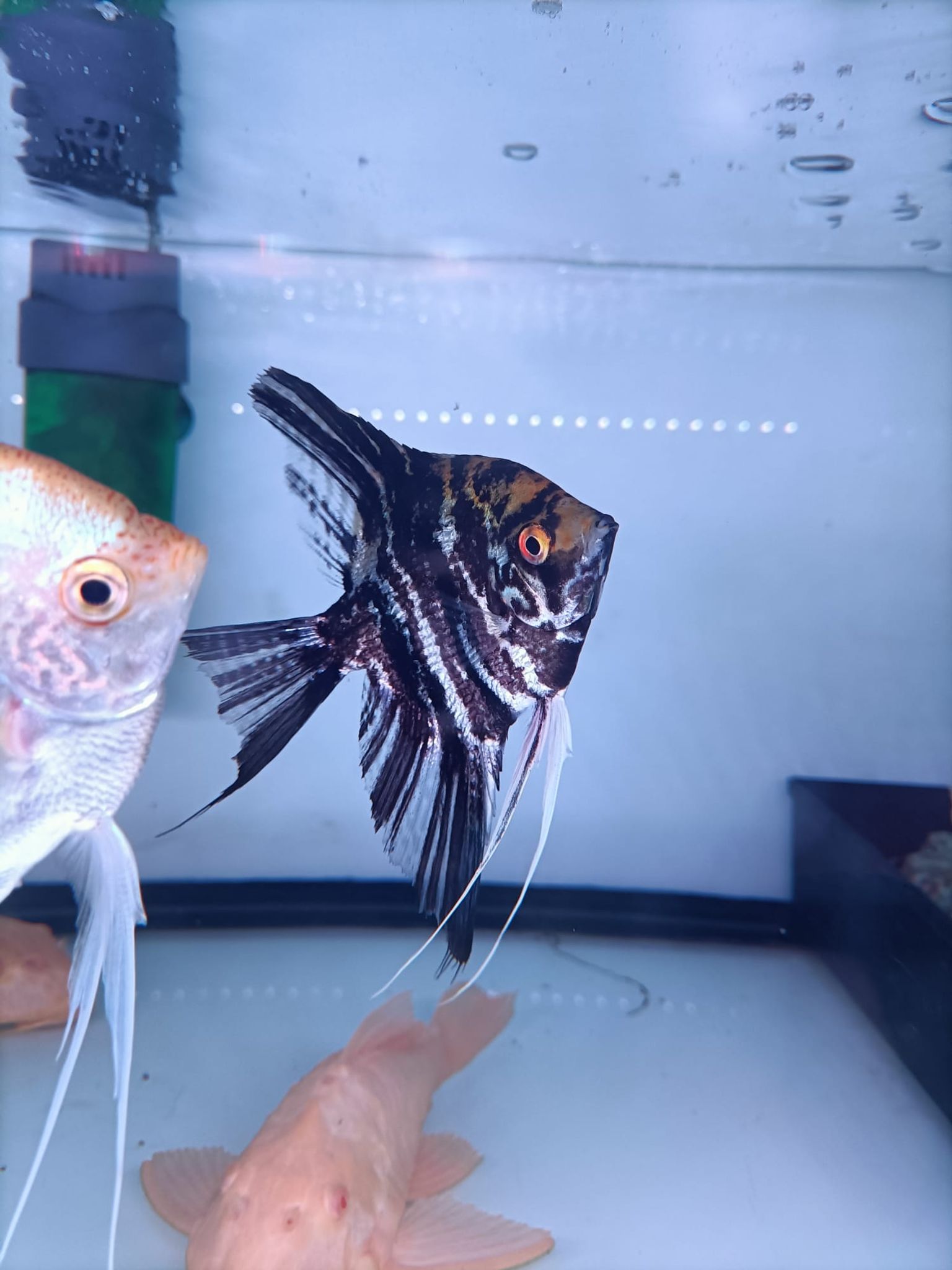
Marble Angelfish typically display irregular black and lighter markings that create a mottled appearance. Pattern intensity varies between individual fish.
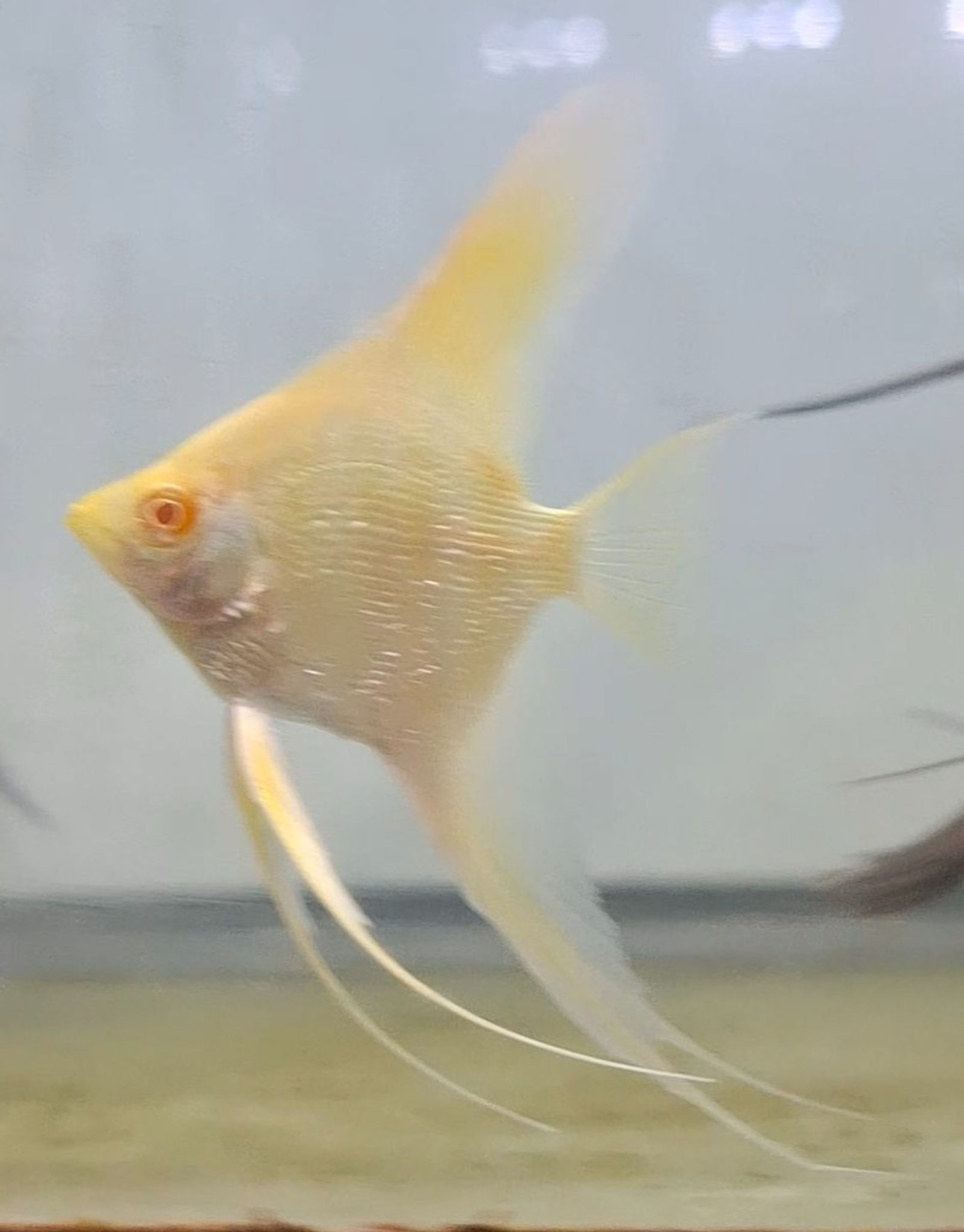
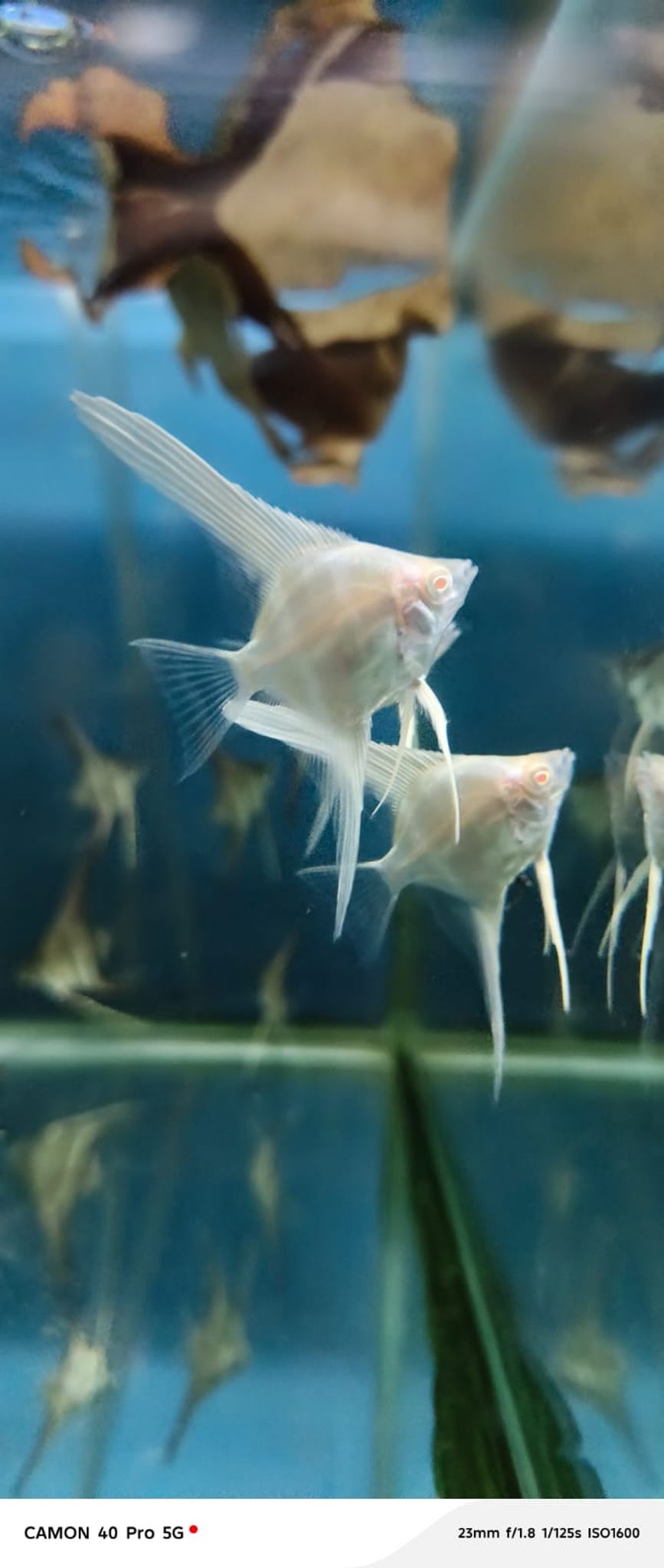
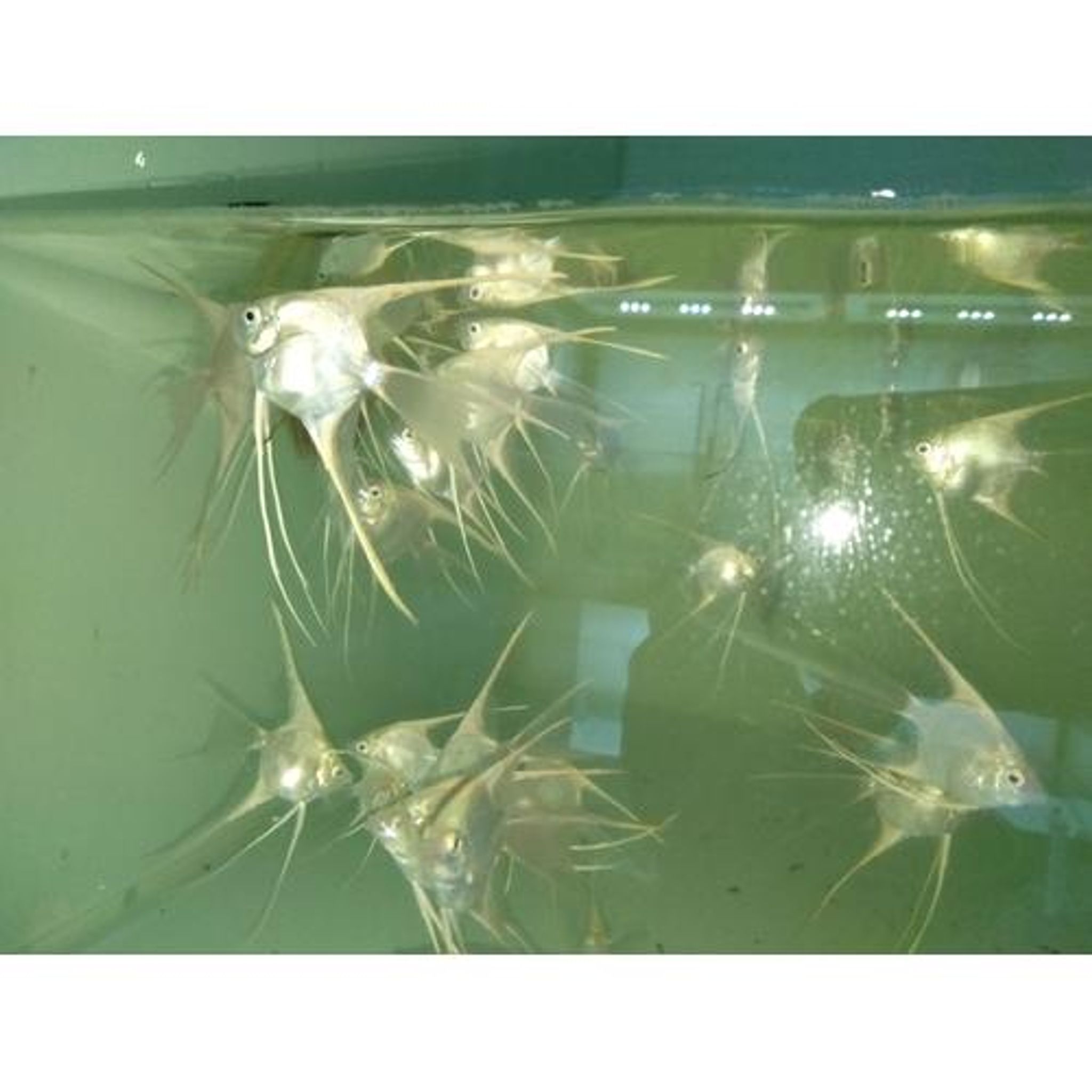
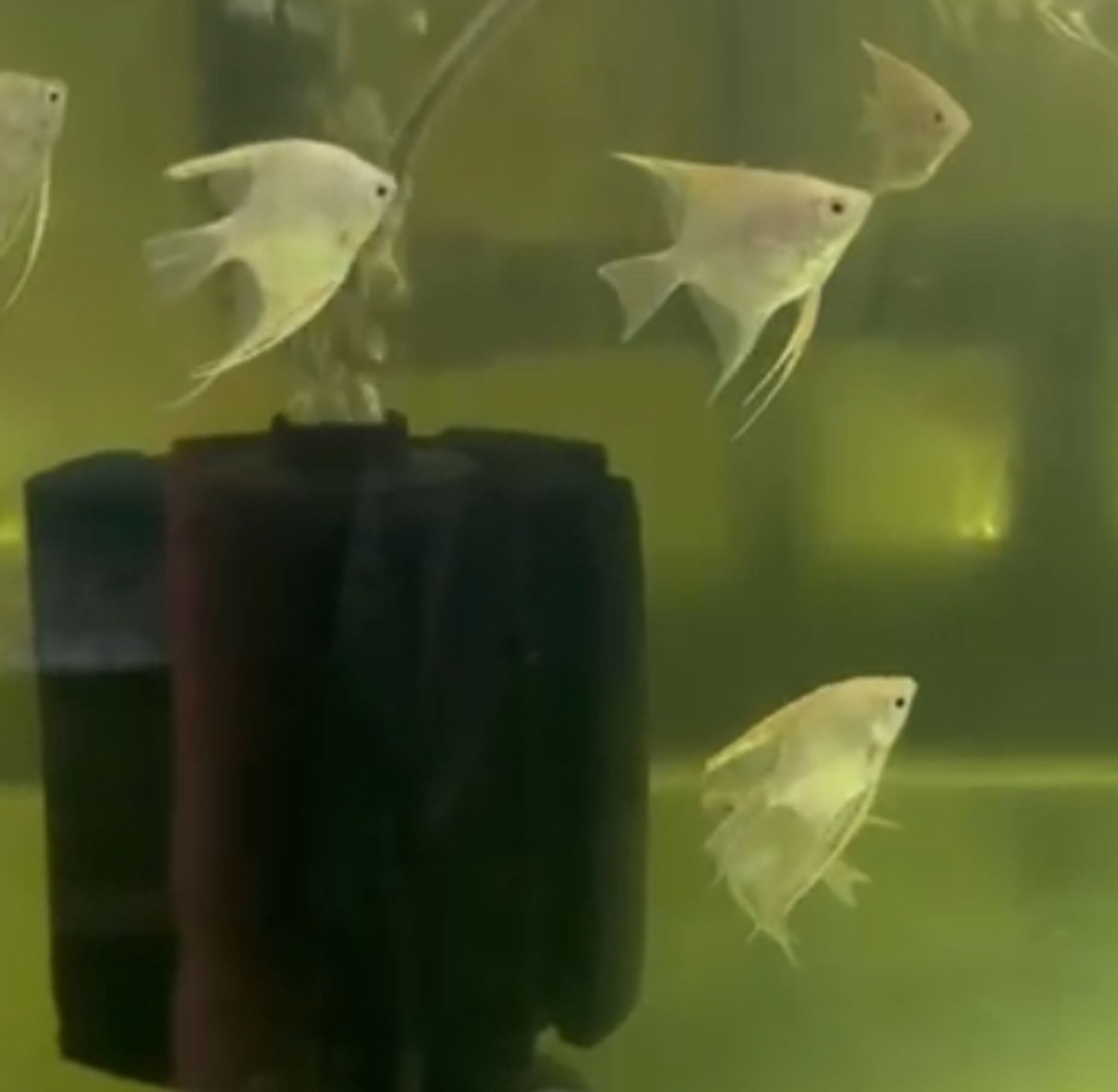
Platinum Angelfish have a pale silvery-white appearance that can stand out strongly against dark backgrounds and planted aquariums.
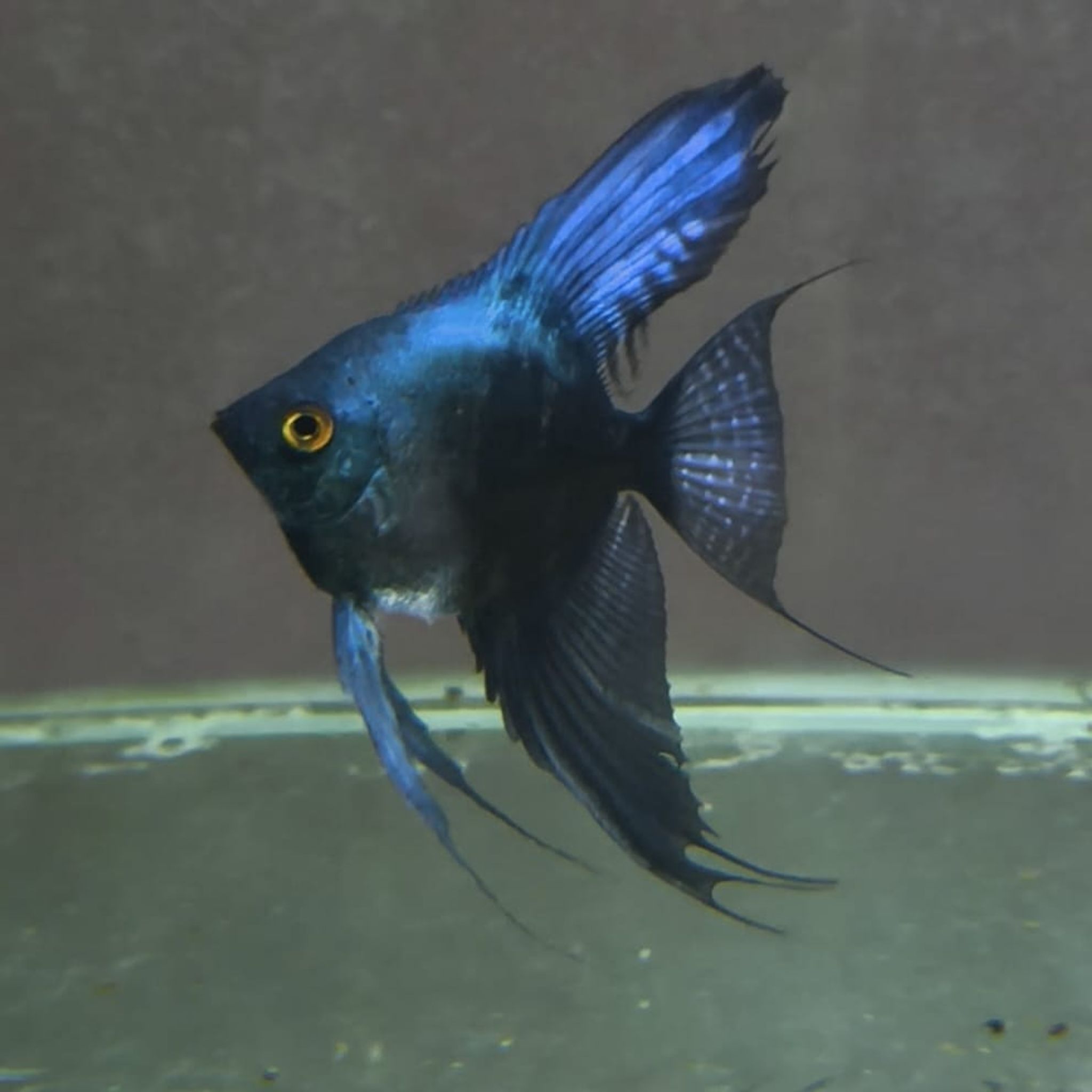
Black Angelfish are bred for deep dark coloration and can make a dramatic centrepiece in a freshwater display.
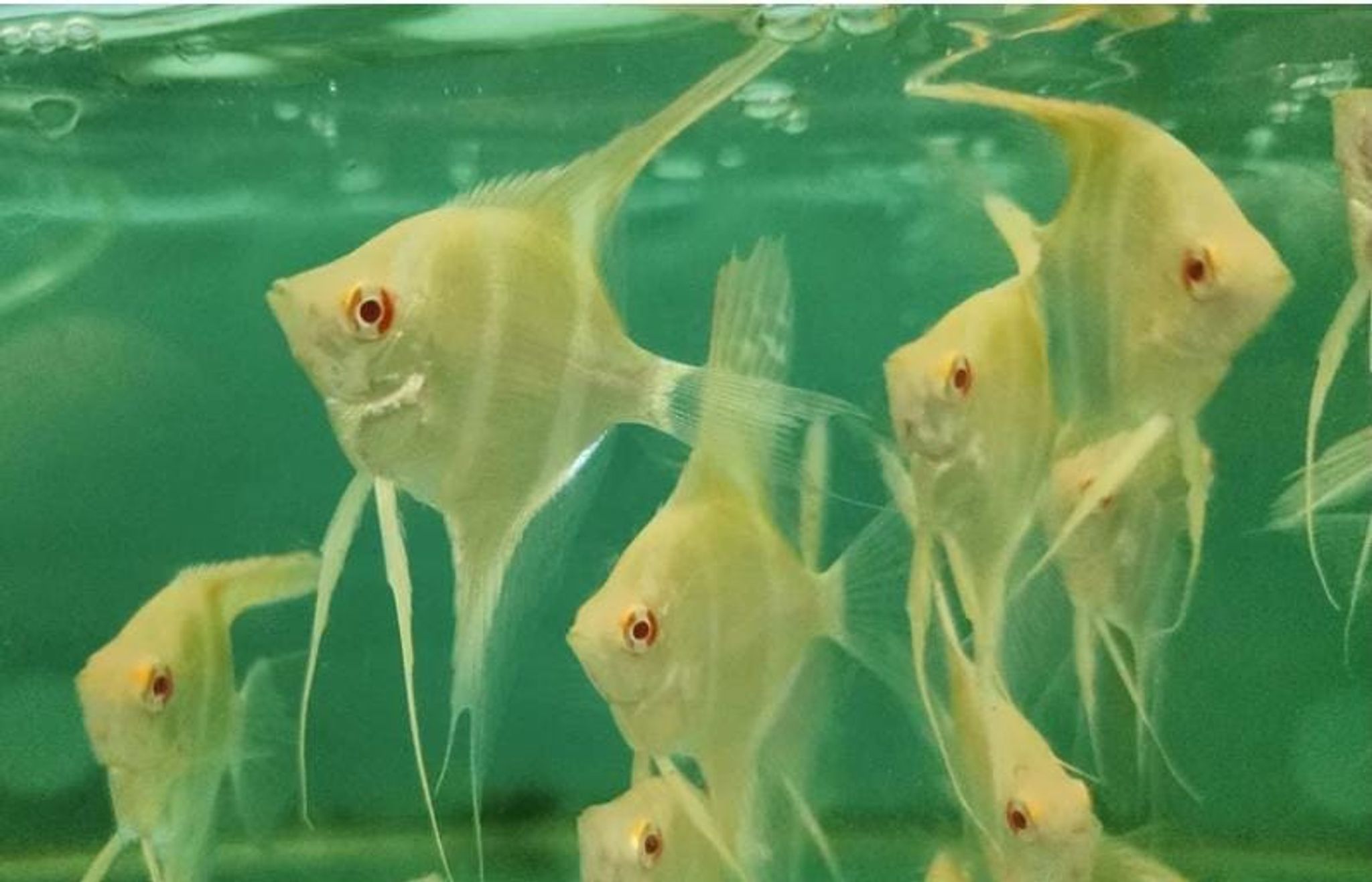
Gold Angelfish typically show warm yellow or golden coloration and may have lighter markings depending on the strain.
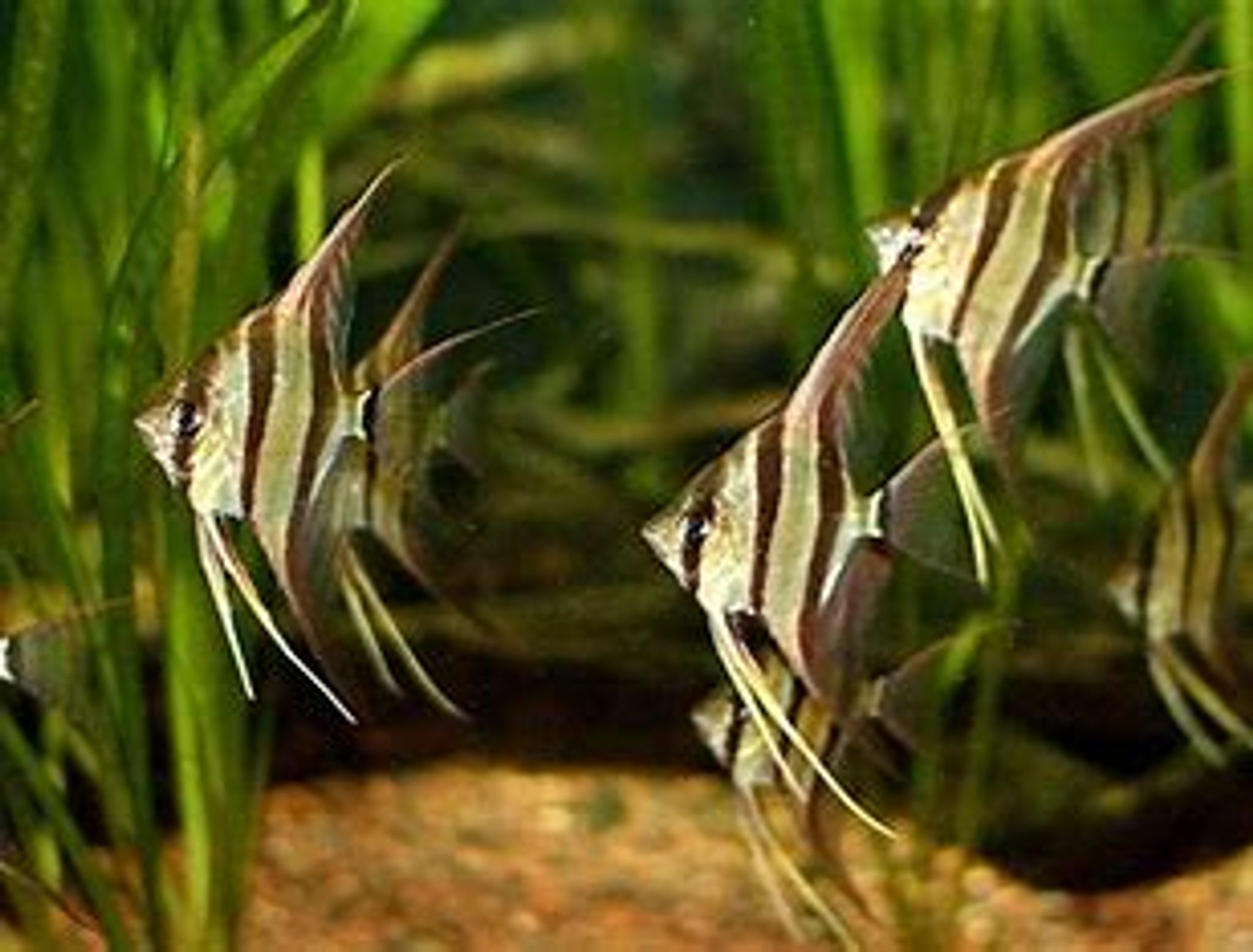
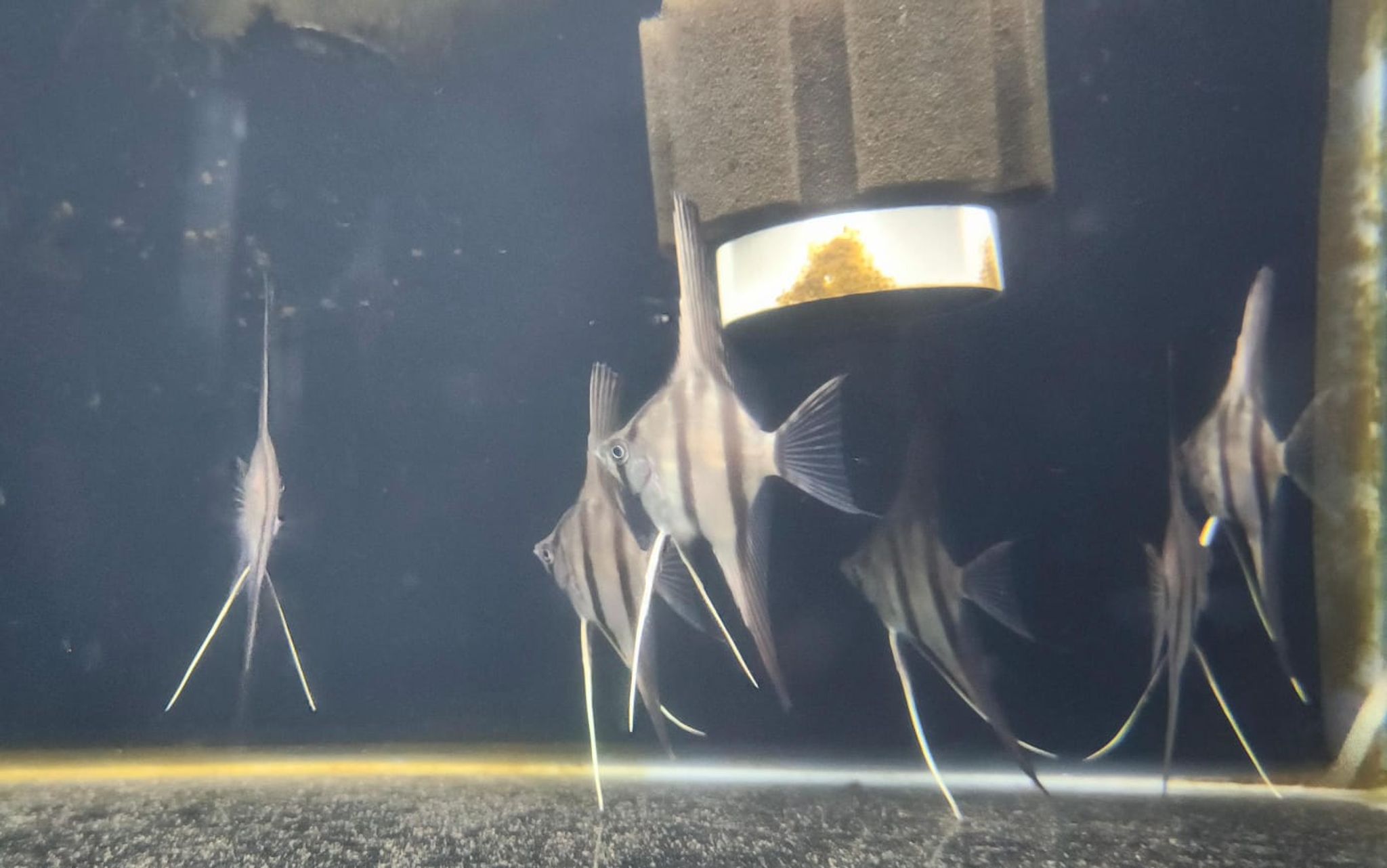
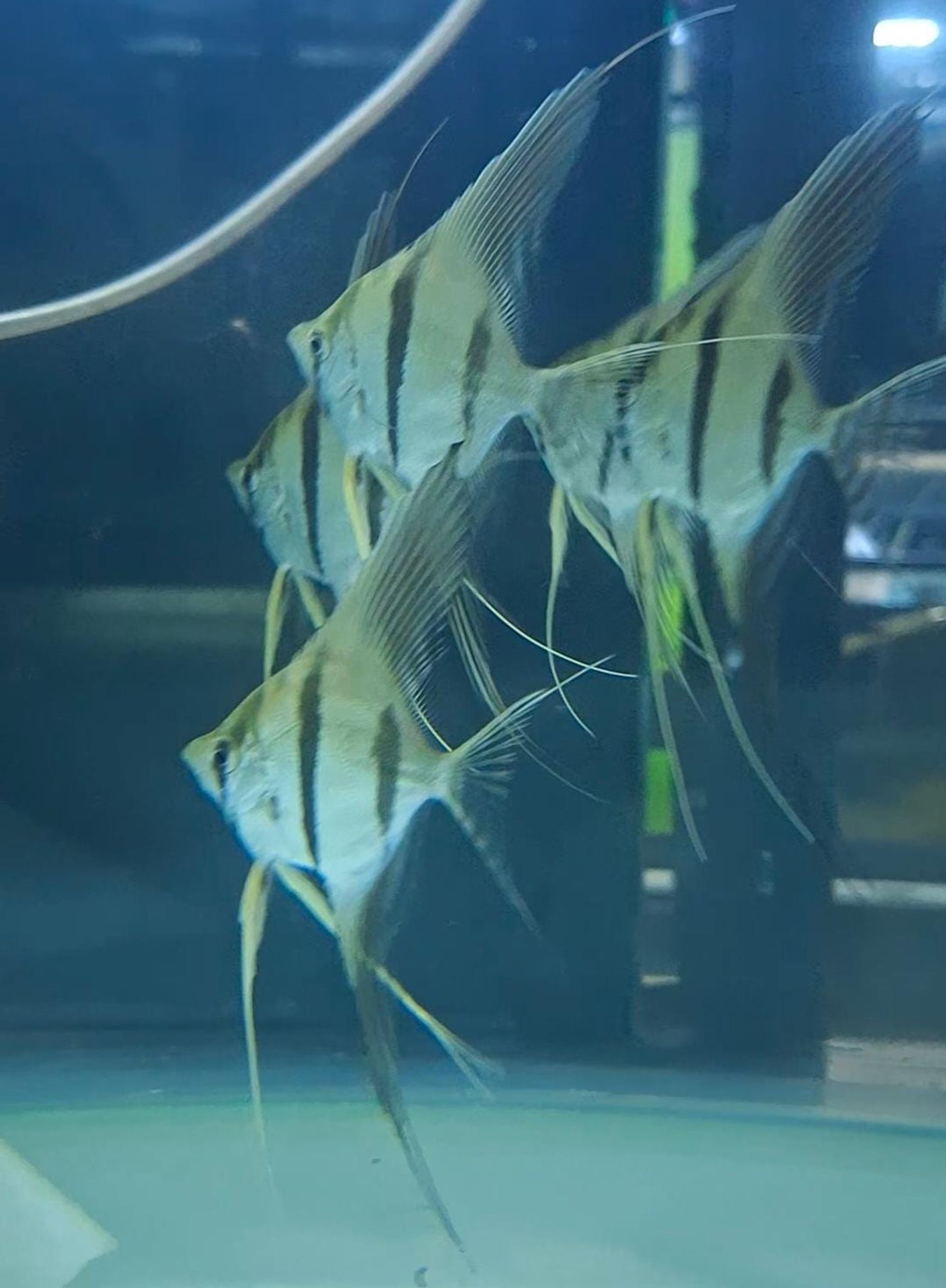
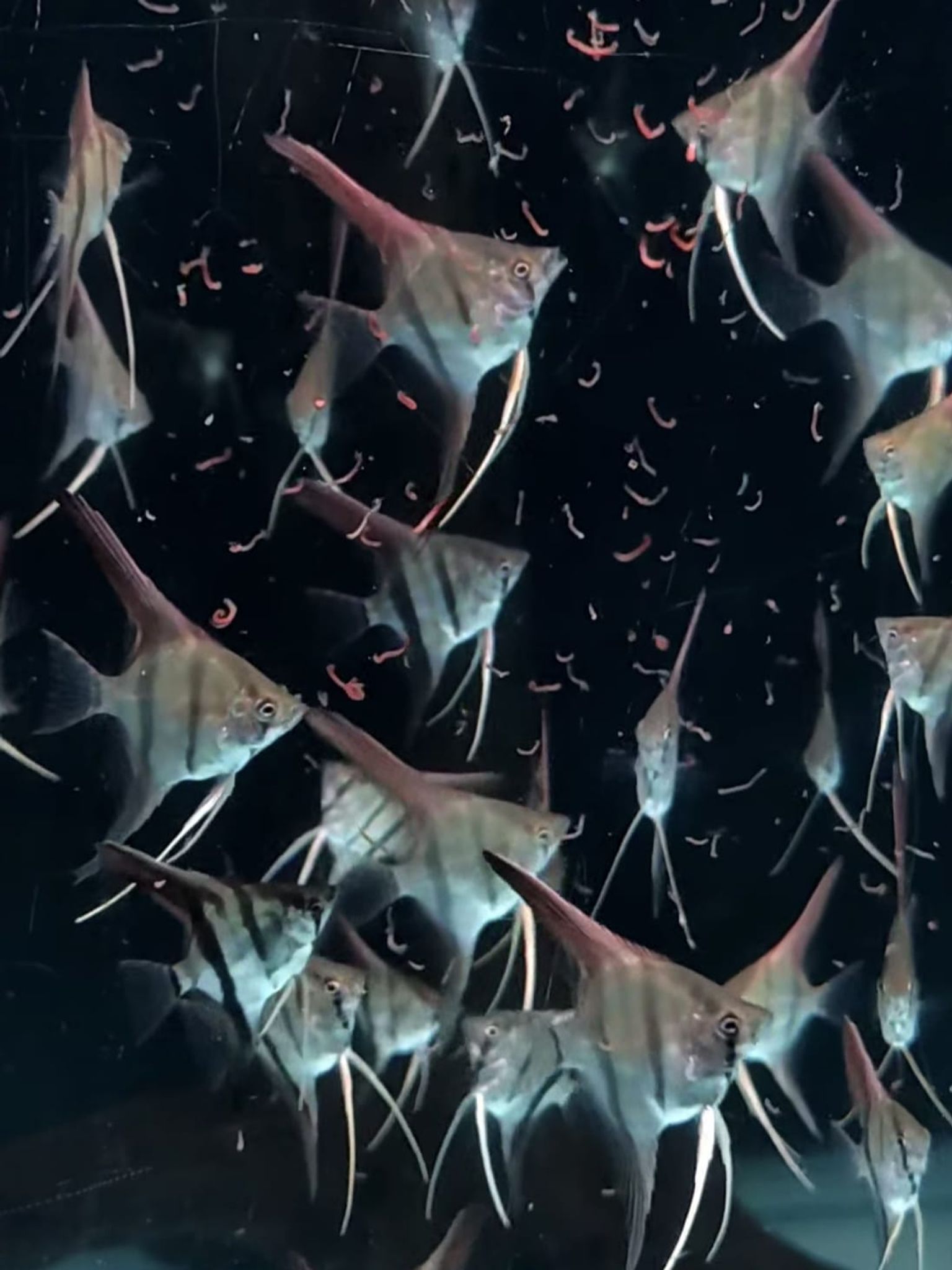
Other strains may include striped, smokey, zebra, pearlscale, veil-fin and selectively bred colour combinations. Naming can vary between breeders, so compare the actual fish and seller description when choosing.
Angelfish become much larger and taller than their juvenile shop size suggests.
Their extended dorsal, anal and pelvic fins add considerable vertical height, so a tank with good swimming depth and height is preferable to a very shallow aquarium.
Suitable tank size depends on how many Angelfish are being kept, their adult size, tankmates and the overall layout.
A taller aquarium with open swimming space is generally more appropriate than a compact or shallow tank. Groups and breeding pairs require additional planning because territorial behaviour can increase as fish mature.
Angelfish can look particularly impressive in planted tanks with tall background plants, broad leaves and open swimming areas.
Plants can provide visual barriers and shelter while allowing the fish to move through the middle and upper parts of the aquarium.
Angelfish can live in community aquariums, but they are cichlids and should not automatically be treated as completely peaceful fish.
Adults may become territorial, especially when pairing or breeding, and very small tankmates may be viewed as prey. Tankmate selection should account for adult size and temperament.
Some medium-sized Tetra species can be compatible with Angelfish in a suitably sized aquarium.
Very small fish may be at risk once Angelfish mature, while known fin-nipping species can damage the Angelfish's long fins.
Larger peaceful Rasboras may work with Angelfish when water conditions and tank size are compatible.
Choose tankmates large enough not to be swallowed and provide enough space for both schooling fish and territorial Angelfish.
Corydoras often occupy a different part of the aquarium from Angelfish and can sometimes make suitable tankmates.
Compatibility still depends on species requirements, aquarium size and overall stocking.
Some Pleco species can coexist with Angelfish, particularly when both have enough space and shelter.
Plecos vary enormously in adult size and behaviour, so identify the exact species rather than choosing one simply because it is labelled as a Pleco.
Angelfish and Discus are sometimes kept together because both are tall South American cichlids, but the combination requires careful planning.
Feeding competition, temperament, water conditions and disease-management considerations all need to be evaluated before combining them.
Ram cichlids and Angelfish can sometimes coexist in larger community aquariums with suitable conditions.
Both can become territorial when breeding, so hardscape, plants and sufficient floor space can help create separate zones.
Small freshwater shrimp, especially juveniles, may be eaten by Angelfish.
Dense plants and hardscape can provide hiding places, but Angelfish should not be considered reliably shrimp-safe.
Angelfish and Guppies are not always an ideal combination.
Differences in preferred conditions, long fins and the small size of juvenile Guppies can create compatibility issues. Choose tankmates based on the needs of both species.
Juvenile Angelfish are often kept in groups, but social dynamics can change as they mature.
Pairs may form and establish territories, so the aquarium should provide enough room and visual separation to manage aggression.
A compatible pair can become strongly territorial when preparing to spawn.
If a pair is kept in a community aquarium, monitor aggression toward other fish and be prepared to separate livestock if necessary.
Male and female Angelfish can be difficult to distinguish reliably by appearance alone, especially before maturity.
Breeding behaviour and examination of the breeding tubes during spawning periods can provide stronger clues than head shape or fin shape alone.
Angelfish form pairs and typically lay eggs on relatively flat or vertical surfaces such as broad leaves, slate or aquarium equipment.
Breeding pairs may defend the spawning site strongly, so a dedicated breeding tank can make management easier.
Angelfish are omnivorous and can accept a variety of prepared and complementary foods.
Quality pellets or flakes can form part of the staple diet, while suitable frozen or other foods can add variety. Feed according to fish size and avoid allowing large quantities of uneaten food to remain in the tank.
Juvenile Angelfish need appropriately sized food that they can consume easily.
Smaller pellets, flakes and suitable complementary foods can be used depending on their size and stage of growth.
Angelfish benefit from stable, clean water and consistent aquarium maintenance.
Exact requirements can differ between captive-bred strains and specialised wild forms, so match conditions to the fish you are purchasing rather than chasing sudden parameter changes.
Angelfish need effective biological and mechanical filtration without unnecessarily harsh water movement.
Canister filters, HOB filters, internal filters and other systems can all work when appropriately sized and arranged for the aquarium.
Tall plants, driftwood and vertical hardscape can complement the body shape and swimming behaviour of Angelfish.
Avoid filling the entire tank with decor because mature Angelfish still need open areas for swimming and turning.
Angelfish are generally less aggressive than many larger cichlids, but territorial behaviour is normal.
Aggression can become more obvious as fish mature, form pairs or begin breeding. Individual temperament also varies.
Chasing and fighting can be related to territory, hierarchy, pair formation, breeding behaviour or insufficient space.
Visual barriers and additional space can help in some cases, but persistent aggression may require fish to be separated.
When comparing Angelfish for sale, look for:
Avoid choosing a fish only for colour or pattern if it is showing obvious signs of poor condition.
Newly purchased Angelfish should be introduced carefully to avoid sudden changes in temperature and water conditions.
A quarantine period can also help reduce the risk of introducing disease into an established aquarium.
Angelfish can be suitable for aquarists who understand basic cycling, filtration and water-quality management.
Their eventual size, territorial behaviour and tankmate selection make them more involved than very small peaceful community fish.
Angelfish prices in Singapore vary according to strain, size, colour, fin type, quality, rarity and seller.
Juvenile common varieties may cost less than larger specimens, established pairs or uncommon selectively bred strains.
FishyHub brings Angelfish listings from aquarium shops, breeders and freshwater fish sellers across Singapore together in one marketplace, making it easier to compare available fish from multiple sources.
When comparing Angelfish listings, consider:
Livestock availability changes regularly, so specific strains, sizes and individual fish may not always remain in stock.
Yes. Aquarium Angelfish are freshwater cichlids originating from South America, although many fish sold today are captive-bred strains.
They become substantially larger and taller than juvenile shop specimens. Their long fins make vertical tank space especially important.
They can be kept individually, in compatible pairs or in appropriately managed groups depending on aquarium size and temperament.
Some larger peaceful Tetras can work, but very small species may eventually be seen as prey and fin-nipping species should be avoided.
They often can in a suitably sized aquarium when the requirements of both species are compatible.
Small shrimp and juveniles may be eaten, so Angelfish should not be considered reliably shrimp-safe.
They can become territorial, particularly when mature, paired or breeding. Behaviour varies between individual fish.
Angelfish are omnivores and can be fed suitable pellets, flakes and complementary foods appropriate to their size.
They are manageable for aquarists familiar with cycling, filtration and water-quality maintenance, but their adult size and territorial behaviour require planning.
Explore Angelfish for sale on FishyHub and compare Koi, Marble, Platinum, Black, Gold and other freshwater Angelfish varieties from aquarium sellers and breeders across Singapore. Compare size, colour, strain and price to find suitable Angelfish for your freshwater aquarium.
