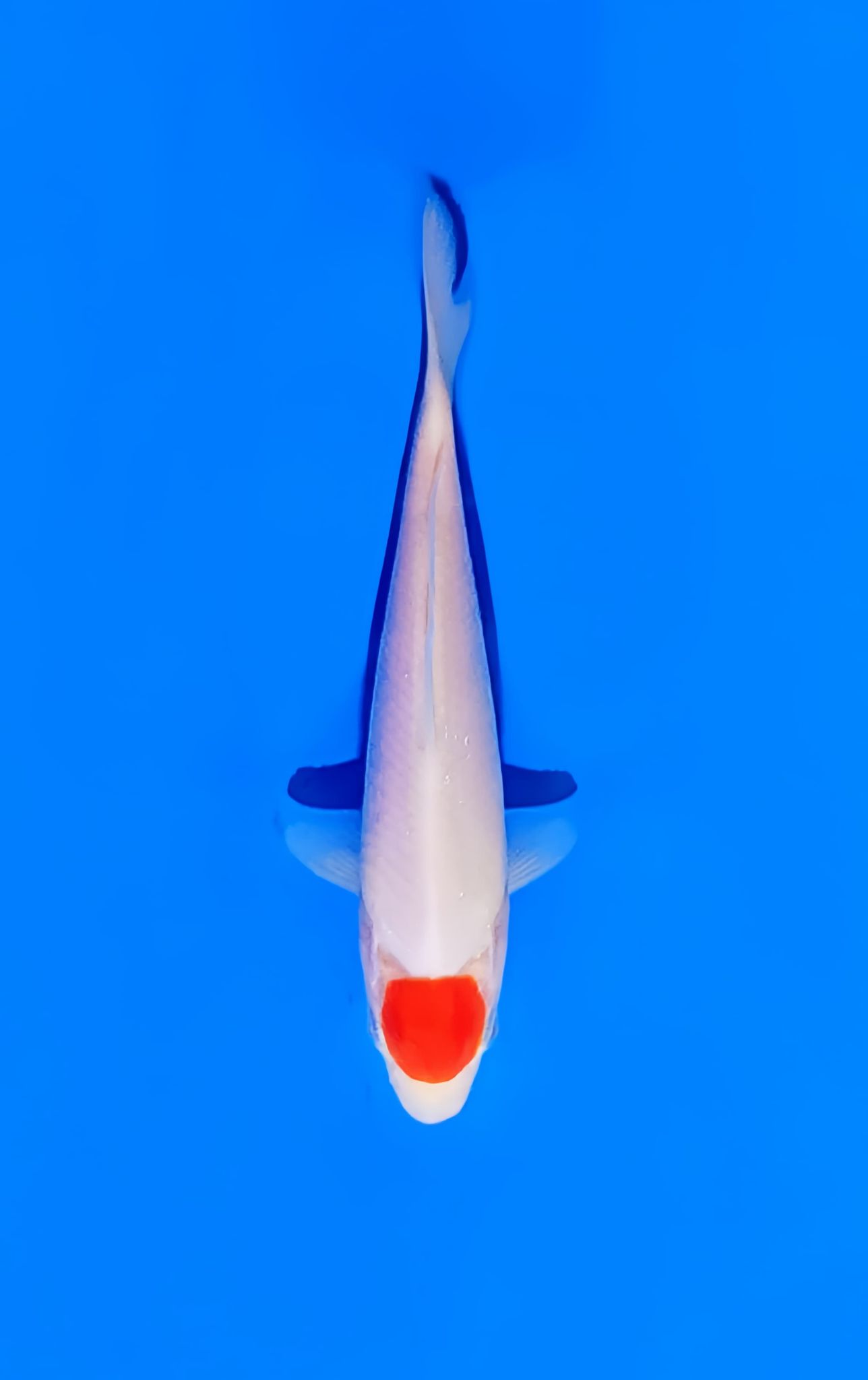
Click to enlarge
Unless stated otherwise, photos show the species, not the exact fish you'll receive.
Tancho Kohaku Koi
SGD 175.00
2+ in cartsDelivery Information
Dead-on-arrival protection: report within 3 days of delivery with a photo or video for an exchange or return.
Product Variations
Quantity
Stock: 2
Product Details
Size
20cm - 20cm
Temperament
Peaceful
Product Description
Learn More About Koi
The Most Popular Aquarium Fish in Singapore: 2026 Rankings
Most Purchased Aquarium Fish in Singapore in 2026
Singapore Aquarium Trends 2026: What Fishkeepers Are Buying Now
North vs East vs West: Which Part of Singapore Is Best for Fishkeepers?
Which Fish Sell Out Fastest Online in Singapore? FishyHub Marketplace Data
The Most Photographed Aquarium Fish in Singapore According to FishyHub Feed Data
Most Popular Aquarium Fish Across Singapore's Neighbourhoods
Which Aquarium Fish Have the Highest Demand-to-Supply Ratio in Singapore?

Which Aquarium Fish Have Increased Most in Price in Singapore?

The Most Popular Aquarium Fish by Region in Singapore
How Big Do Koi Get? Growth Rate, Adult Size and Tank Planning
What Do Koi Eat? A Practical Feeding Guide
More from IHSAN KOI

IHSAN KOI
Suitable Tank Mates for Tancho Kohaku Koi

Similar Koi You May Like
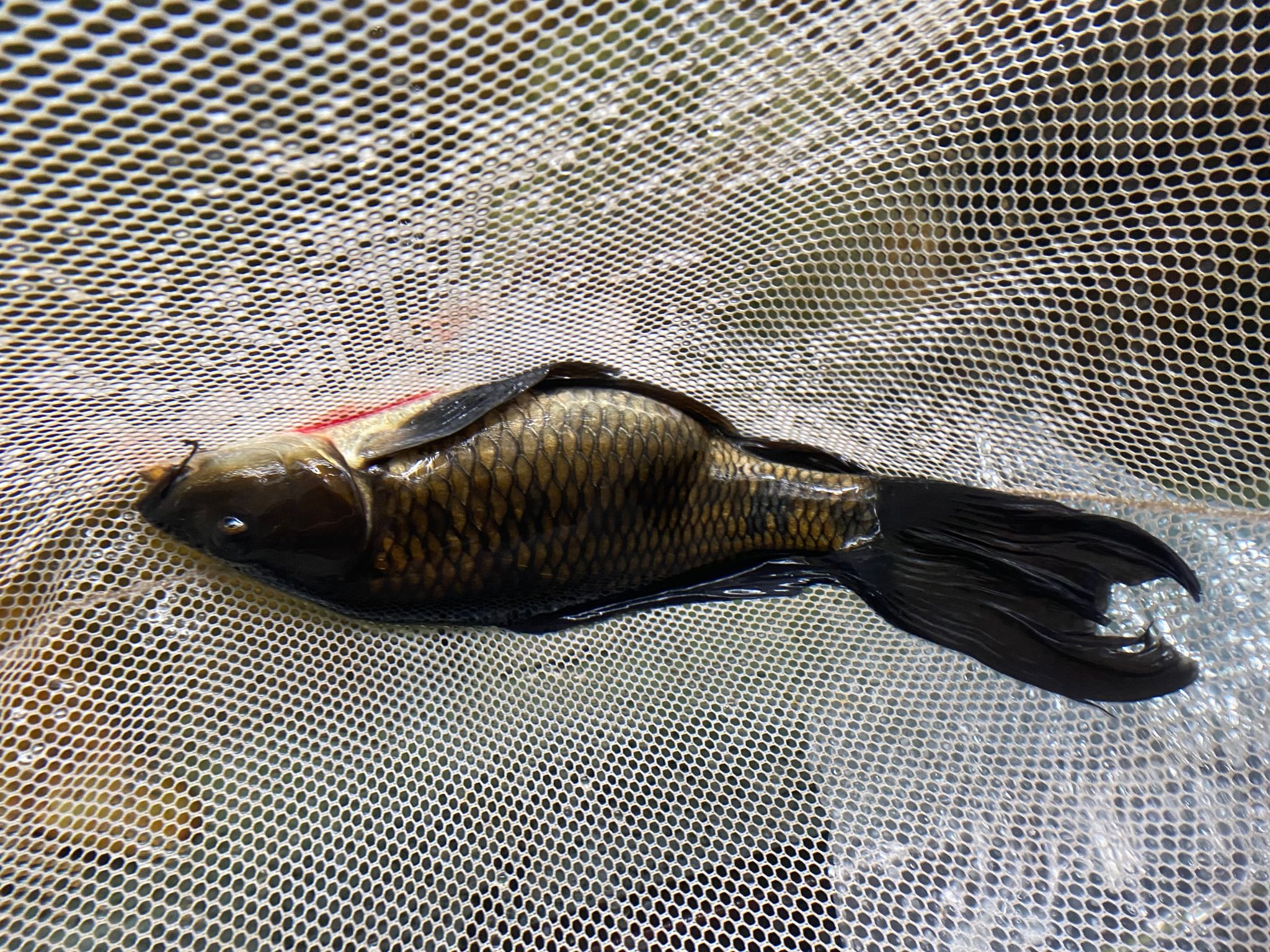
Koi Black fairy koi (14-15 inc..
SGD 300.00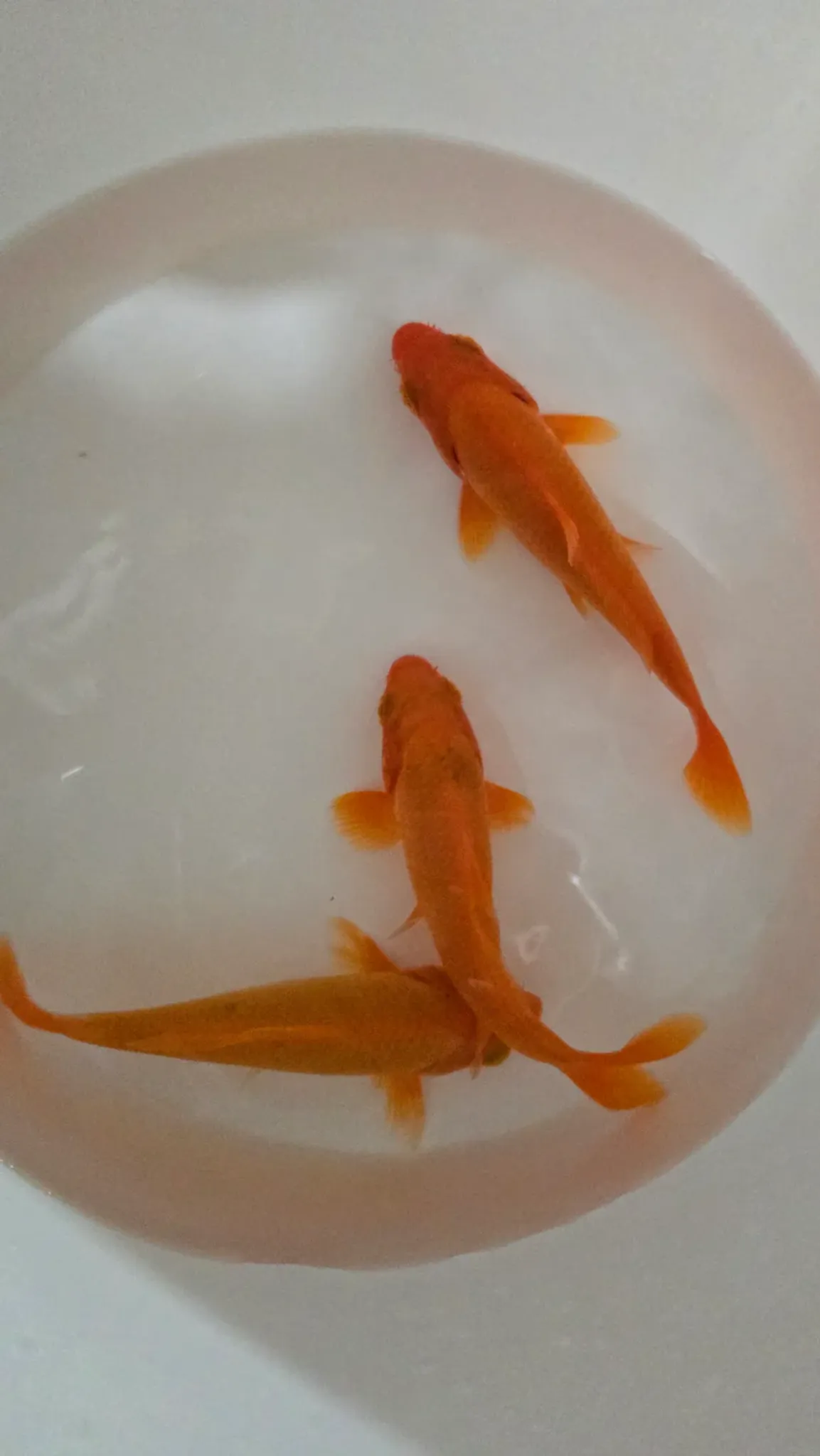
Red koi
SGD 4.40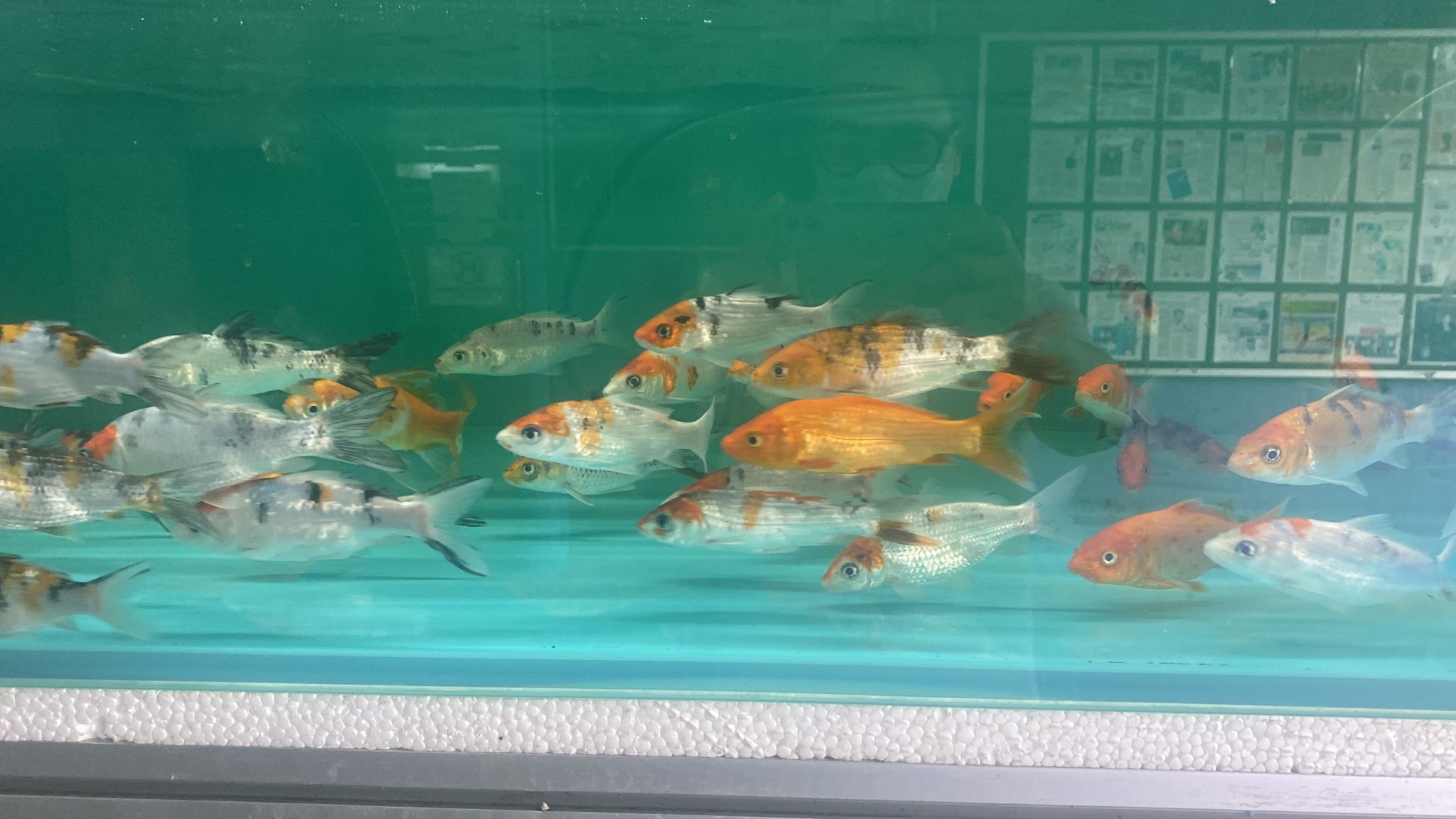
Assorted Koi
SGD 28.80
Black koi
SGD 5.50
Assorted Koi (10 - 25 cm)
SGD 75.00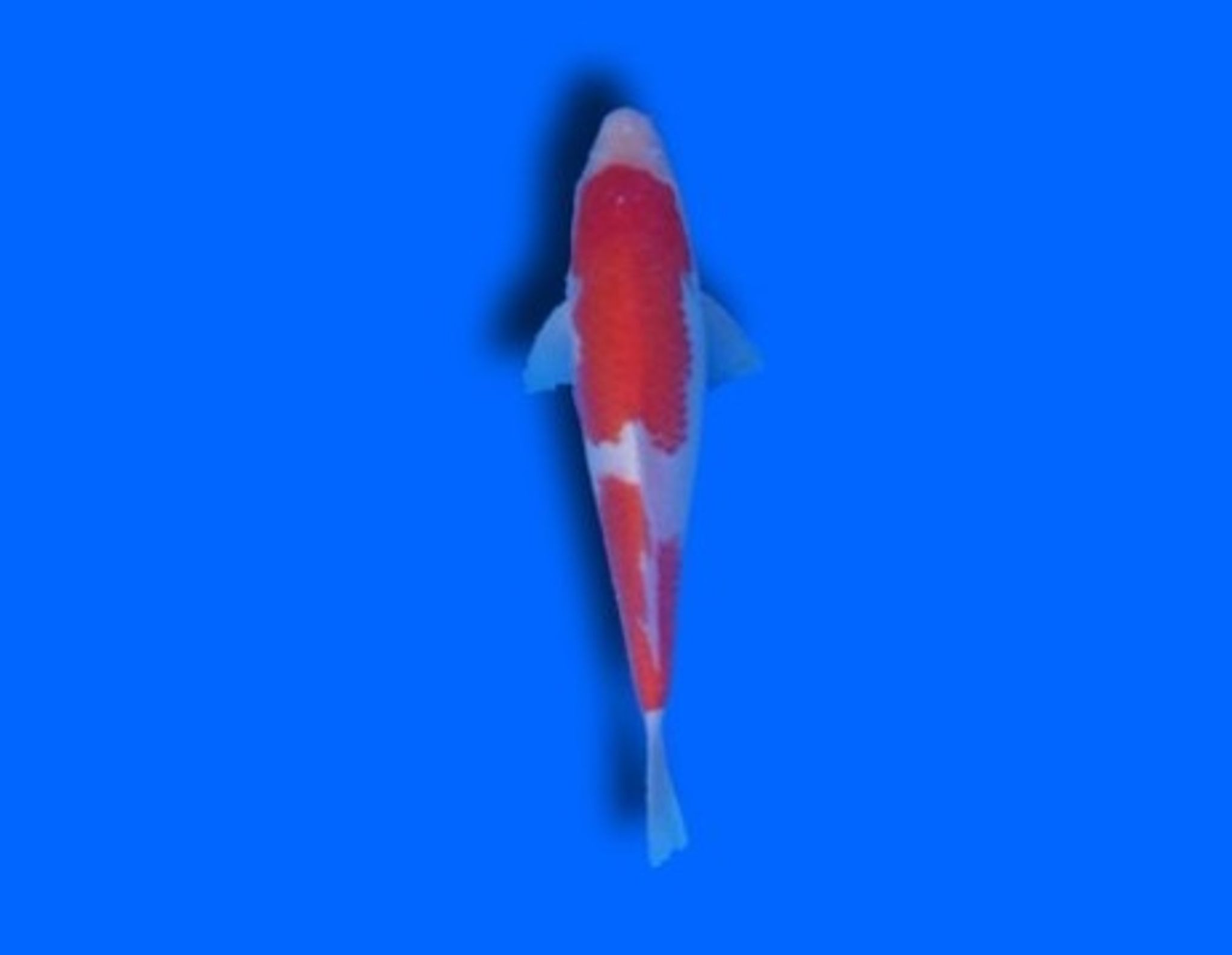
Kohaku Koi
SGD 250.00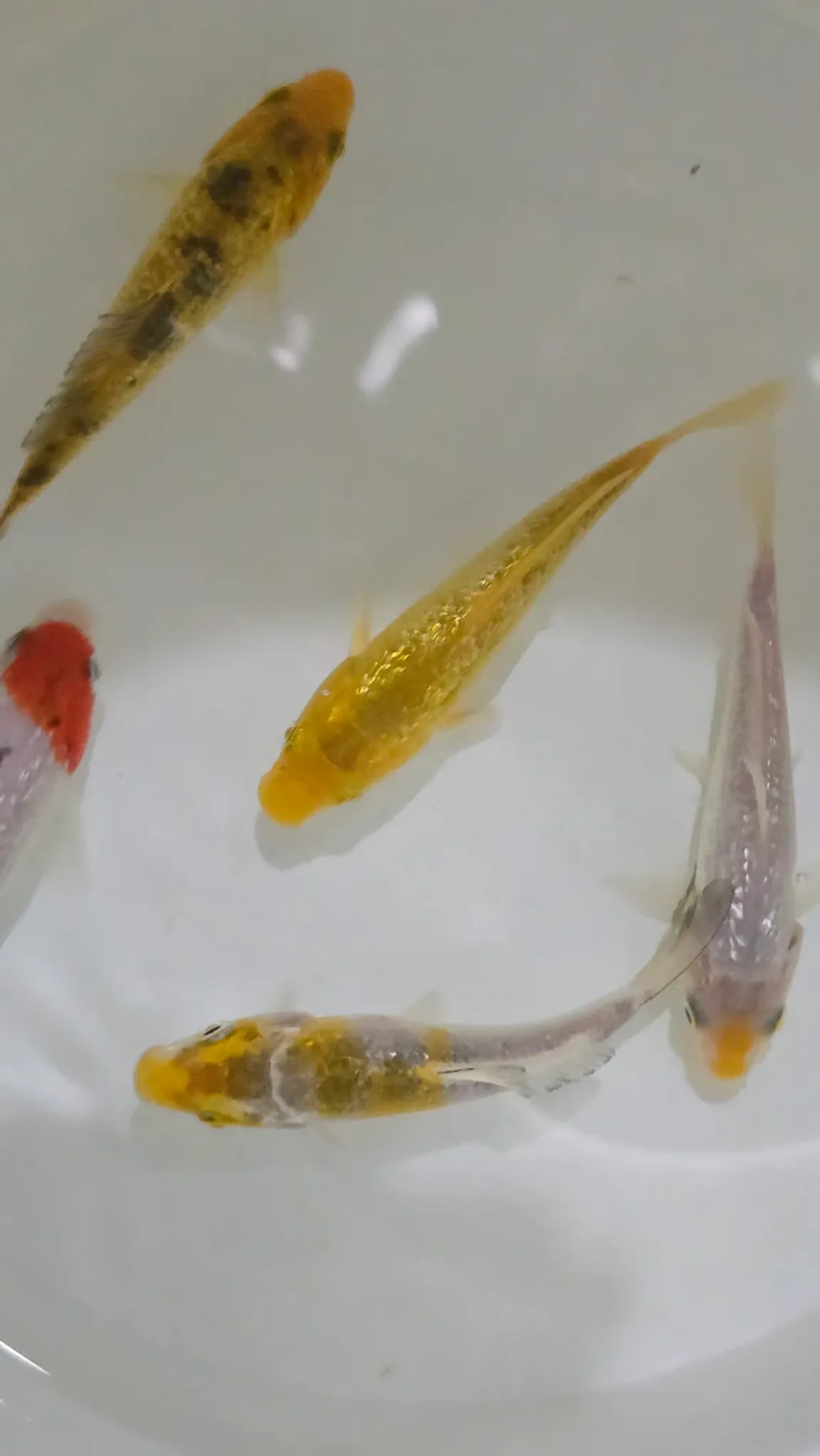
Diamond koi
SGD 3.85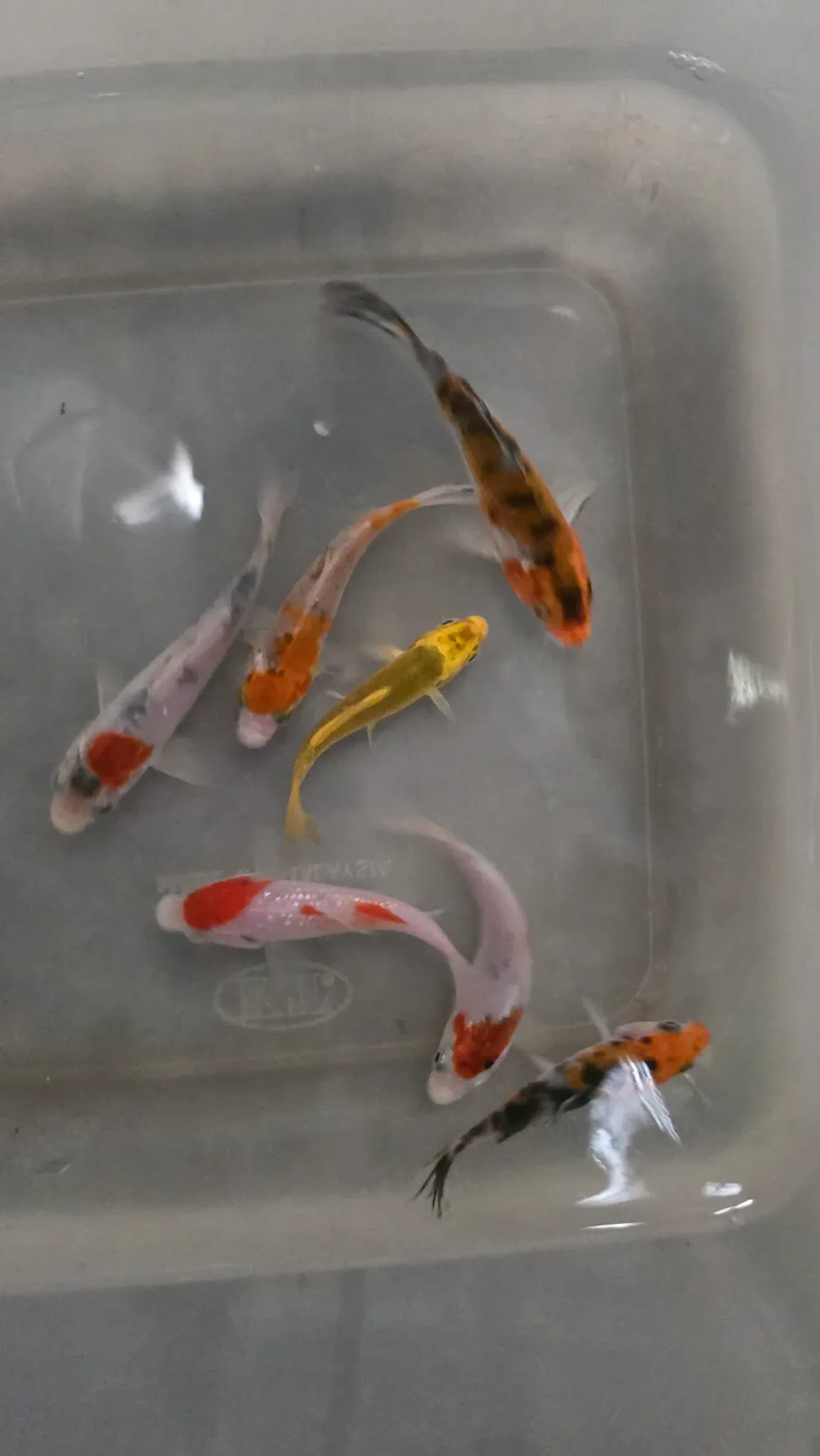
Assorted koi
SGD 49.50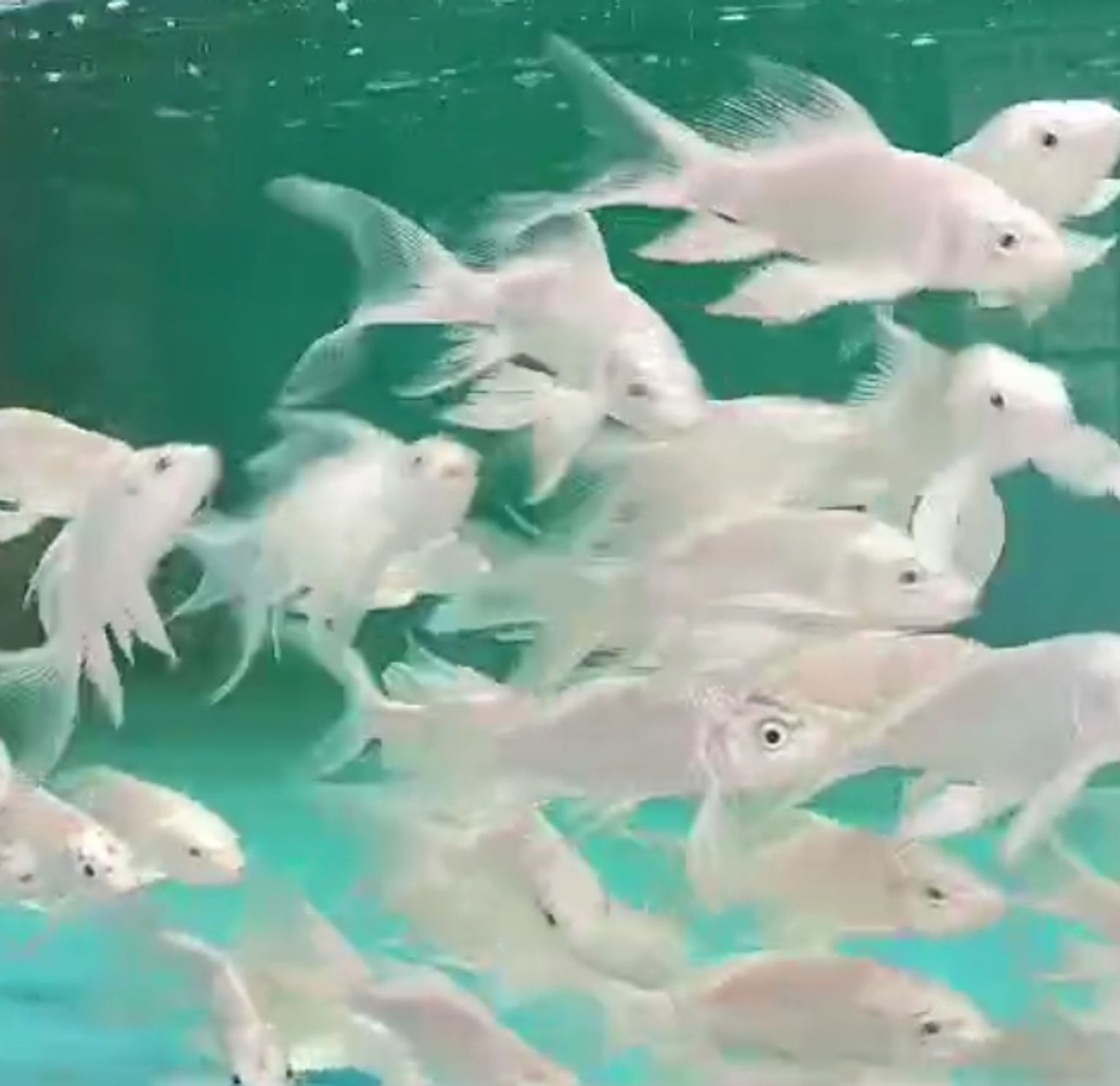
Long fin platinum koi GC-0114
SGD 20.00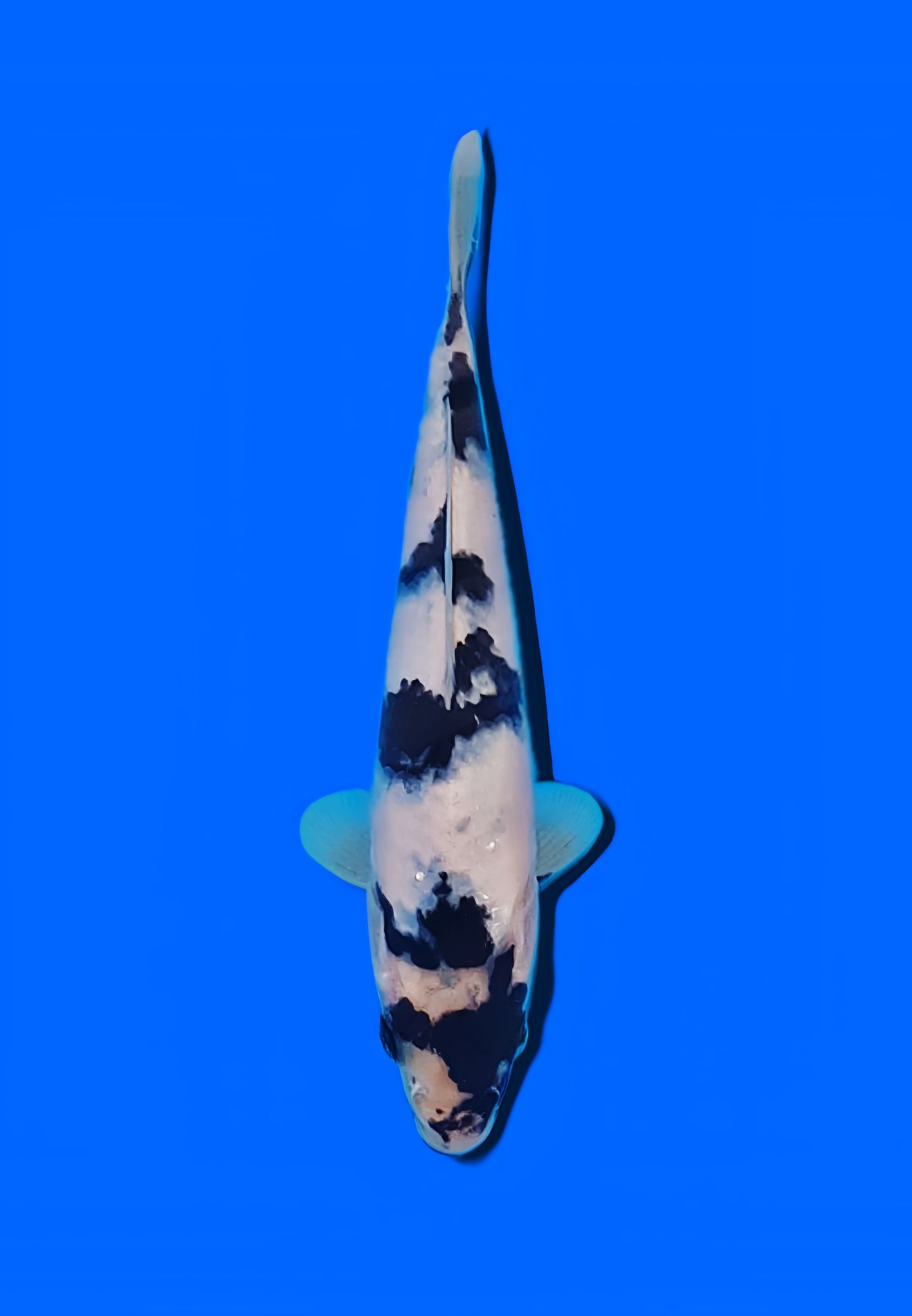
Shiro Utsuri Koi
SGD 180.00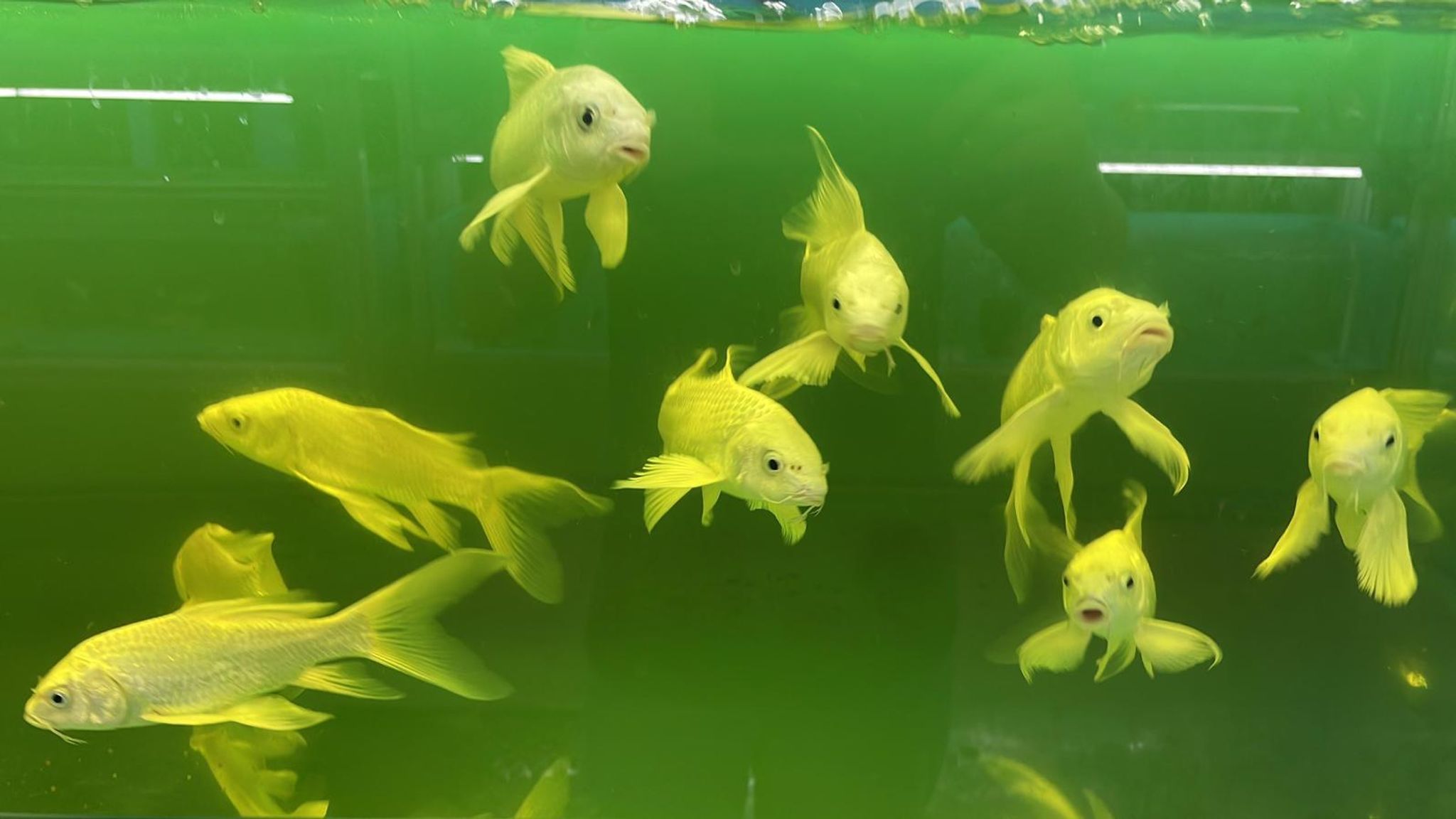
Long fin koi (GC0116)
SGD 30.00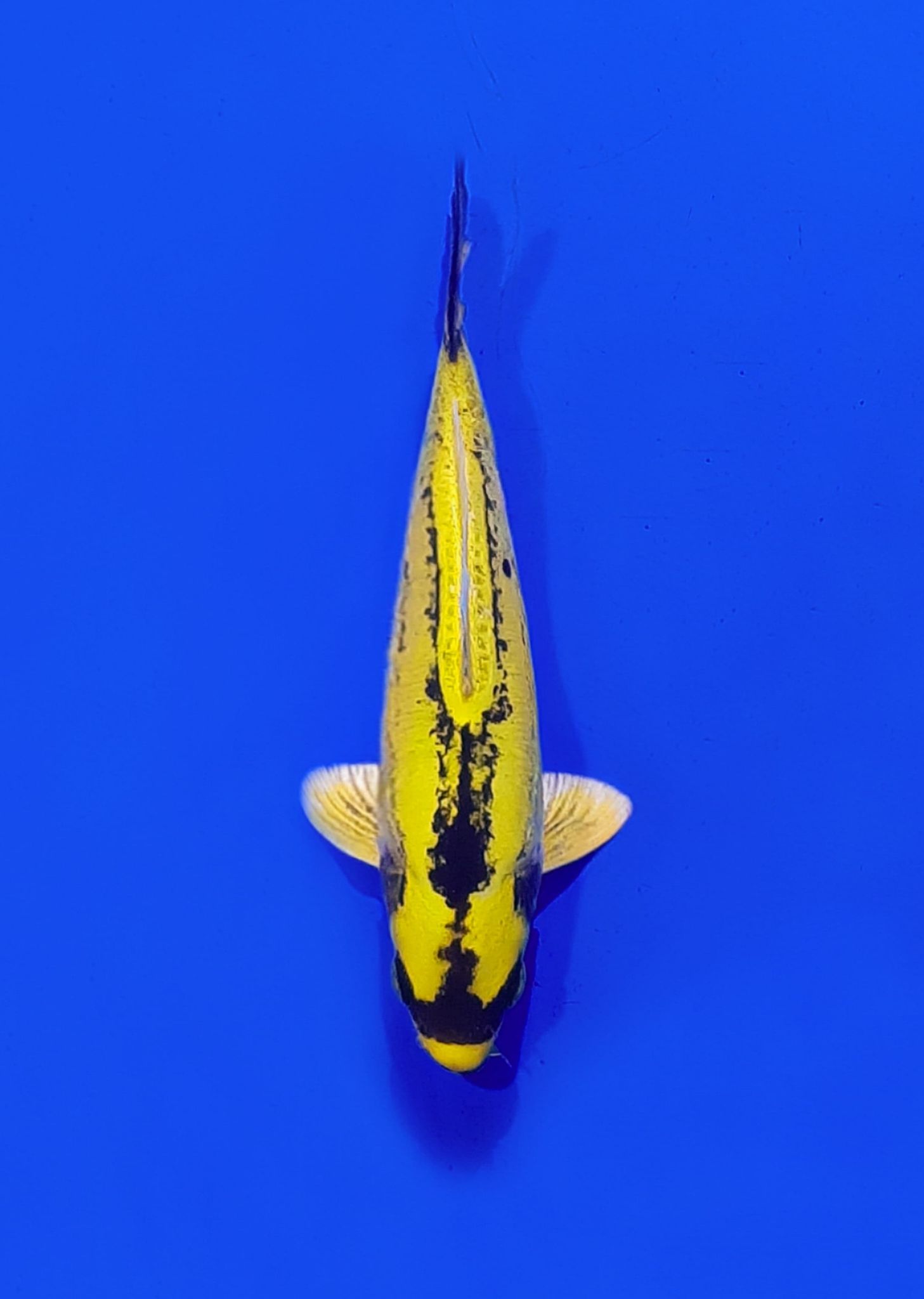
Banana Koi
SGD 175.00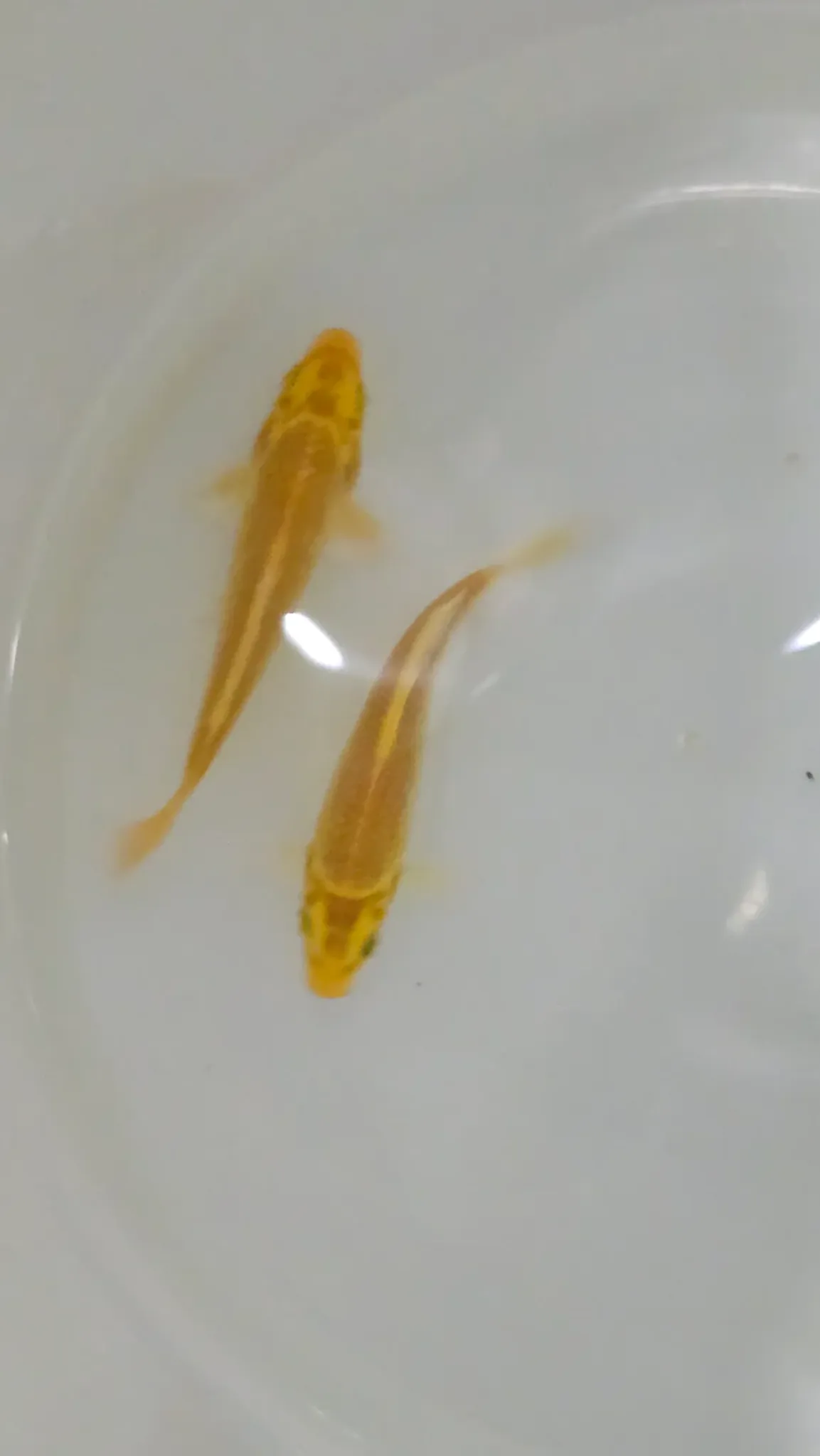
Golden koi
SGD 5.50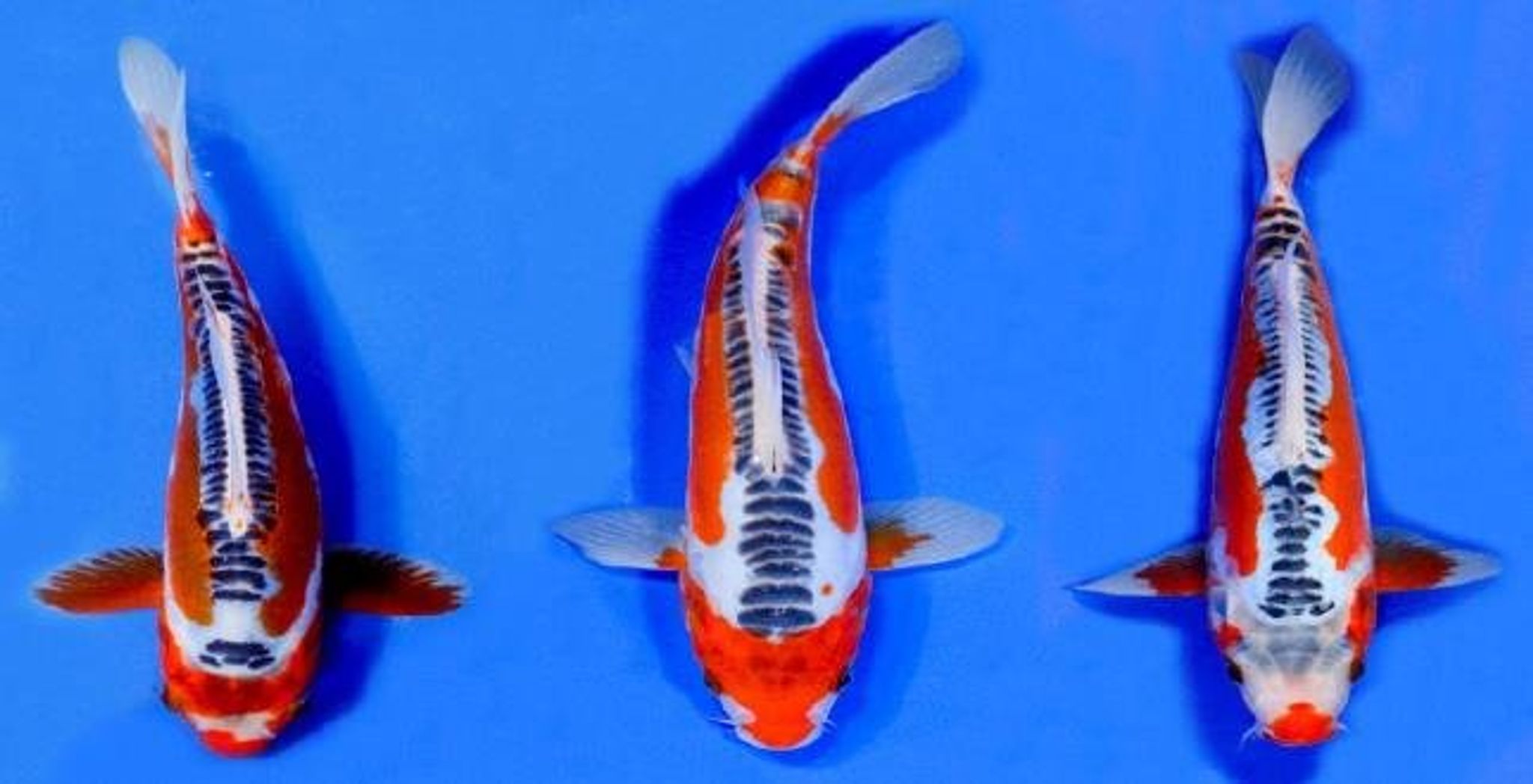
Shusui Koi
SGD 250.00
Mixed Assorted Koi
SGD 2.00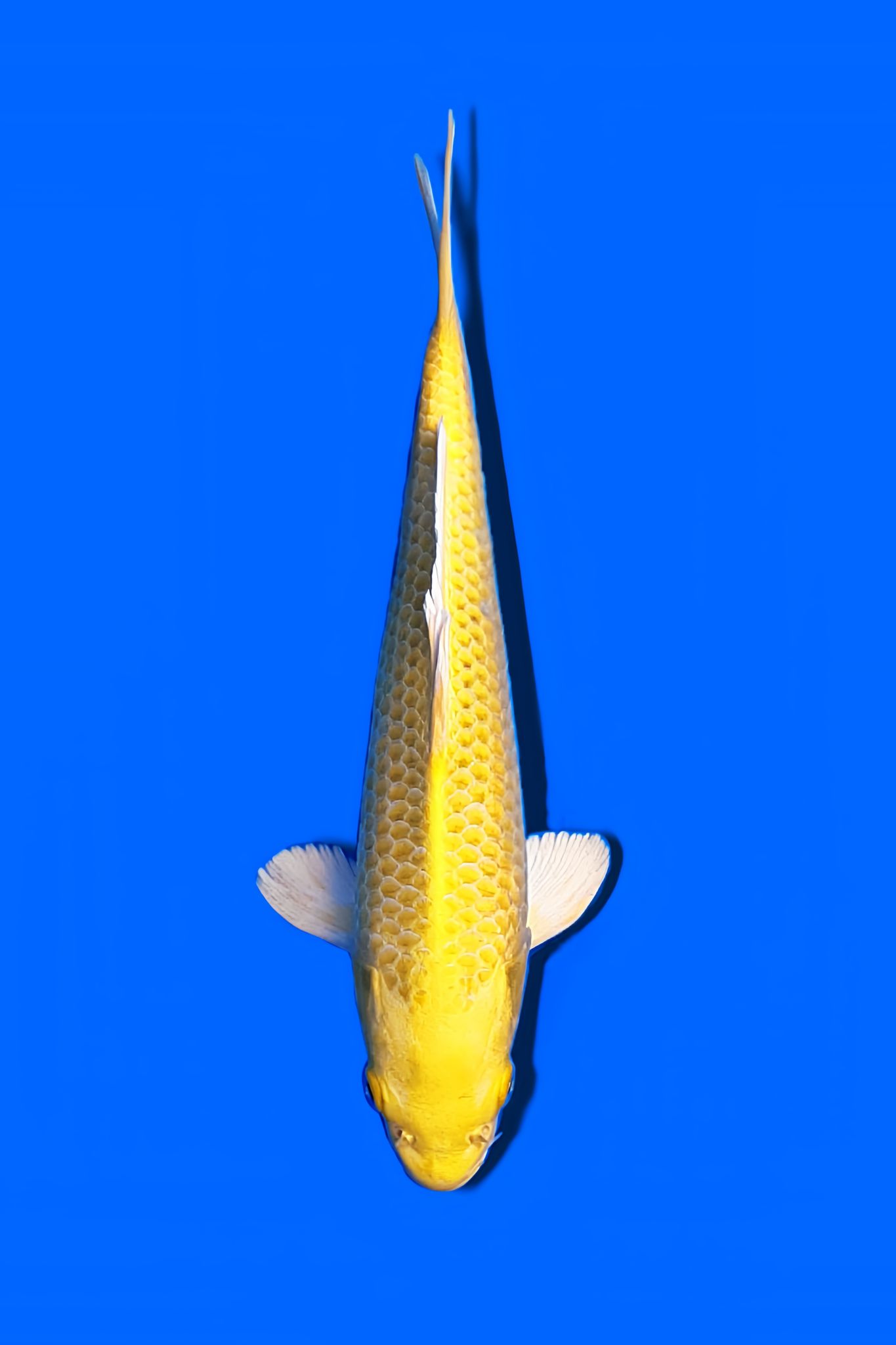
Hikari Ogon Koi
SGD 180.00
Silver Koi
SGD 4.40
Asagi Koi
SGD 400.00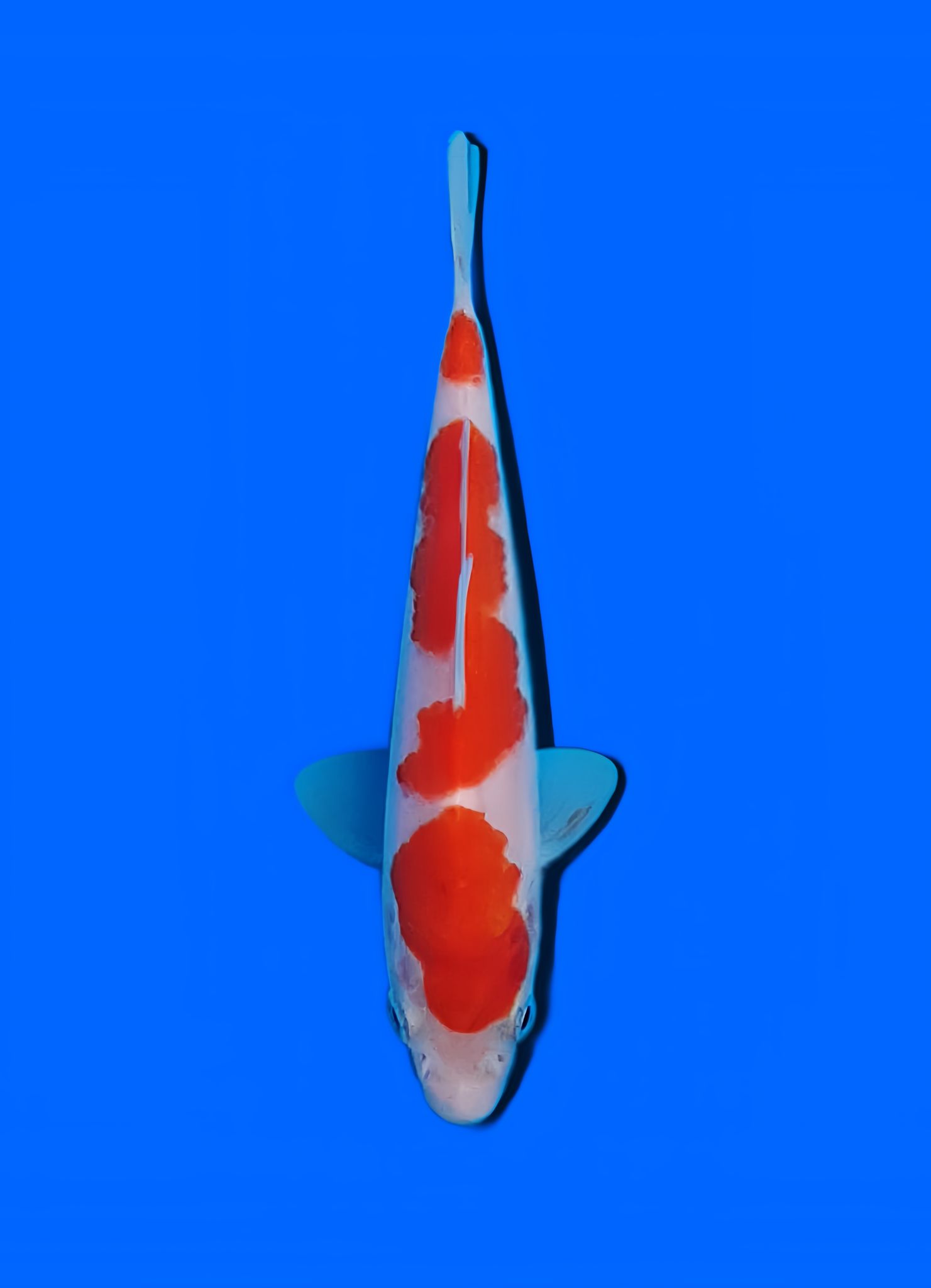
Kohaku Koi
SGD 180.00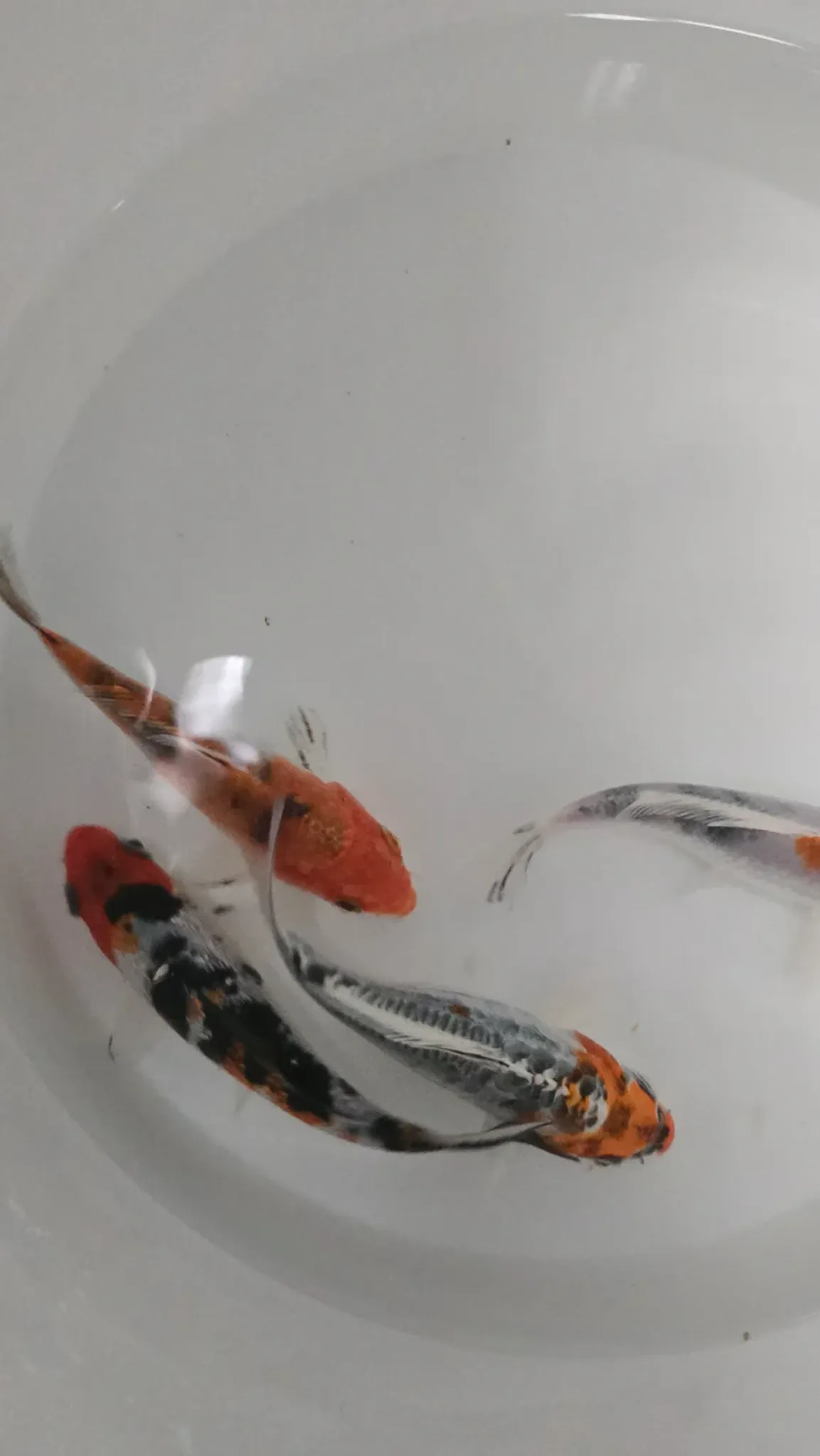
Tri colour koi
SGD 5.50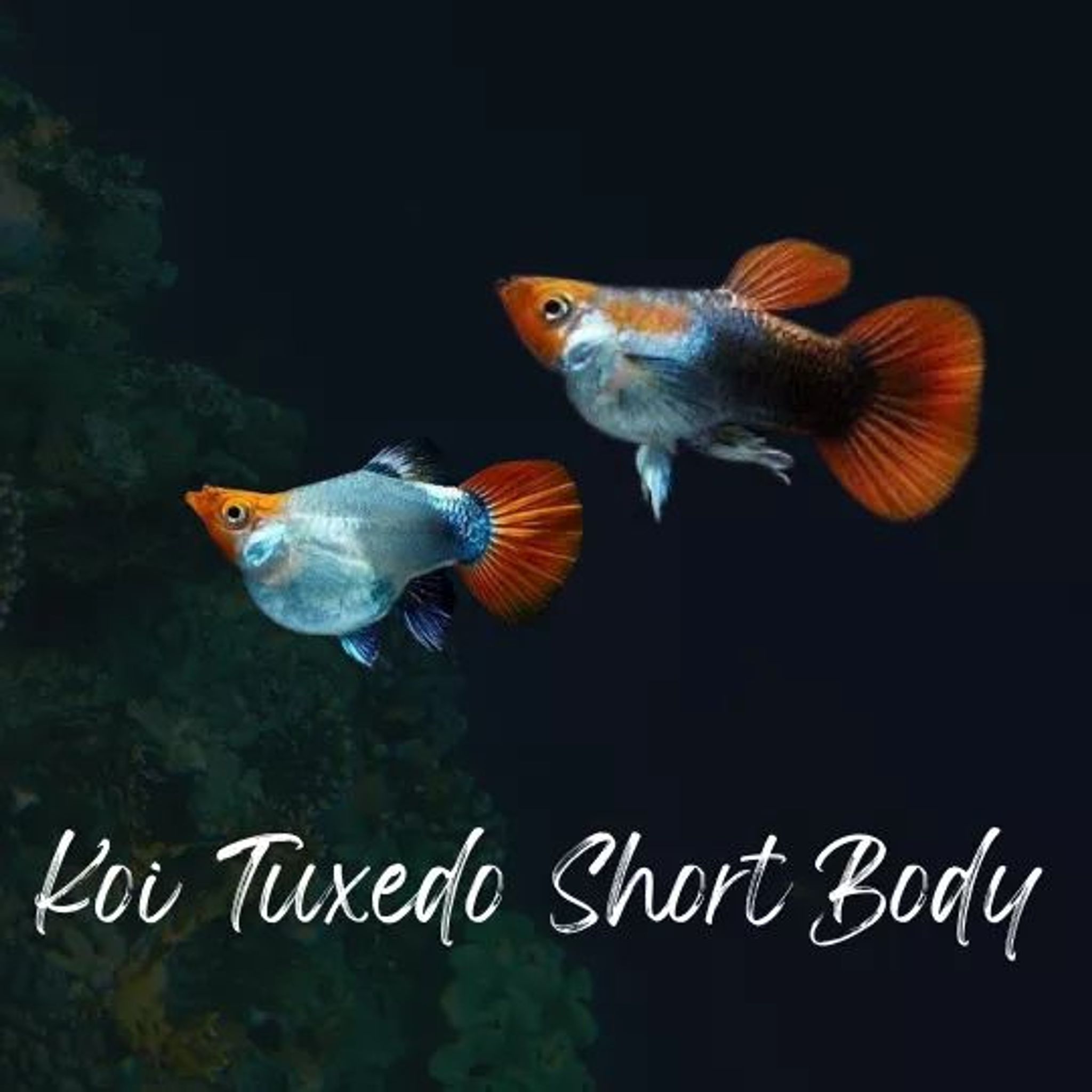
Koi Tuxedo Short Body
SGD 18.00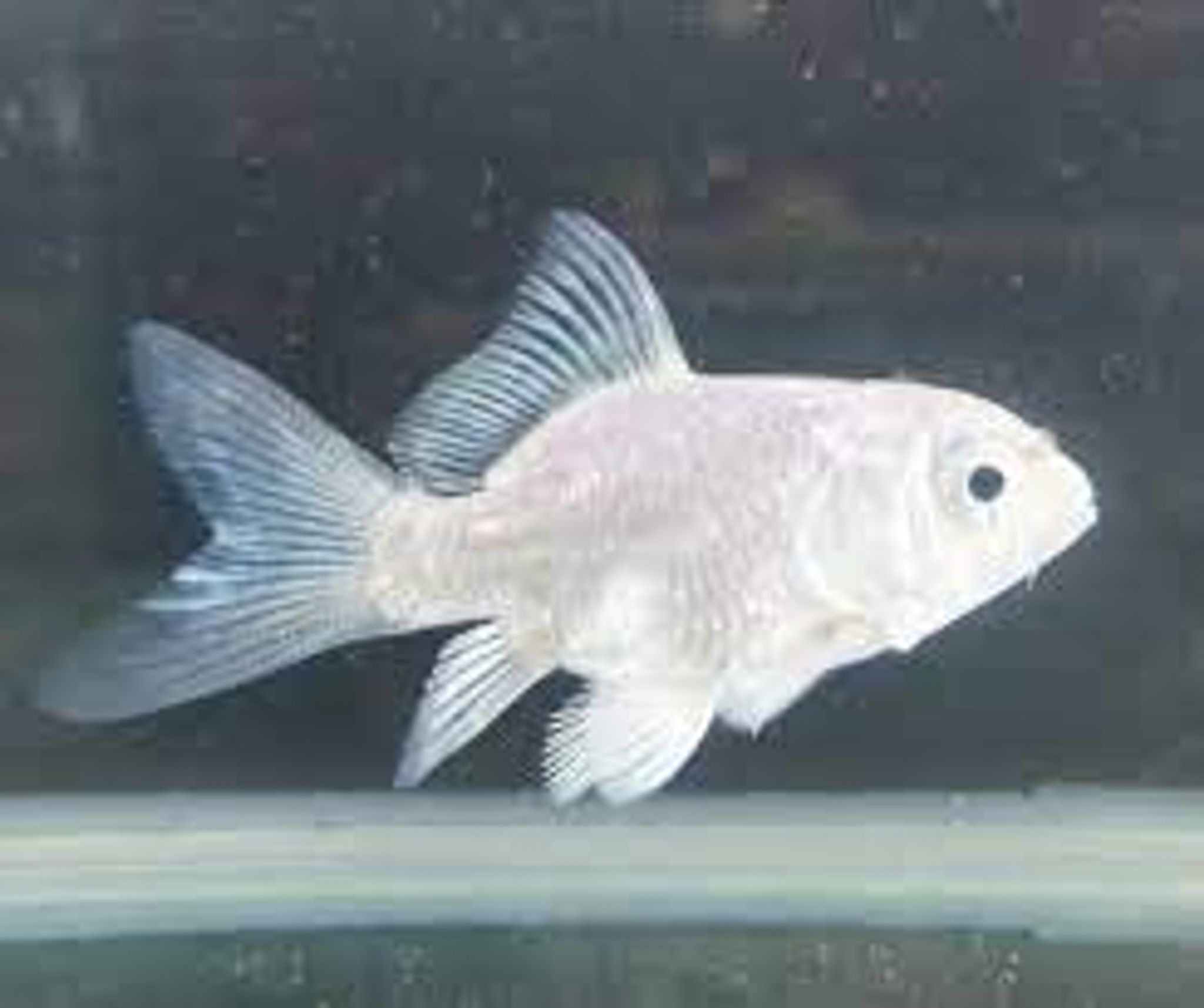
Fairy Koi- Assorted Colour
SGD 156.00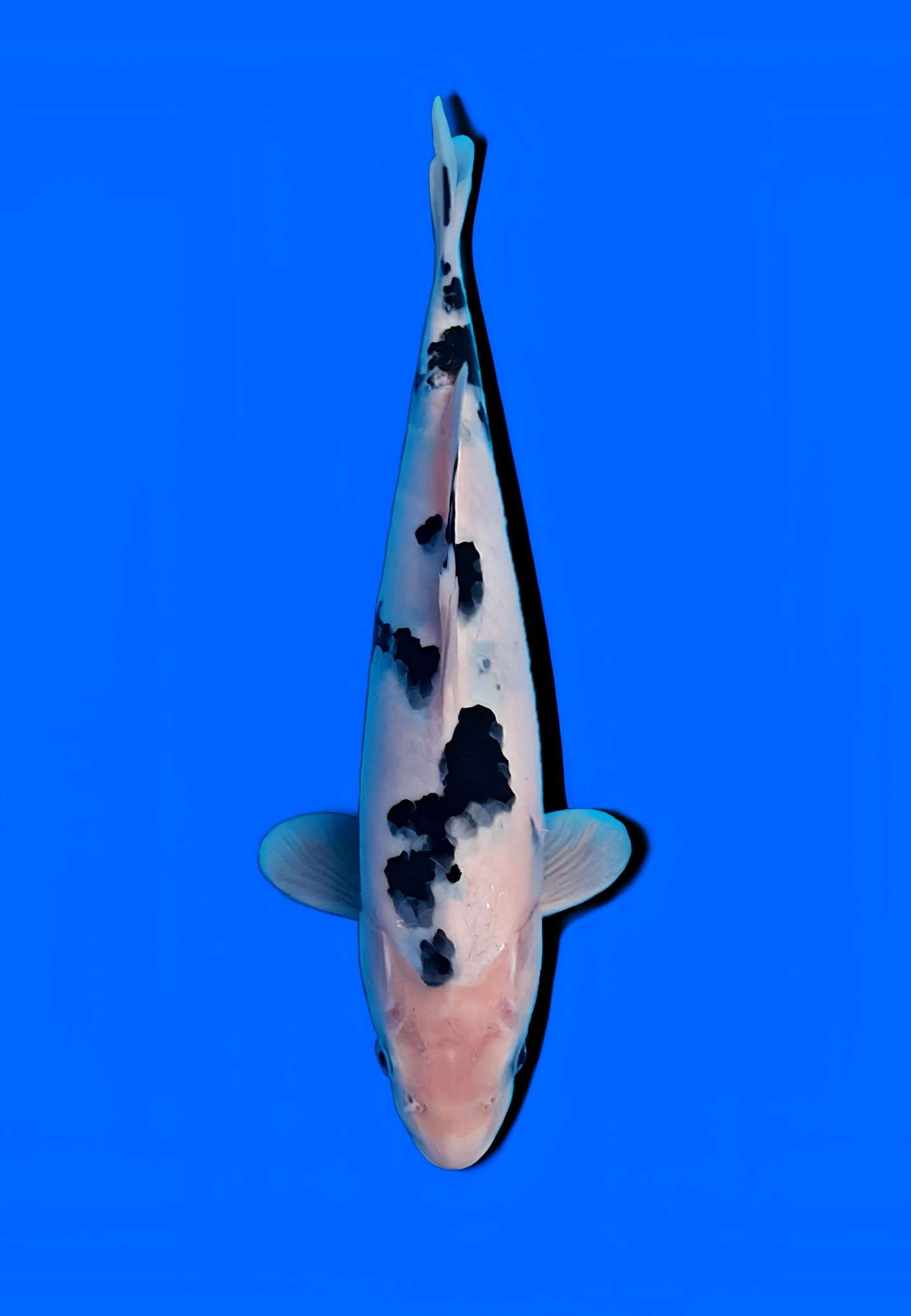
Bekko Koi
SGD 180.00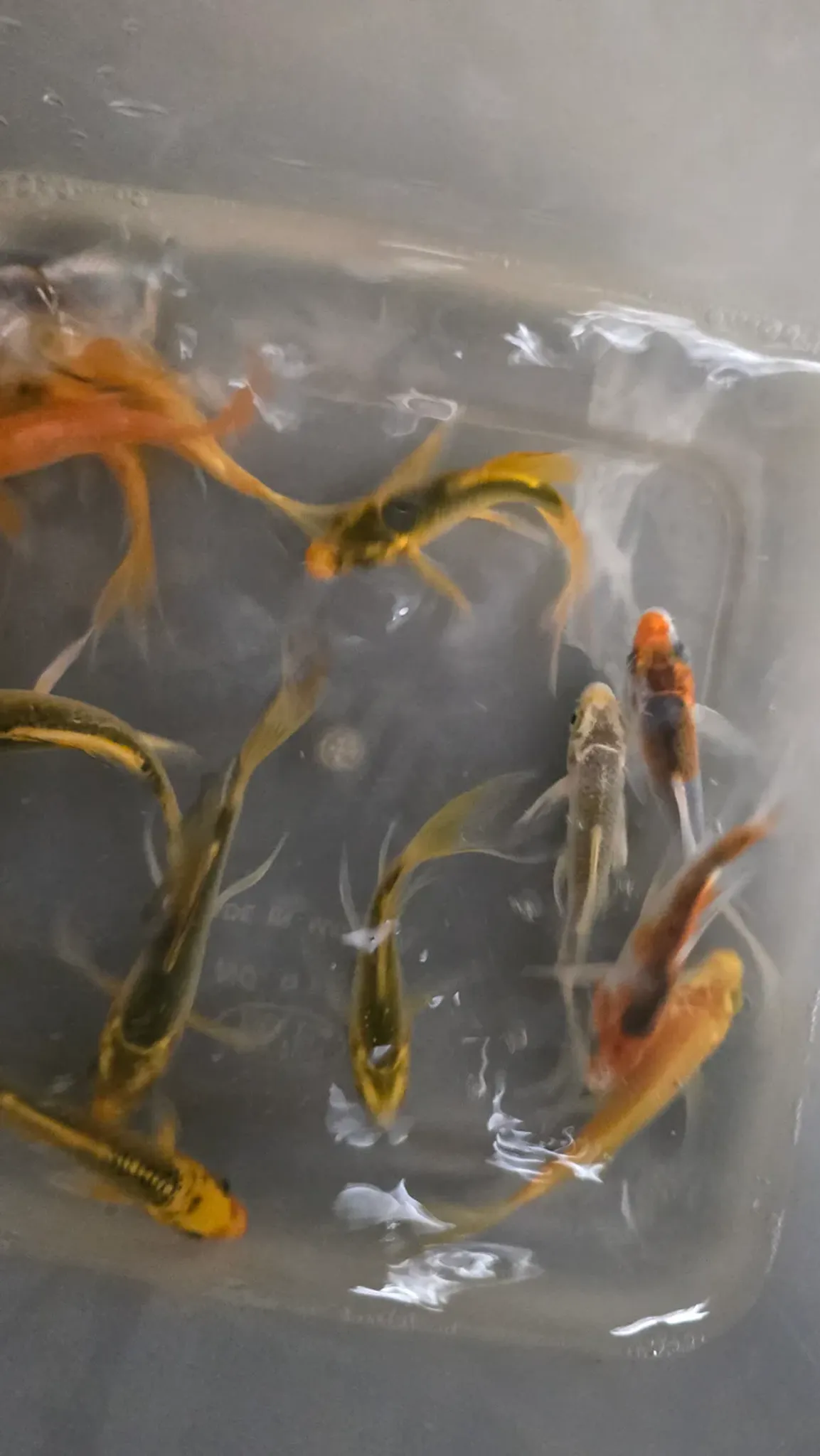
Assorted longfin koi
SGD 5.50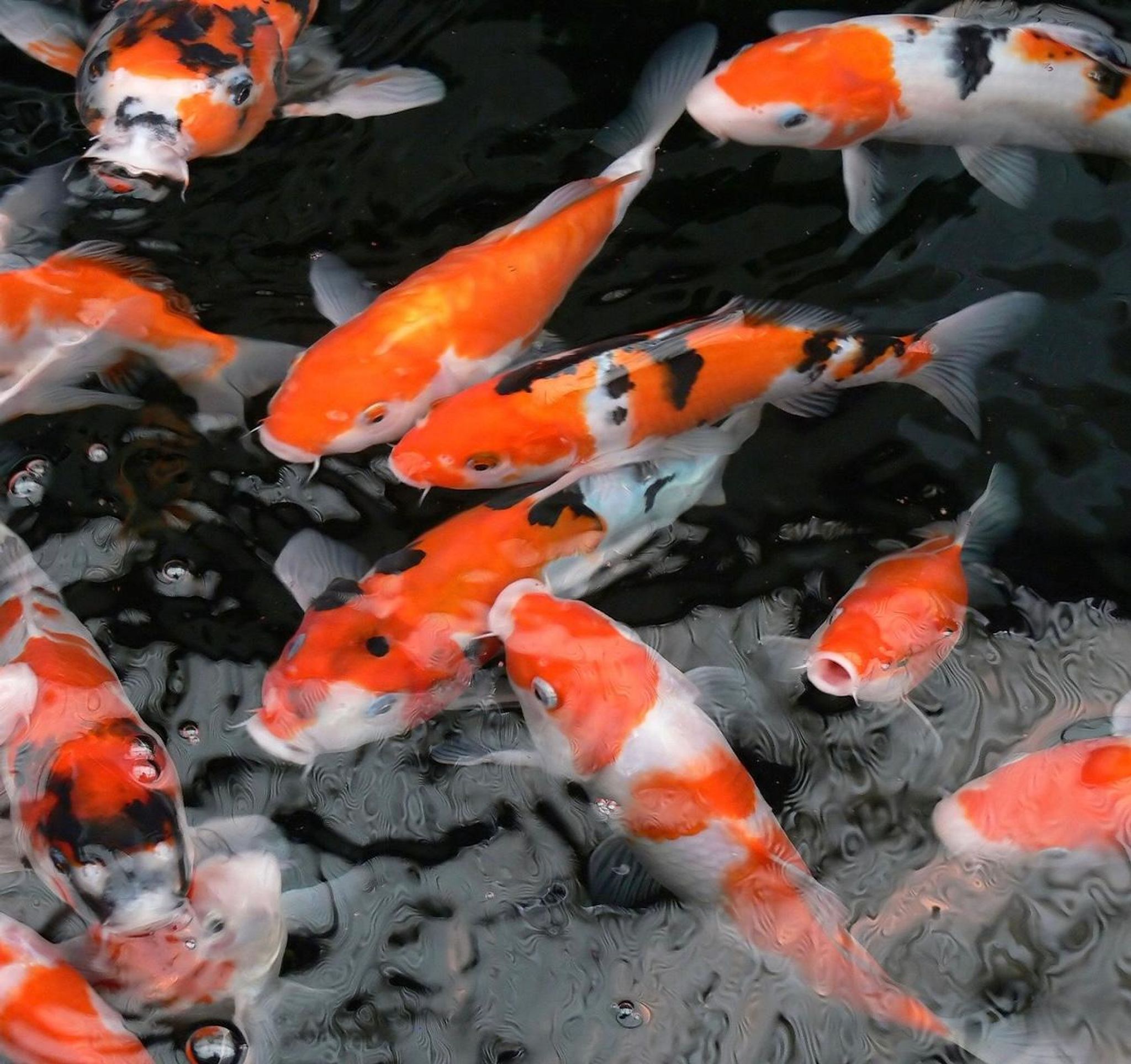
Thai Koi Assorted
SGD 7.00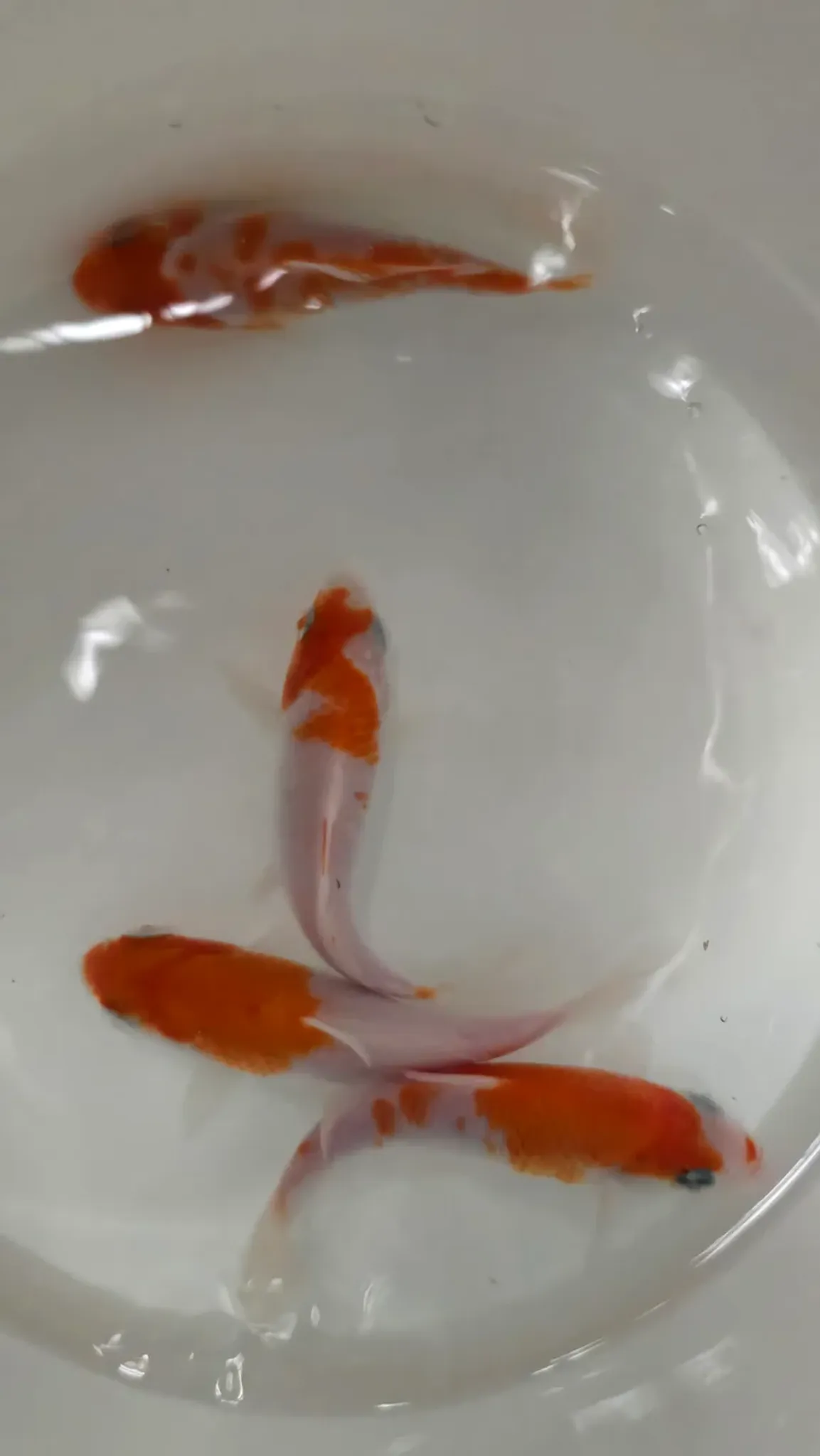
Red and white koi
SGD 4.40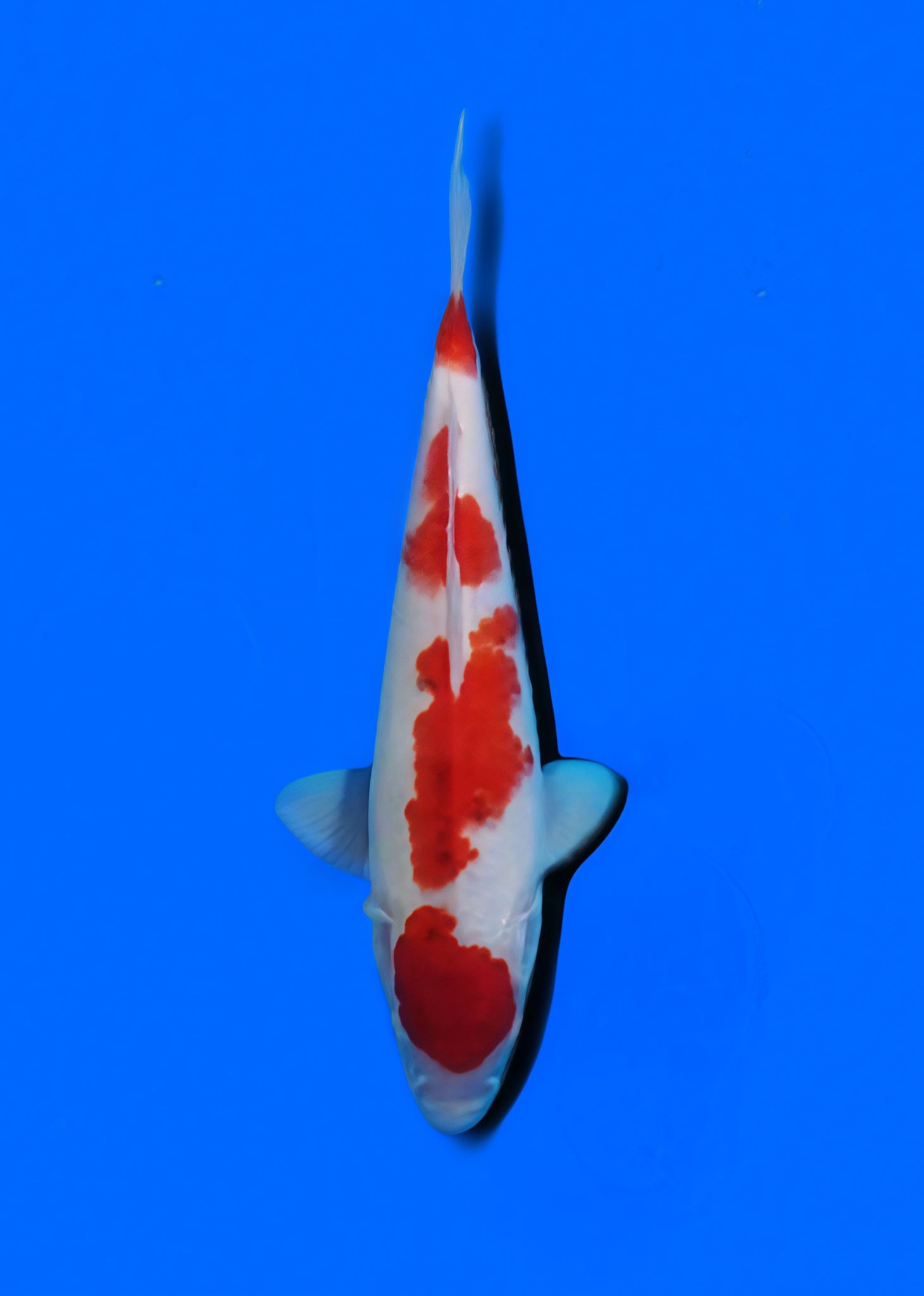
Aigoromo Koi
SGD 180.00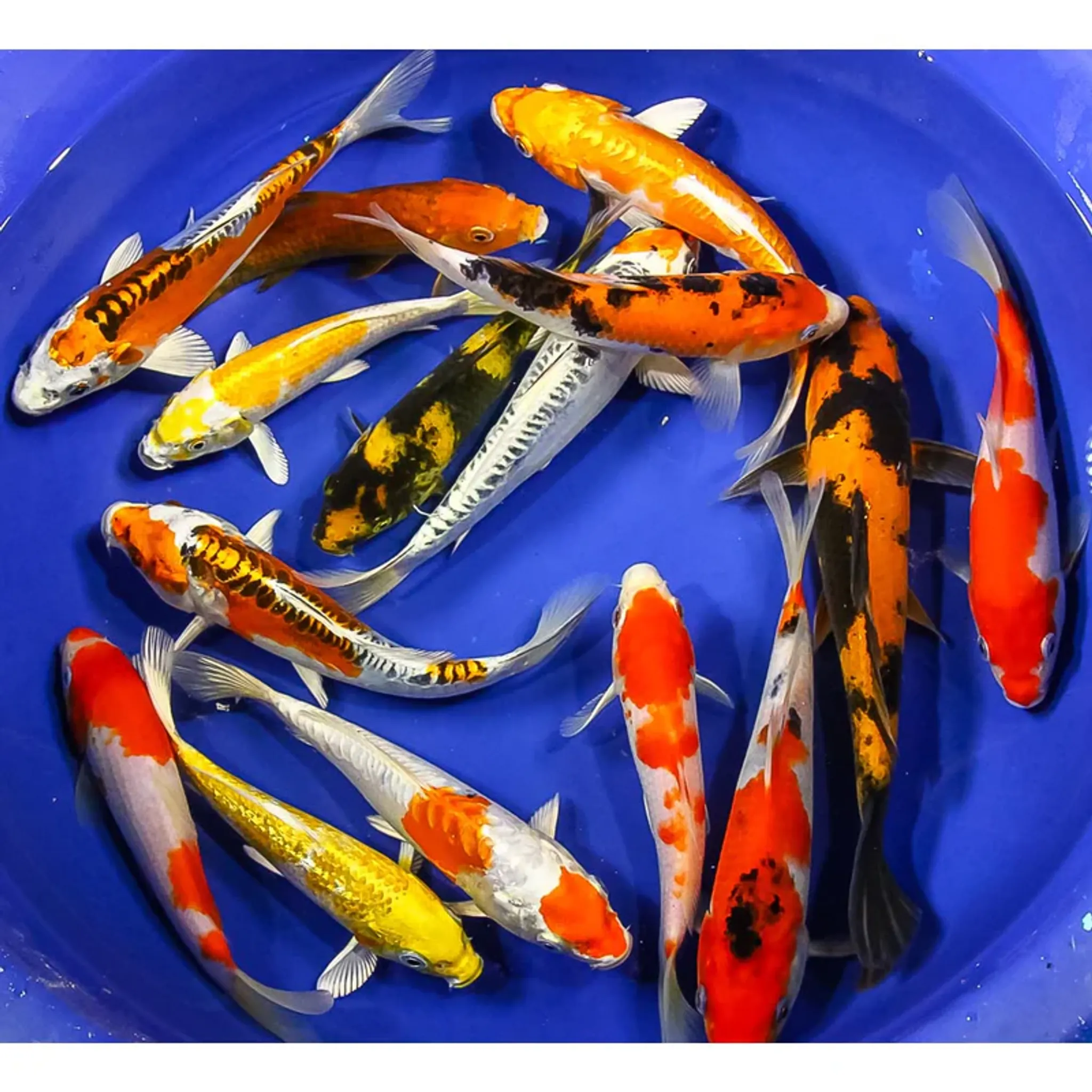
BIG ASSORTED KOI MIX COLOR
SGD 60.00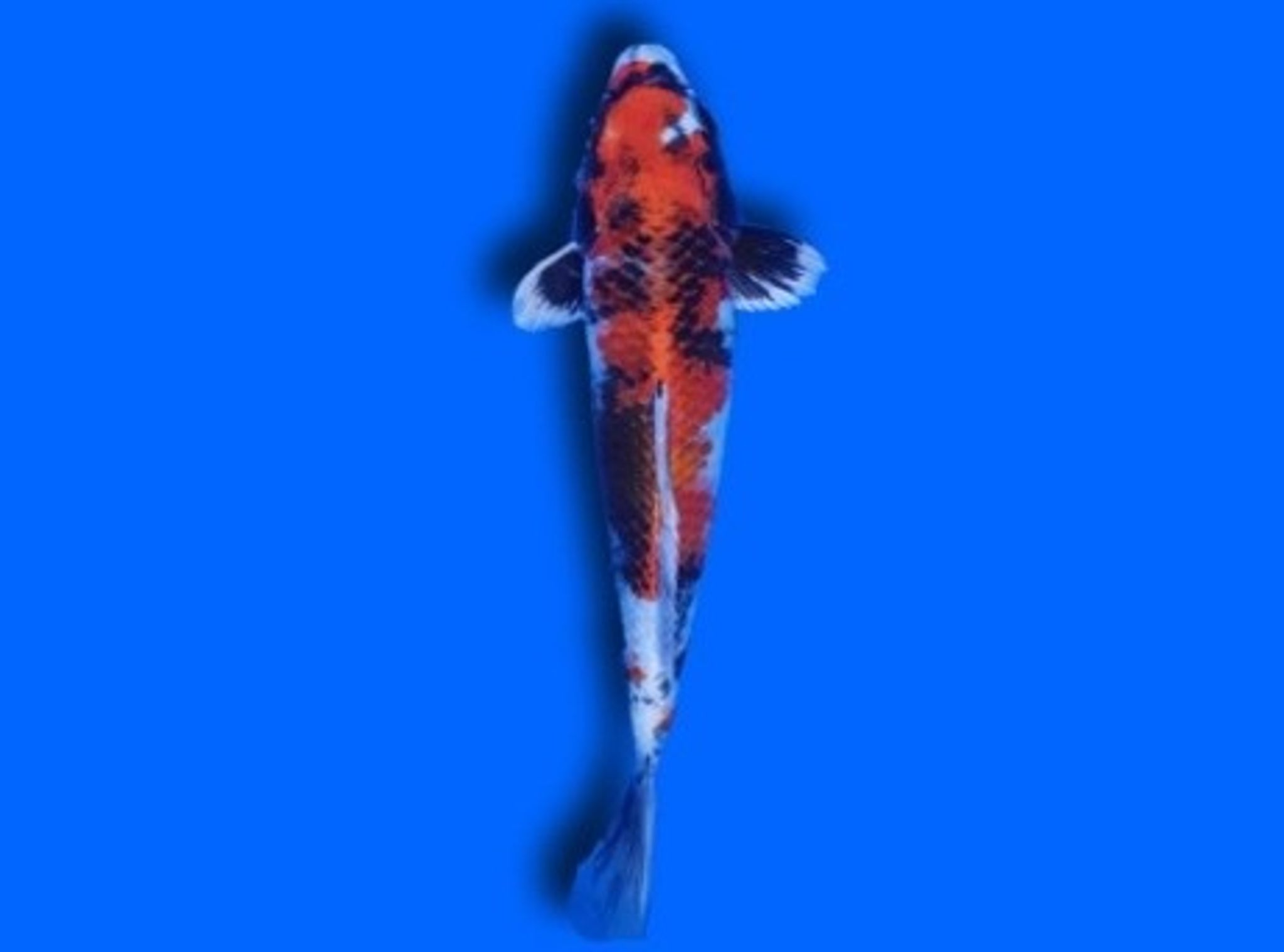
Kin Showa Koi
SGD 250.00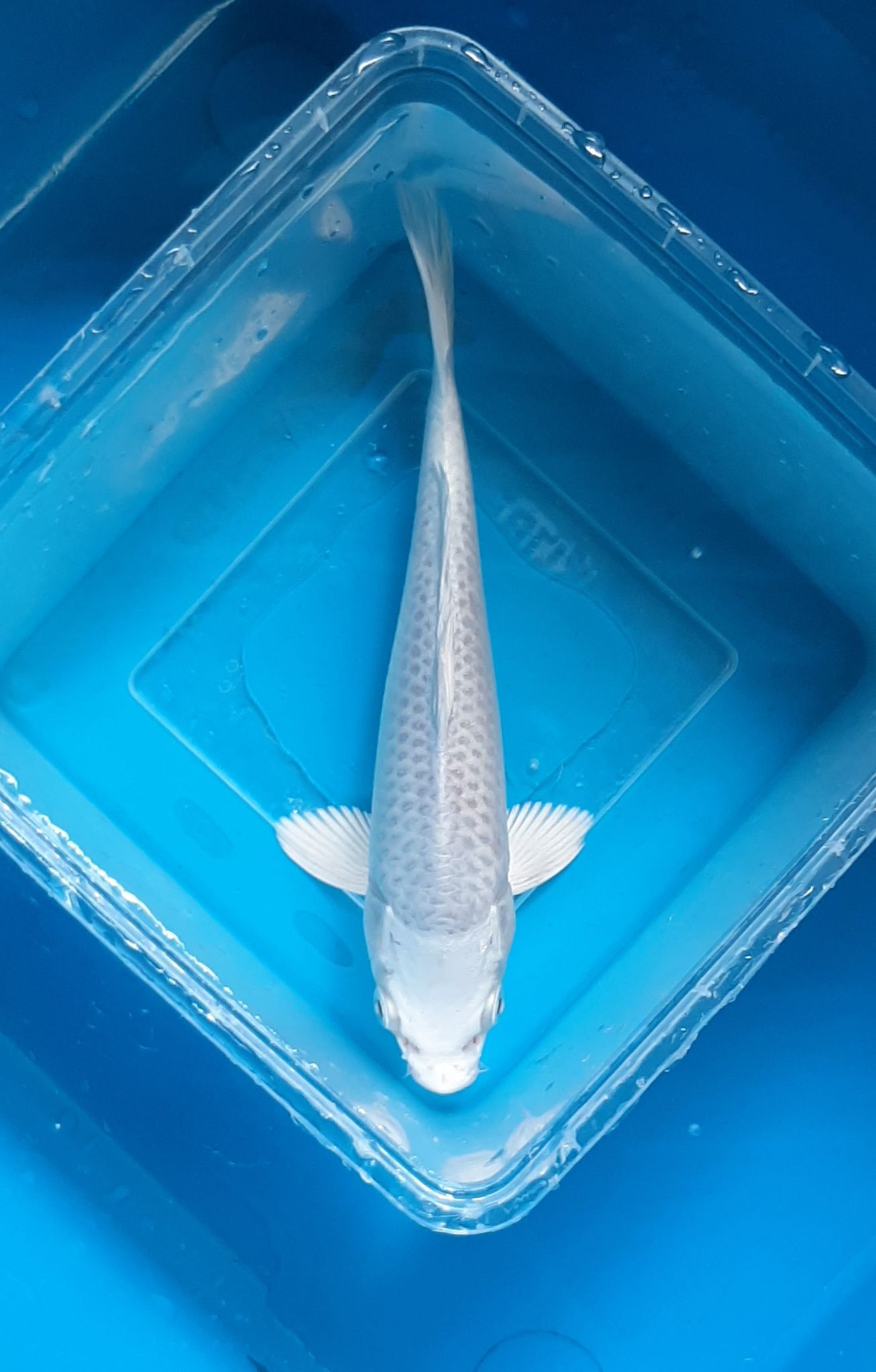
Platinum Koi
SGD 205.00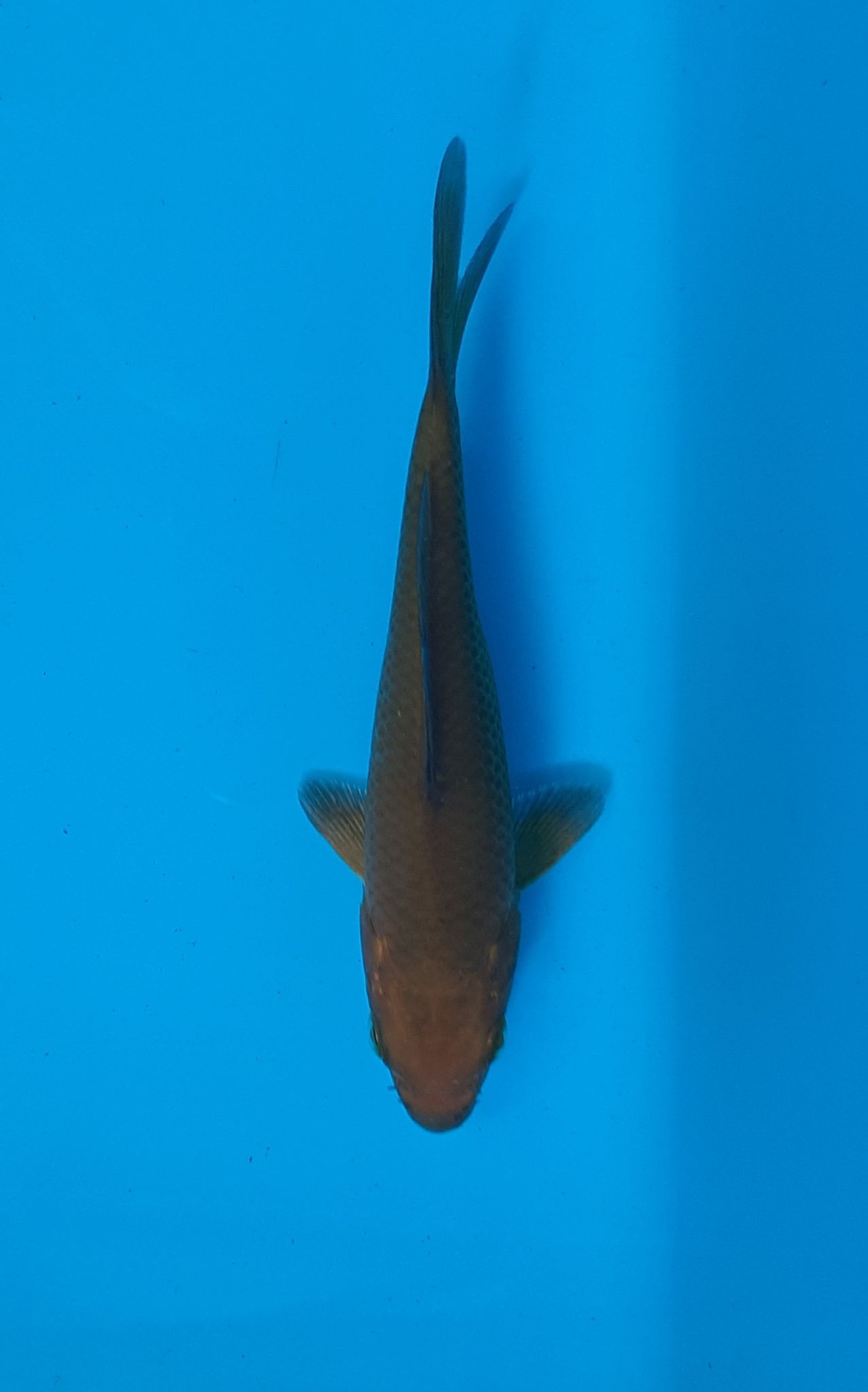
Chagoi Koi
SGD 180.00Tancho Kohaku Koi
SGD 175.00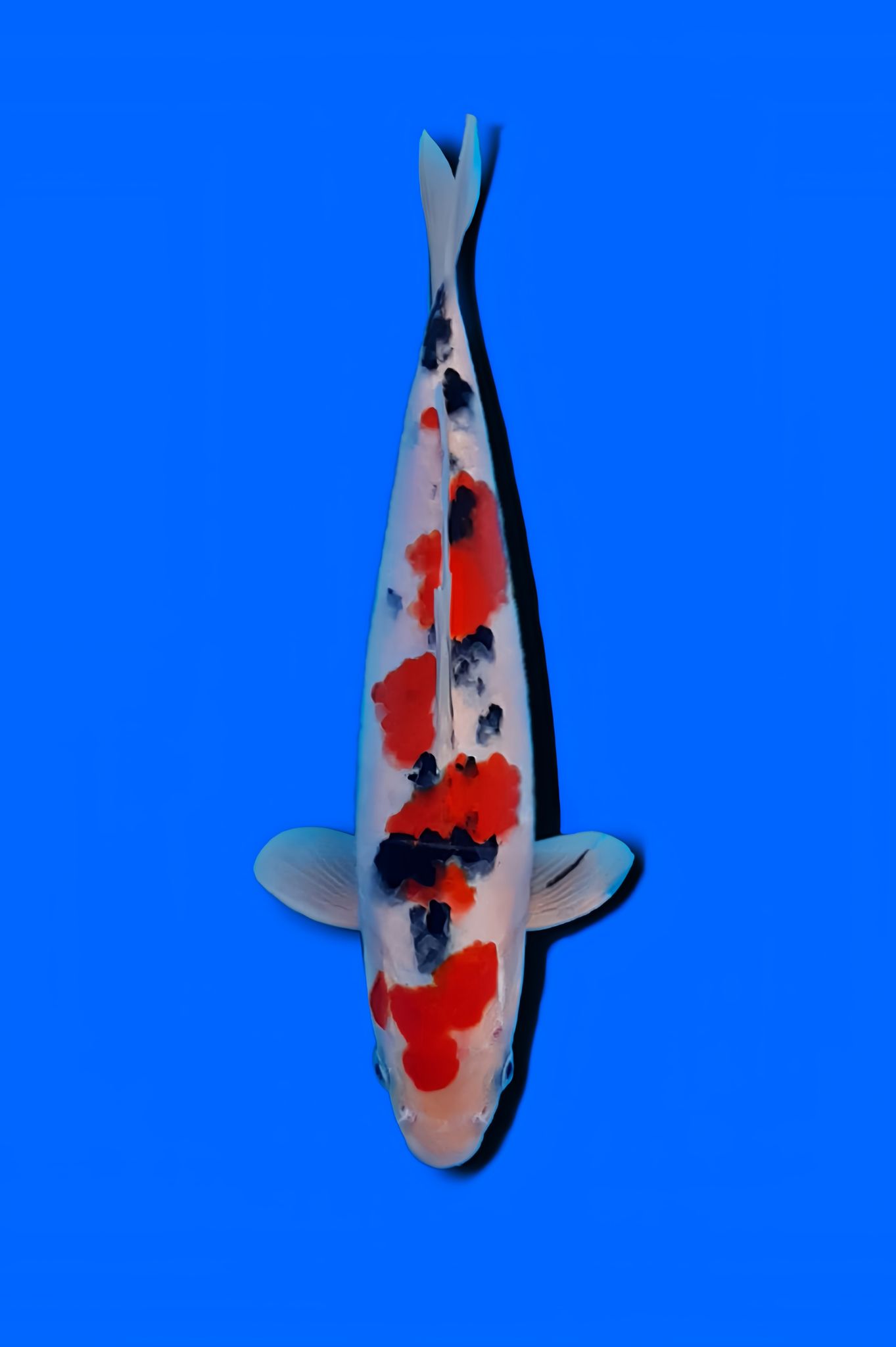
Sanke Koi
SGD 180.00
Shortbody fairy koi 3"
SGD 17.60
Albino koi red ear short body
SGD 31.00
Assorted Koi (5 - 7cm)
SGD 32.50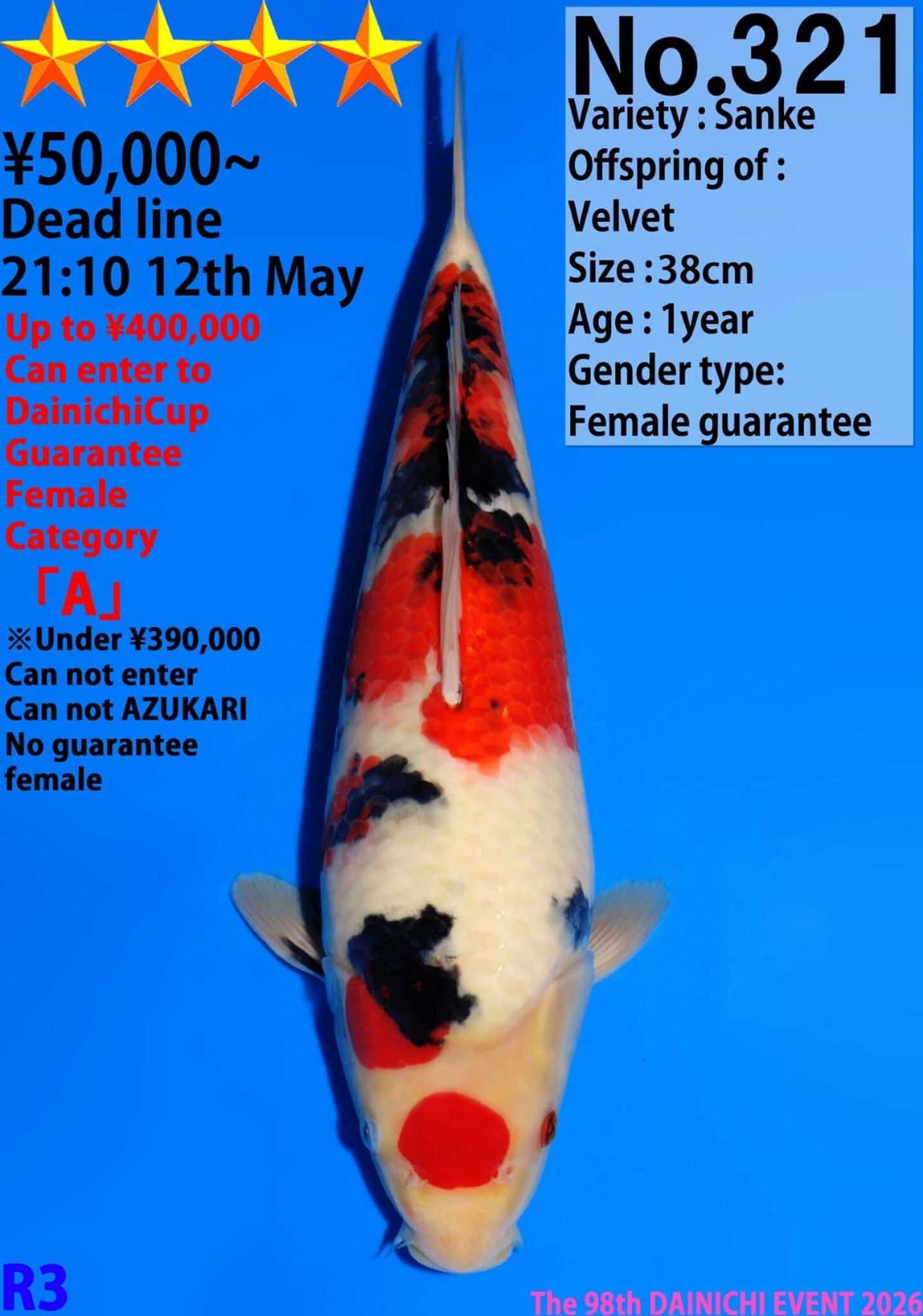
Dainichi Sanke
SGD 2000.00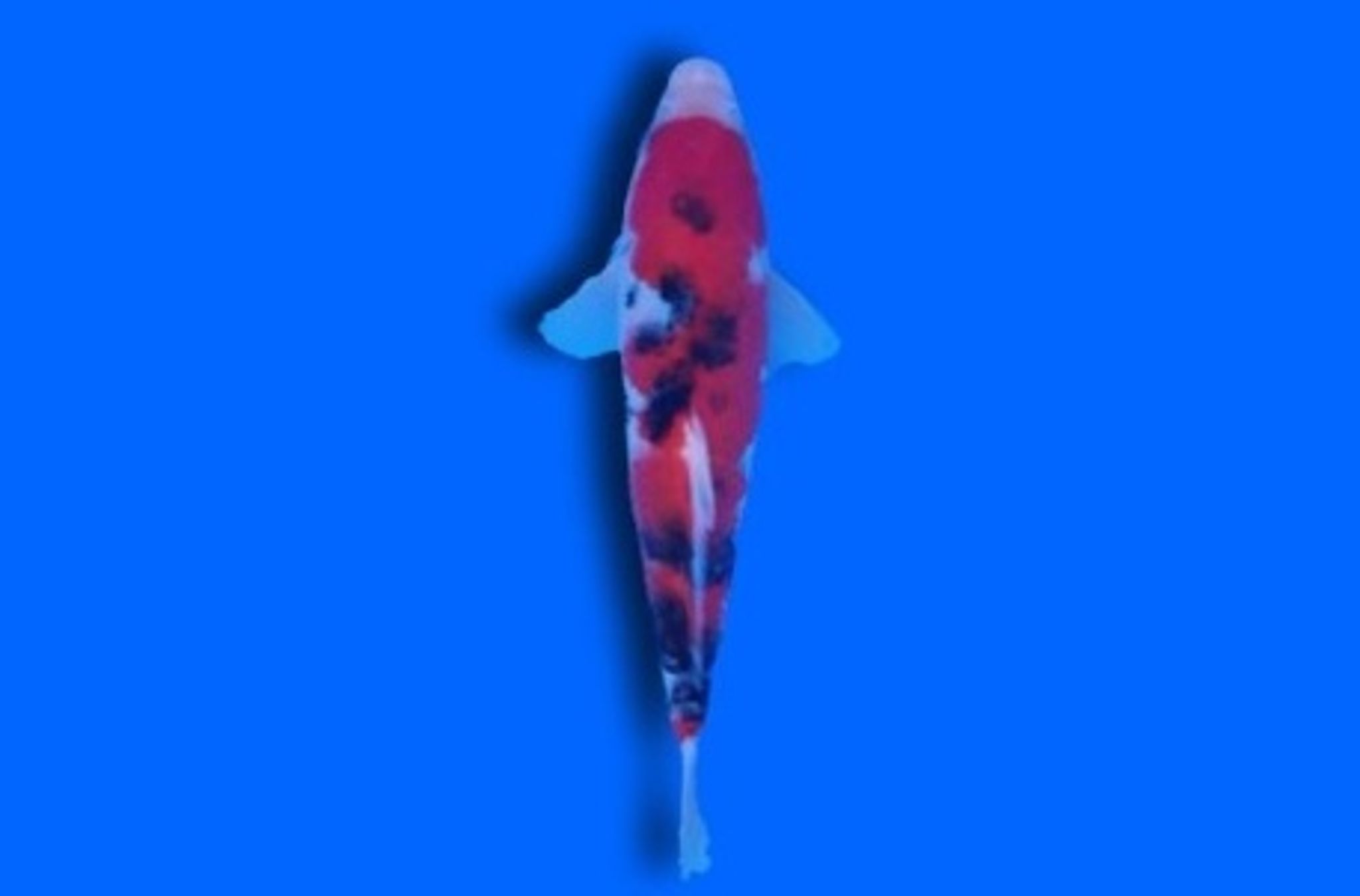
Showa Koi
SGD 225.00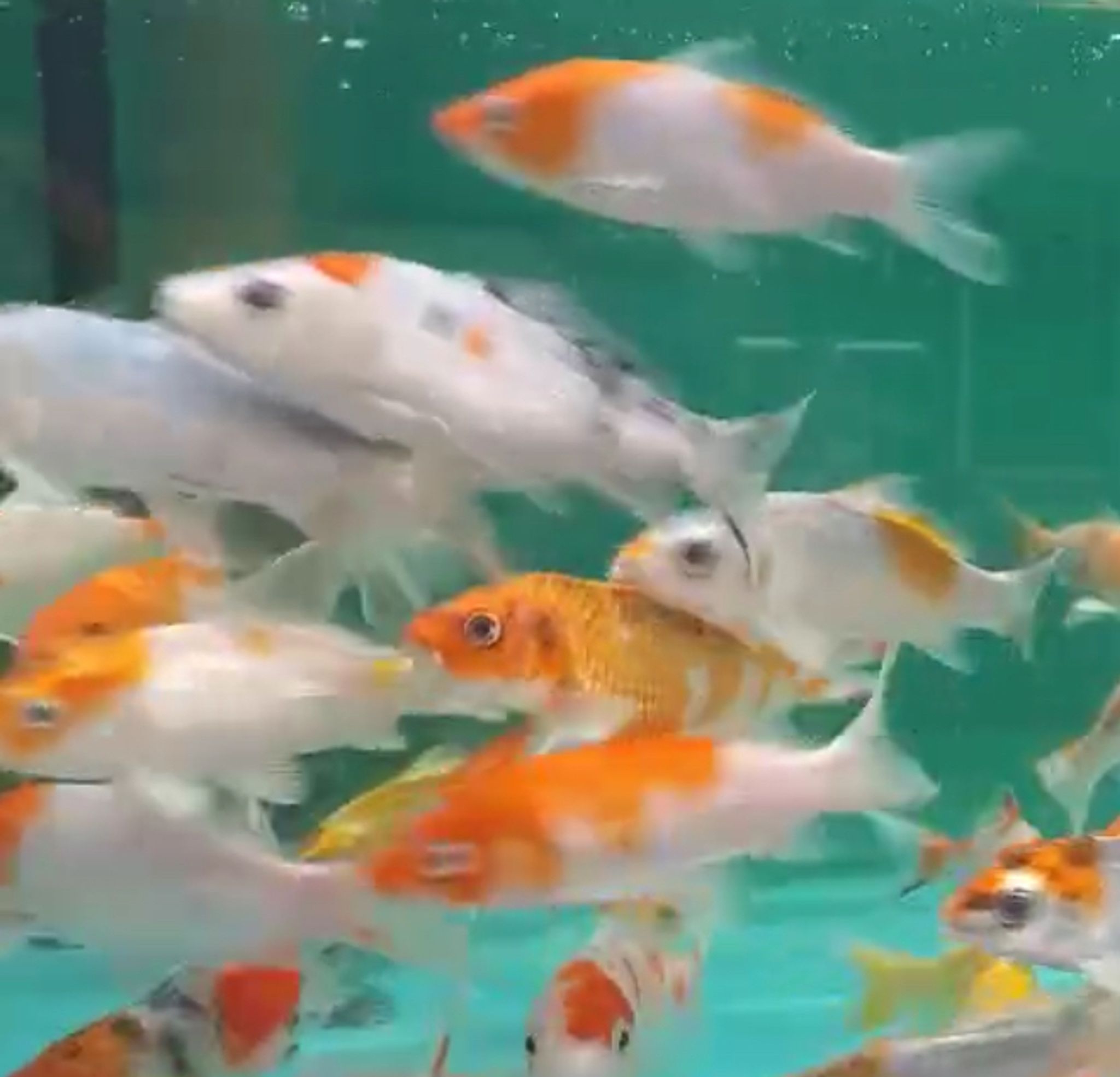
Mix color Koi GC-0359
SGD 25.20Koi Black fairy koi (14-15 inc..
SGD 300.00Red koi
SGD 4.40Assorted Koi
SGD 28.80Black koi
SGD 5.50Assorted Koi (10 - 25 cm)
SGD 75.00Kohaku Koi
SGD 250.00Diamond koi
SGD 3.85Assorted koi
SGD 49.50Long fin platinum koi GC-0114
SGD 20.00Shiro Utsuri Koi
SGD 180.00Long fin koi (GC0116)
SGD 30.00Banana Koi
SGD 175.00Golden koi
SGD 5.50Shusui Koi
SGD 250.00Mixed Assorted Koi
SGD 2.00Hikari Ogon Koi
SGD 180.00Silver Koi
SGD 4.40Asagi Koi
SGD 400.00Kohaku Koi
SGD 180.00Tri colour koi
SGD 5.50Koi Tuxedo Short Body
SGD 18.00Fairy Koi- Assorted Colour
SGD 156.00Bekko Koi
SGD 180.00Assorted longfin koi
SGD 5.50Thai Koi Assorted
SGD 7.00Red and white koi
SGD 4.40Aigoromo Koi
SGD 180.00BIG ASSORTED KOI MIX COLOR
SGD 60.00Kin Showa Koi
SGD 250.00Platinum Koi
SGD 205.00Chagoi Koi
SGD 180.00Tancho Kohaku Koi
SGD 175.00Sanke Koi
SGD 180.00Shortbody fairy koi 3"
SGD 17.60Albino koi red ear short body
SGD 31.00Assorted Koi (5 - 7cm)
SGD 32.50Dainichi Sanke
SGD 2000.00Showa Koi
SGD 225.00

