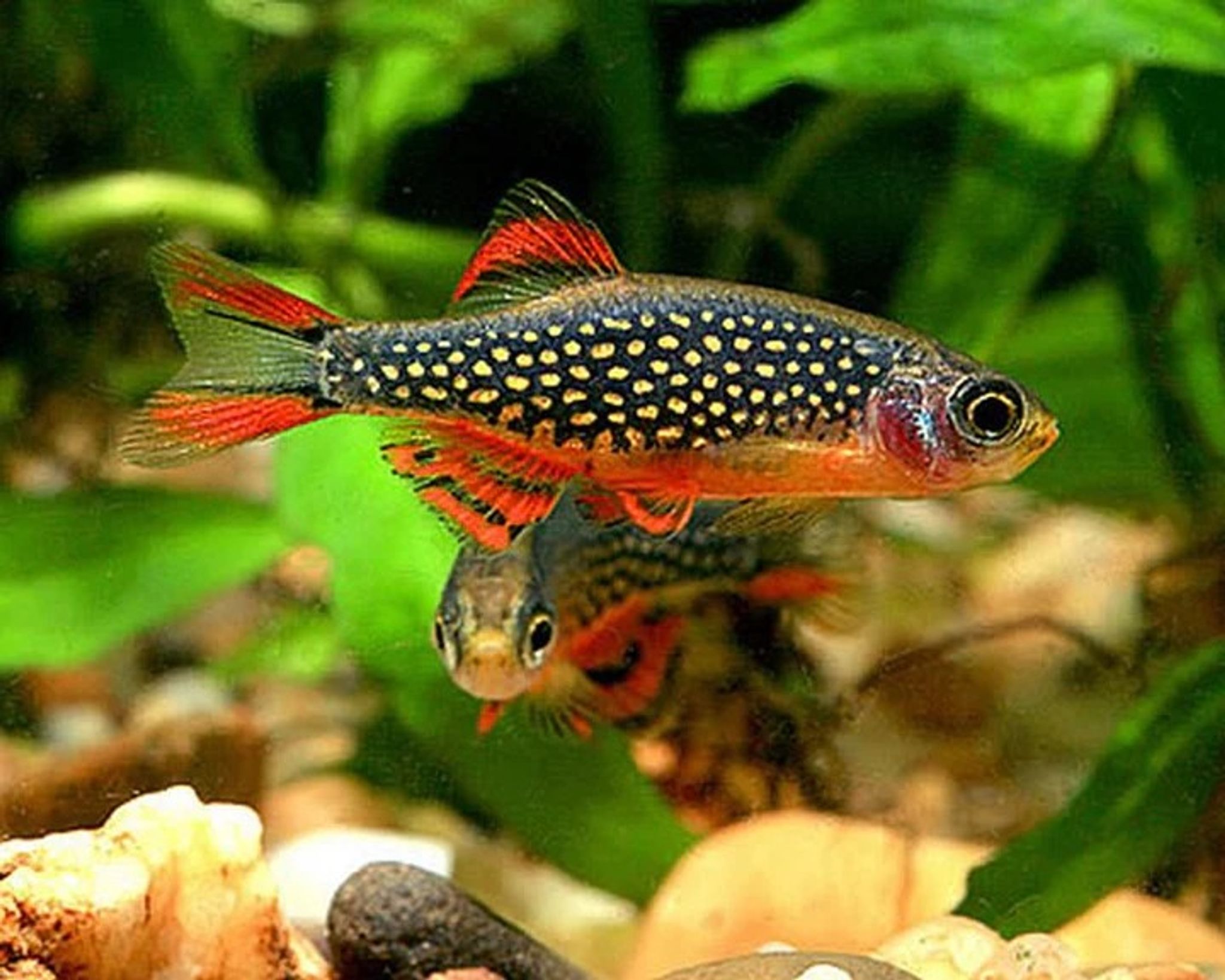
How Much Does a Freshwater Aquarium Cost Per Year in Singapore?
In Singapore, a freshwater aquarium's yearly cost is mostly electricity for the filter and light, food, water conditioner, filter media and the occasional new fish or plant. Because most tropical fish are happy at Singapore room temperature, keepers here usually skip the heater, which removes one of the biggest running costs found in colder countries. On FishyHub, the plants, shrimp and small fish that fill a typical tank sit in the entry-level price tier, although several of them are getting slightly dearer.
Key Findings
- FishyHub marketplace data shows tetras, rasboras, danios, platies, Neocaridina shrimp, snails and most aquatic plants sit in the entry-level / budget price tier in Singapore.
- FishyHub data shows guppies, corydoras, loaches, algae eaters, Neocaridina shrimp, snails, tetras and rasboras are among the most purchased freshwater livestock in Singapore, the everyday items keepers restock.
- FishyHub data shows prices trending up in Singapore for tetras, rasboras, corydoras, platies, Neocaridina shrimp and snails.
- FishyHub data shows prices easing in Singapore for loaches, barbs, rainbowfish, swordtails, floating plants and the guppy category as a whole.
- FishyHub data shows demand clearly outpacing supply in Singapore for aquascaping plants, Neocaridina shrimp, snails and small community fish.
- FishyHub data shows epiphyte plants such as mosses, ferns and anubias sit in the mid-range tier in Singapore, with activity and prices rising.
- FishyHub data shows freshwater holds the larger share of listings in Singapore compared with marine.
What You Pay For Each Year
FishyHub does not track household bills, so it cannot put a figure on a year of fishkeeping. It can show what the livestock costs and how prices are moving. The rest comes from everyday experience of running a tank in a Singapore home.
| Cost item | How often | What makes it bigger |
|---|---|---|
| Electricity (filter, light, fan) | Every month | Larger tank, strong planted-tank lighting, chiller |
| Food | Every week | More fish, big eaters such as goldfish and cichlids |
| Water conditioner | Every water change | Bigger tank, more frequent changes |
| Filter media | Every few months | Heavy stocking, messy fish |
| Plant care | Monthly for planted tanks | Fertiliser, carbon dioxide, trimming and replanting |
| New livestock | Occasionally | Short-lived fish, losses, adding to the tank |
Electricity without the heater
A filter and light run every day, and in a planted tank the light may be the bigger draw. Most freshwater keepers in HDB flats and condos do not need a heater. The extra cost here is cooling: a small fan helps in the hottest months, and some keepers of cool-water fish run a chiller, which is a far bigger draw on power.
Water changes and top-ups
PUB tap water is treated with chlorine and chloramine, so every water change needs conditioner. Warm air and cooling fans also speed up evaporation, so Singapore keepers top up more often than keepers in cooler places. Topping up with dechlorinated tap water is cheap; the cost is mostly time.
Food
A community tank of small fish eats very little. Goldfish, koi, flowerhorn and monster fish eat more and often get frozen or live foods, which add up over the year.
Restocking: Cheap Fish, Rising Prices
Most fish and plants that suit a home freshwater tank sit in FishyHub's lower tiers in Singapore. Examples are listed alphabetically.
| Price tier | Examples on FishyHub in Singapore |
|---|---|
| Upper mid-range | Discus, guppy lines, halfmoon bettas, koi, plecos |
| Mid-range | Angelfish, corydoras, epiphyte plants, goldfish, mollies |
| Entry-level / budget | Background, midground and foreground plants, danios, loaches, Neocaridina shrimp, platies, rasboras, snails, tetras |
What has changed is the direction. Several entry-level favourites are in demand faster than sellers can list them: FishyHub data shows demand clearly outpacing supply for plants, Neocaridina shrimp, snails and small community fish such as tetras, rasboras and danios. With buyers competing for stock, prices for tetras, rasboras, Neocaridina shrimp, snails and platies are trending up. Restocking a school of tetras or rebuilding a shrimp colony still costs little, but a little more than it did.
Other groups are moving the other way. Loaches, barbs, rainbowfish and swordtails show prices easing, as does the guppy category overall, giving keepers cheaper options for adding colour.
Plants: Low Cost to Buy, Steady Cost to Grow
Aquascaping is a big part of Singapore's freshwater scene. FishyHub data shows background, midground and foreground plants among the most purchased items in Singapore, all in the entry-level tier, with demand clearly ahead of supply. Epiphytes such as mosses, ferns and anubias are mid-range, and both their activity and prices are rising.
The plants themselves are inexpensive; the yearly cost of a planted tank comes from strong lighting, fertiliser, carbon dioxide for high-tech layouts and regular trimming and replanting. A low-tech tank with epiphytes and hardy stem plants avoids most of that.
What Raises the Yearly Bill
Goldfish and koi
Goldfish and koi produce a lot of waste and do best in cooler, well-filtered water, so they need bigger filters, more water changes and, for some keepers, cooling equipment. FishyHub shows koi among the most purchased livestock in Singapore, in the upper mid-range tier with prices trending up.
Collector fish
Ranchu, arowana, flowerhorn and several monster fish sit in the collector tier in Singapore. They need large tanks, which multiply the cost of power, food and water care.
Discus
Discus are upper mid-range on FishyHub in Singapore, with prices trending up and activity rising. Singapore's warm water suits them, but they thrive on frequent water changes, which adds conditioner and time.
Ways to Keep the Yearly Cost Low
- Choose fish that suit warm water so you never need a heater or chiller.
- Place the tank away from windows to limit heat and algae.
- Use an LED light on a timer.
- Go low-tech with epiphytes and hardy plants.
- Keep livebearers such as platies or guppies that restock themselves.
- Buy groups of fish in one order with island-wide delivery.
Methodology
This page is based on FishyHub marketplace activity in Singapore over the 2026-2027 period: freshwater and plant listings, listed prices in tiers and their direction, orders, wishlists, likes and "my tank" saves, and new listings and orders over time. Findings are reported as tiers and directions rather than figures.
FishyHub does not measure electricity tariffs, equipment or food prices, or how much Singapore households spend on aquariums, so the yearly cost breakdown is general hobby guidance. The data covers livestock and plants sold by independent merchants on FishyHub, not the wider Singapore market.
Frequently Asked Questions
How much does a freshwater fish tank cost per year in Singapore?
Mostly electricity, food, water conditioner and filter media. FishyHub does not publish a figure, but its data shows the fish and plants that stock most tanks sit in the entry-level tier.
Do I need a heater for a freshwater tank in Singapore?
Usually not. Room temperature suits most tropical fish here; a cooling fan is the more common extra.
Why are tetras and shrimp getting more expensive in Singapore?
FishyHub data shows demand clearly outpacing supply for small community fish, Neocaridina shrimp and snails, and prices for tetras, rasboras and shrimp are trending up as a result.
Is a planted tank expensive to run in Singapore?
The plants are entry-level on FishyHub. Running costs depend on lighting, fertiliser and carbon dioxide; a low-tech planted tank stays inexpensive.
How to Cite This Page
Source: FishyHub, "How Much Does a Freshwater Aquarium Cost Per Year in Singapore?" (2027), https://fishyhub.com/sg/blogs/blog-detail/how-much-does-a-freshwater-aquarium-cost-per-year-in-singapore


