


Nano Reef Tank Malaysia: Small Reef Setup in a Hot Climate
A nano reef tank in Malaysia is a small saltwater reef aquarium, usually about 30–75 litres (1–2 kaki), with live rock, a few hardy corals and one or two small fish. It fits on a desk or condo cabinet, but our 26–31°C rooms make it harder than overseas guides suggest: small volumes heat up quickly, evaporate fast and swing in salinity. The keys to success here are temperature control (fans or a small chiller), an auto top-off with RO water, and patience with stocking. This guide explains sizing, equipment, and which corals and fish suit a first nano reef.
What Size Is a Nano Reef?
| Size (kaki) | Typical volume | Verdict for Malaysia |
|---|---|---|
| Under 1 kaki | Under about 15 L | "Pico" reef; very unstable in heat, for experienced keepers only |
| 1 kaki | About 12–15 L | Possible with soft corals, but temperature and salinity swing fast |
| 1.5 kaki | About 28–35 L | Workable nano; good all-in-one size |
| 2 kaki | About 55–65 L | Best first nano reef: stable enough, still compact |
| 2 kaki deep / cube | About 75–100 L | Upper end of "nano"; more room for fish |
In a hot climate, bigger is easier. A 2-foot tank reacts more slowly to a warm afternoon or a missed top-off than a tiny cube. See our tank size guide for dimensions.
Nano Reef Tank Malaysia: Beating the Heat
Most reef corals and fish do best around 25–27°C. A Malaysian room without air-conditioning can push a nano tank to 29–31°C, especially with lights and pumps running. Prolonged heat causes coral bleaching, stressed fish and lower oxygen.
Fans vs chiller
| Option | How it works | Pros | Cons | Best for |
|---|---|---|---|---|
| Cooling fans | Blow across the water surface; cool by evaporation | Cheap, small, low power | Only lowers temperature a few degrees; greatly increases evaporation | Air-conditioned rooms, soft-coral nanos |
| Chiller | Refrigerates water flowing through it | Holds a set temperature reliably | Costs more, takes space, adds heat to the room, uses more power | Rooms without aircond, hotter homes, reefs with sensitive corals |
| Aircond room | Room stays cool | Helps tank and you | Only works when the aircond runs; tank warms up at night or during the day if it's off | Paired with fans |
Practical approach for many Malaysian homes: keep the nano in a room with aircond for part of the day, run fans on a temperature controller, and upgrade to a small chiller if water still regularly goes above about 28°C. Read more in how to cool an aquarium in Malaysia.
Evaporation and Auto Top-Off
When water evaporates, the salt stays behind, so salinity rises. In a small tank with fans running, you can lose a noticeable amount of water every day, enough to push salinity out of range in a short time.
- Always top off with fresh RO water, never saltwater.
- An auto top-off (ATO) with a float or optical sensor adds RO water automatically. For a nano reef in Malaysia, it is one of the most useful upgrades you can buy.
- Mark the water line on the glass so you can see changes at a glance.
- Check salinity with a refractometer at least weekly.
Our guide to garam laut akuarium and RO water explains mixing and salinity.
Equipment Checklist
| Item | Nano tip |
|---|---|
| All-in-one tank | Built-in rear chambers hide the heater, pump and media; popular for nanos |
| Return pump and small wavemaker | Corals need flow; aim for gentle, varied movement |
| Reef LED | Choose one sized to the tank; don't overpower soft corals |
| Live rock | Main biological filter; leave gaps for flow |
| Filter media | Filter floss, carbon, and optionally a small skimmer |
| RO water source | RO unit or bought RO water |
| Marine salt and refractometer | Mix to about SG 1.025–1.026 for reefs |
| Thermometer and controller | Essential for fans or chiller |
| ATO | Highly recommended |
| Marine test kits | Ammonia, nitrite, nitrate, alkalinity (KH), later calcium and magnesium |
Many of these items are listed under marine equipment and accessories.
Setting Up Step by Step
- Position the tank away from windows and heat sources, on a level, sturdy surface.
- Fill with RO water mixed with marine salt to reef salinity. Let it circulate.
- Aquascape with live rock; keep rock away from the glass so you can clean.
- Cycle for about 4–8 weeks, testing until ammonia and nitrite stay at zero.
- Add a small clean-up crew of a few snails suitable for marine tanks.
- Add hardy soft corals once parameters are stable.
- Add one fish at a time, weeks apart.
Beginner Corals for a Nano Reef
| Coral | Light | Notes |
|---|---|---|
| Mushroom corals | Low–moderate | Very forgiving; can spread |
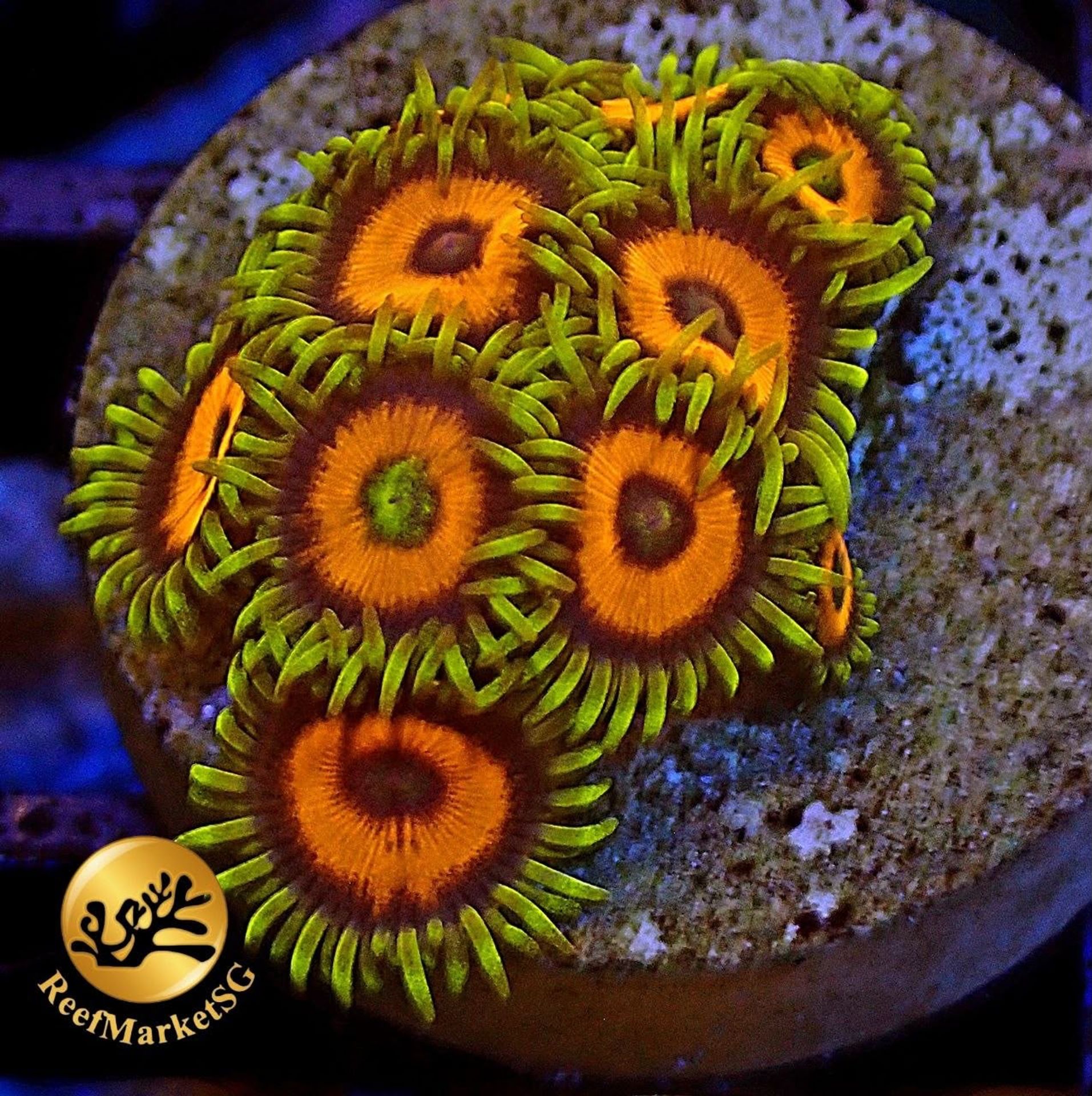
| Zoanthids and palythoa | Moderate | Colourful, hardy; wear gloves, as some palythoa contain toxins |
| Green star polyps | Moderate | Grows fast; can overrun rock |
| Leather corals | Moderate | Hardy soft coral |
| Kenya tree | Moderate | Easy, grows quickly |
| Hammer and frogspawn (LPS) | Moderate | Step-up corals once stable; give space, they sting neighbours |
Buy aquacultured or properly documented corals from sellers who comply with Malaysian rules. Many hard corals are listed under CITES, and taking coral from Malaysian reefs, especially in marine parks, is not allowed. Confirm with DOF Malaysia if you're unsure. Browse corals on FishyHub and ask sellers about origin.
Nano Reef Fish: Fewer Is Better
A nano reef supports very few fish. In a 2-kaki tank, think one to three small fish:
- Clownfish (ikan badut): a single pair of a small, captive-bred type. See our clownfish care guide.
- Gobies: clown gobies, neon gobies, or a goby paired with a pistol shrimp.
- Small blennies: grazers with lots of personality.
- Cardinalfish: calm, small schooling-type fish for slightly bigger nanos.
Avoid tangs, large angelfish, most wrasses and anything that grows large. Add invertebrates such as cleaner shrimp for interest.
Maintenance Routine
- Daily: check temperature and water level; feed sparingly.
- Weekly: test salinity and nitrate; clean glass; change filter floss.
- Every 1–2 weeks: change about 10–20% of the water with pre-mixed saltwater. Small tanks benefit from small, regular changes.
- Power cuts: a battery-powered air pump keeps oxygen up during outages.
Frequently Asked Questions
Nano reef perlu chiller ke di Malaysia?
Tidak semestinya. Jika tangki berada dalam bilik berhawa dingin dan suhu air kekal sekitar 25–27°C, kipas akuarium mungkin mencukupi. Tetapi jika suhu air selalu naik melebihi 28°C, chiller kecil lebih selamat untuk karang.
Berapa ekor ikan untuk nano reef 2 kaki?
Biasanya satu hingga tiga ekor ikan kecil sahaja, contohnya sepasang ikan badut atau seekor goby. Terlalu banyak ikan akan menyebabkan nitrat tinggi dan karang tidak sihat.
Is a nano reef harder than a big reef?
In some ways, yes. Small volumes change temperature and salinity faster, which matters a lot in Malaysian heat. A 2-foot tank is a good balance between stability and size.
Can I top off with tap water?
No. Tap water contains chlorine and nutrients that harm corals and fuel algae. Use RO water for top-off and mixing.
What corals are easiest for a nano reef?
Mushrooms, zoanthids, leather corals and green star polyps are forgiving choices for beginners.
Browse corals, chillers and marine equipment from Malaysian sellers on FishyHub, and check each listing for size, origin and delivery options for live animals.