

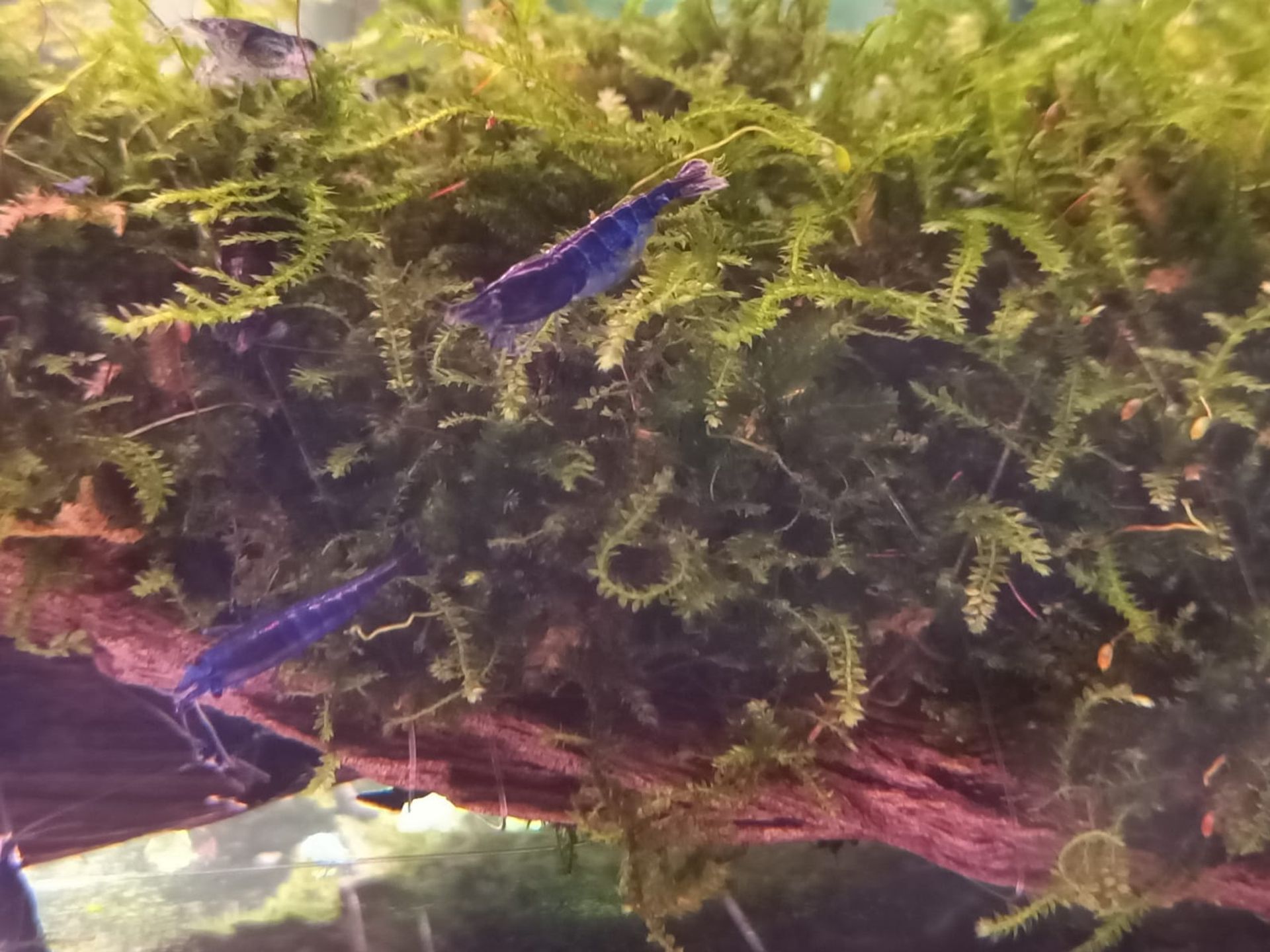

KH & GH Aquarium: Water Hardness Explained for Shrimp, Livebearers & Cichlids in Malaysia
KH GH aquarium readings tell you two different things. GH (general hardness) is the amount of dissolved calcium and magnesium, the minerals fish and shrimp use for bones, shells and moulting. KH (carbonate hardness) is the water's buffer, the carbonates that keep pH from swinging. In much of Malaysia, tap water is soft, so both are often low. That's great for bettas, tetras and rasboras, but shrimp, livebearers and African cichlids may need minerals added. Test both, then adjust only if your livestock needs it.
KH vs GH at a Glance
| GH (general hardness) | KH (carbonate hardness) | |
|---|---|---|
| What it measures | Calcium and magnesium | Carbonates and bicarbonates |
| Why it matters | Shells, bones, moulting, osmoregulation | Stabilises pH (buffer) |
| Main effect if too low | Failed moults in shrimp, weak livebearers | pH crashes, unstable water |
| Main effect if too high | Soft-water fish struggle to breed | pH stays high, hard for CO2 tanks |
| How to raise | GH mineral powder, remineraliser | Crushed coral, KH buffer, baking soda |
| How to lower | Mix in RO water | Mix in RO water, peat, aquasoil |
Units: dGH, dKH and ppm
Test kits report hardness in degrees (°dH, dGH, dKH) or ppm (mg/L as CaCO3). To convert: 1 degree ≈ 17.9 ppm. So 4 dKH ≈ 72 ppm, and 8 dGH ≈ 143 ppm.
Soft water is often described as roughly 0–4 dGH, moderate as 4–8, and hard as anything above about 12.
What Is "Air Lembut" and Why Malaysian Water Is Usually Soft
Air lembut (soft water) simply means water with few dissolved minerals. Much of Malaysia's drinking water comes from rivers and dams fed by rain, which picks up few minerals on the way. Water treatment adds chlorine and adjusts pH, but it doesn't make the water hard.
Hardness varies by state, treatment plant and even by season, and it can change after heavy rain. That is why it's worth testing your own tap water rather than relying on someone else's numbers. Test it after adding anti klorin, then again after it has stood for a day.
Read the Malaysian tap water and anti klorin guide for chlorine basics, and the aquarium pH guide for how KH and pH interact.
How to Test KH and GH
You can buy KH and GH tests under Water Test Kits.
- Liquid drop kits count drops until the colour changes. Each drop usually equals 1 degree. They are cheap per test and accurate enough for shrimp keeping.
- Test strips give a quick range. They are handy for regular checks, but less precise at low values.
- TDS meters measure total dissolved solids. Shrimp keepers use them to check remineralised water quickly, but they don't separate GH from KH or other salts.
Test your tap water, your tank water and any RO or remineralised water you prepare.
KH GH Aquarium Targets by Livestock
| Livestock | GH (dGH) | KH (dKH) | Notes |
|---|---|---|---|
| Betta, tetra, rasbora, gourami | 2–10 | 1–6 | Soft Malaysian tap water usually suits them as is |
| Discus, apistogramma, wild bettas | 1–6 | 0–3 | Soft, acidic water; stability first |
| Neocaridina (cherry) shrimp | 6–10 | 2–6 | Need enough GH for good moults |
| Caridina (crystal / CRS) shrimp | 4–6 | 0–1 | RO water remineralised with GH-only salts, on buffering soil |
| Guppy, molly, platy | 8–15 | 4–10 | Harder water keeps livebearers healthier |
| Goldfish and koi fish | 6–15 | 4–10 | Tolerant, but low KH causes pH drops |
| African cichlids (Malawi, Tanganyika) | 10–20 | 10–15+ | Need strong buffering and minerals |
| Planted tanks with CO2 | 4–8 | 2–5 | Some KH keeps pH from crashing |
These are typical hobby ranges, not strict rules. Locally bred fish are often more adaptable than book values suggest.
KH GH for Shrimp
Shrimp are the main reason Malaysian keepers learn about hardness.
Cherry and other Neocaridina
Udang cherry moult every few weeks and use calcium from the water to build their new shell. In very soft water, you may see:
- Shrimp dying mid-moult, often with a white ring behind the head ("white ring of death")
- Slow breeding or soft, pale shells
Fix it by adding a GH/KH remineraliser to your water-change water, or putting a small bag of crushed coral in the filter. Raise GH gradually over several water changes. See our cherry shrimp care guide for more.
Crystal red and other Caridina
Caridina are kept differently: RO water, a GH-only remineraliser (one that adds no KH), and an active aquasoil that holds pH around 6. Adding KH buffer to a Caridina tank fights the soil and raises pH. Find shrimp and suitable gear under Shrimps.
Remineralising for Livebearers
Guppies, mollies and platies come from harder water in the wild. Many Malaysian guppy farms keep them in local water, so healthy farm-bred guppies cope. But if you see "shimmying" mollies, short lifespans or pH that keeps dropping, adding some hardness helps.
Easy options:
- A small bag of crushed coral or coral sand in the filter
- A GH/KH mineral product dosed at water changes
- A little aquarium salt for mollies only (it doesn't raise GH, but mollies tolerate it)
Avoid sudden changes. Raise hardness over two to three weeks of water changes. More on livebearers in our guppy care guide.
Buffering for African Cichlids
Malawi and Tanganyika cichlids need high KH and GH and a pH of about 7.8–8.6. In soft water you need to add both:
- Substrate: coral sand or crushed coral as part of the gravel.
- Buffer: a cichlid buffer, or a mix of baking soda (KH) plus Epsom salt and calcium (GH) at measured doses.
- Rockwork: limestone or ocean rock adds a little hardness over time. Choose only rock sold for aquarium use.
Prepare water-change water in a bucket to the same KH and GH as the tank before adding it.
How to Lower Hardness
If your water is harder than your fish need (less common in Malaysia, but it happens with some rock and substrate):
- Mix in RO water. A 50:50 mix of tap and RO roughly halves GH and KH.
- Remove limestone, coral or shell-based decor.
- Use peat or buffering aquasoil to lower KH and pH.
"Water softener" pillows and resins exist, but RO mixing is more predictable.
Common Mistakes
- Treating pH instead of KH. If KH is 0–1, pH will keep moving whatever pH product you add.
- Raising KH in a Caridina tank. This exhausts the soil's buffer and raises pH.
- Changing hardness quickly. Shrimp especially react badly to big jumps.
- Testing once. Rainy seasons and treatment-plant changes can shift tap water readings, so re-test every few months.
Frequently Asked Questions
Apa beza KH dan GH dalam akuarium?
GH ialah kandungan kalsium dan magnesium dalam air, yang diperlukan ikan dan udang untuk tulang, kulit dan proses salin kulit. KH pula ialah penimbal (buffer) yang menstabilkan pH. Kalau KH terlalu rendah, pH air akuarium mudah jatuh dengan tiba-tiba.
Air paip Malaysia lembut atau keras?
Di kebanyakan kawasan, air paip Malaysia agak lembut dengan KH yang rendah. Tapi bacaan berbeza ikut negeri dan loji rawatan air, jadi cara terbaik ialah uji air paip rumah anda sendiri dengan test kit KH dan GH.
What KH and GH do cherry shrimp need?
Cherry shrimp do well at roughly 6–10 dGH and 2–6 dKH. Very soft water often leads to failed moults, so many keepers add a GH/KH remineraliser.
Can I use baking soda to raise KH?
Yes. Baking soda raises KH and pH. Dose small measured amounts, dissolve it first and test afterwards. It does not raise GH.
Do bettas need hard water?
No. Bettas, tetras and rasboras are soft-water fish, and most Malaysian tap water suits them once dechlorinated.
Test before you tweak. Browse water test kits, water conditioners and remineralisers and aquarium shrimp from Malaysian sellers on FishyHub, with prices in RM.