1–8 of 8
Shop freshwater Puffer fish online from aquarium stores, breeders and specialist sellers across the United States on FishyHub. Compare Pea Puffers, Amazon Puffers, Fahaka Puffers, Mbu Puffers and other Puffer species by size, temperament, diet and seller.
Puffer fish are intelligent, highly distinctive aquarium fish known for expressive behavior, strong beak-like teeth and the ability to inflate their bodies when threatened. FishyHub helps U.S. hobbyists compare Puffer fish listings from multiple sellers in one marketplace.
Buying Puffer fish online gives hobbyists access to a broader selection of species and sizes than may be available from a single local aquarium store.
Compare exact species, adult size, freshwater or brackish requirements, temperament, diet, seller information and shipping options before choosing a Puffer for your aquarium.
Popular Puffer fish in the aquarium hobby include:
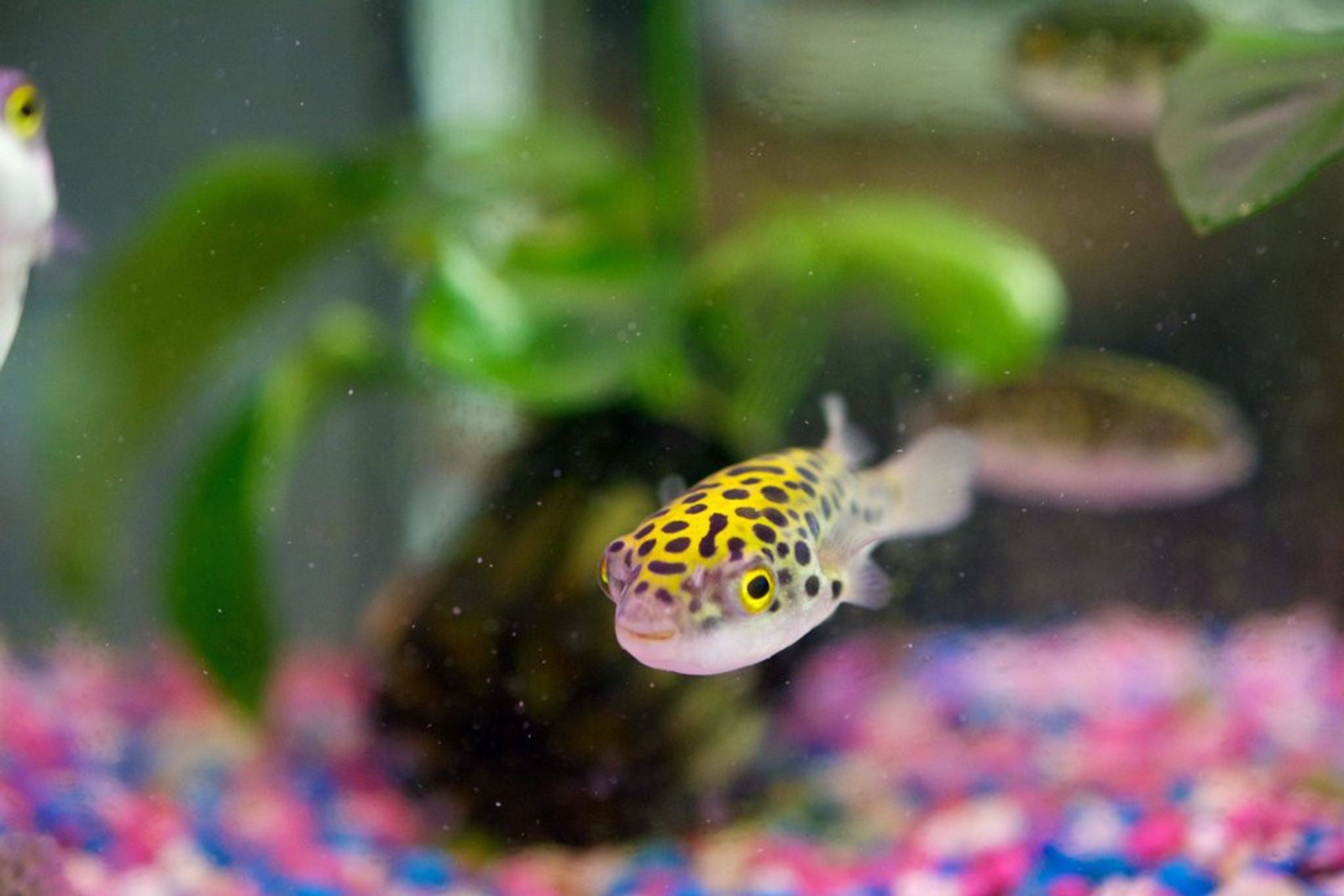
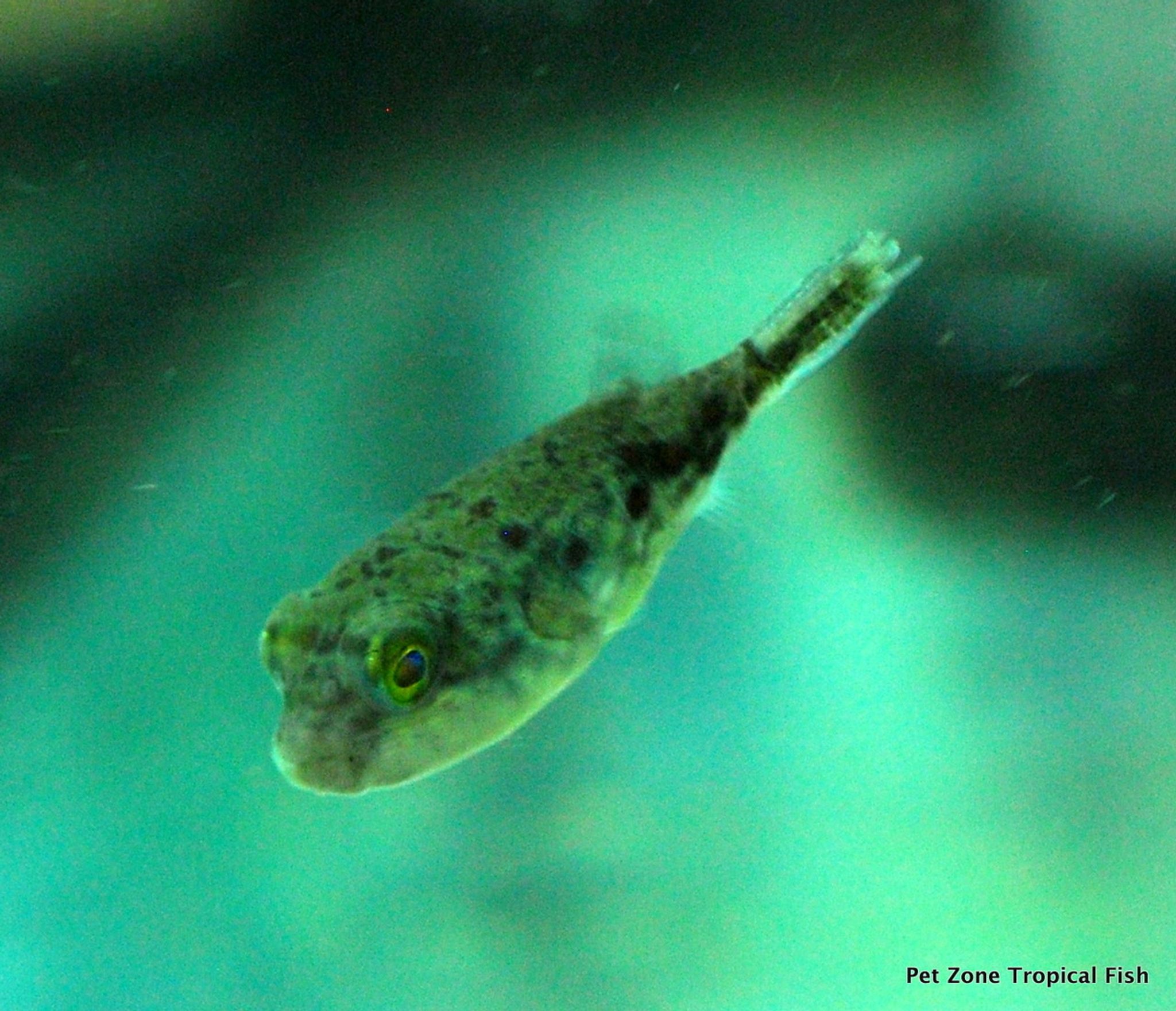
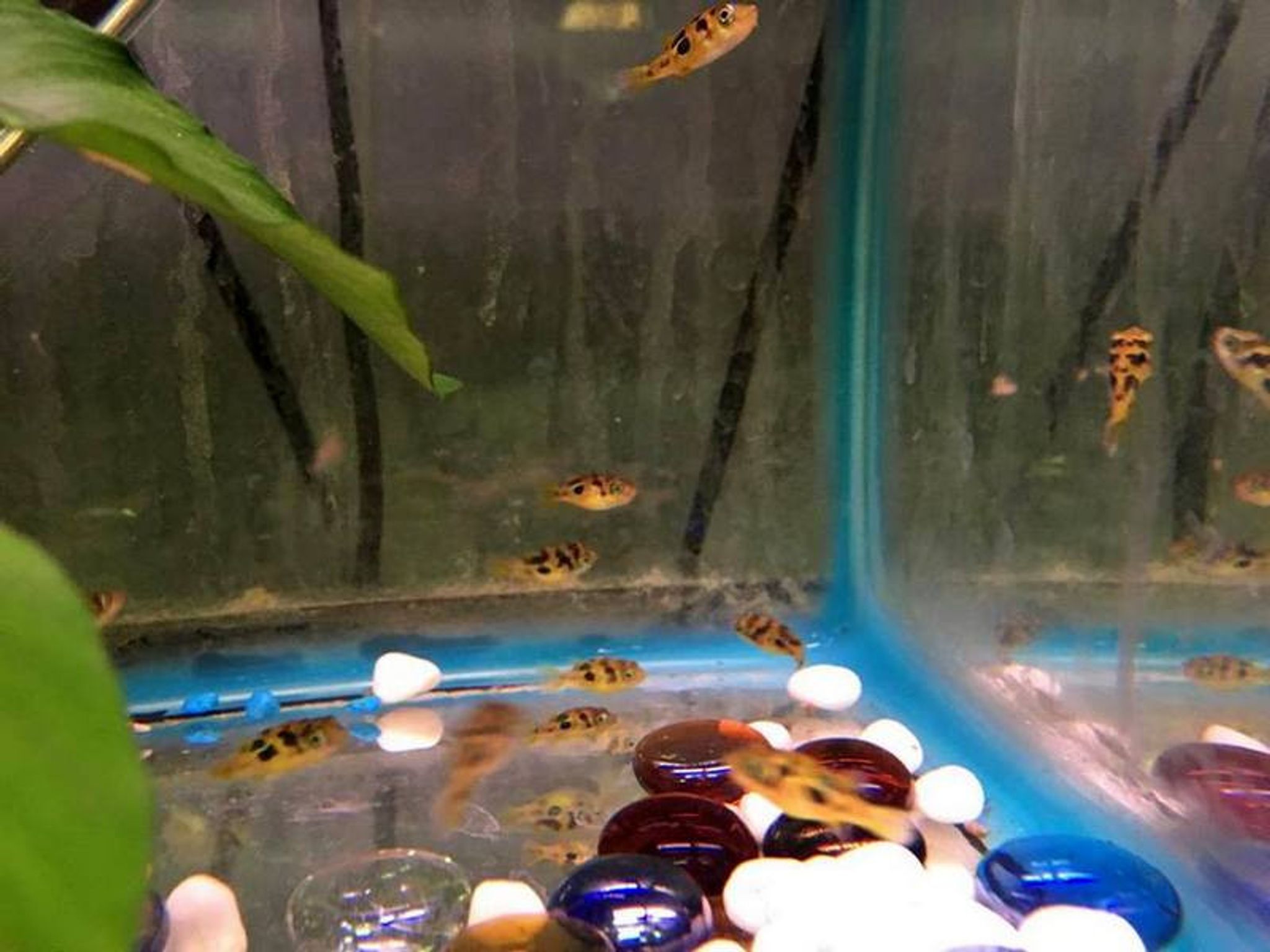
Pea Puffers are among the smallest Puffer fish in the aquarium hobby and are known for curious personalities and compact size.
Despite being tiny, they can be territorial and predatory toward small invertebrates, so tankmate selection and aquarium layout should be planned carefully.
Amazon Puffers are active freshwater Puffers known for constant swimming and social behavior compared with many more solitary species.
They require substantial swimming space, varied food and attention to tooth wear because their beak-like teeth continue to grow.
Fahaka Puffers are large, powerful freshwater Puffers with striking striped patterns and highly territorial behavior.
They are generally best treated as dedicated specimen fish rather than typical community fish because they may attack or injure tankmates.
Mbu Puffers are among the largest freshwater Puffer fish kept by aquarists and are known for elaborate body patterns and intelligent behavior.
Their adult size and feeding requirements make them suitable only for very large, carefully planned aquarium systems.
Red Eye Puffers are small to medium Puffer fish known for striking eyes and assertive behavior.
Temperament can be aggressive, so species identification and individual behavior should guide whether tankmates are appropriate.
Congo Puffers are unusual freshwater Puffers known for ambush-style behavior and spending time resting or partially buried near the substrate.
Their feeding strategy and temperament make them very different from active open-water Puffers such as Amazon Puffers.
Figure 8 Puffers are attractive spotted Puffers commonly encountered in the aquarium trade.
They are associated with brackish conditions and should not automatically be treated as standard freshwater fish. Always confirm the exact species and long-term salinity requirements before purchase.
Green Spotted Puffers are bold, spotted fish known for active personalities and strong feeding behavior.
Their environmental needs change as they mature and are commonly associated with increasingly brackish conditions, so they should not be treated as permanent freshwater community fish.
Not every Puffer sold in the freshwater aquarium trade is a true long-term freshwater species.
Pea, Amazon, Fahaka and Mbu Puffers are associated with freshwater care, while species such as Figure 8 and Green Spotted Puffers may require brackish conditions. Exact species identification is essential.
Many Puffer fish are territorial, predatory or prone to biting fins.
Temperament varies considerably by species and individual fish, so Puffers should not automatically be treated as ordinary community fish.
Puffers are known for alert behavior, strong responses to their surroundings and an ability to recognize routines associated with feeding.
A varied environment with plants, wood, rocks or other structure can provide visual complexity and enrichment.
Puffer fish vary dramatically in adult size.
Pea Puffers remain tiny, while Fahaka and especially Mbu Puffers become very large. Always plan the aquarium around adult size rather than juvenile sale size.
Puffer tank setup depends heavily on the exact species.
Plants, driftwood, rocks, caves and visual barriers can create useful territories, while larger active species need substantial open swimming space.
Plants can create cover and visual barriers that help break up territories, particularly for smaller Puffers.
Dense planting should still leave enough open space for swimming, feeding and maintenance.
Puffer fish occur in freshwater, brackish and marine environments and should never be treated as having one universal set of water requirements.
Temperature, salinity, hardness and other conditions should be matched to the exact species being kept.
Puffers can be messy feeders, especially when eating shellfish or other meaty foods.
Strong filtration, regular substrate cleaning and prompt removal of uneaten food help maintain stable water quality.
Puffer fish have fused, beak-like teeth that continue growing throughout life.
Some species benefit from appropriately hard foods that promote natural tooth wear, while exact dental-management needs vary between Puffers.
Most aquarium Puffers are carnivorous or strongly animal-food oriented.
Depending on species, they may eat snails, crustaceans, worms, insect larvae, shellfish and other appropriately sized foods. Diet should be matched to the exact Puffer.
Many Puffer species readily eat snails and other hard-shelled invertebrates.
Snails can form part of a species-appropriate diet, but Puffers should not be purchased solely as a temporary solution to unwanted aquarium snails.
Pea Puffers often prefer small animal-based foods and may be selective feeders.
Observe individuals carefully to make sure each fish is eating, especially in groups where dominant Puffers may reach food first.
Larger Puffers such as Fahaka and Mbu Puffers require appropriately sized foods and careful diet planning as they grow.
Their strong jaws and teeth are adapted for crushing hard foods, making food texture and tooth wear important parts of long-term husbandry.
Some Puffer species can be kept in carefully managed groups, while others are highly territorial and are better kept individually.
Species, aquarium size, sex, plant cover and individual temperament all influence whether multiple Puffers can coexist.
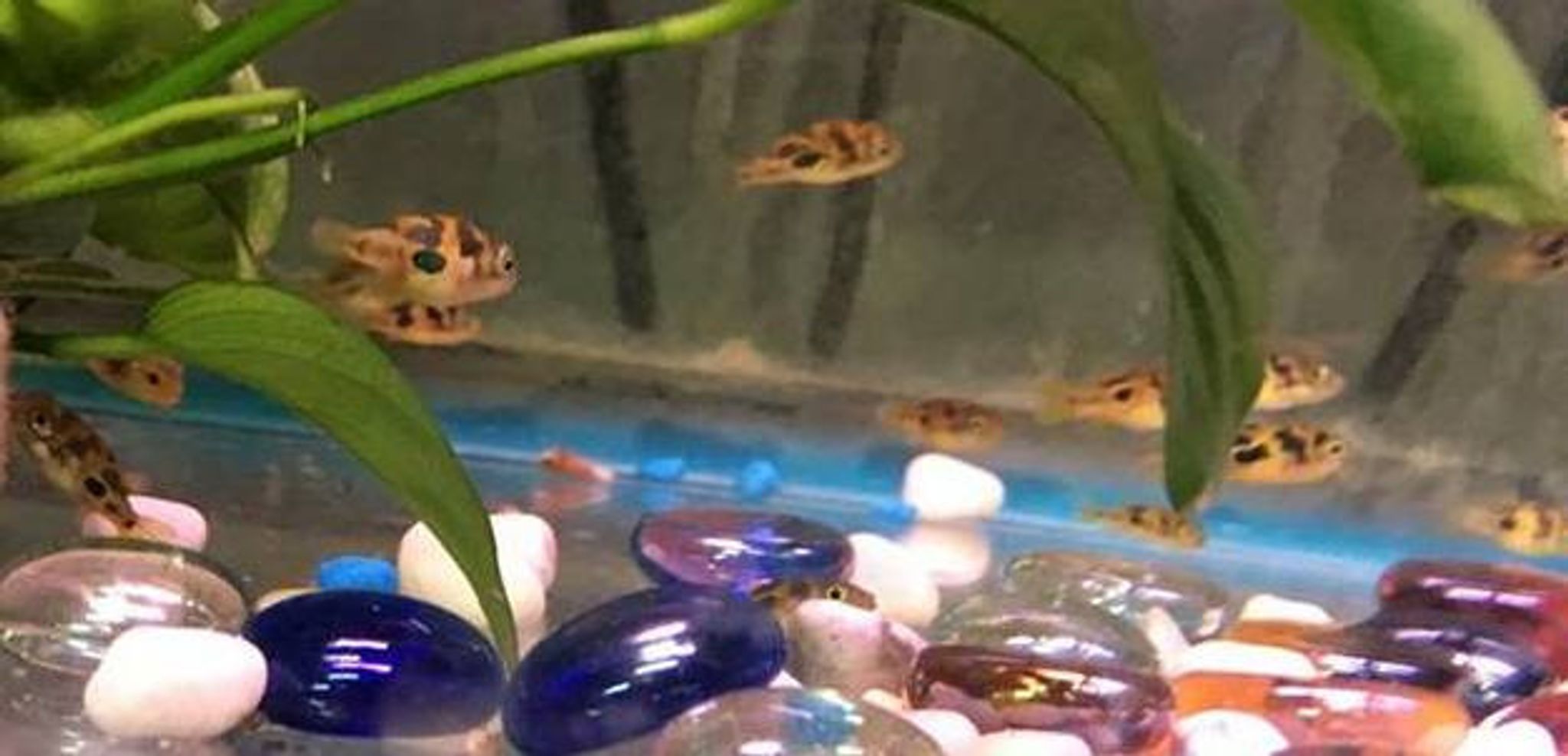
Pea Puffers can be kept in groups in appropriately planned aquariums, but social dynamics need careful attention.
Dense planting, visual barriers, sufficient territory and careful observation can help reduce repeated aggression.
Tankmate compatibility varies dramatically by Puffer species.
Some Puffers may tolerate selected fish, while others are best maintained alone because they can bite fins, hunt tankmates or defend territory aggressively.
Tetras should not automatically be considered safe tankmates for Puffers.
Small Tetras may be chased, bitten or eaten depending on the Puffer species, so compatibility should be evaluated on a species-by-species basis.
Corydoras and Puffers are not universally compatible.
Territorial Puffers may harass bottom-dwelling fish, while large Puffers can pose a serious predation risk.
Shrimp are generally risky tankmates for Puffer fish.
Many Puffers naturally prey on crustaceans and may quickly consume aquarium shrimp.
Snails are commonly treated as prey by many Puffer species.
Ornamental snails should not be expected to remain safe in an aquarium containing a snail-eating Puffer.
Puffers can inflate their bodies when severely threatened or stressed.
Inflating should not be encouraged for entertainment because it is a defensive stress response rather than a normal behavior hobbyists should try to trigger.
Puffer fish should be handled as little as possible.
During aquarium transfers, use techniques appropriate to the species and avoid unnecessary stress or encouraging the fish to inflate.
Some smaller Puffers may appeal to newer hobbyists, but Puffer fish generally require more planning than typical community fish.
Feeding, aggression, tooth wear, species identification and water requirements all need careful attention.
When comparing Puffer fish for sale, look for:
Newly shipped Puffers may be stressed after transport and can initially hide or refuse food.
Prepare a stable, cycled aquarium before arrival and follow the seller's acclimation guidance for the exact species and salinity requirements.
Quarantine and careful observation can help reduce the risk of introducing parasites or disease into an established aquarium.
Monitor appetite, body condition, breathing, skin and tooth condition before moving a new Puffer into its permanent setup.
Puffer fish prices vary according to species, size, rarity, origin, availability and seller.
Small Pea Puffers and large specialty species such as Fahaka or Mbu Puffers can differ substantially in price, so compare exact species, current size and long-term care requirements rather than price alone.
FishyHub brings Puffer fish listings from aquarium stores, breeders and specialist freshwater fish sellers together in one marketplace.
When comparing Puffers online, consider:
Shipping availability depends on the seller, destination, species, fish size, weather and livestock-shipping policy.
Review packaging, delivery timing and live-arrival terms before ordering, and make sure the aquarium is fully prepared for the exact species before the Puffer arrives.
Yes. Aquarium stores, breeders and specialist sellers offer several Puffer species online across the U.S., depending on species availability and seller shipping coverage.
Yes. Pea Puffers are true freshwater Puffer fish and should not require brackish water.
Figure 8 Puffers are commonly associated with brackish conditions, so they should not automatically be treated as permanent freshwater fish.
Green Spotted Puffers are commonly associated with brackish conditions as they mature, so long-term salinity requirements should be planned before purchase.
Many Puffer species eat snails and other hard-shelled invertebrates, although exact dietary needs vary by species.
Sometimes, but many Puffers are territorial, predatory or fin-nipping. Compatibility should always be evaluated for the exact species.
Many species benefit from hard-shelled or appropriately textured foods that help wear down continuously growing teeth, though requirements vary by species.
FishyHub helps U.S. hobbyists compare Puffer fish from aquarium stores, breeders and specialist sellers in one marketplace.
Explore Puffer fish for sale on FishyHub and compare Pea Puffers, Amazon Puffers, Fahaka Puffers, Mbu Puffers and other freshwater or brackish Puffer species. Discover listings from aquarium stores and breeders across the United States, and compare species, adult size, salinity needs, temperament, diet, price and shipping options before choosing a Puffer for your aquarium.