1–28 of 28
Showing 28 of 28 products


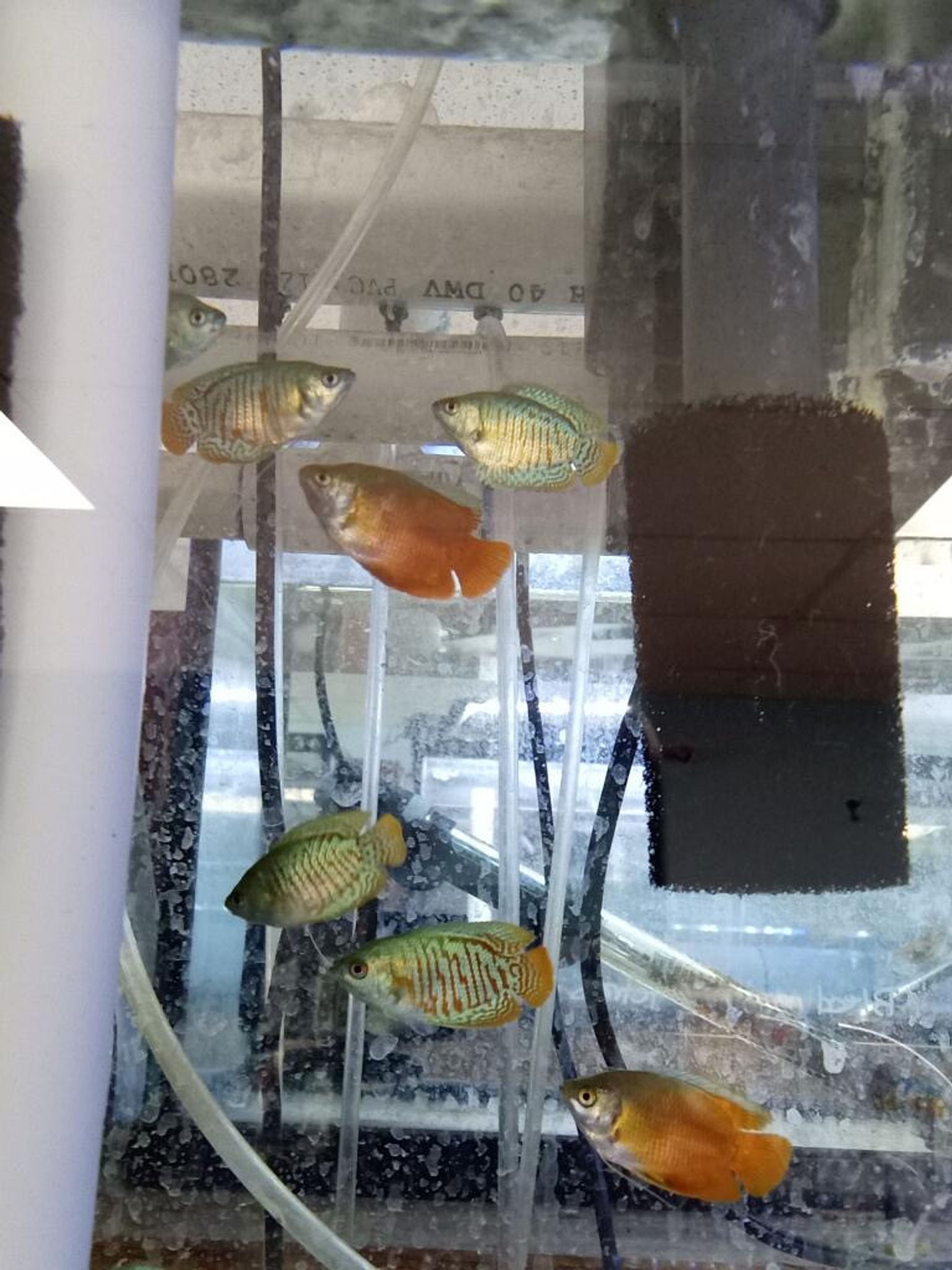
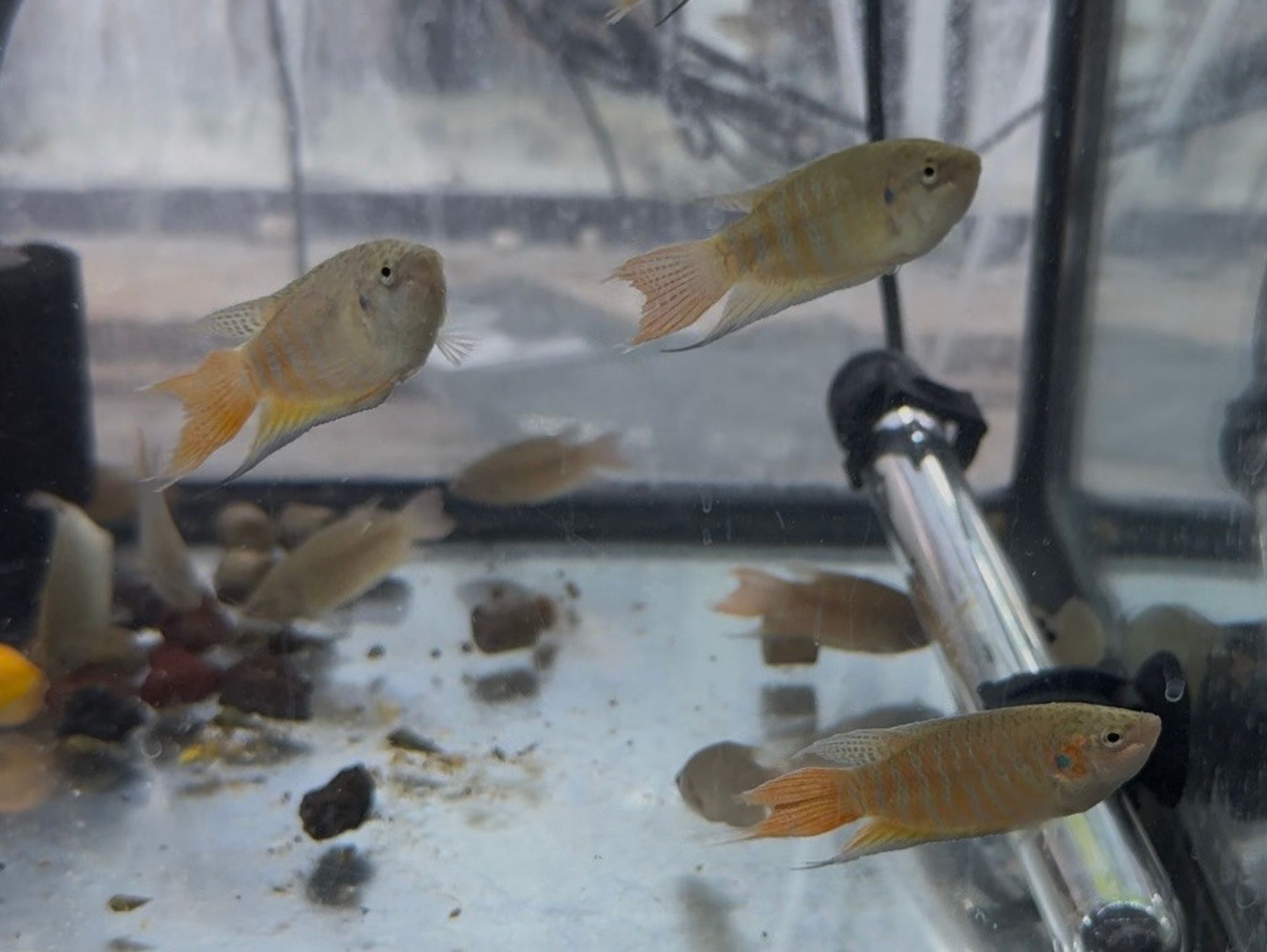
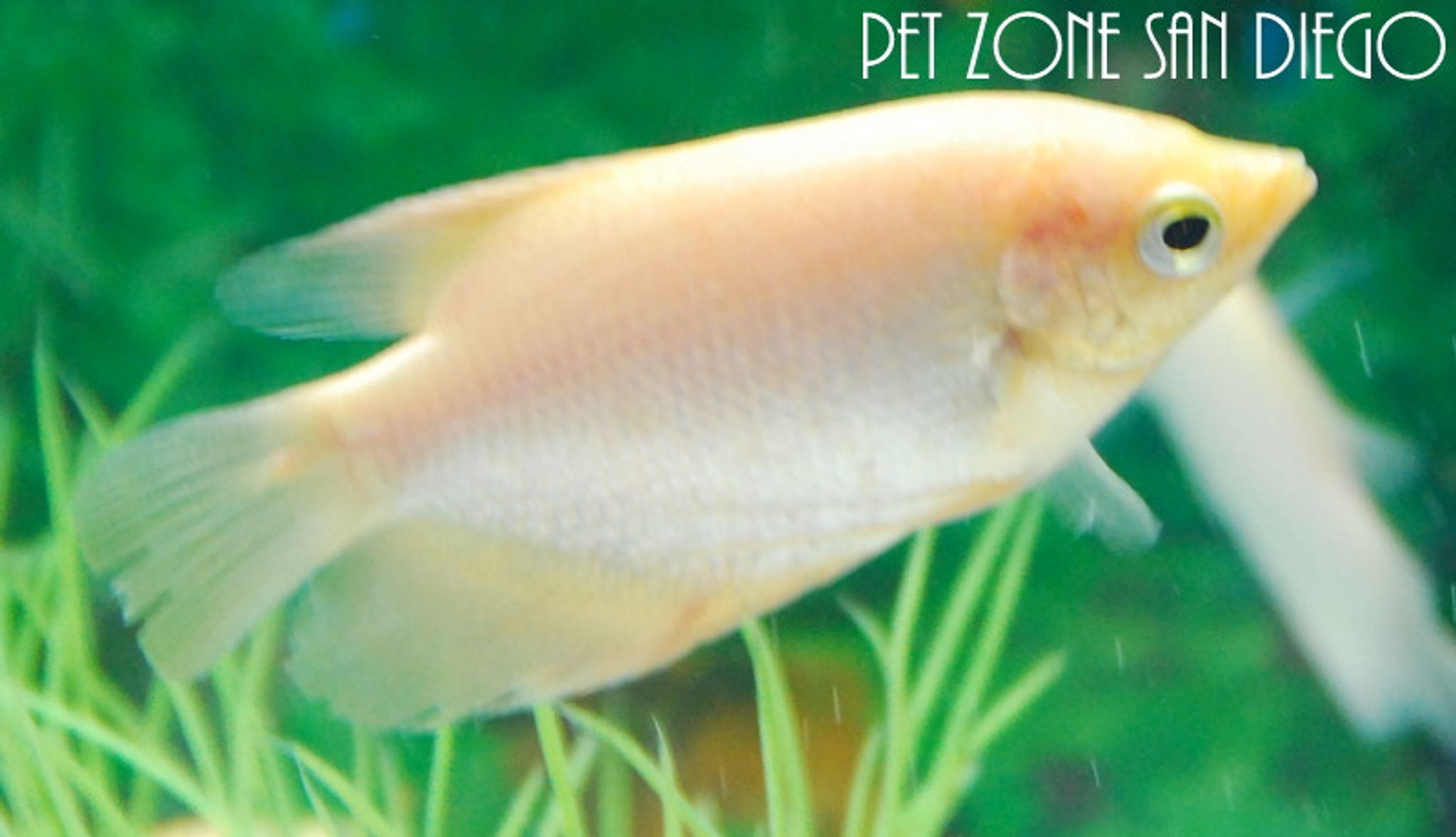
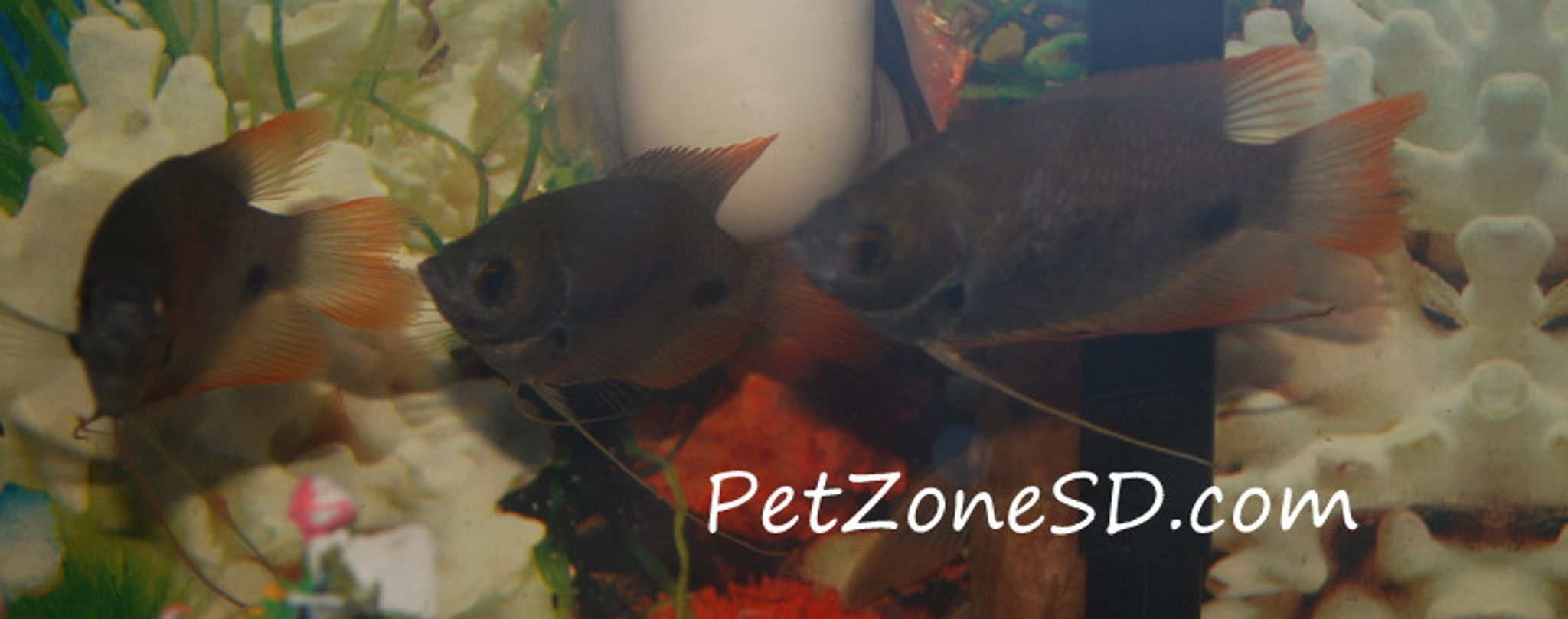
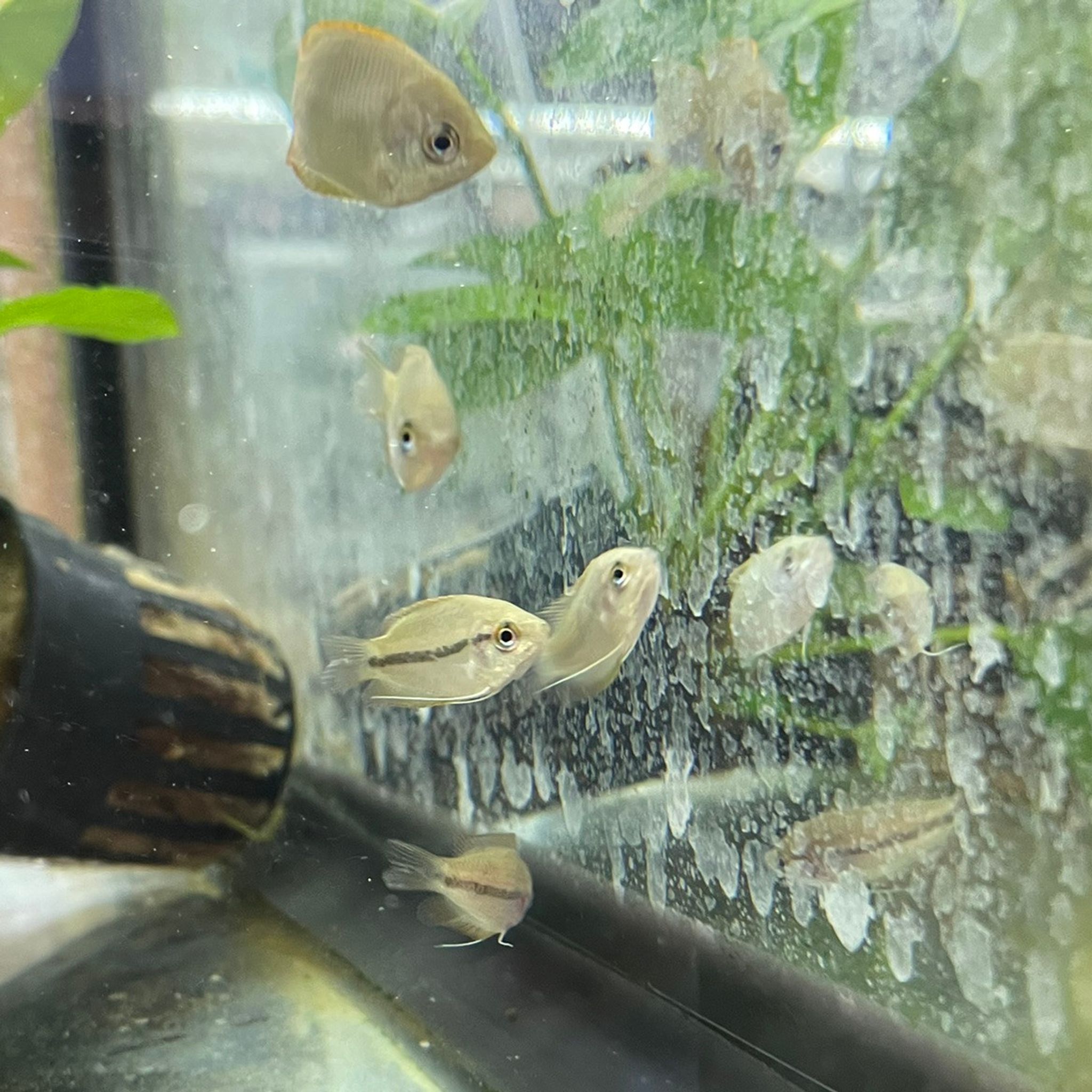
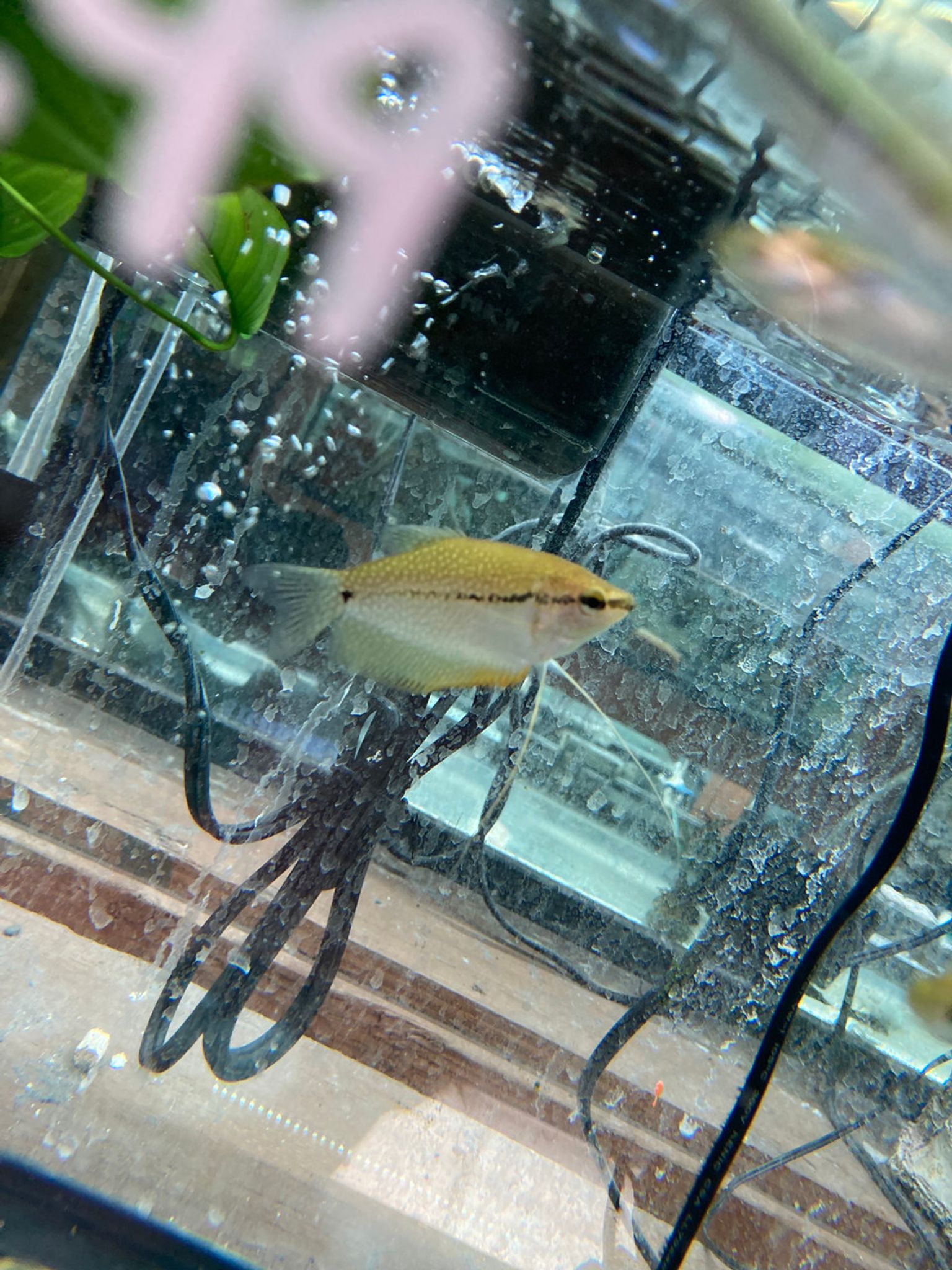
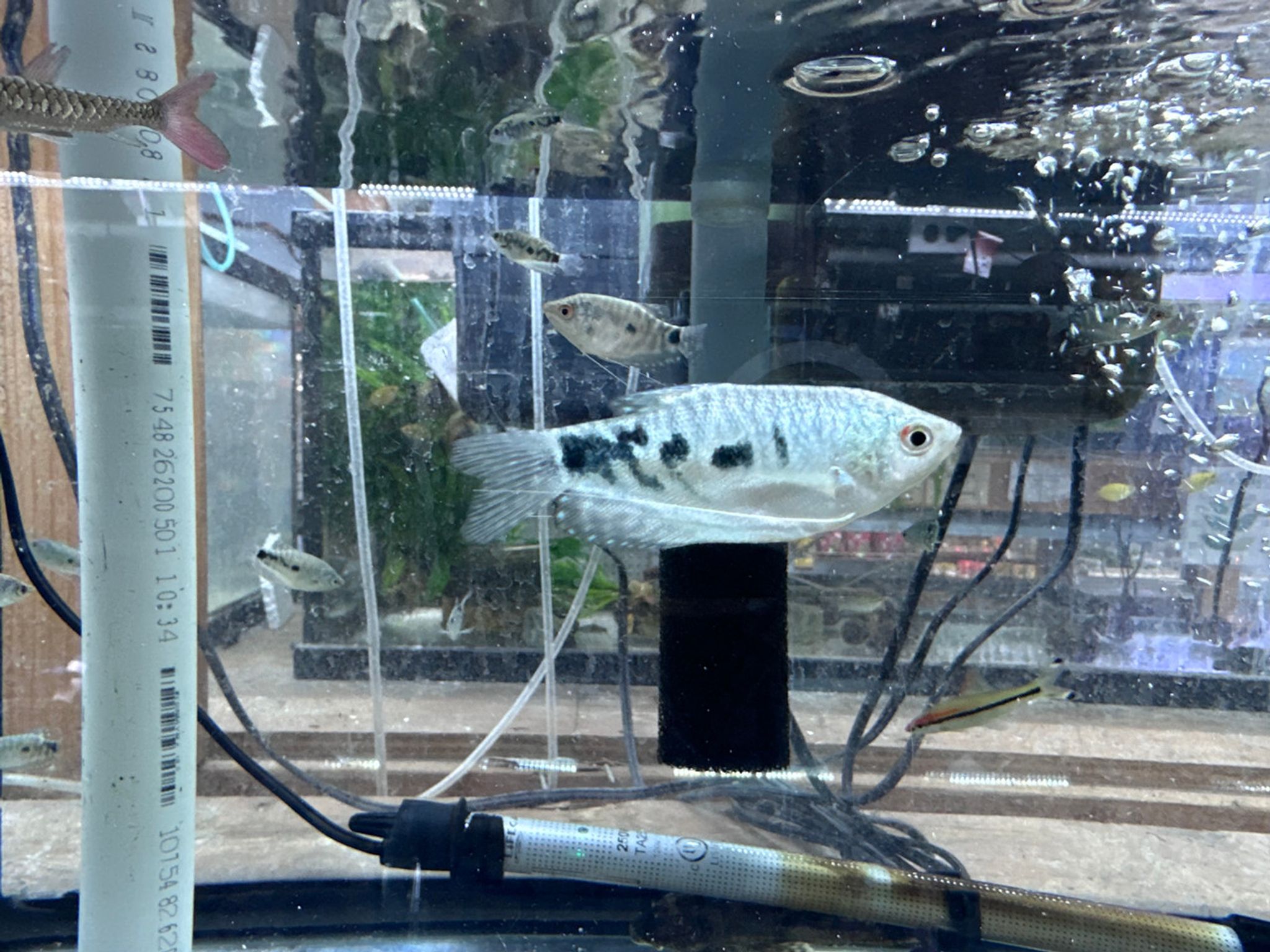
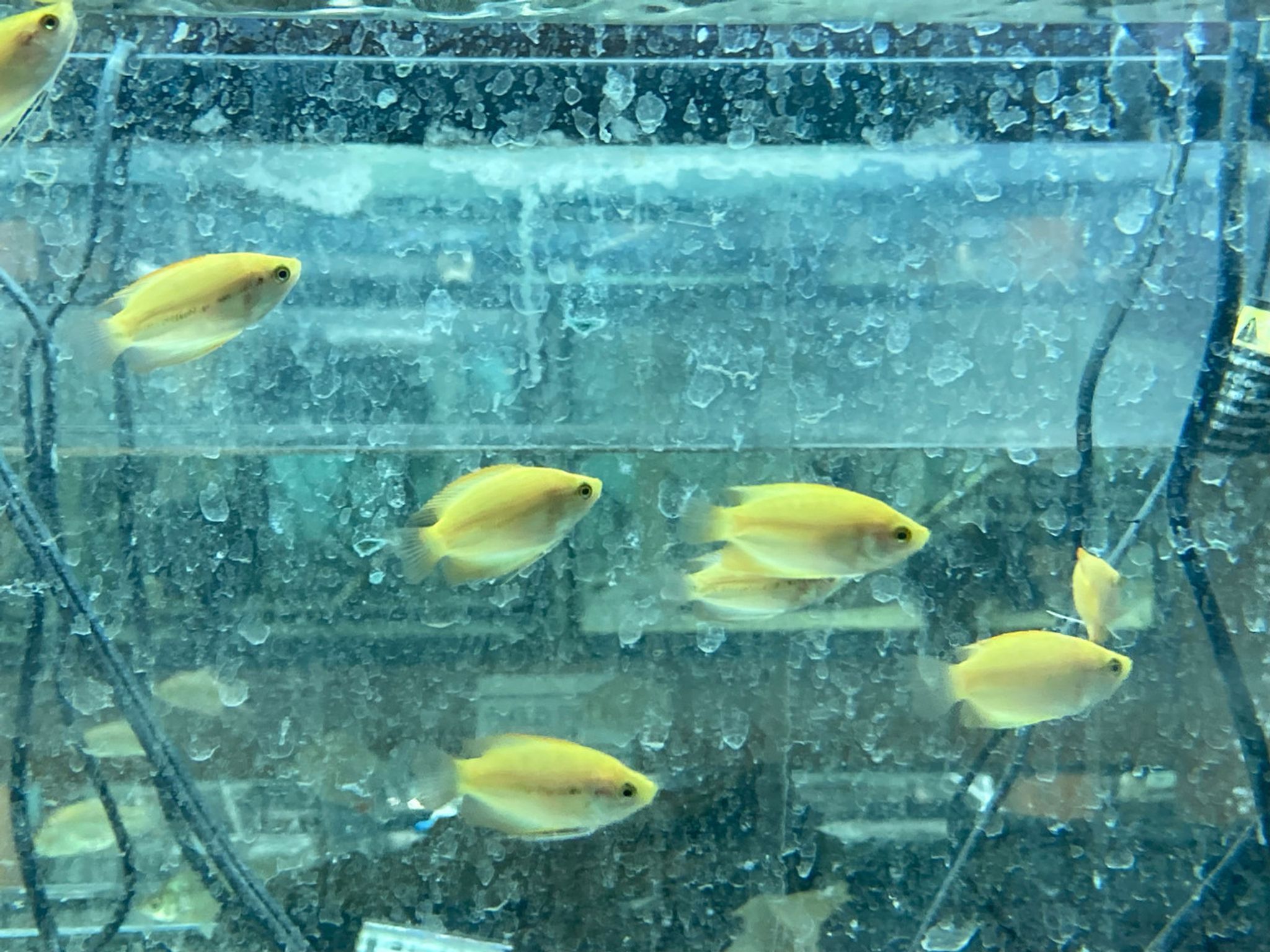
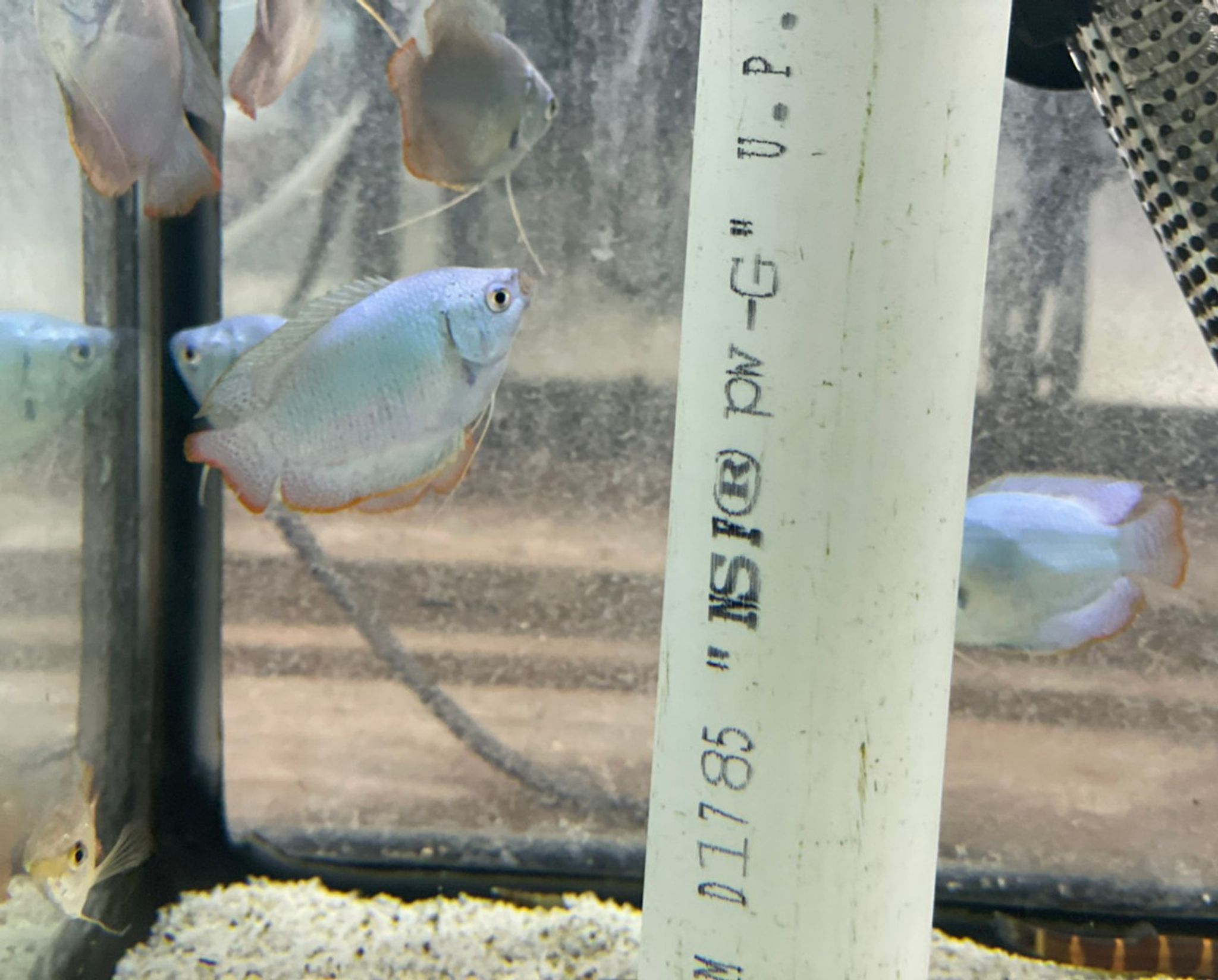

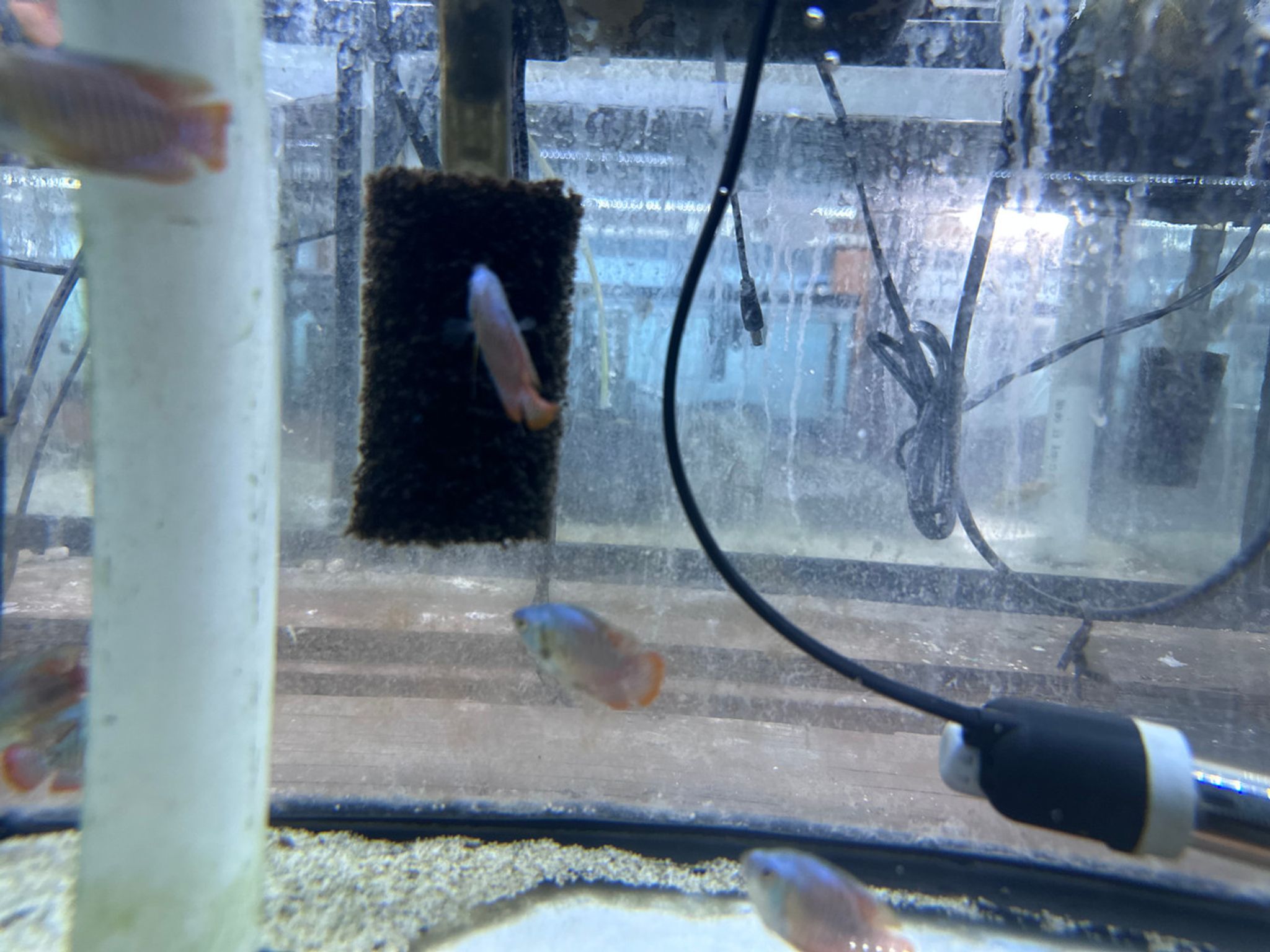
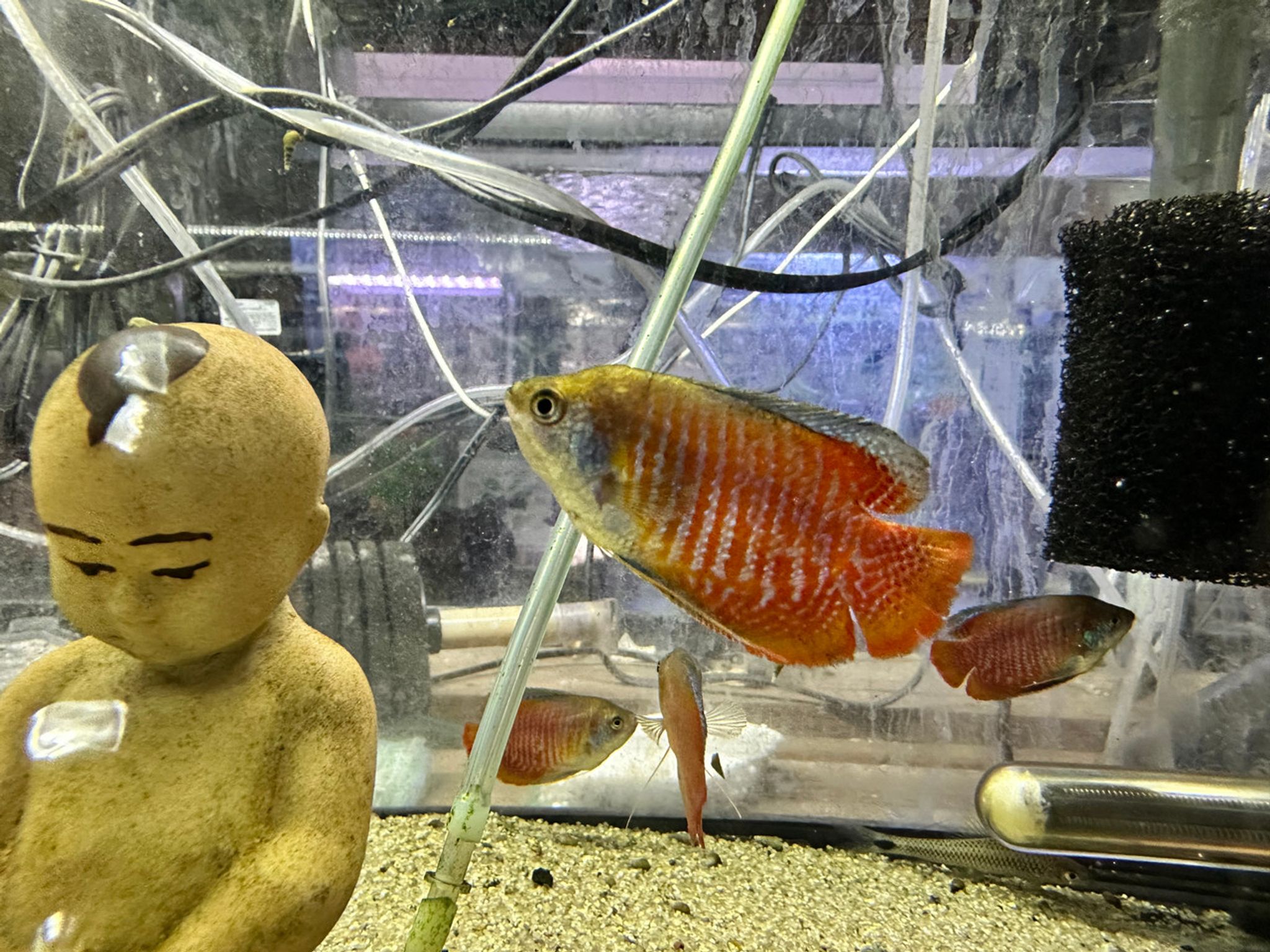
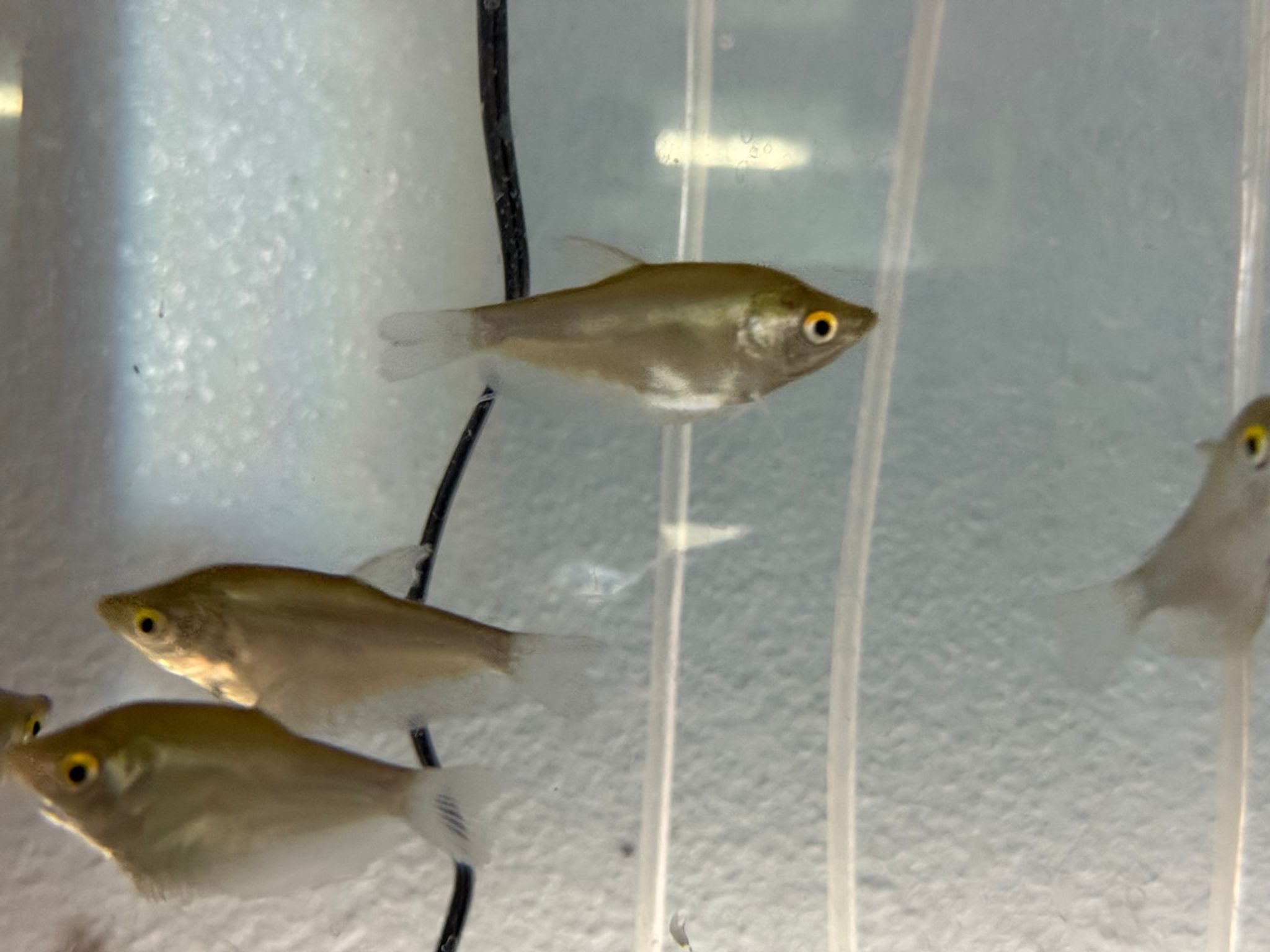
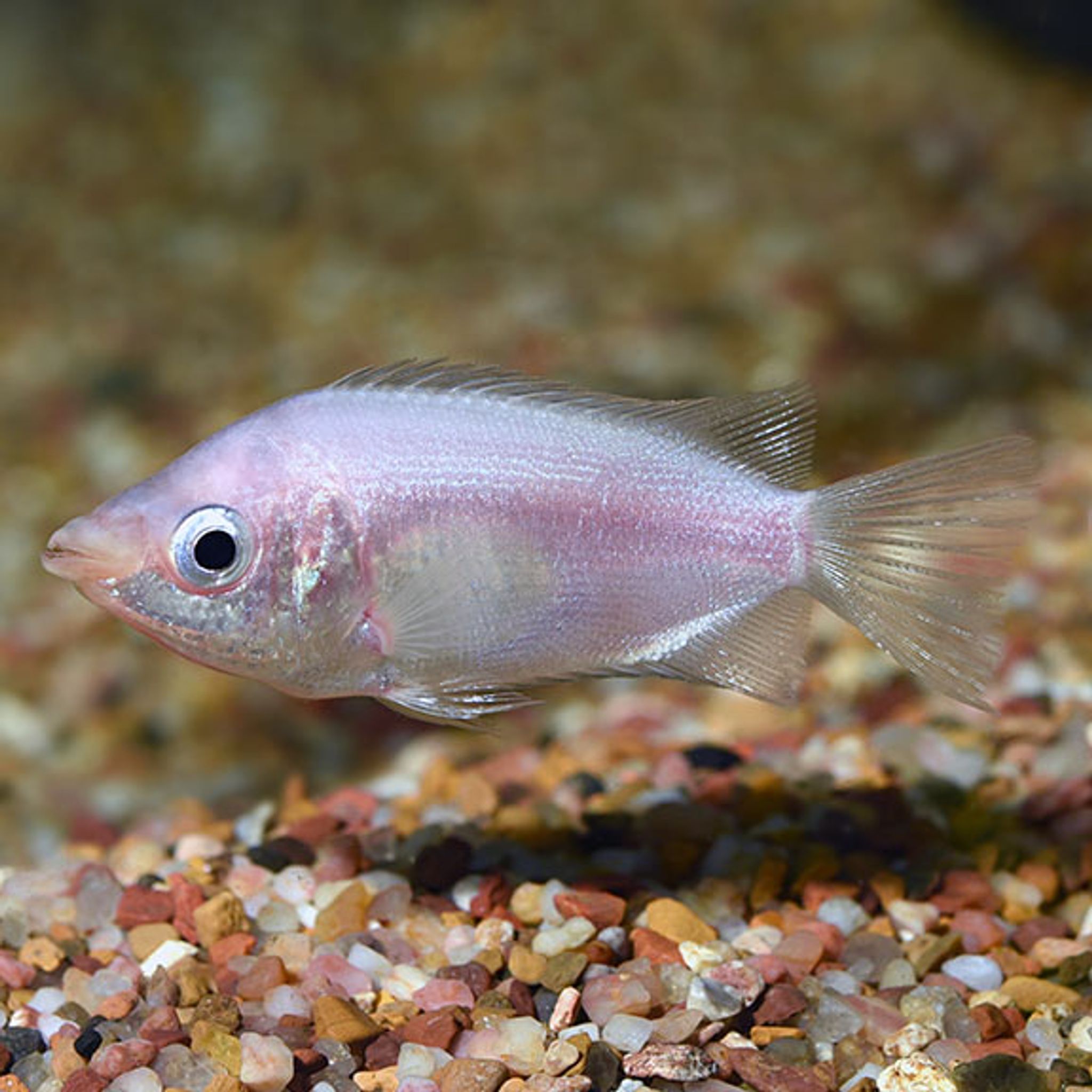
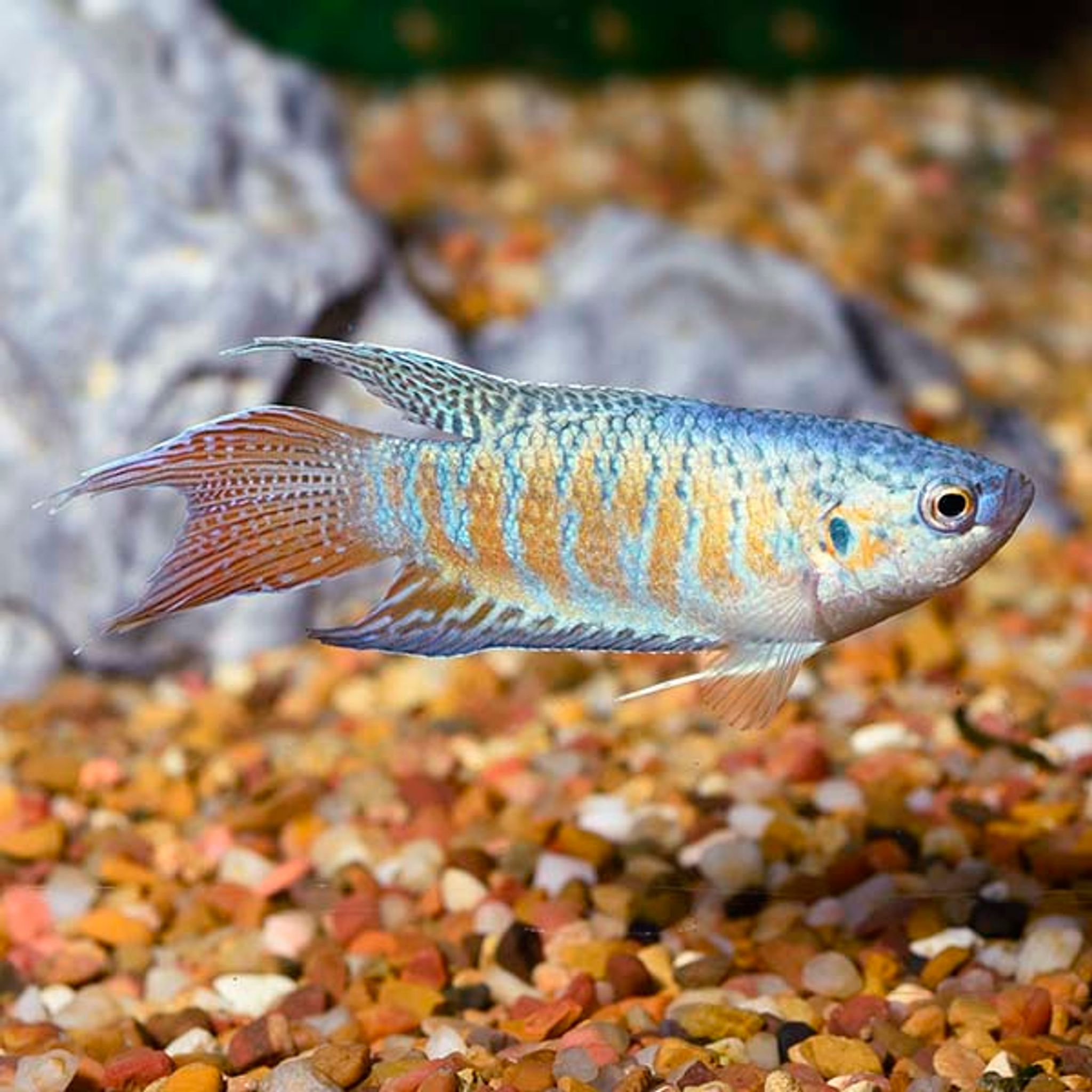
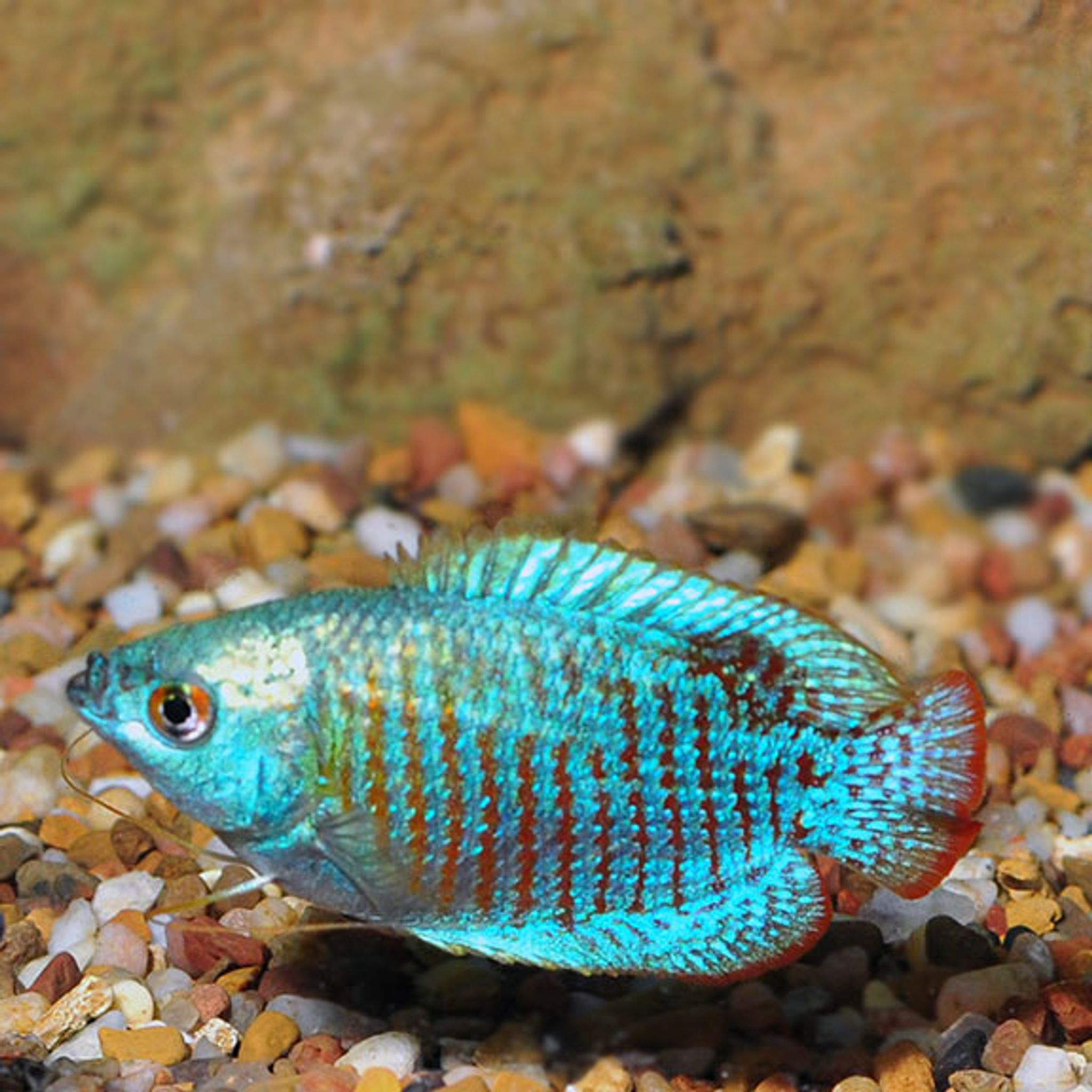
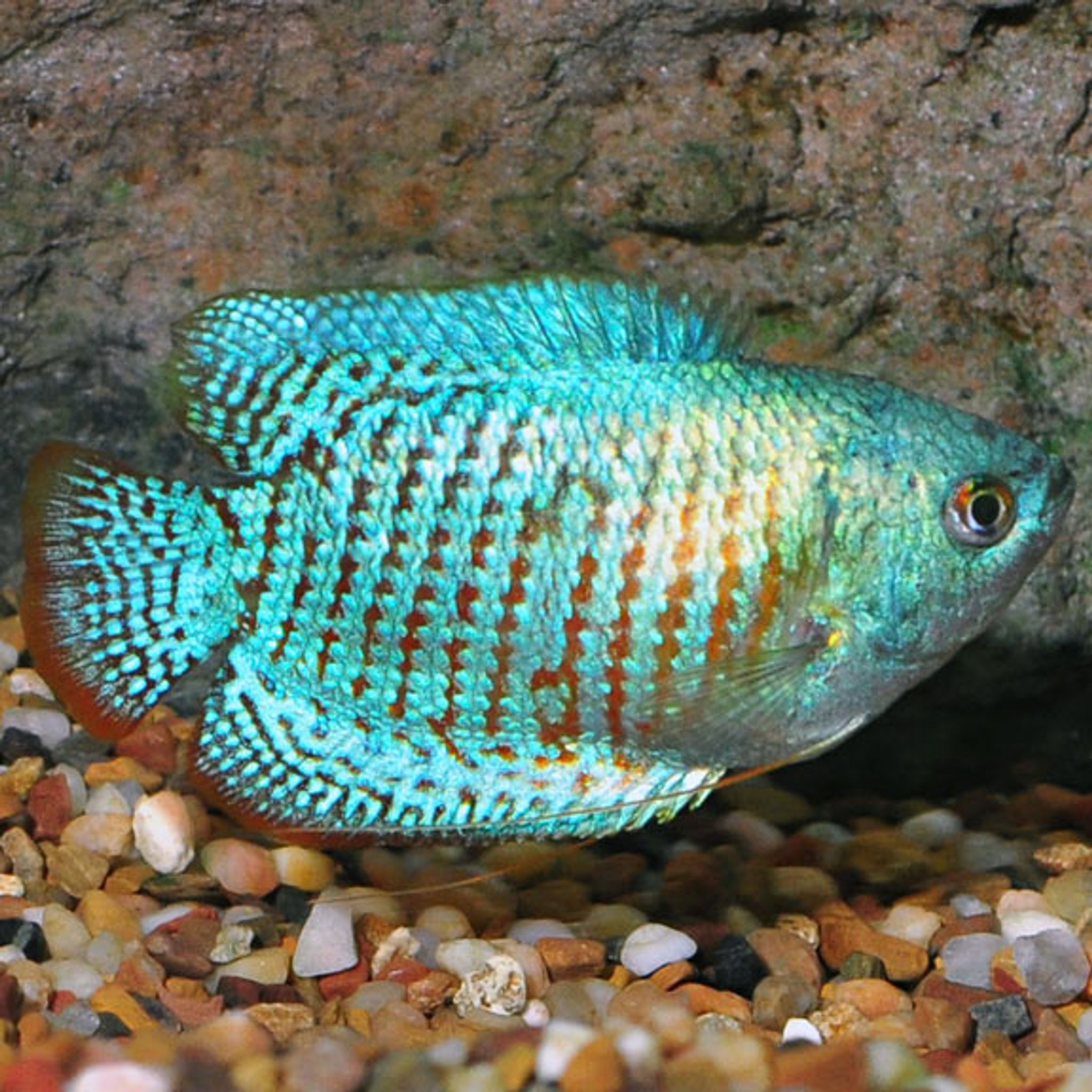
Shop Gourami fish online from aquarium stores, breeders and specialist sellers across the United States on FishyHub. Compare Dwarf Gouramis, Honey Gouramis, Pearl Gouramis, Blue Gouramis, Opaline Gouramis and other freshwater Gourami species by size, color, temperament and seller.
Gouramis are popular freshwater aquarium fish known for their distinctive body shapes, surface-oriented behavior and wide range of colors. FishyHub helps U.S. hobbyists compare Gourami listings from multiple sellers in one marketplace.
Buying Gouramis online gives hobbyists access to a broader range of species, color forms and sizes than may be available from a single local aquarium store.
Compare exact species, current size, adult size, temperament, seller information and shipping options before choosing Gouramis for your freshwater aquarium.
Popular Gouramis in the freshwater aquarium hobby include:
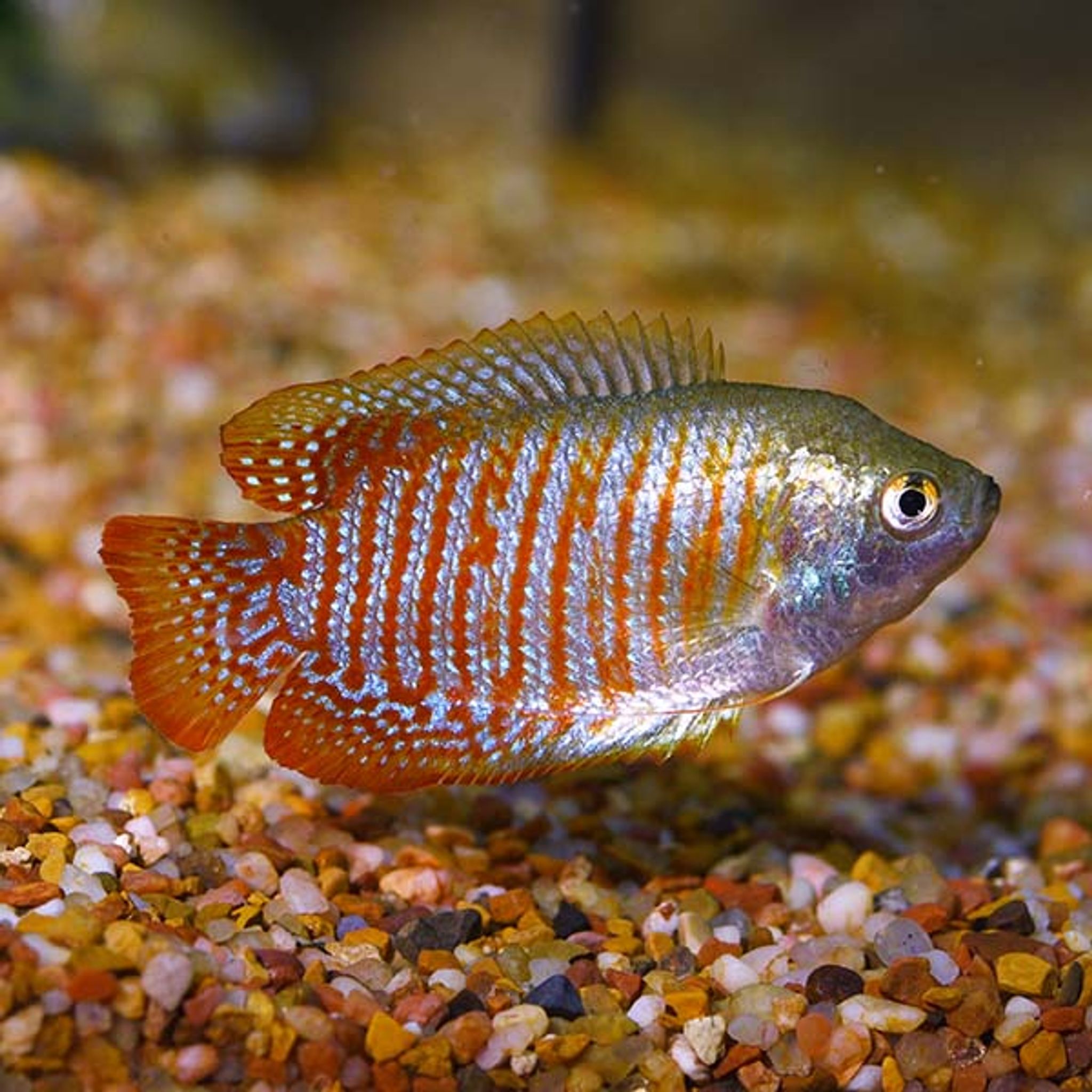
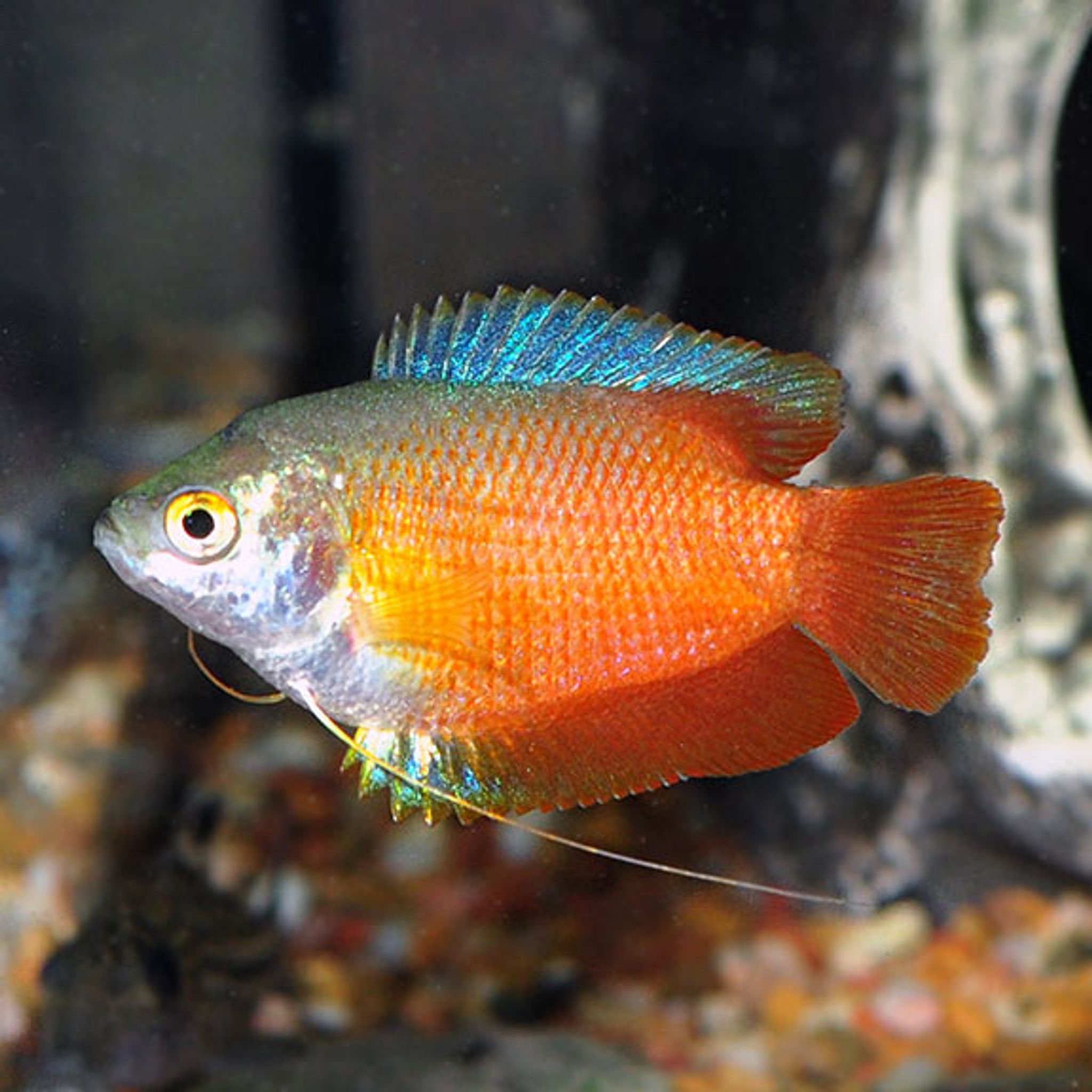
Dwarf Gouramis are among the most widely kept Gouramis and are known for bright blue, red and orange coloration.
They are compact compared with many larger Gouramis, making them popular for peaceful community aquariums when tankmates and individual temperament are suitable.
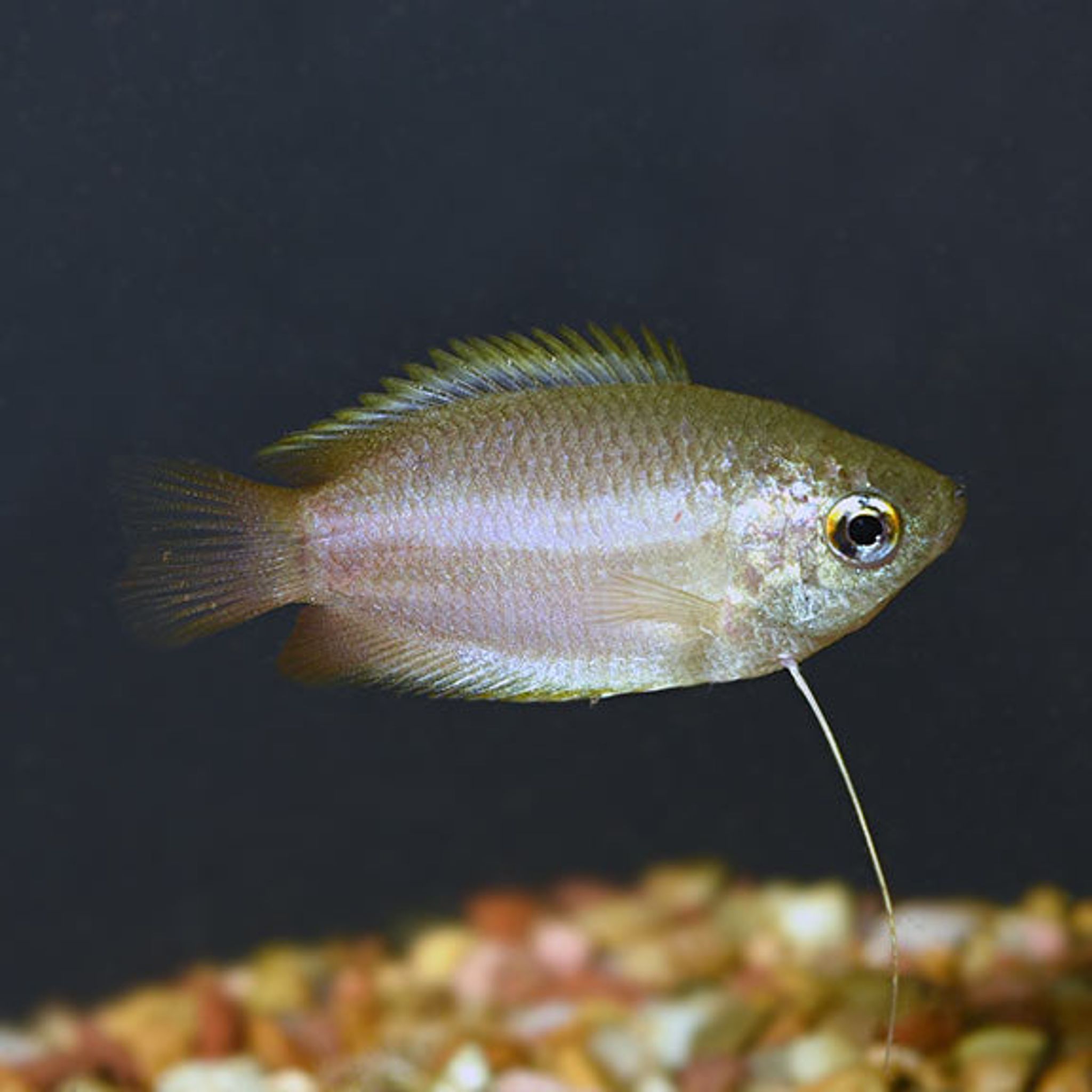
Honey Gouramis are small, gentle Gouramis known for warm yellow to honey-orange coloration.
Their calmer behavior makes them especially attractive for peaceful planted and community aquariums with similarly gentle fish.
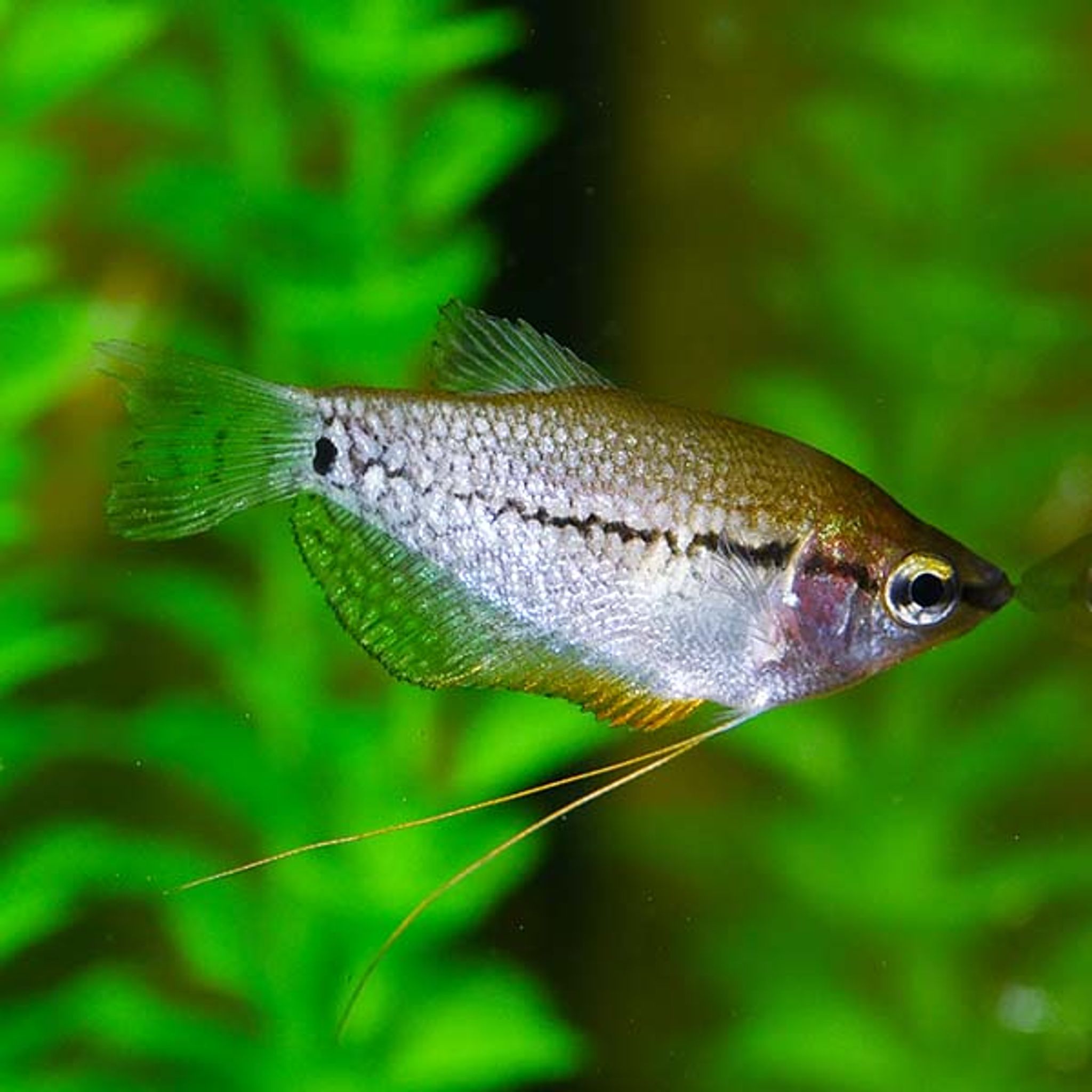
Pearl Gouramis are elegant freshwater fish covered in small pearl-like spots with a dark horizontal line running along the body.
They become larger than Dwarf or Honey Gouramis and are well suited to spacious, planted community aquariums with peaceful tankmates.
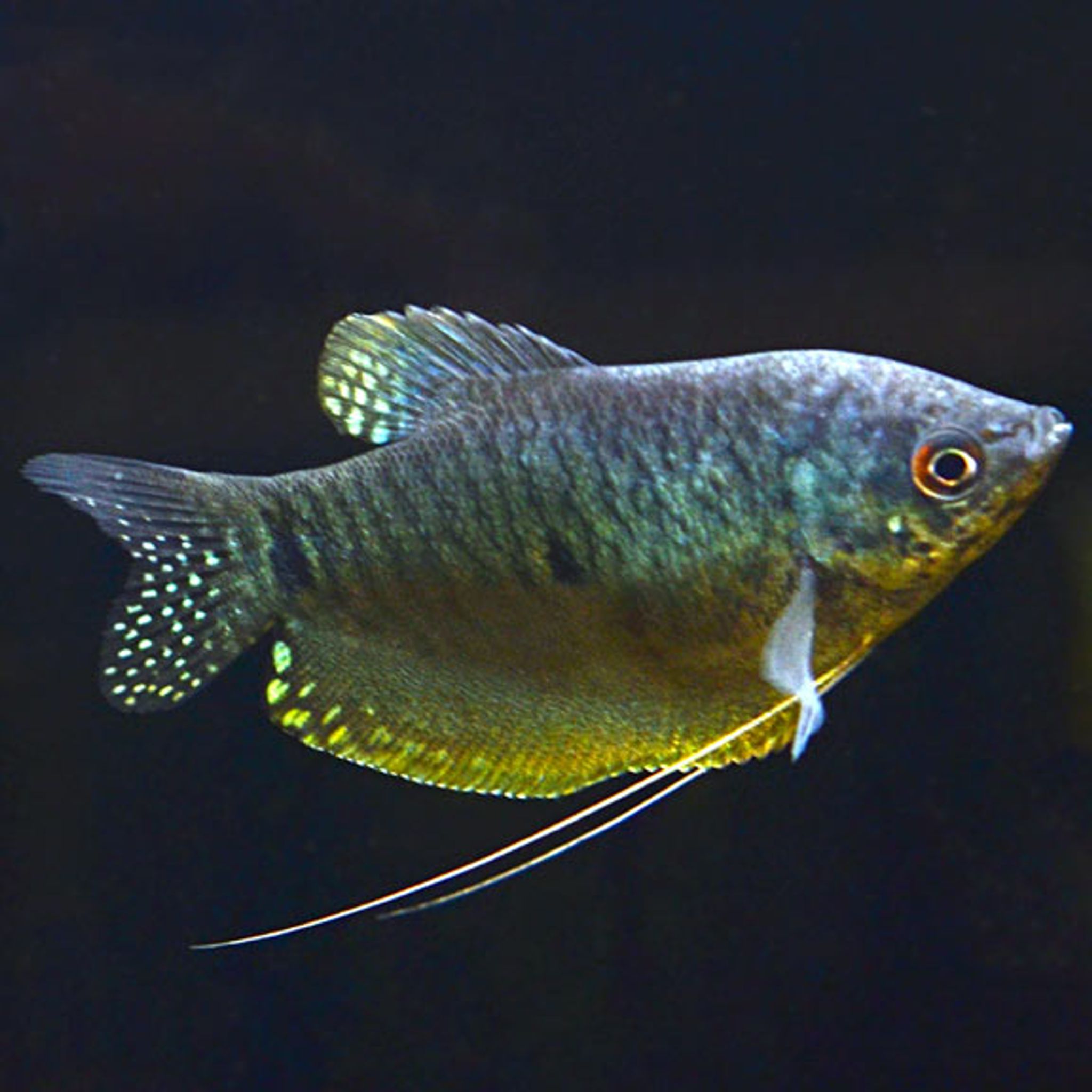
Blue Gouramis are color forms of the Three Spot Gourami and are known for silvery blue bodies and dark spots.
They can become more assertive than smaller Gourami species, especially as they mature, so tank size and tankmate choice matter.
Three Spot Gouramis are hardy, adaptable freshwater fish available in several familiar color forms.
Blue, Opaline and Gold Gouramis are commonly associated with this species group and can display stronger territorial behavior than Honey or Pearl Gouramis.
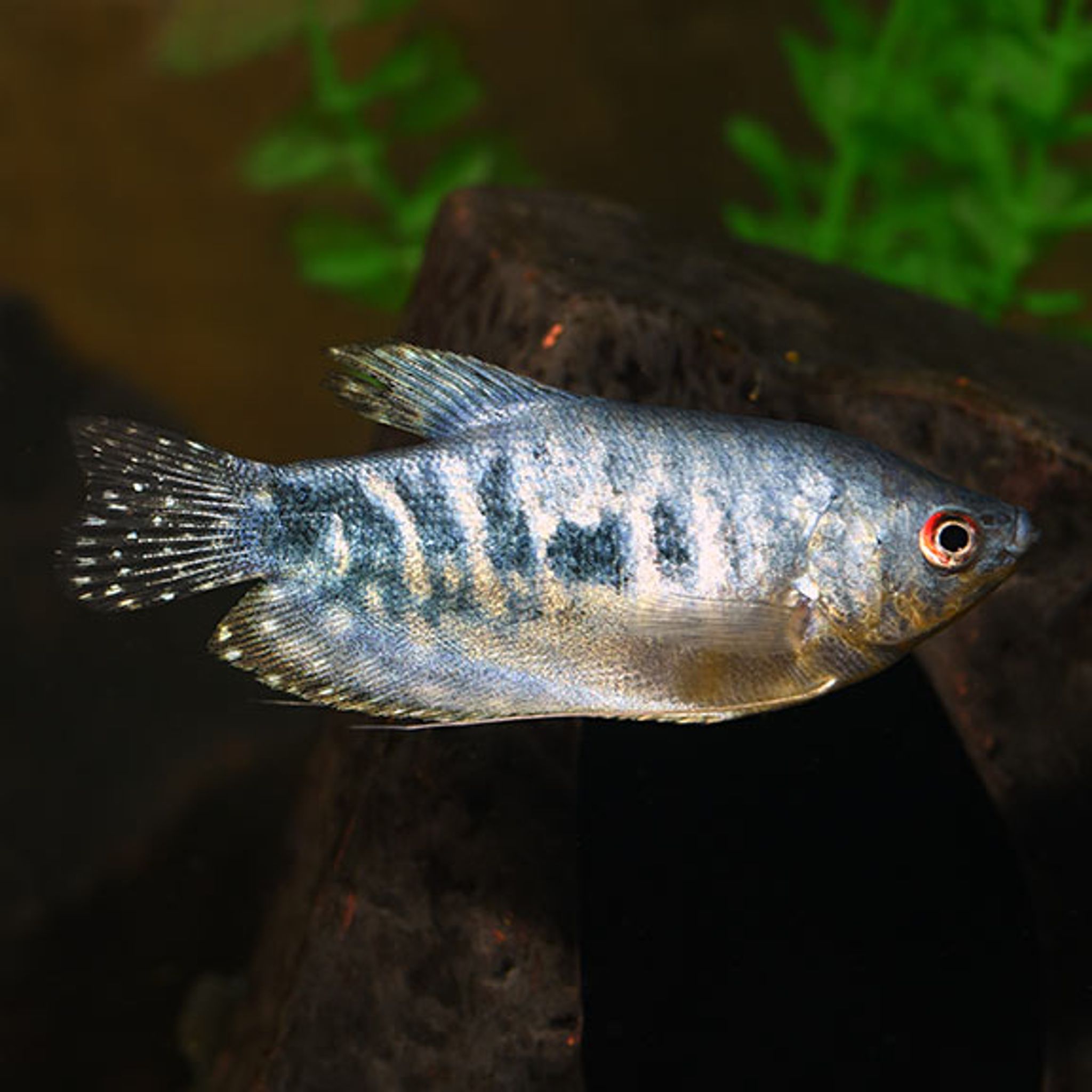
Opaline Gouramis are patterned forms of the Three Spot Gourami with blue-gray marbled coloration.
Their bold appearance makes them popular display fish, but adults may become territorial toward similar Gouramis or other slow-moving fish.
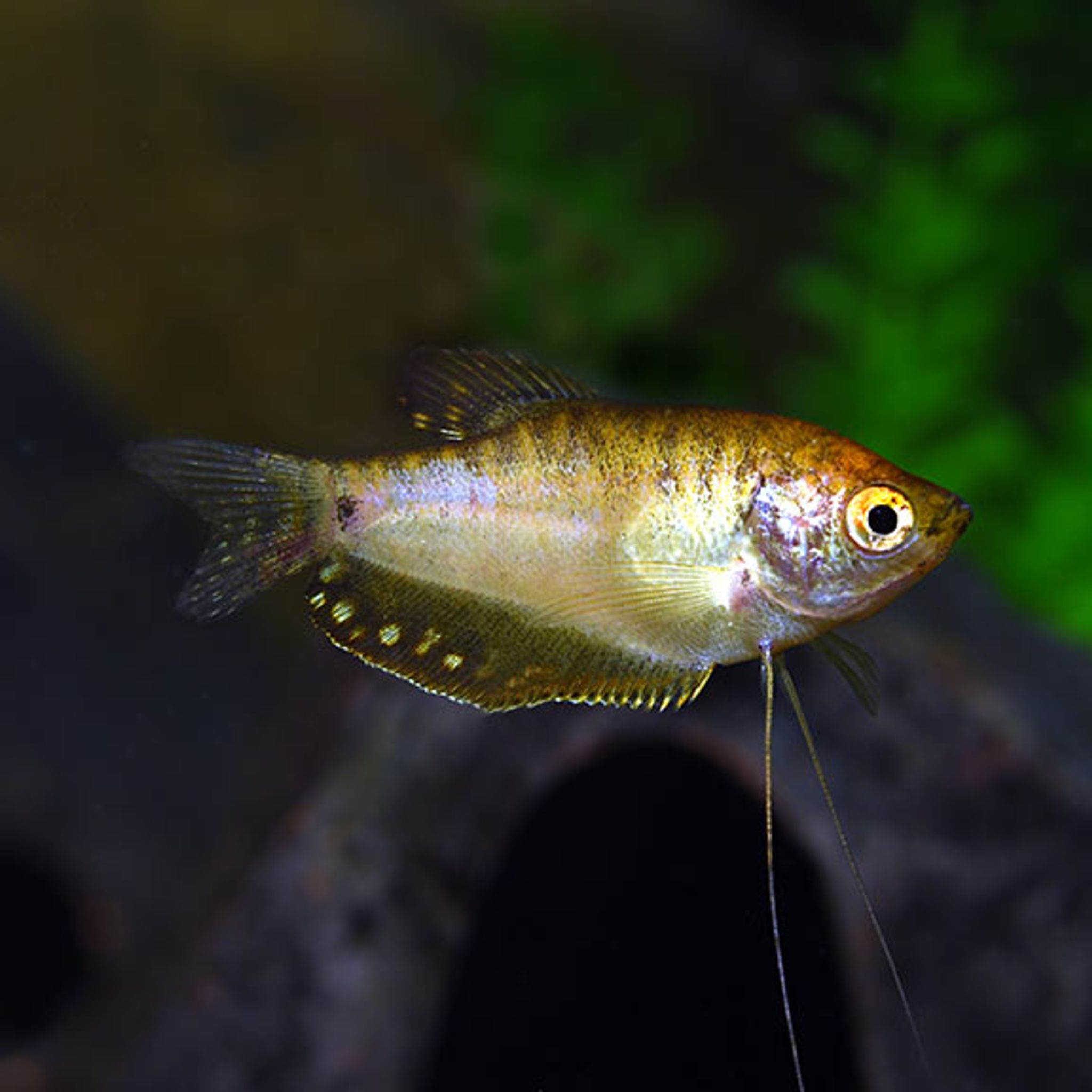
Gold Gouramis are another well-known color form of the Three Spot Gourami, featuring yellow to golden coloration.
Their care and temperament are broadly similar to other Three Spot Gourami forms, so adequate space and compatible tankmates are important.
Moonlight Gouramis have pale silver bodies with a subtle reflective sheen.
They are larger than Dwarf Gouramis and benefit from spacious freshwater aquariums with plants, cover and open swimming areas.
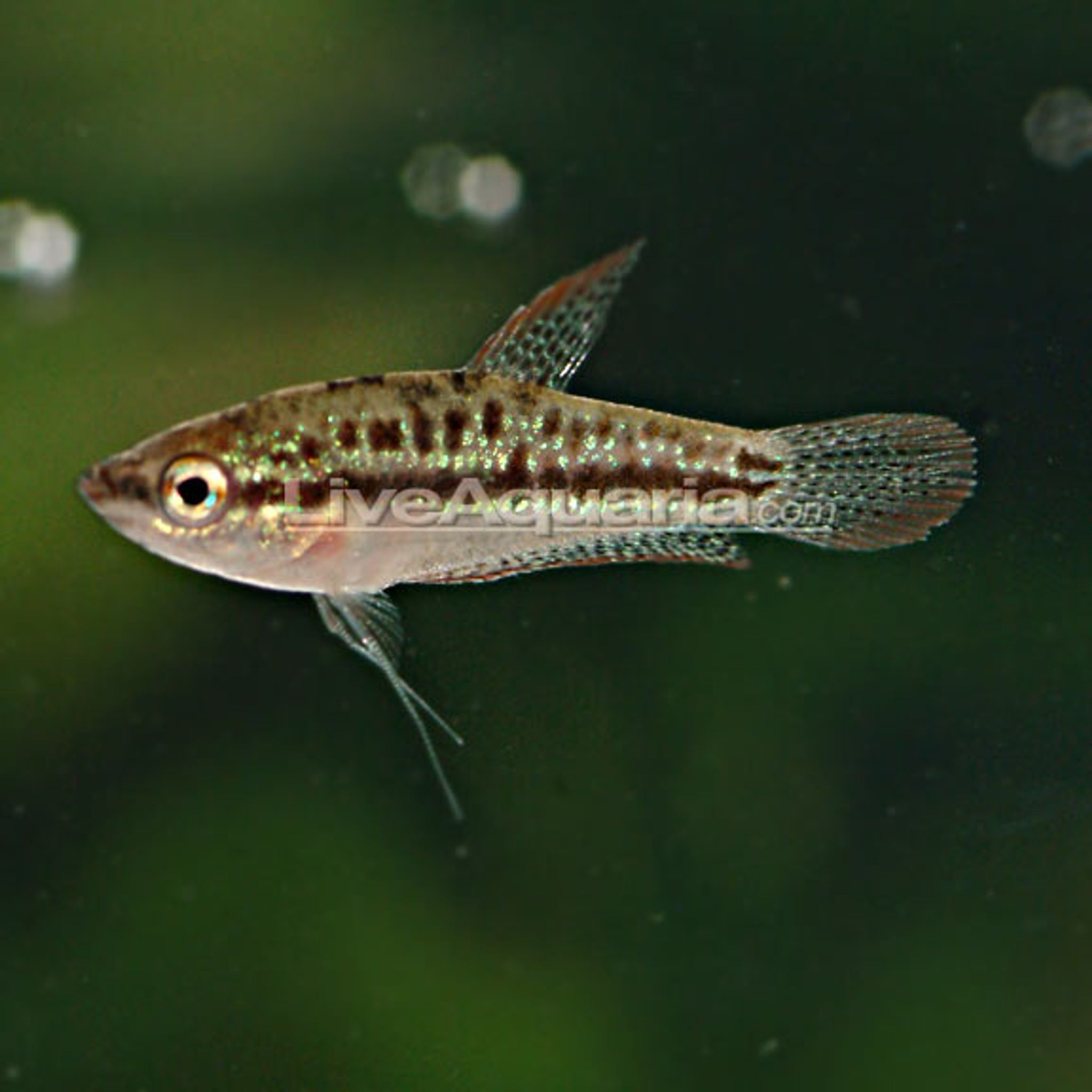
Sparkling Gouramis are very small labyrinth fish with shimmering blue, green and reddish markings.
Their compact size and more secretive behavior make them appealing for planted nano-style aquariums with peaceful tankmates.
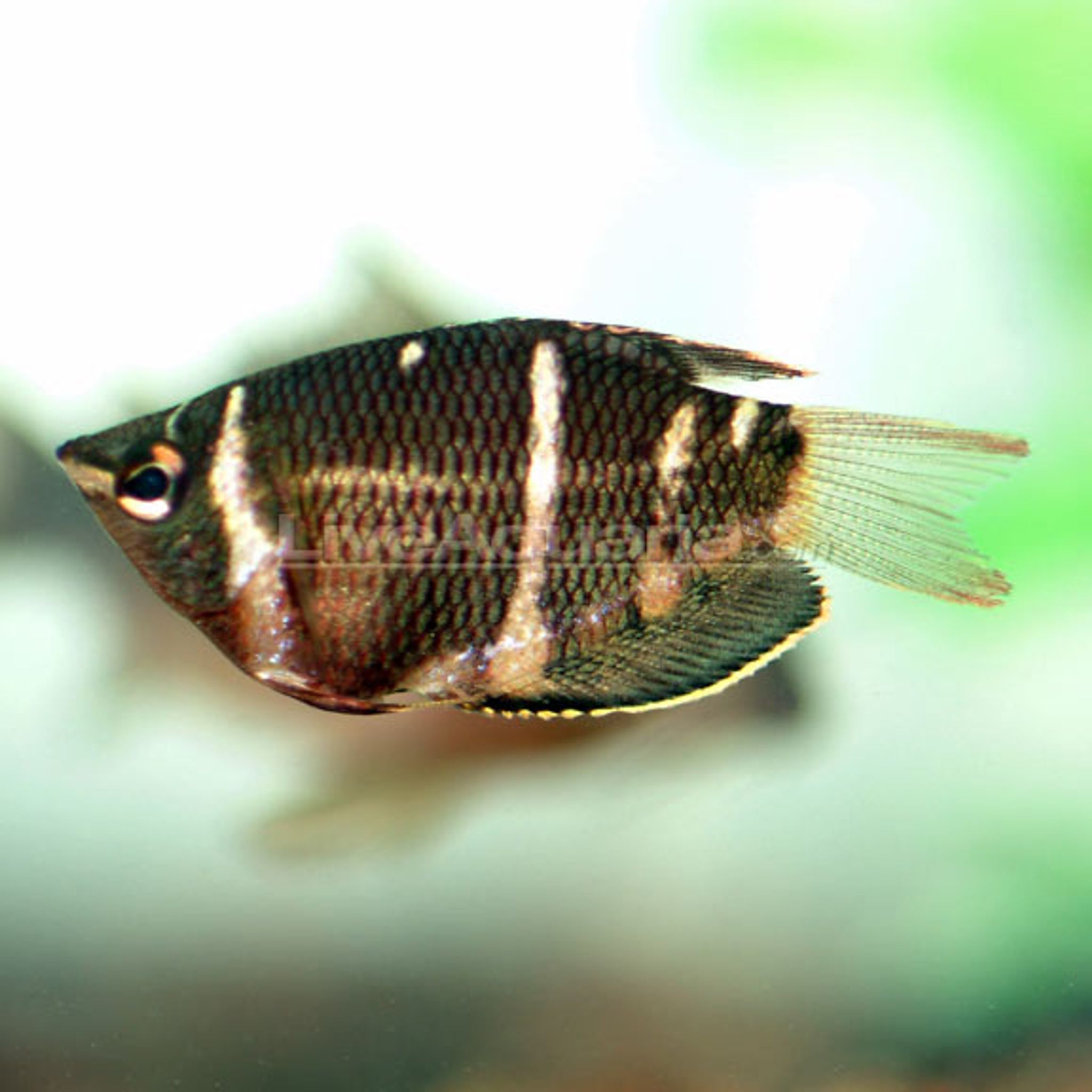
Chocolate Gouramis are more specialized freshwater fish known for brown coloration and pale vertical markings.
They generally require more careful husbandry than common Dwarf or Three Spot Gouramis and are better suited to aquarists prepared to meet their specific environmental needs.
Giant Gouramis grow far larger than most Gouramis sold for community aquariums.
Their substantial adult size means they require very large long-term systems and should not be purchased based on the size of juveniles offered for sale.
Gouramis belong to a broader group of fishes commonly called labyrinth fish.
They possess a specialized labyrinth organ that allows them to breathe atmospheric air in addition to using their gills. This is why Gouramis often visit the water surface.
Gouramis vary enormously in adult size.
Sparkling and Honey Gouramis remain relatively compact, while Pearl, Three Spot and especially Giant Gouramis require progressively more space. Always plan around adult size rather than juvenile sale size.
Many Gouramis can work well in peaceful community aquariums when temperament and adult size are matched carefully.
Honey and Pearl Gouramis are often considered for calmer community setups, while more assertive species may require additional territory and more robust tankmates.
Gouramis are especially attractive in planted aquariums because many naturally appreciate plant cover and calmer areas near the surface.
Floating plants, tall background plants and open swimming areas can create a useful balance of cover and visibility.
Gouramis benefit from properly cycled freshwater aquariums with stable conditions, suitable filtration and enough cover.
Because Gouramis regularly access the surface, leave them unobstructed access to air and avoid overly turbulent surface conditions for species that prefer calmer water.
Gouramis come from different freshwater habitats and should not all be treated as having identical water requirements.
Maintain stable aquarium conditions appropriate to the exact species rather than applying one universal temperature, pH or hardness range to every Gourami.
Gourami temperament ranges from very peaceful to territorial depending on species, sex and individual fish.
Males may become especially territorial toward other Gouramis, particularly when defending an area near the water surface.
Some Gouramis can live in pairs or groups, while others may become aggressive toward members of their own species or similar-looking fish.
Aquarium size, sex ratio, plant cover, species and individual temperament all influence whether multiple Gouramis can coexist successfully.
Sex differences vary between Gourami species.
Males may show stronger coloration or differences in fin shape in some species, while identification can be less obvious in juveniles or certain varieties.
Gouramis can coexist with many peaceful freshwater fish when adult size, temperament and water requirements are compatible.
Tetras, Rasboras, Corydoras, peaceful Loaches and other calm community fish may be suitable tankmates depending on the Gourami species.
Many peaceful Tetras can share community aquariums with appropriately sized Gouramis.
Avoid highly aggressive or persistent fin-nipping species that may harass slower Gouramis.
Rasboras are common Gourami tankmates because many species are peaceful and occupy the middle areas of the aquarium.
Honey Gouramis with small Rasboras can create an especially calm planted-community setup when their environmental needs overlap.
Gouramis and Corydoras can often coexist because they generally occupy different parts of the aquarium.
Gouramis tend to spend more time in the middle and upper areas while Corydoras forage near the substrate.
Bettas and Gouramis should not automatically be considered compatible just because they are both labyrinth fish.
Similar body shapes, surface territory and territorial behavior can lead to conflict, so combining them requires careful species and individual assessment.
Adult shrimp may coexist with some smaller peaceful Gouramis in planted aquariums.
Small shrimp and shrimplets may be eaten, especially by larger Gouramis, so compatibility is never guaranteed.
Many aquarium Gouramis are omnivorous and accept a variety of appropriately sized prepared and frozen foods.
Exact dietary needs vary by species, so provide a varied diet rather than relying on a single food type.
Many Gouramis readily feed near the middle and upper levels of the aquarium.
Observe shy individuals during feeding to ensure they receive enough food when housed with faster community fish.
Many Gourami species reproduce using bubble nests built near the water surface.
A male may build and guard the nest during breeding, but bubble-nest behavior varies between species and should not be used as a simple measure of fish health or happiness.
Gourami breeding behavior differs between species, but many familiar aquarium species use bubble nests and display distinctive courtship behavior.
Dedicated breeding setups can make it easier to manage territorial behavior, eggs and fry.
Some Gouramis can be suitable for newer aquarium keepers when housed in a properly cycled tank with compatible tankmates.
Honey, Pearl and some commonly available Gouramis may be approachable choices, while more specialized species such as Chocolate Gouramis can require more experienced care.
Quarantine and careful observation can help reduce the risk of introducing parasites or disease into an established aquarium.
Monitor appetite, breathing, coloration, body condition and swimming behavior before combining new Gouramis with existing livestock.
When comparing Gouramis for sale, look for:
Newly shipped Gouramis may experience stress from transport and differences in water conditions.
Prepare a stable, cycled aquarium before arrival and follow an acclimation approach appropriate to the seller's guidance and the species being introduced.
Gourami prices vary according to species, color form, size, rarity, breeder availability and seller.
Common Dwarf or Three Spot varieties and less frequently available specialty Gouramis can differ substantially in price, so compare exact species, condition and seller terms rather than price alone.
FishyHub brings Gourami listings from aquarium stores, breeders and specialist freshwater fish sellers together in one marketplace.
When comparing Gouramis online, consider:
Shipping availability depends on the seller, destination, fish size, weather and livestock-shipping policy.
Review delivery timing, packaging and live-arrival terms before ordering, and make sure the aquarium is ready before the Gouramis arrive.
Yes. Aquarium stores, breeders and specialist sellers offer Gourami species online across the U.S., depending on seller shipping coverage and livestock policies.
Dwarf, Honey, Pearl, Blue, Three Spot, Opaline and Gold Gouramis are among the best-known aquarium varieties.
Some species are very peaceful, while others can become territorial. Temperament depends on species, sex, aquarium size and the individual fish.
Many can, provided the fish have compatible water requirements and the schooling species are peaceful rather than persistent fin nippers.
The combination can be risky because both groups are territorial labyrinth fish and may compete for similar surface areas. Compatibility should be evaluated carefully rather than assumed.
Gouramis have a labyrinth organ that allows them to breathe atmospheric air, so regular visits to the water surface are normal.
Many Gourami species do, particularly during breeding, although reproductive behavior varies across the group.
FishyHub helps U.S. hobbyists compare Gourami listings from aquarium stores, breeders and specialist freshwater fish sellers in one marketplace.
Explore Gouramis for sale on FishyHub and compare Dwarf, Honey, Pearl, Blue, Opaline, Gold, Moonlight and other freshwater Gourami species. Discover listings from aquarium stores and breeders across the United States, and compare species, size, coloration, temperament, price and shipping options before choosing Gouramis for your aquarium.
