1–31 of 31
Showing 31 of 31 products
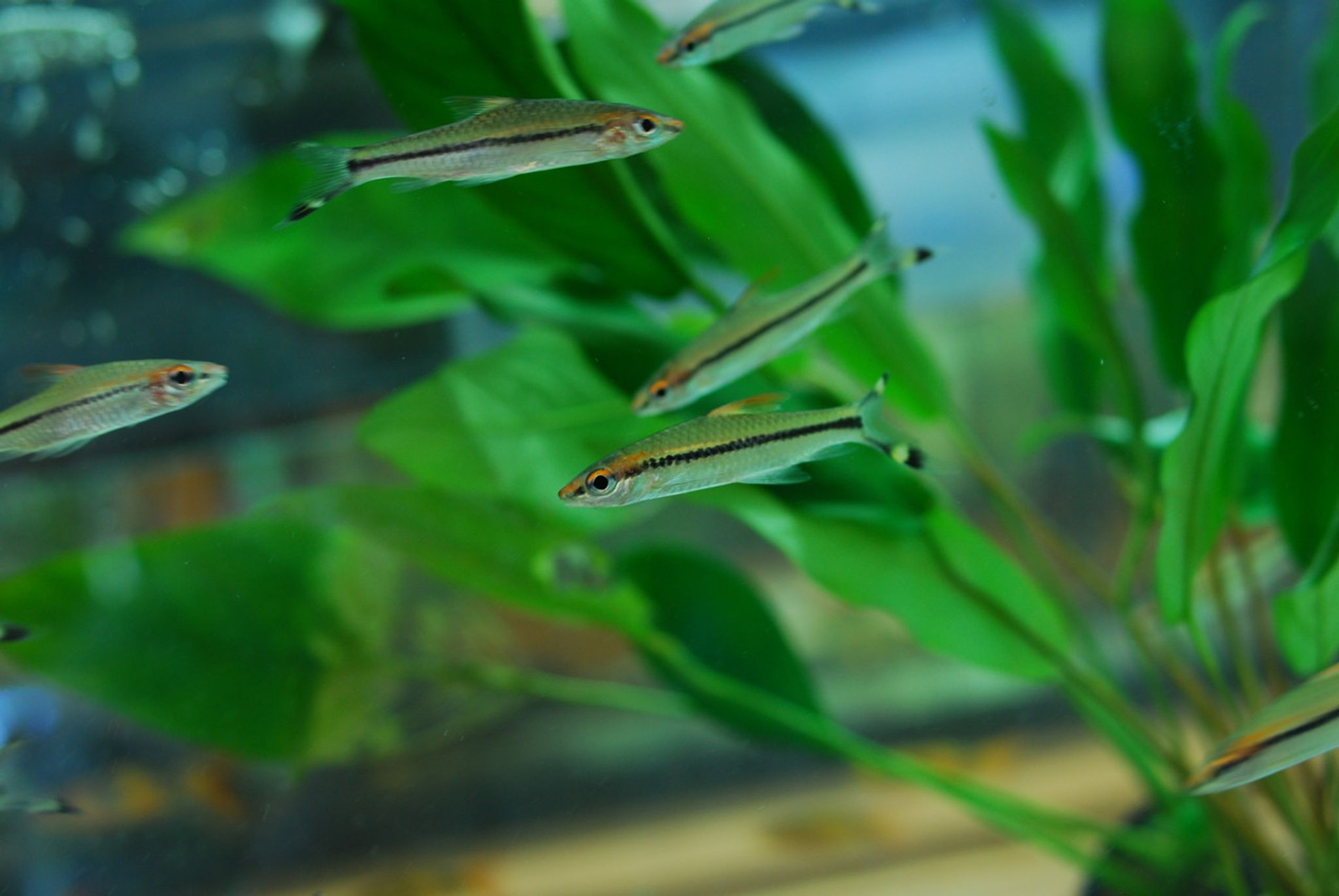

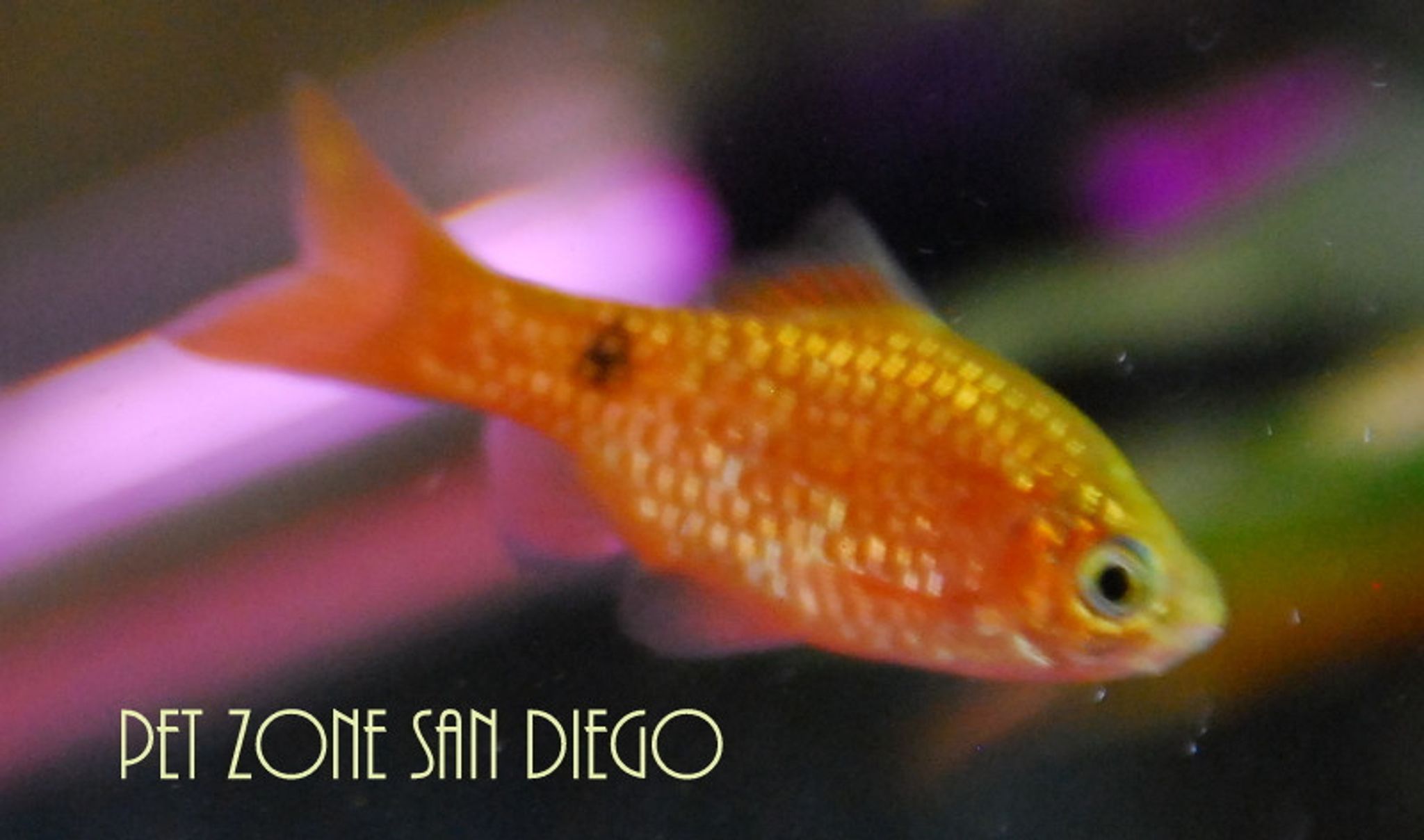

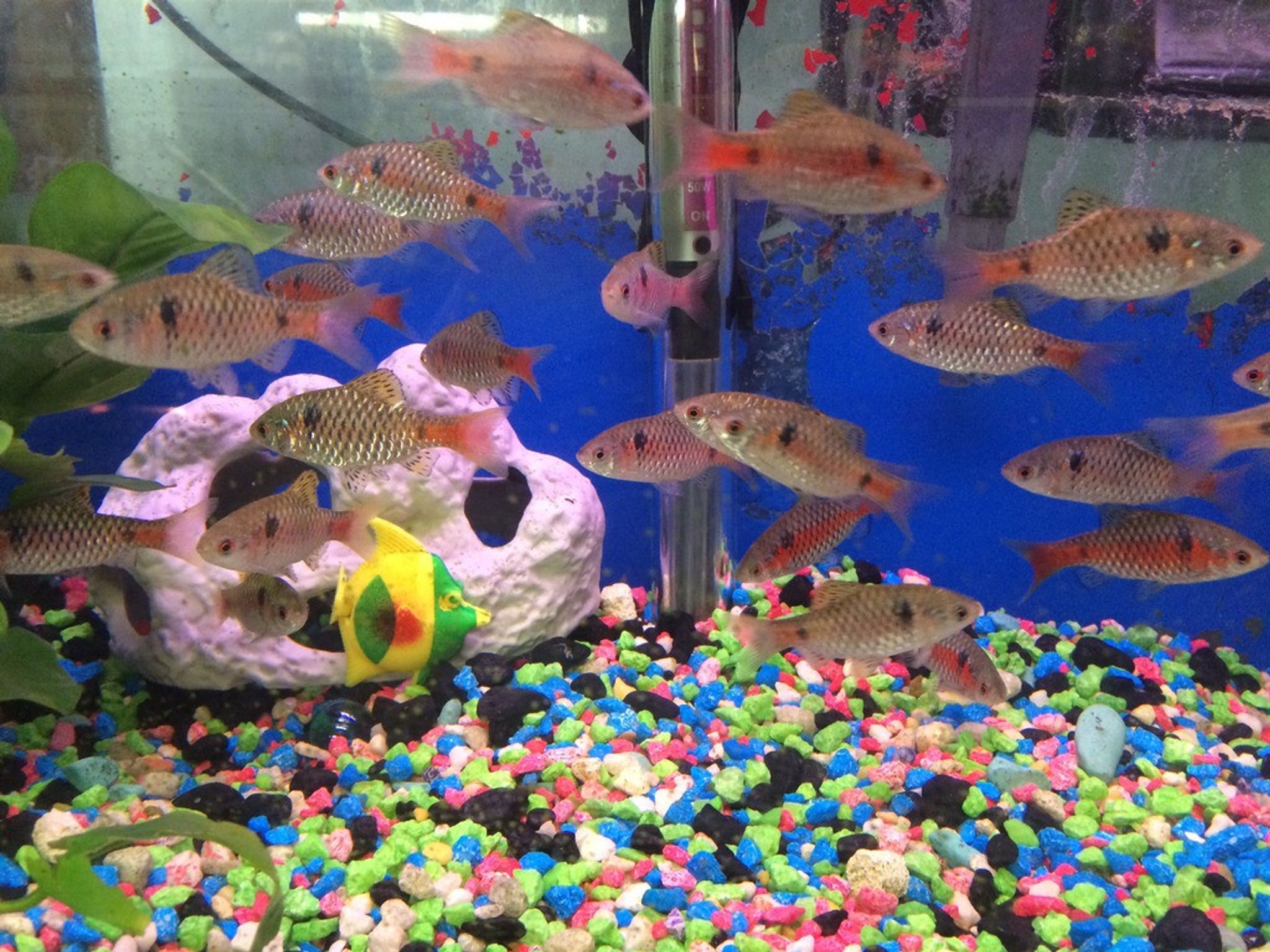
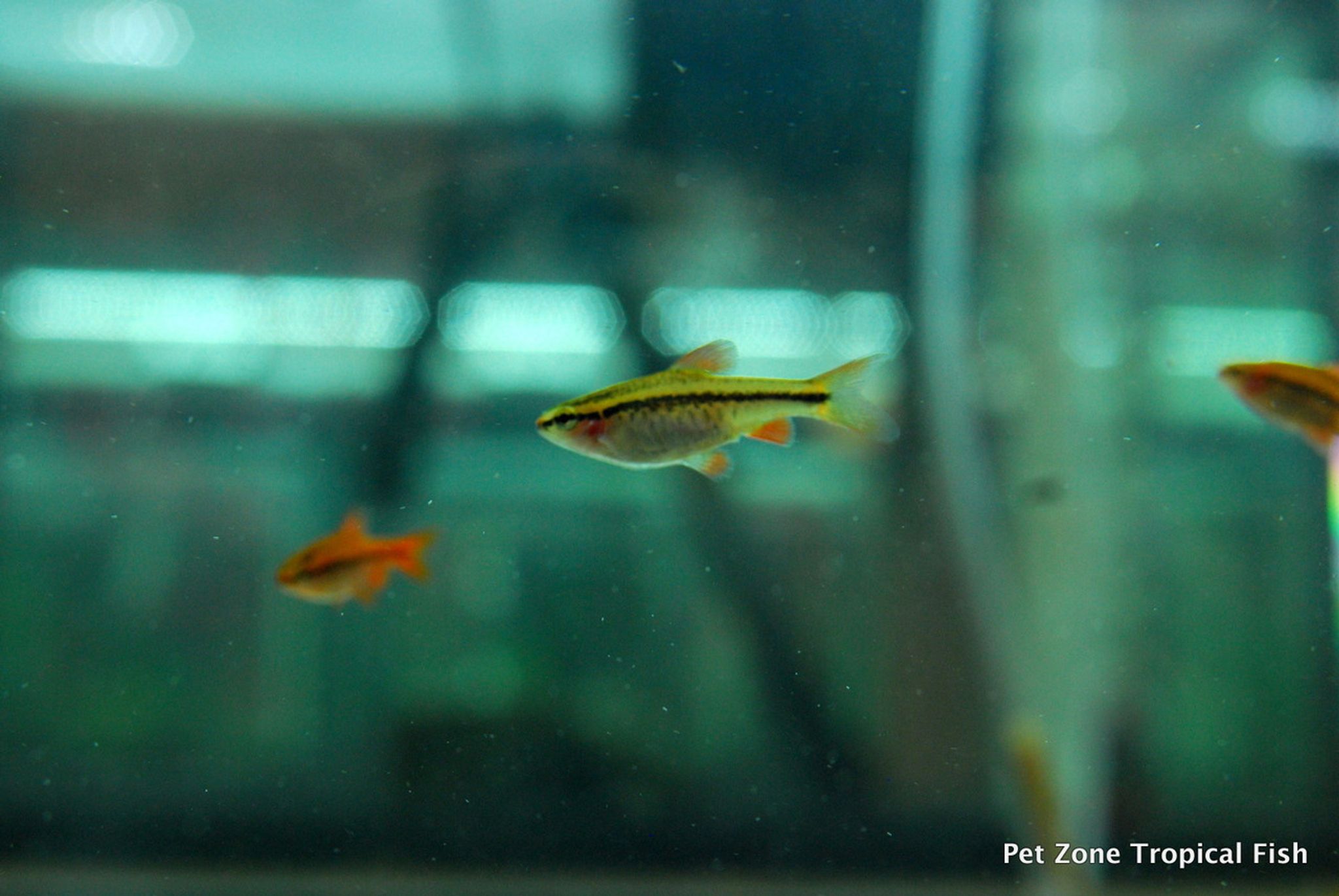

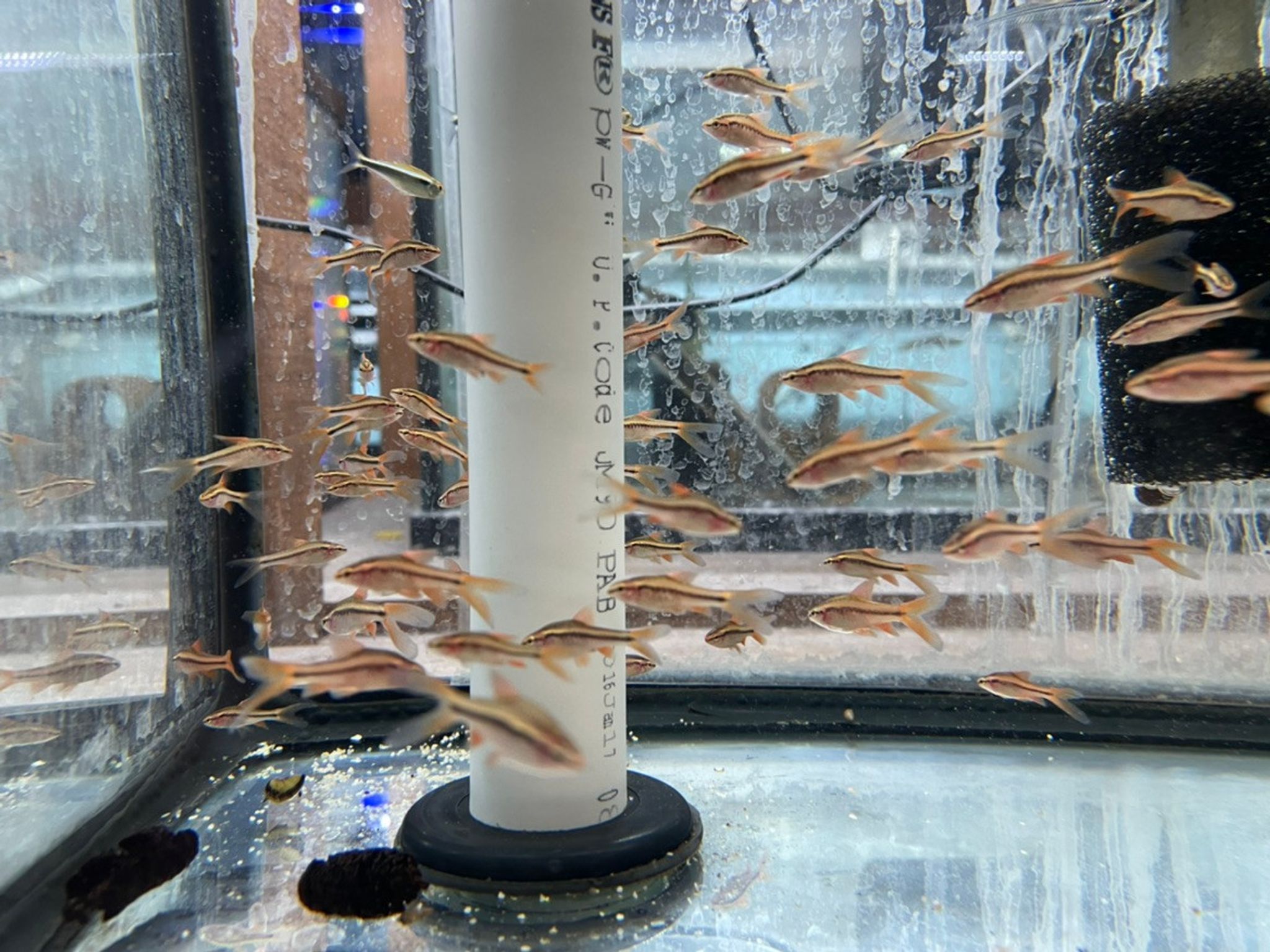
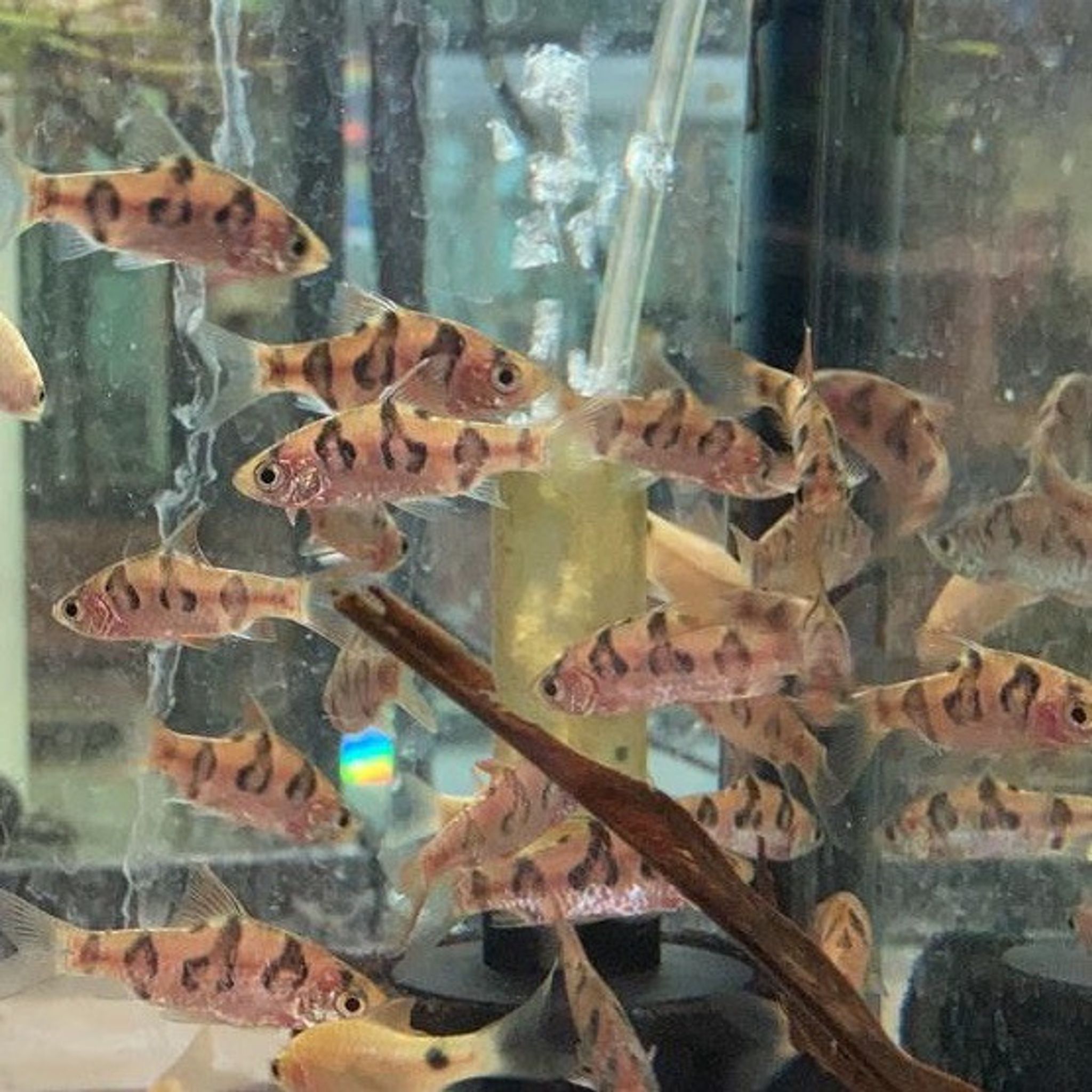
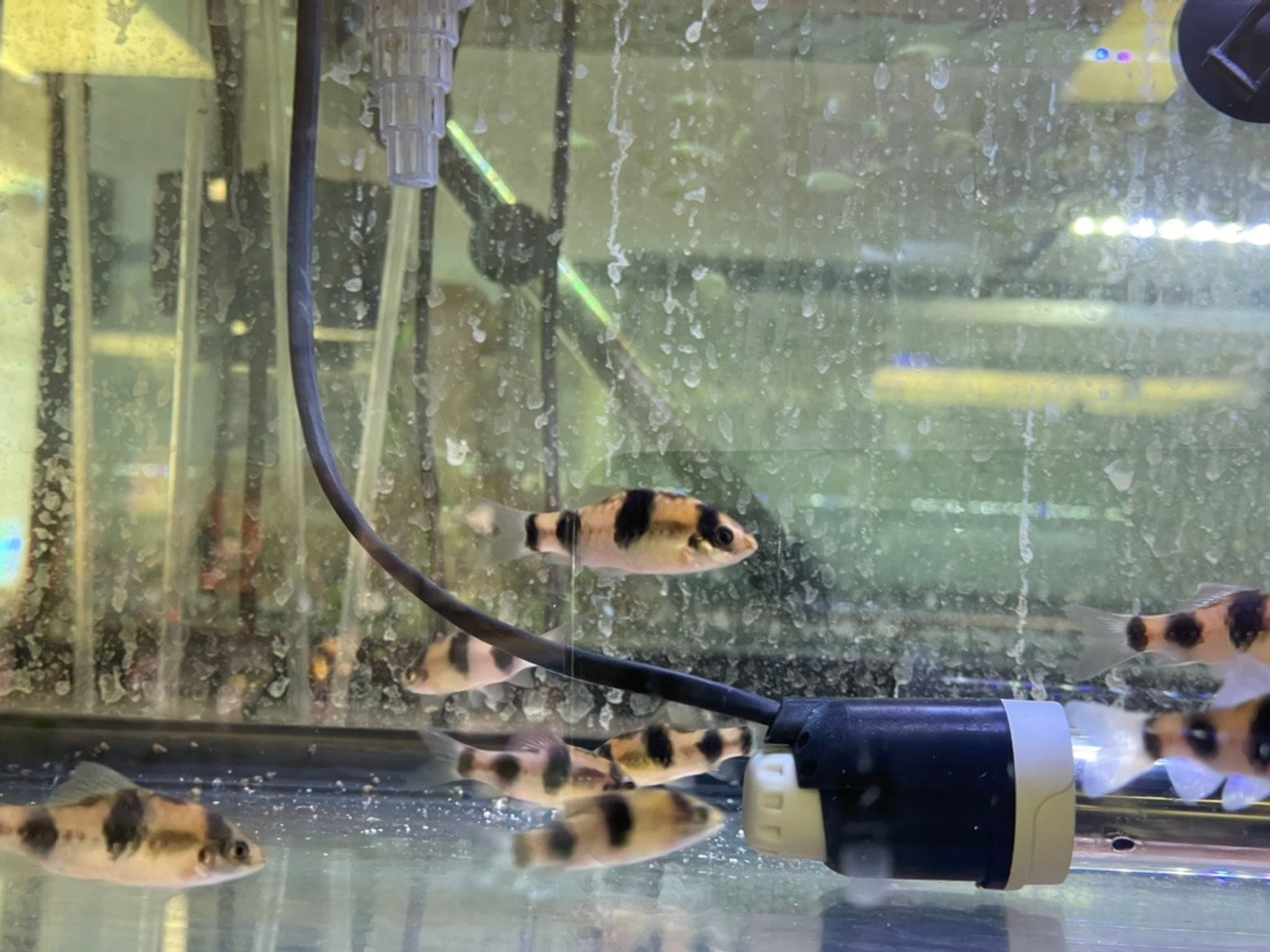
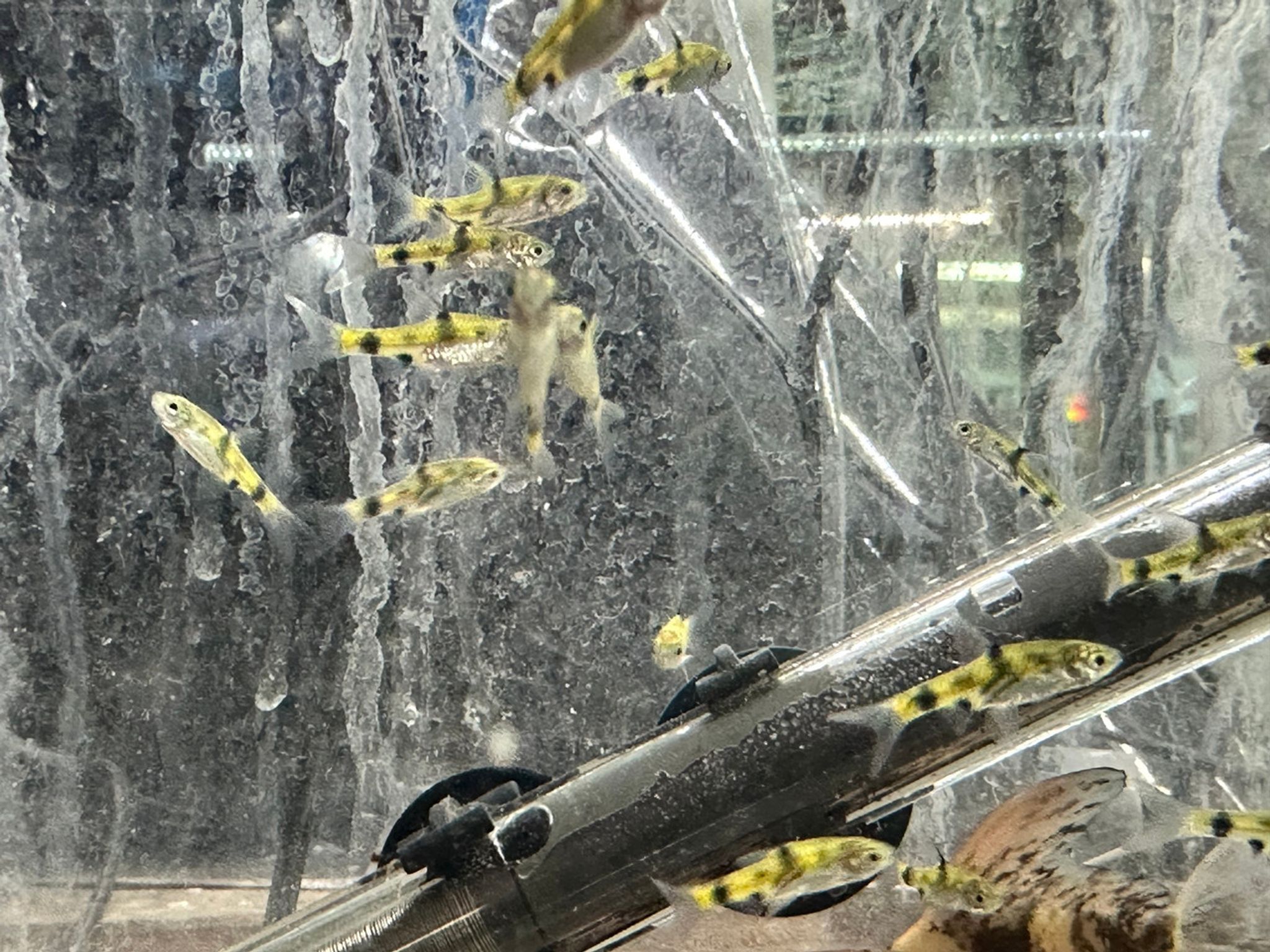


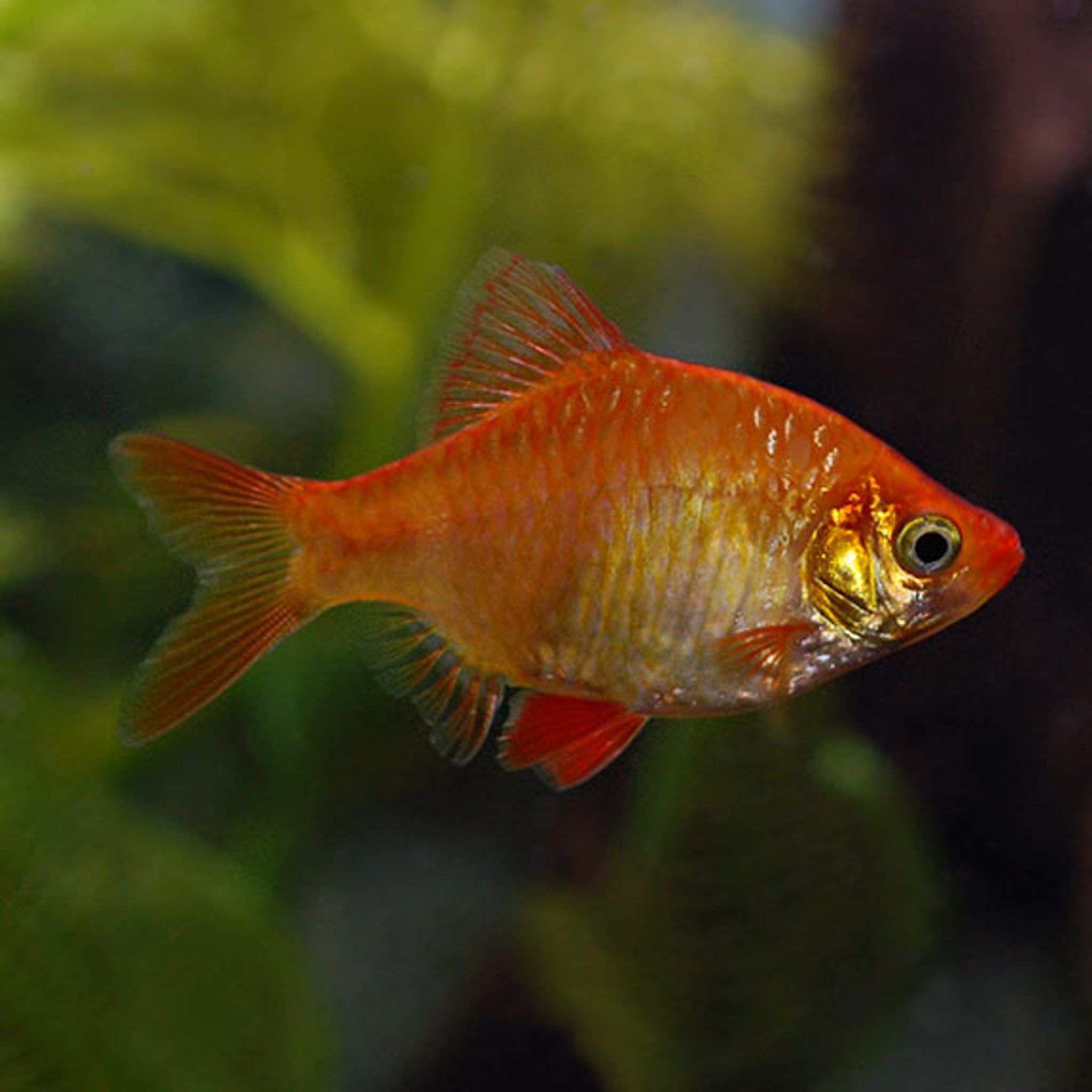
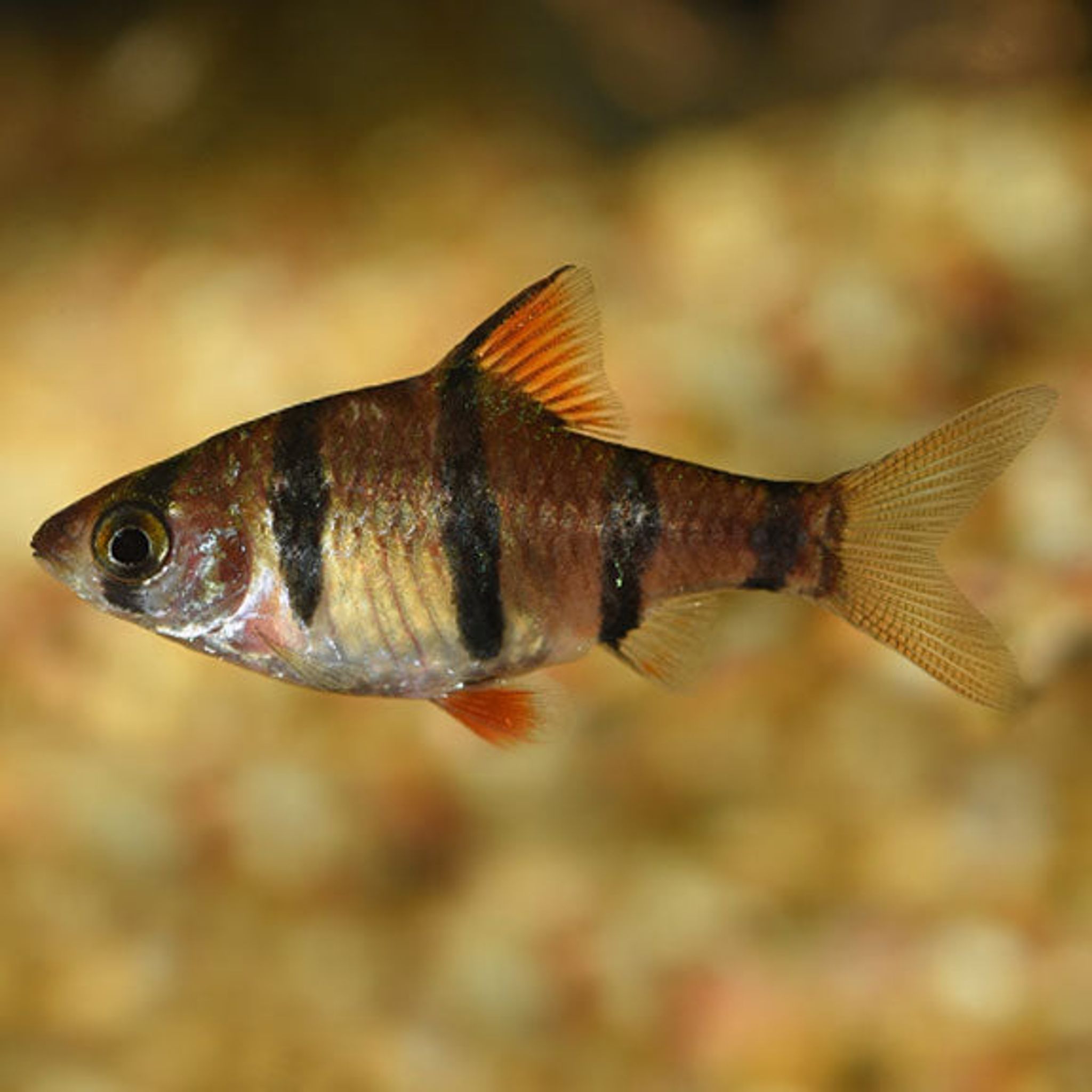
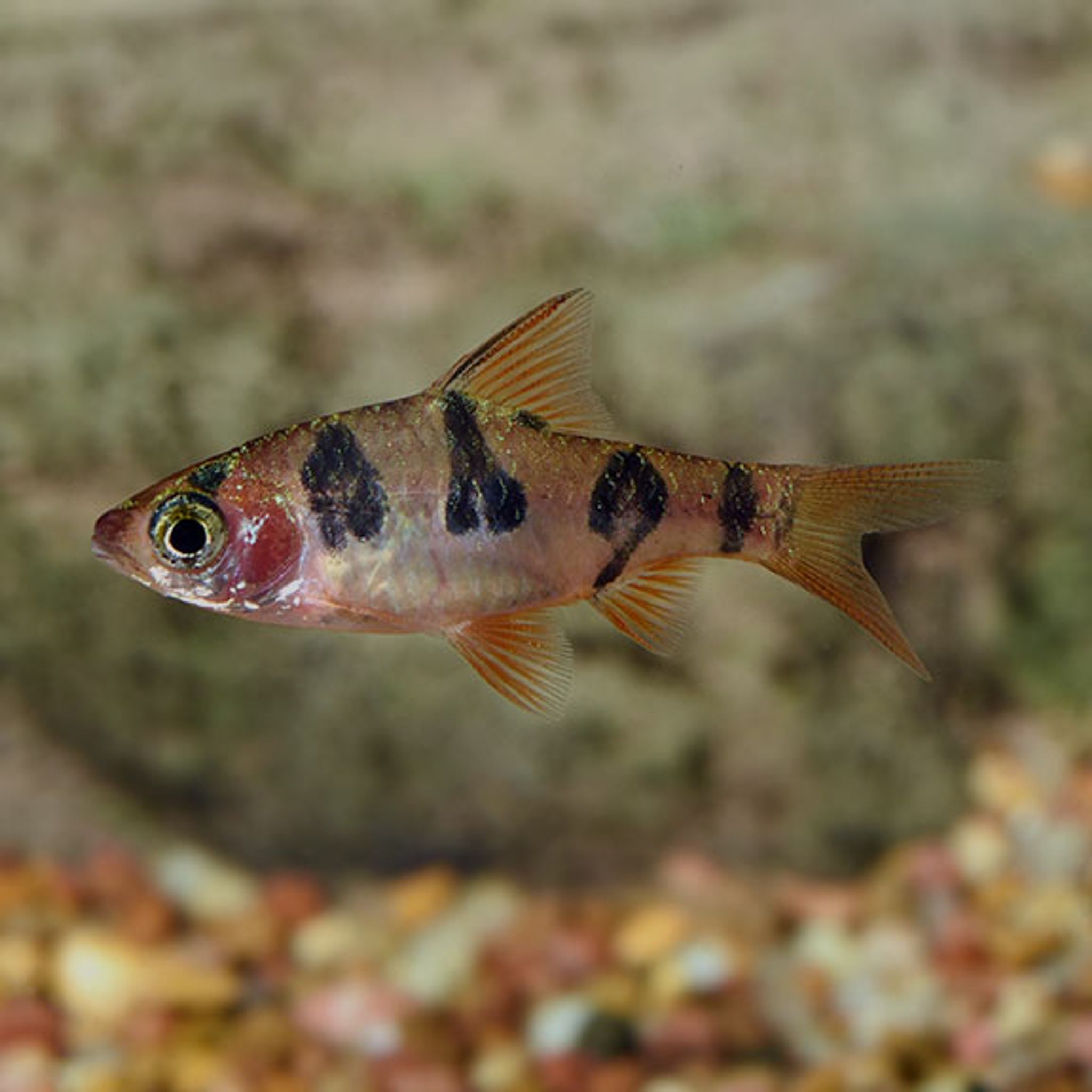
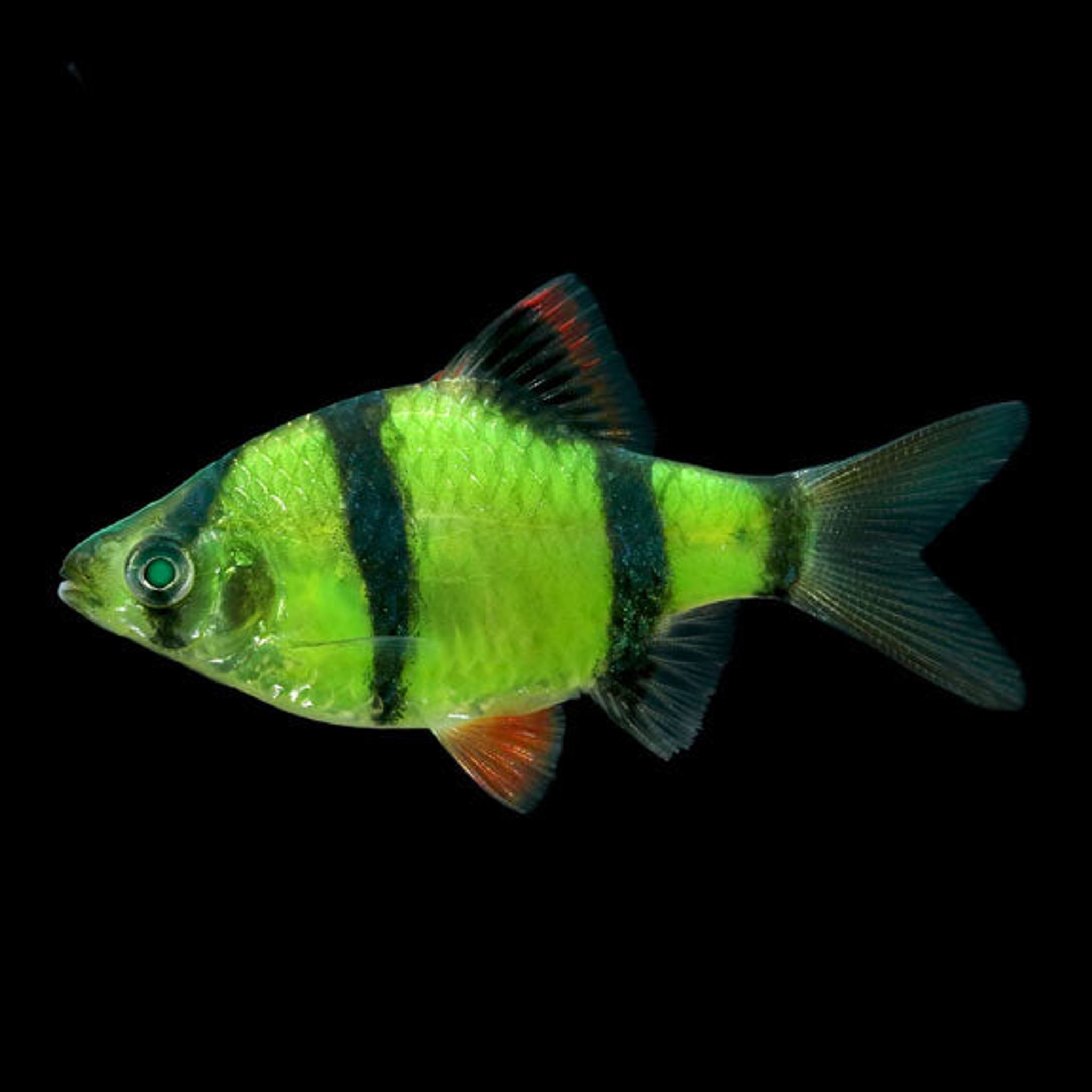

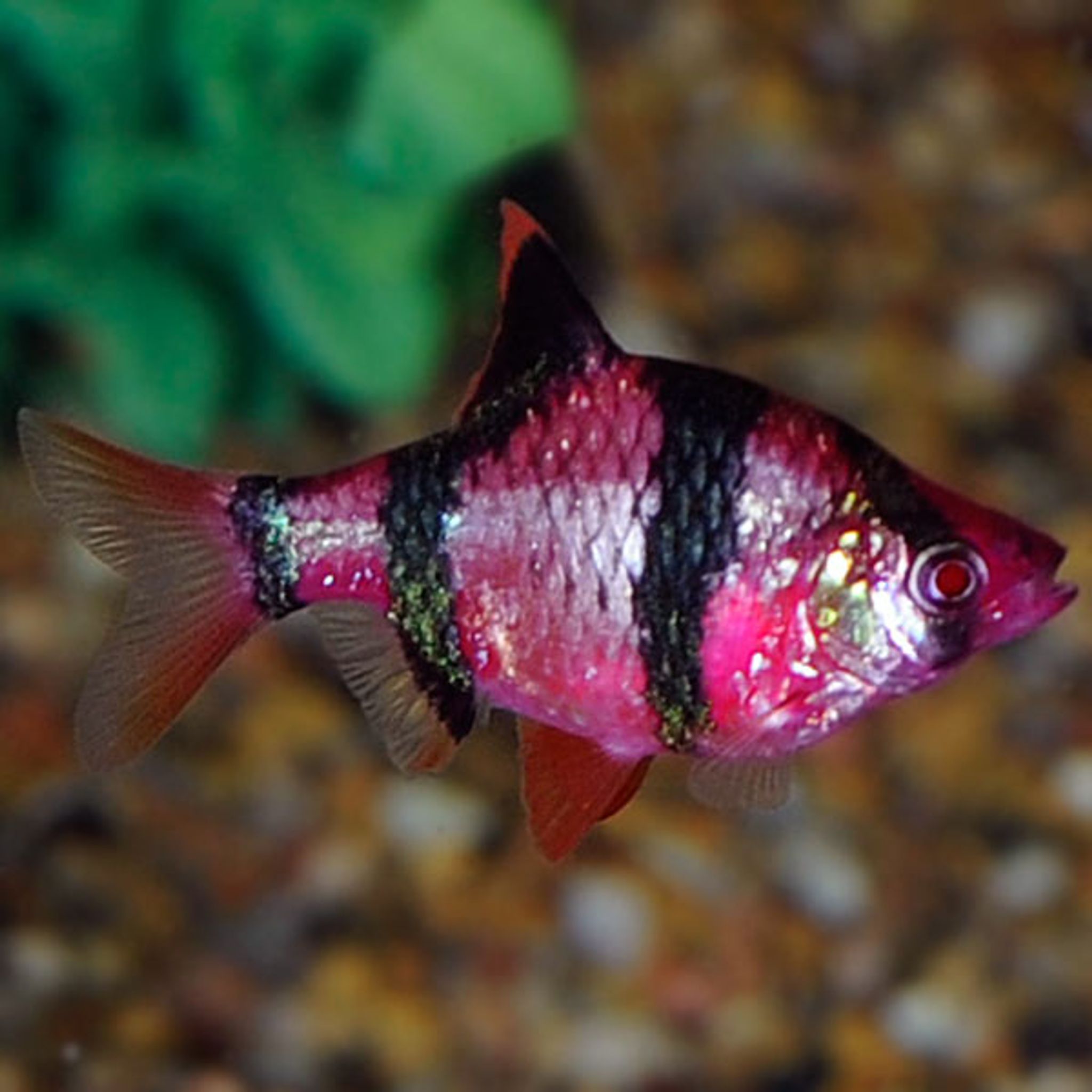
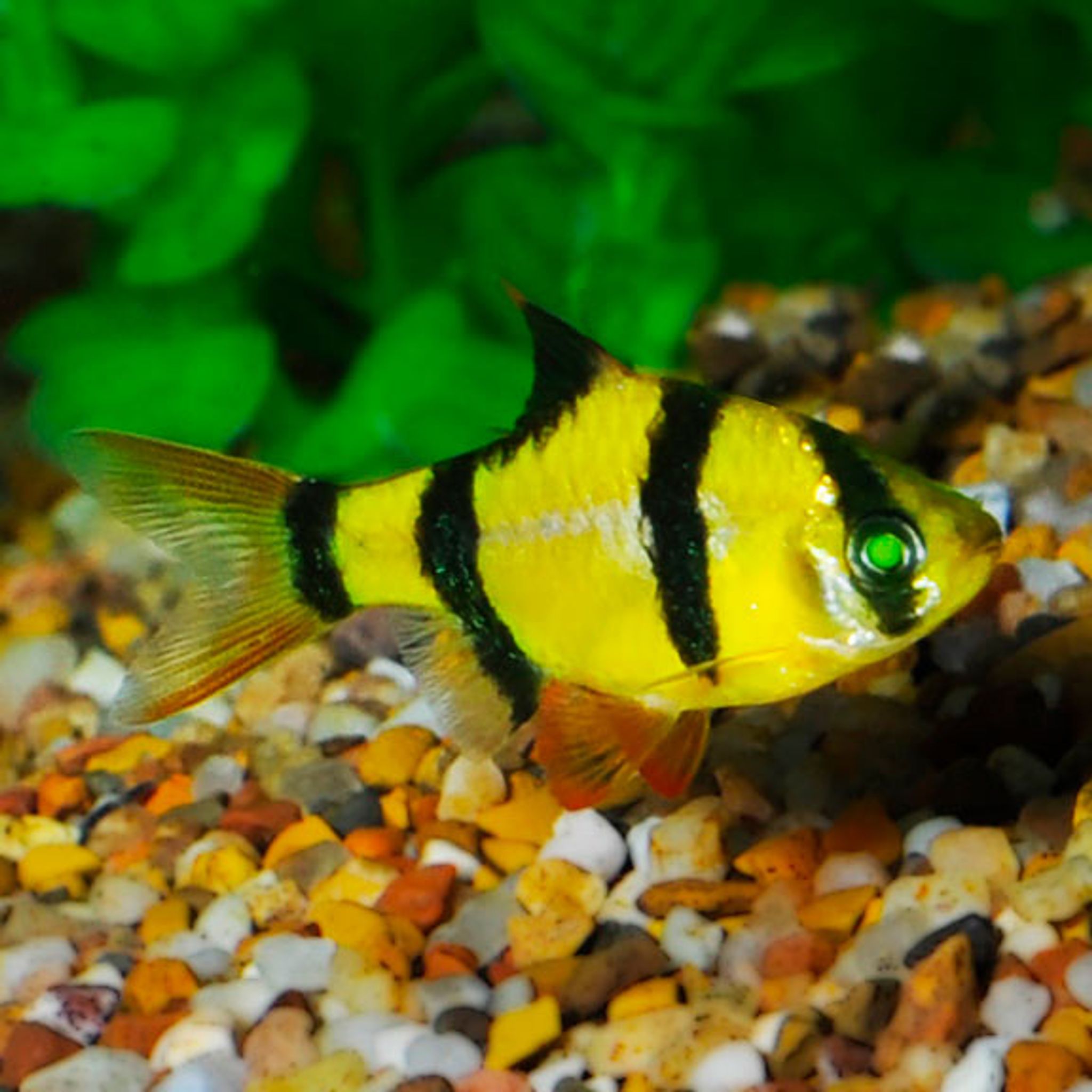
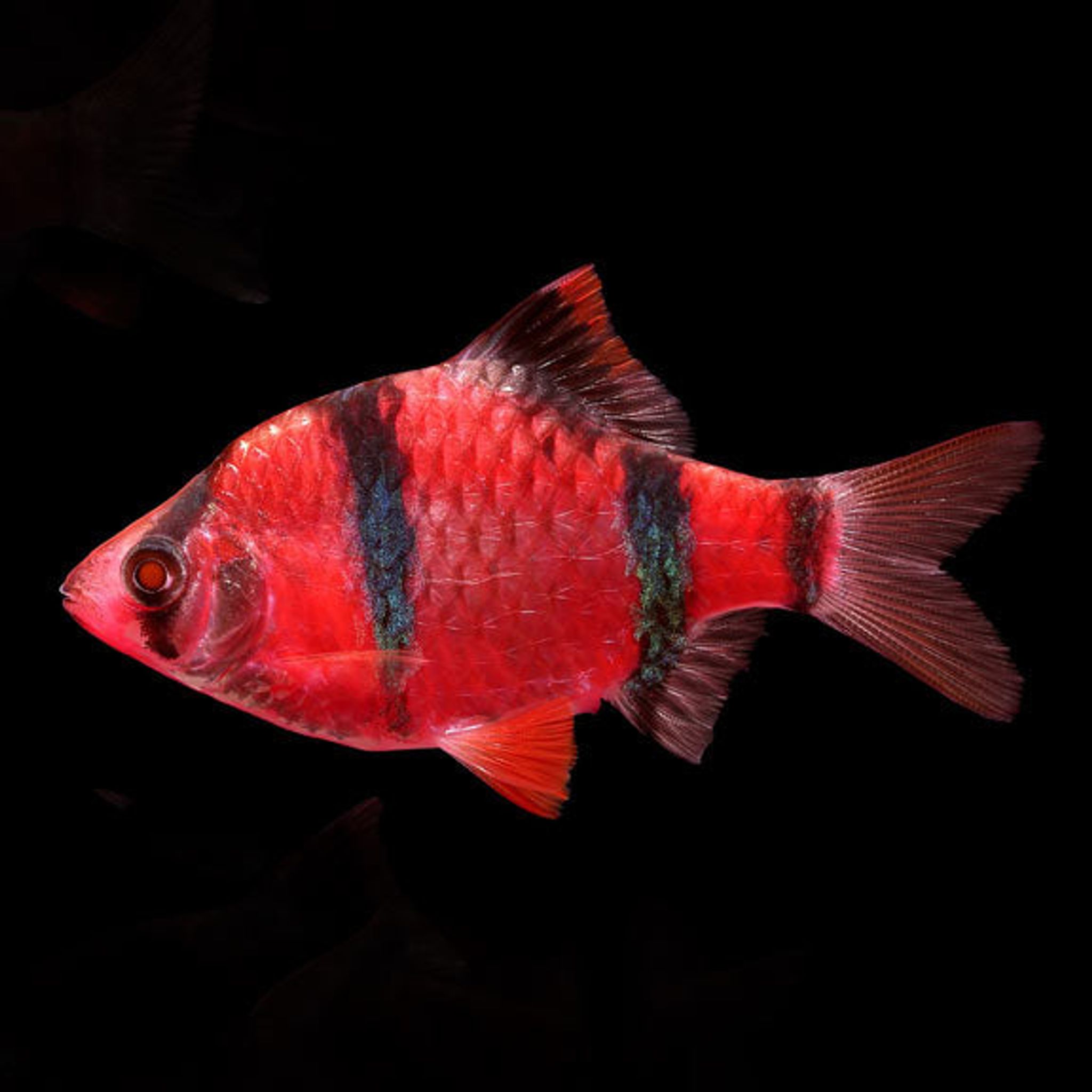
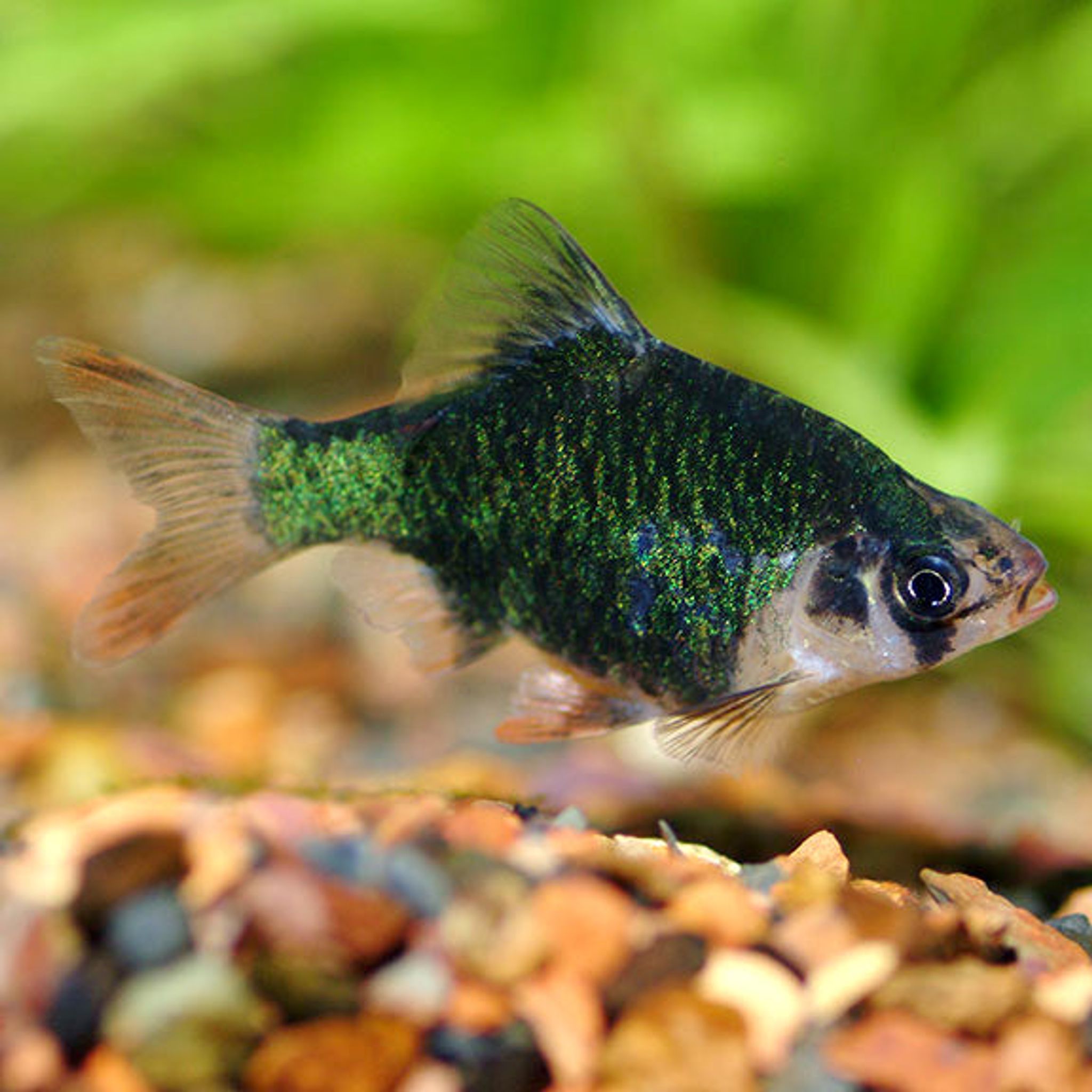
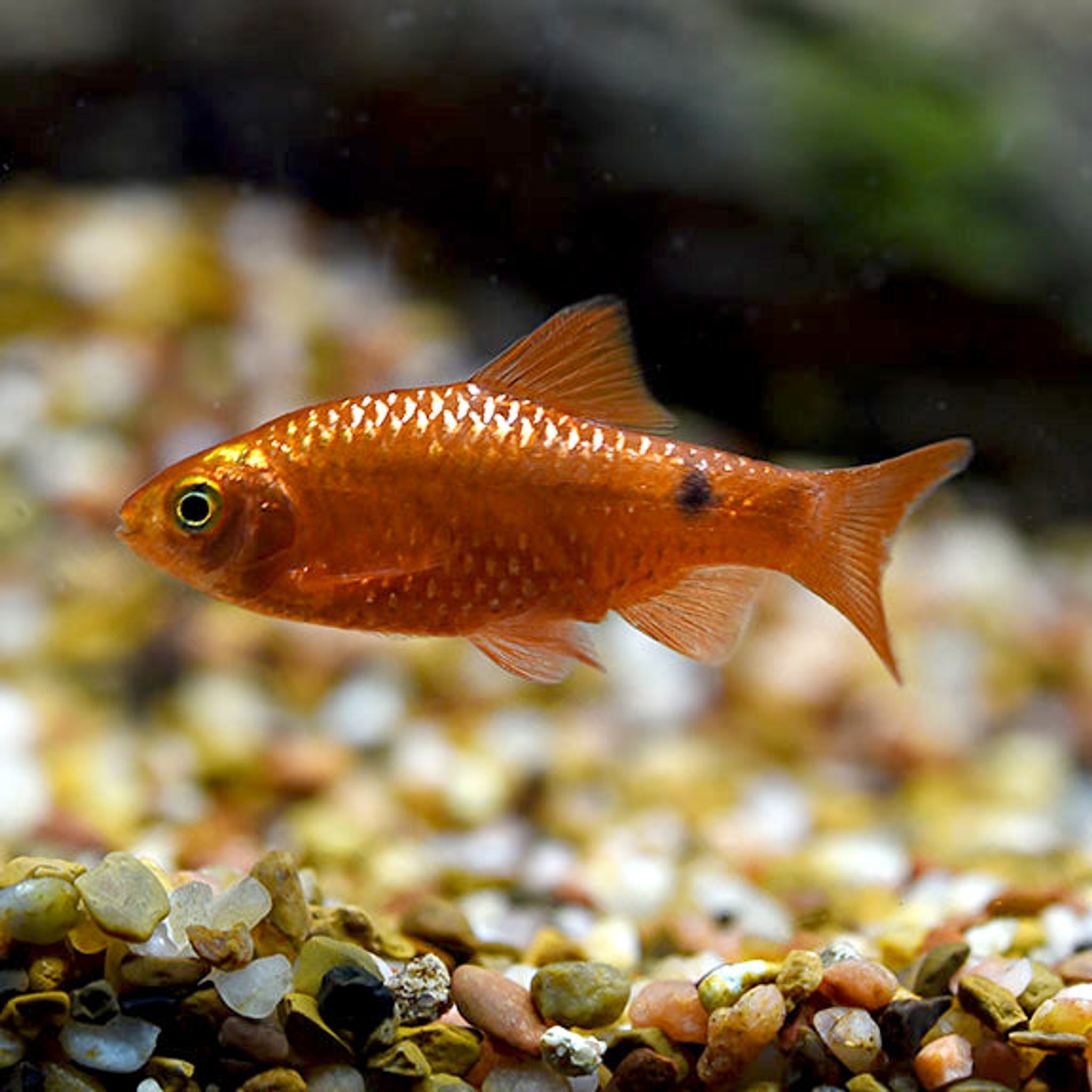
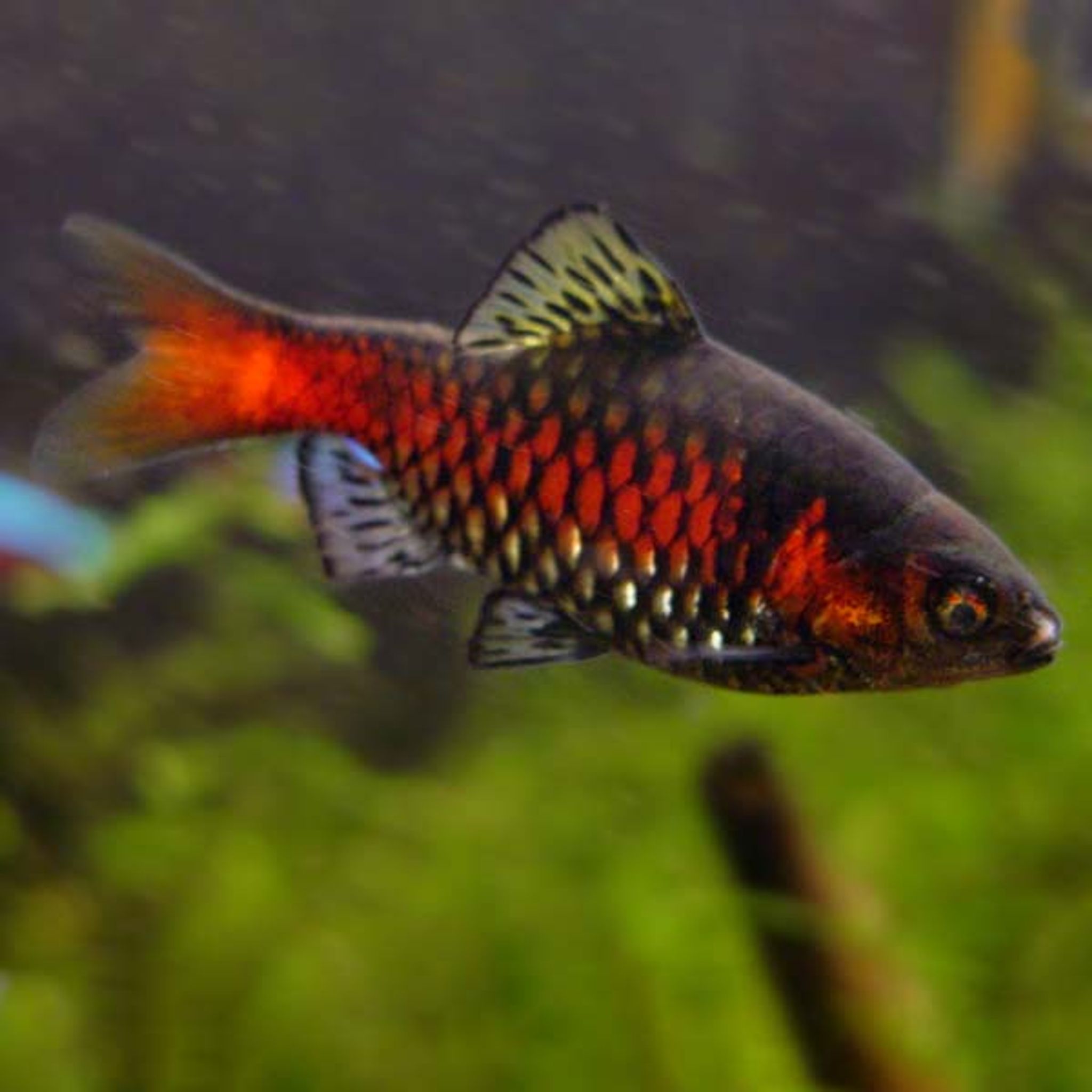
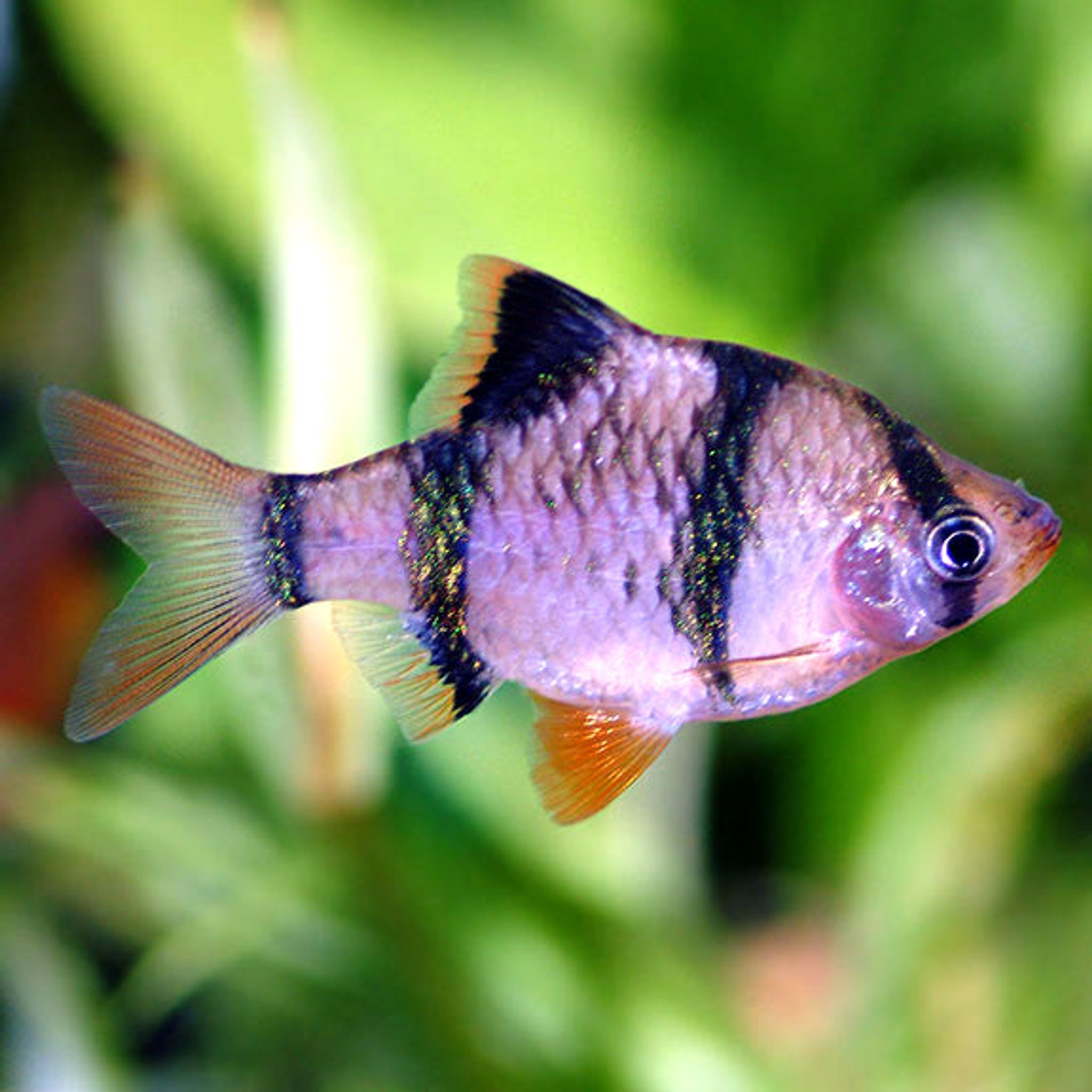
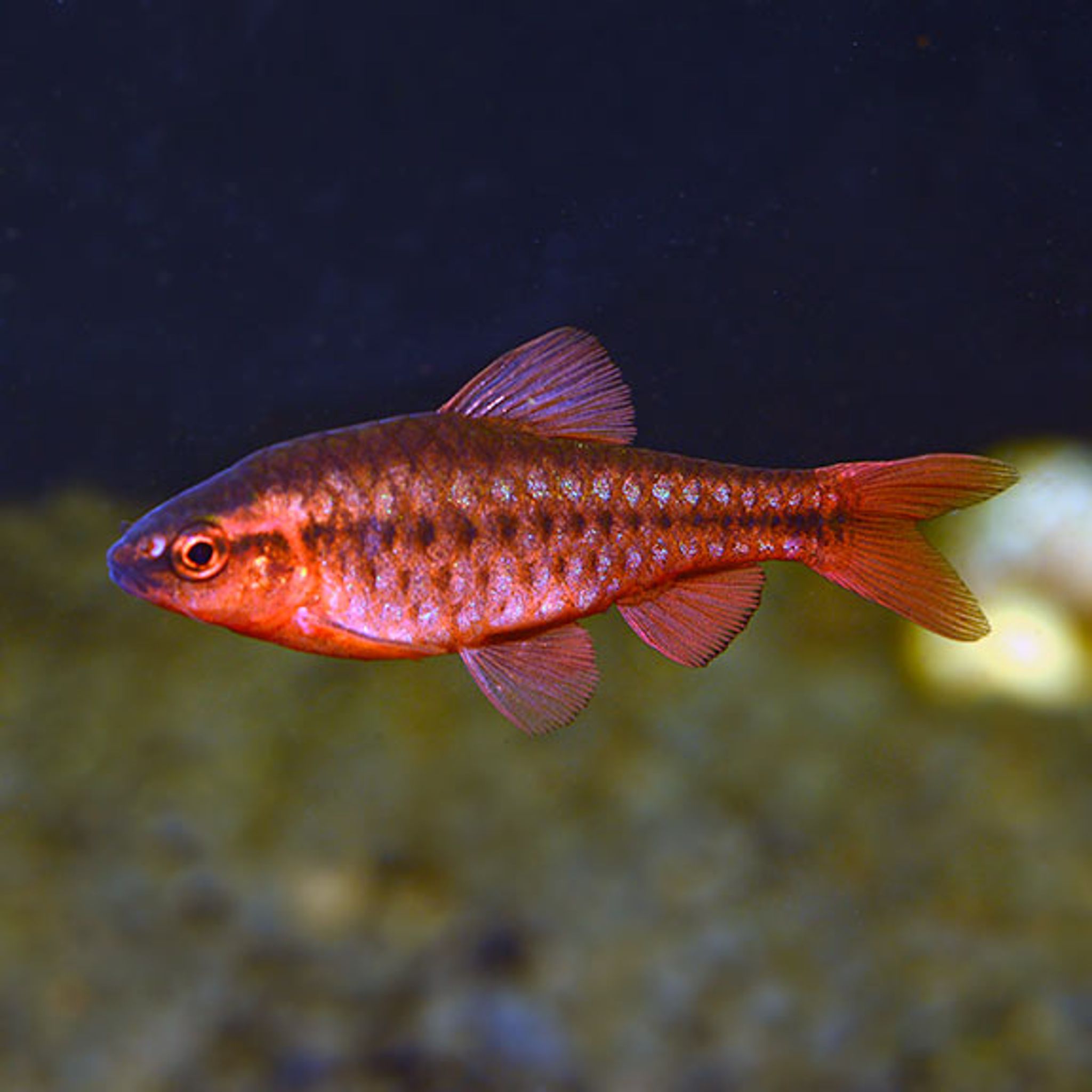
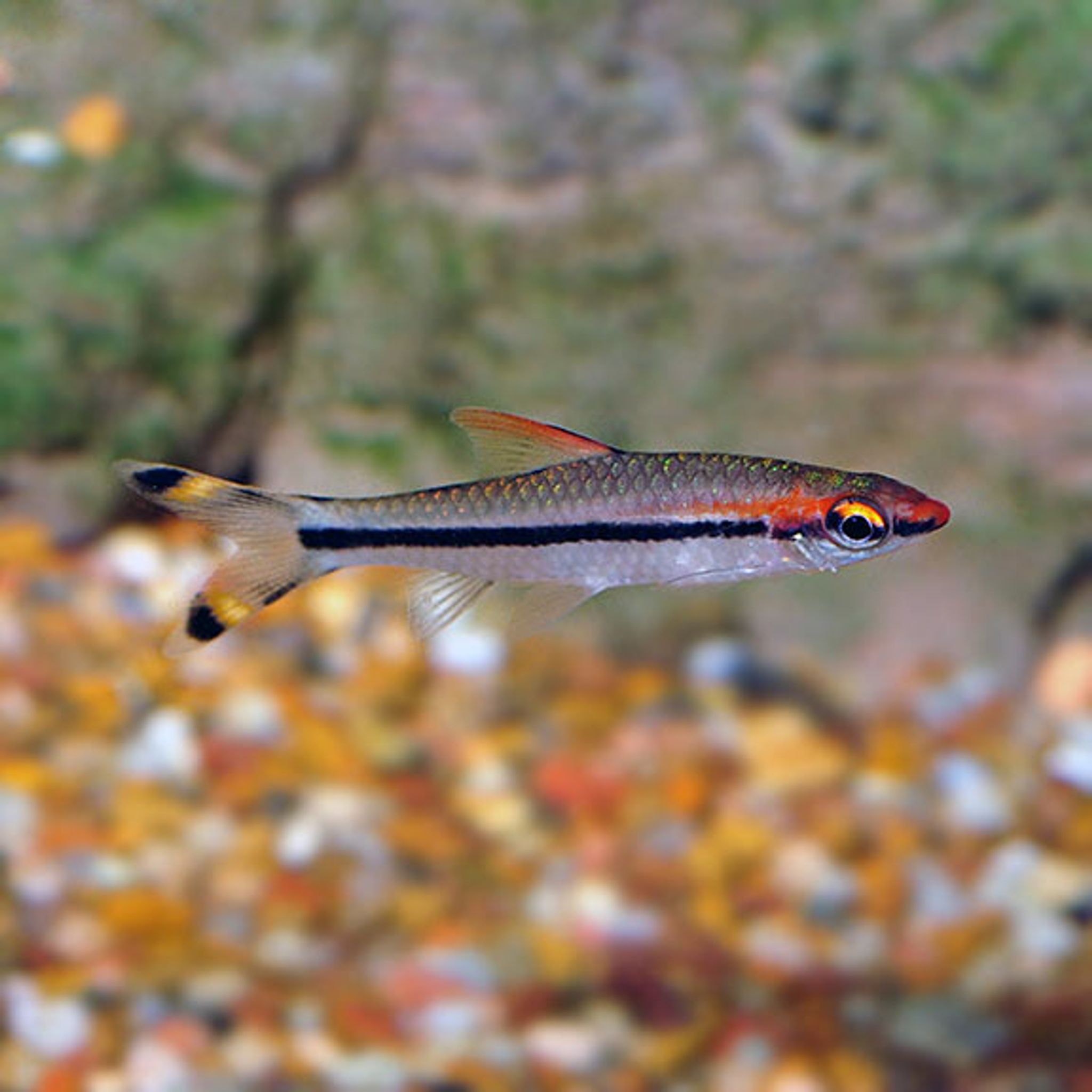
Shop Barb fish online from aquarium stores, breeders and specialist freshwater fish sellers across the United States on FishyHub. Compare Tiger Barbs, Cherry Barbs, Rosy Barbs, Odessa Barbs, Gold Barbs and other freshwater Barb species by size, color, temperament and seller.
Barbs are active freshwater fish known for schooling behavior, bold coloration and lively personalities. Some species are peaceful community fish, while others can become boisterous or fin-nippy, so exact species and group size matter when planning an aquarium.
Buying Barbs online gives hobbyists access to a wider range of species, color forms and group sizes than may be available from a single local aquarium store.
Compare exact species, adult size, temperament, social requirements, seller information and shipping options before choosing Barbs for your freshwater aquarium.
Popular Barbs in the freshwater aquarium hobby include:
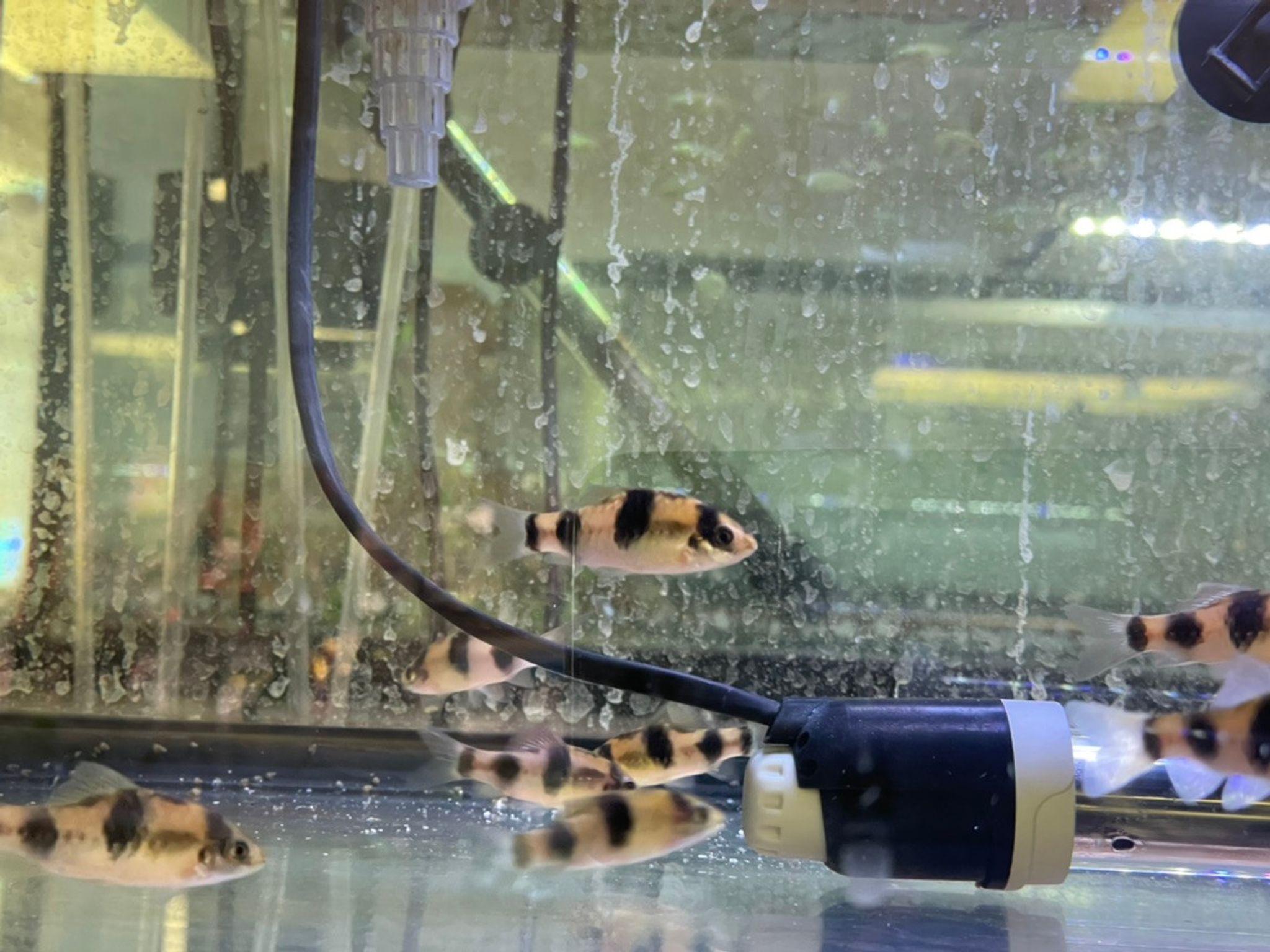
Tiger Barbs are among the best-known Barbs, recognized by their orange-gold bodies and bold dark vertical bands.
They are energetic schooling fish and can become persistent fin nippers when kept in unsuitable groups or with slow, long-finned tankmates.
Cherry Barbs are smaller, calmer Barbs known for warm red coloration, especially in mature males.
Their relatively peaceful nature makes them popular for planted and community aquariums with similarly gentle fish.
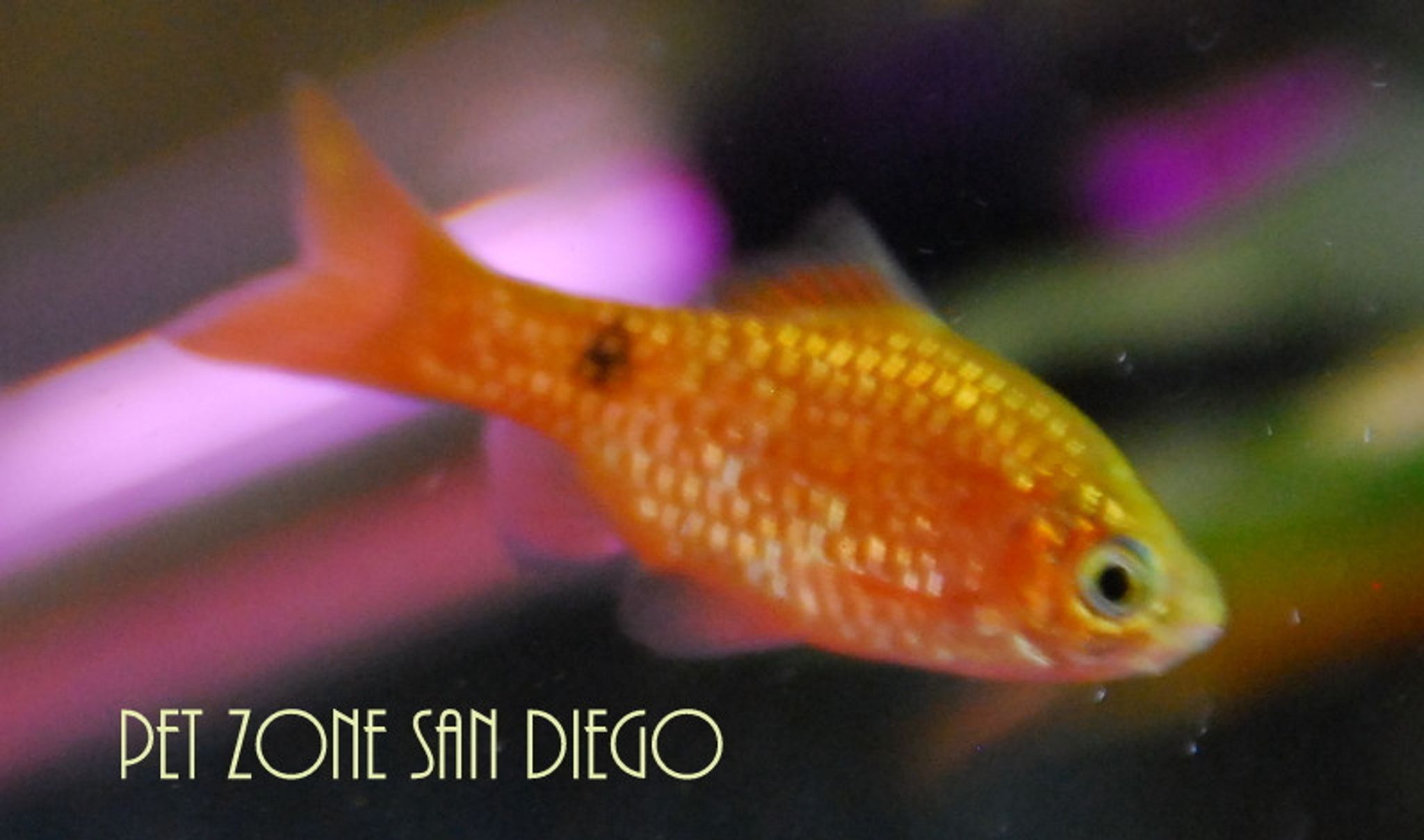
Rosy Barbs are active, attractive freshwater fish with silvery to rosy coloration.
They are larger and more energetic than Cherry Barbs and benefit from ample swimming space and compatible tankmates.
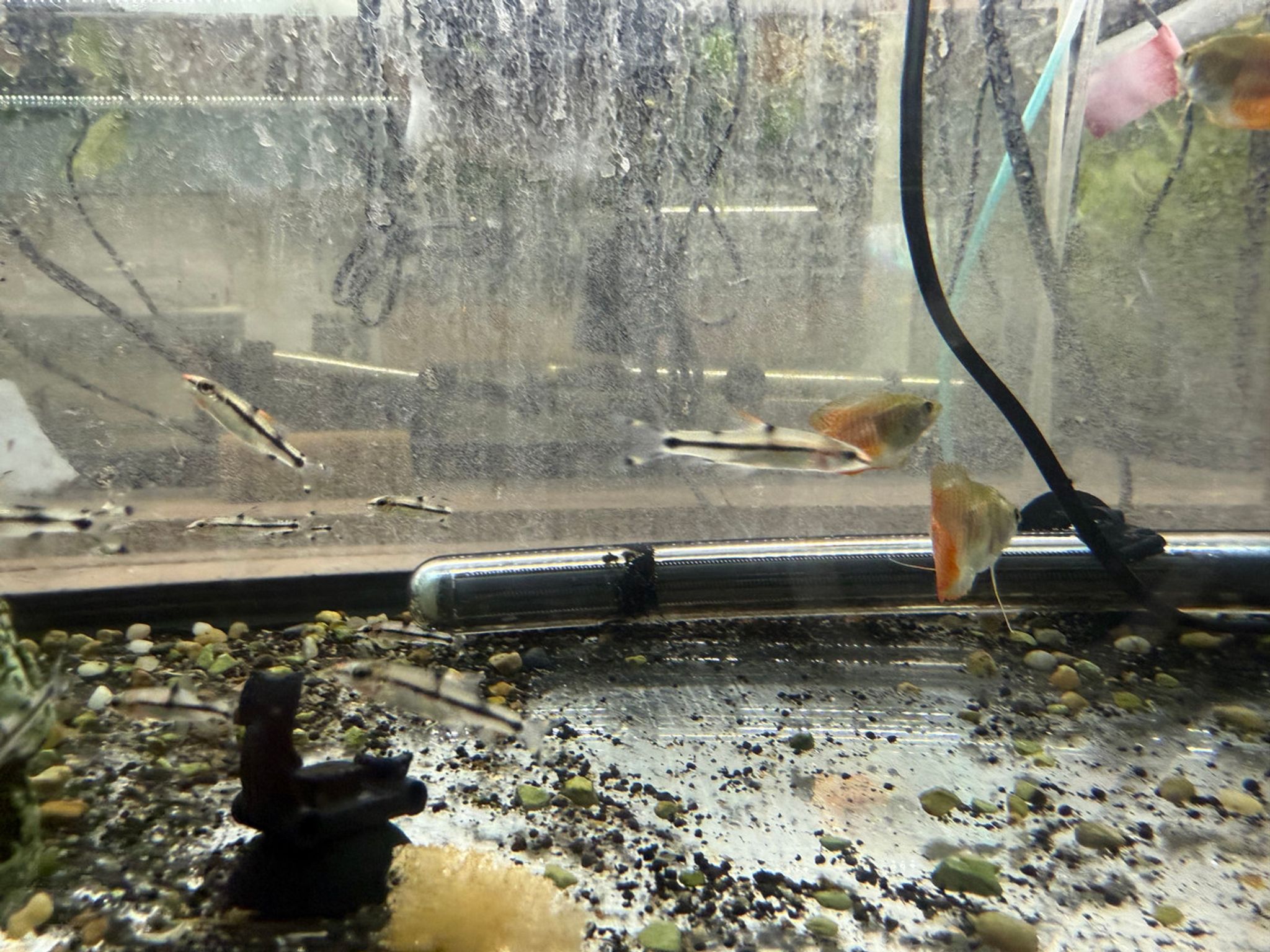
Odessa Barbs are striking schooling fish known for a bright red horizontal stripe and contrasting dark markings.
They are active community fish that show best in groups and can add strong color to planted aquariums.
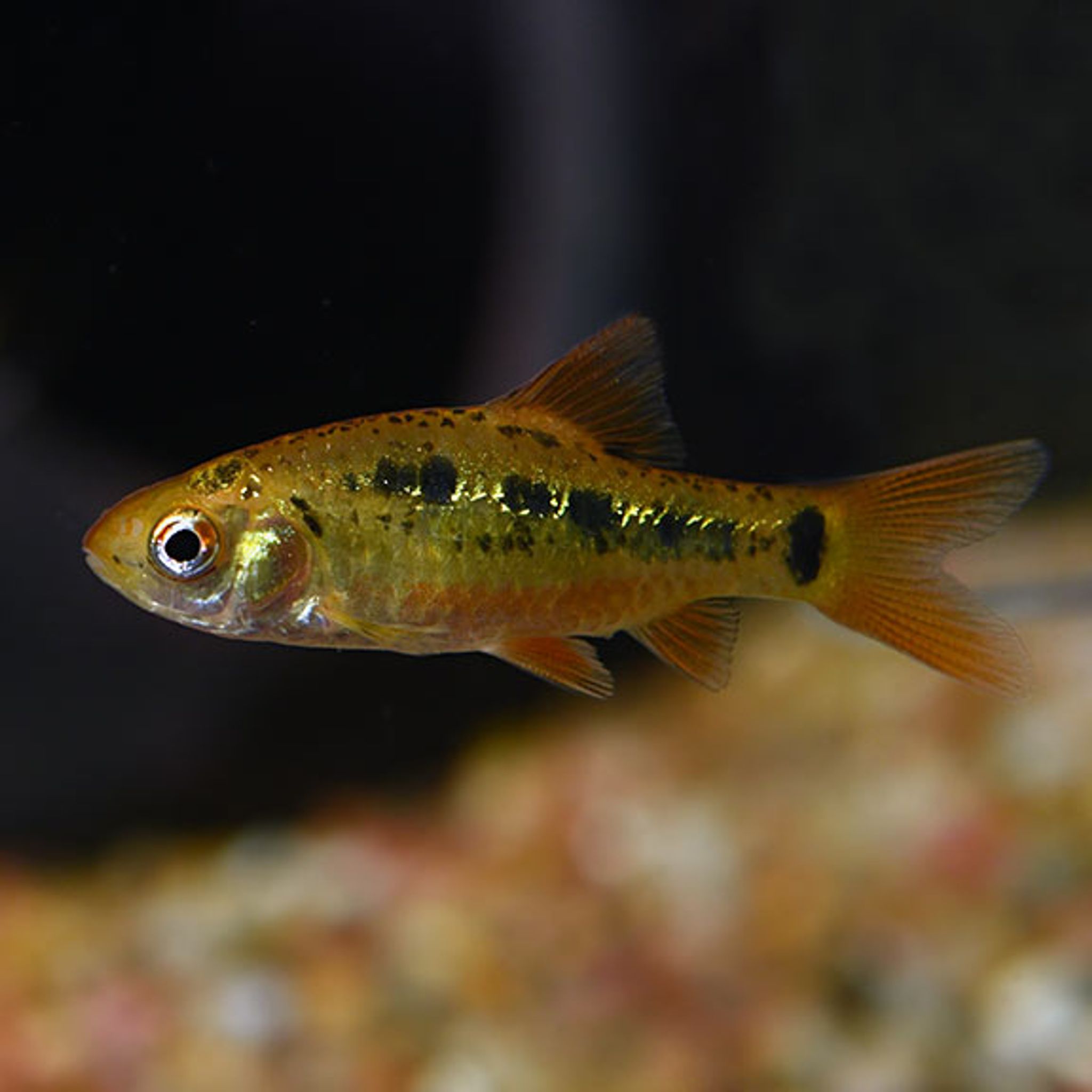
Gold Barbs are bright yellow-gold freshwater fish with active schooling behavior.
They can work well in community aquariums when kept with fish that can comfortably handle their activity level.
Black Ruby Barbs are attractive schooling fish that can develop deep red and dark coloration as they mature.
They are generally more peaceful than Tiger Barbs and can be excellent candidates for planted community aquariums.
Denison Barbs are streamlined schooling fish known for a bold black stripe, vivid red markings and active swimming behavior.
They require substantially more swimming space than smaller Barbs and are better suited to larger aquariums with excellent water quality.
Tinfoil Barbs are large, powerful schooling fish that grow far larger than many common community Barbs.
Their adult size makes them unsuitable for typical small community aquariums, so long-term space requirements should be considered before purchase.
Green Tiger Barbs are a color form of the Tiger Barb with darker green-black body coloration.
Their care and social behavior are similar to standard Tiger Barbs, including the need for an appropriate group and carefully chosen tankmates.
Albino Tiger Barbs are another popular Tiger Barb color form with pale bodies and warm orange or red markings.
Like other Tiger Barbs, they remain highly active and should be kept in suitable social groups rather than as isolated individuals.
Many Barbs are social schooling or shoaling fish that behave more naturally when kept with others of their own species.
Appropriate group size can improve confidence, reduce stress and, in some species, help distribute aggression or fin-nipping behavior within the group.
Barb temperament varies significantly by species.
Cherry Barbs are often relatively peaceful, while Tiger Barbs can be boisterous and may nip fins. Exact species, group size and tankmate choice all influence behavior.
Some Barb species are more likely to nip the fins of slow-moving or long-finned fish.
Tiger Barbs are especially well known for this behavior, so they should be kept in appropriate groups and paired with compatible, active tankmates.
Many Barbs can work well in freshwater community aquariums when their activity level and temperament are matched to other fish.
Peaceful species such as Cherry Barbs can fit into calmer communities, while more energetic Barbs are better paired with active fish that are unlikely to be intimidated.
Many Barbs look especially attractive in planted tanks where green backgrounds highlight red, gold and black coloration.
Use plant cover around the edges while preserving open areas for active schooling and swimming.
Barbs vary widely in adult size.
Cherry Barbs remain relatively compact, while Denison and especially Tinfoil Barbs require much more space. Always plan around adult size rather than juvenile sale size.
Barb aquariums generally benefit from open swimming areas combined with plants, wood or other structure along the edges.
Active species need enough horizontal swimming room, while more peaceful Barbs appreciate planted areas for shelter and visual separation.
Barbs come from different freshwater habitats and should not all be kept under identical water conditions.
Stable water quality matched to the exact species is more important than applying one universal temperature, pH or hardness range to every Barb.
Compatible tankmates depend heavily on the Barb species.
Active Rasboras, Danios, selected Tetras, Loaches and other robust community fish may work with many Barbs when adult size and water requirements are compatible.
Some Tetras can live with Barbs when both groups have similar activity levels and temperament.
Avoid pairing highly nippy Barbs with slow or long-finned Tetra species that may be harassed.
Active Rasboras may be suitable tankmates for many medium-sized Barbs in appropriately sized aquariums.
Compatibility should still be based on the exact species because tiny Rasboras can be overwhelmed by larger or more energetic Barbs.
Gourami compatibility depends on the Barb species.
Peaceful Barbs may coexist with some Gouramis, while fin-nipping species can harass slower Gouramis with long fins or feelers.
Bettas and fin-nipping Barbs are generally a risky combination.
Long Betta fins can attract attention from active nippers, so compatibility should be evaluated very carefully rather than assumed.
Corydoras can coexist with many Barbs because they spend much of their time near the substrate while Barbs usually swim higher in the aquarium.
Make sure food reaches the bottom so Corydoras are not consistently outcompeted by faster Barbs.
Shrimp compatibility varies by Barb species and fish size.
Adult shrimp may coexist with smaller peaceful Barbs, but baby shrimp can be eaten and larger Barbs may pose a greater risk.
Many aquarium Barbs are omnivorous and accept a wide variety of appropriately sized foods.
Quality flakes, pellets and suitable frozen or live foods can form part of a varied diet, with exact feeding needs depending on the species.
Barbs are often enthusiastic feeders and can easily outcompete slower fish.
Observe the entire aquarium during feeding to ensure quieter tankmates and bottom-dwelling fish receive enough food.
Many Barb species are egg scatterers that release eggs among plants, substrate or other surfaces.
Adults may eat eggs or fry, so dedicated breeding setups can improve survival when breeding Barbs intentionally.
Sex differences vary by species.
Males may show brighter coloration in some Barbs, while mature females can appear fuller-bodied, but exact identification depends on species and maturity.
Some Barbs can be suitable for newer hobbyists when kept in a properly cycled aquarium with appropriate groups and tankmates.
Temperament and adult size should be researched carefully because different Barb species can have very different long-term needs.
When comparing Barbs for sale, look for:
Newly shipped Barbs may experience stress from transport and differences in water conditions.
Prepare a stable, cycled aquarium before arrival and follow an acclimation approach appropriate to the seller's guidance and the species being introduced.
Barb prices vary according to species, size, color form, rarity, breeder availability, group quantity and seller.
Common Tiger or Cherry Barbs and less frequently available specialty species can differ substantially in price, so compare exact species, group size and seller information rather than price alone.
FishyHub brings Barb listings from aquarium stores, breeders and specialist freshwater fish sellers together in one marketplace.
When comparing Barbs online, consider:
Shipping availability depends on the seller, destination, fish size, weather and livestock-shipping policy.
Review delivery timing, packaging and live-arrival terms before ordering, and make sure the aquarium is prepared before the Barbs arrive.
Yes. Aquarium stores, breeders and specialist sellers offer many Barb species online across the U.S., depending on seller shipping coverage and livestock policies.
Many Barb species are social schooling or shoaling fish and generally behave more naturally when kept in appropriate groups.
Tiger Barbs can be boisterous and may nip fins, especially when kept in unsuitable groups or with slow, long-finned tankmates.
Cherry Barbs are generally among the calmer commonly kept Barbs and can work well in peaceful community aquariums.
Some peaceful species may coexist under the right conditions, but fin-nipping Barbs such as Tiger Barbs can be a poor match for long-finned Bettas.
Some can, but highly active or fin-nipping Barbs may stress slower Gouramis, so exact species compatibility matters.
Adult size varies greatly. Some species remain compact while Denison and Tinfoil Barbs require much larger aquariums.
FishyHub helps U.S. hobbyists compare Barb listings from aquarium stores, breeders and specialist freshwater fish sellers in one marketplace.
Explore Barbs for sale on FishyHub and compare Tiger, Cherry, Rosy, Odessa, Gold, Black Ruby, Denison and other freshwater Barb species. Discover listings from aquarium stores and breeders across the United States, and compare species, size, coloration, temperament, group needs, price and shipping options before choosing Barbs for your aquarium.
