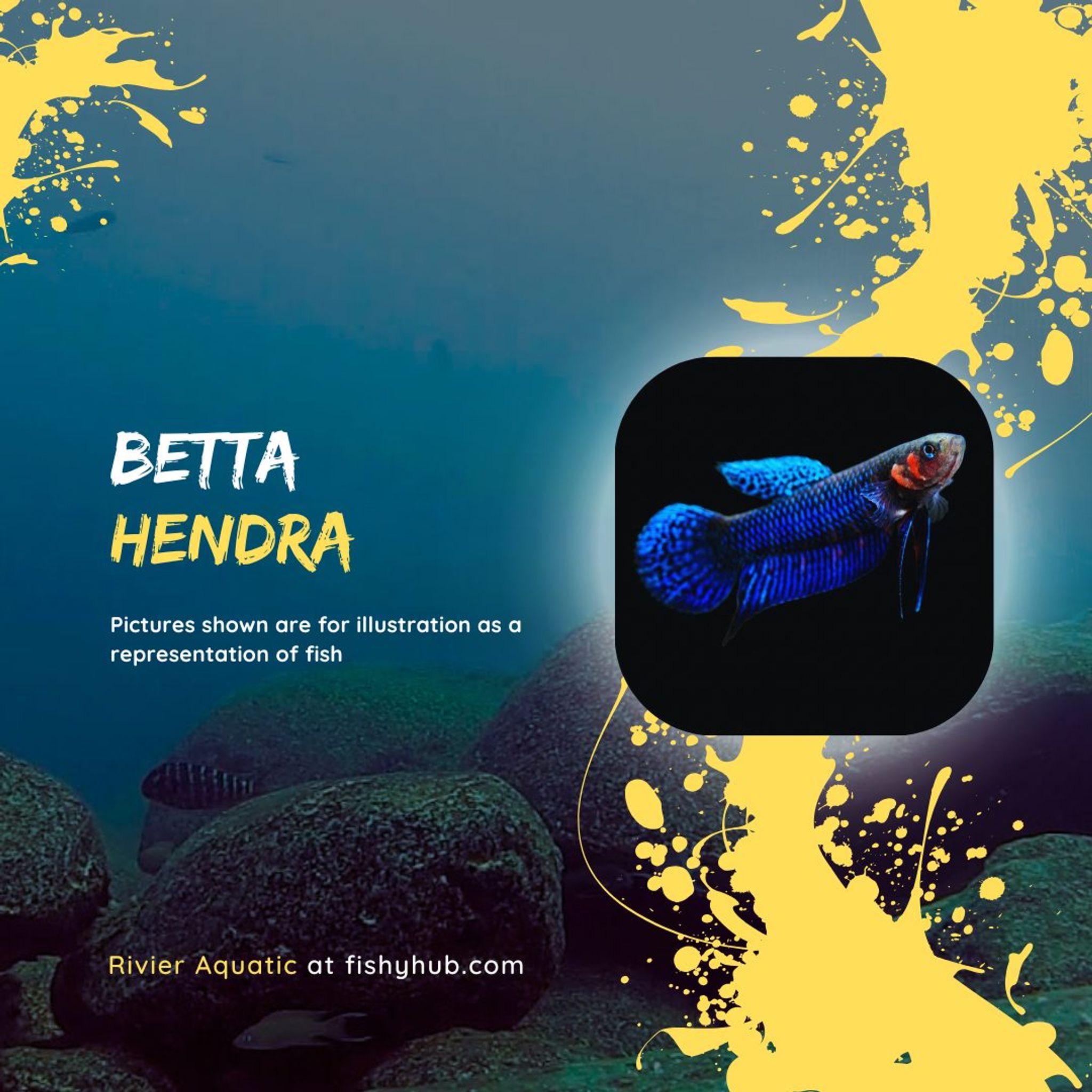
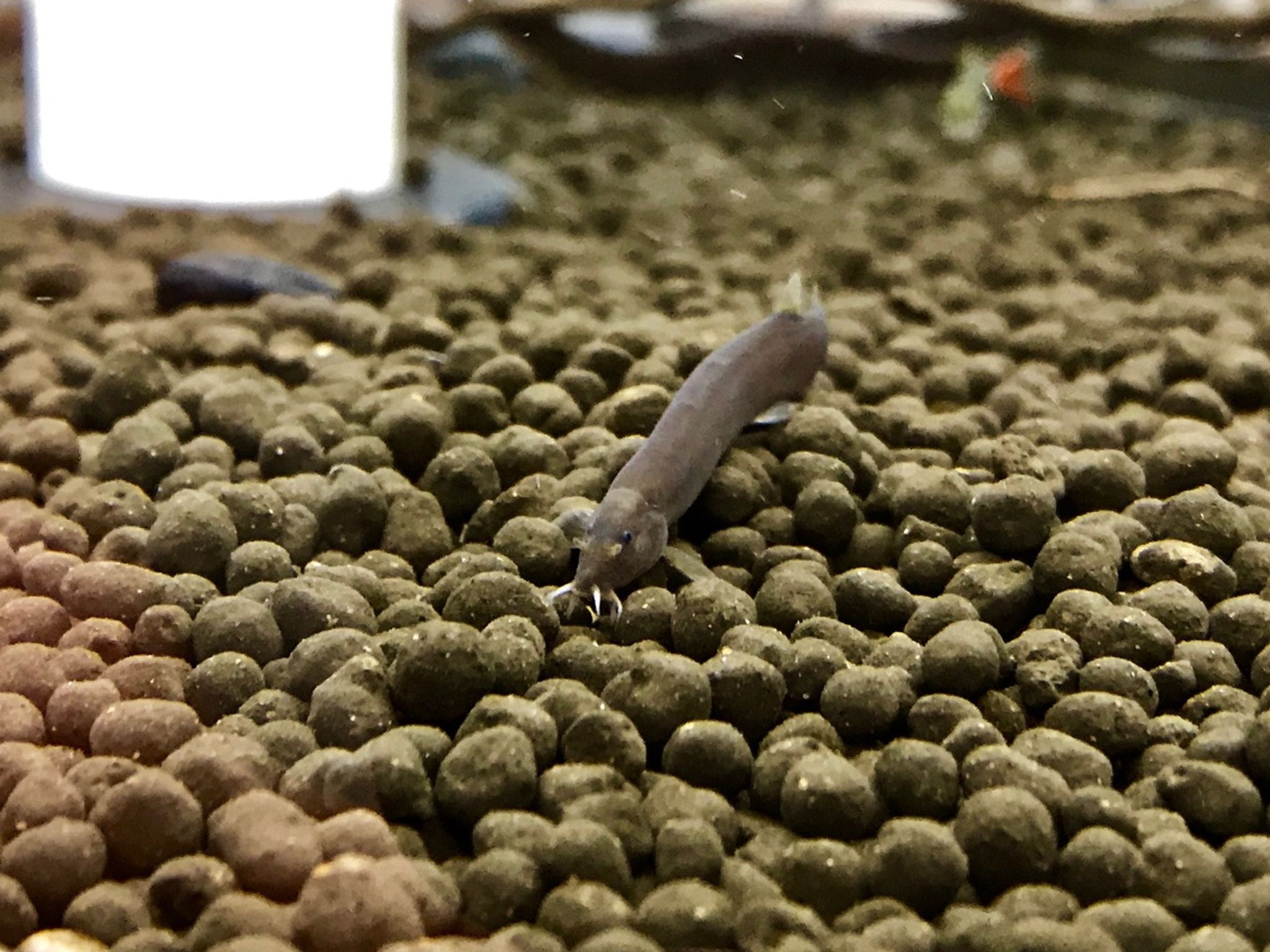
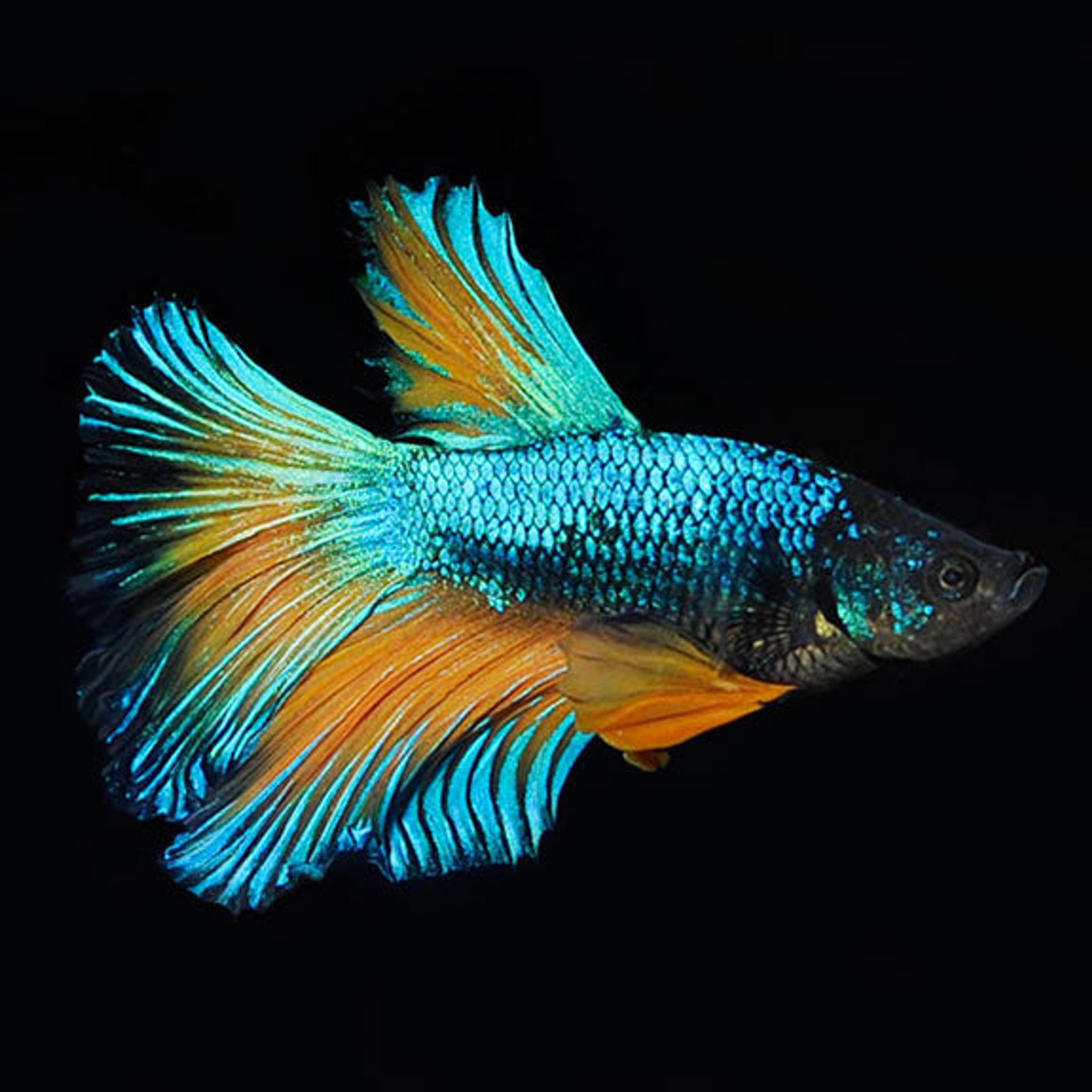
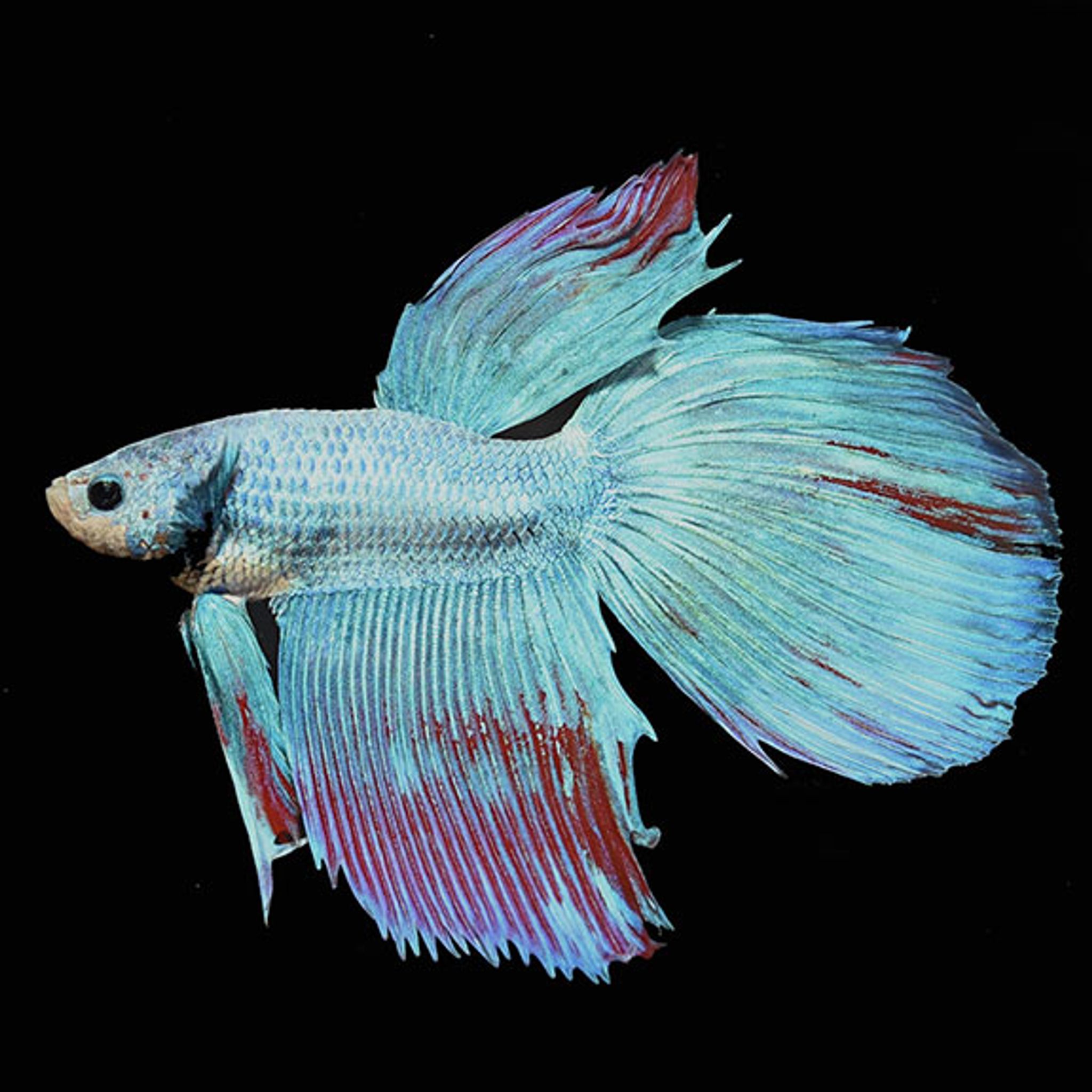
From Central Kalimantan’s blackwater peat swamps comes a tiny, iridescent betta.
Betta hendra is a rarely seen blackwater wild betta from Borneo, prized for its jewel-like colours, compact size and fascinating paternal mouthbrooding behaviour.
- Water conditions: Betta hendra is a true blackwater species and must be kept in soft, acidic, tannin-rich water. Aim for a pH of roughly 4.0–5.5, a general hardness of 0–3 dGH, a temperature of 24–27°C and a low TDS, typically around 30–120 ppm. Stability matters far more than chasing an exact number, so mature filtration, botanical litter and regular small water changes with matched water are essential. Rainwater or RO water remineralised very lightly, or filtered through peat, is ideal. Keep nitrate and phosphate low, avoid hard tap water and never use aquarium salt. Indian almond leaves, alder cones and other botanicals help replicate the peat-swamp environment, release humic substances and provide a natural grazing surface. Because these fish breathe air at the surface, leave a small gap beneath a tight-fitting lid and avoid oily surface films.
- Aquarium setup and care: This is a small, shy wild betta that reaches roughly 3–4 cm, so a species-only aquarium of around 45–60 cm is more than enough for a pair or a small group. Build a complex layout with driftwood, caves, ceramic tubes, dense floating plants, cryptocorynes and a soft leaf-litter substrate. Dim lighting and subdued filtration suit them best; use a gentle sponge filter or air-driven filter and keep flow minimal. Betta hendra is an accomplished jumper, so a secure lid is non-negotiable. They are sensitive to sudden parameter shifts, so drip-acclimatise carefully, quarantine new arrivals and avoid large water changes. Routine care should include small 10–20% changes with temperature- and pH-matched water, light siphoning of debris, and replacement of spent botanicals. Do not over-clean the tank; a mature, biologically stable environment with biofilm and microfauna is beneficial.
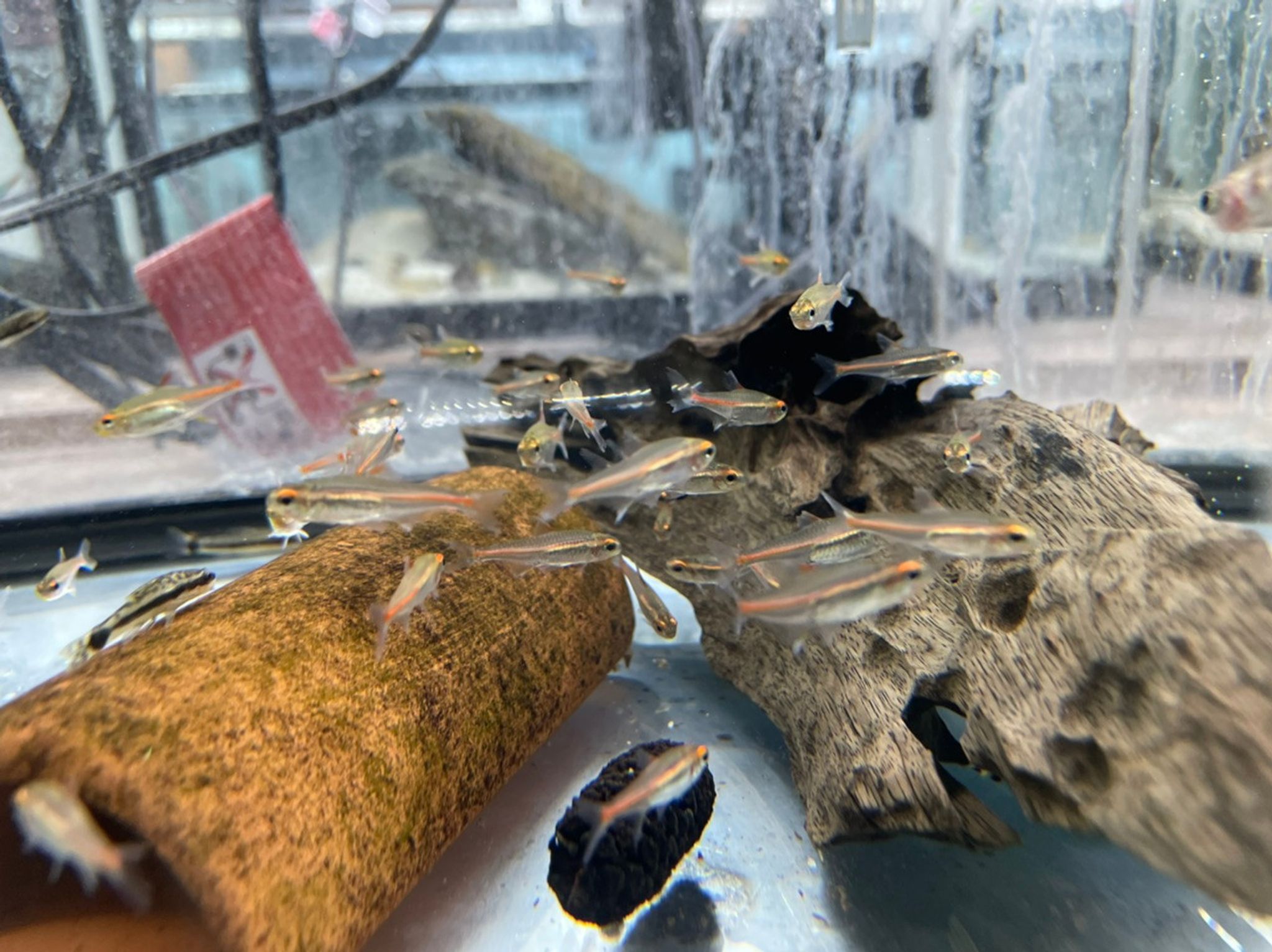
- Suitable tank mates: The safest approach is a dedicated species aquarium, especially if you plan to breed. If tank mates are desired, choose only small, peaceful blackwater cyprinids such as Boraras brigittae, Boraras maculatus or Sundadanio axelrodi, and ensure they are not large enough to intimidate the bettas. Avoid boisterous barbs, danios, loaches, large catfish, cichlids, gouramis and known fin-nippers. Do not mix Betta hendra with other wild betta species from the coccina complex, as hybridisation and aggression are serious risks. Small snails are usually ignored and can help with algae, while ornamental shrimp may be eaten, particularly by adults. Males can be territorial, so use plenty of visual barriers and observe any group carefully. If aggression appears, separate the fish rather than relying on tank size to solve it.
- Feeding habits: Betta hendra is a micro-predator that thrives on small live and frozen foods. Offer Artemia nauplii, daphnia, moina, grindal worms, microworms and small bloodworm, plus occasional tiny insect larvae. Many specimens learn to take micro pellets or crushed flake after acclimation, but dry foods should never form the bulk of the diet. Feed two or three tiny portions daily, only as much as the fish can clear in a couple of minutes. Overfeeding is a common cause of bloating and water-quality problems, so a weekly fasting day can be useful. Mouthbrooding males often refuse food while holding eggs or fry, which is normal; do not force-feed or disturb them. Variety is key to condition and colour, so rotate foods and avoid oversized items that the small mouth cannot manage.
- Behaviour and breeding: Betta hendra is a paternal mouthbrooder, and spawning usually takes place in a sheltered cave or among dense plants. The male holds the eggs and developing fry in his mouth for around two to three weeks, during which he may retreat and fast. Provide calm surroundings, a tight lid and plenty of cover; do not move or strip the male unnecessarily. Once the fry are released, they are extremely small and need infusoria, microworms or freshly hatched Artemia nauplii. Raising fry in a dedicated grow-out tank with gentle filtration and matched water gives the best results. Males are more intensely coloured and may spar, so monitor group dynamics. This species is best appreciated as a quiet, observation-style fish rather than a boisterous community centrepiece.
- Acclimation and health: Wild-type blackwater bettas are less forgiving of poor acclimation than common bettas. Float the bag to equalise temperature, then drip in tank water over at least 45–60 minutes, preferably longer if the pH difference is significant. Keep them quarantined for observation before adding them to a mature display. Avoid copper-based treatments, salt baths and harsh medications unless absolutely necessary, and never dose into the main tank without confirming compatibility. Watch for clamped fins, laboured breathing, white spot or velvet, and act early with clean, matched water. Because these fish are sensitive to dissolved organics, maintain gentle filtration, avoid overcrowding and keep feeding disciplined. With stable blackwater conditions, a secure lid and a quiet, well-planted tank, Betta hendra is a rewarding and characterful species for the specialist aquarist.