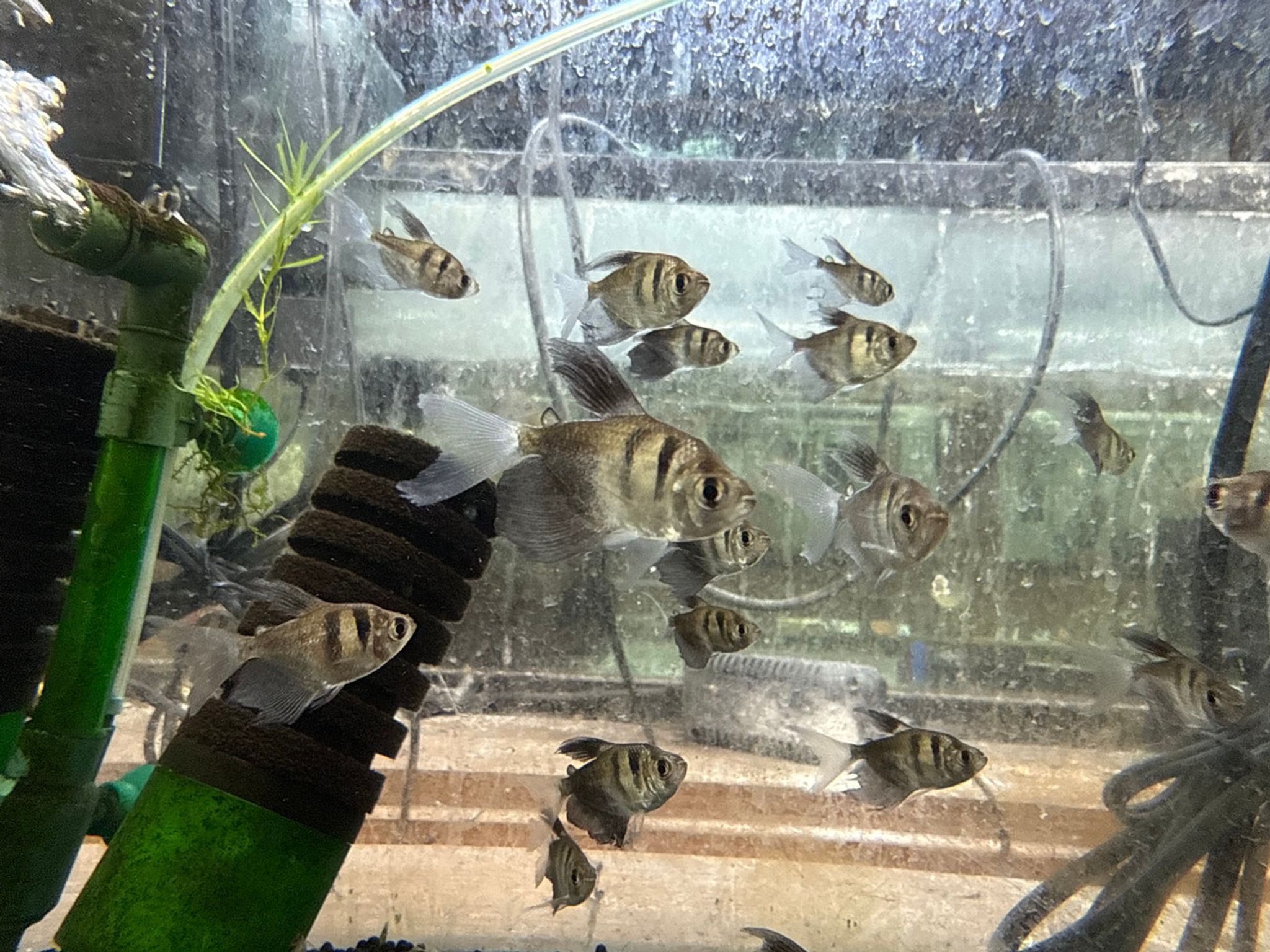

The True Cost of Owning an Aquarium in 2026
The true cost of owning an aquarium in 2026 is driven less by the fish than by everything around them: the tank and stand, the equipment, the power to heat, filter and light the water, and the food and water care that never stop. On FishyHub, the fish most US beginners buy, such as tetras, rasboras, danios and corydoras, sit in the entry-level price tier, while saltwater fish, reef corals and large predatory species climb into the premium and collector tiers. A heated freshwater community tank is the affordable way into the hobby; a reef or a showpiece predator is where costs multiply.
Key Findings
- FishyHub marketplace data shows the community fish most US beginners stock, including tetras, rasboras, danios, platies, mollies, swordtails and corydoras, sit in the entry-level / budget price tier.
- FishyHub data shows US saltwater livestock is priced well above freshwater, with tangs, seahorses, dwarf and large marine angelfish and LPS hard corals in the collector / premium tier.
- FishyHub data shows freshwater livestock holds the larger share of US listings, giving freshwater keepers the widest choice at every budget.
- On FishyHub in the US, arowana, flowerhorn and the monster fish group sit in the collector / premium tier, making them the costliest freshwater fish both to buy and to house.
- FishyHub data shows discus, plecos and halfmoon bettas in the US upper mid-range tier, a clear step above community fish without reaching collector prices.
- FishyHub data shows a very wide price spread for US goldfish, plecos and clownfish, so the variety chosen can move the cost as much as the species.
- FishyHub data shows new listings rising across nearly every US livestock group in October 2024 to October 2026, from freshwater community fish to reef corals, which widens choice for new owners.
Where the Money Actually Goes
Most first-time owners budget for the fish and are surprised by the rest. The real cost of an aquarium falls into three buckets.
Setup costs (paid once)
The tank, stand, lid, filter, heater, light, substrate, decor and a water test kit. This is the largest single outlay, and it scales with tank size: a bigger tank needs a sturdier stand, a stronger filter, more heating and more light. Saltwater adds a protein skimmer, powerheads, live rock and often a sump.
Running costs (paid every month)
Electricity for the heater, filter and light; food; water conditioner; replacement filter media; and test reagents. These look small month to month but they are the costs that make up the "true" price of ownership over the years a tank runs.
Livestock costs (paid at the start and when restocking)
The fish, invertebrates and plants themselves. For a community tank this is often the smallest bucket, which is the opposite of what most people expect.
What Livestock Costs on FishyHub in the US
FishyHub groups listed prices into tiers. The examples below are listed alphabetically within each tier.
| Price tier | Freshwater examples | Saltwater examples |
|---|---|---|
| Collector / premium | Arowana, flowerhorn, monster fish, datnoids | LPS hard corals, seahorses, tangs, dwarf and large marine angelfish, eels |
| Upper mid-range | Discus, halfmoon bettas, plecos, silver arowana | Clownfish, wrasse, butterflyfish, SPS corals, soft corals, anemones |
| Mid-range | Angelfish, bettas in general, goldfish, koi, cichlids | Blennies, cardinalfish, chromis, damselfish, gobies, marine shrimp |
| Entry-level / budget | Corydoras, danios, guppies, rasboras, tetras, shrimp | Marine snails |
Two things stand out. First, almost the whole entry-level tier is freshwater. Second, even the "cheap" end of saltwater, damselfish and gobies, sits a tier above most freshwater community fish.
The Hidden Costs New Owners Miss
Heating through a US winter
Tropical fish need warm, stable water. In the Midwest & Central and East Coast & Northeast regions, a heater works hard from fall to spring, and a house kept cool in winter raises the bill further. In the South & Southeast, the heater may barely run in summer, but warm rooms can push water too high and call for extra surface agitation or a fan.
Losses while a tank cycles
A new tank needs time to build the bacteria that break down waste. Owners who add fish too quickly often lose some and pay twice. Patience is the cheapest equipment in the hobby.
Quarantine and medication
A small spare tank for new arrivals adds cost up front but saves money when it stops a disease from reaching the main display.
Vacation care and power cuts
Automatic feeders, battery air pumps and a neighbor's time are easy to forget until you need them.
Freshwater vs Saltwater: Why the Gap Is So Large
Saltwater costs more at every stage. Many marine fish are still collected from wild reefs rather than farmed, which makes them scarcer and more expensive to bring to market. Corals are slow-growing animals that need strong lighting, stable chemistry and regular dosing. The equipment list is longer, and synthetic sea salt and purified water are ongoing purchases.
FishyHub data reflects this: freshwater holds the larger share of US listings, while marine listings cluster in the upper mid-range and collector tiers. Freshwater keepers can stock a tank entirely from the budget tier; saltwater keepers generally cannot.
Bettas: A Low-Cost Pet With Rising Interest
Halfmoon plakat bettas draw very high buyer interest on FishyHub in the US, with demand running ahead of supply, and giant halfmoon plakats show demand clearly outpacing supply. Bettas are a popular low-cost way into fishkeeping because one fish can live in a small heated, filtered tank, which keeps both setup and running costs down.
Shipping Livestock Across the US
FishyHub groups US delivery into five zones: Midwest & Central; East Coast & Northeast; South & Southeast; West Coast & Mountain West; and Alaska, Hawaii & territories. Live fish travel by overnight courier in insulated boxes, with heat packs in cold months and cold packs in hot ones. Ordering several fish at once spreads the cost of packing and shipping, and remote addresses, especially in Alaska, Hawaii and the territories, typically cost more to reach.
How to Keep the True Cost Down
- Pick a medium tank you can maintain, not the largest you can afford.
- Stock from the entry-level tier first: tetras, rasboras, corydoras and shrimp.
- Cycle the tank fully before adding fish.
- Choose an efficient LED light and a heater sized to the tank.
- Use a lid to cut evaporation and heat loss.
- Buy hardy, captive-bred fish that suit your tap water.
Methodology
This page draws on FishyHub marketplace activity in the US over the period from October 2024 to October 2026: active livestock listings, listed prices grouped into tiers, the spread of prices between varieties, new listings over time and buyer interest (wishlists, likes and "my tank" saves). Findings are reported as tiers and directions, not figures.
The US market on FishyHub is new, so this data has no US order history, and buyer interest is reported for bettas only. FishyHub lists livestock rather than tracking household budgets, so it does not measure equipment prices, electricity bills, how many Americans keep aquariums or how much they spend; those parts of this page are general hobby guidance. The data covers livestock sold through independent merchants on FishyHub, not the wider US market.
Frequently Asked Questions
Is owning an aquarium expensive?
It depends on the type. A freshwater community tank is affordable to stock, because fish such as tetras and corydoras sit in FishyHub's entry-level tier. Saltwater reefs and large predatory fish cost far more to buy and to run.
What is the cheapest aquarium to own?
A heated freshwater tank stocked with community fish, shrimp and snails. These sit in the entry-level / budget tier on FishyHub in the US.
Why are saltwater aquariums more expensive?
Marine fish and corals are priced in higher tiers, many are wild-collected, and reef tanks need more equipment, salt, purified water and stronger lighting.
What is the biggest ongoing cost of an aquarium?
For most owners, electricity for heating, filtration and lighting, followed by food and water treatment. Heating matters most in colder parts of the country.
How to Cite This Page
Source: FishyHub, "The True Cost of Owning an Aquarium in 2026" (2026), https://fishyhub.com/us/blogs/blog-detail/the-true-cost-of-owning-an-aquarium-in-2026


