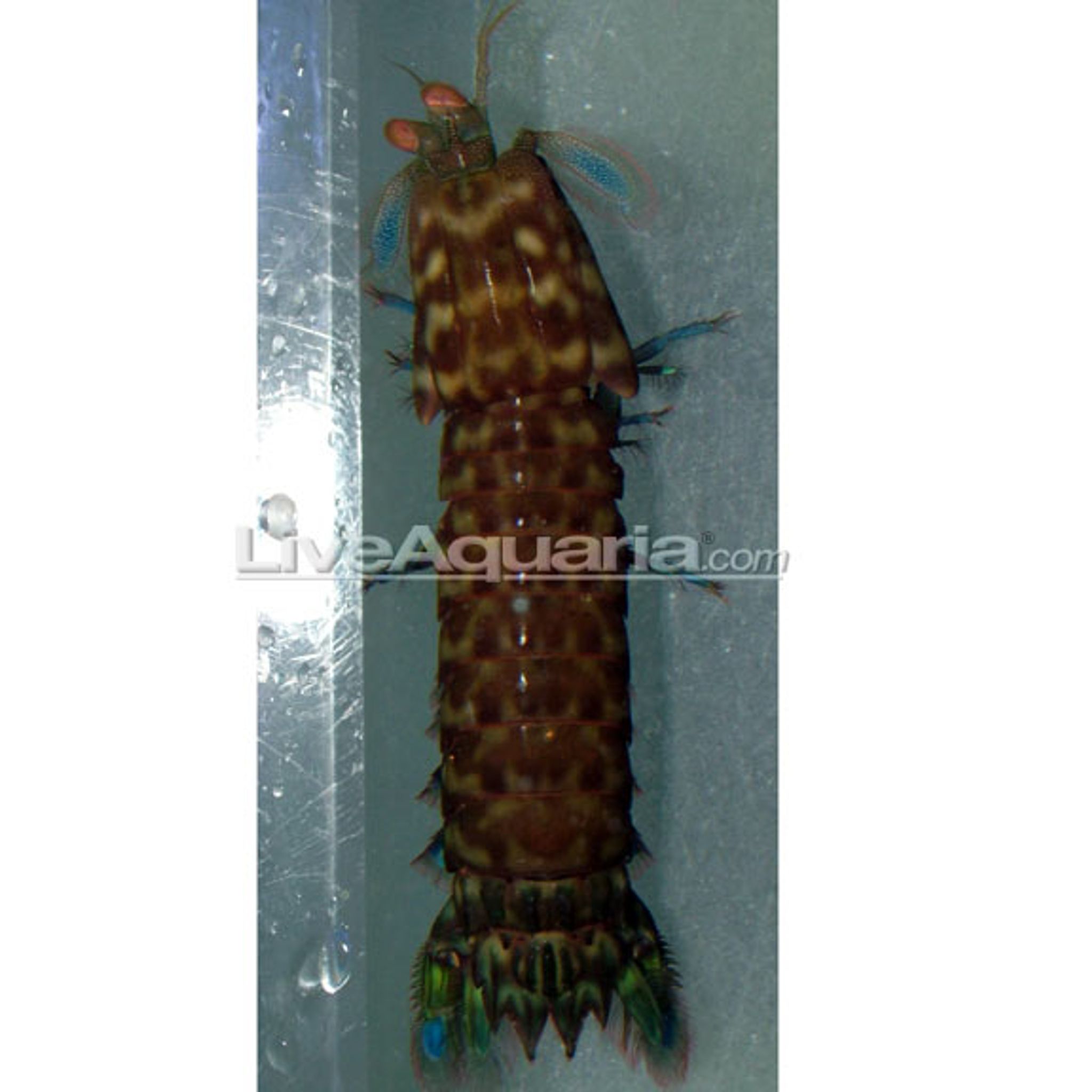
Pistol Shrimp Care Guide: Tank Requirements, Feeding and Compatibility
Pistol shrimp are the burrowing engineers of the reef tank world, best known for the loud snap of their oversized claw and their partnership with watchman gobies. This guide covers tank size, substrate, water parameters, feeding, and which tank mates actually work, plus how to avoid confusing a pistol shrimp with an unwanted mantis shrimp hitchhiker.
What Is a Pistol Shrimp?
Pistol shrimp (also called snapping shrimp) belong to the family Alpheidae, genus Alpheus. Most species kept in the hobby grow to about 1.5–2 inches long. Their defining feature is one oversized, asymmetrical claw that snaps shut so fast it creates a cavitation bubble — the collapse of that bubble produces a shockwave and a loud pop, with the claw tip reportedly moving at speeds up to 60 mph. Shrimp use the snap to stun small prey, defend their burrow, and warn off intruders.
Pistol shrimp have notably poor eyesight, which is the whole reason the shrimp-goby partnership exists (more on that below).
Common Species in the Trade
"Pistol shrimp" is a broad common name covering many Alpheus species that differ in size, color, and temperament. A few show up regularly:
- Tiger pistol shrimp (Alpheus bellulus) — banded orange-and-white coloring, one of the most widely available and hardiest goby-partner species. A solid pick for a first pairing.
- Randall's pistol shrimp (A. randalli) — smaller and more colorful, pairs readily with several shrimpgoby genera.
- Gold/orange pistol shrimp — several Alpheus species sold under this name; care is essentially identical to other Alpheus.
Tank Requirements
Tank Size
Recommendations vary by source, from as little as 10 gallons (38 L) for a single shrimp in a simple species tank up to 30 gallons (114 L) for a shrimp-goby display. For a lone pistol shrimp in a bare-bones setup, 10 gallons can work. But if you're building the classic shrimp-and-goby display with rockwork, sand, and additional fish, 20–30 gallons (76–114 L) is the practical minimum. The extra space reduces territorial aggression and gives the pair room to dig a permanent burrow away from foot traffic and strong flow.
Substrate
Sources disagree here too. Some favor coarser crushed coral because it holds burrow walls better; others favor fine sand because it's easier to dig. The best approach is a blend:
- Fine-to-medium sand as the base, mixed with small rubble or shell fragments (roughly ¼–¾ inch/6–19 mm pieces)
- Depth of 2–4 inches (5–10 cm), with some keepers going to 4–5 inches (10–13 cm) for larger species
- Pure fine sand alone is easy to excavate but collapses more often; the rubble mix gives the tunnel structural support while staying diggable
Rockwork
Loose rock or rubble near the substrate gives the shrimp burrow entrances to work with, but the main aquascape structure should be secured to the tank bottom or back glass with rock-safe adhesive or supports. Burrowing shrimp steadily undermine unsecured rock, and a collapse weeks or months later is one of the most common pistol shrimp keeping mistakes.
Water Parameters
Standard reef parameters apply — pistol shrimp don't need anything exotic, but they are sensitive to swings, especially around molting.
| Parameter | Target Range |
|---|---|
| Temperature | 72–82°F (22–28°C) |
| Specific gravity | 1.023–1.026 |
| pH | 8.0–8.4 |
| Calcium | 400–450 ppm |
| Magnesium | 1250–1350 ppm |
| Nitrate | Under 10 ppm |
Note: a pH range of 6.5–7.5 occasionally shows up in older care sheets, but that's inconsistent with normal marine reef chemistry and is best treated as an error, possibly confused with freshwater dwarf shrimp guidance. Stick to 8.0–8.4 in a saltwater tank. Consistency matters more than hitting an exact number — swings are riskiest right before and after a molt.
Feeding
Pistol shrimp are carnivorous scavengers and opportunistic omnivores. They rarely forage far from the burrow and, given their poor eyesight, mostly rely on scent to find food nearby. Good options include:
- Chopped fresh or frozen shrimp, squid, or fish
- Mysis shrimp, brine shrimp, krill
- Sinking pellets as an occasional supplement
Feed every other day to three times a week, watching body condition and adjusting from there — some keepers feed small amounts daily, but overfeeding a sand-bed tank fouls water quality faster than it helps the shrimp. Place food directly at or near the burrow entrance rather than broadcasting it across the tank; a burrow-bound shrimp that never sees the food will simply go underfed even in a well-stocked tank. A periodic iodine or trace mineral supplement supports healthy molting.
Molting
Like all crustaceans, pistol shrimp molt periodically throughout their lives. They're soft and vulnerable right after shedding their exoskeleton and often stay hidden in the burrow longer than usual during that window. Stable water chemistry, plus reliable calcium and iodine availability, gives the shrimp the best chance of molting cleanly.
Compatibility and Reef Safety
Pistol shrimp are generally reef-safe with corals and most fish, but they're predatory toward smaller shrimp, snails, and small crabs, and territorial toward other pistol shrimp — keep one per burrow system unless you're deliberately pairing a mated couple. Avoid housing them with mantis shrimp, triggerfish, puffers, or lionfish, all of which will either eat a pistol shrimp or provoke a defensive snap.
One coral-specific caveat: because pistol shrimp excavate sand as they dig, they can bury or topple frags placed too close to the substrate. Mount coral several inches above the sand bed rather than directly on it. You can browse options for stocking the rest of the tank in Marine Invertebrates alongside your shrimp.
The Shrimp-Goby Partnership
The relationship between a pistol shrimp and its goby is genuinely mutualistic, not one animal exploiting the other. The shrimp digs and maintains a shared burrow using its non-snapping claw and antennae to move sand, while the goby — which has excellent eyesight — sits at the burrow entrance as a lookout. The two stay in near-constant antennal contact; when the goby spots a predator, it flicks its tail or body to signal danger, and both animals retreat into the burrow together.
More than a dozen goby genera participate in this symbiosis in the wild, but the ones most commonly available in the trade are:
- Amblyeleotris (many popular watchman gobies)
- Cryptocentrus
- Stonogobiops (including the well-known high-fin varieties)
- Vanderhorstia
You can compare available pairing candidates in the Gobies category.
Choosing a Goby by Tank Size
| Tank Size | Better-Suited Gobies | Notes |
|---|---|---|
| Nano (20–30 gal / 76–114 L) | Stonogobiops species | Smaller, less bold, comfortable in tighter footprints |
| Standard reef (40–75 gal / 151–284 L) | Cryptocentrus, Amblyeleotris | More active, benefit from extra swimming room |
| Larger display (75+ gal / 284+ L) | Vanderhorstia, larger Amblyeleotris | Bolder, can hold territory against more tankmates |
Buying a Pair
The most reliable way to get a compatible shrimp-goby pair is to buy one that's already bonded. If you buy the shrimp and goby separately, there's no guarantee the goby will accept that particular shrimp species — some pairings simply never bond, especially with mismatched wild-caught individuals. If you do introduce them separately, briefly housing both in a small, confined space before releasing them into the display can help bonding take hold. Bonded pairs cost more than either animal purchased alone, but the reliability is usually worth it. You'll find shrimp options for pairing in Marine Shrimp.
If one animal in an established pair dies, the survivor is usually fine. A shrimp that loses its goby generally continues burrowing and feeding normally and may accept a new goby later; a goby that loses its shrimp partner typically adapts and can bond with a new shrimp if one is introduced.
Pistol Shrimp vs. Mantis Shrimp
Confusion between these two is common, especially when a mystery animal shows up on live rock. They're not closely related, and the differences matter for your other livestock:
| Feature | Pistol Shrimp | Mantis Shrimp |
|---|---|---|
| Group | True shrimp (Alpheidae) | Stomatopod, different crustacean order entirely |
| Weapon | One oversized claw, cavitation snap | Segmented, folded raptorial appendage (spearer or smasher type) |
| Behavior | Scavenger, stays near burrow | Active hunter, roams and stalks prey |
| Reef safety | Generally reef- and fish-safe | Not reef-safe; eats fish, shrimp, snails |
| Size | Typically 1.5–2 inches | Can reach several inches, some species much larger |
Peacock Mantis Shrimp Basics
The peacock mantis shrimp is the species most often sold intentionally, and also the one that most often arrives as an unwanted hitchhiker. Care basics if you're considering — or dealing with — one:
- Adult length is commonly cited in the high single digits to low double-digit inches by some sellers, though most captive specimens plateau smaller
- Needs a dedicated species tank with thick glass or acrylic, since a full strike can crack standard aquarium glass
- Deep sand bed with rubble for burrowing, similar substrate logic to pistol shrimp
- Solitary — never house multiple mantis shrimp together outside deliberate breeding attempts
- Diet is whole meaty foods (shrimp, crab, snails, fish) since they're active hunters rather than scavengers, with a lifespan of several years under good care
Retail pricing runs markedly higher than pistol shrimp, roughly $100–$200 depending on size and source, versus roughly $15–$40 for a typical pistol shrimp. Buying from a source that quarantines and acclimates stock properly reduces the risk of a stressed or diseased animal, a real concern with rock-bottom pricing from unverified sellers.
Removing an Unwanted Mantis Shrimp
Nets rarely work — mantis shrimp are fast and bolt straight into rock crevices. The reliable method: watch the tank at night with a red or actinic light, or look during the day for a small debris pile outside a hole marking its burrow; then remove that specific rock into a separate container of much higher-salinity saltwater, which stresses the animal into leaving on its own. Avoid whole-tank chemical treatments — copper-based medications harm all invertebrates and won't reliably remove it anyway — and skip daytime baited traps, since non-target fish tend to wander into them instead.
Common Mistakes to Avoid
- Skipping drip acclimation for a new shrimp or goby — rapid parameter changes cause stress and early death.
- Leaving rockwork unsecured — burrowing gradually undermines an unsecured aquascape until it collapses.
- Placing coral frags directly on the sand — the shrimp will bury or dislodge them while excavating.
- Using copper-based medication in a tank with a pistol shrimp, or any invertebrate — copper is lethal to shrimp; treat sick fish in a separate quarantine tank instead.
- Assuming any goby will bond with any pistol shrimp — buy a pre-bonded pair to avoid this altogether.
- Underfeeding a burrow-bound shrimp because food isn't visibly disappearing — deliver food right at the burrow mouth.
- Mistaking a mantis shrimp for a pistol shrimp — missing snails or small fish overnight is a mantis shrimp red flag, not typical pistol shrimp behavior.
A Quarantine Note
Because pistol shrimp are invertebrates, they can't be treated with most standard fish quarantine medications. Rather than medicating, quarantine new arrivals in a bare tank and visually inspect for parasites, unusual spots, or hitchhikers before adding them to the display.
Viewing Tip
Pistol shrimp and their goby partners are most active and easiest to observe under dim actinic or moonlight-style lighting, especially in the evening. Daytime activity tends to happen just at the burrow mouth, but low blue light often draws both animals out further for feeding and burrow maintenance.
Frequently Asked Questions
Are pistol shrimp reef-safe?
Yes, for corals and most fish. They are not safe for other shrimp, snails, or small crabs, which they may prey on.
Do I need a goby for a pistol shrimp to be happy?
No. Pistol shrimp thrive alone. The shrimp-goby pairing is popular because it's a genuine, easily observed symbiosis, not because the shrimp requires a partner.
Why is my pistol shrimp making loud clicking or popping noises?
That's normal behavior — the snapping claw being used to hunt, defend territory, or communicate. It's occasionally audible right through the tank glass.
Can pistol shrimp hurt fish or people?
The snap can stun very small prey and is surprisingly loud, but it isn't strong enough to seriously injure a human or a larger fish. Keep fingers clear during tank maintenance out of caution anyway.
How do I tell a pistol shrimp from a mantis shrimp that hitchhiked in on live rock?
Pistol shrimp have one visibly oversized claw and stay close to a burrow. Mantis shrimp have a segmented, folded raptorial appendage, roam more widely, and are far more predatory — losing snails or small fish overnight points to a mantis shrimp, not a pistol shrimp.
What do I feed a pistol shrimp if I don't have live prey?
Frozen or thawed meaty foods work fine — mysis, brine shrimp, and chopped seafood are all readily accepted. They're scavengers, not dedicated hunters, so live prey isn't necessary.
How long do pistol shrimp live, and do they breed in home tanks?
Typically 3–4 years in captivity. Monogamous pairs can breed at home, with eggs incubating for roughly a month before hatching, though the larvae are difficult to raise without specialized rearing setups.
Is it hard to remove a pistol shrimp or mantis shrimp once it's established?
Pistol shrimp are usually fine to leave in place since they aren't predatory toward most tankmates. An unwanted mantis shrimp is harder to remove and is best handled by isolating its home rock rather than netting or medicating the whole tank.
Ready to start a shrimp-goby display or add a mantis shrimp to a dedicated tank? Browse live stock and pairing options in Marine Invertebrates on FishyHub.

