
How Much Does a Saltwater Aquarium Cost Per Year?
A saltwater aquarium costs considerably more per year than a freshwater one, because every water change uses synthetic sea salt and purified water, the equipment draws more power, and reef tanks need testing and supplements on top. Restocking is dearer too: on FishyHub in the US, marine fish and corals sit mainly in the mid-range to collector tiers, while a freshwater community tank can be filled from the entry-level tier. A fish-only tank with hardy species sits at the lower end of saltwater costs; a mixed reef with stony corals sits at the top.
Key Findings
- FishyHub marketplace data shows US marine livestock sits mainly in the mid-range, upper mid-range and collector tiers, with marine snails the only saltwater group in the entry-level tier.
- FishyHub data shows blennies, cardinalfish, chromis, damselfish, dragonets, gobies and hawkfish sit in the US mid-range tier, the most affordable way to stock a marine tank.
- FishyHub data shows LPS hard corals, tangs, seahorses, eels and dwarf and large marine angelfish in the US collector / premium tier.
- FishyHub data shows SPS corals, soft corals, mushroom corals, polyps and anemones in the US upper mid-range tier.
- FishyHub data shows very high supply in the US for LPS hard corals, polyps, SPS corals, butterflyfish, clownfish, gobies, tangs and wrasse.
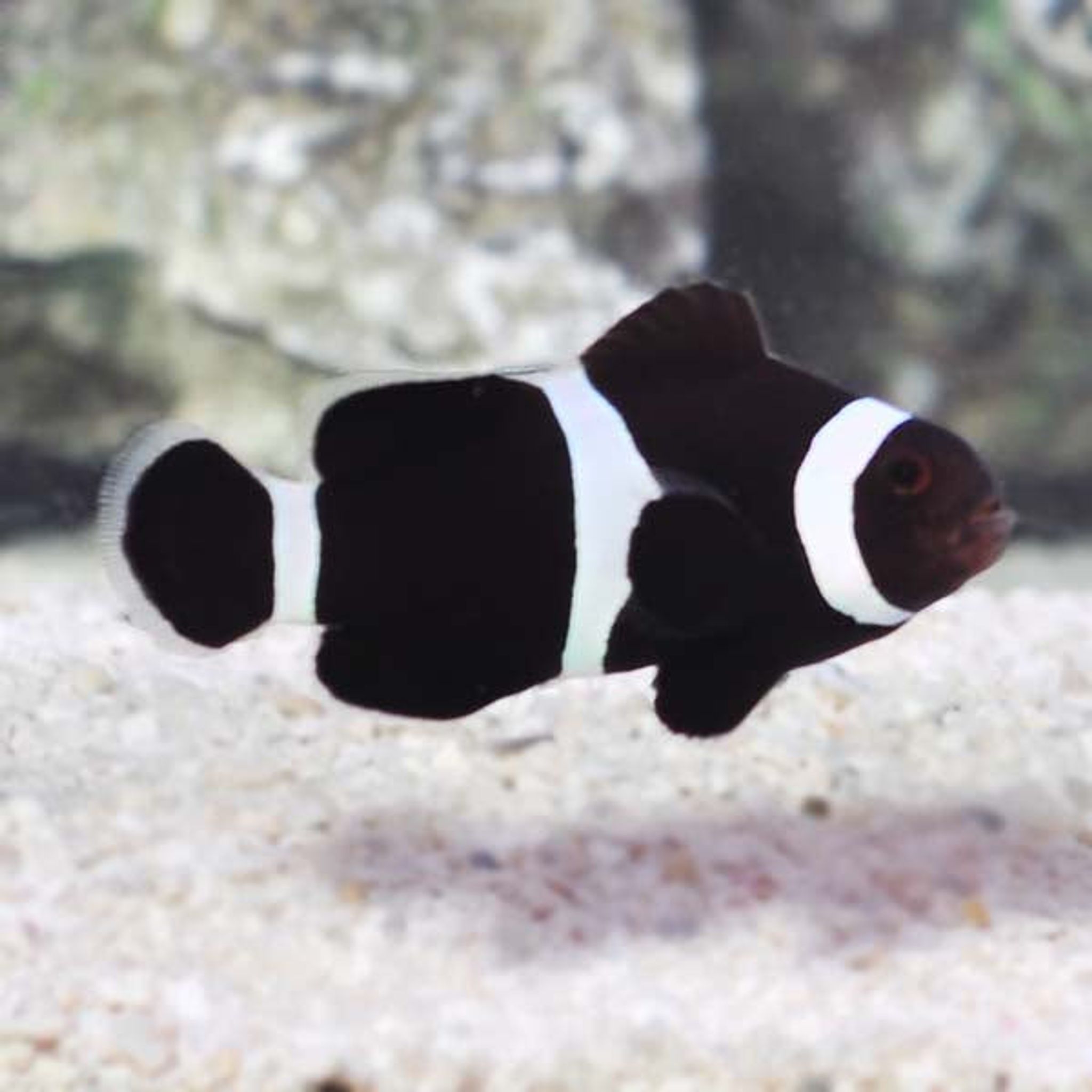
- FishyHub data shows a very wide price spread for US clownfish, so a common clown and a designer line can cost very different amounts.
- FishyHub data shows marine listings rising across nearly every US fish, coral and invertebrate group in October 2024 to October 2026.
The Yearly Running Costs of a Saltwater Tank
FishyHub lists livestock and does not track household bills, so it does not put a dollar figure on a year of reef keeping. The breakdown below is based on hobby experience, with FishyHub's price tiers covering the livestock.
| Cost item | How often | Why it costs more than freshwater |
|---|---|---|
| Synthetic sea salt | Every water change | Freshwater only needs conditioner |
| Purified water (RO/DI) | Every change and daily top-up | Tap water carries nutrients that feed algae |
| Electricity | Every month | Return pump, powerheads, skimmer, reef lighting, heater |
| Testing | Weekly | Salinity, alkalinity, calcium, magnesium, nitrate, phosphate |
| Reef supplements | Daily or weekly | Corals use alkalinity and calcium as they grow |
| Food | Daily | Frozen foods for many marine fish |
| Filter and reactor media | Every few months | Carbon, phosphate removers, filter socks |
| Livestock | Occasionally | Higher price tiers than freshwater |
Salt and purified water
Every partial water change uses salt mix, and most reef keepers make their own purified water with a reverse osmosis unit whose filters and membrane need replacing. Fresh purified water also goes in daily to replace evaporation, since salt stays behind when water evaporates.
Power
A marine tank runs more equipment than a freshwater tank of the same size: a return pump, powerheads for flow, a protein skimmer and, for corals, strong lighting for many hours a day. A heater runs too, and in the South & Southeast or a hot West Coast & Mountain West summer, some keepers add a fan or chiller to stop the tank overheating.
Testing and dosing
Fish-only tanks need regular salinity and nitrate checks. Reef tanks add alkalinity, calcium and magnesium, which corals consume, so keepers either dose supplements or run a calcium reactor. The more stony corals in the tank, the higher this cost.
Marine Livestock Price Tiers in the US
Examples are listed alphabetically within each FishyHub tier.
| Price tier | Fish | Corals and invertebrates |
|---|---|---|
| Collector / premium | Dwarf angelfish, eels, groupers, large marine angelfish, seahorses, tangs | LPS hard corals |
| Upper mid-range | Anthias, basslets, butterflyfish, clownfish, triggerfish, wrasse | Anemones, mushroom corals, polyps, soft corals, SPS corals, Tridacna clams |
| Mid-range | Blennies, cardinalfish, chromis, damselfish, dragonets, gobies, hawkfish | Crabs, marine shrimp, sea stars, urchins |
| Entry-level / budget | None listed | Marine snails |
Why marine livestock costs more
Many marine fish are still collected from wild reefs, so supply depends on collection and long-distance shipping rather than farm output. Captive-bred clownfish, some gobies and dottybacks are the main exceptions. Corals are grown from fragments, which takes months under strong light, and colorful or rare forms carry a premium. FishyHub data shows a very wide price spread for clownfish in the US, reflecting the gap between common ocellaris clowns and designer patterns.
Fish-Only, FOWLR and Reef: Three Cost Levels
Fish-only
A tank of hardy fish such as damselfish, gobies, chromis and cardinalfish, all mid-range on FishyHub in the US, has the lowest running costs. Lighting can be modest and there are no corals to dose.
Fish-only with live rock (FOWLR)
Adding live rock brings better biological filtration and a natural look. Costs rise a little for flow and skimming, but there is still no coral dosing.
Reef
Corals need strong lighting, stable chemistry and frequent testing. Soft corals, mushrooms and polyps are upper mid-range on FishyHub in the US and are the usual starting point; LPS hard corals reach the collector tier. A reef tank is the most expensive saltwater option to run each year.
Shipping Marine Livestock
Marine fish and corals ship overnight in insulated boxes, and keepers often group orders so one delivery covers several animals. FishyHub's US delivery zones are Midwest & Central; East Coast & Northeast; South & Southeast; West Coast & Mountain West; and Alaska, Hawaii & territories. Remote addresses and extreme weather add cost and risk, so many keepers time orders for mild weather.
Ways to Keep Saltwater Costs Down
- Start with a fish-only or soft-coral tank before stony corals.
- Choose hardy, captive-bred fish where possible.
- Buy a reliable test kit and test consistently; stable tanks lose fewer animals.
- Make purified water at home rather than buying it.
- Stock slowly; a few well-chosen fish cost less than replacing losses.
- Use an efficient LED reef light on a timer.
Methodology
This page uses FishyHub marketplace activity in the US over the period from October 2024 to October 2026: active marine listings, listed prices grouped into tiers, the spread of prices between varieties, and new listings over time. Findings are reported as tiers and directions rather than figures.
The US market on FishyHub is new, so this data has no US order history and no US price-movement trend. FishyHub does not track salt, electricity, equipment or supplement costs, or what US households spend on saltwater tanks; those parts of this page are general hobby guidance. The data covers livestock listed by independent merchants on FishyHub.
Frequently Asked Questions
How much does a saltwater aquarium cost per year?
More than freshwater. The yearly cost is driven by salt, purified water, power for pumps and lighting, testing and, for reefs, supplements. FishyHub does not publish a dollar figure, but its data shows marine livestock sits mainly in the mid-range to collector tiers.
What is the cheapest saltwater fish to keep?
Damselfish, gobies, chromis, cardinalfish and blennies sit in the mid-range tier on FishyHub in the US, the most affordable marine fish group.
Are reef tanks more expensive than fish-only tanks?
Yes. Corals need strong lighting and regular dosing, and LPS hard corals sit in FishyHub's collector tier in the US.
Why are clownfish prices so different?
FishyHub data shows a very wide price spread for clownfish in the US. Common captive-bred clowns cost far less than rare designer patterns.
How to Cite This Page
Source: FishyHub, "How Much Does a Saltwater Aquarium Cost Per Year?" (2026), https://fishyhub.com/us/blogs/blog-detail/how-much-does-a-saltwater-aquarium-cost-per-year


