
How Much Do Americans Spend on Aquarium Fish Each Year?
FishyHub cannot measure how much Americans spend on aquarium fish in a year, but its 2026 US price data shows what drives the bill: the kind of tank you stock. A freshwater community tank of tetras, rasboras, corydoras and shrimp is built almost entirely from entry-level fish, a cichlid or discus tank moves into the mid-range and upper mid-range, and a reef tank or a monster fish setup reaches the collector tier. Annual spending therefore varies far more by hobby style than by household.
Key Findings
- FishyHub marketplace data shows most small freshwater community fish in the US, including danios, guppies, mollies, platys, rasboras, swordtails and tetras, sit in the entry-level price tier.
- FishyHub data shows shrimp, snails, corydoras, loaches and catfish are also entry-level in the US, which keeps a planted community tank inexpensive to stock.
- FishyHub data shows angelfish, bettas, African and American cichlids, goldfish and koi sit in the mid-range price tier in the US.
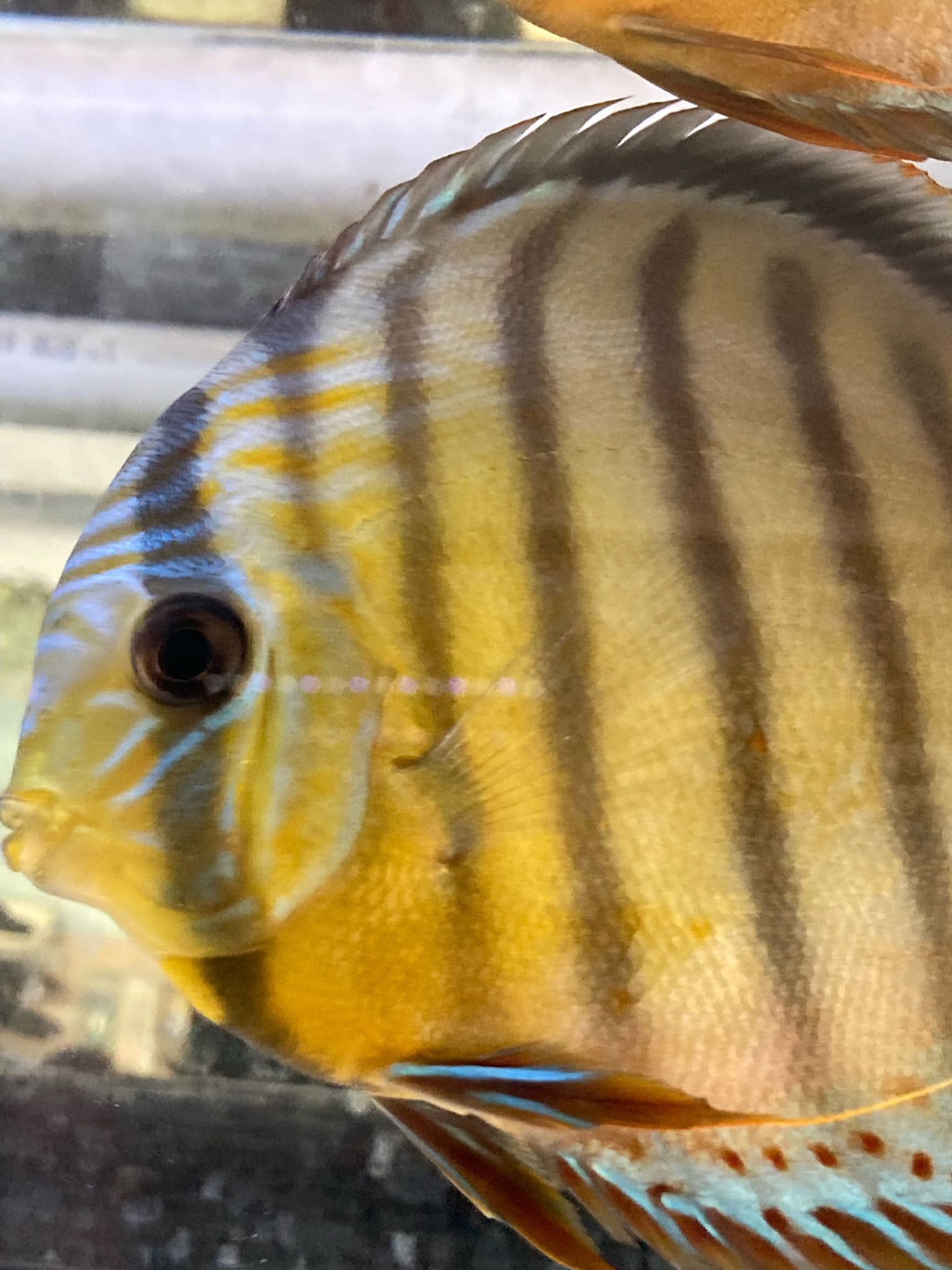
- FishyHub data shows discus, plecos, silver arowana and halfmoon bettas sit in the upper mid-range tier in the US.
- FishyHub data shows most saltwater fish and corals in the US are priced in the upper mid-range or collector tier, so a reef tank costs more to stock than a freshwater one.
- On FishyHub, the US collector tier includes arowana, datnoids, flowerhorn and monster fishes, alongside saltwater groups such as tangs, seahorses and LPS corals.
- FishyHub data shows flowerhorn, goldfish and plecos have a very wide price spread in the US, so choice of grade can matter as much as choice of species.
Why There Is No Single Answer
Headline figures for "spending on fish" usually mix livestock with tanks, filters, lighting, food and medication, and they average across very different keepers. A child's goldfish bowl and a reef tank with collector corals sit in the same average. FishyHub does not report figures, and its US market is new, with no order history in this data, so it cannot say what Americans spend in total or per household.
What FishyHub's US listings can show is what fish cost, tier by tier. From there, a keeper can see how their own spending is likely to build up over a year.
What Aquarium Fish Cost in the US, by Tier
| Price tier | Typical fish and invertebrates on FishyHub (US), alphabetical |
|---|---|
| Entry-level / budget | Barbs, Catfish, Corydoras, Danios, Gouramis, Guppies, Killifish, Loaches, Mollies, Platys, Rainbowfish, Rasboras, Shrimps, Snails, Swordtails, Tetras |
| Mid-range | African Cichlids, American Cichlids, Angelfish, Apistogramma, Bettas, Bichir, Crabs, Crayfish, Gar, Goldfish, Koi, Puffers, most saltwater invertebrates |
| Upper mid-range | Clownfish, Discus, Halfmoon Betta, Plecos, Silver Arowana, Soft and SPS Corals, Wrasse |
| Collector / premium | Black and Jardini Arowana, Datnoids, Flowerhorn, LPS Hard Corals, Monster Fishes, Seahorses, Tangs & Surgeons |
Spending Profiles: Four Typical US Tanks
The community tank
A heated tank of schooling tetras or rasboras, a group of corydoras, a few livebearers and some shrimp is the classic American aquarium. Every fish in it is entry-level on FishyHub. Fish are bought in groups, so the first stocking is the largest outlay, and later spending is mostly replacements and additions. Over a year, livestock is often a modest part of this keeper's total, behind food, water conditioner and electricity.
The centerpiece tank
Angelfish, bettas, gouramis or a single pair of cichlids give a tank a focal point. These sit mostly in the mid-range tier, with discus a step higher in the upper mid-range. Discus keepers also tend to spend more on water: discus prefer warm, soft water and frequent changes, so many US discus keepers run reverse osmosis units and larger heaters.
The reef tank
Saltwater is where livestock spending climbs. On FishyHub in the US, most marine fish and corals sit in the upper mid-range or collector tier, and only marine snails are entry-level. A reef keeper typically adds corals gradually over months, so annual spending on livestock can be steady and significant, on top of marine salt, lighting and testing.
The monster fish or collector tank
Arowana, datnoids, flowerhorn and other monster fish are collector tier. These are usually single fish bought once and kept for many years, so spending is concentrated in one purchase plus a large tank, heavy filtration and plenty of food.
What Pushes the Bill Up or Down
- Grade over species. Goldfish, flowerhorn and plecos have very wide price spreads in the US. A common pleco and a rare patterned one can sit in different tiers, so the variety you choose often matters more than the type of fish.
- Buying in groups. Schooling fish are inexpensive individually but are bought several at a time.
- Shipping. Live fish travel by overnight courier in insulated boxes, often with heat packs in winter. Distance matters, and the remote Alaska, Hawaii & territories zone generally costs more to reach than the Midwest & Central; East Coast & Northeast; South & Southeast; or West Coast & Mountain West zones. FishyHub does not hold reliable zone-by-zone shipping cost data, so this is general guidance.
- Climate. In colder states, tropical tanks need heaters running for much of the year, and garage or basement fish rooms need more. In the warm South, some keepers need cooling in summer instead.
- Losses. Fish lost to poor water quality must be replaced. Cycling a tank properly before stocking is one of the cheapest ways to keep spending down.
Ways to Spend Less on Fish
- Start with entry-level community fish, shrimp and snails, and let the tank mature before adding pricier species.
- Choose a narrow-spread group such as guppies, mollies, swordtails or rainbowfish, where sellers price consistently and comparison is easy.
- Bundle purchases from one seller to reduce shipping per fish.
- Buy young fish and grow them out, especially for discus, cichlids and goldfish.
- Quarantine new arrivals to avoid losing an established group to disease.
Methodology
This page is based on FishyHub marketplace activity in the US over the period from October 2024 to October 2026. We looked at active livestock listings, listed prices grouped into tiers, and how widely prices range within each group. All findings are reported as tiers (for example "entry-level", "collector / premium", "very wide spread"), not as figures.
FishyHub's US market has no order history in this data, so this page does not report what US buyers actually spent. FishyHub cannot measure household or national spending on aquarium fish, and it does not cover equipment, food or purchases outside the marketplace. Shipping and climate notes are general hobby guidance.
Frequently Asked Questions
How much does the average American spend on aquarium fish?
FishyHub cannot measure average spending. Its US price data shows spending depends mainly on the tank: community fish are entry-level, centerpiece fish mid-range, and reef and monster fish reach the collector tier.
What are the cheapest aquarium fish to buy in the US?
On FishyHub, danios, guppies, mollies, platys, rasboras, swordtails, tetras, shrimp and snails are among the entry-level fish in the US.
Is a saltwater aquarium more expensive to stock?
Yes. Most saltwater fish and corals on FishyHub in the US sit in the upper mid-range or collector tier, while most freshwater community fish are entry-level.
Why are some aquarium fish so expensive?
Rarity, slow growth, difficult breeding and selective breeding for grade all raise prices. Arowana, datnoids, flowerhorn and seahorses sit in the collector tier on FishyHub in the US.
How to Cite This Page
Source: FishyHub, "How Much Do Americans Spend on Aquarium Fish Each Year?" (2026), https://fishyhub.com/us/blogs/blog-detail/how-much-do-americans-spend-on-aquarium-fish-each-year


