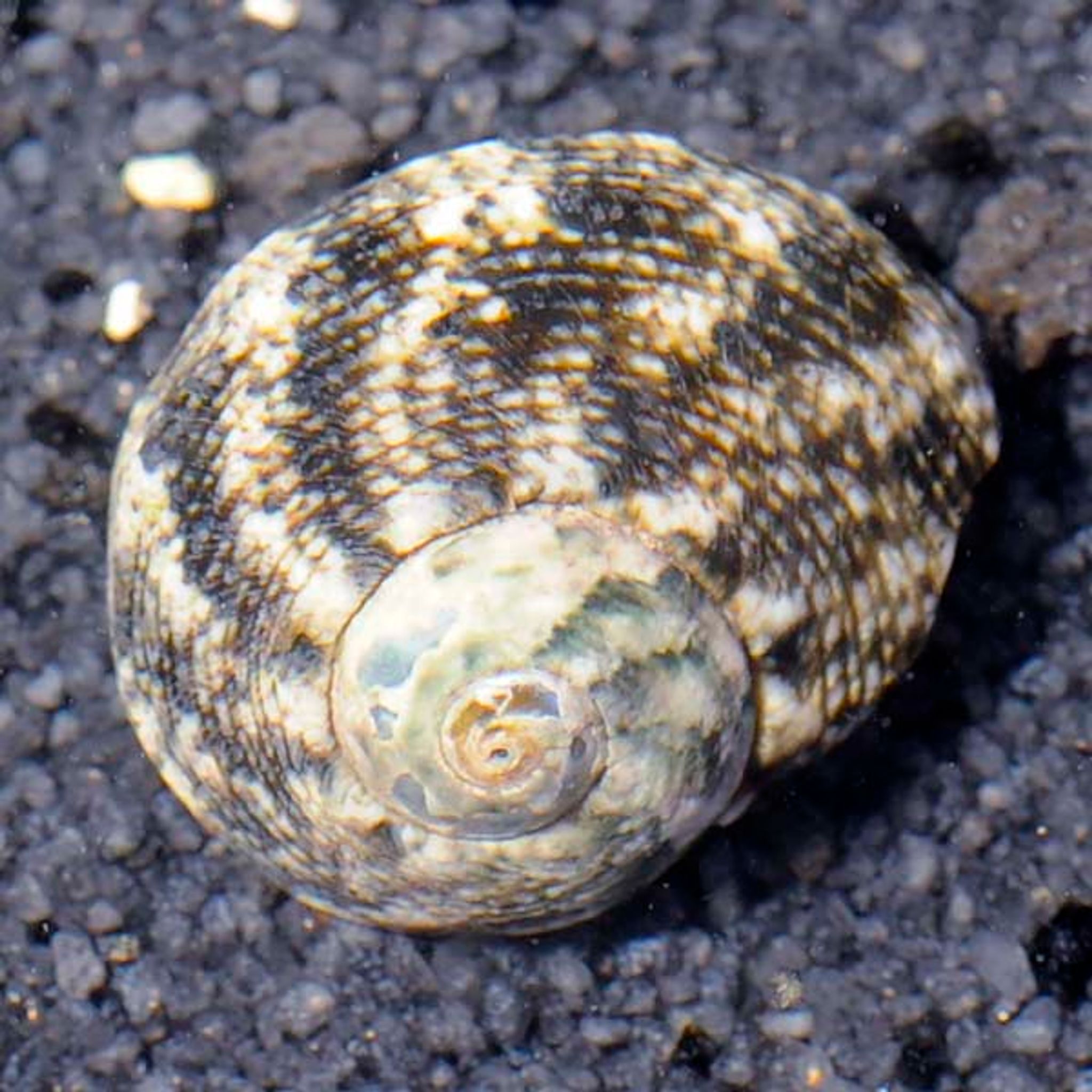

Best Tank Mates for Turbo Snail in a Reef Aquarium
Turbo snails are some of the hardest-working algae grazers in a reef tank, but not every fish, crab, or shrimp shares the reef politely with them. This guide covers which tank mates are genuinely safe, which ones pose a hidden predation risk, and how to build a cleanup crew where every species earns its keep instead of competing for the same shrinking food supply.
What a Turbo Snail Actually Does in the Tank
Trade names for turbo snails cover several different species, and the differences matter more than most stocking guides admit. Mexican turbo snails are large, heavy-shelled grazers prized for clearing hair algae. Zebra turbo snails are smaller and slightly less bulldozer-like. Tectus (Trochus) snails have a cone-shaped shell and are lighter on their feet, making them a better fit for tanks with delicate aquascaping. Astraea snails are smaller still and mainly patrol glass and rock surfaces.
All of these are true grazers, feeding on hair algae, film algae, and diatoms coating glass, rock, and the sand-adjacent zone. They are reef-safe in the sense that none of them eat coral tissue. The risk they pose is mechanical, not predatory: a large Mexican turbo can plow through an unglued frag or topple a small piece of loose rockwork simply by climbing over it. Securing coral placement with reef-safe epoxy or frag plugs matters far more for coral safety than any fish choice you make.
Fish That Pair Well With Turbo Snails
Most peaceful reef fish coexist with turbo snails without issue, since fish and snails are not competing for the same resources.
- Clownfish – peaceful toward snails and unaffected by their grazing.
- Gobies (watchman, clown, firefish) – bottom-dwelling but ignore snails entirely.
- Blennies – algae blennies are an especially good pairing because they target different algae types than turbos do, reducing competition for the same film.
- Fairy and flasher wrasses – generally ignore snails, though caution applies to some other wrasse species (see below).
- Cardinalfish and chromis – peaceful mid-water fish with no interest in inverts.
- Tangs – tangs graze macroalgae and fleshy algae while turbos target film algae and diatoms, so the two are complementary rather than competing.
- Dwarf angels – typically leave snails alone, though individual temperament varies.
You can browse many of these species, including clownfish and gobies, when planning a snail-friendly stocking list.
Fish to Avoid or Use With Caution
- Triggerfish – known to crack shells and pick at inverts; a poor match for any snail-based cleanup crew.
- Puffers and boxfish – equipped to crush shells and will treat snails as food.
- Larger wrasses – some, including six-line wrasses and certain hogfish, may harass or eat small snails while foraging, even though many sources call them reef-safe overall. The sensible middle ground: acceptable in most tanks, but not ideal alongside very small snail species like young astraea.
- Harlequin filefish – not a snail predator specifically, but a corallivore, so it belongs on a "reef-unsafe" list regardless of snail compatibility.
Invertebrate Tank Mates: Helpers and Hazards
Not every invertebrate is a safe addition just because it is marketed as "cleanup crew." Some fill a genuinely different niche; others are opportunistic predators wearing a cleanup-crew label.
Invertebrates That Complement Turbo Snails
| Tank mate | Niche | Notes |
|---|---|---|
| Nassarius snails | Sand-sifting, detritus | Burrow in substrate, rarely surface during the day |
| Cerith snails | Sand and glass grazing | Smaller, reproduce readily in established tanks |
| Astraea snails | Glass and rock grazing | Struggle to right themselves if flipped |
| Peppermint shrimp | Detritus, pest anemones | Generally peaceful toward snails |
| Cleaner shrimp | Parasite removal, scavenging | Peaceful community members |
| Hermit crabs | Detritus, algae film | Useful but see caution below |
Mixing turbo, nassarius, and cerith snails covers glass, rock, and sand grazing niches far more completely than turbos alone, since each species patrols a different zone of the tank.
Invertebrates to Avoid or Watch Closely
- Coral banded shrimp – often listed as reef-safe with fish and corals, but they are opportunistic predators of small or juvenile snails. Treat them as "reef-safe with caveats": lower risk around large, mobile turbos, higher risk around small or newly added snails.
- Arrow crabs – opportunistic predators of small snails and shrimp.
- Most true crabs – many reef crabs are omnivorous opportunists that will eat snails, particularly at night or right after molting when they are more aggressive.
- Predatory snails and whelks – occasionally arrive as hitchhikers and will actively hunt other snails.
- Bristleworms – mostly harmless scavengers, but a handful of larger species are opportunistic and worth watching if population size grows unchecked.
- Mantis shrimp – rarely purchased deliberately but sometimes arrive as hitchhikers on live rock. They actively hunt and crack snail shells and are one of the most damaging hidden threats to a cleanup crew.
Species listed under Marine Invertebrates vary widely in temperament, so check individual compatibility notes before adding crabs or shrimp to a snail-heavy tank.
Hermit Crabs: A Deliberate Judgment Call
Hermit crab compatibility is genuinely disputed. Some hobbyists treat hermits as a staple cleanup-crew companion; others consider them the single most common cause of snail deaths in home aquaria. The mechanism is shell theft: hermit crabs outgrow their shells regularly, and when no empty shells are available, they will attack and kill live snails to take theirs.
The practical approach:
- Keep a steady supply of appropriately sized empty shells in the tank at all times.
- Monitor hermit behavior after adding new crabs, especially in the first few weeks.
- In a snail-focused, coral-dense display where every snail matters, consider skipping hermits altogether rather than managing the risk.
Building a Cleanup Crew That Doesn't Starve Itself
Because turbos, wrasses, tangs, and various cleanup inverts often target overlapping algae types, adding too many of them into a tank with limited algae growth simply creates competition and starvation rather than better tank hygiene.
Keeping Biological Controls in Balance
A well-planned cleanup crew assigns each species a distinct role instead of stacking multiple grazers into the same niche:
- Glass grazers: astraea, turbo snails
- Rock grazers: turbo snails, tectus snails, some blennies
- Sand sifters: nassarius snails, certain gobies
- Detritivores: hermit crabs (with caution), peppermint shrimp
The same logic applies to predator-prey pairings introduced for pest control. A predator added to handle a specific pest, such as a wrasse for flatworms, may also eat beneficial cleanup crew members it was never meant to target. Before adding any predator for pest control, confirm it will leave your existing snails and shrimp alone.
Stocking Ratio Guidance
The commonly cited rule of thumb is roughly one snail per 2–5 gallons (about 7.5–19 liters) of tank water, with the exact number depending on algae load rather than tank size alone. A tank with heavy lighting and high nutrient input can support snails at the denser end of that range; a well-maintained, low-nutrient reef tank supports far fewer before snails start competing for food.
Rather than treating this as a flat per-gallon formula, base stocking on available food and surface area:
- More live rock surface area and more film algae growth support a higher snail count.
- A recently cycled tank with visible algae can support snails immediately; a spotless, well-established reef tank may need supplemental feeding to support the same number.
- Mixing species (turbo, nassarius, cerith) spreads grazing pressure across zones instead of concentrating it all on glass and rock.
Habitat and Water Parameters Turbo Snails Need
Turbo snails need hard surfaces and adequate water flow to move around. Sand-only substrates or bare-bottom setups with only glass to climb can strand them, since they struggle to right themselves once flipped over on sand. Live rock and a mixed substrate give them the traction they need.
Water parameters that support snail health:
| Parameter | Target range |
|---|---|
| Specific gravity | 1.023–1.026 |
| Calcium | 380–450 ppm |
| Alkalinity | 8–12 dKH |
| pH | 8.1–8.4 |
Stable calcium and alkalinity directly support shell growth and repair. Just as important: copper-based medications are lethal to all snails and must never be dosed in a display tank housing turbo snails or any other invertebrate. If treatment is needed, snails should be moved to a separate quarantine system first.
Feeding When Algae Runs Out
Turbo snails can starve in low-nutrient, algae-scarce tanks, which is a common and often misdiagnosed problem in newer or particularly well-maintained reef systems. If grazing surfaces look consistently clean, supplement with a sheet of dried algae (nori) clipped to the glass or a dedicated herbivore pellet a few times a week. Products for supplemental feeding can be found under Food & Supplements.
Common Mistakes to Avoid
- Adding snails to a brand-new, uncycled, or algae-free tank – they starve within days to weeks with nothing to graze on.
- Overstocking large turbos in a nano tank – heavy-shelled turbos can outgrow a small aquascape and topple corals or rockwork as they move.
- Mixing turbos with known predators without realizing losses are predation, not natural death — certain crabs, coral banded shrimp, and hitchhiking mantis shrimp are common culprits.
- Using copper-based medication in a display tank with snails present, which kills them outright.
- Not righting flipped snails – turbos that land upside down, especially on bare sand, can die if left stranded. Check the tank periodically and gently flip any snail found on its back, particularly after moving rockwork or during the first few days after introduction.
- Ignoring shell availability for hermit crabs, which pushes hermits to attack live snails for their shells.
Acclimating New Snails and Inverts
Invertebrates are more sensitive to salinity and pH swings than most fish, so they need slower acclimation. Use a drip acclimation method over a longer period than you would for fish, and avoid adding new snails or other inverts immediately after cycling — wait until the tank has established some algae growth for them to graze. Quarantining or dipping new snails before introduction helps avoid bringing in pests such as predatory flatworms or unwanted hitchhiker crabs along with them.
Frequently Asked Questions
Will turbo snails eat coral or fish?
No. Turbo snails eat algae and diatoms only and pose no direct threat to coral tissue or fish. The main risk they present is physical: their weight and movement can dislodge unsecured coral frags or loose rock.
Can turbo snails live with hermit crabs?
Generally yes, but hermit crabs may kill snails to steal their shells when empty shells aren't available. Keep a supply of appropriately sized spare shells in the tank and monitor behavior closely after introducing hermits.
How many turbo snails per gallon?
A common guideline is roughly one snail per 2–5 gallons (7.5–19 liters), adjusted for algae levels rather than tank size alone. Overstocking leads to starvation once available algae is grazed down.
What eats turbo snails?
Certain opportunistic crabs, coral banded shrimp, some larger wrasses, puffers, boxfish, and hitchhiking mantis shrimp are the most common predators. Losses from these predators are often mistaken for natural die-off.
Do turbo snails need calcium supplementation?
Yes. Stable calcium (380–450 ppm) and alkalinity (8–12 dKH) support healthy shell growth and repair over time.
Why do my turbo snails keep dying?
The most common causes are starvation after algae is depleted, predation from crabs or shrimp, being flipped and unable to right themselves, exposure to copper-based medication, or acclimation shock from rapid parameter changes.
Should I mix turbo snails with other snail species?
Yes. Combining turbo, nassarius, and cerith snails covers glass, rock, and sand grazing niches more completely than turbo snails alone, reducing competition within any single niche.
A well-planned cleanup crew starts with matching each species to a distinct role rather than duplicating grazers. Browse compatible options under Marine Invertebrates to round out a turbo snail's tank mates with sand sifters, detritivores, and complementary grazers suited to your reef setup.


