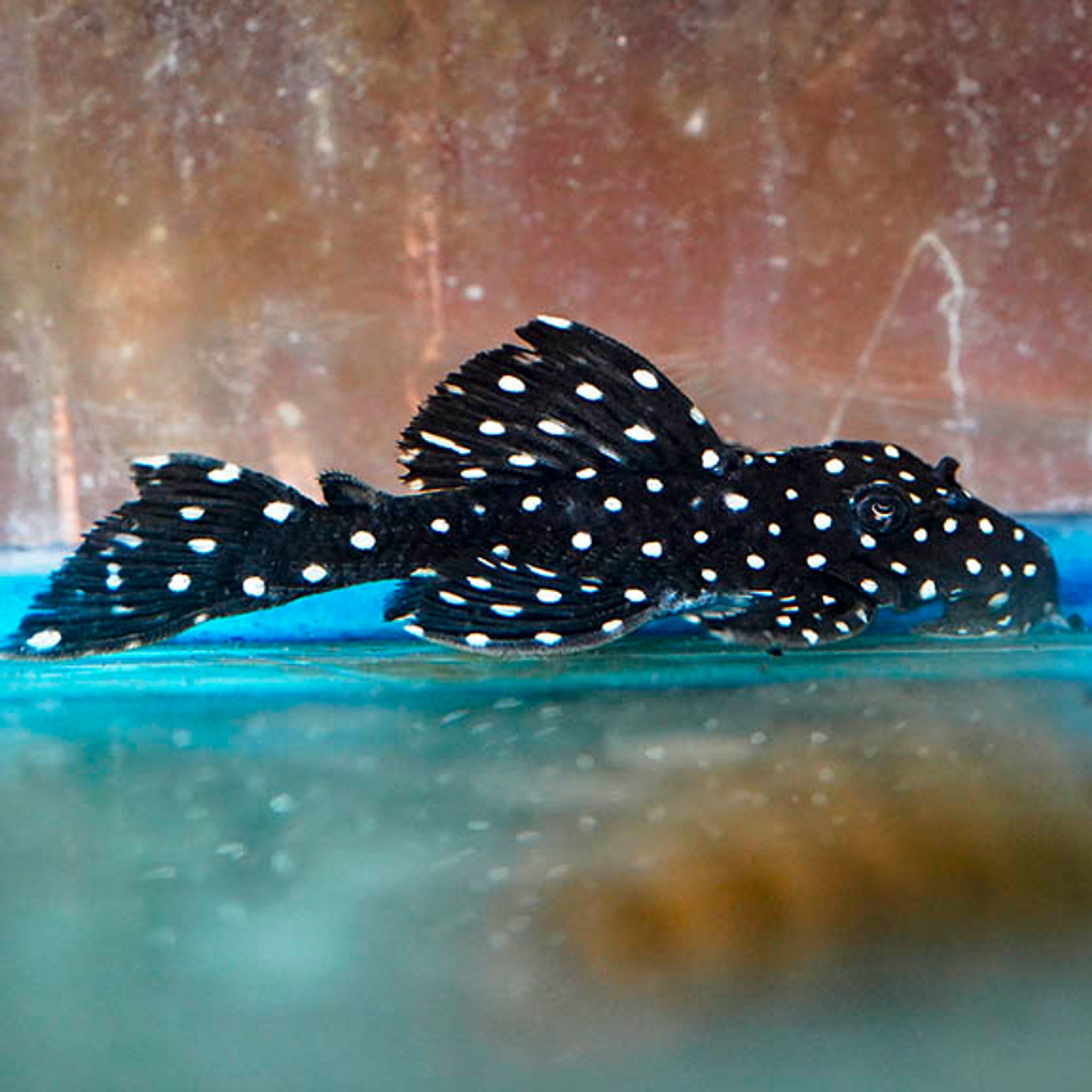

Best Tank Mates for Common Pleco: Compatible Fish and Species to Avoid
The best tank mates for a common pleco are sturdy, mid-to-upper-water fish that are too big to swallow and happy in the same warm water: silver dollars, larger rainbowfish, giant danios, big gouramis, clown loaches, and robust New World cichlids. Skip other large plecos, goldfish, discus, angelfish, and giant predatory catfish. None of these lists work unless the tank fits a fish that grows to 12–24 inches, so we cover tank size first.
What You Are Really Buying: Common Pleco Basics
"Common pleco" gets used for Hypostomus plecostomus, but most fish sold under that name in the US are actually sailfin plecos (Pterygoplichthys), and those get even bigger. Either way, you can expect the following:
- Adult size: usually 12–18 in (30–45 cm) in home aquariums, and up to about 24 in (60 cm). Stores sell them at 2–3 in (5–8 cm).
- Lifespan: 10–15+ years, and some pass 20.
- Behavior: a nocturnal grazer that works the bottom and the glass. Juveniles are peaceful. Adults get more territorial toward other bottom dwellers and other plecos.
- Diet: an omnivore, not an algae-only fish (more on that below).
Growth Over Time
| Stage | Typical length | Minimum housing |
|---|---|---|
| At purchase | 2–3 in (5–8 cm) | 75 gal (284 L) planned from day one |
| Around year 2 | ~10 in (25 cm) | 75 gal (284 L) as a temporary stage |
| Adult | 12–18 in (30–45 cm), up to 24 in (60 cm) | 125–180 gal (473–681 L), 6 ft (180 cm) footprint |
Tank Size and Water Parameters
Sources don't agree on the minimum tank. Some say 75 gallons, others say 150+. The practical answer: 75 gal (284 L) is fine only for a juvenile or sub-adult, and you should plan for a 125–180 gal (473–681 L) adult home with a 6-foot footprint. For a fish that lives on the floor, footprint matters more than height.
| Parameter | Target |
|---|---|
| Temperature | 72–86°F (22–30°C) |
| pH | 6.5–7.5 |
| Hardness | Soft to fairly hard, up to ~25 dGH |
| Ammonia / nitrite | 0 ppm |
| Nitrate | Under 40 ppm |
| Filtration | 4–5x tank volume per hour |
| Water changes | 30–50% weekly |
Bioload and Filter Math
Common plecos tolerate a wide range of water, but they produce a lot of waste. Think of one adult as the bioload of several medium fish, and stock the rest of the tank with that in mind. For filtration, multiply tank volume by 4–5: a 125 gal (473 L) tank needs roughly 500–625 gallons per hour of turnover, and a 180 gal (681 L) tank needs roughly 720–900 GPH. Splitting that across two filters gives you a backup if one fails.
How to Choose Tank Mates: Five Rules
Check every candidate against these five rules:
- Too big to swallow, at every stage. Size up to the pleco you'll have in two years, not the one you have today.
- Uses the mid or upper water. It shouldn't compete with the pleco for floor space and caves.
- Same temperature and pH needs. It has to fit the 72–86°F and 6.5–7.5 ranges above.
- Not flat-bodied and slow. A big pleco can rasp the slime coat off a slow, flat-sided fish at night.
- Not a fin-nipper or a bully. Skip fish that harass bottom dwellers.
Best Tank Mates for Common Pleco
| Tank mate | Water zone | Minimum context | Notes |
|---|---|---|---|
| Giant danio | Upper | Large tank | Fast, active, and too big for the pleco to bother |
| Boesemani / red rainbowfish | Mid–upper | Large tank | Colorful schoolers; keep in groups |
| Silver dollar | Mid | Large tank | Peaceful and deep-bodied; keep in groups |
| Tinfoil barb | Mid | Very large tanks only | Gets big, so plan the space for it too |
| Pearl, blue/opaline, moonlight gourami | Mid–upper | Large tank | The bigger gouramis, not dwarf types |
| Bala shark | Mid | Huge tanks | Needs swimming length |
| Clown loach | Bottom–mid | Large tank, groups | Give extra caves so they don't compete |
| Black skirt, Buenos Aires, Congo tetra | Mid | Large tank | The larger tetras only |
| Severum, firemouth, other mid-sized New World cichlids | Mid | Large tank | The pleco's armor handles cichlid attitude |
| Oscar | Mid | 125+ gal (473+ L) | Needs plenty of food and hiding spots |
If you're building a cichlid community, browse the American cichlids on FishyHub for severums, firemouths, and similar mid-sized options. For an active schooling layer, rainbowfish fill the upper water well.
Cichlids: Where Opinions Split
Some hobbyists call oscars, flowerhorns, and green terrors perfect pleco companions. Others say plecos belong only with peaceful community fish. Robust cichlids generally work in very large tanks because the pleco's armor protects it. Flowerhorns are the exception worth flagging, since their extreme territoriality makes them risky. Very aggressive adults like Midas or red devil cichlids may attack a resting pleco at night unless the tank is huge.
Small Schooling Fish: Acceptable, Not Ideal
Neon and ember tetras show up on some lists and not on others. Plecos don't hunt, so the risk is low. But tiny fish lose out at feeding time, and a large pleco may swallow a sick or dead one. They're fine alongside a juvenile pleco, but pick size-matched fish first.
Species to Avoid
- Other large plecos or sailfins: they fight over caves, which leads to torn fins and injuries from the cheek spines (odontodes).
- Red-tail catfish and other giant predatory catfish: too big and too predatory.
- Discus and angelfish: slow and flat-sided, and they're the classic victims of slime-coat rasping.
- Goldfish: they want cooler water, and they get rasped too.
- Very aggressive cichlids (adult Midas, red devil) unless the tank is very large.
- Puffers and fin or scale biters: they'll harass the pleco and anything slow.
Feeding and Setup for a Peaceful Tank
An underfed pleco is the most common cause of trouble. A pleco living on algae alone ends up with a thin belly and sunken eyes, and then it starts grazing on its tank mates' slime coats. Feed it on purpose:
- Sinking wafers or pellets as the staple.
- Blanched zucchini, cucumber, and peas several times a week.
- Occasional bloodworms or shrimp for protein.
- Driftwood to rasp, which also works as a hideout.
Feed at lights-out. Plecos are nocturnal, so food that sinks after dark goes to the pleco and doesn't get picked off by faster fish. This is also the best way to stop nighttime rasping. Give one cave or large piece of driftwood per bottom dweller, and keep a tight lid, because plecos can jump.
Common Mistakes and Troubleshooting
- A 3 in pleco in a 20–29 gal (76–110 L) tank "to eat algae." The result is stunting and more waste than the tank can handle. Choose a smaller species instead.
- Two large plecos sharing one cave. Expect fin damage and odontode wounds. Add caves or rehome one.
- A pleco latching onto discus or angels at night. Feed more vegetables at lights-out and add driftwood. Rehome the pleco if it keeps happening.
- A pleco stuck in the net. The spines snag on mesh, so herd it into a container instead.
- Rehoming an adult. Many stores won't take big plecos, so plan before you buy. Local aquarium clubs are often the best route, and some public aquariums take surplus fish. Never release a pleco into a waterway. They're invasive in Florida, Texas, Hawaii, and Puerto Rico, and releasing aquarium fish is restricted in many areas.
"Sucker Fish" Care and Tank Mates
"Sucker fish" is a catch-all name that covers plecos, otocinclus, and the Chinese algae eater. Identify your fish before choosing tank mates. Chinese algae eaters get aggressive with age and latch onto the flanks of other fish, so keep them away from slow or flat-bodied species.
Smaller Pleco Alternatives for 20–55 Gallon Tanks
Pleco species range from about 3 in (8 cm) to 24 in (60 cm), so plenty of them fit normal home tanks.
| Species | Adult size | Minimum tank | Notes |
|---|---|---|---|
| Bristlenose (incl. albino, longfin) | ~5 in (13 cm) | 30 gal (114 L) | The default "cleaner"; 72–82°F (22–28°C) |
| Queen arabesque L260 | 3–3.5 in (8–9 cm) | 20 gal (76 L), 36 in (90 cm) long | 75–86°F (24–30°C), pH 5.5–7.5 |
| Clown pleco L104 | Small | Nano/community tanks | Good for smaller setups |
| Zebra pleco L046 | Small | Community tanks | A showpiece species |
| Gold nugget (L018/L081/L177) | 6–9 in (15–23 cm) | 55 gal (208 L) | 73–79°F (23–26°C), pH 6.5–7.5 |
| Rubber-lip, royal, sailfin | Varies up to large | Check the species | Royal and sailfin need big tanks |
Gold Nugget Plecos
Gold nuggets are shy and more carnivorous than common plecos, so feed them meaty sinking foods along with vegetables. Tetras, danios, and gouramis make good mates. Keep one per tank unless the tank is huge.
Queen Arabesque L260
This small pleco likes high flow and a meaty diet. It gets along with tetras, rasboras, corydoras, and hatchetfish. Don't keep it with other Hypancistrus species, because they can hybridize.
Fish That Clean Tanks and Top Algae Eaters
No fish replaces gravel vacuuming. A "cleanup crew" only handles the edges. The bristlenose pleco is the standard pick, and corydoras, otocinclus, and nerite snails round it out. For algae specifically:
- Amano shrimp: tireless grazers of soft algae.
- Otocinclus: keep in groups of 5+.
- Siamese algae eater: one of the few that eats black beard algae, and it needs a large tank.
- Whiptail (Farlowella): needs pristine water.
- Nerite snails: won't breed in freshwater, so no population boom.
Algae is a sign that nutrients and light are out of balance. Fix the cause instead of just adding more grazers.
Frequently Asked Questions
Can a common pleco live with goldfish?
It isn't advised. Goldfish prefer cooler water than a tropical pleco needs, and a large pleco may rasp the slime coat off slow goldfish at night.
Can I keep two plecos together?
Two common plecos usually fight over caves as they grow. Mixing different, smaller species can work in a large tank with multiple caves and driftwood, as long as each fish has its own hideout.
Will a pleco eat my small fish?
Plecos rarely hunt live fish. They may eat dead or dying ones, and tiny fish mostly lose out at feeding time.
Is a pleco OK with bettas?
Only a juvenile, and only short-term. A common pleco outgrows any betta tank quickly, so a bristlenose or clown pleco is a better match for a betta setup.
Are oscars and plecos compatible?
Yes, in a tank of 125 gal (473 L) or more with plenty of food and hiding spots. The pleco's armor protects it from the oscar's rough behavior.
How many tank mates can I add?
Stock by bioload, not by head count. An adult common pleco counts like several medium fish, so leave room in your stocking plan and your filter capacity for it.
Find the Right Pleco or Its Companions
If your tank is under 125 gallons, a smaller species will be easier to keep happy than a common pleco. You can browse bristlenose, clown, and other species in FishyHub's Plecos, Corys & Bottom Dwellers collection, then add size-matched tank mates from the lists above.


