
Aquarium Hobby Statistics: 50 Facts About Fishkeeping
The US aquarium hobby, as seen on FishyHub's marketplace in 2026, is freshwater-led, growing in every livestock group, and surprisingly deep on the reef side. The fifty facts below are drawn from FishyHub's US listings, price tiers, buyer interest and search data, with general hobby knowledge added where it explains the "why". None of them are rankings or head counts: FishyHub reports tiers and directions, not figures.
Key Findings
- FishyHub data shows new US listings are rising in every freshwater and marine livestock group in 2026.
- FishyHub data shows freshwater livestock holds the larger share of US listings.
- FishyHub data shows corals, clownfish, gobies, tangs and wrasses have very high supply in the US.
- FishyHub data shows most small community fish are listed in the entry-level price tier in the US.
- FishyHub data shows halfmoon plakat bettas draw very high buyer interest from US users.
- FishyHub data shows marine fish make up much of the US collector price tier.
The Hobby at a Glance
- Freshwater livestock holds the larger share of FishyHub's US listings.
- Marine livestock is the smaller share, but it spans a broad range of fish families, corals and invertebrates.
- Every livestock group FishyHub tracks in the US shows rising activity against the year before.
- FishyHub sells through independent merchants, so US listings reflect many breeders and stores rather than one supplier.
- US buyers receive livestock through five delivery zones: Midwest & Central; East Coast & Northeast; South & Southeast; West Coast & Mountain West; and Alaska, Hawaii & territories.
- Live fish usually ship overnight in insulated boxes, with heat packs in cold months.
- Most tropical fish need a heater in American homes for at least part of the year.
Freshwater Facts
- Guppies and tetras both have very high supply on FishyHub in the US.
- Barbs, catfish and plecos also have very high supply.
- Goldfish have very high supply, matching their long history as a first pet.
- Discus have very high supply in the US and sit in the upper mid-range price tier.
- American cichlids and other cichlids have very high supply, while African cichlids have high supply.
- Neocaridina shrimp have high supply and sit in the entry-level tier.
- Freshwater shrimp as a group have very high supply.
- Halfmoon and halfmoon plakat bettas both have high supply.
- Crowntail, dumbo and veiltail bettas have limited supply in the US.
- Giant halfmoon plakats have limited supply, and demand for them clearly outpaces it.
- Arowana have limited supply in the US, with black and jardini arowana in the collector tier.
- Flowerhorn have high supply and sit in the collector tier.
- Gars, bass and knifefish appear in FishyHub's US monster fish listings.
Marine and Reef Facts
- LPS hard corals, SPS corals and polyps all have very high supply in the US.
- Mushroom and soft corals have high supply.
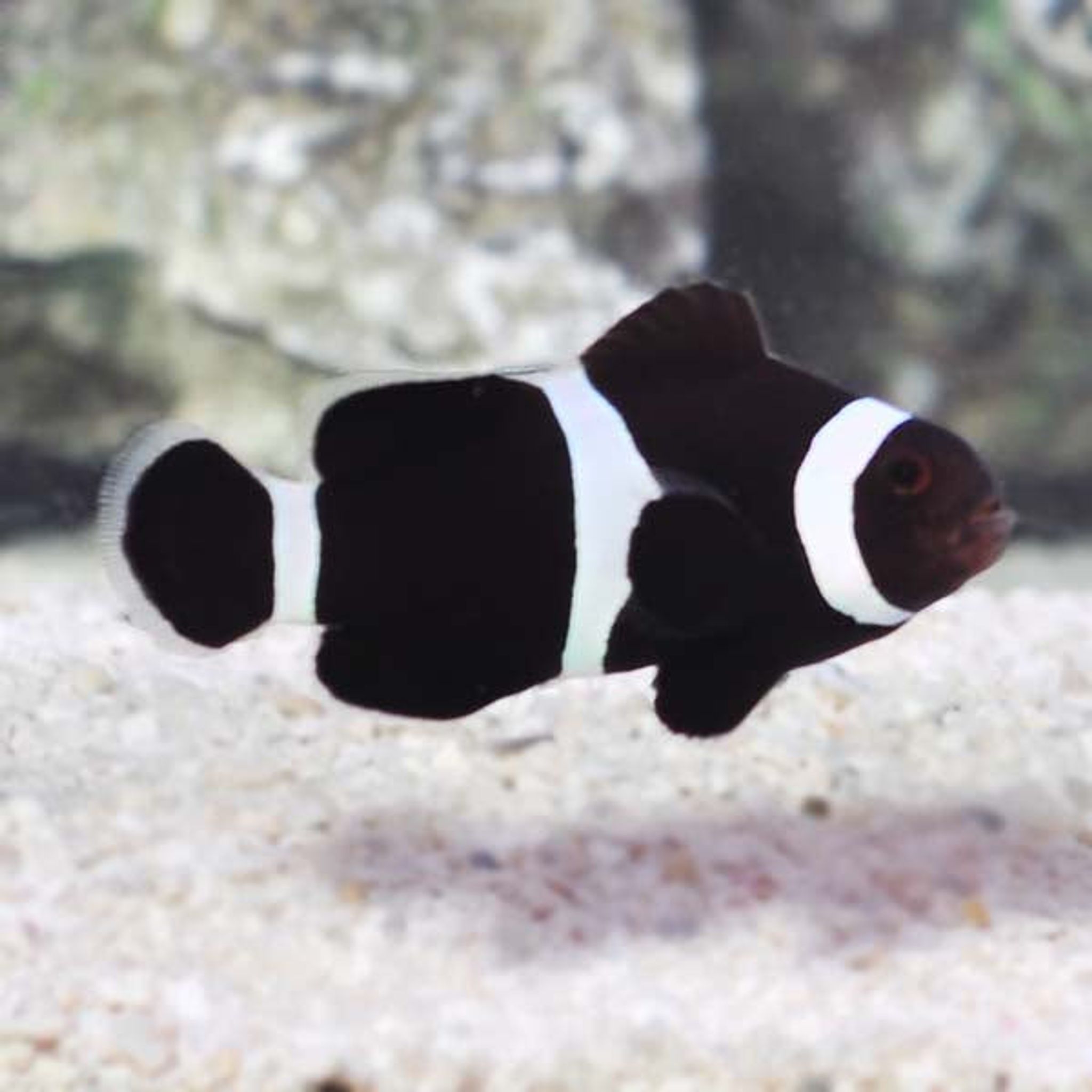
- Clownfish have very high supply, helped by captive breeding.
- Tangs and surgeonfish have very high supply and sit in the collector tier.
- Butterflyfish, gobies and wrasses also have very high supply.
- Seahorses, eels, rays and sharks are all listed in the collector tier.
- Tridacna clams, sea stars, marine shrimp and marine snails have high supply.
- Marine invertebrates as a group sit in the collector tier, though many individual groups are mid-range.
Price Facts
- Corydoras, danios, guppies, mollies, platies, rasboras, swordtails and tetras sit in the entry-level tier.
- Barbs, gouramis, loaches and rainbowfish are also entry-level.
- Angelfish, African cichlids, American cichlids and bettas as a group sit in the mid-range tier.
- Halfmoon bettas and giant halfmoon plakats sit in the upper mid-range tier.
- Halfmoon plakats sit in the mid-range tier, a step below halfmoons.
- Plecos sit in the upper mid-range, with a very wide spread from common to rare forms.
- Goldfish, flowerhorn and freshwater puffers all have very wide price spreads.
- Clownfish have a very wide spread, from common ocellaris to designer morphs.
- Dwarf angelfish and large marine angelfish both sit in the collector tier.
- Prices are driven by breeding difficulty, wild collection, size and age, and the grade of a particular fish.
Buyer Interest and Search Facts
- Halfmoon plakat bettas have very high buyer interest among FishyHub's US users.
- Halfmoon bettas have high buyer interest, and their supply and demand are balanced.
- Giant halfmoon plakats have moderate interest but limited listings to meet it.
- FishyHub search data shows very high search interest in bettas, guppies, tetras, plecos, shrimp and snails.
- Arowana, channa, flowerhorn, gar and bichir also draw very high search interest.
- Axolotls, isopods, jellyfish and opae ula draw high search interest, showing curiosity beyond fish.
- Shoppers also search for equipment terms such as "tank", "filter" and "driftwood".
Trend Facts for 2026
- Reef activity is rising in every coral and marine fish group FishyHub tracks in the US.
- Freshwater activity is rising too, from community fish to monster fish.
- Bettas are the clearest example of buyer interest running ahead of listings.
- Nano-friendly species such as shrimp, rasboras and snails are widely listed at entry-level prices.
- Oddball and non-fish pets feature heavily in FishyHub Feed videos, reflecting wider interest in unusual aquatic animals.
Why These Patterns Exist
Freshwater leads because it is cheaper and simpler to start: tap water, a heater and a filter are enough for most community fish. The reef side is deep because American reef keepers have built a strong culture of growing and trading coral frags, and because captive-bred marine fish such as clownfish are now common. Prices follow effort: fish that breed easily in farms stay cheap, while fish that are wild-collected, slow-growing or bred to strict show standards cost more.
Methodology
These facts come from FishyHub marketplace activity in the US over the period from October 2024 to October 2026: active listings, listed price tiers and spreads, buyer interest from FishyHub users (wishlists, likes and "my tank" saves), new listings over time, search terms and FishyHub Feed video categories. All are reported as tiers and directions, not figures.
The US marketplace is new, so it has no order history in this data, and buyer interest is reported only for bettas. Search terms combine the US and Singapore markets. FishyHub does not measure how many Americans keep fish, total spending, or state-level activity. Shipping and climate facts draw on general hobby knowledge.
Frequently Asked Questions
What are some interesting facts about fishkeeping?
On FishyHub's US marketplace, freshwater holds the larger share of listings, yet reef corals have very high supply, and activity is rising in every livestock group.
Is the aquarium hobby growing?
FishyHub's US listings are rising across every freshwater and marine group in 2026, which points to a growing online market for live fish.
What are the cheapest aquarium fish?
Corydoras, danios, guppies, mollies, platies, rasboras, swordtails and tetras all sit in FishyHub's entry-level tier in the US.
What are the most expensive aquarium fish?
FishyHub's US collector tier includes arowana, flowerhorn, tangs, dwarf and large marine angelfish, seahorses, eels, rays and sharks.
How to Cite This Page
Source: FishyHub, "Aquarium Hobby Statistics: 50 Facts About Fishkeeping" (2026), https://fishyhub.com/us/blogs/blog-detail/aquarium-hobby-statistics-50-facts-about-fishkeeping


