1–36 of 36
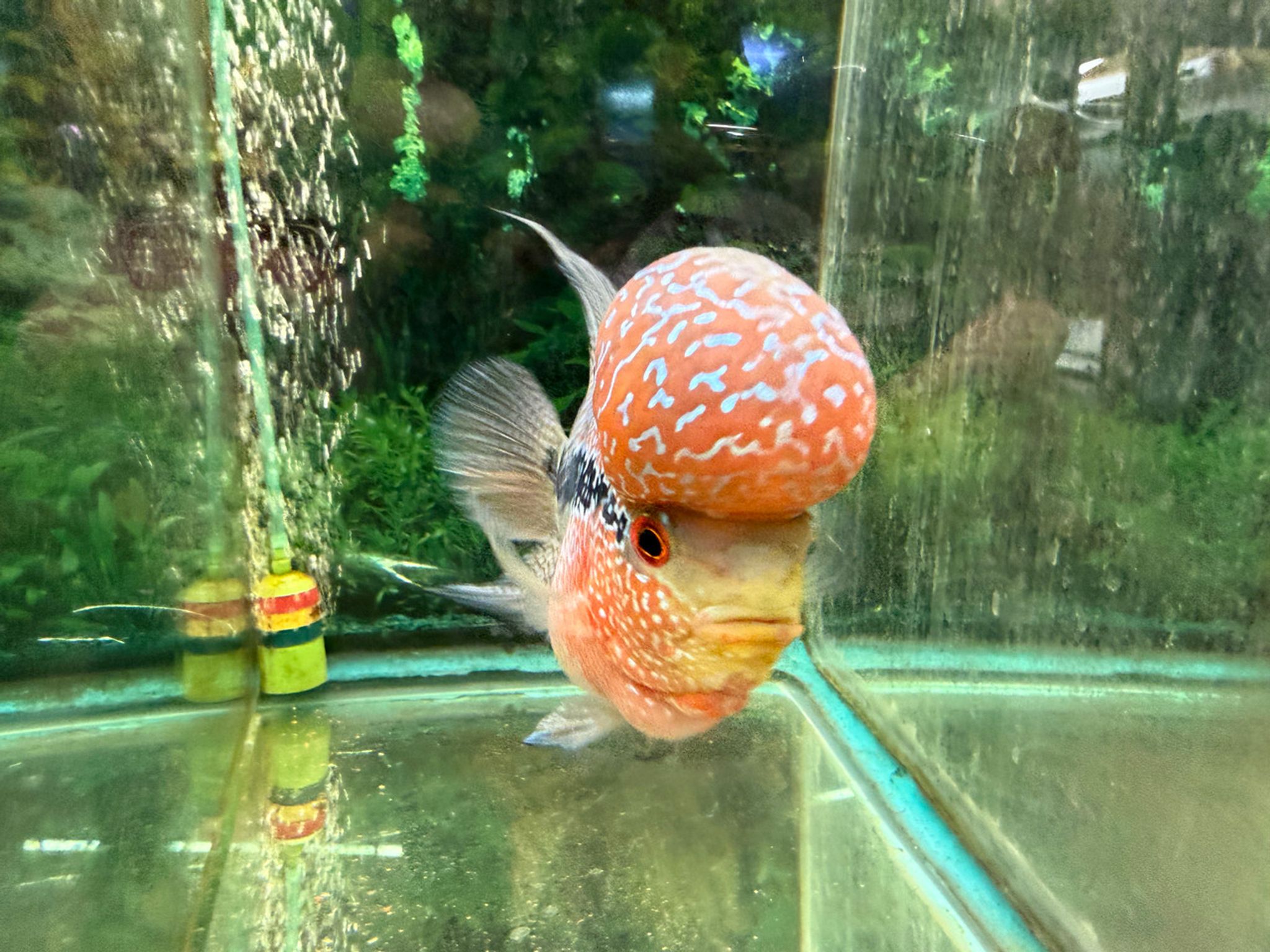
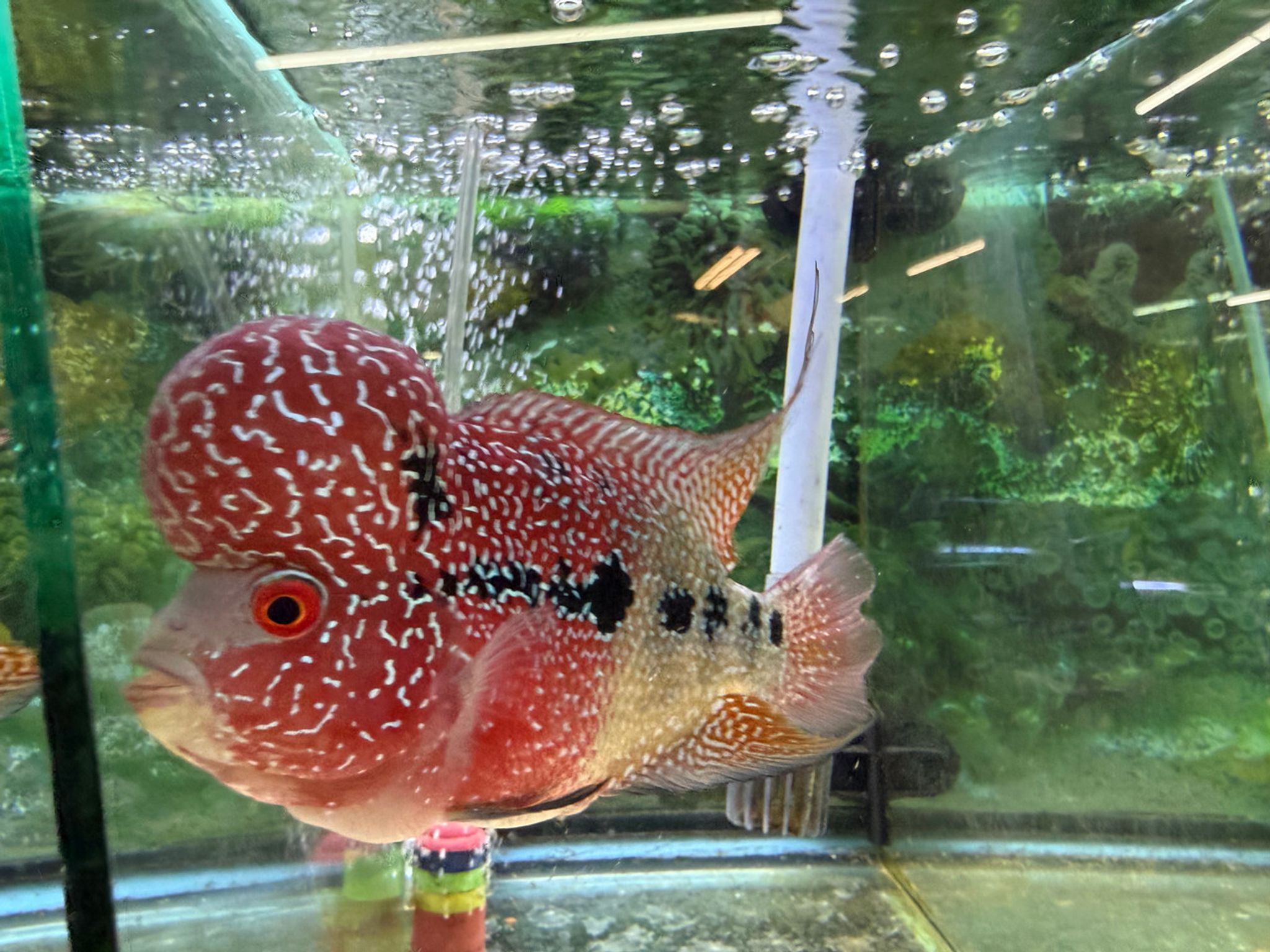
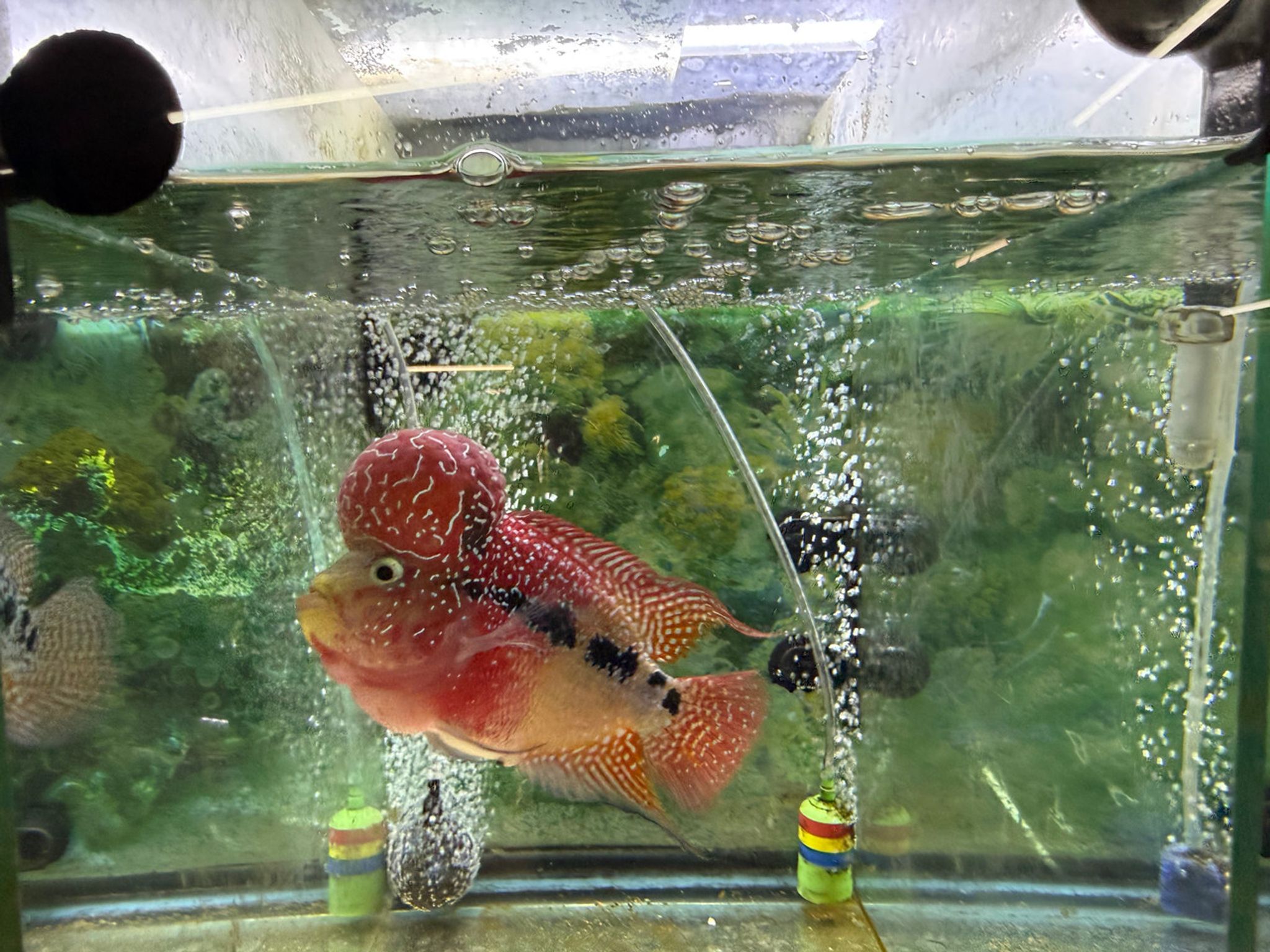
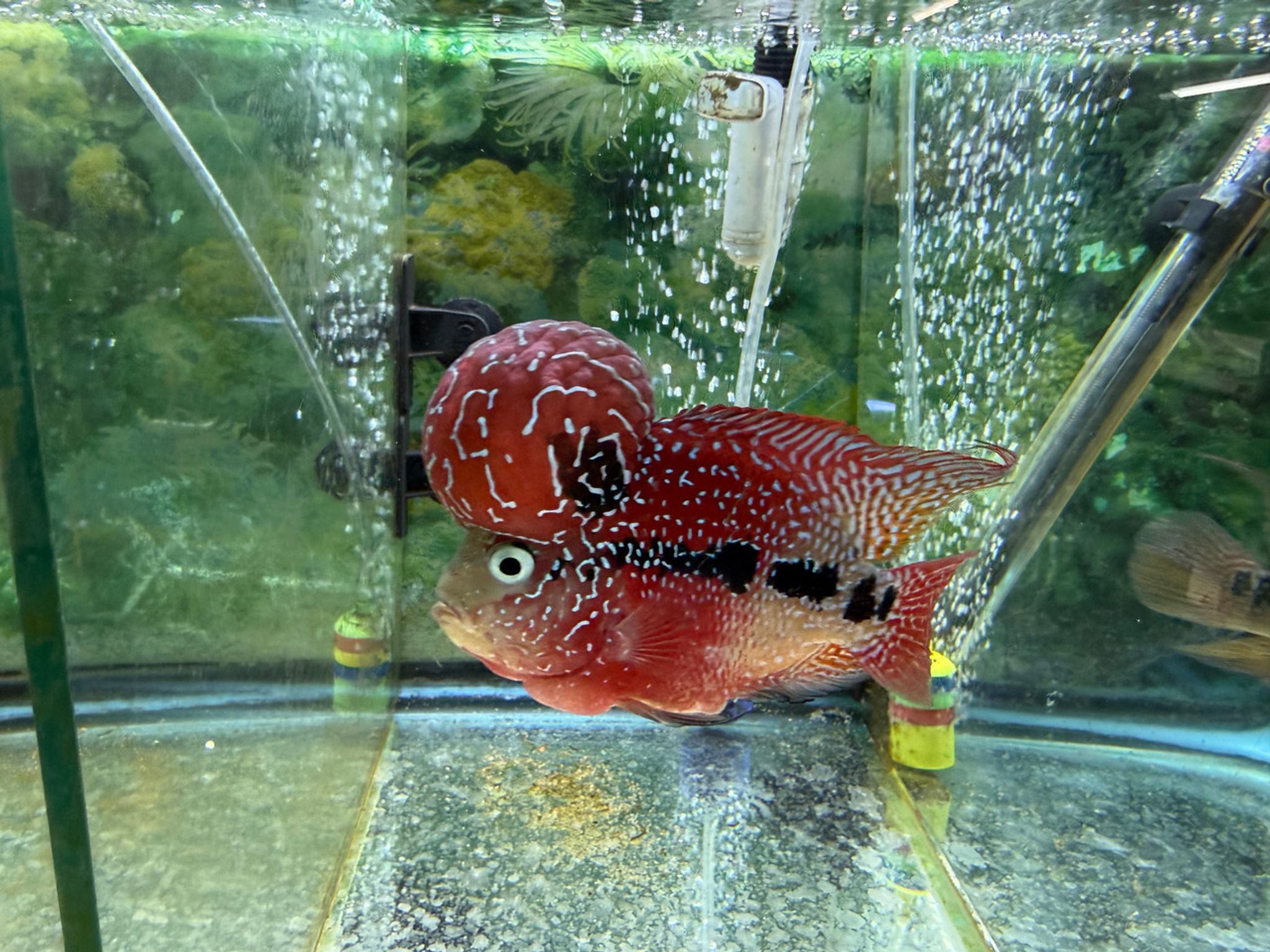
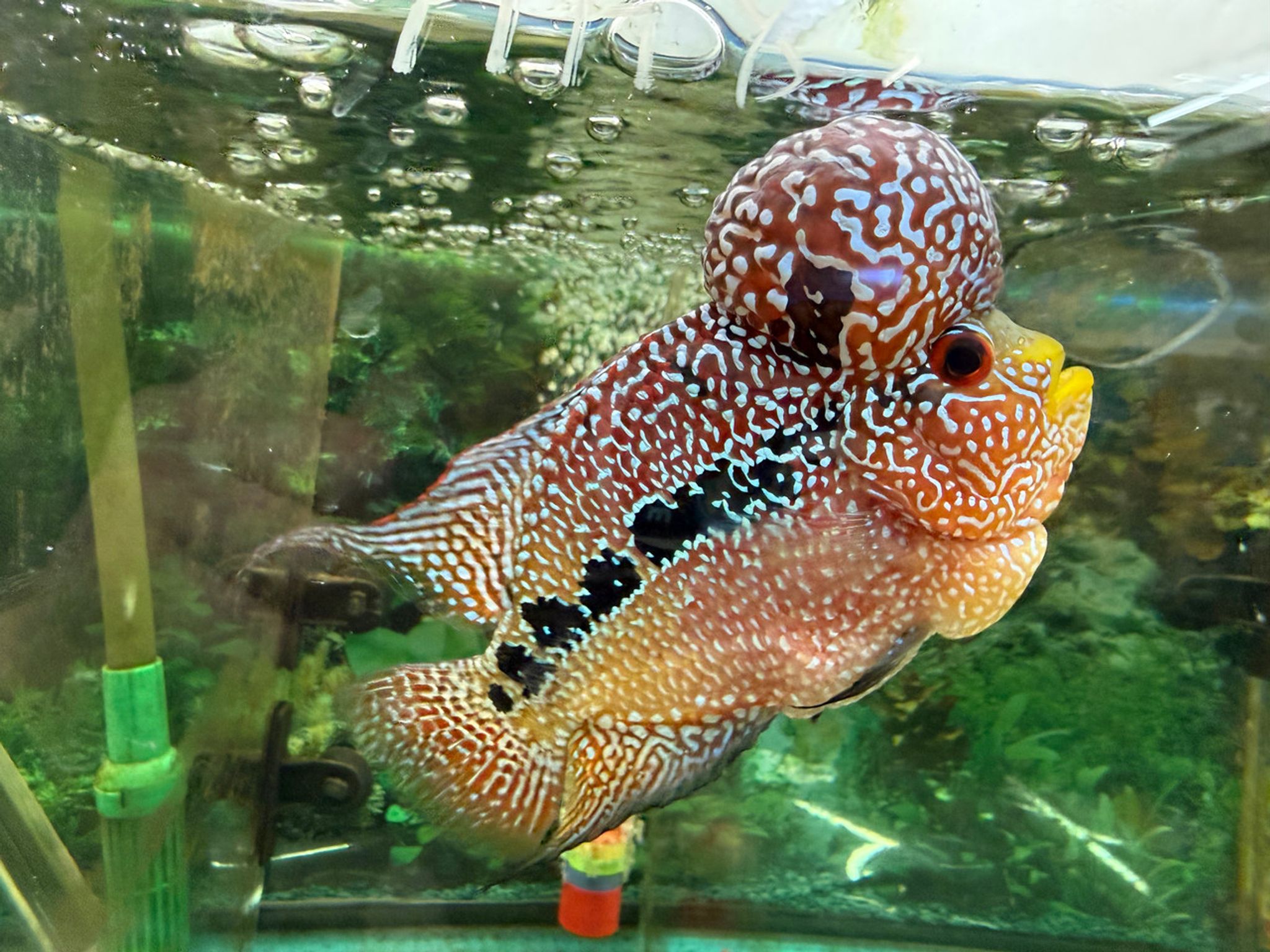
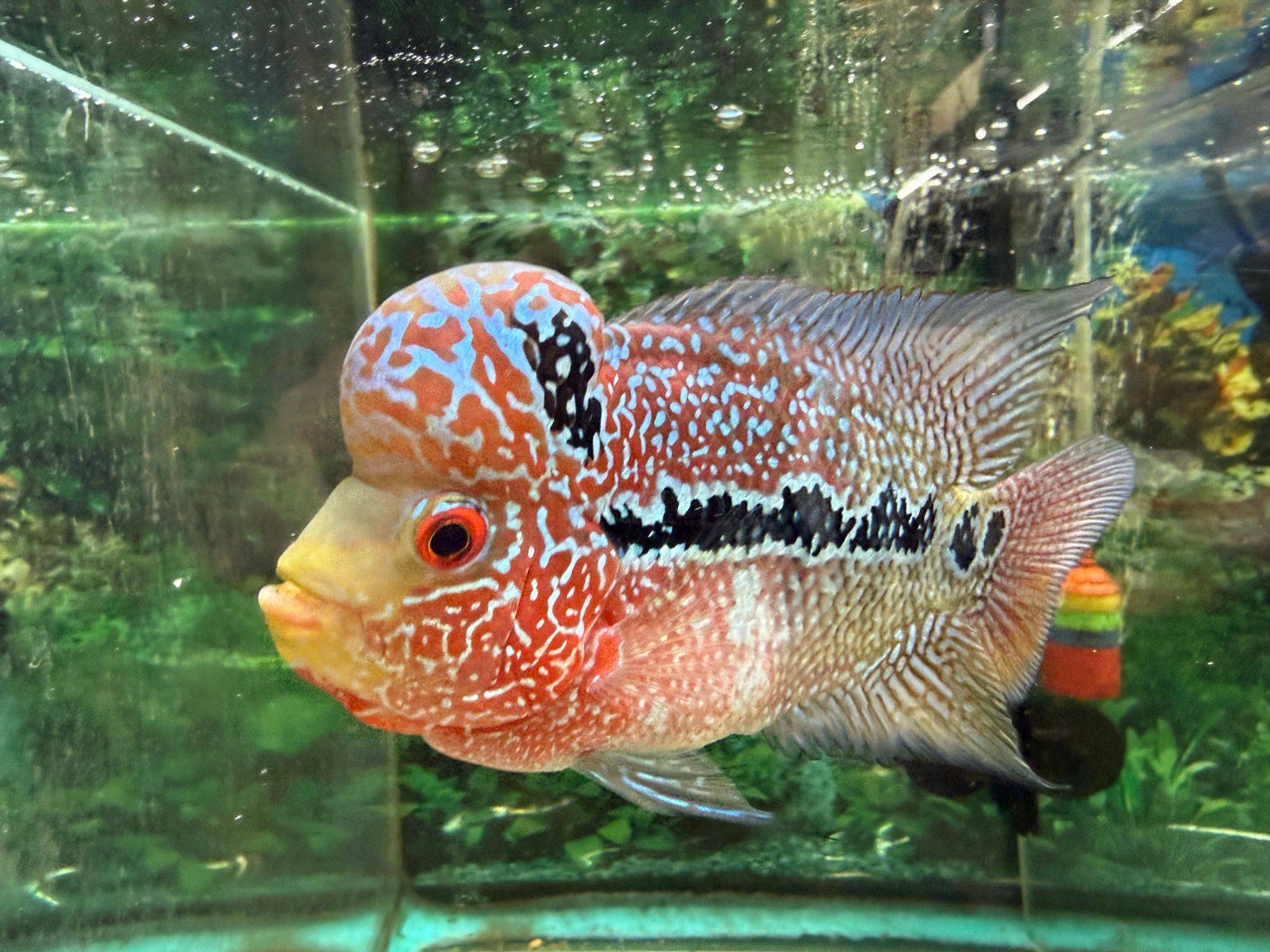
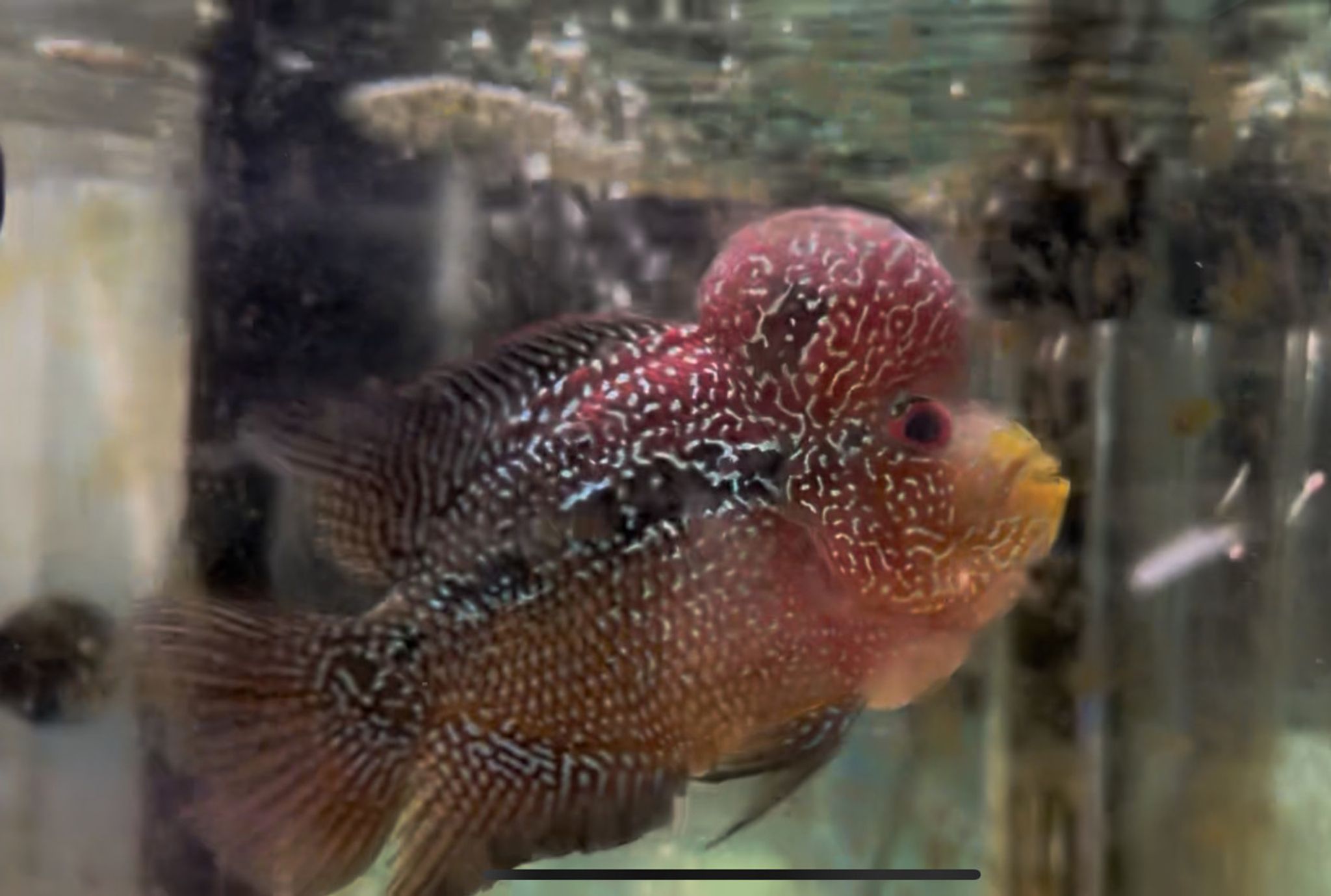
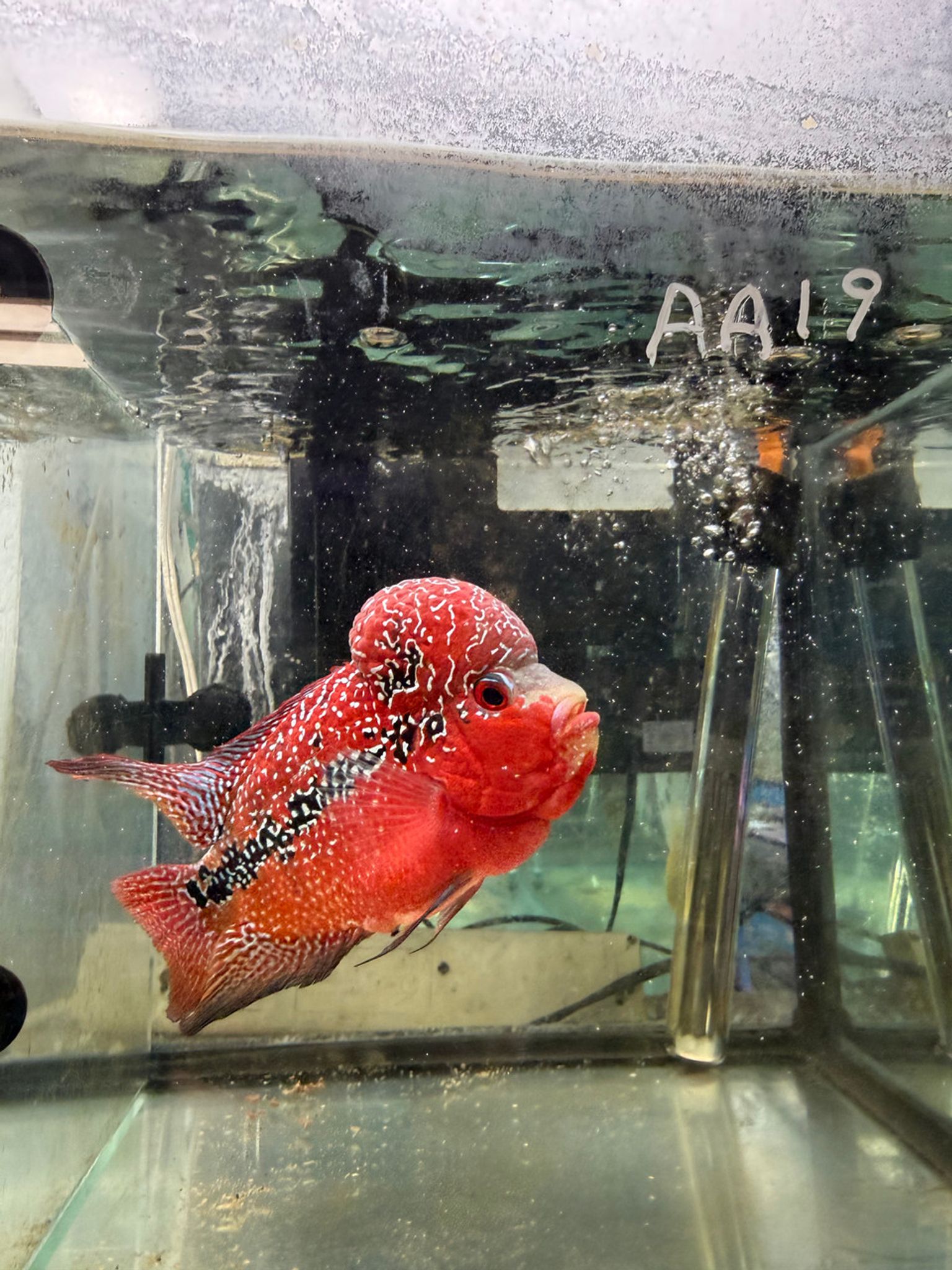
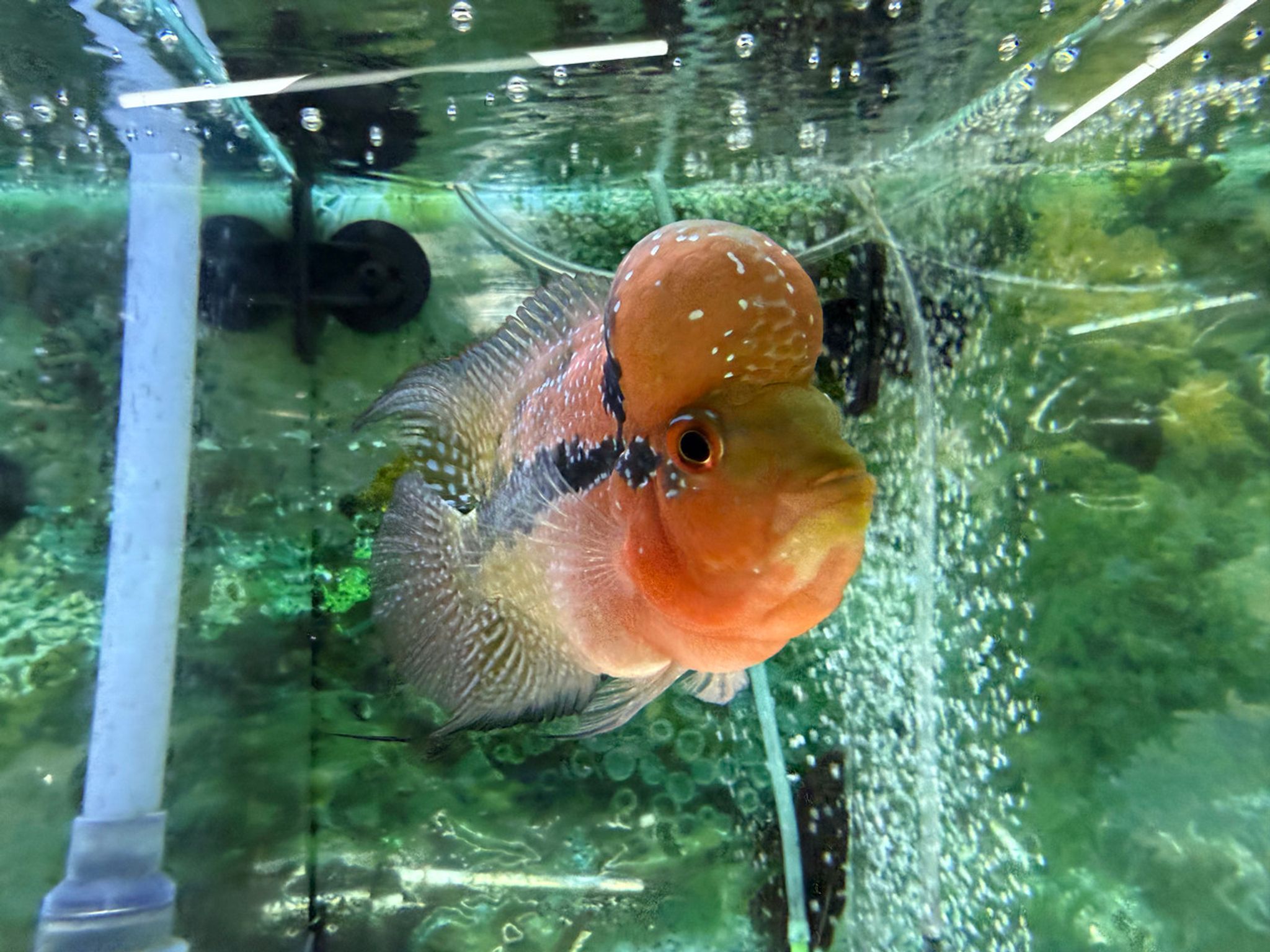
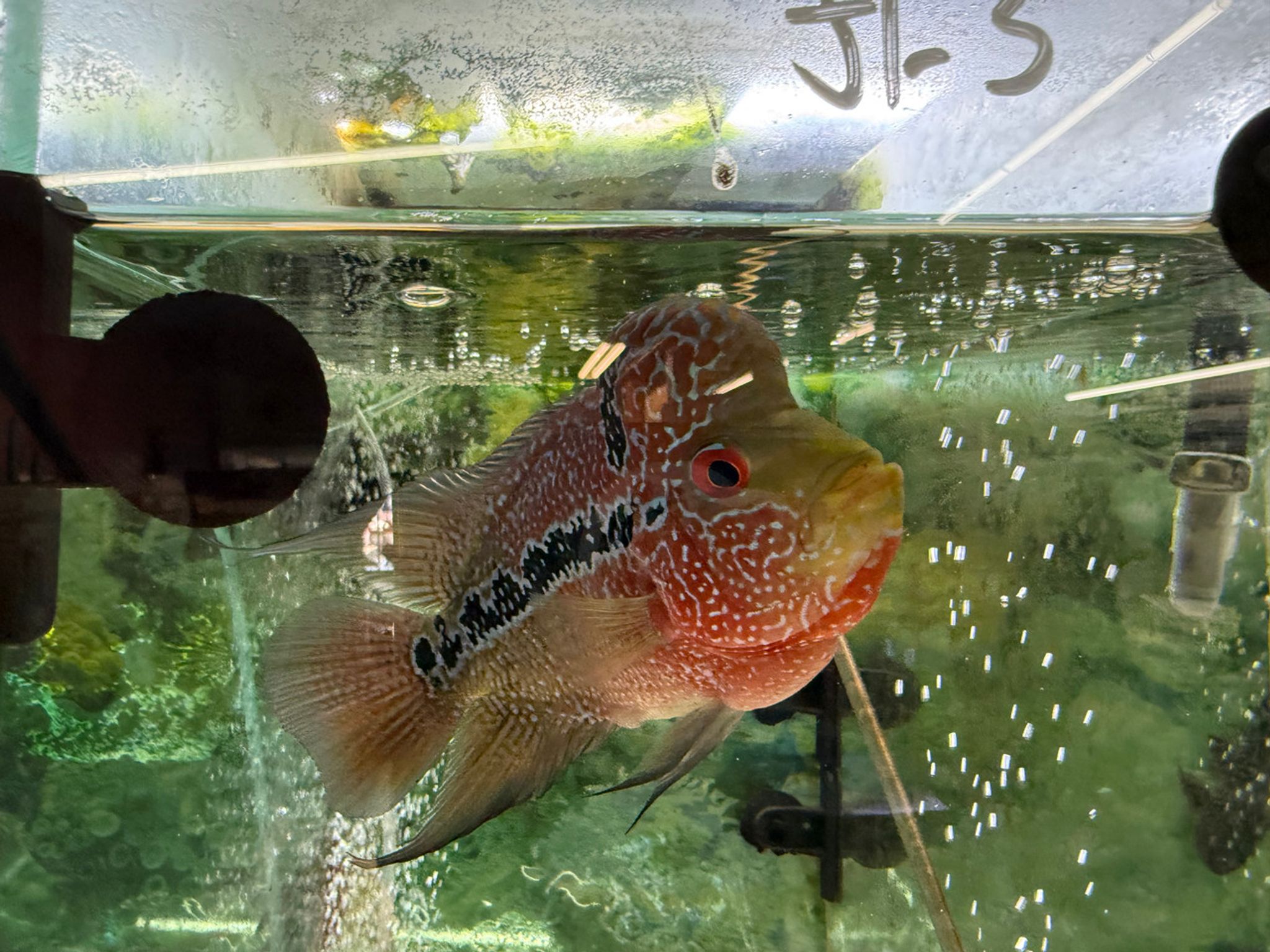
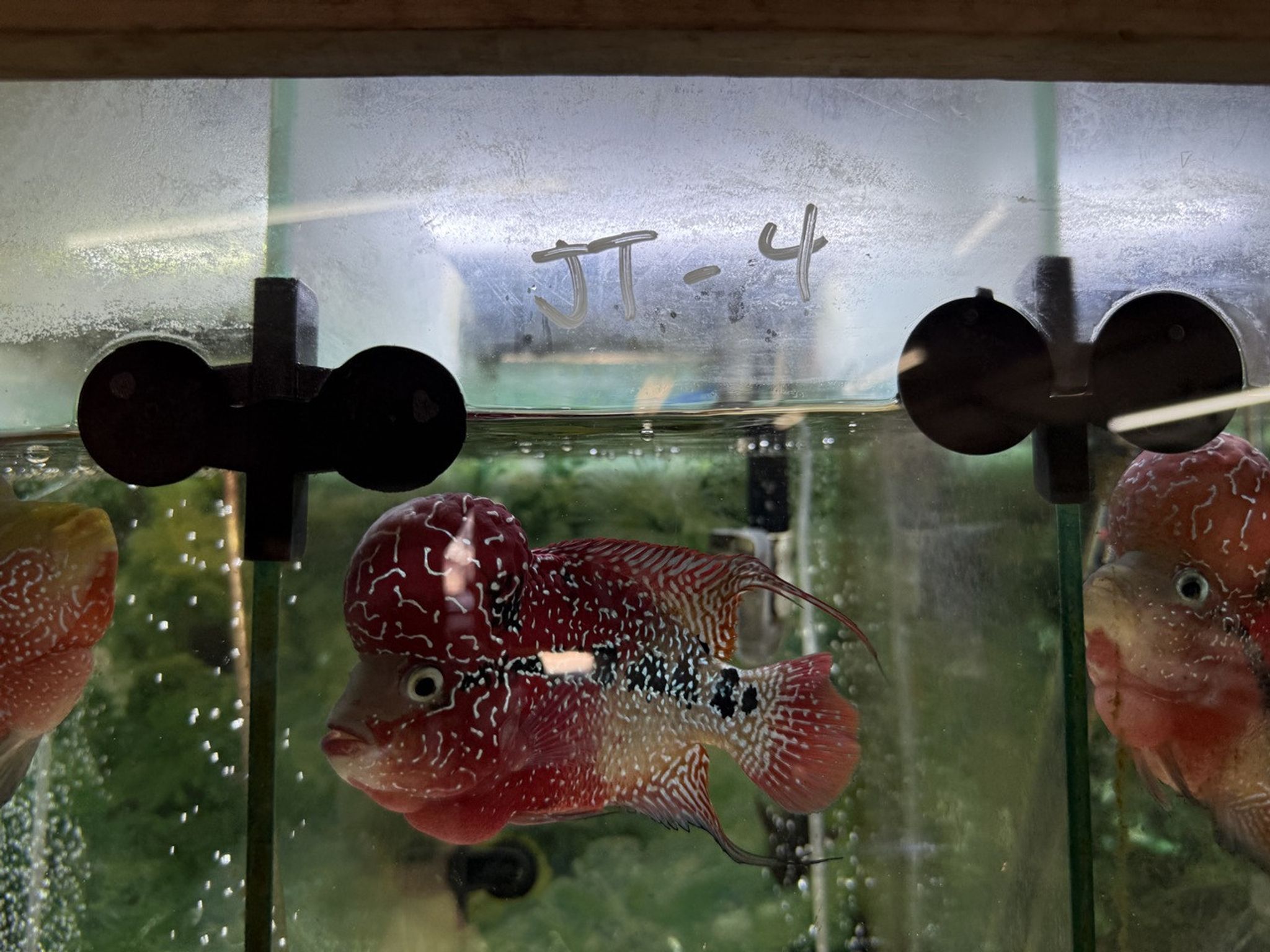
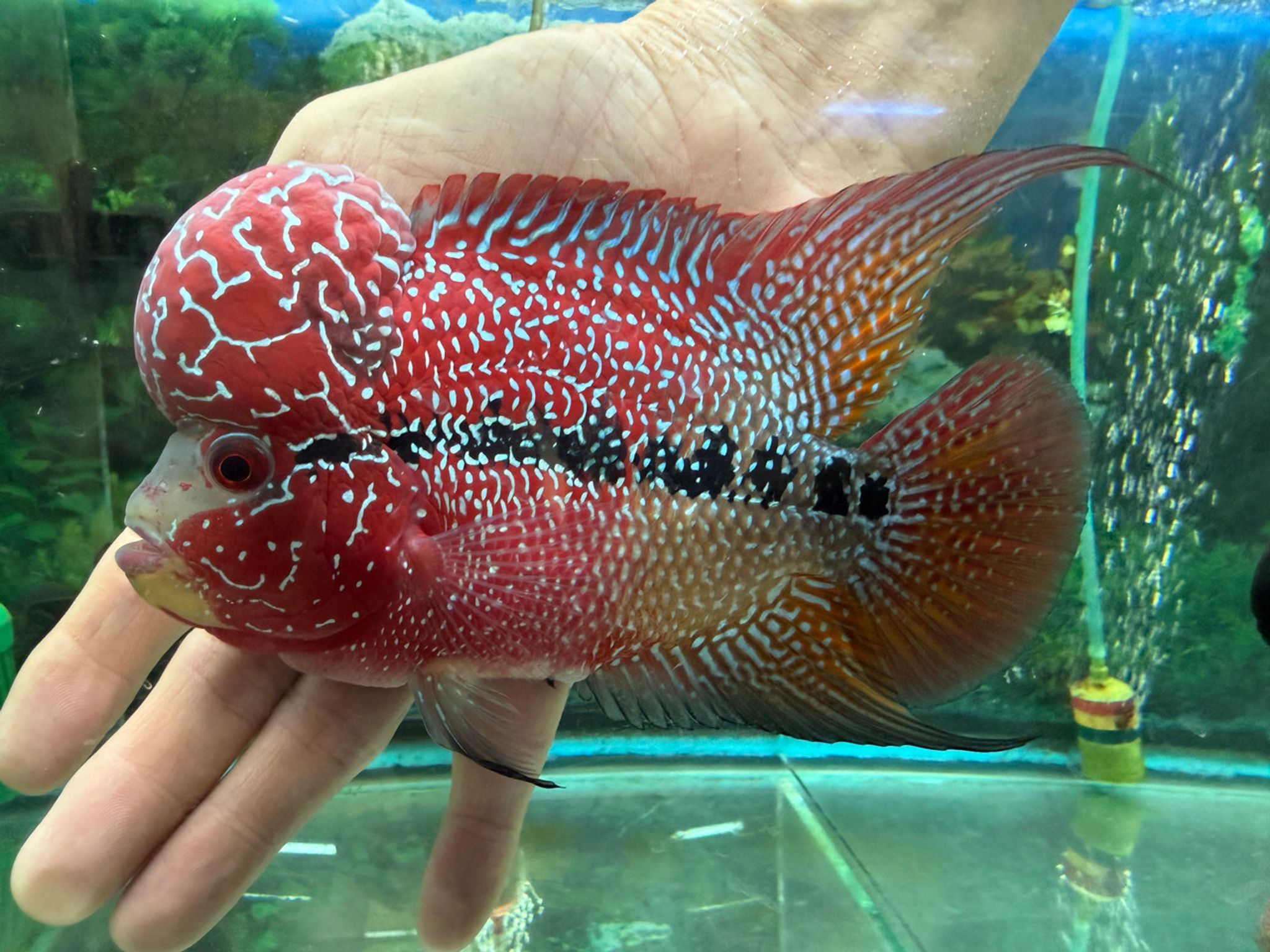
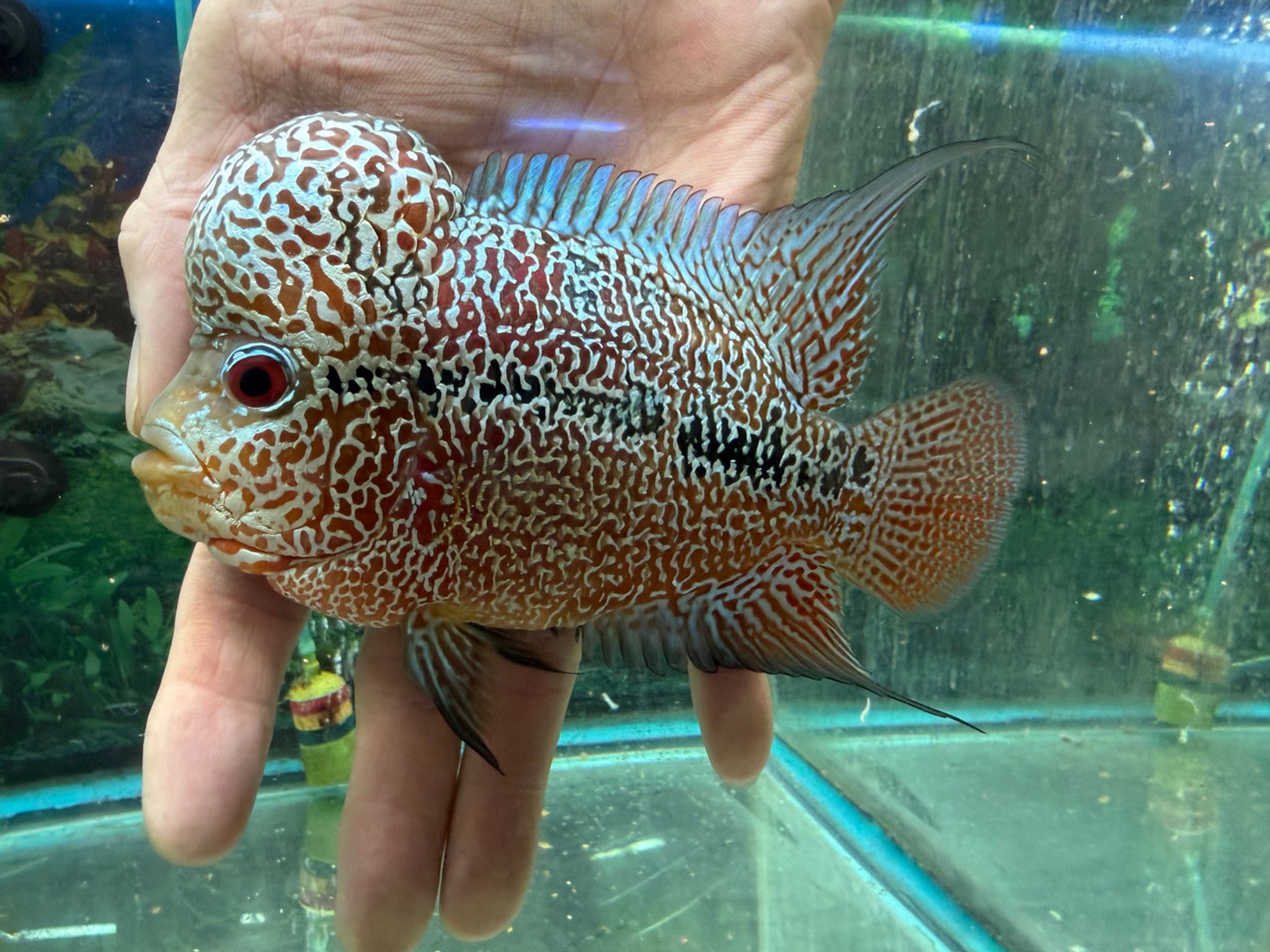
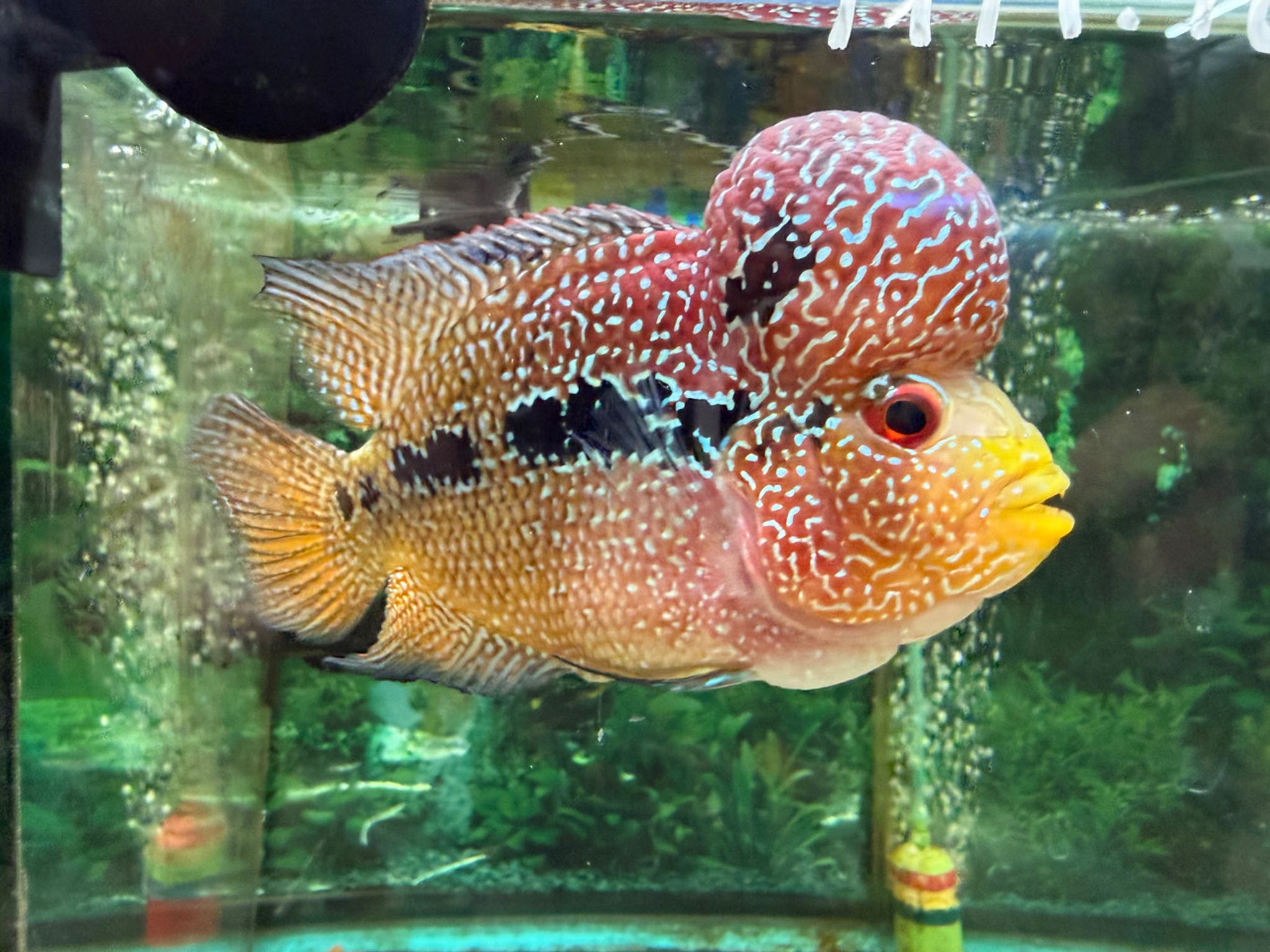
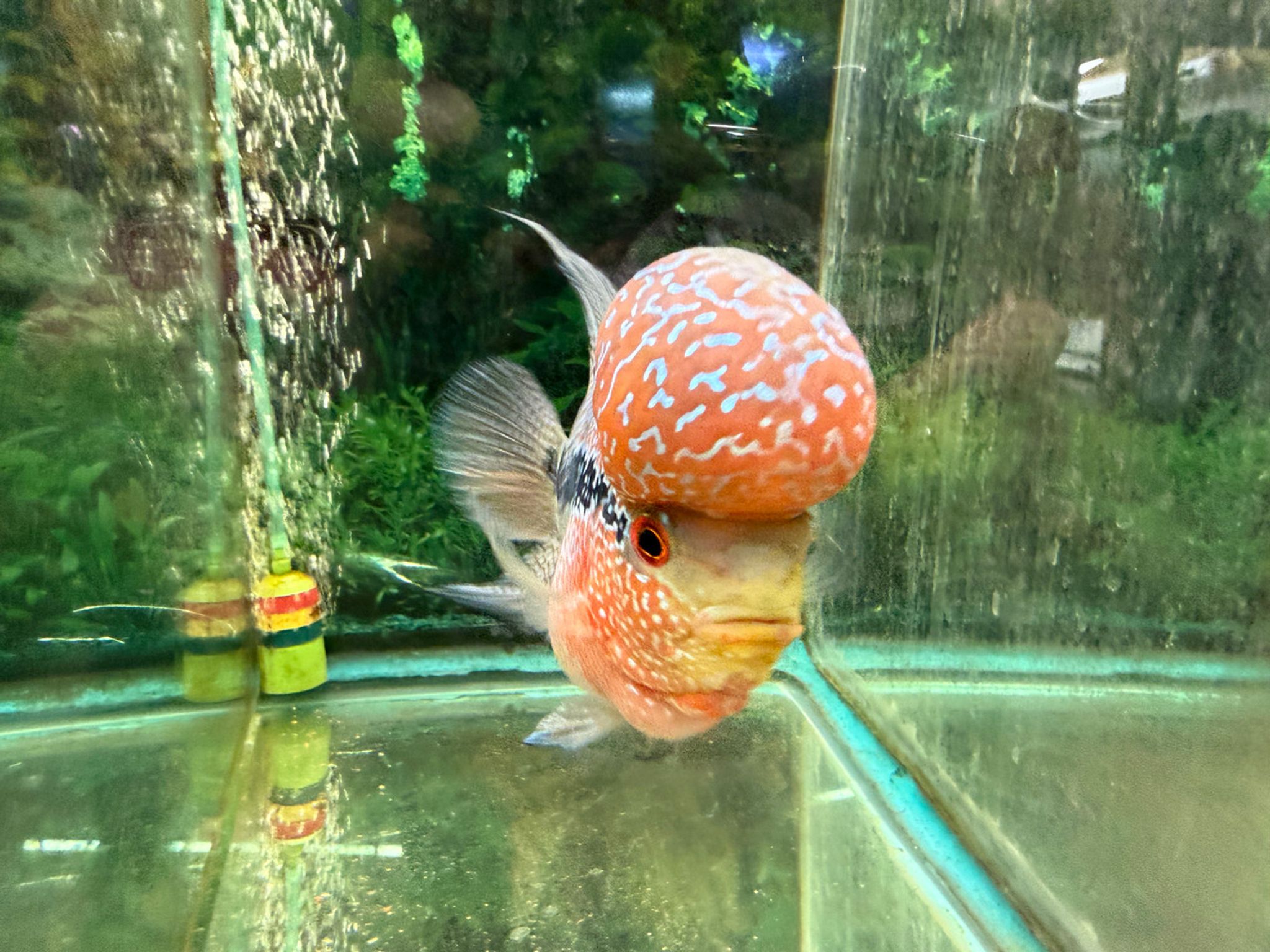
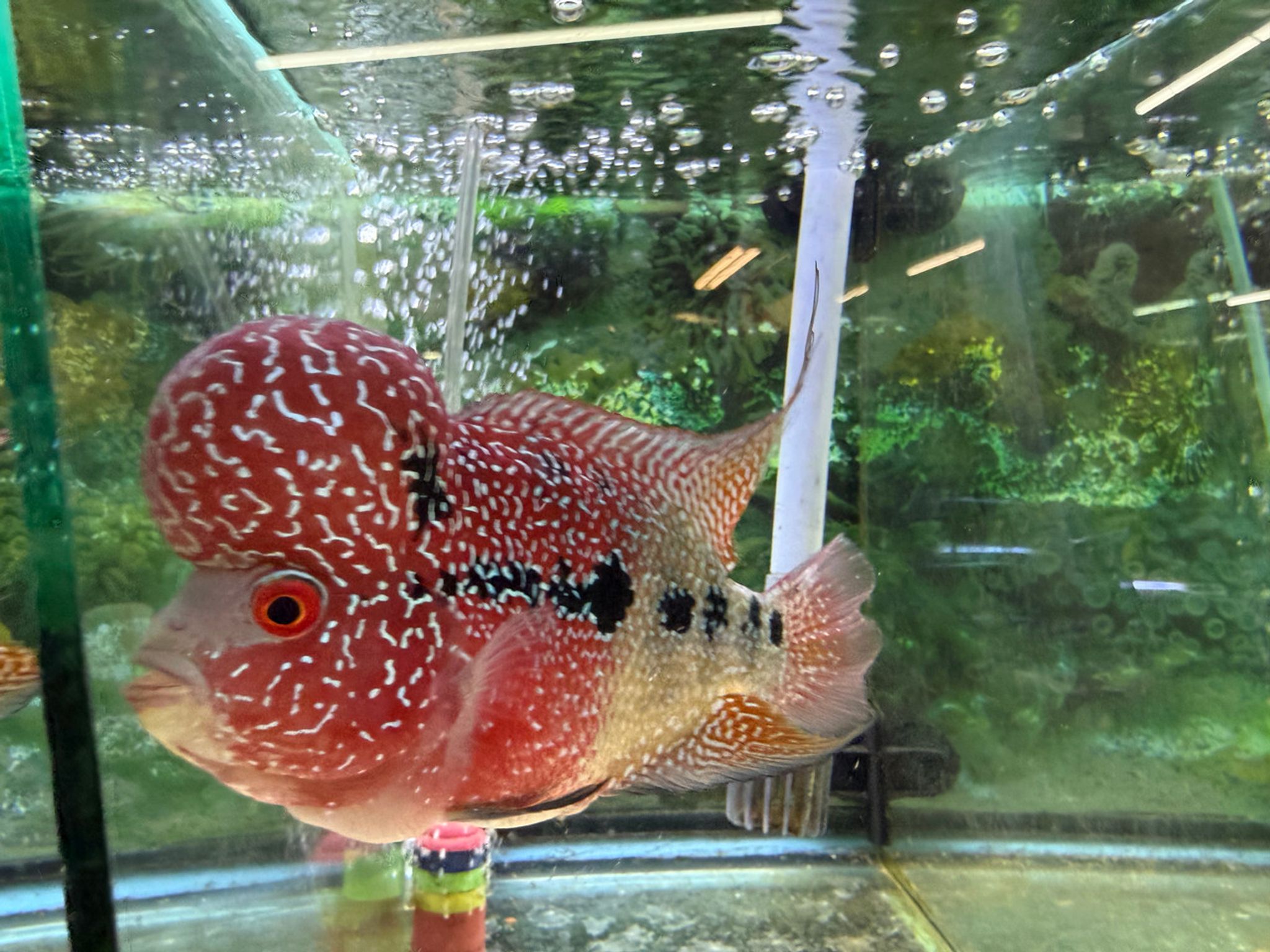
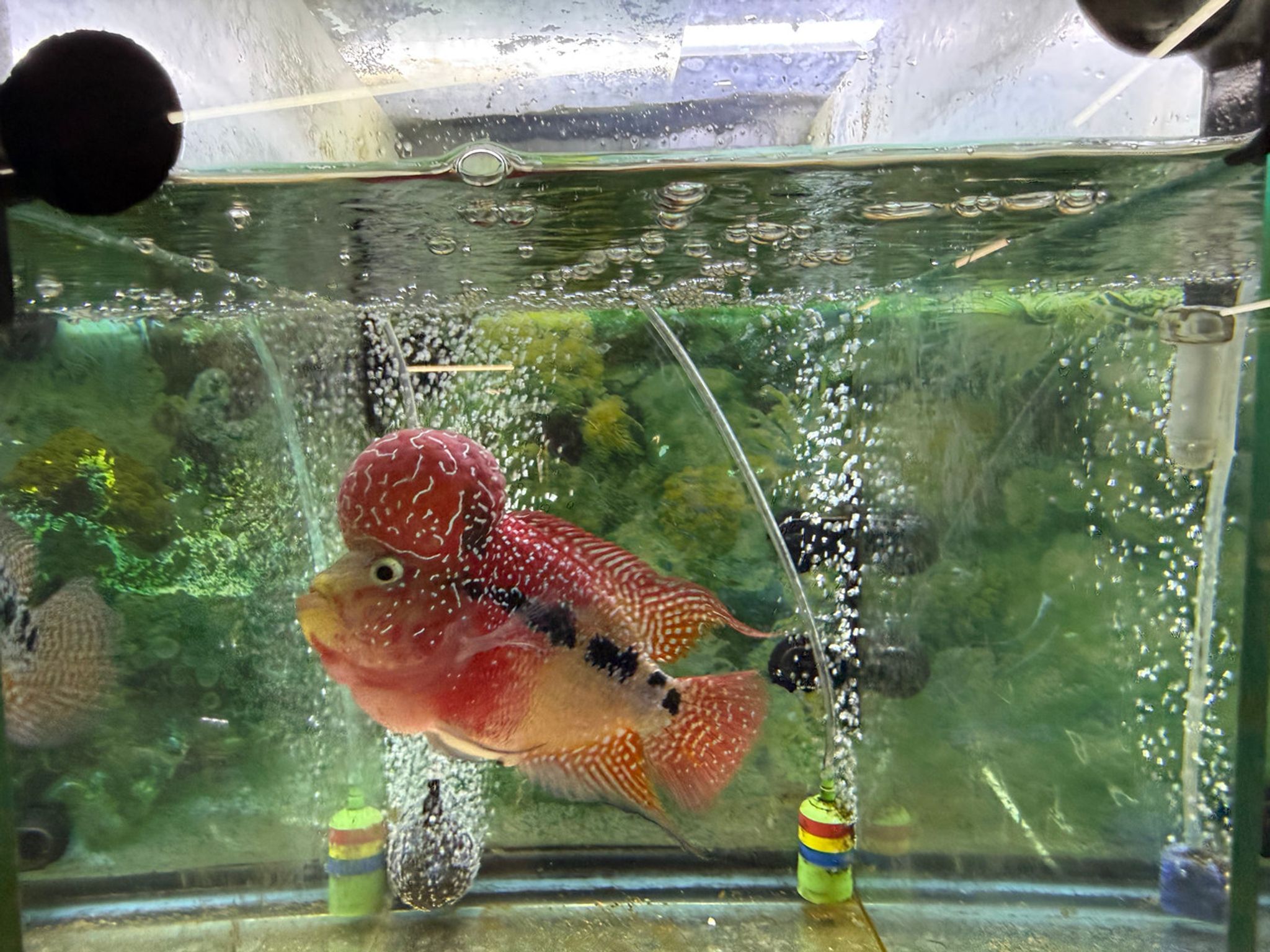
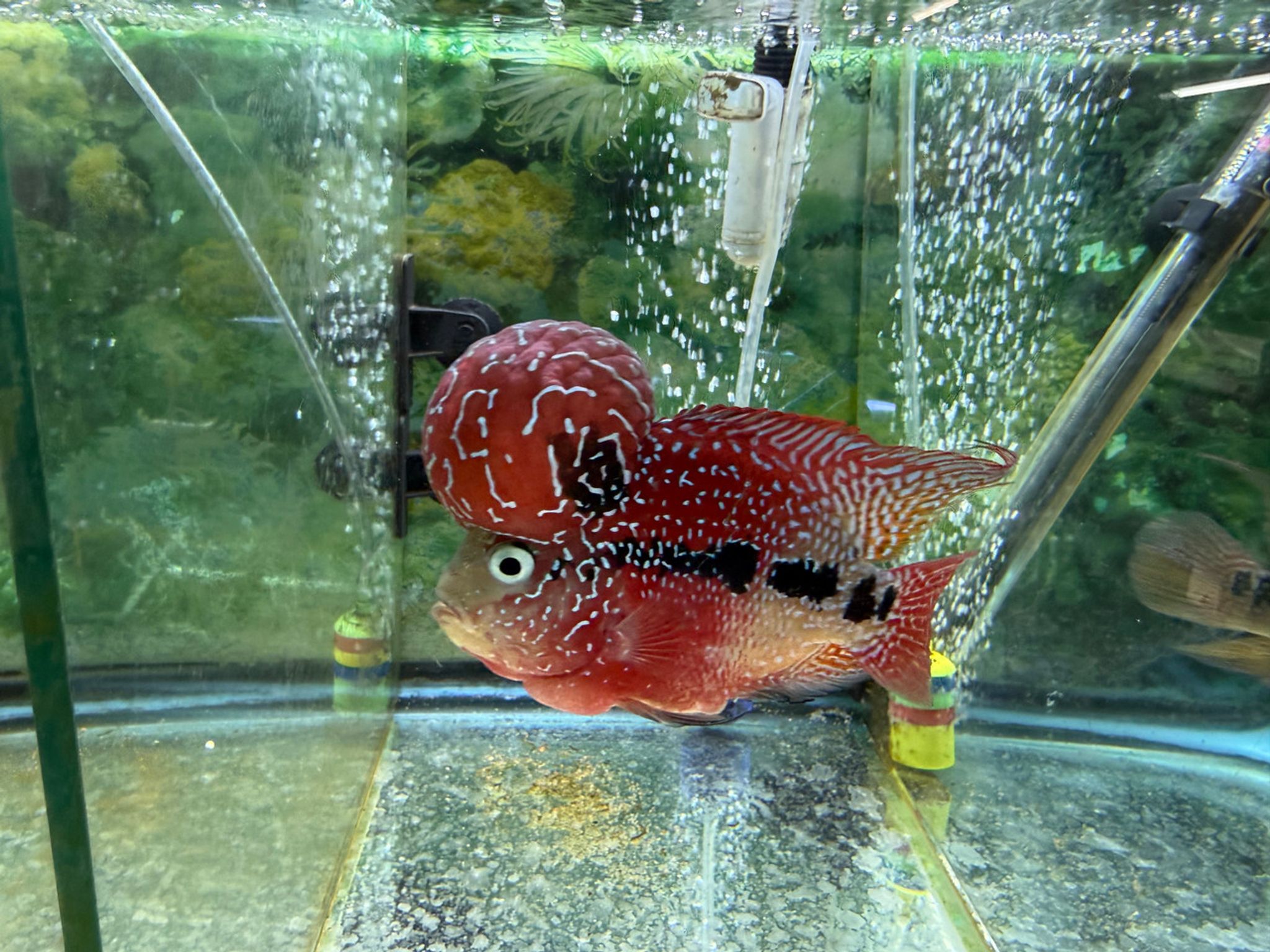
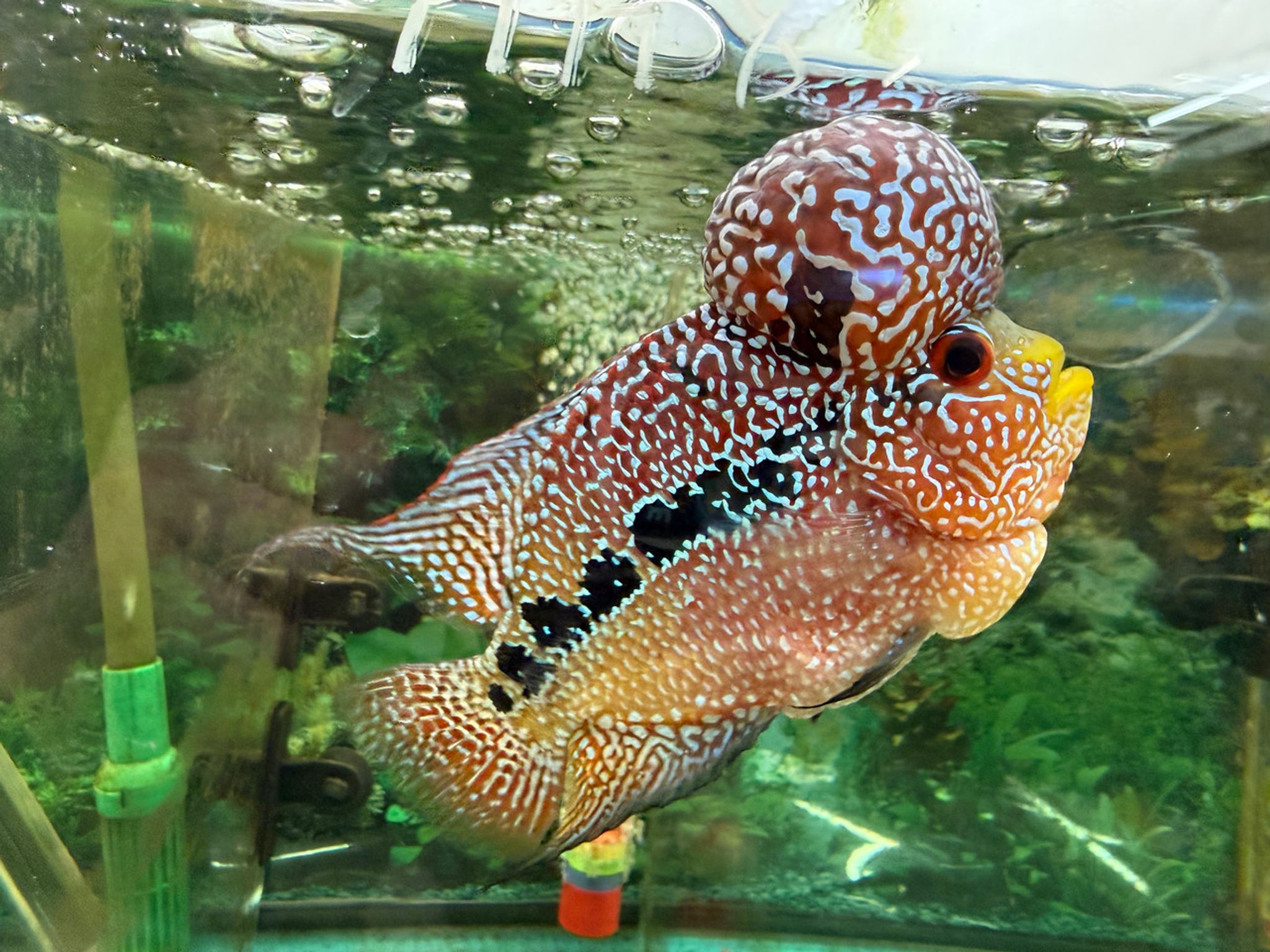
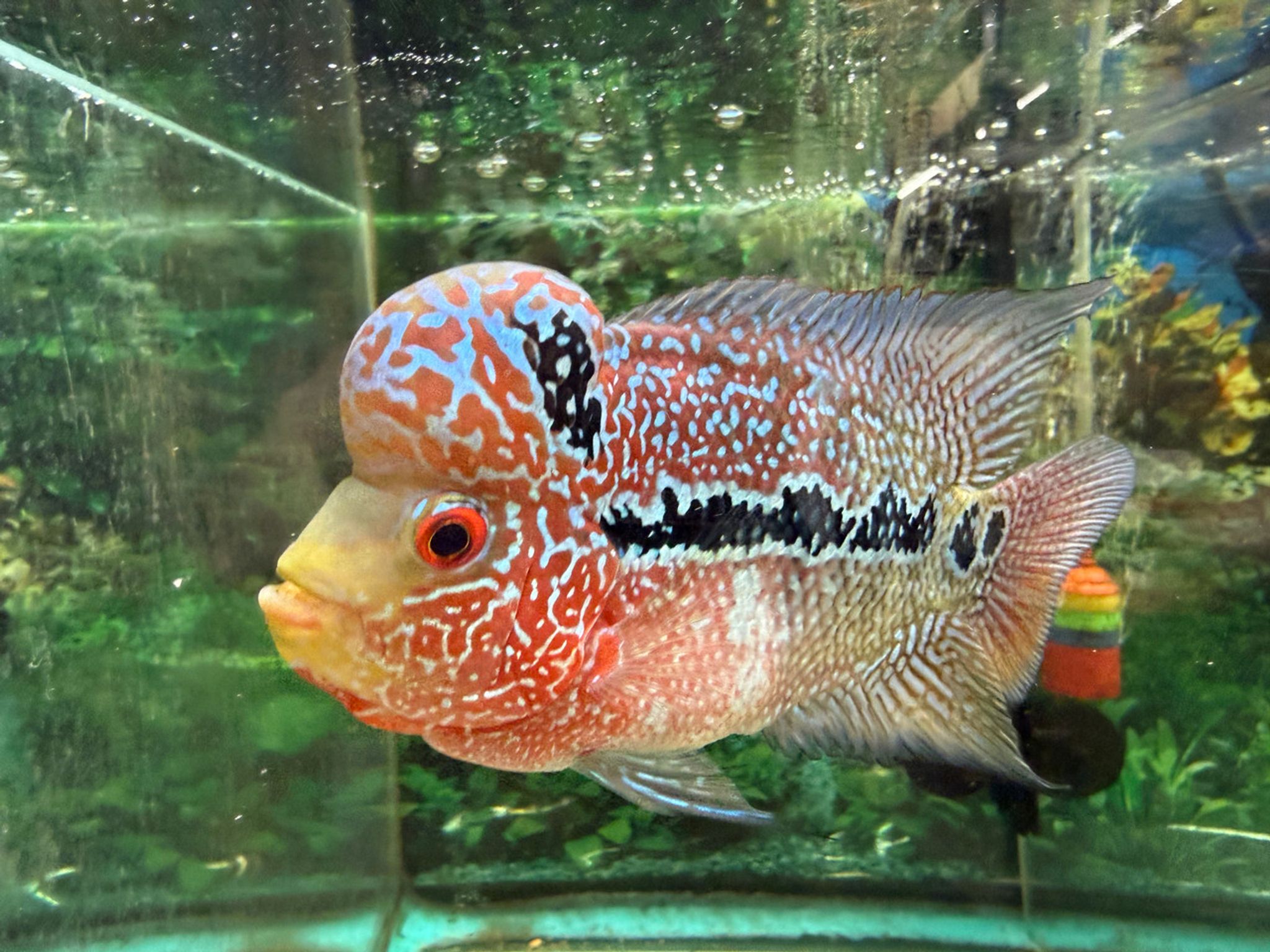
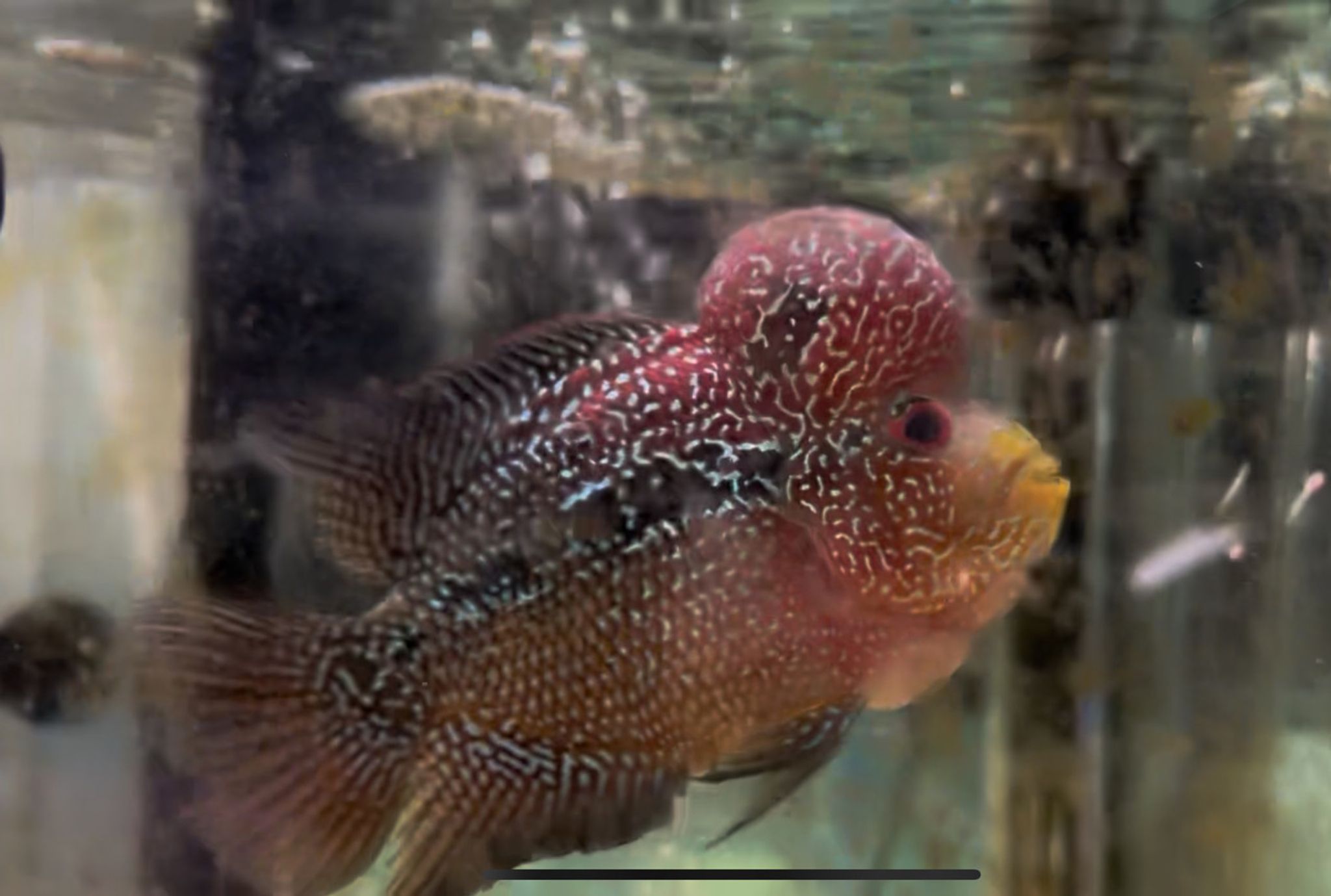
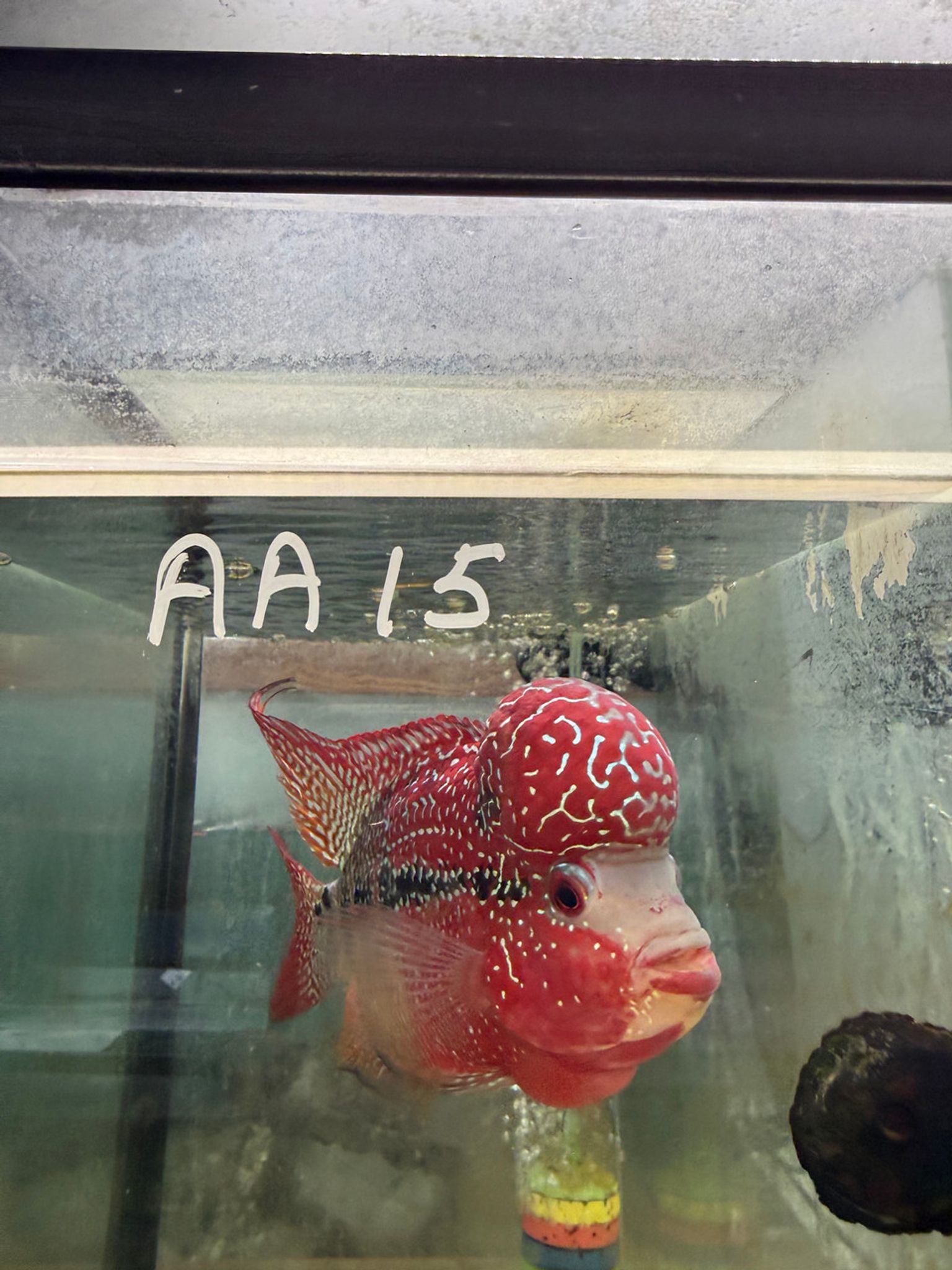
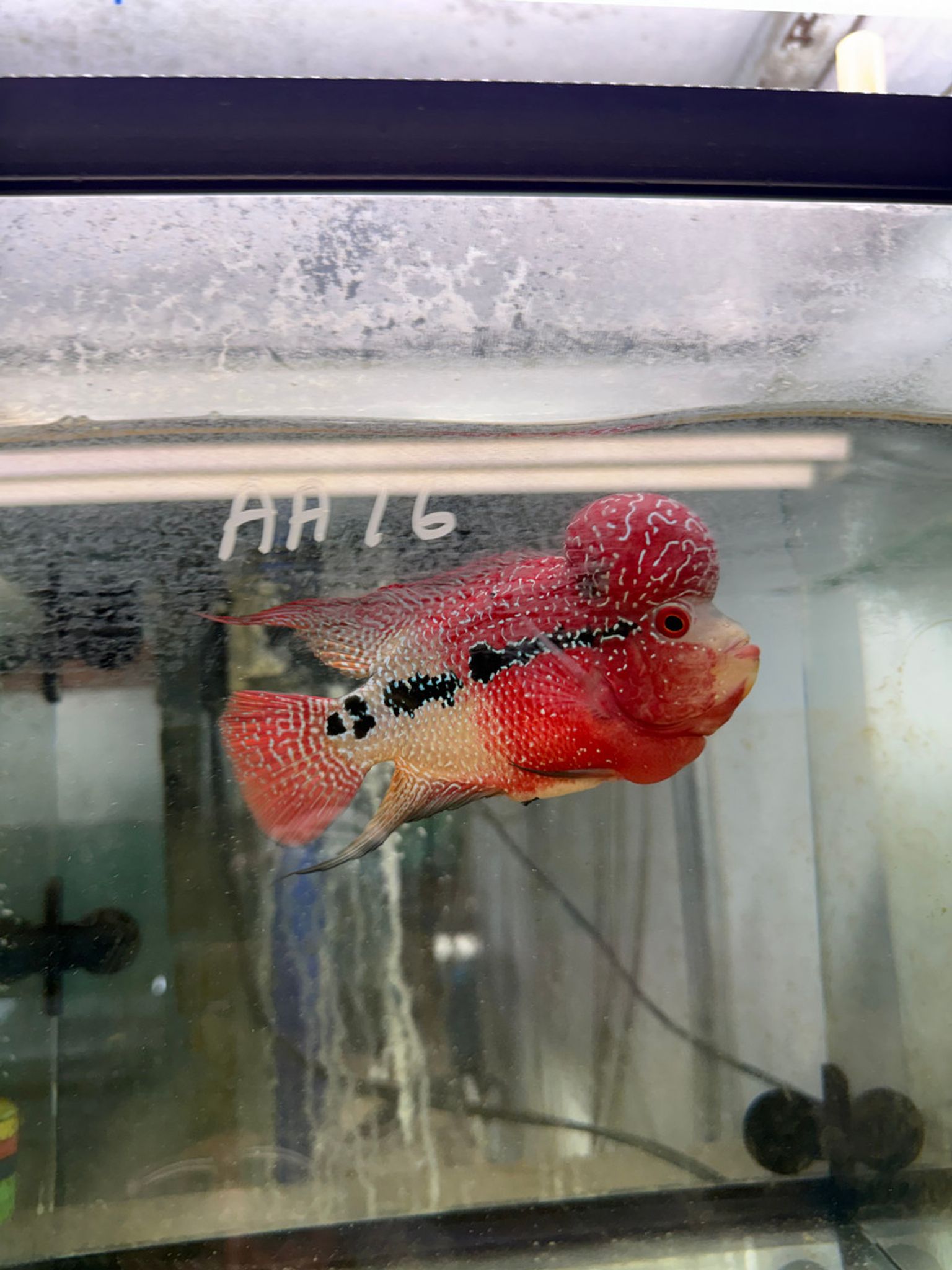
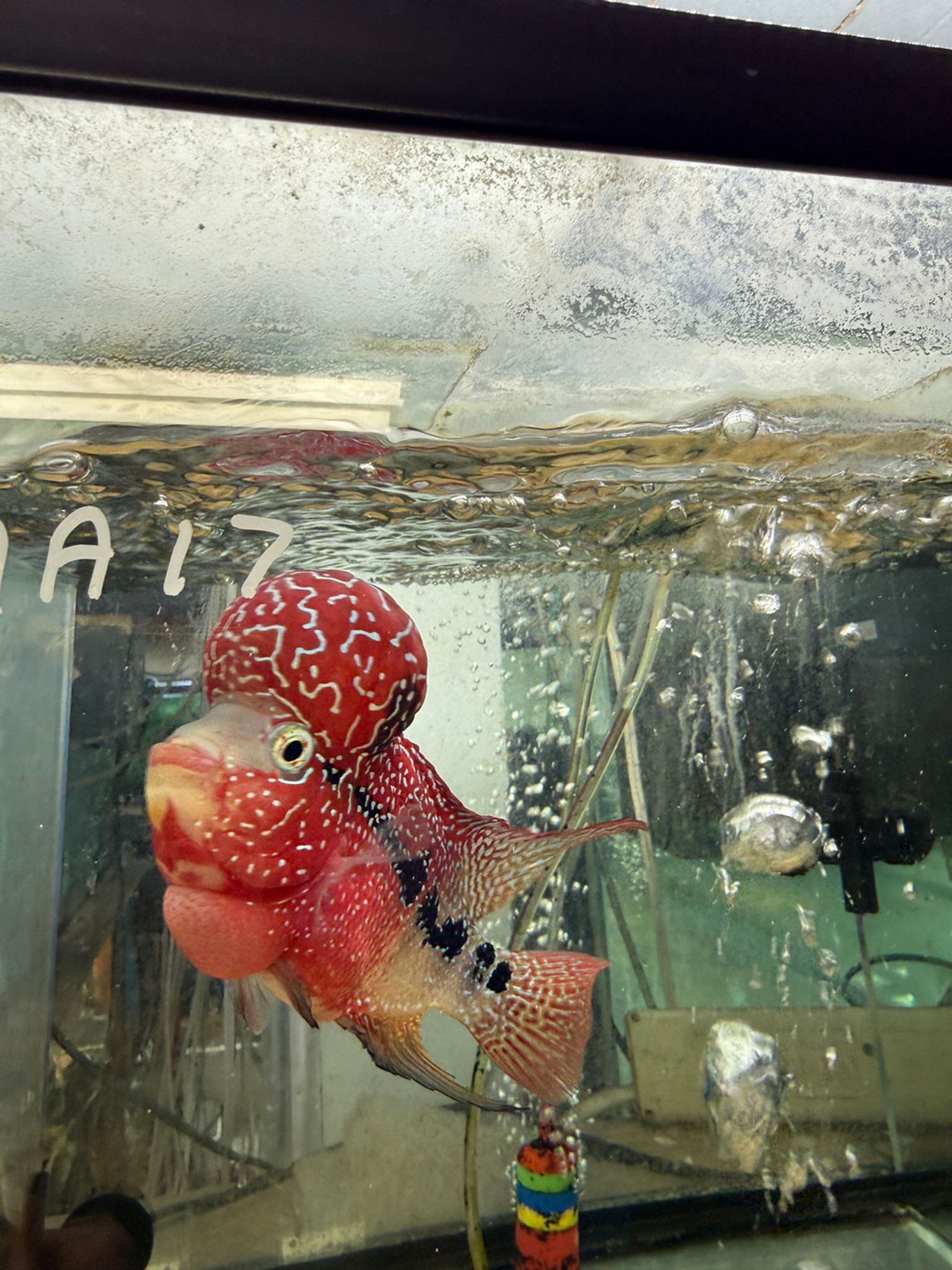
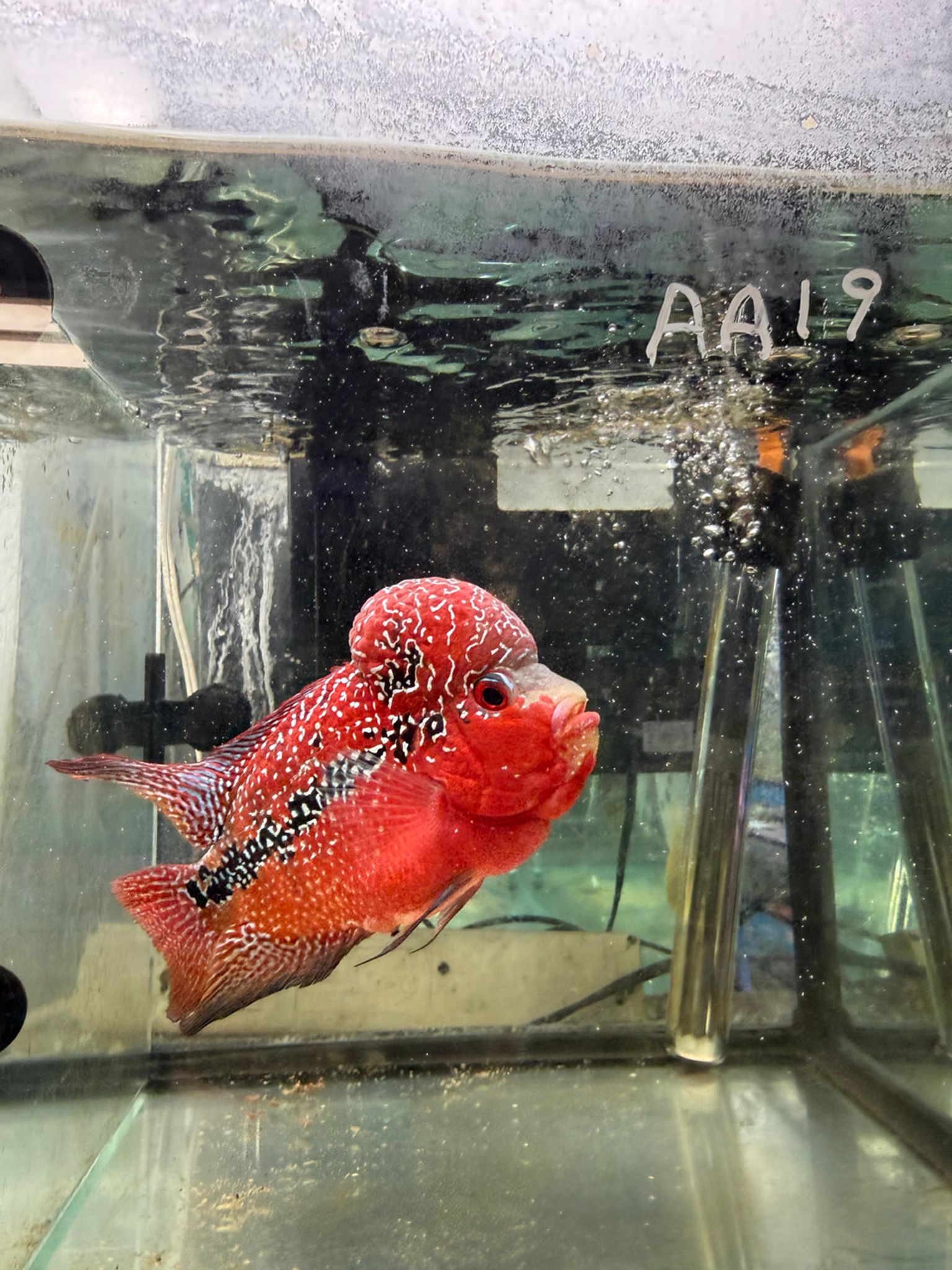
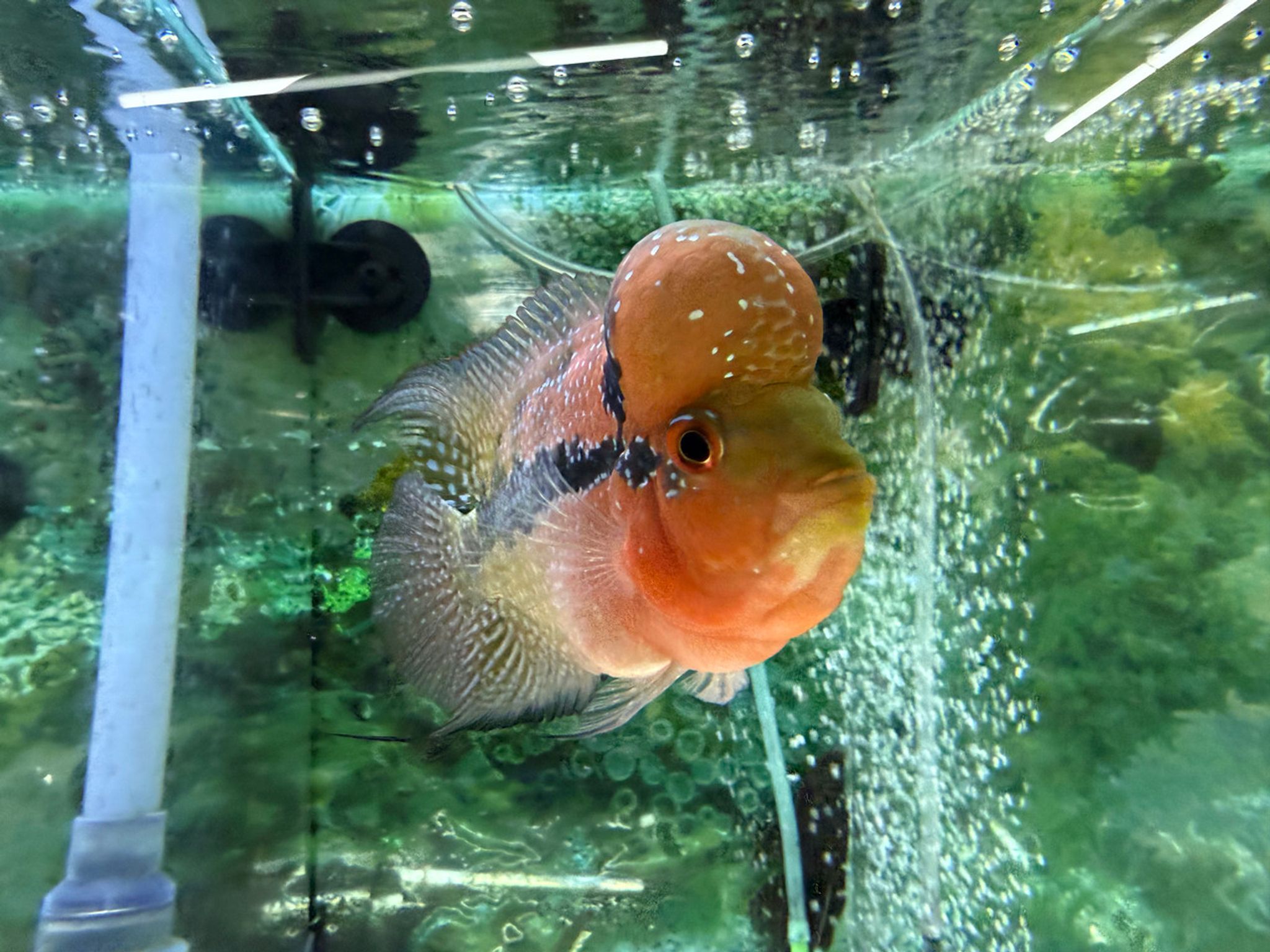
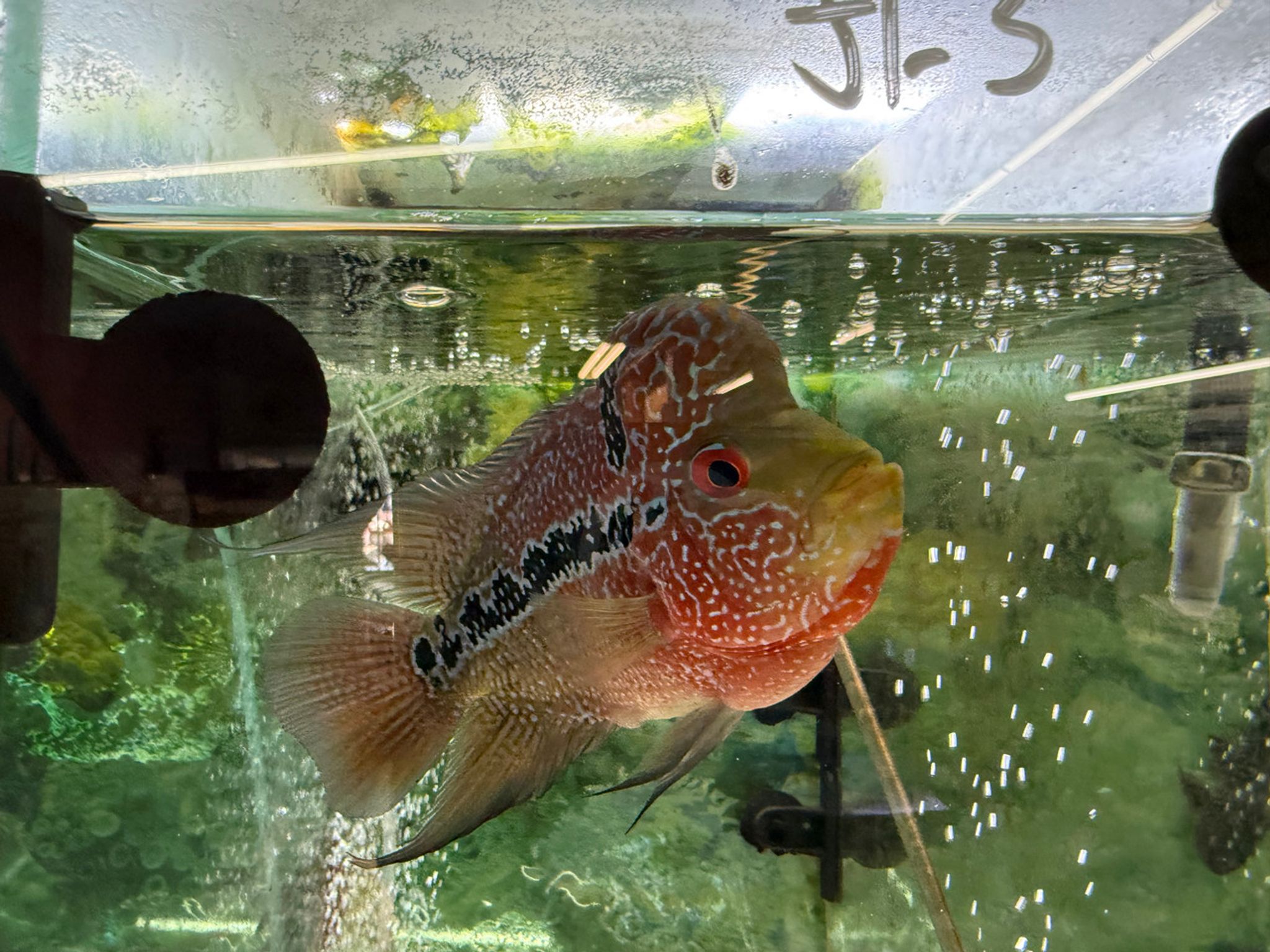
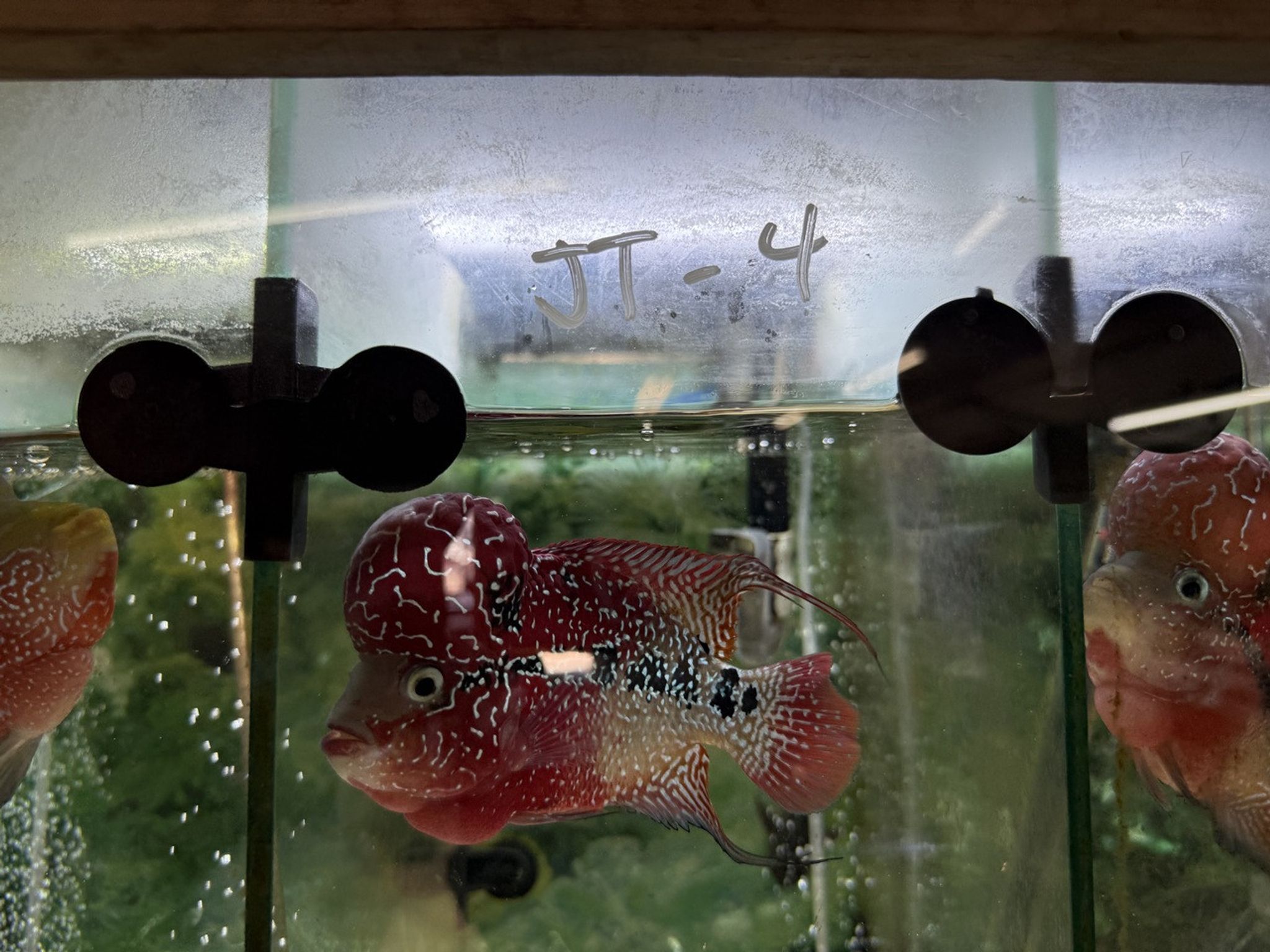
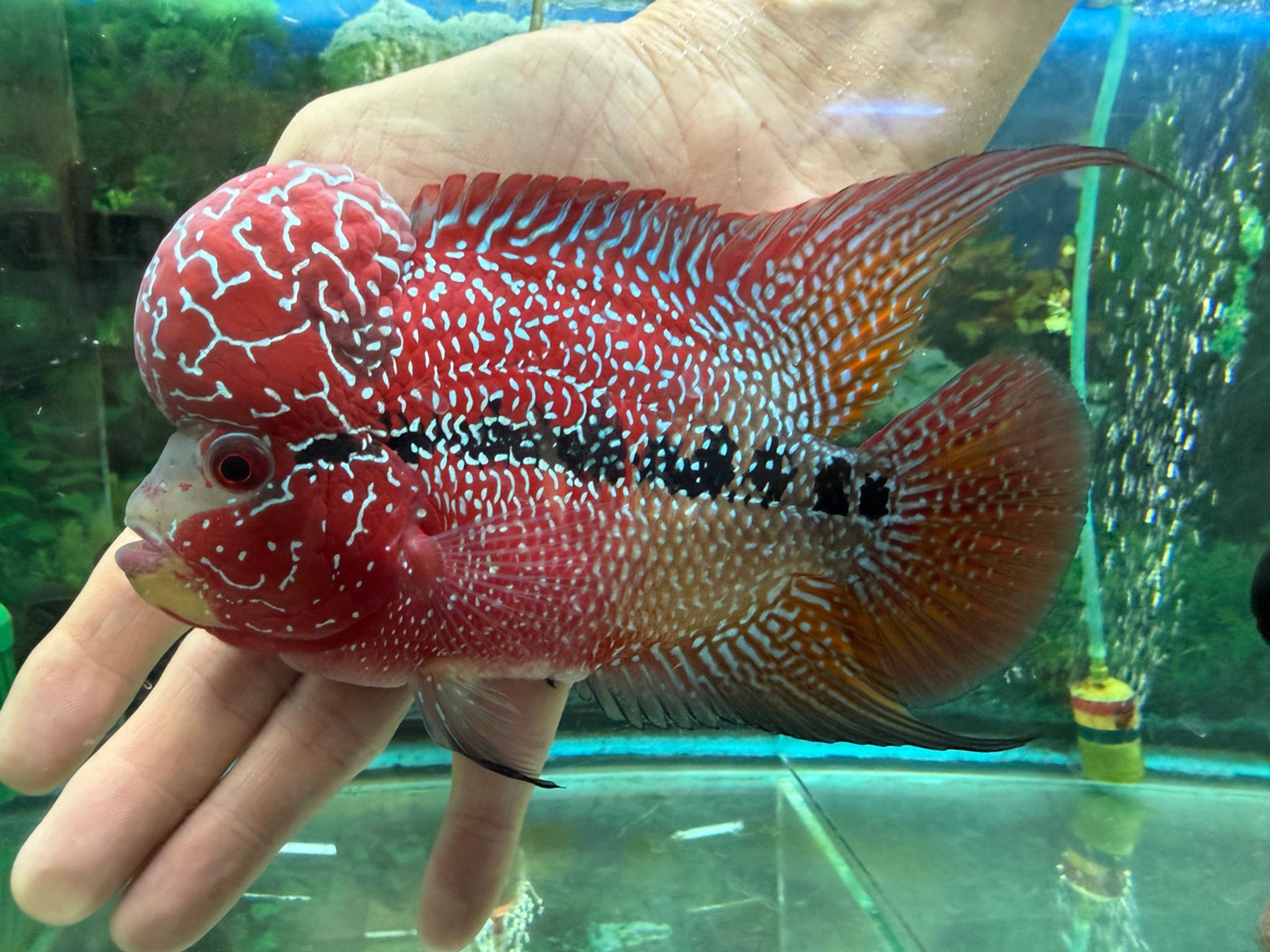
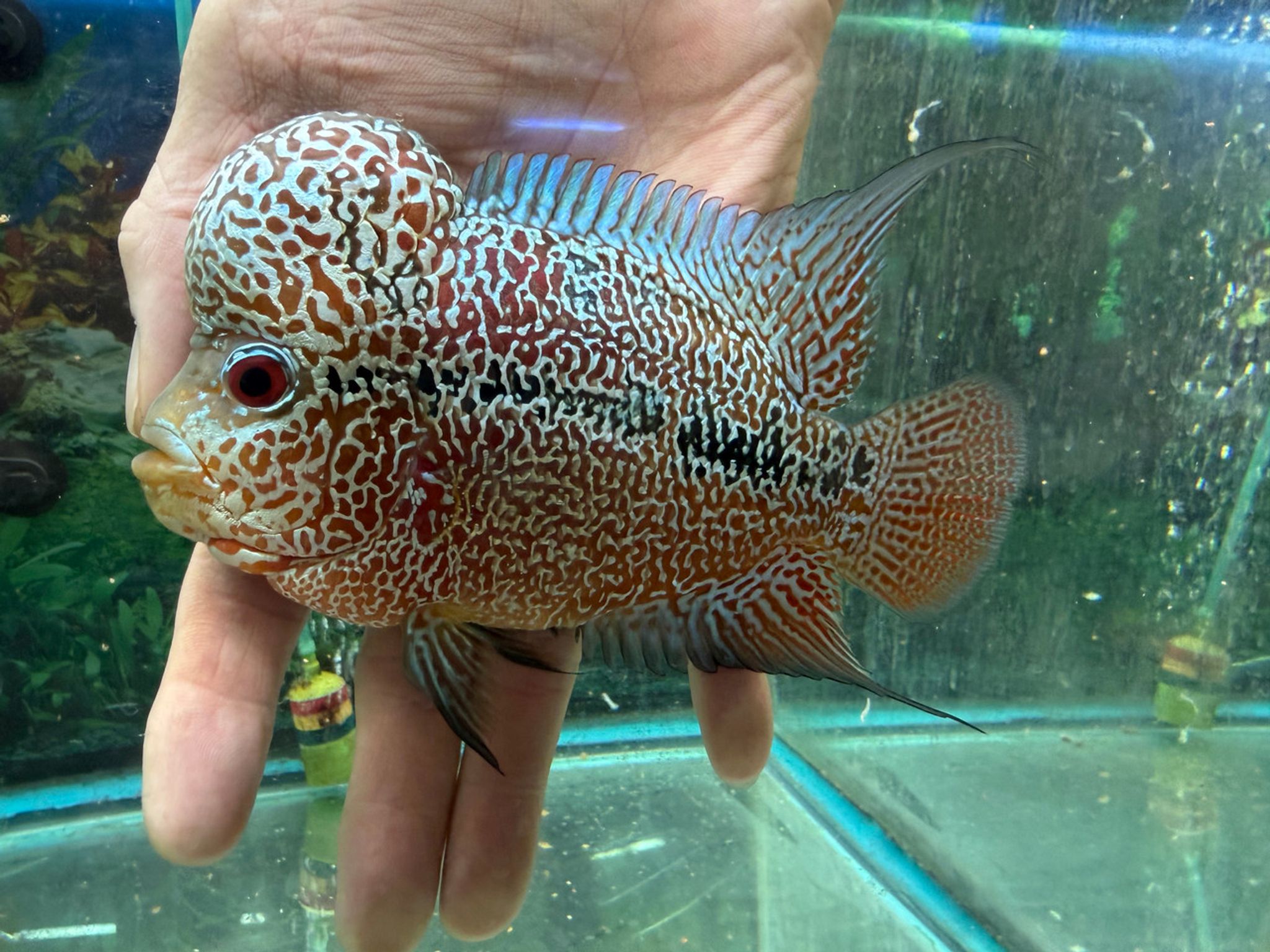
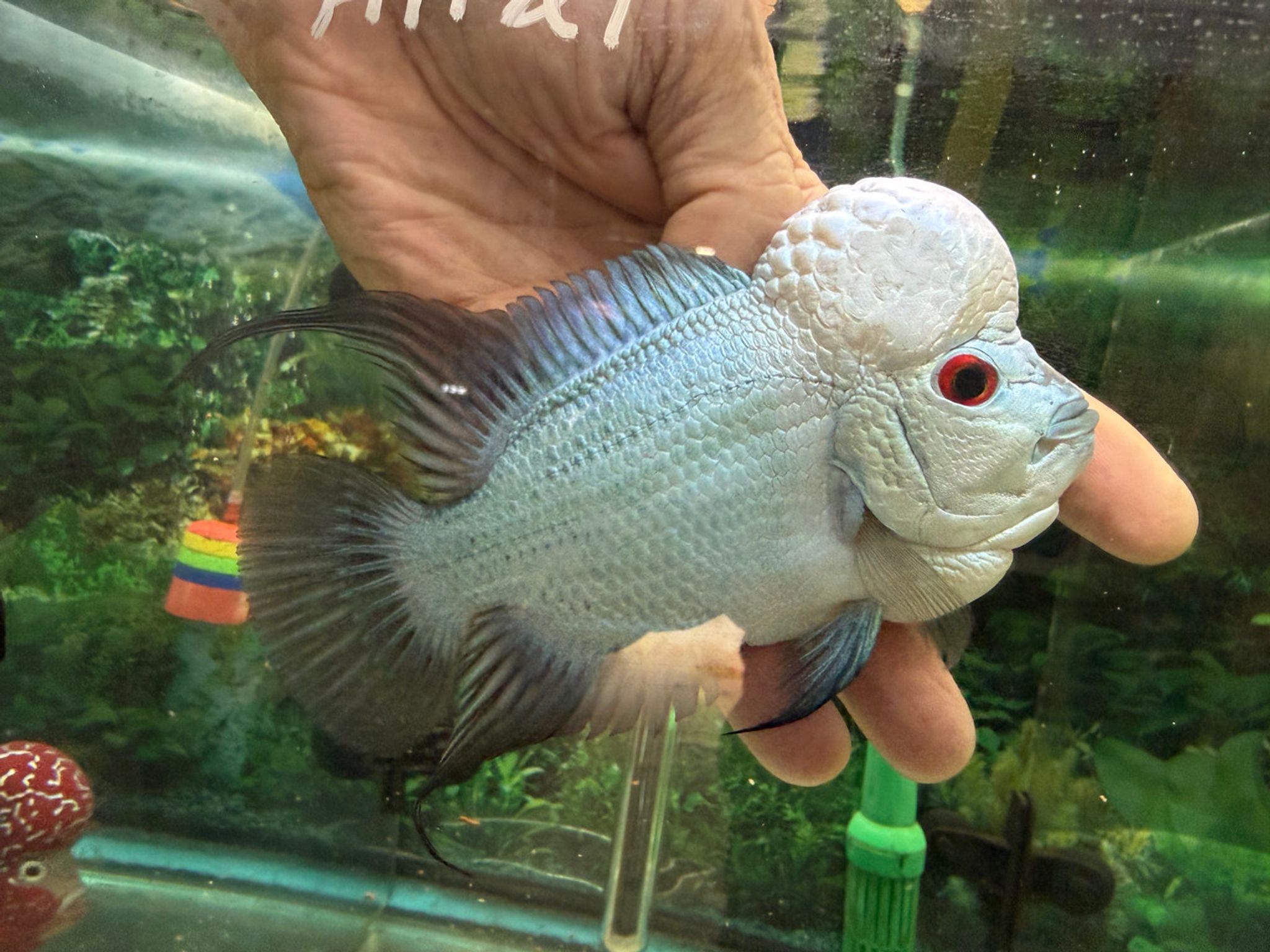
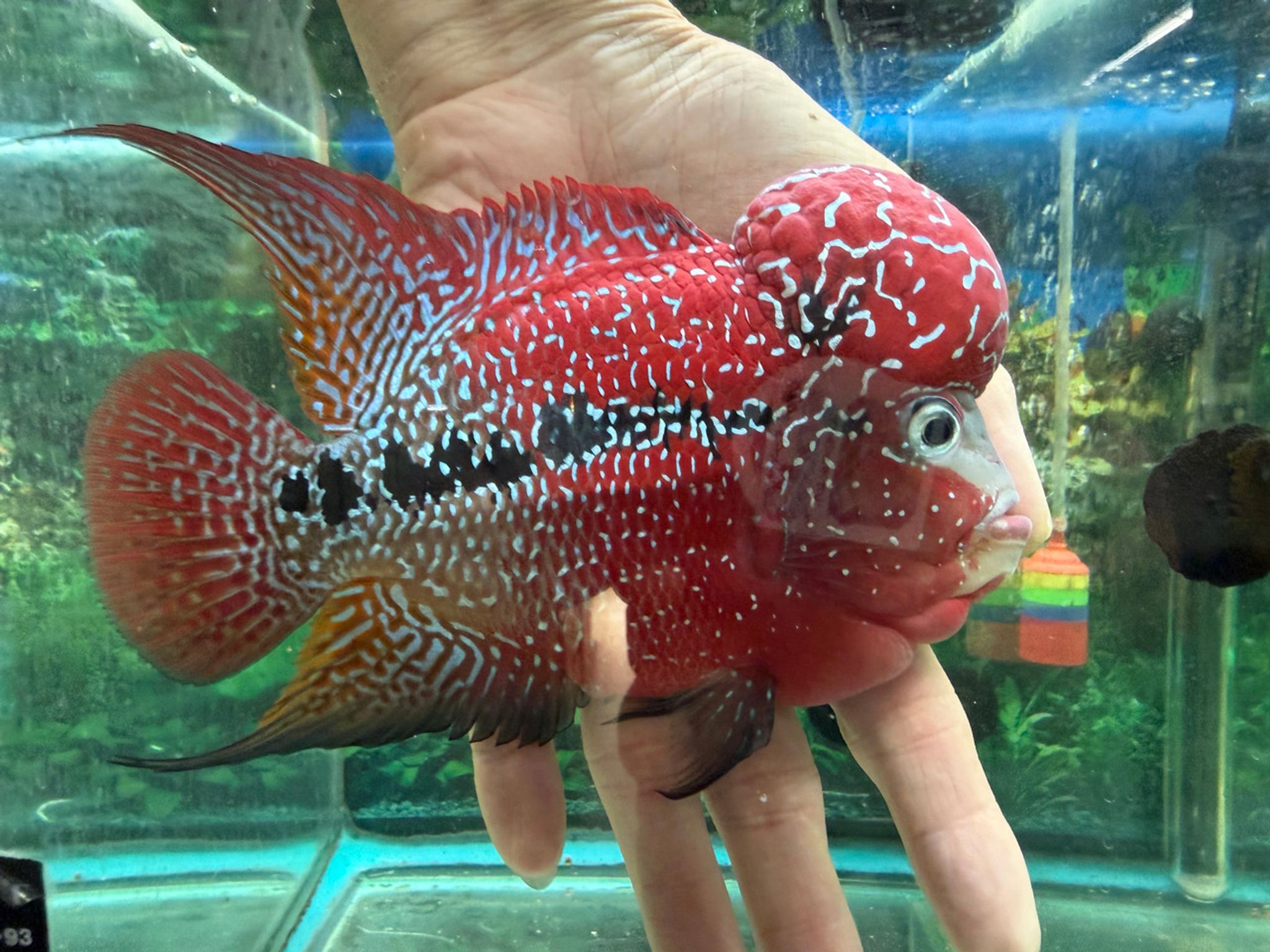
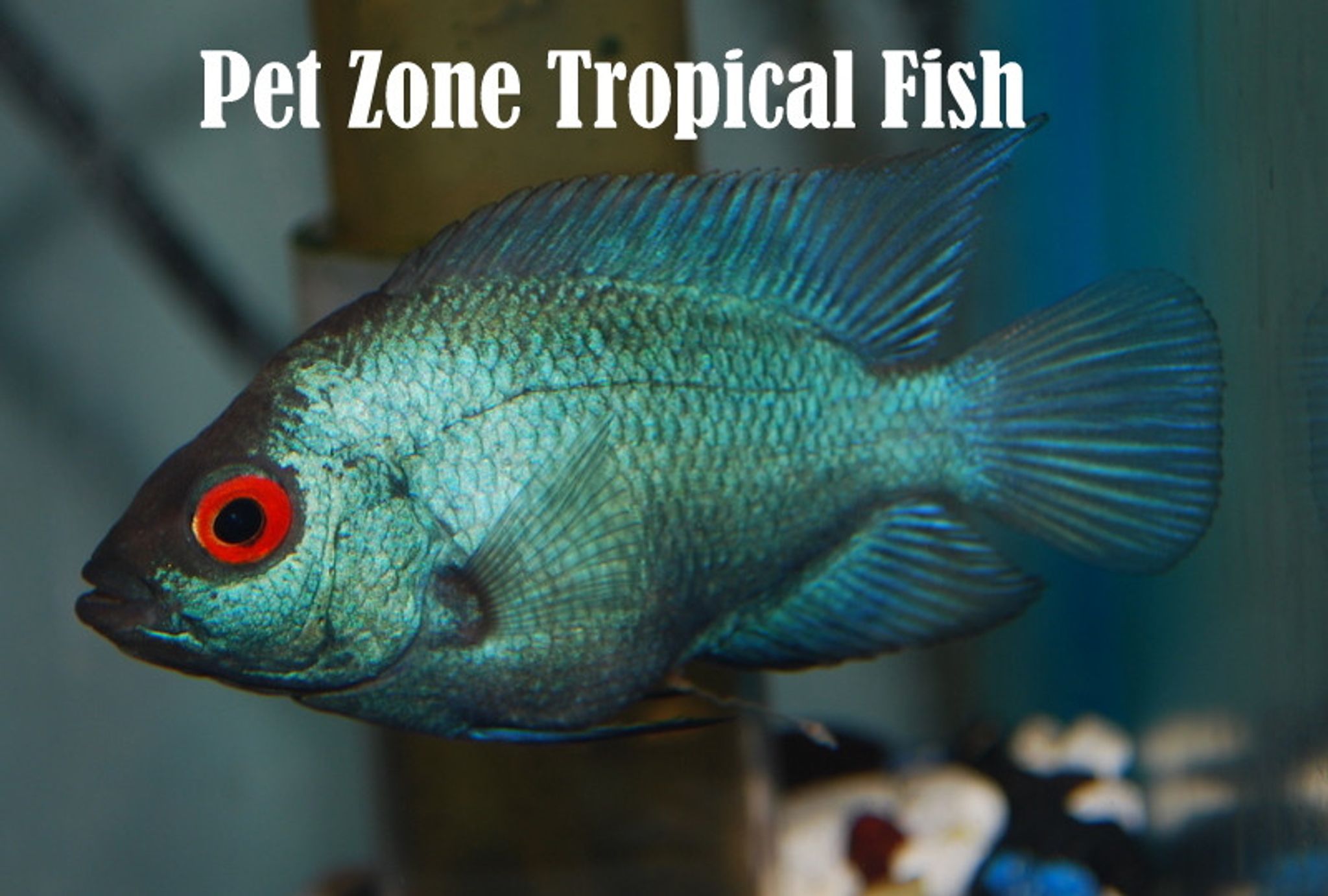
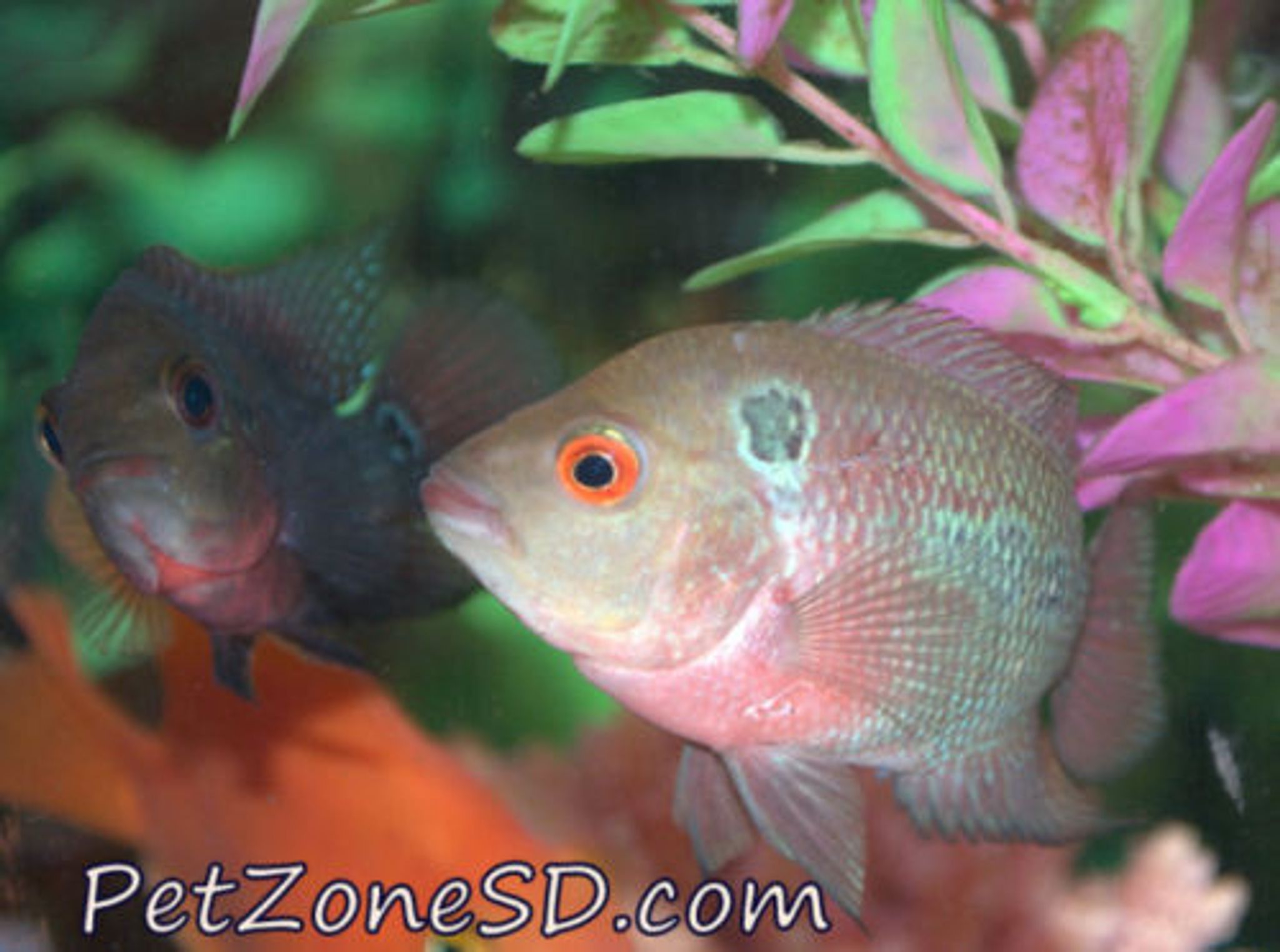
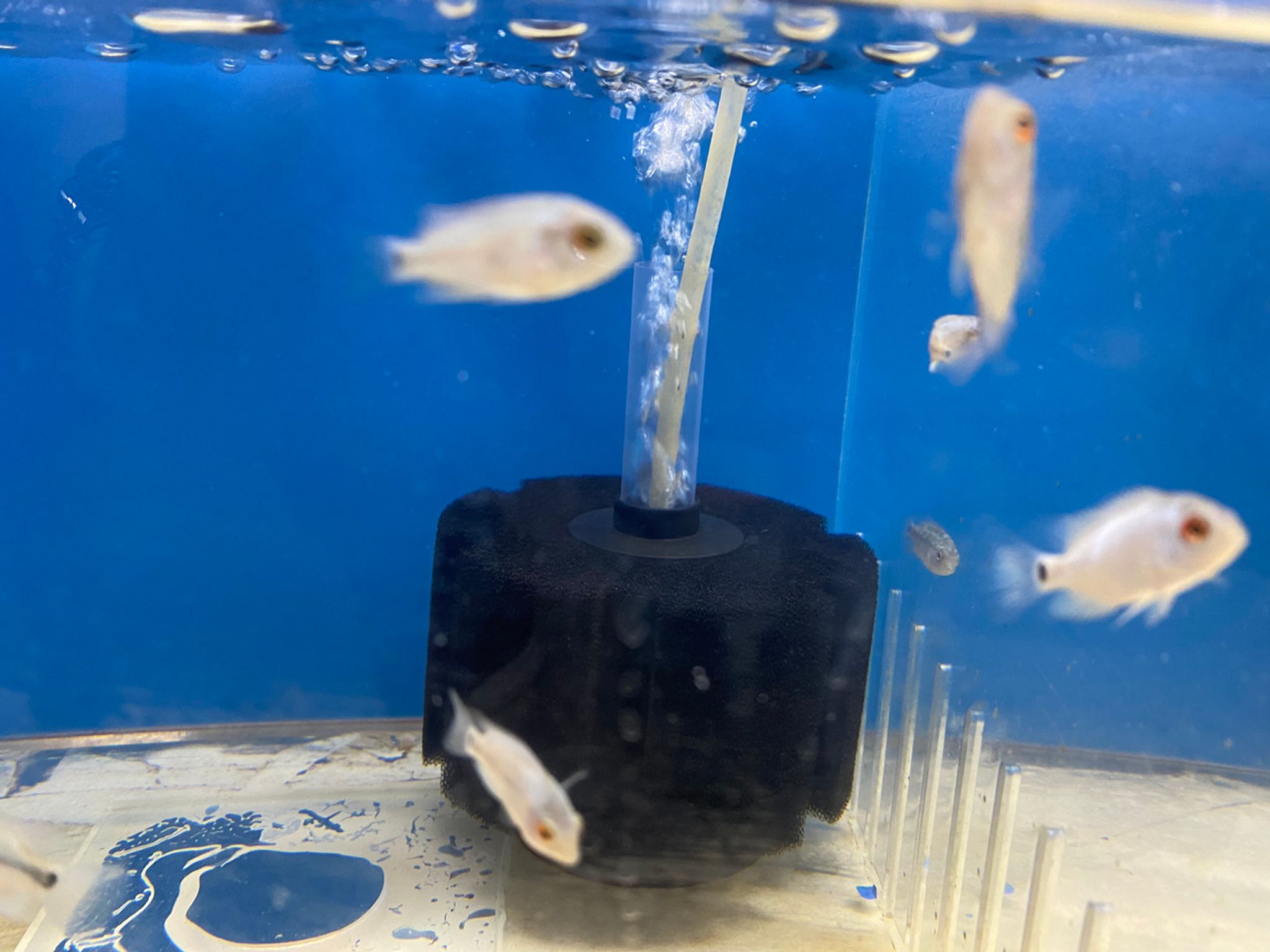
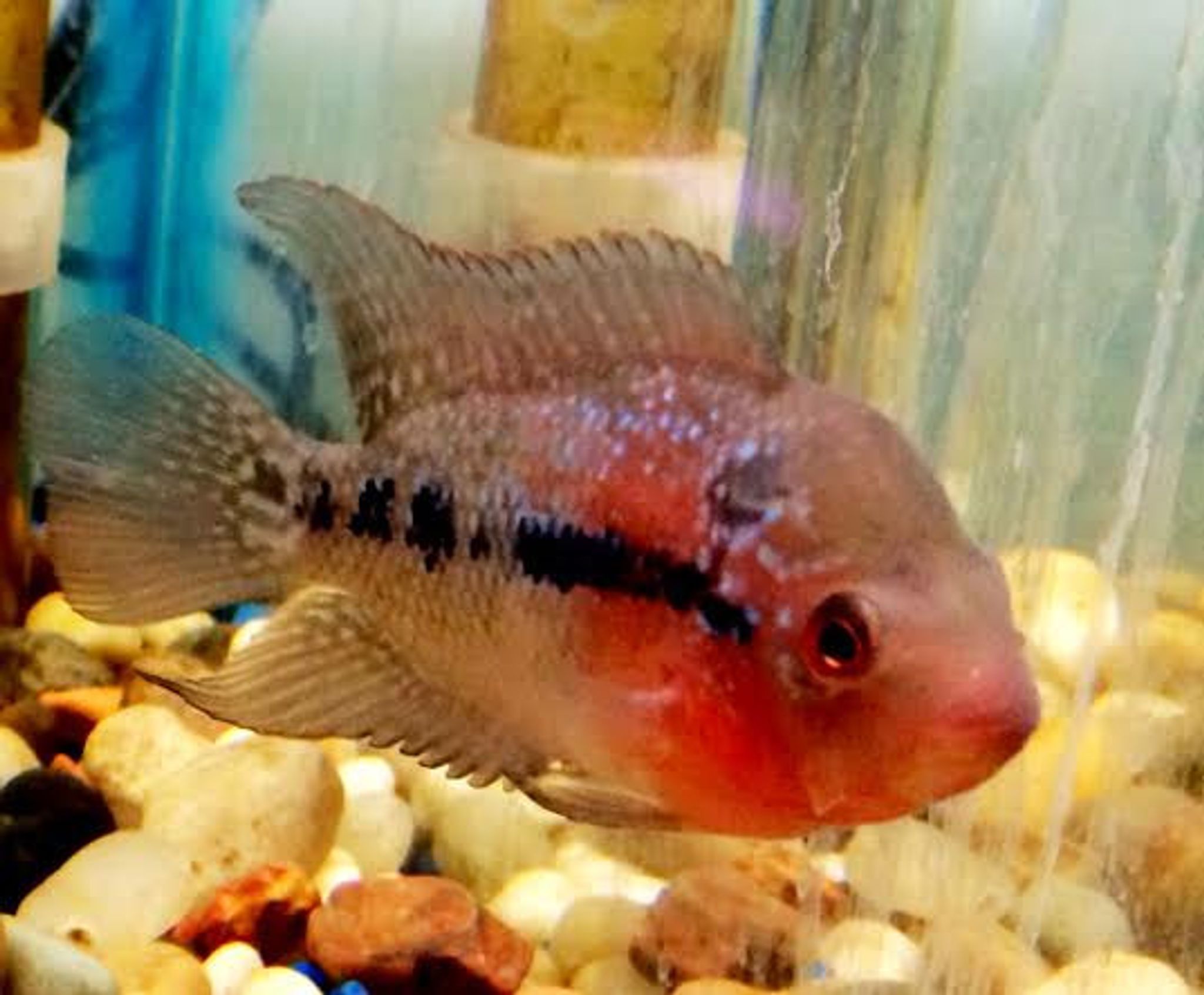
Shop Flowerhorn Cichlids online from aquarium stores, breeders and specialist freshwater fish sellers across the United States on FishyHub. Compare Kamfa Flowerhorns, Zhen Zhu Flowerhorns, Golden Base Flowerhorns, Thai Silk Flowerhorns and other strains by color, pattern, head shape and seller.
Flowerhorns are large ornamental hybrid cichlids known for bold coloration, distinctive pearling and the prominent head growth often called a kok. FishyHub helps U.S. hobbyists compare Flowerhorn listings from multiple sellers in one marketplace.
Buying Flowerhorns online gives hobbyists access to a broader range of strains, sizes and breeder lines than may be available from a single local aquarium store.
Compare exact strain, current size, adult size, coloration, kok development, temperament, breeder information and shipping options before choosing a Flowerhorn.
Popular Flowerhorn strains and trade types include:
Kamfa Flowerhorns are popular for broad body shapes, strong pearling and distinctive fin and eye characteristics.
Individual appearance varies significantly by breeder line, so compare body shape, coloration and pattern rather than relying on strain name alone.
Zhen Zhu Flowerhorns are widely recognized for heavy pearling and pronounced head growth.
They are one of the most familiar Flowerhorn types in the aquarium hobby and may be offered in many red and pearl-heavy color forms.
Golden Base Flowerhorns are known for yellow, orange or red base coloration and may undergo noticeable color changes as they mature.
Some are associated with a fading process in which darker juvenile coloration reduces as brighter adult tones develop.
Thai Silk Flowerhorns are prized for metallic blue, silver or turquoise coloration with a relatively uniform shimmering appearance.
Their visual appeal comes more from overall metallic sheen than from heavy red patterning.
Red Dragon Flowerhorns are selected for strong red coloration, pearling and prominent head development.
Color intensity can vary by genetics, age, diet, condition and breeder line.
King Kamfa is a trade name commonly associated with premium Kamfa-type Flowerhorns selected for strong body form, pearling and head development.
Because breeder terminology can vary, compare the actual fish and seller description instead of assuming every listing uses strain names identically.
Flowerhorns are man-made hybrid cichlids developed through selective breeding for distinctive color, pearling, body shape and head growth.
Different breeder lines can look very different, which is why individual fish photos and lineage information are especially useful when buying Flowerhorns online.
The prominent head growth seen on many Flowerhorns is commonly called a kok.
Kok size and shape are strongly influenced by genetics, age, sex and individual development, so no seller can reliably guarantee that every juvenile will develop the same head shape as an adult.
Pearling refers to the reflective spots and markings that can cover the body and fins of a Flowerhorn.
The density, brightness and distribution of pearling vary significantly by strain and individual fish.
Flowerhorns are large-bodied cichlids and can grow far beyond the juvenile sizes commonly offered for sale.
Aquarium size, filtration and long-term stocking should be planned around adult fish rather than purchase size.
Flowerhorns benefit from spacious aquariums with strong filtration and enough open swimming room.
Decor should be stable and easy to maintain because large cichlids can move objects and create substantial waste.
Some hobbyists keep Flowerhorns in bare-bottom aquariums because they are easy to clean and make waste removal straightforward.
Others prefer substrate and decor, so setup choice can depend on maintenance style, aesthetics and the behavior of the individual fish.
Flowerhorns are large, active cichlids that can produce substantial waste.
Strong biological and mechanical filtration, regular maintenance and stable water quality are important for long-term care.
Stable, clean freshwater is more important than chasing one rigid set of numbers for every Flowerhorn.
Avoid sudden changes in temperature or water chemistry and maintain conditions appropriate to large tropical cichlids.
Flowerhorns can be highly territorial and aggressive, especially toward other fish occupying the same space.
Many are kept as single centerpiece fish because individual temperament can make community housing difficult.
Some experienced hobbyists keep Flowerhorns with carefully selected large tankmates, but compatibility is never guaranteed.
Aquarium size, individual temperament, tankmate size and available territory all influence whether a mixed setup can work.
Oscars and Flowerhorns are both large cichlids and can become territorial.
Combining them can lead to serious aggression, so this pairing should not be assumed safe simply because the fish are similar in size.
Flowerhorns are sometimes housed with Blood Parrot Cichlids, but individual behavior can vary dramatically.
Monitor for chasing, biting, food competition and stress rather than relying on general compatibility claims.
Some larger Plecos may coexist with Flowerhorns in spacious aquariums.
Territorial aggression is still possible, and both fish require enough space and access to food.
Small fish are generally poor tankmates for Flowerhorns.
They may be chased, injured or eaten depending on size and individual Flowerhorn behavior.
Shrimp are generally unsuitable tankmates for Flowerhorns.
Large cichlids are likely to investigate or consume small crustaceans.
Flowerhorns are omnivorous cichlids with a strong appetite.
A balanced diet can include high-quality cichlid pellets together with suitable supplemental foods rather than relying on one food type alone.
Flowerhorns often beg enthusiastically for food, but appetite should not be used as the only guide to portion size.
Overfeeding can increase waste and affect water quality, so feed according to fish size, body condition and filtration capacity.
Flowerhorn coloration can change as fish mature.
Genetics, age, condition, lighting and diet can all influence how strongly colors and pearling appear.
Mature males often develop larger body size, stronger fin extensions and more prominent kok growth, but these traits are not absolute.
Sexing juveniles can be difficult, so seller or breeder information may be useful when purchasing a specific sex.
Flowerhorn breeding can be challenging because they are territorial hybrids and compatible pairs are not guaranteed.
Breeders carefully select parent fish for color, pattern, body shape and head development while also managing aggression between adults.
Flowerhorn pairs may spawn on flat surfaces when conditions are suitable.
Successful fry rearing requires stable water, suitable foods and enough space as juveniles grow and begin showing individual traits.
Flowerhorns are often highly interactive and may respond strongly to people approaching the aquarium.
Their alert behavior and bold temperament are a major reason many hobbyists keep them as single showcase fish.
Flowerhorns can be hardy in stable aquariums, but their size, aggression and waste production make them more demanding than typical small community fish.
Newer hobbyists should be prepared for a large aquarium, strong filtration and the possibility that the fish will need to live alone.
When comparing Flowerhorns for sale, look for:
Newly shipped Flowerhorns may be stressed after transport and may temporarily show reduced color or hide.
Prepare a stable, cycled aquarium before arrival and follow the seller's acclimation guidance for the exact fish.
Quarantine and observation can help reduce the risk of introducing disease into an established aquarium system.
Monitor appetite, body condition, breathing, waste and swimming behavior before moving a new Flowerhorn into its permanent aquarium.
Flowerhorn prices vary according to strain, size, sex, coloration, pearling, kok development, breeder line and seller.
Juvenile hobby-grade fish and mature premium Flowerhorns can differ dramatically in price, so compare the actual fish, breeder information and visible traits rather than price alone.
FishyHub brings Flowerhorn listings from aquarium stores, breeders and specialist freshwater fish sellers together in one marketplace.
When comparing Flowerhorns online, consider:
Shipping availability depends on the seller, destination, fish size, weather and livestock-shipping policy.
Review packaging, delivery timing and live-arrival terms before ordering, and make sure the aquarium is fully prepared before the Flowerhorn arrives.
Yes. Aquarium stores, breeders and specialist sellers offer Flowerhorn Cichlids online across the U.S., depending on availability and seller shipping coverage.
Kamfa, Zhen Zhu, Golden Base, Thai Silk, Red Dragon and King Kamfa are among the best-known Flowerhorn trade types and breeder lines.
The kok is the prominent forehead growth seen on many mature Flowerhorns. Its development depends heavily on genetics, age, sex and individual fish.
Yes, many Flowerhorns are highly territorial and can be aggressive toward other fish.
Sometimes, but compatibility is unpredictable and many Flowerhorns are best kept as single showcase fish.
Flowerhorns become large cichlids, with final size depending on genetics, sex, diet and long-term care.
No. Flowerhorns are ornamental hybrid cichlids developed through selective breeding.
FishyHub helps U.S. hobbyists compare Flowerhorns from aquarium stores, breeders and specialist freshwater fish sellers in one marketplace.
Explore Flowerhorns for sale on FishyHub and compare Kamfa, Zhen Zhu, Golden Base, Thai Silk, Red Dragon and other Flowerhorn strains. Discover listings from aquarium stores and breeders across the United States, and compare strain, size, color, pearling, kok development, price and shipping options before choosing a Flowerhorn.