1–12 of 12
1751540477572.jpeg?signature=7f5fbf2b597dc89de4a92b1a62d6fc21d9a47c3bdca8d8444a8bc1e8db9bac6b)
1751538088387.jpeg?signature=cb9e863ae1248a7d3441daf6fd0ecffbe9a1836c4f27607aa194bfb93e4a2064)
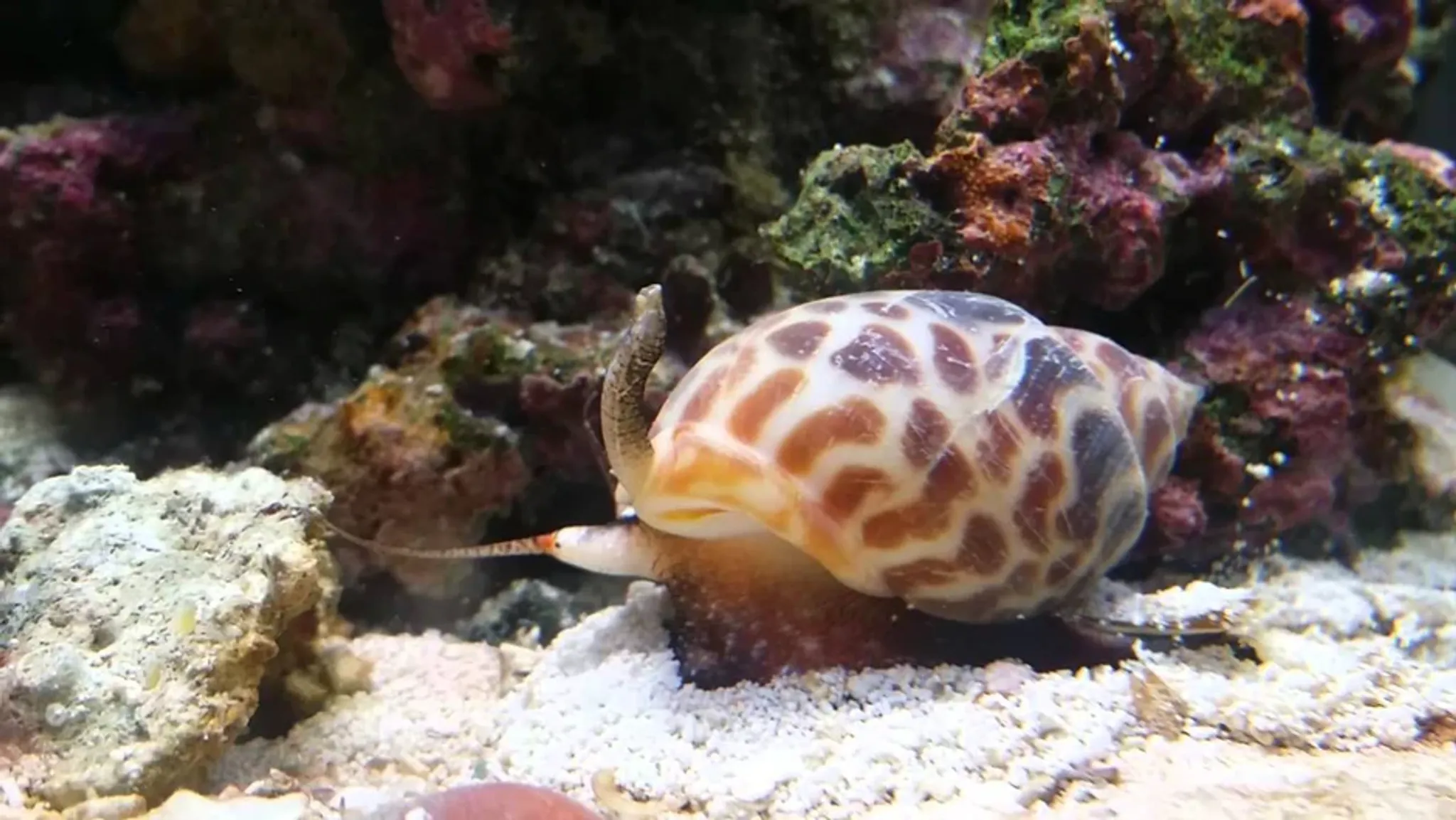
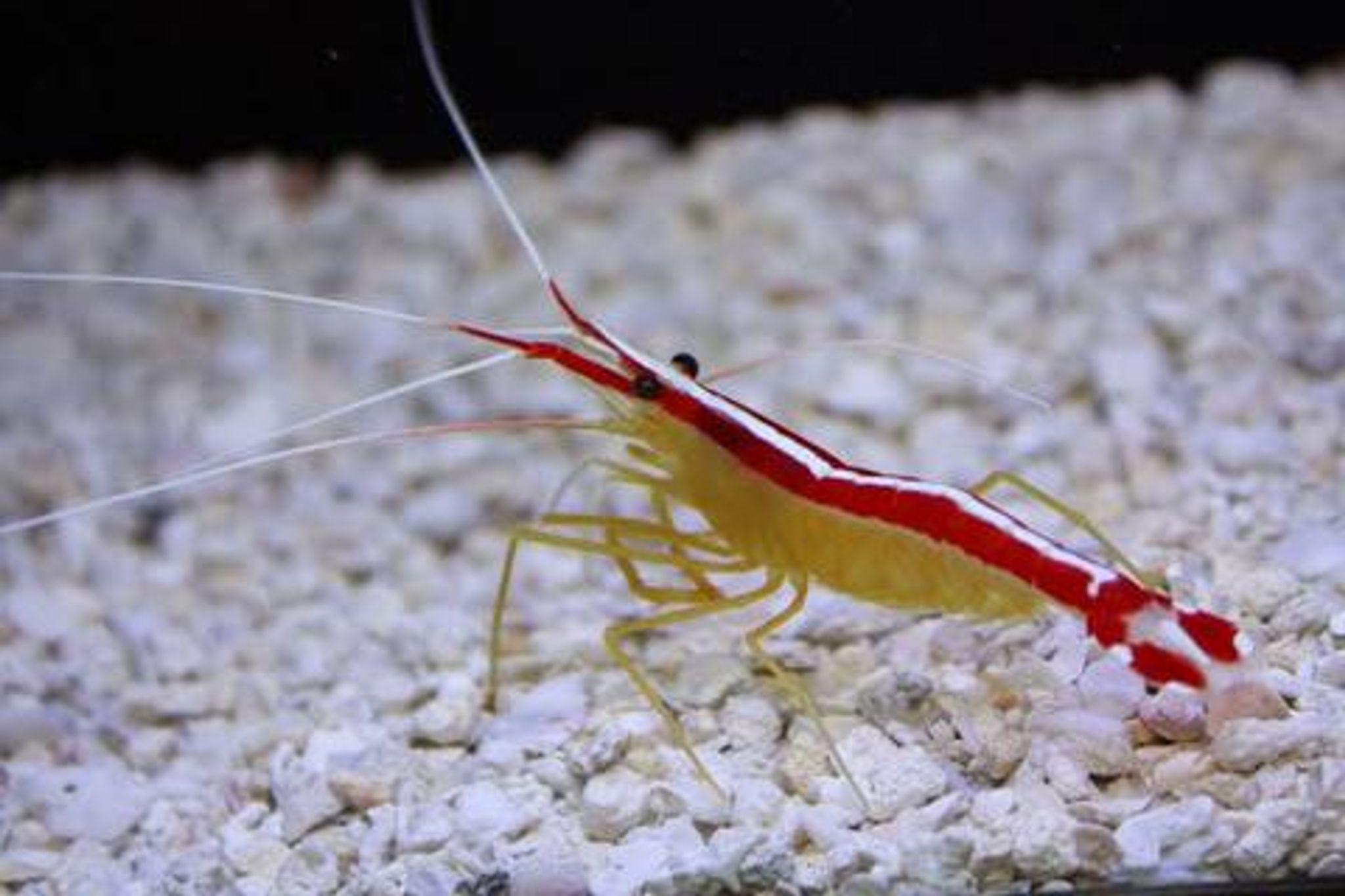
Explore marine invertebrates for sale in Singapore from aquarium shops, breeders and saltwater livestock sellers on FishyHub. Compare marine shrimp, crabs, snails, starfish, sea urchins, anemones and other reef invertebrates by species, size and seller.
Marine invertebrates bring colour, movement and specialised behaviour to saltwater aquariums. Some help graze algae or process leftover food, while others are kept as display animals in their own right. Care requirements vary widely, so exact species identification and reef compatibility should always be checked before purchase.
Marine invertebrates include a huge variety of saltwater animals without backbones, from tiny snails and cleaner shrimp to large starfish, anemones and sea urchins.
Their aquarium roles can be very different, so they should not all be treated as generic cleanup crew animals.
Different marine invertebrate groups vary dramatically in diet, behaviour, adult size and reef compatibility.
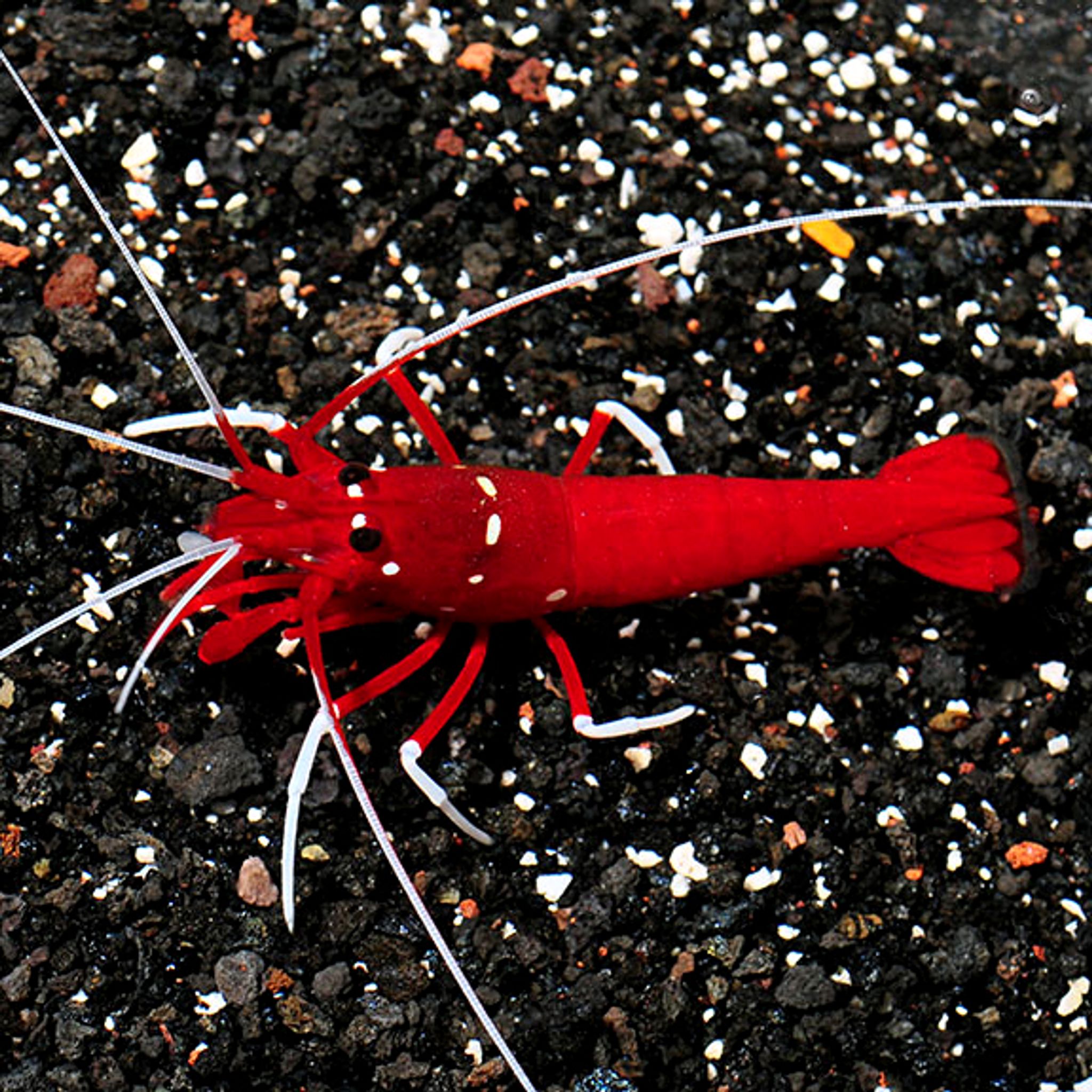
Marine shrimp include cleaner shrimp, peppermint shrimp, fire shrimp and many other ornamental species. Some are peaceful scavengers, while others have specialised diets or stronger territorial behaviour.
Marine crabs range from small reef-associated species to larger and more opportunistic animals. Some may help consume leftover food, while others can threaten snails, shrimp, corals or small fish.
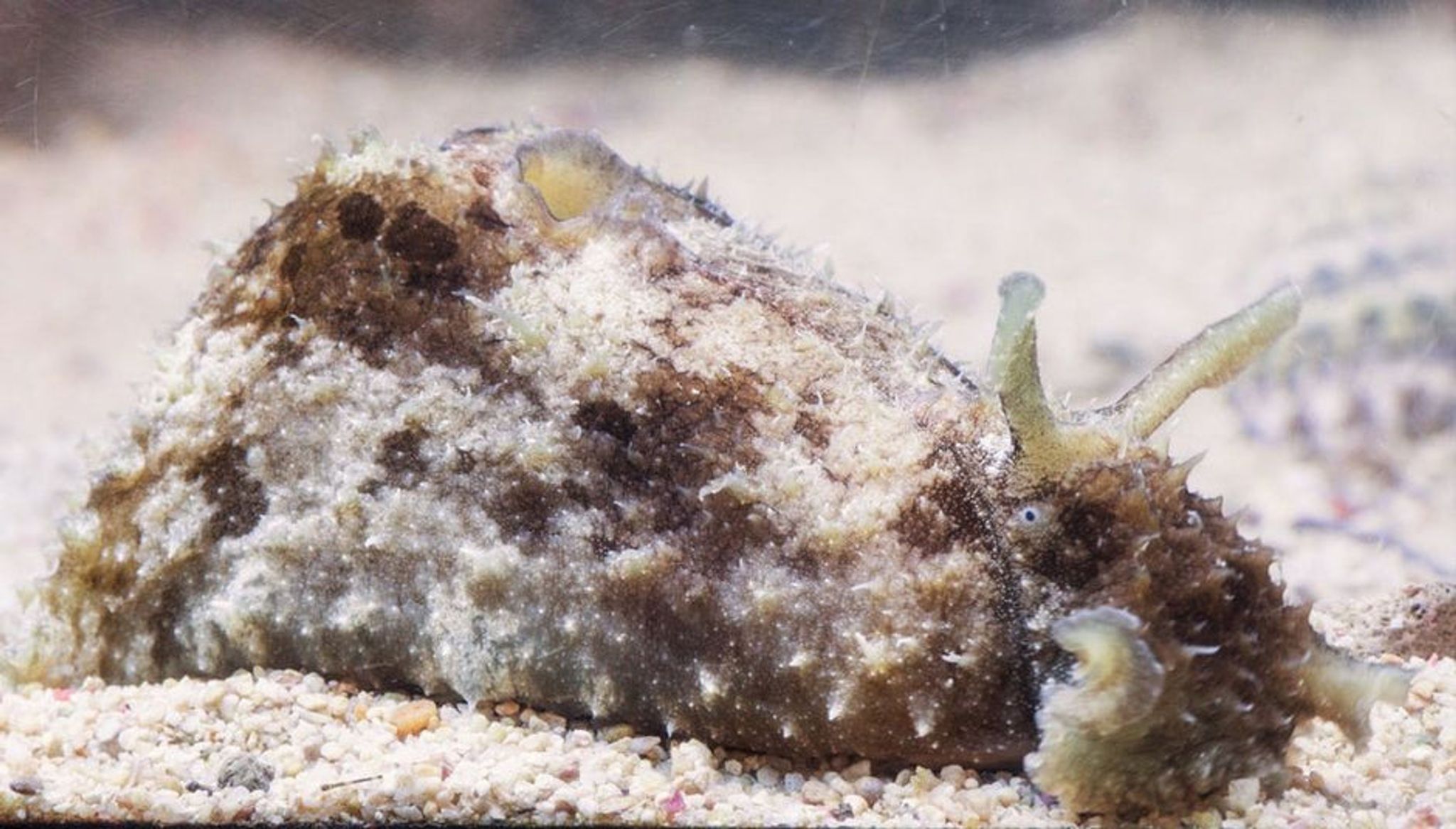
Marine snails are commonly kept as part of a reef cleanup crew and may graze algae, consume detritus or sift through substrate depending on species.
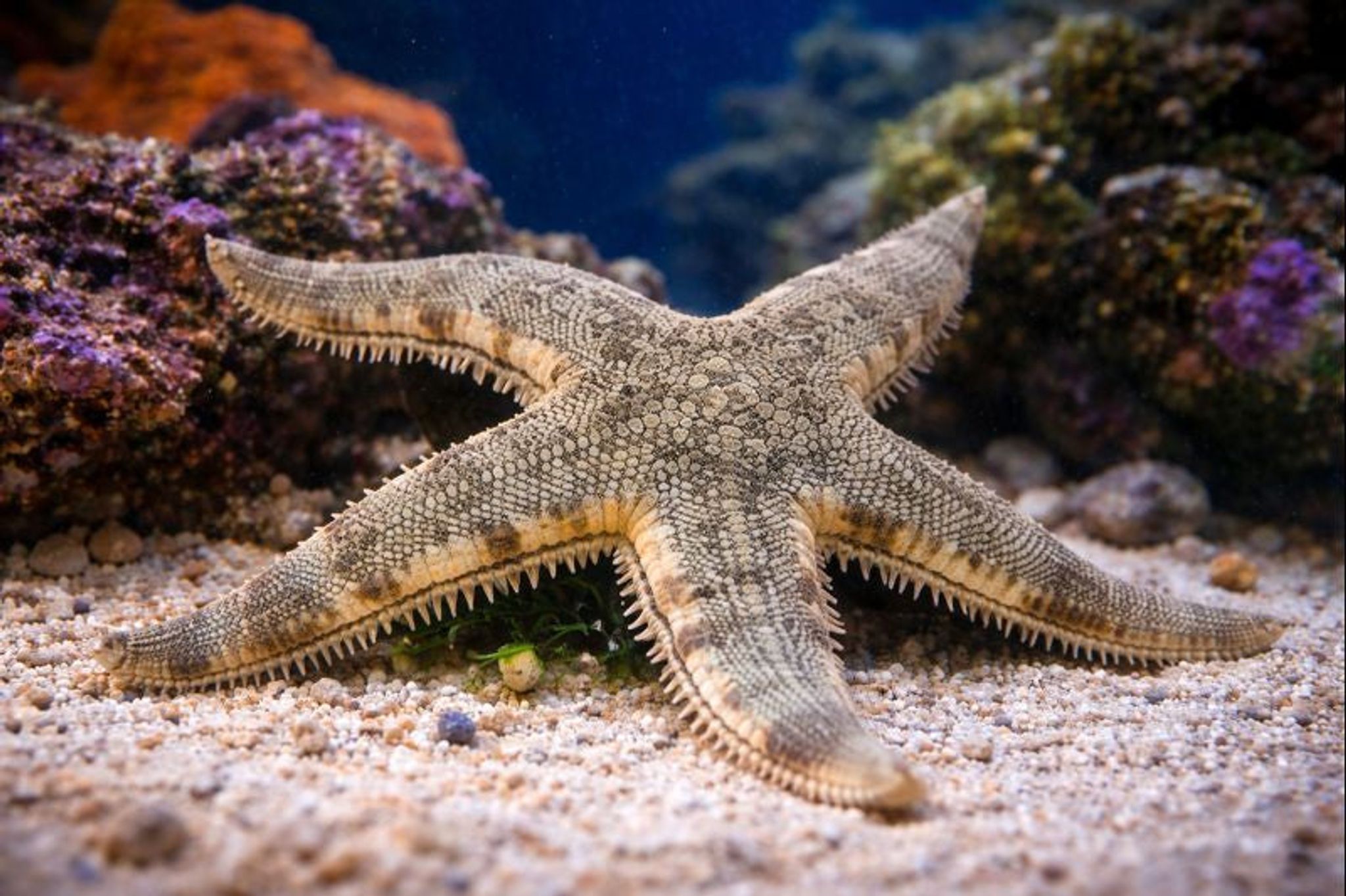
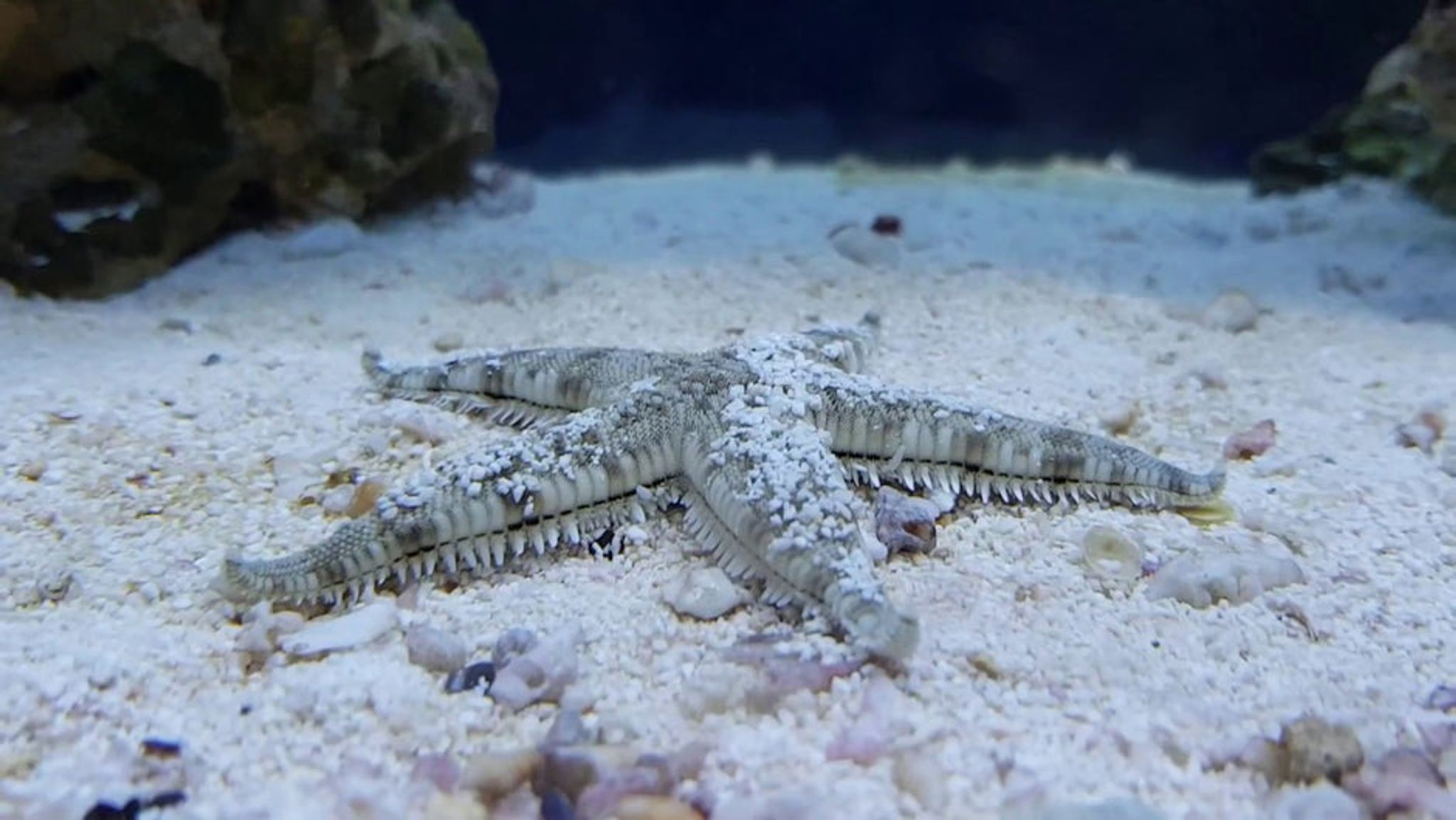
Starfish are striking marine invertebrates, but their diets and aquarium requirements vary greatly. Some species are suitable for established reef systems, while others have specialist feeding needs.
Sea urchins are well known for grazing algae and moving across rockwork. Their size, appetite and tendency to carry or move loose objects should be considered when planning a reef aquarium.
Sea anemones are photosynthetic or predatory marine invertebrates depending on species and can become impressive centrepieces in mature saltwater aquariums. They require more specialised care than common cleanup crew animals.
Other marine invertebrates may include feather dusters, sea cucumbers, brittle stars and specialised reef animals depending on seller availability.
Many marine invertebrates can be kept successfully in reef aquariums, but reef compatibility varies by species.
Some may disturb corals, prey on other invertebrates or compete for food, so always check the exact animal rather than assuming all reef invertebrates are automatically safe together.
A marine cleanup crew usually refers to snails, crabs, shrimp and other invertebrates that help consume algae, leftover food or organic debris.
Cleanup crews can support aquarium maintenance, but they do not replace water changes, nutrient management, filtration or manual cleaning.
Many marine snails graze algae from glass, rock and other surfaces.
Different species prefer different algae and surfaces, so a mixed cleanup crew may cover more ecological roles than relying on one type of snail.
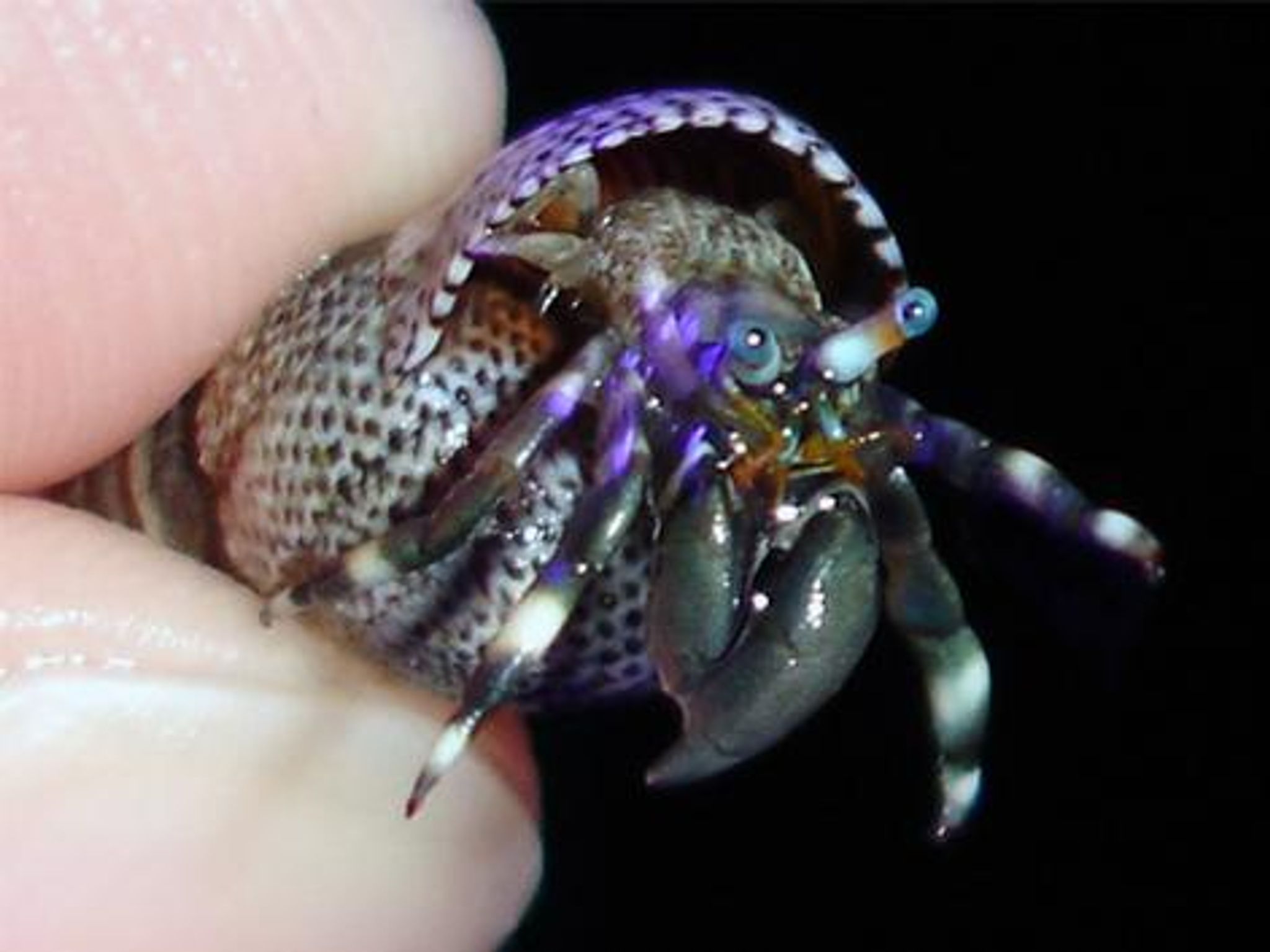
Hermit crabs are often kept in reef cleanup crews because they consume leftover food and some algae.
Some may disturb snails or compete for shells, so provide suitable empty shells and choose species carefully.
Cleaner shrimp are popular ornamental marine invertebrates and may display cleaning behaviour toward fish.
They still need appropriate feeding and should not be expected to provide all of their nutrition through cleaning interactions.
Peppermint shrimp are sometimes chosen because certain individuals or species may consume pest anemones.
Identification matters because similar-looking shrimp can behave differently, and pest-control results should not be considered guaranteed.
Fire shrimp are prized for their bright red coloration and white markings.
They can be more secretive than some other ornamental shrimp and often appreciate rockwork with suitable hiding areas.
Starfish can be beautiful additions to established saltwater aquariums, but many have specialised dietary requirements.
Some depend heavily on mature live rock or natural food sources and may not thrive in very new aquariums.
Brittle stars often spend much of their time within rockwork and can emerge to feed on suspended or settled food.
Adult size and predatory potential vary between species, so exact identification remains important.
Sea urchins can be effective grazers and bring unusual movement to reef aquariums.
They may knock over loose coral frags or carry small objects on their bodies, so rockwork and coral placement should be secure.
Some sea cucumbers process sand or suspended particles and can fill specialised ecological roles in mature marine aquariums.
Their feeding needs and potential risks differ by species, making them better choices for aquarists who understand the specific animal.
Feather duster worms are marine filter feeders known for their colourful fan-shaped crowns.
They require stable aquarium conditions and access to suitable suspended food depending on species and system productivity.
Sea anemones can become striking centrepieces, especially in systems designed around Clownfish and anemone interactions.
Different anemones vary in lighting, flow, space and feeding requirements, and many are better suited to established aquariums.
No. Clownfish can live successfully in aquariums without an anemone.
If keeping an anemone with Clownfish, check whether the particular Clownfish and anemone species are natural or commonly accepted hosts.
Many shrimp, snails and other peaceful reef invertebrates can coexist with Clownfish.
Territorial Clownfish may still defend a host area, so individual behaviour and tank size matter.
Wrasses vary dramatically in their compatibility with invertebrates.
Some peaceful reef Wrasses may coexist with shrimp and snails, while larger predatory species may actively hunt crustaceans and molluscs.
Hawkfish can prey on small shrimp and other crustaceans.
Ornamental shrimp should therefore not automatically be considered safe with Hawkfish.
Many marine Pufferfish naturally consume crustaceans and molluscs.
Snails, crabs, shrimp and other invertebrates may therefore be viewed as food rather than tankmates.
Many invertebrates can coexist with corals, but some may crawl over, disturb or feed on coral tissue.
Reef compatibility should always be checked at species level, particularly with crabs, starfish and specialised grazers.
Small snails, selected shrimp and other compact species can work well in nano reef aquariums.
Small water volume makes stability important, so avoid overstocking simply because individual animals are physically small.
Many marine invertebrates are sensitive to sudden changes in salinity, temperature and water chemistry.
Stable conditions and careful maintenance are particularly important when keeping delicate shrimp, starfish, anemones and other specialised animals.
Saltwater invertebrates require stable marine salinity suited to their species.
Avoid abrupt salinity changes, especially when moving newly purchased animals into the aquarium.
Many marine invertebrates are highly sensitive to copper-based treatments used for fish.
Medication intended for fish should not be added to a reef or invertebrate system unless the product is specifically considered safe for the animals present.
Marine invertebrates should be acclimated carefully because many respond poorly to sudden changes in salinity and water chemistry.
Follow appropriate species-specific acclimation practices and minimise unnecessary transport stress.
Marine invertebrate diets range from algae and detritus to plankton, meaty foods and specialised prey.
Cleanup crew animals should not automatically be assumed to survive on aquarium waste alone, especially in very clean or newly established tanks.
They can.
If natural algae, detritus or other food sources are insufficient, supplementary feeding may be needed to prevent starvation.
When comparing marine invertebrates for sale, look for:
Healthy behaviour varies greatly between shrimp, snails, starfish, anemones and other invertebrates, so evaluate each animal according to its species.
Some snails, selected shrimp and hardy cleanup crew species can be suitable for newer marine aquarists.
Starfish, anemones, sea cucumbers and specialist feeders may require more mature systems or more advanced care.
Choose marine invertebrates according to the aquarium's age, size, water stability, fish population and available natural food sources.
Avoid adding animals simply because they are labelled as cleanup crew, as each species still has specific long-term needs.
Marine invertebrate prices in Singapore vary according to species, size, colour, rarity, origin and seller.
Common cleanup crew animals may be relatively accessible, while large anemones, uncommon shrimp or specialist reef invertebrates can be priced very differently.
FishyHub brings marine invertebrate listings from aquarium shops, breeders and saltwater livestock sellers across Singapore together in one marketplace, making it easier to compare available reef animals from multiple sources.
When comparing marine invertebrate listings, consider:
Marine livestock availability changes regularly, especially for uncommon shrimp, starfish, anemones and specialist reef invertebrates.
Marine invertebrates are saltwater animals without backbones, including shrimp, crabs, snails, starfish, sea urchins, anemones and many other groups.
A reef cleanup crew usually includes snails, crabs, shrimp or other animals that help process algae and leftover organic matter.
No. Some can damage corals, eat other invertebrates or become unsuitable as they grow.
Many can live with peaceful reef fish, but predatory species such as some Wrasses, Hawkfish and Pufferfish may eat shrimp.
Many species do, but different snails specialise in different foods and surfaces.
Some are more demanding than they appear and may require mature aquariums with specific natural food sources.
No. Clownfish can thrive without an anemone in a properly maintained marine aquarium.
Many are highly sensitive to copper-based treatments, so medications intended for fish should not be used in invertebrate systems unless specifically considered safe for the livestock present.
Explore marine invertebrates for sale on FishyHub and compare shrimp, crabs, snails, starfish, sea urchins, anemones and other reef invertebrates from marine aquarium sellers across Singapore. Compare species, size, diet, reef compatibility and price to find suitable invertebrates for your saltwater aquarium.