Showing 13 of 13 products
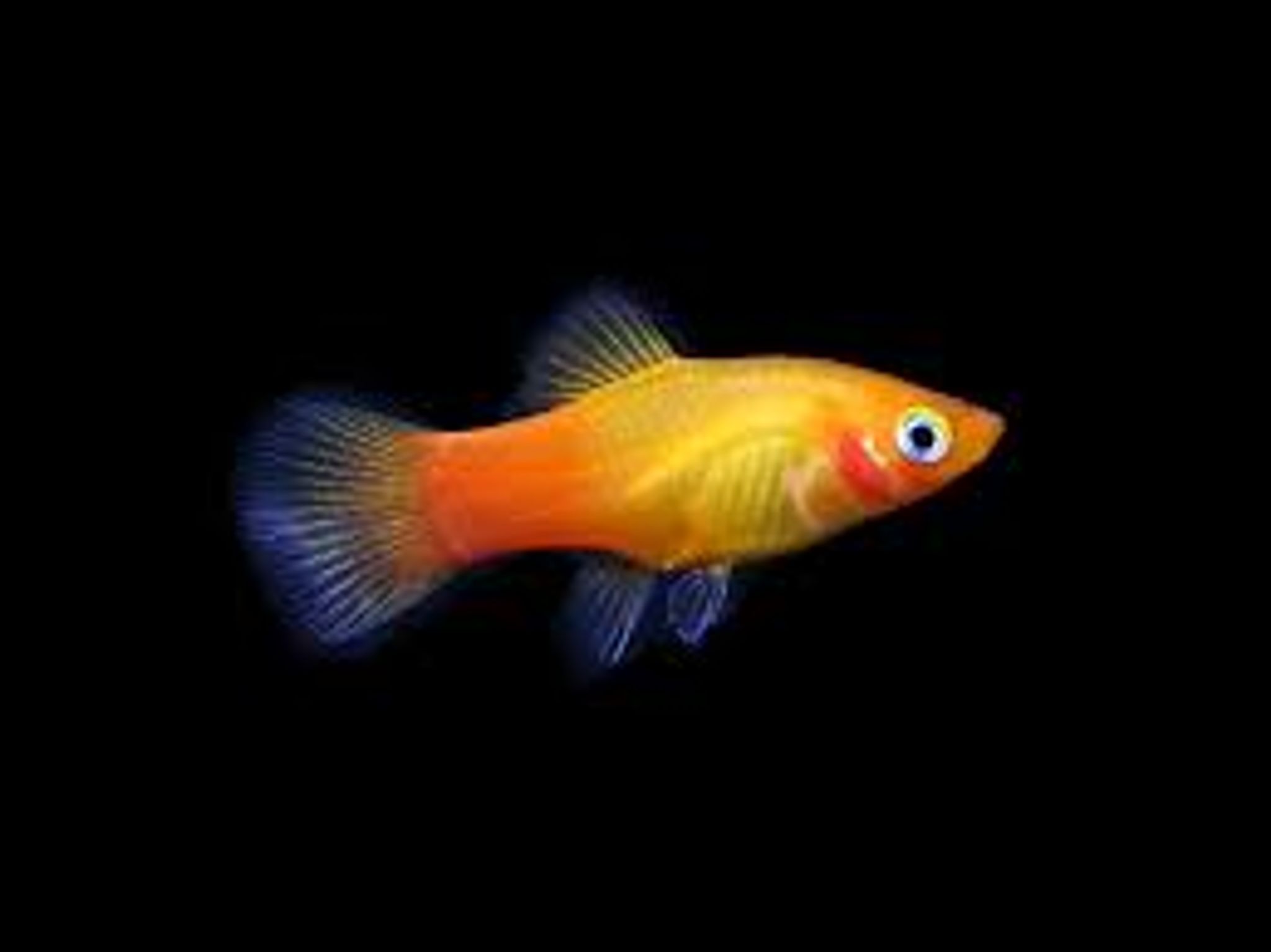
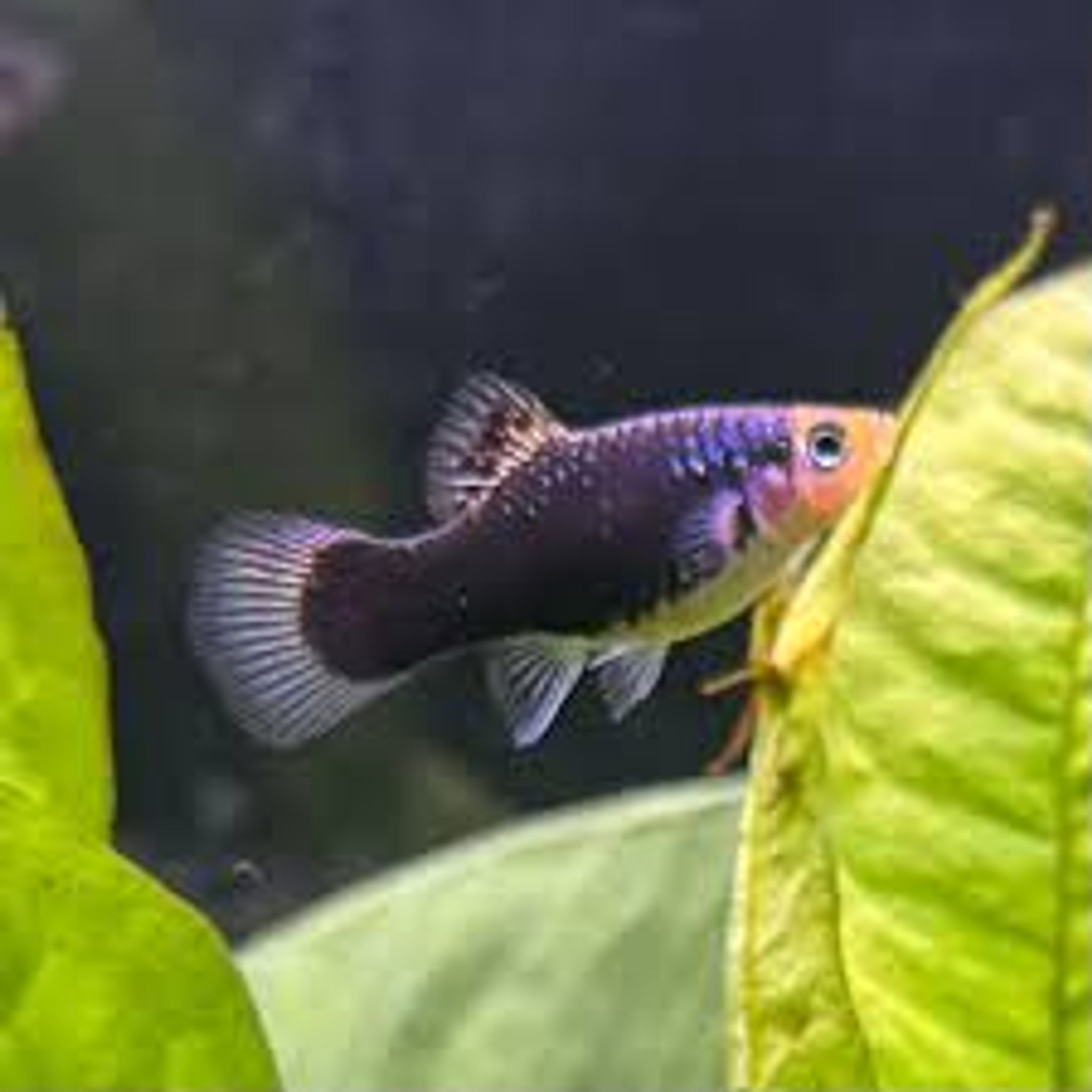
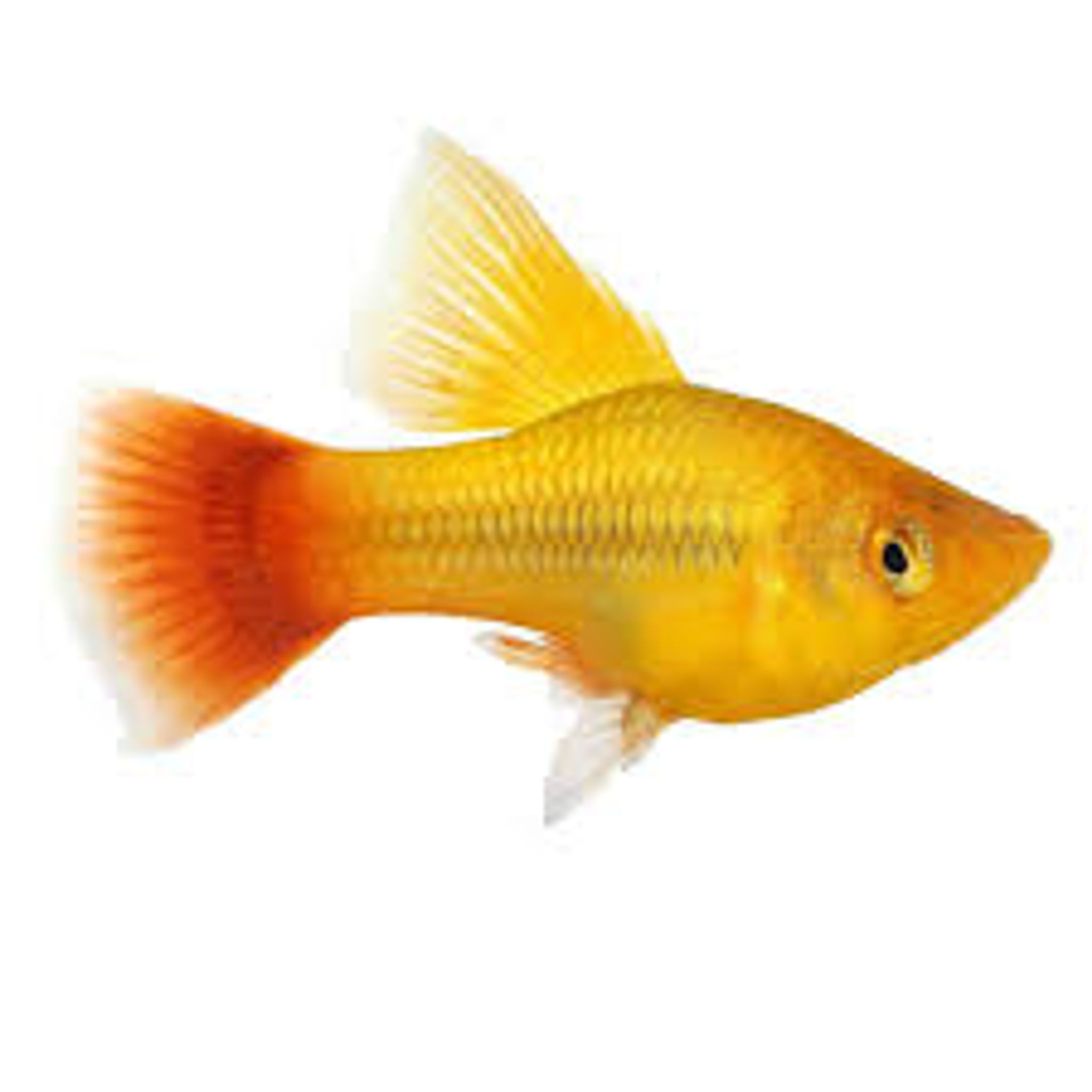
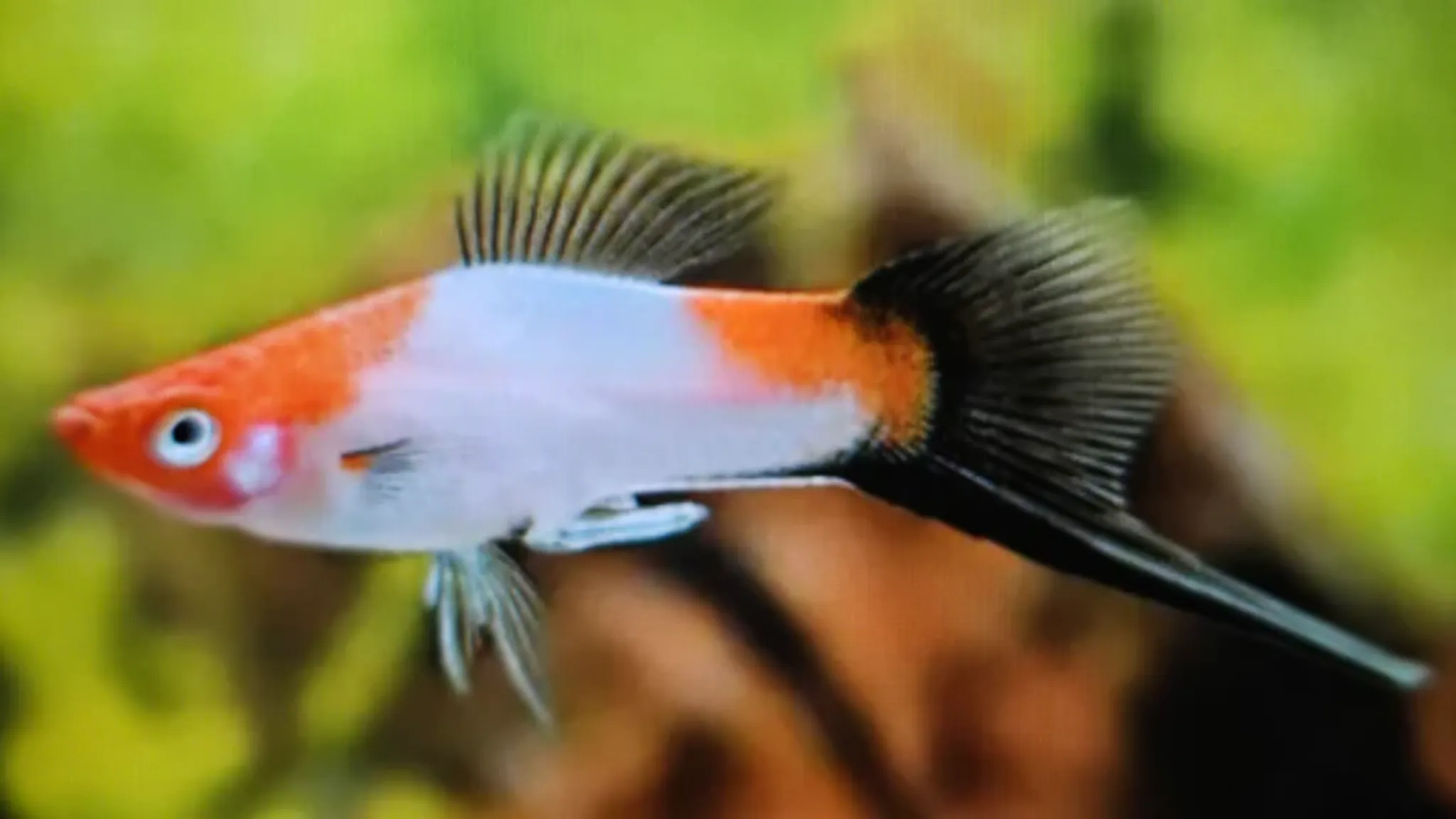

Explore Swordtail fish for sale in Singapore from aquarium shops, breeders and freshwater fish sellers on FishyHub. Compare Red Swordtails, Koi Swordtails, Lyretail Swordtails and other varieties by colour, size and seller.
Swordtails are colourful livebearing freshwater fish known for the elongated lower tail fin seen in mature males. They are active, attractive and popular in community aquariums, making them a familiar choice for both new and experienced fishkeepers.
Swordtails are members of the livebearer group and are closely related to Platies.
They are available in many selectively bred colours and fin shapes, while adult males are especially recognisable by the sword-like extension of the lower tail fin.
Swordtails have been selectively bred into many colour and pattern forms. Availability varies between breeders and aquarium shops.
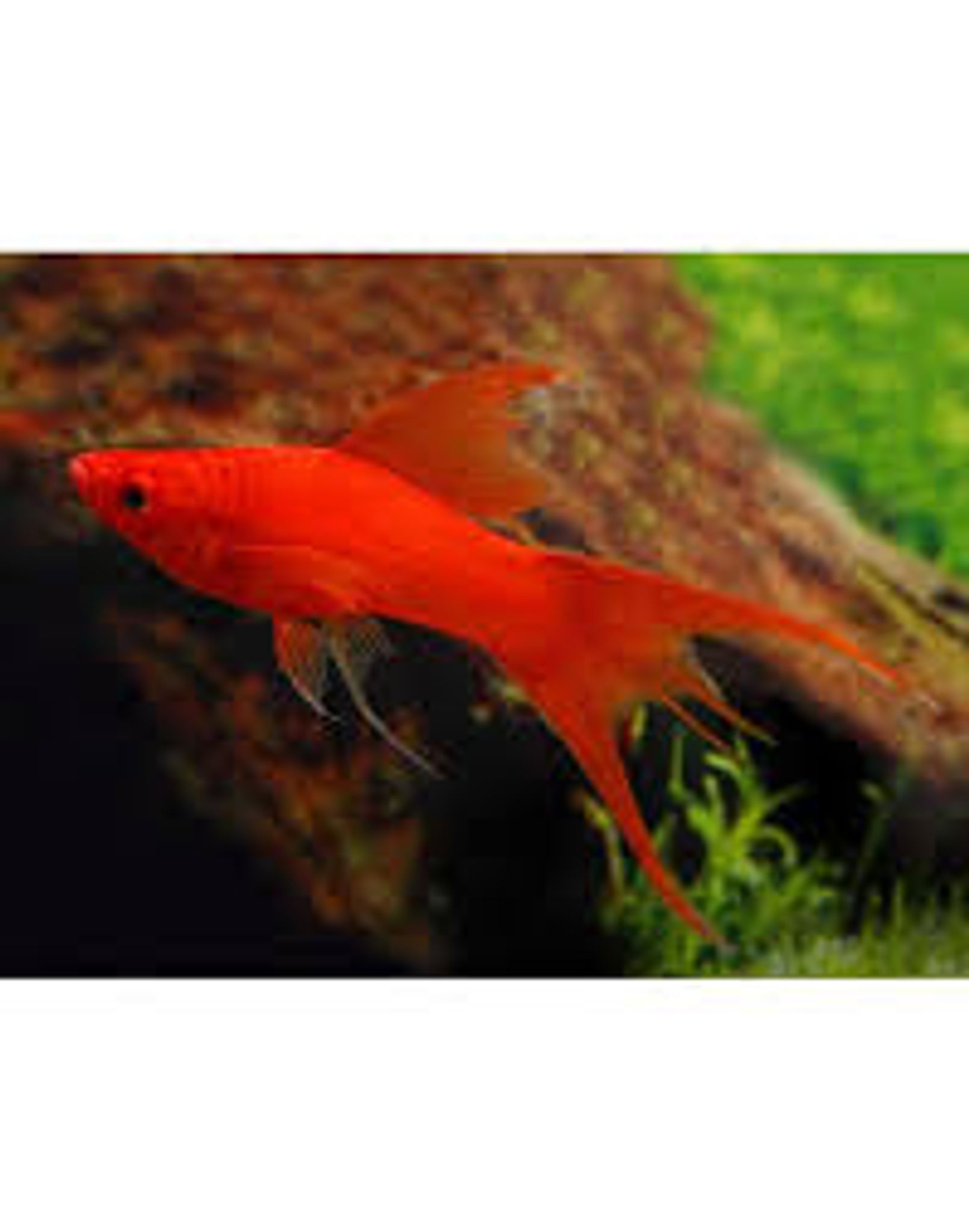
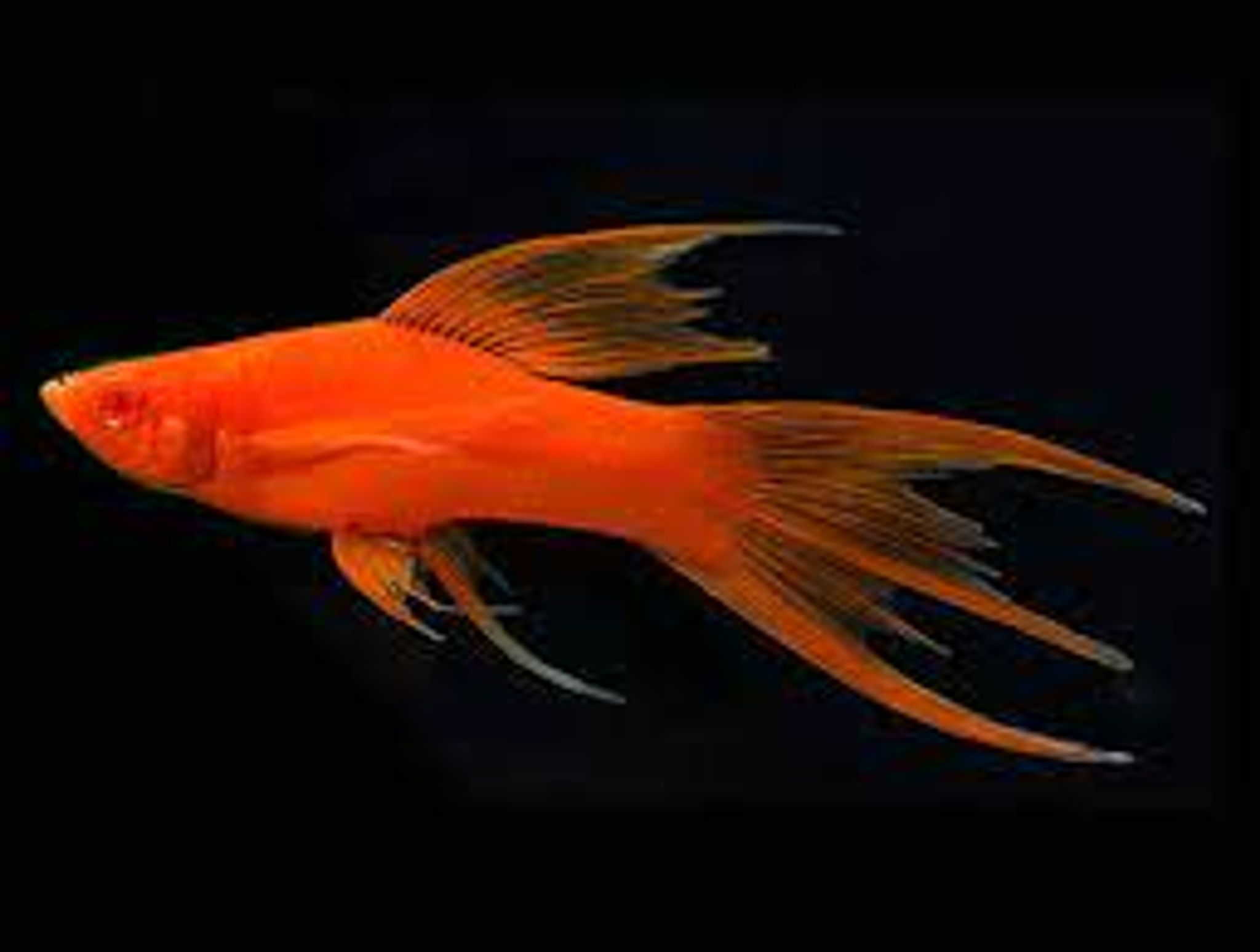
Red Swordtails are among the most recognisable varieties and are prized for their bright red or orange-red coloration.
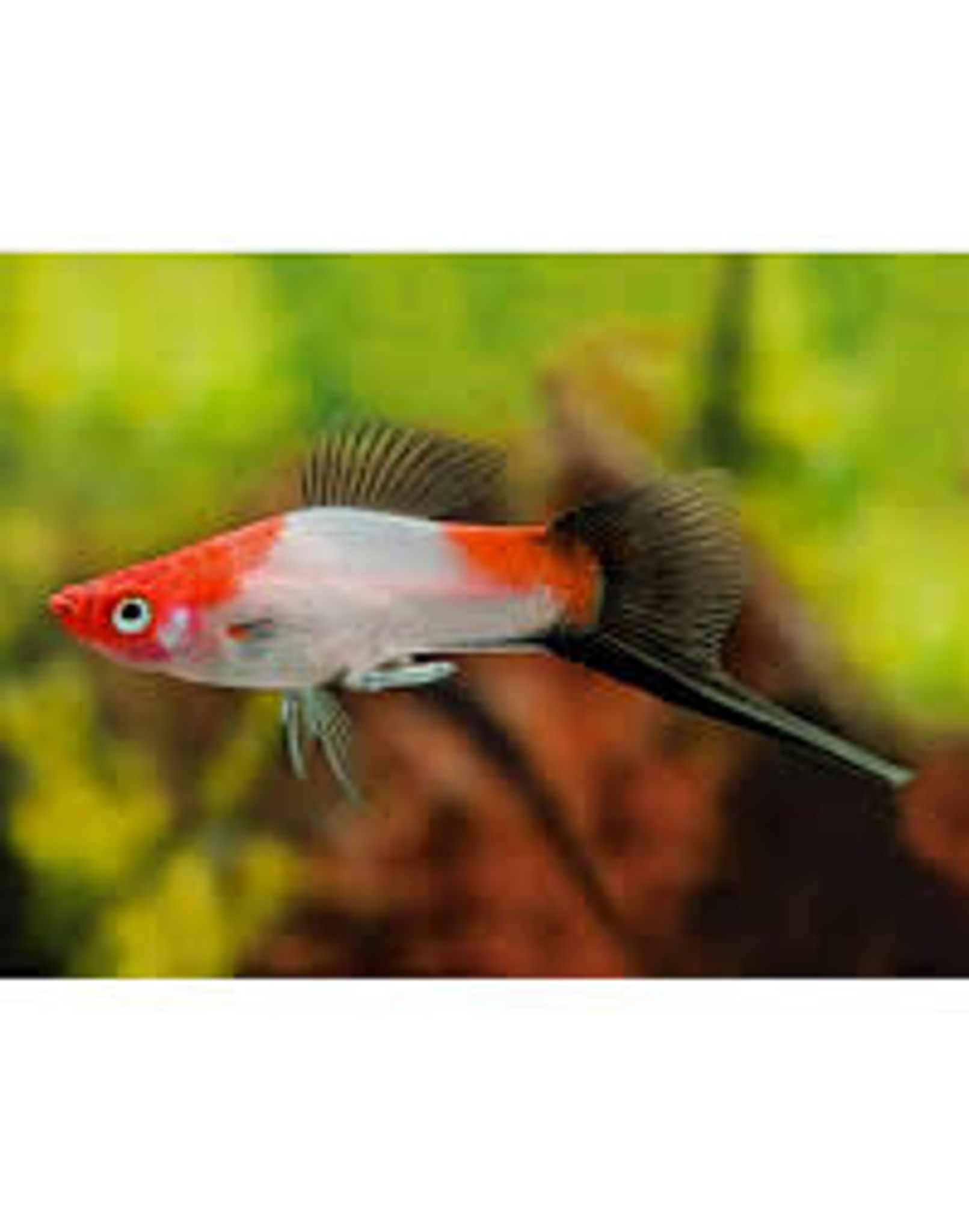
Koi Swordtails usually display contrasting white, red, orange and sometimes darker markings. Individual patterns can vary significantly from fish to fish.
Lyretail Swordtails are bred for elongated fin extensions that create a more dramatic silhouette.
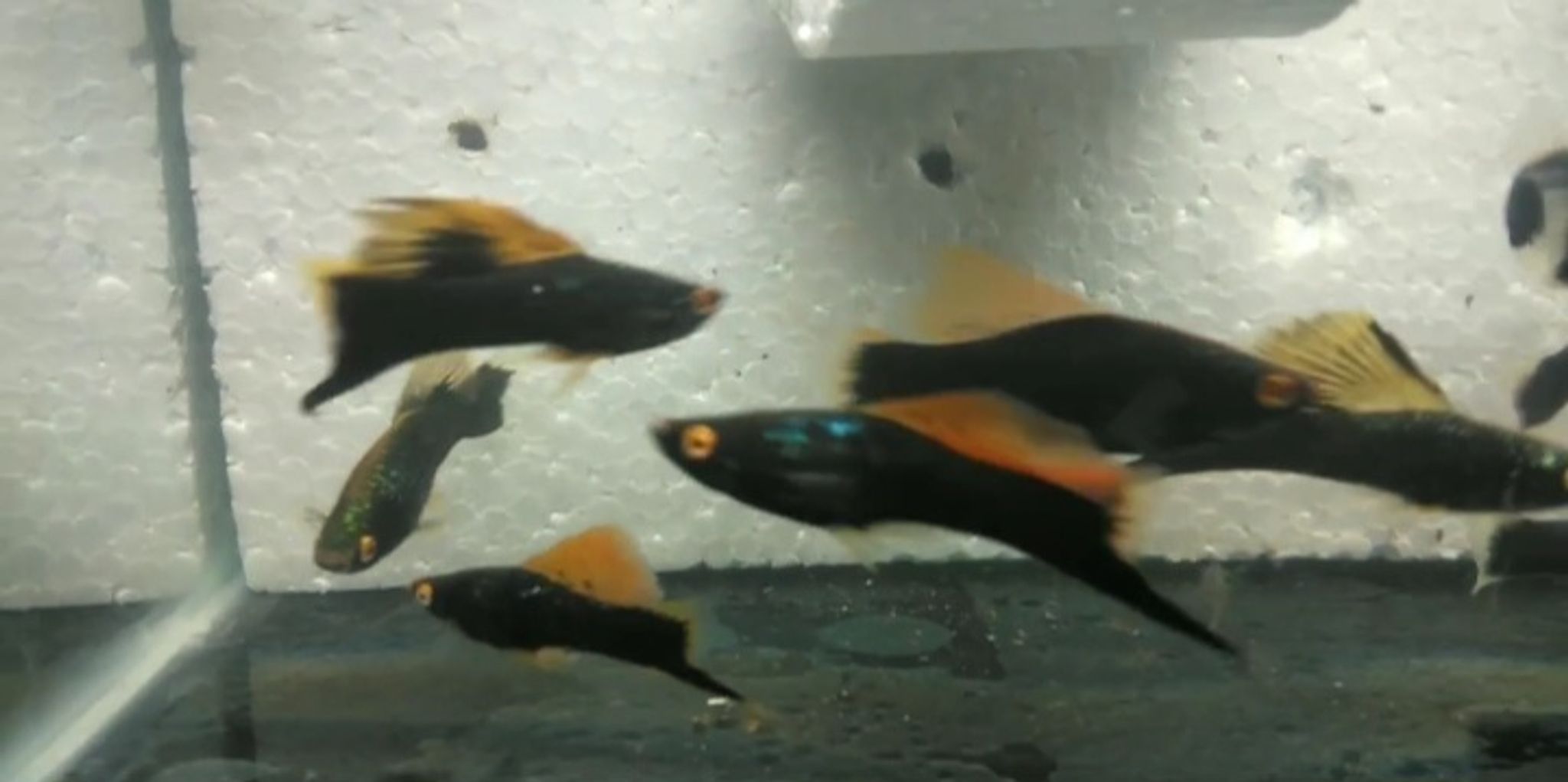
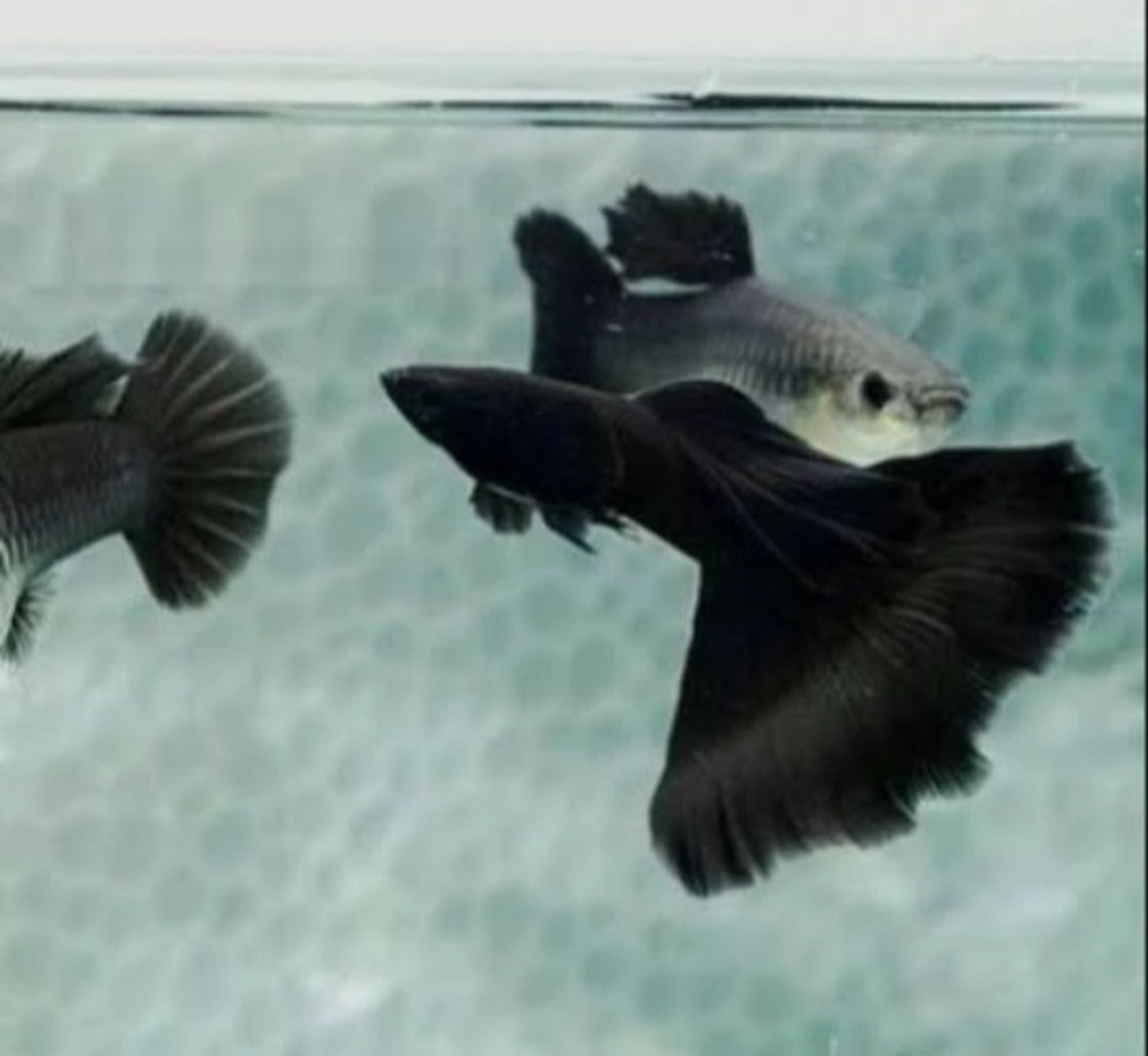
Black Swordtails may show dark body coloration or strong black patterning combined with red, orange or other colours.
Other varieties may include pineapple, wagtail, tuxedo and other selectively bred colour forms. Naming can differ between breeders, so compare the actual fish and listing photographs when choosing.
Swordtails grow larger and more active than many tiny community fish.
Mature males also develop the distinctive tail extension, so aquarium length and swimming space are important when planning a long-term setup.
Suitable tank size depends on the number of Swordtails, sex ratio, tankmates and overall stocking.
Because Swordtails are active swimmers, they generally benefit from a tank with good horizontal swimming space rather than an extremely compact aquarium.
Swordtails are often kept in community tanks with other peaceful freshwater fish.
Their active behaviour means tankmates should be able to tolerate similar water conditions and should not be easily stressed by constant movement.
Swordtails and Guppies can sometimes coexist in community aquariums because both are livebearers.
Swordtails are larger and more active, so make sure the aquarium has enough space and monitor whether smaller Guppies are being outcompeted at feeding time.
Swordtails and Mollies can often be kept together when their water requirements are compatible.
Both groups are active livebearers, so avoid overcrowding and provide enough swimming space.
Swordtails and Platies are closely related and may coexist well in suitable community setups.
Swordtails generally grow larger and swim more actively, so tank size and stocking still need to be planned carefully.
Many peaceful Tetras can make suitable tankmates if water conditions are compatible.
Avoid species known for persistent fin-nipping, particularly when keeping long-finned Swordtail varieties.
Peaceful Rasboras may work with Swordtails in suitably sized community aquariums.
The main considerations are water compatibility, available swimming space and overall stocking level.
Corydoras generally occupy the lower areas of the aquarium while Swordtails spend more time in the middle and upper water column.
This difference in swimming zone can make them compatible when their water requirements and tank size are suitable.
Adult shrimp may sometimes coexist with Swordtails, but small shrimp and juveniles can be eaten.
Dense plants and moss can provide shelter, but Swordtails should not be considered completely shrimp-safe.
Swordtails can look excellent in planted community aquariums with open swimming areas.
Dense background planting and floating cover can provide shelter for fry, while the centre of the aquarium can remain open for active swimming.
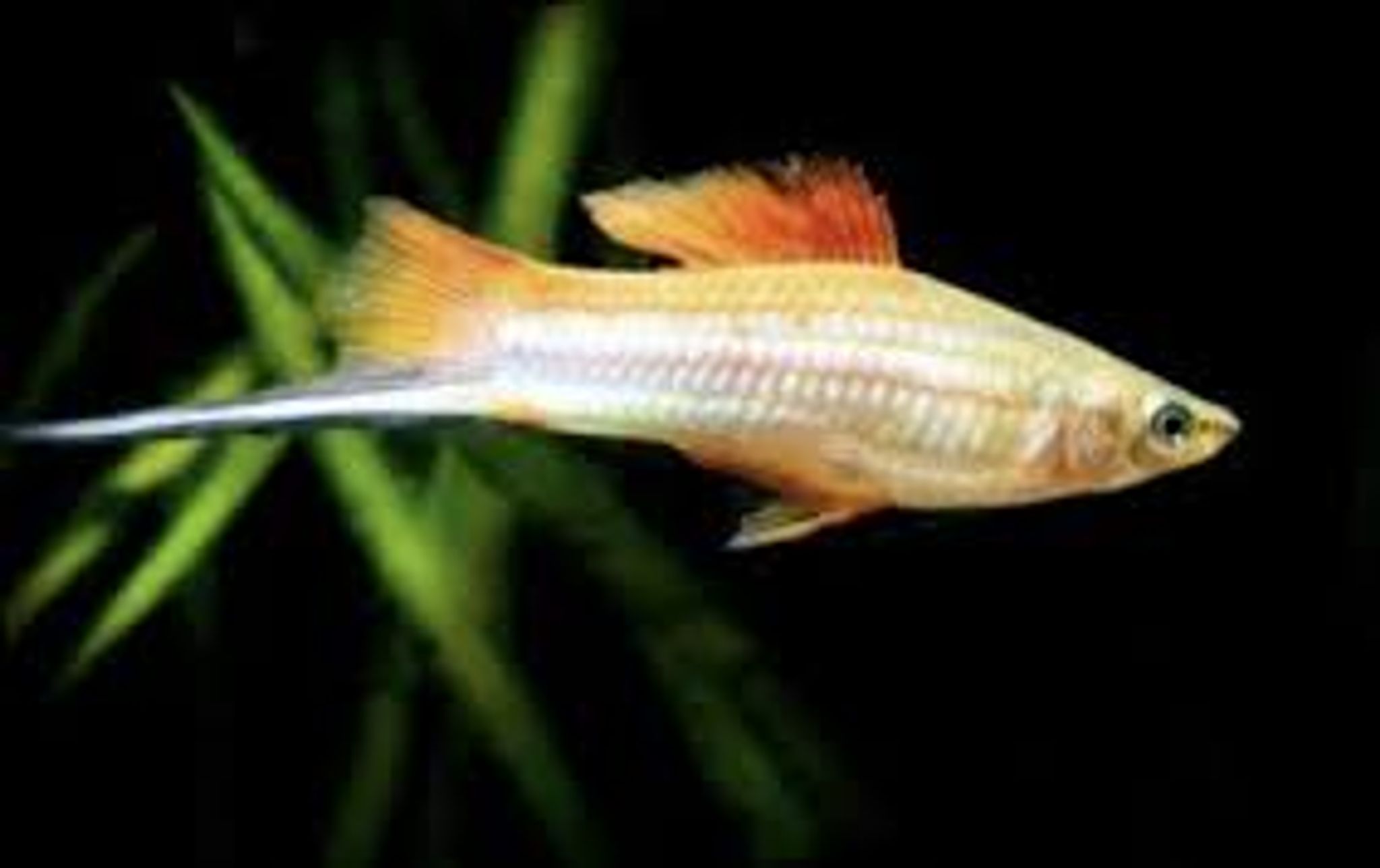
Mature male Swordtails are usually easy to recognise because of the elongated lower portion of the tail fin.
Females generally lack the sword extension and often develop a fuller body shape as they mature.
Male Swordtails can display dominance behaviour toward one another.
Larger aquariums with visual barriers and suitable group structure can help reduce persistent chasing, but behaviour varies between individual fish.
Male Swordtails may repeatedly pursue females during breeding behaviour.
Keeping more females than males can help distribute attention within a group, provided the aquarium has enough space for the resulting stocking level.
Swordtails are livebearers, meaning females give birth to live young rather than laying eggs.
In a mixed-sex group, breeding can occur readily when fish are mature and conditions are suitable.
Newborn Swordtail fry are small and may be eaten by adult fish.
Dense plants, mosses and other fine cover can improve hiding opportunities, while dedicated rearing setups provide greater control when raising fry intentionally.
Swordtails are omnivorous and can accept a variety of prepared aquarium foods.
Quality flakes or appropriately sized pellets can form part of the staple diet, with suitable complementary foods used for variety.
Swordtail fry need small food particles they can consume easily.
Finely crushed prepared foods or suitable fry foods can be offered depending on their size and stage of development.
Swordtails generally do well in stable, clean water and are commonly associated with moderately mineral-rich freshwater conditions.
Avoid sudden changes in temperature or water chemistry and match conditions to the source of the fish and the needs of the rest of the aquarium.
Swordtails are active fish and benefit from effective mechanical and biological filtration.
Canister filters, HOB filters, internal filters and other suitable systems can work when sized appropriately for the tank and stocking level.
Swordtails can be suitable for beginners who understand aquarium cycling, filtration and basic water-quality management.
Their active behaviour, larger adult size and rapid breeding potential mean they require more planning than very small nano fish.
Swordtails are generally community-oriented fish, but males can chase females and display dominance toward other males.
Adequate swimming space, suitable group structure and avoiding overcrowding can help reduce persistent aggression.
Chasing may be related to courtship, competition between males, territorial behaviour or overcrowding.
Observe which fish are involved and whether any individual is being prevented from eating or resting normally.
When comparing Swordtails for sale, look for:
Choose overall condition before selecting purely for colour or fin shape.
Introduce newly purchased Swordtails carefully to avoid sudden changes in temperature and water chemistry.
Quarantine can also help reduce the risk of introducing disease into an established community aquarium.
Swordtail prices in Singapore vary according to colour strain, size, fin type, quality, rarity and seller.
Common varieties may be relatively affordable, while uncommon selectively bred forms and high-quality specimens can cost more.
FishyHub brings Swordtail listings from aquarium shops, breeders and freshwater fish sellers across Singapore together in one marketplace, making it easier to compare available fish from multiple sources.
When comparing Swordtail listings, consider:
Livestock availability changes regularly, so specific colours, sizes and strains may not always remain in stock.
Yes. Swordtails are freshwater livebearers commonly kept in community aquariums.
They generally can be, although mature males may show dominance and their active behaviour requires adequate swimming space.
They often can when tank size, stocking and water conditions are suitable.
Yes, they can often coexist because both are active livebearers with broadly compatible aquarium requirements.
Adult shrimp may sometimes coexist with them, but small shrimp and juveniles can be eaten.
Yes. Swordtails are livebearers and females give birth to free-swimming fry.
Mature males usually develop the distinctive sword-like extension on the lower part of the tail, while females generally do not.
They can be relatively beginner-friendly when given stable water, adequate swimming space, suitable filtration and compatible tankmates.
Explore Swordtail fish for sale on FishyHub and compare Red, Koi, Lyretail and other Swordtail varieties from aquarium sellers and breeders across Singapore. Compare colour, size, sex and price to find suitable Swordtails for your freshwater community aquarium.
1–13 of 13
