1–32 of 32
Showing 32 of 32 products



1749442139321.jpeg?signature=6fc3e1a0edf900c55096b9f73a3cfd1846b7a8d470ff351996dde59411eefcaa)
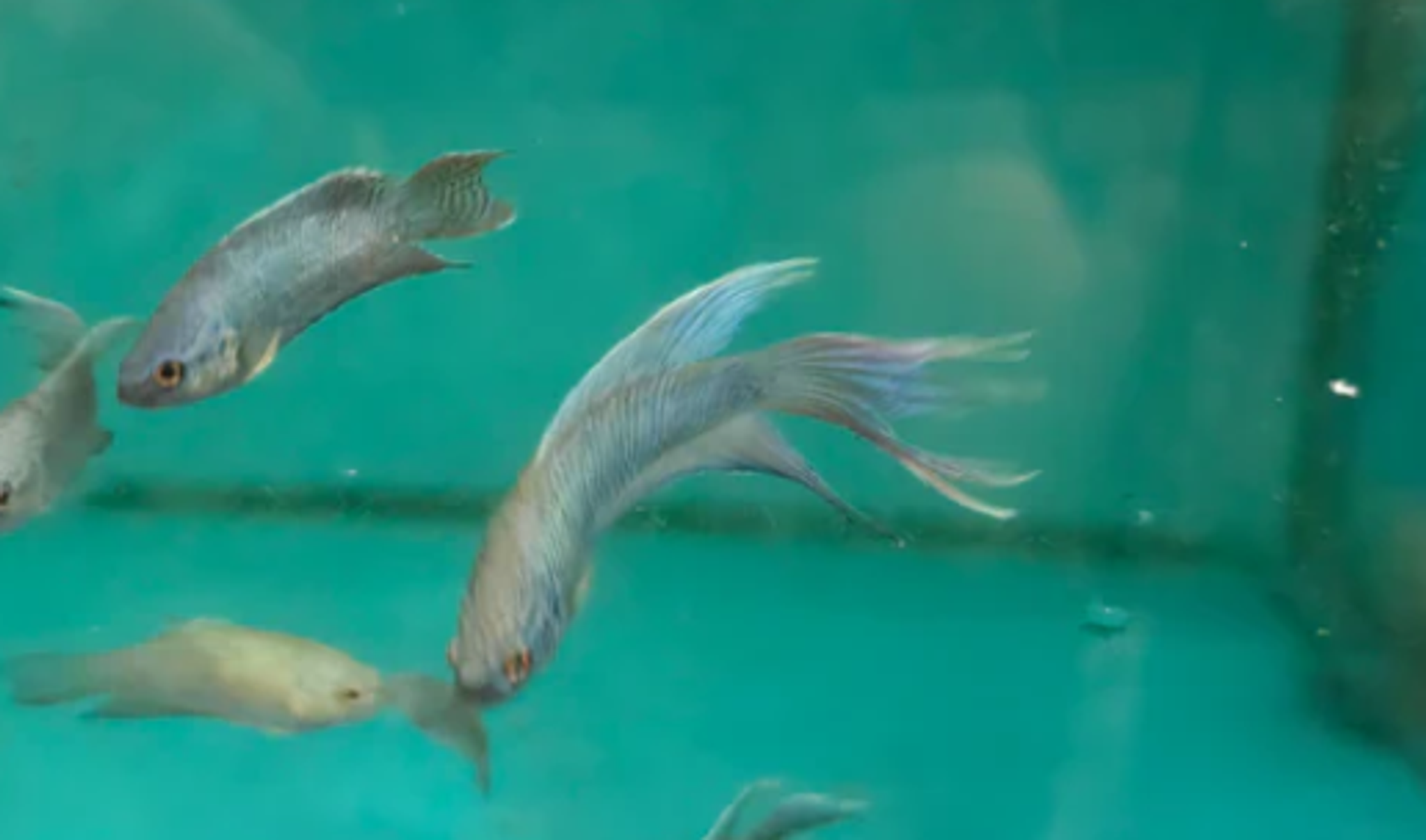
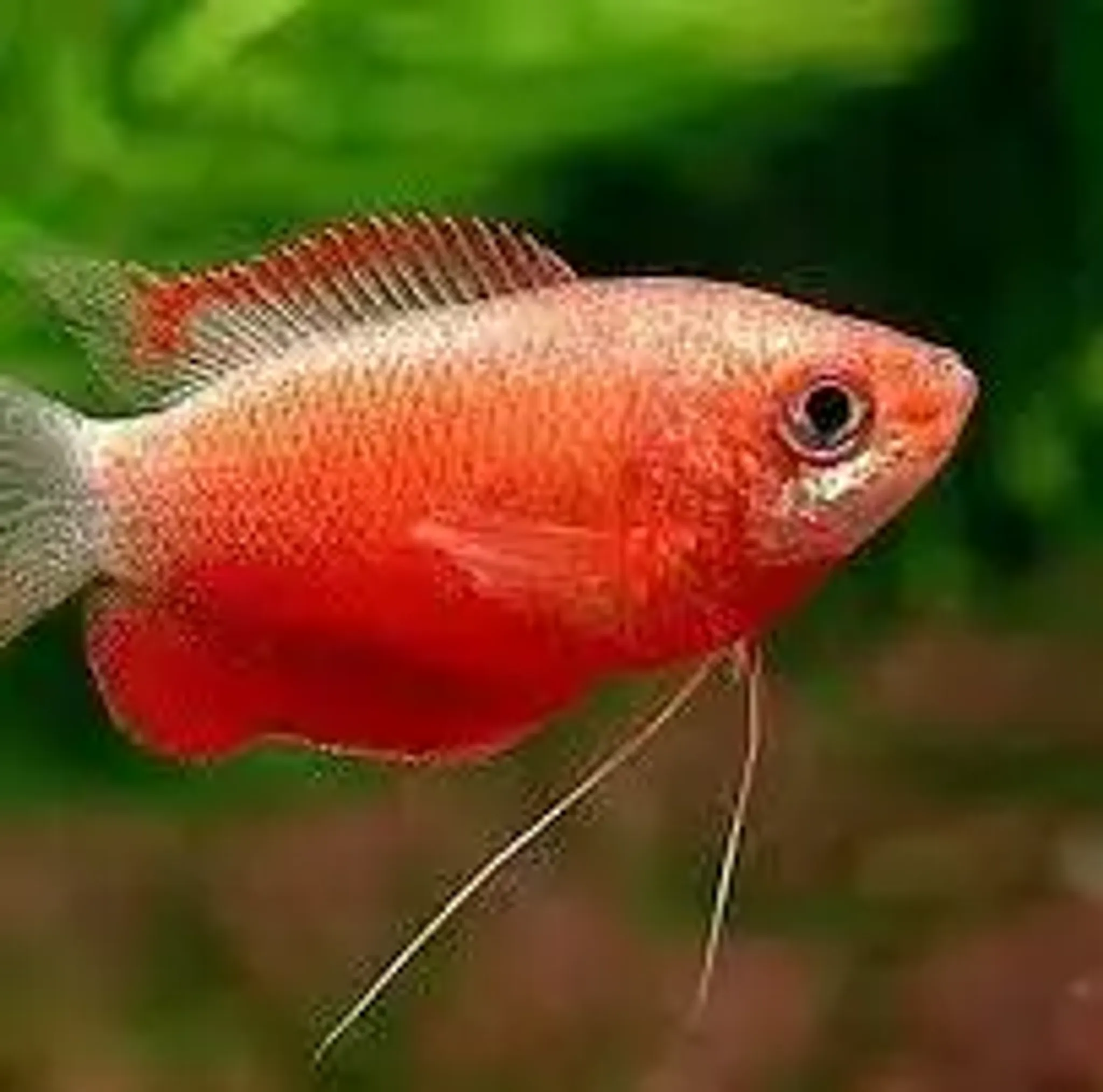
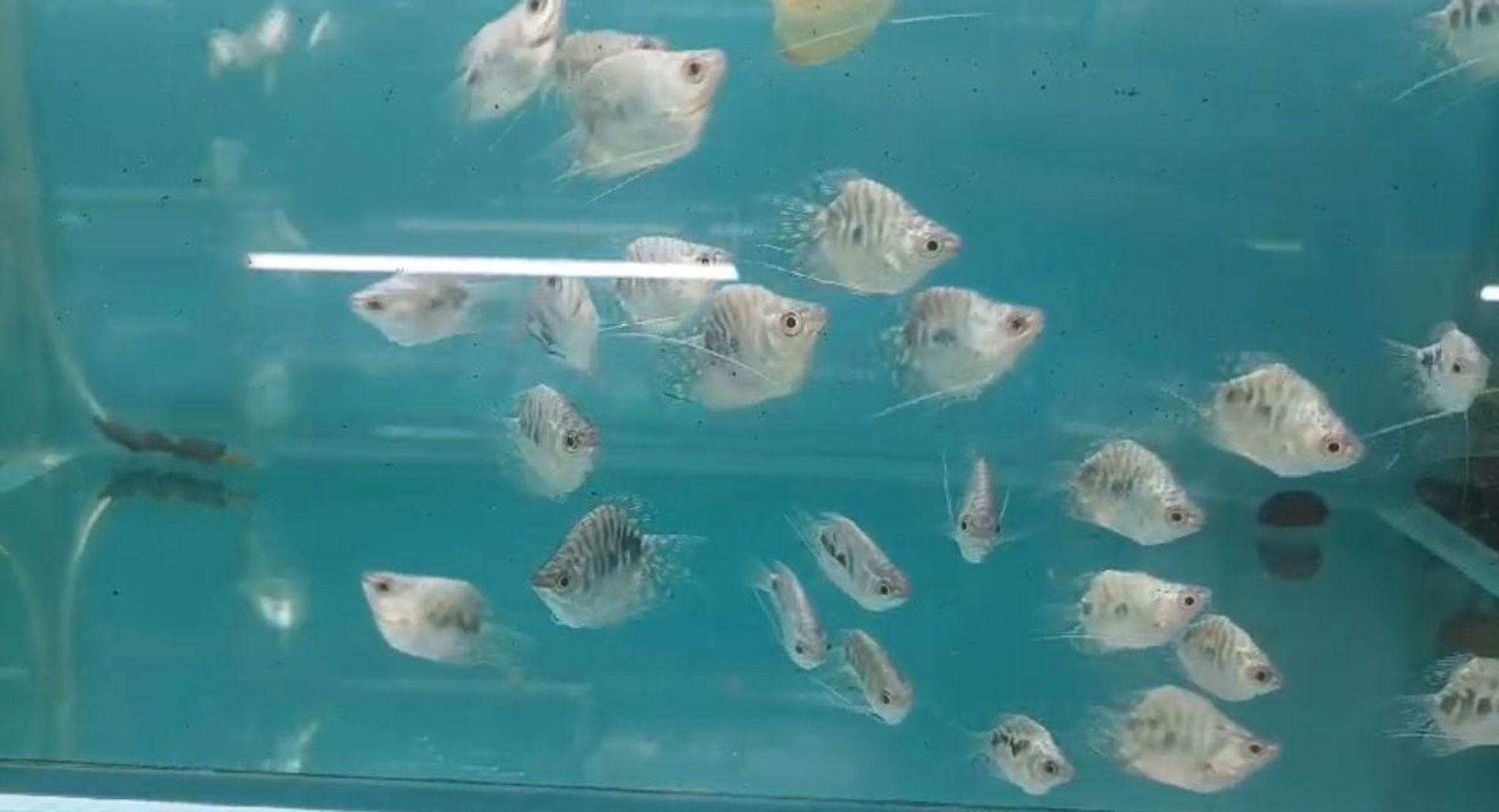
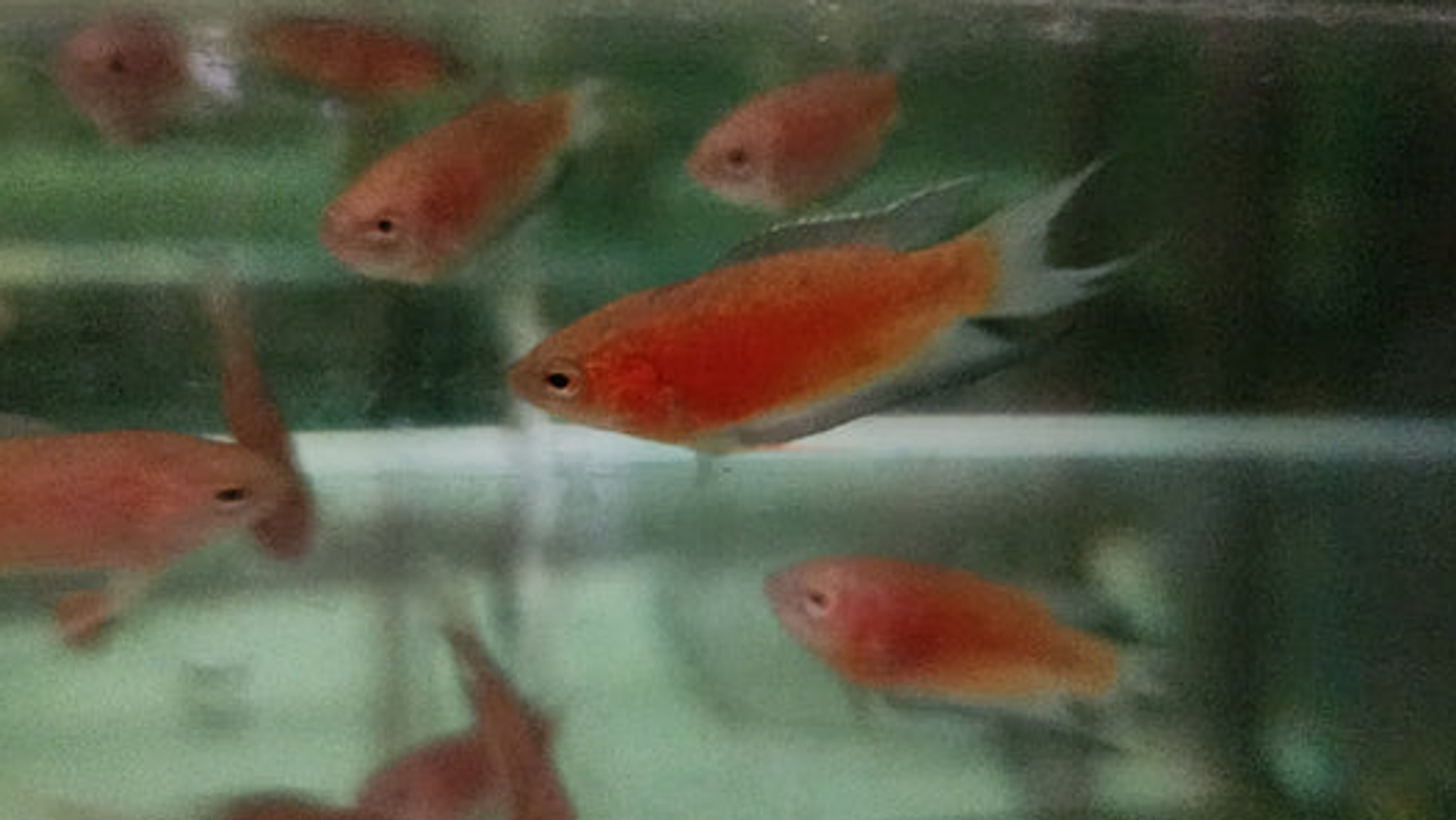
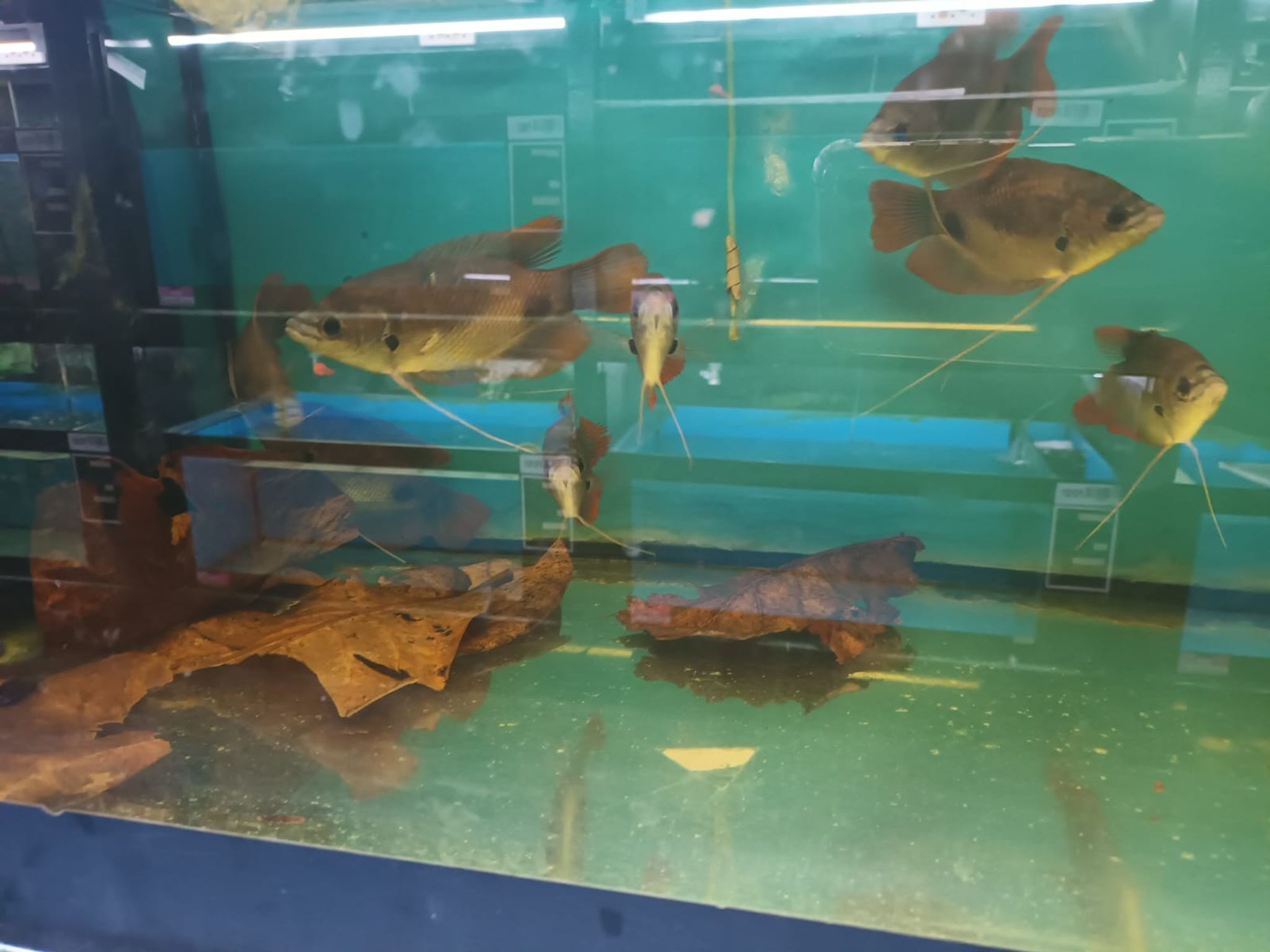
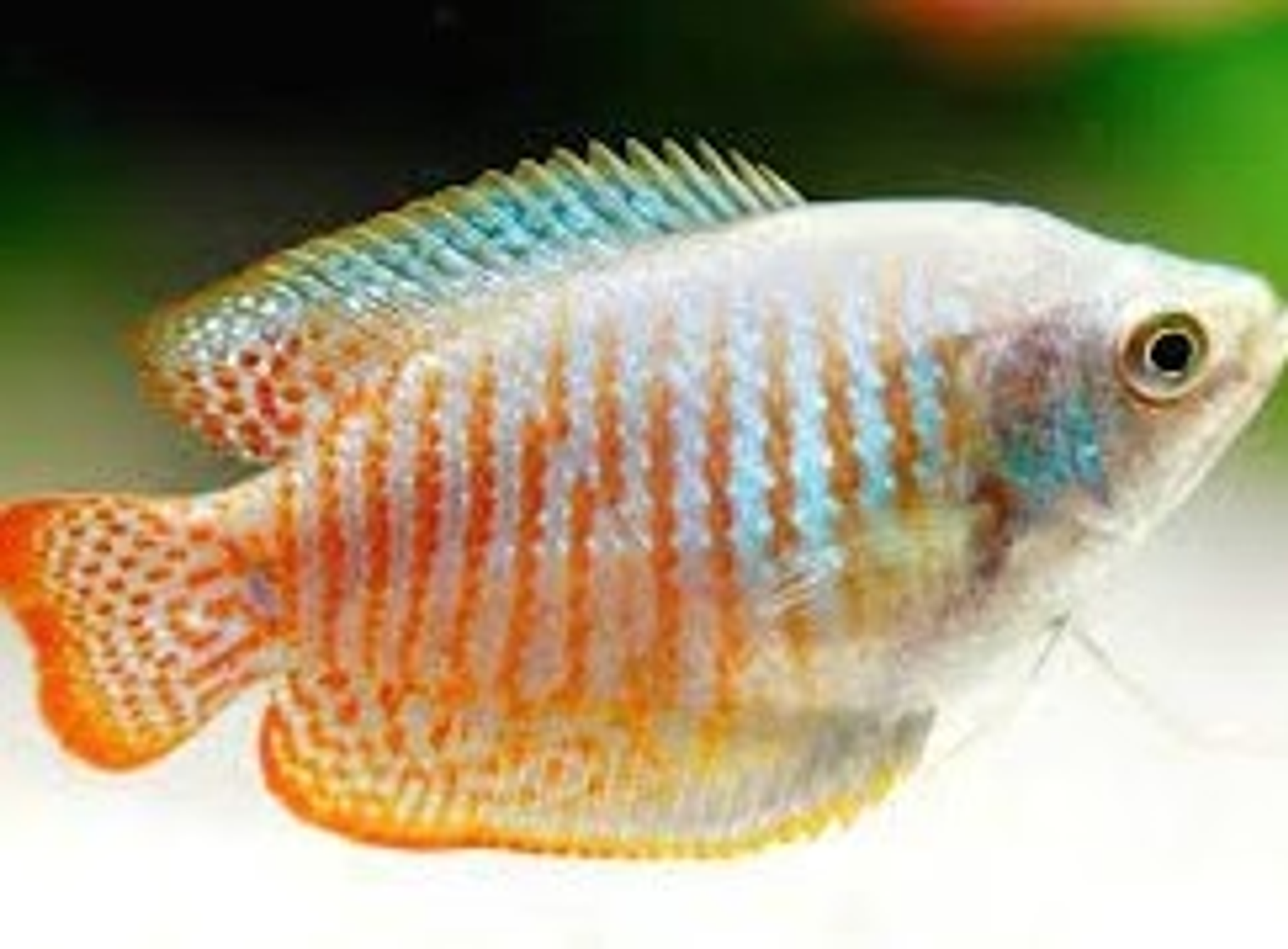
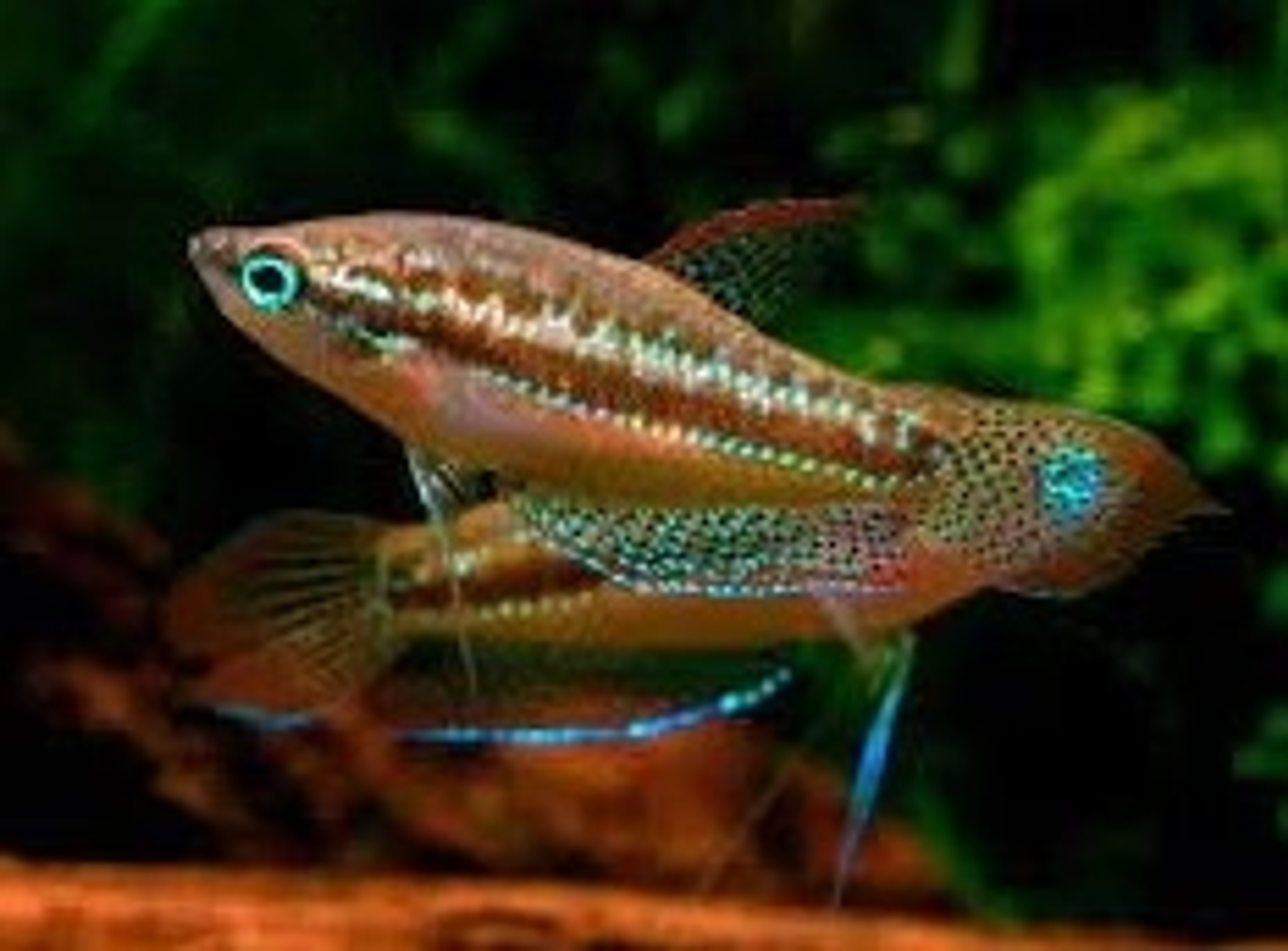
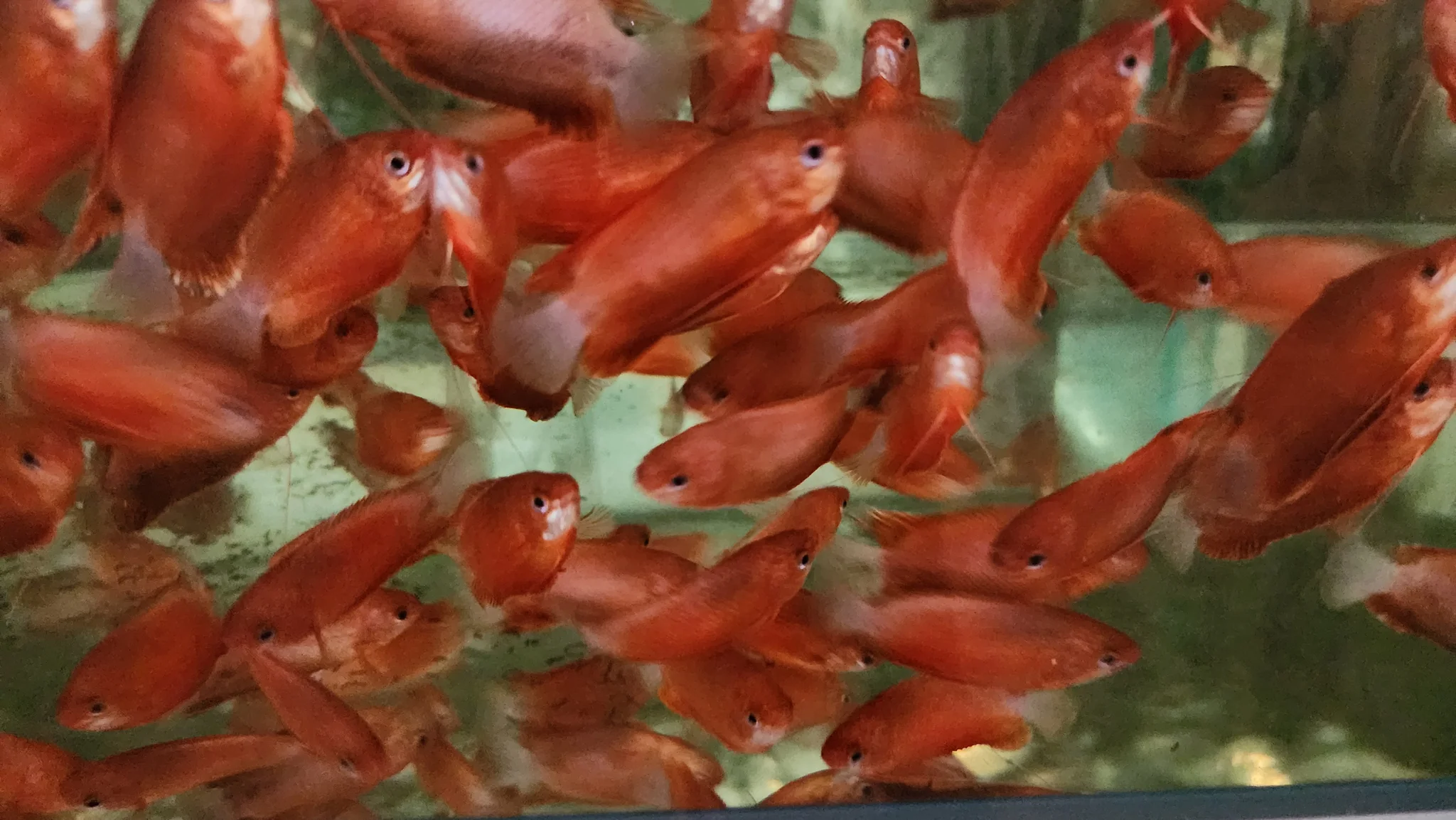


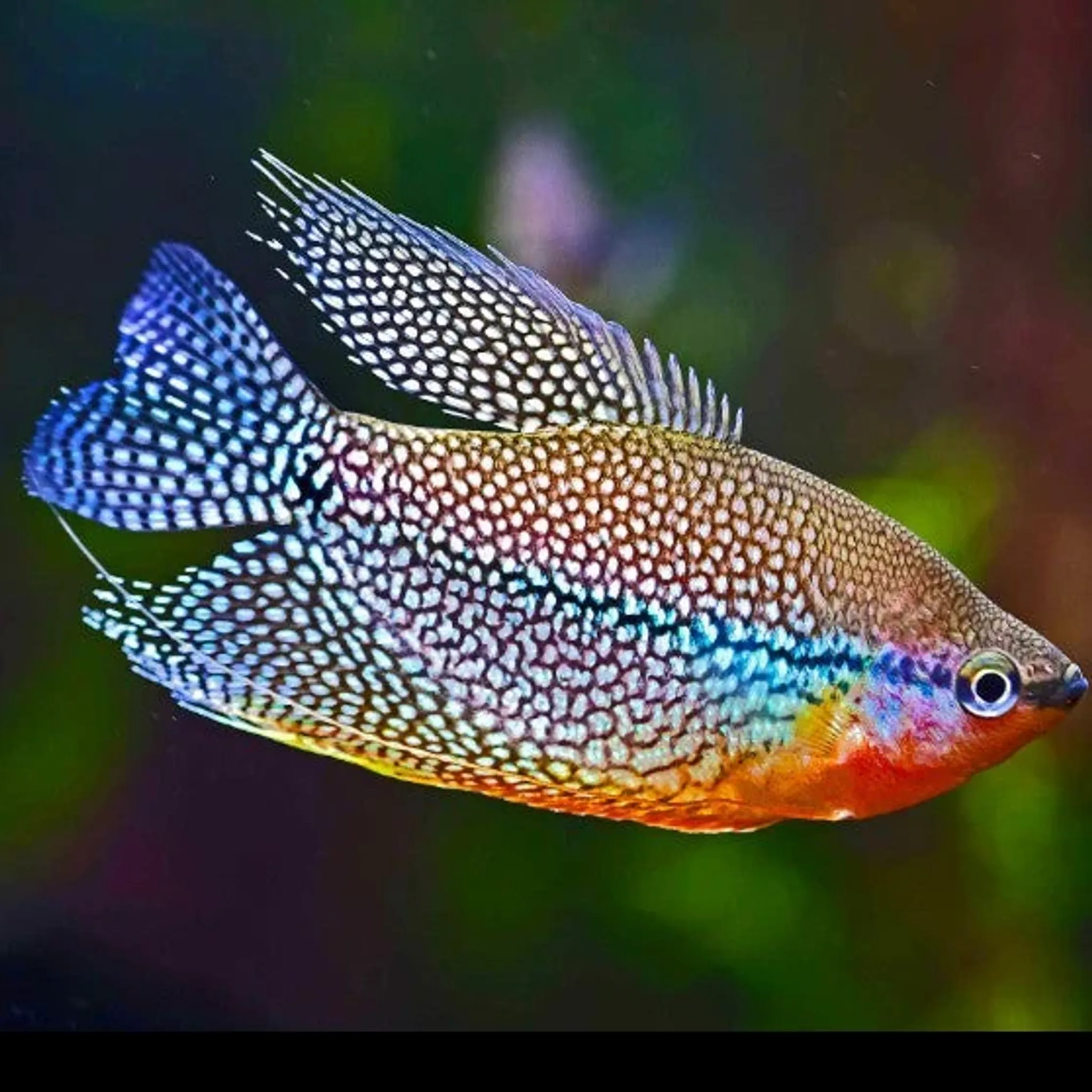
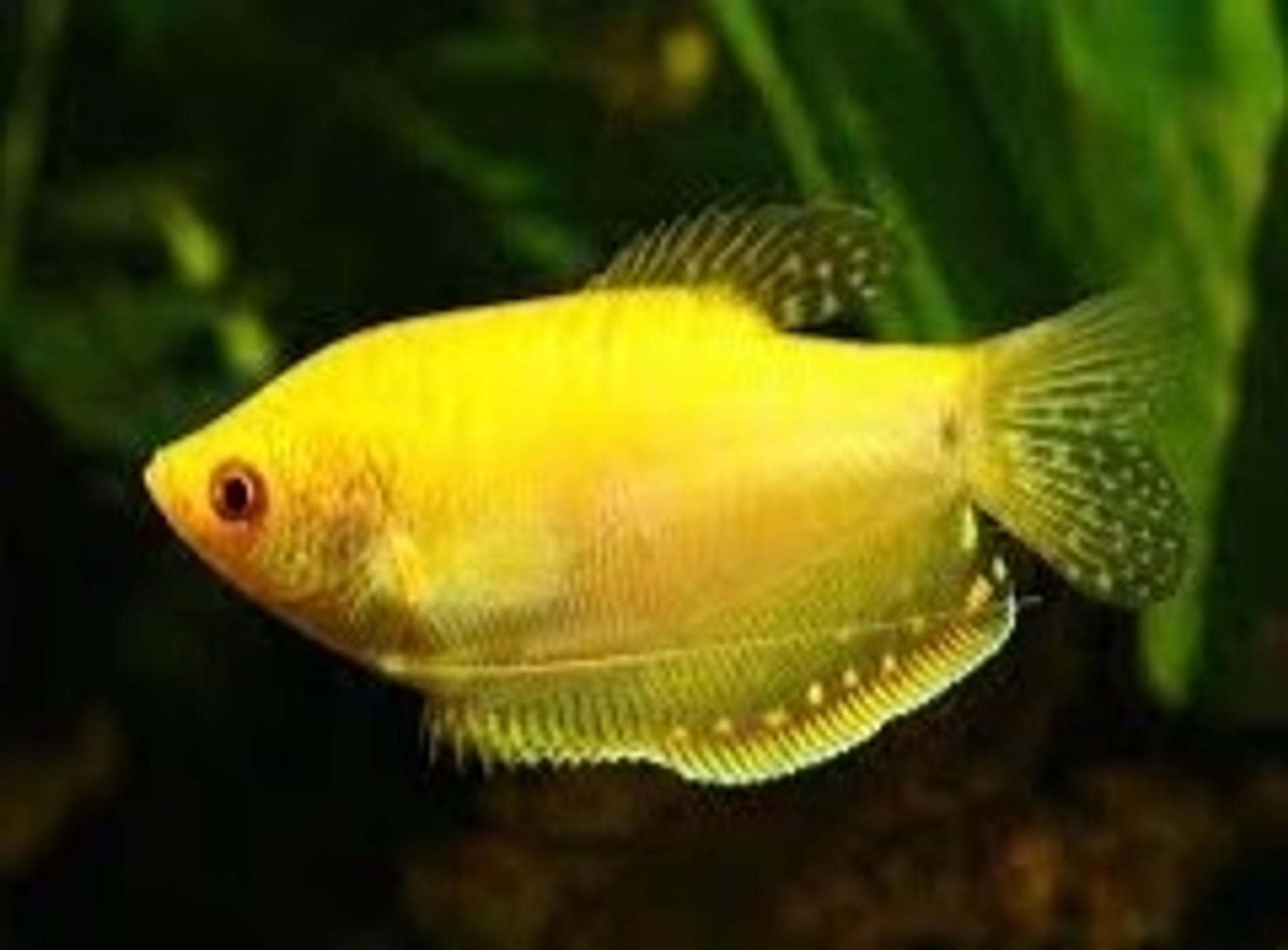
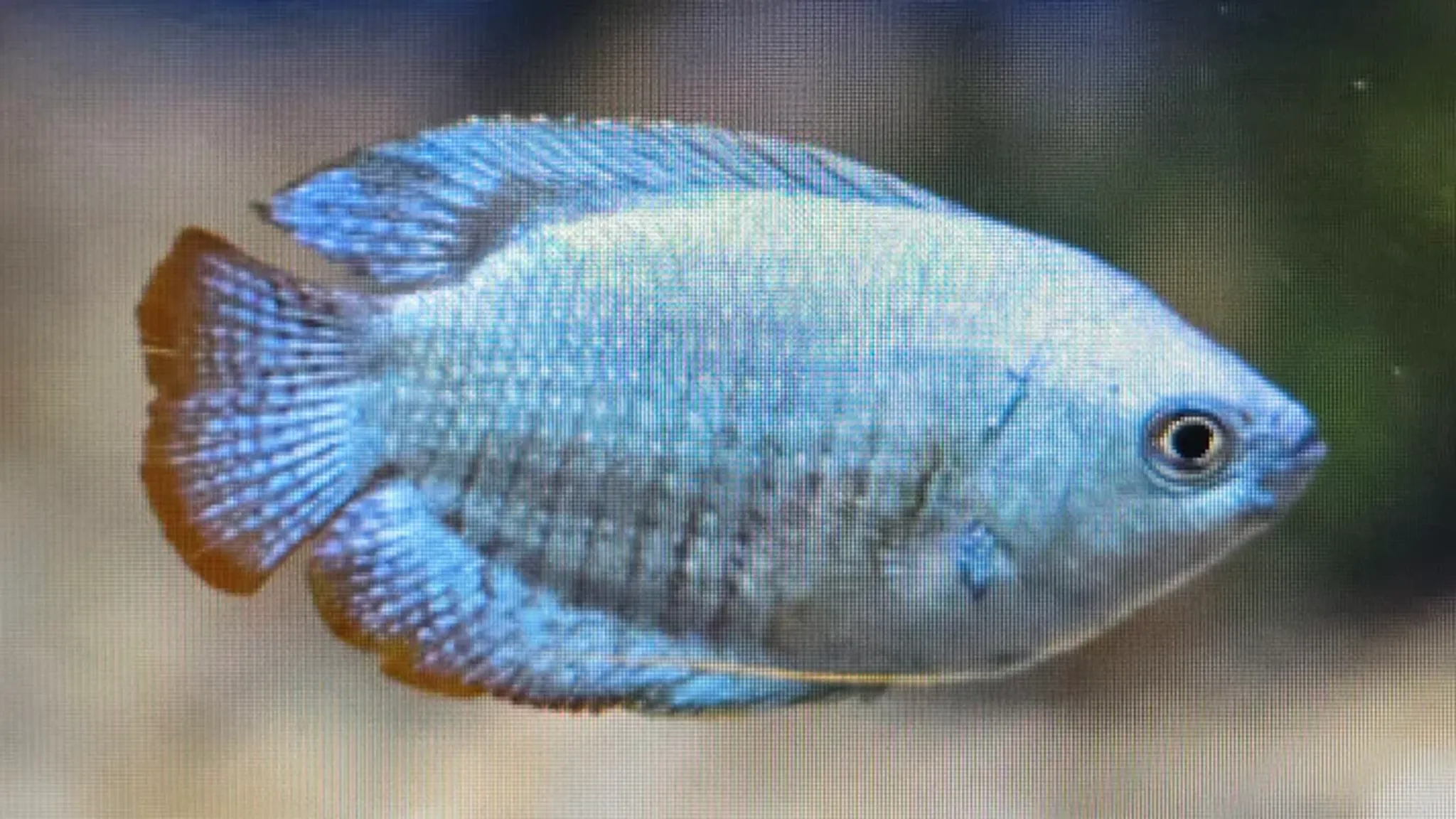
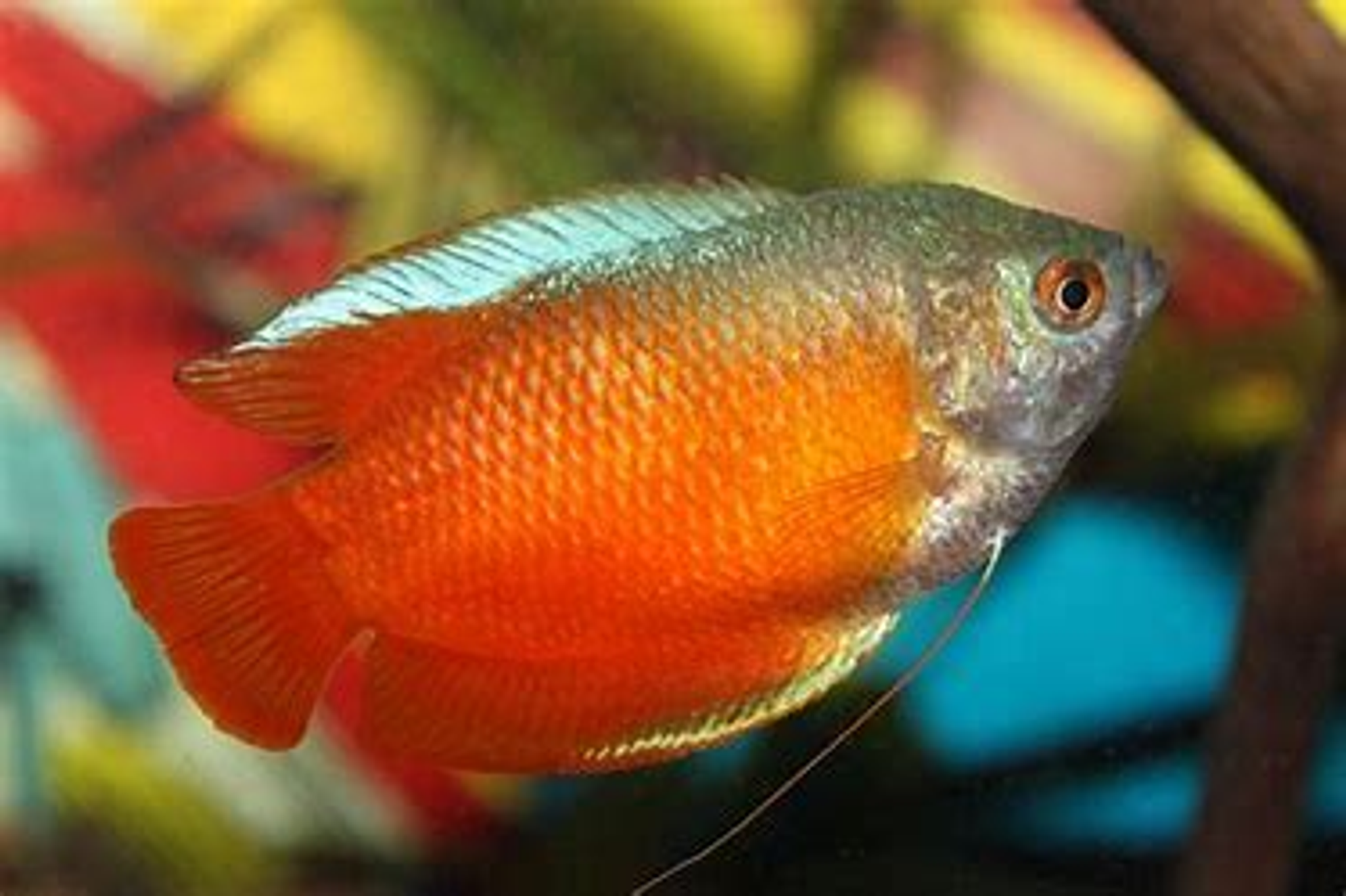
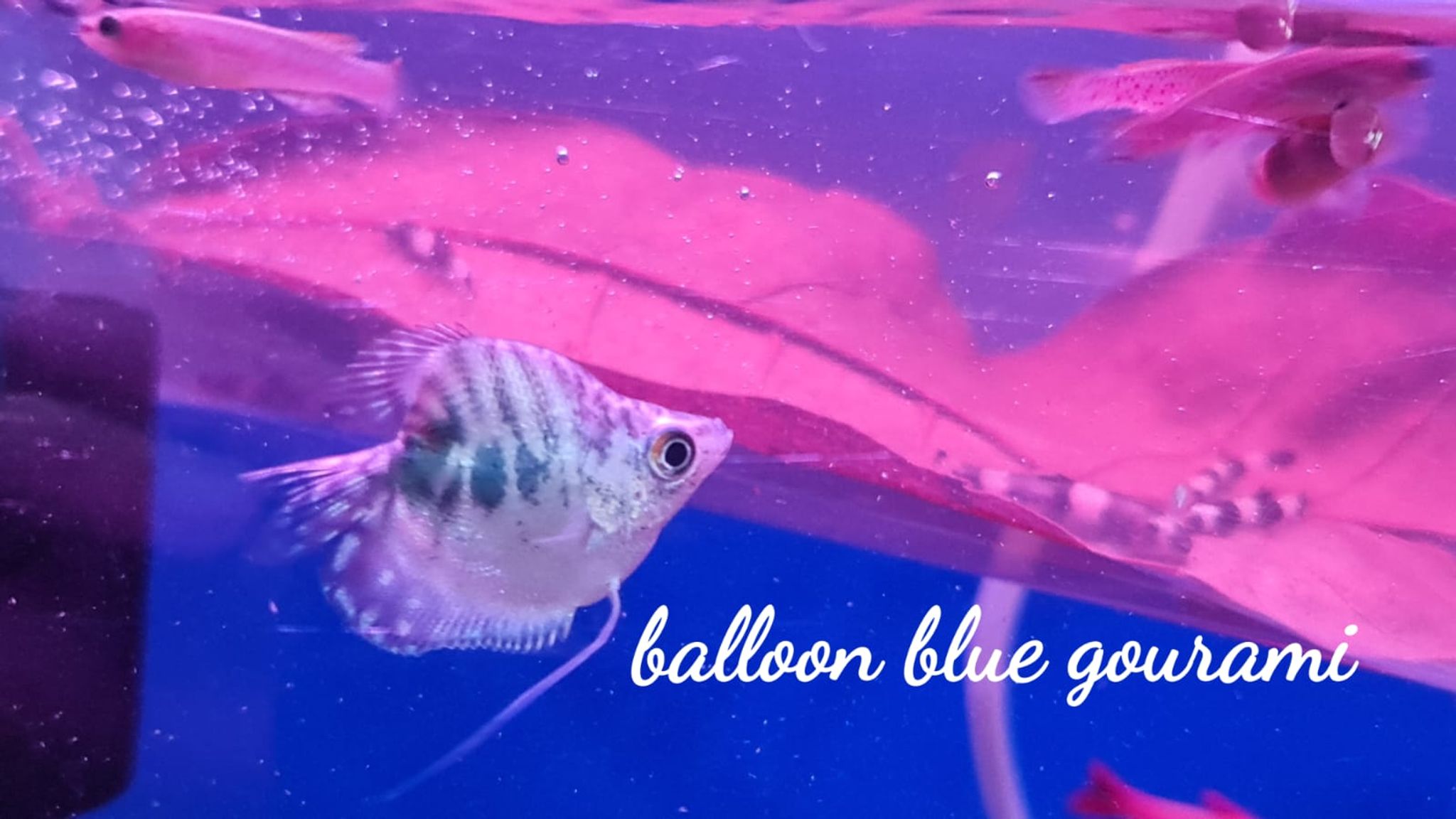
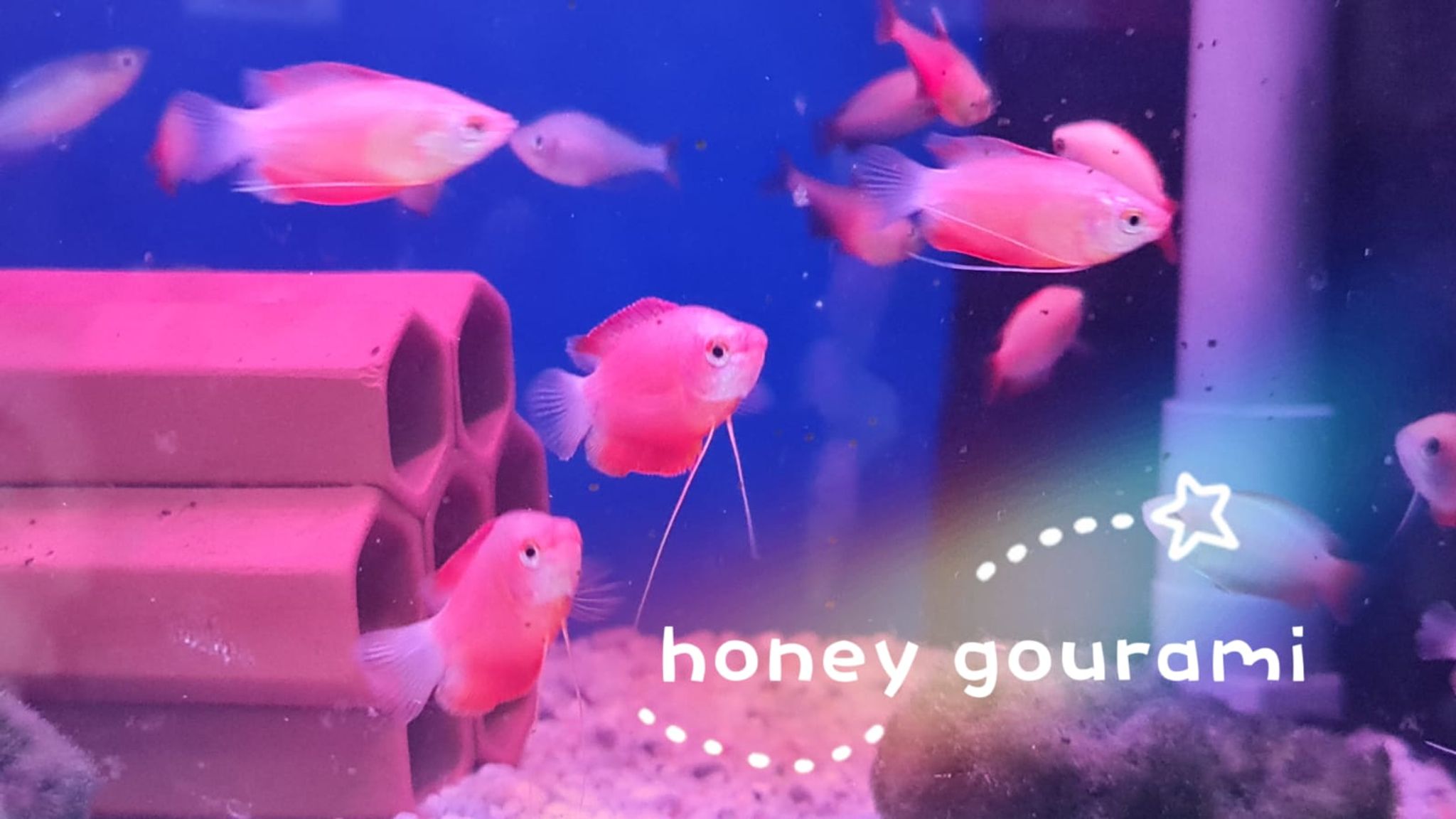
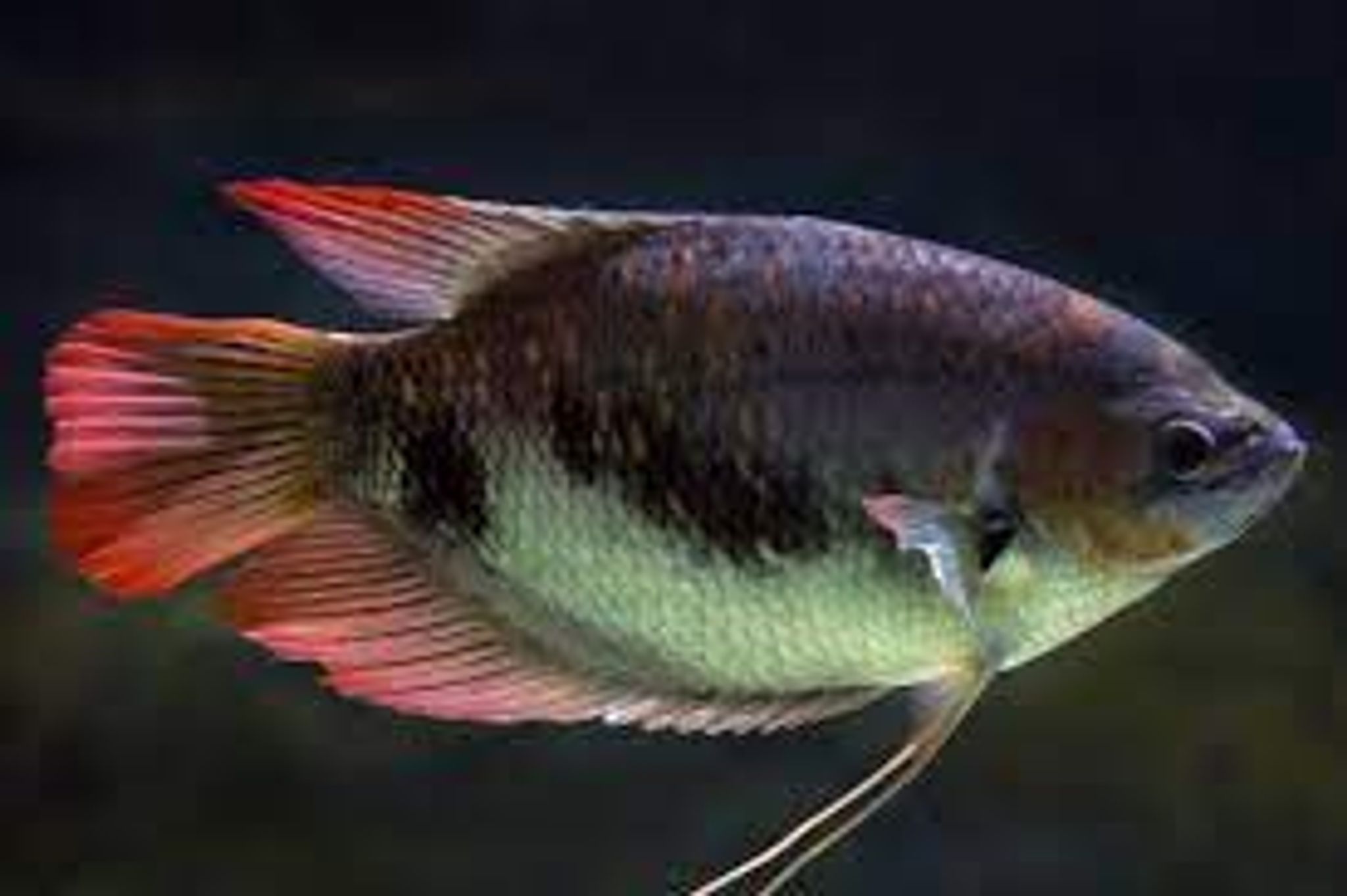
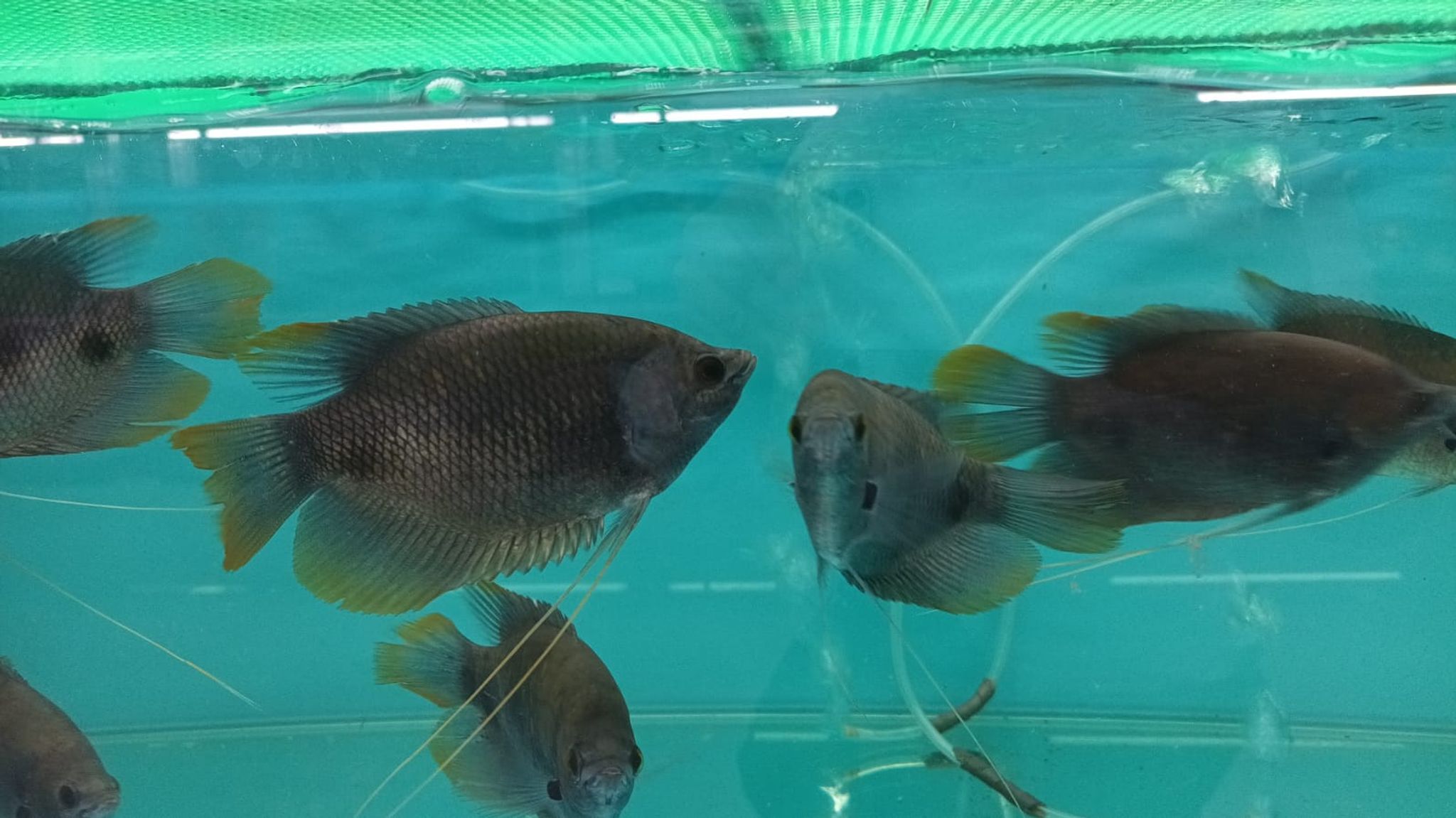
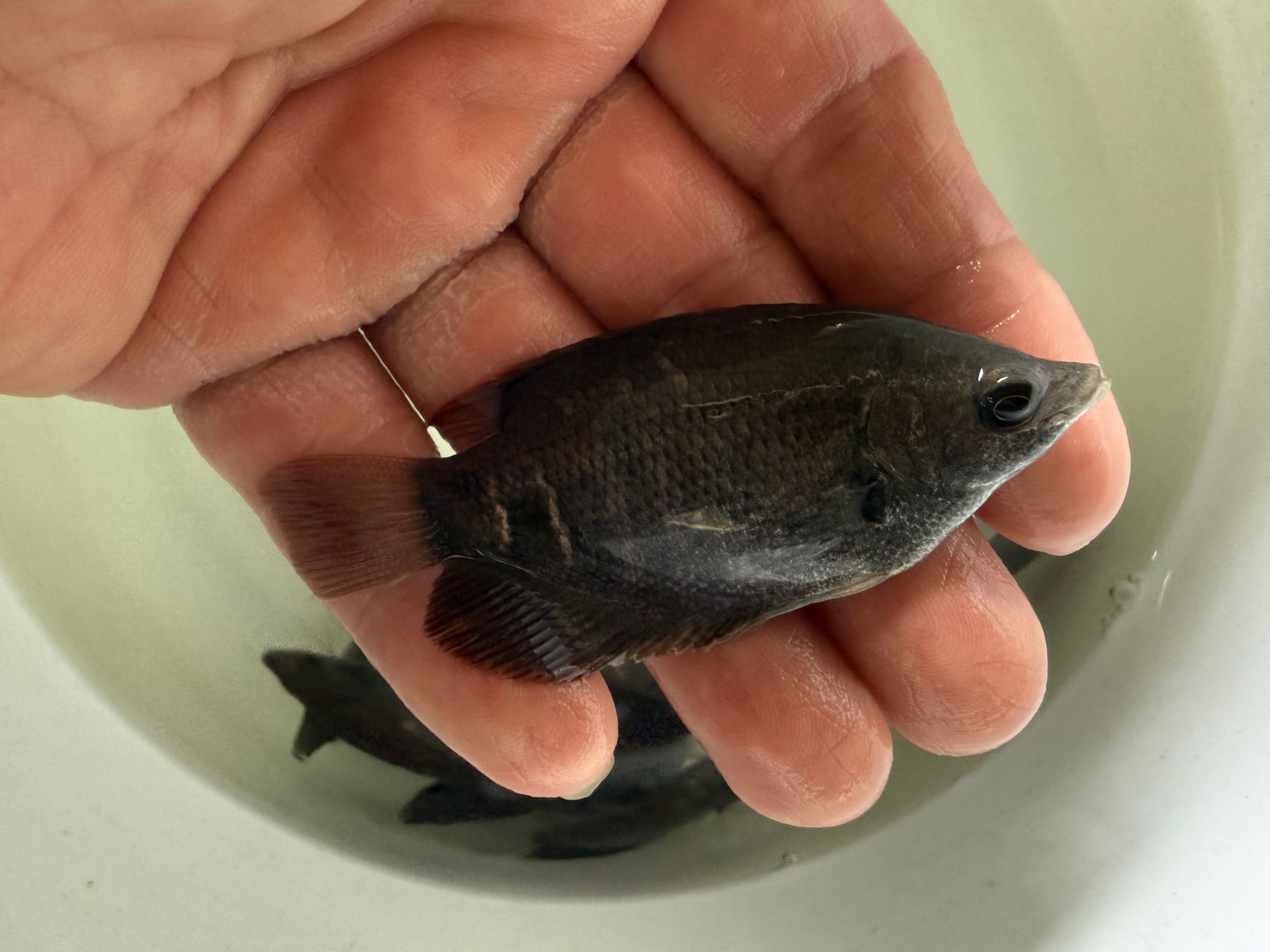
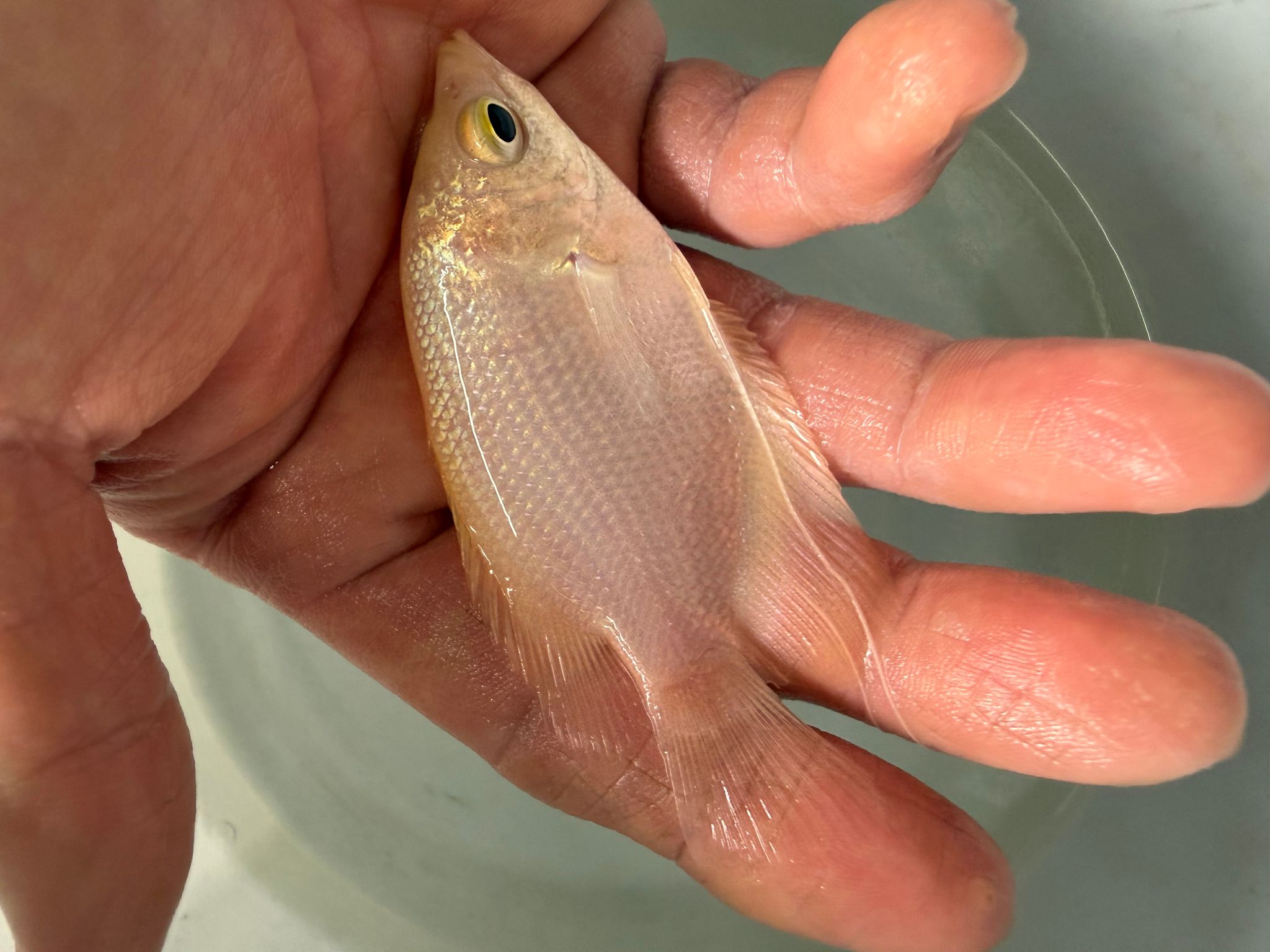
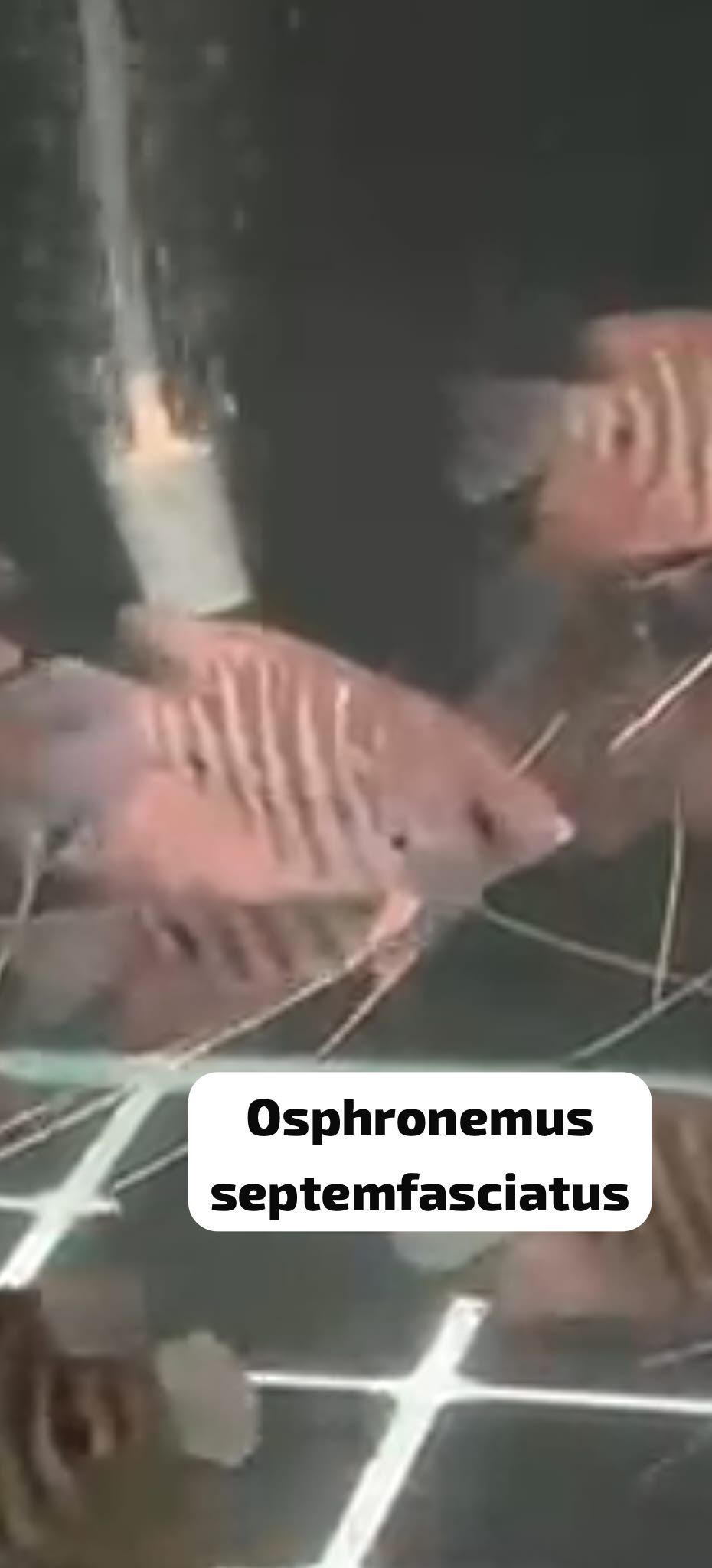
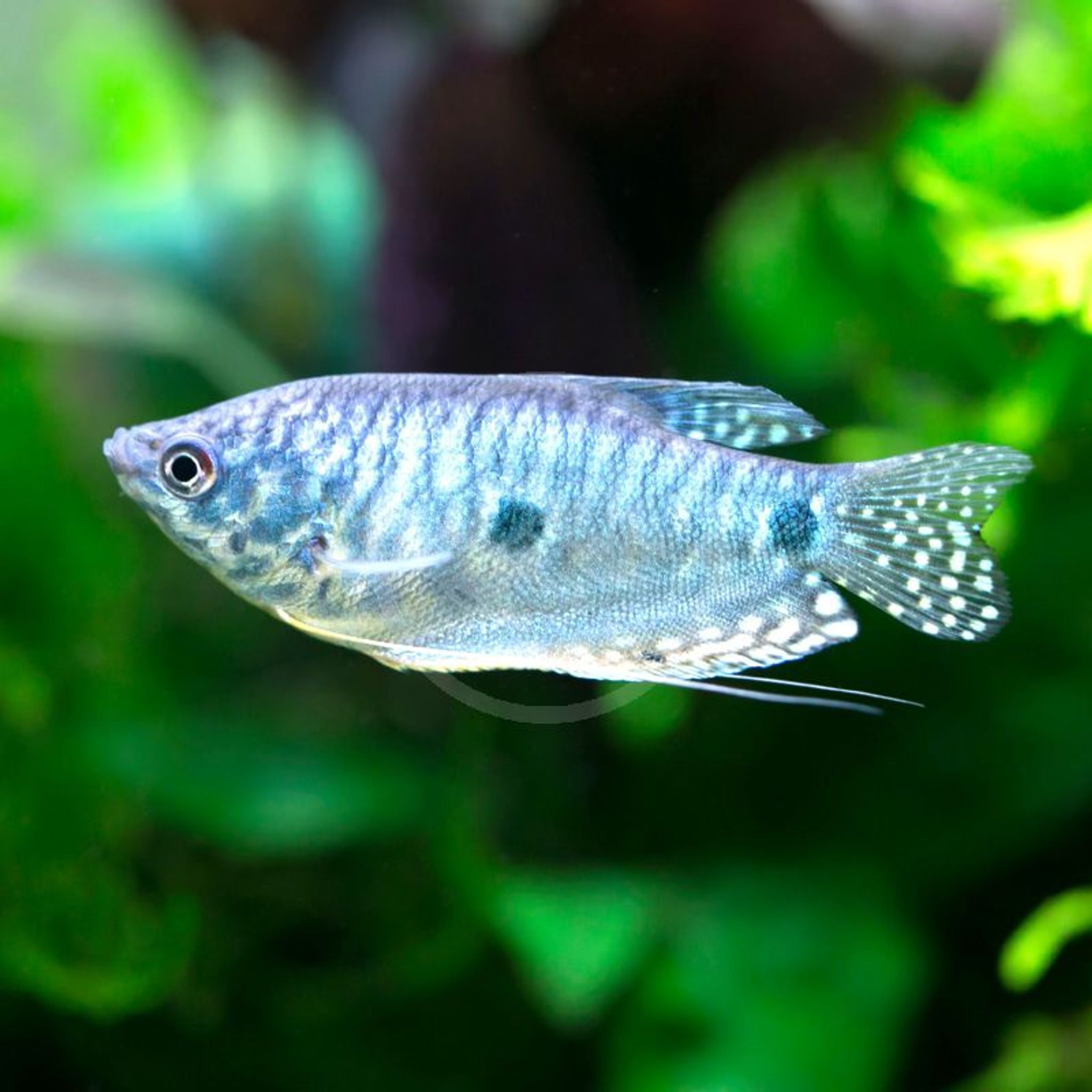
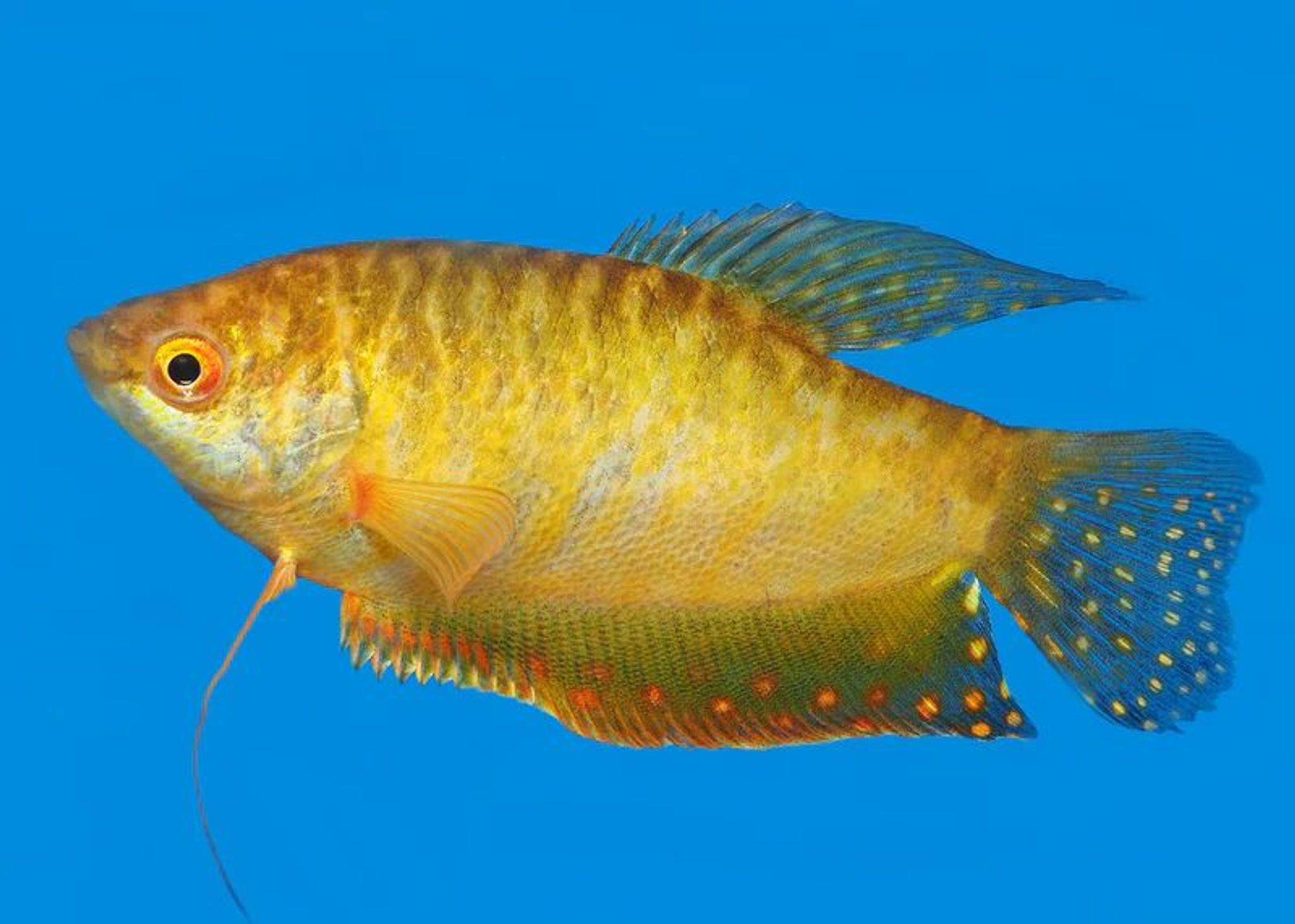
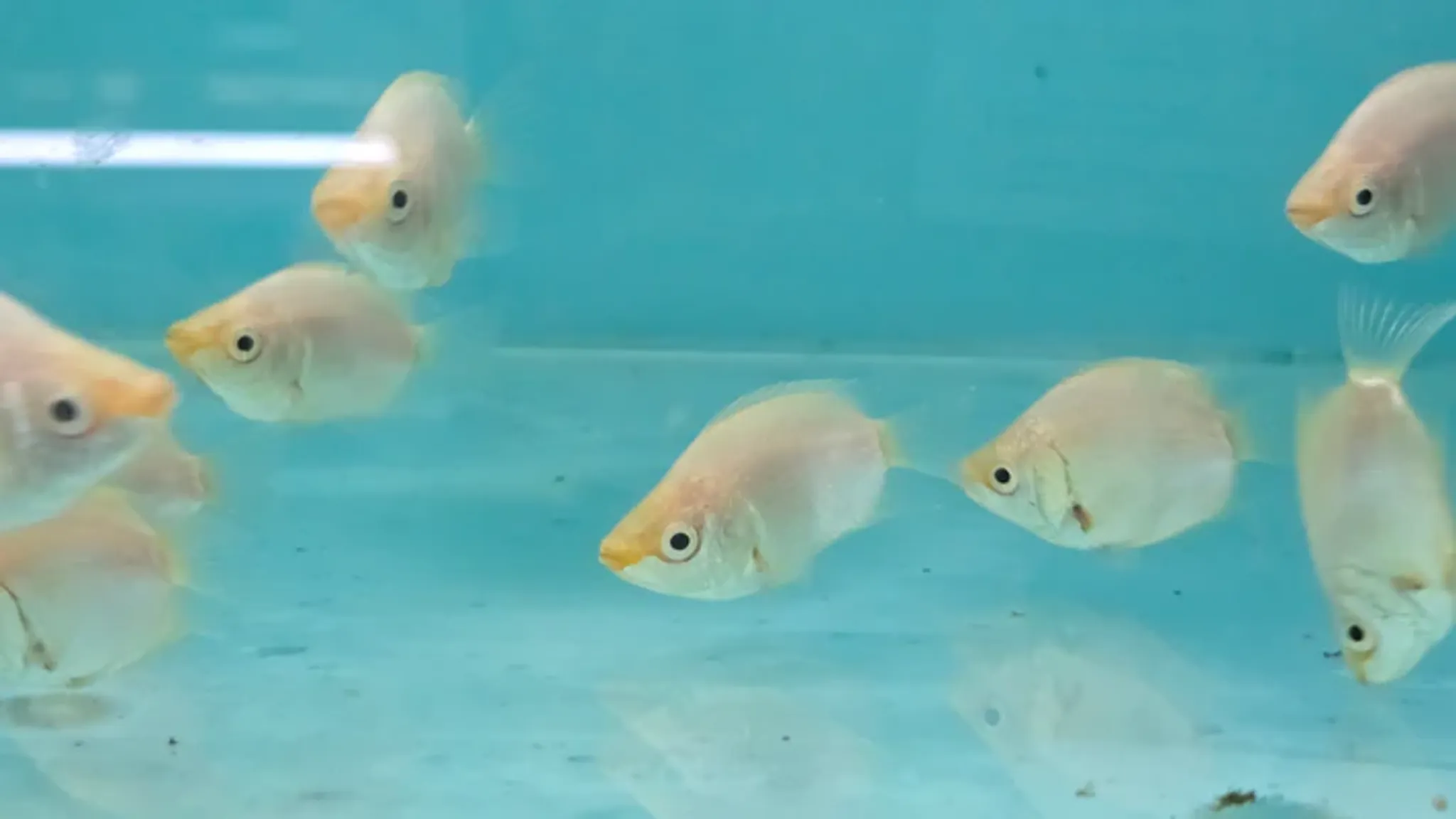
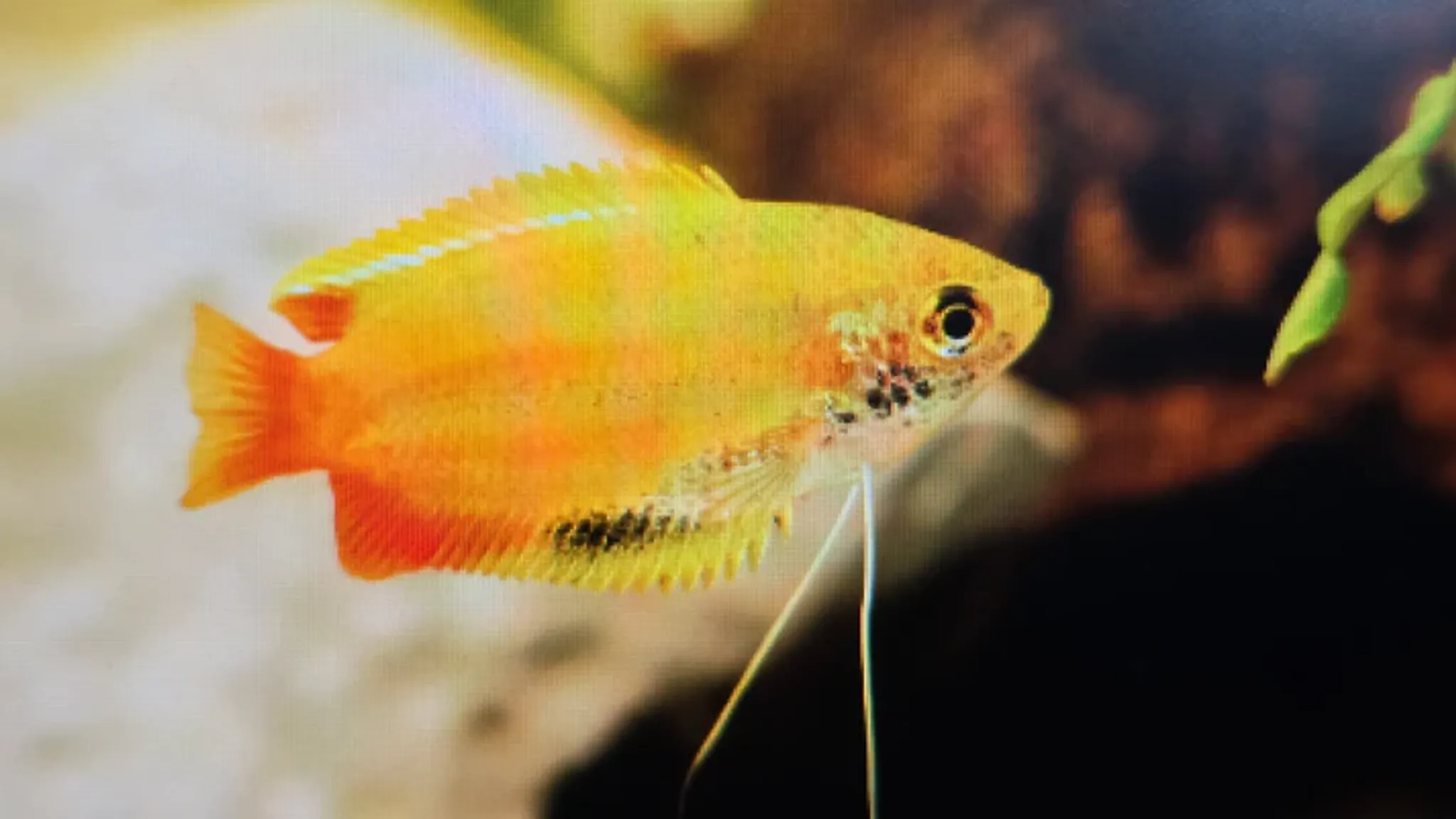
Explore Gourami fish for sale in Singapore from aquarium shops, breeders and freshwater fish sellers on FishyHub. Compare Dwarf Gouramis, Honey Gouramis, Pearl Gouramis and other tropical freshwater species by size, colour and seller.
Gouramis are freshwater labyrinth fish known for their colourful appearance, distinctive feeler-like pelvic fins and ability to breathe atmospheric air. Different species range from small peaceful community fish to much larger and more territorial varieties, so choosing by exact species is important.
Gouramis are popular tropical freshwater fish found naturally across parts of Asia.
Their wide range of sizes, colours and temperaments makes them suitable for many aquarium styles, from peaceful planted tanks to larger community setups.
Different Gourami species can behave very differently, so adult size and temperament should be checked before purchase.
Dwarf Gouramis are colourful, compact fish commonly kept in peaceful community aquariums. They are available in several selectively bred colour forms.
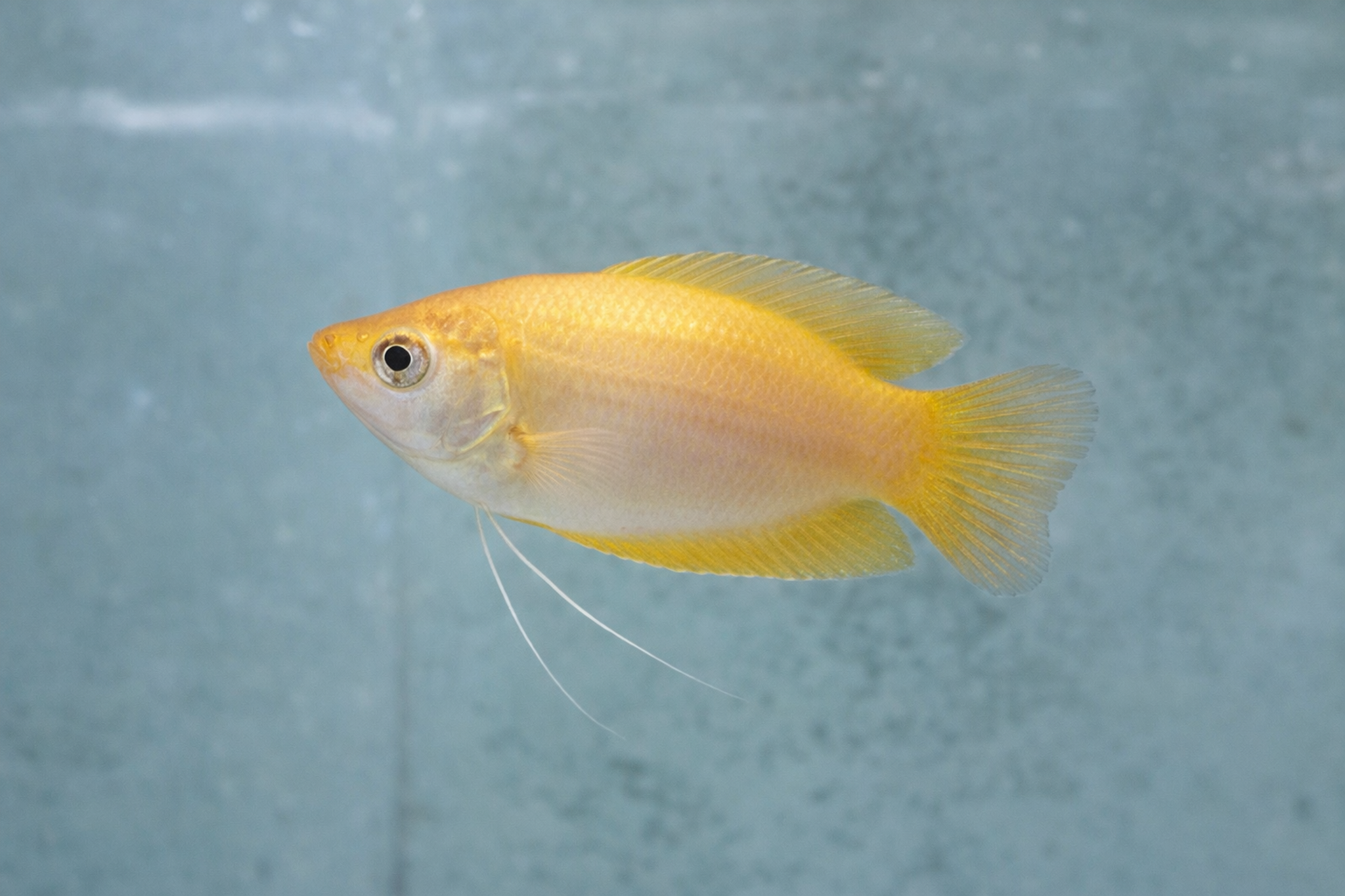
Honey Gouramis are small, generally peaceful fish prized for their warm yellow, gold or orange coloration. Their calmer temperament makes them popular in planted community tanks.
Pearl Gouramis are larger than Dwarf and Honey Gouramis and are known for their pearly body pattern and elegant fins. They can make impressive centrepiece fish in suitably sized community aquariums.
Three Spot Gouramis and their colour forms can be larger and more assertive than smaller Gourami species. Their temperament should be considered carefully when selecting tankmates.
Other Gourami species and colour forms may appear depending on aquarium seller and breeder availability. Always compare mature size and behaviour before adding them to a community setup.
Adult size varies widely between Gourami species.
Honey and Dwarf Gouramis remain relatively compact, while Pearl, Three Spot and larger Gourami species need more swimming space.
Suitable tank size depends on species, adult size, number of Gouramis and tankmates.
Planted aquariums with open swimming areas and access to the surface work well for many species.
Yes. Gouramis have a specialised labyrinth organ that allows them to take in atmospheric air at the water surface.
They still require clean, well-maintained aquarium water, so this ability does not replace proper filtration and regular maintenance.
Many Gouramis can be kept in community aquariums with peaceful tankmates.
Temperament varies considerably between species and individuals, especially among mature males, so tankmate selection should be done carefully.
Honey Gouramis are often one of the gentler Gourami choices for peaceful community aquariums.
They can be kept with small schooling fish and peaceful bottom dwellers when water conditions and tank size are suitable.
Dwarf Gouramis can work well as colourful centrepiece fish in peaceful freshwater aquariums.
Individual males can become territorial, so avoid crowding several Gouramis into a small tank without enough visual separation.
Many peaceful Tetras can coexist with Gouramis.
Avoid persistent fin-nipping species, particularly with long-finned Gouramis.
Peaceful Rasboras can make good tankmates for smaller Gourami species.
Their schooling behaviour and midwater swimming can complement the slower, more deliberate movement of Gouramis.
Corydoras mainly occupy the bottom while Gouramis spend more time in the middle and upper areas of the aquarium.
This difference in swimming zone can make them suitable tankmates when water requirements are compatible.
Smaller peaceful loaches may work with Gouramis in suitably sized aquariums.
Very active or large loaches can create more feeding competition and disturbance, so species selection matters.
Gouramis and Angelfish can sometimes coexist in larger aquariums, but both can be territorial.
The combination works best when the aquarium provides enough room, plant cover and visual barriers for each fish to establish space.
Gouramis and Bettas are both labyrinth fish and can show territorial behaviour toward similarly shaped fish.
This combination is often risky and should not be assumed compatible simply because both species have similar water requirements.
Some peaceful Gouramis may coexist with Guppies in suitable community tanks.
Long Guppy fins can attract attention from more assertive fish, so monitor behaviour carefully.
Adult shrimp may sometimes coexist with smaller Gouramis, but juvenile shrimp can be eaten.
Dense planting and moss can provide shelter, but Gouramis should not be considered completely shrimp-safe.
Many Gouramis can coexist with aquarium snails.
Very small snails may be investigated or occasionally eaten, depending on the fish and species.
Gouramis are especially attractive in planted aquariums with dense vegetation and shaded areas.
Plants provide cover, reduce direct lines of sight and create a calmer environment while leaving open areas for swimming.
Floating plants can provide shade and surface cover that many Gouramis appreciate.
Leave some open surface area so the fish can easily reach atmospheric air and feed normally.
Temperament varies greatly by species and individual.
Honey Gouramis are often relatively peaceful, while some Dwarf, Three Spot and larger Gouramis can become more territorial.
Mature males may compete for territory, especially in smaller aquariums.
Tank size, species, plant cover and visual barriers all influence whether multiple males can coexist successfully.
Sex differences vary between Gourami species.
Mature males of many species show stronger coloration or longer fins, while females can appear more subdued or fuller-bodied.
Most aquarium Gouramis are omnivorous and accept a variety of prepared foods.
Quality pellets or flakes can form part of the staple diet, with suitable complementary foods added for variety.
Feed appropriately sized food and observe whether all fish are getting access.
In busy community aquariums, quieter Gouramis can sometimes be outcompeted by faster schooling fish.
Gouramis benefit from stable, clean freshwater and consistent aquarium maintenance.
Exact temperature, hardness and pH preferences vary by species, so conditions should be matched to the Gourami being kept.
Gouramis benefit from effective biological filtration without excessively turbulent water.
Sponge filters, HOB filters, internal filters and canister filters can all work when flow is appropriate for the species and aquarium size.
Many commonly kept Gouramis prefer gentle to moderate water movement rather than powerful continuous current.
Provide calmer areas where fish can rest and feed without constantly swimming against the filter output.
Many Gourami species build bubble nests at the water surface during breeding.
Males may become more territorial around a nest, so breeding behaviour can temporarily change interactions within the aquarium.
Many Gouramis are bubble-nest breeders.
Successful breeding generally requires mature compatible fish and species-appropriate conditions, with careful management of adults, eggs and fry.
Gourami fry can be extremely small when they first become free-swimming.
They may require very fine foods during early development, depending on species and fry size.
Several Gourami species can be suitable for beginners with a properly cycled aquarium.
Honey Gouramis and some Dwarf Gouramis can be manageable choices, while larger or more territorial species require more careful planning.
When comparing Gouramis for sale, look for:
Gouramis naturally visit the surface for air, so occasional surface breathing is normal and should not automatically be mistaken for oxygen stress.
Introduce new Gouramis carefully to avoid abrupt changes in temperature and water chemistry.
Quarantine can also help reduce the risk of introducing disease into an established community aquarium.
Gourami prices in Singapore vary according to species, size, colour form, maturity, rarity and seller.
Common Honey or Dwarf Gouramis may be relatively accessible, while uncommon species or larger mature specimens can cost more.
FishyHub brings Gourami listings from aquarium shops, breeders and freshwater fish sellers across Singapore together in one marketplace, making it easier to compare available species, sizes and colour forms from multiple sources.
When comparing Gourami listings, consider:
Livestock availability changes regularly, so specific Gourami species, colours and sizes may not always remain in stock.
Yes. Gouramis are freshwater labyrinth fish commonly kept in tropical community and planted aquariums.
Some species, such as Honey Gouramis, are relatively peaceful, while others can become more territorial.
Many can live with peaceful Tetras, provided tank size and water conditions are suitable.
The combination can be risky because both are labyrinth fish and may show territorial behaviour toward similar-looking fish.
Adult shrimp may sometimes coexist with smaller Gouramis, but juvenile shrimp can be eaten.
Yes. Their labyrinth organ allows them to breathe atmospheric air at the surface.
Many species do, with males building and guarding bubble nests during breeding.
Honey Gouramis are often a strong option for peaceful community setups, although compatibility still depends on the individual fish and tankmates.
Explore Gourami fish for sale on FishyHub and compare Dwarf Gouramis, Honey Gouramis, Pearl Gouramis and other freshwater Gourami species from aquarium sellers and breeders across Singapore. Compare species, adult size, colour, temperament and price to find suitable Gouramis for your freshwater aquarium.
